News related to
much

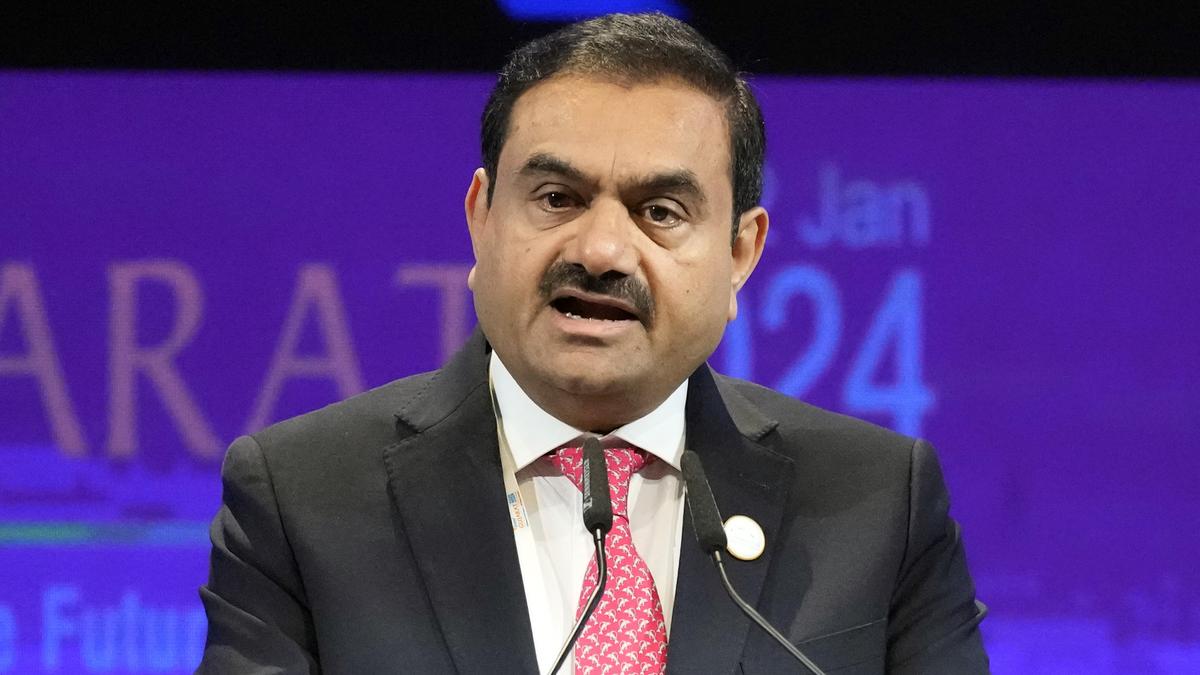
By Nantoo Banerjee If bribery is a common practice in business, and often viewed as the normal way of doing business in many countries, including India, there is little too sensational about the US Department of Justice indictment, last week, against India’s US$37-billion infrastructure conglomerate Adani group head Gautam Adani, his nephew Sagar Adani, Adani […]

Eastern Europe is quickly becoming a popular destination for ski enthusiasts seeking a thrilling adventure without the hefty price tag associated with more established resorts in the Alps. Ski resorts in countries like Poland, Slovakia, and Bulgaria are gaining attention as affordable alternatives to the high-end ski destinations in Western Europe. These lesser-known mountains provide an exhilarating experience with much lower costs, making them an attractive option for budget-conscious travelers looking for a mix of adventure and value.

The snow-capped peaks of Eastern Europe offer a diverse range of ski options that rival some of the world’s most renowned destinations. With hundreds of miles of ski slopes, well-developed infrastructure, and stunning views, these regions are poised to capitalize on the growing trend of alternative winter sports destinations. Skiers can expect varied terrain suitable for all levels of expertise, from beginner slopes to challenging off-piste runs. The range of facilities is comparable to those in the Alps, but at a fraction of the cost.

In Bulgaria, the Bansko ski resort has become a standout location, renowned for its mix of traditional culture and modern amenities. Located in the Pirin Mountains, Bansko offers over 70 kilometers of ski slopes, making it one of the largest ski areas in the Balkans. What sets it apart is its exceptional value proposition, offering ski passes, accommodations, and meals that are significantly cheaper than similar services in the Alps. The resort is known for its friendly atmosphere, combining Eastern European hospitality with high-quality ski runs. Visitors are often drawn to the lively après-ski scene, which blends cultural authenticity with vibrant nightlife. Bansko’s reputation has grown steadily over the past decade, attracting both seasoned skiers and newcomers alike.

Neighboring Romania also presents enticing options for winter sports enthusiasts, with its Carpathian Mountains offering a variety of resorts that appeal to different tastes and budgets. Poiana Brașov, for example, is one of the country’s premier ski resorts. It boasts more than 24 kilometers of well-maintained slopes, snowboarding parks, and modern cable cars, all set against a dramatic backdrop of dense forests and medieval villages. Poiana Brașov is renowned for being both a family-friendly destination and a location that provides quality skiing without breaking the bank.

Poland is another Eastern European country with an emerging ski scene. Zakopane, situated at the foot of the Tatra Mountains, has long been a favorite for Polish tourists and is gaining recognition on the international stage. Zakopane offers over 40 kilometers of skiing terrain and a lively après-ski culture that is distinctly Polish. The town is particularly appealing for its picturesque charm, offering a combination of rustic wooden cottages and modern ski resorts. Zakopane’s affordable prices, particularly in comparison to neighboring Austria and Slovakia, have made it a rising star in the Eastern European ski market.

Slovakia, with its well-maintained ski resorts such as Jasná in the Low Tatras, is another destination that offers great value. Jasná, the largest ski resort in Slovakia, is renowned for its high-standard facilities, extensive terrain, and affordability. It has rapidly become a popular choice for those looking to experience skiing in the heart of Europe, offering nearly 50 kilometers of ski slopes and a range of winter activities for visitors of all levels. The resort’s modern amenities and beautiful setting in the Low Tatras National Park make it an attractive alternative to some of the more expensive Alpine resorts.

Despite the increasing competition from other countries, these Eastern European destinations retain a unique advantage: their affordability. In many of these regions, the cost of accommodation, food, and lift passes is significantly lower than in Western European ski resorts. For example, the cost of a ski pass in Bansko can be less than half of what visitors would pay at popular Alpine resorts like Chamonix or Zermatt. Similarly, lodging and dining options in countries such as Romania and Poland are often considerably cheaper, making it easier for families and smaller groups to enjoy a ski holiday without the financial strain that typically comes with top-tier Alpine resorts.

Beyond their affordability, these resorts also offer a different cultural experience that sets them apart from the traditional Alpine destinations. Skiers in Eastern Europe can expect a blend of history, culture, and scenic beauty that is unique to this region. Traditional cuisine, charming villages, and centuries-old castles add a distinctive charm to the ski experience. Eastern European resorts are also known for their hospitality, with smaller crowds and a more relaxed atmosphere than the sometimes over-crowded slopes in Western Europe.

The United Arab Emirates is navigating turbulent global geopolitical shifts, thanks to a series of robust economic policies that have helped the country weather external pressures, according to analysts. A combination of strategic diversification, government initiatives, and regional investments has fortified the nation’s resilience, enabling it to maintain stability in the face of rising global uncertainties. Despite increasing geopolitical tensions that have disrupted global supply chains and […]

Dubai has emerged as the epicenter for global futurism with the launch of the third edition of the Dubai Future Forum, a major event held at the city’s Museum of the Future. This year’s forum is expected to attract over 2,500 prominent experts, policymakers, and innovators from nearly 100 countries. Organized by the Dubai Future Foundation (DFF), the event stands as a significant gathering aimed at exploring cutting-edge technologies and visions for the future.

The two-day forum, which kicked off with high anticipation, brings together more than 150 thought leaders, industry pioneers, and visionaries. With over 70 scheduled sessions, it is poised to be the largest event of its kind, drawing international attention as a hub for foresight and innovation. The forum’s scope extends across multiple sectors, including artificial intelligence, robotics, sustainable development, healthcare, and more, focusing on how emerging technologies are reshaping the world.

A key feature of the forum is the diversity of participants, including leading academic institutions, top governmental figures, as well as major players from global industries. These individuals are sharing knowledge and discussing transformative trends, challenges, and solutions that are shaping the future of societies and economies worldwide. The Dubai Future Forum aims to serve not just as a meeting point for experts, but as a dynamic platform for the exchange of ideas that could drive future global policies and technological advancements.

A focal point for this year’s event is the ongoing developments in AI and its application across industries. Leading experts are set to explore the ethical, economic, and societal implications of AI, especially in areas such as automation and decision-making. Discussions around the role of AI in global governance, data privacy, and its integration into both public and private sectors will likely dominate much of the debate. Industry giants are also highlighting the increasing reliance on data-driven decision-making and machine learning models, with implications for both business practices and public policy.

Sustainability remains a pivotal topic, with the forum showcasing various initiatives aimed at tackling climate change, resource depletion, and environmental degradation. Speakers from both the private sector and international environmental organizations will delve into innovative solutions that use technology to combat ecological challenges. This includes advancements in green energy, circular economy principles, and smart cities, all of which will be central to the conversations.

The Dubai Future Forum also offers a unique opportunity for participants to engage with various forms of immersive technologies such as virtual reality (VR) and augmented reality (AR). These tools, frequently used in industries like gaming and entertainment, are now being explored for their potential applications in education, healthcare, and even urban planning. Experts are showcasing how these technologies can reshape the learning experience, improve healthcare delivery, and contribute to smarter urban environments.

Another important aspect of the forum is the representation of younger generations in the discussions about the future. The Dubai Future Foundation has made an intentional effort to include youth leaders and young entrepreneurs who are shaping the next wave of innovation. Their involvement underscores the importance of engaging younger voices in the conversation about technological advancements and their impact on society.

In addition to the scheduled sessions and talks, the forum also features an exhibition area, where startups, innovators, and corporations present their latest projects and prototypes. These exhibitions serve as a live demonstration of how businesses are pushing the boundaries of innovation to create real-world solutions to future challenges. Entrepreneurs are highlighting breakthrough technologies in fields like biotechnology, space exploration, and autonomous vehicles, showcasing the practical applications of futuristic concepts.

The Dubai Future Forum aligns with the UAE’s broader vision to position itself as a global leader in technological innovation and a hub for future-oriented thinking. The country’s investments in the future, such as the establishment of the Museum of the Future itself, reflect a strategic commitment to shaping global technological trends and fostering the development of transformative solutions.

Blender 4.3 marks a significant milestone for the open-source 3D creation suite, with notable improvements aimed at enhancing user experience and performance. A primary feature of this release is the introduction of ray tracing support for Linux users, specifically those with AMD hardware. The addition of this technology brings a much-needed upgrade to Linux systems, allowing artists and developers to create more realistic lighting and reflections in […]

Riyadh is set to mark a significant milestone in its urban development with the much-anticipated launch of the Riyadh Metro’s first phase on November 27. This phase will feature three key lines, marking the beginning of a transformative project aimed at reshaping the city’s public transport landscape.

The Riyadh Metro is one of the largest and most ambitious transportation projects in the world, spearheading the Saudi capital’s efforts to modernize infrastructure and reduce congestion. The first phase includes three lines: the Red Line, Green Line, and Blue Line. Together, these lines will cover a network spanning more than 40 kilometers and will offer commuters a fast, efficient, and environmentally friendly alternative to the city’s heavily congested roads.

The metro network is designed to cater to the growing population of Riyadh, which has seen rapid urbanization over the past few decades. With a population now surpassing 7.5 million, the city has been grappling with traffic congestion, air pollution, and a lack of efficient public transport options. The Riyadh Metro aims to address these challenges by providing a reliable, sustainable mode of transportation for both residents and visitors.

The project has been a long time in the making, with construction having begun in 2014. The Riyadh Metro is being developed by the Saudi Arabian government in collaboration with a number of international firms, including the Spanish company Obrascon Huarte Lain (OHL), the French multinational Alstom, and the American company Bechtel, among others. The project is a cornerstone of the Kingdom’s Vision 2030, which seeks to modernize and diversify the economy and improve the quality of life for Saudi citizens.

The Red Line, which will be the longest of the three, spans 22 kilometers and runs along a north-south axis, connecting key areas such as the King Abdulaziz Historical Center, King Saud University, and the King Khalid International Airport. This line is expected to significantly reduce travel times for residents and visitors moving between the city center and the airport, as well as improving access to cultural and commercial hubs.

The Green Line, at 13 kilometers in length, runs east-west and links some of Riyadh’s most densely populated neighborhoods. This line will provide an important service for commuters traveling between residential areas, business districts, and major shopping centers. The Green Line also intersects with the Red Line at several key points, allowing passengers to easily transfer between the two.

The Blue Line, though shorter at just 5 kilometers, will provide crucial access to critical sites within Riyadh’s urban core, including government buildings, commercial centers, and transportation hubs. This line is expected to help alleviate congestion in the city’s busiest areas, particularly during rush hours.

The Riyadh Metro’s infrastructure is designed with sustainability in mind, incorporating advanced technology to ensure minimal environmental impact. The system will be powered by electricity, which aligns with Saudi Arabia’s broader push toward cleaner, renewable energy sources. The trains are designed to be energy-efficient, with an automated system to reduce energy consumption during non-peak hours. In addition to being environmentally friendly, the metro is designed to handle high passenger volumes, with the system expected to carry around 1.16 million passengers per day once fully operational.

As the first phase of the Riyadh Metro prepares for its official launch, the city has been undergoing a significant transformation to accommodate the new system. New stations, depots, and maintenance facilities have been built, while roadways and pedestrian infrastructure have been upgraded to facilitate easy access to metro stations. Several test runs have been conducted to ensure the system operates smoothly and efficiently, and the Saudi government has promised to offer free rides during the initial months to encourage adoption among the city’s residents.

The Riyadh Metro will play a central role in addressing the Kingdom’s broader goals for urban mobility. Public transportation in Saudi Arabia has historically been limited, with car ownership and road travel being the primary modes of transport for most residents. The Riyadh Metro is expected to significantly reduce the city’s reliance on private cars, thus easing congestion and cutting down on air pollution. The metro is also expected to boost Riyadh’s economic development by providing better access to key business areas, enabling greater productivity and increasing the overall efficiency of the urban environment.

In addition to its environmental and economic benefits, the Riyadh Metro project is set to improve the quality of life for residents by reducing travel times and providing a safe, reliable, and convenient alternative to private cars. The metro stations have been designed with accessibility in mind, catering to the needs of people with disabilities, and offering modern amenities such as air-conditioned waiting areas, Wi-Fi, and ample space for commuters.

The completion of the first phase is just the beginning of a larger metro network planned for Riyadh. Future phases of the project will include additional lines, connecting more neighborhoods, business districts, and cultural centers. This expansion will help integrate the metro system into the city’s broader transportation ecosystem, which includes bus services, taxis, and ride-sharing options. The overall aim is to create a comprehensive, multimodal transportation system that enhances mobility and improves quality of life for all of Riyadh’s residents.


SAN JOSE, CALIFORNIA – Media OutReach Newswire – 22 November 2024 – MIPS, a leading developer of efficient and configurable IP compute cores, announced today the general availability (GA) launch of the MIPS P8700 Series RISC-V Processor. Designed to meet the low-latency, highly intensive data movement demands of the most advanced automotive applications such as ADAS and Autonomous Vehicles (AVs), the P8700 delivers industry-leading accelerated compute, power […]

Advertisements
By Satyaki Chakraborty The sweeping victory of the Trinamool Congress candidates in the by polls held to the six assembly constituencies in Bengal on November 20, has surpassed even the wildest expectations of the TMC leadership. Out of the six seats, one Madarihat seat was with the BJP while the other five seats were with […]

SYDNEY, AUSTRALIA – Media OutReach Newswire – 22 November 2024 – The global cryptocurrency market is growing, with nearly 600 million participants and a market cap of $3.2 trillion, reflecting a 121.1% increase over the past year. However, newcomers face challenges such as complex registration, KYC processes, and the need to understand concepts like wallets, gas fees, and cross-chain transactions, making it difficult for many to fully […]

Egypt and the United Arab Emirates have entered into a series of agreements aimed at boosting their renewable energy collaboration. These deals, announced during a high-level diplomatic visit, underscore the strengthening economic partnership between the two nations. With both countries prioritizing energy transition strategies, the agreements could play a crucial role in achieving their sustainability and energy security goals.

The signing ceremony, held in Cairo, marks a significant milestone in the growing economic cooperation between the two nations, particularly in the renewable energy sector. Under the terms of the deals, the UAE will contribute both expertise and financial support to help Egypt accelerate its renewable energy initiatives. The projects will focus on solar and wind energy, aligning with Egypt’s broader objective to increase its renewable energy capacity in the coming decades.

The partnership is built on a foundation of shared strategic interests in energy security and sustainability. Egypt has set ambitious targets to generate 42% of its energy from renewable sources by 2035, with a particular emphasis on expanding its solar and wind energy capacities. Meanwhile, the UAE, which has been a leader in the renewable energy space through investments such as the Masdar energy initiative, is eager to bolster its influence in the Middle East and North Africa (MENA) region by supporting Egypt’s green energy transition.

Egypt, located at the crossroads of Africa and the Middle East, offers vast opportunities for renewable energy investments due to its geographic advantages, including abundant sunlight and wind potential. As part of the deal, the UAE’s energy firms will help finance and develop large-scale solar parks, as well as offshore wind farms along Egypt’s Mediterranean coastline. These ventures are expected to enhance Egypt’s energy export potential, particularly to Europe, which has shown increasing interest in diversifying its energy supply sources in light of current geopolitical tensions.

The strategic importance of this collaboration is further underscored by the fact that it comes amid global energy shifts. As countries around the world work toward meeting climate change goals, many have turned their attention to renewable energy as a key pillar of energy security. For both Egypt and the UAE, this agreement represents a significant step toward achieving their respective goals of reducing dependence on fossil fuels, creating green jobs, and positioning themselves as leaders in the global renewable energy market.

Both nations have been active participants in the global push to combat climate change. The UAE has been a strong advocate for decarbonization and played a leading role in the 2023 COP28 climate summit, which took place in Dubai. Egypt, on the other hand, hosted the COP27 summit in Sharm El Sheikh in 2022, focusing on solutions for sustainable development and advancing renewable energy technologies. This shared commitment to environmental stewardship is expected to deepen their collaborative efforts in the years to come.

The Egyptian government has expressed optimism that these agreements will bring not only energy transformation but also broader economic benefits. By expanding its renewable energy capacity, Egypt aims to create jobs, boost foreign direct investment, and reduce its energy import dependency. Additionally, the projects could help Egypt manage its growing energy demands as the population expands and industrial development accelerates.

The UAE’s role in these developments is also seen as a key element in its strategy to diversify its economy beyond oil and gas. With the UAE’s heavy investments in clean energy technologies, the country is positioning itself as a regional leader in the green energy revolution. Through Masdar, one of the UAE’s leading renewable energy companies, the country has been actively involved in solar and wind energy projects across the globe. By partnering with Egypt, the UAE is not only extending its energy portfolio but also reinforcing its influence in one of the region’s largest economies.

Both Egypt and the UAE have set ambitious goals for their renewable energy initiatives. Egypt has a target to generate 20 gigawatts of renewable energy by 2025, and it is currently one of the largest producers of solar energy in the MENA region. Meanwhile, the UAE has invested heavily in technologies such as carbon capture and storage, green hydrogen production, and nuclear energy, with plans to become a global leader in clean energy innovation.

The deals are also expected to benefit local communities in Egypt by providing much-needed infrastructure, skills development, and employment opportunities. As Egypt continues to expand its renewable energy sector, the demand for technical expertise and local labor is expected to rise. Both Egyptian and UAE officials have emphasized the importance of creating long-term, sustainable benefits for the local workforce, including vocational training and capacity-building programs.

Energy cooperation between Egypt and the UAE is not limited to just these renewable energy projects. Both countries have also been discussing potential collaborations in other sectors, such as agriculture, water management, and technology. These efforts are part of a broader economic strategy aimed at fostering deeper ties between the two nations, which share strong trade relations and mutual interests in advancing economic growth and regional stability.

KUALA LUMPUR, MALAYSIA – Media OutReach Newswire – 21 November 2024 – As a critical resource in the global economy, oil is integral not only to the energy sector but also to industries such as transportation, manufacturing, and agriculture. Changes in its prices impact inflation rates, production costs, and global trade. For instance, oil price increases can accelerate global inflation. This effect ripples through various sectors, with […]

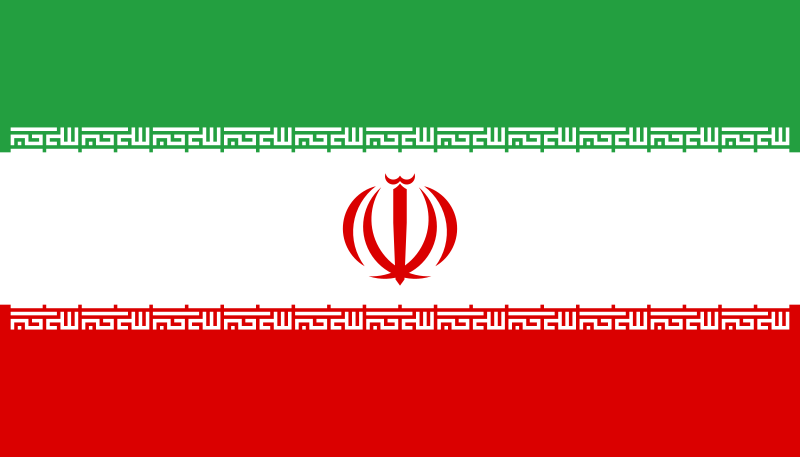
Chinese refineries continue to benefit from discounted Iranian crude, a critical component of their energy strategy, despite intensified scrutiny and sanctions from the United States. Iran remains a significant supplier, leveraging a clandestine network of “dark fleet” tankers and intermediaries to evade U.S. sanctions. However, this covert supply chain faces heightened challenges, with Washington expanding measures targeting shipping routes and operators associated with these operations.

Iranian crude oil, often disguised as originating from Malaysia or Oman, constitutes about 13% of China’s total oil imports. Shipments have reached an estimated 1.4 million barrels per day this year, up significantly from earlier periods. Much of this oil is funneled through smaller, independent Chinese refineries known as “teapots,” which rely heavily on cost-effective supply sources to maintain operations amid narrowing profit margins.

China and Iran have crafted a trade system designed to bypass dollar transactions and U.S. oversight, utilizing Chinese yuan and intermediaries to shield their dealings. This setup has made it challenging for global regulators to enforce compliance. However, under the prospect of Donald Trump returning to the U.S. presidency and reinstating his administration’s “maximum pressure” campaign, sanctions enforcement could escalate further, potentially disrupting China’s energy imports and raising costs for refiners.

Expanded measures implemented by Washington in October include targeting vessels involved in ship-to-ship transfers of Iranian oil. This has caused delays in deliveries, forcing refiners to seek alternative methods to secure supply lines. While Beijing officially defends its oil trade with Tehran as lawful, the geopolitical stakes are high, with Western policymakers wary of letting discounted Iranian crude further entrench China’s energy security at odds with U.S. sanctions policies.

China’s appetite for Iranian oil reflects broader economic challenges, including lower-than-expected domestic fuel demand and weak refining margins. Many refineries are already struggling to remain profitable, and tougher sanctions enforcement could exacerbate their woes. Market experts predict that any disruption to Iranian oil imports might also create ripple effects across global markets, affecting oil prices and supply chains.

Meanwhile, China’s strategic ties with Iran are underpinned by a broader geopolitical alignment. Both nations seek to counterbalance U.S. dominance in the global oil market. Tehran views China as a lifeline to maintain its crude exports, while Beijing relies on these discounted imports to bolster its economic competitiveness. This intricate relationship continues to challenge U.S. efforts to isolate Iran economically.

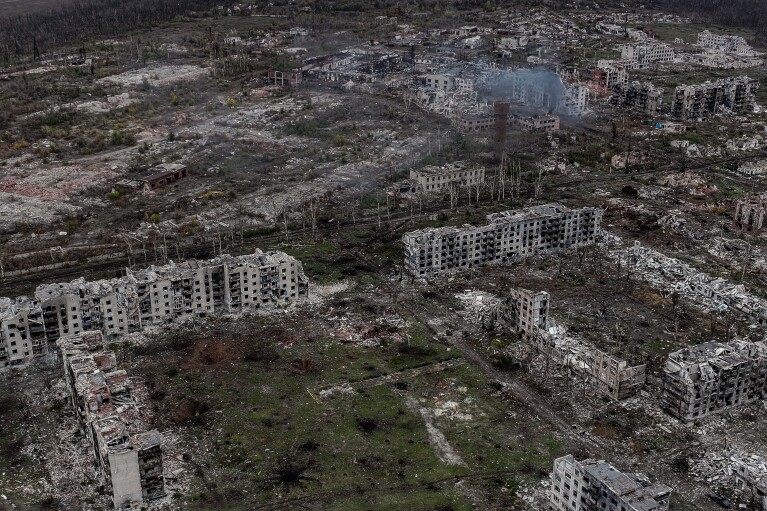
By Nitya Chakraborty The Ukraine war entered its 1000th day on Tuesday, November 19 and on the same afternoon, President Zelensky used for the first time high tech AATCMS missiles for striking inside Russia after getting green signal from the outgoing President Joe Biden only two days before. Soon after, President Putin announced lowering the […]

Nvidia, the dominant force in the AI revolution, and its growth trajectory continues to outshine even the most optimistic projections. As the company prepares to release its Q3 FY2024 results, investors are not merely asking if Nvidia can sustain its extraordinary momentum—they are pondering just how much further it can climb. After all, it has already surpassed a $3.5 trillion market cap and delivered revenue growth at […]

Teresa Goody Guillén, a veteran legal expert with a background at the U.S. Securities and Exchange Commission (SEC), is reportedly one of the top candidates under consideration by former President Donald Trump for a potential leadership role at the agency. Known for her extensive experience in regulatory matters, Goody Guillén’s candidacy is being discussed amidst the need for leadership in the SEC, which plays a critical role […]

Patmos has unveiled plans to transform the historic Kansas City Star printing press building into a cutting-edge data center, aiming to address the escalating global demand for high-density computing infrastructure. This ambitious project will not only breathe new life into the iconic structure but also strengthen Patmos’ footprint in the rapidly expanding AI and cloud computing sectors. The decision to repurpose the building comes at a time […]

Singapore’s Gambling Regulatory Authority (GRA) has reduced the renewal period for the casino license of Resorts World Sentosa (RWS) to two years, citing underperformance in tourism contributions as the reason. This marks a significant shift in regulatory measures for one of the city-state’s two integrated casino resorts. Traditionally granted a three-year license, the shortened renewal highlights growing concerns over the resort’s ability to meet strategic objectives in boosting Singapore’s tourism sector.

The GRA’s decision comes amidst its increasing oversight of the gaming industry, which has seen heightened regulatory scrutiny since the authority’s establishment in 2022. Resorts World Sentosa, operated by Genting Singapore, was evaluated on its operational performance, social responsibility standards, and contributions to Singapore’s reputation as a global destination. Officials noted that RWS failed to meet expectations in attracting foreign visitors and delivering robust tourist performance, a key benchmark for its license renewal.

Industry observers have connected the GRA’s stricter stance to broader challenges faced by RWS, including a decline in international patronage. Despite its prime waterfront location and the allure of attractions like Universal Studios Singapore and the S.E.A. Aquarium, RWS has reportedly struggled to recover fully from the impact of travel restrictions over the past few years. Additionally, Singapore’s casino entry levies for citizens and permanent residents, doubled in 2019, may have influenced visitation dynamics.

RWS’s operational challenges are compounded by regulatory enforcement actions against the casino. Over the past year, the GRA has penalized the establishment twice for failing to perform customer due diligence, resulting in fines totaling SG$95,000. These infractions point to lapses in compliance with Singapore’s stringent Casino Control Regulations. The penalties, alongside the shortened license period, reflect the regulator’s focus on enforcing standards to ensure accountability within the gaming sector.

To address the issues raised, Genting Singapore has announced plans for a substantial reinvestment into the resort. A US$5 billion expansion project aims to revitalize Resorts World Sentosa, with promises of enhanced attractions, upgraded accommodations, and advanced gaming technology. The redevelopment is part of a broader strategy to align the resort with Singapore’s ambitions to remain competitive as a global tourism hub. Analysts suggest that the expansion could provide a much-needed boost to the resort’s appeal, especially to international visitors.

The GRA’s decision underscores the shifting dynamics in Singapore’s gaming landscape. While the casino industry has been a lucrative pillar of Singapore’s economy, contributing significantly to tax revenues and employment, the emphasis on aligning gaming operations with broader tourism goals has become more pronounced. The reduced license duration sends a clear message to operators about the government’s expectations for maintaining high standards of performance and responsibility.

Despite the setback, RWS remains one of the cornerstones of Singapore’s integrated resort strategy, which pairs casino gaming with non-gaming attractions to enhance visitor experience. Its counterpart, Marina Bay Sands, continues to set benchmarks for integrated resorts globally, and is in the midst of its own multibillion-dollar expansion.

Trend to join and support France’s much-anticipated AI Action Summit in February HONG KONG SAR – Media OutReach Newswire – 19 November 2024 – Trend Micro Incorporated (TYO: 4704; TSE: 4704), a global cybersecurity leader, today announced it will partner with Paris Peace Forum to play a pivotal role in guiding global leaders as they establish secure frameworks for AI adoption and implementation. Committed to advancing security […]

By Dr. Nilanjan Banik Donald Trump made history by winning a larger share of Black and Hispanic votes compared to 2020, and by becoming the first since George W. Bush to win based on popular votes. There had already been indications of Trump winning, although not by such a decisive margin. Initially, the US betting […]


Exclusive Trade Masterclass with Tim Mondavi at High House SINGAPORE – Media OutReach Newswire – 19 November 2024 – Monopole is proud to host a Trade Masterclass at High House, welcoming the legendary winemaker Tim Mondavi’s visit to Singapore. Tim shares his secret to redefining Napa—revealing his journey from establishing Continuum Estate to creating an iconic new chapter with Continuum and Novicium. With this, he is breaking […]

Rocket Lab, led by founder and CEO Peter Beck, has emerged as a formidable contender in the commercial space industry, standing out for its innovation and strategic focus on small rocket launches. Despite being a fraction of the size of SpaceX, the company has demonstrated resilience and adaptability, achieving remarkable milestones that have positioned it as a strong competitor to Elon Musk’s aerospace giant. The company’s valuation […]

By Nitya Chakraborty Sri Lankan President Anura Dissanayake has led his leftist coalition of 21 parties National People’s Power (NPP) to power in the island nation with a massive victory in the elections to Parliament held on Sunday, November 14. With most of the ballots counted by Friday morning, the NPP was far ahead bagging […]

Nigeria’s ongoing economic challenges, exacerbated by a cash shortage, have led to an increased reliance on Point of Sale (POS) agents for daily financial transactions. Amid a surge in the use of POS terminals for basic banking needs, the debate over their role in Nigeria’s financial ecosystem has intensified. While these agents serve as a crucial bridge for unbanked and underbanked populations, questions are emerging about their […]

Masdar, the clean energy powerhouse based in the United Arab Emirates, has announced plans to develop a 1GW wind farm in the Mingbulak region of Uzbekistan. This significant renewable energy project underscores Masdar’s ongoing expansion in Central Asia, positioning the company as a key player in the region’s transition toward sustainable energy. The wind farm, located in one of the country’s most promising areas for wind energy […]

VISHNU RAJA
RYO YAMADA
HITORI GOTOH
IKUYO KITA