


Etihad Airways Moves Closer to Major IPO Decision
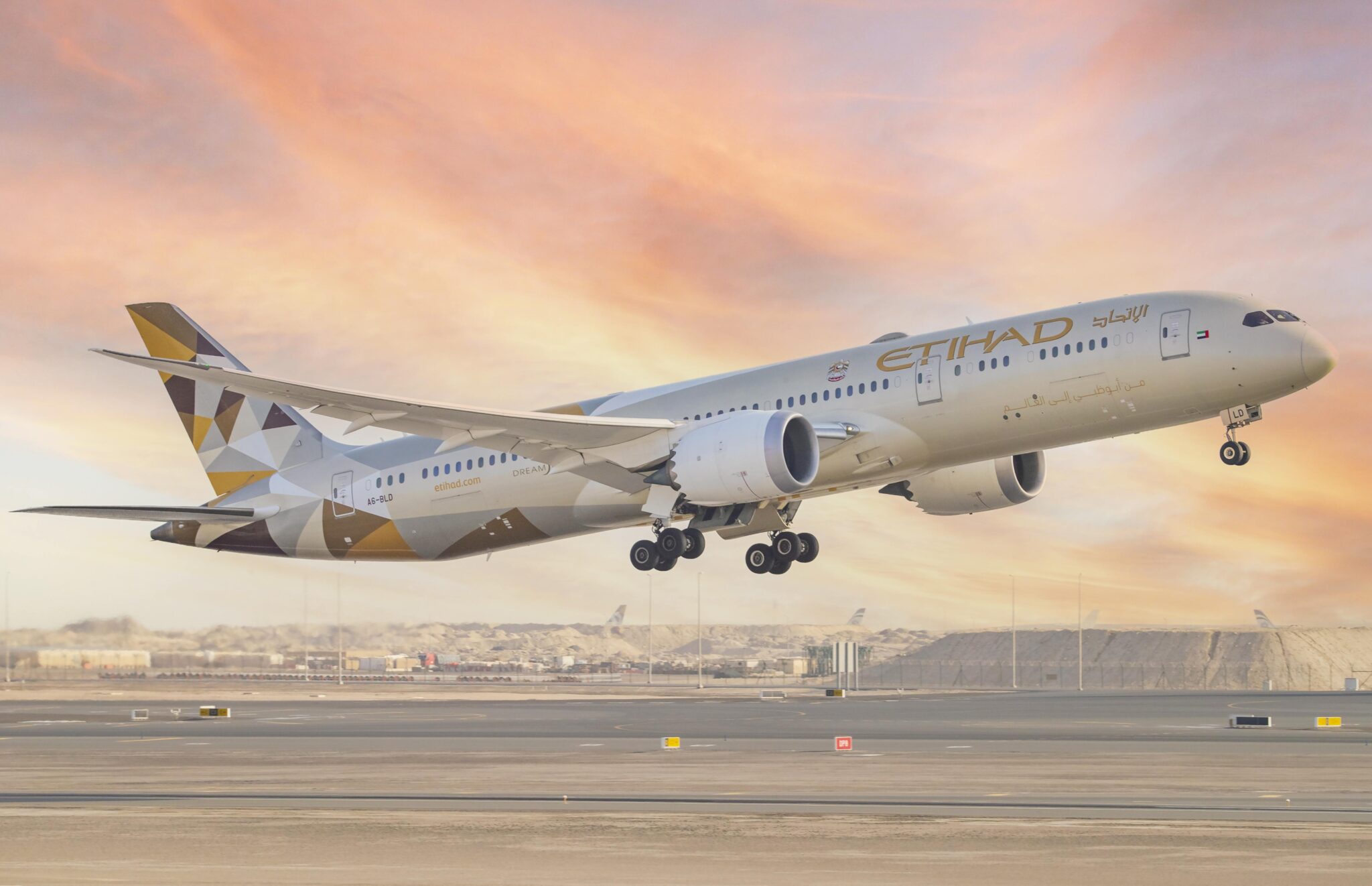
Etihad Airways is edging towards a decision on its much-anticipated initial public offering, with CEO Antonoaldo Neves indicating that the final call rests with the airline’s shareholder. Market speculation suggests that a formal announcement could arrive within this quarter, although the carrier has yet to confirm any official timeline.
Speaking during the Arabian Travel Market conference in Dubai, Neves reaffirmed Etihad’s commitment to a progressive expansion plan, despite persistent headwinds from global economic volatility, including US tariff pressures and fluctuating oil prices. He emphasised that while discussions around a potential listing are gaining momentum, the ultimate decision lies with the shareholder, Abu Dhabi’s state-backed holding company ADQ.
Market interest surrounding Etihad’s IPO ambitions has grown steadily over the past months, fuelled by the airline’s strong operational turnaround and ambitious future plans. Etihad reported a return to profitability in 2023, with a net profit of $143 million, reversing years of accumulated losses and restructuring challenges. The carrier’s sharp focus on operational efficiency, route network optimisation, and sustainability initiatives have been cited as key drivers behind its improved performance.
The $7 billion fleet investment programme, announced last year, underscores Etihad’s broader ambitions. Under the plan, the airline aims to double its fleet size to around 150 aircraft by the end of the decade. Neves reiterated at the conference that the expansion is designed to position Etihad as a leading global connector, with new long-haul routes to key growth markets across Asia, Africa, and Europe already in the pipeline.
Industry analysts suggest that the timing of a potential IPO would be critical, given the volatile backdrop of global markets. Aviation stocks have shown mixed performance this year, influenced by concerns over rising fuel costs, geopolitical tensions, and evolving travel demand patterns. Nevertheless, Abu Dhabi’s broader economic diversification strategy, coupled with increasing investor appetite for exposure to the Middle East’s aviation sector, provides a favourable context for Etihad’s market debut.
Etihad’s prospective IPO would follow the path set by other regional carriers such as Dubai’s Dnata Group-linked entities and Saudi Arabia’s flynas, which have either listed or are exploring listing options to tap into investor enthusiasm and raise growth capital. However, Neves made it clear that the airline’s current focus remains on executing its five-year strategy, which includes boosting load factors, enhancing customer service innovation, and advancing sustainability initiatives aimed at achieving net-zero emissions by 2050.
Over the past year, Etihad has embarked on a series of strategic partnerships and codeshare agreements with airlines such as Air France-KLM, offering it greater network reach without significantly adding to operational costs. The airline has also invested in next-generation fuel-efficient aircraft, such as the Boeing 787 Dreamliner and the Airbus A350, aligning with its green aviation objectives. These moves have not only improved the airline’s environmental credentials but have also enhanced its cost competitiveness in an increasingly price-sensitive market.
Neves’ leadership has been widely credited for steering the airline through a transformative phase, characterised by prudent financial management and targeted growth. Before joining Etihad, he served as CEO of TAP Air Portugal, where he oversaw a significant restructuring programme that returned the airline to profitability. His experience in navigating complex corporate environments has positioned him well to lead Etihad into its next phase of development, including the potential leap into public markets.
While Neves refrained from giving any concrete details about the potential size or structure of an IPO, market experts speculate that Etihad could aim for a multi-billion-dollar valuation, given its strategic importance to Abu Dhabi’s economy and the airline’s growing operational metrics. Any public offering is expected to attract significant regional and international investor interest, particularly among funds focused on infrastructure, aviation, and emerging markets.
Etihad’s evolution reflects broader shifts underway across the Gulf’s aviation sector, where legacy carriers are reorienting themselves to compete in a post-pandemic world marked by changing travel patterns, heightened sustainability pressures, and new technological disruptions. The Middle East remains a pivotal aviation hub, with Abu Dhabi investing heavily in airport infrastructure upgrades and tourism promotion to bolster its global standing.
Beyond its immediate IPO ambitions, Etihad continues to refine its customer experience offering, rolling out new premium cabin products and digital enhancements aimed at differentiating the brand in a crowded market. The airline’s loyalty programme, Etihad Guest, has also been expanded through a series of partnerships with financial institutions, retail brands, and travel service providers, adding new revenue streams and deepening customer engagement.
Although no definitive IPO timeline has been announced, analysts maintain that Etihad’s fundamentals, combined with the supportive regulatory and economic backdrop in the United Arab Emirates, create a strong foundation for a successful listing when the decision is ultimately made. Abu Dhabi’s increasing emphasis on privatisation and public-private partnerships signals a strategic shift aimed at unlocking value from key state-owned assets, with Etihad poised to be a potential flagship offering in this broader economic transformation.
As speculation builds, market participants are closely watching for signals from ADQ, whose growing portfolio of publicly listed companies reflects an ambitious strategy of capital market development and diversification. The shareholder’s decision on Etihad’s IPO will not only impact the airline’s future trajectory but also serve as a key indicator of Abu Dhabi’s evolving approach to strategic asset management.
Neves’ remarks at the Arabian Travel Market have reignited interest and speculation across industry circles and financial markets alike. His assurance that the airline is forging ahead with its aggressive expansion blueprint, even amid external challenges, suggests that Etihad is carefully laying the groundwork for a sustainable and prosperous future, whether as a privately held entity or as a publicly traded airline.




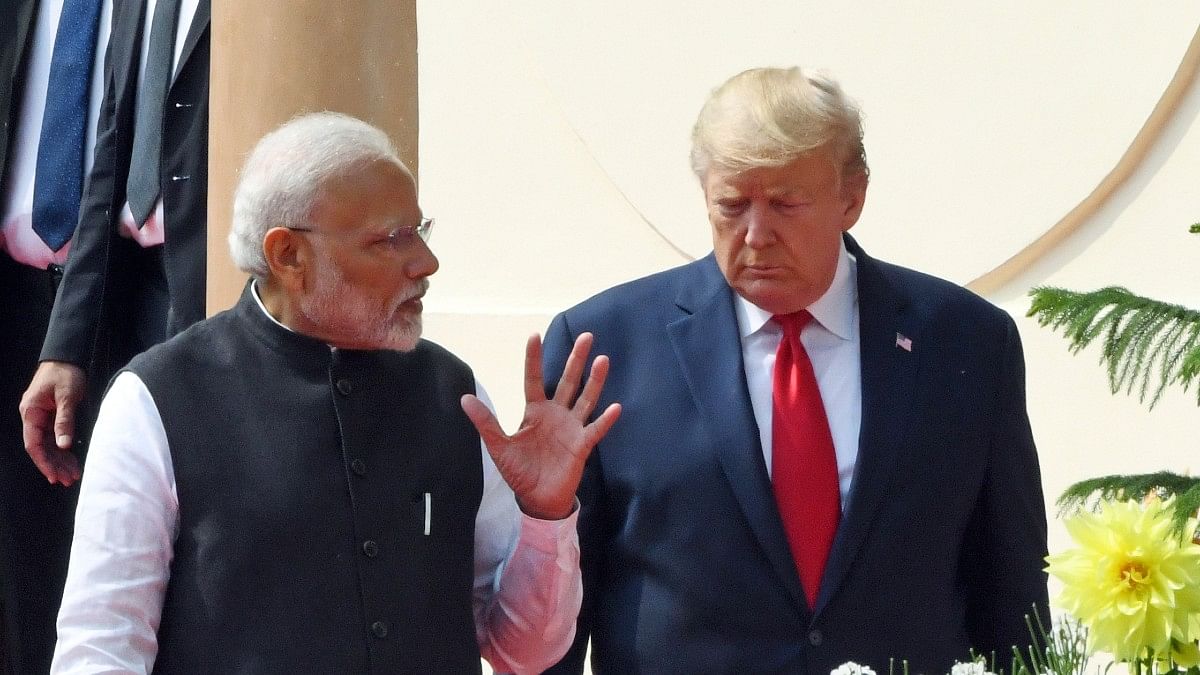
 By K Raveendran U.S. Treasury Secretary Scott Bessent’s declaration that India could be the first to finalise a trade deal with the United States after President Trump embarked on his reckless trade war against the world signals a strategic point. The proposed agreement offers India an escape hatch from the looming 26 percent reciprocal tariffs […]

 By Nitya Chakraborty Three days have passed since the savage terrorist attack at Pahalgam resulting in the death of 26 people, mostly tourists. The communal tenor of the massacre shocked the Indian people. There was unequivocal demand from the people supported by all sections of the political parties that the Narendra Modi government must take […]




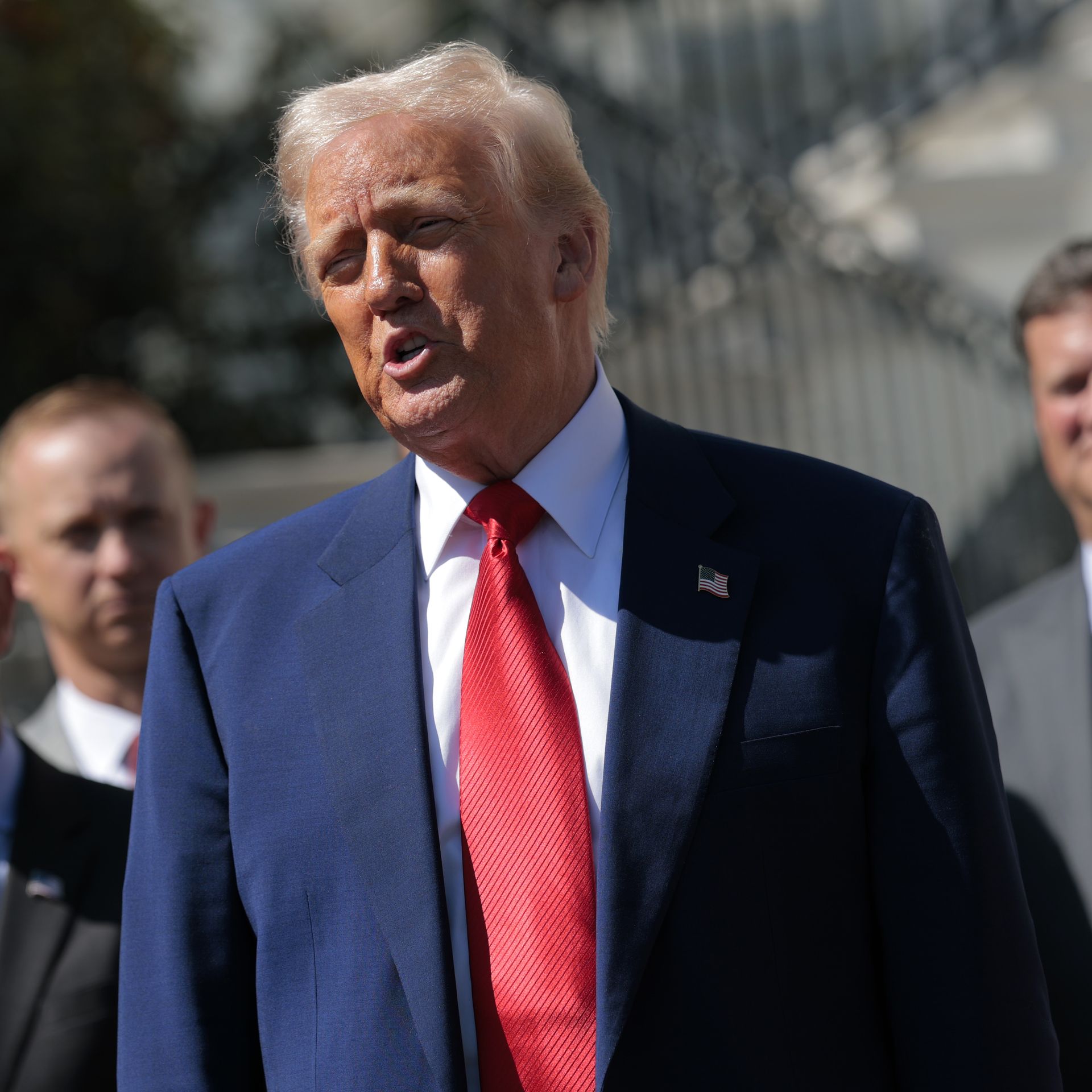
 By Anjan Roy Just as Donald Trump’s tariffs had shaken the world and the financial markets, a sudden brake on their implementation had equally shocked leaders to market sloggers as much. President Trump had equally abruptly pushed back the time when his “reciprocal” tariffs were to kick in. He deferred it by ninety days and […]
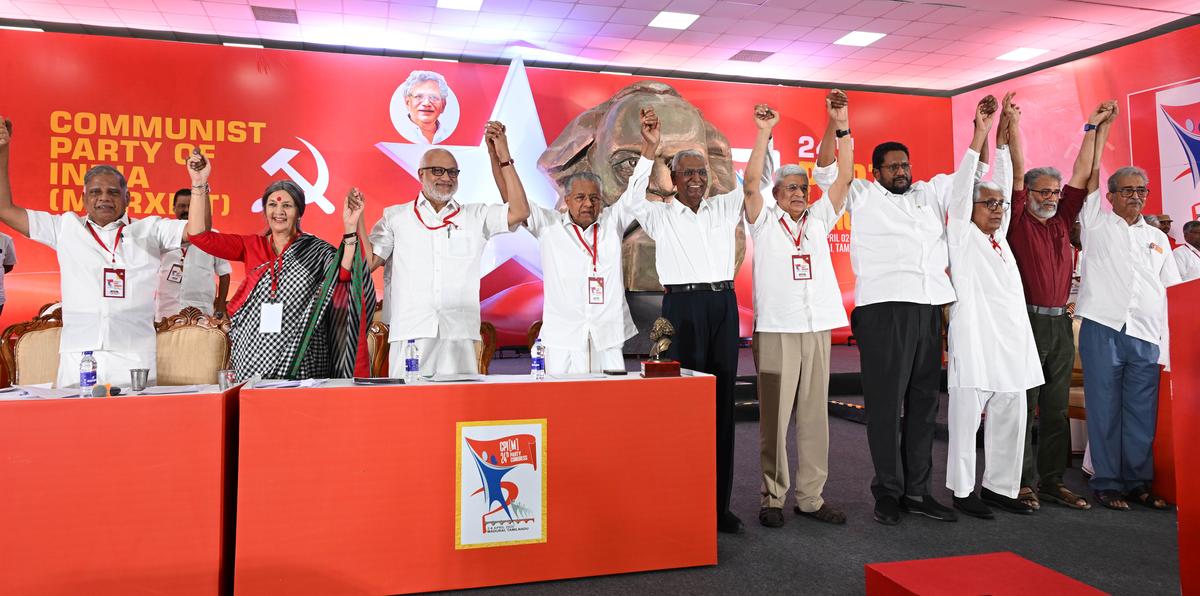
 By P. Sudhir The 24th Congress of the CPI(M), which concluded at Madurai on April 6 with a massive rally, was notable in many respects. There were changes both in the agenda and content of the Congress discussions. First of all, a Political Review Report which reviewed the implementation of the political-tactical line adopted at […]


 By Anjan Roy In the wake of Trump’s tariffs and restrictive trade practices, a global economic warfare has been sparked off, with all major economies working up stringent measures to teach the newly elected US prescient, Donald Trump, a lesson: Tariffs are a two way instrument. If you impose tariffs on others, others can impose […]



