Just in:
APT29-linked campaign exploits outdated Apple and Android software // Ningbo Consensus on Collaborative Development released at 2026 Global Mayors Dialogue · Ningbo // UK air traffic outage inflicted £33m financial losses // Geely’s i-HEV Intelligent Hybrid Technology Offers a New Direction Vision for Gasoline-Powered Vehicles // Ousted top Kochi cop gets IG post // Emaar approves Development buyout ahead of planned delisting // CR Longdation Aethereal Cybersecurity × Global Cybersecurity Alliance (GCSA) Join Hands to Establish the “AI and Cybersecurity Research Centre” // OpenAI abandons secrecy agreements for future data centres // Oil advances towards $100 as tanker attacks persist // TVM –Mangaluru Vande Bharat claims top spot // Beyond the exhibition floor: How robots, AI and networks are moving into the real world // The “1st Greater Bay Area Health and Longevity Summit & Awards Ceremony” concludes successfully in Macao // Dubai boat show confirms international shipyard line-up for November // OpenAI introduces GPT-6 Cyber with restricted security access // Asia Left Behind: Ten international companies have yet to report delivering on their cage-free egg pledges across the region // Oil and chip shares retreat after Democratic victories // Geely’s i-HEV Intelligent Hybrid Technology Offers a New Direction for Gasoline-Powered Vehicles // Private varsities bill all set to face the axe // e-Crime Bureau Signs Cybersecurity Partnership With Smart Africa, Reinforcing Its Global Expansion // Emirates Group records AED 4.1 billion half-year profit //

News related to
much

Tensions over the future of Gaza escalated this week as China strongly condemned Israel’s proposals to expand control over the region. The Chinese government has called on Israel to abandon its plans, asserting that Gaza is an integral part of Palestinian territory. This intervention comes amid increasing international scrutiny over the situation in Gaza, with many nations expressing concern about the potential implications of further Israeli expansion. […]

By Nitya Chakraborty The stage is finally set. U.S. President Donald Trump will be meeting the Russian President Vladimir Putin in Alaska in USA on August 15 to discuss the Ukraine war issue and bring about a settlement for facilitating a long term solution. If a framework of a solution is reached, President Putin will […]

Alaska’s vulnerability to seismic activity could soon be mitigated by an advanced early warning system that promises up to two minutes of warning ahead of a major earthquake. The potential life-saving development comes after a comprehensive study highlighted the possibility of a 10- to 120-second window of alert before an earthquake strikes, a brief period that could prove vital for those in the state’s earthquake-prone regions. Alaska, […]

Ethiopia’s energy authorities have raised fresh allegations against Egypt, accusing it of attempting to block the progress of the Grand Ethiopian Renaissance Dam, one of the continent’s most ambitious infrastructure projects. The accusations come ahead of what Ethiopia says will be a significant step in its development, as the country gears up for the operationalisation of its colossal hydroelectric power facility on the Blue Nile. Asheber Balcha, […]

Humanoid robots, once viewed as the pinnacle of artificial intelligence and automation, continue to struggle with one basic task: folding a t-shirt. Despite extraordinary advances in AI and machine learning, the physical limitations of robot bodies have created a bottleneck in their progress, even as the brains behind them grow ever more sophisticated. Though AI systems now power these machines with remarkable computational capability, they remain far […]

The Abu Dhabi Housing Authority has entered into agreements with three national banks to offer top-up housing finance at subsidised interest and profit rates. This initiative aims to enhance accessibility to homeownership for UAE nationals, a central goal of the authority’s efforts to expand affordable housing options in the capital.

The latest collaboration will allow individuals who have already received funding under the ADHA’s housing loan programme to access additional financial support. The move is designed to ease the financial burden on homeowners by offering more flexible payment plans and lower rates, a critical factor in the current economic climate.

The newly established partnerships involve top national banks, further broadening the scope of the ADHA’s housing initiatives. By securing these collaborations, the authority aims to build stronger financial partnerships within the sector, ensuring more inclusive access to property ownership for citizens. In total, the initiative is expected to benefit hundreds of Emirati families, with an anticipated surge in demand due to the competitive financing terms.

These agreements come as part of a broader strategy to increase homeownership rates across the UAE. In recent years, the government has intensified efforts to make housing more affordable for nationals, with various initiatives addressing the financing gap for first-time homeowners and those wishing to upgrade their homes.

One key aspect of these new arrangements is the focus on easing the strain of high property prices, which have been a barrier to homeownership for many nationals, particularly in urban areas like Abu Dhabi. Under these new terms, eligible individuals can access additional funds to cover the increasing costs of property ownership while benefiting from interest rates that are considerably lower than the market average.

For the participating banks, this initiative represents a further opportunity to tap into the growing demand for home loans. The ADHA’s housing programme has already seen strong uptake, and these new partnerships are expected to foster a sense of long-term trust between the government and financial institutions. The banks are anticipated to leverage their extensive customer networks to ensure the accessibility of these financing options to as many eligible nationals as possible.

With the UAE’s real estate market still facing challenges, especially for first-time buyers, these developments signify a critical step towards more equitable homeownership opportunities. By working with national banks, ADHA is addressing the economic disparities that can prevent nationals from owning their homes, aligning with broader national goals of social stability and financial inclusion.

This collaboration also ties into the broader vision of diversifying the economy and reducing reliance on non-housing sectors by fostering homegrown economic growth. Providing affordable housing options for nationals is a pivotal part of these ambitions, ensuring that families can build long-term wealth and stability through property ownership.

The new financing schemes are part of an ongoing drive to not only increase the number of homeowners but also improve the living standards of UAE nationals by offering improved housing conditions. While much of the focus has been on infrastructure projects and urban development, there is now an increased emphasis on ensuring that the growing population of UAE nationals can access property that suits their needs and income levels.

KUALA LUMPUR, MALAYSIA – Media OutReach Newswire – 8 August 2025 – Octa Broker is providing an in-depth overview of the week’s key events and actionable insights to help traders navigate this high-stakes environment with confidence. July was a relatively quiet month for gold, at least by the recent standards. XAUUSD, the primary financial instrument for trading bullion, fluctuated in a very narrow 30-dollar range between roughly […]

Advertisements

France is grappling with its most severe wildfire in decades, marking a stark return to the destructive forces of nature. The fire, which broke out in the southern regions, has already scorched thousands of hectares, making it the largest blaze since 1949. That year, devastating fires near Bordeaux claimed 82 lives and ravaged 50,000 hectares of land. This new disaster is showing no signs of slowing down, […]

Dubai’s tourism sector is rapidly diversifying, offering much more than the traditional image of luxury shopping and towering skyscrapers. The city is emerging as a unique blend of culture, history, and sustainability, catering to a growing number of travellers seeking immersive experiences alongside high-end offerings. This transformation is shaping the city’s identity as a global tourism destination and redefining what it means to travel to Dubai.

In 2024, the Dubai Department of Economy and Tourism reported that the emirate hosted 18.72 million international overnight visitors from January to December, marking a 9% year-over-year increase from 2023’s record of 17.15 million. This growth is indicative of a broader shift in the city’s appeal, with visitors increasingly drawn to its rich cultural and historical offerings. While Dubai’s luxury shopping malls and ultramodern skyscrapers remain major attractions, the city has made significant strides in integrating cultural heritage, sustainability, and immersive experiences into its tourism strategy.

The rise in visitor numbers aligns with Dubai’s efforts to diversify its tourism portfolio. Beyond its well-established reputation for opulence, the city is now fostering an environment that invites exploration of its heritage sites, art galleries, and cultural festivals. Dubai’s museums, like the Dubai Museum in Al Fahidi Fort, the Louvre Abu Dhabi, and the Museum of the Future, are attracting global attention for their architectural innovation and comprehensive exploration of humanity’s past and future.

The surge in visitors is also a reflection of the city’s continued commitment to sustainable tourism practices. Dubai is investing in eco-friendly infrastructure, including green buildings, public transport, and energy-efficient hotels, all of which align with the city’s long-term vision of becoming a global leader in sustainability. Initiatives such as the Dubai Clean Energy Strategy 2050 aim to reduce the city’s carbon footprint and promote the use of renewable energy sources in tourism-related activities.

Luxury, however, remains at the heart of Dubai’s tourism offering. High-end hotels, resorts, and fine dining experiences continue to draw affluent visitors. Iconic destinations such as the Burj Khalifa, Palm Jumeirah, and the Dubai Marina remain central to the city’s tourism model, offering unparalleled luxury experiences. However, Dubai’s tourism landscape is diversifying further, providing options for a broader range of travellers, from budget-friendly accommodations to more cultural and eco-conscious experiences.

Cultural tourism has emerged as a focal point for growth, with Dubai positioning itself as a crossroads between the East and West. The Dubai Opera, a state-of-the-art venue in Downtown Dubai, regularly hosts international performances, from opera and ballet to contemporary music. The Dubai Arts and Culture Authority’s efforts to promote local art and host international exhibitions have enhanced the city’s cultural offering. Moreover, the Dubai International Film Festival and the Dubai Design Week further solidify the emirate’s role as a key player in the global cultural scene.

Dubai’s transformation into a more multifaceted destination is attracting a growing number of visitors from both established and emerging markets. Tourists from Europe, Asia, and Africa are increasingly seeking a deeper connection to the city’s heritage and culture, beyond its well-known luxury offerings. With a diversified tourism strategy, Dubai is well-positioned to attract these travellers, offering a range of activities that appeal to a variety of interests.

Dubai’s appeal also extends to families, with the city offering family-friendly attractions such as Dubai Parks and Resorts, which includes theme parks like Motiongate Dubai and Legoland Dubai. The emirate’s focus on family-oriented experiences is strengthening its position as a year-round destination, attracting tourists from across the globe who seek a blend of entertainment, culture, and relaxation.

The Dubai Expo 2020, although postponed to 2021 due to the pandemic, played a significant role in the city’s tourism resurgence. The event highlighted Dubai’s potential to host large-scale international events, showcasing the city’s modern infrastructure and its ability to welcome diverse cultures. It also set the stage for long-term growth in cultural and eco-tourism by bringing together innovators, thinkers, and influencers from around the world.

The city’s ongoing expansion of public and private sector collaborations is bolstering Dubai’s appeal as a hub for business tourism. International conferences, expos, and corporate events have become a significant part of the city’s tourism strategy. Dubai’s state-of-the-art conference venues, such as the Dubai World Trade Centre, offer cutting-edge facilities that make the city a prime destination for business travellers.


By Nitya Chakraborty Bangladesh is finally going for national elections in February 2026 ending all speculations in the political circles in Dhaka in the last one year since the abdication of the earlier Prime Minister Sheikh Hasina from power on August 5, 2024. Chief Adviser of the interim government Dr. Muhammad Yunus announced the elections […]
By Mark Gruenberg NEW YORK—The Trump administration and its radical right foot-soldiers in the federal government and in the states are undertaking a comprehensive scheme to undermine future state and federal elections, in effect rigging the rolls to keep themselves in power no matter what the voters decide. So far, other than the report itself, […]

With its signature ‘All-Day Chill’ the gaga café phenomenon comes to Galaxy Macau, marking outlet number 99 for the Shenzhen-born brand that’s quietly redefining contemporary café culture MACAU SAR – Media OutReach Newswire – 5 August 2025 – Galaxy Macau™ Integrated Resort (“Galaxy Macau”) today officially opened gaga, the Shenzhen-born dining group’s 99th outlet and first-ever non-mainland location, in Macau. In a natural evolution for China’s most […]

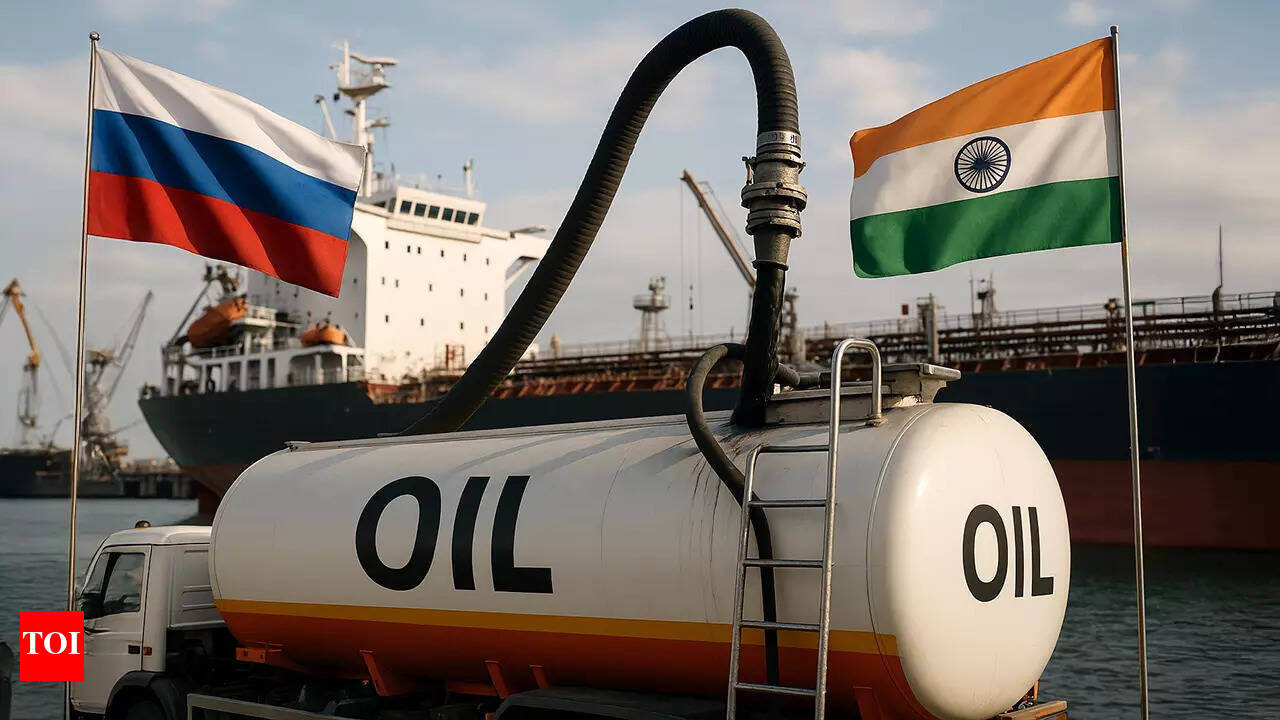
Despite mounting international tensions and growing calls for sanctions, India has confirmed its commitment to continuing oil purchases from Russia. The decision, which has drawn both support and criticism, comes in the face of strong opposition from Western powers, particularly the United States.

India’s robust relationship with Russia, especially in energy sectors, remains central to its strategy to ensure energy security amid global market volatility. While the United States has intensified its warnings against increasing trade with Russia, citing geopolitical risks and the ongoing war in Ukraine, Indian officials assert that the decision aligns with the country’s broader economic interests and long-term energy goals.

The timing of the announcement comes as global oil prices continue to fluctuate, driven by factors ranging from OPEC+ production cuts to the ripple effects of the Russia-Ukraine conflict. With Russia now facing significant sanctions from the West, including oil price caps and restrictions on exports, India has emerged as one of the largest buyers of Russian crude oil, navigating complex international pressures while keeping its energy needs in focus.

India’s oil imports from Russia soared in the wake of the war in Ukraine, particularly after Western nations moved to isolate Moscow from the global market. The country, which historically sourced much of its oil from the Middle East, found Russian oil a lucrative alternative as Western sanctions created discounts, allowing India to tap into a relatively cheap energy supply.

Russia, in turn, welcomed the partnership, as it opened new markets and ensured continued demand for its oil. According to official sources, Russia’s increased sales to India, and other non-Western nations, helped offset some of the lost revenue due to sanctions.

India’s government, however, has been careful to position its stance within a framework of neutrality. Public statements highlight that the nation’s energy decisions are based on its own national interest, focusing primarily on economic stability and the welfare of its people. Officials have also pointed out that India is among the world’s most energy-hungry nations and needs to secure a steady and affordable supply of oil to support its growing population and economic expansion.

Internationally, this trade has sparked debates over the moral and strategic implications of engaging with Russia. Critics argue that by maintaining ties with Russia, India risks undermining global efforts to isolate Moscow, particularly as Western governments seek to enforce stricter sanctions. They point out the tensions between India’s non-alignment policy and its deepening economic relationship with a nation under international scrutiny.

On the other hand, some argue that India’s approach reflects a pragmatic understanding of its own strategic priorities, particularly the need to balance international relationships with domestic requirements. With rising fuel costs and inflation becoming pressing issues for many nations, securing affordable energy resources has become a matter of national security.

India’s oil trade with Russia, however, is not without its challenges. Western nations have long pressured India to reduce its dependence on Russian energy. The Biden administration, particularly, has warned that India’s continued imports could strain relations, especially as the US seeks to maintain solidarity with its European allies in pressuring Russia. Washington’s position on the matter is clear: nations that continue to do business with Russia will face consequences, with potential impacts on trade and geopolitical ties.

Yet, India’s economic and geopolitical imperatives make it unlikely to back down. As part of the BRICS group, which also includes Brazil, Russia, China, and South Africa, India has voiced its commitment to a multipolar world order where nations can pursue their own economic paths, free from external coercion. India has also consistently argued for the need for dialogue and peaceful resolution in the Russia-Ukraine conflict, advocating for diplomacy over military escalation.

The ongoing conflict has undeniably reshaped global energy dynamics, forcing countries to reassess their energy strategies and alignments. While India’s stance has garnered significant attention, its broader approach is seen as part of an evolving foreign policy that seeks to advance national interests without being swayed by external pressures.

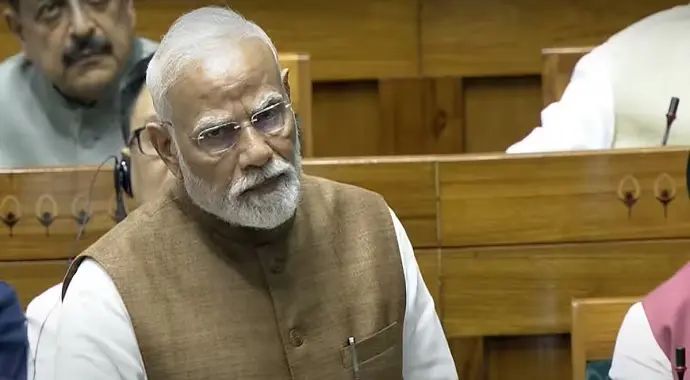
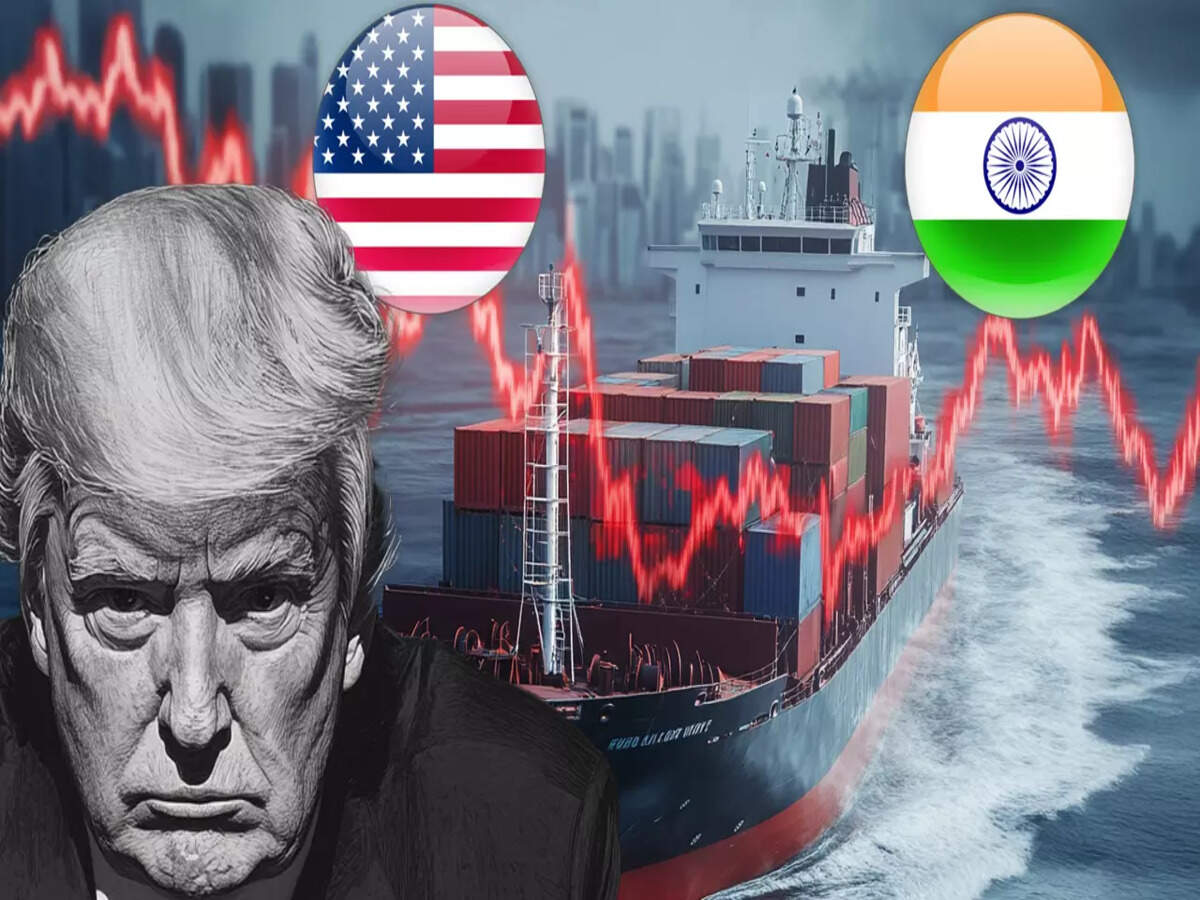
By Nitya Chakraborty It is not a cliché to say that our powerful Prime Minister Narendra Modi’s moment truth has arrived after 11 years of ruling the country as the unchallenged leader. The 25 per cent tariff hike on Indian exports announced by the United States President Donald Trump on Wednesday and taking effect from […]
By Dr. Nilanjan Banik Before the August 1 deadline, the U.S. President Donald Trump decided to impose a 25% tariff on Indian exports. He also talked about an additional penalty on Indian exports, which could go up to100% as a surcharge, targeting countries that continue trading oil with Russia. Trump seems to care less about […]

Zambia’s government is pushing for a 12-month extension to its current loan arrangement with the International Monetary Fund, according to an official cabinet statement released on Wednesday. The proposal, if approved, would see the existing agreement, set to expire at the end of October, continue until October 2024. This decision follows a series of critical economic challenges faced by the southern African nation, which is heavily reliant […]

Concerns over the soaring costs of accommodations for the COP30 climate summit have led the United Nations to call for urgent talks. Held in Brazil later this year, the event’s sky-high prices threaten to exclude delegates from poorer nations, raising alarms within the international community about equity and accessibility at the high-profile climate negotiations. The meeting, convened by the UN’s climate office, was prompted by reports from […]

Gulf nations now account for over half of global environmental, social, and governance sukuk issuances in the first half of 2025, underscoring their growing leadership in sustainable Islamic finance. Sukuk linked to ESG objectives saw a 12 per cent rise to approximately $50 billion outstanding globally in H1 2025, with Gulf Cooperation Council countries contributing the majority of this volume. Saudi Arabia and the UAE emerged as principal issuers, driving […]

The U. S. Treasury has placed sweeping sanctions on a sprawling oil‑trading and shipping network linked to Mohammad Hossein Shamkhani, whose father, Ali Shamkhani, serves as adviser to Iran’s Supreme Leader Ayatollah Ali Khamenei. The action, imposed on 30 July 2025, marks the most extensive Iran‑related sanctions package since 2018, covering more than 115 individuals, entities and vessels.

At the heart of the measures is Shamkhani’s maritime empire, comprising 15 shipping firms, 52 vessels and 53 entities operating across 17 countries from Panama to Hong Kong. Officials contend the network funnels tens of billions of dollars in revenue from Iranian and Russian oil sales, largely to buyers in China, using aliases, front companies and falsified documentation to conceal ownership and origin.

Treasury Secretary Scott Bessent described the network as a prime example of elite Iranian circles using state influence for private gain while empowering Tehran’s destabilising agenda, asserting that this is “the largest to‑date since the Trump Administration implemented our campaign of maximum pressure on Iran”.

Hossein—known in industry as “H”, “Hector” or, in travel documents, “Hugo Hayek”—is said to travel internationally using foreign passports and operate from the UAE and beyond. The Treasury report underscores his use of a web of shell enterprises and shipping registries in jurisdictions such as Hong Kong, Singapore, the UAE, Italy and Switzerland to obscure true control of assets.

The network’s operations align with broader patterns observed in Iran’s so‑called “ghost fleet.” Surveillance reports have documented vessels switching flags, deactivating AIS transponders, engaging in ship‑to‑ship oil transfers, blending cargoes mid‑voyage and falsifying bills of lading to evade detection. Such tactics enable covert deliveries to Chinese “teapot” refineries and other end‑users despite global sanctions.

The sanctions also extend to six firms based in India, accused of transacting petroleum and petrochemical goods with Iran worth approximately $220 million. U. S. officials warned these sanctions could strain trade relations and signal serious repercussions for firms ignoring sanctions diplomacy ][5]).

While the sanctions are intended to sever the flow of funds financing Iran’s nuclear, ballistic missile and proxy capabilities, U. S. officials stopped short of declaring they will destabilise global oil markets. Still, they emphasised that the network’s disruption would make it “much more difficult” for Tehran to covertly maintain oil sales via front companies and intermediaries.

Ali Shamkhani, previously sanctioned by the U. S. in 2020, remains a key figure in Iran’s security establishment. Serving as a naval officer, former defence minister and head of the Supreme National Security Council until May 2023, he assumed the role of adviser to the supreme leader thereafter. His son’s oil empire is widely seen as an extension of those elite institutional networks.

Industry observers say the sanctions package highlights the increasing difficulty in enforcing international measures against Iran’s evolving evasion networks. The complexity, scale and global reach of Shamkhani’s operations underscore the challenge of identifying and intercepting entities that operate invisibly across jurisdictional lines.

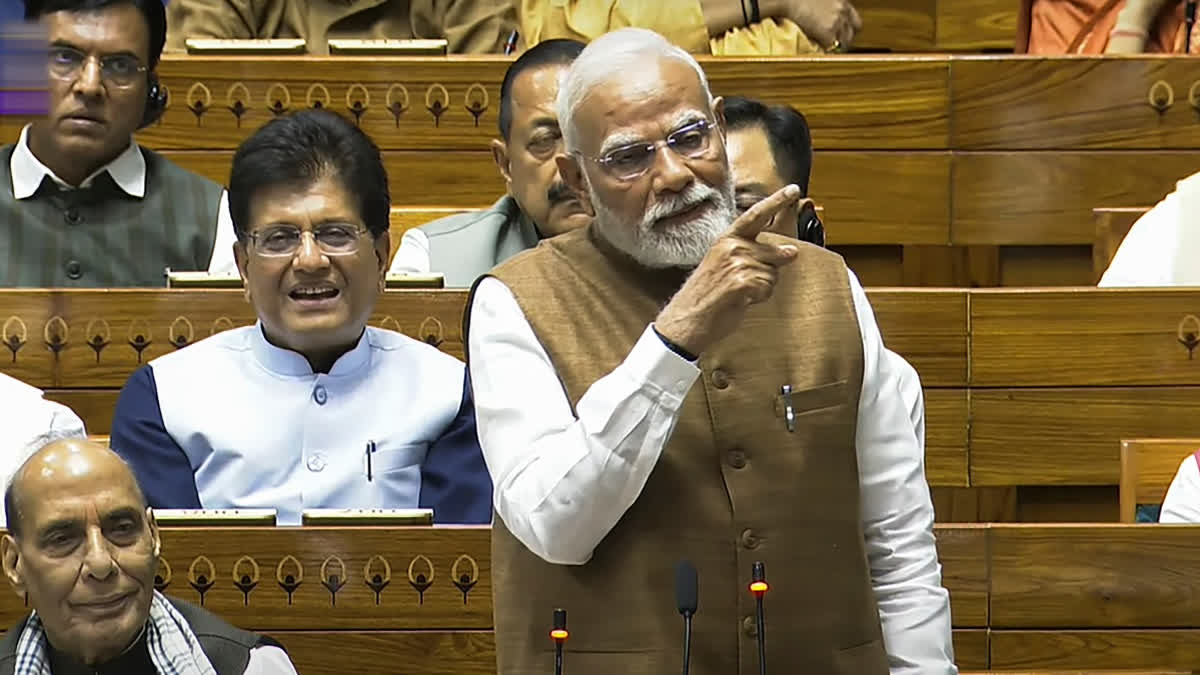
By Nitya Chakraborty Prime Minister Narendra Modi in his long reply to the discussion in Lok Sabha on Operation Sindoor on Tuesday night skillfully avoided the issue of any mediation by the U.S. President Donald Trump by stating that no world leader told India to stop Operation Sindoor. His refrain was that Pakistan DGMO came […]
Greenlogue/AP The Future Investment Initiative Institute, in collaboration with Saudi oil giant Aramco and global consultancy firm Arthur D. Little, has released a comprehensive white paper focused on leveraging artificial intelligence to revolutionise the voluntary carbon market. The paper, titled “AI-Enabled Carbon Markets: Identifying AI Solutions for the Voluntary Carbon Industry,” explores the vital role AI could play in improving transparency, accuracy, and efficiency within the sector, […]

M. A. Hossain When Dmitry Medvedev, former Russian president and current deputy chair of Russia’s Security Council, addressed the Liberation Movements Summit in South Africa on July 27, his message was as predictable as it was provocative: Russia stands with Africa in the fight against neocolonialism and envisions a multipolar world. Coming from a Kremlin official, this claim may appear noble at first glance—until one examines the underlying logic, […]

By Nantoo Banerjee The European Union seems to have arrogated itself with extrajudicial power to prevent outside nations from purchasing Russian oil. It has no locus standi to impose its will on countries which are not members of EU. Thus, the latest expansion of the EU sanctions targeting Russian energy exports can legally cover only […]


Etihad Airways is re-evaluating its timeline for launching its long-awaited initial public offering, with reports suggesting a deferral to the first quarter of 2026. The decision could mark a significant shift for the UAE-based airline, which had initially aimed to list within the next two years.

The move comes as Etihad seeks to maximise the impact of its evolving partnerships and strengthen its financial position in the face of a dynamic global aviation market. According to sources close to the matter, the airline intends to capitalise on a series of strategic alliances it has forged in recent months, which could increase its market appeal ahead of the IPO.

Etihad’s parent company, the Mubadala Investment Company, has yet to officially confirm the updated timeline, but it is understood that the decision to delay is driven by the desire to enhance Etihad’s valuation. The airline’s partnerships, particularly with global carriers and emerging markets, have been viewed as critical to its future success.

This re-evaluation comes at a time when the aviation sector is seeing a rapid recovery from the pandemic-induced slump. While many airlines worldwide have witnessed a surge in demand, Etihad is aiming to position itself for sustainable growth by leveraging its network and partnerships.

Etihad’s recent agreements with international carriers such as Air India and Lufthansa have bolstered its route network and strengthened its competitive position. These partnerships have also facilitated joint ventures and codeshare agreements, creating synergies that could prove beneficial as the airline looks to attract investor interest in its IPO. Analysts believe that these moves could help improve Etihad’s long-term profitability, making the company a more appealing prospect for potential investors.

Despite these efforts, the airline remains mindful of the market’s volatility. Experts suggest that the delay is also a response to ongoing economic uncertainties that could impact investor sentiment, particularly in a sector still grappling with post-pandemic challenges. The global airline industry is also facing heightened competition, fluctuations in fuel prices, and geopolitical instability, all of which make it crucial for Etihad to position itself strategically.

Etihad’s plans for the IPO are seen as a significant development in the UAE’s broader push to diversify its economy. The listing would not only serve as a major milestone for the airline but also align with the nation’s ambitions to bolster its financial markets. A successful IPO could provide a much-needed boost to the UAE’s efforts to attract global investment and further solidify its status as a key player in the Middle Eastern aviation sector.

However, the deferral also reflects a cautious approach. Rather than rushing to list, Etihad appears to be taking time to ensure that the offering meets the expectations of investors. Sources suggest that the airline is exploring various options, including potential mergers and acquisitions, to enhance its value proposition in the lead-up to the IPO. This may involve a careful assessment of its operations, investments in fleet expansion, and the optimisation of its business model to address the changing dynamics of the aviation industry.

VISHNU RAJA
RYO YAMADA
HITORI GOTOH
IKUYO KITA
Just in:
Dubai details five-year visa benefits for returning visitors // Emirates Group records AED 4.1 billion half-year profit // The “1st Greater Bay Area Health and Longevity Summit & Awards Ceremony” concludes successfully in Macao // Technology shares plunge as Nasdaq enters correction // Xi Jinping Preparing For A Trilateral Summit With Trump And Putin At APEC Summit On Nov 18-19 // Private varsities bill all set to face the axe // OpenAI abandons secrecy agreements for future data centres // OpenAI introduces GPT-6 Cyber with restricted security access // Trump’s Iran War Has A Share Of Contribution To His Midterm Debacle // Oil and chip shares retreat after Democratic victories // TVM –Mangaluru Vande Bharat claims top spot // Motorola introduces Signature 27 flagship priced at $1,599 // Hong Kong mandates crypto transaction disclosures to tax authorities // Asia Left Behind: Ten international companies have yet to report delivering on their cage-free egg pledges across the region // Kochi police detain two actors over bid to honey trap doctor // CR Longdation Aethereal Cybersecurity × Global Cybersecurity Alliance (GCSA) Join Hands to Establish the “AI and Cybersecurity Research Centre” // Meraas showcases five residential zones at Dubai Design Week // Geely’s i-HEV Intelligent Hybrid Technology Offers a New Direction for Gasoline-Powered Vehicles // Miss Universe Hong Kong Jen Zhou Departs for Puerto Rico to Compete in the 75th Miss Universe World Final // Ningbo Consensus on Collaborative Development released at 2026 Global Mayors Dialogue · Ningbo //