Just in:
OpenAI identifies 948 Linux privilege escalation flaws using AI // Meraas showcases five residential zones at Dubai Design Week // APT29-linked campaign exploits outdated Apple and Android software // CR Longdation Aethereal Cybersecurity × Global Cybersecurity Alliance (GCSA) Join Hands to Establish the “AI and Cybersecurity Research Centre” // Burying Head In “India Made Poverty Reduction” Data Is Dangerous // Pinarayi faults UDF over mounting road crashes // Dubai boat show confirms international shipyard line-up for November // Hong Kong mandates crypto transaction disclosures to tax authorities // Vance attributes Republican midterm defeats to Iran conflict // Cloudflare unveils Zero Wire vulnerability intelligence service // Anthropic to prohibit persistent abuse of Claude chatbot // e-Crime Bureau Signs Cybersecurity Partnership With Smart Africa, Reinforcing Its Global Expansion // UK air traffic outage inflicted £33m financial losses // The “1st Greater Bay Area Health and Longevity Summit & Awards Ceremony” concludes successfully in Macao // Oil and chip shares retreat after Democratic victories // AI trust gap reveals distinct retail priorities: Divergent paths to consumer growth in Hong Kong and the GBA // Asia Left Behind: Ten international companies have yet to report delivering on their cage-free egg pledges across the region // Emirates Group records AED 4.1 billion half-year profit // Cyberport Venture & Capital Forum 2026 Grand Opening // Govt opposes Arlekar’s PSC action //

News related to
much

The Ras Al Khaimah Economic Zone (RAKEZ) is among the top free zones within the United Arab Emirates territory. It is a business haven that pulls customers from all countries. RAKEZ provides several types of business Licenses, business premises, and other productive services. These features make it appealing to both new and existing firms. The RAKEZ is also appealing because of its location via the international market. […]

Embracing a Healthy Lifestyle Together HONG KONG SAR – Media OutReach Newswire – 24 September 2024 -The Beijing Tong Ren Tang Traditional Chinese Medicine Culture Carnival will be held on September 21-22, 2024, Saturday and Sunday, at the Tsim Sha Tsui Cultural Centre Piazza. Through a series of exciting activities, citizens will learn more about Traditional Chinese Medicine and its National List of Intangible Cultural Heritage while […]

The Dubai Financial Market (DFM) has completed its scheduled review of the General Index and Islamic Index, applying the new stock weightings to both indices starting today. This periodic evaluation aims to ensure the indices accurately reflect the market’s movements and the performance of listed companies.

The reviewed weightings, effective immediately, are expected to provide a clearer picture of the current market standing. The adjustments have garnered significant attention as investors and stakeholders analyze how the updated figures will impact their portfolios and trading strategies. The changes come during a time of increased global financial uncertainty, making the recalibration of these indices a critical measure for the market’s participants.

DFM’s review process, undertaken twice annually, forms a core part of its strategy to maintain a balanced and representative index system. This time, the Islamic Index received heightened scrutiny as sharia-compliant investments have seen a surge in global interest. The modifications to both indices are reflective of market activity over the past months, including stock performance, market capitalization, and liquidity considerations.

Many large-cap companies retained their influential positions within the indices, while certain mid-cap and smaller firms saw their weightings adjusted. The DFM General Index, a barometer of the broader market performance, experienced changes that industry analysts believe could signal emerging trends in the region’s economic sectors. The Islamic Index, which tracks sharia-compliant companies, also saw updates aligning with the growing demand for ethical investments across the Middle East and North Africa (MENA) region.

Several market experts are focusing on the potential impact these adjustments will have on the financial landscape in the UAE and beyond. With the global investment community closely observing DFM’s activities, the revised weightings could affect decisions made by institutional investors and fund managers, particularly those with significant holdings in both the General and Islamic Indices.

Companies with strong fundamentals and steady performance records were expected to maintain or even improve their positions in the indices, while those with fluctuating market capitalization and lower liquidity risk seeing their weightings diminished. The review is based on a transparent methodology that takes into account factors such as market capitalization, free float, and compliance with DFM’s stringent listing standards.

This year’s review comes at a time when the UAE’s capital markets are witnessing renewed interest from both regional and international investors. Analysts have pointed to the growth of sectors such as real estate, banking, and technology, which continue to drive much of the economic activity on the exchange. DFM’s Islamic Index, in particular, has seen an uptick in interest as sharia-compliant investments become increasingly attractive in an era of socially responsible investing.

With Dubai positioning itself as a global hub for financial services, the success and accuracy of its indices remain pivotal for both local and foreign investors. The DFM General Index, often viewed as a proxy for the health of Dubai’s economy, offers a snapshot of the market’s trajectory. Likewise, the Islamic Index is gaining attention due to the global rise in demand for Islamic finance solutions, particularly as countries across the Gulf continue to diversify their economies away from oil dependence.

Today’s application of the new weightings comes at a time of heightened anticipation among traders and fund managers who closely monitor any shifts in the indices for signs of underlying market movements. Analysts are already beginning to issue forecasts based on the changes, with some expecting a boost in the performance of companies that gained weight in the review.

Several of Dubai’s top-listed firms continue to dominate the General Index, including major players in sectors such as banking, real estate, and logistics. The Islamic Index, meanwhile, continues to feature companies that comply with sharia principles, covering a range of industries from financial services to energy. As Dubai continues to strengthen its regulatory frameworks, ensuring transparency and investor protection, the DFM’s indices play a crucial role in attracting foreign investment and maintaining market stability.

The periodic review also brings into focus the importance of accurate and timely data in market operations. Investors rely on these recalibrations to make informed decisions, particularly when it comes to index-linked investments such as exchange-traded funds (ETFs) and index funds. With the UAE’s capital markets maturing, the role of DFM’s indices in reflecting the true performance of the economy is more critical than ever.

DFM’s commitment to reviewing its indices bi-annually ensures that they remain aligned with international best practices. As part of this process, DFM collaborates with a wide range of stakeholders, including regulators, market participants, and financial experts, to ensure that its indices maintain a high standard of accuracy and relevance. This collaborative approach has helped cement DFM’s position as one of the leading exchanges in the MENA region.

OpenAI’s recent redesign of its logo has ignited significant criticism and concern among employees. The changes, unveiled during a company-wide meeting, aimed to modernize the branding and reflect the organization’s growth trajectory. However, feedback from staff has largely been negative, expressing dissatisfaction with the new aesthetic and its implications for the company’s identity. The updated logo, featuring a more minimalist design and altered color scheme, was intended […]

By Nitya Chakraborty India’s neighbour Sri Lanka has elected the Marxist-Leninist leader Anura Kumara Dissanayake as the next president in the intensely contested presidential elections held on Saturday, September 21. About 75 per cent of the total of 170 million population who voted, broke away decisively from the binary of two political formations through years […]

Hibiscus tea has become increasingly popular among wellness enthusiasts, especially for its potential in aiding weight loss. This bright red herbal drink, made from the dried calyxes of the *Hibiscus sabdariffa* plant, not only offers a refreshing, tart flavor but also boasts a range of health benefits that contribute to its growing reputation in the weight loss community. The tea’s effect on metabolism and fat accumulation is […]

The World Bank has announced a record allocation of $42.6 billion towards climate finance in fiscal year 2024, marking a significant milestone in its efforts to support the global transition to clean energy. This represents a 10% rise from the previous year’s $38.6 billion, a testament to the institution’s ongoing commitment to addressing climate challenges in developing and emerging markets. The bank’s latest financial commitment is part of a broader strategy aimed at directing 45% of its total financing toward climate-related projects, a target it is closing in on.

This surge in climate financing has been largely directed towards green infrastructure, sustainable agriculture, renewable energy projects, and climate resilience measures, particularly in developing countries that are most vulnerable to the impacts of climate change. While the increased funding highlights progress, it still falls short of the trillions required annually to meet global climate goals. Experts have emphasized that for the world to reach net-zero emissions, particularly in emerging markets, there will need to be a substantial increase in both public and private sector investment.

Efforts by the World Bank to prioritize climate finance have come at a critical juncture, with climate-related disasters and global energy transitions becoming more urgent. The $4 billion increase compared to last year underscores the scale of financial mobilization required, yet it also highlights the significant funding gaps that still exist. Many developing countries face considerable challenges in accessing affordable financing to transition to cleaner energy sources, with the cost of capital often prohibitive for large-scale investments.

As governments worldwide continue to set ambitious decarbonization targets, developing economies are grappling with the competing demands of reducing emissions while fostering economic growth. The World Bank’s climate finance aims to bridge this gap, with projects that not only focus on reducing emissions but also enhancing climate resilience and supporting sustainable development initiatives.

The $42.6 billion record in 2024 is seen as a positive step forward, but analysts warn that much more must be done to meet the ambitious targets set by international climate agreements, such as the Paris Agreement. The International Energy Agency (IEA) estimates that to reach global net-zero emissions by 2050, annual investments in clean energy will need to rise to around $4 trillion. This underscores the need for more innovative financing mechanisms, stronger international collaboration, and the involvement of the private sector to mobilize the required capital.

The World Bank has been lauded for its leadership in climate finance, but the scale of the challenge demands broader participation from global financial institutions. Its financing structure, which blends grants, concessional loans, and guarantees, is designed to attract private investment and de-risk projects in developing economies. However, concerns remain that the current pace of financing may not be sufficient to prevent the worst impacts of climate change, particularly in regions that are already experiencing severe climate shocks.

Advertisements

OpenAI’s GPT-4, a leading AI language model, has sparked discussions regarding its environmental impact, particularly in terms of water usage. A recent study reveals that the model consumes the equivalent of three water bottles to generate just 100 words of text. This revelation has raised concerns amid growing scrutiny over the resource demands of advanced artificial intelligence systems. The study highlights the intricate relationship between AI development […]

By Satyaki Chakraborty The junior doctors’ movement in West Bengal partially ended on its 41st day on September 20 Friday. The striking doctors joined their duties on September 21 in emergency services only in the state government run medical colleges and hospitals still keeping the OPD work and surgical operations out of their duty profile. […]

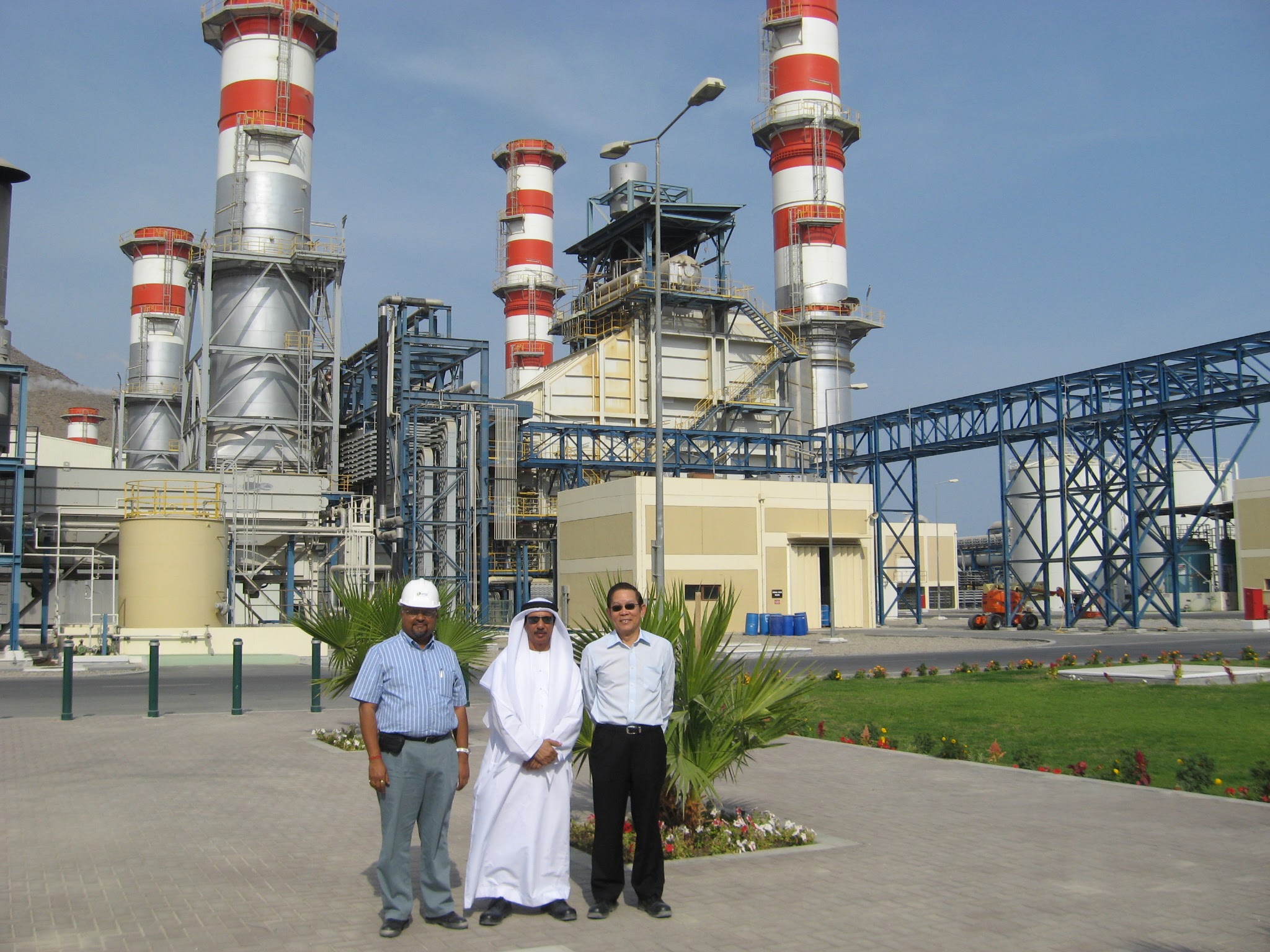
A significant deal has been struck in the UAE’s energy and water infrastructure sector as the UAE Offsets Group (UOG) awarded a $453 million contract to a consortium of Al Jaber Energy Services (AJES) and Technip for the transmission package of the Fujairah desalination and power project. The signing of this agreement marks a crucial step forward in efforts to meet the rising demand for water in Al Ain and power in the Northern Emirates.

The consortium, featuring AJES as the local partner and Technip, a global leader in engineering and construction, will be responsible for the design, construction, and commissioning of a 185-kilometer pipeline. This pipeline will transport water from Fujairah to Al Ain, including a 16-kilometer extension to Al Dhaid. In addition to the pipeline, the project involves the construction of associated infrastructure such as water pumping stations and storage tanks to ensure an efficient supply of water to meet growing consumption in the region.

The contract comes at a time when power demand in the Northern Emirates is increasing by 10 to 15 percent annually, particularly during the peak summer months. Addressing these needs has become a top priority for the UAE government. The project will provide a much-needed solution to the region’s persistent power shortages while catering to the growing population and industrial expansion in the area.

Al Jaber Energy Services and Technip were selected as the preferred bidders after a competitive tender process. The successful award of the contract is part of a broader strategy by the UAE to develop its water and energy infrastructure to meet both present and future needs. The project is also aligned with the country’s sustainable development goals, particularly in water conservation and energy efficiency.

The pipeline will play a critical role in ensuring the long-term security of water supply for residents of Al Ain, a city that has seen rapid growth in recent years. The consortium is expected to deliver the project with high standards of efficiency and reliability, leveraging their combined expertise in large-scale engineering projects.

This award follows a series of projects aimed at bolstering the UAE’s infrastructure, including power generation and desalination initiatives. The Fujairah desalination plant itself, part of the overall package, will have a significant capacity to meet future water demands, thus reinforcing the UAE’s commitment to sustainable water management and infrastructure resilience.

Al Jaber, a UAE-based conglomerate with vast experience in the construction and engineering sectors, has previously been involved in major infrastructure projects across the region. Meanwhile, Technip, known for its global reach and expertise in energy infrastructure, will provide the technical know-how and engineering capabilities needed to ensure the project’s success.

This contract award highlights the importance of public-private partnerships in the UAE’s ongoing efforts to address infrastructure challenges. The UOG’s involvement ensures that the project will be executed within the strategic framework of the UAE’s national development objectives. It also underscores the growing role of international companies like Technip in supporting the UAE’s infrastructure and energy needs.

Construction on the pipeline and its associated facilities is set to begin shortly, with a tight project timeline to meet the pressing demand for water and power. The Fujairah-Al Ain pipeline is expected to significantly improve water distribution efficiency and address critical shortages that have affected the region in recent years.

The rising tensions in the Red Sea, particularly due to Houthi rebel threats against shipping vessels, have led to a sharp increase in insurance premiums for maritime companies operating in the region. The volatile security environment, combined with the risk of targeted attacks on vessels linked to countries like the UK, US, or those having called at Israeli ports, has left insurers increasingly cautious about providing war-risk cover for ships transiting the waters.

War-risk insurance premiums have skyrocketed to as much as 2% of a vessel’s value for a single transit through the Red Sea. This steep increase reflects heightened concerns following several incidents, most notably the August 21 strike on the oil tanker Sounion, which was carrying about one million barrels of crude oil at the time. Though the tanker was safely towed without spillage, the attack underscored the vulnerability of maritime assets in the region, adding pressure on insurers and shipping companies alike.

The market for insuring ships passing through this critical shipping route has narrowed as smaller insurers retreat from offering coverage. A limited number of firms, mostly high-risk underwriters, continue to offer protection, but at significantly elevated costs. Industry insiders have noted that some vessels, especially those perceived as high-value targets for potential attacks, are struggling to secure any coverage at all.

The risks have intensified with the Houthis’ declaration that ships with certain affiliations would face potential attacks. While traditionally, war-risk cover has been available, the situation is unprecedented with underwriters outright refusing coverage, citing the region’s escalating risks. For shipping operators, this poses not only financial but also operational challenges, as the necessity of traversing the Red Sea for global oil and goods trade remains critical despite the threats.

A consortium of insurance underwriters led by Brit provided the war-risk cover for the Sounion, alongside firms such as Antares, Iquw, Hamilton, and others. However, many of these insurers have been notably silent regarding the details of coverage, which underscores the sensitivity and complexities of offering insurance in such a volatile region. The consortium’s willingness to continue offering protection contrasts with smaller players who are increasingly unwilling to take on such risks.

The situation has compounded concerns for global shipping companies, especially with the strategic importance of the Red Sea in connecting Europe, the Middle East, and Asia. As attacks threaten to disrupt not just oil shipments but broader trade routes, the rising insurance costs may further exacerbate existing challenges for global supply chains.

Maritime experts are urging caution as geopolitical tensions in the region show little sign of abating, with insurers increasingly exercising selective underwriting processes to minimize exposure. Ships perceived as having higher exposure to attacks are now finding it exceedingly difficult to secure coverage at any price. This selective process not only reflects the complexities of the situation but also highlights the unpredictable nature of risk in conflict-prone areas like the Red Sea.

As shipping companies scramble to mitigate these rising costs, the long-term impact on global trade remains a looming concern. Many in the industry are questioning how long they can sustain operations under such financial pressure and whether alternative routes or additional security measures might provide a viable solution in the coming months.

M A Hossain The recent explosion of thousands of pagers across Lebanon is an alarming development that bears the hallmarks of Israeli involvement, potentially signaling an imminent military escalation between Israel and Hezbollah. This tension has been mounting since Hezbollah’s recent engagement with Israeli forces, a direct response to Israel’s intensified military actions against Gaza following the deadly October 7 Hamas-led attack. The strategic aim behind targeting […]

Aruba has expanded its collaboration with NetApp, a leader in data infrastructure solutions, to bolster its capabilities in the rapidly growing digital services sector. The Italian web hosting firm, known for its extensive range of cloud services, domain registration, and email hosting solutions across Europe, is leaning heavily on NetApp’s technology to enhance its data center operations and improve the efficiency of its services. This partnership marks […]

Polus Capital Management announced a significant capital commitment from the Abu Dhabi Investment Authority (ADIA) for its Special Situations strategy, increasing the assets under management for this strategy to approximately $5 billion. This development underscores a strategic alignment between Polus and ADIA, which is seeking to diversify its portfolio and leverage opportunities in distressed asset classes.

The investment comes on the heels of a pivotal shift in U.S. monetary policy, marked by the Federal Reserve’s first interest rate cut in four years. This change is anticipated to enhance liquidity and provide much-needed support for companies grappling with balance sheet issues, which aligns closely with the focus of Polus Capital’s investment strategy. The firm specializes in identifying and capitalizing on undervalued companies that may benefit from restructuring or operational improvements.

Polus Capital, known for its expertise in special situations investing, plans to deploy this new capital to target a range of distressed assets across various sectors. The firm’s strategy includes acquiring equity stakes in companies that are undergoing significant transformations or facing financial difficulties. Such investments not only aim to deliver attractive returns but also to assist these companies in their recovery processes.

ADIA’s decision to commit capital to Polus Capital reflects a growing trend among sovereign wealth funds to diversify their investments into specialized asset classes. With the current economic landscape presenting both challenges and opportunities, institutional investors are increasingly turning to experienced asset managers who can navigate complex market conditions.

The Federal Reserve’s rate cut is expected to have broad implications for the market. Lower interest rates typically reduce borrowing costs for companies, making it easier for them to finance operations and restructure debts. This environment is particularly conducive for special situations investing, as it enhances the prospects for companies that have been struggling financially but possess strong underlying business models.

Polus Capital’s leadership has expressed confidence that the partnership with ADIA will enable the firm to scale its operations significantly. This collaboration not only brings additional capital but also positions Polus to capitalize on potential investment opportunities in both established and emerging markets. The firm has outlined a commitment to rigorous due diligence processes, ensuring that every investment aligns with its strategic objectives and risk management frameworks.

Moreover, Polus Capital is poised to benefit from the expertise of ADIA, one of the world’s largest sovereign wealth funds, which manages a diverse portfolio across various asset classes. The insights and resources that ADIA brings to the table could prove invaluable in identifying high-potential investment opportunities, particularly in markets where Polus seeks to expand its footprint.

As global economic conditions evolve, the role of specialized investment firms like Polus Capital becomes increasingly significant. Investors are becoming more discerning, seeking out managers who can deliver value through innovative strategies and a deep understanding of market dynamics. Polus’ approach to special situations aligns well with this trend, as it focuses on navigating complexities to unearth investment potential.

Polus Capital’s recent capital commitment signals a broader shift in the investment landscape, where institutional investors are gravitating towards specialized strategies that offer unique value propositions. As the firm prepares to deploy the new capital, stakeholders are watching closely to see how it will leverage this opportunity to enhance its portfolio and achieve its investment goals.

Gulf Cooperation Council (GCC) countries are making steady progress towards a unified economic framework that would grant economic citizenship across the bloc. The move aims to boost regional integration, attract investments, and facilitate smoother economic relations among the six member states. These efforts are considered essential for strengthening economic cooperation, a goal that has been part of the bloc’s broader vision since its establishment in 1981. The […]

A sudden spike in Bitcoin’s value has wiped out more than $200 million in liquidated positions, with the majority being attributed to short positions. The cryptocurrency surged by over 6%, surpassing the $63,300 mark within the last 24 hours. This significant rally has taken traders by surprise, marking another episode of volatility in the digital asset market.

The liquidation wave hit both long and short positions, but it was primarily short sellers who bore the brunt of the surge. Data indicates that $155.5 million of the total liquidations came from short positions, as traders betting against Bitcoin’s price movement were forced to close their positions when the cryptocurrency rallied. Such liquidations typically occur when traders borrow funds to amplify their positions but fail to meet margin requirements when prices move against their bets.

Bitcoin’s value has been fluctuating for weeks, but this sharp upward movement has renewed optimism in the broader crypto market. Analysts are pointing to various potential triggers, including increased institutional interest, favorable regulatory discussions, and a growing sentiment around Bitcoin as a store of value. As the asset crossed the $63,300 threshold, market confidence seemed to grow, further driving the price upward.

A notable factor contributing to the rally is the anticipation of Bitcoin exchange-traded funds (ETFs) gaining approval in the United States. There has been mounting speculation that regulators might finally approve a Bitcoin ETF, potentially opening the floodgates to billions of dollars in institutional capital. Although no official decision has been made, the market’s optimism about a positive outcome is reflected in the current price action.

The broader crypto market has also been riding the coattails of Bitcoin’s rise, with altcoins experiencing gains. Ethereum, the second-largest cryptocurrency by market capitalization, saw a modest increase as well, though it did not match Bitcoin’s sharp surge. Altcoins generally follow Bitcoin’s lead, and positive price action in the dominant cryptocurrency often pulls the entire market upward.

While short sellers were hit hard, some long positions were also liquidated. Market data shows that approximately $44.5 million of long positions were liquidated alongside the much larger short liquidation. This can occur when traders leverage long positions too aggressively and are forced to liquidate as prices fluctuate. However, the overwhelming majority of liquidations came from traders betting against the rally, underscoring the sudden and unexpected nature of Bitcoin’s price movement.

The impact of Bitcoin’s rise extended beyond just the liquidations. Trading volumes on major cryptocurrency exchanges surged, with significant buying activity observed during the rally. The market’s enthusiasm was evident as Bitcoin pushed through psychological resistance levels, emboldening investors who had been hesitant to enter the market amidst fears of regulatory crackdowns and global economic uncertainty.

Some analysts argue that the surge may also be tied to macroeconomic factors. Inflation concerns continue to dominate headlines, particularly in the United States, where the Federal Reserve has been wrestling with policy decisions aimed at controlling inflation without stifling growth. Bitcoin, often referred to as “digital gold,” has been seen by some as a hedge against inflation, which could explain the renewed interest from institutional investors. As inflation concerns mount, assets like Bitcoin, which are perceived as scarce and decentralized, have attracted attention from investors looking for alternatives to traditional financial instruments.

Despite the optimism, the market remains volatile, and experts caution against overconfidence. Bitcoin’s history of rapid price swings has caught both retail and institutional investors off guard in the past. While the current rally is encouraging, it is unlikely to be without pullbacks, as traders reassess their strategies and market conditions evolve.

The surge also raises questions about the future of short trading in the cryptocurrency space. Shorting Bitcoin has become a popular strategy for traders who anticipate downward price movements, but the inherent volatility of the market makes it a risky bet. As this recent wave of liquidations shows, unexpected price jumps can quickly unravel short positions, leading to substantial losses for traders who misjudge the market’s direction.

Regulatory developments remain one of the most critical factors influencing Bitcoin’s trajectory. Governments worldwide are grappling with how to regulate digital assets, and any hint of regulatory clarity or approval for Bitcoin ETFs could dramatically shift market sentiment. However, the market also faces the possibility of increased regulation, particularly in regions like the European Union and China, which have both taken steps to tighten their grip on cryptocurrency trading and mining.

Additionally, institutional adoption of Bitcoin continues to be a key driver of its price movement. More asset managers, hedge funds, and corporations are including Bitcoin in their portfolios, viewing it as a long-term investment. This growing institutional interest has been pivotal in Bitcoin’s rise over the past year, and the latest surge only adds to the narrative that the cryptocurrency is maturing from a speculative asset to a mainstream financial instrument.


By Sushil Kutty The NDA government of Prime Minister Narendra Modi completed its first 100 days on September 17 with Modi as third term Prime Minister. How did he fare was the topic of the day, which was also his birthday. Prime Minister Narendra Modi turned 74 on Tuesday and the celebrations were rather muted. […]


Central banks across the Gulf Cooperation Council (GCC) are poised to adjust interest rates downward, aiming to stimulate their economies beyond the oil sector. This move, if implemented, is anticipated to improve credit conditions and accelerate growth within the region’s non-oil industries. The GCC’s reliance on oil has long been a cornerstone of its economic model, but there is a growing consensus among policymakers and economists that […]

TAIPEI, TAIWAN – Media OutReach Newswire – 18 September 2024 – Arla Foods Ingredients has launched a new campaign to inspire dairy manufacturers to create innovative high-protein products. Arla Foods Ingredients Over four in ten consumers globally say protein is the most important ingredient.[i] However, conversations around the vital nutrient are changing, with health-focused shoppers increasingly focusing not just on how much protein they consume, but also […]

As the trend of online learning continues to rise, the importance of having a dedicated and well-equipped workspace has become essential for students and professionals alike. Whether you’re completing a degree or enhancing your skills with specialized certificates like the University of Cincinnati’s PMHNP post-master’s certificate, the environment where you study can greatly affect your ability to focus and retain information. A suitable workspace can transform your online […]

By Kalyani Shankar Congress leader Rahul Gandhi’s recent trip to the United States has provoked a war of words between the ruling BJP and the main opposition Congress in India. Should the Indian leaders refrain from badmouthing the ruling BJP while abroad? Is there a red line, and has Rahul crossed it while he was […]
Ethereum’s performance against Bitcoin has reached a low not seen in three years, with ETH trading at a mere 0.015% above its January 1 level, while Bitcoin has surged by approximately 37% this year. This significant disparity reflects Ethereum’s struggle to keep pace with Bitcoin’s growth, which has captivated investor interest and driven up demand for BTC. Ethereum’s underperformance compared to Bitcoin is evident in the declining […]

LuLu Group, one of the largest retail giants in the Middle East, is preparing to go public with a dual listing on the Abu Dhabi Securities Exchange (ADX) and Saudi Arabia’s Tadawul. The much-anticipated initial public offering (IPO) is slated to take place by November 2024, a significant development for the conglomerate as it continues to expand its global footprint. This decision follows months of strategic planning, positioning the company to capitalize on strong investor interest in both markets.

Led by its Chairman and Managing Director, Yusuff Ali M.A., LuLu Group’s listing is expected to attract regional and international investors. The company has been a dominant player in the retail and wholesale sectors across the Middle East, Africa, and Asia, operating over 250 hypermarkets and employing more than 65,000 people. Its operations range from grocery and consumer goods to shopping malls and manufacturing, making the IPO one of the region’s most highly anticipated.

The decision to pursue a dual listing aligns with LuLu’s strategy to enhance its presence in two of the Gulf’s most significant financial markets. Both the Abu Dhabi Securities Exchange and Saudi Arabia’s Tadawul are home to several major IPOs in recent years, which have drawn global attention due to the economic growth and diversification efforts in the region. Saudi Arabia’s Vision 2030 and Abu Dhabi’s economic initiatives have both bolstered investor confidence, providing a fertile environment for companies like LuLu Group to flourish.

Reports suggest that the IPO could raise billions of dollars, further boosting LuLu Group’s expansion plans and allowing the company to fortify its position in the highly competitive retail market. By choosing ADX and Tadawul for its dual listing, the conglomerate is making a calculated move to tap into two rapidly growing financial ecosystems. The Abu Dhabi Securities Exchange has been pushing for more listings as part of the UAE’s broader push to deepen its capital markets, while Tadawul has seen record-breaking IPO activity in sectors ranging from technology to consumer goods.

The Group’s financial performance in 2023 was solid, with revenues steadily growing as it expanded its market reach in key countries such as Egypt, India, and Malaysia. The company has also invested in several large-scale infrastructure projects, including logistics and warehousing, to support its expanding operations. Moreover, its strategic partnerships with local suppliers and government entities have given LuLu a competitive edge, enabling it to meet the growing demands of consumers across different regions.

Yusuff Ali has indicated that the IPO proceeds will be reinvested in strengthening the company’s supply chain, digital infrastructure, and expansion into new markets. This includes bolstering its e-commerce platform, which has seen a surge in demand post-pandemic. The dual listing will also provide LuLu with greater access to capital, which is essential for its future growth and development, especially as it looks to enhance its sustainability efforts and introduce more environmentally-friendly practices across its operations.

Market analysts have lauded LuLu’s decision, noting that the timing of the IPO comes when the Gulf region’s capital markets are witnessing heightened activity. Both ADX and Tadawul have implemented reforms to attract more international capital, making them attractive destinations for companies looking to expand. The IPO will likely be a litmus test for other large family-owned conglomerates in the region that may be considering going public, signaling the start of a new wave of listings in the Gulf Cooperation Council (GCC) countries.

The retail sector in the Middle East, driven by robust consumer demand and increasing digitalization, is also expected to see continued growth in the coming years. LuLu Group’s ability to remain at the forefront of this transformation has been key to its success. By embracing technology and innovation, the company has not only enhanced customer experience but also improved operational efficiency. As part of its expansion strategy, LuLu Group has launched various initiatives aimed at promoting sustainability, including reducing its carbon footprint and cutting down on plastic use across its stores.

Saudi Arabia’s investment landscape has evolved substantially over the past year, with major milestones in financial growth and investor maturity. In 2023, the Kingdom reaped the rewards of its strategic economic initiatives, reflecting a heightened level of investor sophistication. Key players in the market, including the Saudi Public Investment Fund (PIF) and large private entities, have been instrumental in driving this shift. As Vision 2030 accelerates, Saudi […]

VISHNU RAJA
RYO YAMADA
HITORI GOTOH
IKUYO KITA
Just in:
e-Crime Bureau Signs Cybersecurity Partnership With Smart Africa, Reinforcing Its Global Expansion // After Reaching 7 Million Users in the Philippines, Skyro Launches Transparent Cash Loans in Malaysia // CR Longdation Aethereal Cybersecurity × Global Cybersecurity Alliance (GCSA) Join Hands to Establish the “AI and Cybersecurity Research Centre” // APT29-linked campaign exploits outdated Apple and Android software // AI trust gap reveals distinct retail priorities: Divergent paths to consumer growth in Hong Kong and the GBA // Cyberport Venture & Capital Forum 2026 Grand Opening // SC to examine students’ exam plea today // Middle East governments assess Iran war after US vote // OpenAI identifies 948 Linux privilege escalation flaws using AI // Dubai boat show confirms international shipyard line-up for November // Vance attributes Republican midterm defeats to Iran conflict // xCube Access Welcomes Entrust Capital Limited  Expanding Access to Professional Portfolio Management // Fast Just Got Fastest: STING Energy Boost™ Celebrates Kimi Antonelli’s Formula 1® World Championship and the Fan Energy Behind It // Oil and chip shares retreat after Democratic victories // As AI Reshapes Education, Singapore Convenes Global Dialogue on the Future of Early Childhood Education // Emirates Group records AED 4.1 billion half-year profit // Govt opposes Arlekar’s PSC action // Asia Left Behind: Ten international companies have yet to report delivering on their cage-free egg pledges across the region // Democrats capture Senate majority with seven Republican seats // The “1st Greater Bay Area Health and Longevity Summit & Awards Ceremony” concludes successfully in Macao //