Just in:
CR Longdation Aethereal Cybersecurity × Global Cybersecurity Alliance (GCSA) Join Hands to Establish the “AI and Cybersecurity Research Centre” // Hong Kong mandates crypto transaction disclosures to tax authorities // As AI Reshapes Education, Singapore Convenes Global Dialogue on the Future of Early Childhood Education // e-Crime Bureau Signs Cybersecurity Partnership With Smart Africa, Reinforcing Its Global Expansion // Vance attributes Republican midterm defeats to Iran conflict // Cloudflare unveils Zero Wire vulnerability intelligence service // Middle East governments assess Iran war after US vote // Democrats capture Senate majority with seven Republican seats // Anthropic to prohibit persistent abuse of Claude chatbot // Emirates Group records AED 4.1 billion half-year profit // Ta’ziz finalises $1.39bn funding for Ruwais industrial facilities // Dubai boat show confirms international shipyard line-up for November // Asia Left Behind: Ten international companies have yet to report delivering on their cage-free egg pledges across the region // ADIA and partners establish $1.4 billion aviation venture // SC to examine students’ exam plea today // After Reaching 7 Million Users in the Philippines, Skyro Launches Transparent Cash Loans in Malaysia // Pinarayi faults UDF over mounting road crashes // Utilities pursue ₹1,992 cr in unpaid bills // xCube Access Welcomes Entrust Capital Limited  Expanding Access to Professional Portfolio Management // Meraas showcases five residential zones at Dubai Design Week //

News related to
much

Jay Patel, a commodities and currency trader, has a unique approach to market analysis. While many financial analysts begin their day by reviewing earnings reports and tracking macroeconomic trends, Patel looks to the cosmos for guidance. A 43-year-old veteran in the financial sector, Patel blends traditional market analysis with astrology, believing planetary movements and moon cycles play a crucial role in predicting market behaviours. “I watch the […]

KUALA LUMPUR, MALAYSIA – Media OutReach Newswire – 26 July 2025 – Volatility is what makes trading possible. It fuels every market movement and creates opportunities where none existed a moment before. Without it, the concept of trading as it stands today would simply not exist. As the pulse of the market, volatility shapes the ebb and flow of price dynamics—sometimes driven by trading itself, sometimes setting […]

By Nitya Chakraborty The Left wing section in the Democratic Party in the United States of America led by Senator Bernie Sanders is on upswing even though the party establishment seems clueless to deal effectively with the challenge thrown by the second term President Donald Trump to the very existence of its rival party. After […]

Creating visually appealing and functional user interfaces has always been a challenge for developers, particularly those working with complex frameworks. The rapid advancement of tools like ShadCN and Cursor promised to streamline the process, allowing developers to focus on other aspects of their projects. However, while these solutions seemed promising on paper, they often resulted in messy layouts, clashing styles, and uncooperative components. This frustration led many […]

KUALA LUMPUR, MALAYSIA – Media OutReach Newswire – 25 July 2025 – In a dynamic and somewhat dangerous world of currency trading, it is critical to understand every element that impacts your potential profitability. While market spreads and brokers’ commissions form an integral component of trading costs, Forex swap points also play a major role in everyday operations, and yet they are often overlooked and misunderstood by […]

By Nitya Chakraborty The recent months have not been comfortable for India with its two neighbours Pakistan and India, but as regards the third most powerful neighbouring county China, th scenario has turned different. India-China ties which became bitter at the time of clashes in Galwan valley in 2020, started softening from last year and […]

Madame Tussauds Hong Kong’s new Taylor Swift wax figure will celebrate the folklore era, as part of the global entertainment brand’s biggest launch to date HONG KONG SAR – Media OutReach Newswire – 23 July 2025 – In news that’s sure to make every Swiftie’s wildest dreams come true, global entertainment brand Madame Tussauds today unveils its biggest figure launch to date, creating not one, but 13 […]

Advertisements
By Dr. Gyan Pathak Health issue is the officially stated reason for the Vice President of India Jagdeep Dhankhar’s resignation, but it has a political context. It was only in December 2024, Dhankhar had rebuked its own government led by PM Narendra Modi over not talking to agitating farmers of Punjab. He had said that […]

New Research Reveals US$130 Billion Economic Opportunity and Outlines Policy Framework to Accelerate Regional Digital Leadership by 2030 SINGAPORE – Media OutReach Newswire – 22 July 2025 – The Lee Kuan Yew School of Public Policy (LKYSPP) today released a comprehensive research report outlining how ASEAN can harness 5G and artificial intelligence convergence for transformative economic growth. The study, “Leveraging 5G to Accelerate AI-Driven Transformation in ASEAN: […]

Global crude consumption is now cresting in the third quarter rather than the fourth, as China and India’s surging summer demand upends decades of winter-driven market patterns. The reversal of the traditional seasonality, first observed around 2015, is being amplified in 2025, with implications for supply strategies, prices and refinery operations worldwide. OPEC’s July report highlights strong refinery throughput in June, with intake rising by 2.1 million bpd—clear evidence […]

The UAE Ministry of Finance has introduced Ministerial Decision No. 173 of 2025, establishing clear rules for applying depreciation adjustments to investment properties held at fair value under the corporate tax regime. The decision allows businesses that choose the realisation basis to deduct tax depreciation, addressing a long-standing ambiguity in the treatment of such assets. Under the new rules, eligible taxpayers may deduct whichever is lower: the tax written-down […]

By Nitya Chakraborty The INDIA Bloc constituents are finally meeting in New Delhi on Saturday, July 19 to discuss the strategy for the monsoon session of the Parliament beginning on July 21 as also an assessment of the developments in the country including increasing threat to the electoral democracy in the third term of Narendra […]

The U. S. House of Representatives has approved the GENIUS Act, the inaugural federal regulatory framework targeting fiat‑backed stablecoins, with a decisive 308–122 bipartisan vote on 17 July 2025. With Senate approval secured in June by a 68–30 margin, the legislation now advances to President Trump’s desk for signature, anticipated as early as tomorrow.

The GENIUS Act mandates that issuers—including banks, credit unions, fintech firms, and select non‑bank entities—maintain one‑to‑one reserves in cash or low‑risk assets such as U. S. Treasury bills, with mandatory monthly public disclosures of reserve composition. It also institutes anti‑money laundering controls, requires issuance organisations to obtain licences from federal or state financial regulators, and prohibits paying interest directly to stablecoin holders.

The legislation forms part of a broader “Crypto Week” effort in the House, which also included passage of the CLARITY Act—allocating oversight of digital asset classification between the SEC and CFTC—and the Anti‑CBDC Surveillance State Act, barring the Federal Reserve from issuing a central bank digital currency. Both now await Senate consideration.

Advocates argue that the GENIUS Act addresses long-standing regulatory uncertainty, providing market stability and consumer safeguards within a $260 billion-plus stablecoin ecosystem. Senior figures from institutions such as JPMorgan Chase, Bank of America, Citi, Walmart, and Amazon have reportedly expressed interest in issuing stablecoins under the new regime. Market sentiment reflects optimism: crypto‑linked equities and assets rose when the House vote was finalised, with Bitcoin nearing record highs above $119,000.

Nonetheless, critics highlight significant concerns. Consumer advocates emphasise that stablecoins remain outside FDIC protection and could pose redemption risks or obscure hidden fees. Others express unease over potential weak guardrails: the SEC’s Paul Atkins cautioned that regulatory innovation must still ensure sufficient market safeguards.

Ethics debates spotlight former President Trump’s extensive ties to the crypto industry, including investments in World Liberty Financial and a meme coin touted as generating over $300 million in related revenues. Opponents claim this raises conflict‑of‑interest questions and risks favouring Trump‑linked enterprises, though the White House has asserted asset segregation via a family trust.

In Congress, both Democratic and Republican proponents defended the legislation for delivering much‑needed structure. Democratic Rep. Josh Gottheimer remarked that introducing “some rules of the road” was preferable to having none. Opposing voices like Rep. Maxine Waters cautioned that the law might “signal tolerance for corruption” without closing presidential exemptions from conflict‑of‑interest prohibitions. Meanwhile, Senate Democrats, including Richard Blumenthal, criticised the bill’s failure to eliminate loopholes or demand stronger consumer protection standards.

Beyond federal oversight, the GENIUS Act introduces a layered supervisory model: federal agencies will regulate larger issuers and interstate entities, while state regulators handle smaller players—those issuing under $10 billion annually. The legislation sets out implementation timelines, including one‑year deadlines for rule‑making and an 18‑month effective date, with a three‑year transition period before enforcement on custody and transaction restrictions.

Industry stakeholders anticipate dramatic market growth. Scott Bessent, Treasury secretary, projected the stablecoin market could swell from around $195 billion to over $2 trillion following the GENIUS Act’s implementation. Christian Catalini of the MIT Cryptoeconomics Lab predicted fierce competition as banks and fintechs join traditional issuers with consumer trust bolstered by regulation.

The crypto sector, stung by past regulatory setbacks under the prior administration’s enforcement actions, now views the GENIUS Act as a turning point. Major players like Circle and Coinbase backed the measure after directing substantial lobbying resources toward lawmakers. Jennifer Nolan, head of the Blockchain Association, described it as a “defining moment in the evolution of U. S. digital asset policy”.

With presidential signature expected imminently, the GENIUS Act is poised to redefine the U. S. approach to stablecoins—ushering in regulated issuance, enhanced transparency, and heightened institutional involvement. Its progress also spotlights ongoing debates about market oversight, political influence, and financial stability in an increasingly digital economy.


Chinese mainland REIT market joined the top three largest REIT markets in Asia for the first time with an 85% increase in market value in 2024 India’s office REIT market attracted considerable leasing demand from global capability centres Data centre and hospitality REITs gained strong investor interest in Japan and Singapore HONG KONG SAR – Media OutReach Newswire – 17 July 2025 – China and India’s Real […]

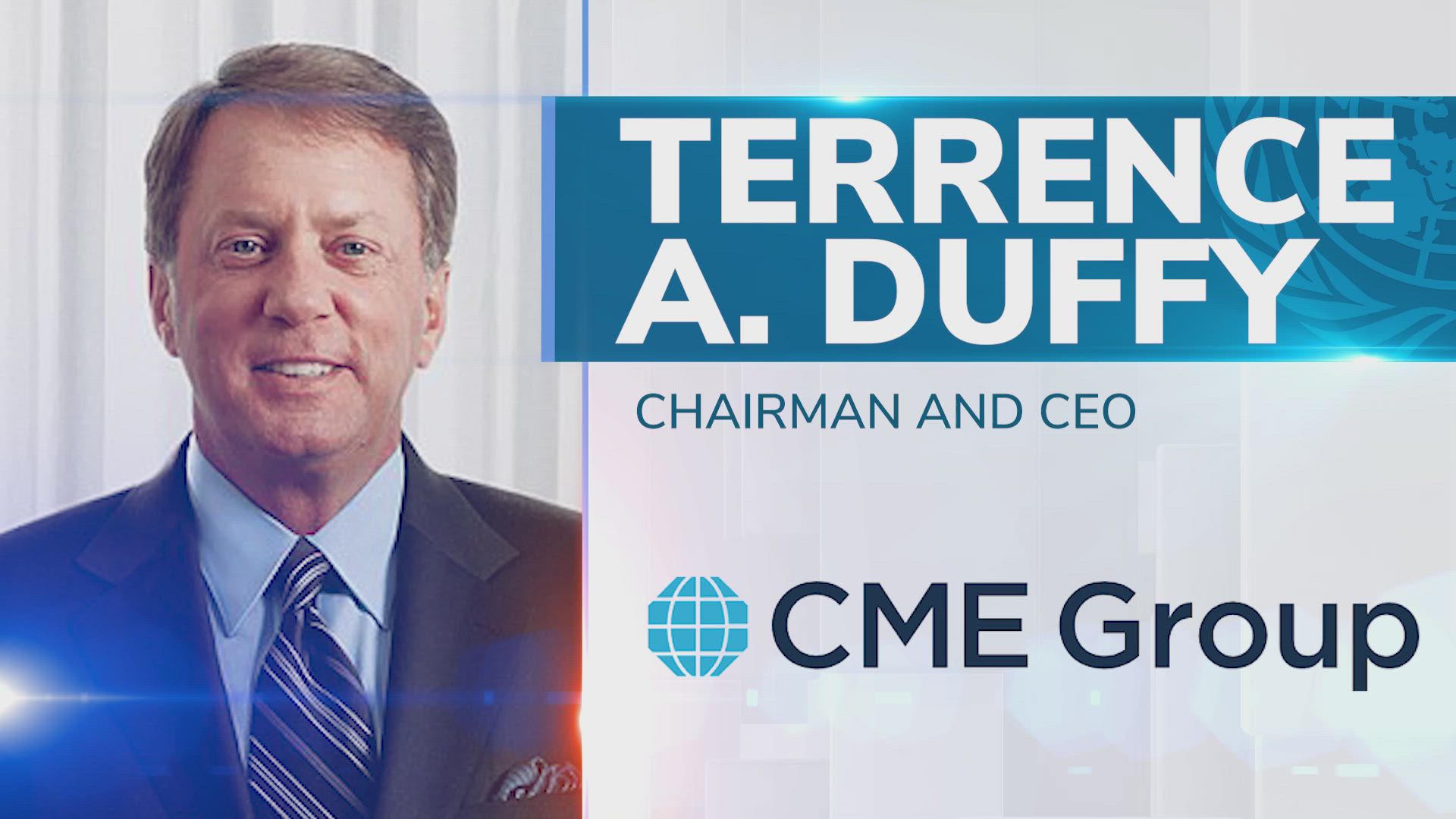
The Chicago Mercantile Exchange has made a definitive statement against creating derivatives linked to memecoins, asserting that the tokens do not possess inherent value or utility. This decision comes amid growing interest in digital currencies and the increased popularity of cryptocurrencies, which has sparked debates over the legitimacy and long-term viability of memecoins.

CME, a prominent player in the derivatives market, has expressed concern that while the meme-based digital currencies have attracted significant attention, they fail to meet the criteria required for listing on traditional financial markets. Their stance underscores a broader caution within institutional financial circles regarding the speculative nature of memecoins. CME’s focus remains on assets with clearer, more defined purposes, distancing itself from assets that could be perceived as largely driven by speculation and hype.

Memecoins, such as Dogecoin and Shiba Inu, have surged in popularity, largely driven by social media trends and celebrity endorsements. These coins, often launched with minimal technical backing or distinct use cases, have raised questions among regulators and traditional financial institutions about their sustainability. While some investors have profited from these speculative assets, others argue that their volatility and lack of utility make them unsuitable for the establishment of regulated financial products.

CME’s decision to avoid memecoin derivatives highlights the ongoing tension between traditional financial institutions and the emerging cryptocurrency market. Many institutional investors and financial services firms have taken a cautious approach toward digital assets, particularly those without a clear underlying economic purpose. Unlike Bitcoin or Ethereum, which have garnered institutional support due to their use cases in decentralized finance and blockchain technology, memecoins continue to be seen as speculative and unpredictable investments.

The CME, which is known for offering a wide range of financial products, has historically been careful about embracing digital assets. While the exchange has launched products for Bitcoin and Ether futures, it has been much more reserved in its approach to other forms of cryptocurrency. This stance reflects a broader hesitancy within traditional finance to integrate speculative digital assets into the established financial ecosystem.

Despite the speculative frenzy surrounding memecoins, their adoption among mainstream financial institutions has been slow. Critics argue that memecoins present significant risks due to their volatility and lack of regulatory oversight. With the absence of tangible utility or real-world applications, the long-term viability of these coins remains uncertain. However, the rapid rise in their value and their appeal to retail investors suggest that the digital asset market is evolving in ways that many traditional institutions struggle to fully grasp.

Meanwhile, the debate surrounding memecoins is far from settled. Some proponents argue that memecoins serve as an entry point into the broader cryptocurrency ecosystem, particularly for newcomers who may be drawn to the coins’ viral and community-driven nature. These supporters contend that the social aspect of memecoins, driven by online communities and internet culture, is a valuable phenomenon in itself. The connection between digital assets and social influence is undeniable, as evidenced by the involvement of high-profile figures such as Elon Musk in promoting Dogecoin.

By T N Ashok WASHINGTON: In a landmark but largely silent move, the U.S. Supreme Court has paved the way for former President Donald Trump to dismantle the Department of Education, terminate thousands of federal employees, and slash funding to states — all without providing a single word of legal justification. Issued as a terse […]

Abu Dhabi’s property scene is riding a wave of investor interest and stable growth during the first half of 2025, underpinned by strong infrastructure development and pro-investor policies, according to a fresh analysis by Bayut. Listing prices surged across all segments, rental yields reached double digits in many areas, and transaction volumes remain robust, fueling the capital’s appeal as a reliable investment destination. Listing figures show affordable […]

By Nitya Chakraborty India-China bilateral relations have started showing cautious improvement with the signals from both the leaderships of the two biggest countries of Asia that they are keen to restore normal political and economic ties. Indian external affairs minister Dr. S Jaishankar’s meeting with the Chinese President Xi Jinping on Monday in Beijing was […]

Miggo has unveiled VulnDB, a free, predictive vulnerability database designed to overhaul how organisations assess and prioritise software risks. By combining runtime context, exploit simulations and function-level tracing, VulnDB shifts the paradigm from reactive vulnerability tracking to proactive threat prediction, promising to drastically reduce noise from Common Vulnerabilities and Exposures and highlight only those flaws that truly matter in a live environment. At launch, VulnDB distinguishes itself […]

Affirming Its Pioneering Role in Realising Vietnam’s National Digital Asset Policy Over 20 investment fund leaders and 20 top companies in attendance. Featuring partner ARC and senior Nasdaq representatives. Deep-dive sessions on capitalisation solutions and IPO roadmap for Vietnamese enterprises. Official signing of a comprehensive strategic cooperation between Meey Group and ARC HANOI, VIETNAM – Media OutReach Newswire – 14 July 2025 – Meey Group, Vietnam’s leading […]

A tide of tariffs is sweeping across Europe, and the damage is becoming visible just as earnings reports begin to drop. President Trump’s trade decisions are no longer a future threat; they’re now a present force reshaping European corporate performance. The timing is brutal. What was expected to be a modestly positive second quarter for European earnings has shifted into decline, with weakness now concentrated in a […]

Overview – Asia Pacific’s Wealth Boom Accelerates HONG KONG SAR – Media OutReach Newswire – 14 July 2025 – The sixth edition of the Julius Baer Global Wealth and Lifestyle Report confirms the ongoing shift from material consumption towards experiences. Jen-Ai Chua, Research Analyst, Asia, Julius Baer, commented: “Asia Pacific remains one of the fastest-growing regions globally. Real GDP grew 4.5 per cent year on year in […]

The summer months bring warmth, sunshine and long perfect days. These conditions are great for enjoying your garden, but with the seasons, benefits also come from challenges. Those soaring temperatures you’d love to sunbathe in and lead to burnout plants. An increasing number of pests can lead to destroyed vegetables, and the dry soil can threaten your plant’s growth. You want to keep your garden healthy, thriving […]

European Parliament approved the removal of the United Arab Emirates from its “high-risk third countries” list for money laundering and terrorist financing, a decision aligned with its earlier removal by the Financial Action Task Force in February 2024 and marking a pivotal regulatory victory. This shift reduces the compliance burden on trade and financial flows, enhancing Abu Dhabi’s ambitions to deepen ties with Brussels and attract global investors.

Parliament’s vote endorsed the European Commission’s update to the list, which also saw the UAE’s delisting alongside jurisdictions like Gibraltar, Barbados and Panama, while new entries such as Monaco and Kenya were added. The move followed intense technical dialogue between Emirati authorities and EU institutions, satisfying the bloc’s concerns with enhanced cooperation on financial intelligence sharing and asset recovery.

Mohamed bin Hadi Al Hussaini, the Minister of State for Financial Affairs, described the decision as a “strategic milestone” that underscores global recognition of the UAE’s robust framework. He emphasised that this represents a shift toward positioning the UAE as a transparent, resilient and globally trusted financial centre – a foundation for attracting sustained investment.

These reforms follow a sweeping crackdown on non-compliance, with over AED 339 million in fines levied by the Central Bank on exchange houses, banks and insurers. The fines were part of a wider national strategy enacted under Federal Decree‑Law 20/2018 and its amendments, stretching regulatory oversight to real estate, precious metals, auditing and digital asset sectors.

Hamid Saif Al Zaabi, Secretary‑General of the National Anti‑Money Laundering and Combating the Financing of Terrorism Committee, told WAM that the EU’s removal affirms successful system‑wide integration across public and private sectors. He described the outcome as the result of a sustained national strategy dating back to 2014, supported by Cabinet-approved action plans and ongoing capacity‑building initiatives.

Despite commendations for its progress, Transparency International cautioned that delisting should not be interpreted as full clearance. The organisation noted persistent challenges in real estate safeguards and oversight of politically exposed persons, calling for ongoing vigilance and structured dialogue.

Financial experts note that removal from the EU’s list could yield significant economic dividends. The International Monetary Fund estimates capital inflows may surge by as much as 7.6 per cent of GDP, with foreign direct investment potentially rising by around 3 per cent. Gulf region analysts view delisting as unlocking smoother trade with Europe across sectors such as renewable energy, fintech and digital infrastructure.

Diplomatic messaging framed the delisting as a mutual strategic victory. UAE Minister Ahmed bin Ali Al Sayegh called it “independent recognition” of Abu Dhabi’s dedication to high international standards. EU Ambassador to the UAE Lucie Berger described it as deepening trust and advancing a shared commitment to economic safeguard and global security. Simultaneously, EU trade officials suggested that the move removes political and regulatory barriers ahead of ongoing free trade agreement negotiations with the UAE.

While the FATF had cleared the UAE in early 2024, the EU’s delayed action mirrored its own rigorous oversight cycle. In March 2023, the EU flagged the UAE for strategic deficiencies before launching a renewed process that incorporated enhanced inter-agency cooperation and legal reform.

Next on the UAE’s reform agenda is ensuring resilience in emerging risk domains such as cryptocurrency laundering and cross-border terror financing. Analysts emphasise that maintaining international trust will require sustained enforcement, legislative updates scheduled for later this year and deeper public–private collaboration.

VISHNU RAJA
RYO YAMADA
HITORI GOTOH
IKUYO KITA
Just in: