News related to
much

By Dr. Arun Mitra Perplexed with Amit Shah’s statement on Dr Ambedkar in the Parliament, the drama created by the Bharatiya Janata Party (BJP) at the entrance gate of the Parliament and later registering an FIR against Rahul Gandhi was a very low level and reprehensible act with the aim to divert the attention of […]

SINGAPORE – Media OutReach Newswire – 23 December 2024 – Madame Tussauds Singapore is proud to unveil the wax figure of Zendaya, the award-winning actress, singer, and global fashion icon. Known for her standout performances and trailblazing influence in the entertainment and fashion industries, Zendaya’s figure is a must-see for fans and visitors alike. Photo by Madame Tussauds Singapore The wax figure perfectly captures Zendaya’s charisma and […]

ACCRA, GHANA – Media OutReach Newswire – 24 December 2024 – 1win, in partnership with Adjah Cancer Support Ghana, sends Christmas donations to over 200 cancer patients and their families in Accra, Ghana. Through the initiative, the global iGaming brand 1win has donated food hampers and comforting Christmas gifts to support families battling cancer. Joselyn Dumas with Patients at Christmas Gift-giving Event By 1win Christmas gift-giving by […]

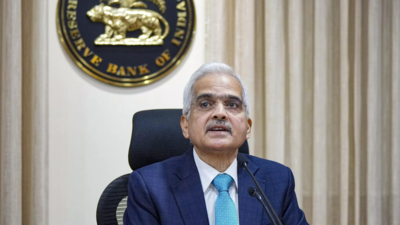
By Nantoo Banerjee It will be unfair to expect much from the new Reserve Bank governor, Sanjay Malhotra, a career bureaucrat and former revenue secretary, in terms of delivery of key functions of a central bank chief such as controlling inflation, stabilizing domestic currency, foreign exchange control and lifting economic growth. If three of his […]

PHU QUOC, VIETNAM – Media OutReach Newswire – 19 December 2024 – Phu Quoc is rapidly solidifying its position as a new luxury resort paradise in the world, with the arrival of renowned hospitality brands, including Rixos, Ritz-Carlton Reserve and The Luxury Collection in the near future. This December represents a pivotal moment for Phu Quoc and Vietnam, with two events being hailed as ‘historic milestones’ for […]

Tropical cyclones, long known for their devastating flooding, are now expected to bring even greater risks as climate change accelerates. Recent studies examining past hurricanes suggest that under a warmer climate, the extent and intensity of flooding will grow significantly, especially when compound flooding from multiple weather drivers such as storm surge and precipitation interact. A recent study led by researchers from several institutions, including L.E. Grimley […]

By Dr. Soma Marla The Union Ministry of Agriculture recently circulated a new draft for a policy framework concerning agricultural marketing. Faiz Ahmed Kidwai, additional secretary in the ministry, proposed the draft to revamp the existing framework. According to the government, the proposed universal tax on agricultural produce will increase farmers’ incomes. The committee has […]
Advertisements

As the new year approaches and the book on an eventful year in the energy world closes, 2025 looks set to bring more volatility, geopolitical tension and policy evolutions. Elections in almost all major global economies in 2024 have set the stage for a shifting policy landscape next year, most notably in the US, as President-elect Donald Trump outlines his priorities and plans for the incoming administration. […]

A new direction for digital asset regulation is taking shape as the Trump administration’s Digital Chamber’s Token Alliance discusses key priorities with pro-crypto SEC Commissioners Hester Peirce and Mark Uyeda. The priorities, set forth by the group, aim to dismantle or reconsider several regulations affecting the cryptocurrency and broader digital asset markets.

The alliance presented its day-one agenda, signaling an aggressive stance against existing regulatory frameworks that many in the crypto space consider overly broad or impractical. Central to their agenda is the overhaul of the 2019 framework for analyzing “investment contracts” in digital assets, which the alliance believes unnecessarily expanded the scope of what is considered an investment contract. Critics argue that this move left too much room for uncertainty, complicating the regulatory landscape for crypto assets.

One of the most significant shifts proposed is the reconsideration of amendments to Rule 3b-16, which had sought to expand the definition of “exchange” to include decentralized finance (DeFi) markets. The rule, if enforced, would have placed stricter regulatory requirements on decentralized exchanges, potentially curbing the growth of decentralized finance, a sector that has flourished despite regulatory challenges. The proposal to reconsider this rule reflects a growing consensus that current regulations might not adequately address the unique characteristics of decentralized platforms.

Further scrutiny will also be applied to ongoing legal actions and investigations concerning digital assets. The alliance has urged the SEC to immediately review all ongoing digital-asset-related investigations and Wells Notices. These notices, which are issued as part of enforcement actions, could lead to charges against companies or individuals violating securities laws. The call to halt and reassess these investigations is a direct challenge to the existing enforcement posture of the SEC, particularly under its previous leadership.

A critical aspect of the alliance’s agenda is the withdrawal of proposed Safeguarding Rules, which would have excluded state-chartered banks and trust companies from being considered qualified custodians for digital assets. These rules were seen by many in the industry as an unnecessary barrier, limiting the ability of traditional financial institutions to engage with digital assets. By advocating for the withdrawal of these rules, the alliance aims to ensure that more financial entities can participate in the digital asset ecosystem, helping to provide the infrastructure needed for growth.

The group seeks to rescind SAB 121, a standard that has caused significant friction within the digital asset community. The rule requires custodial entities to hold crypto assets on their balance sheets, creating potential accounting and financial reporting issues for companies holding client assets. The alliance argues that this requirement creates undue burdens on businesses, potentially discouraging them from offering custodial services for digital assets. The SEC’s rescinding of SAB 121 would be a major victory for crypto service providers, many of whom have cited it as a significant obstacle to growth.

The Trump administration’s proposed changes to these regulatory frameworks come at a time when digital assets are becoming an increasingly important part of the global financial landscape. As cryptocurrencies and blockchain technologies continue to gain mainstream acceptance, the need for clear and practical regulations has never been more pressing. However, the challenge remains for regulators to balance innovation with investor protection, ensuring that the digital asset market can thrive without opening the door to greater risks of fraud, manipulation, or financial instability.

Key figures in the industry are closely watching the evolving regulatory landscape. While the proposals to revisit the 2019 framework and rescind several key rules have been welcomed by many in the crypto space, the shift in regulatory policy is not without controversy. Some argue that loosening regulations too quickly could expose investors to greater risks. Others are concerned that too much regulation could stifle innovation and drive blockchain projects away from the U.S., especially as other countries such as the European Union are moving ahead with their own regulatory frameworks.

The debate surrounding the future of digital asset regulation highlights the growing importance of cryptocurrency in the global economy. Whether the Trump administration’s regulatory overhaul will have long-term positive effects on the industry remains to be seen, but it signals a willingness to reconsider outdated regulations that may not align with the evolving digital economy. What is clear is that the push for deregulation could reshape the way digital assets are viewed by both regulators and the broader public, offering new opportunities for growth and development in the sector.

As the regulatory environment continues to shift, stakeholders in the digital asset space are preparing for potential changes. Advocacy groups, blockchain companies, and financial institutions are aligning their strategies to take advantage of a regulatory landscape that may be more accommodating to innovation. However, this also brings a renewed focus on the need for clarity, as businesses seek to navigate the complex and often contradictory world of cryptocurrency regulation.

Bitcoin has reached a historic milestone, surpassing 14% of the total market capitalization of gold. This new all-time high highlights the growing prominence of the cryptocurrency as an alternative asset class, even as gold continues to be viewed as a safe haven for investors. As digital assets gain more traction, Bitcoin’s increasing share of gold’s market cap reflects the shift in investor sentiment and the broader financial landscape.

The surge in Bitcoin’s market cap, which now stands at over $500 billion, represents a remarkable evolution for the cryptocurrency. When Bitcoin was first introduced in 2009, it was dismissed by many as a speculative asset with little to no tangible value. Today, however, it is a mainstream financial instrument, widely recognized and traded by institutional investors, hedge funds, and retail traders alike. The ongoing growth of Bitcoin’s value has contributed to a steady increase in its share of gold’s market capitalization, marking a significant milestone for digital currencies.

Gold, with a market cap of around $11 trillion, has long been considered a stable store of value. For centuries, investors have flocked to the precious metal as a hedge against inflation and market instability. Bitcoin, on the other hand, is still relatively young and volatile. Despite this, the cryptocurrency has earned its place in the broader financial ecosystem, with its market share increasingly viewed as a legitimate complement to traditional assets like gold.

The correlation between Bitcoin and gold has been the subject of much debate among financial experts. Some argue that Bitcoin’s rise signals a fundamental shift away from traditional assets, as digital currencies offer more flexibility, transparency, and security. Bitcoin’s decentralized nature allows it to function outside the influence of central banks and governments, which gives it a unique appeal in times of economic uncertainty. Proponents see it as a “digital gold,” offering similar benefits in terms of wealth preservation but with additional benefits such as greater divisibility and ease of transfer.

Conversely, others point out that Bitcoin’s volatility makes it a riskier asset compared to gold. While gold has a long history of stable pricing, Bitcoin has experienced significant fluctuations in value, with its price rising and falling dramatically over short periods. This volatility has raised concerns among some investors, particularly those who are risk-averse. Despite these concerns, the appeal of Bitcoin as an investment continues to grow, as evidenced by its increasingly large share of the global market.

A major factor contributing to Bitcoin’s rising market cap is the increasing adoption of the cryptocurrency by institutional investors. Hedge funds, family offices, and even publicly traded companies are now incorporating Bitcoin into their portfolios as a hedge against inflation and market volatility. The involvement of these institutional players has legitimized Bitcoin as an asset class, pushing its value higher. Large financial institutions like Fidelity, JPMorgan, and Goldman Sachs have begun offering Bitcoin-related services, providing additional legitimacy to the cryptocurrency market.

The growing interest in Bitcoin has been bolstered by regulatory developments that have provided greater clarity on its legal status in many countries. Governments and financial regulators around the world have taken steps to integrate digital currencies into the formal financial system, which has helped to build trust in Bitcoin. The approval of Bitcoin exchange-traded funds (ETFs) in various markets, along with clearer regulations regarding its taxation, have added to the cryptocurrency’s appeal.

However, Bitcoin still faces challenges in fully replacing gold as a store of value. For one, it is far less widely accepted as a medium of exchange than gold, which has been used as currency for thousands of years. While Bitcoin is increasingly accepted as a payment method by online merchants, it is not as universally accepted as gold, which is still widely recognized and used in various industries, from jewelry to electronics.

Bitcoin’s energy consumption has been a point of contention for many environmentalists and critics. The process of mining Bitcoin requires vast amounts of computational power, which in turn consumes significant amounts of electricity. This has led to concerns about the environmental impact of Bitcoin mining, with some countries and regions moving to restrict or ban mining operations. While efforts are being made to address these concerns through the use of renewable energy sources in Bitcoin mining, the issue remains a challenge for the cryptocurrency’s broader adoption.

Despite these challenges, the growing market capitalization of Bitcoin relative to gold underscores the shifting dynamics in the financial world. The cryptocurrency’s increasing prominence has led some to speculate that it could eventually rival gold as a dominant store of value. If Bitcoin continues to gain market share at its current pace, it could challenge gold’s supremacy in the long run, particularly if the global financial system moves further toward digitization.

One of the key factors driving this shift is the global macroeconomic environment. In the wake of the COVID-19 pandemic, central banks around the world have implemented unprecedented monetary policies, including low interest rates and massive fiscal stimulus measures. These policies have led to concerns about inflation and the erosion of traditional currencies. As a result, many investors have turned to Bitcoin as a hedge against the potential devaluation of fiat currencies. With its finite supply and decentralized nature, Bitcoin is seen by some as a more secure store of value in a world of increasingly unpredictable monetary policy.


By Dr. Gyan Pathak The twin bills introduced in the Lok Sabah on December 17 seeking ‘one nation and one election’ – ie simultaneous elections to the Lok Sabha and Vidhan Sabhas of the States and Union Territories –contains provisions of too much centralization of the governance in India that has potential risks of making […]


China has implemented an export ban on essential high-tech goods, marking a significant shift in the global semiconductor industry. The move, which targets critical technologies such as advanced chips, comes as a direct response to the United States’ increasing restrictions on Chinese access to semiconductor technology. This escalating tension between the two countries is threatening to disrupt an already fragile global supply chain, where China plays a […]

HONG KONG SAR – Media OutReach Newswire – 18 December 2024 – Malvern College Hong Kong (MCHK) proudly hosted “Legends on the Sky Pitch,” an extraordinary event featuring esteemed football legends from both Real Madrid and Barcelona. This highly anticipated visit provided MCHK pupils with an inspiring opportunity to engage directly with some of football’s greatest players, creating lasting memories and encouraging their passion for the game. […]

Manish Rai Shoresh Ismail Abdulla is the Minister of Peshmerga affairs in the Kurdistan Regional Government (KRG). The Peshmerga are the military forces of the Kurdistan Regional Government (KRG) and one of the most capable forces in the region, which pushed back ISIS from its strongholds. Currently, Peshmerga is also playing a vital role in counter-terror operations against ISIS. In an interview, Abdulla speaks about the reemergence […]

Fartcoin, a meme cryptocurrency that initially appeared as a humorous and unorthodox creation, has stunned the digital currency market by surpassing both Dogecoin and Shiba Inu in value. This surge has raised eyebrows, leaving investors and enthusiasts questioning the true drivers behind its rapid rise despite its lack of inherent utility or purpose.

Launched as a joke, Fartcoin’s explosive growth is indicative of an unpredictable trend in the volatile world of meme cryptocurrencies. While cryptocurrencies like Bitcoin and Ethereum are traditionally backed by more tangible use cases or underlying technology, meme coins have gained attention primarily through social media-driven hype and community engagement. Dogecoin, which started as a joke itself, was one of the first meme coins to experience mainstream success. Shiba Inu followed suit, building a large following through a similar blend of humor and speculative interest.

Fartcoin, however, has defied expectations in a market that has often dismissed its creation as a fleeting trend. According to market analysts, its recent spike in value can be attributed to a combination of viral social media campaigns and backing from influential figures within the cryptocurrency ecosystem. Its rise parallels the phenomenon seen with Dogecoin during the height of its popularity in 2021, when celebrity endorsements and internet buzz pushed the token’s price to unprecedented levels.

Despite its unorthodox origins, Fartcoin has attracted a growing community of investors and traders who are taking part in the speculative fervor that has characterized the meme coin market. Its unique appeal lies in its absurdity, providing a form of digital amusement as much as it does a potential investment vehicle. For some, the allure is in participating in a meme-based financial ecosystem that feels detached from the traditional financial systems. For others, it’s the hope of riding the wave of a coin that could offer short-term profits through its unpredictable fluctuations.

However, experts are warning that Fartcoin’s rise could be emblematic of the broader risks inherent in meme coin investments. While some are reaping the rewards of buying into the cryptocurrency during its early phases, others are beginning to question the sustainability of such growth. Cryptocurrencies that lack real-world applications or a robust technical foundation are notoriously volatile and prone to sudden crashes once the speculative excitement subsides.

The market behavior surrounding meme coins has been driven largely by speculative trading, with investors often lured by the fear of missing out (FOMO) on a potential windfall. This pattern is not new, as seen with the rise and fall of other tokens within the meme coin category. As such, Fartcoin’s meteoric rise could be the latest iteration of a pattern that has seen countless cryptocurrencies rise on the back of a social media surge, only to falter once the speculative bubble bursts.

Critics of Fartcoin and similar meme cryptocurrencies argue that these coins lack any real value or utility, making them susceptible to market manipulation and investor sentiment. Unlike more established cryptocurrencies that offer underlying technology or use cases such as decentralized finance (DeFi) or non-fungible tokens (NFTs), meme coins exist primarily as digital novelty items. As such, their worth is tied to the popularity of online communities, rather than any practical application or development.

However, proponents of Fartcoin and other meme coins assert that their success is indicative of a new era in which the market is driven less by traditional economic fundamentals and more by collective sentiment. This has sparked a broader conversation about the role of social media in shaping financial markets, particularly in the realm of cryptocurrency. It underscores the growing influence of decentralized online communities that can sway the value of a digital asset, for better or worse.

The unpredictable nature of meme coins like Fartcoin is reflected in their frequent fluctuations in value. A sharp increase in price often prompts waves of buying from eager investors hoping to capitalize on the short-term rally. But as seen in the past, such spikes can also be followed by equally dramatic drops, leading to significant losses for those caught up in the fervor.

In recent weeks, cryptocurrency regulators have begun to take notice of the growing impact of meme coins on the market. While Fartcoin itself has yet to draw the attention of major regulatory bodies, the broader trend of speculative investments in meme tokens has raised concerns about market manipulation and consumer protection. Regulators are starting to consider whether new rules are necessary to safeguard investors, particularly those who may not fully understand the risks involved in trading highly volatile assets.

The rise of Fartcoin has also sparked conversations within the wider cryptocurrency community about the ethical implications of promoting and investing in meme coins. Some advocates argue that the market is simply a reflection of the internet’s cultural landscape, where humor and entertainment can intersect with finance. Others, however, view the influx of meme-based tokens as a distraction from the more serious projects within the cryptocurrency space.

Crude oil markets across the Middle East have become increasingly constrained as the United Arab Emirates (UAE) takes steps to limit its oil exports, while international sanctions continue to affect flows from Iran. These combined actions have contributed to a tightening of global oil supplies, pushing prices higher for key Middle Eastern grades.

The UAE, one of the world’s top oil producers, has recently implemented measures to limit its output, joining other OPEC+ members in their efforts to stabilize oil markets amid fluctuating demand and economic uncertainty. This move is part of a broader strategy by the UAE to control production levels more closely, ensuring that the global supply remains in balance with the demand.

Meanwhile, the ongoing sanctions on Iran have added another layer of complexity to the Middle Eastern oil landscape. Despite some efforts to revive the nuclear deal, Tehran continues to face restrictions that prevent it from fully participating in the global oil trade. As a result, Iran’s oil exports have been significantly curtailed, with the country struggling to bypass restrictions designed to limit its oil revenues. This has further squeezed the market and contributed to higher prices for several crude grades.

The tightening of the market has had a noticeable impact on prices. For example, the price of Dubai crude, a key benchmark for Middle Eastern oil, has seen a substantial increase, reflecting the reduced availability of supply. The price uptick is particularly significant for countries in Asia, where Middle Eastern crude is a primary source of oil. The sharp rise in prices has prompted concerns among buyers about the sustainability of the situation, especially as global energy demand continues to grow.

Oil prices in the Middle East have also been influenced by broader geopolitical and economic trends. As countries like China and India recover from the pandemic and resume higher levels of industrial activity, their demand for crude oil has surged. This demand has been further amplified by supply restrictions in other regions, notably from Russia and Venezuela, where political and economic challenges have hampered production. These dynamics have intensified the pressure on Middle Eastern producers to ensure they can meet the global demand while managing the ongoing challenges posed by sanctions and production cuts.

The UAE’s decision to limit its oil exports aligns with broader efforts within the Organization of the Petroleum Exporting Countries (OPEC+) to curb production in response to shifting market conditions. OPEC+ has long been at the forefront of managing global oil output to prevent significant price fluctuations that could destabilize the market. However, the ongoing cuts, which have been in place for much of 2024, are a delicate balancing act. If production levels are reduced too much, they risk pushing prices too high, which could spark inflationary pressures around the world.

This delicate balance is evident in the price movements of several key crude grades. Brent crude, the global benchmark, has risen steadily, driven by supply concerns from key oil-producing regions, including the Middle East. Similarly, West Texas Intermediate (WTI) has seen price increases, partly due to concerns about the tight supply from OPEC+ nations.

Sanctions on Iran continue to play a significant role in these price shifts. Despite some efforts by Tehran to circumvent sanctions by selling oil on the black market, international restrictions remain in place, making it difficult for the country to regain its former market share. Iran’s oil exports, which once accounted for a substantial portion of global supply, have dropped significantly since the US re-imposed sanctions after exiting the nuclear deal. While there have been sporadic efforts to negotiate a return to the deal, these have so far yielded little in terms of significant policy changes or sanctions relief.

For the oil markets, these combined challenges—UAE production cuts and Iranian sanctions—represent a dual pressure point that is expected to persist throughout 2024. Experts warn that the global oil market will continue to face volatility as geopolitical uncertainties, economic growth trajectories, and supply disruptions intertwine.

While the UAE’s actions are likely to continue to drive the market dynamics in the short term, the long-term outlook for the region’s oil supply remains uncertain. The UAE, along with other key players like Saudi Arabia, will need to carefully navigate the challenges of balancing global demand with domestic energy strategies. In particular, the UAE’s push to manage its oil output more closely may have significant implications for global oil prices, especially if other members of OPEC+ follow suit.

While the world continues to embrace digital transformation, faxing remains a vital component in many business operations. Secure document transmission is critical, especially when sensitive information is frequently exchanged. Faxing software provides a bridge between traditional faxing methods and modern electronic communication. Understanding the benefits of such software can foster a seamless flow of information in any professional environment. Below, we delve into how faxing software is revamping office […]

KUALA LUMPUR, MALAYSIA – Media OutReach Newswire – 18 December 2024 – 2024 has been a year of contradictory events, significant economic changes, and major political shifts. On a positive note, it was the year when global central banks finally managed to tackle inflation, partly induced by the negative and far-reaching effects of the COVID pandemic and partly by the more recent geopolitical events. After holding borrowing […]

A European Member of Parliament has called for the establishment of a “Strategic Bitcoin Reserve” within the European Union, aiming to position the region as a leader in the global cryptocurrency market. The proposal, made during a speech in the European Parliament, advocates for the EU to take a more active role in the adoption and regulation of Bitcoin, highlighting the potential economic and geopolitical benefits.

The lawmaker’s speech focused on the role of Bitcoin as a reserve asset, similar to gold, with the potential to safeguard Europe’s financial stability amid global economic uncertainty. By creating a reserve, the European Union could enhance its financial sovereignty and reduce reliance on traditional financial systems, particularly in the face of growing interest in digital currencies worldwide. The proposal is seen as a direct challenge to conventional financial policies and aligns with the growing push for central bank digital currencies (CBDCs) across the globe.

Bitcoin, often referred to as “digital gold,” has garnered increasing attention from institutional investors and governments alike, with countries such as El Salvador adopting it as legal tender. The European MP emphasized that Bitcoin’s decentralized nature makes it an ideal asset for hedging against inflation and economic volatility, particularly given the global financial system’s reliance on central banks and fiat currencies. He suggested that the EU, with its strong economic foundation, should embrace Bitcoin as a way to secure its future financial interests.

The call for a Strategic Bitcoin Reserve also touches on broader geopolitical implications. As the United States and China continue to assert dominance in the global economic landscape, the MP pointed out that Europe risks losing its competitive edge by failing to integrate digital assets like Bitcoin into its strategic financial planning. By creating a reserve, the EU could not only protect its financial interests but also position itself as a global leader in the blockchain and cryptocurrency industries.

However, the proposal is not without its critics. Some members of the European Parliament have expressed concerns about the volatility of Bitcoin, which could pose significant risks if the EU were to invest heavily in the cryptocurrency. Bitcoin’s price fluctuations have been well-documented, with the asset experiencing dramatic rises and falls over the years. Critics argue that placing too much faith in Bitcoin could expose the EU to unnecessary financial instability, particularly given the unpredictable nature of the cryptocurrency market.

The EU’s regulatory stance on Bitcoin and cryptocurrencies remains a subject of debate. While some countries, such as Germany, have embraced the use of Bitcoin and other digital assets, others remain wary, with concerns about security, money laundering, and financial crime. The European Central Bank (ECB) has consistently warned about the risks associated with cryptocurrencies, particularly in relation to their use as an alternative to traditional financial systems.

Despite these concerns, the growing interest in Bitcoin as a hedge against inflation has spurred a wave of interest among policymakers. Several EU member states are exploring ways to integrate blockchain technology and cryptocurrencies into their financial systems. For example, France has launched its own regulatory framework for cryptocurrency exchanges, and Estonia has been a pioneer in blockchain adoption for government services. The MP’s proposal for a Strategic Bitcoin Reserve is likely to ignite further debate on how the EU should position itself in the evolving digital economy.

Another important aspect of the proposal is the potential for the EU to influence the global regulatory landscape for cryptocurrencies. As one of the world’s largest economic blocs, the EU has the power to shape global financial regulations. By taking a proactive approach to Bitcoin, the EU could set standards for the cryptocurrency industry, ensuring greater stability and transparency in the market. This could provide a model for other countries and regions to follow, creating a more structured environment for digital asset adoption.

The concept of a Strategic Bitcoin Reserve also ties into the EU’s broader goals of enhancing its digital infrastructure and fostering innovation. The European Commission has been actively promoting the development of digital technologies, including blockchain, as part of its Digital Strategy for 2030. By integrating Bitcoin into its long-term financial strategy, the EU could further its ambitions of becoming a global hub for digital innovation.

Despite the controversy surrounding Bitcoin’s volatility, advocates for the Strategic Bitcoin Reserve argue that it represents a forward-thinking approach to financial stability. By diversifying its reserves and incorporating digital assets into its portfolio, the EU could mitigate the risks associated with relying solely on traditional currencies and assets like gold. This approach could offer a more resilient foundation for the EU’s economy in an increasingly uncertain global financial environment.

Former President Donald Trump recently addressed the Blockchain Association’s Annual Policy Summit, where he expressed strong support for the growth of the blockchain industry in the United States. During the dinner event, Trump emphasized the importance of blockchain technology as a key driver for maintaining economic strength and preventing American businesses from moving overseas to countries like China. His remarks at the summit highlighted the need for clear regulatory frameworks that encourage innovation while safeguarding national interests.

Trump’s engagement with blockchain technology comes as part of a broader push to modernize the U.S. economy and ensure that cutting-edge technologies remain within the country’s borders. The former president has previously voiced concerns over the global shift of technology and business hubs toward nations with more favorable regulatory environments, particularly China, which has become a major player in sectors like cryptocurrency mining and blockchain-based services.

Speaking to the gathered policy experts, business leaders, and lawmakers, Trump urged for a balanced approach to regulation that allows for growth and innovation in the blockchain sector. “The U.S. must stay ahead in this field,” he said, warning that without action, American companies may seek more favorable environments abroad. His comments reflect his long-standing view on the need to maintain U.S. competitiveness, particularly in sectors that are expected to define the global economy in the coming decades.

The former president’s endorsement of blockchain technology is seen as an attempt to position the U.S. as a global leader in the emerging digital economy. Blockchain, which underpins cryptocurrencies like Bitcoin and Ethereum, has a broad range of applications, including in finance, supply chain management, and even healthcare. As industries around the world explore its potential, the U.S. government faces pressure to implement regulations that both foster innovation and protect investors and consumers.

Trump’s position on blockchain aligns with a growing consensus in Washington about the need to establish clearer guidelines for the technology. Several lawmakers have recently introduced bills aimed at improving the regulatory environment for blockchain and cryptocurrencies. These efforts aim to address the challenges of crypto-related fraud, money laundering, and tax evasion, while also encouraging the growth of legitimate businesses in the space.

The Blockchain Association, which represents a wide array of blockchain companies, has been at the forefront of advocating for such regulations. Their policy priorities include ensuring that the U.S. remains a favorable jurisdiction for blockchain entrepreneurs, particularly when compared to jurisdictions like China, where regulatory crackdowns have stifled domestic innovation. For Trump, promoting blockchain development is part of his broader economic vision that focuses on retaining technological leadership within U.S. borders.

Trump’s dinner remarks were met with mixed reactions. Supporters lauded his call for stronger blockchain policies, viewing it as a necessary step to ensure that the U.S. remains a technological powerhouse. However, critics cautioned that any regulatory push must balance innovation with security and consumer protection. They highlighted concerns that overly restrictive regulations could stifle growth in a sector that is still in its early stages.

The blockchain industry has been grappling with regulatory uncertainty for years. While blockchain technology itself is decentralized and largely unregulated, the use of cryptocurrencies and blockchain-based applications in finance has drawn significant attention from government agencies. The U.S. Securities and Exchange Commission (SEC) and other regulatory bodies have been working to develop frameworks that protect investors and ensure that the industry does not become a haven for illegal activities.

For the blockchain sector, Trump’s comments highlight the urgency of developing a regulatory structure that allows businesses to thrive while maintaining a clear legal framework. Blockchain companies have expressed concerns over the patchwork of regulations at the state and federal levels, which can create confusion and limit their ability to scale operations.

As global competition heats up, blockchain is increasingly seen as a critical area for investment. Countries around the world are making moves to attract blockchain startups and developers by offering tax incentives, regulatory clarity, and business-friendly environments. Trump’s statements signal that the U.S. government may need to do more to support the sector to remain competitive.

The future of blockchain technology in the U.S. may hinge on the development of a coherent regulatory strategy. Proponents argue that clear and consistent guidelines are essential for encouraging investment and innovation, while detractors warn that too much regulation could stifle the sector’s potential. Trump’s position reflects the growing recognition that the U.S. must act quickly to ensure it remains a global leader in blockchain, cryptocurrency, and other emerging technologies.

By Nantoo Banerjee China’s sudden change of mind to uphold peace and tranquility with India at the Line of Actual Control (LAC) and work for early resolution of outstanding issues should not be read beyond these words as framed at the joint declaration at the end of the 30th meeting of the Working Mechanism for […]


A powerful cyclone struck Mayotte, a French overseas territory located in the Indian Ocean, causing extensive damage to infrastructure and homes across the region. The storm, which intensified to hurricane strength, battered the island with relentless winds and heavy rain, leading to destruction that officials are likening to the aftermath of a catastrophic event. The cyclone made landfall over the weekend, with winds reaching speeds of up […]

Libya’s Zawiya Refinery has come to a standstill after the declaration of force majeure, compounding the nation’s already fragile economic landscape. The move has disrupted operations at the key facility, which is crucial for the country’s domestic fuel supply and its oil export revenues. As the impact of the refinery’s shutdown reverberates, concerns are rising over how long Libya can weather these economic shocks. Located on the […]

A proposed law in New York City aimed at regulating electric bikes has ignited significant debate, with critics arguing that it unfairly targets marginalized communities while failing to address the larger issue of road safety. The legislation, which would impose stricter regulations on e-bikes, is being touted by some as a necessary step to reduce accidents involving these vehicles. However, many activists and community leaders have raised […]

VISHNU RAJA
RYO YAMADA
HITORI GOTOH
IKUYO KITA