Just in:
Technology shares plunge as Nasdaq enters correction // Trump’s Iran War Has A Share Of Contribution To His Midterm Debacle // Asia Left Behind: Ten international companies have yet to report delivering on their cage-free egg pledges across the region // Beyond the exhibition floor: How robots, AI and networks are moving into the real world // e-Crime Bureau Signs Cybersecurity Partnership With Smart Africa, Reinforcing Its Global Expansion // Kochi police detain two actors over bid to honey trap doctor // Hong Kong mandates crypto transaction disclosures to tax authorities // Xi Jinping Preparing For A Trilateral Summit With Trump And Putin At APEC Summit On Nov 18-19 // Oil advances towards $100 as tanker attacks persist // Oil and chip shares retreat after Democratic victories // Emaar approves Development buyout ahead of planned delisting // Miss Universe Hong Kong Jen Zhou Departs for Puerto Rico to Compete in the 75th Miss Universe World Final // OpenAI abandons secrecy agreements for future data centres // Ousted top Kochi cop gets IG post // TVM –Mangaluru Vande Bharat claims top spot // Motorola introduces Signature 27 flagship priced at $1,599 // APT29-linked campaign exploits outdated Apple and Android software // Millions Of Indians May Soon Be Deprived Of Government Assistance // Geely’s i-HEV Intelligent Hybrid Technology Offers a New Direction Vision for Gasoline-Powered Vehicles // CR Longdation Aethereal Cybersecurity × Global Cybersecurity Alliance (GCSA) Join Hands to Establish the “AI and Cybersecurity Research Centre” //

News related to
much

Matein Khalid There is precious little good news to emerge from the Middle East since the IDF launched its spectacular blitzkrieg and leadership decapitation strike against Iran’s nuclear asset and military/intelligence elite last Friday. This weekend was grim with Iran’s ballistic missile strike on Haifa and Tel Aviv with even a real miss on the IDF command and control complex in Kirya. Netanyahu’s boast that he would […]

The U.S. Senate has enacted the GENIUS Act, the first-ever federal framework for regulating dollar‑pegged stablecoins, with a decisive 68–30 bipartisan vote on 17 June 2025. Eighteen Democrats joined Republicans in supporting the legislation, which now advances to the House and is expected to reshape Washington’s digital asset rules.

The bill mandates that stablecoin issuers back tokens with liquid assets such as U.S. Treasuries, require regular financial disclosures and adhere to anti‑money‑laundering measures. It grants banks the authority to issue stablecoins, while explicitly restricting executive branch officials and legislators from sharing in their profits—a direct response to concerns over conflicts of interest.

A surge in crypto-sector investment in political campaigns appears to have shifted momentum. Industry spending topped $119 million in support of pro‑crypto congressional candidates during the 2024 cycle. Lobbyists then intensified efforts to engage Democratic lawmakers, viewed as essential for reaching the 60-vote threshold in the evenly divided Senate.

Internal communications among Democratic operatives reveal strategic alignment with crypto backers. In a private group chat described in reporting by the Lever, coalition members acknowledged that, despite ethical concerns, opposing the industry would be “political suicide.” One member reportedly observed that any amendment targeting Trump‑family conflicts would be “DOA,” suggesting token amendments offered for optics rather than impact.

Legislators including Senator Elizabeth Warren have voiced misgivings, arguing that the bill inadequately shields consumers or addresses risks associated with big‑tech or foreign‑issued stablecoins. She contends it grants too much leeway to the likes of former President Donald Trump’s crypto ventures, such as the Trump memecoin and World Liberty Financial.

The crypto lobby’s efforts have extended beyond campaign funding to retention of influential political operatives. Coinbase, for instance, recently appointed veteran Democratic strategist David Plouffe to its advisory board, joining a roster of insiders from both parties. Observers note this reflects crypto’s emerging status as a “politically competitive” constituency.

The political dynamic has shifted decisively. As AP reports, Democrats are balancing distrust of Trump-linked crypto enterprises with newfound recognition of the sector’s electoral influence. Backing the GENIUS Act became for many a strategic necessity, notwithstanding deep ideological resistance to deregulation.

The Senate vote occurred amid broader legislative discussions. The CLARITY Act—aimed at clarifying agency jurisdiction across the SEC and CFTC—is under consideration in the House Financial Services Committee. Some lawmakers propose merging the stablecoin and authority-defining bills, though others caution it could delay the GENIUS Act’s passage.

Crypto industry leaders view the GENIUS Act as a critical precursor to more comprehensive legislation. Ledger’s Head of Global Policy, Seth Hertline, described the Senate’s action as “a political bellwether” for the sector’s broader legislative agenda.

The bill’s passage also intersects with Trump’s personal crypto interests. His family’s stablecoin projects have sparked accusations of profiteering and lobbying for relaxed oversight. Critics warn that current legislative safeguards fall short of preventing conflicts of interest.

The next phase lies in the House, where Republican leadership must reconcile the Senate’s GENIUS Act with its own STABLE Act or integrate it into broader regulatory plans. Some Republicans advocate adding provisions to limit central bank digital currency initiatives, though such measures may complicate Senate approval.

Major stablecoin issuers such as Tether and Circle —together controlling over $200 billion in supply—stand to gain regulatory clarity and legitimacy if the GENIUS Act becomes law. Recent moves by major corporates, including JPMorgan’s planned stablecoin on Coinbase’s Base chain and indications that Amazon and Walmart are exploring token issuance, signal growing private‑sector enthusiasm.

As the House deliberates, questions remain whether the Senate’s bipartisan vote marks the start of a fully fleshed-out U.S. crypto regulatory regime—or the culmination of a high-stakes battle between policy integrity and political pragmatism.

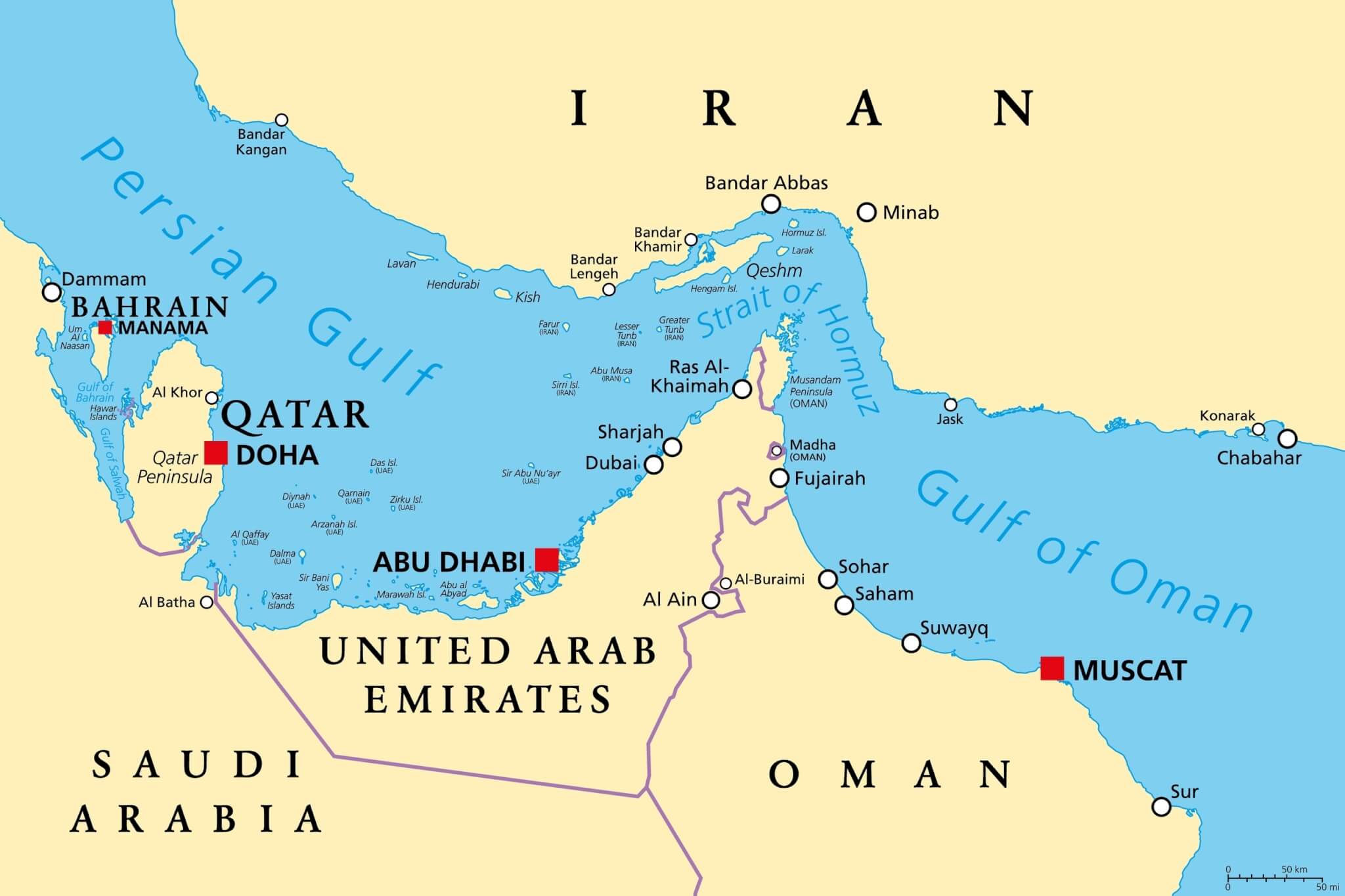
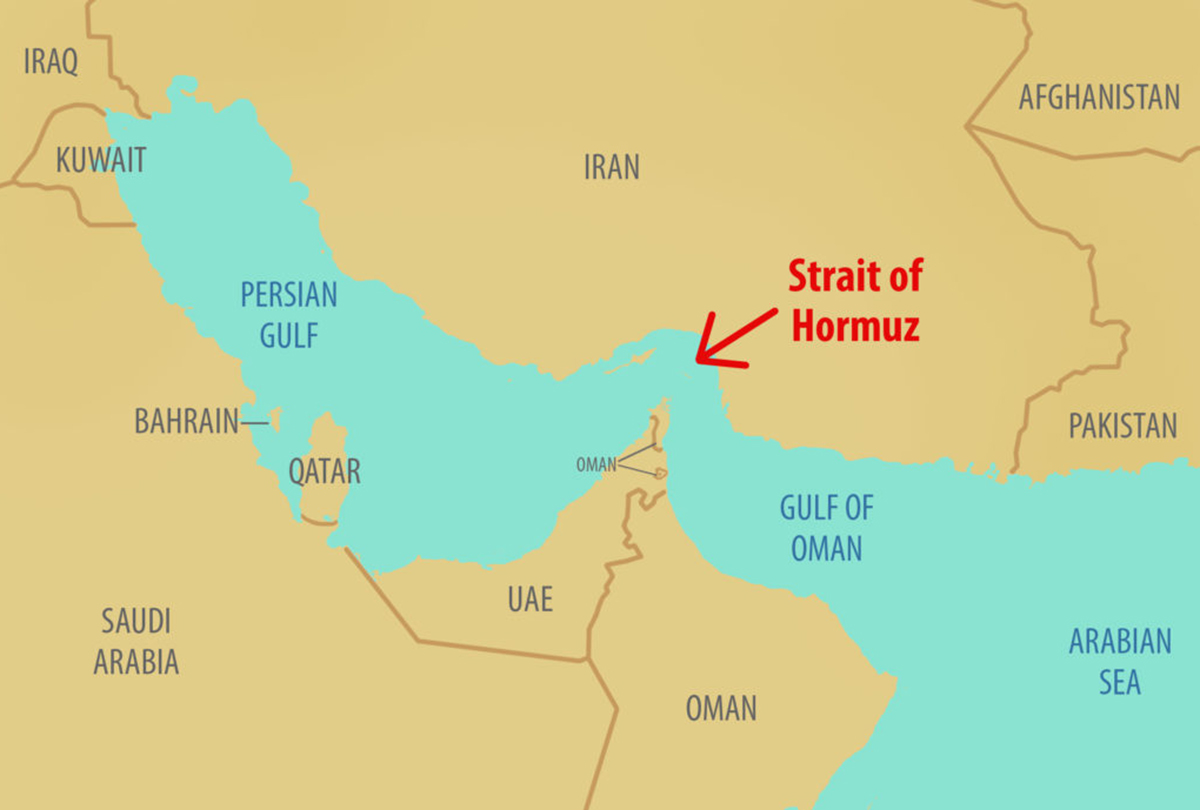
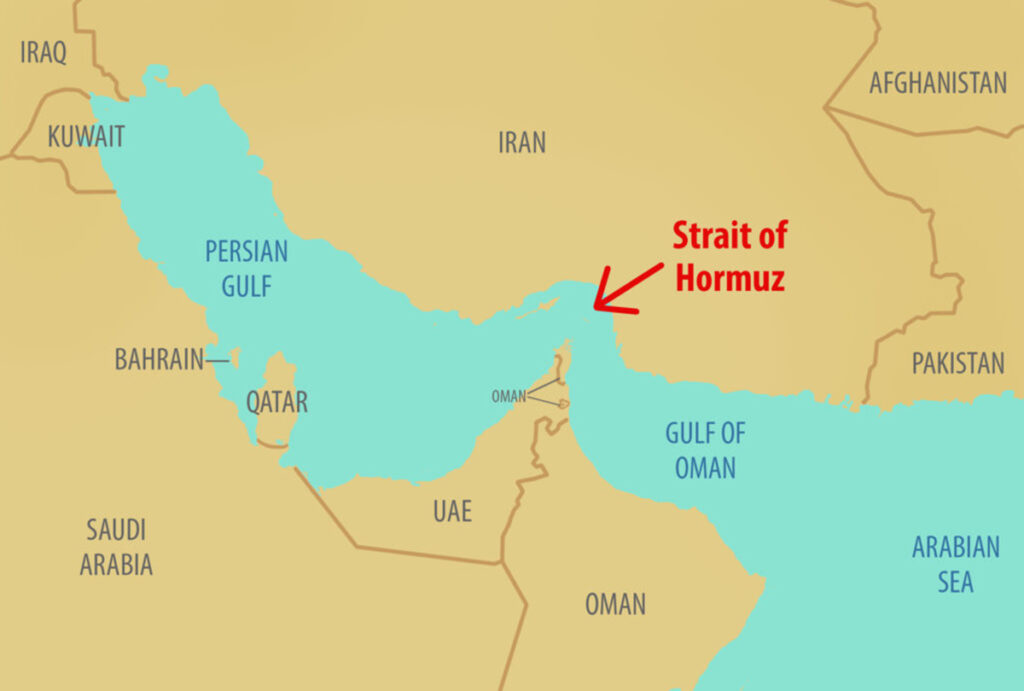
Qatar has instructed LNG carriers to remain outside the Strait of Hormuz until one day prior to loading operations as regional security risks heighten, with officials emphasising that this measure is precautionary and unlikely to disrupt overall supply volumes.

The directive from QatarEnergy affects vessels bound for the Ras Laffan terminal, one of the world’s largest liquefied natural gas export facilities. Around a dozen carriers are idling in ballast outside the terminal, awaiting final instructions before undertaking brief, tightly scheduled transits through the strait.

Market indicators reacted swiftly: European gas prices surged as much as 4.8%, while Asian benchmarks inched upward amid growing concern over potential delivery delays. Despite this, analysts and industry insiders maintain that the streamlined entry process—coupled with Qatar’s steady production—should keep cargo volumes within normal parameters.

This move aligns with contingency efforts by the world’s third-largest LNG exporter. Industry sources confirm that the carriers will execute “quick entry and speedy exits” across the Hormuz passage, necessitating precise scheduling and coordination with maritime authorities.

Analysts acknowledge that about 20–25% of global LNG traffic transits the Strait, underscoring its significance as a logistical chokepoint. Instructing vessels to loiter offshore aims to reduce their vulnerable exposure time in the strait.

Strategic analysts warn that escalating tensions—particularly after recent military exchanges involving Israel and Iran—increase risks for all Gulf shipping. Tehran has threatened to seal off the strait, which could strain Qatar’s export pipelines and ripple through global energy markets.

Despite geopolitical headwinds, Qatar’s production at the South Pars/North Field complex remains steady. The foreign ministry emphasised that LNG output and shipments continue to follow their usual course, even as the country takes enhanced security measures.

Operational insights from shipping analysts describe a familiar summer idling pattern, but note slight increases in loitering time and cautious routing. Vessels such as the tanker HLAITAN are reportedly waiting outside the strait in anticipation of load orders.

Market response has been modest. European gas hubs such as TTF recorded price rises of around 4–5%, while the Asia‑Pacific’s JKM benchmark reached nearly $14 per mmBtu, marking a $1.20 uptick since mid‑June. CNBC‑style commentary points out that the precautionary shift is “unlikely to cause major disruption,” although insurers are adjusting premiums to reflect the heightened transit risks.

For global exporters and importers, Qatar’s stance underscores a renewed emphasis on maritime risk management. Shipping firms are increasingly factoring geopolitical volatility into their routing and scheduling protocols. International insurers have begun revising coverage for LNG carriers traversing the Gulf, citing increased premiums tied to potential missile or drone threats in the region.

Qatar’s approach enables more controlled maritime planning: by delaying vessel entry until close to the loading window, the country limits their exposure to strategic bottlenecks and regional flare‑ups. This calculated move underscores Doha’s dual priorities of maintaining export reliability and protecting vital shipping assets.

For decades, waterfront property in the Gulf region has been a byword for status and spectacle. From the palm-shaped islands of Dubai to the man-made canals of Lusail and the glistening marinas of Manama, waterfront developments have consistently defined the upper tier of the residential real estate market. They’ve also served as visual shorthand for national ambition and economic growth. But as Gulf cities mature — and […]

By Nitya Chakraborty Israeli missile strikes against Teheran and Iran’s counter offensive entered its fifth day on June 17 Tuesday with U.S. President Donald Trump dramatically cutting short his stay in Canada for G-7 meeting for Washington indicating that he would be busy in peace moves in the next few hours for organizing a ceasefire […]

SINGAPORE – Media OutReach Newswire – 17 June 2025 – Smartphones have become an everyday essential for adults. So, it’s natural for children to want one. Many parents see smartphones as useful tools for staying in touch with their children when they’re away from home, but smartphones can easily be lost, and they leave children vulnerable to the dangers of social media and too much screen time. […]

HostingJournalist.com has marked a notable achievement with the release of its 30,000th editorial news article, complemented by an archive of over 28,000 videos distributed across its platforms. This dual milestone affirms the outlet’s unwavering role as a leading source in cloud, hosting, and data‑centre reporting. Editor‑in‑Chief Koen Stegeman emphasised the milestone’s deeper meaning: “Reaching 30,000 published articles and 28,000 videos is more than just a numbers game.” […]

Advertisements

Arabian Post Staff -Dubai Shadow has rolled out its Neo cloud PC tier, immediately replacing its Boost offering across Europe and North America. Priced from $37.99 a month, Neo delivers performance aiming at NVIDIA RTX 4060-class levels and is supported on fibre links up to 1 Gb/s. Powered by an eight‑vCore AMD EPYC processor clocked between 3.25 GHz and 3.8 GHz and equipped with 16 GB DDR5 RAM, Neo uses Nvidia’s RTX 2000 […]

KUALA LUMPUR, MALAYSIA – Media OutReach Newswire – 17 June 2025 – In trading, seizing opportunities and mitigating risks go hand in hand. Consistent success relies on a delicate balance between these two elements. To better understand how traders perceive and approach safety—both in daily life and during trading sessions—Octa, a trusted global broker since 2011, surveyed hundreds of market participants to gain insights into their mindset […]

Key Highlights Get real-life ideas for how to use Odoo ERP software in American businesses. See how Odoo ERP can help business operations by bringing project management tools and workflows together in one place. Find out about good tips, features, and best ways to set up Odoo ERP systems. Learn about answers and solutions to usual problems that can come up during the ERP implementation process. See […]

Grayscale Investments LLC is a fund in the USA market.
The price is 82.83 USD currently with a change of -1.33 USD from the previous close.
The latest trade time is Monday, June 16, 17:15:21 +0530.

Grayscale Expands Bitcoin Holdings with $1.05 B Investment

Grayscale Investments has acquired an additional 10,100 BTC, spending approximately $1.05 billion at an average rate of $104,080 per coin, boosting its total holdings to 592,100 BTC, with an average acquisition price of roughly $70,666 per coin. This move aligns with the firm’s year-to-date BTC return, which sits at 19.1 per cent.

The company now holds Bitcoin valued at approximately $41.84 billion, underpinning its reputation as one of the world’s largest institutional holders. Market watchers have noted that Grayscale’s significant expansion at this price point reflects confidence in Bitcoin’s current valuation and medium‑term outlook, even amidst broader cryptocurrency volatility.

This accumulation comes as institutional appetite for Bitcoin evolves. Grayscale, which transformed its Bitcoin Trust into a spot ETF via its GBTC product, continues to command a substantial fee structure—1.5 per cent—that supports yearly revenues exceeding $268 million, despite competitors offering cheaper options. The premium yield underscores its established presence and the loyalty of seasoned investors bound by legacy holds, tax considerations and brand trust.

Earlier this year, Grayscale launched the Bitcoin Mini Trust with a far lower fee of 0.15 per cent, explicitly targeting cost-sensitive investors. The mini‑trust currently holds around 43,572 BTC under management. Despite attracting inflows, its impact on Grayscale’s total AUM remains modest relative to the flagship GBTC.

Analysts suggest that Grayscale’s dual‑product strategy allows it to hedge against fee‑driven outflows while maintaining revenue through GBTC’s premium fee structure. Its sizeable Bitcoin accumulation adds weight to this approach. As one strategist remarked, institutional investors often exhibit inertia from legacy holdings and taxable events, making high‑fee products persistent revenue generators.

This latest purchase follows Grayscale’s broader pattern of capitalising on dips in Bitcoin price, reinforcing its average cost basis. With Bitcoin hovering near $105,000, this strategic buy expands holdings while keeping average cost significantly lower, positioning the firm favourably for market swings.

The acquisition also contrasts with broader market behaviour. Other institutions, particularly newer spot ETFs like those from BlackRock and Fidelity, have recorded substantial inflows thanks to much lower fees—commonly around 0.25 per cent—but display less aggressive accumulation strategies. Their collective AUM exceeds $100 billion, yet individually their daily volume and yields trail Grayscale’s monumental revenue draw.

Grayscale’s current average buy price—$70,666—reveals a long‑term investment horizon and deep conviction in Bitcoin’s trajectory. This cost average gives Grayscale a comfortable buffer versus price dips, which in turn sustains its willingness to deepen its position at current price levels. As volatility returns to crypto markets, Grayscale’s scale and cost discipline may offer smoother entry and exit tactics.

Market responses to the latest move have been mixed. Proponents argue that institutional accumulation of this magnitude is bullish for sentiment and price stability. Critics caution that such centralised concentration exposes Grayscale to regulatory and enterprise risk.

Regulatory scrutiny remains a key consideration. As one of the first and largest Bitcoin spot ETPs in the US, Grayscale continues to navigate evolving SEC policies, compliance obligations and heightened operational transparency. Its ability to sustain growth depends on navigating these frameworks while differentiating GBTC and BTC in a crowded ETF market.

By K Raveendran Israel’s strike against Iran has reignited a familiar tension in global energy markets, sending oil prices climbing into the mid-$70 per barrel range. The impact is not just visible in the numbers, but in the broader nervousness sweeping across energy trading floors and geopolitical circles alike. At the heart of this movement […]

Dr Imran Khalid “We made a great deal with China. We’re very happy with it.” So declared President Donald Trump in his familiar tone of triumphant ambiguity on June 11, fresh off what was touted as a breakthrough agreement to restore a trade truce between the United States and China. But if history has taught us anything, it is that “done deals” in the Trumpian lexicon tend […]

FDI inflows into the Gulf Cooperation Council economies are set to decelerate in 2025, according to S&P Global Market Intelligence, ending a decade-long surge. Investor apprehension, shaped by evolving US trade policy, subdued oil prices, and delayed economic diversification, is expected to weigh on international capital flows. Investor uncertainty stems partly from the US administration’s tariff stance. Though current levies exclude energy products, supply‑chain disruptions and broader uncertainty […]

Markets across the Gulf and beyond plunged on Friday following a sharp military escalation after Israel struck Iranian nuclear and military sites, triggering drone counter‑attacks by Iran and a broader risk‑off reaction among investors.

Dubai’s benchmark index tumbled 5.1%, its steepest single‑day loss since May 2022, while Abu Dhabi’s dropped 3.5% before paring losses. The rout extended into Israel, where the shekel slid as much as 3.5% against the dollar, with long‑dated Israeli bonds and select regional government debt also weakening.

Commodity markets mirrored investor anxiety. Brent crude surged over 6%, touching its highest level in nearly five months, as traders assessed the risk of supply disruptions through the Strait of Hormuz. Gold likewise rallied, reaching two‑month highs as capital flowed into safe‑haven assets.

Airline stocks were among the hardest hit. Air Arabia shares plunged more than 4%—some reports suggest nearly 8%—as carriers rerouted flights away from airspace over Iran, Israel, Iraq and Jordan. Regional exchanges in Riyadh and Doha were closed on Friday, with trading set to resume on Sunday amid anticipation of continued volatility.

The market shockwaves reverberated worldwide. Europe, Asia and US indices all registered dips: the S&P 500 dropped roughly 0.4% mid‑day, the Dow slipped nearly 1.8% and the Nasdaq around 1.3%, while Tokyo’s Nikkei and Hong Kong’s Hang Seng also declined.

Analysts warned that while markets historically absorb such shocks fairly quickly, the sustained threat of conflict brings inflation and growth risks. Chris Scicluna of Daiwa Capital Markets noted the initial oil spike “hasn’t been too extreme” but cautioned that a sustained rise toward US $80 oil would be problematic for central banks. Meanwhile, Tariq Kakish of FH Capital pointed out that geopolitical instability remains “the key factor affecting investors’ sentiments”.

Concerns centred on the Strait of Hormuz, which channels approximately one‑third of global seaborne oil, raising the potential for disruption. Demand for insurance on tankers in the Gulf surged, and traders remain on edge over possible Iranian retaliation targeting shipping or oil infrastructure. However, OPEC+ sources suggest that Saudi Arabia and others retain sufficient spare capacity and are monitoring the situation closely.

Financial markets also showed classic risk‑off behaviour: US Treasury bonds rallied even as yields ticked higher, reflecting investor concerns about energised inflation, as per Axios commentary. The dollar strengthened, while gold and the Swiss franc benefited from increased flight‑to‑safety demand.

In Asia, the ASX 200 slipped modestly, offsetting losses in financials and consumer sectors with gains in energy and mining stocks. In Mumbai, Reliance Industries’ shares fell nearly 1.8% as Brent crude surged past $75 per barrel amidst the tensions.

Political and economic analysts emphasise two themes: the possibility of an enduring inflation shock from energy price escalation, and the risk of prolonged conflict dragging in wider regional powers. While some argue Gulf states may help mitigate supply-side shocks via increased production, others highlight that even modest increases in oil prices could influence global inflation and central bank policy.

Despite the turbulence, multiple analysts noted past flare‑ups between Israel and Iran tended to cool within weeks, with markets rebounding once diplomatic pathways re‑opened. Yet this episode differs: it involves overt attacks deep into Iranian territory, targeting nuclear and ballistic infrastructure, and marking a new phase in the conflict. The outcome may recalibrate norms for military engagement in the region—and investor expectations alongside them.

UAE’s economy is set to expand by 4.6% in 2025, bolstered by a strong non‑oil core and a gradual return in oil output, according to projections from the World Bank’s June “Global Economic Prospects” edition. This represents a 0.6‑point upward revision from January. The outlook for 2026 has also been upgraded to 4.9%, with growth anticipated to hold at that level in 2027. At the heart of […]

The newly announced trade agreement between the United States and China offers temporary relief from economic tensions, but it does not resolve the deep strategic rift between the world’s two largest economies. For investors, I believe, this is a short-term fix within a long-term rivalry, and portfolios must be positioned accordingly. President Donald Trump’s statement that a deal is “done” follows two days of talks in London. […]

A landmark study from the Hebrew University of Jerusalem challenges long-held beliefs about acetaminophen’s mode of action, showing that its metabolite, AM404, halts pain signals in peripheral nerves by inhibiting specific sodium channels. This discovery, published in PNAS on 10 June 2025, marks a pivotal shift in pain management science. Historically, acetaminophen was thought to work primarily in the brain and spinal cord. The new research uncovers […]

The Logistics Real Estate Market on the Chinese Mainland Shows Signs of Stabilization Amid Ongoing Consumer and Industrial Demand HONG KONG SAR – Media OutReach Newswire – 10 June 2025 – Cushman & Wakefield (NYSE: CWK) has published its inaugural global logistics and industrial outlook, ‘Waypoint 2025‘, which highlights a significant shift in the sector as global supply chains are reconfigured and cost pressures evolve. Drawing on […]

By Nitya Chakraborty The interim Chief Adviser of Bangladesh Government Dr. Muhammad Yunus has finally announced the holding of national elections in the country in the first half of April next year defying the demand of the main opposition party BNP to hold it in December this year. The final dates will be notified by […]

Eighteen crew members have been safely evacuated from the Singapore‑flagged container vessel *Wan Hai 503* following an under‑deck explosion and ensuing fire approximately 88 nautical miles off Kerala’s Beypore coast on June 9. The Indian Navy and Coast Guard, working in tandem, led the rescue operation, while four crew—two Taiwanese, one Indonesian and one Myanmarese—remain unaccounted for.

At around 09:30 IST on June 9, the ship sent out a distress signal reporting a blast within a container hold, quickly followed by flames spreading amidships. Indian Coast Guard vessels, supported by INS Surat and reconnaissance flights including Navy Dornier aircraft, responded promptly to the alert. Within hours, 18 survivors were retrieved from lifeboats and life‑rafts, and flown back to the Indian Navy vessel bound for New Mangalore Port; firefighting units remained on standby.

Upon docking late on June 9, six of the rescued were taken to AJ Hospital and Research Centre in Kuntikana, Mangaluru. Reports indicate two suffered severe inhalation injuries and burns covering 30–40% of their bodies, while four others sustained lesser trauma. Medical teams continue treating those in critical condition, and the remaining 12 survivors were accommodated in a nearby hotel under observation.

The vessel, measuring 269 metres and carrying 890 feet of cargo, had departed from Colombo on June 7 for its scheduled arrival at Nhava Sheva, Mumbai, on June 10. It was transporting approximately 1,015 containers, of which 157 held hazardous materials including flammables, combustibles and toxins—a fact that raised immediate environmental concerns after some of the containers plunged overboard during the explosion and fire. Estimates suggest as many as 50 containers were lost to the sea.

The blaze remains active, concentrated in the forward container bay. Firefighting teams aboard Coast Guard vessels such as *Samudra Prahari* and *Sachet*, along with INS Sutlej, continue boundary cooling operations. Thick smoke still billows periodically from the damaged hold. The vessel is now listing approximately 10–15 degrees to port and drifting southeast, while Indian authorities coordinate with salvors and monitor potential pollution threats near Koshi and Kochi.

The Directorate General of Shipping has directed Wan Hai Lines to engage professional salvage operators and provide updates every two hours until the fire is contained. Singapore’s Maritime and Port Authority has also been notified and dispatched a support team to assist Indian authorities.

With the fire still raging and the cause of the initial explosion undetermined, maritime traffic in the Arabian Sea has been cautioned to steer clear of the affected zone. Indian authorities maintain focus on crew safety, containment of the blaze, and environmental protection.

The precise nature of the cargo that ignited remains under investigation. The initial explosion reportedly occurred in a container designed to store high-risk materials, which ignited multiple adjacent containers. The fallout has triggered concerns regarding chemical threats and the potential for secondary eruptions.

Under official statements, the ship is being monitored by aerial surveillance flights while salvage teams prepare to board once the fire subsides. Ailerons from INS Garuda naval air station are conducting reconnaissance missions to assess structural damage and risk of sinking.

The fate of the four missing crew remains unknown. Search-and-rescue teams from the Indian Navy and Coast Guard persist in their efforts, scouring debris and sea lanes around the incident site in the hope of locating lifeboats or survivors.

The fire on *Wan Hai 503* follows closely on the sinking of the container vessel *MSC ELSA 3* off Kerala last month. In that case, the ship sank with hazardous cargo, prompting coastal safety alerts. Authorities say lessons learned from that incident are informing current protocols, particularly regarding dangerous-goods handling and maritime emergency response.

Despite growing concern over environmental impact, the immediate focus remains on extinguishing the blaze and safeguarding crew. Local governments are on guard for possible chemical pollution and have advised coastal communities to stay vigilant, including cautioning fishers to avoid the affected maritime region until the situation stabilises.

The investigation will likely examine whether container mis‑stowage, improper hazardous‑goods declaration or structural failure precipitated the explosion. Authorities, including the Directorate General of Shipping and MPA Singapore, are expected to conduct joint inspections to understand failures and improve safety standards for container shipping.

While the *Wan Hai* vessel remains afloat, drifting with limited stability, experts say timing is critical: salvage operations must begin soon to prevent sinking and increased pollution risks. Should the vessel founder, it could spell extensive marine contamination and complicate crew‑recoveries.

The Indian Navy described the operation as a demonstration of maritime readiness. INS Surat, originally en route to Kochi, was diverted within minutes of the distress call; Indian Coast Guard vessels and aircraft deployed concurrently, illustrating a synchronised sea-air rescue mission.

Despite heavy weather and smoke obscuring sight, rescue teams managed to evacuate lifesaving supplies and medical support to survivors aboard. Statements from hospital officials emphasise that psychological trauma—as much as physical injury—will become a focus in the days ahead.

The unfolding events aboard *Wan Hai 503* have cast attention on the vulnerabilities of global container shipping routes, particularly when hazardous cargo is involved. Regulatory bodies may now face fresh calls to review risk mitigation and cargo-handling standards.


Arqaam Capital is stepping up its equity capital markets, debt capital markets, and loan syndication operations in response to an upswing in transaction volume across Saudi Arabia and the UAE, positioning itself as a more prominent regional player. The Dubai‑based financial services firm, with licenced offices in the UAE, Saudi Arabia, Egypt and Lebanon, has secured permissions in the Kingdom of Saudi Arabia to advise on ECM […]

African Union’s African Peer Review Mechanism has challenged Fitch Ratings’ downgrade of the African Export‑Import Bank, arguing the move rests on a misinterpretation of its sovereign loan portfolio. On 4 June, Fitch lowered Afreximbank’s long‑term foreign‑currency issuer rating from BBB to BBB‑—a notch above junk—with a negative outlook. The agency attributed the downgrade to elevated credit risk, citing an estimated non‑performing loan ratio of 7.1 %, primarily due […]

Canonical will cease all Bazaar code hosting on its Launchpad platform in two stages, culminating on 1 September 2025. The legacy version control system, once the backbone of many Ubuntu-related projects, will see its web interface retired soon, followed by full removal of backend functionality. Users of Bazaar, including developers relying on Ubuntu Engineering, must migrate to Git or other supported systems ahead of the deadline to preserve continuity. […]

VISHNU RAJA
RYO YAMADA
HITORI GOTOH
IKUYO KITA
Just in:
Geely’s i-HEV Intelligent Hybrid Technology Offers a New Direction Vision for Gasoline-Powered Vehicles // Miss Universe Hong Kong Jen Zhou Departs for Puerto Rico to Compete in the 75th Miss Universe World Final // Oil and chip shares retreat after Democratic victories // Emaar approves Development buyout ahead of planned delisting // OpenAI introduces GPT-6 Cyber with restricted security access // Emirates Group records AED 4.1 billion half-year profit // Meraas showcases five residential zones at Dubai Design Week // Millions Of Indians May Soon Be Deprived Of Government Assistance // Technology shares plunge as Nasdaq enters correction // Asia Left Behind: Ten international companies have yet to report delivering on their cage-free egg pledges across the region // Geely’s i-HEV Intelligent Hybrid Technology Offers a New Direction for Gasoline-Powered Vehicles // Oil advances towards $100 as tanker attacks persist // Kochi police detain two actors over bid to honey trap doctor // CR Longdation Aethereal Cybersecurity × Global Cybersecurity Alliance (GCSA) Join Hands to Establish the “AI and Cybersecurity Research Centre” // Hong Kong mandates crypto transaction disclosures to tax authorities // TVM –Mangaluru Vande Bharat claims top spot // Ningbo Consensus on Collaborative Development released at 2026 Global Mayors Dialogue · Ningbo // The “1st Greater Bay Area Health and Longevity Summit & Awards Ceremony” concludes successfully in Macao // Dubai details five-year visa benefits for returning visitors // UK air traffic outage inflicted £33m financial losses //