Just in:
Meraas showcases five residential zones at Dubai Design Week // DIP Holding targets Dh1.12 IPO price and $529m proceeds // BJP’s Aggressive Response Exposes Anxiety Over Opposition Unity // Anthropic to prohibit persistent abuse of Claude chatbot // After Reaching 7 Million Users in the Philippines, Skyro Launches Transparent Cash Loans in Malaysia // OpenAI identifies 948 Linux privilege escalation flaws using AI // Govt opposes Arlekar’s PSC action // As AI Reshapes Education, Singapore Convenes Global Dialogue on the Future of Early Childhood Education // Asia Left Behind: Ten international companies have yet to report delivering on their cage-free egg pledges across the region // Cyberport Venture & Capital Forum 2026 Grand Opening // ADIA and partners establish $1.4 billion aviation venture // Middle East governments assess Iran war after US vote // Democrats capture Senate majority with seven Republican seats // Burying Head In “India Made Poverty Reduction” Data Is Dangerous // Emirates Group records AED 4.1 billion half-year profit // ADIPEC leaders urge investment in global energy networks // Arrow Electronics showcases technologies advancing intelligent robotics, mobility and digital infrastructure // Cloudflare unveils Zero Wire vulnerability intelligence service // Fast Just Got Fastest: STING Energy Boost™ Celebrates Kimi Antonelli’s Formula 1® World Championship and the Fan Energy Behind It // Vance attributes Republican midterm defeats to Iran conflict //

News related to
much

By Dr. Gyan Pathak BJP led government is now in power in the National Capital Territory Delhi, that has come with too many poll-promises to keep, and a very alert and strong opposition to challenge .It was obvious in the very first cabinet decision of the government led by Chief Minister Rekha Gupta, that officially […]

Elon Musk, at the helm of the Department of Government Efficiency , has signaled intentions to audit the U.S. Federal Reserve. This announcement, made during the Conservative Political Action Conference in Oxon Hill, Maryland, underscores Musk’s commitment to scrutinizing federal institutions.

During his CPAC appearance, Musk brandished a chainsaw inscribed with “Viva la libertad, carajo,” a gift from Argentine President Javier Milei. This dramatic gesture symbolized his aggressive approach to reducing government expenditure. Addressing the enthusiastic audience, Musk stated, “Waste is pretty much everywhere,” highlighting his determination to identify and eliminate inefficiencies within federal agencies.

The proposal to audit the Federal Reserve aligns with Musk’s broader agenda of enhancing transparency and accountability in government operations. Historically, the Federal Reserve undergoes regular financial audits, with its financial statements published annually. However, Musk’s initiative suggests a more comprehensive review, potentially delving into the central bank’s policy decisions and operational frameworks.

In a related development, former President Donald Trump has floated the idea of distributing 20% of the savings generated by DOGE’s cost-cutting measures directly to American households. This concept, termed the “Doge dividend,” could result in substantial payouts if DOGE achieves its ambitious $2 trillion savings target. However, as of now, DOGE has identified only $8.5 billion in cuts, casting doubt on the feasibility of reaching the proposed target.

Commerce Secretary Howard Lutnick has also suggested a radical overhaul of the federal tax system. The administration is considering the elimination of federal income taxes and the abolition of the Internal Revenue Service , proposing instead to fund government operations through tariffs on foreign imports. This shift aims to reduce the tax burden on American citizens, though it raises questions about potential economic repercussions, including the risk of increased inflation.

Musk’s role in the government extends beyond his leadership of DOGE. He has been instrumental in advising on various policy initiatives, leveraging his business acumen to influence decisions on technology and infrastructure. His involvement signifies a blending of private sector strategies with public sector governance, aiming to streamline operations and reduce bureaucratic red tape.

Nissan Motor Co. experienced an 11% surge in its share price on Friday following reports that a prominent Japanese consortium is formulating plans to attract investment from Tesla Inc. This development comes on the heels of Nissan’s unsuccessful merger discussions with Honda Motor Co., highlighting the automaker’s ongoing efforts to stabilize its financial standing. The initiative is spearheaded by Hiro Mizuno, a former Tesla board member, with […]

MACAU SAR – Media OutReach Newswire – 21 February 2025 – Galaxy Macau™, the world-class luxury integrated resort, stands as a premier culinary destination, offering exquisite dishes from around the globe and ensuring that every visit to Macau is vibrant and memorable. Since its opening in 2015, 8½ Otto e Mezzo BOMBANA at Galaxy Macau has garnered numerous accolades, including a Michelin one-star rating for nine consecutive […]

DUBLIN, IRELAND – Media OutReach Newswire – 18 February 2025 – Aon plc (NYSE: AON), a leading global professional services firm, today announced that Jennifer Richards has been selected as CEO of Asia Pacific, effective 1 March. Richards assumes the role from Anne Corona who has recently been named CEO of enterprise clients and global chief commercial officer. She will work alongside the Asia Pacific Executive Committee […]

By Cihan Tuğal DAMASCUS: As the smoke settles on the fall of Bashar al-Assad’s regime in Syria and its replacement by Islamist leadership under Hayat Tahrir al-Sham (HTS), it is clear that Turkey’s far-right governing bloc has emerged from the tumult strong and emboldened. What is less clear is whether this will mean that Recep […]
By Ben Chacko LONDON: Donald Trump’s demand for a $500 billion “payback deal” forcing Ukraine to hand over control of its natural resources has been exposed by the Telegraph. As the newspaper’s columnist Ambrose Evans-Pritchard notes, proposed terms amount to a more punitive reparations package than was imposed on Germany after World War I. Not […]
Advertisements
By Dr. Gyan Pathak With Union Government of India making the appointments of the Chief Election Commissioner of India, and an Election Commissioner under the new law of 2023, while the law itself is pending adjudication in the Supreme Court of India, people’s hopes and fears about independence of Election Commission of India running high. […]
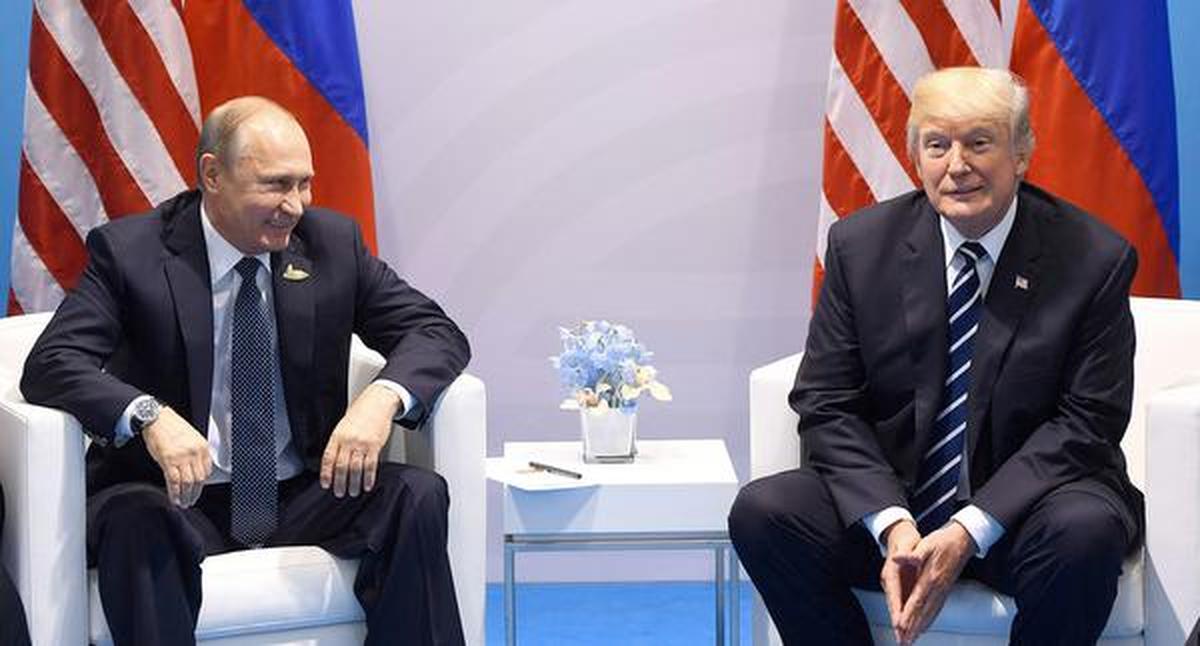
By Anjan Roy Russian president, Vladimir Putin, has already achieved a very big objective of his diplomacy — isolating Europe from the United States. Now with the US President’s latest statement from his clubhouse, Donald Trump seems to have dumped the traditional diplomatic tie up between Western Europe and America. India must take lesson — […]
By K Raveendran The controversial circumstances surrounding the appointment of the new Chief Election Commissioner (CEC) have given rise to a sense of distrust between the Congress party and the Election Commission, setting the stage for a difficult and fraught relationship. The tension was further exacerbated when Rahul Gandhi publicly expressed his dissent, effectively institutionalizing […]

Young Valens, Dubai’s first dedicated child mental health center, proudly announces its official launch at the renowned 777 Center. Following a successful soft opening on February 1, Young Valens now welcomes families and mental health professionals to its grand opening event on February 24, 2025. This milestone marks a significant advancement in specialized mental health care for children and adolescents in the region. Born from the trusted […]

2024 Annual Results – Financial Highlights (Figures for the corresponding period in 2023 are shown in brackets) Consolidated revenue: HK$ 901 million (HK$ 822 million) Consolidated net loss attributable to equity holders of the Company: HK$ 230 million (HK$ 466 million) Basic loss per share: 11.29 HK cents (22.89 HK cents) No final dividend (No final dividend) HONG KONG SAR – Media OutReach Newswire – 19 February […]

By Asad Mirza The way the US President Donald Trump literally got enforced his one-man plan for the Gaza Ceasefire and the manner in which he is now trying to organise Peace Talks to get the Russia-Ukraine war ended, are pointers to the future of the American foreign policy. By now the world should have […]
By Sushil Kutty In a special gesture Prime Minister Narendra Modi went to the Indira Gandhi International Airport on Monday and received the Amir of the State of Qatar, Sheikh Tamim Bin Hamad Al Thani. And in another special gesture, because the Amir is extraordinarily tall, security personnel assigned to stand at guard at the […]
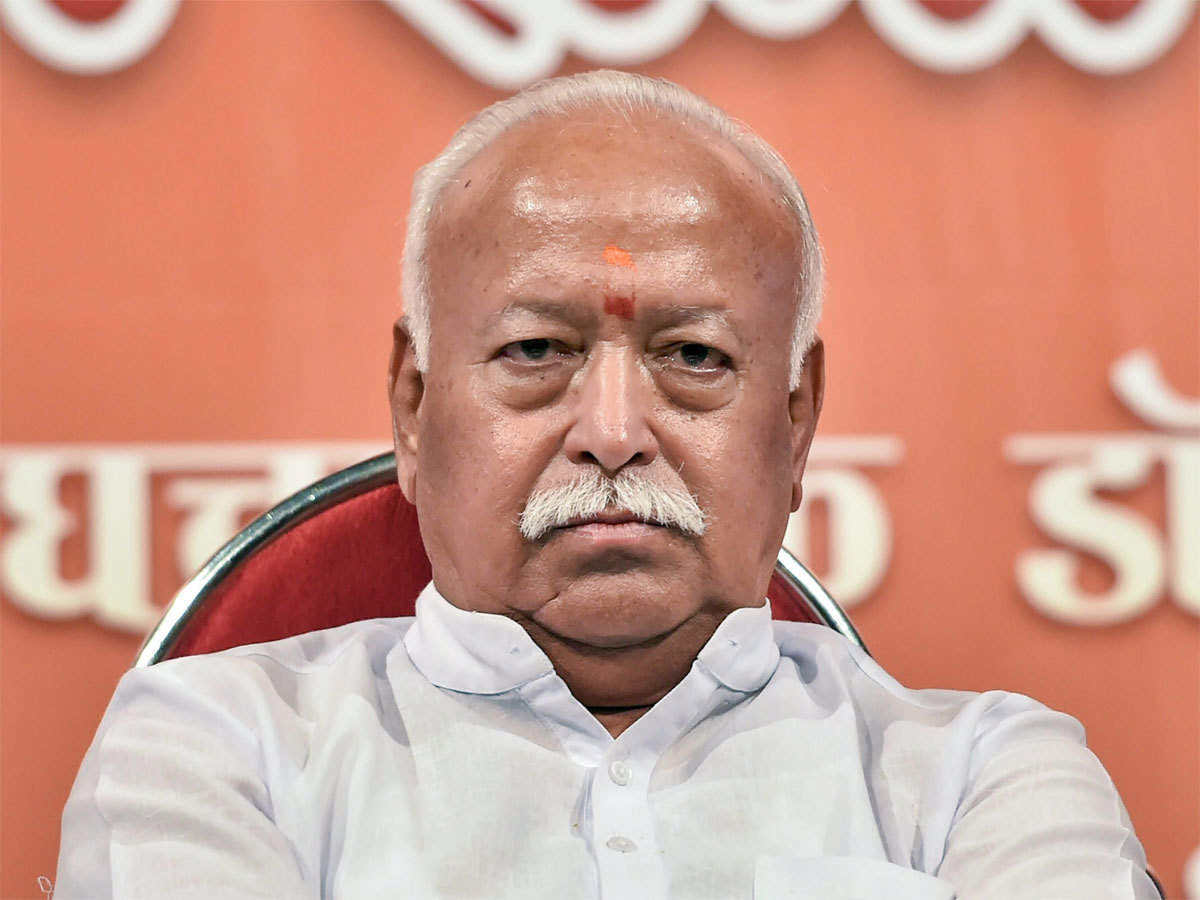
By Arun Srivastava RSS chief Mohan Bhagwat returned to Nagpur a disappointed patriarch. His ten day mission to Bengal to find a “credible and charismatic face” who could throw Mamata Banerjee out of power and install a saffron government after 2026 state assembly polls, could not be accomplished. Known as a man of few words, […]
By Dr. Gyan Pathak The data that PM Narendra Modi government has been churning out since 2014 have always been a suspect. Now, by no less a person than PM Narendra Modi’s own Economic Advisor has indicated that many of the data earlier produced even under the Modi regime were “influenced” while chiefly targeting the […]

Privacy advocates continue to challenge the widespread perception that personal data protection is futile in today’s digital age. A growing narrative posits that privacy is dead, suggesting there is little point in striving for data security amid the growing dominance of surveillance and data exploitation. However, this line of thinking has been fiercely contested by experts who argue that not only is privacy very much alive, but it is also more crucial than ever in safeguarding human rights and personal freedoms.

The claim that privacy is dead is rooted in a sense of resignation, often referred to as the “abdication mindset.” This philosophy, which believes that the battle to protect privacy is lost, has gained traction with the increasing prevalence of online data breaches, mass surveillance, and the power of tech giants. However, privacy advocates argue that such a defeatist perspective is self-fulfilling. The more individuals and institutions accept the idea of privacy’s demise, the more difficult it becomes to reverse the tide of data misuse and erosion of privacy rights.

Human rights, including privacy, have historically been preserved and advanced through determined efforts. As with any human right, protecting privacy is an ongoing fight. The struggle may seem overwhelming, but victories in this domain, such as the establishment of the European General Data Protection Regulation , show that change is possible. Privacy advocates contend that this perspective should inspire action rather than resignation. If privacy is allowed to wither away without resistance, it could indeed fade into obsolescence.

Another common misconception is that for privacy to hold any value, it must be 100% foolproof—secure to an absolute degree. This view, though well-intentioned, often hinders progress by setting unrealistic standards. While it is undeniable that privacy-enhancing tools and practices should continuously improve, expecting absolute perfection in data security is both impractical and counterproductive. In reality, privacy is a spectrum, and striving for incremental improvements rather than an unattainable ideal is essential for creating sustainable privacy frameworks.

Striving for flawless data security may lead to a situation where organisations or individuals feel that since perfect privacy is unachievable, there is little point in pursuing better security measures at all. This all-or-nothing mentality, much like the abdication mindset, undermines the very efforts that can make a tangible difference. Privacy, in this case, suffers from a lack of proactive development and is left vulnerable to exploitation.

Instead of waiting for a perfect solution, experts argue that ongoing improvements—though perhaps small—are essential in making meaningful progress. This attitude encourages the adoption of privacy practices and technologies that can address real concerns, rather than becoming paralysed by the notion that only a flawless system is worth building.

The battle for privacy is far from over, and those in the advocacy field continue to push for enhanced data protection laws, better consumer education, and more robust technological solutions. Additionally, many argue that privacy should not be seen solely through the lens of technology. It is also about broader societal and political movements. Efforts to push back against invasive surveillance practices and call for corporate transparency on data usage reflect a shift towards a deeper recognition of privacy as a fundamental right.

One of the key reasons privacy matters is its deep connection to individual freedom. In a world where personal data is continuously harvested and commodified, privacy becomes an essential tool for autonomy. Without privacy, individuals risk losing control over their personal information, opening the door to manipulation, surveillance, and exploitation by both state and corporate entities. This makes privacy not merely a technical issue, but a vital aspect of a democratic society.

Protecting privacy ensures that individuals retain control over their personal lives and decisions. It is not just about keeping sensitive data safe but about asserting one’s autonomy in an increasingly interconnected world. The right to privacy enables individuals to make personal decisions without fear of being watched or judged, empowering them to engage in free expression and democratic participation.

Privacy protection is essential in preserving the integrity of personal relationships and freedom of association. In the absence of privacy, individuals may hesitate to engage in sensitive or intimate conversations, avoid certain groups or causes, or make personal choices that they believe could expose them to risk. Such chilling effects on personal behaviour ultimately undermine the fabric of civil society.

A nuanced approach to privacy protection, therefore, should focus on striking a balance between securing data and preserving individual freedoms. It is important to understand that privacy is not an all-or-nothing proposition. As technology continues to evolve, so too should our approach to protecting privacy. Incremental steps in policy-making, consumer advocacy, and technological design can make a significant difference in improving privacy protections while accommodating the practical realities of the modern world.


By Kunal Bose The world, much to its disappointment, is seeing the United States of America, which is the world largest economy and mightiest military power, rapidly embracing raw, unrestrained capitalism under the newly inaugurated second-term Presidency of Donald John Trump abandoning all traces of egalitarianism. Induction of Tesla chairman Elon Musk to head the […]

Spotify is set to introduce a new subscription tier, “Music Pro,” which will provide users with enhanced audio quality and other features for an additional $6 per month. This move comes as part of the company’s ongoing efforts to differentiate itself in the competitive music streaming market, where users are increasingly demanding high-quality audio experiences. The new “Music Pro” tier will reportedly offer a premium streaming experience, […]

FloppyPepe , a meme-inspired cryptocurrency, is rapidly gaining attention, with projections suggesting it could outperform established assets like Solana by an astonishing 10,300% in the current market cycle. While Solana has seen significant price increases due to optimism surrounding an upcoming exchange-traded fund approval and network improvements, the emergence of FloppyPepe signals a new wave of interest in meme tokens, potentially reshaping investor expectations.

Solana’s price surge has captured the crypto community’s focus, with many analysts forecasting a rise to $300 within the next month. This bullish sentiment stems from two key factors: the expected approval of Solana’s ETF, which could drive more institutional investment, and the recent upgrades to the Solana network aimed at improving scalability and performance. These developments have led to a renewed sense of optimism among SOL holders, some of whom are betting that the asset could once again rival top cryptocurrencies like Bitcoin and Ethereum.

Despite these positive developments, the market’s attention is increasingly divided as new contenders emerge in the meme-token sector. FloppyPepe, based on the popular “Pepe the Frog” meme, has gained traction in the crypto world with its growing following. Initially a niche meme coin, it has now sparked excitement due to its aggressive price predictions. The token’s rapid rise is fuelled by social media buzz and a cult-like following, typical of meme-based cryptocurrencies, which have historically seen dramatic increases in value based on viral trends and online hype.

FloppyPepe’s meteoric growth potential lies in its ability to capitalise on the volatile nature of meme coin markets. Similar to the explosive rises of tokens like Dogecoin and Shiba Inu, FloppyPepe thrives on community engagement, social media momentum, and speculative trading. In fact, some analysts predict that the token could see gains surpassing 10,000% if the momentum continues. This level of growth would make it one of the most significant stories of the current crypto cycle, challenging even established players like Solana.

On the other hand, Solana’s long-term viability faces a set of challenges that could affect its current optimism. Although the upcoming ETF approval is expected to bring institutional investors into the fold, it also raises questions about whether Solana can maintain its market position when other blockchain projects continue to emerge with similar technological advancements. While Solana’s network upgrades promise to enhance its functionality, the broader market still wrestles with concerns over scalability, security, and its ability to differentiate itself in a crowded field.

FloppyPepe, with its meme token status, operates in a much different market segment. While the meme-token market is often criticised for being speculative and volatile, the sheer unpredictability of these assets is what attracts traders looking for massive short-term gains. Additionally, the token’s success is tied not only to its meme origins but also to its engagement with the broader cryptocurrency community, which frequently fuels the rise of such assets. Its ability to capture the zeitgeist of internet culture may help it continue to grow, even in the face of potential market corrections.

It is important to note that the cryptocurrency market is notoriously volatile, with prices frequently shifting based on broader macroeconomic trends, regulatory news, and technological advancements. The rise of meme coins like FloppyPepe challenges traditional investment principles, as these tokens often lack the fundamental backing seen in more established assets like Solana. Yet, their appeal lies in the speculative gains they offer in the short term, making them a high-risk, high-reward asset class for adventurous investors.

For now, FloppyPepe’s future trajectory remains unclear, and its ability to continue growing at its current pace will depend on several factors, including the level of continued community support and its integration into broader crypto exchanges. The token’s surge in popularity highlights the growing trend of meme-based cryptocurrencies, which continue to captivate retail investors and provide new opportunities for speculative trading. While Solana’s infrastructure improvements may help it sustain its growth over time, FloppyPepe offers an example of how meme tokens can reshape the landscape in unexpected ways.

Dubai’s International Financial Centre has seen an unprecedented 25% rise in company registrations over the last year, marking a record high. The financial district, now home to 6,920 active companies, has experienced a significant surge, up from 5,523 in the previous year. This surge signals a growing trend of international businesses, particularly hedge funds, flocking to the emirate’s burgeoning financial sector. The rapid rise in registrations comes […]

A staggering 500 ETH, valued at around $1.3 million, has been sent to Ethereum’s zero address in what has become one of the most cryptic blockchain events in recent memory. The transaction, which has captured the attention of the cryptocurrency community, was accompanied by an enigmatic message referencing a Chinese-grade brain-computer interface, claiming its mass implantation in the military and workforce. The unusual act has sparked widespread speculation about its meaning, implications, and the individual or group behind the act.

Ethereum’s zero address, often referred to as the “black hole” of the network, is a location where cryptocurrency sent to it becomes irretrievable, effectively removing the tokens from circulation. While blockchain transactions are typically transparent, the anonymity of the sender and the content of the message have raised more questions than answers.

The cryptic note that accompanied the burn transaction alluded to a highly advanced brain-computer interface, purportedly similar to Neuralink, the much-publicised project from Elon Musk’s company. The message hinted that this technology, often regarded as a cutting-edge innovation in both neuroscience and artificial intelligence, has already been implemented on a massive scale. The sender claimed that this brain-computer technology was not just in experimental stages but was being actively used by a military force and across civilian workforces, implying a potential shift in global power dynamics or technological supremacy.

The mention of a “Chinese-grade” brain-computer interface adds another layer of intrigue, as it alludes to the potential advancements in China’s technological sector. Over the past decade, China has increasingly focused on research in artificial intelligence, neural interfaces, and brain-computer technology, signalling its ambition to dominate these fields. While Neuralink has garnered significant media attention, there are growing concerns about the competition in the race to develop sophisticated mind-computer interfaces.

Blockchain enthusiasts and experts are scrambling to decipher the meaning of the act. The burner of the ETH has remained anonymous, with no clear link to any prominent individual or group. It is unclear whether this is the work of a rogue individual, a collective of hackers, or a state actor trying to communicate a geopolitical message. However, many in the blockchain community are starting to hypothesize that this could be a form of “digital protest” or a warning related to the growing reliance on artificial intelligence and neural interfaces in various sectors, including defence.

Such a bold move has placed the spotlight back on Ethereum, a blockchain renowned not only for its cryptocurrency but also for its smart contract capabilities, which enable the execution of decentralized applications . Ethereum’s open-source nature has allowed the technology to foster innovation across multiple industries, and while this particular act seems to be a disruption, it is also a reflection of the growing complexity of the Ethereum ecosystem. The zero address has previously been used for symbolic acts of defiance or statements, but this particular incident is unlike anything seen before in scale or content.

There has been no official statement or credible confirmation that the message is anything more than a hoax or a coordinated stunt. However, the possibility that the message is legitimate has prompted discussions around the potential consequences of such a technological leap. If brain-computer interfaces are being used to the extent suggested in the message, it could reshape global economies, militaries, and workforces in profound ways. The implications for personal privacy, ethics in warfare, and even human cognition are far-reaching.

The role of blockchain in this incident cannot be overstated. Blockchain’s fundamental promise of transparency, security, and decentralisation offers a stark contrast to the centralised control often associated with the technology giants and governments behind brain-computer projects. Some analysts are suggesting that this incident could be a symbolic confrontation between the world of decentralised technologies and the increasing centralisation of technological advancements by state actors or large corporations.

The fact that this burn occurred on the Ethereum network adds an additional layer of complexity. Ethereum, which has transitioned from proof-of-work to proof-of-stake, is viewed by some as the “world computer,” offering the infrastructure to decentralise everything from finance to data storage. Its use in this context seems particularly fitting, as the blockchain’s pseudonymity allows for anonymity in such a high-stakes act. While blockchain’s public ledger ensures transparency, it simultaneously offers the opportunity to mask the identity of those behind its most mysterious actions.

KUALA LUMPUR, MALAYSIA – Media OutReach Newswire – 18 February 2025 – The global cryptocurrency market has seen unprecedented growth in the previous year, spearheaded by Bitcoin and Ethereum. Institutional participation was very important in driving prices higher, with Bitcoin reaching an all-time high above $100,000 in December 2024. With the spreading adoption of crypto assets, regulators have paid even more attention to the industry. Kar Yong […]

The Pokémon Company International and Niantic, the developer behind the mobile game Pokémon Go, have pledged a $1 million donation to aid in the relief efforts following the devastating wildfires in Los Angeles. This generous commitment aims to support both immediate and long-term recovery initiatives for the communities affected by the fires, which have caused extensive damage and displacement in the region.

The decision to contribute to the wildfire relief effort comes after a surge in fires across Southern California, with Los Angeles being among the hardest-hit areas. The wildfires have not only destroyed homes and property but have also left thousands of residents in need of assistance. Emergency responders and local authorities have been working tirelessly to control the fires, but the scale of the disaster has required extensive support from various sectors, including private companies and charitable organisations.

As part of their donation, Niantic has committed to deploying resources to directly support firefighting efforts, while Pokémon Company International has partnered with local organisations to help provide emergency shelter and basic necessities to those displaced by the flames. The funding is also expected to assist with the restoration of communities once the fires have been contained, with a focus on rebuilding homes and infrastructure.

Niantic, which is known for its interactive games that encourage players to engage with their physical surroundings, has a long history of community involvement, especially in times of crisis. The company previously contributed to various disaster relief efforts worldwide, and this latest donation is in line with their ongoing commitment to supporting communities in need. The gaming giant has also pledged to match the donations raised by the Pokémon Go player community through in-game events and fundraising activities.

While the $1 million donation is a significant contribution, it represents only a small portion of the total funds required to address the immediate and long-term needs of those affected by the fires. However, the gesture from Pokémon and Niantic highlights the growing role that corporate entities play in disaster relief efforts. Their support provides not only much-needed financial resources but also demonstrates solidarity and compassion in the face of a crisis that has deeply impacted the lives of thousands.

The wildfires have exacerbated existing challenges faced by the city, which is still grappling with the effects of the COVID-19 pandemic. Many individuals who had already struggled with unemployment, housing insecurity, and other issues have now found themselves dealing with the added burden of displacement and property loss. For these residents, the contributions from organisations like Niantic and the Pokémon Company represent a critical lifeline.

Emergency teams continue to assess the full extent of the damage, with thousands of acres of land already scorched. Alongside the physical damage, the environmental impact has been profound, with air quality in the area deteriorating to hazardous levels. For many Los Angeles residents, the immediate concern is ensuring their safety while navigating the complexities of evacuation orders and the uncertainty of returning to their homes.

The role of corporate donations in addressing such crises is becoming increasingly significant. As public and private sector partnerships evolve, corporations like Niantic and Pokémon Company International are stepping up their efforts to make meaningful contributions. This trend reflects a growing awareness of the need for collective action, particularly in the face of climate-related disasters that continue to affect communities across the globe.

The relief efforts have also seen the mobilisation of various community-based organisations, local governments, and volunteers who have worked together to provide support to the displaced populations. While large-scale donations play a vital role, grassroots initiatives remain crucial in ensuring that aid reaches those who need it most, especially in the early stages of a disaster response. It is this collaboration between corporate entities, community groups, and governmental bodies that is expected to make a difference as Los Angeles continues to recover from the fires.

As recovery efforts ramp up, there is also a growing focus on resilience and preparedness for future wildfires. California has long been prone to wildfires due to its dry climate, and experts are urging residents and local authorities to take proactive measures in mitigating the impact of future disasters. The ongoing fire season serves as a stark reminder of the need for better infrastructure, enhanced firefighting capabilities, and a comprehensive approach to climate resilience.

For Pokémon and Niantic, their $1 million pledge marks a significant step in their continued commitment to supporting communities during times of need. While their contribution is one of many, it serves as a reminder of the power of corporate social responsibility and the importance of mobilising resources when disaster strikes. The funds raised will help provide essential support, but the real work will lie in the months ahead as the region works towards recovery and rebuilding.

VISHNU RAJA
RYO YAMADA
HITORI GOTOH
IKUYO KITA