Just in:
e-Crime Bureau Signs Cybersecurity Partnership With Smart Africa, Reinforcing Its Global Expansion // Geely’s i-HEV Intelligent Hybrid Technology Offers a New Direction for Gasoline-Powered Vehicles // The “1st Greater Bay Area Health and Longevity Summit & Awards Ceremony” concludes successfully in Macao // Emirates Group records AED 4.1 billion half-year profit // Oil and chip shares retreat after Democratic victories // Dubai boat show confirms international shipyard line-up for November // Hong Kong mandates crypto transaction disclosures to tax authorities // Asia Left Behind: Ten international companies have yet to report delivering on their cage-free egg pledges across the region // OpenAI identifies 948 Linux privilege escalation flaws using AI // Xi Jinping Preparing For A Trilateral Summit With Trump And Putin At APEC Summit On Nov 18-19 // Geely’s i-HEV Intelligent Hybrid Technology Offers a New Direction Vision for Gasoline-Powered Vehicles // Technology shares plunge as Nasdaq enters correction // CR Longdation Aethereal Cybersecurity × Global Cybersecurity Alliance (GCSA) Join Hands to Establish the “AI and Cybersecurity Research Centre” // Oil advances towards $100 as tanker attacks persist // Private varsities bill all set to face the axe // Meraas showcases five residential zones at Dubai Design Week // Emaar approves Development buyout ahead of planned delisting // Trump’s Iran War Has A Share Of Contribution To His Midterm Debacle // APT29-linked campaign exploits outdated Apple and Android software // Millions Of Indians May Soon Be Deprived Of Government Assistance //

News related to
much

Saudi Arabia’s presidency of COP16 has spotlighted the pressing need for enhanced funding for land restoration, urging the private sector to take a leading role in addressing the critical financial shortfall. As the world confronts escalating environmental challenges, the call aims to overcome what experts have described as a “blackhole” of financial resources necessary to restore degraded lands globally. The issue of land restoration has gained momentum […]

Abu Dhabi’s National Marine Dredging Company (NMDC) has expanded its reach into new sectors with the establishment of a dedicated logistics unit. This strategic move aims to enhance the company’s service offerings and leverage its operational expertise to capitalize on the growing demand for integrated logistics services. The new division will focus on providing logistics solutions for a wide range of industries, marking a significant shift in NMDC’s business trajectory.

The expansion comes at a time when the global logistics market is experiencing rapid growth, driven by advancements in technology and an increase in trade activities. NMDC’s decision to establish a logistics unit underscores its ambitions to diversify beyond its traditional dredging and marine operations. The move also positions the company to tap into a sector that is becoming increasingly vital to the supply chain, particularly in the Middle East, where infrastructure development continues to surge.

The logistics unit will provide end-to-end services, including transportation, storage, and distribution, aimed at industries such as construction, oil and gas, and infrastructure development. By venturing into this space, NMDC is poised to offer a broader suite of solutions to its existing client base while also attracting new customers from sectors that require sophisticated logistical support. The company’s extensive experience in project management and large-scale operations positions it well to integrate these new services into its existing portfolio.

According to industry experts, NMDC’s entry into the logistics market is a timely response to the increasing need for efficient supply chain solutions. The UAE, and particularly Abu Dhabi, is seeing a rise in demand for specialized logistics services driven by its growing infrastructure and energy sectors. With a well-established reputation for executing large-scale maritime and dredging projects, NMDC’s expansion into logistics is seen as a natural progression.

The establishment of the logistics division is expected to improve operational efficiency by streamlining the movement of goods, materials, and equipment across different sectors. Furthermore, the move aligns with broader economic trends in the UAE, where non-oil sectors are becoming a focal point of the country’s long-term economic diversification strategy. The UAE government has made significant investments in infrastructure, including airports, seaports, and transport systems, which have spurred demand for robust logistics capabilities.

One of the key advantages of NMDC’s new unit is its potential to integrate its marine expertise with logistics operations. Given the company’s vast experience in marine dredging, port construction, and offshore services, it is well-positioned to offer seamless transportation solutions for industries dependent on sea-based logistics. This expertise could offer a significant competitive edge, particularly in the context of the UAE’s strategic location as a hub for global trade. The integration of marine logistics with land-based services is expected to create a more efficient supply chain, allowing NMDC to offer cost-effective and timely solutions.

NMDC’s logistics expansion also reflects broader trends within the UAE’s corporate sector, where companies are diversifying to stay competitive amid evolving market conditions. The logistics sector, in particular, has attracted substantial investments from both public and private entities due to its role in supporting economic growth. As a result, many firms are increasingly seeking ways to enhance their capabilities to meet the demands of industries such as e-commerce, retail, and manufacturing.

The logistics unit will also have a significant impact on job creation within the region. As the company scales up its operations, it is expected to generate a range of employment opportunities, particularly for skilled workers in fields like supply chain management, transportation, and warehousing. The initiative also aligns with the UAE’s ongoing efforts to cultivate a competitive workforce and reduce dependency on foreign labor by providing more opportunities for local talent.

NMDC’s growth strategy involves not only expanding its reach in logistics but also enhancing its overall service capabilities to support the UAE’s broader economic objectives. The logistics division is expected to bolster the company’s presence in key regional markets, particularly as demand for efficient transportation services increases across the GCC and North Africa. By extending its services, NMDC aims to position itself as a leading player in the logistics sector, much like it has in the marine and dredging industries.

The logistics market in the UAE has witnessed significant growth in recent years, with an increasing number of companies entering the field to cater to the rising demand for transport, warehousing, and distribution services. NMDC’s move to enter this competitive market, however, comes with its own set of challenges. The logistics sector is highly competitive, with established players already commanding significant market share. However, industry analysts believe that NMDC’s reputation for successful large-scale project execution and its ability to integrate advanced technology into operations could give it a competitive advantage in the long term.

Technological innovation is expected to be a key focus for the logistics unit, with NMDC likely to implement smart logistics systems and automation to streamline processes. Technologies such as artificial intelligence, Internet of Things (IoT), and blockchain are increasingly becoming integral to the logistics sector, enabling companies to improve efficiency and transparency. By integrating such technologies, NMDC can not only optimize its logistics operations but also offer value-added services to customers who are increasingly seeking more digitized and automated solutions.

High-level delegations from India and the UK have agreed to strengthen bilateral relations, with a shared commitment to expanding cooperation under the India-UK Roadmap 2030. The talks, held between senior officials from both nations, aimed to evaluate the progress made so far and chart a new course for future collaboration. The discussions centered on finding new avenues to deepen ties across various sectors, including trade, defense, technology, and education.

The talks reflect the desire of both governments to reinvigorate a strategic partnership that has evolved over decades. Despite challenges posed by geopolitical changes and shifting global priorities, both sides are looking to position their relationship as a cornerstone of global stability. The emphasis is on enhancing mutual cooperation in areas that align with the evolving needs and opportunities of both countries.

Trade relations between the two countries have historically been a significant driver of bilateral cooperation, but the roadmap discussions highlighted the need for more diversification. Both nations recognize that expanding beyond traditional sectors like trade and finance will be essential to building a more resilient partnership in the face of global economic uncertainties. Technology, particularly in digital infrastructure and cybersecurity, has emerged as a key focus, with the UK expressing keen interest in strengthening its technological exchanges with India.

The defense sector is another area where both countries are seeking closer alignment. India’s increasing focus on modernizing its defense capabilities, coupled with the UK’s expertise in defense technology, is creating new opportunities for collaboration. The conversations also touched on regional security issues, including maintaining peace and stability in the Indo-Pacific region. Both countries affirmed the importance of a rules-based international order and emphasized the need for deeper defense ties to ensure regional security.

Educational exchange remains a strong pillar of the India-UK partnership, with an increasing number of students from India choosing the UK for higher education. Both governments see the potential for even greater collaboration in this space, particularly in research and innovation. India’s growing prominence as a knowledge hub complements the UK’s renowned academic institutions, and both sides are eager to capitalize on this synergy.

The meetings also underscored the importance of deepening people-to-people connections. Both nations acknowledged that cultural exchanges and collaborations in the arts, sports, and tourism continue to strengthen bilateral ties. These soft power initiatives, while less formal than trade agreements or defense cooperation, play an essential role in cultivating mutual understanding and trust.

The global context of these discussions cannot be ignored, as both nations are seeking to adapt to a rapidly changing geopolitical landscape. The UK’s exit from the European Union has prompted the country to reassess and recalibrate its international alliances. India, with its growing economic influence and strategic importance in the Indo-Pacific region, is seen as a vital partner for the UK as it redefines its global role outside of the EU framework.

Both countries are committed to collaborating on global issues such as climate change, sustainable development, and public health. As the world faces mounting challenges, the India-UK relationship is seen as one that can offer practical solutions to some of the most pressing global concerns. In this context, the countries have agreed to continue working together to implement initiatives that address environmental sustainability, promote public health, and support multilateral cooperation.

While the roadmap discussions were largely seen as a positive step toward revitalizing the partnership, both sides acknowledged that there is much work to be done. The key takeaway from the meeting was a shared recognition of the importance of continuously adapting the relationship to meet emerging challenges. As both nations embark on this renewed chapter of cooperation, it is clear that the India-UK partnership will play a crucial role in shaping the future of global diplomacy.

Here’s a news report based on the given information:

Brighton College Dubai has implemented strict limits on mobile phone use among its students, resulting in measurable improvements in their overall happiness. Over the past two years, the school reported a 15% increase in student satisfaction, attributing the shift to its policy of reducing screen time both during and after school hours.

This educational institution is part of a growing movement in academic circles aiming to prioritize students’ mental well-being by tackling the pervasive issue of digital dependency. By curbing phone usage and regulating screen exposure, Brighton College Dubai has set an example for schools worldwide grappling with the challenges of modern technology in the classroom.

Headmaster Simon Crane explained that the decision was driven by growing concerns over the impact of excessive phone usage on student development and social interactions. Research has consistently highlighted the negative effects of prolonged screen time, including reduced attention spans, disrupted sleep patterns, and increased feelings of isolation. To combat these issues, the school introduced a series of measures designed to balance technology use with personal growth.

Students are required to store their phones in designated lockers throughout the school day, ensuring minimal distractions during lessons. Furthermore, the school has collaborated with parents to establish guidelines for device usage at home, fostering a holistic approach to managing screen time. This two-pronged strategy has yielded noticeable improvements in academic performance and emotional resilience among students.

Brighton College Dubai’s initiative aligns with broader educational trends addressing the digital age’s influence on young minds. Studies from global health organizations underscore the importance of limiting screen exposure, particularly for children and adolescents, as part of maintaining mental and physical health.

Parents at the school have largely welcomed the policy, praising its positive impact on their children’s lives. One parent noted that her son, a Year 9 student, had become more engaged in outdoor activities and face-to-face interactions since the rules were introduced. “It’s refreshing to see him spend more time outside, making meaningful connections with friends rather than being glued to his phone,” she remarked.

Teachers have also observed significant changes in the classroom dynamic. Without the distraction of phones, students appear more focused and actively participate in discussions. The policy has not only enhanced academic engagement but has also fostered a stronger sense of community within the school.

To further promote digital wellness, Brighton College Dubai has integrated lessons on responsible technology use into its curriculum. These sessions aim to educate students on the potential risks of excessive screen time while equipping them with the tools to maintain a healthy balance. Topics covered include cyberbullying, online etiquette, and the importance of unplugging to cultivate mindfulness.

This proactive stance has sparked interest from other educational institutions considering similar measures. Educators worldwide are recognizing the urgency of addressing the digital habits of today’s youth, and Brighton College Dubai’s success serves as a compelling case study.

While the policy has garnered widespread support, some students initially expressed resistance, citing the challenge of adapting to limited phone access. However, many have since embraced the change, reporting a greater sense of well-being and stronger interpersonal relationships. A Year 11 student shared that she now feels more present in her daily life, adding, “I didn’t realize how much time I was spending on my phone until it was taken away. Now, I enjoy being more connected to the people around me.”

The supply of Tether (USDT) on the Telegram Open Network (TON) blockchain has skyrocketed more than tenfold since May, with the value of USDT held on the network surging from $100 million to $1.2 billion. This dramatic increase signals both the growing adoption of TON and the growing importance of stablecoins in decentralized ecosystems.

As of December 2024, TON’s integration of USDT is seeing significant traction among both users and projects within the blockchain space. Tether’s growth on the network reflects broader trends in the cryptocurrency industry, where stablecoins continue to gain prominence due to their stability compared to more volatile assets like Bitcoin or Ethereum.

The massive surge in USDT supply comes as the TON blockchain has made considerable strides in attracting decentralized finance (DeFi) applications, exchanges, and users. TON’s unique features, including its high scalability and low transaction fees, make it an attractive option for stablecoin transactions. Experts believe this rapid increase in USDT on the network could further cement TON’s position as a critical infrastructure layer in the world of decentralized finance.

TON’s relationship with stablecoins is not new; however, the scale of USDT’s growth is unprecedented for the network. In May 2024, TON hosted just $100 million in Tether, but by December, this figure had expanded to an impressive $1.2 billion. This rapid increase is viewed by some analysts as an indicator of increasing demand for reliable, decentralized financial products and services, with TON becoming a central player in facilitating such services.

Key industry figures have speculated that the surge in USDT supply is tied to the rise of decentralized finance protocols built on the TON blockchain. These platforms allow users to trade, borrow, and lend cryptocurrency with the stability of USDT, which is backed 1:1 by the US dollar. Stablecoins like USDT provide much-needed price stability, which makes them particularly useful for trading and lending within volatile cryptocurrency markets. With TON’s infrastructure becoming more robust, the ecosystem appears to be maturing rapidly, attracting more liquidity and institutional interest.

In addition to DeFi protocols, centralized exchanges are also becoming key players in the surge of USDT on TON. Exchange platforms have started to offer TON-based USDT as a trading pair alongside other cryptocurrencies. This is particularly important for TON as it enables easier conversion between USDT and more widely used cryptocurrencies like Bitcoin and Ethereum. The seamless liquidity that TON offers for stablecoin transfers is an attractive proposition for both traders and institutional investors, further fueling the growth of USDT on the network.

The surge in USDT supply on TON is also reflective of broader trends in stablecoin use across the cryptocurrency space. Stablecoins have become integral to the global crypto ecosystem, particularly as they provide a less volatile alternative to traditional cryptocurrencies. They are also commonly used for remittances, as their stability makes them a preferred option for cross-border transactions. As cryptocurrency regulations tighten in various jurisdictions, the demand for stablecoins, especially those like USDT, is likely to increase.

The growth of USDT supply on the TON blockchain aligns with the broader trend of stablecoins becoming more entrenched in decentralized financial ecosystems. A critical element of this growth is the increasing acceptance and integration of blockchain-based stablecoins into traditional financial systems. This trend is most evident in regions where cryptocurrency adoption is high, and stablecoins are actively used in cross-border payments, as well as for preserving value in unstable economic environments.

At the same time, the growing prominence of TON as a platform for stablecoin transactions also highlights the increasing competitiveness in the blockchain space. While Ethereum, Binance Smart Chain, and Solana have long been major players in the decentralized finance space, TON is emerging as a strong contender. Its emphasis on scalability, cost-effectiveness, and fast transactions makes it an attractive option for projects that require efficiency and reliability at scale.

As for Tether itself, the surge in USDT supply on TON signals increasing acceptance of the stablecoin within both centralized and decentralized finance ecosystems. Tether’s dominance in the stablecoin market has been firmly established over the past few years, with its market capitalization consistently ranking among the highest of any cryptocurrency. The expansion of USDT on TON represents a new chapter in Tether’s journey, as it expands into new blockchain environments and becomes deeply integrated into the decentralized finance fabric of blockchain networks like TON.

Despite the rapid rise of USDT supply on TON, concerns remain regarding the long-term sustainability of such growth. Some market analysts caution that the exponential rise of stablecoin liquidity on a single blockchain could lead to concentration risk, where a significant portion of the financial activity on the network could become overly reliant on Tether. This could result in instability should Tether ever face a crisis of confidence or face regulatory scrutiny.

However, many in the industry view the current growth in USDT on TON as a positive sign for the broader ecosystem. The significant jump in USDT supply could signal growing confidence in the TON blockchain’s scalability and its ability to handle large volumes of transactions in a decentralized manner. This could open the door for more institutional participation in TON-based DeFi projects and encourage further development of the TON ecosystem, particularly as regulations in major markets evolve.

By Nitya Chakraborty Less than two months are left for the presentation of the second budget of the third term Narendra Modi government in Parliament in February next year relating to the financial year 2025-26. The budget exercises are on in the finance ministry and the focus is on mobilizing additional resources for meeting the […]

Germany’s financial regulatory authority, BaFin, has granted approval for 21X, a Frankfurt-based exchange, to begin trading tokenized securities. This milestone positions 21X as a key player in the European financial market, particularly in the burgeoning sector of blockchain-based trading platforms.

21X’s platform will allow the trading of tokenized assets including equity and debt securities, investment funds, real estate, and artworks. By tokenizing these traditional assets, 21X aims to simplify transactions, reduce costs, and bring greater liquidity to markets traditionally hindered by inefficiencies. The exchange plans to launch in the first quarter of 2025, offering investors the ability to trade these assets in fractionalized, digitized forms.

The approval from BaFin is a significant step forward for the tokenization of financial assets in Europe. It also marks a victory for the broader blockchain and cryptocurrency industries, which have faced regulatory challenges in various jurisdictions worldwide. BaFin’s endorsement suggests that Germany is adopting a more favorable approach to the integration of blockchain technology into the financial system.

The approval comes amid a growing interest in digital assets within global financial markets. Tokenization, the process of converting ownership of an asset into a digital token on a blockchain, has gained traction in recent years as a way to democratize access to investments and improve liquidity. Through this process, assets such as real estate and artworks, which were traditionally illiquid and costly to trade, can now be fractionalized, allowing investors to buy and sell portions of these assets with ease.

21X’s move to tokenize securities will likely have a ripple effect on traditional financial markets. By offering tokenized equities and bonds, the platform could revolutionize how these instruments are bought, sold, and traded. The use of blockchain technology ensures transparency, security, and faster settlement times compared to traditional methods. The decentralization of the platform also eliminates the need for intermediaries, which typically increase transaction costs and time delays.

The platform’s ability to tokenize real estate and artworks is particularly notable. These markets have been notoriously difficult to access for smaller investors due to high entry costs. Tokenizing these assets allows for fractional ownership, where a single asset is divided into multiple smaller tokens, each representing a share in the overall value of the asset. This opens up these markets to a much wider pool of investors, particularly those who would not have been able to afford a full property or artwork investment.

The approval by BaFin is also seen as a sign that European regulators are becoming more open to innovative financial technologies. In the past, blockchain and cryptocurrency ventures have faced scrutiny, with some countries opting for restrictive regulations. However, Germany’s progressive stance on digital assets reflects a growing recognition of the potential benefits that blockchain technology can bring to the financial sector.

Experts believe that BaFin’s decision will spur further developments in the blockchain space within Germany and beyond. As the financial landscape continues to evolve, tokenization could play a pivotal role in shaping the future of investments, particularly in Europe’s financial hub, Frankfurt.

21X’s entry into the market aligns with a broader trend toward decentralized finance (DeFi), where blockchain-based systems allow for peer-to-peer transactions without traditional banking intermediaries. The integration of tokenized securities into the DeFi ecosystem could significantly change how financial markets operate globally, further bridging the gap between traditional finance and digital currencies.

However, while the move is celebrated within the blockchain community, challenges remain. Regulatory compliance and investor protection are ongoing concerns. For instance, ensuring that tokenized assets adhere to existing financial laws and standards will require careful oversight and continuous collaboration between regulatory bodies and blockchain companies. The legal framework surrounding digital assets is still developing, and the integration of tokenized securities into mainstream financial markets may necessitate further legislative adjustments.

Market adoption could be slow, as institutional investors may hesitate to embrace new technologies that significantly differ from traditional trading platforms. Overcoming this inertia will require robust education and clear benefits to attract both institutional and retail investors.

Advertisements

The U.S. government has transferred nearly $2 billion worth of Bitcoin, seized from the Silk Road marketplace, to Coinbase Prime, a move that has raised concerns within the cryptocurrency community. The transfer, which involved around 29,800 BTC, occurred in late July and has significant implications for the market, possibly signaling preparations for a large-scale sell-off of the government’s crypto holdings.

The Bitcoin in question had been stored in a U.S. government wallet following the 2022 seizure of assets tied to Silk Road, a dark web marketplace known for illicit transactions. Experts have warned that such a substantial movement of cryptocurrency could lead to increased market volatility, particularly if the U.S. decides to liquidate these holdings. The timing of the transfer, closely following statements from political figures like Donald Trump, who promised pro-crypto policies, has further fueled speculation about the government’s intentions. Trump had previously declared plans to make the U.S. the “crypto capital of the world” and hinted at not selling any federal Bitcoin reserves.

The U.S. government currently holds over $12 billion in Bitcoin, much of it from criminal investigations and seizures. According to blockchain analysis firm Arkham Intelligence, the Bitcoin was moved to an unknown wallet address before being sent to Coinbase Prime, which has a contract with the U.S. Marshals Service to manage government-held crypto assets. The transfer follows the signing of this deal between Coinbase and the U.S. government to “safeguard” such assets, leading some to believe that Coinbase is acting as a custodian rather than facilitating a sell-off.

While some market observers view the U.S. government’s actions as a sign of increasing institutionalization of Bitcoin, others, including high-profile crypto figures, have criticized the move as tone-deaf. Mike Novogratz, CEO of Galaxy Digital, condemned the timing, stating that it could damage the broader market sentiment, especially with the price of Bitcoin being influenced by large institutional actions.

There has been growing speculation regarding the U.S.’s stance on Bitcoin as a potential strategic reserve asset. While Senator Cynthia Lummis has championed legislation to purchase Bitcoin as a reserve asset for the U.S. Treasury, experts remain divided on the feasibility of such a policy. Some analysts see it as an optimistic, long-term vision for the U.S. to align itself more closely with cryptocurrency, while others, like BlockTower Capital’s Ari Paul, caution that the chances of this becoming a reality within the next few years are slim.

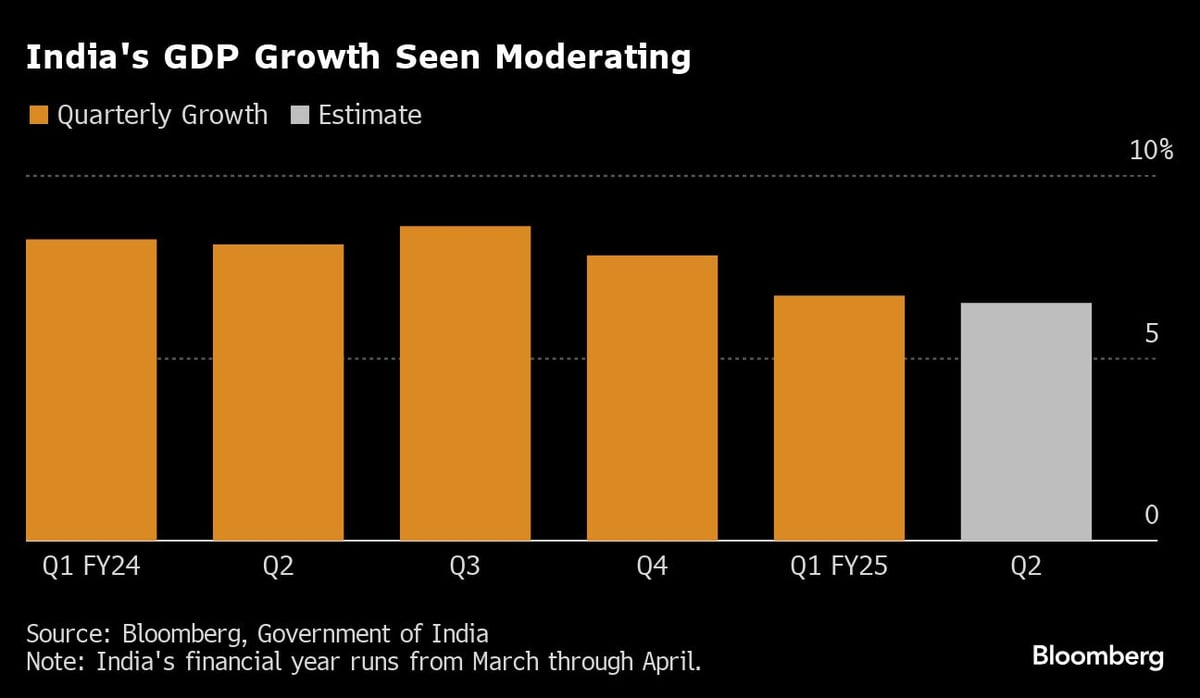
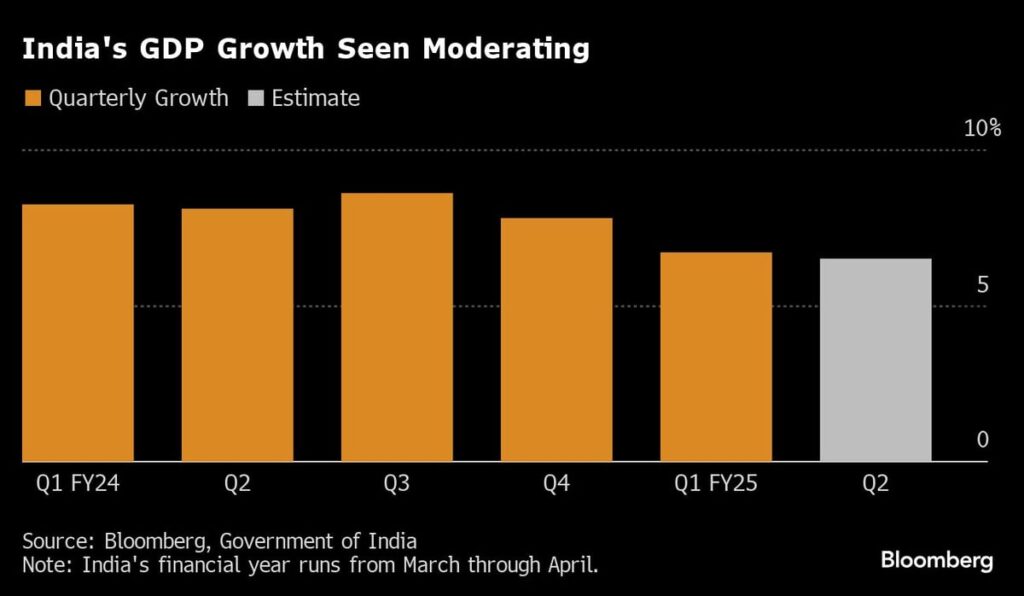
By Dr. Gyan Pathak Slowing down of GDP growth to seven quarters low of 5.4 per cent during second quarter of the financial year 2024-25 and contraction of the wages during the same period for the first time since the pandemic (March 2021) shows that India has fallen into a vicious circle of decline in […]

Tech Mahindra has entered a strategic partnership with Amazon Web Services (AWS) to revolutionize the telecom industry by integrating Generative AI (GenAI) into network operations. This collaboration aims to modernize telecom networks through the development of an Autonomous Networks Operations Platform (ANOP), which promises to streamline and enhance network management for Communication Service Providers (CSPs) and enterprise clients.

The ANOP, powered by AWS’s machine learning and GenAI services, will provide a robust infrastructure for telecom companies to transition their operations from traditional, on-premise setups to more advanced, cloud-based models. This move is designed to improve operational efficiency by allowing real-time, proactive management of network issues, optimizing performance, and reducing downtime.

Key features of the platform include the integration of Amazon SageMaker, AWS’s tool for building and deploying machine learning models, and Amazon Bedrock, which provides a suite of high-performing foundation models from AI enterprises. These technologies are set to offer actionable, just-in-time recommendations for Network Operations Centers (NOCs), reducing human intervention and enhancing automation. Tech Mahindra is also focused on deploying AI-driven solutions for NOC productivity, which is expected to improve by over 50%, while field visits could drop by as much as 15%. The collaboration is set to shorten Mean Time to Repair (MTTR) for network incidents by over 30%.

The collaboration represents a significant step toward simplifying telecom operations. Manish Mangal, Chief Technology Officer at Tech Mahindra, explained that the communications industry is moving towards disaggregated, virtualized, and cloud-native Radio Access Networks (RAN). This partnership with AWS is aligned with that trend, helping telecom operators unlock new revenue streams through advanced technologies like AI and machine learning. One of the pivotal elements of the collaboration is the testing and validation of O-RAN functions, which will play a crucial role in enhancing network management and cloudification.

AWS also benefits from the collaboration by integrating its generative AI capabilities to deliver predictive maintenance and automated self-healing features. Robin Harwani, Head of Telco Industry Solutions at AWS, highlighted that these improvements will allow telecom operators to proactively manage networks, optimize operations, and cut down on operational costs. Through these AI enhancements, network performance can be managed in a more efficient and responsive manner, mitigating risks before they impact users.

Dubai’s event calendar this December is brimming with cultural activities, ranging from international musicals to world-class music festivals. The city’s vibrant arts scene continues to captivate audiences with a diverse lineup of performances that cater to a wide range of tastes. Notably, iconic shows like *Singin’ in the Rain* and acclaimed international musicians are set to grace Dubai’s renowned venues, offering memorable experiences for locals and tourists alike.

The much-anticipated *Singin’ in the Rain* musical is currently being performed at the Dubai Opera, a venue known for its acoustics and luxury. The classic Broadway production has been adapted for Dubai’s stage and promises to deliver a unique theatrical experience. Running until December 14, the show is a romantic comedy set against the backdrop of Hollywood’s Golden Age. Audiences will be treated to the classic charm of the film, re-imagined with live music, dynamic choreography, and state-of-the-art visual effects. Ticket prices for this iconic musical start at 390 AED, making it accessible to a broad audience looking to enjoy a night of nostalgia and song.

On December 3, the 20th Emirates International Peace Music Festival will be held at the Zabeel Theater. This annual event, a hallmark of Dubai’s cultural calendar, brings together artists from around the world to promote global peace through music. The festival will feature a variety of performances, with a strong emphasis on blending different musical traditions to celebrate unity and harmony. The event has long been regarded as an important platform for cultural exchange, attracting attendees who appreciate the power of music in promoting peace. Tickets for this event start at 100 AED, offering an affordable way to experience some of the best global talent.

A day later, on December 4, the Moscow Jazz Orchestra, led by the renowned Igor Butman, will take to the stage at the Zabeel Theater. Butman, one of Russia’s most celebrated jazz musicians, is known for his exceptional skill and charismatic performances. The orchestra will showcase a blend of traditional jazz with a modern twist, offering an evening of captivating music for jazz enthusiasts. Butman’s leadership of the Moscow Jazz Orchestra has made them a prominent fixture in the international jazz scene. Tickets for this event begin at 175 AED, providing an opportunity for both seasoned jazz fans and newcomers to the genre to enjoy an evening of world-class music.

Dubai’s cultural offerings this December highlight the city’s growing prominence as a global arts destination. The city’s venues, such as the Dubai Opera and the Zabeel Theater, have become synonymous with high-quality performances, attracting internationally renowned talent and a diverse audience. These events not only provide entertainment but also foster cultural dialogue, making Dubai a vibrant hub for the arts. Whether it’s the glamour of a Broadway musical or the soul-stirring sounds of an international orchestra, Dubai offers something for everyone this holiday season.

Abu Dhabi Investment Group is set to deploy a significant $100 billion in Brazil’s economy, marking a major step in the strengthening of bilateral economic ties between the UAE and Latin America’s largest economy. The announcement, made in late November 2024, highlights the UAE’s growing investment interests in Brazil, underscoring the nation’s desire to diversify its portfolio globally. The planned investments span a range of sectors, with […]

Over 80 Local and Overseas Creative Communities Engaging in Large-scale Installations & Exhibitions, Workshops, and Creative Voice Powering Inner Growth Through Design HONG KONG SAR – Media OutReach Newswire – 29 November 2024 – Presented by PMQ and sponsored by the Cultural and Creative Industries Development Agency (CCIDA), formerly known as Create Hong Kong (CreateHK), deTour design festival will take place from 29th November to 15th December […]

KUALA LUMPUR, MALAYSIA – Media OutReach Newswire – 30 November 2024 – Before entering the market, traders need to identify potential price movements to avoid ad hoc trading decisions. Otherwise, they increase risks and merely rely on luck. For instance, gold recently declined below $2,600 per ounce, marking its lowest point since mid-September 2024 as a strengthening U.S. dollar put pressure on traditional safe-haven assets. This movement […]

Startup Spines is stirring up the publishing industry with a controversial plan to publish up to 8,000 books annually through an AI-assisted model that promises to streamline the traditional publishing process. With packages ranging from $1,200 to $5,000, Spines offers a full suite of services including editing, proofreading, formatting, and distribution. By leveraging AI, the company claims to provide authors with the means to publish quickly—within two to three weeks—and retain 100% of royalties, bypassing the often lengthy traditional publishing process.

However, the startup’s model has ignited fierce debate within the writing community. Critics, including many established authors and industry professionals, have compared Spines to vanity publishing, where authors are required to finance the production of their own books. Detractors have expressed concerns that Spines, in its effort to make self-publishing accessible, is preying on authors eager for publication but unable to break into the traditional publishing world. They argue that the company’s business model, built around charging authors for the publication process, exploits their aspirations for profit.

Spines, however, defends its approach, asserting that it is democratizing the publishing landscape. According to the company, many authors, particularly those whose manuscripts are rejected by traditional publishers, would benefit from an alternative that allows them to maintain control over their work and profits. The company positions itself as offering an opportunity for authors to bypass the gatekeepers of traditional publishing and tap into a rapidly evolving market. By utilizing AI, Spines offers services that would normally take much longer to complete, promising a faster turnaround and an easier path to market.

Despite the backlash, the startup has gained significant attention in the venture capital world. Spines recently raised $16 million in a funding round, signaling investor confidence in its AI-driven publishing model. The funding round has sparked discussions about the potential of AI in transforming the publishing industry. While the technology is celebrated for its efficiency in handling large volumes of data, particularly in text processing and editing, the increasing reliance on AI for creative endeavors like book publishing raises concerns over the future of human editors and the integrity of literary works.

Many see Spines’ approach as a reflection of broader trends in the publishing industry, where automation and AI tools are becoming more prevalent. AI platforms like Spines are viewed as cost-effective solutions to a long-standing issue within the industry—overwhelmed editors and agents inundated with unsolicited manuscripts. With AI’s ability to analyze vast amounts of text quickly, startups are capitalizing on the opportunity to fill gaps left by traditional publishing systems, offering an alternative for authors who might otherwise have limited opportunities.

The rise of AI-based platforms in publishing also highlights the ongoing tension between technological innovation and artistic integrity. As AI becomes more proficient at generating and editing text, questions surrounding originality, copyright, and the creative process become more pronounced. Critics worry that AI could dilute the quality of published works or replace skilled professionals in the publishing process.

Singapore is one of only seven countries globally where all top 100 companies report on sustainability, surpassing the global average of 79 percent. Singapore’s top 100 companies outperformed global benchmarks in six of 12 key sustainability reporting indicators, including board-level accountability, ESG integration and climate risk recognition. 76 percent of Singapore companies now recognise climate change as a financial risk, well above the global average of 55 […]

Abu Dhabi National Oil Company (ADNOC) is reportedly considering the sale of an additional 3% to 5% stake in its gas subsidiary, ADNOC Gas. This move, aimed at enhancing liquidity and broadening investor access, could raise as much as $3.5 billion, based on ADNOC Gas’s current valuation on the Abu Dhabi Securities Exchange (ADX). The exact details of the sale, including its size and timing, remain under […]

BANGKOK, THAILAND – Media OutReach Newswire – 28 November 2024 – Thailand’s culinary community shines brighter than ever, with the announcement of the country’s first recipient of the ultimate accolade of Three MICHELIN Stars at the MICHELIN Guide Ceremony Thailand that marks the official release of The MICHELIN Guide Thailand 2025 edition, and the unveiling of its much-awaited full restaurant selection. The newly released Guide features 462 […]

Solana’s decentralized finance (DeFi) ecosystem has surged in November, reaching $420.7 million in total value locked (TVL), significantly outpacing Ethereum’s $161.2 million for the month. This marks a sharp 161% increase in Solana’s DeFi earnings, largely attributed to its low transaction fees, high throughput, and a revival of its ecosystem following a challenging period.

Ethereum, long the dominant platform in the DeFi space, has faced stiff competition from Solana, whose technological upgrades and network enhancements have bolstered its position. As Ethereum continues to struggle with scaling issues and high fees, Solana’s faster and cheaper transactions have made it increasingly attractive to developers and users in the DeFi sector.

The dramatic increase in Solana’s DeFi activity is also a reflection of the broader recovery within its blockchain ecosystem, which was hit hard by a series of setbacks, including the collapse of the FTX exchange in late 2022. However, Solana’s resilience in recovering and innovating has allowed it to gain ground on Ethereum, traditionally the go-to platform for decentralized applications (dApps) and smart contract protocols.

Key factors driving Solana’s DeFi boom are its low transaction fees, which remain a major pain point for Ethereum users, especially during periods of high network congestion. While Ethereum’s gas fees can surge to hundreds of dollars for simple transactions, Solana offers an almost negligible fee structure, making it more attractive for smaller, retail investors and developers looking to build cost-efficient DeFi applications.

Solana’s speed is another competitive advantage. It boasts a transaction processing capability of more than 60,000 transactions per second (TPS), far exceeding Ethereum’s current capacity of 30 transactions per second, though Ethereum is working on scaling solutions such as sharding and layer 2 networks. Solana’s network speed allows for quicker and more scalable applications, which is crucial for DeFi protocols that require near-instant transactions to function efficiently, especially in volatile markets.

The ecosystem recovery of Solana has also been spurred by significant developments in its DeFi protocols. A growing number of decentralized exchanges (DEXs), lending platforms, and yield farming protocols have been launched or migrated to Solana’s blockchain, further boosting the platform’s TVL. Solana’s DeFi landscape has seen contributions from several key players, including Serum, Mango Markets, and Radium, all of which provide users with advanced trading options, liquidity, and competitive rewards.

Another contributing factor to Solana’s success is the strategic collaborations and partnerships it has secured with both established companies and up-and-coming startups. Solana has garnered attention from top-tier venture capitalists, along with prominent figures in the cryptocurrency space, who have supported the blockchain’s development and growth. These relationships have helped Solana gain credibility and foster an environment conducive to innovation and expansion.

The increase in DeFi activity on Solana has also been supported by growing interest in the broader Solana ecosystem. After a period of price volatility and uncertainty, Solana’s native cryptocurrency, SOL, has stabilized and regained much of its value. This recovery has sparked renewed confidence in the network and its long-term viability, which has translated into higher DeFi activity. As a result, users are increasingly willing to stake and invest in the network, propelling the overall market cap of Solana’s ecosystem.

Ethereum, on the other hand, continues to dominate the broader smart contract and dApp landscape, largely due to its first-mover advantage and large developer base. Ethereum’s switch to a proof-of-stake (PoS) consensus mechanism with the Ethereum 2.0 upgrade is expected to bring improvements in scalability and energy efficiency. However, Ethereum’s network congestion and high fees remain major hurdles for DeFi users and developers, especially in times of increased demand. These issues are likely to persist unless significant scalability solutions are implemented.

Although Ethereum has a stronghold on the DeFi sector, Solana’s rapid growth underscores the increasing diversification of the space. With its advanced technology, Solana is emerging as a serious challenger, offering viable alternatives for decentralized financial services. Furthermore, Solana’s growing TVL is not only a reflection of the platform’s technological edge but also an indication of the rising demand for alternative DeFi solutions that prioritize scalability, cost-efficiency, and innovation.

Experts suggest that the DeFi landscape is entering a new phase, where competition between smart contract platforms like Solana and Ethereum will be crucial to the long-term development of the ecosystem. As developers continue to search for faster, cheaper, and more scalable platforms, Solana’s performance in November provides a clear indication of the potential for DeFi to flourish on blockchains beyond Ethereum. The focus on speed and cost-effectiveness is expected to drive more DeFi protocols to explore alternatives to Ethereum, opening up the market to a wider range of participants.


Dubai is famous for its road system and traffic rules all around the world. For this reason, it is a wonderful destination for new drivers to practice and gain experience. However, safe driving practices should be strictly followed. The well-paved roads might be a reason for temptation for the experienced drivers to go fast. But the new drivers have to be careful. If you are a new […]

Dogecoin’s market capitalization has soared to $57.8 billion, surpassing that of the renowned German automaker Porsche, valued at $56.1 billion. The surge in Dogecoin’s valuation has been largely driven by high-profile endorsements from tech mogul Elon Musk and the recent launch of a Dogecoin-based exchange-traded product (ETP) by Valour, a prominent digital asset investment firm.

Musk’s public backing of the meme cryptocurrency has been a catalyst for Dogecoin’s rise over the past several years. Known for his ability to influence the digital currency market, Musk’s statements and actions continue to play a significant role in boosting investor confidence. His comments on Twitter and his promotion of Dogecoin as a “people’s cryptocurrency” have encouraged a growing base of retail investors to flock to the coin. In addition to his social media influence, Musk’s involvement with the Dogecoin community has led to increased media attention, further elevating the coin’s profile in the global market.

The debut of Valour’s Dogecoin ETP has also fueled interest, as it provides investors with an easier and more regulated way to gain exposure to Dogecoin without directly purchasing and holding the coin. This move is seen as a major step towards the mainstream adoption of cryptocurrencies, as exchange-traded products give institutional and retail investors an alternative route to invest in digital assets.

The ETP launch has likely contributed to the coin’s upward momentum, as institutional players, who may have previously been hesitant to invest in more volatile cryptocurrencies, are now able to gain exposure to Dogecoin within the confines of a traditional investment vehicle. Analysts point out that the introduction of such products, along with Musk’s ongoing endorsement, represents a tipping point for the cryptocurrency’s market dynamics, especially as it continues to evolve from a meme coin to a more serious contender in the digital asset space.

Technicals have also contributed to the growing optimism surrounding Dogecoin. Chart patterns indicate that the cryptocurrency may be on the brink of significant growth, with some analysts predicting a potential rally of up to 1,000%. Such projections are based on bullish technical indicators, including rising support levels and positive trends in key market metrics. Although the cryptocurrency market remains inherently volatile, the patterns observed in Dogecoin’s recent performance suggest that it could continue to gain momentum in the coming months.

Retail interest in Dogecoin is not only spurred by Musk’s influence but also by a broader trend of public fascination with cryptocurrency. As digital assets become more integrated into everyday financial transactions, coins like Dogecoin are benefiting from a growing user base that includes investors, speculators, and even everyday consumers looking for alternative forms of wealth storage. The ease with which individuals can buy and trade Dogecoin, especially with the proliferation of cryptocurrency-friendly platforms, has made it one of the most accessible digital currencies.

A key driver for the meme coin’s success has been its low entry price, which has attracted small investors looking to capitalize on rapid price movements. Dogecoin’s price history shows that, despite its origins as a joke, it has become a serious player in the digital asset market. With its low price point and relatively high liquidity, it has gained widespread attention as a speculative asset, with many investors seeing it as a potential high-return opportunity.

As Dogecoin’s market cap continues to grow, it is drawing attention from larger investors who are beginning to recognize its potential as a mainstream asset. Some cryptocurrency industry insiders have suggested that Dogecoin’s price could stabilize at much higher levels, especially if it maintains its current trajectory. A broader shift toward the acceptance of cryptocurrencies by large institutions could further support its growth and integration into the global financial system.

Bitwise Asset Management has renamed its European exchange-traded product to “Bitwise Physical XRP ETP” (Ticker: GXRP) in a move underscoring Ripple’s growing investment in XRP’s evolving ecosystem. This strategic rebranding aligns with Ripple’s focus on expanding the utility of XRP across diverse financial sectors, responding to rising demand from institutional players and cross-border payment markets.

The product, initially launched to provide streamlined exposure to XRP for European investors, has seen significant growth in traction. Bitwise aims to strengthen its foothold by aligning more closely with Ripple’s broader strategic initiatives. Ripple has confirmed its intention to channel investments into the product, emphasizing its confidence in the token’s versatility in decentralized finance and its increasing adoption in global remittance networks.

Market analysts point to Ripple’s ongoing efforts to cement XRP as a pivotal tool for institutional DeFi applications, with tokenization becoming a major driver. XRP’s utility in facilitating cost-effective and fast international money transfers remains a core pillar, but its applications are expanding into emerging sectors. Ripple has actively pursued partnerships and technological advancements to bolster XRP’s presence in these innovative spaces.

The rebranding comes at a critical time for Bitwise and Ripple as they navigate the rapidly evolving regulatory landscape surrounding digital assets. Ripple’s landmark partial court victory earlier this year marked a turning point for XRP’s classification, with the ruling differentiating between institutional and retail sales. This decision provided much-needed clarity for XRP’s future within the financial ecosystem, encouraging institutional confidence in Ripple’s offerings.

Bitwise Physical XRP ETP targets sophisticated European investors, offering a secure and regulated avenue for exposure to XRP. The renamed product reflects a commitment to transparency and adaptability amid growing scrutiny of the cryptocurrency industry. With regulatory agencies in Europe tightening oversight, such measures are essential for maintaining investor trust.

Ripple’s Chief Executive Officer, Brad Garlinghouse, has been vocal about the company’s ambition to lead innovation in digital finance. The investment into GXRP underscores Ripple’s strategy to promote the adoption of XRP as a foundational technology for financial institutions. The token’s role in facilitating liquidity and improving the efficiency of financial systems remains a focal point for the company.

The global push for tokenization, where real-world assets like real estate or art are represented on the blockchain, is another area where Ripple sees significant potential. By leveraging XRP as a medium for these digital representations, Ripple aims to tap into an emerging multi-trillion-dollar market. The company has outlined plans to integrate XRP into tokenization platforms, fostering interoperability and efficiency in asset transfers.

XRP’s appeal to financial institutions also lies in its scalability and environmental sustainability. Unlike Bitcoin, which relies on energy-intensive mining, XRP operates on a consensus ledger mechanism, ensuring lower energy consumption and faster transaction speeds. This makes it particularly attractive for institutions aligning their operations with global sustainability goals.

Bitwise’s decision to rebrand the product also reflects growing interest in Europe, where cryptocurrency adoption is gaining momentum. European regulatory frameworks, particularly the Markets in Crypto-Assets (MiCA) regulation, have provided clearer guidelines for the operation of digital assets, enabling innovative products like GXRP to flourish.

Ripple has been proactive in building partnerships within the European Union, with initiatives aimed at enhancing financial inclusion and enabling seamless money transfers across borders. These efforts have positioned XRP as a leading contender in the global payments sector, rivaling traditional systems like SWIFT.

The decentralized finance ecosystem, another area of Ripple’s interest, continues to attract institutional attention. XRP’s integration into DeFi platforms aims to provide institutions with reliable tools for liquidity provisioning, yield generation, and risk management. Ripple’s investments in research and development are geared towards optimizing these functionalities.

While the broader cryptocurrency market has faced headwinds, XRP has demonstrated resilience. Market data indicates a steady uptick in transaction volumes and liquidity metrics, highlighting confidence among users and institutions. Analysts suggest that Ripple’s strategic investments, such as those in GXRP, are likely to sustain this momentum.

Rainfall is anticipated to affect various parts of the UAE starting midweek, as the National Centre of Meteorology (NCM) forecasts a shift in weather patterns across the region. The weather bureau indicates that parts of Abu Dhabi will see rain by Wednesday night, with precipitation expanding to Dubai, Sharjah, and other emirates on Thursday morning.

The rainfall will be accompanied by cloudy skies across the country, with chances of thunderstorms in certain areas. Meteorologists attribute this to atmospheric instability caused by a convergence of moist air from the Arabian Gulf and cooler temperatures at higher altitudes. These conditions are expected to persist for several days, resulting in sporadic showers and cloudy weather over the UAE.

Daytime temperatures are expected to vary, with highs reaching up to 41°C in some inland regions. However, coastal areas may experience slightly cooler conditions due to cloud cover and sea breezes. Despite the heat, the likelihood of rain offers relief to many residents, with areas including the Northern Emirates and Al Dhafra region forecasted to experience moderate to heavy showers.

Sea conditions are expected to remain generally calm to moderate in the Arabian Gulf and Oman Sea, although local authorities urge residents to stay updated on weather alerts and exercise caution during outdoor activities. Motorists are particularly advised to be vigilant on wet roads as visibility may be reduced during rainfall.

This weather change follows a period of dry and sunny conditions across the UAE, bringing much-needed precipitation to the arid landscape. Rainfall during this time of the year is not uncommon, as transitional weather patterns pave the way for cooler months ahead. The UAE continues to monitor and adapt to seasonal changes, with its advanced weather forecasting systems providing timely updates to ensure public safety.

NEW YORK, US – Media OutReach Newswire – 26 November 2024 – From pharmaceutical manufacturing to petrochemical refinement, many industries utilize solvents for various processes, such as synthesis, extraction, purification, and more. Nevertheless, the conventional method across industries involves extensive solvent use followed by their disposal, often through incineration. This creates a never-ending cycle of vast chemical consumption that leads to significant waste streams, contributing to environmental […]

VISHNU RAJA
RYO YAMADA
HITORI GOTOH
IKUYO KITA
Just in:
Private varsities bill all set to face the axe // OpenAI identifies 948 Linux privilege escalation flaws using AI // Emaar approves Development buyout ahead of planned delisting // The “1st Greater Bay Area Health and Longevity Summit & Awards Ceremony” concludes successfully in Macao // Hong Kong mandates crypto transaction disclosures to tax authorities // TVM –Mangaluru Vande Bharat claims top spot // Beyond the exhibition floor: How robots, AI and networks are moving into the real world // Ningbo Consensus on Collaborative Development released at 2026 Global Mayors Dialogue · Ningbo // Emirates Group records AED 4.1 billion half-year profit // Technology shares plunge as Nasdaq enters correction // APT29-linked campaign exploits outdated Apple and Android software // Trump’s Iran War Has A Share Of Contribution To His Midterm Debacle // Asia Left Behind: Ten international companies have yet to report delivering on their cage-free egg pledges across the region // Geely’s i-HEV Intelligent Hybrid Technology Offers a New Direction for Gasoline-Powered Vehicles // Oil advances towards $100 as tanker attacks persist // Dubai boat show confirms international shipyard line-up for November // CR Longdation Aethereal Cybersecurity × Global Cybersecurity Alliance (GCSA) Join Hands to Establish the “AI and Cybersecurity Research Centre” // Meraas showcases five residential zones at Dubai Design Week // Dubai details five-year visa benefits for returning visitors // Geely’s i-HEV Intelligent Hybrid Technology Offers a New Direction Vision for Gasoline-Powered Vehicles //