News related to
AI trade

A research team from the University of Tokyo has outlined a new approach to training large language models that aims to curb sensitive data leakage while preserving performance, addressing one of the most pressing challenges facing artificial intelligence developers as regulation tightens worldwide. The study, titled Crypto-LLM, proposes encrypting large volumes of training text before it is fed into a model, preventing the system from memorising personal […]

Raaga, a Chennai-based music streaming platform with a large global audience, has confirmed a significant data breach that led to the exposure of personal information linked to more than 10.2 million user accounts, triggering renewed scrutiny of data protection practices across consumer digital platforms. The company acknowledged that a database containing user details was unlawfully accessed and later advertised for sale on an underground hacking forum during […]

  Bandcamp has moved to bar music generated wholly or in substantial part by artificial intelligence, while Sweden’s official charts have removed a charting song after determining that it was largely AI-produced, marking a coordinated pushback by platforms and institutions against the growing presence of synthetic music in mainstream distribution. Bandcamp, a widely used platform for independent artists and labels, confirmed that it will no longer allow […]

The sharp fall in the dollar and the sudden sell-off in US equity futures this week are early signals of a deeper problem with President Donald Trump’s escalating confrontation over Greenland. What’s being framed by the White House as a strategic gambit risks becoming an economic and financial self-own, with consequences that undermine the very US interests the policy claims to defend. Markets react first not to […]

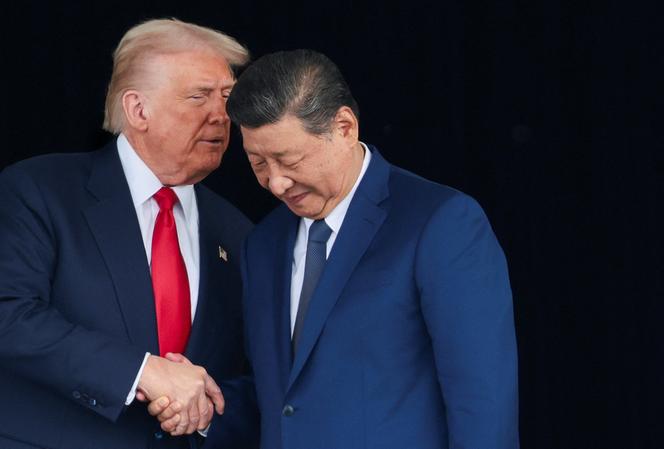
By Nitya Chakraborty 2025 was the year of the maverick U.S. President Donald Trump. The developments during the year beginning January 20 evolved around Trump. He was the key decision-maker, irrespective of what other countries leaders felt. He cared little for the United Nations, WTO, WHO and all other multilateral bodies. He openly said ‘I […]

The article 2025 Was Donald Trump’s Year But 2026 Is Going To Be The Year With Xi Jinping’s Domination appeared first on Latest India news, analysis and reports on Newspack by India Press Agency).

HAIKOU, CHINA – Media OutReach Newswire – 20 January 2026 – One month into the island-wide special customs operations, the Hainan Free Trade Port (FTP) in south China has maintained smooth and orderly functioning, with initial achievements in logistics efficiency, passenger convenience, and economic aggregation, highlighting the country’s commitment to high-level opening up.

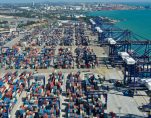
Yangpu Port, the largest cargo port in the Hainan FTP.

Hainan Heren Pearl Co., Ltd., which mainly imports pearls from overseas, has emerged as a direct beneficiary of Hainan FTP policies.

Under the value-added processing policy, the company can sell its high-value products to the mainland duty-free, cutting its overall tax burden from about 52 percent to roughly 26 percent and redirecting the savings into research and development, said Zhang Shizhong, the company’s chairman.

“The FTP holds great promise, with more policy dividends set to be released in the future,” Zhang said.

One notable special customs policy is offering “freer access at the first line,” referring to freer trade between Hainan and areas outside China’s customs borders, and “regulated access at the second line,” which involves applying standard customs controls for goods moving from Hainan to the mainland.

According to Haikou Customs, from Dec. 18, 2025 to the early hours of Jan. 18, 2026, the value of “first line” imported zero-tariff goods was 753 million yuan (about 107 million U.S. dollars); the value of processed and value-added goods sold domestically through the “second line” was about 85.9 million yuan.

In Wanning City, production lines at Chia Tai (Hainan) Xinglong Coffee Industry Development Co., Ltd. are running at full capacity. The company imports green coffee beans from Colombia and processes them in Hainan before shipping the finished products to the mainland, enjoying an 8 percent tariff reduction under the FTP policies.

“After the launch of island-wide special customs operations, Hainan will gradually become a value-added processing center and trade hub with global resource allocation capabilities,” said Ye Jian, the company’s general manager. “Enterprises will not only pass through Hainan, but also be able to put down roots here and create higher value.”

Duty-free shopping booms in Hainan FTP.

Drawn by the policy incentives, a growing number of companies are choosing to do business in Hainan. The General Administration of Customs said a total of 5,132 new foreign trade enterprises completed registration in Hainan over the past month, an increase in a month roughly equivalent to the total registrations in an entire quarter of 2024.

The total number of registered foreign trade market entities in Hainan has surpassed 100,000, according to official data.

As the policy came into force, major ports across Hainan saw a surge in activity.

Days after Hainan began island-wide special customs operations, a flight from Prague carrying 115 European passengers touched down in the tourist city of Sanya, marking a breakthrough in the high-level opening up of the aviation sector at the Hainan FTP.

The arrival marked the launch of China’s first official passenger route operated under the Seventh Freedom of the Air, which allows foreign carriers to operate flights between two foreign countries without having to land in their home country.

The route is operated by Kazakhstan’s Scat Airlines, with one round-trip scheduled each week.

At Yangpu Port, the largest cargo port in the Hainan FTP, mega-ships berthing in quick succession, gantry cranes operating around the clock, and container trucks moving in tightly coordinated flows have become a routine sight.

“Yangpu will shoulder the role of the main logistics gateway of the Hainan FTP,” said Yang Xiaobin, deputy head of the Transportation, Port and Waterway Bureau of Yangpu Economic Development Zone. “The port aims to build a smart and green international shipping hub and logistics center.”

Container throughput at Yangpu reached 3.31 million twenty-foot equivalent units (TEUs) in 2025, up more than 65 percent from a year earlier.

“It is particularly noteworthy that the Hainan FTP launched island-wide special customs operations at a time of intensifying deglobalization and rising global uncertainty,” said Cui Weijie, deputy director of the Chinese Academy of International Trade and Economic Cooperation, a think tank with the Ministry of Commerce.

“It not only demonstrates China’s unwavering commitment to high-standard opening up, but also injects greater certainty and positive momentum into the global economy and international trade cooperation,” Cui said.

Hashtag: #HainanFreeTradePort #HainanFTP #CustomsReform #FreeTradePort #DutyFreeTrade

The issuer is solely responsible for the content of this announcement.

Vercel has unveiled a new product called Skills, positioning it as a shared marketplace of reusable capabilities for AI coding assistants and framing it internally as an “npm for AI agents”. The launch reflects growing pressure on developers and platform companies to bring consistency, security and best practices to the rapidly expanding use of autonomous and semi-autonomous coding tools across production environments. According to the company, Skills […]

Advertisements

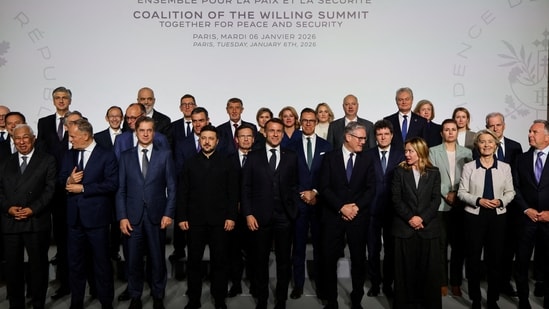
France has moved to convene a meeting of Group of Seven finance ministers this week as tensions escalate with the United States over proposed tariffs linked to a high-profile dispute about Greenland. Paris is spearheading coordinated Western efforts to address what it and other European capitals describe as coercive trade threats from Washington, and to explore collective avenues for diplomatic and economic response amidst deepening strain in […]

New York Stock Exchange plans to introduce continuous, 24-hour trading for United States equities through a newly designed on-chain, tokenised exchange, marking a structural shift in how shares could be issued, traded and settled across time zones. The proposal, disclosed by people familiar with the exchange’s roadmap and echoed in public briefings around digital market infrastructure, would extend trading beyond traditional hours while keeping securities within a […]

UAE President Sheikh Mohamed bin Zayed Al Nahyan arrived in New Delhi on a working visit, marking another step in the steady expansion of political, economic and strategic ties between Abu Dhabi and New Delhi. He was received at the Palam Air Base by Prime Minister of India Narendra Modi, accompanied by senior members of the Union Cabinet and officials from the external affairs establishment, underscoring the importance both sides attach to the engagement.

The visit places renewed focus on deepening UAE–India partnership at a time when bilateral cooperation spans trade, energy security, technology, defence and people-to-people exchanges. Officials said discussions during the visit would review progress under existing agreements while identifying new areas for collaboration aligned with long-term economic and geopolitical priorities.

The UAE and India have built a close relationship over the past decade, anchored by high-level political engagement and sustained institutional cooperation. The elevation of ties to a Comprehensive Strategic Partnership has provided a framework for collaboration across sectors, with regular leader-level interactions helping to maintain momentum. Sheikh Mohamed and Prime Minister Modi have met frequently on the margins of multilateral forums and through bilateral visits, creating a rapport that has translated into concrete outcomes.

Trade and investment remain central to the agenda. Bilateral non-oil trade has expanded significantly following the implementation of the Comprehensive Economic Partnership Agreement, which reduced tariffs, simplified customs procedures and opened services markets. Officials on both sides view the agreement as a catalyst for further growth, particularly in manufacturing, logistics, food security and digital services. The UAE has also emerged as a major investor, with sovereign and private capital flowing into infrastructure, renewable energy, ports and technology ventures.

Energy cooperation continues to be a pillar of the relationship. The UAE is a key supplier of crude oil and liquefied natural gas, while joint investments in strategic petroleum reserves and downstream assets have added depth to the partnership. As both countries pursue energy transition goals, collaboration has widened to include renewables, green hydrogen and climate technology, reflecting shared commitments to sustainability and diversification.

Defence and security cooperation has gained prominence amid evolving regional and global challenges. Regular joint exercises, intelligence exchanges and defence industrial cooperation have strengthened interoperability and trust. Counter-terrorism, maritime security and cyber resilience are areas where officials see scope for closer coordination, particularly given the shared interest in stable sea lanes and secure digital infrastructure.

Technology and innovation feature prominently in the discussions. The UAE’s push to position itself as a hub for advanced technologies aligns with New Delhi’s focus on digital public infrastructure, fintech and start-up ecosystems. Partnerships between research institutions, technology firms and start-ups have expanded, supported by policy initiatives and investment platforms designed to facilitate cross-border collaboration.

The large expatriate community also shapes the relationship. Millions of people from India live and work in the UAE, contributing to its economy and cultural diversity, while remittances and professional exchanges strengthen social and economic links. During past engagements, leaders have highlighted the role of this community as a bridge between the two nations, with initiatives aimed at skills development, worker welfare and cultural exchange.

On the multilateral front, both countries coordinate positions on regional stability, economic governance and climate action. Cooperation within forums such as the G20, where the UAE has participated as a guest under New Delhi’s presidency, has reinforced alignment on development priorities, debt relief for vulnerable economies and sustainable growth.

Officials familiar with the visit said meetings would assess progress on commitments made during earlier engagements and set timelines for new initiatives. Agreements and memoranda of understanding under consideration span sectors including education, healthcare, space cooperation and financial services, reflecting the breadth of the partnership.

Arabian Post Staff -Dubai Two students from Georgetown University in Qatar have secured places in the highly selective Schwartzman Scholars programme, marking a notable academic milestone for the Doha-based campus and underscoring the growing links between Middle East institutions and leading centres of study in China. Kingwell Ma and Zarrish Ahmed have been awarded fully funded, one-year master’s degrees in Global Affairs at Tsinghua University in Beijing, […]

Markets has begun offering around-the-clock, on-chain trading of a synthetic version of Tesla stock, a move that sharpens the debate over how far crypto platforms can go in replicating traditional equities without triggering the full weight of securities regulation. The product, described by Markets as a tokenised representation of Tesla, allows traders to take leveraged positions of up to 12 times and to buy or sell at […]

Bitcoin has pushed through a stubborn price ceiling near $95,000, reviving bullish sentiment after weeks of consolidation, yet underlying data points to a phase of heightened risk as participation from smaller wallet holders continues to thin. The advance, driven largely by institutional flows and derivatives positioning, has brought the market back to levels that previously triggered sharp corrections, prompting analysts to warn that price strength may be […]

Pioneering Logistics Data Connectivity to Empower SME Financing

HONG KONG SAR – Media OutReach Newswire – 19 January 2026 – In response to the evolving global trade landscape and accelerating digital transformation, Hong Kong is consolidating its strength and reinforcing its position as an International Trade Centre while driving industry digitalisation. PAO Bank Limited (“PAObank”) has actively support the HKSAR Government’s initiatives to promote data-sharing infrastructure and financial technology development. PAObank adopted data from “Port Community System” (“PCS”), serving as a pilot case to explore the potential of the PCS data in replacing traditional freight documentation. PAObank has been invited to join PCS Rollout Ceremony, sharing professional insights on leveraging cargo data to promote digital trade finance.

The PCS enables interoperability of logistics data across sea, land and air transport, establishing a comprehensive and reliable logistics footprint for cargo transiting through Hong Kong. PAObank, as the first digital bank to participate in the Commercial Data Interchange initiative, has become a leader in harnessing alternative data to streamline financing process. PAObank was invited to PCS Rollout Ceremony on 16 January to share its practical experience in utilising PCS for trade finance. The real-time import/export customs declaration and cargo data provided by PCS empower banks to better understand the trade and capital flows of SMEs, thereby reducing credit costs and enhancing the efficiency of trade finance.

Mr. Ambrose Wong, Alternate Chief Executive & Chief Risk Officer of PAObank, remarked in the panel discussion, “As one of the Ping An Group’s integrated financial platforms in Hong Kong, PAObank is driven by the vision of empowering finance through technology. We are at the forefront of utilising alternative data to simplify SME financing and establishing industry benchmarks. Traditional port information is often fragmented, and banks lack access to consolidated trade data, making it difficult to assess business operations and credit risks in a timely and accurate manner, which affects financing efficiency. PCS provides unified, reliable, and comprehensive logistics data, further breaking down industry data barriers. This enables banks to access real-time data, quickly and accurately evaluate SME business conditions, and conduct more precise credit approvals to meet SMEs’ funding needs and help them seize business opportunities.”

Mr Ambrose Wong continued, “PAObank is honoured to serve as one of the pilot cases for the PCS, contributing to system optimisation and the realisation of cross-sector data sharing. PAObank will continue to support the HKSAR Government in jointly promoting the digitalisation of trade finance, deepening application scenarios, and enabling more SMEs to benefit from robust data-sharing infrastructure, contributing to strengthening Hong Kong’s position as an international financial and trade centre.”

Looking ahead, as part of Ping An Group’s integrated financial platforms in Hong Kong, PAObank will continue to strengthen its commercial data utilisation, integrating diverse data from trade, logistics and finance to unlock data potential. The bank will continue to be the trade partner, offering banking services including foreign currency deposits, cross-border remittance, and foreign currency exchange to help SMEs unlock their business potential. In addition, PAObank is actively developing innovative financial technologies to provide more diversified services for SMEs and individual customers, working together to promote the sustainable and healthy development of Hong Kong’s economy.
Hashtag: #PAObank #PCS #TradeFinancing

The issuer is solely responsible for the content of this announcement.

PAO Bank Limited

PAO Bank Limited (“PAObank”), a wholly-owned subsidiary of Lufax Holding Ltd (“Lufax”) (SEHK: 6623; NYSE: LU) and a member of Ping An Insurance (Group) Company of China, Ltd. (“Ping An”) (SEHK: 2318; SSE: 601318), is committed to fostering financial inclusion and establishing a digital banking ecosystem by leveraging its extensive experience in SME banking services and its leading financial technology advantages. PAObank was granted a banking licence by the Hong Kong Monetary Authority in May 2019 to offer banking services via virtual channels. PAObank is expanding diverse business segments including retail banking and SME banking, serving customers in Hong Kong and the Greater Bay Area, establishing itself as one of the Ping An Group’s comprehensive financial platforms in Hong Kong.

Dubai has opened its first Ramadan-themed market of 2026 with the launch of Ramadan Souq in Deira, positioning the initiative as both a cultural showcase and a seasonal retail platform ahead of the fasting month expected to begin on February 19, based on astronomical calculations. The market, located at the Grand Souq in Deira, began welcoming visitors this week and will run until February 15, operating daily […]

Arabian Post Staff -Dubai A high-level delegation from Saudi Arabia, led by Minister of Foreign Affairs Prince Faisal bin Farhan bin Abdullah, is set to take part in the World Economic Forum Annual Meeting 2026, underlining Riyadh’s effort to shape global economic and political debates at a time of shifting trade patterns, energy transitions and geopolitical uncertainty. Officials familiar with the plans said the delegation would include […]

UAE’s federal utility Etihad Water and Electricity has invited eligible consulting firms to register interest in a tender for a techno-economic feasibility study on a proposed undersea power interconnector linking the Emirates with India, signalling a fresh push to test the commercial and technical case for cross-border electricity trade across the Arabian Sea. The utility said the study is intended to produce a comprehensive, bankable feasibility package […]

Goldman Sachs is examining whether to engage with the fast-growing prediction-markets sector, a move that could reshape how Wall Street views platforms long seen as niche or legally ambiguous. Chief executive David Solomon has confirmed that the bank has held discussions with executives from Polymarket and Kalshi, describing these venues as sophisticated markets that resemble derivatives trading more than online betting. The conversations underscore a strategic recalibration […]

China’s market watchdog has ordered the removal of co-located trading servers from exchange data centres, a step that strikes at the core of high-frequency trading strategies by stripping away microsecond advantages and reshaping how orders reach the market.

The directive, conveyed to brokerages and proprietary trading firms over the past week, requires firms to relocate servers that sit inside or adjacent to exchange facilities, a practice that has allowed algorithmic traders to exploit ultra-low latency connections. By mandating physical separation, regulators aim to level access speeds across participants and curb behaviour blamed for sharp intraday swings.

Officials at the China Securities Regulatory Commission have framed the move as part of a broader effort to restore fairness and stability at a time when volatility has tested investor confidence. Exchanges have begun coordinating timelines with members, while technology vendors assess the operational impact of migrating equipment and reconfiguring networks.

At the heart of the change is co-location, a service long offered by major venues such as the Shanghai Stock Exchange and the Shenzhen Stock Exchange. By placing servers in the same buildings as matching engines, firms could shave milliseconds off order transmission, a decisive edge for strategies that depend on speed. The new rule eliminates that edge by forcing all traders to connect from outside facilities, effectively compressing the speed differential.

Market participants say the immediate effect will be uneven. Firms that rely heavily on latency-sensitive strategies face higher costs and potential revenue declines, while asset managers and retail-focused brokers expect fewer instances of sudden price dislocations triggered by rapid-fire trades. Some proprietary desks have already paused certain algorithms as engineers test alternative connectivity routes.

Regulators’ concerns extend beyond fairness. Officials have grown wary of feedback loops in which automated strategies amplify short-term moves, especially during thin liquidity. Episodes of abrupt swings in small- and mid-cap shares have sharpened scrutiny of trading practices that can overwhelm order books in fractions of a second. By slowing the fastest participants, authorities believe markets will better reflect underlying supply and demand.

The measure also aligns with a wider tightening of oversight on quantitative trading. Over the past year, exchanges have refined monitoring of order-to-trade ratios, imposed stricter reporting on algorithmic strategies, and increased penalties for disruptive behaviour. Server removal adds a structural constraint that complements those rules, shifting the emphasis from after-the-fact enforcement to preventative design.

Technology providers are bracing for a wave of changes. Data centre operators linked to exchanges will see reduced demand for premium co-location services, while telecom firms may benefit as traders invest in faster external links to mitigate latency losses. Network optimisation, time-synchronisation tools and smarter order-routing software are expected to attract investment as firms adapt.

There are risks of short-term disruption. Moving servers involves downtime, testing and regulatory approvals, raising the possibility of temporary liquidity dips in certain instruments. Exchanges have signalled flexibility on implementation schedules to avoid disorderly conditions, though the direction of policy is clear. Compliance teams are urging firms to prioritise stability over speed during the transition.

Internationally, the decision is being watched closely. Other jurisdictions have grappled with the balance between innovation and fairness, with mixed approaches ranging from speed bumps to transaction taxes. China’s choice to remove co-location altogether is among the most decisive interventions to date and could influence debates elsewhere, particularly in markets where retail participation is high.

Copper prices slid in late morning trade on Tuesday as investors locked in profits after a strong run and renewed scrutiny fell on consumption prospects in China, the world’s largest user of the industrial metal. The pullback left the market near its lowest point in a week, underscoring how quickly sentiment can turn when demand signals soften. Benchmark three-month copper on the London Metal Exchange was down […]

By Nitya Chakraborty The Washington talks for discussing the future of Greenland failed on Wednesday with the foreign ministers of Denmark and Greenland returning back home with the message from White House that Greenland rightfully belongs to USA and Trump will be deciding on the timing of its takeover. The U.S. does not care for […]

The article How Far European Union Can Go To Defend Greenland From Trump Annexation? appeared first on Latest India news, analysis and reports on Newspack by India Press Agency).

BANGKOK , THAILAND – Media OutReach Newswire – 16 January 2026 – The National Innovation Agency (Public Organization), or NIA, under the Ministry of Higher Education, Science, Research and Innovation (MHESI), is encouraging Thai entrepreneurs to keep a close eye on three key innovation trends for 2026: technology trends, market trends, and consumer trends. NIA also unveiled four major innovation policy directions: promoting investment in innovative businesses, strengthening innovation linkages across sectors, advancing regional innovation development, and enhancing national innovation competencies. These policies aim to accelerate the growth, capability development, and diffusion of innovative businesses, positioning them as key drivers of Thailand’s sustainable economic and social development.

Dr. Krithpaka Boonfueng, Executive Director of NIA

Dr. Krithpaka Boonfueng, Executive Director of NIA, said that rapid advances in artificial intelligence, escalating geopolitical tensions across multiple regions, trade decoupling and reciprocal tariff measures that create uncertainty in the global economy and value chains, as well as environmental issues and natural disasters, were major forces shaping change in 2025. ‘Innovation’ remains a critical tool for coping with these disruptions and uncertainties.

Looking ahead to 2026, Thai entrepreneurs will need to continue closely monitoring and adapting to change. Key innovation trends present both opportunities and challenges, starting with technology trends that help reduce costs and build long-term competitiveness. Notable technologies include Agentic AI, which can autonomously perform tasks such as customer chat responses, sales closure, order management, queue booking, price comparison, and automated purchasing; Hyper-Automation, which integrates bots and systems to reduce repetitive tasks, improve efficiency and accuracy, and enable real-time data-driven decision-making; and Carbon Accounting, which is becoming essential for SMEs involved in exports or global supply chains. Businesses are increasingly required to measure carbon footprints across energy use, production, logistics, and waste, in response to stricter global regulations such as the EU’s CBAM and Thailand’s forthcoming Climate Change Act.

Business trends highlight growth opportunities across several sectors. These include Health and Wellness, covering not only treatment but also prevention and therapy, particularly for working-age populations facing stress, office syndrome, and sleep disorders. Opportunities span physical therapy clinics, aromatherapy and sleep-aid products, herbal supplements, wellness tourism, yoga, and meditation. Another fast-growing area is the Pet Economy, as the Thai pet market continues to expand despite economic headwinds. This sector now includes holistic and organic pet food, fresh pet meals, fashion apparel, multifunctional pet furniture, and premium services such as pet spas, hotels, and condominiums. Additionally, Green and Circular Businesses are gaining traction, with upcycling and recycling ventures transforming waste and local materials into higher-value products. Although costs may be higher, sustainability-driven products can command premium prices, creating opportunities for community-based SMEs through innovative design aligned with environmental and fashion trends.

Consumer trends reveal a shift toward value-for-money and self-care. Hyper-Personalization is increasingly important, as consumers seek products tailored to individual needs, supported by advanced data analytics—such as supplements based on blood test results or skincare customized to personal skin conditions. Silver Solutions address the needs of Thailand’s aging society, with services focused on convenience, safety, and quality of life, including home modifications, slow-life travel programs, and assisted healthcare services. Meanwhile, Muketing or the Magic Economy reflects the enduring role of belief, spirituality, and cultural traditions in Thai society, creating economic value through religious tourism, spiritually inspired products, and design-driven items that blend art with faith.

Dr. Krithpaka added that NIA’s long-term mission is to transform Thailand into an innovation-driven economy, with startups and innovation-based entrepreneurs at its core. This requires the creation of new industries to drive growth and position Thailand as an “Innovation Nation” through three key objectives: developing innovations based on advanced and deep technologies that are difficult to replicate; creating high-value products and services rooted in creativity and cultural capital; and preparing a highly skilled workforce capable of keeping pace with rapid technological change and evolving demographic and labor market structures. NIA works closely with domestic and international partners in its role as a Focal Conductor of Innovation, supporting innovative businesses through the 4G framework: Groom (incubation and capability building), Grant (funding support), Growth (market expansion and access to capital), and Global (international market entry). In 2026, NIA will drive Thailand’s economy and society through four key innovation policy pillars.

The first focuses on promoting investment in innovative businesses, offering a range of financial mechanisms including grants for early-stage ventures and co-investment schemes for growth-stage firms, such as corporate co-funding, public venture mechanisms (NIA Venture), global investment link programs, and capital gains tax exemptions to support startup fundraising. The second pillar emphasizes innovation linkages, strengthening collaboration between academia and industry to translate research into real-world applications through acceleration programs, innovation hubs, ecosystem platforms, tax incentives, and future mechanisms such as intellectual property financing. The third pillar supports regional innovation development, enhancing local economies and quality of life through Social Innovation Driving units (SID), Open Innovation programs, City and Community Challenge, Social Innovation Villages, and Ninmungkornth The Reality, which inspires new or small entrepreneurs to become local economic champions. The final pillar aims to enhance national innovation competencies, cultivating innovation mindsets, technological and business skills, entrepreneurial thinking, and global readiness across youth, startups, SMEs, and organizations. Key initiatives include STEAM4INNOVATOR, Startup Thailand League, NIA Academy training programs, and productivity-focused projects such as INNOProductivity for SMEs, aligned with international innovation management standards like ISO 56001.

Through these integrated efforts, NIA seeks to strengthen Thailand’s innovation ecosystem and ensure that innovative businesses can grow resiliently and compete on the global stage.

Hashtag: #NIA #NationalInnovationAgency

The issuer is solely responsible for the content of this announcement.

By Ashok Nilakantan Ayers When India’s finance minister Ms Nirmala Sitharaman rises to present the 7th Union Budget on February 1, a record of sorts, the moment will carry an uncommon weight. This is no routine fiscal exercise, no mere balancing of columns and commas. Instead, the budget is being cast — by industry leaders, […]

The article 2026-27 Budget Offers Modi Govt A Great Opportunity To Reshape Strategy appeared first on Latest India news, analysis and reports on Newspack by India Press Agency).

SINGAPORE – Media OutReach Newswire – 15 January 2026 – Franchising & Licensing Asia (FLAsia), Asia’s leading franchising and licensing trade event, will return from 13–15 August 2026 at Sands Expo and Convention Centre, Singapore.

Organised by MP Singapore, and presented by the Franchising & Licensing Association (Singapore), FLAsia 2026 marks a new chapter for the long-running industry event as it enters its 21st edition under a new organiser partnership. The appointment of MP Singapore brings expanded regional reach, deeper industry engagement and a strengthened focus on business outcomes for exhibitors and visitors across Asia.

FLAsia 2026 is expected to welcome more than 7,000 trade visitors and over 250 exhibiting brands from franchising, licensing, character IP, retail concepts and emerging business models. The event will continue to serve as a central marketplace for brand owners, franchisors, licensors, investors and entrepreneurs to connect, explore partnerships and identify expansion opportunities across regional and international markets.

Building on the momentum from previous edition, the Brand Licensing Village will return in 2026. The dedicated zone will spotlight locally developed intellectual property that has already been successfully commercialised, offering visitors a focused platform to discover market-ready IP, connect with licensing experts and explore collaboration opportunities across categories. The Licensing Village reinforces FLAsia’s role in supporting IP growth and brand extension within the region’s licensing ecosystem.

On the franchising front, the Chinese Franchise Conference will make a return, reflecting continued interest from Chinese brands and investors seeking expansion opportunities across Southeast Asia and beyond. Curated in collaboration with key industry stakeholders, the conference will provide targeted insights, market perspectives and networking opportunities for Chinese franchise brands and regional partners.

FLAsia 2026 will also feature international pavilions and brand participation from key markets, with brands from Korea, Thailand and other regional economies expected to be present, further strengthening the show’s international profile. Alongside the exhibition showcase, the event will include curated business sessions, industry sharing, talent and career touchpoints, and dedicated zones highlighting innovation, IP development and brand growth, reinforcing FLAsia’s position as a leading gateway for franchising and licensing opportunities in Asia.

“Partnering with MP Singapore marks a dynamic leap forward for FLAsia. Together, we’re amplifying the event’s influence and reach, ensuring the franchising and licensing community thrives as the industry surges across Asia.” Mr Gan Shee Wen, President, Franchising & Licensing Association (Singapore).

“FLAsia is a well-established platform with strong industry trust, and we are pleased to be organising the event for the first time. By leveraging on MP’s global network, we will connect brands, partners and stakeholders in a way that will foster an environment that encourages collaboration, supports quality participation and drives tangible outcomes for both exhibitors and visitors. We are excited to grow FLAsia alongside the industry in the years ahead.” Jason Ng, Managing Director of MP Group.

Franchising & Licensing Asia has, over the years, established itself as a key business platform for brands seeking growth, market entry and partnership opportunities in Asia. With Singapore as its springboard, the event continues to attract regional and international participation, reinforcing its role as a gateway to Asian markets.

More information about FLAsia 2026 can be found at www.franchiselicenseasia.com.

Hashtag: #FLAsia2026 #Franchising #Licensing #BrandExpansion #TradeShowAsia #BusinessNetworking

The issuer is solely responsible for the content of this announcement.

About FLAsia

– 21st Edition – Asia’s leading marketplace for franchising and licensing, FLAsia brings together reputable brand owners, business leaders, investors, and entrepreneurs to create a dynamic platform for accelerating business growth, expanding professional networks, and increasing brand visibility across the vibrant Asian market.​ ​FLAsia provides the chance for exhibitors to showcase unique business concepts, engage in face-to-face meetings with high quality visitors and create meaningful business connections.​ ​Visitors get to connect directly with brand owners, franchisors, licensors, industry experts, and like-minded leaders, attend insightful conferences, and access high quality business opportunities.​

About Franchising and Licensing Association (Singapore)

, one of the founding members of the World Franchise Council, was established in 1993 with the mission to nurture and develop Singapore’s franchising industry. An essential component of Singapore’s knowledge-based economy, FLA Singapore promotes and facilitates the use of franchising, licensing and branding as a growth strategy for Singapore enterprises, thus contributing to turning Singapore into a regional franchise and license hub.

Through its partnership with Singapore government agencies and international franchise and license bodies, FLA Singapore also assists its members in their international development programmes. With an active growing membership of close to 150 companies, representing more than 250 strong brands, FLA (Singapore) is led and managed by a dedicated team of advisors, committee members and a full-time secretariat with the goal of supporting Singapore companies to expand internationally.

About MP Singapore

The is a global full-service agency that specialises in connecting and building eco-systems, industry engagement, events management and marketing. Established since 1987, MP embodies more than a quarter century of event building, marketing and management experience in both Eastern and Western cultures, practices, and business philosophies. We bring world-class talent, industry expertise, and incredible enthusiasm into the design and management of extraordinary online-to-offline experiences for your organisation.

MP is part of Pico Group, a global group of agencies specialising in engaging people, creating experiences and activating brands for businesses, institutions and governments. As part of the Pico group, MP has unlimited access to a wide network of industry contacts and resources. Pico Far East Holdings has been listed on the Hong Kong Stock Exchange since 1992.


VISHNU RAJA
RYO YAMADA
HITORI GOTOH
IKUYO KITA