Eight CryptoPunks non-fungible tokens have been accepted into the permanent collection of New York’s Museum of Modern Art, a move that places one of the most influential crypto-native projects alongside canonical works of modern and contemporary art. The acquisition underscores the growing institutional recognition of blockchain-based art forms, even as debate continues over their cultural and market value. The works were added through a donation organised by […]
Bitcoin’s slide below the closely watched $86,000 threshold has unsettled digital-asset markets, breaking a price floor that traders had treated as a key line of defence since the sharp sell-off in October. The move has triggered renewed volatility across major tokens and prompted a reassessment of risk as investors weigh whether the decline reflects temporary dislocation or a deeper shift in market structure. The breach occurred amid […]
Saudi Arabia is preparing to lift crude oil shipments at the start of 2026, a move that underscores mounting concerns about excess supply as global demand growth remains uneven. Allocations to buyers across Asia, Europe and North America are set to rise, according to trade and shipping data reviewed by market participants, pointing to a more assertive sales posture by the world’s largest exporter after months of […]
Ministry of Finance has announced Cabinet Decision No. 153 of 2025, setting out the application of the reverse charge mechanism on the trading of metal scrap between VAT-registered businesses in the UAE, with the framework scheduled to take effect on 14 January 2026. The move is positioned as a targeted adjustment to the country’s value-added tax regime, aimed at strengthening compliance and reducing tax leakage in a sector long regarded by authorities as vulnerable to misreporting and cash-based transactions.
The decision has been issued under the provisions of Federal Decree Law No. 8 of 2017 on Value Added Tax, along with its subsequent amendments, and Cabinet Resolution No. 52 of 2017 covering the Executive Regulations of the VAT law. Together, these instruments provide the legal basis for shifting VAT liability from the supplier to the recipient in specified transactions, a mechanism already familiar to many businesses operating in regulated or high-risk supply chains.
Under the reverse charge mechanism, the obligation to account for VAT on a transaction moves from the seller to the buyer, provided both parties are registered for VAT. In the context of metal scrap trading, this means suppliers will issue tax invoices without charging VAT, while purchasers will self-account for the tax in their VAT returns, subject to the normal rules on input tax recovery. Officials say the approach is designed to curb evasion practices that can arise where VAT is charged but not remitted to the tax authority.
The Ministry of Finance has framed the decision as part of a broader effort to fine-tune the VAT system since its introduction in 2018, responding to sector-specific risks identified through audits and market monitoring. Metal scrap trading, which often involves multiple intermediaries and fluctuating commodity prices, has been highlighted in several jurisdictions worldwide as an area where reverse charge measures can enhance transparency and simplify enforcement.
The cabinet decision on scrap VAT treatment reflects a policy choice already adopted in parts of Europe and Asia, where tax authorities have used reverse charge rules to counter carousel fraud and other forms of abuse linked to recyclable materials and metals. By aligning with these international practices, the UAE is seeking to balance ease of doing business with the need for robust revenue protection.
Industry participants are now assessing how the change will affect cash flow and contractual arrangements. For suppliers, the removal of VAT charging on eligible scrap transactions may reduce administrative burdens and the need to finance VAT amounts pending recovery. Buyers, on the other hand, will need to ensure their accounting systems can correctly self-assess VAT and reflect the entries accurately in periodic returns. Tax advisers note that while the mechanism is neutral in theory for fully compliant, fully taxable businesses, errors in classification or documentation could lead to penalties.
The decision applies specifically to transactions between registrants, underscoring the importance of verifying counterparties’ VAT registration status. Businesses involved in mixed supplies, or dealing with unregistered parties, will need to distinguish carefully between transactions subject to the reverse charge and those that remain under the standard VAT rules. This distinction is expected to be a focal point of guidance and compliance reviews ahead of the January 2026 effective date.
Officials have indicated that further clarification will be issued through administrative guidance to define the scope of “metal scrap” covered by the decision, drawing on existing definitions used in customs and commercial practice. Market participants expect this to include waste and scrap from metals such as iron, steel, aluminium and copper, though the final interpretation will determine how widely the measure applies across recycling and manufacturing chains.
The timing of the announcement gives businesses more than a year to prepare, adjust contracts and update systems. Tax specialists view this lead time as significant, allowing companies to conduct impact assessments and staff training without disrupting ongoing operations. It also provides an opportunity for the authorities to engage with industry bodies and address practical concerns before enforcement begins.
Arabian Post Staff -Dubai Abu Dhabi National Oil Company has finalised a $2 billion green financing facility backed by the Korea Trade Insurance Corporation, strengthening its funding base for lower-carbon projects as it seeks to align hydrocarbon operations with long-term energy transition goals. The facility, structured under ADNOC’s Sustainable Finance Framework, is earmarked for eligible investments across the company’s upstream, downstream and chemicals businesses, including emissions-reduction technologies, […]
Canada faces another period of economic uncertainty as the U. S. Supreme Court weighs a case that could reshape the legal foundations of tariffs imposed during Donald Trump’s presidency, reviving questions about the stability of cross-border trade rules and the exposure of Canadian industries to abrupt policy shifts. The pending decision centres on the scope of presidential authority to levy tariffs under long-standing U. S. trade statutes, […]
Washington has approved an arms package for Taiwan valued at about $11.1 billion, a move described by officials as the largest single tranche of US military support for the island and one that has prompted a sharp diplomatic response from Beijing. The decision underscores a widening security rift across the Taiwan Strait as pressure on Taipei intensifies through military drills, air patrols and naval manoeuvres. The package, […]
Host Arabia has closed its first edition in Riyadh, positioning the Saudi capital as an emerging focal point for the hospitality and foodservice supply chain at a time when the kingdom is accelerating investment in tourism, leisure and urban development. The three-day event brought together hotel operators, restaurant groups, suppliers and policymakers, underlining the scale of demand being created by new resorts, giga-projects and a fast-expanding domestic dining market.
Held at the Riyadh Front Exhibition and Conference Centre, the inaugural edition drew exhibitors and visitors from across the Middle East, Europe and Asia, reflecting Saudi Arabia’s growing pull as a commercial hub for hospitality equipment, food and beverage solutions, technology and design services. Organisers said the turnout exceeded initial expectations, with strong participation from both international brands seeking market entry and local firms aiming to scale alongside national development plans.
The exhibition opened against the backdrop of an ambitious tourism strategy that targets a sharp rise in annual visitors by the end of the decade, supported by large-scale projects such as Diriyah, Qiddiya, NEOM and the Red Sea destination. These developments are reshaping procurement needs for hotels, resorts, serviced apartments and entertainment venues, driving demand for kitchen equipment, sustainable packaging, digital ordering systems and energy-efficient infrastructure. Host Arabia sought to position itself as a platform where these needs could be matched with suppliers and service providers in a single marketplace.
Industry executives attending the event highlighted Riyadh’s transformation into a year-round destination for conferences, sports and entertainment as a key factor behind the exhibition’s timing. International hotel groups are expanding their presence in the capital, while domestic restaurant concepts are scaling rapidly, supported by a young population and rising disposable incomes. This combination has intensified competition and raised standards, placing greater emphasis on quality, efficiency and sustainability across the hospitality value chain.
The programme featured live culinary demonstrations, equipment showcases and panel discussions focused on workforce development, localisation of supply chains and the adoption of smart technologies. Speakers addressed challenges such as staff training, cost pressures and the integration of sustainability targets into daily operations, themes that resonate strongly with operators navigating rapid expansion. Discussions also touched on regulatory alignment and the role of public-private partnerships in supporting sector growth.
Exhibitors ranged from global manufacturers of commercial kitchen equipment and refrigeration systems to regional producers of food ingredients, tableware and interior solutions. Technology providers showcased point-of-sale platforms, inventory management tools and data analytics designed to help operators manage margins and customer experience more effectively. Several participants noted growing interest in solutions that reduce water and energy consumption, reflecting both regulatory expectations and cost considerations in a desert climate.
Government and industry representatives used the gathering to underline the hospitality sector’s contribution to economic diversification and job creation. Training institutions and recruitment firms reported strong engagement from operators seeking to build local talent pipelines, an area seen as critical to sustaining long-term growth. The emphasis on skills development aligned with broader national objectives to increase private-sector employment and reduce reliance on imported labour over time.
Organisers described the Riyadh edition as a strategic step in establishing Host Arabia as an annual fixture, with plans to expand floor space and content in future editions. Feedback from exhibitors pointed to strong deal-making potential, with several reporting on-site negotiations and follow-up meetings scheduled with hotel developers and restaurant groups. The presence of decision-makers from major projects was cited as a key differentiator compared with more mature regional trade shows.
South Korea’s central bank has unveiled temporary measures to increase the supply of US dollars in the onshore foreign exchange market, responding to renewed pressure on the won and heightened volatility driven by global monetary conditions and capital flows. The steps, announced in Seoul, are designed to stabilise market functioning rather than signal a shift in the broader policy stance, according to officials familiar with the decision.
The Bank of Korea said it would expand and fine-tune existing mechanisms that channel dollar liquidity to domestic banks, including adjustments to foreign exchange swap operations and closer coordination with financial institutions that rely on short-term dollar funding. The announcement followed sharp movements in the won that reflected a stronger dollar globally, shifting expectations over US interest rates and risk-averse sentiment among international investors.
Authorities stressed that the measures are temporary and targeted. Central bank officials indicated that the aim is to smooth excessive fluctuations and ensure that firms and banks can access foreign currency at reasonable costs, rather than to defend a specific exchange rate level. Market participants have long viewed this distinction as important, particularly after past episodes when heavy-handed intervention drew criticism from trading partners.
South Korea’s economy is deeply integrated into global trade and finance, making its currency sensitive to swings in the dollar. Exporters and importers alike depend on predictable access to foreign currency, while domestic banks hold sizeable short-term foreign liabilities that can become vulnerable during periods of stress. Episodes of dollar scarcity can amplify volatility, as companies rush to hedge exposures and banks scramble to secure funding.
The central bank’s move builds on a toolkit refined over the past decade. FX swap facilities allow banks to exchange won for dollars with the central bank for a set period, easing immediate shortages without depleting official reserves. By adjusting maturities, volumes and pricing, policymakers can influence conditions in the onshore market while signalling readiness to act if dislocations worsen.
Government officials, speaking separately, said fiscal and regulatory authorities were aligned with the central bank’s approach. The finance ministry has held regular consultations with the Bank of Korea and financial regulators to monitor cross-border capital movements, particularly as global investors rebalance portfolios in response to shifting yield differentials. Officials noted that South Korea’s foreign exchange reserves remain ample by international standards, offering a buffer against disorderly market moves.
Economists said the measures reflect a broader trend among Asian central banks grappling with a strong dollar environment. While many economies in the region maintain flexible exchange rates, policymakers have shown a willingness to step in when liquidity dries up or price action becomes detached from fundamentals. In South Korea’s case, analysts pointed to stable external balances and a manageable current account position as factors that give authorities room to act calmly.
Banks welcomed the announcement, saying predictable access to dollar liquidity helps reduce funding costs and limits the risk of knock-on effects to credit markets. A senior treasury executive at a major commercial bank said the adjustments would “help smooth day-to-day operations” at a time when global markets remain sensitive to policy signals from Washington and other major capitals.
Currency strategists cautioned, however, that temporary measures alone cannot offset sustained external pressures if global conditions remain unfavourable. They noted that the won’s performance will continue to be influenced by US monetary policy expectations, geopolitical developments and investor appetite for emerging market assets. Any prolonged mismatch between dollar demand and supply could require further action, though officials have signalled a preference for gradual, market-friendly steps.
The Bank of Korea has repeatedly emphasised that foreign exchange policy operates alongside, not in place of, its primary mandate of price stability. With inflation dynamics evolving and domestic growth facing headwinds from weaker external demand, policymakers are balancing multiple objectives. The central bank has avoided linking the FX measures directly to interest rate decisions, underscoring that liquidity management in currency markets serves a different purpose.
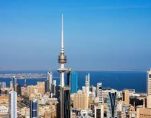
Arabian Post Staff -Dubai Kuwait is set to sign a contract next week with China Communications Construction Company to advance the long-delayed Mubarak Al-Kabeer Port, signalling renewed momentum behind a project seen as pivotal to the country’s trade ambitions and its role in regional logistics. Public Works Minister Noura Al-Mashaan confirmed the timeline on Thursday, following formal approval by the Central Agency for Public Tenders for the […]
Matein Khalid I was sure the Medline IPO would be a winner since I have tracked this business since it was acquired in a $30 billion leveraged buyout by Blackstone, Carlyle and the San Fran private equity house Hellman & Friedman after the bankers priced the deal at 29, I even wrote a post several hours before the New York open, reiterating that the largest private equity […]
HONG KONG SAR – Media OutReach Newswire – 18 December 2025 – Another international law-related organisation has unveiled plans to set up a regional base in the Hong Kong Special Administrative Region (HKSAR).
The General Assembly of the Italy-based International Institute for the Unification of Private Law (UNIDROIT) decided (December 11) on the establishment of its UNIDROIT Asia-Pacific Liaison Office (the Office) in the HKSAR, further strengthening the city’s positioning as a centre for international legal and dispute resolution services.
It will be UNIDROIT’s first regional presence outside Rome in the 100-year history of the independent intergovernmental organisation, which works to modernise and harmonise private international law, especially commercial law.
The International Institute for the Unification of Private Law will establish its Asia-Pacific Liaison Office in Hong Kong
China has been a member of UNIDROIT since 1986, while the HKSAR has participated in the work of UNIDROIT as part of the Chinese delegation.
The Office is expected to open at the Hong Kong Legal Hub in the second half of 2026, coinciding with UNIDROIT’s centenary celebrations next year. Its presence in Hong Kong could also contribute to facilitating coordination and creating synergies among the “three sisters of private international law”, namely UNIDROIT, the Hague Conference on Private International Law (HCCH) and United Nations Commission on International Trade Law (UNCITRAL).
The Legal Hub, located in the city’s central business district, already houses a number of international law-related organisations and institutions, including HCCH Regional Office for Asia and the Pacific (ROAP) and the DoJ (Department of Justice) Project Office for Collaboration with UNCITRAL.
In recent years, the DoJ has been collaborating very closely with UNIDROIT, including co-organising biennial Asia-Pacific International Private Law Summit in the HKSAR since 2022 and joint seminars in Rome in 2023 and 2025. Legal professionals in both the private and public sectors from the HKSAR are seconded to the secretariat of UNIDROIT annually, pursuant to the Memoranda of Understanding signed between DoJ and UNIDROIT in 2021 and 2022.
The ROAP of HCCH was set up in the HKSAR in 2012. Since its establishment, ROAP has played a significant role in increasing awareness and understanding of the importance of the HCCH and its instruments among states and stakeholders, as well as contributing to the smooth implementation and operation of the HCCH’s instruments in the Asia-Pacific region.
A new collaborative landmark was achieved earlier this month (December 3) with the staging of the Symposium of the HCCH Regional Office for Asia and the Pacific on Private International Law. The symposium was co-organised by the HCCH and the Hong Kong International Legal Talents Training Academy of the DoJ, as part of the Hong Kong Legal Week 2025. It marked the first time that the DoJ has co-organised an event with the HCCH during Hong Kong Legal Week.
With the staunch support of the Central People’s Government, the HKSAR has been actively participating in the working groups, meetings and activities of the HCCH as part of the Chinese delegation since 1997. Through a standing arrangement with the HCCH, Hong Kong legal talent from both the private and public sectors have the opportunity to be seconded to the Permanent Bureau of the HCCH at the Hague, gaining valuable insights into the work of the HCCH in the field of private international law.
Earlier this year, the headquarters of the International Organization for Mediation (IOMed) officially opened in Hong Kong (October 20), further cementing the city’s prominent role as an international legal services hub.
The headquarters of the International Organization for Mediation officially opened in Hong Kong in October 2025
The IOMed is the world’s first intergovernmental international legal organisation dedicated to resolving international disputes through mediation, and providing an important mechanism for upholding the principles of the Charter of the United Nations.
It fills an institutional gap in international mediation and serves as an important public good in the field of the rule of law for better global governance.
The IOMed will provide a pathway for countries – regardless of culture, language and legal system – to resolve international disputes based on mutual respect and understanding.
Other international intergovernmental organisations such as the Bank for International Settlements, International Monetary Fund, the International Bank for Reconstruction and Development and the International Finance Corporation have set up offices in Hong Kong. Together with the soon-to-be-established office by the Asian Infrastructure Investment Bank, these establishments will further complement the city’s strategic position as a centre for international legal and dispute resolution services.
By Nitya Chakraborty Something incredible is happening in Beijing as also in other cities of China in the last five days. The cinema halls showing the American animation film “Zootopia 2” produced by the famous Disney studio are full and the Chinese cine lovers who have not yet seen the film are going mad online […]
Prime Minister Narendra Modi arrived in Muscat on December 17 for a two-day visit that places the spotlight on a partnership shaped by geography, commerce and people-to-people ties across the Arabian Sea. Sayyid Shihab bin Tarik Al Said, Deputy Prime Minister for Defence Affairs, led the welcoming party at Muscat International Airport, receiving the guest and his delegation with ceremonial honours. The visit marks a milestone year […]
Greenlogue/AP AMEA Power has commissioned a 120 megawatts-peak solar photovoltaic plant in Tunisia’s Kairouan Governorate, adding one of the country’s largest utility-scale renewable assets to the national grid and strengthening North Africa’s push to diversify power generation. The project operates under a 20-year power purchase agreement with Société Tunisienne de l’Electricité et du Gaz, providing long-term offtake certainty for the state utility and stable revenues for the […]
The United Arab Emirates has consolidated its standing in 2025 as one of the world’s fastest-growing economies, underpinned by a surge in non-oil activity, sustained investment inflows and a regulatory framework designed to attract capital and talent. Data released through the year point to broad-based expansion across trade, manufacturing, logistics, tourism, finance and technology, reinforcing a shift away from hydrocarbons as the primary engine of growth.
Non-oil foreign trade climbed 24.5 per cent in the first half of 2025 to AED1.7 trillion, a pace that far exceeds the prevailing global trade growth rate. The increase reflects rising re-exports, stronger demand from Asia, Europe and Africa, and the UAE’s role as a commercial bridge linking major markets. Officials have highlighted gains in machinery, electronics, precious metals, food products and pharmaceuticals, supported by expanded port capacity, faster customs procedures and new trade agreements.
Investment indicators have moved in tandem with trade. The UN Conference on Trade and Development’s World Investment Report 2025 ranked the UAE 10th globally for inbound foreign direct investment in 2024, with inflows of AED167.6 billion. That placing keeps the country among the world’s most attractive destinations for capital, alongside much larger economies, and underscores confidence in the policy environment, infrastructure and legal protections available to investors.
Economic planners attribute the momentum to a combination of structural reforms and targeted incentives. Liberalised ownership rules, long-term residency options for professionals and entrepreneurs, and streamlined licensing have lowered barriers for international firms. Specialised free zones continue to draw companies in logistics, clean energy, advanced manufacturing, fintech and digital services, while onshore jurisdictions have simplified company formation and compliance.
Non-oil GDP growth has been supported by strong domestic demand and an expanding population of skilled workers. Tourism has posted record levels of hotel occupancy and visitor spending, aided by expanded air connectivity and major events that have kept demand resilient across seasons. Retail and hospitality have benefited from rising consumer confidence, while real estate transactions have remained active across residential, commercial and industrial segments.
Manufacturing has emerged as a key contributor, with investments flowing into metals, food processing, pharmaceuticals and building materials. The push to localise supply chains and boost exports has been reinforced by incentives for advanced manufacturing and the adoption of automation and artificial intelligence. Renewable energy and clean technology projects have also attracted capital, aligning economic growth with climate commitments.
The financial sector has played a central role in channelling investment. Banks have reported healthy credit growth to businesses, while capital markets have seen new listings and debt issuance that broaden funding options. Asset managers and private equity firms have expanded regional operations, using the UAE as a base for Middle East, Africa and South Asia strategies. Regulatory clarity in digital assets and fintech has further widened the investor base.
Trade policy has complemented domestic reforms. Comprehensive economic partnership agreements have reduced tariffs and opened access to fast-growing markets, supporting exporters and logistics providers. Improved customs digitisation has shortened clearance times, enhancing the country’s competitiveness as a trans-shipment hub. The scale of non-oil trade growth indicates that these measures are translating into higher volumes rather than merely price effects.
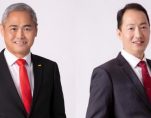
Chee Choong Ng is appointed as Senior Vice President, Human Resources for Asia Pacific
Samuel Lee is named Managing Director for Taiwan
SINGAPORE – Media OutReach Newswire – 18 December 2025 – DHL Express has made two key leadership appointments in Asia Pacific: Chee Choong Ng as Senior Vice President of Human Resources (HR) for Asia Pacific, and Samuel Lee as Managing Director for Taiwan. These appointments, which take effect on January 1, 2026, underscore DHL’s commitment to strengthening its people strategy and accelerating growth in one of the region’s most dynamic markets.
From L to R: Chee Choong Ng and Samuel Lee
Ken Lee, CEO for Asia Pacific, DHL Express, said, “Finding the right talent is more critical than ever, particularly in today’s volatile environment, where we need to balance the demands of a changing workforce with business priorities. Offering our people pathways to growth also makes us a Great Place to Work, which is why I am proud to see two crucial roles within the region taken up by Chee Choong and Samuel, both with extensive experience in the business.
Chee Choong’s experience in operations and country leadership, combined with his strong focus on people development, makes him the ideal choice to lead our HR strategy. At the same time, Samuel’s track record proves that he will further strengthen our position in Taiwan, a market that is vital to our regional network and global trade.” Chee Choong Ng is Asia Pacific’s new HR head
Previously the Managing Director for Taiwan, Chee Choong, takes over the Asia Pacific region’s HR portfolio from Mateen Thiruselvaam, who has retired after many years of dedication at DHL Express. Chee Choong brings over two decades of experience within DHL Group and the logistics industry. He first joined DHL in 2004, holding various operational roles before becoming Hong Kong’s Vice President for Operations in 2017. In the last few years, he was tasked to lead Hong Kong and Taiwan, respectively, in 2020 and 2024, where he achieved a record employee engagement rate, and improvements in customer satisfaction and operational excellence levels.
In his new role, Chee Choong will lead strategic initiatives to position DHL Express as the employer of choice in a rapidly evolving workplace landscape. With emerging technologies, changing labor patterns and segment sizes shaping the future of work, Chee Choong’s achievements in people development and engagement will be instrumental in driving HR transformation across the region.
Chee Choong Ng said, “I am honored to take on this role at such a pivotal time. The workplace is undergoing profound changes. We need to remain close to our employees to ensure their needs are met. I look forward to aligning our people strategy and creating an environment where our people can thrive, innovate, and feel valued so that we can better support business goals.” Samuel Lee as new leader for DHL Express Taiwan
Following Chee Choong’s move, Samuel Lee will take over the role of Managing Director for DHL Express in Taiwan. He has been a seasoned DHL Express leader since 1998. He has an impressive career spanning Singapore, Thailand, Hong Kong, and Shanghai, where he played a key role in building and expanding DHL’s strategic hubs in those territories. He was most recently the General Manager of the Central Asia Hub in Hong Kong, achieving record-breaking performance, exceptional employee engagement scores, and the seamless completion of a EUR376 million expansion project in 2023.
Taiwan’s robust technology sector, thriving e-commerce industry, and strong export-oriented economy make it a critical market for DHL Express. Samuel’s deep operational expertise and years of leadership will ensure DHL continues to deliver world-class service and support the growth of businesses in this dynamic market.
Samuel Lee said, “Taiwan is a vibrant market with immense potential, and it holds a unique position in global trade, particularly as a hub for technology and innovation. The team has established a remarkable reputation in Taiwan, and I am proud to be working alongside them. Our focus remains on delivering exceptional service and creating new opportunities for growth to better enhance Taiwan’s role in global supply chains.”
Asia Pacific continues to grow as a powerhouse in global trade, driven by strong manufacturing bases, booming e-commerce, and rapid digitalization. These leadership appointments reaffirm DHL Express’s commitment to delivering excellence and enabling businesses to connect seamlessly across borders. Hashtag: #DHL
The issuer is solely responsible for the content of this announcement.
DHL – The logistics company for the world
DHL is the leading global brand in the logistics industry. Our DHL divisions offer an unrivalled portfolio of logistics services ranging from national and international parcel delivery, e-commerce shipping and fulfillment solutions, international express, road, air and ocean transport to industrial supply chain management. With approximately 400,000 employees in more than 220 countries and territories worldwide, DHL connects people and businesses securely and reliably, enabling global sustainable trade flows. With specialized solutions for growth markets and industries including technology, life sciences and healthcare, engineering, manufacturing & energy, auto-mobility and retail, DHL is decisively positioned as “The logistics company for the world”.
DHL is part of DHL Group. The Group generated revenues of approximately 84.2 billion euros in 2024. With sustainable business practices and a commitment to society and the environment, the Group makes a positive contribution to the world. DHL Group aims to achieve net-zero emissions logistics by 2050.
By K Raveendran Oil prices slipping below $60 a barrel for the first time since February 2021 and a sharp easing in European gas prices mark more than a cyclical downturn in commodities. They signal a rapid repricing of geopolitical risk at a moment when diplomacy, rather than escalation, has begun to dominate market psychology. […]
Dubai is preparing to expand its seasonal cultural calendar with a large-scale Ramadan Souq planned for 2026, an initiative expected to transform Souq Al Ras in Deira into a focal point for heritage retail, family entertainment and night-time tourism during the holy month. City officials and organisers say the project is designed to blend commerce, culture and community, reinforcing Deira’s position as a historic trading hub while […]
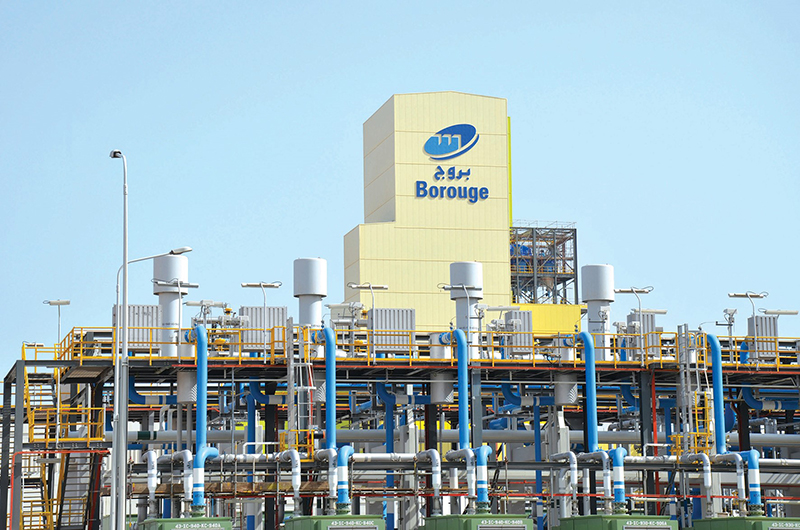
Borouge Plc has been included in the FTSE ADX Dividend Stars Index, a new benchmark launched by Abu Dhabi Securities Exchange in December 2025 that is designed to spotlight companies with a sustained record of dividend distributions, underlining the petrochemicals producer’s position as a core income stock within the local market.
ADX said the FTSE ADX Dividend Stars Index is the first income-focused index of its kind in the region, created to meet growing demand from investors seeking predictable cash returns alongside exposure to liquid, large-cap equities. The index brings together 17 companies that collectively accounted for more than 70 per cent of total cash dividends paid by ADX-listed firms during 2025, highlighting its role as a barometer for dividend strength across the exchange.
Borouge’s inclusion reflects its established dividend policy and scale within the Abu Dhabi market. The company, which produces polyolefins for infrastructure, energy, automotive and packaging applications, has been a consistent dividend payer since listing and is among the exchange’s most actively traded stocks by both institutional and retail investors. Its presence in the index places it alongside leading financial, energy and utility companies that dominate cash returns on ADX.
For market participants, the creation of the FTSE ADX Dividend Stars Index represents a strategic shift in how income strategies can be implemented in the Gulf. Until now, dividend-focused investors relied largely on individual stock selection or broader market indices that did not explicitly weight for income stability. By concentrating on dividend history and payout consistency, the new benchmark offers a clearer framework for portfolio construction aimed at long-term yield.
ADX officials have positioned the index as part of a broader effort to deepen the exchange’s product suite and attract international capital. Abu Dhabi has steadily expanded its market infrastructure through the introduction of sectoral indices, derivatives, exchange-traded funds and sustainability-linked products. An income-focused index is intended to complement these offerings by appealing to pension funds, insurers and asset managers with mandates tied to regular distributions.
Borouge’s operational and financial profile has supported its standing as a dividend anchor stock. The company benefits from integrated feedstock arrangements and proximity to key growth markets in Asia, the Middle East and Africa. Its production base in Ruwais, combined with access to Borouge 4 expansion capacity, has strengthened cash generation, even amid volatility in global petrochemical pricing cycles.
The company’s dividend record has also been closely watched in the context of broader consolidation within the Abu Dhabi energy and industrial ecosystem. Strategic alignment with major shareholders has emphasised balance sheet resilience and shareholder returns, factors that are central to index eligibility criteria focused on payout sustainability rather than short-term yield spikes.
The FTSE ADX Dividend Stars Index methodology places weight on historical dividend payments, liquidity thresholds and free-float considerations, ensuring that constituents are both investable and representative of income generation on the exchange. By capturing more than two-thirds of all dividends paid on ADX during the year, the index underscores the concentration of cash returns among a relatively small group of large, established issuers.
Market analysts note that such concentration can work to the advantage of income investors by reducing volatility and enhancing predictability, while also posing questions about diversification within dividend strategies. The index structure addresses this by capping individual weights and maintaining sector balance, allowing exposure to financial services, energy, utilities and industrials without over-reliance on a single name.
For Borouge, index inclusion may translate into incremental demand from passive and semi-passive investment products tracking the benchmark. Fund managers often use newly launched indices as the basis for exchange-traded funds or structured products, potentially increasing liquidity and reinforcing valuation support for constituent stocks.
Arabian Post Staff -Dubai Dubai-based Emirates NBD Bank has launched a $700 million seven-year bullet term loan aimed at lenders across Asia, marking a notable cross-border funding move as regional banks continue to diversify their funding bases amid shifting global liquidity conditions. The facility carries an interest margin of 100 basis points over term SOFR and includes a $200 million accordion option, allowing the borrower to increase […]
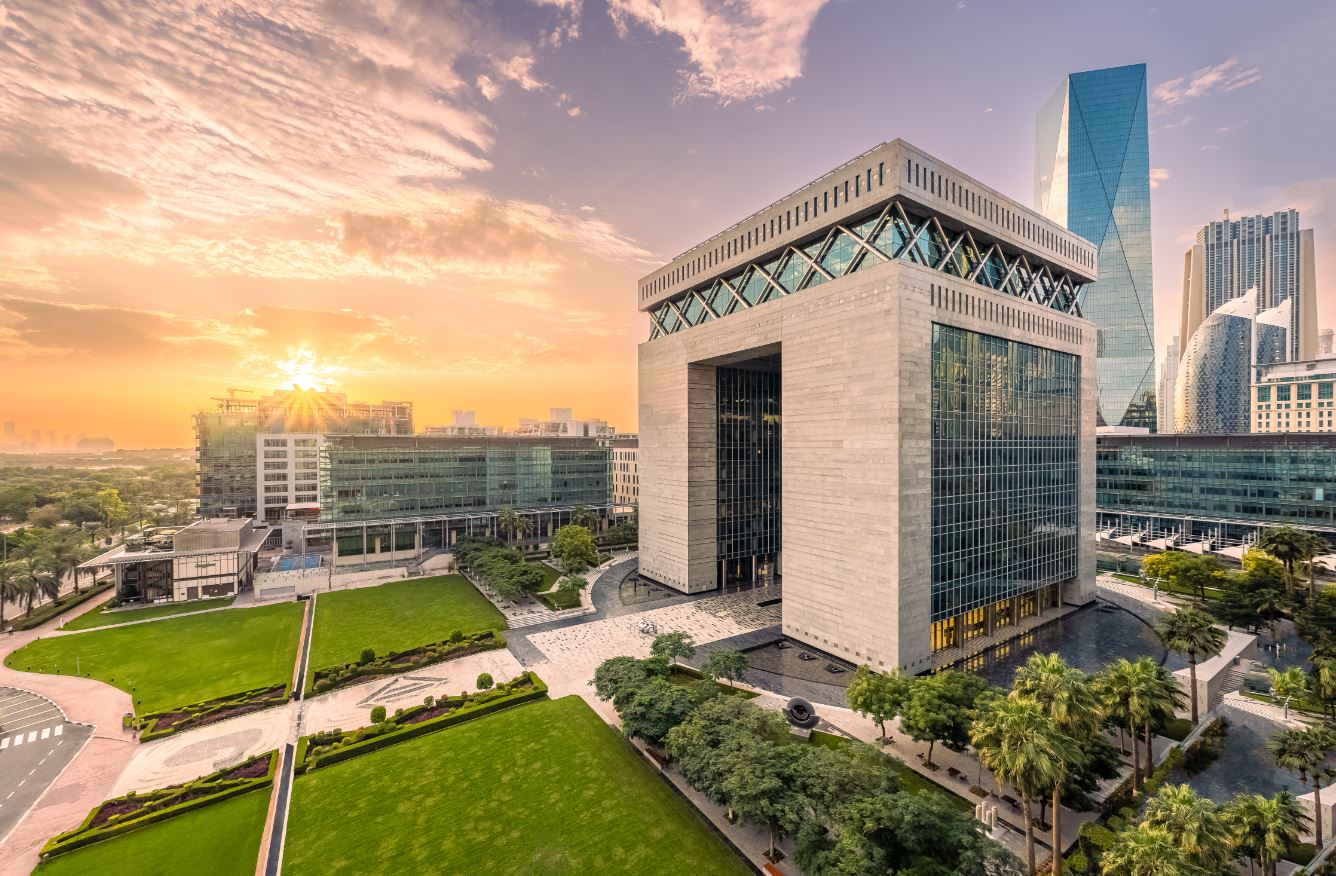
Dubai International Financial Centre has taken a further step in positioning Dubai as a key node in the global digital economy by strengthening its privacy governance framework and widening its engagement in cross-border trade initiatives, underscored by its admission as a Member of the Global Forum Assembly. The move signals growing international recognition of the DIFC’s data protection regime and its ambition to shape global standards at a time when data flows, digital services and regulatory trust have become central to economic competitiveness.
The DIFC confirmed its membership of the Global Forum Assembly, a multilateral platform that brings together governments, regulators, international organisations and private-sector stakeholders to advance cooperation on privacy, data protection and digital trust. Membership is extended to jurisdictions that demonstrate mature, enforceable frameworks aligned with international norms, placing the DIFC alongside established financial and digital centres that have made privacy governance a core component of their economic strategy.
Officials at the DIFC said the step reflects the centre’s long-term investment in building a regulatory environment that balances innovation with strong safeguards for personal data. The DIFC’s Data Protection Law, which operates independently from federal frameworks, is designed to mirror global best practices, including principles found in European and other advanced privacy regimes, while remaining tailored to the needs of financial services, technology firms and multinational businesses operating across borders.
The timing is notable as digital trade accelerates across financial services, fintech, artificial intelligence, cloud computing and professional services. Businesses increasingly assess jurisdictions not only on tax efficiency or infrastructure but also on the credibility of their data governance. For Dubai, positioning the DIFC as a trusted hub for data-driven commerce supports broader economic diversification goals and aligns with national ambitions to expand digital exports and attract high-value investment.
Participation in the Global Forum Assembly gives the DIFC a seat in discussions shaping the future of cross-border data flows, adequacy frameworks and interoperability between privacy regimes. These debates have intensified as countries seek to protect citizens’ data while avoiding regulatory fragmentation that can raise costs and deter innovation. By contributing to policy dialogue, the DIFC aims to influence standards that enable data to move securely between markets without undermining individual rights.
Regulatory specialists note that the DIFC’s framework has evolved steadily, with enforcement powers, clear obligations for data controllers and processors, and mechanisms for redress. This institutional depth has been a key factor in gaining international credibility. Businesses operating in the centre are required to comply with detailed rules on consent, lawful processing, breach notification and cross-border transfers, creating a predictable environment for global firms managing complex data operations.
The emphasis on inclusive cross-border trade also reflects a shift in how digital economy hubs define competitiveness. Rather than focusing solely on domestic regulation, leading centres are investing in compatibility with other regimes to ensure that companies can scale across regions. The DIFC has positioned its privacy framework as an enabler of such compatibility, supporting firms that serve clients in multiple jurisdictions while maintaining high standards of protection.
Technology policy analysts point out that privacy governance is increasingly intertwined with trust in emerging technologies such as artificial intelligence. Robust data protection regimes are seen as foundational to responsible AI development, particularly in financial services where algorithmic decision-making relies heavily on personal and transactional data. By reinforcing its privacy credentials, the DIFC strengthens its appeal to AI-driven firms seeking a stable regulatory base.
The move also has implications for regional competition. Financial centres across the Middle East and beyond are racing to attract digital businesses, often through regulatory innovation. The DIFC’s membership of the Global Forum Assembly distinguishes it within this landscape, signalling alignment with international norms rather than regulatory isolation. This approach may resonate with multinational firms that prioritise consistency across markets.
For policymakers, the development illustrates how sub-national jurisdictions can play an outsized role in global digital governance. Although operating within a broader national framework, the DIFC’s independent legal system and regulator allow it to engage directly with international bodies and contribute expertise drawn from its experience overseeing a diverse ecosystem of banks, asset managers, fintechs and technology companies.
Chainlink’s LINK token has settled into a narrow trading range above the $12 level, signalling a period of consolidation as market participants reassess risk appetite across digital assets. Price action around the $13 mark has been marked by subdued volatility, even as broader cryptocurrency markets digest shifting expectations on interest rates, exchange-traded fund flows and regulatory scrutiny. The stabilisation comes after a volatile first half of the […]
TAIPEI, TAIWAN – Media OutReach Newswire – 17 December, 2025 – CyCraft Technology has been identified as a Gartner® Sample Vendor in both Preemptive Exposure Management (PEM) and Unified Exposure Management (UEM) solutions. With our External Attack Surface Management (EASM) platform and XecGuard LLM firewall, CyCraft continues to integrate AI innovation into cybersecurity strategies at forefront.
With AI reshaping cybersecurity landscapes, it is pivotal to adopt unified management that preemptively leverages and secures AI. Integrating AI into cybersecurity defense is one of the emerging trends to combat AI-enabled or affiliated risks. C-suite executives and IT leaders must transit from the traditional detect-and-respond model to an AI-informed, proactive security governance.
Unified Exposed Assets and Attack Surface Management “The complexity of modern environments leads to fragmented data and isolated visibility. Unified exposure management enables holistic visibility through unified telemetry, enabling comprehensive attack surface visibility, accurate risk assessment and prioritization of remediation efforts.” Gartner, Emerging Tech: AI Vendor Race: Unified Exposure Management Will Drive Displacement of Fragmented Point Solutions, 29 September 2025.
CyCraft External Attack Surface Management (EASM) automatically discovers potential external threats, correlates multiple intelligence and provides an overview of digital assets from the attacker’s perspective. Constantly discovering exposed credentials on surface web, dark web or public markets, this module mobilizes early warning and leakage tracing. Moreover, with the exclusively trained AI model, EASM offers mitigation and audit recommendations tailored to various compliance requirements.
Caption: CyCraft EASM integrates multi-sourced intelligence and asset management, automating attack path simulation and impact analysis.
AI-empowered Model Safety, Application Security and Posture Governance “The emerging AI-enabled threat landscape demands more than just faster detection and response; it requires predictive threat intelligence combined with AI-driven analytics and preemptive action. AI and machine learning (ML) technologies must be used to anticipate attack paths and predict where an adversary is likely to strike to more effectively neutralize potential attacks before they begin.” Gartner, Emerging Tech Impact Radar: Preemptive Cybersecurity, 7 October 2025.
LLM inherent and related risks are not virtual shadows but substantial threats that jeopardize everyday existence. Since GenAI or LLM outputs are difficult to control, the continuous verification of both input and output is the only way to ensure the validity of a solution.
Built on this logic, CyCraft’s XecGuard is an easily deployable Guardrail module, including cybersecurity, compliance and ethical Guardrails. Defending against Prompt Injection, Jailbreak and Prompt Extraction, XecGuard tackles AI-enabled threats without compromising its performance.
Caption: Compared with other LLMs, CyCraft XecGuard presents more robust model safety.
To assess your LLM safety range with quantifiable standards, CyCraft XecArena provides different attack scenarios to compare their performance. Users need to coax the LLM to break its System Prompt or leak confidential information. Join this multi-round testing on XecArena now!
CyCraft continues driving AI innovation in enterprise cybersecurity. In our opinion, this research momentum has further been witnessed by the reception of NeurIPS and EMNLP.
“We believe, being acknowledged in these influential Gartner reports validates our strategic vision and technological innovation,” said Dr. Benson Wu, CEO and Co-Founder of CyCraft Technology. “We’ve consistently invested in AI-driven, preemptive capabilities that enable organizations to stay ahead of invisible threats.”
Evaluation Application For organizations seeking full functionality, CyCraft is offering a limited evaluation program for 50 qualified enterprises. Participants will receive two External Exposure Analysis Reports, enabling security and governance teams to quantify external attack surface risks and establish data-driven priorities for remediation.
Gartner, Emerging Tech: AI Vendor Race: Unified Exposure Management Will Drive Displacement of Fragmented Point Solutions, 29 September 2025.
Disclaimer
Gartner does not endorse any company, vendor, product or service depicted in its publications, and does not advise technology users to select only those vendors with the highest ratings or other designation. Gartner publications consist of the opinions of Gartner’s business and technology insights organization and should not be construed as statements of fact. Gartner disclaims all warranties, expressed or implied, with respect to this publication, including any warranties of merchantability or fitness for a particular purpose. GARTNER is a trademark of Gartner, Inc. and its affiliates.
The issuer is solely responsible for the content of this announcement.
About CyCraft
CyCraft is a leading AI cybersecurity company, dedicated to automating cybersecurity with AI technology. With a proven track record in government, finance, high-tech semiconductor, and other industries, and strong recognition from international institutions, CyCraft continues to build Asia’s most advanced AI Security Operations Center, fully committed to safeguarding enterprise digital resilience.
CyCraft’s product suite encompasses AI Red Teaming for automated validation of Large Language Model (LLM) security and strengthening cloud and on-premise AI models with AI Guardrail technology—aiming to build multi-layered cybersecurity resilience for the entire AI ecosystem. The XCockpit AI platform integrates three pillars of XASM (Extended Attack Surface Management): EASM, IASM, and automated endpoint protection, providing enterprises with proactive, preventative, and real-time deep defense.









 https://www.brandhk.gov.hk/
 https://www.linkedin.com/company/brand-hong-kong/
 https://x.com/Brand_HK/
 https://www.facebook.com/brandhk.isd
 https://www.instagram.com/brandhongkong