News related to
AI trade

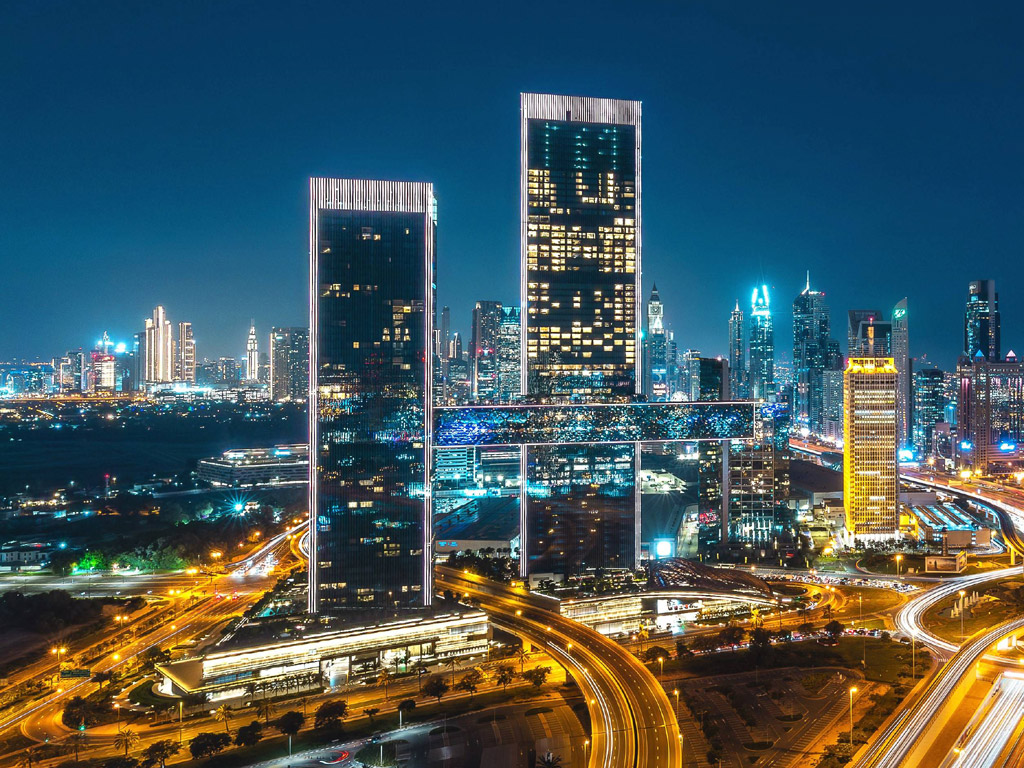
Sharjah’s real estate market achieved an unprecedented milestone in November 2025, with transaction values soaring to AED 9.5 billion — the highest monthly figure in the emirate’s history. This performance highlights a powerful upswing in property demand and transaction activity, according to data from the Sharjah Real Estate Registration Department.

The surge was driven by a total of 15,131 individual real estate transactions completed across residential, commercial and land sectors, with the cumulative traded area in sales transactions reaching about 34.9 million square feet. Market dynamics showed robust participation from both end-users and investors, signalling sustained confidence in the emirate’s property market fundamentals.

Sales transactions contributed significantly to this total, accounting for 2,126 deals — around 14 per cent of all transactions — demonstrating heightened buyer activity. Mortgage deals also featured prominently, with 698 recorded transactions valued at approximately AED 1.6 billion. The volume and value of these mortgages reflect strong backing from financial institutions and growing investor confidence amid a favourable credit environment.

Analysts note that the November outcome builds on the emirate’s broader market momentum through 2025. Year-to-date figures indicate that property transactions in Sharjah have risen sharply compared with the previous year. Data from a Savills report show that the first nine months of 2025 saw total sales reach around AED 44.3 billion, up by more than half relative to the same period in 2024.

The jump in monthly and cumulative annual activity reflects several intersecting trends shaping Sharjah’s property landscape. Developers across the emirate have accelerated new project launches and master-planned communities that appeal to both domestic and international buyers. Villa and townhouse segments have been particularly active, buoyed by strong demand from families and investors seeking space outside the ultra-premium segments found in neighbouring markets.

Macro-economic factors also play a role. Sharjah’s broader economic ecosystem has recorded steady expansion, with diversification efforts in sectors such as logistics, education, and tourism underpinning population growth and boosting housing demand. Property professionals point to these structural drivers as crucial to the market’s resilience and robust performance.

Regional comparisons further contextualise Sharjah’s achievement. Across the United Arab Emirates, major property markets have posted strong results throughout 2025, with Dubai and Abu Dhabi also reporting significant upticks in transaction volumes and values. In Dubai, for example, transaction figures remained elevated in both off-plan and secondary markets, while Abu Dhabi logged increased activity linked to lifestyle-oriented developments and foreign investment.

Despite these broader national trends, Sharjah’s November figure stands out for its magnitude relative to the emirate’s historical performance. Prior monthly totals in 2025 — including around AED 7 billion in October — already pointed to accelerated momentum, but November’s record haul marks a pronounced inflection point.

Market insiders attribute part of this growth to flexible regulatory frameworks and proactive initiatives introduced by local authorities aimed at stimulating property sector participation. Enhanced transparency in transaction processes and targeted incentives for first-time buyers and investors have helped attract a more diverse buyer base.

Despite the strong upswing, industry observers caution that sustained growth will require continued alignment of supply with demand, particularly in mid-income and affordable housing segments. Robust demand could exert upward pressure on prices if not matched by commensurate increases in new deliveries. Developers and policymakers will need to address these dynamics to maintain market stability over the medium term.

Arabian Post Staff -Dubai Abu Dhabi’s move to establish an investment corridor with China gained further traction after the Abu Dhabi Investment Office confirmed a strategic partnership with China International Capital Corporation aimed at expanding two-way capital flows and creating a formal framework for long-term collaboration. The initiative positions the emirate to attract a new wave of Chinese companies while giving institutional investors in Abu Dhabi structured […]

HO CHI MINH CITY, VIETNAM – Media OutReach Newswire – 10 December 2025 – IKIGAI Corporation, a Japan-originated multi-sector enterprise, today announced the opening of its new headquarters at 87–97 Bach Dang, Tan Son Hoa, Ho Chi Minh City, marking a major milestone in its expansion into Vietnam and underscoring its long-term commitment to responsible, sustainable, and globally minded growth. IKIGAI Corporation Opens New Vietnam Headquarters, Advancing […]

The Central Bank of the UAE confirmed that the Digital Dirham — its central-bank-issued digital currency — is poised for phased rollout, following the nation’s first government-level payment settled in Digital Dirham. The transaction, processed in under two minutes via the mBridge multi-CBDC platform, involved the Ministry of Finance and the Dubai Department of Finance, underscoring readiness of infrastructure and institutional coordination. This marks a transition from […]

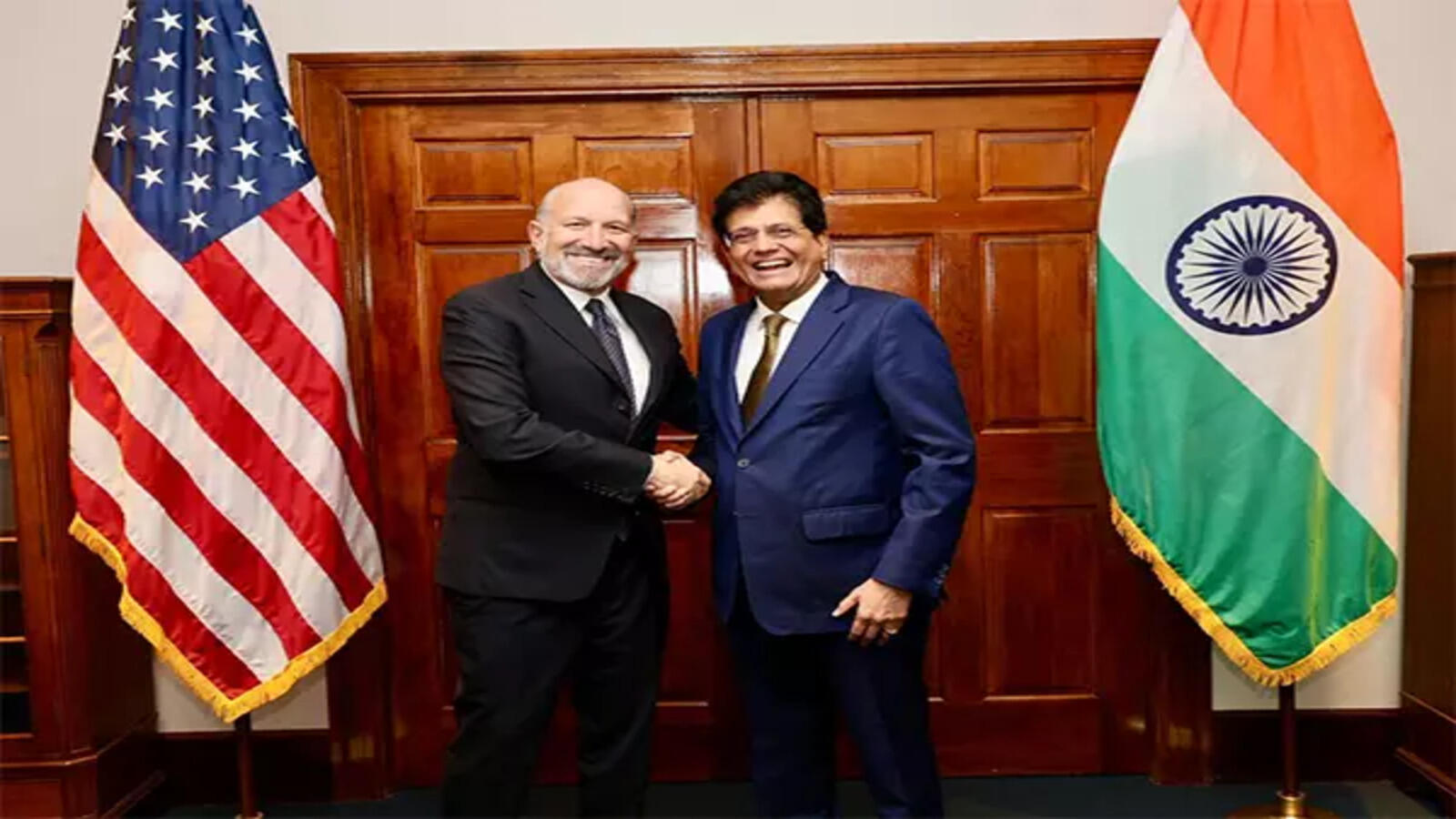
By K Raveendran Trade negotiations between Washington and New Delhi have moved into a critical phase as senior American trade officials arrive in India with the stated intention of clearing the final hurdles to a long-discussed agreement. The presence of Deputy US Trade Representative Rick Switzer and chief India-deal negotiator Brendan Lynch underscores the renewed […]

The article US Officials’ Delhi Trip Takes Trade Negotiations Into A Decisive Stage appeared first on Latest India news, analysis and reports on Newspack by India Press Agency).

The US Supreme Court indicated during oral arguments that it is prepared to permit the president to remove leaders of independent federal agencies at will — a move that could weaken decades-old protections shielding regulatory bodies from political control. The case centers on the dismissal of Rebecca Kelly Slaughter from the Federal Trade Commission, and touches on the fate of more than two dozen agencies governed by […]

A token linked to the brand of popular creator-entrepreneur Jimmy Donaldson — known globally as MrBeast — saw price gains of nearly 900 per cent in 24 hours, reflecting growing investor speculation around the newly filed fintech trademark by his corporate group. The rally has thrust the unofficial memecoin spotlit by social-media buzz, despite clear warnings that the currency remains unauthorised and unconnected to any official launch.

The underlying spark appeared after his firm, Beast Holdings, submitted a trademark application in October 2025 for a brand called MrBeast Financial. The filing outlines services ranging from mobile banking, crypto payment processing, exchange and decentralized-trading tools to loans, credit cards and financial-education offerings.

Soon after media and investor attention picked up, the BEAST token’s trading volume soared — a pattern analysts attribute to a mix of hype, confusion with other meme coins referencing MrBeast, and overbought technical indicators that often precede sharp reversals.

Insiders at Beast Industries, including CEO Jeffrey Housenbold, have confirmed that financial-services expansion is part of a broader diversification strategy. At the summit event where the plan was publicly discussed, Housenbold said the company aims to package banking, fintech and creator economy functions under one umbrella — potentially offering fans access to financial services via a recognised brand.

Beast Industries’ market valuation has reportedly reached around US $5 billion. That, combined with MrBeast’s social-media reach, fuels investor optimism that “MrBeast Financial” — if realised — might attract millions of users instantly. This visibility helps explain why speculative investors clung to BEAST token amid the buzz.

Yet experts caution over regulatory and structural hurdles before any fintech project materialises. A US trademark filing does not equate to regulatory clearance; launching banking or crypto-exchange services would require compliance with complex licensing regimes, including money-transmitter permits, anti-money-laundering protocols and possibly oversight by financial authorities.

This is not the first time the MrBeast brand has floated multiple trademarks without launching full-fledged products. Past filings — ranging from burgers to gaming to snacks — have produced mixed results, with some evolving into real ventures and others quietly fading. That casts ambiguity over whether “MrBeast Financial” will ever become a functioning platform.

Despite that, investor appetite for BEAST appears to remain driven by two forces: the fear of missing out characteristic of crypto cycles, and hope that a fintech rollout tied to a globally recognised creator could upend traditional financial models. Until regulators weigh in or Beast Industries announces concrete partnerships, however, BEAST remains a speculative asset — its value tied more to branding buzz than fundamentals.

Advertisements

Matein Khalid When the rats scramble to escape a sinking ship as hungry sharks circle the blood red water, the end is near. 100 insider Johnnies sold $6.5 billion in OpenAI shares in a recent employee tender. Why bailout now at $500 billion if OpenAI is a slam dunk for a trillion dollar IPO next year? Simp​le. The 100 newly minted decamillionaires know that OpenAI can no […]

Japan is intensifying its economic engagement with Gulf partners as policymakers and corporate leaders seek to counter global uncertainty and reduce exposure to shifting geopolitical priorities under evolving US policy. The recalibration marks a notable acceleration in Tokyo’s outreach to the Middle East’s major sovereign investors, energy exporters, and technology funds, reflecting a sense within government and industry that the country must widen access to capital and secure strategic partnerships as global supply chains face persistent strain.

A growing number of senior officials and executives have argued that Japan’s longstanding reliance on the US as an anchor for both economic and security stability now requires broader support. Their stance reflects concerns generated by the more transactional orientation of the US under the America First framework, which has amplified debates in Tokyo on the need for diversified alliances. That reassessment has coincided with unprecedented liquidity flows across the Gulf, where sovereign wealth funds are expanding global portfolios in sectors ranging from clean energy and advanced manufacturing to semiconductors, logistics and emerging technologies.

Prime Minister Fumio Kishida’s government has moved to strengthen ties with the region’s largest investment authorities, including Abu Dhabi’s Mubadala Investment Company and Saudi Arabia’s Public Investment Fund. Japanese ministries have encouraged joint projects that align with national priorities such as chip resilience, hydrogen supply chains, carbon management, and infrastructure modernisation. Officials familiar with the discussions say the focus extends beyond energy security to long-term industrial cooperation, with Tokyo exploring ways to integrate Middle Eastern capital into Japan’s domestic renewal.

Several major companies have already positioned themselves to capture the shift. Trading houses such as Mitsui & Co. and Mitsubishi Corp. have expanded partnerships in clean fuels and petrochemicals, while Japan’s leading automakers are examining opportunities linked to Gulf diversification strategies, particularly in battery supply, autonomous mobility, and advanced materials. Banks including MUFG and SMBC are increasing their presence in the region to support outbound investment, project finance, and corporate advisory mandates requested by Gulf entities looking to deploy capital in Asia.

Analysts observe that the evolving dynamic is not one-sided. Middle Eastern investors have signalled interest in stable, technologically advanced economies as part of their long-term diversification plans. Japan’s strong intellectual property base, advanced industrial ecosystem, and predictable regulatory environment have become increasingly attractive to funds seeking alternatives to higher-risk markets. Executives have also pointed to the convergence of strategic priorities, including shared urgency around food security, energy transition, and digital infrastructure development.

The country’s semiconductor revival has emerged as a key area of alignment. As Japan attempts to rebuild its chip manufacturing footprint with government-backed projects involving firms such as Rapidus and partnerships with global foundries, Gulf investors have explored opportunities to participate in upstream and downstream components of the supply chain. Officials tracking the conversations describe growing interest from Middle Eastern funds in Japan’s materials science know-how and next-generation fabrication technologies, which they view as long-term assets capable of supporting their broader industrial programmes.

Energy cooperation remains central to the relationship. Japan continues to depend heavily on the Gulf for crude oil and liquefied natural gas, but the nature of that relationship is shifting toward co-investment in renewable energy, hydrogen production, and carbon capture projects. Tokyo’s efforts to secure stable supplies of blue and green hydrogen align closely with the decarbonisation roadmaps of Saudi Arabia and the United Arab Emirates, which are positioning themselves as future exporters of low-carbon fuels. Japanese companies have signed multiple memoranda with Gulf partners to test supply chains that could support both nations’ energy transition targets.

Technology collaboration is also gathering momentum. Gulf sovereign funds have expanded their allocations to late-stage venture investments and tech infrastructure, creating new openings for Japanese firms in fields such as robotics, clean-tech, mobility software, and advanced manufacturing systems. Executives from several technology conglomerates have confirmed that discussions are under way to establish joint R&D facilities, venture co-investment platforms, and industrial clusters that could operate across Asia and the Middle East.

Diplomatic signalling has reinforced the economic shift. Visits by senior Japanese officials to Riyadh, Abu Dhabi, Doha and Manama have highlighted Tokyo’s intent to deepen ties not only through energy partnerships but also through digital transformation initiatives, defence industrial cooperation, and food-supply agreements. These engagements complement Japan’s broader Indo-Pacific strategy, which emphasises stability, open trade routes, and resilience in critical sectors.

Strong momentum around sustainability and policy alignment set the tone as Automechanika Dubai opened its three-day run at the Dubai World Trade Centre, drawing widespread attention to how manufacturers, regulators, and technology providers are coordinating strategies to future-proof the region’s automotive aftermarket. Organisers underscored that the exhibition, recognised as the Middle East’s largest platform for aftermarket products and services, has become a focal point for dialogue on efficiency standards, emissions reduction, and supply-chain innovation across Gulf markets.

Delegates arriving for the opening day reported a clear emphasis on accelerating collaboration between public agencies and private-sector operators, an approach that exhibitors said is critical as the sector adapts to shifts in fuel technologies, mobility patterns, and environmental expectations. The message was reinforced by senior officials highlighting ongoing government programmes supporting advanced manufacturing, electric-vehicle servicing capabilities, and circular-economy models designed to reduce waste in parts and materials. Industry leaders noted that the presence of policy representatives at the show indicated growing institutional commitment to standardising quality benchmarks for components traded across regional markets.

The exhibition floor featured a broad cross-section of global and regional suppliers, including established parts manufacturers, diagnostics specialists, and emerging technology firms developing AI-enabled maintenance platforms. Several company executives pointed to the UAE’s long-term industrial strategy and its targets for cleaner transport as a source of demand for new product lines, especially in electric-vehicle battery servicing, thermal-management systems, and lightweight components. Some suppliers said the regulatory clarity provided by ongoing transport-sector initiatives has encouraged them to scale up investment in test facilities and distribution hubs across the Gulf.

A surge in visitor numbers compared with earlier editions reflected strong commercial interest from trading companies, fleet operators, and workshop networks seeking to position themselves for the next phase of regional mobility growth. Market analysts attending the exhibition commented that the Gulf’s rising vehicle parc, coupled with rapid urbanisation, continues to underpin demand for quality replacement parts and advanced repair technologies. They added that Dubai’s role as a re-export centre gives Automechanika Dubai outsized influence in shaping product pipelines bound for Africa, South Asia, and parts of Europe.

Exhibitors specialising in sustainability solutions drew particular attention on the opening day. Firms showcasing refurbished components, remanufactured engines, and eco-friendly consumables signalled that demand for lower-impact products is gaining traction across workshop networks. Several companies highlighted investments in closed-loop systems that reduce the environmental footprint of tyres, lubricants, and metal parts. Executives from diagnostics and telematics providers described how predictive-maintenance tools are helping fleet operators extend vehicle life cycles, improving both cost efficiency and emissions outcomes.

Government participation reinforced the event’s focus on regulatory evolution. Transport and industrial-development officials presented updates on national frameworks aimed at improving automotive-aftermarket oversight, including certification programmes, workshop accreditation standards, and traceability requirements to curb counterfeit parts. Trade-facilitation agencies outlined digital-customs initiatives designed to streamline the movement of genuine components through regional ports, an issue flagged repeatedly by manufacturers seeking more secure and transparent supply chains.

Technology demonstrations formed another prominent attraction. Autonomous-inspection systems, connected workshop tools, and advanced calibration equipment drew steady crowds as exhibitors explained how digital solutions can address labour shortages and support skills development. Training centres affiliated with several global brands used the event to highlight upskilling programmes for technicians preparing to service electric and hybrid vehicles. Senior trainers said the shift towards high-voltage systems requires updated curricula and investments in safety infrastructure, emphasising that workforce readiness remains a central pillar of regional mobility planning.

Executives from multinational suppliers said the show’s first day underscored the strategic importance of Dubai as a testing ground for new automotive-aftermarket models. They noted that regulatory predictability, strong logistics infrastructure, and sustained government interest in industrial diversification have combined to create favourable conditions for technology adoption. Some pointed to collaborations with Gulf-based research institutions developing materials science, battery-repair techniques, and advanced fluid technologies, suggesting that locally rooted innovation has begun to influence global supply chains.

Fleet-management firms attending the event highlighted the operational impact of sustainability mandates, stressing that cleaner fleets are no longer viewed solely through an environmental lens but as a commercial imperative shaped by fuel-efficiency metrics and customer expectations. Executives said digital-fleet platforms now integrate emissions tracking, automated maintenance scheduling, and component-health monitoring, trends that align with broader mobility transformations occurring across the Gulf.

Global corporate crypto holdings took a dramatic leap as Strategy disclosed acquiring 10,624 more bitcoins between 1 and 7 December 2025, at an average price of $90,615 per coin. That purchase—amounting to about $962.7 million—raises the firm’s total holdings to 660,624 BTC, equivalent to roughly 3 % of the entire Bitcoin supply. The acquisition was funded primarily through the company’s at-the-market equity programme. According to the company’s […]

By Satyaki Chakraborty After a gap of 80 years since the fall of fascism in 1945, Germany is once again agog with the militarization of the society in the name of fighting against the possible aggression by Russia. The ground has been laid by the continuing war in Ukraine. German Chancellor Merz along with other […]

The article German Coalition Led By Friedrich Merz Arouses War Mentality Once Again appeared first on Latest India news, analysis and reports on Newspack by India Press Agency).

Alpha Dhabi Holding moved to reassure investors with confirmation of a new three-year dividend framework and a parallel plan to repurchase a portion of its shares, signalling a strategic effort to sustain value creation across its portfolio. The Abu Dhabi-listed conglomerate said the policy is designed to provide predictable returns while supporting the group’s long-term expansion. The company said the proposed framework targets annual dividends of AED […]

Abu Dhabi’s transformation into a leading centre for digital asset regulation is gathering global recognition, with legal and financial experts pointing to its advanced regulatory framework and investor-friendly environment as key drivers for growing crypto-sector confidence.

At the sidelines of Abu Dhabi Finance Week, compliance specialist Magdalena Boškić of Swiss firm Kellerhals Carrard declared that the UAE has firmly established itself as a global hub for digital-asset businesses, drawing major international players thanks to robust legislation and transparent licensing regimes. She highlighted the role of regulatory bodies such as the Financial Services Regulatory Authority at Abu Dhabi Global Market, the Virtual Assets Regulatory Authority in Dubai, the Dubai Financial Services Authority, and the Central Bank of the UAE, describing their collective efforts as among the most advanced globally.

Under the UAE’s multi-jurisdictional model, companies involved in trading, custody, asset-management or tokenisation can select the regulatory framework that matches their business model, offering flexibility without sacrificing oversight. The regime is built on principles like technology neutrality, activity-based licensing and strict compliance with investor-protection standards — features that offer legal clarity and attract institutional as well as retail participation. Boškić noted that this environment has led several prominent Swiss digital-asset banks such as Sygnum and AMINA to expand their presence in the Emirates.

A 2025 ranking by the Global Finance & Technology Network, in collaboration with consultancy Arthur D. Little, placed the UAE alongside jurisdictions such as Switzerland and Singapore among the most advanced globally for crypto regulation. The report credited the UAE for its comprehensive approach to tokenised assets, stablecoins, virtual-asset service providers and other fintech innovations — moving the country from ambition into execution.

Institutional adoption has risen sharply. Data on inflows between mid-2023 and mid-2024 show digital-asset investments of more than US$30 billion — roughly 10 percent of the Middle East and North Africa region’s total — with institutional-sized transfers jumping about 55 percent year-on-year. Simultaneously, retail participation has surged; the number of daily active crypto traders in the UAE has reportedly crossed 500,000, underscoring broad public engagement with digital-asset markets.

Fiscal incentives have added to the appeal. The absence of personal income tax or capital-gains tax, combined with exemptions on value-added tax for trading and conversion of virtual assets, offers one of the most favourable tax regimes globally. These conditions, combined with regulatory clarity, help explain the influx of both specialized crypto firms and traditional financial institutions adapting to digital-asset offerings.

The expansion also includes the tokenisation of real-world assets — such as real estate, aviation and even sovereign bonds — indicating that the UAE’s digital-asset market is evolving beyond speculative cryptocurrency trading into structured financial instruments. This opens pathways for sophisticated investors and enterprises seeking to integrate blockchain-based financing or asset-tokenisation into mainstream operations.

Still, rapid growth is not without risks. Observers caution that heightened crypto activity brings exposure to money laundering, unregulated peer-to-peer trading, cybersecurity threats and uneven investor protection. Regulators must balance fostering innovation with safeguarding financial integrity.

A milestone for regulatory trust came this week when Binance secured a global licence under the ADGM framework granted by the FSRA. The approval of the world’s largest crypto exchange underlines the UAE’s drive to cement its status as a credible, regulated base for digital-asset operations.

Arabian Post Staff -Dubai A USD 500 million floating-rate bond issued by Bank of China Dubai Branch has been listed on Nasdaq Dubai under its USD 40 billion Medium Term Note Programme, maturing on 24 November 2028. The three-year conventional bond achieved the narrowest issuance spread for a US-dollar bond of comparable tenor among Chinese banks, signaling robust investor confidence in the issuer’s credit standing. The listing […]

Trailblazed Hong Kong-EU opportunities across AI, life and health, and smart city technologies HONG KONG SAR – Media OutReach Newswire – 8 December 2025 – Hong Kong Science and Technology Parks Corporation (HKSTP) showcased a dynamic presence at the “Think Business, Think Hong Kong” (TBTHK) symposium organised by the Hong Kong Trade Development Council (HKTDC) held in Milan on 27 November 2025, spotlighting Hong Kong’s strategic role […]

Man Group Plc has moved to secure a regulatory licence to establish an Abu Dhabi office next year, signalling a deeper shift among global asset managers toward the Gulf as the region accelerates its ambitions to become a leading centre for alternative investments. The London-listed hedge fund confirmed the application, underscoring its intention to broaden its footprint in a market that has drawn some of the world’s […]

Arabian Post Staff -Dubai Asia Pacific borrowers have significantly increased euro-denominated bond issuance this year, signalling a notable shift away from reliance on the US dollar as a financing standard. According to data compiled this year, euro-denominated issuance accounted for a record 23 per cent of all hard-currency bonds from Asia Pacific borrowers — up six percentage points compared with 2024. The total volume of euro-note sales […]

A dramatic shift in digital asset markets unfolded as one of the year’s fastest-rising crypto trades, which surged more than 2,600% at its peak, unravelled with an 86% wipeout, shaking confidence across a sector already grappling with volatility, liquidity strains, and shifting regulatory expectations. The abrupt reversal, mirrored in the steep fall of smaller token clusters linked to speculative momentum strategies, highlighted how rapidly sentiment can turn in an ecosystem vulnerable to leverage-driven cycles.

Market data from major exchanges showed that the trade, centred on a group of micro-capitalisation tokens propelled by algorithmic buying, began losing momentum after a wave of profit-taking by early entrants. Traders close to proprietary desks reported that liquidation cascades—triggered as automated systems unwound positions—accelerated the decline. The severe downturn echoed patterns seen during previous speculative surges, where liquidity gaps magnified losses within hours.

Analysts tracking blockchain activity noted that the rally’s ascent had attracted retail inflows, partly due to social-media-driven narratives framing the tokens as high-growth opportunities. As prices climbed, leverage amplified exposure, drawing in traders seeking outsized returns. Once selling pressure gained traction, that leverage turned into a critical vulnerability, forcing positions to unwind just as liquidity thinned. Several independent market researchers observed that the velocity of the downturn suggested a structural fragility, rather than a simple correction.

The collapse also revived discussion about the role of automated strategies in amplifying market instability. Many of the instruments involved were linked to quant-driven flows, where bots responded to volatility triggers rather than underlying fundamentals. As one portfolio strategist explained, these systems can cause price swings that move far beyond what traditional finance would consider tolerable, adding that crypto lacks the circuit-breaker mechanisms that help stabilise other asset classes. This dynamic, according to several fund managers, remains one of the most persistent challenges for institutions considering deeper exposure to decentralised markets.

Regulatory uncertainty added to the unease. Authorities in key jurisdictions have been scrutinising high-risk digital asset structures, and policymakers have signalled the possibility of tighter oversight for tokens driven by momentum rather than intrinsic value. Market observers said that while there is no direct link between regulatory commentary and the downturn, the broader environment has weighed on risk appetite. Investor caution intensified as questions resurfaced about transparency in the trading strategies behind the surge.

The downturn also exposed liquidity fragmentation across exchanges. Some platforms reported delays in order execution as volumes spiked, and spreads widened sharply during peak selling. Professional traders said this fragmentation remains a major impediment to maturing the sector, as it complicates price discovery and heightens vulnerability to abrupt swings. Several firms specialising in market-making suggested that the episode would likely prompt renewed calls for better liquidity management frameworks within decentralised ecosystems.

Amid the turmoil, major digital assets such as Bitcoin and Ether showed relative resilience, though both experienced elevated intraday volatility. Their ability to avoid the extreme swings seen in smaller tokens prompted commentary that the market may be entering a phase where speculative micro-caps detach from more established assets. Still, derivatives positions linked to broader sentiment recorded notable adjustments, indicating that traders remain sensitive to signs of systemic stress.

Industry insiders highlighted that the steep crash follows a pattern of momentum-driven phases that have punctuated crypto cycles since the first wave of retail adoption. A veteran analyst noted that while earlier episodes centred on initial coin offerings or meme-driven tokens, the current one underscores how algorithmic and social-media amplification have merged, producing sharper and faster boom-and-bust phases. The analyst added that such swings complicate long-term valuation models, as fundamental metrics often become secondary to speculative flows.

Venture-backed projects tied to the affected tokens faced heightened scrutiny as investors assessed whether the price collapse would impair broader ecosystem development. Some founders sought to reassure stakeholders by highlighting active user bases and ongoing technical upgrades, although several funds acknowledged that valuation resets were unavoidable. Market participants stressed that while token prices do not always reflect underlying project viability, extreme volatility can hinder funding conversations and stall adoption.

By Nitya Chakraborty The India-Russia joint statement issued on December 5 after two days of talks between President Vladimir Putin and the Indian Prime Minister Narendra Modi is more a vindication of India’s renewed exercise of its geopolitical status defying the pressure from the USA and the other western powers rather than a document on […]

The article Modi-Putin Summit Reinforces India’s Geopolitical Identity Amidst Headwinds appeared first on Latest India news, analysis and reports on Newspack by India Press Agency).

Gulf Cooperation Council sovereigns and corporates issued a record-breaking $226 billion in debt by November 11, 2025 — the highest single-year total this decade — boosted by surging investor demand and tight spreads across the region.

Issuance of bonds and sukuk vastly outpaced equity capital-market activity, which saw the weakest IPO fundraising since 2020.

Regional governments and major companies returned to debt markets, capitalising on favourable financing conditions. Notable sovereign issuance came from all six GCC states — Saudi Arabia, United Arab Emirates, Kuwait, Qatar, Bahrain and Oman. Corporations also joined, including heavyweight names such as Saudi Aramco and Abu Dhabi National Oil Company.

The rebound in debt issuance reflects a shift in financing strategies. Many issuers had stayed out of markets earlier this year, waiting for better conditions. As spreads tightened sharply, they re-entered. As HSBC’s head of MENA debt capital markets, Nour Safa, put it: the tightening spreads “convinced them to return to the market.”

By the third quarter of 2025, total outstanding debt on GCC debt capital markets reached $1.1 trillion — a 12.7 per cent increase year-on-year. Sukuk issuances led the growth, rising nearly 22 per cent and now accounting for more than 40 per cent of overall debt issuance volume.

The strength emanates largely from the two biggest markets: Saudi Arabia and the UAE. As per recent analysis, these two nations comprise 46 per cent and 30 per cent respectively of total outstanding GCC debt.

Meanwhile, IPO funding has stalled. Across the GCC, 2025 saw a dramatic slump in equity issuance: a total of only 40 IPOs raised about $5.8 billion, down markedly from 2024’s 52 listings which raised $12.9 billion — the lowest fundraising level since 2020.

In the first half of 2025, IPO activity had shown modest resilience: 27 listings raised $4.10 billion, up from $3.57 billion a year earlier. But the second half slowdown reversed much of that progress.

Analysts say the divergence between bond and equity markets has several drivers. Doubts over global macroeconomic stability and trade-policy uncertainty have suppressed investor appetite for riskier equity. At the same time, Gulf issuers found debt markets more attractive: high-quality issuers, deep dollar-denominated bond markets, and relatively higher yields compared with many emerging-market alternatives.

Banks across the region added to the surge: by mid-2025 they had issued over $60 billion of debt — surpassing 2024 levels — much of it Tier-2 or hybrid debt aimed at bolstering capital under evolving regulations and funding growth tied to national development plans.

By T N Ashok NEW DELHI: Russian President Vladimir Putin arrived in India Thursday evening for a two-day state visit that has become a diplomatic flashpoint, testing New Delhi’s ability to maintain strategic independence amid mounting pressure from Washington and European capitals. The arrival marks Putin’s first trip to India since the Ukraine war began […]

The article Putin’s India Visit: A Stress Test Of Strategic Autonomy Amid Global Pressure appeared first on Latest India news, analysis and reports on Newspack by India Press Agency).

Crowds and cameras gathered at the Delhi airport as Vladimir Putin stepped off his aircraft and was received by Narendra Modi with a firm embrace that signalled the weight both leaders attach to a relationship tested by shifting global alignments. The state visit, framed by Moscow and New Delhi as an effort to reinforce political and economic cooperation, comes at a moment when both sides are seeking predictable partners amid geopolitical uncertainty.

Putin’s arrival on Thursday marked his first trip to the country in more than a year, timed to draw attention to long-standing strategic ties that have endured pressure from global sanctions on Russia and growing competition among major powers for influence in Asia. Modi’s greeting, captured widely by broadcasters, highlighted the government’s intention to maintain a working partnership with Moscow even as it deepens cooperation with Western governments on defence, technology and energy.

The two leaders are expected to focus on trade flows, defence equipment support, energy security arrangements and joint manufacturing proposals that have gained momentum since early 2024. Officials familiar with the agenda have pointed to Moscow’s push for expanded settlements in national currencies, aiming to mitigate complications arising from sanctions that have disrupted traditional payment channels. New Delhi has been looking for greater clarity on oil supply commitments, pricing transparency and long-term contracts, following fluctuations in global markets that prompted domestic refiners to diversify purchases.

Defence cooperation remains central to the partnership, though the balance has shifted over the past decade as New Delhi has widened procurement from the United States, France and other suppliers. Russia continues to service and upgrade a significant share of the armed forces’ equipment, and ongoing discussions cover spare-parts support, maintenance of legacy systems and joint development pathways that may offer greater flexibility than standalone purchases. Analysts tracking the talks say Moscow is keen to retain its foothold in the defence market while showcasing its willingness to adapt to collaborative production models.

Energy will feature prominently during the discussions as Russia seeks greater investment in its upstream projects and hopes to secure broader participation from New Delhi in pipeline and liquefied natural gas initiatives. Indian refiners have emerged as important buyers of Russian crude despite logistical and payment challenges, and both sides are expected to address delivery mechanisms that would reduce delays and improve predictability. Officials have also been reviewing possibilities for expanding cooperation in nuclear energy, where previous agreements have laid the groundwork for additional reactor units at existing sites.

Bilateral trade has risen sharply over the past two years, driven largely by energy imports, but New Delhi has expressed concerns about the wide imbalance, with exports to Russia trailing significantly. Commerce officials have been pushing for easier access for pharmaceuticals, agricultural goods and engineering products, arguing that a more balanced structure would strengthen the sustainability of the economic relationship. Russian representatives arriving with the delegation have proposed expanded use of logistics corridors passing through Central Asia, which they say would ease transport costs for exporters on both sides.

Regional security dynamics form another layer of the discussions, particularly Moscow’s role in Eurasia and its ties with Beijing. Diplomats note that New Delhi continues to walk a delicate line, maintaining cooperation with Russia while strengthening its partnerships across the Indo-Pacific. Strategic analysts caution that both sides must navigate sensitive points, including Moscow’s position on territorial disputes and broader alignments that could shape regional balances over the coming decade.

Putin’s schedule includes a ceremonial welcome, delegation-level talks and a review of key agreements under negotiation. Officials have indicated that deliverables may include frameworks on energy cooperation, updated defence industrial collaboration and initiatives supporting educational exchanges and technological research. Cultural diplomacy also features prominently, with both governments emphasising people-to-people connections that have historically underpinned the relationship.

The optics of the visit carry domestic significance for both leaders. Modi’s government seeks to project continuity in foreign policy through engagement with all major powers, underscoring its commitment to strategic autonomy. For Putin, the reception in New Delhi offers an opportunity to demonstrate that Russia retains influential partners beyond Europe and North America, reinforcing narratives about its engagement with Asia’s leading economies.

Analysts observing the visit note that the personal rapport between the two leaders has helped maintain channels of communication through periods of global stress. Their discussions routinely touch on multi-year strategic frameworks covering defence, energy, industrial cooperation and regional diplomacy, areas where incremental progress continues despite broader geopolitical complications.

Australia is rolling out a law that will bar under-16s from holding or creating accounts on major social media platforms — a first for any democracy — setting a possible precedent for other countries to follow. From 10 December 2025, services such as Facebook, Instagram, TikTok, Snapchat, YouTube, Reddit, X, Threads, Twitch and Kick must ensure no user under 16 is registered, or face fines of up […]

VISHNU RAJA
RYO YAMADA
HITORI GOTOH
IKUYO KITA