News related to
Capital

By Nitya Chakraborty Though there is a 90 day pause in Trump’s latest unilateral imposition of reciprocal tariffs on most of the countries, the trade war between the USA and China, the two largest economies of the world is in full steam imparting tremors in global trade and economy. Close advisers of Trump were expecting […]

Google will implement a new advertising policy across the European Union from April 23, mandating that all cryptocurrency-related advertisers be authorised under the Markets in Crypto-Assets regulation and certified by Google. This move aligns the tech giant’s advertising standards with the EU’s comprehensive crypto regulatory framework, aiming to enhance consumer protection and market integrity.

Under the updated policy, advertisers promoting crypto exchanges, wallets, or related services must obtain Google certification, which requires proof of authorisation as Crypto Asset Service Providers under MiCA. Non-compliance will trigger a minimum seven-day warning period before potential account suspension.

MiCA, fully applicable since December 2024, establishes a unified regulatory framework for crypto assets across the EU. It aims to streamline the adoption of blockchain and distributed ledger technology while safeguarding users and investors. The regulation mandates that CASPs adhere to stringent requirements, including capital reserves, governance standards, and consumer protection measures.

Google’s policy update reflects a broader industry trend towards stricter oversight of crypto advertising. The company had previously revised its policies in January 2025 for the UK market, requiring advertisers to be registered with the Financial Conduct Authority and certified by Google. Similar measures are now being extended to the EU, with specific transition periods for certain member states: Finland until June 30, 2025; France until June 30, 2026; and Germany until December 30, 2025.

The enforcement of these policies is expected to impact a wide range of crypto businesses operating within the EU. Advertisers must ensure compliance with both Google’s certification process and MiCA’s regulatory requirements to continue promoting their services on the platform. This dual-layered approach aims to mitigate risks associated with unregulated crypto promotions and enhance the overall trustworthiness of crypto-related advertisements.

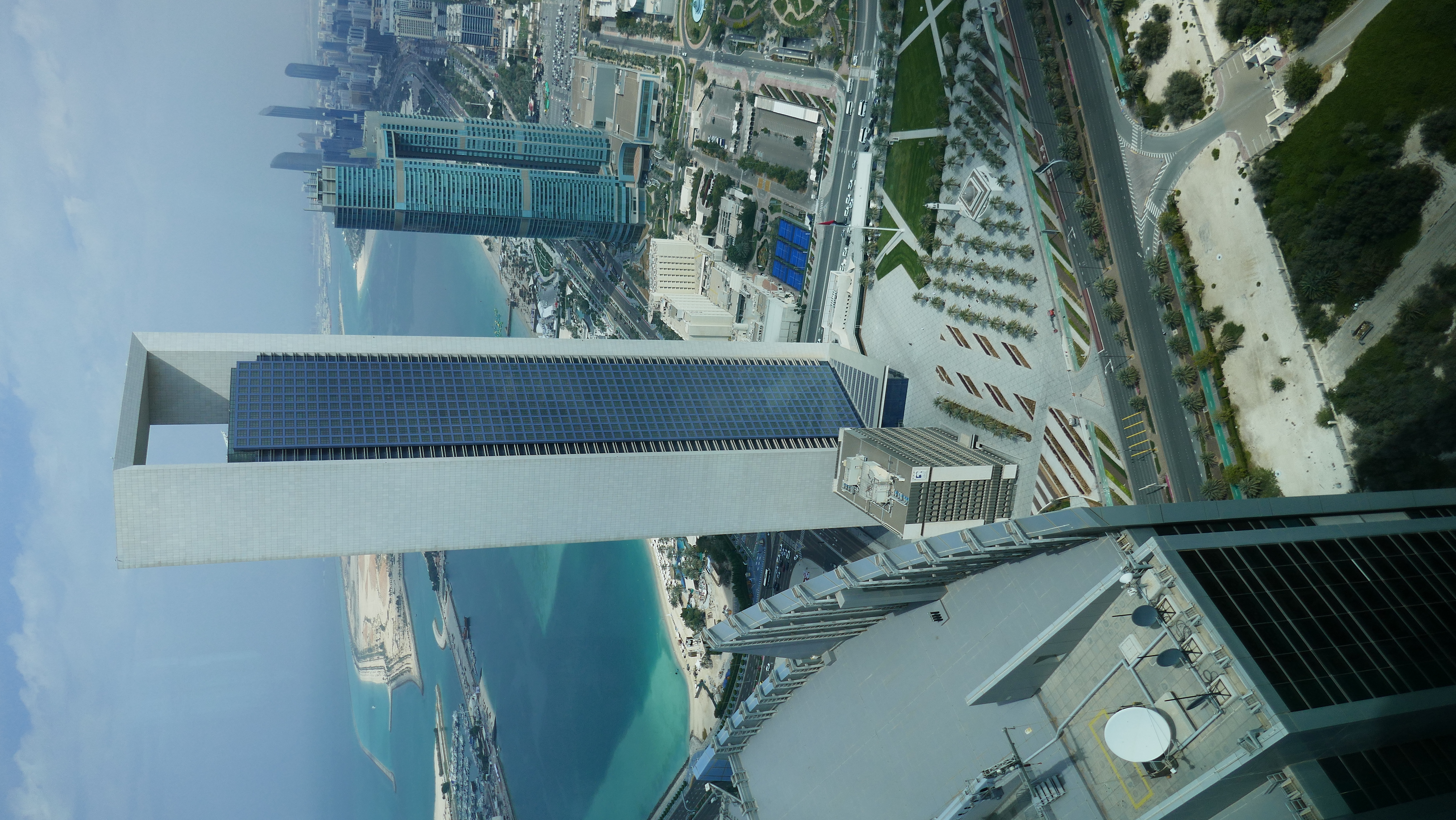
Abu Dhabi National Oil Company is evaluating a potential acquisition of Aethon Energy Management’s US-based natural gas assets, a move that could significantly bolster its presence in the North American energy market. The assets under consideration are valued at approximately $9 billion and are primarily located in the Haynesville shale region spanning Louisiana and East Texas.

Aethon Energy Management stands as one of the largest privately held natural gas producers in the United States, with a focus on the Haynesville shale formation. The company has been exploring strategic options, including a potential sale or initial public offering, with valuations reportedly reaching up to $10 billion. Discussions regarding the acquisition are in preliminary stages, and no definitive agreements have been reached.

This potential acquisition aligns with ADNOC’s broader strategy to diversify its energy portfolio and expand its global footprint. The company has been actively investing in gas, chemicals, liquefied natural gas , and renewable energy sectors. Notably, ADNOC has established XRG, an international investment arm with an enterprise value exceeding $80 billion, aimed at capitalizing on the global demand for lower-carbon energy solutions.

ADNOC’s recent investments include a stake in NextDecade’s LNG export project in Texas, accompanied by a 20-year supply agreement. Additionally, the company has acquired a 10% equity stake in the Area 4 concession of Mozambique’s Rovuma basin, enhancing its LNG production capacity. These strategic moves underscore ADNOC’s commitment to becoming a leading player in the global energy transition.

KUALA LUMPUR, MALAYSIA – Media OutReach Newswire – 15 April 2025 – In online trading, speed is king. Below, the experts at Octa, a regulated and trusted broker since 2011, break down the aspects of trading where speed matters most and offer an accessible way to accelerate trading progress. The modern world revolves around speed and solutions that solve problems faster than their predecessors. Speed advantage determines […]

Dubai-listed Mashreqbank has appointed a group of leading banks to oversee a $500 million five-year senior unsecured sukuk offering, marking a significant move in the region’s Islamic finance sector. The sukuk, which will be governed by market conditions, is part of the bank’s broader $2.5 billion trust certificate issuance programme. The issuance will be rated A3 by Moody’s and A by both S&P and Fitch, with a […]

Banking powerhouse Standard Chartered, in collaboration with global cryptocurrency exchange OKX, has launched an innovative pilot programme in Dubai aimed at reshaping the landscape for institutional investors trading in digital assets. This new initiative, known as the collateral mirroring programme, promises to transform how cryptocurrencies and tokenised money market funds are used as collateral, potentially setting a new standard in the industry.

The programme enables institutions to use their digital assets as collateral for trading purposes without needing to transfer these assets onto an exchange. This method significantly reduces counterparty risk, one of the primary concerns in the crypto world, particularly for large investors. The model allows firms to maintain control over their assets while still participating in the market, addressing long-standing issues surrounding asset security and liquidity.

This venture marks the first time that a major global bank, a regulated crypto platform, and a traditional asset manager have come together to support secure crypto trading for institutional investors. By collaborating, the entities are not only offering a new approach to collateral management but also strengthening the framework for institutional participation in the crypto space.

Dubai, a hub for both traditional and digital finance, serves as the ideal location for this pilot programme. The city has long been at the forefront of adopting innovative financial technologies, positioning itself as a global leader in digital asset regulation. The Dubai Financial Services Authority has consistently supported initiatives that balance innovation with regulatory oversight, providing a clear framework for the crypto industry to grow within secure boundaries.

Institutional investors have traditionally been hesitant to fully engage in cryptocurrency markets due to concerns about volatility, security, and regulatory ambiguity. The new programme addresses these concerns by ensuring that assets are not exposed to the vulnerabilities of traditional exchanges. Instead of transferring assets directly onto an exchange, they remain in the custody of the institutional investors, with their value mirrored for trading purposes. This provides a layer of protection, reducing the risks associated with custodial services and enhancing capital efficiency.

Capital efficiency is another critical factor for institutional investors, who often deal with large volumes of assets. By using cryptocurrencies and tokenised funds as collateral without the need to move them onto exchanges, investors can free up their capital for additional trading opportunities. This is a significant improvement over the current model, where assets typically need to be held in exchange accounts or liquidated to meet collateral requirements.

The programme comes at a time when institutional interest in cryptocurrencies is growing. The global market for digital assets continues to expand, with more traditional financial institutions looking to integrate crypto services into their portfolios. According to industry experts, such initiatives are a necessary step to bridge the gap between the traditional financial system and the emerging world of digital currencies. The collaboration between Standard Chartered and OKX highlights how traditional financial institutions can innovate while still adhering to regulatory standards.

The partnership is also a response to the increasing demand for tokenisation in financial markets. Tokenisation, the process of converting real-world assets into digital tokens, has gained significant traction in recent years. With tokenised assets, transactions become faster, cheaper, and more transparent, making them attractive to institutional investors. This new initiative builds on the growing trend of tokenisation, offering a secure and regulated way for investors to participate in the digital asset market.

OKX, known for its compliance with global regulations, is well-positioned to offer the technological infrastructure needed for such a programme. As one of the largest cryptocurrency exchanges in the world, it provides a secure platform for trading and asset management, making it an ideal partner for institutional investors who demand reliability and transparency.

Standard Chartered’s involvement brings an additional layer of credibility to the initiative. As one of the world’s leading banking institutions, its participation signals a growing acceptance of cryptocurrencies within the mainstream financial system. By partnering with OKX, Standard Chartered is signalling its commitment to staying ahead of the curve in the rapidly evolving world of digital assets.

The collaboration also reflects a broader trend within the financial industry towards digitalisation. More and more, traditional financial institutions are recognising the potential of blockchain and cryptocurrency technologies to enhance financial services. As digital currencies continue to gain acceptance, the lines between traditional and digital finance are becoming increasingly blurred. This programme is a tangible example of how these two worlds can work together to create a more secure, efficient, and transparent financial system.

While this pilot programme represents a major step forward, the broader implications for the global financial system remain to be seen. The success of the programme will likely influence how other financial institutions and regulators approach the integration of digital assets into their operations. Should it prove successful, it could lead to similar initiatives being launched in other financial hubs around the world.

However, challenges remain. The regulatory landscape for digital assets is still evolving, with countries and jurisdictions adopting varying stances on how cryptocurrencies should be treated. This uncertainty could pose challenges for institutions looking to engage in digital asset trading. Nevertheless, Dubai’s proactive regulatory environment provides a model that other financial centres may look to replicate as they develop their own frameworks for crypto regulation.


Dubai’s property market, which has enjoyed a robust 70% rally over the past few years, now faces uncertainty amid growing concerns over global trade tensions and rising tariffs. These external factors are posing risks to the region’s otherwise bullish real estate sector, which had been buoyed by strong demand from both international investors and affluent buyers seeking stable assets.

While the property market in Dubai had been thriving thanks to its appeal as a safe haven for foreign capital, the shifting landscape of international trade and geopolitical issues are beginning to create ripples. Tariffs, particularly those affecting the construction sector, have seen a marked increase, potentially driving up the cost of raw materials such as steel and cement, which could ultimately disrupt the market’s growth trajectory.

Dubai’s real estate market has long been a barometer of economic sentiment, drawing investors from across the globe who have been eager to tap into its lucrative prospects. However, with the imposition of new tariffs between major global economies, analysts suggest that both developers and investors are likely to face additional challenges, as supply chains are strained and costs climb higher.

The UAE government had, up until now, maintained a favourable regulatory environment, with policies aimed at attracting foreign capital and ensuring a favourable investment climate. These efforts have been part of a wider strategy to diversify the nation’s economy and reduce its dependence on oil revenues. However, with rising global inflation rates and the unpredictability of international tariffs, even the UAE’s free-market policies might not be enough to shield the market from external pressures.

The construction sector, which directly impacts the overall real estate market, has already started feeling the heat. Many developers have raised concerns that rising tariffs on imported materials could force them to increase the prices of new homes and commercial properties. This could result in a slowing of the rapid sales pace observed over the last few years, as potential buyers and investors may hesitate to commit to higher-priced assets.

Global economic instability is causing some caution among international investors. High inflation and a fluctuating global market have dampened investment appetites, and the UAE is not immune to these international economic trends. A reduction in international investment could lead to less capital flowing into Dubai’s property market, making it harder for the city to sustain its property price increases.

Despite the looming risks, there are still some positive indicators for Dubai’s property market. The UAE’s economic diversification strategy, alongside government efforts to ensure the stability of the banking system, has helped sustain confidence in the country’s real estate. Furthermore, Dubai’s positioning as a global financial hub, coupled with its luxury real estate offerings, continues to attract high-net-worth individuals, particularly from regions like Europe, Russia, and parts of Asia.

The growth of Dubai’s tourism sector and events such as Expo 2020 have been contributing factors to the property boom. With a steady influx of visitors and the growing number of residents moving to Dubai for work or lifestyle, the demand for high-quality, well-located properties remains strong.

However, as Dubai continues to build its reputation as a global luxury real estate destination, the sector’s reliance on external factors cannot be ignored. Political shifts in major economies, fluctuations in currency values, and trade disruptions are all variables that could significantly affect the long-term outlook of Dubai’s property market.

Advertisements

Hypertec Cloud has merged with 5C Data Centres in a move set to revolutionise the AI infrastructure landscape. The newly formed entity, 5C Group, combines both companies’ strengths, solidifying their presence in the rapidly expanding AI market. With a commitment to delivering state-of-the-art data centres and cloud services, the merger is poised to address growing demands in sectors such as artificial intelligence, cloud computing, and data processing. […]

Tesla owners are increasingly parting ways with their electric vehicles, resulting in a surge in used car listings, as well as declining resale values. With the electric vehicle giant facing mounting criticism and ongoing controversies surrounding its CEO, Elon Musk, the trend appears to be gaining momentum. The used car market for Teslas has reached an unprecedented high, with some industry reports revealing a surge in listings, […]

JSW Neo Energy has successfully completed the acquisition of a 4.7 GW renewable energy platform from O2 Power, marking a significant leap in its energy portfolio. This acquisition brings the total capacity of JSW Neo Energy to 12.2 GW, positioning it closer to its ambitious target of reaching 20 GW by 2030. The deal is part of the company’s strategic push to solidify its presence in India’s rapidly growing renewable energy sector.

With the energy landscape in India transitioning towards a more sustainable future, JSW Neo Energy’s expansion aligns with the government’s vision of achieving 500 GW of non-fossil fuel-based power capacity by 2030. The platform acquired from O2 Power, which includes both operational and under-construction projects, covers a diverse mix of solar and wind energy. These assets are expected to provide significant long-term revenue streams and diversify JSW Neo Energy’s renewable portfolio.

This move comes as part of JSW Energy’s broader strategy to accelerate its green energy initiatives. In line with this, the company aims to focus on scaling up its renewable capacity while phasing out fossil fuel-based assets. The acquisition enhances JSW Neo Energy’s position as one of India’s key players in the renewable energy market, alongside other major industry players such as ReNew Power, Adani Green, and NTPC. The renewable energy sector, which has seen robust growth due to favorable policy frameworks and increasing investment, is becoming an attractive space for both established energy companies and new entrants.

O2 Power, a prominent renewable energy developer in India, made the decision to divest a part of its portfolio as part of its strategy to streamline operations and focus on other business ventures. The deal reflects a broader trend in India’s renewable energy sector, where companies are consolidating and scaling operations to meet the increasing demand for clean energy. This transaction also underscores the competitive landscape in the sector, with firms vying for a larger share of the renewable energy pie.

For JSW Neo Energy, this acquisition not only expands its operational footprint but also accelerates its progress towards meeting India’s energy transition goals. The company has been actively involved in both the solar and wind energy segments and plans to continue investing in projects that enhance its renewable energy capacity. In recent years, JSW Neo Energy has been building its portfolio through a series of acquisitions and partnerships, including deals with leading international investors and developers.

The renewable energy sector in India has witnessed increased investments, supported by policy initiatives such as the National Wind-Solar Hybrid Policy and the Renewable Energy Purchase Obligation , which mandate that utilities must procure a certain percentage of power from renewable sources. These policies have created a conducive environment for energy companies like JSW Neo Energy to expand and scale their operations.

The push towards renewable energy also reflects a growing awareness of the need to address climate change and reduce reliance on fossil fuels. India has committed to achieving net-zero emissions by 2070, with an interim target of achieving 50% of its energy needs from non-fossil fuel sources by 2030. This aligns with JSW Neo Energy’s commitment to sustainable growth and its long-term vision of becoming a leader in the green energy space.

Experts in the industry believe that the consolidation of renewable energy assets through acquisitions, such as the one completed by JSW Neo Energy, is crucial for driving economies of scale. By consolidating assets, companies can reduce operational costs, increase efficiency, and improve their financial viability. Additionally, large-scale renewable projects allow companies to attract capital more easily, which is essential for financing the growth of the sector.

The cryptocurrency market is undergoing notable shifts as key players continue to evolve and capture the attention of investors. BlockDAG, a blockchain alternative, has secured a substantial $213 million, marking a significant milestone in its rise as an emerging contender in the blockchain space. Meanwhile, Ethereum is pushing forward with upgrades aimed at improving scalability and reducing transaction costs, while Shiba Inu is testing key price levels, potentially positioning itself for a strong rally.

BlockDAG, a Distributed Acyclic Graph technology, has been garnering significant interest due to its ability to overcome some of the limitations of traditional blockchain systems. Unlike conventional blockchains, where transactions are linked sequentially, BlockDAG allows for multiple branches to be added in parallel, offering greater scalability and speed. This new approach is seen as a potential game-changer for industries requiring high throughput and low latency.

The recent funding round, which saw BlockDAG secure $213 million without the involvement of traditional venture capital firms, underscores the growing confidence in the technology’s potential. Investors have expressed interest in the efficiency of BlockDAG’s architecture, which promises to provide faster and cheaper transactions than established blockchains. The funding will be pivotal for BlockDAG to accelerate its development and expand its reach.

BlockDAG’s appeal is evident in its potential to scale more efficiently than other blockchain systems. Ethereum, for instance, continues to face scalability challenges despite its status as one of the most widely used blockchain networks. Ethereum has been pushing forward with key upgrades such as Pectra, which aims to significantly enhance the network’s scalability and reduce gas fees. These upgrades are intended to address ongoing concerns regarding transaction speed and high costs, which have often been cited as barriers to broader adoption.

The upgrade is part of Ethereum’s ongoing efforts to make the platform more efficient as it seeks to maintain its dominance in the decentralised finance space. As Ethereum progresses with its upgrades, it remains to be seen whether it will successfully fend off emerging competitors like BlockDAG, which offer distinct technological advantages.

In parallel, Shiba Inu , often referred to as a meme coin, is witnessing heightened interest as it tests a critical resistance level at $0.0000134. A breakthrough above this resistance could pave the way for a potential 20% rally, enticing speculative investors who have supported SHIB’s meteoric rise. SHIB’s rise from a meme coin to a more serious contender in the crypto space highlights the power of community-driven assets, with its strong social media presence and dedicated following.

SHIB’s price movements have attracted attention from analysts who are closely watching the cryptocurrency for signs of sustained growth. The current resistance level is seen as a crucial point for determining whether SHIB can maintain its momentum or face a downturn. If SHIB manages to break through the $0.0000134 level, it would likely attract further investment, particularly from retail traders seeking high-risk, high-reward opportunities.

Ethereum’s position as the second-largest cryptocurrency by market capitalisation also plays a significant role in the broader market’s direction. The advancements Ethereum continues to make with its ongoing upgrades could have a ripple effect across the broader cryptocurrency market. Other blockchain projects and tokens that rely on Ethereum’s network, such as decentralized applications , will likely benefit from improvements in scalability and transaction efficiency.

The continued growth of DeFi, along with the rise of alternative Layer-1 blockchains such as Solana, Avalanche, and now BlockDAG, signals an increasingly competitive landscape for Ethereum. As these platforms push the envelope on speed, cost-effectiveness, and scalability, Ethereum’s position as the go-to blockchain for smart contracts and decentralised applications will be tested in the years ahead.

Developments in the Ethereum network, especially with projects like Pectra, highlight the ongoing arms race among blockchain platforms to deliver superior performance for various use cases. Ethereum’s transition to Ethereum 2.0 is designed to address long-standing issues such as network congestion, with the proof-of-stake consensus mechanism playing a crucial role in making the network more energy-efficient.

Despite the growth of Ethereum and other competitors, the market remains highly volatile, with projects like BlockDAG, which promises high throughput and low transaction fees, providing a compelling alternative to the limitations of traditional blockchain systems. With institutional and retail investor interest intensifying, the race to capture market share in the rapidly growing blockchain space is becoming more competitive than ever.

U.S. shale oil producers are confronting a challenging landscape as falling crude prices, escalating tariffs, and global market shifts undermine the sector’s profitability and growth prospects. Despite technological advancements that have bolstered production efficiency, the convergence of economic and policy pressures is prompting a reassessment of the industry’s trajectory.

Crude oil prices have declined to approximately $55 per barrel, a level below the $65 threshold that many U.S. shale companies require to maintain profitable operations. This price drop is attributed to a combination of increased output from the Organization of the Petroleum Exporting Countries and the impact of tariffs on imported equipment, which have raised operational costs for domestic producers. The U.S. Energy Information Administration has adjusted its 2025 crude price forecast downward from $70.68 to $63.88 per barrel, reflecting these market dynamics.

The rig count, a key indicator of drilling activity, has experienced a significant decline. According to Baker Hughes, the number of active oil rigs in the U.S. fell by nine in the past week, marking the largest single-week drop since June 2023. The Permian Basin, the nation’s most prolific shale region, saw its rig count decrease by five to 289, the lowest level since December 2021. This trend suggests a cautious approach among producers in response to the current economic environment.

President Donald Trump’s administration has advocated for increased domestic energy production as part of its “America First” agenda. However, the imposition of tariffs, particularly on steel and other imported equipment essential for drilling operations, has inadvertently strained the sector. Industry analysts warn that these policies may counteract efforts to achieve energy dominance by making U.S. oil less competitive on the global stage.

Efforts to expand U.S. energy exports have also encountered obstacles. The administration’s proposal for the European Union to purchase $350 billion worth of American energy products to address trade imbalances has been met with skepticism. European officials cite logistical challenges, existing long-term contracts with other suppliers, and a strategic emphasis on energy diversification as barriers to such a substantial shift in procurement.

Despite these challenges, U.S. shale production is projected to reach new heights. BloombergNEF forecasts a 4.5% increase in output, bringing production to a record 13.9 million barrels per day in 2025. This growth is attributed to improved drilling techniques and efficiencies that allow for greater output with fewer rigs. However, the sustainability of this growth is uncertain amid the current economic pressures.

The industry’s focus has shifted toward capital discipline and shareholder returns, moving away from aggressive expansion strategies. This shift, combined with the financial strain of tariffs and low oil prices, has led to a more conservative approach to drilling and investment. Some companies are exploring mergers and acquisitions as a means to consolidate resources and reduce operational costs.

Technological advancements continue to play a role in enhancing production efficiency. Innovations such as longer lateral wells and simultaneous fracturing of multiple wells have improved output per rig. However, the benefits of these technologies may be offset by the increased costs associated with tariffs and the need for significant upfront investment.

Empowering Enterprises in Global Expansion and Reinforcing Hong Kong’s Position as an International Innovation and Technology Hub HONG KONG SAR – Media OutReach Newswire – 11 April 2025 – The Hong Kong Productivity Council (HKPC) officially launched “The Cradle – Going Global Service Centre” (The Cradle) today, supported by the Zhongguancun Beijing-Hong Kong-Macao Youth Innovation Centre, the National Innovation Centre par Excellence (NICE), and the Greater Bay […]

New industry survey reveals that 80% of respondents confirm venture capital firms in Dubai are actively seeking AI-driven startups, reinforcing the city’s position as a global hub for AI investment and technological innovation. The findings are part of the newly released Practical Guide to Dubai’s AI Ecosystem 2025, developed by Duamentes Global Alliance in collaboration with Dubai Silicon Oasis (DSO). The guide provides key insights into investment trends, AI adoption, […]

Ajman Bank has divested its stake in Gulf Navigation Holding, concluding a series of direct share transactions valued at AED 173.4 million over the past month. Data from the Dubai Financial Market indicates that nine direct deals, each ranging between 2.6 million and 9 million shares, were executed since March 5. This move signifies the bank’s complete exit from its investment in the Dubai-based shipping company. Previously, […]

First Abu Dhabi Bank PJSC , the largest lender in the United Arab Emirates by assets, is undergoing another wave of executive departures as it implements a significant internal restructuring aimed at reinforcing its regional dominance and enhancing shareholder value. Chief Credit Officer Neil Barrable is stepping down less than a year after his appointment, citing personal reasons. Barrable joined FAB in June 2024 from HSBC Holdings […]

Off-plan property sales in Dubai surged 19.3% year-on-year in March 2025, underscoring sustained investor confidence in the emirate’s real estate sector, even as monthly figures registered a 7.4% decline compared to February. According to data from real estate consultancy ValuStrat, off-plan transactions accounted for nearly 70% of all residential deals during the month, reaffirming their dominant position in the market.

Jumeirah Village Circle led off-plan activity, followed by Business Bay, Damac Island City, Dubai Production City, and Dubai Maritime City. Notably, Dubai Production City and Uptown Motor City each recorded their highest-ever monthly volumes of off-plan sales, highlighting the growing appeal of emerging residential hubs.

While off-plan sales experienced a month-on-month dip, the broader market context remains robust. In February, off-plan registrations had increased by 22.2% compared to January, representing over 70% of total home sales. This upward trajectory aligns with the broader trend of rising demand for new developments, driven by attractive payment plans and anticipated capital appreciation.

The secondary market, meanwhile, showed mixed signals. Ready home transactions declined by 2.4% month-on-month in March but edged up 1.1% year-on-year. This suggests a stabilising trend in the resale segment, as buyers weigh options between immediate occupancy and investment in upcoming projects.

Dubai’s real estate market has been buoyed by a combination of factors, including population growth, limited new supply, and investor-friendly policies. In 2024, the city added over 170,000 new residents, the highest annual increase since 2018, while only 58% of the projected residential supply was delivered, equating to about 27,000 completed homes. This supply-demand imbalance has contributed to significant price increases across various property segments.

The ValuStrat Price Index reported a 27.5% annual rise in residential capital values by December 2024, with villas appreciating by 31.6% and apartments by 23.6%. Such growth has reinforced investor interest in off-plan properties, perceived as offering better value and higher potential returns.

Matein Khalid As I sensed a few hours after the NYSE opened on Liberation Day, the masters of the universe on Wall Street and the White House have knowingly ignited the mother of all Lehman/Liz Truss moments in the global capital markets. Like Shakira’s hips, my Bloomberg screen does not lie as it speaks to me in its ominous green phosphorescent flicker. ​The Volatility Index is once […]

HONG KONG SAR – Media OutReach Newswire – 11 April 2025 – Today, IX Asia Indexes announced the 2025 1st quarter review of ixCrypto Index Series. The constituent changes will be effective on 18th April 2025 (Friday) (“the effective date”). The results of the constituent review and exchange review are as follows: 1. Constituent Review – ixCrypto Index Series 1.1 ixCrypto Index (“IXCI”) The number of constituents […]

Abu Dhabi-based Mubadala Energy has announced a strategic partnership with Kimmeridge Energy Management to acquire a significant stake in the Commonwealth LNG project in Cameron, Louisiana. This move marks Mubadala Energy’s inaugural investment in the United States’ liquefied natural gas sector, aligning with its strategy to expand its gas portfolio amid the global energy transition.

Kimmeridge Energy Management, through its subsidiary Kimmeridge Texas Gas, acquired a 90% stake in Commonwealth LNG in June 2024. The project is developing a 9.5 million metric tons per annum LNG export facility on the west bank of the Calcasieu Ship Channel. The acquisition aimed to advance the project towards a final investment decision by the end of the second quarter of 2025.

In August 2023, Commonwealth LNG secured development capital from Kimmeridge, completing the funding required to reach FID. The two companies agreed in principle on a 20-year, 2 mtpa LNG offtake commitment from the facility, along with associated gas supply. This agreement also included terms for Kimmeridge’s participation in providing further equity to support the construction of the facility.

Mubadala Energy’s entry into the partnership brings additional financial strength and international expertise to the Commonwealth LNG project. While specific details of Mubadala’s investment have not been disclosed, the collaboration is expected to enhance the project’s prospects amid a competitive and evolving LNG market.

The Commonwealth LNG project has faced regulatory challenges, particularly concerning the U.S. Department of Energy’s approval process for LNG export licenses. The project has been awaiting an export permit for over a year, with delays attributed to the Biden administration’s pause on LNG export-permit reviews. Kimmeridge’s Managing Partner, Ben Dell, expressed optimism that the pause could be lifted early next year, potentially allowing the project to reach FID in the fourth quarter of 2025.

In anticipation of regulatory approvals, Commonwealth LNG has been proactive in securing partnerships and agreements to bolster the project’s development. In August 2023, the company entered into a collaboration with Baker Hughes for the supply of gas compression technology and equipment, aiming to commence production in early 2027. Additionally, Commonwealth LNG and Kimmeridge Texas Gas committed to natural gas certification under MiQ standards, reflecting a focus on environmental responsibility.

Morocco is poised to become a central figure in Africa’s digital transformation as it prepares to host the third edition of GITEX Africa Morocco from 14 to 16 April 2025 in Marrakech. This event, held under the High Patronage of His Majesty King Mohammed VI, is organized by the Ministry of Digital Transition and Administration Reform in partnership with the Digital Development Agency (ADD) and KAOUN International. […]

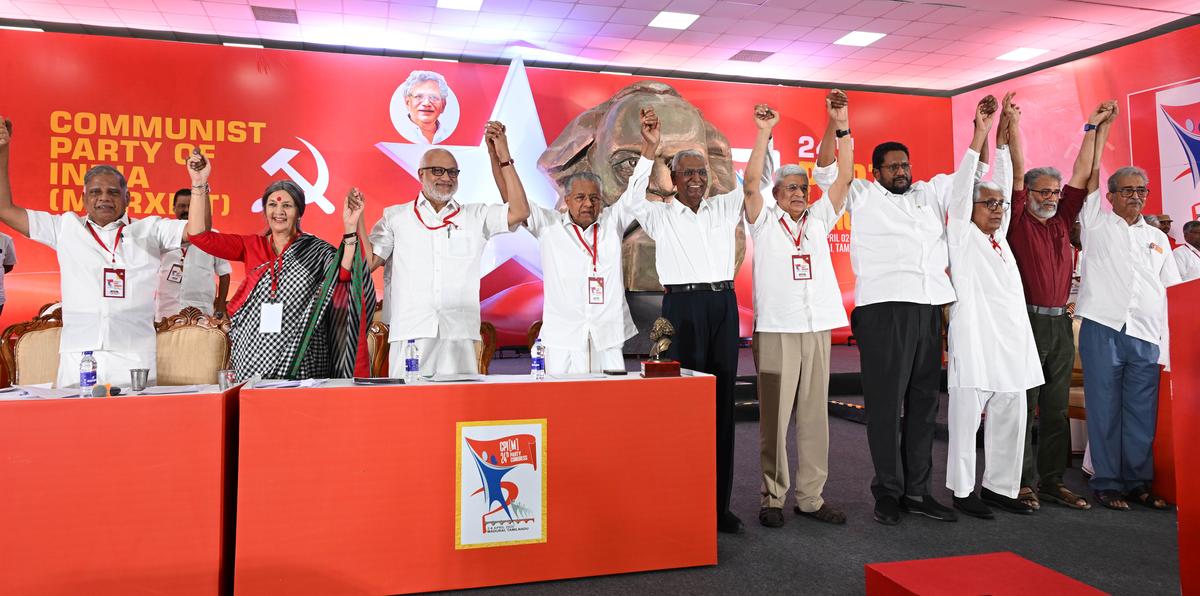
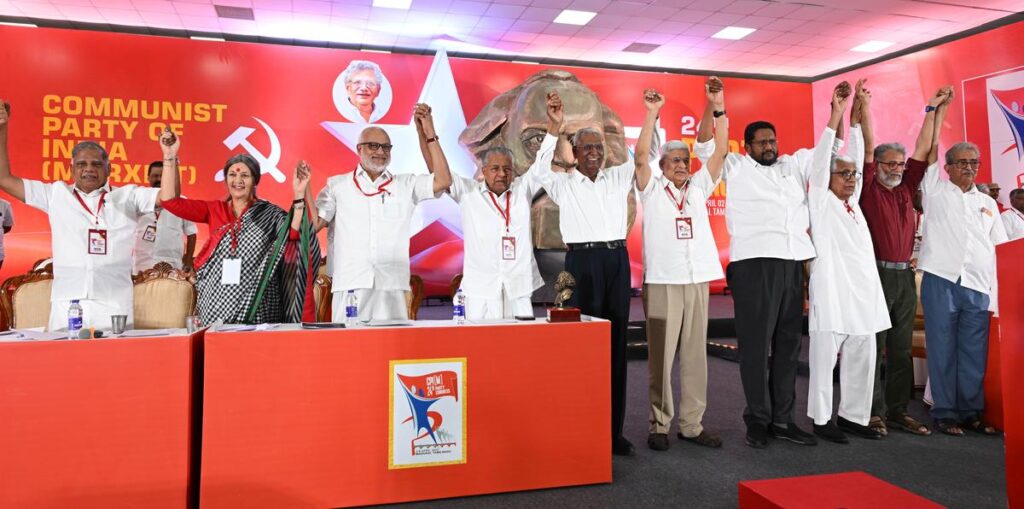
By P. Sudhir The 24th Congress of the CPI(M), which concluded at Madurai on April 6 with a massive rally, was notable in many respects. There were changes both in the agenda and content of the Congress discussions. First of all, a Political Review Report which reviewed the implementation of the political-tactical line adopted at […]


Dubai has firmly established itself as a gastronomic powerhouse, securing the second position worldwide for restaurant density, trailing only Paris. With an impressive array of over 13,000 restaurants and cafés, the city offers a diverse culinary experience that caters to its multicultural populace and visitors alike. The Dubai Gastronomy Industry Report highlights a significant surge in dining enthusiasm among residents, with a 61% year-on-year increase in dining […]

Inks three signings in Q1 2025 to add 600 units under the Oakwood brand, bringing Ascott’s current portfolio in India to ~6,100 units Introduces lyf, The Crest Collection and The Unlimited Collection brands to cater to the evolving needs of next-gen travellers and address the growing demand for authentic Indian heritage and cultural experiences MUMBAI, INDIA / SINGAPORE – Media OutReach Newswire – 10 April 2025 – […]

VISHNU RAJA
RYO YAMADA
HITORI GOTOH
IKUYO KITA