News related to
Capital

By K Raveendran India is intensifying its diplomatic offensive against Pakistan, with efforts now underway to push for Islamabad’s re-listing on the Financial Action Task Force (FATF) grey list. This renewed push, backed by an unusually strong expression of support from the Trump-led U.S. administration, marks a strategic escalation by New Delhi to hold Pakistan […]

AGRIBARON LIMITED has unveiled its international expansion strategy, commencing with the Philippines, aiming to capitalise on the region’s burgeoning blockchain gaming sector. The company, bolstered by substantial initial capital from the United States, is positioning itself to become a significant player in Southeast Asia’s digital entertainment landscape.

The Philippines has emerged as a pivotal hub for blockchain gaming, driven by a tech-savvy population and supportive governmental policies. The nation’s enthusiasm for play-to-earn models and decentralised gaming platforms has attracted global attention, making it an ideal starting point for AGRIBARON’s regional ambitions.

AGRIBARON’s approach involves integrating blockchain technology to enhance gaming experiences, offering players true ownership of in-game assets and fostering transparent, secure transactions. This aligns with the broader regional trend, where startups are leading the charge in redefining digital entertainment through decentralised ecosystems.

The company’s entry into the Philippine market is timely, coinciding with a surge in local initiatives promoting blockchain adoption in gaming. Collaborations between tech firms and industry associations are laying the groundwork for a robust Web3 gaming infrastructure, providing fertile ground for AGRIBARON’s offerings.

Strategy, formerly known as MicroStrategy, reported a substantial first-quarter loss of $4.22 billion, equating to $16.49 per share, as the company intensified its commitment to Bitcoin amidst volatile market conditions. This marks the firm’s fifth consecutive quarterly loss, primarily driven by a $5.91 billion unrealized loss on its cryptocurrency holdings, reflecting the impact of Bitcoin’s price fluctuations on its financial statements.

Despite the financial setback, Strategy expanded its Bitcoin holdings by acquiring an additional 80,715 BTC during the quarter, bringing its total to 553,555 BTC, valued at approximately $52 billion. This aggressive accumulation underscores the company’s unwavering belief in Bitcoin as a strategic asset, even as it grapples with the inherent volatility of the cryptocurrency market.

To finance further acquisitions, Strategy announced plans to issue $21 billion in new shares, a move that signals its intent to deepen its investment in Bitcoin. This equity offering is part of the company’s broader strategy to leverage capital markets in support of its cryptocurrency-focused treasury approach.

The company’s financial performance reflects the challenges of its Bitcoin-centric strategy. Revenue for the quarter stood at $111.1 million, a 3.6% decline compared to the same period last year, falling short of analyst expectations. The adoption of fair value accounting has made Strategy’s earnings more susceptible to Bitcoin’s price swings, introducing significant volatility into its financial reporting.

Despite these challenges, Strategy’s stock has demonstrated resilience, rising 32% year-to-date, outperforming the Nasdaq 100 index, which has declined nearly 6% over the same period. This performance suggests investor confidence in the company’s long-term vision, even as it navigates short-term financial headwinds.

Strategy’s approach has positioned it as a prominent player in the corporate adoption of Bitcoin, holding more than 2.6% of the cryptocurrency’s total supply. The company’s aggressive accumulation strategy and significant equity offerings highlight its commitment to integrating Bitcoin into its corporate treasury, setting a precedent for other firms considering similar moves.

KUALA LUMPUR, MALAYSIA – Media OutReach Newswire – 2 May 2025 – Kenanga Investment Bank Berhad (“Kenanga” or “the Group“) is proud to be recognised for its market-leading achievements at the prestigious Bursa Excellence Awards 2024 held at St. Regis Kuala Lumpur on 25 April 2025. From left: Datuk Wira Ismitz Matthew De Alwis, Chief Executive Officer/ Executive Director, Kenanga Investors Berhad; Dato’ Fad’l Mohamed, Chief Executive […]

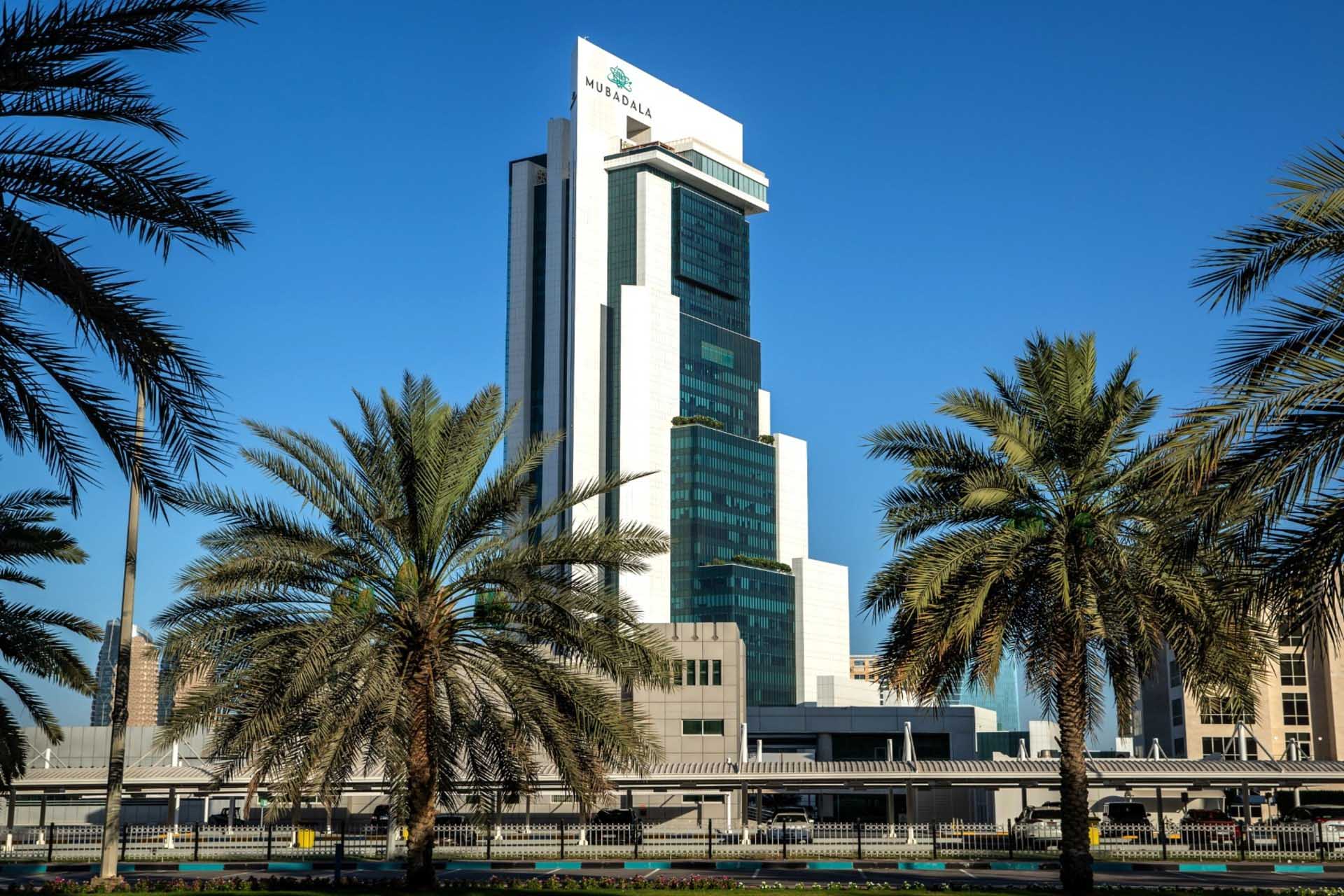
Abu Dhabi’s Mubadala Capital is set to lead a $10 billion syndicated investment into TWG Global, marking a significant move into the global sports and entertainment sector. This partnership not only positions Mubadala at the forefront of high-value sports investments but also reflects a broader trend among Gulf sovereign wealth funds diversifying their portfolios beyond traditional assets.

TWG Global, co-chaired by Mark Walter and Thomas Tull, manages a diverse portfolio that includes stakes in prominent sports franchises such as the Los Angeles Dodgers, Los Angeles Lakers, and Chelsea FC. The conglomerate, valued at approximately $40 billion, also invests in sectors like artificial intelligence, biotechnology, and media. Walter, known for his role in Guggenheim Partners, and Tull, former owner of Legendary Entertainment, bring extensive experience in both finance and entertainment to the venture.

The investment deal includes TWG Global acquiring a minority stake in Mubadala’s asset management platform for $2.5 billion. This strategic move aims to increase commitments to an additional $20 billion of investment capital, signaling a deepening collaboration between private investment firms and sovereign wealth funds.

Global SWF, a sovereign fund tracker, described the partnership as “a new chapter in global finance,” highlighting the innovative nature of a private firm acquiring a stake in a sovereign wealth fund’s asset management arm. This arrangement provides Mubadala with indirect ownership exposure to iconic Western sports franchises, aligning with the rising valuations of global sports assets and the convergence of content, fan engagement, and streaming monetisation.

Mubadala’s move mirrors strategies employed by other Gulf sovereign wealth funds, such as Saudi Arabia’s Public Investment Fund , which has been actively building its sports and leisure portfolio. However, through this partnership with TWG Global, Mubadala gains immediate access to established sports entities, bypassing the need to build its portfolio from scratch.

In 2024, Mubadala emerged as the world’s largest sovereign wealth fund spender, deploying $29.2 billion across 52 transactions—a 67% increase from the previous year. This surge in investment activity underscores the fund’s commitment to diversifying its holdings and capitalising on emerging market opportunities.

Abu Dhabi-based investment firm MGX has committed $2 billion to cryptocurrency exchange Binance, marking the largest institutional investment in the platform’s history. The transaction, announced at the TOKEN2049 conference in Dubai, is being conducted using USD1, a stablecoin introduced by World Liberty Financial, a venture associated with former U.S. President Donald Trump.

USD1 is a dollar-pegged stablecoin fully backed by U.S. Treasuries, cash, and equivalents, designed to maintain a consistent value of $1. The coin was unveiled by World Liberty Financial, a decentralized finance platform launched in 2024 with Donald Trump serving as its “chief crypto advocate.” The venture includes his sons and Barron Trump in key roles. Zach Witkoff, co-founder of World Liberty Financial and son of Trump ally Steve Witkoff, announced the investment details during the conference.

MGX, established in 2024 by the Abu Dhabi government, has primarily focused on artificial intelligence investments. This $2 billion investment in Binance represents MGX’s first foray into the cryptocurrency sector. The firm aims to integrate AI, blockchain technology, and finance, aligning with the United Arab Emirates’ broader strategy to position itself as a global hub for digital assets and financial innovation.

Binance, the world’s largest cryptocurrency exchange by trading volume, has faced regulatory challenges in recent years. In 2023, the company agreed to a $4.3 billion settlement with U.S. authorities over anti-money laundering violations, leading to the resignation of founder Changpeng Zhao. Richard Teng, who previously headed the Abu Dhabi Financial Services Regulatory Authority, now serves as Binance’s CEO. The exchange employs approximately 1,000 of its 5,000 global staff in the UAE, reflecting the region’s progressive stance on digital asset regulation.

The use of USD1 in this significant investment underscores the growing legitimacy of stablecoins in large-scale institutional transactions. However, the involvement of a Trump-linked cryptocurrency in a major international financial deal raises questions about potential conflicts of interest and regulatory implications, especially as Binance continues to navigate global compliance challenges.

Eric Trump, present at the TOKEN2049 conference, highlighted plans to integrate USD1 with Trump-branded properties in the UAE, further intertwining the family’s business interests with the cryptocurrency venture. This development comes as President Trump prepares for a state visit to Gulf nations, signaling a deepening of ties between the U.S. administration and Middle Eastern financial entities.

The investment by MGX not only provides significant capital to Binance but also strengthens its ties to the United Arab Emirates. The partnership is expected to enhance Binance’s standing with regulators worldwide and may encourage further institutional participation in cryptocurrency markets. Industry analysts suggest that this move could trigger a domino effect, potentially leading to increased institutional investment in the crypto sector.

Microsoft’s fiscal third-quarter earnings surpassed Wall Street expectations, propelled by a 33% year-over-year surge in Azure cloud revenue and robust enterprise demand for AI-driven services. The company’s stock climbed over 7% in after-hours trading, reflecting investor confidence in its cloud and AI strategy. Total revenue for the quarter reached $70.1 billion, marking a 13% increase from the same period last year. Net income rose to $25.8 billion, […]

Advertisements

Micropolis Holding Co., a UAE-based robotics and AI firm, has entered into a strategic Memorandum of Understanding with SEE Holding Ltd to integrate advanced artificial intelligence and robotics infrastructure into The Sustainable City 2.0, SEE Holding’s forthcoming urban development model. This collaboration aims to embed intelligent systems into the core operations of the city, enhancing efficiency, sustainability, and resident engagement.

The MoU outlines plans for deploying autonomous fleets, smart mobility applications, and integrated command systems to oversee city functions. Additionally, digital platforms will be developed to connect residents with intelligent services, leveraging Internet of Things infrastructure, edge computing, and computer vision technologies. A joint research and development programme is also set to advance sustainable urban technologies, focusing on operational efficiency, resident experience, and environmental performance across SEE Holding’s global projects.

This partnership builds upon a decade-long relationship between the two companies. Faris Saeed, Chairman and CEO of SEE Holding, was among the initial investors in Micropolis at its inception in 2014. Over the years, SEE Holding has provided strategic capital and a real-world testing environment within The Sustainable City for Micropolis’ robotics, computer vision, and autonomous systems.

The Sustainable City 2.0, unveiled at the Annual Investment Meeting Congress 2025 in Abu Dhabi, represents SEE Holding’s next-generation model of urban development. Designed to be AI-driven, net-zero, and human-centric, the city aims to transform waste into resources through repurposing, recycling, or energy conversion, thereby avoiding landfill accumulation and fostering a resilient circular economy. Mobility within the city is planned to be fully electric and autonomous, featuring shared e-cars, e-bikes, self-driving shuttles, and homes equipped to support contactless delivery via last-mile delivery robots and drone pads.

Faris Saeed stated, “With The Sustainable City 2.0, we are revolutionising sustainable urban living through the strategic integration of AI-driven solutions and net-zero principles. Our partnership with Micropolis accelerates this vision, customising and rapidly deploying intelligent robotics solutions that significantly enhance safety, efficiency, and quality of life, ultimately shaping smarter, more resilient, and human-centric communities for the future.”

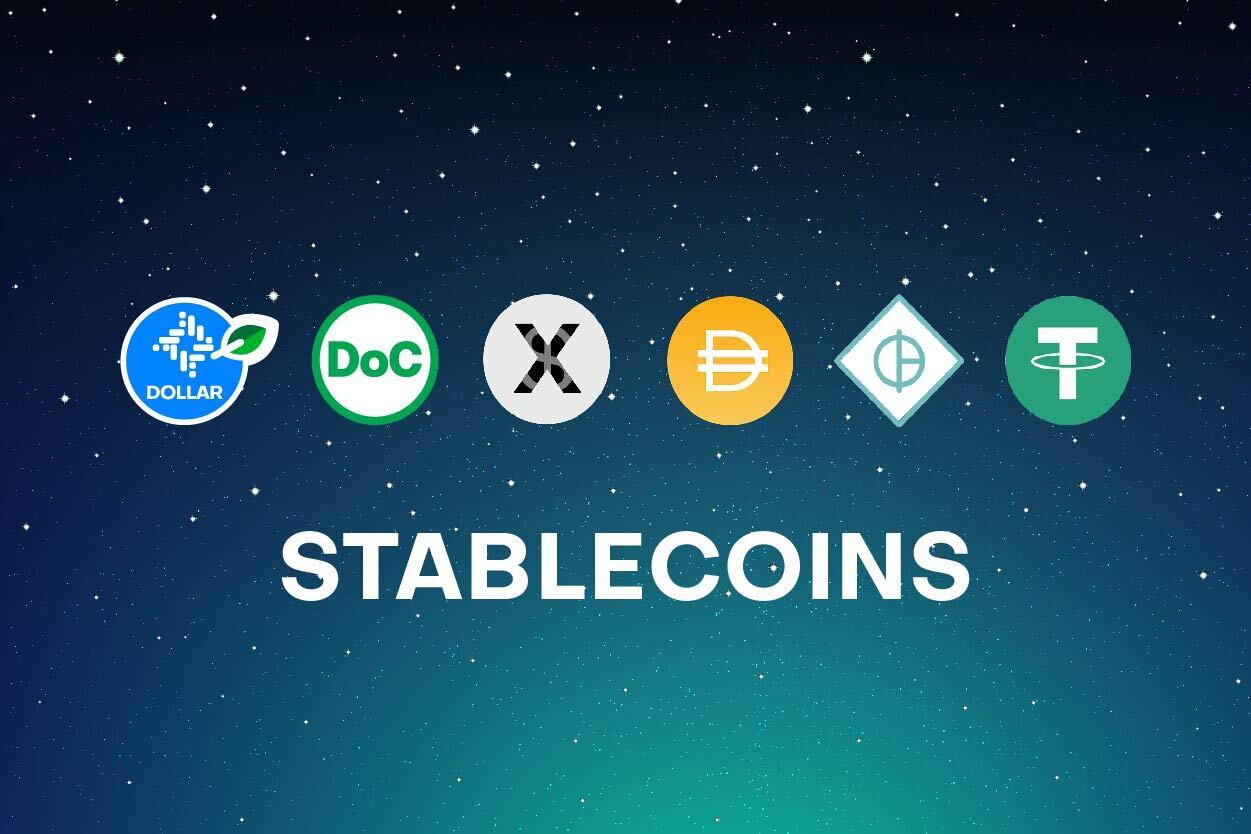
Tether, the issuer of the world’s most traded stablecoin, is preparing to launch a new U.S.-based digital dollar product as early as late 2025 or early 2026, contingent on the progress of stablecoin legislation in Congress. The move signals a strategic pivot as the company seeks to enter the domestic market it has long avoided.

Chief Executive Paolo Ardoino confirmed that the company is developing a separate stablecoin tailored to U.S. regulatory requirements and consumer preferences. Unlike its flagship token, USDT—which dominates global stablecoin circulation with a market capitalisation of nearly $150 billion—this new offering would be issued through a U.S.-based entity and designed to comply with forthcoming federal oversight.

Ardoino described USDT as one of the most successful financial exports of the United States, noting its widespread use in emerging markets as a hedge against inflation and currency instability. However, he acknowledged that U.S. consumers have largely gravitated toward alternatives like Circle’s USDC, which has gained traction amid growing bipartisan support for stablecoin regulation.

The proposed U.S.-specific stablecoin is expected to function as a digital checking account, integrating with point-of-sale systems and offering seamless transaction capabilities. Tether envisions a broader blockchain-powered payment network that could rival existing platforms like Square, potentially transforming the way consumers and merchants interact with digital assets.

This initiative coincides with a significant shift in the U.S. regulatory landscape. President Donald Trump’s administration has expressed support for cryptocurrency innovation, with key legislation such as the STABLE Act and the GENIUS Act advancing through Congress. These bills aim to establish clear guidelines for stablecoin issuers, including mandatory reserve requirements and regular audits, to enhance transparency and financial stability.

Tether’s decision to develop a U.S.-compliant stablecoin reflects its commitment to aligning with these regulatory changes. The company has engaged in discussions with U.S. lawmakers and regulators to ensure that its new product meets the necessary standards. Ardoino emphasized Tether’s proactive collaboration with law enforcement agencies, including the FBI and the Department of Justice, to address concerns related to illicit activities and compliance.

Despite its global success, Tether has faced scrutiny over the transparency of its reserves and its lack of formal audits. In response, the company has appointed a Chief Financial Officer and is pursuing a full audit, engaging with major accounting firms to bolster credibility. These steps are part of a broader effort to enhance trust and demonstrate Tether’s readiness to operate within the U.S. regulatory framework. , Tether considers US-only stablecoin as Trump loosens crypto rules)

Ghana has implemented a comprehensive overhaul of its gold trading framework, mandating that all individuals and entities involved in the sector obtain licences from the newly established Ghana Gold Board . This directive, effective from 1 May 2025, renders all previous licences issued by the Precious Minerals Marketing Company or the Ministry of Lands and Natural Resources invalid. Non-compliance will result in criminal prosecution. The GoldBod Act, […]

Mashreq Bank reported a 12% year-on-year decline in net profit for the first quarter of 2025, attributing the decrease to a contraction in net interest income following recent rate cuts by the UAE Central Bank. The Dubai-listed lender’s net profit after tax for the quarter stood at AED 1.8 billion , down from AED 2.041 billion in the same period last year. Net interest income fell by […]

Chelsea Football Club has signed a landmark partnership agreement with DAMAC Properties, appointing the Dubai-based luxury real estate developer as the club’s official Property Development Partner. The collaboration will see the launch of Chelsea Residences by DAMAC, a high-end residential development in Dubai that will merge world-class football branding with luxurious living.

The development will be situated in Dubai Maritime City, an area known for its premium waterfront views and proximity to the heart of Dubai. This location will offer residents seafront views and easy access to the city’s key attractions. Chelsea Residences is slated to include over 1,400 residential units, ranging from apartments to luxury villas, designed to meet the needs of affluent buyers seeking both high-end living and a touch of football culture in their homes.

The project’s design promises to blend the elegance of Chelsea’s iconic blue branding with the sophisticated and modern style synonymous with DAMAC Properties. It will feature Chelsea-branded amenities, including state-of-the-art fitness centres, wellness facilities, and a football-themed community space, which aims to embody the values of health, fitness, and well-being that the club advocates both on and off the pitch.

In addition to providing a distinctive football-themed residential experience, the collaboration will also see the creation of exclusive lifestyle experiences for residents. This could include special events, VIP access to Chelsea games, and potential meet-and-greet opportunities with players and management. The project is expected to attract not only football fans but also investors interested in combining luxury living with a globally recognized sports brand.

This partnership marks a strategic move by Chelsea FC to further enhance its brand value beyond football, entering the lucrative real estate market. For DAMAC Properties, the association with one of the world’s most popular football clubs is an opportunity to expand its portfolio and tap into new demographics, particularly those with a passion for football.

The project also underscores Dubai’s status as a global hub for luxury real estate and sports investment. The city, known for its ambitious development projects and high-profile partnerships, continues to draw attention from international investors. By combining the global appeal of Chelsea FC with DAMAC’s reputation for delivering top-tier residential projects, Chelsea Residences aims to attract both local and international buyers looking for a distinctive and luxurious living environment.

The development aligns with the UAE’s wider strategy to position itself as a leader in luxury lifestyle offerings, particularly in the areas of hospitality, sports, and entertainment. Dubai has long been a magnet for wealthy expatriates and investors, with its real estate market offering a unique blend of high-end developments and tax-free benefits.

While DAMAC Properties is no stranger to branding collaborations, this partnership with Chelsea FC is particularly notable for its scale and the integration of football culture into real estate. Previous DAMAC ventures have included high-profile collaborations with fashion brands like Versace and Fendi, but the Chelsea partnership takes it a step further by incorporating a sport with such a massive global following.

Chelsea Residences by DAMAC is part of a broader trend of football clubs seeking new ways to monetise their brand through property developments and other ventures outside of traditional sponsorship deals. Similar moves have been made by other top European clubs, which have entered the real estate market to capitalize on their large, global fanbases. However, this development is unique for its strong focus on the football experience and its integration of Chelsea’s ethos and values.

The project is expected to be completed in phases, with the first units likely to be ready for occupancy within a few years. The development’s timeline will likely be influenced by factors such as the economic climate and demand for luxury properties in the region. However, early interest in the project is anticipated to be strong, particularly among Chelsea fans and international investors looking to secure a piece of the high-end Dubai market.

This partnership also highlights a growing trend in the sports industry, where clubs are diversifying their revenue streams and looking beyond traditional matchday earnings, broadcasting deals, and merchandise sales. With its extensive global fanbase, Chelsea FC’s partnership with DAMAC opens up the potential for new revenue streams, while offering DAMAC a chance to strengthen its brand association with one of the most successful football clubs in the world.

Foreign investments in Gulf stocks have surged in recent years, as nations within the Gulf Cooperation Council continue to transform their economies and capital markets. By the close of 2024, foreign equity inflows are expected to double to $60 billion, a sharp increase from 2022, driven by a combination of regulatory changes and inclusion in the prestigious MSCI Emerging Market Index.

The GCC’s capital markets have experienced substantial growth. Market capitalisation has increased four-fold, reaching $4.2 trillion, with turnover doubling to $690 billion. The rapid expansion of foreign participation is reshaping the region’s financial landscape, as countries seek to diversify their economies beyond oil revenues. This shift has become particularly evident in the stock markets of the region, where foreign investors are now a more prominent presence than ever before.

Gulf nations have made concerted efforts to modernise their economies, making them more attractive to international capital. A key development has been the GCC’s growing inclusion in global financial indices. Four out of six GCC countries – Saudi Arabia, the UAE, Qatar, and Kuwait – are now part of the MSCI Emerging Market Index. This inclusion has attracted significant international attention and capital, as investors see the region as a promising avenue for growth.

One of the critical factors behind the inflow of foreign capital is the series of regulatory reforms that have been introduced in recent years. These reforms have been designed to make the region’s markets more accessible and investor-friendly. Foreign ownership limits have been eased, allowing international investors to take larger stakes in companies listed on Gulf exchanges. These changes have made the GCC markets more appealing to institutional investors who were previously deterred by restrictive ownership rules.

In addition to regulatory changes, the GCC countries have also improved their financial infrastructure. The establishment of new exchanges, the introduction of better trading mechanisms, and the enhancement of corporate governance standards have all contributed to the region’s growing appeal to international investors. These efforts have created a more stable and predictable investment environment, crucial for attracting foreign capital.

The shift towards diversification from oil has been another driving force behind the surge in foreign investment. Gulf nations, particularly Saudi Arabia and the UAE, have been actively working to reduce their dependence on oil revenues by investing in a variety of industries. Saudi Arabia’s Vision 2030 plan, for example, aims to develop sectors such as technology, entertainment, and tourism, positioning the kingdom as a global investment hub. The UAE, meanwhile, has focused on becoming a regional leader in technology and innovation, with Dubai’s growing status as a fintech hub contributing to the rise in foreign equity participation.

The role of foreign investors in shaping the region’s stock markets cannot be overstated. Their increasing presence is evident in the growing market capitalisation and turnover of Gulf stock exchanges. As more international players enter the market, their influence on corporate governance and market dynamics becomes more pronounced. This has led to greater transparency and a more competitive business environment, which benefits both local and foreign investors alike.

Looking ahead, there are clear signs that the GCC countries will continue to evolve as attractive investment destinations. The ongoing reforms, coupled with the broader diversification strategies being pursued by the region, are likely to sustain the momentum of foreign investment. Oman, which is yet to be included in the MSCI Emerging Market Index, is expected to join in 2027, further expanding the reach of GCC capital markets.

While the region’s markets have flourished, there are also challenges that must be addressed. The volatility of global oil prices continues to be a concern, given that the GCC economies remain largely dependent on oil exports, despite efforts at diversification. Moreover, the geopolitical dynamics of the region also present risks that could affect foreign investment flows. However, the GCC countries have demonstrated resilience in managing these risks, through sound economic policies and a commitment to strengthening ties with global markets.

Dubai hosted the TOKEN2049 crypto conference on Wednesday, drawing approximately 15,000 attendees, including executives from major firms like BlackRock, Goldman Sachs, and Binance. The event, featuring a scheduled appearance by Eric Trump, highlighted both the sector’s resilience and the diminishing enthusiasm surrounding President Donald Trump’s pro-crypto stance.

President Trump, once a sceptic of digital currencies, has positioned himself as a champion of the crypto industry, launching his own cryptocurrency and pledging to ease regulatory constraints. However, the anticipated surge in market performance has not materialised; Bitcoin has declined by over 10% from its peak of $109,225 since Trump’s inauguration, reflecting investor concerns over the pace of policy implementation and broader economic uncertainties.

Despite these challenges, the crypto sector has witnessed significant investment activity. In the first quarter of 2025, global venture capital funding in the industry reached $5.4 billion, marking the strongest performance since mid-2022. Notable deals include Twenty One Capital’s planned $3.6 billion SPAC merger, Ripple’s $1.25 billion acquisition of Hidden Road, and Kraken’s $1.5 billion deal with futures broker NinjaTrader. Galaxy Digital is also set for a Nasdaq listing after securing SEC approval.

Dubai’s emergence as a crypto hub is evident, with initiatives such as Binance receiving a $2 billion investment from Abu Dhabi’s MGX, developers accepting Bitcoin for real estate transactions, and Emirates NBD launching crypto services. The Dubai Multi Commodities Centre has announced plans for a new “crypto tower” by 2027, further cementing the city’s position in the global crypto landscape.

In the United States, the Trump administration has taken steps to foster a more crypto-friendly environment. Regulatory agencies, including the Federal Reserve, FDIC, and OCC, have rolled back previous guidance that urged caution for banks engaging in cryptocurrency activities. The SEC has dropped lawsuits against major crypto firms like Coinbase and Ripple, and a dedicated crypto task force has been established to address the regulatory needs of the evolving digital asset space.

President Trump’s executive order establishing the U.S. Strategic Bitcoin Reserve, holding approximately 200,000 BTC from seizures, has positioned the United States as the largest sovereign Bitcoin holder. However, the announcement initially caused Bitcoin’s price to drop by 5.7% before recovering, indicating market sensitivity to policy developments.

While the administration’s pro-crypto stance has invigorated the market, some investors remain cautious. The launch of Trump-themed cryptocurrencies, such as the $Trump coin, has faced criticism and underperformance, with the coin’s value plummeting by 50% following the debut of a similar token by First Lady Melania Trump.

Ripple’s attempt to acquire stablecoin issuer Circle for up to $5 billion has been declined, with the offer deemed insufficient by Circle’s leadership. The proposed acquisition, reported by Bloomberg, was intended to strengthen Ripple’s position in the stablecoin market, where its own RLUSD holds a comparatively modest market capitalisation of approximately $317 million. In contrast, Circle’s USDC boasts a market cap exceeding $60 billion, underscoring the significant disparity between the two entities.

The bid surfaced shortly after Circle filed for an initial public offering in early April, signalling its ambition to become a publicly traded company. Sources familiar with the matter indicate that Circle is prioritising its IPO plans and views the acquisition offer as undervaluing its market potential. Given the timing and Circle’s strategic direction, the rejection of Ripple’s bid aligns with its focus on independent growth through public listing.

Ripple, known for its XRP token and blockchain-based payment solutions, has not ruled out the possibility of revisiting the acquisition. However, no definitive decision has been made regarding a subsequent offer. The company has been actively expanding its portfolio, including the recent acquisition of prime brokerage firm Hidden Road for approximately $1.25 billion, aiming to enhance its infrastructure and service offerings in the digital asset space.

Gold reached an all-time high of $3,432.77 per ounce in April 2025. The climb has been steady, underpinned by sustained demand and fundamental global shifts. The next milestone, $5,000, is firmly in sight, I believe. Capital is realigning. Central banks, institutions, and private investors are adjusting their positioning in response to clear macro realities: weakening currencies, structural inflation, declining real yields, and geopolitical instability. In this environment, […]

The U.S. Securities and Exchange Commission has concluded its investigation into PayPal’s U.S. dollar-backed stablecoin, PYUSD, without pursuing any enforcement action, according to the company’s regulatory filing dated April 29. This development removes a significant regulatory hurdle for PayPal’s digital asset initiative.

The SEC’s inquiry began in November 2023 when PayPal received a subpoena from the Division of Enforcement, requesting documents related to the launch and structure of PYUSD. PayPal stated that it fully cooperated with the SEC’s requests. In February, the SEC notified PayPal that it had concluded its investigation and did not intend to recommend any enforcement action. Investigation With No Enforcement Action, The SEC drops investigation into PayPal’s stablecoin – Mitrade)

PYUSD, launched in August 2023, is designed to be fully backed by U.S. dollar deposits, including short-term Treasuries and cash equivalents, and is redeemable at a 1:1 ratio with the U.S. dollar. Despite its backing and PayPal’s prominent position in the digital payments space, PYUSD has faced challenges in gaining significant market share in a stablecoin market dominated by competitors like Tether and Circle. Investigation With No Enforcement Action, PayPal Says SEC Drops Probe Into Its Dollar-Pegged Stablecoin)

As of April 2025, PYUSD’s market capitalization stands at approximately $880 million, representing less than 1% of Tether’s $148.5 billion market cap. However, the stablecoin has experienced growth in 2025, with a 75% increase in circulating supply since the beginning of the year, although it remains 14% below its peak supply of just over $1 billion in August 2024.

PayPal has introduced initiatives aimed at bolstering PYUSD’s adoption. On April 23, the company announced a new loyalty offering that allows U.S. users to earn 3.7% annually for holding PYUSD on the platform. Additionally, on April 24, PayPal revealed a partnership with Coinbase to enhance the adoption of PYUSD, aiming to drive new and innovative use cases within the cryptocurrency community.

The SEC’s decision to close the investigation into PYUSD without enforcement action aligns with a broader trend of the agency concluding several crypto-related cases. In recent months, the SEC has ended probes into companies such as Crypto.com, Robinhood Crypto, Coinbase, and Gemini, indicating a potential shift in the regulatory approach towards the cryptocurrency industry. Investigation With No Enforcement Action)

This regulatory clarity comes as PayPal reported strong first-quarter earnings, with earnings per share surpassing Wall Street forecasts at $1.33 and revenue rising 1% year-over-year to $7.8 billion. The company also highlighted the completion of significant share repurchase activities during the quarter. Investigation With No Enforcement Action)

Strategy has expanded its Bitcoin holdings to 553,555 BTC, narrowing the gap with BlackRock’s iShares Bitcoin Trust , which holds 573,869 BTC. The 20,000 BTC difference underscores the escalating competition between the two entities for the largest institutional Bitcoin treasury.

The latest acquisition by Strategy involved purchasing 15,355 BTC for approximately $1.42 billion at an average price of $92,737 per coin. This purchase was funded through the sale of common and preferred stock, as detailed in a recent SEC filing. The company’s total Bitcoin holdings now represent about 2.6% of the cryptocurrency’s maximum supply of 21 million coins.

Michael Saylor, co-founder and executive chairman of Strategy, has been a vocal proponent of Bitcoin, positioning it as a primary treasury reserve asset. The company’s aggressive accumulation strategy has been facilitated by its “21/21 plan,” aiming to raise $42 billion through equity offerings and fixed-income securities for Bitcoin acquisitions.

BlackRock’s IBIT has also seen substantial growth, with its holdings reaching 573,869 BTC. The ETF has experienced significant capital inflows, including a $1.5 billion influx last week, reflecting growing investor interest in Bitcoin exposure through traditional financial instruments.

The narrowing gap between Strategy and BlackRock highlights the increasing institutional adoption of Bitcoin. Both entities’ substantial holdings signify a broader trend of traditional financial institutions embracing cryptocurrency as a legitimate asset class.

China International Capital Corp. is intensifying efforts to expand its presence beyond mainland China by establishing a new branch in Dubai and deepening its foothold in Southeast Asia, as global demand for cross-border financial services continues to grow. The Beijing-based investment bank, recognised as one of the country’s most influential financial institutions, is preparing to open a new branch in the Gulf city to cater to sovereign […]

DXC Technology has launched its new AI Workbench, designed to help businesses across various industries deploy artificial intelligence at scale. The platform, a pre-built and scalable solution, aims to accelerate AI adoption and facilitate quicker and more efficient solutions to complex business challenges. Ferrovial, the Spanish multinational infrastructure company, is the first major client to utilise this cutting-edge tool. The AI Workbench is an advanced platform that […]

Etihad Airways is edging towards a decision on its much-anticipated initial public offering, with CEO Antonoaldo Neves indicating that the final call rests with the airline’s shareholder. Market speculation suggests that a formal announcement could arrive within this quarter, although the carrier has yet to confirm any official timeline.

Speaking during the Arabian Travel Market conference in Dubai, Neves reaffirmed Etihad’s commitment to a progressive expansion plan, despite persistent headwinds from global economic volatility, including US tariff pressures and fluctuating oil prices. He emphasised that while discussions around a potential listing are gaining momentum, the ultimate decision lies with the shareholder, Abu Dhabi’s state-backed holding company ADQ.

Market interest surrounding Etihad’s IPO ambitions has grown steadily over the past months, fuelled by the airline’s strong operational turnaround and ambitious future plans. Etihad reported a return to profitability in 2023, with a net profit of $143 million, reversing years of accumulated losses and restructuring challenges. The carrier’s sharp focus on operational efficiency, route network optimisation, and sustainability initiatives have been cited as key drivers behind its improved performance.

The $7 billion fleet investment programme, announced last year, underscores Etihad’s broader ambitions. Under the plan, the airline aims to double its fleet size to around 150 aircraft by the end of the decade. Neves reiterated at the conference that the expansion is designed to position Etihad as a leading global connector, with new long-haul routes to key growth markets across Asia, Africa, and Europe already in the pipeline.

Industry analysts suggest that the timing of a potential IPO would be critical, given the volatile backdrop of global markets. Aviation stocks have shown mixed performance this year, influenced by concerns over rising fuel costs, geopolitical tensions, and evolving travel demand patterns. Nevertheless, Abu Dhabi’s broader economic diversification strategy, coupled with increasing investor appetite for exposure to the Middle East’s aviation sector, provides a favourable context for Etihad’s market debut.

Etihad’s prospective IPO would follow the path set by other regional carriers such as Dubai’s Dnata Group-linked entities and Saudi Arabia’s flynas, which have either listed or are exploring listing options to tap into investor enthusiasm and raise growth capital. However, Neves made it clear that the airline’s current focus remains on executing its five-year strategy, which includes boosting load factors, enhancing customer service innovation, and advancing sustainability initiatives aimed at achieving net-zero emissions by 2050.

Over the past year, Etihad has embarked on a series of strategic partnerships and codeshare agreements with airlines such as Air France-KLM, offering it greater network reach without significantly adding to operational costs. The airline has also invested in next-generation fuel-efficient aircraft, such as the Boeing 787 Dreamliner and the Airbus A350, aligning with its green aviation objectives. These moves have not only improved the airline’s environmental credentials but have also enhanced its cost competitiveness in an increasingly price-sensitive market.

Neves’ leadership has been widely credited for steering the airline through a transformative phase, characterised by prudent financial management and targeted growth. Before joining Etihad, he served as CEO of TAP Air Portugal, where he oversaw a significant restructuring programme that returned the airline to profitability. His experience in navigating complex corporate environments has positioned him well to lead Etihad into its next phase of development, including the potential leap into public markets.

While Neves refrained from giving any concrete details about the potential size or structure of an IPO, market experts speculate that Etihad could aim for a multi-billion-dollar valuation, given its strategic importance to Abu Dhabi’s economy and the airline’s growing operational metrics. Any public offering is expected to attract significant regional and international investor interest, particularly among funds focused on infrastructure, aviation, and emerging markets.

Etihad’s evolution reflects broader shifts underway across the Gulf’s aviation sector, where legacy carriers are reorienting themselves to compete in a post-pandemic world marked by changing travel patterns, heightened sustainability pressures, and new technological disruptions. The Middle East remains a pivotal aviation hub, with Abu Dhabi investing heavily in airport infrastructure upgrades and tourism promotion to bolster its global standing.

Beyond its immediate IPO ambitions, Etihad continues to refine its customer experience offering, rolling out new premium cabin products and digital enhancements aimed at differentiating the brand in a crowded market. The airline’s loyalty programme, Etihad Guest, has also been expanded through a series of partnerships with financial institutions, retail brands, and travel service providers, adding new revenue streams and deepening customer engagement.

Although no definitive IPO timeline has been announced, analysts maintain that Etihad’s fundamentals, combined with the supportive regulatory and economic backdrop in the United Arab Emirates, create a strong foundation for a successful listing when the decision is ultimately made. Abu Dhabi’s increasing emphasis on privatisation and public-private partnerships signals a strategic shift aimed at unlocking value from key state-owned assets, with Etihad poised to be a potential flagship offering in this broader economic transformation.

As speculation builds, market participants are closely watching for signals from ADQ, whose growing portfolio of publicly listed companies reflects an ambitious strategy of capital market development and diversification. The shareholder’s decision on Etihad’s IPO will not only impact the airline’s future trajectory but also serve as a key indicator of Abu Dhabi’s evolving approach to strategic asset management.

Neves’ remarks at the Arabian Travel Market have reignited interest and speculation across industry circles and financial markets alike. His assurance that the airline is forging ahead with its aggressive expansion blueprint, even amid external challenges, suggests that Etihad is carefully laying the groundwork for a sustainable and prosperous future, whether as a privately held entity or as a publicly traded airline.


HSBC Holdings Plc has disclosed an anticipated pre-tax loss of up to $1.6 billion following the dilution of its stake in China’s Bank of Communications . This development arises from BoCom’s private share placement, part of a broader initiative by Chinese state-owned banks to bolster their capital reserves.

The dilution reduces HSBC’s holding in BoCom from 19.03% to approximately 16%, a consequence of the Chinese government’s strategy to strengthen its banking sector. The $71.5 billion recapitalization effort aims to enhance the capacity of major state-owned banks, including BoCom, to support the national economy.

Despite the substantial charge, HSBC has indicated that the loss will not significantly impact its capital ratios or dividend distributions. The bank emphasized that the investment in BoCom is long-term, and the charge is a non-cash accounting adjustment due to the dilution.

This is not the first time HSBC has faced financial repercussions related to its BoCom investment. In the previous year, the bank reported a $3 billion impairment on its stake, citing challenges in China’s financial sector, particularly the ongoing property market crisis.

The latest charge coincides with HSBC’s announcement of a 25% decline in first-quarter pre-tax profits, amounting to $9.5 billion. This downturn is attributed to one-time losses from business disposals in Canada and Argentina. Nevertheless, the results surpassed analyst expectations, which had projected profits of $7.8 billion.

In response to the profit decline, HSBC has initiated a $3 billion share buyback and declared a first-quarter dividend of $0.10 per share. The bank’s CEO, Georges Elhedery, who assumed the role in September, is spearheading a cost-cutting initiative targeting $1.5 billion in annual savings by 2026. This strategy includes restructuring business segments and divesting operations in Germany, South Africa, France, and Malta.

HSBC has also raised its bad loan provisions by $202 million to $876 million in the first quarter, reflecting economic uncertainty and the impact of higher tariffs. Of this amount, $100 million is allocated for exposure to Hong Kong’s commercial property sector. The bank anticipates lending demand to remain subdued throughout the year and projects a potential $500 million increase in loan loss provisions if global economic conditions deteriorate further.

SINGAPORE – Media OutReach Newswire – 29 April 2025 – The United Nations Development Programme (UNDP) and Trigger Asset Management (Trigger) have launched a landmark partnership aimed at unlocking capital and strengthening support for startups and businesses advancing the Sustainable Development Goals (SDGs). This collaboration brings together UNDP’s global innovation and finance expertise with Trigger’s strength in sustainable and scalable investment solutions. Led by UNDP’s Alternative Finance […]

Tether’s tokenised gold product, XAU₮, has reached a major milestone with over 7.7 tonnes of physical gold now backing the asset, pushing its market capitalisation to $770 million as of 28 April 2025. This development marks a significant expansion of Tether’s portfolio beyond its flagship stablecoin USDT and highlights growing investor interest in digital assets secured by tangible commodities.

XAU₮, which represents ownership of one troy ounce of gold held in Swiss vaults, has seen steady accumulation over the past year amid fluctuating economic conditions and shifting investor sentiment towards inflation-resistant assets. According to market data, the token’s supply growth has mirrored increasing demand for alternative stores of value as concerns around fiat currency stability and geopolitical tensions continue to drive diversification strategies.

Tether’s disclosure that XAU₮ is now underpinned by more than 7.7 metric tonnes of physical gold signals strengthened efforts by the company to reinforce confidence in its tokenisation products. Analysts observing this trend note that digital gold products have carved a distinct niche, combining the traditional appeal of precious metals with the technological advantages of blockchain systems, including faster settlement times and greater accessibility for a global investor base.

Paolo Ardoino, CEO of Tether, stated that the surge in XAU₮’s backing reflects broader demand for hybrid assets that bridge the gap between conventional wealth preservation tools and new digital financial infrastructure. He added that Tether remains committed to transparency and robust management practices as it expands its product suite.

Since its launch, XAU₮ has distinguished itself by providing a clear legal structure for ownership claims over specific gold bars, with serial numbers and weight details disclosed through regular attestations. This level of verification has been crucial in appealing to institutional participants who require clear regulatory and custodial assurances before engaging with tokenised assets.

The achievement of a $770 million market cap also places XAU₮ among the most substantial gold-backed cryptocurrencies in circulation, competing with platforms like Paxos Gold and Perth Mint Gold Token . However, Tether’s strong brand presence and expansive network have given XAU₮ a competitive edge in terms of liquidity and market penetration.

Gold itself has continued to perform as a relatively stable asset amid volatile equity markets, stubborn inflation in key economies, and unpredictable monetary policy shifts. As of late April, gold prices hovered around $2,350 per ounce, with analysts forecasting further strength if macroeconomic uncertainty persists. This backdrop has reinforced the appeal of tokenised gold products like XAU₮, especially for investors looking for easily tradable options without the logistical challenges of physical storage.

XAU₮ has also benefited from integration with major exchanges and decentralised finance platforms, allowing users to utilise tokenised gold in broader financial applications such as lending, borrowing, and yield farming. This flexibility contrasts with traditional gold investment avenues, which typically lack interoperability with modern financial tools.

Institutional interest has played a critical role in the token’s growth trajectory. Asset managers, family offices, and corporate treasuries have increasingly explored tokenised commodities as a way to diversify their holdings while maintaining exposure to traditional safe havens. The ability to transfer ownership efficiently and transparently across jurisdictions has further bolstered the attractiveness of XAU₮.

Tether has continually faced scrutiny over its reserve management practices, particularly regarding USDT. However, the company’s detailed disclosures regarding XAU₮’s physical gold reserves appear to have mitigated similar concerns for this product. Regular attestations by third-party auditors have provided additional layers of reassurance to stakeholders wary of opaque reserve practices.

The evolving regulatory environment for stablecoins and tokenised assets may also influence the trajectory of products like XAU₮. Jurisdictions such as the European Union, the United Arab Emirates, and Singapore have introduced or are in the process of finalising frameworks aimed at ensuring greater oversight and consumer protection within the digital asset space. These regulations are expected to encourage higher standards of reporting and reserve management among issuers, benefiting products that already maintain rigorous transparency protocols.

Market participants have observed that gold tokenisation is emerging as a sector with strong fundamentals, particularly as broader adoption of blockchain technology reshapes traditional financial services. XAU₮’s growth demonstrates that tokenisation is not limited to speculative assets but can extend to historically conservative sectors such as commodities.

While challenges remain — including regulatory uncertainty, technological security risks, and the need for robust custodial solutions — the success of Tether’s XAU₮ underscores a maturing digital asset market increasingly focused on quality, transparency, and tangible backing. Observers suggest that continued institutional adoption and technological advancements could position tokenised gold as a staple component of diversified digital portfolios.

VISHNU RAJA
RYO YAMADA
HITORI GOTOH
IKUYO KITA