News related to
Capital

Dubai’s booming real estate sector continues to attract global investors with promises of tax-free gains, high rental yields, and luxury living. However, behind the glossy brochures and aggressive marketing campaigns lie significant risks that could catch unprepared buyers off guard—particularly those unfamiliar with the city’s legal, financial, and regulatory landscape.

Property prices in Dubai have surged by 75% since early 2021, nearing levels last seen before the 2008 crash. This growth is fuelled by foreign capital, liberalised visa policies, and a construction spree that includes nearly 76,000 new units slated for completion in 2025. Yet, this rapid expansion raises concerns about potential oversupply, especially in mid-range and off-plan segments, which could suppress future returns.

Off-plan properties, often sold with enticing payment plans requiring just 10–20% upfront, dominate the market. These schemes, while attractive, carry risks such as construction delays, quality issues, and even project cancellations. Despite regulatory measures like escrow accounts, buyers may still face financial losses if developers fail to deliver as promised.

The legal framework in Dubai presents challenges for foreign investors. While freehold zones permit full ownership, navigating the complexities of property inheritance, dispute resolution, and contract enforcement can be daunting. The legal system, influenced by Sharia law, may not align with the expectations of buyers from other jurisdictions, making professional legal advice essential.

Financially, the costs associated with purchasing property extend beyond the advertised price. Buyers must account for a 4% Dubai Land Department transfer fee, a 2% agent commission, and additional expenses such as title deed issuance, mortgage registration, and maintenance fees. Notably, banks no longer finance these ancillary costs, requiring buyers to have substantial liquidity upfront.

Currency exchange fluctuations pose another risk for international investors. Since the UAE dirham is pegged to the US dollar, buyers dealing in other currencies may find their investments affected by exchange rate movements, potentially eroding returns when converting profits back to their home currency.

Regulatory changes can also impact the real estate landscape. Adjustments to visa policies, property ownership laws, or mortgage regulations could alter the investment climate. For instance, while long-term residency visas have bolstered investor confidence, any future policy shifts could affect property values and rental demand.

The influx of wealthy individuals into Dubai has driven up property prices, particularly in luxury segments. However, this trend has also led to increased living costs, making affordability a growing concern for middle-income residents. Rising service charges and maintenance fees in upscale communities can further strain budgets, affecting the overall return on investment.

Saudi Basic Industries Corporation is advancing plans to list its gas subsidiary, National Industrial Gases Company , potentially within the current year. The Riyadh-based industrial giant is in early-stage talks with major financial advisers, including Lazard Inc., HSBC Holdings, JPMorgan Chase & Co., and Morgan Stanley, aiming to navigate the initial public offering process. This move reflects SABIC’s strategic intent to unlock value from its non-core assets […]

Abu Dhabi National Oil Company has granted contracts totaling Dh65.7 billion to nearly 400 local suppliers, contractors, and service providers during the first half of 2025. This extensive award reflects ADNOC’s ongoing commitment to strengthening the United Arab Emirates’ economy through its In-Country Value programme, which aims to bolster domestic industries and national supply chains. The contracts cover a diverse range of sectors vital to ADNOC’s operations, […]

Land saturation and rising prices in Dubai’s central residential districts are driving developers and buyers towards peripheral areas, reshaping the city’s housing landscape, according to a detailed property analysis by consultancy Savills. The report highlights a clear trend of market activity concentrating along the Al Khail Road corridor, signalling a significant shift away from traditional urban hotspots.

Transaction volumes in emerging micro-markets such as Jumeirah Village Circle , Dubailand, Damac Hills 2, The Valley, and Damac Lagoons have surged, collectively representing 55 per cent of all residential transactions in the first quarter. These locations have also been at the forefront of new project launches, accounting for 56 per cent of all newly introduced residential units, indicating robust developer confidence in these peripheral zones.

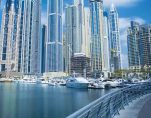
This movement stems from limited land availability in core areas like Downtown Dubai, Dubai Marina, and Jumeirah Beach Residence, where property prices have escalated sharply, reducing affordability for many prospective homeowners and investors. The scarcity of developable plots in these prime locations has further intensified competition, pushing demand towards more affordable options outside the city centre.

Jumeirah Village Circle, in particular, has emerged as a hotspot for buyers seeking reasonably priced apartments and villas within manageable commuting distance of Dubai’s business districts. The area offers a mix of mid-rise residential complexes and low-density villa communities, appealing to families and young professionals alike. This diversity in housing stock, coupled with ongoing infrastructure improvements, has underpinned JVC’s steady growth.

Similarly, Dubailand and Damac Hills 2 continue to attract interest due to expansive master-planned communities with a focus on lifestyle amenities such as parks, golf courses, and retail centres. The Valley, another significant player in this corridor, has capitalised on affordable villa offerings with modern designs and green spaces, catering to demand for spacious family homes away from the congested urban core.

The expansion along Al Khail Road also benefits from enhanced transport links, reducing travel times to central business hubs and making these peripheral areas more accessible. Investments in road infrastructure and public transport connectivity, including upcoming metro expansions, are expected to reinforce this trend, supporting long-term growth prospects for these markets.

Developers are aligning their strategies with these shifts by prioritising projects in locations that offer a balance between affordability and lifestyle appeal. The surge in launches across these corridors underscores their belief in sustained demand, especially from end-users and investors seeking value amid a competitive Dubai property market.

The report points to a broader recalibration within Dubai’s residential property sector, reflecting changing buyer preferences influenced by affordability constraints and evolving urban dynamics. While luxury properties in central districts remain sought after by high-net-worth individuals and international investors, the broader market is witnessing a democratization of choice, with peripheral communities gaining ground.

These peripheral markets offer distinct advantages, including larger plot sizes, lower price points, and a greater emphasis on community-oriented living environments. This contrasts with the high-density, premium developments that dominate Dubai’s central districts, which cater to a more niche segment of the market.

However, challenges remain for these outer zones, particularly related to ensuring infrastructure keeps pace with rapid development. Urban planners and authorities face the task of managing growth sustainably, balancing expansion with the provision of essential services such as schools, healthcare, and retail facilities. The successful integration of these factors will be critical in maintaining the attractiveness of these locations.

The property market’s health is influenced by broader economic factors including regional geopolitical stability, visa reforms, and government incentives for property ownership, all of which shape investor sentiment. Dubai’s continued efforts to position itself as a global business and tourism hub contribute positively to residential demand, although global economic uncertainties require cautious optimism.

Analysts note that while the peripheral markets currently drive volume and new supply, established central districts are unlikely to lose their appeal entirely. Instead, a more diversified property ecosystem is emerging, with each zone serving distinct buyer profiles and investment goals.

Dubai’s real estate sector, having witnessed a remarkable 70 percent surge in property values over four years, is increasingly attracting the attention of major Wall Street investors, signalling a fresh wave of international capital flowing into the market. Among those showing strong interest is Brookfield Corp., a prominent global asset manager, which is reportedly considering a significant residential project in the Dubai Hills district. This potential move marks Brookfield’s first foray into the region’s residential property market, highlighting confidence in Dubai’s continued urban growth and economic resilience.

The Dubai Hills area, known for its integrated community developments blending residential, commercial, and leisure spaces, has become a prime target for investors aiming to capitalise on the emirate’s strategic location and expanding infrastructure. Brookfield’s plans reportedly focus on creating a mixed-use community, aligning with the city’s broader vision of enhancing livability and attracting diverse demographics including expatriates, business professionals, and families. This development would add to the already dynamic residential landscape that has benefitted from Dubai’s liberal property ownership laws and tax-friendly environment.

Singapore-based Temasek Holdings Pte., through one of its property management subsidiaries, is also actively scouting investment opportunities in Dubai, reflecting growing confidence from Asian institutional investors. Temasek’s involvement would bring considerable financial firepower and experience in managing large-scale real estate assets, further validating Dubai’s position as a regional hub for property investment. The company is reportedly assessing a range of options from commercial towers to high-end residential complexes, keen on leveraging Dubai’s status as a global financial and tourism centre.

The surge in property values has been driven by a confluence of factors including Dubai’s rapid economic diversification away from oil dependence, the government’s successful rollout of major infrastructure projects, and the city’s appeal as a safe haven for wealth amid geopolitical uncertainties. The Expo 2020 event, although delayed to 2021 due to the pandemic, had a notable impact in energising the real estate market, with sustained interest seen in areas like Dubai Marina, Downtown Dubai, and Palm Jumeirah.

Experts suggest that Dubai’s regulatory framework, which includes long-term visas for property investors and entrepreneurs, has created an inviting climate for foreign capital. This has been complemented by a steady increase in expatriate population, fostering demand for rental properties and driving rental yields. The UAE’s ongoing focus on enhancing its financial services sector and promoting innovation and technology hubs further supports long-term real estate demand.

Despite the enthusiasm, the market is not without challenges. Some analysts caution that the sharp rise in prices over a short period raises concerns about affordability and potential market overheating. The post-pandemic recovery phase has also exposed vulnerabilities such as fluctuating oil prices and shifting global economic conditions, which could affect investor sentiment. Additionally, the emergence of remote working trends may reshape residential preferences, potentially influencing demand patterns in Dubai’s real estate sector.

Brookfield’s possible entry into the residential segment is seen as a strategic bet that reflects confidence in Dubai’s ability to maintain its growth trajectory. The company’s expertise in infrastructure and real estate investment positions it well to navigate the complex regulatory and operational landscape of the region. Industry insiders point out that such high-profile involvement could encourage further inflows of private equity and institutional capital, contributing to market stability and innovation in property development.

Temasek’s active exploration in Dubai also underscores the emirate’s rising prominence on the Asian investment radar. The city’s connectivity, free-trade zones, and business-friendly policies make it an attractive gateway for investors seeking exposure to the Middle East, Africa, and South Asia markets. Temasek’s investment approach, typically characterised by long-term value creation and active asset management, may influence the development of more sustainable and diversified real estate offerings in Dubai.

Market observers note that while the residential sector is gaining momentum, commercial real estate remains a vital pillar of Dubai’s property market. The growth of co-working spaces, logistics hubs, and retail developments reflects the changing nature of work and consumption in the post-pandemic world. These trends complement residential growth by fostering integrated urban environments that cater to evolving lifestyles.

Cryptocurrency mining companies have registered a notable surge following the announcement of a strategic partnership between OpenAI and CoreWeave, a leading cloud computing provider. This alliance signals a growing intersection between artificial intelligence infrastructure and blockchain technology, propelling mining stocks higher and generating renewed investor interest in the sector.

CoreWeave, known for its specialised GPU-powered cloud services tailored to AI workloads, has struck a deal to supply critical computational capacity for OpenAI’s expanding suite of applications. This development positions CoreWeave as a vital player in supporting the back-end infrastructure of AI innovation. The company’s move has rippled through the crypto mining ecosystem, where hardware capable of efficiently processing complex algorithms is central to mining operations.

Investors responded positively to CoreWeave’s enhanced profile, with shares of prominent crypto mining firms climbing on various exchanges. The broader cryptocurrency market, however, displayed a more cautious stance, maintaining a consolidation phase despite escalating inflation expectations that often trigger volatility. This divergence highlights the nuanced market dynamics where infrastructure providers linked to AI growth are gaining momentum independent of general crypto price trends.

The launch of Galaxy Digital on the Nasdaq exchange further accentuated market activity around crypto-related firms. Galaxy Digital, a diversified financial services and investment management firm focusing on digital assets and blockchain technology, made a striking debut with its share price surging significantly on the first day of trading. The successful Nasdaq listing underscores growing institutional interest in the crypto and blockchain sectors, affirming confidence in their long-term viability despite fluctuating asset prices.

Market analysts note that the OpenAI-CoreWeave partnership exemplifies the convergence of artificial intelligence and blockchain technology, two sectors undergoing rapid expansion. This synergy offers mining companies an avenue to diversify and stabilise revenues by capitalising on increased demand for computational power beyond traditional cryptocurrency mining. As AI applications become more sophisticated and resource-intensive, providers like CoreWeave stand to benefit from expanded contracts and elevated valuations.

The partnership also sheds light on evolving mining operations, which now encompass hybrid models combining cryptocurrency validation with AI data processing tasks. This integration potentially improves profitability and operational resilience amid regulatory uncertainties and market fluctuations in the crypto domain. Mining firms that embrace such technological advancements may position themselves ahead of competitors relying solely on conventional blockchain mining.

Despite these promising developments, the crypto market continues to face challenges from macroeconomic factors, notably inflation expectations that often influence investor behaviour. Although asset prices across major markets, including cryptocurrencies, largely shrugged off these concerns, some volatility is expected as central banks adjust monetary policies. Cryptocurrency’s inherent volatility remains a consideration for both retail and institutional investors, who must weigh technological advancements against broader economic risks.

CoreWeave’s strategic positioning within this ecosystem is particularly significant given the rising demand for GPU-intensive workloads. The company’s infrastructure supports not only OpenAI’s needs but also a wide array of AI-driven enterprises, creating a robust client base and diversified revenue streams. This diversification contrasts with many mining firms whose fortunes are tightly correlated to cryptocurrency price cycles, adding an element of stability that appeals to investors.

Galaxy Digital’s Nasdaq listing is emblematic of the maturing crypto investment landscape. Founded by industry veteran Michael Novogratz, the firm has established itself as a critical bridge between traditional financial markets and the digital asset space. Its successful public offering reflects growing acceptance and integration of digital assets within mainstream finance, an important milestone for the sector.

Market watchers observe that while the immediate reaction favours companies linked to AI and cloud computing, the broader cryptocurrency market is navigating a complex environment marked by geopolitical tensions, regulatory scrutiny, and shifting monetary policies. These factors contribute to a cautious sentiment among traders, with prices consolidating rather than surging dramatically.

Nonetheless, the interplay between AI infrastructure providers and crypto mining firms represents a promising frontier. This convergence may drive innovation in both fields, fostering new business models and operational efficiencies. Companies that adapt to this trend could harness the dual momentum of AI growth and blockchain technology to sustain competitive advantages.

PepsiCo has embarked on a significant multi-year partnership with Amazon Web Services to boost its digital and cloud transformation initiatives. The agreement positions PepsiCo to harness AWS’s comprehensive infrastructure and advanced artificial intelligence tools, aiming to streamline operations, enhance data analytics, and drive innovation across its global business. This strategic collaboration reflects PepsiCo’s commitment to embedding technology deeply within its operations. By migrating critical workloads to the […]

Advertisements

Matein Khalid The US Treasury bond market is unnerved by Powell’s reluctance to cut rates at the May FOMC and increasing short bets on long duration Uncle Sam IOUs by the world’s biggest hedge funds. This is the reason the 2-year Treasury note yield, the single security most sensitive to changes in expectation of US central bank monetary policy, has risen 15 basis points this week to […]

HONG KONG SAR – Media OutReach Newswire – 17 May 2025 – Invest Hong Kong (InvestHK), the Hong Kong government’s investment promotion arm, announced today (17 May 2025) that Ms Alpha Lau, Director-General of Investment Promotion at InvestHK, visited Cairo, Egypt, to engage with Egyptian businesses eager to establish operations in Hong Kong and capitalise on Asia-Pacific opportunities. During her visit, Ms Lau will attend the Guangdong–Hong […]

Sequoia Capital’s managing partner, Roelof Botha, has been identified among the victims of a significant data breach at Coinbase Global Inc., the largest cryptocurrency exchange in the United States. The breach, which affected approximately 97,000 users, involved the theft of personal information, including names, contact details, government-issued identification images, and account histories. Coinbase disclosed that cybercriminals bribed overseas customer support agents to gain unauthorized access to sensitive […]

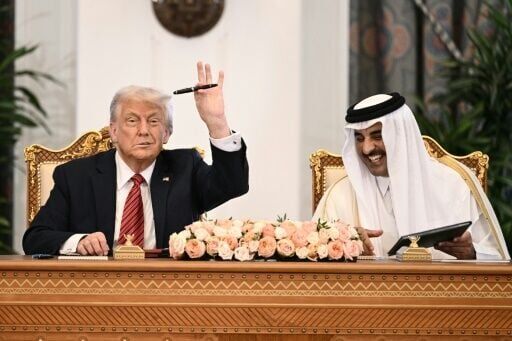
By K Raveendran Donald Trump’s Gulf tour has marked a defining chapter in his post-presidential brand of deal diplomacy, delivering a staggering $2 trillion in agreements that stretch across Saudi Arabia, the United Arab Emirates, and Qatar. This campaign stands in sharp contrast to the flagging results of his so-called trade mark tariff war, which—despite […]

The United Arab Emirates has committed to increasing its energy sector investments in the United States to $440 billion over the next decade, a significant expansion from the current $70 billion. This strategic move was announced by Sultan Al Jaber, chief executive of Abu Dhabi National Oil Company , during a high-profile meeting with US President Donald Trump amid his Gulf tour aimed at fostering major business […]

Qualcomm Technologies has revealed plans to establish a global engineering centre in Abu Dhabi, marking a significant expansion of its research and development footprint. The new facility will concentrate on cutting-edge technologies such as artificial intelligence, the industrial internet of things, and advanced data centre solutions, positioning Abu Dhabi as a pivotal node within Qualcomm’s worldwide network of engineering operations. This engineering centre is set to bolster […]

A 12-member European consortium has been commissioned to develop the EU Chips Design Platform, a cloud-based initiative aimed at bolstering the continent’s semiconductor design capabilities. Coordinated by Belgium’s imec and funded through the European Union’s Digital Europe programme, the platform is a central component of the European Chips Act, which seeks to enhance the EU’s global semiconductor market share. The platform is designed to provide fabless semiconductor […]

Arabian Post Staff -Dubai The United States has pledged a $60 billion investment in the United Arab Emirates’ energy sector, as part of a broader $440 billion joint initiative extending through 2035. This commitment was announced during President Donald Trump’s visit to the Gulf, underscoring a significant deepening of economic relations between the two nations. Sultan al-Jaber, chief executive of the Abu Dhabi National Oil Company , […]

Franklin Templeton has secured regulatory approval from the Monetary Authority of Singapore to launch the Franklin OnChain U.S. Dollar Short-Term Money Market Fund, marking the first tokenised fund accessible to retail investors in Singapore. The fund requires a minimum investment of US$20, aiming to democratise access to money market instruments through blockchain technology.

The fund is structured under the Franklin Templeton Investments Variable Capital Company and will be managed by Templeton Asset Management Ltd, with Franklin Advisers Inc serving as the sub-manager. It seeks to provide investors with exposure to a portfolio of high-quality, short-term securities, including transferable securities and money market instruments of governments, as well as eligible securities of companies worldwide, primarily denominated in or hedged to the U.S. dollar.

Shares of the fund will be issued and managed through Franklin Templeton’s proprietary blockchain-integrated transfer agency platform. This approach is designed to enhance transparency, security, and efficiency in asset management by leveraging blockchain technology to record transactions and share ownership.

The launch of this tokenised fund aligns with Singapore’s broader efforts to position itself as a hub for digital asset innovation. Franklin Templeton’s participation in Project Guardian, an initiative by MAS to explore the potential of decentralised finance and asset tokenisation, underscores its commitment to advancing financial technology in the region.

The fund mirrors the investment strategy of Franklin Templeton’s existing U.S. Dollar Short-Term Money Market Fund, which manages approximately US$1.7 billion in assets. By offering a tokenised version of this fund, Franklin Templeton aims to provide retail investors in Singapore with a familiar investment product enhanced by the benefits of blockchain technology.

Apple continues to hold its position as the world’s most valuable brand, maintaining a dominant lead in the annual Kantar BrandZ rankings. The technology giant’s brand value remains firmly ahead of its competitors, driven by sustained innovation, strong consumer loyalty, and expanding services. Among the global giants, Saudi Aramco stands out as the only company from the Gulf Cooperation Council and Middle East region to secure a spot within the Top 100, reflecting its growing international recognition amid shifting energy markets.

The Kantar BrandZ report evaluates thousands of brands worldwide based on consumer perceptions, financial performance, and market presence. Apple, which has consistently topped the rankings for several years, saw its brand value strengthen further due to its diversified product ecosystem and significant investments in augmented reality, artificial intelligence, and subscription services. Its ability to integrate hardware, software, and services continues to set it apart, contributing to record-breaking revenues and reinforcing customer engagement across the globe.

The inclusion of Saudi Aramco in the Top 100 highlights the resilience and strategic positioning of this energy giant amid global transitions. As the world accelerates its shift towards renewable energy, Saudi Aramco’s presence in the rankings underscores its efforts to diversify and adapt to evolving demands. The company has been investing heavily in cleaner energy technologies and sustainability initiatives, while still capitalising on its vast oil reserves and refining capabilities. This dual approach has helped maintain its strong financial standing and global brand stature.

Saudi Aramco’s entry into the list marks an important milestone for the GCC and the Middle East, regions that have been working to boost their global business profiles beyond the traditional hydrocarbon sector. The company’s brand value benefits from its critical role in global energy supply chains and its status as one of the largest integrated energy and chemicals companies worldwide. Its prominence in the BrandZ ranking reflects the ongoing transformation of the regional economy and the growing importance of Gulf-based enterprises in international markets.

Technology companies dominate the upper echelons of the BrandZ Top 100, with Apple’s closest rivals including Microsoft, Amazon, Google, and Samsung. These brands owe their high valuations to their broad global reach, innovation pipelines, and ability to capture consumer attention in a fast-evolving digital landscape. The report shows a marked increase in the value of brands involved in cloud computing, software services, and digital entertainment, signalling shifts in consumer behaviour and business investment.

Financial services and luxury goods brands also feature prominently, with firms such as Visa, Mastercard, and Louis Vuitton holding strong positions. These sectors benefit from sustained consumer demand and adaptation to digital channels, including e-commerce and fintech innovations. Luxury brands have further capitalised on expanding affluent markets in Asia and the Middle East, contributing to their steady brand valuation growth.

Saudi Aramco’s inclusion is particularly notable given the absence of other Middle Eastern brands in the Top 100, illustrating the challenging environment for regional companies in competing at this global scale. Despite high national revenues and significant economic influence, many Gulf firms have yet to establish the kind of global brand recognition needed to appear alongside the world’s largest multinational corporations. This reflects broader economic and strategic factors, including the diversification efforts underway across GCC countries and their focus on building competitive industries beyond energy.

The report also highlights evolving consumer expectations around sustainability and corporate responsibility, with brands that demonstrate genuine commitment to environmental and social governance increasingly favoured in valuation metrics. For energy companies like Saudi Aramco, this presents both challenges and opportunities, as stakeholders scrutinise their environmental impact and transition strategies. The company’s public commitments to reducing carbon emissions and investing in alternative energy projects are critical to its ongoing reputation and brand strength.

Among the factors contributing to Apple’s sustained brand leadership is its capacity to maintain premium pricing while expanding its user base globally. Its flagship products such as the iPhone, iPad, and Mac continue to enjoy strong demand, while services like Apple Music, iCloud, and the App Store generate consistent recurring revenue streams. Innovations in health technology, privacy features, and integration with smart home devices further deepen consumer engagement and brand loyalty.

The Kantar BrandZ rankings serve as a barometer for global business trends, reflecting shifts in consumer sentiment, technological advancement, and economic power distribution. Apple’s dominance underlines the continuing importance of technology innovation as a driver of brand value, while Saudi Aramco’s position signals the evolving role of energy companies in the global economy. As the world grapples with climate change and digital transformation, these rankings highlight how adaptability and strategic vision underpin the most valuable brands.

The presence of Saudi Aramco in the Top 100 is likely to inspire other Gulf-based companies to pursue greater international brand recognition through strategic investments, partnerships, and innovation. Governments across the region have increasingly prioritised economic diversification and global competitiveness, aiming to foster industries such as technology, finance, tourism, and renewable energy. Building strong, globally respected brands will be essential to this long-term vision.

This year’s BrandZ report underscores the growing concentration of brand value among a relatively small group of global leaders, with the top 10 brands accounting for a significant share of total valuation. While new entrants occasionally disrupt the rankings, the core list remains dominated by technology firms and consumer-focused corporations with expansive ecosystems and high consumer trust.

Saudi Aramco’s performance within this competitive context is a testament to its strategic management and financial robustness. It reflects its ability to navigate geopolitical uncertainties, market volatility, and the pressures of a shifting energy paradigm. As international investors and consumers become more conscious of sustainability, Saudi Aramco’s ongoing brand strategy will likely focus on balancing its traditional strengths with innovation in low-carbon energy solutions.

The Kantar BrandZ Top 100 also illustrates broader global economic trends, including the rise of Asian brands and the shifting influence of different markets. Chinese companies such as Tencent, Alibaba, and Huawei continue to climb the rankings, leveraging vast domestic markets and aggressive expansion strategies. Meanwhile, European brands have seen mixed fortunes amid economic challenges and regulatory shifts, emphasising the competitive pressures on established global players.


Sobha Realty has successfully completed a $500 million sukuk issuance, marking a significant milestone in its financing strategy. The issuance, part of a $1.5 billion Sukuk Issuance Programme, attracted substantial investor interest, with the order book oversubscribed three times, reaching $1.54 billion. This strong demand led to a tightening of the yield to 8% per annum, down from the initial price thoughts of 8.375%. The sukuk, maturing […]

Supermicro, a prominent American server technology company, has entered into a transformative partnership with Saudi data centre developer DataVolt. This landmark deal, valued at $20 billion, is set to accelerate the deployment of ultra-dense GPU platforms and rack-scale systems across DataVolt’s extensive infrastructure. The collaboration signals a robust technological alliance between the United States and Saudi Arabia, with both parties committing to ambitious infrastructure projects in the […]

HONG KONG SAR – Media OutReach Newswire – 14 May 2025 – FGA Trust, a Hong Kong-based innovative licensed digital trust platform provides comprehensive fiduciary solutions, has been officially appointed as the Eligible Introducer of ABC Bank, an leading Mauritius financial institution with over a decade of regional expertise, marking a strategic leap to empower high-net-worth individuals(HNWIs) in tapping Africa’s booming investment opportunities. This appointment aligns with […]

PENANG, MALAYSIA / SINGAPORE – Media OutReach Newswire – 14 May 2025 – The Ascott Limited (Ascott), the wholly owned lodging business unit of CapitaLand Investment (CLI), is ramping up talent development to support the opening of more than 300 new properties by 2028. This global expansion is expected to create more than 12,000 new jobs, including over 1,500 property leadership roles. To power this growth, the […]

Tim Draper, a billionaire venture capitalist and early supporter of Bitcoin, has made a bold prediction that the world’s leading cryptocurrency will eclipse the US dollar within the next decade. Draper, renowned for his investments in companies like Skype and Tesla, has long been a vocal proponent of Bitcoin and blockchain technology. His latest remarks, shared in an interview with CoinDesk, suggest a dramatic shift in the global financial landscape, one that could fundamentally change the way economies operate.

Draper’s prediction stems from his belief in Bitcoin’s ability to outpace traditional fiat currencies, including the US dollar. He envisions a future where Bitcoin not only becomes the dominant currency but also where the US dollar, as it exists today, is no longer in circulation. According to Draper, Bitcoin will continue to climb “to infinity” against the dollar, reflecting his confidence in the cryptocurrency’s long-term potential.

The venture capitalist’s faith in Bitcoin is rooted in the unique advantages he believes it holds over traditional money. Draper argues that Bitcoin, unlike the dollar, is not subject to inflationary pressures or government intervention. With a fixed supply of 21 million coins, Bitcoin is designed to be deflationary, which he sees as an essential feature for ensuring the stability of its value over time. This attribute, Draper suggests, makes Bitcoin a far more secure store of value than the dollar, which is increasingly vulnerable to the impacts of monetary policy and national debt.

Bitcoin’s volatility has been one of the major concerns for those sceptical about its potential to replace traditional currencies. However, Draper remains undeterred by such criticisms. He notes that while Bitcoin has experienced significant fluctuations in price since its inception, these swings are a natural part of its maturation process. As more institutional investors and retail traders adopt Bitcoin, Draper expects its volatility to decrease, paving the way for it to become a mainstream currency.

Draper’s confidence in Bitcoin’s future is not just about its potential as a store of value but also about its capacity to facilitate global transactions. With growing concerns over the cost and inefficiency of traditional banking systems, Bitcoin offers a fast, low-cost alternative for transferring money across borders. The cryptocurrency operates on a decentralised network, allowing individuals to bypass centralised banks and governments. Draper believes that as the world becomes more interconnected, Bitcoin’s advantages will become increasingly apparent, particularly in regions where access to traditional banking services is limited.

In his conversation with CoinDesk, Draper also touched upon other technological developments that he believes will shape the future of human communication. Among these, he highlighted advancements in artificial intelligence and genetics, which he predicts will revolutionise the way humans interact with animals. Draper imagines a world where AI enables people to communicate with animals in a way that was once thought impossible. Such advancements, while still in the realm of science fiction for now, reflect Draper’s broader vision of a future where technology breaks down barriers between humans, animals, and even machines.

While Draper’s vision of a Bitcoin-dominated financial system may seem far-fetched to some, it aligns with a growing trend in the cryptocurrency world. The increasing institutional interest in Bitcoin, with large corporations and financial firms adding the cryptocurrency to their portfolios, is seen as a key indicator of its growing legitimacy. Additionally, the global shift towards digital currencies, spurred by the rise of central bank digital currencies , suggests that traditional financial systems may be on the brink of significant transformation.

Countries like El Salvador have already made Bitcoin a legal tender, and other nations are considering similar moves. Meanwhile, in the US, there is ongoing debate over the regulation of cryptocurrencies, with lawmakers grappling with how to create a legal framework that supports innovation while protecting investors. Draper’s prediction, however, suggests that Bitcoin will eventually render such debates moot, as it becomes the global standard for digital transactions.

Despite the optimism surrounding Bitcoin’s potential, there are still significant hurdles that must be overcome before Draper’s vision can be realised. Regulatory uncertainty remains a major obstacle, with governments around the world seeking to impose stricter controls on cryptocurrencies to combat illegal activities like money laundering and tax evasion. Furthermore, the environmental impact of Bitcoin mining has raised concerns among environmentalists, who argue that the energy consumption of Bitcoin’s proof-of-work consensus mechanism is unsustainable.

Visa-free travel arrangement and 35 bilateral accords signed HONG KONG SAR – Media OutReach Newswire – 13 May 2025 – Hong Kong Special Administrative Region (HKSAR)’s Chief Executive John Lee is leading a delegation of over 50 business leaders from Hong Kong and Mainland China to Qatar and Kuwait to forge closer connections and promote the city’s advantages to the Middle East. This historic visit marks the […]

The US Federal Reserve has stopped sugar-coating it: stagflation is no longer a fringe fear. It’s a looming threat. Last week’s sharp warning from Chair Jerome Powell confirmed what many of us in the global financial community have anticipated for months. Slower growth, persistent inflation, and rising unemployment are converging in a way that should set off alarm bells for investors worldwide. Make no mistake—this isn’t an […]

VISHNU RAJA
RYO YAMADA
HITORI GOTOH
IKUYO KITA