News related to
Capital

Emerging markets are pushing higher again, and this time, the momentum isn’t misplaced. Behind the move is a growing body of evidence that the world’s most dynamic developing economies are demonstrating real economic resilience, despite a chaotic external backdrop. For investors, it’s a signal that deserves immediate attention. The surge in sentiment has been supported by improved financial market conditions, stronger currencies, and narrowing bond spreads. Business […]

By Saifur Rahman Nisus Finance Investment Consultancy FZCO (NiFCO Dubai), a subsidiary of India’s Nisus Finance Services Company Limited (NIFCO), said it will place funds and assets worth up to US$500 million (Dh1.83 billion) for tokenisation in the UAE. NiFCO Dubai said, it has signed a Memorandum of Understanding (MoU) with Xchain Technologies FZCO (Toyow), a leading blockchain-based forensic and advisory firm, for the tokenisation of funds […]

Adobe has expanded its Photoshop ecosystem by launching a free version of its flagship image editing software for Android devices, marking a significant shift in mobile creative tools. This move aims to make professional-grade photo editing accessible to a wider audience while leveraging advances in mobile technology to rival traditional desktop experiences. The free Android app offers a comprehensive suite of Photoshop’s core features, allowing users to […]

Dubai Future District Fund has reported securing over $1.65 billion in capital commitments and supporting more than 190 startups, marking a significant milestone in its mission to bolster the emirate’s innovation ecosystem.

Anchored by the Dubai International Financial Centre and the Dubai Future Foundation , DFDF unveiled these achievements at its Annual General Meeting, reflecting its alignment with Dubai’s economic vision and commitment to fostering a resilient innovation landscape.

In 2024, DFDF expanded its portfolio through direct investments and 12 Fund of Funds initiatives, aligning with the Dubai Economic Agenda to advance technology, talent, and venture capital in the region.

His Excellency Khalfan Belhoul, Chairman of DFDF’s Board and CEO of the Dubai Future Foundation, emphasized the fund’s role in driving the growth of Dubai’s digital economy, highlighting its focus on innovation and future technologies across key sectors.

Beyond capital allocation, DFDF engaged in strategic partnerships with entities like Dubai Land Department and Dubai Health, exploring innovation collaborations that align government priorities with startup-driven solutions.

Nader Albastaki, Managing Director at DFDF, noted that 2024 was pivotal for the fund, scaling investments and supporting innovators driving meaningful change. He expressed enthusiasm for 2025, designated as the Year of the Community, focusing on deeper collaboration and ecosystem resilience.

DFDF’s investment strategy involves deploying capital into venture capital funds with a local focus and directly into startups, aiming to boost venture capital investing and business activity in Dubai and the region.

The fund’s commitment to sustainability was underscored by allocating up to 20% of its AED 1 billion fund to climate technology and innovation, aligning with the UAE’s broader vision for economic diversification and sustainable development.

Arif Amiri, CEO of DIFC Authority and DFDF Board Member, highlighted the fund’s dedication to driving growth and supporting sustainability-focused tech ventures, emphasizing the importance of collaboration in cultivating innovation.

DFDF’s efforts contribute to Dubai’s ambition to establish itself as a global technology and innovation hub, reinforcing its position as a premier destination for global talent and entrepreneurship.

The Kenanga Alternative Series: Global Real Assets Fund offers investors exposure primarily to global real estate, precious metals, and commodities by employing proprietary investment models and advanced algorithms. KUALA LUMPUR, MALAYSIA – Media OutReach Newswire – 3 June 2025 – Kenanga Investors Berhad (“Kenanga Investors“) has announced the launch of the Kenanga Alternative Series: Global Real Assets Fund (“KASGRAF“), a new addition to its Kenanga Alternative Series […]

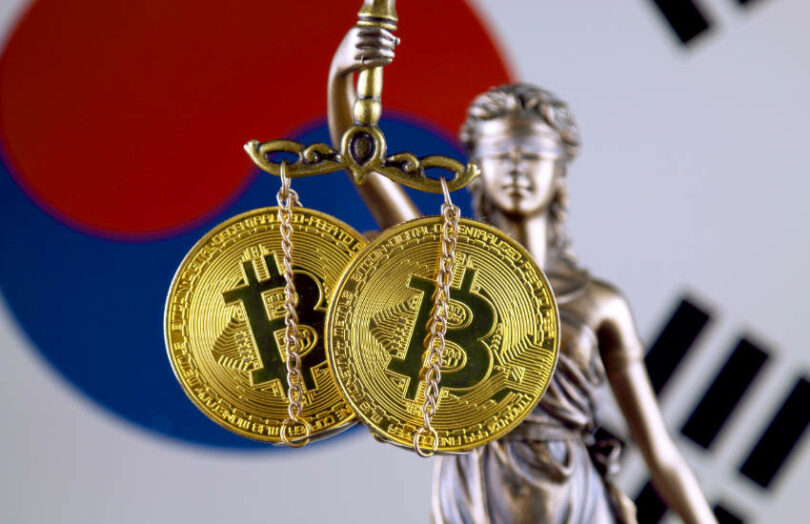
South Korea has witnessed the first notable instance of an institutional investor divesting cryptocurrency assets following the government’s decision to lift its long-standing ban on crypto trading by financial institutions. This marks a significant moment in the country’s evolving digital asset landscape, as regulatory shifts continue to reshape market dynamics and investor behaviour.

The institution in question, a major South Korean asset management firm, has reportedly sold off a substantial portion of its cryptocurrency portfolio. This move comes amid growing caution within the sector, despite regulatory relaxation intended to encourage wider institutional participation. Analysts suggest that the sale signals a pragmatic reassessment by financial entities, weighing regulatory clarity against market volatility and emerging geopolitical risks.

South Korea’s approach to cryptocurrency regulation has long been characterised by stringent restrictions designed to curb speculation and protect investors. The ban on crypto holdings by institutional investors, introduced several years ago, effectively excluded major banks, pension funds, and asset managers from direct crypto market involvement. This policy, aimed at stabilising the financial system, has limited the scale and scope of institutional crypto activity compared to other leading markets.

However, government authorities have recently signalled a more open stance, allowing institutions to hold and trade digital assets under stricter compliance and transparency frameworks. The removal of the ban reflects a broader effort to position South Korea as a competitive hub for blockchain technology and crypto innovation while addressing investor protection concerns. Regulatory bodies have emphasised enhanced due diligence, anti-money laundering measures, and consumer safeguards as prerequisites for institutional engagement.

Despite the regulatory easing, the initial institutional response appears cautious. The divestment by the asset management firm highlights lingering uncertainties, including the lack of comprehensive global regulatory harmonisation and fluctuating crypto valuations. Financial executives involved in the transaction point to increased scrutiny from compliance teams and internal risk committees, which have recommended a more conservative stance amid the unpredictability of crypto markets.

Market observers note that institutional investors have been closely monitoring international regulatory developments, including regulatory crackdowns in major economies such as the United States and the European Union. These external pressures, combined with domestic regulatory adaptations, create a complex environment where institutional players must balance opportunity with risk management.

South Korea’s crypto market itself continues to show robust retail participation, with local exchanges reporting increased trading volumes and new account openings. However, institutional activity remains limited, constrained by cautious regulatory interpretations and the need for clearer operational guidelines. Industry insiders indicate that infrastructure development, such as secure custody solutions and regulatory-approved trading platforms, will be critical to attracting sustained institutional capital.

The government’s gradual liberalisation has also been accompanied by initiatives to bolster blockchain technology development and related financial products. South Korean regulators are promoting pilot projects and innovation hubs, fostering partnerships between traditional finance firms and crypto startups. These efforts aim to build an ecosystem that supports not only trading but also tokenisation, decentralized finance applications, and digital asset custody.

Analysts highlight the importance of regulatory certainty for institutional confidence. The absence of clear rules has historically driven many South Korean financial institutions to adopt a wait-and-see approach, fearing potential legal repercussions and reputational damage. The recent institutional exit underscores the delicate balance regulators must maintain between fostering innovation and imposing adequate safeguards.

Investor sentiment is further influenced by macroeconomic factors, including global interest rate trends, currency fluctuations, and geopolitical tensions impacting asset flows. Cryptocurrency’s volatility relative to traditional assets remains a key consideration for institutional portfolio managers. Many firms are adopting phased approaches, initiating pilot crypto investments or forming dedicated teams to evaluate blockchain’s long-term potential before committing substantial capital.

The South Korean government’s broader digital finance strategy integrates cryptocurrency within its fintech agenda, aiming to create a sustainable and regulated market environment. However, achieving widespread institutional adoption will require ongoing dialogue with industry stakeholders, continuous regulatory refinement, and enhanced transparency mechanisms.

The current institutional crypto divestment could serve as a valuable indicator for regulators and market participants alike, revealing the challenges and reservations that remain despite policy shifts. Financial institutions appear to be navigating a transitional period, balancing innovation enthusiasm with prudent risk controls.


Strategy, the enterprise software firm turned cryptocurrency powerhouse, has announced plans to issue 2.5 million shares of its newly minted 10% Series A Perpetual Stride Preferred Stock , aiming to raise $250 million to expand its Bitcoin reserves. The offering, priced at $100 per share, underscores the company’s unwavering commitment to Bitcoin as a central asset in its corporate treasury.

The proceeds from this offering are earmarked for general corporate purposes, prominently including the acquisition of additional Bitcoin and bolstering working capital. This move aligns with Strategy’s aggressive investment approach under the leadership of Chairman Michael Saylor, who has been a vocal proponent of Bitcoin’s potential as a long-term store of value.

The STRD shares are designed to offer non-cumulative cash dividends at an annual rate of 10%, payable quarterly, contingent upon declaration by the company’s board. Notably, if dividends are not declared in a given period, they will not accumulate, and the company is not obligated to compensate for missed payments in the future. This structure provides Strategy with financial flexibility while offering investors a potentially attractive yield.

Strategy’s latest offering follows a series of similar financial maneuvers aimed at increasing its Bitcoin holdings. The company has previously issued other classes of preferred stock, including ‘Strife’ and ‘Strike’, as part of a broader strategy to leverage financial instruments for cryptocurrency acquisition. These initiatives have collectively contributed to Strategy amassing over 580,000 Bitcoins, valued at approximately $40.61 billion, solidifying its position as the largest corporate holder of Bitcoin.

The company’s stock performance has been closely tied to Bitcoin’s price movements, reflecting the market’s perception of Strategy as a proxy for Bitcoin investment. Over the past year, Strategy’s shares have experienced significant volatility, mirroring the fluctuations in the cryptocurrency market. Despite this, the company’s bold investment strategy has garnered attention from both institutional and retail investors seeking exposure to Bitcoin through traditional financial instruments.

While Strategy’s approach has been lauded by some for its innovation and alignment with emerging financial trends, it has also faced scrutiny and legal challenges. The company is currently contesting a class-action lawsuit alleging misleading statements regarding its Bitcoin investment strategy. Nevertheless, analysts from firms such as BTIG and TD Cowen have maintained positive outlooks on Strategy, citing the company’s strategic positioning and potential for long-term growth.

The introduction of the STRD shares represents Strategy’s continued efforts to integrate cryptocurrency into its corporate structure and financial operations. By offering a preferred stock with a substantial dividend yield, the company aims to attract investors interested in both fixed-income returns and exposure to the cryptocurrency market. This move further blurs the lines between traditional finance and digital assets, highlighting the evolving landscape of corporate investment strategies.

Advertisements

Added new locations in Japan, China, the UAE and Saudi Arabia, including the brand’s first resort La Clef Bangkok by The Crest Collection is set to open soon, bringing the brand’s number of operating properties in Southeast Asia to four Launches The Crest Chronicles, the inaugural brand programme celebrating the unique heritage stories that define each property and enrich guest experiences SINGAPORE – Media OutReach Newswire – […]

As top Gulf leaders vied to commit trillions of dollars in investment pledges during President Donald Trump’s Middle East tour, a significant shift emerged among financiers and business circles. Saudi Arabia’s appeal as the region’s primary investment hub is being overshadowed by the United Arab Emirates and Qatar, whose growing economic clout and more flexible policies are attracting greater international interest. Saudi Arabia’s challenges stem from structural […]

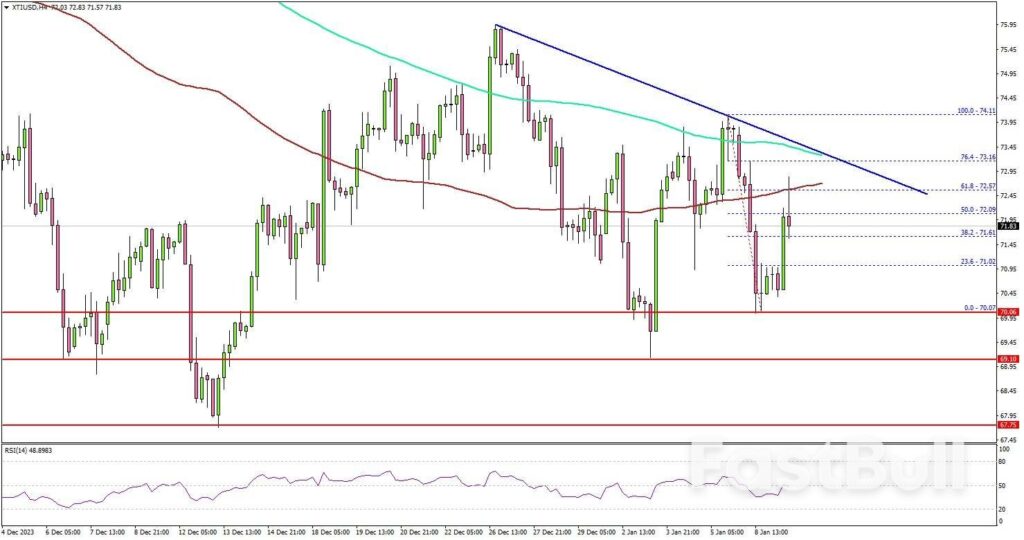
Oil prices strengthened sharply as OPEC+ agreed to a modest increase in production, falling short of some market expectations, while escalating geopolitical tensions in Ukraine and Iran added further upward pressure. West Texas Intermediate crude futures climbed 2.8%, settling near $63 per barrel, reflecting a cautious market balancing supply concerns against demand uncertainties.

The Organisation of the Petroleum Exporting Countries and its allies approved a production boost of 411,000 barrels per day for July, a figure that surprised some analysts who anticipated a larger output increase. This decision followed extensive negotiations marked by dissent from several members, including Russia, which has historically played a pivotal role in the alliance’s supply management. The group’s choice to limit production growth indicates a strategic effort to maintain price support amid a volatile global economic outlook.

Within the alliance, certain countries advocated for a pause in the output hike, citing lingering uncertainties in global demand recovery and concerns over market oversupply. This internal division has led financial institutions to offer contrasting forecasts on OPEC+ policy direction for the coming months. Some banks now expect additional gradual supply increases to ease pressure on energy markets, while others warn of a more restrained approach to sustain price levels.

Market participants are also closely monitoring the geopolitical landscape, which has become a significant factor influencing oil prices. The conflict in Ukraine continues to disrupt supply chains and has led to concerns over potential shortages in European energy markets. The war has prompted a reconfiguration of energy trade flows, with European countries seeking alternatives to Russian crude and refined products amid sanctions and supply restrictions.

Meanwhile, escalating tensions surrounding Iran’s nuclear programme and regional activities have heightened fears of disruptions in the Middle East, a region critical to global oil supply. The possibility of renewed sanctions or military confrontation has contributed to risk premiums embedded in crude prices. Iranian officials have issued statements warning against external interference, further adding to the geopolitical uncertainties that traders are factoring into their decisions.

The market’s response to these developments reflects a complex interplay between supply management by OPEC+ and external geopolitical risks. While the alliance’s measured increase in output signals a cautious optimism about demand recovery, the persistent threats to supply continuity underscore the fragility of the current energy market balance. This dynamic has led to increased volatility in oil prices as traders weigh the prospects of tighter supply against potential disruptions.

Analysts note that global oil inventories remain a critical indicator of market health. Recent data show stocks in key consuming regions have fluctuated, influenced by varying rates of economic activity and shifts in fuel consumption patterns. The International Energy Agency has highlighted that while demand has strengthened, it faces headwinds from inflationary pressures and a slower-than-expected economic rebound in several major economies.

Energy firms and investors are responding to the evolving scenario by adjusting their strategies. Some producers are exercising caution in ramping up output, mindful of price swings and regulatory challenges. Investment in exploration and production continues to be scrutinised in light of global energy transition policies and commitments to reduce carbon emissions, factors that could constrain long-term supply growth.

The global energy market is also observing shifts in trade flows as refiners and consumers adapt to changing supply sources. Countries in Asia and Europe are recalibrating their crude procurement strategies to mitigate risks and capitalise on price movements. This realignment is creating new patterns of demand that could influence OPEC+ decisions and broader market trends going forward.

Despite these complexities, market analysts caution that the oil market remains sensitive to any significant geopolitical escalation or unexpected shifts in production policies. The interplay between supply discipline by producing nations and geopolitical developments will continue to be key drivers of price direction. The potential for further volatility remains high as global economic conditions evolve and political uncertainties persist.

Financial institutions remain divided on how aggressively OPEC+ will pursue production hikes in the coming months. Some expect a gradual easing of supply constraints if demand shows sustained improvement, while others predict continued restraint to maintain price support amid ongoing global uncertainties.

Dubai has solidified its position as the premier global destination for greenfield foreign direct investment in the cultural and creative industries , securing the top spot in the Financial Times’ fDi Markets ranking for the third consecutive year.

In 2024, the emirate attracted 971 CCI projects, marking an 8% increase from the previous year. These ventures brought in AED 18.86 billion in capital inflows, a surge of nearly 60% compared to 2023, and generated 23,517 new jobs, reflecting a 9% year-on-year rise.

The report evaluated 233 cities under the ‘Creative Industries Cluster’ classification, with Dubai outperforming major global hubs such as London and Singapore.

Key growth areas within Dubai’s CCI sector included advertising and public relations, film and media production, gaming, education, and advanced software design. According to the Dubai FDI Monitor, greenfield, wholly-owned ventures constituted 76.5% of all projects, while new forms of investment accounted for 15.4%, reinvestment 5.6%, and mergers and acquisitions 2.4%.

Flexible government policies have played a significant role in boosting FDI flows into the CCI sector, enhancing Dubai’s appeal to investors, entrepreneurs, and innovators.

Her Highness Sheikha Latifa bint Mohammed bin Rashid Al Maktoum, Chairperson of the Dubai Culture and Arts Authority, stated, “Through strategic planning and pioneering initiatives, Dubai has cultivated an environment that empowers creatives, investors, and entrepreneurs to realise their ideas and turn them into impactful, sustainable projects that enrich the emirate’s cultural fabric.”

The United States led in terms of FDI capital inflows into Dubai’s CCI sector in 2024, contributing 23.2%, followed by India , the United Kingdom , Switzerland , and Saudi Arabia . In terms of the number of FDI projects, India topped the list with 18.8%, followed by the United Kingdom , the United States , Germany , and Italy .

Aldar Properties has unveiled a Dhs40 billion mixed-use development on Fahid Island, a 3.4 million square metre natural island situated between Yas and Saadiyat Islands in Abu Dhabi. The project aims to transform the island into a premier coastal wellness destination, featuring over 4,000 residential units, retail outlets, hospitality venues, and community facilities.

The first phase, Fahid Beach Residences, will comprise seven beachfront buildings, each housing 65 residences, offering a blend of apartments, townhouses, and ultra-luxury beach and mangrove villas. The development capitalises on the island’s 11 km of waterfront, including 4.6 km of pristine beaches and iconic mangroves, providing residents with prime sea views and direct beach access.

Aldar acquired the island for AED 2.5 billion, with the acquisition consideration to be paid over five years. The gross development value of the project stands at AED 26 billion. The development will include a school, retail and hospitality offerings, and a wide array of community facilities, aiming to create a vibrant and integrated community.

The project emphasises sustainability, with eco-friendly construction practices and measures to protect local wildlife and preserve natural resources. The lush mangroves surrounding the island are to be preserved, enhancing the area’s natural ecosystem.

Aldar’s CEO, Talal Al Dhiyebi, stated that the acquisition solidifies the company’s presence on the Yas-Saadiyat corridor and strengthens its ability to deliver sustainable value to Abu Dhabi and its communities. Jonathan Emery, CEO at Aldar Development, noted that Al Fahid Island presents a robust pipeline of development activity, catering to the strong appetite for ultra-luxury products in Abu Dhabi’s premier locations.

Japan has elevated its foreign direct investment target to ¥120 trillion by 2030, a 20% increase from its previous goal, as part of a broader strategy to invigorate its economy and attract overseas capital. The government also aims to further boost this figure to ¥150 trillion by the mid-2030s, nearly tripling the current FDI level of approximately ¥50 trillion.

This strategic shift underscores Japan’s commitment to revitalising its economy by drawing foreign firms into key growth sectors such as decarbonisation. The revised targets are expected to be formally included in the government’s upcoming fiscal and economic policy guidelines set for release in June.

The initiative is not solely focused on national economic growth but also aims to stimulate regional economies and create employment opportunities beyond major urban centres. To support this, the government is considering new grants and enhanced public-private collaboration frameworks to facilitate the establishment of foreign facilities in local areas.

Japan’s Ministry of Foreign Affairs has been actively promoting FDI by establishing contact points in major embassies and consulates-general worldwide. These efforts are aimed at attracting people, goods, capital, and ideas from overseas to strengthen the growth potential of the Japanese economy and foster innovation.

The government’s strategy includes identifying challenges for foreign companies in making follow-up investments in Japan and promoting activities abroad to attract FDIs through the FDI Task Forces established in various diplomatic missions. Additionally, investment seminars are being held to disseminate information about Japan’s business environment and its attractiveness as an investment destination.

Bitcoin reserves on centralized exchanges have declined to approximately 2.5 million BTC, marking the lowest level since 2018, according to data from CryptoQuant. This significant reduction indicates a growing trend of long-term holding, as investors increasingly transfer their assets to cold storage solutions.

Over the past month, more than 51,000 BTC have been withdrawn from major exchanges, reflecting a shift towards self-custody among both retail and institutional investors. This movement suggests a strategic approach to asset management, with a focus on long-term value preservation.

Institutional interest has surged, particularly with the advent of spot Bitcoin exchange-traded funds . These ETFs have been accumulating Bitcoin at a rate significantly outpacing new mining output, contributing to the depletion of exchange reserves. Analysts note that this trend could lead to a supply shock, potentially driving prices higher if demand continues to rise.

The United States has further influenced the market by establishing a Strategic Bitcoin Reserve, capitalized with over 200,000 BTC seized by federal agencies. This move underscores the growing recognition of Bitcoin’s role in national financial strategies.

The U.S. Securities and Exchange Commission has clarified that meme coins, including the TRUMP token, generally fall outside its regulatory jurisdiction, leaving investors without traditional protections. This stance comes as the TRUMP token, launched on January 17, 2025, experienced a dramatic 80% decline from its peak of $72.60, resulting in approximately $2 billion in investor losses, according to Chainalysis.

SEC Commissioner Hester Peirce, leading the agency’s crypto task force, emphasized that many meme coins do not meet the criteria of securities under existing laws. She stated that these tokens are often more akin to collectibles, lacking the characteristics that would subject them to SEC oversight. The SEC’s Division of Corporate Finance reinforced this view in a staff statement, noting that meme coins typically do not satisfy the Howey Test, which determines what qualifies as a security.

Despite the SEC’s position, the TRUMP token’s rapid rise and fall have raised concerns. Launched by President Donald Trump, the token’s market capitalization soared to $14.5 billion before plummeting to $3 billion. While investors faced significant losses, the Trump Organization and its partners reportedly earned around $100 million in trading fees.

The SEC’s approach marks a shift from previous enforcement strategies. Under former Chair Gary Gensler, the agency pursued aggressive actions against crypto entities. However, the current administration, with Peirce at the helm of crypto regulation, is moving towards establishing clear policies rather than relying on enforcement. This change aims to provide a more innovation-friendly environment for digital assets.

Critics argue that the lack of regulatory oversight for meme coins leaves investors vulnerable to market manipulation and fraud. They point to the TRUMP token’s volatility and the significant profits earned by its promoters as evidence of potential exploitation. Ethics experts have also raised concerns about conflicts of interest, given President Trump’s dual role as a political leader and a crypto entrepreneur.

In response to these developments, some lawmakers are calling for greater transparency and regulation. Representative Jamie Raskin has launched an investigation into a private dinner hosted by President Trump for top investors in the TRUMP token, citing potential ethical and legal issues. The event allowed investors who purchased large amounts of the token to attend, with many top holders’ identities remaining anonymous.

While the SEC maintains that it is not a “merit regulator” and does not endorse or evaluate the quality of investments, the agency’s stance on meme coins underscores the importance of investor due diligence. As the crypto market continues to evolve, the balance between fostering innovation and protecting investors remains a contentious issue.

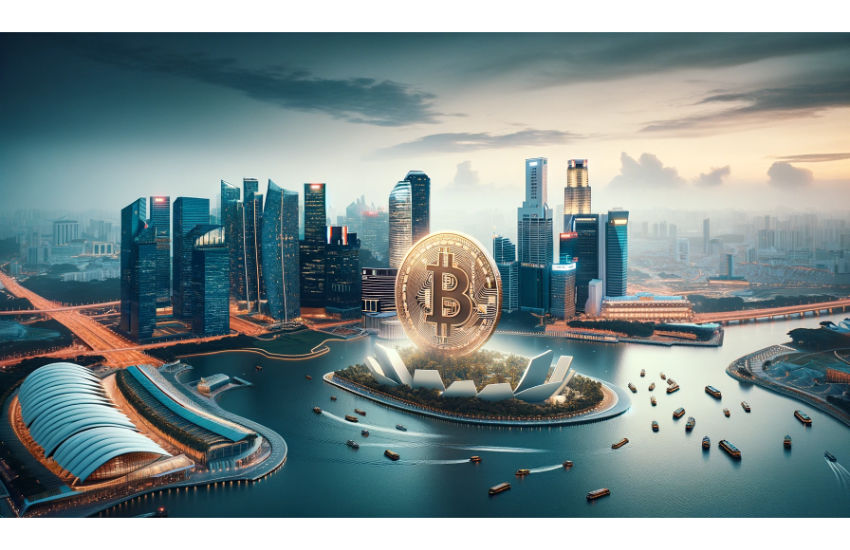
The Monetary Authority of Singapore has mandated that all locally based digital token service providers without a valid license must cease offering services to overseas clients by 30 June 2025. This directive, issued without a transitional grace period, underscores Singapore’s commitment to aligning with global anti-money laundering and counter-terrorism financing standards.

Under the Financial Services and Markets Act , entities operating from Singapore and providing digital token services abroad are required to obtain a DTSP license. This regulation applies to both individuals and corporations, regardless of whether they are already licensed under the Payment Services Act or the Securities and Futures Act . The MAS has clarified that exemptions are limited, primarily for technical service providers that do not handle client funds or digital tokens.

The licensing process is stringent, with the MAS indicating approvals will be granted only in exceptional cases. Applicants must demonstrate a sound business model and provide valid reasons for operating from Singapore while serving overseas markets. Minimum requirements include a base capital of SGD 250,000 for companies and partnerships, or a cash deposit of the same amount for individuals. Additionally, firms must have at least one local resident director or partner and maintain a physical office in Singapore with staff present for a minimum of 10 days per month.

Licensed DTSPs are subject to ongoing regulatory obligations, including comprehensive AML/CFT measures such as customer due diligence, transaction monitoring, and compliance with value transfer requirements. They must also adhere to standards for technology risk management, cyber hygiene, and business continuity planning. Regular submission of regulatory returns and clear disclosure of risk warnings to customers are mandatory.

The MAS has emphasized that there will be no transitional arrangements for firms currently operating without a license. Entities must halt all overseas digital token services immediately unless they secure the necessary authorization. Failure to comply will result in regulatory penalties.

This move by the MAS reflects a broader effort to prevent regulatory arbitrage and ensure that digital asset service providers operating from Singapore adhere to international standards. By enforcing strict licensing requirements and eliminating transitional leniency, Singapore aims to bolster its reputation as a secure and compliant hub for digital financial services.

South Korea’s cryptocurrency industry appears poised for continued expansion despite uncertainties surrounding the upcoming presidential election. Analysts and market insiders suggest that while the election outcome may influence regulatory approaches, the overall trajectory for crypto adoption and innovation in the country remains largely positive. The nation, known for its advanced digital infrastructure and high rate of technology adoption, continues to be a key global hub for cryptocurrency trading and blockchain development.

Voters are set to choose their next president amid growing public interest in digital assets, a sector that has become deeply embedded in South Korea’s financial landscape. The outgoing administration has maintained a cautious but constructive stance on crypto, emphasising investor protection and regulation to curb speculative risks. However, there is widespread anticipation that the new leadership, regardless of political affiliation, will aim to strike a balance between fostering innovation and ensuring financial stability.

The South Korean crypto market ranks among the world’s largest, with retail investors accounting for a significant share of trading volumes. According to market data, the country’s exchanges handle billions of dollars in daily transactions, reflecting robust participation despite bouts of global market volatility. Industry experts highlight that the presence of a tech-savvy population and extensive mobile connectivity continues to drive demand for cryptocurrencies and related services such as decentralized finance and non-fungible tokens .

Recent policy discussions have centred on enhancing regulatory clarity without stifling growth. Authorities have been moving toward implementing stricter anti-money laundering measures and introducing licensing regimes for crypto exchanges. These steps are designed to increase transparency and build trust among investors, especially after high-profile hacks and fraud cases shook confidence in past years. Nonetheless, crypto entrepreneurs argue that overly rigid rules could hinder South Korea’s competitive edge in the fast-evolving digital economy.

The election campaign itself has seen varying perspectives on how best to approach the burgeoning crypto sector. Some candidates advocate for a more innovation-friendly environment, proposing incentives for blockchain startups and easing certain regulatory burdens. Others emphasise the need for rigorous oversight, citing concerns about market manipulation and consumer protection. This diversity of viewpoints underscores the complexity of integrating crypto assets into mainstream financial systems while safeguarding public interests.

South Korea’s financial regulators are also coordinating with international bodies to align standards and promote cross-border cooperation. This global approach aims to mitigate risks associated with illicit finance and to support legitimate crypto ventures. Moreover, collaboration with major markets like the United States and European Union seeks to harmonise regulatory frameworks, which could facilitate smoother operations for South Korean crypto firms on the world stage.

Despite occasional regulatory headwinds, venture capital funding in South Korea’s blockchain and crypto technology startups has surged. Investments are being channelled into innovative projects that range from smart contract platforms to digital identity solutions and tokenisation of real-world assets. This capital influx is driving research and development, helping local firms compete with international giants in areas such as security, scalability, and user experience.

Market participants also point to South Korea’s well-established IT infrastructure and educational emphasis on STEM disciplines as critical factors supporting the crypto ecosystem’s growth. The country’s universities and research institutions are actively engaging in blockchain research, producing talent that feeds into both the private sector and regulatory agencies. This synergy between academia, government, and industry forms a backbone for sustainable technological advancement.

Consumer attitudes toward cryptocurrencies have evolved significantly, with increasing acceptance among younger demographics. Surveys indicate that digital assets are now viewed not only as speculative tools but also as legitimate instruments for payments, savings, and investment diversification. This cultural shift has encouraged mainstream financial institutions to explore crypto-related products, including custody services, exchange-traded funds , and blockchain-based payment networks.

However, risks remain inherent in the sector, with price volatility, regulatory uncertainty, and cybersecurity threats continuing to challenge market stability. Industry leaders have called for ongoing dialogue with policymakers to ensure that emerging regulations are well-informed and adaptable. Transparency and investor education are emphasised as vital to fostering a resilient market capable of weathering shocks and sustaining public confidence.

The intersection of cryptocurrency and South Korea’s broader economic policy objectives is also under scrutiny. The government aims to position the country as a global innovation hub, leveraging digital technologies to boost productivity and competitiveness. Cryptocurrency and blockchain are seen as integral components of this strategy, with potential to revolutionise areas such as supply chain management, finance, healthcare, and public administration.

Global geopolitical tensions and financial market fluctuations have added layers of complexity to South Korea’s crypto landscape. Supply chain disruptions and inflation concerns worldwide have driven some investors toward digital assets as alternative stores of value. Yet, the international nature of cryptocurrencies requires regulatory frameworks that can keep pace with rapid technological changes and evolving market dynamics.

Emirates has confirmed plans to operate its fleet of Airbus A380 double-decker aircraft until the close of the 2030s, signalling a strategic decision to extend the service life of the very planes that propelled the airline to global prominence. The Dubai-based carrier intends to introduce one final upgrade to the A380’s first-class cabins as part of its commitment to maintaining the aircraft’s appeal and competitive edge on […]

Emaar Development has secured a significant land acquisition in Ras Al Khor, marking a strategic expansion amid Dubai’s robust property market. The construction subsidiary of Emaar Properties, the emirate’s largest publicly listed real estate firm, completed the purchase of the plot from Amlak Property Investment for 2.9 billion dirhams , alongside associated transaction costs. This move enhances Emaar Development’s land portfolio, positioning the company to capitalise on […]

Dubai Residential REIT’s debut on the Dubai Financial Market marked a significant milestone, closing nearly 14% higher at AED 1.25 per unit from its offer price of AED 1.10. The $584 million offering, backed by Dubai Holding, attracted overwhelming demand, with the IPO oversubscribed 26 times, reflecting strong investor confidence in Dubai’s residential real estate sector. The REIT, focusing exclusively on residential leasing, launched with a market […]

Saudi Aramco has successfully raised $5 billion through a three-part dollar-denominated bond issuance, marking its return to the international debt market. The offering comprises five-year, ten-year, and thirty-year tranches, with the longest maturity attracting nearly half of the total proceeds.

The 30-year tranche, amounting to approximately $2.5 billion, was priced at a spread of 185 basis points over U.S. Treasuries, reflecting strong investor demand despite prevailing market uncertainties. The five-year and ten-year tranches were priced at spreads of 80 and 130 basis points over Treasuries, respectively. These tighter spreads indicate robust confidence in Aramco’s creditworthiness and the broader appeal of long-dated corporate debt.

Aramco’s bond sale comes amid a backdrop of heightened volatility in the U.S. Treasury market, with 30-year yields fluctuating due to concerns over fiscal policy and rising national debt. Despite these challenges, investors have shown a keen interest in long-term corporate bonds, as evidenced by similar issuances from Alphabet, Siemens, and Snam, which have also been well-received.

The success of Aramco’s bond offering underscores a broader trend where investors are seeking higher yields through long-duration corporate debt, even as government bond yields remain volatile. This shift is partly driven by the search for stable returns in a low-interest-rate environment and concerns over inflation and fiscal sustainability.

Aramco’s move aligns with its strategic objectives under Saudi Arabia’s Vision 2030 plan, aiming to diversify the kingdom’s economy beyond oil. The funds raised are expected to support Aramco’s international expansion and investment in non-oil sectors, reinforcing its commitment to long-term growth and diversification.

The bond issuance also reflects Aramco’s proactive approach to capital management, leveraging favourable market conditions to secure funding at competitive rates. By tapping into the global debt market, Aramco demonstrates its financial resilience and adaptability in navigating complex economic landscapes.

KUALA LUMPUR, MALAYSIA – Media OutReach Newswire – 2 June 2025 – June 2025 is shaping up to be one of the most eventful months of the year for global markets. For traders, this means opportunity—but also volatility. The economic calendar is packed with macroeconomic data releases and central bank meetings, while geopolitical risks remain close to the surface. Beyond the usual inflation prints and interest rate […]

Passenger traffic across the Middle East is projected to reach 530 million by 2043, doubling from current levels, according to forecasts presented at the International Air Transport Association Annual General Meeting held in Dubai. This growth represents an average annual increase of 3.9% over the two-decade period from 2023 to 2043, slightly outpacing the global average of 3.8%.

Kamil Al Awadhi, IATA’s Regional Vice President for Africa and the Middle East, highlighted the region’s strategic geographic position and robust infrastructure investments as key drivers of this anticipated growth. He noted that Middle Eastern carriers have fully recovered from the pandemic-induced downturn, with cargo performance also showing a 6.4% increase as of April 2024.

The surge in passenger numbers is underpinned by significant investments in airport infrastructure across the region. Dubai has initiated the expansion of Al Maktoum International Airport, with plans to accommodate up to 260 million passengers annually upon completion, positioning it as the world’s largest airport. In Abu Dhabi, a new terminal commenced operations in November, enhancing the capital’s capacity to handle increased traffic. Qatar continues to expand Hamad International Airport in Doha, while Saudi Arabia has launched Riyadh Air and announced the development of a new terminal in Riyadh with a capacity for 120 million passengers annually.

These developments are complemented by the region’s efforts to diversify economies and reduce reliance on oil revenues. Saudi Arabia’s Vision 2030 initiative, for instance, emphasizes tourism and infrastructure development, with the Red Sea International Airport beginning operations in September 2023 to serve the burgeoning tourism sector.

The Middle East’s role as a global aviation hub is further reinforced by its proximity to emerging markets in South Asia and Africa. This strategic location allows airlines to offer efficient connectivity between East and West, capitalizing on the growing demand for air travel in these regions.

Industry analysts suggest that the anticipated growth will necessitate a corresponding increase in fleet size and workforce. Airlines are expected to place substantial orders for new aircraft to meet demand, while also investing in training programs to ensure a skilled workforce capable of supporting expanded operations.

Environmental considerations remain a focal point, with IATA members committed to achieving carbon-neutral growth from 2020 and a 50% reduction in net aviation carbon emissions by 2050 relative to 2005 levels. Airlines in the region are exploring sustainable aviation fuels and more efficient aircraft to align with these goals.

By K Raveendran Brent crude oil futures continue to hover around the $65 per barrel mark, a level that reflects the push and pull of market forces clouded by a cocktail of geopolitical tensions, environmental disruptions, and strategic production decisions. As prices hold steady, the broader sentiment among traders and analysts leans toward caution, with […]

VISHNU RAJA
RYO YAMADA
HITORI GOTOH
IKUYO KITA