Just in:
UK air traffic outage inflicted £33m financial losses // Miss Universe Hong Kong Jen Zhou Departs for Puerto Rico to Compete in the 75th Miss Universe World Final // Ta’ziz finalises $1.39bn funding for Ruwais industrial facilities // Trump’s Iran War Has A Share Of Contribution To His Midterm Debacle // The “1st Greater Bay Area Health and Longevity Summit & Awards Ceremony” concludes successfully in Macao // Ousted top Kochi cop gets IG post // Oil advances towards $100 as tanker attacks persist // Asia Left Behind: Ten international companies have yet to report delivering on their cage-free egg pledges across the region // TVM –Mangaluru Vande Bharat claims top spot // Geely’s i-HEV Intelligent Hybrid Technology Offers a New Direction for Gasoline-Powered Vehicles // Cloudflare unveils Zero Wire vulnerability intelligence service // e-Crime Bureau Signs Cybersecurity Partnership With Smart Africa, Reinforcing Its Global Expansion // Fast Just Got Fastest: STING Energy Boost™ Celebrates Kimi Antonelli’s Formula 1® World Championship and the Fan Energy Behind It // OpenAI identifies 948 Linux privilege escalation flaws using AI // Emirates Group records AED 4.1 billion half-year profit // Oil and chip shares retreat after Democratic victories // Geely’s i-HEV Intelligent Hybrid Technology Offers a New Direction Vision for Gasoline-Powered Vehicles // Millions Of Indians May Soon Be Deprived Of Government Assistance // Dubai details five-year visa benefits for returning visitors // Meraas showcases five residential zones at Dubai Design Week //

News related to
Mid Term

HANOI, VIETNAM – Media OutReach Newswire – 11 August 2025 – F88 Investment Joint Stock Company (F88) on August 8 officially listed over 8.26 million shares for trading on the UPCoM platform. Over 8.26 million shares of F88 was officiallt listed on the UPCoM platform. Photo courtesy of F88 With a reference price of VNĐ634,900 (US$24) per share on its first trading day, F88 now holds the […]

Gold’s steadfast position as a safe haven for investors in the UAE has withstood the test of rising prices, continuing to attract attention amid a global economic landscape marked by inflationary pressures and market volatility. Despite record-high valuations, the precious metal remains a symbol of financial security for those seeking stability in uncertain times. The price of gold has been climbing steadily, driven by a combination of […]

Santos has agreed to extend the exclusive due diligence period for its proposed $18.7 billion acquisition by an international consortium led by Abu Dhabi’s National Oil Company. The extension, which will last until August 22, follows ADNOC’s initial offer made in June to purchase Australia’s second-largest gas producer. The consortium’s offer, priced at $5.76 per Santos share, includes ADNOC’s investment arm XRG, Abu Dhabi Development Holding Company, and the private equity firm Carlyle.

The agreement marks a significant step in ADNOC’s strategy to expand its global portfolio, particularly in the energy-rich Australian market. ADNOC, which has shown increasing interest in diversifying its energy assets, is now in the midst of an exclusive window to scrutinise the deal further. This process allows the consortium to continue its due diligence without competing offers interfering, a critical phase before a final agreement can be reached.

The initial bid, which valued Santos at approximately $18.7 billion, garnered attention for its scale and ambition. The offer of $5.76 per share represents a premium over Santos’ market value at the time the proposal was made. As the deal progresses, market observers are watching closely for any developments that might influence the final terms.

Santos, headquartered in Adelaide, is a key player in the Australian energy sector, with substantial stakes in natural gas fields and LNG projects. The company’s assets are seen as valuable in the context of rising global energy demands, particularly in Asia-Pacific markets. Santos has been working to strengthen its position in the energy sector, with a focus on cleaner energy options while maintaining its role as a major fossil fuel supplier.

The involvement of ADNOC in this deal is particularly noteworthy. ADNOC, already a dominant player in the global oil and gas industry, has been exploring opportunities outside of the Middle East as part of its broader strategy to secure energy assets worldwide. The consortium’s bid for Santos highlights ADNOC’s intentions to further diversify its portfolio, especially in the burgeoning Asia-Pacific energy market.

ADQ, Abu Dhabi’s sovereign wealth fund, has also been actively investing in international markets. Known for its strategic acquisitions, ADQ’s partnership with ADNOC on this deal strengthens its position in global energy investments. Carlyle, a prominent private equity firm, adds another layer of financial muscle to the consortium, indicating the serious intent behind the bid.

The extended due diligence period provides all parties involved the time needed to ensure that the terms of the acquisition are fully evaluated. This includes a detailed analysis of Santos’ financial health, operations, and future prospects. The due diligence process is critical to determining whether the proposed offer is fair and in line with the long-term strategic goals of ADNOC and its partners.

Although the extension has been granted, market analysts remain cautious. They are closely monitoring how global energy market fluctuations might impact the deal’s progression. The energy sector, while lucrative, remains volatile, influenced by factors such as shifting geopolitical landscapes, regulatory changes, and the ongoing transition towards renewable energy sources.

In addition to financial considerations, the deal’s strategic value for ADNOC and its partners cannot be understated. For ADNOC, securing a larger foothold in Australia’s gas sector could provide both immediate returns and long-term stability, particularly in the face of fluctuating oil prices. Furthermore, as global energy companies look to meet the growing demand for liquefied natural gas, the acquisition of Santos could bolster ADNOC’s LNG production capabilities.

Santos’ shareholders will also be closely watching the developments, with many likely to evaluate the offer in light of the company’s future growth potential. Santos has been positioning itself to leverage Australia’s growing demand for LNG, particularly from China and Japan, two of the world’s largest LNG importers. However, concerns over the impact of external factors on the gas market could complicate the evaluation of such an offer.

Oil prices ended the week with significant losses, influenced by the latest round of US tariffs and the mounting anticipation surrounding US-Russia discussions on a ceasefire for the ongoing Ukraine conflict. Both major oil benchmarks, Brent and West Texas Intermediate, saw considerable weekly declines, with Brent recording a 4.4 per cent drop and WTI losing over 5 per cent. On Friday, Brent crude, which represents the global […]

Chainlink has launched a $1 million LINK Reserve to bolster the security and growth of its ecosystem. This strategic initiative is aimed at ensuring the long-term sustainability of its decentralized oracle network, which plays a critical role in connecting smart contracts with real-world data. The announcement comes at a time when demand for decentralized finance services and smart contract capabilities is accelerating, highlighting Chainlink’s pivotal role in the blockchain space.

The LINK Reserve is designed to support the ecosystem by providing liquidity for future network upgrades and facilitating new developments. The fund will primarily be used to strengthen Chainlink’s oracle infrastructure, ensuring that the network can handle increasing data demands from decentralized applications and other blockchain-based services. As blockchain technologies continue to gain adoption, the need for reliable, secure, and scalable oracle solutions has never been more critical.

Chainlink’s decision to allocate a portion of its treasury to this reserve reflects the platform’s commitment to fostering a secure and resilient network. By using its own LINK tokens, Chainlink aims to maintain a self-sustaining ecosystem, capable of weathering market fluctuations and supporting network enhancements. The reserve is part of a broader strategy to enhance the protocol’s utility and security, ensuring that it remains competitive in an increasingly crowded space.

This move comes amidst growing concerns over the potential risks associated with decentralized oracles, particularly regarding the reliability of data and potential vulnerabilities in the system. As decentralized applications rely heavily on accurate and tamper-proof information from external data sources, ensuring the integrity of this data is paramount. The LINK Reserve, therefore, serves as both a safeguard for Chainlink’s infrastructure and a proactive measure to strengthen the platform’s resilience against potential security breaches or disruptions.

Chainlink’s oracle network is a fundamental component of the blockchain ecosystem, enabling smart contracts to access real-world data, APIs, and payment systems. These capabilities are crucial for the functioning of DeFi protocols, insurance applications, supply chain management, and many other industries looking to integrate blockchain with traditional data sources. As these sectors continue to grow, Chainlink is positioning itself as a key player in facilitating this transition, particularly with initiatives like the LINK Reserve that help maintain the integrity of its services.

The LINK token, which powers the Chainlink network, is a key asset in securing and operating the platform. By creating the LINK Reserve, Chainlink aims to create additional incentives for its token holders while reinforcing the broader security of the network. This reserve also offers potential liquidity for developers and entities that depend on Chainlink’s services, further integrating the LINK token into the fabric of the blockchain ecosystem.

One of the primary objectives of the LINK Reserve is to ensure the continued growth of the network. As more companies and developers seek to leverage Chainlink’s oracle solutions, the need for scalable infrastructure and liquidity becomes ever more pressing. By securing the reserve, Chainlink can ensure that its ecosystem remains adaptable, responsive to new challenges, and ready to accommodate the growing demands of the blockchain industry.

Chainlink’s initiative also aligns with the broader trend of increasing institutional interest in blockchain technologies. As large corporations and financial institutions look to integrate decentralized technologies into their operations, the security and reliability of the infrastructure they rely on become crucial factors in their adoption decisions. Chainlink’s proactive approach with the LINK Reserve aims to meet these demands and position itself as the go-to oracle solution for enterprise-grade applications.

Tensions over the future of Gaza escalated this week as China strongly condemned Israel’s proposals to expand control over the region. The Chinese government has called on Israel to abandon its plans, asserting that Gaza is an integral part of Palestinian territory. This intervention comes amid increasing international scrutiny over the situation in Gaza, with many nations expressing concern about the potential implications of further Israeli expansion. […]

UAE and Russia have elevated their economic collaboration with the signing of a new Trade in Services and Investment Agreement, a move set to bolster bilateral ties. This agreement was formalised during the visit of UAE President Sheikh Mohamed bin Zayed Al Nahyan to Moscow, underscoring the growing importance of the economic relationship between the two nations. UAE Minister of Foreign Trade, Thani bin Ahmed Al Zeyoudi, […]

Advertisements

The UAE is on track to finalise key trade and investment agreements with the Eurasian Economic Union by the end of this year, according to Sultan Ahmed Al Zeyoudi, Minister of State for Foreign Trade. These deals are expected to significantly bolster economic relations and facilitate the UAE’s efforts to diversify its economy beyond oil.

Al Zeyoudi’s announcement reflects the UAE’s growing ambition to expand its trade network, particularly with nations in the Eurasian region. The EAEU, which includes Russia, Armenia, Belarus, Kazakhstan, and Kyrgyzstan, represents a significant economic bloc that the UAE sees as a vital partner in its long-term economic strategy.

The agreements focus on enhancing investment flows and providing broader access to regional markets. Both parties are keen to foster deeper collaboration in sectors such as energy, technology, agriculture, and logistics. With its strategic location as a global trade hub, the UAE is positioning itself as a bridge for Eurasian nations to access markets across the Middle East, Africa, and South Asia.

The economic benefits for the UAE are substantial, aligning with the country’s efforts to diversify its economy away from oil dependency. The UAE government has long pursued a strategy of enhancing non-oil sectors, such as tourism, renewable energy, and advanced technology. According to Al Zeyoudi, these agreements are an integral part of that vision, as they promise to unlock new avenues for investment and business partnerships.

For the member countries of the EAEU, the deals offer access to the UAE’s advanced infrastructure, highly developed financial systems, and a favourable business environment. The UAE’s well-established role in global logistics and trade is a valuable asset for EAEU nations, many of which have been seeking new markets and economic partners in recent years.

Trade relations between the UAE and EAEU countries have been growing steadily over the past few years. The UAE is already one of the largest trading partners for Russia and Kazakhstan in the Middle East. However, the planned agreements will formalise and expand this economic cooperation, creating a more structured and comprehensive framework for bilateral trade.

Experts suggest that the agreements will have a significant impact on both sides. The UAE stands to benefit from an influx of investment, particularly in sectors like technology and agriculture, where EAEU nations have strengths. Meanwhile, the EAEU countries are likely to gain access to the UAE’s advanced financial markets and industries, accelerating their own economic development.

Al Zeyoudi highlighted that these agreements are not just about trade but also about long-term strategic cooperation. The UAE, with its robust diplomatic and economic capabilities, is offering more than just commercial partnerships; it is providing a platform for wider regional collaboration. This aligns with the UAE’s broader foreign policy goals of strengthening relations with emerging economies and expanding its global influence.

The discussions on these trade deals have intensified in the wake of growing geopolitical shifts, particularly in the context of the global economic reordering. The UAE’s proactive stance in seeking new trade alliances is also a response to the changing dynamics in global trade and investment. By deepening ties with the EAEU, the UAE aims to position itself at the forefront of economic integration across multiple regions.

The agreements are also likely to play a crucial role in enhancing the UAE’s role in the global economy. As countries in the Middle East and Central Asia seek to strengthen their economic positions amid a rapidly changing global landscape, the UAE’s ability to provide a gateway for trade and investment becomes increasingly important.

Al Zeyoudi has been vocal about the need for greater economic diversification and international collaboration. This year, the UAE government has continued to focus on expanding its trade relations beyond traditional partners, with Asia, Africa, and Europe emerging as key regions of focus. The finalisation of the Eurasian agreements will mark another milestone in the UAE’s evolving foreign trade strategy.


Emirates Leisure Retail, the hospitality arm of the Emirates Group, has confirmed a strategic partnership with Saddle Group to bring the first Saddle Café to Dubai International Airport. Set to open in the Arrivals area of Terminal 3 before year-end, this expansion marks a significant milestone for both companies. Saddle Café, a well-established homegrown brand, has garnered attention for its blend of contemporary coffee culture with a […]

Tesla has officially halted operations of its Dojo supercomputer, a key element in CEO Elon Musk’s vision for advancing full self-driving technology. Originally introduced as a crucial piece of the puzzle for the automaker’s autonomous driving ambitions, Dojo was expected to significantly enhance Tesla’s machine-learning capabilities. The decision to shut down the AI training system comes at a time when Tesla is facing increased competition in the […]

Corporate treasuries and investment funds have made significant moves into Bitcoin this year, with a staggering 371,111 BTC purchased since January. This figure, more than three times the amount mined during the same period, signals the growing influence of institutional investors in the cryptocurrency market. These acquisitions come amid an evolving strategy pioneered by Michael Saylor, the founder of MicroStrategy, whose company continues to lead the pack in BTC purchases.

Saylor, an early advocate of Bitcoin, has been vocal about the digital asset’s potential as a hedge against inflation and a store of value, especially in an era of increasing economic uncertainty. MicroStrategy’s strategy of accumulating Bitcoin on its balance sheet has served as a model for other corporate investors looking to diversify their cash reserves. The company currently holds over 150,000 BTC, solidifying its position as the largest publicly traded corporate holder of Bitcoin.

This trend is not limited to MicroStrategy alone. A growing number of public companies have followed suit, with many purchasing Bitcoin as part of their long-term investment strategies. Among the most prominent in this movement are Tesla, which made a significant BTC purchase in early 2021, and Block, the payments company founded by Jack Dorsey. Both have maintained substantial Bitcoin holdings, and their actions continue to inspire others in the corporate sector to consider the digital asset as a viable alternative to traditional assets like cash or bonds.

The accumulation of Bitcoin by public companies and investment funds is also evidenced in the growth of Bitcoin-backed exchange-traded funds. Major ETFs have amassed nearly $151 billion worth of BTC, accounting for a significant 6.47% of the total circulating supply. This figure reflects the increasing mainstream acceptance of Bitcoin and the growing appetite for institutional investors to gain exposure to the cryptocurrency market without the direct complexities of buying and storing the digital asset.

The Bitcoin ETF market has rapidly matured, with various products offering different exposure options. Grayscale Bitcoin Trust and the Purpose Bitcoin ETF, for example, have emerged as key players, providing institutional and retail investors alike with a more accessible way to hold Bitcoin. These funds have not only bolstered institutional interest but also helped legitimize Bitcoin as an asset class in the eyes of traditional finance.

One of the key factors driving this wave of institutional adoption is the desire for better yield in an environment of low-interest rates and rising inflation. Bitcoin’s scarcity, with a maximum supply of 21 million coins, makes it an attractive proposition for funds and corporate treasuries looking for an alternative store of value. As inflation fears continue to loom, particularly in the wake of expansive monetary policies enacted during the COVID-19 pandemic, Bitcoin offers an attractive hedge against potential currency devaluation.

The maturity of the Bitcoin network and its increasing institutional infrastructure, including custodial services, derivatives markets, and improved regulatory clarity, have made it easier for large investors to enter the market with confidence. This growing institutional infrastructure is also helping reduce some of the risks traditionally associated with cryptocurrency investments, such as security concerns and price volatility.

However, not everyone is convinced of the long-term benefits of Bitcoin. Critics argue that the digital asset remains highly speculative, with no inherent value other than what investors are willing to pay. Regulatory uncertainty also continues to cast a shadow over the market, with governments worldwide scrutinizing the use of Bitcoin in financial systems and its role in money laundering and illicit activities.

Adnoc Gas has entered into a strategic partnership with Hindustan Petroleum Corporation Limited for the supply of liquefied natural gas over the next decade. The Heads of Agreement signed between the two companies commits Adnoc Gas to deliver 0.5 million metric tonnes per annum of LNG to HPCL for a 10-year term, further enhancing its presence in the high-demand Asian LNG market. This deal not only signifies […]

DP World has significantly boosted its automotive logistics capacity at Jebel Ali Port with the opening of a new 2.6 million square foot vehicle storage yard at Terminal 4. This expansion is a strategic move to cater to the increasing demand for global vehicle trade and further solidifies Dubai’s position as a leading automotive hub in the region.

The development adds an additional 13,000 car equivalent units to the port’s storage capacity, bringing the total to 75,000 CEUs. This increase comes as Dubai seeks to accommodate the growing flow of vehicles through its primary maritime gateway. The modern facility is equipped to handle a wide range of vehicles, ensuring smoother logistics and faster turnaround times for automobile shipments.

In tandem with the storage space, the upgrade also features an 800-metre quay. This quay is designed to support three roll-on/roll-off vessels simultaneously, improving the port’s efficiency and handling capacity for large-scale vehicle shipments. RoRo vessels are commonly used for transporting automobiles due to their ability to load and unload vehicles quickly and safely. The expanded quay capacity significantly enhances Jebel Ali’s ability to meet the demands of car manufacturers, traders, and logistics companies, both regionally and globally.

Dubai’s Jebel Ali Port has long been recognised as a pivotal trade and logistics hub, playing a crucial role in the region’s supply chain. The port’s strategic location, coupled with its extensive infrastructure, has made it a preferred gateway for trade in the Middle East, Africa, and Asia. The automotive sector, in particular, has seen exponential growth, with Dubai acting as a key transit point for vehicles moving between markets in Europe, Asia, and Africa. This new development aims to support the growing needs of global car manufacturers who rely on Dubai’s connectivity and efficiency to reach a broader market.

DP World’s expansion aligns with the UAE’s broader strategy to diversify its economy and reduce dependence on oil revenues by strengthening other sectors such as logistics and trade. The automotive logistics market has witnessed an upward trajectory in recent years, with rising demand for vehicle imports and exports. In response, DP World has invested in this infrastructure to support automotive trade and contribute to the broader economic goals of Dubai and the UAE.

With the automotive trade forecasted to grow, Jebel Ali Port’s enhanced capacity provides a critical edge in a competitive global market. The integration of cutting-edge technology and modern facilities within the new yard also supports the port’s commitment to sustainability and operational efficiency. The facility will implement eco-friendly practices such as energy-efficient lighting, and the quay will utilise advanced mooring systems to ensure safer and faster vessel turnaround.

The expansion also comes at a time when global trade flows are undergoing rapid changes, with new markets emerging in Asia, Africa, and Latin America. Dubai’s strategic location on the Arabian Peninsula offers a unique advantage, acting as a natural conduit for goods moving between these markets. DP World’s investment in Jebel Ali Port ensures that the UAE remains at the forefront of global trade, particularly in sectors like automotive logistics, where speed and efficiency are paramount.

As Dubai continues to enhance its infrastructure and trade capacity, it attracts increasing attention from international car manufacturers, logistics companies, and global shipping lines. The city’s status as a central automotive hub within the region is further cemented with such projects that not only increase capacity but also enhance the overall operational flow, making it a prime location for companies seeking to expand their footprint in the Middle East and beyond.

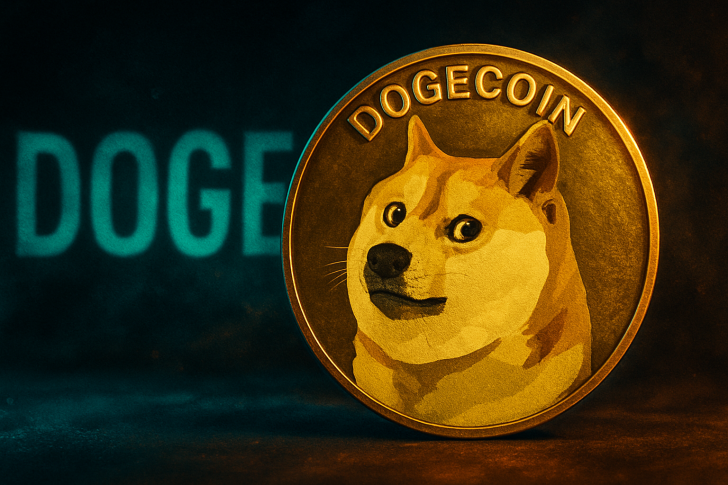
Dogecoin has experienced an 8% surge, marking a significant price rally as whale activity indicates a potential bullish breakout. The cryptocurrency, a popular memecoin, saw its price rise to 22 cents, driven by a trading volume surpassing 1 billion DOGE. The surge has sparked discussions about institutional interest and the growing potential of DOGE as an asset class.

A sudden uptick in whale activity has drawn attention in the crypto market, as large transactions have been observed over the past few days. These whales, often large investors or institutions, have historically been key drivers in the price movements of cryptocurrencies, and their recent actions suggest confidence in the token’s future price performance. DOGE’s price has fluctuated over the past several months, but this latest rally stands out as one of the most significant in recent times.

The substantial trading volume of over 1 billion DOGE indicates that the recent spike isn’t just a flash in the pan but a substantial market event that could signal further upward momentum. Cryptocurrencies, particularly memecoins like DOGE, often rely on viral moments or sudden shifts in investor sentiment. However, DOGE’s increasing institutional interest suggests that its trajectory may now be shifting towards more long-term viability as a store of value or speculative asset.

The role of institutional investors in this shift cannot be understated. While Dogecoin’s initial rise was largely driven by retail investors and online communities, institutional interest has been gradually increasing, with some financial analysts suggesting that this could stabilize its price fluctuations. This surge in institutional interest could lead to more sustainable growth for DOGE, positioning it as a more prominent asset in the broader cryptocurrency market.

Market analysts suggest that Dogecoin’s recent performance could also be reflective of broader trends in the cryptocurrency space. While Bitcoin and Ethereum continue to dominate the market, memecoins have been gaining traction as part of a growing interest in alternative digital assets. The surge in DOGE’s value is happening amid a wider rally in smaller cryptocurrencies, which are attracting more mainstream investors looking for opportunities beyond the two leading coins.

However, DOGE’s volatility remains a significant factor. Despite the positive momentum, memecoins are notorious for their sharp price swings, and many traders are wary of potential corrections. Still, the ongoing whale movements suggest that DOGE could continue to experience periods of significant growth, with potential for even higher highs if the market sentiment continues to improve.

The latest surge also highlights the changing landscape of cryptocurrency trading, where social media, community-driven movements, and institutional capital increasingly intertwine. DOGE has long been a symbol of internet-driven hype, but with the growing institutional interest, it may be gradually shedding its reputation as just a speculative token.

The price rise has also raised questions about the sustainability of such a rally. While some experts are cautious about the potential for a market correction, others believe that DOGE’s growing adoption could support its price in the long term. With increased exposure from larger market players and retail interest remaining strong, the token could become a more integral part of the crypto ecosystem moving forward.

KUALA LUMPUR, MALAYSIA – Media OutReach Newswire – 8 August 2025 – Octa Broker is providing an in-depth overview of the week’s key events and actionable insights to help traders navigate this high-stakes environment with confidence. July was a relatively quiet month for gold, at least by the recent standards. XAUUSD, the primary financial instrument for trading bullion, fluctuated in a very narrow 30-dollar range between roughly […]

France is grappling with its most severe wildfire in decades, marking a stark return to the destructive forces of nature. The fire, which broke out in the southern regions, has already scorched thousands of hectares, making it the largest blaze since 1949. That year, devastating fires near Bordeaux claimed 82 lives and ravaged 50,000 hectares of land. This new disaster is showing no signs of slowing down, […]

The global network security sector is projected to witness significant expansion, reaching $38 billion by 2029, up from $24 billion in 2024. This robust growth trajectory comes amid escalating concerns over cyber threats and the increasing adoption of cloud technologies, hybrid work environments, and AI-driven innovations. A major factor driving the growth of the network security market is the widespread transition to cloud-based infrastructures. Organisations across various […]

President Donald Trump is poised to sign an executive order on Thursday that will significantly reshape the landscape of retirement savings in the United States. The new directive will allow a broader range of alternative assets, such as private equity, real estate, and cryptocurrencies, to be included in 401 retirement accounts. This move marks the most substantial attempt by the administration to open up defined-contribution plans to non-traditional investment options, reflecting a growing desire to diversify retirement portfolios and enhance returns for savers.

The executive order is expected to provide American workers with the opportunity to invest in assets that have been historically out of reach for retirement accounts, which traditionally have focused on stocks, bonds, and mutual funds. The inclusion of private equity, real estate, and digital currencies aims to offer investors access to higher-yielding opportunities that could potentially outperform traditional investments, especially in times of economic uncertainty. By broadening the range of eligible assets, the administration hopes to increase the financial security of millions of retirees.

One of the key motivations behind this move is the desire to address the gap in retirement savings, particularly for individuals who do not have access to pension plans or other employer-sponsored retirement options. With many workers relying heavily on their 401 accounts for their financial future, this expansion could play a pivotal role in enhancing wealth accumulation over time. By enabling exposure to assets with historically higher returns, the plan aims to encourage long-term investing that may outperform the more conservative strategies currently available in these accounts.

The shift comes amid ongoing debates about the future of retirement savings in the United States. While many financial experts have lauded the potential of these alternative assets to boost returns, others have expressed concerns about the risks associated with their inclusion in retirement accounts. Private equity, real estate, and cryptocurrencies are known for their volatility, which could expose 401 investors to greater risk, particularly those with a lower tolerance for market fluctuations. These asset classes are often less liquid than traditional stocks and bonds, which could complicate the ability of retirees to access funds when needed.

Despite these concerns, proponents argue that expanding access to alternative investments could be a game-changer for retirement savers, especially as traditional investment options provide lower returns in the current low-interest-rate environment. Real estate, for instance, can serve as a hedge against inflation, while private equity has the potential to offer higher returns through early-stage investments in high-growth companies. Cryptocurrencies, on the other hand, have gained popularity as an asset class due to their potential for rapid price appreciation, although their volatility remains a significant factor for consideration.

The administration’s decision to open the door to these alternative assets also aligns with broader trends in the financial services industry, which has seen an increasing number of investment firms offering exposure to private equity, real estate, and cryptocurrencies through exchange-traded funds and other vehicles. These developments reflect the growing recognition that investors want more diverse options for retirement planning, particularly as they seek to maximize their returns and ensure they are prepared for the future.

However, the move is not without its challenges. For one, the Department of Labor and the Securities and Exchange Commission will need to ensure that the inclusion of these alternative assets in 401 accounts is properly regulated to protect investors from fraud and market manipulation. There are also concerns about the administrative complexities involved in allowing retirement plans to invest in assets that may require more sophisticated management and oversight. The broader regulatory framework will likely need to evolve to accommodate the new rules, ensuring that both investors and financial institutions are equipped to handle the unique aspects of these asset classes.

The timing of this executive order also comes at a critical moment, as the U. S. government grapples with broader economic challenges, including rising inflation and concerns about the stability of financial markets. By expanding 401 options to include more alternative investments, the Trump administration hopes to provide American workers with the tools to better weather economic fluctuations and build more robust retirement portfolios.

Greenlogue/AP ACWA Power, a Saudi-listed leader in the global energy transition, has secured the Noor Midelt 2 and Noor Midelt 3 solar projects in Morocco. The projects were awarded following an international tender process facilitated by the Moroccan Agency for Sustainable Energy. These two projects are set to significantly contribute to Morocco’s efforts to diversify and expand its renewable energy capabilities. Both Noor Midelt 2 and Noor […]

Dubai’s real estate sector continues to be a focal point for both investors and homebuyers, with market trends highlighting the emergence of new residential hotspots. These areas are offering lucrative opportunities for long-term capital appreciation, driven by shifting preferences and strategic developments that cater to various demographic segments. Among these, six communities have emerged as the key players, transforming the residential landscape in Dubai. Chestertons MENA, a […]

HITEK AI, a leading provider of AI-driven solutions based in the Middle East, has launched a cutting-edge ‘Robot-as-a-Service’ initiative in partnership with SoftBank Robotics UK. The collaboration combines SoftBank Robotics’ state-of-the-art robotic cleaning technologies with HITEK AI’s smart facilities management platform, offering a fully integrated solution designed to streamline operations in commercial and residential settings. The new offering aims to enhance the efficiency of cleaning operations by […]

The tragic death of a Dubai-based businessman aboard the Titan submersible could have been prevented, according to a detailed report. The incident, which occurred during a voyage to the wreck of the Titanic, saw all five passengers on board perish when the submersible suffered a catastrophic implosion in the North Atlantic. Among the victims was Shahzada Dawood, a well-known Pakistani-British businessman with deep ties to the Middle East. The new findings from investigations suggest critical lapses in the safety measures that led to the fateful disaster.

The Titan submersible, operated by the OceanGate company, was designed for deep-sea exploration and had made several successful expeditions before its ill-fated journey. On June 18, 2023, the vessel, with five people onboard, embarked on a mission to survey the wreck of the Titanic, located approximately 3,800 metres beneath the surface. However, less than two hours into the descent, the submersible lost communication, prompting immediate search and rescue operations. Tragically, the submersible was confirmed to have imploded, likely due to the immense pressure at that depth. No survivors were found.

In the aftermath of the incident, a comprehensive investigation was launched by the US Coast Guard, with the support of OceanGate and other stakeholders. The report issued highlights several disturbing safety concerns that may have contributed to the loss of life. One of the key findings revealed that the design of the submersible was flawed, especially in terms of its pressure resistance. Titan’s hull, made of carbon fibre and titanium, was found to be particularly vulnerable to the crushing pressures encountered at the extreme depths of the ocean.

The report also raises alarms over the lack of sufficient safety protocols. Despite previous warnings from experts and engineers about the potential risks of operating the submersible at such depths, OceanGate proceeded without addressing these concerns adequately. Furthermore, it was discovered that the company had a limited track record of using its submersible for commercial passenger voyages to the Titanic wreck, with only a few successful trips before the disaster. This limited experience, paired with a lack of comprehensive safety testing, created a dangerous combination.

Family members of those who perished in the incident have demanded accountability from OceanGate. Dawood’s family, in particular, expressed deep anguish, questioning whether the submersible was subjected to the rigorous safety checks expected of high-risk deep-sea vehicles. They have since called for more stringent regulations surrounding private submersible expeditions, pointing to the inadequacies in the oversight of such ventures.

OceanGate, in its defence, has acknowledged the tragic outcome of the mission, yet maintained that its technology was sound. However, the company’s CEO, Stockton Rush, who also perished in the implosion, had been previously warned about the unorthodox approach to safety that the firm followed. Rush reportedly ignored concerns from industry professionals and regulators, focusing instead on meeting the growing demand for expeditions to the Titanic wreck. This pursuit of speed and innovation, while admirable, ultimately cost lives.

The findings have sparked wider conversations about the regulation of private deep-sea expeditions. While the ocean exploration industry continues to grow, the Titan tragedy has underscored the need for a more robust framework to ensure the safety of passengers and crew alike. Calls for stricter regulatory oversight, including the requirement of more frequent and detailed safety checks, have gained momentum. There is growing consensus among marine engineers and experts that submersibles should undergo rigorous independent inspections before embarking on any mission.

By Nitya Chakraborty Bangladesh is finally going for national elections in February 2026 ending all speculations in the political circles in Dhaka in the last one year since the abdication of the earlier Prime Minister Sheikh Hasina from power on August 5, 2024. Chief Adviser of the interim government Dr. Muhammad Yunus announced the elections […]

Passengers at Heathrow Airport were left in disarray as travel chaos escalated across multiple terminals. With major delays disrupting air travel, many travellers abandoned their vehicles on the roads leading to the airport in favour of walking to packed terminals. Footage shared on social media showed vast queues stretching for hundreds of metres, with hundreds of passengers trying to check in and pass through security. Long-standing congestion […]

VISHNU RAJA
RYO YAMADA
HITORI GOTOH
IKUYO KITA
Just in:
Technology shares plunge as Nasdaq enters correction // APT29-linked campaign exploits outdated Apple and Android software // Dubai boat show confirms international shipyard line-up for November // OpenAI identifies 948 Linux privilege escalation flaws using AI // Ousted top Kochi cop gets IG post // e-Crime Bureau Signs Cybersecurity Partnership With Smart Africa, Reinforcing Its Global Expansion // CR Longdation Aethereal Cybersecurity × Global Cybersecurity Alliance (GCSA) Join Hands to Establish the “AI and Cybersecurity Research Centre” // Hong Kong mandates crypto transaction disclosures to tax authorities // Fast Just Got Fastest: STING Energy Boost™ Celebrates Kimi Antonelli’s Formula 1® World Championship and the Fan Energy Behind It // Trump’s Iran War Has A Share Of Contribution To His Midterm Debacle // Miss Universe Hong Kong Jen Zhou Departs for Puerto Rico to Compete in the 75th Miss Universe World Final // Millions Of Indians May Soon Be Deprived Of Government Assistance // Oil and chip shares retreat after Democratic victories // TVM –Mangaluru Vande Bharat claims top spot // Emaar approves Development buyout ahead of planned delisting // Cloudflare unveils Zero Wire vulnerability intelligence service // Meraas showcases five residential zones at Dubai Design Week // Geely’s i-HEV Intelligent Hybrid Technology Offers a New Direction for Gasoline-Powered Vehicles // Kochi police detain two actors over bid to honey trap doctor // Dubai details five-year visa benefits for returning visitors //