Articles written by
arabian post staff

Gold prices may experience a temporary decline if the Federal Reserve decides to implement a modest 25-basis-point interest rate cut in its upcoming meeting. According to analysts, this anticipated adjustment could momentarily disrupt the precious metal’s upward trajectory. However, the underlying trend remains positive, with projections indicating that gold will ultimately rebound and achieve new highs, driven by increased investment inflows and persistent economic uncertainties.

The Federal Reserve’s monetary policy decisions are pivotal for gold prices, given the metal’s historical role as a hedge against inflation and economic instability. If the Fed proceeds with the quarter-point rate cut, it would mark a cautious approach amid ongoing economic challenges. A smaller rate reduction might not provide the immediate stimulus that markets had hoped for, leading to a short-term sell-off in gold as investors recalibrate their expectations.

Gold’s reaction to such policy moves often hinges on market sentiment and the broader economic context. A rate cut, while generally supportive of gold, could also signal the Fed’s concerns about economic growth, potentially dampening investor enthusiasm in the short term. This dynamic could result in a brief setback for gold prices as market participants assess the implications of the Fed’s decision.

Despite the potential for a near-term dip, the longer-term outlook for gold remains robust. Analysts anticipate that gold will ultimately benefit from sustained economic uncertainties and ongoing investment flows into the metal. Historically, gold has demonstrated resilience during periods of economic volatility, and this trend is expected to continue as investors seek safe-haven assets amid fluctuating market conditions.

One of the key factors driving gold’s future performance is the ongoing trend of rising investment inflows. Institutional investors and central banks have been increasing their gold holdings, viewing the metal as a strategic asset in their portfolios. This growing demand is anticipated to support gold prices and contribute to their upward momentum in the coming months.

Additionally, geopolitical tensions and economic uncertainties are likely to play a significant role in shaping gold’s trajectory. As global markets navigate challenges such as trade tensions, political instability, and evolving economic policies, gold is expected to remain a preferred investment choice. The metal’s ability to act as a hedge against various risks further reinforces its appeal to investors seeking stability and protection.

Bank Muscat has conducted its second educational camp aimed at teaching children the fundamentals of entrepreneurship. The initiative, designed to equip young minds with practical financial skills, took place recently and focused on a variety of essential topics, including earning money, managing savings, budgeting, and goal setting.

The workshop attracted numerous participants, all eager to learn about the principles of financial literacy and entrepreneurship. The camp’s curriculum was carefully crafted to provide a comprehensive introduction to these subjects, ensuring that the children gained valuable insights into money management and entrepreneurial thinking.

Key areas of the camp included the basics of earning money. Participants were introduced to the concept of generating income through various means, including simple entrepreneurial ventures and small-scale business ideas. This segment aimed to instill in the children an understanding of the effort and creativity required to make money, fostering a sense of initiative and self-reliance.

Another crucial aspect of the camp was teaching children about savings and budgeting. Through interactive activities and practical examples, attendees learned the importance of setting aside a portion of their earnings and planning their expenditures wisely. This part of the program emphasized the significance of financial discipline and long-term planning, equipping the children with skills that are vital for personal financial success.

The workshop also covered the concept of setting SMART goals—specific, measurable, achievable, relevant, and time-bound. By setting these types of goals, participants were encouraged to think strategically about their aspirations and the steps needed to achieve them. This approach not only helps in organizing their efforts but also provides a clear pathway to realizing their objectives.

Furthermore, the camp incorporated a segment on the importance of giving back to society. The children were engaged in discussions about social responsibility and the impact of contributing to their communities. This focus aimed to foster a sense of empathy and a commitment to using their entrepreneurial skills for the greater good.

Feedback from the participants and their families was overwhelmingly positive, with many highlighting the practical and engaging nature of the camp. Parents appreciated the camp’s ability to teach valuable life skills in a fun and interactive manner, while children expressed enthusiasm about the knowledge gained and its applicability to their future endeavors.

The success of this initiative underscores Bank Muscat’s commitment to fostering financial literacy and entrepreneurial skills among the younger generation. By providing these educational opportunities, the bank aims to build a foundation for future business leaders and financially savvy individuals.

Dubai is set to host the inaugural Aviation Future Week, a landmark event organized by Emirates and the Museum of the Future. Scheduled to take place from September 23 to 27, 2024, the week-long conference will spotlight transformative technologies and operational strategies that promise to shape the future of aviation. This groundbreaking event aims to bridge the gap between emerging technologies and practical applications in aviation, offering a comprehensive platform for discussions on advancements in cargo, logistics, maintenance, repair, and overhaul (MRO) services, workforce development, and sustainability.

The event will bring together industry leaders, technology innovators, and key stakeholders to explore a broad spectrum of topics. Central to the conference will be discussions on the integration of artificial intelligence (AI) and machine learning in aviation operations. These technologies are expected to enhance efficiencies, reduce operational costs, and improve safety protocols. The focus will be on showcasing how AI-driven systems can revolutionize flight operations, predictive maintenance, and cargo handling.

A significant highlight of the Aviation Future Week will be the sessions dedicated to operational synergies across various segments of the aviation industry. Experts will delve into how cargo and logistics operations can be streamlined through innovative technologies, aiming to boost efficiency and reliability. The role of digital twins and simulation technologies in optimizing logistical processes will also be a key topic of discussion. These technologies offer the potential to create virtual models of physical assets, providing real-time data that can significantly enhance decision-making processes.

Workforce development will also feature prominently in the event’s agenda. As the aviation sector evolves, there is a pressing need to cultivate a new generation of skilled professionals who are adept at handling cutting-edge technologies. Workshops and panels will focus on strategies for upskilling and reskilling the workforce, ensuring that future employees are equipped to meet the demands of a rapidly changing industry. Emphasis will be placed on educational partnerships, training programs, and the integration of advanced simulation tools into educational curriculums.

Sustainability remains a crucial aspect of the event, reflecting the global shift towards greener aviation practices. Discussions will cover advancements in sustainable aviation fuels (SAFs), electrification of aircraft, and the development of more efficient propulsion systems. The goal is to identify actionable strategies for reducing the aviation industry’s carbon footprint and achieving long-term environmental goals.

One of the key components of Aviation Future Week will be the exhibit showcasing the latest innovations in aviation technology. Participants will have the opportunity to interact with pioneering solutions, ranging from next-generation aircraft designs to cutting-edge air traffic management systems. This hands-on experience is designed to provide a tangible understanding of how these technologies can be implemented in real-world scenarios.

The event will also feature keynote speeches from prominent figures in the aviation sector. These leaders will share their insights on the future of aviation, highlighting emerging trends and outlining their vision for the industry’s evolution. Their contributions are expected to offer valuable perspectives on how the industry can navigate the challenges and opportunities presented by technological advancements.

Networking opportunities will be a key aspect of the conference, enabling participants to forge connections with peers, potential collaborators, and industry influencers. These interactions are anticipated to facilitate knowledge exchange and foster collaborations that can drive innovation and growth within the aviation sector.

Four students from the Rochester Institute of Technology (RIT) Dubai have embarked on a prestigious internship program with General Motors (GM), gaining hands-on experience in the global automotive industry. This collaboration aims to bridge the gap between academia and industry, providing students with invaluable exposure and skills development while pursuing their degrees. The students, hailing from diverse academic backgrounds, are leveraging this opportunity to enhance both their technical and soft skills in real-world projects across various GM departments.

The students—Abdullah Adawi, Anas Nazzal, Tala Hassouna, and Shahd Salahat—represent different fields of study, each bringing a unique perspective to their roles. These internships are part of RIT Dubai’s Cooperative Education initiative, which ensures that students complete at least six months of practical work experience as part of their academic journey. This program is designed to prepare students for the competitive global job market by merging theoretical knowledge with practical application.

Abdullah Adawi, a senior industrial engineering student, has taken on a role in GM’s service operations team. His focus on optimizing the parts delivery process to dealerships is giving him critical insight into logistics and operational efficiency, allowing him to deepen his understanding of industrial engineering concepts while mastering new data software tools. Similarly, fellow industrial engineering student Anas Nazzal is working within the product development team. He expressed excitement about the opportunity to contribute to GM’s vehicle portfolio expansion while also gaining exposure to new analytical tools that will assist him in pursuing future studies in data analytics.

Tala Hassouna, another senior at RIT Dubai, opted to expand her horizons by joining GM’s business development team after initially exploring marketing. Her internship has involved conducting in-depth analyses that have honed her analytical and presentation skills, positioning her for a broader career in business beyond her initial interests. Shahd Salahat, a psychology major, is applying her understanding of consumer behavior in GM’s marketing department. By working on digital user journeys, she is utilizing her academic background in psychology to influence corporate strategy, a role she hadn’t considered before.

General Motors Africa and Middle East has been instrumental in offering these students a platform to apply their academic knowledge to professional environments. Jack Uppal, President and Managing Director of GM Africa and Middle East, expressed optimism about the talent coming from RIT Dubai, praising the students for their dynamic ideas and commitment. He emphasized that such partnerships are crucial for shoring up the STEM talent pool in the region, and believes this collaboration is vital for the growth of future leaders in the automotive and tech sectors.

The leadership at RIT Dubai also highlighted the value of such industry collaborations. Dr. Yousef Al-Assaf, President of RIT Dubai, noted that the cooperative education experience provides students with a distinct advantage in the job market. He lauded the partnership with GM as a reflection of the high caliber of RIT Dubai students and the meaningful contributions they are poised to make in the UAE’s rapidly evolving business landscape.

This collaboration between academia and industry serves as a model for how educational institutions and corporations can work together to develop future talent. RIT Dubai’s emphasis on integrating practical work experience into its academic curriculum ensures that students are well-prepared for the challenges of the professional world, making them competitive candidates in a global workforce.

The internships undertaken by these students underscore the importance of interdisciplinary learning and real-world application. While each intern has come from a different academic background, they are united in their desire to push the boundaries of their education and contribute meaningfully to a world-leading company like GM. Their experience not only reinforces the value of cooperative education programs but also highlights the increasing demand for versatile skill sets in today’s fast-changing job market.

As the automotive industry undergoes rapid transformation, driven by new technologies and sustainability goals, the involvement of these students in key areas such as product development, marketing, and service operations reflects broader industry trends. Their participation in such projects equips them with a holistic understanding of the automotive business, from technical innovations to consumer behavior, preparing them to lead in the future of the industry.

General Motors’ dedication to fostering young talent aligns with its broader goals of driving innovation and sustainability in the automotive sector. By investing in the next generation of leaders and equipping them with practical, hands-on experience, the company is positioning itself at the forefront of industry advancements, while also contributing to the growth of skilled professionals in the UAE.

Operant AI, a key player in the field of runtime AI application protection, has successfully secured $10 million in Series A funding. The investment round was co-led by SineWave Ventures and Felicis, with additional contributions from Alumni Ventures, Massive, Calm Ventures, and Gaingels. This latest funding will bolster Operant AI’s mission to enhance security measures for cloud APIs and applications, addressing an increasing demand for robust cybersecurity solutions.

Founded in 2020, Operant AI focuses on safeguarding cloud environments through its innovative approach to application protection. The company’s technology integrates machine learning algorithms to monitor and secure API interactions in real time, offering advanced defenses against emerging threats. This Series A funding will enable the company to expand its team, enhance its product offerings, and accelerate go-to-market efforts.
The need for sophisticated cloud security solutions has never been more pressing. As organizations increasingly rely on cloud-based infrastructure, the attack surface for potential cyber threats expands. Operant AI’s technology addresses this challenge by providing a proactive defense mechanism that anticipates and neutralizes threats before they can cause harm. This proactive approach is crucial as traditional security measures often lag behind the rapidly evolving threat landscape.

SineWave Ventures and Felicis, both renowned for their strategic investments in cybersecurity, bring extensive experience and resources to Operant AI’s growth. SineWave Ventures is known for its focus on investing in high-potential, early-stage companies, while Felicis has a track record of nurturing innovative startups in the tech sector. Their co-leadership in this funding round reflects confidence in Operant AI’s potential to make significant strides in cloud security.

Alumni Ventures, Massive, Calm Ventures, and Gaingels, each bringing unique expertise and networks, further strengthen Operant AI’s investment base. Alumni Ventures, with its deep connections within the academic and entrepreneurial communities, will support Operant AI’s recruitment and research efforts. Massive, known for its investments in scalable tech solutions, aligns well with Operant AI’s growth strategy. Calm Ventures, with its focus on emerging technologies, will help drive innovation, while Gaingels offers valuable connections and support for diversity and inclusion in tech.

The cybersecurity landscape is evolving rapidly, with cloud environments becoming increasingly complex and targeted by sophisticated attacks. Operant AI’s solution stands out by leveraging AI to provide dynamic, real-time protection. This method contrasts with traditional static security measures that may not adequately address the fast-paced nature of modern cyber threats.

One of the notable aspects of Operant AI’s technology is its ability to adapt to new threat vectors. By continuously learning from ongoing data and threat patterns, Operant AI’s system evolves to address new security challenges, offering a level of adaptability that is crucial in today’s cyber threat environment.

This funding round positions Operant AI to capitalize on a growing market for cloud security solutions. The global cybersecurity market is projected to continue its robust growth, driven by increasing cyber threats and the expanding use of cloud services. Operant AI’s innovative approach aligns well with these trends, positioning it as a significant player in the cybersecurity space.

As Operant AI moves forward, it will focus on expanding its product capabilities and market reach. The additional funding will support initiatives to enhance its technology stack, develop new features, and scale its operations to meet the demands of a growing customer base. With a solid foundation of investment and expertise, Operant AI is poised to advance its mission of providing cutting-edge protection for cloud-based applications and APIs.

A pioneering quantum-secure data center network has been launched in the UK, marking a significant leap in data security and connectivity. The collaboration between BT Group, Equinix, and Toshiba is set to transform the landscape of data protection and access across key locations in London.

This groundbreaking network involves the deployment of quantum-secure technologies at two prominent Equinix colocation data centers located in Slough and Canary Wharf. The initiative introduces a new era of data security by leveraging quantum encryption to safeguard communications against potential future threats from quantum computing.

BT Group, a leader in global telecommunications, is providing the advanced quantum-secured metro network, which will enable clients to access secure data connections. This network will be integrated with Equinix’s data centers, known for their robust infrastructure and high connectivity standards, ensuring enhanced security and efficiency.

Toshiba’s role in this partnership involves supplying quantum encryption technology that underpins the security framework of the network. Toshiba’s quantum key distribution (QKD) technology is crucial for protecting data transmitted over BT’s network, offering an unprecedented level of encryption that is theoretically immune to future advancements in quantum computing.

The integration of quantum security measures is a proactive step towards addressing potential vulnerabilities that could arise with the advent of quantum computers capable of breaking traditional encryption methods. This development is particularly timely, as the UK and other nations are investing heavily in quantum technologies to stay ahead of cyber threats.

The quantum-secure network will offer a variety of services, including secure data storage, transmission, and connectivity options for businesses across different sectors. This initiative is expected to attract a diverse range of clients, from financial institutions seeking to protect sensitive transactions to government agencies requiring enhanced security for classified information.

Equinix’s data centers in Slough and Canary Wharf are strategically chosen due to their central locations and state-of-the-art facilities, which provide an ideal environment for deploying advanced security technologies. The choice of these locations also ensures that the network can efficiently serve a broad spectrum of clients in the London metropolitan area.

BT Group’s investment in quantum security reflects its commitment to leading the way in advanced telecommunications and data protection. By partnering with Equinix and Toshiba, BT is positioning itself at the forefront of the industry’s efforts to develop secure communication infrastructures capable of withstanding emerging cyber threats.

Toshiba’s contribution extends beyond technology supply; the company is also involved in the ongoing development and refinement of quantum security solutions. This collaboration underscores the critical role that technology providers play in enhancing the security and resilience of data networks against future threats.

The deployment of this quantum-secure network represents a significant milestone in the evolution of data security, with the potential to set new standards for protection and privacy in the digital age. As businesses and institutions increasingly recognize the importance of safeguarding their data, innovations such as this are expected to become integral to global data infrastructure.

Chinese scientists have reportedly leveraged SpaceX’s Starlink satellite network to detect stealth aircraft, raising questions about the military implications of commercial satellite technologies. Through a method known as forward scatter radar detection, researchers claimed they could track stealth jets like the F-22 and F-35 using electromagnetic signals from Starlink. The experiment simulated the detection using a drone with radar properties similar to those of advanced fighters. However, critics emphasize that the technology remains far from military readiness, requiring significant development before practical applications can be considered.

The research team, from the Chinese State Radio Monitoring Centre, used off-the-shelf components to analyze Starlink signals despite restrictions on their access in China. Their work relied on disturbances in the satellite-ground transmission caused by an object, like an aircraft, passing through. This detection method creates a radar-like effect using non-military technology, which could bypass traditional anti-jamming systems.

Advertisements

Emirates NBD, one of the largest banking groups in the Middle East, has launched a groundbreaking initiative aimed at boosting participation in the UAE equity markets. The bank is offering customers the opportunity to invest in domestic stocks without incurring transaction fees, a move designed to stimulate investment in local companies and support the broader economic goals of the UAE.

National Bank of Fujairah (NBF) has unveiled a significant financial maneuver with the issuance of $275 million in Additional Tier 1 (AT1) capital securities. This move marks a strategic effort by the bank to bolster its capital base, a crucial step for meeting regulatory requirements and enhancing its financial stability.

AT1 securities, also known as contingent convertible bonds, are a type of hybrid instrument that sits between equity and debt. They are designed to absorb losses in times of financial stress, making them a vital component in a bank’s capital structure. This issuance comes amid a broader trend in the banking sector where institutions are leveraging AT1 securities to fortify their balance sheets and comply with evolving regulatory frameworks.

The decision by NBF is aligned with global banking practices where AT1 securities have become a preferred tool for banks looking to improve their capital adequacy ratios. This issuance will provide NBF with additional capital, which is essential for maintaining regulatory compliance and supporting the bank’s growth initiatives.

The bank’s management highlighted that this capital infusion is intended to strengthen its ability to weather economic uncertainties and support its lending activities. By issuing AT1 securities, NBF aims to enhance its financial flexibility and ensure it has adequate buffers against potential market disruptions. This issuance also reflects NBF’s confidence in its operational strategy and its commitment to long-term growth and stability.

The AT1 securities issued by NBF are expected to be well-received by investors, given the bank’s solid financial standing and robust performance track record. These securities typically offer higher yields compared to traditional bonds, which can make them attractive to investors seeking higher returns. However, they also come with a higher risk profile, given their loss-absorption features.

The regulatory environment has been evolving, with increased emphasis on ensuring banks have sufficient capital to absorb losses and remain solvent during financial crises. AT1 securities have become a key element in this regulatory framework, providing a mechanism for banks to strengthen their capital positions without diluting equity.

For NBF, the issuance of these securities is a strategic move to enhance its capital position while maintaining its competitive edge in the banking sector. It also reflects a proactive approach to managing regulatory requirements and positioning itself favorably in a competitive market.

This development comes at a time when banks globally are navigating a complex landscape of regulatory changes and economic uncertainties. By bolstering its capital base, NBF is positioning itself to better handle potential market volatilities and support its strategic objectives.

The bank’s move to issue AT1 securities also aligns with broader trends in the financial sector where institutions are increasingly using such instruments to meet capital adequacy requirements. As regulatory standards continue to evolve, banks are adapting by leveraging these hybrid securities to strengthen their financial positions.

NBF’s issuance is expected to have positive implications for its financial stability and operational capabilities. By raising substantial capital through AT1 securities, the bank is reinforcing its ability to absorb potential losses and maintain its financial health. This move is indicative of NBF’s strategic focus on enhancing its capital structure and ensuring long-term sustainability.

LuLu Group, one of the largest retail giants in the Middle East, is preparing to go public with a dual listing on the Abu Dhabi Securities Exchange (ADX) and Saudi Arabia’s Tadawul. The much-anticipated initial public offering (IPO) is slated to take place by November 2024, a significant development for the conglomerate as it continues to expand its global footprint. This decision follows months of strategic planning, positioning the company to capitalize on strong investor interest in both markets.

Led by its Chairman and Managing Director, Yusuff Ali M.A., LuLu Group’s listing is expected to attract regional and international investors. The company has been a dominant player in the retail and wholesale sectors across the Middle East, Africa, and Asia, operating over 250 hypermarkets and employing more than 65,000 people. Its operations range from grocery and consumer goods to shopping malls and manufacturing, making the IPO one of the region’s most highly anticipated.

The decision to pursue a dual listing aligns with LuLu’s strategy to enhance its presence in two of the Gulf’s most significant financial markets. Both the Abu Dhabi Securities Exchange and Saudi Arabia’s Tadawul are home to several major IPOs in recent years, which have drawn global attention due to the economic growth and diversification efforts in the region. Saudi Arabia’s Vision 2030 and Abu Dhabi’s economic initiatives have both bolstered investor confidence, providing a fertile environment for companies like LuLu Group to flourish.

Reports suggest that the IPO could raise billions of dollars, further boosting LuLu Group’s expansion plans and allowing the company to fortify its position in the highly competitive retail market. By choosing ADX and Tadawul for its dual listing, the conglomerate is making a calculated move to tap into two rapidly growing financial ecosystems. The Abu Dhabi Securities Exchange has been pushing for more listings as part of the UAE’s broader push to deepen its capital markets, while Tadawul has seen record-breaking IPO activity in sectors ranging from technology to consumer goods.

The Group’s financial performance in 2023 was solid, with revenues steadily growing as it expanded its market reach in key countries such as Egypt, India, and Malaysia. The company has also invested in several large-scale infrastructure projects, including logistics and warehousing, to support its expanding operations. Moreover, its strategic partnerships with local suppliers and government entities have given LuLu a competitive edge, enabling it to meet the growing demands of consumers across different regions.

Yusuff Ali has indicated that the IPO proceeds will be reinvested in strengthening the company’s supply chain, digital infrastructure, and expansion into new markets. This includes bolstering its e-commerce platform, which has seen a surge in demand post-pandemic. The dual listing will also provide LuLu with greater access to capital, which is essential for its future growth and development, especially as it looks to enhance its sustainability efforts and introduce more environmentally-friendly practices across its operations.

Market analysts have lauded LuLu’s decision, noting that the timing of the IPO comes when the Gulf region’s capital markets are witnessing heightened activity. Both ADX and Tadawul have implemented reforms to attract more international capital, making them attractive destinations for companies looking to expand. The IPO will likely be a litmus test for other large family-owned conglomerates in the region that may be considering going public, signaling the start of a new wave of listings in the Gulf Cooperation Council (GCC) countries.

The retail sector in the Middle East, driven by robust consumer demand and increasing digitalization, is also expected to see continued growth in the coming years. LuLu Group’s ability to remain at the forefront of this transformation has been key to its success. By embracing technology and innovation, the company has not only enhanced customer experience but also improved operational efficiency. As part of its expansion strategy, LuLu Group has launched various initiatives aimed at promoting sustainability, including reducing its carbon footprint and cutting down on plastic use across its stores.

Arabian Post Staff -Dubai The Abu Dhabi Securities Exchange (ADX) has enacted a new ban on insider trading effective immediately, targeting potential market abuses ahead of the third-quarter financial disclosures. This move aims to reinforce market integrity and ensure fair trading practices as companies prepare to release their quarterly results. The ADX’s decision, announced on September 14, 2024, responds to growing concerns about market manipulation and the […]

British ministers have commenced a crucial visit to the Gulf Cooperation Council (GCC) nations to negotiate a new trade agreement aimed at strengthening economic ties and enhancing bilateral trade. The delegation, led by UK Trade Secretary Kemi Badenoch, is engaging with key officials across the GCC to explore opportunities for expanding trade and investment.

The UK government’s strategic pivot towards the GCC underscores its intent to bolster trade relations with this economically significant region. The GCC, comprising Saudi Arabia, the United Arab Emirates, Qatar, Kuwait, Oman, and Bahrain, represents a substantial market for British goods and services, with potential benefits for both sides in diversifying and growing their economies.

The discussions are expected to cover a range of topics including tariff reductions, market access, and cooperation in sectors such as technology, finance, and energy. The UK is particularly interested in enhancing its exports of high-value products like aerospace components and pharmaceuticals, while also seeking greater access for its services sector.

The timing of this visit is significant as the GCC countries are investing heavily in their economic diversification plans, notably through initiatives like Saudi Arabia’s Vision 2030 and the UAE’s Economic Diversification Strategy. These plans aim to reduce the region’s dependence on oil revenues and stimulate growth in non-oil sectors. The UK, with its expertise in various industries, is well-positioned to contribute to these goals.

Recent economic data highlights the growing importance of GCC nations as trade partners for the UK. In 2023, UK exports to the GCC reached £10 billion, marking a 15% increase from the previous year. The GCC’s investments in infrastructure, renewable energy, and technology create substantial opportunities for British companies, especially in sectors where the UK has a competitive edge.

During the visit, British officials will also address bilateral investment agreements. The UK and GCC have already signed several agreements to promote and protect investments, but the new talks aim to update and expand these frameworks to better reflect the evolving economic landscape. The focus will be on creating a more transparent and business-friendly environment, which is expected to attract further investment from both sides.

Energy cooperation will be a significant area of discussion. The GCC countries, particularly Saudi Arabia and the UAE, are major players in the global energy market and are also investing in renewable energy projects. The UK’s experience in offshore wind and green technology could play a crucial role in supporting these initiatives, fostering joint ventures, and driving innovation.

The trade negotiations are also taking place against a backdrop of geopolitical shifts and trade realignments. The UK’s post-Brexit trade strategy emphasizes expanding relationships beyond the European Union, and the GCC represents a key component of this strategy. Strengthening trade ties with the GCC aligns with the UK’s broader goals of securing diverse and resilient trade partnerships worldwide.

As the talks progress, there is a strong emphasis on ensuring that the trade deal addresses both economic and regulatory concerns. The British delegation is expected to negotiate terms that facilitate easier market access for British businesses while addressing any barriers to trade and investment.

The electric vehicle (EV) market in the Gulf Cooperation Council (GCC) is rapidly expanding, driven by the region’s commitment to energy diversification and decarbonization goals. Despite ongoing challenges, including infrastructure development and fluctuating oil prices, the momentum for clean energy solutions remains strong as GCC nations look to reduce their dependency on fossil fuels and embrace sustainable transportation.

In recent years, Gulf states have intensified efforts to diversify their economies, which historically relied heavily on oil revenues. This shift aligns with global carbon neutrality targets and the push for sustainable energy alternatives. The EV sector, in particular, has become a crucial part of this transition. Reports indicate that the GCC EV market could reach over $10 billion by 2029 as demand for electric vehicles grows both domestically and for export to other regions.

One of the main factors driving the EV boom in the GCC is the region’s ambition to reduce greenhouse gas emissions. Countries like the UAE and Saudi Arabia have set ambitious goals to decarbonize their transportation sectors. For instance, the UAE is working toward integrating EVs into public transport and encouraging private EV adoption. In Dubai, there are plans for a manufacturing hub to produce EVs, targeting exports to African markets like Egypt, Tanzania, and Kenya.

This economic shift is coupled with investments from key international players, particularly Chinese automakers. China, a global leader in the EV industry, has been establishing partnerships with Gulf nations to accelerate the deployment of electric vehicles in the region. BYD, one of the largest EV manufacturers in China, recently entered into agreements with local distributors in Jordan and Saudi Arabia, bolstering its presence in the Middle East. Other Chinese firms like NIO have also secured strategic investments, particularly in Abu Dhabi, which underscores the growing importance of the GCC market for international EV players.

The growing demand for EVs is further supported by governmental initiatives. Saudi Arabia, for instance, has invested billions into partnerships with foreign EV companies to build up its local manufacturing capacity, aiming to make the kingdom a hub for electric vehicle production. Meanwhile, other Gulf nations are focusing on building the necessary infrastructure, such as charging stations, to support the increased use of electric vehicles.

However, the transition is not without obstacles. One major challenge lies in developing a comprehensive infrastructure network that can support widespread EV adoption. While governments are making progress, the rollout of charging stations across the region remains slow compared to other global markets. Additionally, the upfront costs of EVs can be a deterrent for some consumers, although falling battery prices and government subsidies are helping to mitigate this issue.

The UAE’s General Civil Aviation Authority (GCAA) has entered into an interim agreement with Hong Kong-based Volar Air Mobility to establish the Emirates’ first green aviation technology centre. The initiative is part of the UAE’s broader strategy to strengthen its environmental sustainability efforts, particularly within the aviation sector, which has seen significant investment in recent years to reduce carbon emissions and promote cleaner energy solutions.

The centre will focus on advancing clean energy technology and driving research and development in sustainable aviation solutions. Aiming to serve as a hub for collaboration between international stakeholders, regulators, and innovators, the project is positioned as a crucial step toward making aviation more eco-friendly in one of the world’s busiest air travel hubs.

Sustainability is a central pillar of the UAE’s Vision 2050, a national plan that targets a balance between economic growth and environmental responsibility. The GCAA has emphasized that the collaboration with Volar Air Mobility will not only bolster the UAE’s efforts to lead in green aviation but will also pave the way for future innovations that could be adopted globally. This initiative reflects a growing awareness among Middle Eastern nations of the need to integrate sustainable practices across various industries.

Volar Air Mobility, known for its cutting-edge technology in electric vertical take-off and landing (eVTOL) aircraft, has positioned itself at the forefront of green air mobility. The company’s expertise in developing low-emission transport solutions is expected to play a critical role in shaping the future of aviation in the Emirates. By leveraging Volar’s technology, the new centre will explore ways to integrate sustainable practices into existing aviation infrastructure, including the development of low-emission aircraft and green fuel alternatives.

The agreement comes at a time when the global aviation industry faces mounting pressure to reduce its carbon footprint. Aviation accounts for around 2-3% of global CO2 emissions, with air travel expected to grow significantly in the coming decades. Many countries are now focusing on developing green technologies to meet ambitious emission reduction targets set by international agreements such as the Paris Accord. The UAE’s green aviation technology centre is aligned with these goals and aims to address some of the most pressing challenges faced by the industry.

While the GCAA has not yet disclosed the specific location for the centre, officials have hinted that it will be based in one of the country’s major aviation hubs, likely in close proximity to Dubai or Abu Dhabi airports. Both cities are home to some of the world’s busiest airports, making them ideal candidates for a green aviation initiative that seeks to marry innovation with practicality.

The centre will also aim to attract global talent and research teams to the UAE, encouraging collaboration between local and international experts in green aviation technologies. In addition to research and development, the facility will provide a testing ground for new technologies that could eventually be implemented in commercial aviation. This is expected to include the trial of electric and hydrogen-powered aircraft, as well as the exploration of biofuels and synthetic fuels that promise lower emissions than traditional jet fuels.

The agreement between the UAE and Volar Air Mobility also underscores the importance of international partnerships in tackling the global challenges of climate change. The aviation sector, which is heavily reliant on fossil fuels, is one of the industries most in need of innovation to meet global climate goals. By teaming up with a tech leader like Volar, the UAE is positioning itself as a key player in the global push for sustainable aviation solutions.

The collaboration comes on the heels of other major sustainability initiatives within the UAE’s aviation sector. Earlier this year, Emirates Airline announced its commitment to using sustainable aviation fuel (SAF) across its fleet, while Etihad Airways has invested in the development of hybrid-electric and fully electric aircraft. Both airlines have signaled their intent to drastically cut their carbon emissions over the coming decades, aligning with the UAE’s broader environmental goals.

Sustainability has become a growing priority for the UAE government across multiple sectors, with aviation identified as a key area for transformation. The nation’s commitment to becoming a global leader in green technology is evident in its support for projects such as Masdar City, a pioneering green city designed to be a hub for clean energy companies, and its investments in renewable energy projects like solar and wind farms.

The new aviation technology centre is expected to build upon these efforts by promoting innovation that can be applied not only in the UAE but also globally. The centre’s emphasis on collaboration with international stakeholders suggests that the UAE sees this project as a stepping stone toward becoming a global leader in green aviation. The country’s strategic location as a global travel hub makes it an ideal place to test and implement new aviation technologies, which could eventually influence the practices of airports and airlines worldwide.

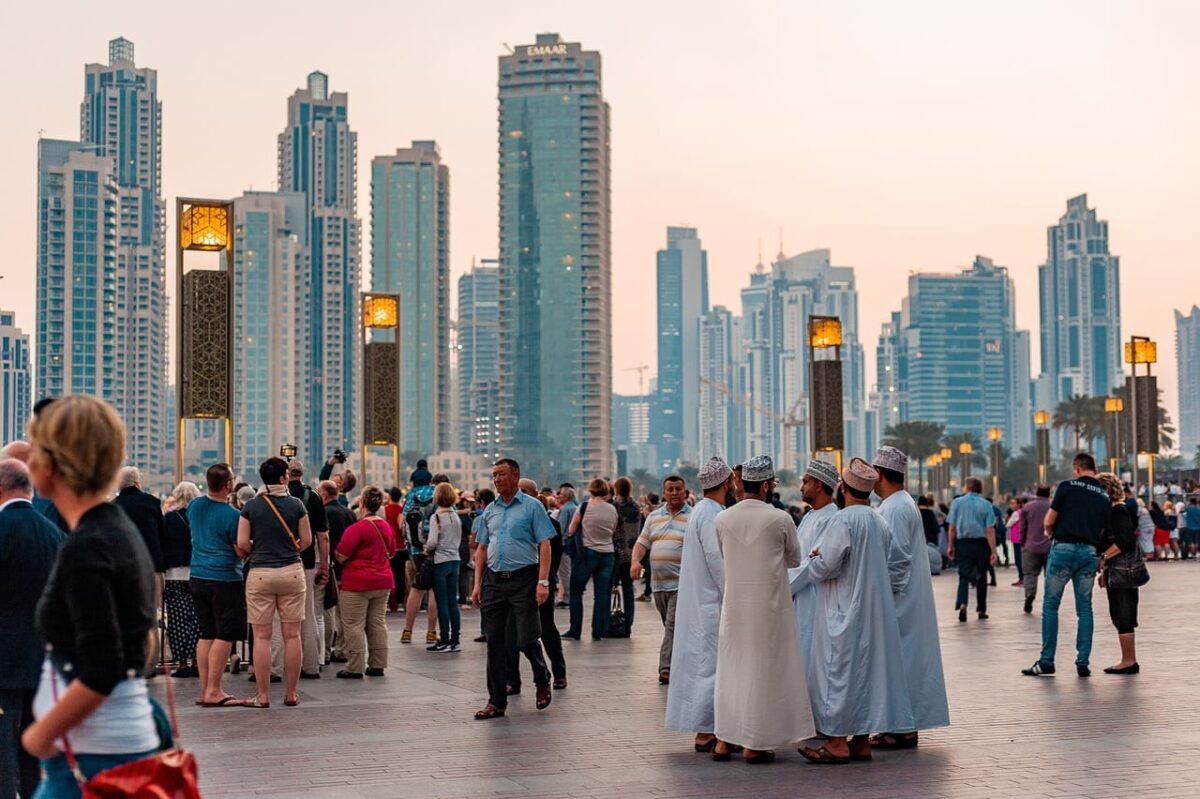
Dubai’s financial sector is experiencing a significant boom, attracting an influx of high-income professionals. With this growth, premium education institutions are seeing a surge in demand, particularly among families who are willing to pay top dollar for top-tier schooling. At GEMS World Academy, one of the city’s most prestigious educational institutions, kindergarteners use iPads in classrooms, while older students engage in interactive learning experiences at the school’s 70-seat planetarium. For parents seeking the best education money can buy, the price tag can reach as high as $33,000 annually by grade 12.

GEMS World Academy is the most expensive school in the GEMS Education network, one of the largest private school operators globally. Founded by billionaire Sunny Varkey, the chain operates schools across multiple price points, starting at as little as $3,900 annually. However, it’s the premium institutions like GEMS World Academy that have witnessed a particular spike in interest, driven by Dubai’s financial prosperity.

As Dubai continues to position itself as a global financial hub, attracting high-net-worth individuals and businesses from across the world, the demand for elite schooling has grown. Hedge fund managers, bankers, and other high-income professionals are flocking to the city, and they are looking for educational institutions that match their lifestyle and expectations. These families are willing to pay a premium to ensure their children have access to cutting-edge technology, world-class teachers, and extracurricular activities that prepare them for a globalized future.

GEMS Education has established itself as a key player in this market. Founded in the 1950s, the network has grown exponentially, now operating over 60 schools in the UAE alone. The success of GEMS has been closely tied to Dubai’s rapid development as a global business destination. The city’s cosmopolitan nature, coupled with its tax-free status and world-class infrastructure, has made it a magnet for professionals from Europe, Asia, and the Middle East. These families often seek high-quality private education for their children, and institutions like GEMS have capitalized on this demand by offering schools that range from affordable options to ultra-premium facilities.

At the heart of this boom in premium education is the intersection of technology and innovation. Schools like GEMS World Academy have integrated advanced technology into their curriculum, providing students with iPads, interactive whiteboards, and digital resources that enhance learning. The use of digital tools is not merely a supplementary activity; it is embedded in the learning experience from the early years. In kindergarten classrooms, children are exposed to interactive learning apps, fostering engagement and helping them build essential skills in literacy and numeracy.

The planetarium at GEMS World Academy is another example of how the school goes beyond traditional classroom learning. The 70-seat facility allows students to explore astronomy and other sciences in an immersive environment, bringing abstract concepts to life. These features are part of what makes the school attractive to families who are seeking more than just a standard education — they want an experience that will set their children apart on the global stage.

However, it’s not just the facilities that command premium prices. The teaching staff at GEMS World Academy, like other top-tier schools, is made up of highly qualified educators, many of whom have international experience. This global perspective is a significant draw for expatriate families, who want their children to be taught by professionals with a deep understanding of different cultures and educational philosophies.

While the demand for such high-end schooling has grown, it has also brought about concerns regarding the affordability and accessibility of quality education in Dubai. The city’s diverse population includes middle- and lower-income families who are often priced out of elite institutions. Although GEMS Education offers schools across a wide range of price points, with some starting at $3,900 annually, the growing emphasis on premium education highlights the increasing gap between affordable schooling and ultra-luxury options.

This trend is not unique to Dubai. Across global cities, including London, New York, and Singapore, high-income professionals drive demand for premium educational services. In these cities, private schools have responded by offering state-of-the-art facilities, international curricula, and exclusive extracurricular activities, positioning themselves as the preferred choice for families seeking a competitive edge for their children. Dubai’s education sector has followed a similar trajectory, with schools like GEMS World Academy leading the way in offering exclusive, high-cost education tailored to affluent families.

Dubai’s government has taken steps to regulate the private school sector, ensuring that fees do not rise uncontrollably. The Knowledge and Human Development Authority (KHDA), which oversees private education in the emirate, implements a fee framework that schools must adhere to. However, schools that offer premium services, such as GEMS World Academy, are able to command higher fees due to their unique offerings and advanced facilities.

The boom in Dubai’s financial sector has also brought about competition among schools to attract the best talent, both in terms of students and educators. Premium schools often engage in competitive hiring practices, seeking out teachers with international experience and specialized qualifications. For parents, the assurance that their children are being taught by world-class educators is a significant factor in their decision to invest in high-end education.

The United Arab Emirates (UAE) and China are continuing to deepen their diplomatic and economic ties, signaling a strong and flourishing partnership that has grown substantially in recent decades. This relationship has evolved into what both nations now refer to as a “comprehensive strategic partnership,” driven by their mutual economic interests, cultural exchanges, and high-level political engagement.

Diplomatic relations between the UAE and China date back to 1984, when both nations formally established ties. Since then, the two countries have signed over 140 bilateral agreements, covering various sectors such as trade, technology, infrastructure, education, and culture. The partnership took a significant step forward with Chinese President Xi Jinping’s visit to the UAE in 2018, which set the stage for closer cooperation in critical areas such as energy, investment, and technology.

The UAE has emerged as one of China’s most important partners in the Middle East, not only due to its strategic geographic position but also because of its role as a major hub for the Belt and Road Initiative (BRI), the massive infrastructure project spearheaded by China. The UAE is regarded as a critical player in facilitating the success of this initiative, thanks to its logistics capabilities and connectivity to Europe, Asia, and Africa.

Non-oil trade between the two countries reached a record high of approximately $81 billion in 2023, marking significant growth and making China the UAE’s largest trading partner. The majority of this trade involves China’s exports to the UAE, which consist of electronics, machinery, and manufactured goods, while the UAE exports primarily aluminum, chemicals, and re-exported goods to China.

Another important aspect of the relationship is tourism. China’s growing middle class has shown an increasing interest in the UAE, with over one million Chinese tourists visiting the country in the first ten months of 2023 alone. Additionally, the UAE has embraced Chinese language and culture, introducing Mandarin into hundreds of schools across the country and hosting various cultural festivals to strengthen people-to-people connections.

Investment ties are equally robust. From 2003 to 2023, the total value of UAE investments in China was approximately $11.9 billion, while Chinese investments in the UAE reached $7.7 billion over the same period. These investments have been directed toward sectors like telecommunications, renewable energy, infrastructure, and tourism. Moreover, the UAE pledged $10 billion to a joint investment fund with China aimed at supporting projects under the Belt and Road Initiative, particularly in East Africa.

China’s technology giants are also expanding their footprint in the UAE. Companies like Huawei and Alibaba are integral players in developing the UAE’s digital infrastructure, contributing to the nation’s ambitions to become a leading technology hub in the region.

Politically, both nations have maintained a close dialogue on international issues. Mutual visits between leaders have further solidified their bond, including the pivotal visit of Sheikh Mohamed bin Zayed Al Nahyan to China in 2019, which emphasized their shared vision for global economic and security cooperation. The two countries continue to align on various international platforms, reinforcing their strategic interests on the global stage.

Cultural ties between the two countries are also flourishing. One notable example is the Sheikh Zayed Centre for Arabic Language and Islamic Studies in Beijing, which promotes Arab culture in China and serves as a bridge for cultural exchange. Additionally, both nations have promoted student exchanges and collaborative research efforts, which have contributed to stronger educational links.

As the UAE and China look to the future, their relationship is poised to grow even further. Both nations are investing heavily in sustainable technologies and clean energy, areas in which they are already cooperating closely. China’s expertise in renewable energy, particularly solar, aligns with the UAE’s Vision 2050, which seeks to diversify its energy mix and reduce its dependence on oil.

Russia and China have escalated their collaboration to counteract global monopolies, signaling a strategic pivot towards a more coordinated economic front. This move was solidified with the signing of a significant agreement aimed at developing the BRICS commodities exchange system, announced by the BRICS Competition Law and Policy Centre.

The agreement, formalized during a recent meeting, outlines an ambitious plan to enhance the cooperative mechanisms between the two nations, focusing on creating a robust platform for commodities trading under the BRICS framework. This initiative is expected to bolster the collective bargaining power of BRICS nations against global monopolies that dominate various sectors of the economy.

The BRICS Competition Law and Policy Centre, a prominent institution dedicated to fostering fair competition and economic cooperation among BRICS countries, will spearhead the development of this new exchange system. This effort aligns with broader objectives to diversify trade routes and reduce dependency on Western-dominated financial systems.

The signing of this document highlights a notable increase in economic alignment between Russia and China. Both countries have been actively seeking ways to strengthen their economic ties, and this agreement represents a significant leap in that direction. The planned commodities exchange system is envisioned as a tool to enhance transparency and fairness in global trade practices.

China’s involvement in this venture is particularly significant. The country has been expanding its influence in international trade and investment, and this agreement further consolidates its role as a key player in the global economic landscape. By partnering with Russia, China aims to counterbalance the influence of established market leaders and provide BRICS nations with a platform to assert their economic interests more effectively.

The BRICS nations—Brazil, Russia, India, China, and South Africa—have long advocated for reforms in international trade to address the disparities created by dominant global monopolies. This new commodities exchange system is set to become a critical component of their strategy to achieve a more equitable global trading environment.

Experts suggest that the establishment of this exchange system could have far-reaching implications for global trade. It is expected to offer an alternative to existing trading platforms that are often criticized for their lack of transparency and susceptibility to monopolistic practices. By providing a more competitive and open marketplace, the BRICS commodities exchange could potentially challenge the dominance of major global players and offer new opportunities for emerging economies.

The agreement also reflects a broader trend of increased economic cooperation between Russia and China. Both nations have been deepening their strategic partnership in various sectors, including energy, technology, and infrastructure. This latest development underscores their commitment to enhancing economic ties and reinforcing their positions in the global economy.

For Russia, the partnership with China represents a strategic move to diversify its economic relationships and reduce its reliance on Western markets. The country has been actively seeking to strengthen its ties with non-Western nations as part of its broader strategy to navigate the complexities of global geopolitics and economic sanctions.

China, on the other hand, is leveraging its growing economic power to shape global trade dynamics. The country’s participation in the BRICS commodities exchange system is part of its broader strategy to expand its influence and promote a multipolar world order. By collaborating with Russia and other BRICS members, China aims to establish a more balanced and inclusive global economic system.

The development of the BRICS commodities exchange system is expected to proceed with a phased approach. Initial efforts will focus on setting up the technical infrastructure and regulatory framework necessary to support the new platform. Subsequent phases will involve the integration of trading mechanisms and the establishment of market norms that align with BRICS’ objectives of fairness and transparency.

Marc Hirschi secured another impressive victory at the GP Peccioli-Coppa Sabatini, marking his fourth consecutive win for UAE Team Emirates. The Swiss rider’s performance has been a highlight of the cycling season, showcasing his exceptional form and tactical prowess.

In a highly competitive field, Hirschi’s strategy and endurance stood out. The race, held in Italy, brought together top international cyclists, all eager to claim the prestigious title. Hirschi’s win underlines his dominance and the strong showing of UAE Team Emirates in recent races.

The GP Peccioli-Coppa Sabatini, a key event in the cycling calendar, tests riders with its challenging terrain and demanding pace. Hirschi’s ability to maintain his lead and execute a winning strategy was evident throughout the race. His performance not only solidifies his position as a leading rider but also highlights the effectiveness of his team’s support and preparation.

The Swiss rider’s recent victories reflect his consistent performance and strategic acumen. His ability to adapt to different race conditions and respond to competitors’ strategies has been crucial in securing these wins. The UAE Team Emirates has benefited from Hirschi’s form, as he continues to deliver strong results across various competitions.

The significance of this win extends beyond just the individual achievement. It reinforces the UAE Team Emirates’ growing reputation in the professional cycling arena. The team’s strategy, which combines experienced riders with rising talents, has proven successful. Hirschi’s victories contribute to the team’s overall success and bolster its standing in the competitive cycling world.

Hirschi’s win at the Coppa Sabatini is part of a series of notable performances this season. Each victory adds to his growing list of accomplishments and demonstrates his capability to compete at the highest level. The consistency of his results suggests a rider who is not only in peak physical condition but also possesses the mental toughness required for top-level competition.

The implications of Hirschi’s success are significant for both his personal career and UAE Team Emirates. It enhances his profile as one of the top cyclists in the world and provides the team with valuable points and recognition in the cycling community. This momentum is likely to continue benefiting the team as they prepare for upcoming races and aim for further successes.

A major step toward fostering inclusive technological growth in Africa was taken as the United States and African nations jointly convened the 2024 Pan-African AI Conference in Lagos, Nigeria. This event, which drew delegates from over 30 African countries, saw tech leaders, policymakers, and entrepreneurs converge to address the challenges and opportunities posed by artificial intelligence (AI) on the continent. Held in one of Africa’s most dynamic tech hubs, the conference underscored the continent’s potential to play a critical role in the global AI landscape.

Nigeria’s Minister of Communications, Innovation, and Digital Economy, Bosun Tijani, opened the conference with a call for a human-centered approach to AI development, stressing the need for inclusivity and collaboration. His announcement of a $61,000 fund aimed at supporting local AI startups marked a strong commitment to advancing AI innovation within the country, with Lagos, often dubbed Africa’s “Silicon Valley,” providing the backdrop for these ambitious plans.

Central to the conference discussions was the need for an enabling framework to ensure that AI development is both safe and innovative. Dr. Seth Center, Acting Special Envoy for Critical and Emerging Technology from the United States, emphasized the dual challenge of establishing governance frameworks that inspire public confidence while simultaneously encouraging private sector investments in AI infrastructure across Africa. As Africa positions itself to harness the transformative power of AI, the continent’s collaboration with global partners like the United States remains crucial in navigating the complex technological future.

Engineers and architects are exploring an innovative solution to the world’s energy storage challenges through towering skyscrapers capable of holding vast amounts of power. These ambitious designs are being developed by Skidmore, Owings & Merrill (SOM), a global architecture and engineering firm, in collaboration with Energy Vault, a pioneering energy storage company. Together, they aim to integrate gravity-based energy storage systems into the design of skyscrapers, creating buildings that not only serve as urban landmarks but also contribute to renewable energy infrastructure.

SOM’s skyscrapers could reach heights up to 1,000 meters—nearly three times the height of London’s iconic Shard. The idea of combining energy storage with urban architecture marks a significant step forward in the push for sustainable development. This novel concept of using buildings as massive storage devices leverages gravity batteries, an emerging technology that promises to address the challenge of energy storage in an environmentally sustainable way.

Gravity batteries store energy by using the excess electricity generated from renewable sources like solar or wind to power a system that lifts heavy weights within the building. This energy is stored as gravitational potential energy, ready to be converted back into electricity when needed by lowering the weight. This technology is seen as an efficient and environmentally friendly alternative to conventional batteries, which rely on resource-intensive materials like lithium.

Bill Baker, an engineer at SOM and a leading figure in the development of the project, emphasized the potential of these skyscrapers to accelerate the carbon payback period of buildings, making them more environmentally sustainable over their lifespan. “These buildings could play a critical role in addressing two major challenges facing urban development: energy storage and carbon emissions,” Baker explained, noting that the inclusion of gravity-based energy storage systems can drastically reduce a building’s carbon footprint.

The partnership between SOM and Energy Vault was announced earlier this year, and the concept is gaining traction in both architectural and environmental circles. Energy Vault, known for its work in gravity energy storage, has already made waves in the energy sector with its innovative use of gravity to store renewable energy. By partnering with SOM, the firm is taking its vision to new heights—literally—by embedding its technology into urban architecture.

While the concept of gravity-based energy storage is still relatively new, it is viewed as a promising alternative to more conventional forms of energy storage like lithium-ion batteries. Unlike chemical-based batteries, gravity batteries have the advantage of being low-maintenance and long-lasting. They rely on basic physical principles, making them simpler to implement and scale. Moreover, they do not degrade over time like traditional batteries, which is a significant advantage in terms of long-term sustainability.

One of the most appealing aspects of this technology is its adaptability. Gravity batteries can be built into existing infrastructure, or in this case, integrated directly into new skyscraper designs. This means that cities can begin to incorporate energy storage solutions into their very fabric, rather than relying solely on grid-based energy storage systems that are often located outside urban areas. In dense, energy-hungry cities, this could provide a much-needed boost to renewable energy adoption by making energy storage more accessible.

SOM’s skyscraper designs are still in the prototype stage, but they have already sparked significant interest. The buildings are envisioned as both functional and visually striking, with the potential to become new symbols of sustainable urban development. At a time when cities around the world are grappling with how to reduce their carbon footprints and become more energy-efficient, these gravity-powered skyscrapers could provide a solution that meets both aesthetic and environmental needs.

However, challenges remain. The initial cost of constructing such skyscrapers, particularly with the integrated gravity battery system, is expected to be high. Developers will need to weigh the long-term environmental and economic benefits against the upfront financial investment. Nonetheless, proponents of the technology argue that the cost could be offset by the savings in energy and carbon emissions over the building’s lifespan.

Another issue is the scalability of the technology. While the concept works well in theory and small-scale trials, implementing it in skyscrapers across major cities will require extensive testing and refinement. Factors like building materials, weight distribution, and energy conversion efficiency need to be carefully considered. However, SOM and Energy Vault remain optimistic about the project’s future, pointing to the global shift towards renewable energy as a strong motivator for continued innovation.

The potential benefits extend beyond energy storage. These skyscrapers could also serve as models for a new generation of smart buildings that are self-sustaining and energy-efficient. By integrating renewable energy storage with modern architecture, cities could drastically reduce their dependence on fossil fuels, cutting emissions and promoting sustainable growth. This would not only improve the quality of life in urban areas but also set a global standard for sustainable development in the 21st century.

While the United Kingdom is one potential market for these towering energy storage solutions, other regions may be quicker to adopt the technology. Countries with large-scale urbanization projects and a strong focus on renewable energy, such as those in the Middle East or East Asia, could be more likely to invest in these energy-storing skyscrapers as they seek to diversify their energy portfolios and meet growing energy demands.

AMEA Power, a Dubai-based renewable energy developer, is making headlines with its ambitious plans to build Africa’s largest solar photovoltaic (PV) project in Egypt. The company has signed an agreement with the Egyptian government to develop a massive 1 gigawatt (GW) solar PV facility, which will also include a significant 600-megawatt-hour (MWh) battery energy storage system (BESS). The project marks a critical milestone for Egypt’s energy transition, aiming to significantly bolster its renewable energy capacity while reducing its dependence on fossil fuels.

As part of the deal, AMEA Power’s total capacity in Egypt is expected to rise to over 2,000 megawatts (MW), including both solar and wind power projects, positioning the country as a leader in renewable energy in the region. The Egyptian government, driven by its 2035 energy strategy, has been seeking to expand its renewable energy portfolio to meet growing domestic demand and reduce its environmental footprint.

This new project, which will be located in the Aswan Governorate, not only underscores Egypt’s commitment to green energy but also AMEA Power’s rapidly growing influence in the renewable sector. AMEA’s track record includes a portfolio of major projects across the Middle East and Africa, contributing significantly to the global shift toward clean energy. According to the company, the Aswan project will generate enough electricity to power over a million homes and mitigate millions of tons of CO2 emissions over its lifetime.

Egypt’s energy landscape is still dominated by fossil fuels, with more than 50 gigawatts of fossil fuel-based generation. However, this new development reflects the country’s strategic push towards increasing its renewable energy share. The International Energy Agency notes that solar PV, despite its modest role, is becoming an increasingly crucial part of Egypt’s energy mix, accounting for 28% of its renewable capacity. With the new 1GW solar project, the country is making significant progress toward achieving its ambitious goal of producing 42% of its energy from renewable sources by 2035.

The incorporation of the battery energy storage system is another critical feature of the project. The 600MWh BESS will ensure the solar power generated is stored and used efficiently, even when the sun isn’t shining. Battery energy storage is increasingly becoming a key component of large-scale renewable projects, allowing for more stable integration of solar and wind energy into national grids. This technology helps address the intermittent nature of renewable energy and supports grid stability, especially in a country like Egypt, which faces peak demand during the evening.

The project will be developed through a 25-year power purchase agreement (PPA) with the Egyptian government, further cementing Egypt’s focus on long-term renewable energy infrastructure. It will also create thousands of jobs in the construction and operational phases, contributing to the local economy. AMEA Power has underscored its commitment to sustainability and community development in all its projects, aligning with Egypt’s broader development goals.

This initiative is part of Egypt’s broader efforts to attract foreign investment into its energy sector. The country has already seen substantial interest from international players, especially after the success of the Benban Solar Park, one of the largest solar installations in the world. AMEA Power’s involvement in the Aswan project is seen as a natural extension of this momentum, with the company already holding stakes in various wind and solar ventures across the continent.

With this project, AMEA Power is poised to be a major player in Egypt’s renewable energy landscape. The firm has already established itself as one of the key developers in the region, with ongoing projects across Africa and the Middle East. This solar PV project will be among its largest to date, and the combination of solar power with battery storage will serve as a model for future renewable energy projects in emerging markets.

Egypt’s renewable energy ambitions have gained global attention, particularly as the country works to diversify its energy mix and reduce its reliance on imported energy sources. This is particularly crucial given the growing demand for electricity in the country, driven by a rising population and economic expansion. AMEA Power’s latest initiative is expected to play a pivotal role in helping Egypt meet its energy needs sustainably while attracting further investments into the sector.

Hong Kong is seeking to deepen its financial and trade ties with the Gulf, focusing on attracting investment from sovereign wealth funds in Saudi Arabia and the UAE. This push comes as Hong Kong strengthens its role as a financial bridge between China and the Middle East, particularly through initiatives like the Belt and Road Initiative, which has seen significant interest from Gulf nations.

Officials in Hong Kong, including the city’s chief executive John Lee, have been actively courting Gulf investment. His visit to the UAE and Saudi Arabia earlier this year marked a significant step towards securing deeper partnerships. During his meetings, Lee emphasized Hong Kong’s potential as a gateway for Gulf capital into broader Asian markets, particularly in sectors such as technology, infrastructure, and finance.

Hong Kong’s outreach to Gulf sovereign wealth funds coincides with broader shifts in global economic alignments. As ties between China and Western economies face challenges, Hong Kong’s strategy appears focused on positioning itself as a “super-connector” linking the growing economic powerhouses of the Gulf with China’s vast market. This connection is further bolstered by the existing Belt and Road partnerships, which have laid the groundwork for increased collaboration between China and the GCC.

Both the UAE and Saudi Arabia have demonstrated keen interest in leveraging Hong Kong’s financial infrastructure to diversify their investment portfolios, particularly as part of their long-term economic visions. The Saudi Vision 2030 and the UAE’s economic diversification plans align well with Hong Kong’s offerings in sectors like fintech, biotechnology, and artificial intelligence. Sovereign wealth funds from the region, including Saudi Arabia’s Public Investment Fund and Abu Dhabi’s Mubadala Investment Company, are seen as key players in this expanded relationship.

Trade between the UAE and Hong Kong has been growing steadily, with non-oil trade reaching $11.7 billion in 2022, a 40 percent increase over the past five years. This surge in trade is part of a larger trend that sees Hong Kong acting as a vital conduit for Gulf goods flowing into China. UAE exports to Hong Kong, for instance, now exceed those to mainland China, highlighting the city’s re-export role.

The strategic importance of these partnerships is further evidenced by ongoing discussions around free trade agreements. Both Hong Kong and the UAE have expressed interest in formalizing their economic ties through a bilateral free trade agreement, which analysts believe could serve as a model for similar agreements between Hong Kong and other Gulf states. Such a deal would facilitate smoother trade and investment flows, especially in sectors like technology and infrastructure, where Gulf nations are looking to invest heavily.

As part of its efforts to strengthen ties with the Gulf, Hong Kong is also offering incentives to Gulf companies. This includes government-backed investment funds and policies aimed at making Hong Kong a more attractive destination for Gulf capital. The city’s $4 billion technology fund is a particular draw, with officials hoping to attract innovation and technological collaboration from the Middle East.

Hong Kong’s outreach to the Gulf is part of a broader effort to realign its global economic strategy. With tensions rising between China and its traditional trade partners, particularly the U.S. and Japan, Hong Kong has increasingly looked to the Middle East for new opportunities. The growth in trade and investment between China and the Gulf provides a promising alternative, and Hong Kong’s unique position as an intermediary is seen as a crucial asset.

Analysts are optimistic about the future of Hong Kong-Gulf relations, noting that the city’s role as a global financial hub aligns well with the ambitions of Gulf sovereign wealth funds. The Belt and Road Initiative, in particular, has been a key factor in strengthening these ties, offering Gulf nations a way to tap into China’s expansive infrastructure and development projects.

Oil prices continue to hover dangerously close to the $70 per barrel mark, raising concerns among investors and analysts about the potential impact on the Gulf Cooperation Council (GCC) stock markets. Oil, a key economic driver for the GCC region, has been subject to significant fluctuations due to global demand shifts, geopolitical tensions, and production decisions by OPEC and other major producers.

A sharp decline in oil prices could trigger a broad sell-off in the GCC’s equity markets, which are heavily reliant on oil revenues. The economic structure of GCC nations, including Saudi Arabia, the UAE, Kuwait, and Qatar, is closely tied to energy exports, with oil and gas accounting for a significant portion of their GDP. A drop in oil prices below the $70 threshold could strain government budgets, leading to reduced public spending and investment, key drivers of non-oil sectors in the region.

Market analysts have pointed out that oil price movements have a direct correlation with the performance of the region’s stock markets. Historically, lower oil prices have often resulted in weaker investor sentiment, as fears of reduced state spending and declining corporate profits come to the forefront. This dynamic could lead to a rout in sectors like banking, real estate, and construction, which are highly sensitive to government expenditure.

The volatile nature of oil prices is not a new phenomenon. Prices have been influenced by a myriad of factors, including changes in production levels, geopolitical risks, and fluctuations in demand. Recent shifts in the global energy landscape, such as the rise of renewable energy and a global push towards sustainability, have further complicated the outlook for oil-dependent economies. OPEC’s ability to manage production effectively has also come into question, especially in the face of unpredictable market forces.

Experts note that oil-producing nations within the GCC are particularly vulnerable to market shocks. While efforts have been made to diversify economies, many still rely heavily on hydrocarbon revenues. Should oil fall below $70 per barrel for an extended period, it could force these nations to dip into sovereign wealth funds or issue debt to maintain fiscal stability. The impact on stock markets, as a result, could be swift and severe, with investors pulling back from key sectors, further amplifying the downturn.

The banking sector, which plays a pivotal role in the region’s economy, is likely to face the brunt of any negative spillovers. Banks in the GCC have significant exposure to the energy sector through loans and investments. Lower oil prices could reduce profitability for energy companies, leading to potential defaults or renegotiations of terms. This would in turn affect bank earnings and stock performance, with investors reacting by selling off shares.

Moreover, GCC countries have initiated various economic reforms and fiscal measures to mitigate the effects of oil price fluctuations. Saudi Arabia’s Vision 2030 and the UAE’s economic diversification strategies are key examples of efforts to reduce reliance on oil. While these initiatives have made progress, the overall dependence on hydrocarbon revenues remains substantial. Therefore, the region’s financial markets remain highly sensitive to oil price volatility.

Some market observers argue that despite the challenges, GCC governments have built significant financial buffers in the form of sovereign wealth funds, which can be deployed to stabilize economies during periods of oil price turbulence. Countries like Saudi Arabia and the UAE have used these funds in the past to support their economies, particularly during periods of low oil prices. However, reliance on such mechanisms may not be sustainable in the long term, particularly if oil prices remain depressed for an extended period.

Mashreq Bank, one of the most prominent financial institutions in the UAE, has finalized the sale of a significant 65% stake in NeoPay, a subsidiary under its IDFAA Payments Services division, to Arcapita Group Holdings and the Turkish fintech firm Dgpays. The deal, valued at $385 million, marks a strategic move for Mashreq Bank, aligning itself with the rapidly growing fintech sector while ensuring NeoPay’s future growth through this partnership.

NeoPay, a major player in the digital payment space, specializes in processing point-of-sale (POS) and e-commerce transactions, along with mobile payments and other non-cash payment solutions. The company’s innovative approach has made it a key enabler for businesses seeking seamless payment systems across different platforms. By offloading a majority stake, Mashreq Bank aims to tap into new technological advancements and the evolving payment landscape while retaining influence over the company’s future direction through a long-term shareholder agreement with Arcapita and Dgpays.

Arcapita, a global alternative asset manager, has been increasingly focused on fintech and digital payments. This investment is part of its broader strategy to capitalize on high-growth sectors, particularly in regions like the GCC, UK, and the U.S. Meanwhile, Dgpays, a well-established Turkish fintech company, brings extensive experience in providing ground-breaking financial technology solutions across multiple markets, including the UAE, Luxembourg, and the U.S., making it an ideal partner for NeoPay’s expansion strategy.

VISHNU RAJA
RYO YAMADA
HITORI GOTOH
IKUYO KITA