News related to
clean

An SUV that delivers both sophistication and an industry-leading peace-of-mind ownership experience.

DUBAI, UAE – Media OutReach Newswire – 29 December 2025 – Middle Eastern buyers have long gravitated toward vehicles that project elegance, presence, and purpose. As electric mobility accelerates across the region, design continues to be a major factor in purchase decisions. VinFast responds to this expectation with the VF 8, an electric SUV whose aesthetic is rooted in European sophistication yet thoughtfully shaped to resonate with Middle Eastern roads, lifestyles, and sensibilities.

VF 8 photo

The VF 8’s exterior was developed around a design philosophy VinFast calls “Dynamic Balance”. Rather than relying on overt aggressiveness, the VF 8 uses tension between smooth surfaces and crisp lines, balancing gentle curves with sharper transitions to create a silhouette that feels modern without chasing trends, a consideration particularly relevant in the Middle East.

Its LED lighting signature, highlighted by a full-width tail lamp and the recognizable V-shaped graphic, establishes a strong visual identity from a distance. Confident proportions and a purposeful stance allow the vehicle to project stability on wide highways and in dense city environments.

Inside the VF 8, VinFast has created a cabin that blends practicality with an understated, premium feel. A panoramic sunroof brightens the interior and creates a sense of openness that local buyers often value. Premium vegan leather, color-selectable ambient lighting, and a streamlined dashboard contribute to a cabin that feels calm and contemporary. At the center of this environment is a 15.6-inch floating infotainment display that anchors the cockpit while reducing physical clutter. The seats, spacious in both rows, are designed with long-distance comfort in mind, and ventilation and heating functions in the Plus variant provide flexibility across seasonal shifts in the region.

Design and engineering intersect to elevate everyday usability. The VF 8’s aerodynamic profile supports range efficiency and improves ride stability. Wide outward visibility, paired with intelligent LED lighting, enhances confidence during night driving and intercity travel. The vehicle’s smart functionalities, including update capability and advanced driver-support technologies, are built into the design in a way that maintains the cabin’s clean, minimal aesthetic without overwhelming the driver.

The VF 8’s design narrative is strengthened by an ownership experience that has become one of VinFast’s defining attributes. Its long-term warranty coverage extends for ten years or 200,000 km on the vehicle, alongside a ten-year battery warranty with unlimited mileage, delivering assurance that resonates strongly with Middle Eastern buyers who prioritize durability and long-term value. This is reinforced by a comprehensive aftersales framework that includes five years of free scheduled service up to 100,000 km, 24/7 roadside assistance with mobile service support, guaranteed access to replacement parts around the clock, and the inclusion of home charging solutions with access to DC fast-charging networks. Together, these policies align with the SUV’s design intention: a vehicle created not only to be admired, but to be lived with confidently for years.

This positioning comes as VinFast closes out one of the most consequential years in its history. The company has inaugurated its Subang manufacturing plant in Indonesia, marking a major expansion of its global production footprint, while momentum in Vietnam continues to accelerate. With record monthly deliveries and multiple models leading their respective segments, VinFast is on track to finish the year as the best-selling automotive brand in its domestic market, underscoring the speed and scale of its transition from an emerging EV player to an established market leader.

Hashtag: #VF8 #VinFast

The issuer is solely responsible for the content of this announcement.

About VinFast

VinFast (NASDAQ: VFS), a subsidiary of Vingroup JSC, one of Vietnam’s largest conglomerates, is a pure-play electric vehicle (“EV”) manufacturer with the mission of making EVs accessible to everyone.

VinFast’s product lineup today includes a wide range of electric SUVs, e-scooters, and e-buses. VinFast is currently embarking on its next growth phase through rapid expansion of its distribution and dealership network globally and increasing its manufacturing capacities with a focus on key markets across North America, Europe and Asia.

Learn more at:

The recognition of MIR Holding subsidiaries at FO.GE.CA illustrates the potential of African companies to establish themselves beyond their domestic markets

DAKAR, SENEGAL – EQS Newswire – 29 December 2025 – In the margins of the 18th edition of the Forum of Operators for the Guarantee of Economic Emergence in Africa (FOGECA), held from 18 to 20 December 2025 in Dubai, several subsidiaries of MIR Holding SAS (https://MIRHolding.Odoo.com) were recognized for the quality of their achievements, their operational structuring, and their ability to operate sustainably in demanding international economic environments.

FOGECA has established itself as a high-level economic forum bringing together each year business leaders, investors, financial institutions and public decision- makers from Africa, the Middle East, Europe and Asia. The distinctions awarded during the forum aim to recognize companies that demonstrate, beyond discourse, a genuine capacity for execution, strong governance, and measurable, long-term value creation.

Three companies recognized across strategic sectors

Among the MIR Holding group entities recognized this year are three companies operating in key strategic sectors:

JC Maclean International, specializing in high-end fit-out and interior design for residential, commercial and corporate projects. Based in Dubai, the company has distinguished itself through its technical rigor, its ability to manage complex projects, and its strict adherence to international standards in quality, timelines and safety.

Moustev Limousine Dubai, a premium VTC and chauffeur-driven transport company, recognized for its integrated approach and its capacity to support corporate clients in managing their mobility needs, particularly in multicultural and multi-country contexts. Its model is built on service reliability, operational responsiveness and adaptability to both local and international environments.

Majestic Living Properties, a real estate platform focused on development, marketing and investment advisory for residential and commercial assets. The company was recognized for its vision of real estate investment, combining transparency, asset quality and customer experience, particularly across Africa–Middle East investment flows.

A recognition rooted in long-term structuring

For MIR Holding SAS, these distinctions are not an end in themselves but rather the outcome of a long-term structuring process. They reflect the ability of companies originating from an African group to grow, attract talent and operate successfully within major global economic hubs, while maintaining a pragmatic and disciplined understanding of markets.

Present in Dubai during the forum, Mouhamad Dieng, Founder and CEO of MIR Holding and President of the Mouhamad Rassoul Dieng Foundation, emphasized that this trajectory is above all the result of entrepreneurial discipline, method and long- term vision.

“These distinctions primarily recognize the work of committed teams and the strength of business models built to last. They demonstrate that starting from local realities, and remaining demanding in terms of structuring and governance, it is possible to build companies capable of operating at the highest international level,” he stated.

Originally from Senegal, Mouhamad Dieng highlighted that this international recognition also carries a message of inspiration for young Senegalese and African entrepreneurs, illustrating a path to success grounded in hard work, rigor and the ability to think globally without renouncing one’s roots.

A strong signal for Senegal’s economic ecosystem

At a time when Senegal is seeking to strengthen the role of its private sector within regional and international value chains, the recognition of MIR Holding subsidiaries at FOGECA illustrates the potential of African companies to establish themselves beyond their domestic markets.

Through its various entities, MIR Holding SAS continues to pursue a development strategy based on the structuring of robust companies, the upgrading of service offerings, and expansion into high-value markets, particularly between Africa and the Middle East.

The distinctions awarded in Dubai are part of a broader dynamic in which credibility is built through results, consistency and the ability to generate tangible economic impact.

Distributed by APO Group on behalf of MIR Holding.

Hashtag: #MIRHolding

The issuer is solely responsible for the content of this announcement.

The United Arab Emirates is on course to generate more than one million additional jobs by 2030, placing it among the world’s fastest-expanding labour markets as economic diversification, technology adoption and population growth intensify demand for skilled workers, according to a workforce outlook released by ServiceNow.

The projection underscores the scale of change under way in the UAE’s employment landscape, where public and private sector investment is being channelled into advanced industries, digital services, clean energy, logistics and financial technology. Policymakers have positioned job creation as a central pillar of national economic strategy, linking employment growth to productivity gains, innovation and long-term competitiveness.

ServiceNow’s analysis indicates that the strongest employment momentum is emerging in technology-led roles, particularly in cloud computing, artificial intelligence operations, cybersecurity, data analytics and enterprise software services. Demand is also rising for professionals who can combine technical skills with business process expertise, reflecting the increasing automation of workflows across government entities, banks, energy companies and logistics firms.

This expansion is unfolding alongside steady population growth driven by immigration, as professionals from Asia, Europe and Africa relocate to the UAE for work opportunities. Labour market specialists say the inflow of skilled workers has become an economic asset, helping employers fill gaps in high-value roles while supporting consumption and domestic demand.

Beyond technology, job creation is expected to be broad-based. Construction and real estate continue to absorb labour as infrastructure spending remains strong, while tourism, hospitality and aviation are benefitting from sustained visitor growth and expanding airline capacity. Healthcare and education are also projected to add sizeable numbers of jobs as authorities invest in social infrastructure to support a larger and more diverse population.

The digital transformation of government services has emerged as a significant employment driver. Federal and emirate-level entities are accelerating the shift towards paperless operations, data-driven decision-making and AI-enabled public services. This has increased demand for systems architects, digital policy specialists and programme managers who can oversee complex technology deployments while ensuring regulatory compliance and data security.

Employers are also rethinking workforce structures as automation changes how tasks are performed. Routine administrative roles are increasingly being replaced or augmented by software platforms, while new positions are emerging in system oversight, process design and user experience management. Analysts say this transition is not eliminating jobs at scale but reshaping them, with a premium placed on adaptability and continuous learning.

Education and training institutions are responding by expanding programmes focused on digital skills, coding, data science and cyber resilience. Partnerships between universities, vocational institutes and multinational firms are becoming more common, aimed at aligning curricula with labour market needs. Corporate upskilling initiatives are also gaining traction as employers seek to retrain existing staff rather than rely solely on external hiring.

Wage dynamics are expected to reflect these shifts. Salaries in high-demand technology and specialist roles have been rising faster than the broader market, while competition for experienced professionals has intensified. Human resources consultants note that non-salary benefits, including flexible working arrangements, career progression pathways and residency incentives, are increasingly important in attracting and retaining talent.

The ServiceNow report places the UAE’s projected job growth ahead of many mature economies, where ageing populations and slower productivity gains are constraining employment expansion. By contrast, the UAE’s relatively young workforce, openness to foreign talent and willingness to adopt new technologies are seen as structural advantages.

Challenges remain, particularly around ensuring that job creation keeps pace with population growth and that skills mismatches do not widen. Economists warn that without sustained investment in education and training, shortages could emerge in critical areas, potentially pushing up labour costs and slowing project delivery. There is also a need to integrate more nationals into private-sector roles, a long-standing policy objective supported by wage subsidies, training schemes and regulatory measures.

Labour demand across the United Arab Emirates is on course to rise by more than one million roles by the end of the decade, with technology positions accounting for a growing share of new hiring as digital transformation accelerates across government and the private sector. The outlook, drawn from labour market modelling and workforce data cited in a new ServiceNow study, points to sustained growth driven by artificial intelligence adoption, cloud migration, cybersecurity needs and large-scale public investment programmes.

The report estimates that the UAE currently supports about 8.5 million jobs across its economy, of which roughly 169,000 are technology-focused roles. While this represents only a small fraction of total employment, the pace of change is expected to intensify as organisations automate processes, modernise legacy systems and respond to new regulatory and security requirements. Analysts tracking the Gulf labour market say the country’s ambition to position itself as a global hub for digital services, advanced manufacturing and knowledge industries is translating into long-term workforce demand rather than short hiring cycles.

Economic planners have prioritised sectors that combine high productivity with export potential, including financial technology, health technology, clean energy systems, logistics platforms and smart infrastructure. Programmes aligned with national digital strategies are encouraging public bodies and state-linked firms to move services online, adopt AI-enabled decision tools and integrate data across departments. Each of these shifts creates secondary demand for software developers, data engineers, cloud architects and IT service managers, while also reshaping non-technical roles that require digital fluency.

ServiceNow’s analysis suggests that technology roles are expanding faster than overall employment growth, even as traditional sectors such as retail, hospitality and construction continue to add jobs. Employers surveyed for the study reported difficulty filling specialised digital roles, particularly in cybersecurity operations, enterprise platform management and AI workflow design. These shortages are contributing to wage premiums for experienced professionals and increased investment in training pipelines.

Education providers and corporate academies have responded by scaling certification programmes, apprenticeships and mid-career conversion schemes. Universities in the UAE have expanded computer science and engineering intakes, while partnerships with global technology firms aim to align curricula with enterprise needs. Industry observers note that demand is not limited to coders; roles in product management, digital compliance, IT service delivery and change management are growing as organisations seek to embed technology into core operations.

Demographics and migration policy also shape the employment outlook. The UAE’s ability to attract skilled expatriates remains a central factor in meeting talent requirements, particularly for niche technical expertise that takes years to develop. Long-term residency options and sector-specific visas have helped stabilise the workforce, reducing turnover in high-demand roles. At the same time, localisation initiatives encourage employers to invest in training citizens for private-sector technology careers, broadening the domestic talent base.

Beyond pure technology positions, the report highlights a rise in hybrid jobs that combine domain knowledge with digital skills. In banking, compliance specialists increasingly work alongside data analytics teams; in healthcare, clinicians are expected to engage with digital records and AI-assisted diagnostics; in energy and utilities, engineers manage sensor-driven systems and predictive maintenance platforms. This blending of skills expands the effective footprint of the tech workforce beyond headline job titles.

Regional competition for talent is intensifying as neighbouring economies pursue similar diversification strategies. Salaries, quality of life and career progression prospects are key differentiators, according to recruitment firms operating in the Gulf. The UAE’s mature infrastructure, regulatory clarity and concentration of multinational headquarters continue to attract professionals, though employers face pressure to offer flexible working arrangements and clear upskilling pathways.

By Dr Arun Mitra The new nuclear bill, titled Sustainable Harnessing and Advancement of Nuclear Energy for Transforming India (SHANTI), passed by Parliament, has received the assent of the President of India, Droupadi Murmu. With this, it has become an Act governing various aspects of nuclear energy in the country. There is a strong push […]

The article The New Nuclear Bill Severely Compromises India’s National Interests appeared first on Latest India news, analysis and reports on Newspack by India Press Agency).

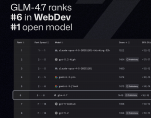
SINGAPORE – Media OutReach Newswire – 26 December 2025 – Z.ai has released GLM-4.7, the latest version of its open-source large language model, ahead of Christmas, as the company steps up efforts to position its models for real-world software development and production use.

GLM-4.7 ranks #6 in WebDev and is the #1 open model

The new model is designed around practical engineering workflows, with a focus on long-running task execution, stable tool calling, and multi-step reasoning, capabilities that have become increasingly important as developers deploy large language models in complex, agent-based systems.

Compared with its predecessor, GLM-4.6, GLM-4.7 shows notable gains in code generation, complex reasoning, and agent execution. According to Z.ai, the model delivers more consistent and controllable performance over extended tasks, while producing cleaner and more concise language output, addressing a common weakness in many open-source models.

To evaluate performance in realistic settings, Z.ai tested GLM-4.7 on 100 practical programming tasks in production-like environments such as Claude Code, spanning front-end, back-end, and command-execution scenarios. The company said GLM-4.7 achieved higher task completion rates and greater stability than GLM-4.6, and has since been adopted as the default model for its GLM Coding Plan.

Benchmark results also place GLM-4.7 among the strongest open-source models currently available. It scored 67.5 on BrowseComp and 87.4 on τ²-Bench, the latter marking a new high for open-source systems. In coding-focused evaluations, including SWE-bench Verified and LiveCodeBench v6, its overall performance approaches that of Claude Sonnet 4.5. In Code Arena’s large-scale blind evaluation, which aggregates votes from more than one million comparisons, GLM-4.7 ranked first among open-source models.

The model is available through the BigModel.cn API and has been integrated into Z.ai’s full-stack development platform, according to the company. As open-source models take on a more prominent role in the global technology ecosystem, Z.ai’s progress offers a clear indication of how such systems may continue to evolve, and what they might enable next.

Default Model for Coding Plan: https://z.ai/subscribe
Try it now: https://chat.z.ai/
Weights: https://huggingface.co/zai-org/GLM-4.7
Technical blog: https://z.ai/blog/glm-4.7

Hashtag: #ZAI

The issuer is solely responsible for the content of this announcement.

By K Raveendran As 2026 approaches, the global oil market is heading into a year that could decisively reshape price dynamics, fiscal planning in producing states, and energy security calculations for importing economies. The defining feature of the coming year is not demand destruction or geopolitical shock, but the growing weight of surplus supply. Market […]

The article 2026 Would Be A Year Of Lower Oil Prices And Crude Oversupply appeared first on Latest India news, analysis and reports on Newspack by India Press Agency).

Advertisements

Taraf, the real estate arm of Yas Holding, has entered a strategic development partnership with Masdar City to deliver Fay Hills, a 153-acre residential masterplan positioned at the centre of Abu Dhabi’s flagship sustainable urban district. The project reflects a broader shift in the capital’s property market towards low-carbon living, wellness-focused design and long-term community planning. Located within Masdar City, Fay Hills is planned as four interconnected […]

United Arab Emirates policy makers are accelerating the shift towards a technology-driven economic model, placing innovation, advanced industries and the knowledge economy at the centre of long-term growth as the country seeks to reduce reliance on hydrocarbons and strengthen competitiveness across global markets. Federal strategies over the past decade have converged around building a diversified economy anchored in artificial intelligence, financial technology, clean energy and advanced manufacturing. […]

Google has committed USD 8 million to support a network of artificial intelligence Centres of Excellence in India, signalling a deeper push into applied AI for public services, health care and local-language technologies while tying the investment to a parallel clean-energy partnership aimed at powering digital infrastructure sustainably.

The funding, announced by Google, is designed to accelerate research, product development and deployment across priority areas that include healthcare delivery, Indic language models and urban governance tools. The company said the centres will work with academic institutions, startups and public-sector bodies to translate laboratory advances into systems that can be deployed at scale, reflecting a broader shift among global technology firms towards mission-oriented AI programmes.

The allocation targets three primary domains. In healthcare, the centres are expected to focus on AI-assisted diagnostics, disease surveillance and workflow automation to reduce administrative burdens on clinicians. Google has previously tested AI models for medical imaging and population health analytics, and the new funding is intended to localise such tools for regional health systems, with attention to data privacy and clinical validation. Researchers involved in early-stage planning say the emphasis will be on interoperable platforms rather than standalone pilots, a response to criticism that many AI health projects fail to move beyond proof of concept.

Language technology forms the second pillar of the initiative. India’s linguistic diversity has long posed challenges for digital inclusion, and the centres are tasked with advancing large language models and speech systems that perform reliably across Indic languages and dialects. Google has already released open datasets and models for low-resource languages; the new programme seeks to improve accuracy, reduce bias and expand access for education, e-governance and small businesses. Industry observers note that competition in multilingual AI has intensified as regional startups and global rivals race to build models that can handle code-switching and local context.

Urban governance rounds out the focus areas, with planned projects covering traffic management, air-quality monitoring and municipal service delivery. Smart-city programmes have generated mixed results over the past decade, often constrained by fragmented data and procurement hurdles. By situating research within Centres of Excellence, Google aims to create replicable frameworks that cities can adapt, rather than bespoke systems tied to individual vendors.

Beyond the AI investment, Google has paired the announcement with a new solar partnership intended to support the energy needs of data centres and AI workloads. The company has pledged to match growth in computing capacity with clean-energy procurement, aligning with its global goal to operate on carbon-free energy around the clock. Analysts say the coupling of AI funding with renewable energy reflects mounting scrutiny of the environmental costs of large-scale computing, particularly as generative AI drives higher power demand.

The USD 8 million commitment is modest compared with Google’s global AI spend, yet its targeted design has drawn attention from policymakers and researchers. Government officials involved in discussions around the Centres of Excellence say the model allows for shared governance, with academic rigour balanced against industry deployment expertise. The approach also aligns with national ambitions to position the country as a hub for responsible AI development, emphasising safety, transparency and societal benefit.

Competition among technology firms has sharpened as Microsoft, Amazon and others expand partnerships with universities and public agencies across the Global South. In this context, Google’s move is seen as both a strategic investment and a reputational play, aimed at demonstrating that advanced AI can address public-interest challenges rather than solely commercial applications. Startups working in health tech and language processing expect spillover benefits through access to datasets, compute resources and mentorship.

Artificial intelligence-powered surveillance is moving from corridors and playgrounds into some of the most sensitive spaces on school campuses, as administrators turn to new tools to curb vaping, bullying and violent incidents while grappling with rising concerns over student privacy, data security and psychological impact. School districts in the United States and parts of Europe have begun deploying AI-driven camera systems, audio sensors and environmental monitors that […]

China’s shipments of rare-earth permanent magnets to the United States fell by 11% in November from October, underscoring how strategic trade frictions and regulatory tightening continue to weigh on a supply chain critical to electric vehicles, wind turbines and advanced defence systems. The monthly drop came despite a temporary easing of broader trade tensions between the world’s two largest economies, signalling that structural constraints rather than short-term […]

Greenlogue/AP A major commitment by Alterra to a renewables platform run by Copenhagen Infrastructure Partners is set to channel long-term capital into clean power, storage and transmission projects across multiple markets, strengthening the scale and pace of energy transition investment worldwide. Alterra, the UAE’s climate investment vehicle with a stated target of deploying $30 billion by the end of the decade, confirmed it is investing in a […]

Ras Al Khaimah has faced one of the most intense rainfall episodes in its recorded history, with official gauges measuring up to 127 millimetres across two days as a powerful storm system swept the northern emirates. The deluge exceeded the emirate’s typical annual average, overwhelming drainage networks and triggering flash flooding in low-lying and mountainous areas.

Authorities said the heaviest downpours were concentrated around Mina Saqr, Jebel Al Rahibah and the upper reaches of Jebel Jais, where steep terrain funnelled runoff into wadis and access roads. Several residential districts reported water entering homes and ground floors, while industrial zones near the coast saw yards and warehouses inundated. Emergency crews were deployed through the night to clear debris, pump water and assist stranded motorists.

Meteorological data show that the system delivered short bursts of exceptionally intense rainfall, a pattern that hydrologists say increases flood risk even where total volumes might otherwise be manageable. In the mountains, rainfall totals were uneven but locally extreme, with gauges registering more than a year’s worth of rain over 48 hours. The combination of saturated ground and rapid runoff led to temporary road closures and landslides on feeder routes to higher elevations.

Officials from civil defence and municipal services said no fatalities had been reported, though injuries were treated at local hospitals and several families were temporarily relocated as a precaution. Schools in affected zones shifted to remote learning for a day while assessments were carried out. Power and water supplies were largely maintained, though brief outages were recorded in pockets where substations were flooded.

The storm formed as moist air from the Arabian Sea collided with a slow-moving upper-level trough, creating prolonged convective activity over the UAE’s north. Weather specialists noted that while heavy rain events are not unprecedented, the persistence and concentration over Ras Al Khaimah set this episode apart. Satellite imagery showed successive storm cells tracking along the same corridor, repeatedly dumping rain over the same catchments.

Urban planners and climate scientists say the episode underlines growing exposure to extreme weather in arid regions. Studies of the Gulf’s climate indicate a tendency towards more erratic rainfall, with longer dry spells punctuated by intense storms. Such shifts challenge infrastructure designed around historical averages, particularly drainage systems sized for shorter, lighter showers.

Ras Al Khaimah’s leadership said post-storm reviews would examine drainage capacity, early-warning protocols and land-use planning in flood-prone areas. Investment in wadis management and retention basins has increased in recent years, but officials acknowledged that rapid development and changing rainfall patterns require constant reassessment. Work crews were already clearing silt from channels and inspecting culverts to restore full flow capacity.

Residents described scenes of fast-moving water sweeping through streets and wadis within minutes of the heaviest rain. In mountain communities, drivers abandoned vehicles as torrents crossed roads, while hikers on Jebel Jais were escorted to safety by rescue teams once conditions allowed. Authorities reiterated advisories against entering wadis during storms, warning that flows can rise without notice far downstream from where rain is falling.

Insurance providers said claims assessments were under way, with early indications pointing to damage to vehicles, ground-floor properties and small businesses. Analysts noted that insurance penetration for flood damage remains uneven, leaving some households reliant on emergency assistance and community support. Local charities and volunteer groups organised relief supplies, including pumps and cleaning equipment, to help affected families return to their homes.

The episode has also prompted renewed discussion about data sharing and public communication. Meteorologists said advances in radar and nowcasting allow for more precise warnings, but effective response depends on rapid dissemination and public trust. Authorities credited social media alerts and mobile notifications with reducing exposure, though they acknowledged that compliance varies, particularly among motorists accustomed to short-lived showers.

Arabian Post Staff -Dubai Abu Dhabi National Oil Company has finalised a $2 billion green financing facility backed by the Korea Trade Insurance Corporation, strengthening its funding base for lower-carbon projects as it seeks to align hydrocarbon operations with long-term energy transition goals. The facility, structured under ADNOC’s Sustainable Finance Framework, is earmarked for eligible investments across the company’s upstream, downstream and chemicals businesses, including emissions-reduction technologies, […]

Denmark has begun a phased retreat from Microsoft software across parts of its public administration, signalling a broader reassessment of how governments manage dependence on dominant technology suppliers and safeguard digital sovereignty. The shift, confirmed by officials overseeing state IT procurement, starts with the transport and traffic administration but is framed as a test case for wider adoption across ministries and agencies. At the centre of the […]

Prime Minister Narendra Modi arrived in Muscat on December 17 for a two-day visit that places the spotlight on a partnership shaped by geography, commerce and people-to-people ties across the Arabian Sea. Sayyid Shihab bin Tarik Al Said, Deputy Prime Minister for Defence Affairs, led the welcoming party at Muscat International Airport, receiving the guest and his delegation with ceremonial honours. The visit marks a milestone year […]

Abu Dhabi Future Energy Company, known as Masdar, has withdrawn from a consortium seeking to take ReNew Energy Global private, bringing the proposed buyout of the Nasdaq-listed renewable power producer to an abrupt end and sending a fresh signal about the challenges facing large-scale clean energy transactions. ReNew disclosed the development in a filing to the US Securities and Exchange Commission, confirming that the investor group will […]

Greenlogue/AP AMEA Power has commissioned a 120 megawatts-peak solar photovoltaic plant in Tunisia’s Kairouan Governorate, adding one of the country’s largest utility-scale renewable assets to the national grid and strengthening North Africa’s push to diversify power generation. The project operates under a 20-year power purchase agreement with Société Tunisienne de l’Electricité et du Gaz, providing long-term offtake certainty for the state utility and stable revenues for the […]

The United Arab Emirates has consolidated its standing in 2025 as one of the world’s fastest-growing economies, underpinned by a surge in non-oil activity, sustained investment inflows and a regulatory framework designed to attract capital and talent. Data released through the year point to broad-based expansion across trade, manufacturing, logistics, tourism, finance and technology, reinforcing a shift away from hydrocarbons as the primary engine of growth.

Non-oil foreign trade climbed 24.5 per cent in the first half of 2025 to AED1.7 trillion, a pace that far exceeds the prevailing global trade growth rate. The increase reflects rising re-exports, stronger demand from Asia, Europe and Africa, and the UAE’s role as a commercial bridge linking major markets. Officials have highlighted gains in machinery, electronics, precious metals, food products and pharmaceuticals, supported by expanded port capacity, faster customs procedures and new trade agreements.

Investment indicators have moved in tandem with trade. The UN Conference on Trade and Development’s World Investment Report 2025 ranked the UAE 10th globally for inbound foreign direct investment in 2024, with inflows of AED167.6 billion. That placing keeps the country among the world’s most attractive destinations for capital, alongside much larger economies, and underscores confidence in the policy environment, infrastructure and legal protections available to investors.

Economic planners attribute the momentum to a combination of structural reforms and targeted incentives. Liberalised ownership rules, long-term residency options for professionals and entrepreneurs, and streamlined licensing have lowered barriers for international firms. Specialised free zones continue to draw companies in logistics, clean energy, advanced manufacturing, fintech and digital services, while onshore jurisdictions have simplified company formation and compliance.

Non-oil GDP growth has been supported by strong domestic demand and an expanding population of skilled workers. Tourism has posted record levels of hotel occupancy and visitor spending, aided by expanded air connectivity and major events that have kept demand resilient across seasons. Retail and hospitality have benefited from rising consumer confidence, while real estate transactions have remained active across residential, commercial and industrial segments.

Manufacturing has emerged as a key contributor, with investments flowing into metals, food processing, pharmaceuticals and building materials. The push to localise supply chains and boost exports has been reinforced by incentives for advanced manufacturing and the adoption of automation and artificial intelligence. Renewable energy and clean technology projects have also attracted capital, aligning economic growth with climate commitments.

The financial sector has played a central role in channelling investment. Banks have reported healthy credit growth to businesses, while capital markets have seen new listings and debt issuance that broaden funding options. Asset managers and private equity firms have expanded regional operations, using the UAE as a base for Middle East, Africa and South Asia strategies. Regulatory clarity in digital assets and fintech has further widened the investor base.

Trade policy has complemented domestic reforms. Comprehensive economic partnership agreements have reduced tariffs and opened access to fast-growing markets, supporting exporters and logistics providers. Improved customs digitisation has shortened clearance times, enhancing the country’s competitiveness as a trans-shipment hub. The scale of non-oil trade growth indicates that these measures are translating into higher volumes rather than merely price effects.

HONG KONG SAR – Media OutReach Newswire – 18 December 2025 – IX Asia Indexes today announced the 2nd Half 2025 Review of the IX Digital Asset Industry Classification System (“DAICS®“), aiming to provide professionals worldwide with a transparent and standardized classification scheme to determine sector and exposure of particular digital assets. DAICS® classifies digital assets into 2 main categories: a) Cryptocurrencies and b) Asset Backed Tokens (ABTs) in a 3-tier system for each category. For Cryptocurrencies: Tier 1-Industry/ Tier 2-Sector/ Tier 3-Sub-sector; and for ABTs: Tier 1-Asset Type/ Tier 2-Branch/ Tier 3-Sub-branch. The results are as follows:

  • DAICS® coin coverage: As of 3rd December, the top 50 coins by average market capitalization across the past 90 days
  • DAICS® market capitalization coverage: 96.98%*
  • The % coverage of market capitalization of the 50th ranked coin: 0.048%**
  • Member changes within the Top 50 Coins in DAICS®: eight coins added and nine coins deleted
  • Additions: Zcash (ZEC), World Liberty Financial USD (WUSD), PayPalUSD (PYUSD), Memecore (M), Worldcoin (WLD), Story (IP), Arbitrum (ARB), KuCoin (KCS)
  • Deletions: Mantra (OM), GateToken (GT), Official Trump (TRUMP), VeChain (VET), Render (RENDER), First Digital USD (FDUSD), Filecoin (FIL), Cosmos (ATOM), Algorand (ALGO)
  • 9 Green Coins labelled: Cronos (CRO), Pi (PI), Internet Computer (ICP), Hedera, Sui (SUI), Toncoin (TON), Arbitrum (ARB), Mantle (MNT), Tron (TRX)

Note:
*Special currency treatment of DAICS® applies, where any wrapped or second-level cryptocurrency is not considered in the calculation for the market capitalization of DAICS®

**Based on 3rd December 2025
G: Green Coin

The rankings of additions and deletions for the DAICS® top 50 cryptocurrencies are listed in Appendix 1. All classification changes, including the ixCrypto Infrastructure Index and ixCrypto Stablecoin index, will take effect on 23rd January 2026, with market capitalization, rankings, and weightings available at www.ix-index.com.

1. Cryptocurrencies

1.1. Structure and Definitions

Tier 1: Industry Changes
The industry groups remain unchanged, with 5 industries and the respective weightings as follows:

Industry Weighting (%)
Payment (110) 73.87%
Infrastructure (120) 19.89%
Financial Services (130) 4.82%
Tech & Data (140) 0.22%
Media & Entertainment (150) 1.20%

Tier 2: Sector Changes
The number of sectors has increased from 17 to 18. There is one new sector added under the industry group “Tech & Data (140)”:

Identification (14040)
Definition: Cryptocurrencies that facilitate decentralized identity authentication and/or blockchain-based validation of digital intellectual property rights. The classification emphasizes trust, data consent, and privacy as core architectural features while the crypto by itself is not an identity token.

1.2. Reclassification Changes
This review doesn’t have any reclassification of the existing coins. The DAICS® 2H 2025 cryptocurrencies classification is available in Appendix 2.

1.3. Green Coin Label
This review identifies 9 Green Coins, classified based on their energy-per-unit-transaction, which is defined as the amount of energy consumed for a successful single unit transaction of the coin in the blockchain network. The coins selected rank in the top 20 percentile of the least energy-consuming cryptocurrencies out of the 50 DAICS® constituents. The top 20 percentile’s threshold in this review is ≤ 0.150 Wh. The table below lists these low-energy coins.

Industry Low Energy-per-transaction (≤ 0.150 Wh)
Payment (110) CROG
PIG
Infrastructure (120) ICPG
SUIG
ARBG
TRXG
HBARG
TONG
MNTG
Financial Services (130) NIL
Tech & Data (140) NIL
Media & Entertainment (150) NIL


Note: G as ‘Green Coin‘ labelling for cryptocurrencies that adhere to the principles of sustainability

2. Asset Backed Tokens (ABT)

2.1. Structure and Definitions

Tier 1: Asset Type Changes
The asset types remain unchanged at 6 as follows:
1) Culture (205),
2) Real Estate (215),
3) Financials (235),
4) Entertainment (255),
5) Natural Resources (265), and
6) Green Economy (275)

Tier 2: Branch Changes
The number of branches has increased from 31 to 32, with a new branch added under Financials (235): Tokenized funds (23540).

2.2. Classification Changes
This review doesn’t have any reclassification of the existing assets.

2.3. Coverage of DAICS®
A classification summary and definition table of both cryptocurrencies and ABTs are available in Appendices 3 and 4. For further information regarding the methodology of the DAICS®, please refer to the “IX Digital Asset Industry Classification System”- principle and guiding methodology on the company website https://ix-index.com/daics.html.

For more details on DAICS® qualification criteria, please email daics@ixindex.com.

Appendix 1

Additions and Deletions in DAICS® Top 50 Cryptocurrencies

Additions
Current Rank Cryptocurrencies
28 Zcash (ZEC)
31 World Liberty Financial USD (WUSD)
41 PayPal USD (PYUSD)
45 MemeCore (M)
46 Worldcoin (WLD)
49 Story (IP)
50 Arbitrum (ARBG)
51 KuCoin (KCS)

Deletions

Prev. Rank Cryptocurrencies Current Rank
34 Mantra (OM) 300+
41 GateToken (GT) 67
43 OFFICIAL TRUMP 56
45 VeChain (VET) 55
46 Render (RNDR) 58
47 First Digital USD (FDUSDG) 71
48 Filecoin (FIL) 61
50 Cosmos (ATOM) 54
51 Algorand (ALGO) 52

G: Green Coin

Appendix 2

Classification of the Top 50 Coins by Industry and Sector
Category

Industry Sector Cryptocurrencies
Cryptocurrencies (1) Payment:

Blockchain based money, designed for transactional purposes. This includes daily transactions usage and stablecoins.

Transaction & Payment BTC
XRP
BCH
XLM
LTC
XMR
CROG
ZEC
PIG
KAS
Stablecoin USDT
USDC
USDe
DAI
WUSD
PYUSD
Infrastructure:

Bedrock blockchain that facilitates the operation of other decentralised applications. This includes the creation and running of dedicated blockchain platforms, achieving interoperability between networks, increasing the amount or speed of transactions etc

Application Development Protocol & Smart Contract ETH
SOL
TRXG
ADA
HYPE
SUIG
AVAX
HBARG
TONG
NEAR
ETC
APT
ICPG
Interoperability LINK
DOT
ATOM
Scaling & Sharding MNTG
ARBG
POL
Supporting System NIL
Financial services:

Tokens that provide on-chain asset management services, crypto-exchange services, funding, lending and other capital markets related services

Exchange Tokens BNB
LEO
BGB
UNI
OKB
KCS
Lending & Borrowing AAVE
Staking ENA
Financial Asset Tokenization ONDO
Tech & Data:

Provision of data management and storage, and development of innovative crypto technology

Storage & Sharing NIL
Data Management NIL
Artificial Intelligence TAO
Identification
(NEW)
WLD IP
Media & Entertainment:

Recreational and media services. Including content creation and distribution, advertising through crypto-asset incentive mechanisms, gaming and collectibles

Social Media & Community DOGE
SHIB
PEPE
M
Streaming NIL
Gaming NIL
Metaverse NIL

Note:
G as ‘Green Coin‘ for cryptocurrencies that adhere to the principles of sustainability

NEW for newly added sector

Appendix 3

DAICS® Industry and Sector Definition

Category Industry Sector Sector definition
Cryptocurrencies (1) Payment: (110)

Definition
Blockchain based money, designed for transactional purposes. This includes daily transactions usage and stablecoins.

Transaction & Payment
(11010)
Cryptocurrencies that are used for store of value, unit of account, medium of exchange
Stablecoin
(11020)
Cryptocurrencies where price is pegged to a / a basket of, reference asset
Infrastructure: (120)

Definition
Bedrock blockchain that facilitates the operation of other decentralised applications. This includes the creation and running of dedicated blockchain platforms, achieving interoperability between networks, increasing the amount or speed of transactions etc.

Application Development Protocol & Smart Contract
(12010)
layer-1 blockchain network that facilitates DApp creation and smart contract execution and smart contract
Interoperability
(12020)
Network that increases inter-connectivity and integration of the fragmented cryptocurrency ecosystem
Scaling & Sharding
(12030)
Networks that increase the ability to cope with the influx of many transactions at a time and blockchain network that can be split into smaller partitions, to improve scalability and process transactions quicker
Supporting System
(12040)
Networks/sidechains that improve functionality of layer-1 network
Financial services: (130)

Definition
Tokens that provide on-chain asset management services, crypto-exchange services, funding, lending, and other capital markets related services

Exchange Tokens
(13010)
Cryptocurrencies that represent the stable coin in the exchange ecosystem and allow users to covert from digital asset on decentralised or centralised system int fiat currencies
Lending & Borrowing
(13020)
Borrowing and lending crypto assets with interest in return and other secondary financial tools derived from primary underlying asset, such as crypto futures and options
Staking
(13030)
Holding and “staking” of certain amount of cryptocurrency in a wallet to facilitate network operations
Financial Asset Tokenization (13040)

Cryptocurrencies/protocols that focus on the tokenized issuance and management of financial assets
Tech & Data: (140)

Definition
Provision of data management and storage, and development of innovative crypto technology

Storage & Sharing
(14010)
Crypto protocols that provide decentralized storage and/or sharing of data filing and resources.
Data Management
(14020)
Networks/Protocols that facilitate the indexing and querying of data from blockchain(s), enabling efficient data retrieval and management for decentralized applications
Artificial Intelligence
(14030)
Cryptos/Protocols that facilitate the use of AI powered apps or projects directly using blockchain platform.
Identification
(14040) (NEW)
Cryptocurrencies that facilitate decentralized identity authentication and/or blockchain-based validation of digital intellectual property rights. The classification emphasizes trust, data consent, and privacy as core architectural features while the crypto by itself is not an identity token.
Media & Entertainment: (150)

Definition
Recreational and media services. Including content creation and distribution, advertising through crypto-asset incentive mechanisms, gaming and collectibles

Social Media & Community
(15010)
Cryptos that provides mast social community and followers without a close secondary industry sector
Streaming
(15020)
Cryptos that provides rights to access decentralised video-streaming sites
Gaming
(15030)
Cryptos which mainly used in gaming or gaming supporting industry
Metaverse
(15040)
Cryptos that is commonly used in collective virtual open space, created by the convergence of virtually enhanced physical and digital reality. This includes the use of VR and/or AR and/or 3D.

Note: NEW for newly added sector

Appendix 4

DAICS® Asset Type and Branch Definition
Category

Asset Type Branch Sub -branch
Asset-Backed Tokens (2) Culture: (205)

Definition
Real asset relating to sports, art, cultural drama, festive collectibles and design IPs etc.

Art
(20510)

This shall be further developed in the future with more digital assets available in the market

Sports
(20520)
Festive Collectibles
(20530)
Design IPs
(20540)
Drama and Play IPs
(20550)
Real Estate:(215)

Definition
Assets that mainly derived its valuation from property, real estate, and land

Commercial Property
(21510)
Residential Property
(21520)
Governmental Property
(21530)
Residential and Commercial Land
(21540)
Financials: (235)

Definition
Real financial asset including listed company shareholdings on regulated centralised exchanges and private company shareholdings; debt instruments; property trusts and derivatives that settled on regulated exchange (CeFi and DeFi).

Tokenised Securities (Company Securities, ETF)
(23510)
Tokenised Debts
(23520)
Tokenised REITs
(23530)
Tokenised Funds(NEW)
(23540)
Entertainment: (255)

Definition
Ownership of the IPs assets in the area of entertainment in real world such as concert, play, shows, circus, musicals, songs, movies, games, events and programs, and souvenir collectibles that is derived from the above areas.

Movies
(25510)

This shall be further developed in the future with more digital assets available in the market

Songs
(25520)
Concerts
(25530)
Gaming
(25540)
All Other Entertainment Events and Collectibles
(25550)
Natural Resources: (265)

Definition
Natural resources asset that derived directly from sea, sky, atmosphere and underground and can be classified as a commodity with standardisation such as precious metals, agricultural, energy and metals.

Precious Metals
(26510)
Agricultural
(26520)
Energy
(26530)
Metals
(26540)
Green Economy (275)

Definition
Ownership of Projects Asset that falls under the definition of the UN 17SDG²s, with over 80% of the income or jobs provided on these 17 initiatives.

No Poverty & Zero Hunger
(27510)

Following definition of the United Nations
17 sustainable development goals²

Good Health and Well-Being
(27520)
Quality Education
(27530)
Gender Equality
(27540)
Clean Water and Sanitation/Affordable and Clean Energy
(27550)
Decent Work and Economic Growth/ Industry, Innovation, and Infrastructure/ Partnerships for the Goals
(27560)
Reduced inequalities/ Peace, Justice and Strong Institutions
(27570)
Sustainable Cities and Communities/Responsible Consumption and Production
(27580)
Climate Action
(27590)
Life Below Water & Life on Land
(27500)

Note: NEW for newly added branch

² United Nations 17 sustainable development goals covering 1) No Poverty 2) Zero Hunger 3) Good Health and Well-Being 4) Quality Education 5) Gender Equality 6) Clean Water and Sanitation 7) Affordable And Clean Energy 8) Decent Work and Economic Growth 9) Industry, Innovation and Infrastructure 10) Reduced inequalities 11) Sustainable Cities and Communities 12) Responsible Consumption and Production 13) Climate Action 14) Life Below Water 15) Life on Land 16) Peace, Justice and Strong Institutions and 17) Partnerships for the Goals https://sdgs.un.org/goals

The issuer is solely responsible for the content of this announcement.

About DAICS®

DAICS® covers both cryptocurrencies and asset-backed tokens (“ABTs”), to be reviewed semi-annually at the end of June and December. On the cryptocurrency side, it is a three-tier system that groups cryptocurrencies into 5 main industries: 1) Payment, 2) Infrastructure, 3) Financial services, 4) Technology & Data, and 5) Media & Entertainment. These industries are further divided into sectors and sub-sectors to be introduced in the future. Under asset-backed tokens, there are 6 asset types: 1) Culture, 2) Real Estate, 3) Financials, 4) Entertainment, 5) Natural Resources, 6) Green Economy. These asset types are further divided into branches and sub-branches to be introduced in the future.

About the IX Asia Tokenization Advisory Committee and Working Group

The establishment of the IX Asia Tokenization Advisory Committee (“Advisory Committee”) is to pursue the goal and vision of formulating a standard for a global tokenization framework in a compliant and transparent way. The key role of the Advisory Committee is to formulate the guidelines and references for tokenization in terms of infrastructure, business, financial stability, sustainability, internal control, and classification. The Advisory Committee is comprised of industry-recognised leaders from blockchain consultancy, sustainable projects, and the field of the Art industry.

The establishment of the Working Group is to identify, evaluate and recommend key directions and founding principles according to their specific industry knowledge and expertise in relating to the creation of the specified token. It will examine and propose improvements to the guidelines and references for tokenization. The working group is formed of a diverse group of market experts representing relevant sectors and markets, to provide input and discuss case studies for creation of tokenization framework, best practices and development of real-world projects.

For more information about IX Asia Tokenization Advisory Committee & Working Group, please visit .

Adobe has unveiled a significant expansion of its Firefly artificial intelligence platform, adding text-based video editing tools, camera controls and 4K upscaling as part of a broader push to embed generative AI more deeply into professional creative workflows. The update positions Firefly as a central layer across Adobe’s video and design ecosystem, with the company arguing that the new features reduce technical friction while keeping creators in […]

Greenlogue/AP Saudi Arabia’s ACWA Power has entered into a cooperation framework with the African Development Bank aimed at mobilising as much as $5 billion for sustainable energy and water projects across Africa, signalling an expansion of private capital participation in the continent’s infrastructure financing landscape. The agreement sets out a pathway to identify, develop and finance projects focused on electricity access, water security and low-carbon investment, with […]

KUALA LUMPUR, MALAYSIA – Media OutReach Newswire – 17 December 2025 – The SME100 Awards has become one of the most trusted and influential platforms for high growth Malaysian enterprises, recognised for its rigorous evaluation standards and its role in identifying the country’s most promising businesses. Over the years, the programme has evolved into more than an award. It has become a springboard for SMEs seeking credibility, visibility and a supportive ecosystem in an increasingly volatile business landscape.

That landscape has grown more challenging than ever. Malaysian SMEs are operating in a climate defined by rising costs, talent shortages, complex regulatory requirements and tightening cash flow. Inflation continues to push operational expenses upward, while difficulties in hiring and retaining skilled talent have slowed growth for many. These pressures have created a harsh reality. Companies that lack adaptability risk losing market share, while those that act decisively are discovering opportunities in places previously overlooked.

Despite these obstacles, the SME sector has demonstrated a remarkable ability to rebound. Recent data shows that SME GDP grew by 11.6 percent, surpassing the national average and signalling that transformation, not stability, is driving growth. Many businesses have embraced digital tools, streamlined operations and explored new revenue pathways. The divide between surviving and thriving is becoming clearer, and it is defined by mindset, capability and speed.

In this environment, the SME100 Awards serves as a crucial platform for SMEs to strengthen their position. The programme provides a structured pathway for benchmarking performance, accessing regional networks and gaining recognition that matters to customers, partners and investors. By combining quantitative financial indicators with qualitative assessments and a full interview process, SME100 identifies companies that are not only resilient, but ready for the next phase of growth. For winners, the programme offers visibility, connection to a strong ASEAN SME community and access to continuous learning and collaboration opportunities.

Datuk William Ng, National President of SAMENTA, underscored the importance of this support. He said, “Malaysian SMEs are confronting some of the toughest market realities in decades. Yet the most progressive among them are proving that adversity can be a turning point. The SME100 Awards highlight these companies not simply for their achievements, but for the mindset they represent. They show the entire SME sector what is possible when we combine innovation, discipline and the willingness to change.”

The SME100 programme is further strengthened by the involvement of key industry partners. CTOS serves as the official credit reporting partner, Baker Tilly Malaysia as the official auditor and CGC Digital as the gold sponsor. Together, they enhance the transparency, credibility and relevance of the awards while reinforcing the broader ecosystem that supports SME growth.

For more information about the SME100 Awards 2025 Malaysia and the complete list of winners, please visit www.sme100.asia

LIST OF WINNERS OF THE MALAYSIA SME100 AWARDS 2025 (IN ALPHABETICAL ORDER):

  1. AA AVIATION SDN BHD
  2. AGENSI PEKERJAAN KAWA GLOBAL SDN BHD
  3. AL HIJRA HEALTHCARE SDN BHD
  4. AMD SOLUTIONS SDN BHD
  5. ARVIA SOLUTIONS
  6. AUTHENTIC TIMBER RESOURCES SDN BHD
  7. BIMAGE CONSULTING (M) SDN BHD
  8. BINA SKK SDN BHD
  9. BLACK GOLD SECURITY SDN BHD
  10. BUMI SENDAYAN SDN BHD
  11. CASA ENTERTAINMENT GROUP SDN BHD
  12. CEE INDUSTRIES SDN BHD
  13. CRILIGHT MARKETING (M) SDN BHD
  14. CRT INSIGHTS TECHNOLOGIES SDN BHD
  15. CTRM TESTING LABORATORY SDN BHD
  16. DAYASAKTI TRAVEL & TOURS SDN BHD
  17. DREAMAZE SDN BHD
  18. EDCA ENERGY SDN BHD
  19. EF STORE SDN BHD
  20. EG TECH SYSTEM SDN BHD
  21. ELITE MARKETING GROUP SDN BHD
  22. EVOPOINT SDN BHD
  23. FLEX SEAL & PUMP ENGINEERING SDN BHD
  24. FLEXI FLEX HYDRAULICS SDN BHD
  25. GREEN EXCEL ENGINEERING AND CONSULTANCY SDN BHD
  26. HAI SUAR HUAT PILING SDN BHD
  27. HEAP WAH BARAKAH SDN BHD
  28. IDMS TECHNOLOGIES SDN BHD
  29. IDPM ENGINEERING SDN BHD
  30. INDAH CLEANING SERVICES & MAINTENANCE (M) SDN BHD
  31. INDS CAPITAL SDN BHD
  32. IX REALTY SDN BHD
  33. J20 ADVANCE SDN BHD
  34. JIN SAN CONCRETE SDN BHD
  35. JNDESIGN MARKETING SDN BHD
  36. KIMAL AWNING & IRON WORKS SDN BHD
  37. KMS MANUFACTORY SDN BHD
  38. KPRJ E&C SDN BHD
  39. LES’ COPAQUE PRODUCTION SDN BHD
  40. LOGIX EXPRESS SDN BHD
  41. MABUCO SDN BHD
  42. MALGAZ INDUSTRIES SDN BHD
  43. MARCH INTERIOR STUDIO SDN BHD
  44. MATTECH MANUFACTURING SDN BHD
  45. MEOFCO SDN BHD
  46. MK HARAMAIN TRAVEL & TOURS SDN BHD
  47. MK PORRIDGE SDN BHD
  48. MTC CAFE AND RESTAURANT
  49. NEW KC TRADING SDN BHD
  50. NURSERY HONG SOON SDN BHD
  51. OG MARKETING GROUP SDN BHD
  52. QUANTUM COMPUTING SDN BHD
  53. RADDISH TECHNOLOGY SDN BHD
  54. RAY TECH (MALAYSIA) SDN BHD
  55. RFY ACES (M) SDN BHD
  56. SAI COND SALES & ENGINEERING SDN BHD
  57. SALAM MEDICAL CENTRE SDN BHD
  58. SARAMOLY (M) SDN BHD
  59. SATRIA TECHNOLOGIES SDN BHD
  60. SAUDAGAAR ASIA SDN BHD
  61. SIN THYE & COMPANY (PRO SAFETY)
  62. SIS INTEGRATED SDN BHD
  63. SK GLOBE BUSINESS CAPITAL SDN BHD
  64. SKA TRANSPORT (M) SDN BHD
  65. SKINVILLE SOLUTION SDN BHD
  66. SKY POWER SDN BHD
  67. SOFTWELL SDN BHD
  68. SOLAR VOLTECH SDN BHD
  69. SOLARLINK ENERGY SDN BHD
  70. SOON LEE STEEL SDN BHD
  71. SPEEDBRICK SDN BHD
  72. SSEMEDX SERVICES SDN BHD
  73. SUPER EDUCATIONAL ALLIANCE SDN BHD
  74. SUSTEN SDN BHD
  75. TERAS IMPIANA SDN BHD
  76. THONG WORLD SDN BHD
  77. TONG SHENG ENGINEERING SDN BHD
  78. TRUZ HOME SDN BHD
  79. UBINGO VACATIONS SDN BHD
  80. V CRITICAL ENGINEERING SDN BHD
  81. VIRTUAL ECONOMY TECHNOLOGY SDN BHD
  82. YPS TECHNOLOGY SDN BHD
  83. ZABSI INDUSTRIAL VENTILATION SDN BHD

SME100 OUTSTANDING INSPIRATIONAL ENTREPRENEUR AWARDS 2025

  • MR. DONAHUE CHONG – BIMAGE CONSULTING (M) SDN BHD
  • MR. EDWARD CHYE WEI YANG – EDCA ENERGY SDN BHD
  • MR. KALVIN CHUA – EVOPOINT SDN BHD
  • YBHG. DATO’ RAVINTHRAN S/O BALAH – INDAH CLEANING SERVICES & MAINTENANCE (M) SDN BHD
  • MR. BENJAMIN GUNG SIE KAI – JIN SAN CONCRETE SDN BHD
  • MR. CHIN KAH SHING – NURSERY HONG SOON SDN BHD
  • MR. YEE HONG HO – RFY ACES (M) SDN BHD
  • MR. DESMOND GOH – SKY POWER SDN BHD
  • MR. SIEW YOUNG MING – SSEMEDX SERVICES SDN BHD
  • IR. BAVANANTHAN A/L SELVAMANY – TERAS IMPIANA SDN BHD

SME100 SUSTAINABLE BRAND AWARDS 2025
  • EDCA ENERGY – EDCA ENERGY SDN BHD
  • JardinPèau – SKINVILLE SOLUTION SDN BHD
  • SAI COND – SAI COND SALES & ENGINEERING SDN BHD
  • IDMS TECHNOLOGIES – IDMS TECHNOLOGIES SDN BHD
  • UbinGO VACATIONS – UBINGO VACATIONS SDN BHD
SME100 WOMEN ENTREPRENEUR AWARDS 2025
  • MS. YUNLU LEE – AUTHENTIC TIMBER RESOURCES SDN BHD
  • MS. NURUL AIN BINTI MOHAMAD KHDRI – ARVIA SOLUTIONS
  • MS. FLORENCE GOH SIEW BOEY – CRT INSIGHTS TECHNOLOGIES SDN BHD
  • MS. DOREEN DING – INDS CAPITAL SDN BHD
  • MRS. SURIA HANI BINTI AFFANDI CHEW – MERAQUE SERVICES SDN BHD
  • MS. ELLEN LIM – SKA TRANSPORT (M) SDN BHD
  • TS. KOK SHIN LIN – SUSTEN SDN BHD
  • MS. MICHELLE YEONG – THONG WORLD SDN BHD

SME100 CTOS CREDIT EXCELLENCE AWARDS 2025

  • BUMI SENDAYAN SDN BHD
  • IDPM ENGINEERING SDN BHD
  • JNDESIGN MARKETING SDN BHD
  • KMS MANUFACTORY SDN BHD
  • NURSERY HONG SOON SDN BHD

Hashtag: #SME100Awards

The issuer is solely responsible for the content of this announcement.

About SAMENTA

Established in 1986, SAMENTA is Malaysia’s largest association of SMEs, with over 5,500 members across the country. A multi-racial, multi-sector association, SAMENTA has been at the forefront of championing a SME-friendly business environment and connecting SMEs to regional and global opportunities.

About Business Media International

Business Media International is a subsidiary of Audience Analytics Limited, a regional leader in promoting growth for companies in Asia through data-driven brands and initiatives. We own renowned media brands such as SME Magazine, HR Asia, Capital Asia, Energy Asia, Logistics Asia, TruthTV, and CXP Asia as well as business impact assessment brands such as SME100, HR Asia Best Companies to Work for in Asia, Golden Bull Awards and CXP Asia Best Customer Experience Awards. Audience Analytics also owns a number of exhibition brands and has the proprietary software-as-a-service – Total Engagement Assessment Model.

VISHNU RAJA
RYO YAMADA
HITORI GOTOH
IKUYO KITA