News related to
clean

Nigeria’s energy shortfall continues to constrict economic potential, affecting millions of homes and businesses, prompting a call from Ronald Adams—Chairman of the off‑grid impact fund All On and Managing Director of Shell Nigeria Exploration and Production Company —for substantial private investment to close the gap. Addressing business leaders at the Lagos Chamber of Commerce and Industry’s 2025 International Business Conference & Expo, Adams highlighted that over 80 million Nigerians lack […]

Asian equity markets wavered sharply as Nvidia’s impressive financial performance clashed with deepening concerns over its operations in China, exposing investor nerves across the region. Nvidia delivered a commanding second‑quarter performance, posting a 56 per cent year‑on‑year revenue surge to approximately $46.7 billion and a 59 per cent rise in net income to around $26.4 billion. Despite exceeding expectations and charting strong growth, its shares slid about 3 per cent in after‑hours trading, as the forecast for […]

ADNOC has sealed a 15‑year Sales and Purchase Agreement with Indian Oil Corporation Ltd for the annual supply of 1 million tonnes of liquefied natural gas, marking a definitive move from the previous memorandum. The cargoes will be eligible for delivery to any port across India, reinforcing ADNOC’s position as a dependable supplier to meet India’s expanding energy needs and energy security demands. ADNOC’s Ruwais LNG project, […]

Menzies Aviation, the wholly owned subsidiary of logistics firm Agility, has completed its acquisition of G2 Secure Staff for a total enterprise value of $305 million, with an additional $10 million payable in 2026 upon meeting performance targets. The transaction immediately doubles Menzies’ U. S. footprint, adding more than 110 locations across key hubs such as Atlanta, Los Angeles and Denver. Menzies will consolidate G2’s operations under its own brand and begin integration at once to ensure continuity for staff, clients and partners.

The acquisition is projected to result in a 20 per cent uplift to group revenue, taking it beyond $3.1 billion based on fiscal 2024 figures. This marks a pivotal expansion within the United States—arguably the world’s most dynamic aviation market—and fortifies Menzies’ standing as the largest independent aviation services provider in the U. S.

Menzies now operates across 350 airports in 65 countries, supported by a workforce numbering tens of thousands. The addition of G2’s expertise in passenger assistance, cabin cleaning, ground and air cargo handling significantly enhances its service portfolio.

Menzies’ Executive Vice-President for the Americas, John Redmond—who has led the region for nearly two decades—will continue to steer U. S. operations with support from G2’s senior leadership. Both companies emphasise that the culture and values of each will be integrated to benefit employees and clients.

Hassan El-Houry, Executive Chairman of Menzies Aviation, frames the acquisition as a strategic bet on enduring demand in the U. S. aviation sector. He notes that U. S. passenger traffic is expected to exceed one billion by 2040, amid rising airport infrastructure investments, and says the deal builds structural capacity for growth, digital transformation, and labour demand.

Group CEO Philipp Joeinig describes the deal as more than simple expansion. He highlights that the added infrastructure is “high-readiness,” tailored to meet growing airline demand for seamless service across multiple airports. Menzies plans to roll out its leading standards in training, safety, sustainability, and technology to the newly acquired operations.

Menzies and G2 are now aligned to elevate operational excellence, with the rebranded operations aimed at reinforcing both efficiency and service standards. The integration promises job creation and upskilling for the combined U. S. workforce, which will operate under unified management and best-in-class protocols.

HANAU, GERMANY – Newsaktuell – 26 August 2025 – VACUUMSCHMELZE (VAC), a global leader in the production of rare earth permanent magnets and Torngat Metals, a Quebec-based rare earths development company, have signed a non-binding Memorandum of Understanding (MOU) to pursue an offtake agreement for Torngat Metals to supply VAC with long-term security of fully traceable and responsibly produced separated rare earth oxides. The MOU was signed […]

Greenlogue/AP Dubai’s Madinat Jumeirah is set to welcome the climate and sustainability community on 26 and 27 November 2025 as it hosts the MENA edition of CARE—Climate Action & Renewable Energy Expo. The B2B summit offers a platform for governments, tech innovators, financiers and corporate leaders to converge around actionable decarbonisation and renewable energy strategies. Under the global initiative of CARE, organised by Trescon, this two-day event […]

Strengthening its ecosystem, Shopee connects affiliates and brands to help shoppers enjoy Lagi Murah and Lagi Cepat deals. KUALA LUMPUR, MALAYSIA – Media OutReach Newswire – 26 August 2025 – For the first time Shopee’s flagship event, Shopee House, welcomed affiliates from every channel, including Shopee Live, Shopee Video, and YouTube Shopping, at its headquarters in Kuala Lumpur last weekend. The two-day activation brought together 500 top-performing […]

Advertisements

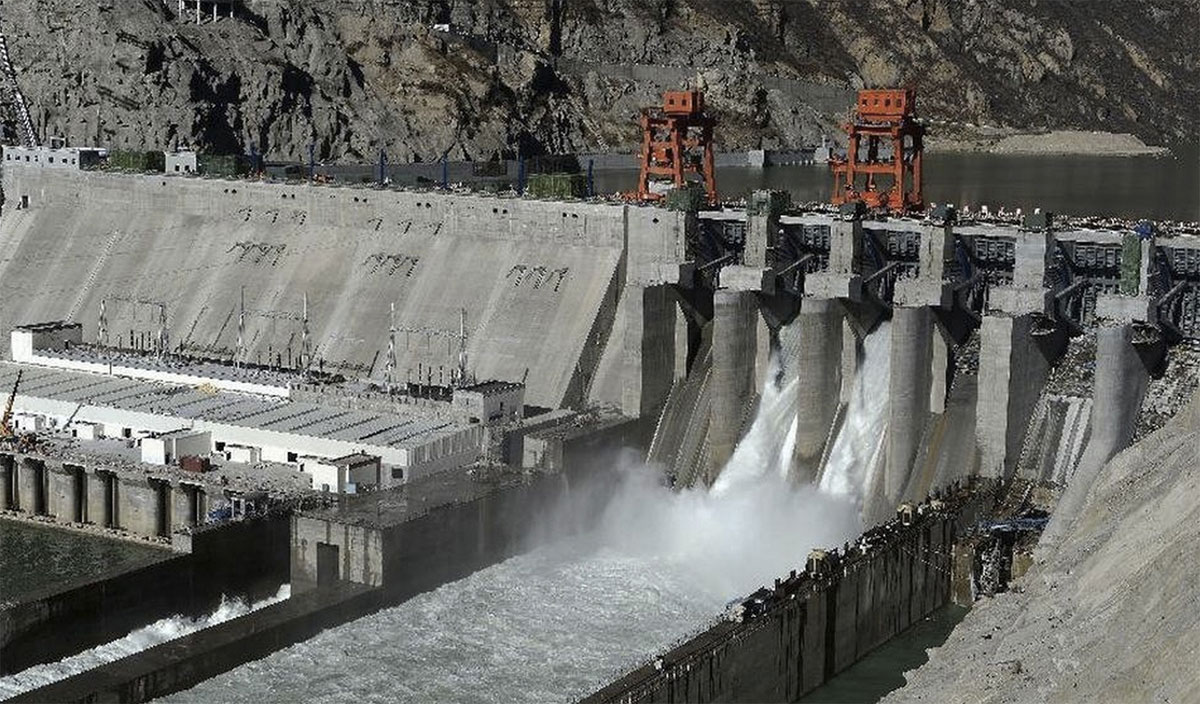
China has officially launched the construction of a massive hydropower project along the Yarlung Tsangpo river, known as the Brahmaputra in India. This new initiative, expected to be one of the largest of its kind globally, has ignited significant debate over its environmental, geopolitical, and economic implications. The hydropower station is a crucial part of China’s long-term strategy to increase its control over water resources in the region and boost its energy supply.

Located in Tibet, the project is designed to harness the Yarlung Tsangpo’s potential as a major energy source. The proposed mega-dam is anticipated to produce electricity on an unprecedented scale, contributing to China’s ambitious goal of transitioning to cleaner energy. However, experts warn that the dam could have wide-ranging effects on the downstream nations—particularly India and Bangladesh—which rely on the river for water and agricultural needs.

The Yarlung Tsangpo originates in the Tibetan Plateau before flowing southward into India and Bangladesh, making it a critical water source for millions of people. The river’s significance has led to increasing tensions between China and its neighbours. India, for instance, has raised concerns over Beijing’s unilateral control over the river’s upstream resources, which could result in reduced water flow for Indian states like Arunachal Pradesh and Assam. This could severely impact agriculture, water supply, and biodiversity in the region.

China, on the other hand, justifies the project as an essential component of its energy diversification plan and a step towards ensuring a sustainable future. The dam is expected to meet growing energy demands, particularly in Tibet and other western provinces. The country has already constructed several smaller dams on the river, and the new project will dwarf them in terms of capacity. However, this unprecedented scale has raised alarms among environmental groups who argue that the dam could lead to severe ecological disruption.

One major concern is the impact on the fragile ecosystem surrounding the Yarlung Tsangpo, which is home to a variety of endangered species, including the Tibetan antelope and snow leopard. The dam will alter the flow of the river, potentially threatening the habitats of these species and disrupting the delicate balance of the ecosystem. Further, large-scale water diversion for hydropower could lead to changes in sediment flow, which may erode downstream landscapes, damage fertile agricultural land, and affect the livelihoods of millions of people.

Experts also warn that the construction of the dam could have a devastating impact on the lower riparian states in South Asia. Bangladesh, for example, is already grappling with water scarcity issues, and any reduction in the flow of the Brahmaputra could worsen the country’s challenges. Furthermore, the dam’s potential to alter seasonal flooding patterns could increase the likelihood of both droughts and devastating floods in the region, exacerbating the socio-economic instability of affected areas.

The project has raised diplomatic tensions between China and India. Relations between the two countries have been strained in recent years, with territorial disputes and military standoffs adding to the complexity of the situation. The Yarlung Tsangpo project further complicates these dynamics, with India voicing concerns over China’s increasing control over vital river systems. Although Beijing claims that the project will not harm neighbouring countries, it has not provided detailed assessments of the dam’s potential downstream effects, leaving a sense of uncertainty and mistrust.

China’s actions have triggered calls for international cooperation and regulation regarding transboundary rivers. Critics argue that there is a need for a multilateral framework to manage shared water resources, particularly in areas like the Himalayas, where multiple countries depend on rivers originating in one nation. The lack of transparency around the environmental impact assessments for such large-scale projects has also raised concerns within the global community, with some advocating for stronger environmental safeguards.

Greenlogue/AP Abu Dhabi National Energy Company has secured a deal to acquire GS Inima, a major player in water treatment and desalination services, from GS Engineering & Construction. The agreement, valued at US$1.2 billion, will grant TAQA full ownership of GS Inima and propel the company’s international water growth ambitions. Headquartered in Madrid, GS Inima has long been a key figure in the global water industry, with […]

Greenlogue/AP Abu Dhabi Future Energy Company is poised to receive continued backing from the local government to fuel its expansion in the energy sector. As part of an ongoing commitment to achieve its ambitious target of 100 gigawatts in renewable energy capacity, the Abu Dhabi government will provide regular equity injections for brownfield projects. This financial support underscores the government’s confidence in Masdar’s role as a key […]

Abu Dhabi National Energy Company has secured a substantial AED 8.5 billion term loan to bolster its liquidity and support its long-term growth objectives. The financial facility, which spans a two-year period, is expected to enhance the company’s operational flexibility, enabling it to pursue strategic investments and strengthen its position in the energy sector. The move reflects TAQA’s commitment to enhancing its financial standing amidst an increasingly competitive market.

The loan, denominated in UAE dirhams, is structured as a floating-rate instrument, which ties the interest payments to a benchmark rate, typically the LIBOR or its successor. This structure offers flexibility to the company, aligning its financial obligations with market conditions over the loan’s tenure. This large-scale financing arrangement also provides the company with the necessary funds to continue its diverse projects, including those in renewable energy, which are central to TAQA’s strategic shift toward sustainability.

TAQA’s loan agreement underscores its focus on transforming its energy portfolio, including expanding its investments in cleaner energy solutions and enhancing its existing assets. Over the past few years, the company has undertaken several initiatives aimed at increasing its renewable energy capacity, with a notable emphasis on solar, wind, and water energy projects both within the UAE and internationally. This aligns with the broader UAE vision to transition towards more sustainable energy sources while diversifying the national economy away from reliance on oil revenues.

The loan will also assist TAQA in fulfilling its ambitious growth plans. Its focus on improving liquidity is seen as crucial in maintaining stability and ensuring the company’s ability to secure additional investments in future projects. The energy sector is experiencing significant changes, driven by the global push for sustainability and a growing demand for energy diversification. As such, firms like TAQA are positioning themselves to leverage opportunities arising from these shifts in energy consumption patterns.

With the funding, TAQA will have the flexibility to manage ongoing infrastructure upgrades and explore new ventures, including potential acquisitions and investments that align with its strategy to expand across international markets. The company’s portfolio includes a range of assets in energy distribution, generation, and water desalination, providing it with a diverse stream of revenue and contributing to the stability of its financial outlook.

The term loan also reflects the confidence that financial institutions have in TAQA’s future growth prospects, especially in a market that is becoming increasingly dependent on green technologies. The global energy transition, fuelled by the shift towards decarbonisation, presents both challenges and opportunities for energy companies. For TAQA, expanding into renewable energy markets offers significant potential for long-term profitability and operational diversification.

This loan also comes at a time when the UAE is intensifying its efforts to implement its Green Agenda, which includes significant investments in renewable energy projects and a commitment to achieving net-zero emissions by 2050. As a key player in the region’s energy sector, TAQA’s ongoing efforts to decarbonise its portfolio and adopt innovative solutions will be critical in meeting these ambitious national and global targets.

TAQA’s ability to access such large-scale financing reflects its strong financial fundamentals and market reputation. The company’s management has been proactive in securing capital for key growth areas, ensuring that it remains at the forefront of the region’s energy transformation. The long-term focus on sustainability and diversification is set to position TAQA as a leading energy provider in the MENA region, with significant reach beyond its home market of the UAE.

Key highlights include: The Integrated Facility Management Control Tower (IFMCT) unifies over 20 standalone building systems into a single AI-powered command centre and is poised for wider implementation, with plans to expand across Hongkong Land’s regional portfolio. The transition from reactive to proactive maintenance, powered by AI health analytics, has significantly reduced servicing frequency. 66% of work orders have been automated, boosting operational efficiency and reducing disruptions. […]

By Nitya Chakraborty India-China political relations have started improving giving all the indications that the leaderships of the two countries with the largest population in the world, are ready for building stable relationship after an uneasy period of five years since the Galwan killings on the border in 2020 in which 20 Indian soldiers lost […]

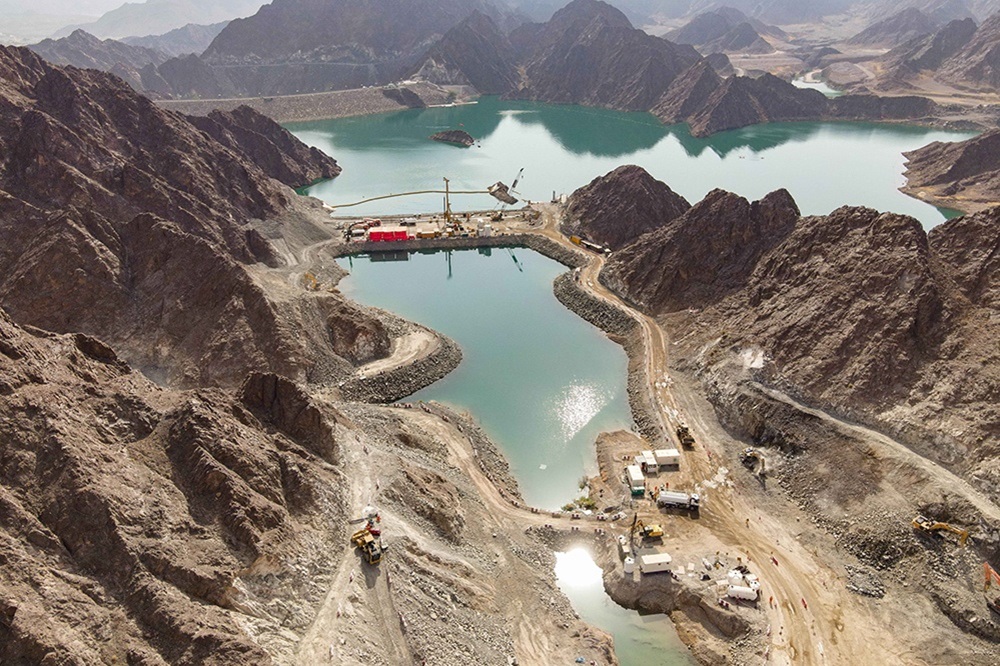
Dubai has begun trial operations of its pumped-storage hydroelectric plant in Hatta, delivering electricity into the city’s grid. The facility, which has already generated more than 17,900 MWh during testing, will free up surplus power beyond Hatta’s 39 MW local demand for export. Emirates 247 cites HE Saeed Mohammed Al Tayer, MD & CEO of the Dubai Electricity and Water Authority, confirming the start of electricity exports from the plant during his site visit.

The Hatta plant boasts a 250 MW generation capacity, 1,500 MWh of storage, and is designed to last up to 80 years—backed by a Dh1.42 billion investment. Underground construction includes two 110-tonne water valves, a command-and-control centre and an upper dam spanning 210,000 sqm, built with compressed concrete walls measuring 72 m and 37 m high.

DEWA’s scheme aligns closely with emirate-wide initiatives under the Clean Energy Strategy 2050 and the Net-Zero Carbon Emissions Strategy 2050, which aim for 100 percent clean energy supply by mid-century.

Trial operations of this pioneering project began earlier in the year, with operational tests launched in January 2025. DEWA confirmed the plant was 96.82 percent complete around that time and anticipated beginning energy exports in April 2025.

The hydropower station employs a cyclic system: during off-peak hours, clean electricity from the Mohammed bin Rashid Al Maktoum Solar Park is used to pump water from the lower reservoir to the upper dam. When demand spikes, water flows back through a 1.2 km tunnel, converting stored potential energy into kinetic energy to drive turbines. The conversion process delivers electricity to the grid in as little as 90 seconds, with a turnaround efficiency of 78.9 percent.

Hatta lies roughly 140 km south-east of central Dubai in the Hajar Mountains. The project includes an innovative design featuring two 125 MW Francis-type pump turbines capable of reversible operation—a technical solution by a consortium led by ANDRITZ Hydro, STRABAG and ÖZKAR, contracted in 2019.

This pumped-storage facility is the first of its kind in the Gulf region and a flagship example of how heat-resistant hydropower systems may outperform large-scale battery storage in desert climates.

During his visit, Al Tayer toured the station’s subterranean power station, inspected the upper dam’s compressed concrete walls, and oversaw functional tests of the pumping and generation mechanism. The station’s speedy response time and storage efficiency are designed to bolster Dubai’s grid resilience while reducing reliance on fossil fuel generation.

China’s reliance on fossil fuels has been steadily declining despite increasing energy demand, marking a significant shift in the nation’s energy landscape. Coal and gas consumption saw a dip in 2025, even during a scorching July, as the government continues to prioritise clean energy sources. This is a clear sign that China’s aggressive push towards renewable energy and energy efficiency is beginning to take effect, even as the country faces unprecedented challenges in meeting its growing power needs.

Data from the National Energy Administration revealed that, in the first half of 2025, coal usage in the energy mix fell by 5% compared to the same period last year, while natural gas consumption also showed signs of contraction. The most striking development came in the power sector, where a surge in renewable energy production, particularly from solar and wind sources, helped to reduce dependency on fossil fuels.

China’s power demand soared during the summer, driven by an intense heatwave that gripped much of the country. However, the country was able to meet this surge without resorting to its usual fossil fuel-heavy energy production methods. This is partly due to the rapid expansion of its renewable energy capacity, which reached new records in both wind and solar power generation in 2025. The NEA reported that China’s total renewable energy capacity crossed 1,200 gigawatts for the first time, a crucial milestone that reflects the country’s commitment to a cleaner and more sustainable energy future.

One key driver of this change is China’s substantial investment in renewable infrastructure. The government allocated over $60 billion to clean energy projects in 2025, focusing heavily on expanding solar farms and offshore wind installations along the coast. At the same time, China has been making significant strides in energy storage technologies, which are crucial for maintaining grid stability as renewable sources, particularly solar, are intermittent.

While China remains the world’s largest coal producer and consumer, the shift towards clean energy is undeniable. The country’s coal-fired power plants, once the backbone of its energy sector, are now being gradually phased out or repurposed for lower-carbon technologies. The transition has been especially evident in regions like Inner Mongolia, where coal consumption has sharply decreased as wind and solar energy projects have taken root.

Industry experts point to a combination of factors driving this shift. First, there is the national government’s ambitious target of reaching carbon neutrality by 2060. Second, the economic pressures on coal mining companies, many of which are facing increasing scrutiny over environmental and public health concerns, are playing a role in reducing coal’s dominance. Moreover, local governments have introduced incentives for businesses to adopt cleaner energy solutions, further encouraging the transition away from fossil fuels.

The reduction in coal and gas use has also been bolstered by the rise of electric vehicles, which now account for a significant portion of the energy demand in urban centres. China’s push to become a global leader in EV manufacturing has contributed to the decrease in fossil fuel consumption in the transportation sector, where electricity now plays an increasingly prominent role.

However, while the momentum towards renewable energy is clear, challenges remain. One pressing issue is the reliability of the grid, especially in remote areas where renewable generation can be less consistent. The government is addressing this concern with the expansion of transmission infrastructure designed to transport power from renewable-heavy regions like the north and west to energy-hungry areas like the east and south.

While the clean energy push is a notable success, fossil fuels still account for a large portion of China’s energy mix. This means that the country remains vulnerable to price fluctuations in global energy markets, as seen in 2024 when rising global gas prices temporarily hindered efforts to reduce fossil fuel reliance.


Greenlogue/AP Suqia, the UAE’s national water charity, continues to solidify its global humanitarian efforts, reaching nearly one million people in Tanzania with clean drinking water. In partnership with the Emirates Red Crescent and backed by a grant from HH Sheikh Mohammed bin Rashid Al Maktoum, this initiative aims to address water scarcity, one of the most pressing issues facing communities in East Africa. The project, a part […]

Saudi Aramco has concluded an $11 billion deal for the lease and leaseback of its Jafurah natural gas processing facilities with a consortium led by Global Infrastructure Partners, a subsidiary of BlackRock. This significant agreement marks a major milestone in Aramco’s strategy to expand its natural gas production and diversify its energy portfolio.

The Jafurah field, located in the Eastern Province of Saudi Arabia, is one of the largest non-associated gas developments globally, with estimated reserves of 229 trillion standard cubic feet of raw gas and 75 billion barrels of condensate. Aramco has long prioritised Jafurah as a key part of its energy transition efforts and broader plans to bolster the Kingdom’s gas capacity, aiming for a 60% increase in gas production by 2030.

The consortium, which includes some of the world’s most prominent investment funds, will provide substantial capital to help accelerate the development of the Jafurah field. The deal enables Aramco to monetise its midstream assets while maintaining operational control over the gas reserves. This transaction is seen as a strategic move to finance the development of Saudi Arabia’s gas infrastructure without sacrificing long-term ownership or production rights.

Jafurah plays a pivotal role in Saudi Arabia’s Vision 2030, the ambitious blueprint to diversify its economy and reduce reliance on oil exports. With natural gas being seen as a cleaner alternative to oil, it is a cornerstone of the Kingdom’s strategy to increase domestic energy production and meet rising demand for electricity and industrial use.

Under the terms of the agreement, Aramco will continue to oversee the development and operation of the field, while the international consortium will take on responsibility for the infrastructure, including gas pipelines and processing plants. This partnership is seen as a win-win for both parties, as it enables Aramco to raise capital for further investments in energy projects, while the consortium gains access to one of the most valuable energy assets in the world.

GIP’s involvement in the deal signals its growing interest in the energy sector, particularly in large-scale infrastructure projects. The firm’s experience in managing complex, long-term investments in global infrastructure positions it well to handle the technical and financial challenges associated with Jafurah. As part of BlackRock’s broader investment strategy, the deal also aligns with the company’s focus on sustainable energy and infrastructure development.

The Jafurah field’s importance to Saudi Arabia’s economic future cannot be overstated. The natural gas produced from Jafurah will support the Kingdom’s power generation capacity, which is projected to increase significantly in the coming years. By tapping into the untapped potential of Jafurah, Aramco aims to reduce its reliance on crude oil for domestic power generation, freeing up more oil for export.

Saudi Arabia’s push for gas development has garnered attention from global investors, eager to tap into the Kingdom’s rich natural resources and growing energy sector. This agreement with GIP is a testament to the global interest in the Middle East’s energy markets, and the broader trend of institutional investors seeking long-term, stable returns from the region’s energy infrastructure.

The deal’s financial structure, involving both lease and leaseback elements, is designed to provide Aramco with flexibility while enabling the consortium to generate revenue from the gas assets over time. The leaseback aspect allows Aramco to retain ownership of the gas reserves, while the lease portion provides the consortium with a stable revenue stream from the operations of the Jafurah facilities.

Greenlogue/AP SNB Capital has successfully facilitated the completion of a significant SAR7.1 billion capital increase for Acwa Power, a leading Saudi developer, investor, and operator of power generation and desalination plants. The deal, executed through a rights issue on the Saudi Exchange, marks one of the largest transactions of its kind in the region. The transaction involved the issuance of 33.93 million new shares, priced at SAR210 […]

Arabian Post Staff Abu Dhabi has experienced a significant 10.3% rise in certificates of origin, underscoring the ongoing expansion of its non-oil exports. This increase highlights the Emirate’s growing role as a regional hub for trade and investment, further diversifying its economic landscape. Certificates of origin are essential documents for businesses, validating that products are manufactured or processed in a specific country. They play a crucial role […]

Greenlogue/AP Oman Data Park has formed a strategic alliance with Solar Wadi to establish the Sultanate’s inaugural green energy data centre, powered by solar generation. The collaboration marks a significant step in aligning ODP’s technological infrastructure with Oman’s net-zero ambitions, as the data centre is set to harness sustainable energy to lower operational emissions and improve grid resilience. ODP, long regarded as the nation’s leading provider of […]

Iracemápolis, São Paulo – Media OutReach Newswire – 16 August 2025 – In the early hours of August 16 (Beijing time), GWM’s Brazil plant officially commenced operations, marked by a grand ceremony for the rollout of its first vehicle, the HAVAL H6 GT. The plant, located in Iracemápolis, São Paulo, was acquired from Daimler Group and has since been upgraded into an intelligent manufacturing base. As GWM’s […]

Saudi Arabia’s Public Investment Fund, one of the world’s largest sovereign wealth funds with nearly $1 trillion in assets, has completely divested from six prominent U. S.-listed firms during the second quarter of 2025. Filings reveal that PIF no longer holds any shares in Meta, Shopify, PayPal, Alibaba, Nu Holdings or FedEx. At the end of March, the fund still held significant stakes—for example, nearly 668,000 class […]

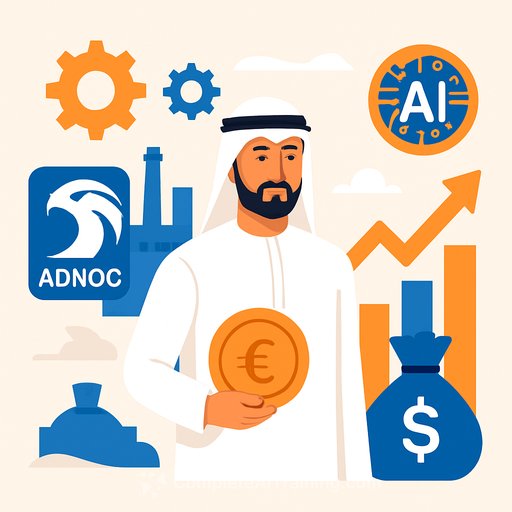
ADNOC Group’s six publicly listed entities posted a combined net profit of USD 4.7 billion for the first half of 2025, underscoring how the widespread deployment of advanced artificial intelligence across operations has sharpened efficiency and underpinned robust growth.

At the heart of this transformation lies MEERAi, ADNOC’s proprietary AI platform. It is deployed across ADNOC Gas, ADNOC Distribution, ADNOC Drilling, ADNOC Logistics & Services, Fertiglobe and Borouge, delivering real-time, data-driven insights that are elevating decision-making and operational precision across the board.

ADNOC Gas achieved a record Q2 net income of USD 1.385 billion, marking a 16 per cent year-on-year rise, while EBITDA increased 8 per cent to USD 2.256 billion, propelled by surging local demand and operational prowess. Investors will see the payoff as the board approved an interim dividend of USD 1.792 billion, up 5 per cent, due for disbursement in September 2025. MEERAi’s impact was central in guiding the board’s strategic decisions.

ADNOC Distribution delivered its highest first-half EBITDA to date—USD 566 million, up 10 percent—with net profit climbing 12.2 percent to USD 358 million. Fuel volumes surged to a record 7.62 billion litres, and non-fuel retail gross profit lifted 14.9 percent. The AI-driven enhancements include predictive fuel-demand forecasting, intelligent assortment planning and hyper-personalised customer offerings. The company introduced MEERAi to its board for real-time strategic oversight, and it expects to distribute a USD 350 million dividend in October 2025.

ADNOC Drilling also delivered standout performance, with management attributing its ability to scale through diverse energy cycles to advanced technologies including AI. The board approved a USD 217 million second-quarter dividend in August 2025. The company is also pursuing regional expansion, including a majority stake acquisition in SLB’s land drilling business across Kuwait and Oman.

Borouge’s AI, digitalisation and technology programme generated USD 307 million in value, including an AI-powered control room in collaboration with Honeywell and integration with MEERAi. New product innovations such as medical-grade polyolefins and recyclable packaging also featured prominently.

Meanwhile, ADNOC’s broader push to harness AI is also playing a central role in its clean-energy pivot. Following earlier investments in AI tools like RoboWell and AR360, which generated USD 500 million in value and reduced around one million tonnes of CO₂ emissions between 2022 and 2023, the company is now deploying AI to advance low-carbon energy frontiers including hydrogen and carbon management, in partnership with entities such as SOCAR, Microsoft and Masdar.

Across all six listed companies, the near-term financial performance echoes the effectiveness of ADNOC’s strategy of embedding AI across both core operations and emerging markets. The unified deployment of MEERAi is not just enhancing control-room functions, but reshaping boardroom dynamics, driving smarter strategy execution, operational optimisation, emissions reduction and product innovation.

Key players in this transformation include the leadership of ADNOC Distribution, championing digital retail evolution; ADNOC Drilling’s CEO Abdulla Ateya Al Messabi, who has publicly credited AI for the company’s resilience and growth momentum; and the broader ADNOC executive team, aligning technology and energy transition goals. Their collective efforts are reinforcing ADNOC’s position as a global energy player committed to leveraging AI for sustainable value creation.

Wuhan, once at the centre of the global pandemic, is emerging as a key tourist destination. With an increasing focus on environmental sustainability and green infrastructure, the city is reinventing itself and positioning itself as a hub for cultural tourism in China.

The city is leveraging its unique geographical advantage, nestled between the Yangtze and Han rivers, with abundant lakes and natural spaces that have made it a prime candidate for eco-tourism. Wuhan’s local government has pushed to transform its tourism landscape by blending urban development with environmental preservation. This has resulted in increased green spaces, cleaner air, and a revitalised waterfront.

One of the key draws for tourists is Wuhan’s “green foundations”, which are central to its urban planning. In August 2025, the symposium “Green Foundations for a Hub City” highlighted the city’s progress in integrating nature with urban life. The event underscored Wuhan’s commitment to preserving its riverbanks, improving water quality, and fostering sustainable tourism practices. It is now home to beautifully restored parks, scenic riverfronts, and nature reserves that provide a serene escape for visitors.

The city is also known for its historical and cultural landmarks. The Yellow Crane Tower, perched on the banks of the East Lake, is a must-visit. Built over a thousand years ago, it remains a symbol of Wuhan’s deep cultural roots and has been meticulously preserved as a testament to the city’s rich history. The surrounding East Lake, one of China’s largest urban lakes, is a focal point for tourists, offering boat rides, hiking trails, and opportunities to experience Wuhan’s natural beauty.

Wuhan is also positioning itself as an arts and cultural hub. The city’s many museums and galleries, such as the Hubei Provincial Museum, provide visitors with a glimpse into the region’s history, while the bustling Wuchang District is home to vibrant street art and music scenes. The city’s transformation is not just about nature but also about cultivating a sense of creativity and modernity that appeals to both domestic and international tourists.

The shift in Wuhan’s tourism offerings is complemented by an emphasis on local cuisine. The city has long been known for its culinary offerings, including its famous hot dry noodles, which have been a staple for locals and tourists alike. Wuhan’s food scene has grown as new eateries focus on bringing innovative takes on traditional dishes. From street food vendors to upscale dining, the city’s food culture is an attraction in itself, drawing food enthusiasts from across the globe.

Wuhan is making significant strides in improving its infrastructure to accommodate the influx of tourists. The Wuhan Tianhe International Airport is expanding, with new international routes being added regularly. High-speed rail links further connect Wuhan to major cities across China, making it easier for visitors to explore the city. The government is also investing in better public transport networks, ensuring tourists can navigate the city with ease.

Despite its past association with the Covid-19 outbreak, Wuhan has worked diligently to foster a safe environment for tourists. Strict health and safety protocols are in place, with the local government promoting Wuhan as a safe and welcoming destination. This concerted effort is helping to reshape perceptions and attract visitors eager to discover what the city has to offer beyond its past.

VISHNU RAJA
RYO YAMADA
HITORI GOTOH
IKUYO KITA