Just in:
Ousted top Kochi cop gets IG post // Meraas showcases five residential zones at Dubai Design Week // Geely’s i-HEV Intelligent Hybrid Technology Offers a New Direction Vision for Gasoline-Powered Vehicles // Private varsities bill all set to face the axe // Asia Left Behind: Ten international companies have yet to report delivering on their cage-free egg pledges across the region // Trump’s Iran War Has A Share Of Contribution To His Midterm Debacle // Oil and chip shares retreat after Democratic victories // Beyond the exhibition floor: How robots, AI and networks are moving into the real world // Kochi police detain two actors over bid to honey trap doctor // Geely’s i-HEV Intelligent Hybrid Technology Offers a New Direction for Gasoline-Powered Vehicles // e-Crime Bureau Signs Cybersecurity Partnership With Smart Africa, Reinforcing Its Global Expansion // OpenAI abandons secrecy agreements for future data centres // Technology shares plunge as Nasdaq enters correction // UK air traffic outage inflicted £33m financial losses // Motorola introduces Signature 27 flagship priced at $1,599 // Xi Jinping Preparing For A Trilateral Summit With Trump And Putin At APEC Summit On Nov 18-19 // Emaar approves Development buyout ahead of planned delisting // OpenAI introduces GPT-6 Cyber with restricted security access // Ningbo Consensus on Collaborative Development released at 2026 Global Mayors Dialogue · Ningbo // Hong Kong mandates crypto transaction disclosures to tax authorities //

News related to
clean

Saudi Arabia is advocating for accelerated increases in oil production within the OPEC+ coalition, aiming to reclaim market share lost during past output cuts. The kingdom is reportedly pressing the group to raise supplies by more than 400,000 barrels per day for August and possibly September, signalling a clear shift in strategy amid evolving global energy demands.

The decision underscores Saudi Arabia’s intent to capitalise on high seasonal demand in the northern hemisphere summer months. By scaling back production curbs more aggressively, Riyadh seeks to boost revenue and solidify its influence over global oil markets as supply dynamics shift. This approach reflects broader geopolitical and economic calculations, especially as global economies adjust to fluctuating energy needs and the ongoing transition to cleaner energy sources.

OPEC+ has been managing oil supply carefully since 2020, following the severe demand shock caused by the pandemic and ensuing market volatility. Initial drastic cuts helped stabilise prices, but the alliance has gradually increased output to balance rising demand. Saudi Arabia, as the largest producer within OPEC+, holds substantial sway in determining the group’s production policies and has been central to managing these supply adjustments.

This move to hasten production hikes also coincides with concerns over emerging market demand and the possible impact of economic slowdowns in key economies such as China and Europe. Saudi officials appear confident that increased output will prevent rivals, including the US shale sector and other non-OPEC producers, from expanding their share amid tightening market conditions.

Industry experts highlight that Saudi Arabia’s push for faster supply growth may be aimed at pre-empting market share erosion by ensuring that OPEC+ remains the dominant supplier globally. Since mid-2022, the kingdom has carefully recalibrated its production to respond to volatile price trends and geopolitical uncertainties, including tensions in the Middle East and disruptions caused by sanctions on Russia.

The timing of the proposed output rise is critical. Summer months traditionally bring peak consumption due to higher energy needs for cooling in developed markets, which can drive up prices. Saudi Arabia’s intention to increase supply during this window suggests an effort to maximise returns while stabilising prices to avoid sharp fluctuations that could undermine consumer confidence and economic recovery.

Global oil markets remain sensitive to a variety of factors including inflationary pressures, currency fluctuations, and shifting consumer behaviour. While demand for fossil fuels is under pressure from environmental policies and the accelerating transition to renewables, oil remains a crucial commodity in the global energy mix. Saudi Arabia’s strategy to secure market share through supply management is thus seen as a pragmatic response to balancing short-term profitability with long-term market relevance.

OPEC+ member countries have historically struggled to reach consensus on output levels, with diverse national interests shaping negotiations. Saudi Arabia’s dominant position, reinforced by its vast production capacity and financial reserves, often allows it to influence group decisions. However, some members have expressed concerns about aggressive supply increases potentially undermining prices and fiscal stability.

The broader geopolitical landscape also plays a role in shaping OPEC+ policies. Tensions involving key players such as Russia, which holds a significant share in the alliance, and ongoing conflicts in the Middle East add layers of complexity to supply decisions. Riyadh’s leadership in pushing for larger hikes indicates confidence in managing these risks while maintaining its strategic goals.

Market analysts note that US shale producers have responded to higher prices by increasing output, albeit with some operational constraints. Saudi Arabia’s efforts to accelerate OPEC+ production are seen as a counterbalance to this trend, aiming to keep global supply within manageable limits and avoid price spikes that could trigger demand destruction or accelerate the shift to alternatives.

Saudi Aramco, the kingdom’s state-owned oil giant, plays a pivotal role in implementing the supply strategy. Its vast infrastructure, including refineries and export terminals, supports the planned output increases. Aramco’s ability to ramp up production rapidly without incurring excessive costs provides Saudi Arabia with a competitive edge in the global energy market.

Environmental considerations also influence production decisions. While the global push for net-zero emissions is intensifying, OPEC+ nations, led by Saudi Arabia, continue to argue for the essential role of oil in energy security and economic development. The kingdom is simultaneously investing in cleaner technologies and diversifying its economy to reduce dependence on hydrocarbons in the long term.

The interaction between Saudi Arabia’s production policy and global economic indicators remains closely monitored by investors and policymakers alike. Oil prices affect inflation rates, trade balances, and geopolitical stability, making OPEC+ decisions crucial beyond the energy sector. The kingdom’s assertive stance on output could signal a more proactive approach to managing these broader economic impacts.

Analysts emphasize that while Saudi Arabia seeks to regain market share, the volatility of global markets and uncertainties surrounding demand growth require cautious optimism. Supply increases must be balanced against potential oversupply risks, which could trigger price declines detrimental to all producers within OPEC+.
Drunk Elephant’s Lala Retro Whipped Cream has become a sought-after skincare product in the UAE, particularly among consumers seeking effective hydration solutions. The cream’s formulation, featuring a triple-ceramide blend and a mix of African oils, has garnered attention for its ability to provide long-lasting moisture and support the skin’s barrier function. The product’s appeal lies in its clean and cruelty-free formulation, free from fragrances and essential oils, […]

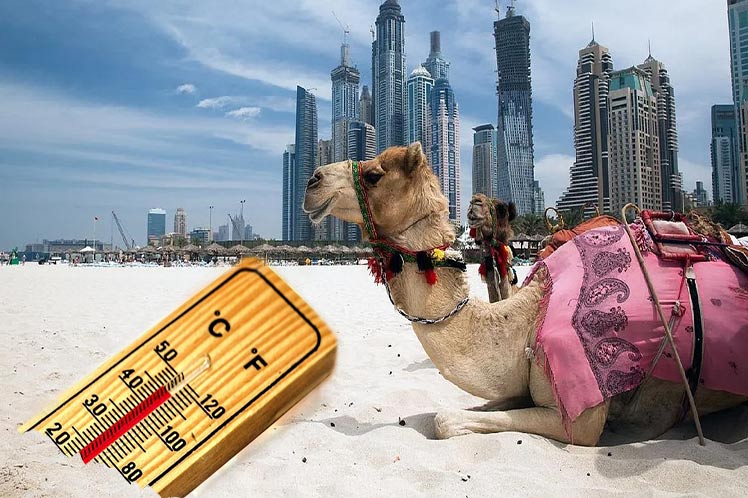
The United Arab Emirates endured an unprecedented surge in temperatures throughout May, with daily highs consistently exceeding 40ºC and several locations surpassing the 50ºC threshold. The National Centre of Meteorology confirmed this month as the hottest May in the country’s recorded history, marking a significant intensification of the region’s ongoing climate challenges.

Several emirates, including Abu Dhabi, Dubai, and Sharjah, experienced prolonged heatwaves that pushed the limits of historic temperature records. The peak temperatures, which exceeded 50ºC in some desert areas, have drawn attention from climatologists and environmental experts, highlighting the accelerated warming trend affecting the Arabian Peninsula. Such extreme heat has severe implications for public health, energy consumption, and urban infrastructure in a region already grappling with water scarcity and rapid urbanisation.

Experts indicate that the exceptional heat is linked to a combination of global climate change and localized meteorological patterns. The Arabian Peninsula’s unique geography, characterised by vast desert expanses, amplifies temperature extremes. Scientists note that climate models have long predicted a rise in heatwaves for this region, but the speed and intensity of these recent temperature spikes are causing concern among environmental analysts.

The impact on daily life has been multifaceted. Health authorities have issued warnings to vulnerable populations, particularly the elderly, children, and outdoor workers, to take precautions against heat-related illnesses. Hospitals have reported an increase in cases of heat exhaustion and dehydration, putting added pressure on healthcare services during the traditionally hot summer months. Municipalities across the UAE have accelerated measures to provide shaded areas and cooling centres to mitigate risks posed by the extreme heat.

Economic sectors dependent on outdoor labour, such as construction and agriculture, have faced operational challenges due to the intense temperatures. Labour laws have been adjusted to ensure safer working hours, often restricting outdoor activities during peak heat periods. The government’s proactive approach to safeguarding workers aligns with international labour standards, but the economic cost of these adjustments remains under evaluation.

Energy demand in the UAE has surged sharply as residents and businesses increase air conditioning usage to cope with the oppressive heat. This spike in electricity consumption raises concerns about grid stability and the environmental impact of increased fossil fuel reliance, despite the country’s ongoing investments in renewable energy. The UAE’s ambitious clean energy goals, including the development of solar power plants and nuclear energy facilities, aim to offset the environmental footprint associated with higher cooling demands.

The National Centre of Meteorology continues to monitor the evolving weather patterns closely, providing regular updates and forecasts to assist government agencies and the public in preparing for ongoing heat conditions. Advanced satellite technology and climate modelling tools are being utilised to enhance prediction accuracy and early warning systems, essential for managing risks related to extreme weather events.

Regional cooperation is becoming increasingly important as neighbouring Gulf countries face similar climatic stresses. Collaborative efforts focus on sharing data, research, and best practices for adapting to higher temperatures and mitigating environmental impacts. Multilateral discussions have emphasised the need for coordinated climate action, recognising that the Arabian Peninsula’s vulnerability to heat extremes transcends national borders.

Urban planners and architects in the UAE are responding by integrating climate-resilient designs into new developments. Innovative cooling technologies, green spaces, and heat-reflective materials are being employed to reduce the urban heat island effect, which exacerbates temperature rises in city centres. These measures are critical as the UAE’s population continues to grow, with urban expansion increasing the demand for sustainable infrastructure solutions.

Environmental groups have stressed the urgency of addressing the underlying causes of climate change, calling for stronger policies on carbon emissions and investment in sustainable technologies. While the UAE has made progress through initiatives such as the UAE Energy Strategy 2050, activists argue that more aggressive actions are required to curb the escalating frequency and severity of heatwaves.

Academic research from regional universities supports these concerns, with studies showing a marked upward trend in temperature averages and heatwave duration over the last two decades. These findings are consistent with broader global warming trends but underscore the disproportionate effects experienced in desert environments.

Public awareness campaigns have played a crucial role in educating residents about heat safety and energy conservation. Government agencies, non-profits, and community organisations collaborate to distribute information on hydration, recognising symptoms of heat stress, and reducing energy use during peak hours. These initiatives aim to enhance community resilience and promote sustainable living practices in the face of climatic shifts.

Delhi’s government is set to introduce an updated Electric Vehicle Policy next month, aiming to enhance sustainable transport options and aggressively combat the city’s longstanding pollution challenges. The forthcoming policy update builds on the foundation laid by the original EV Policy, which has been instrumental in accelerating the adoption of electric vehicles across the capital. This next iteration emerges following a comprehensive review by an expert committee tasked with assessing the policy’s effectiveness and identifying areas for refinement.

The city’s persistent struggle with hazardous air quality has propelled the administration to double down on measures that reduce emissions, with electric vehicles representing a critical component of the broader environmental strategy. The new policy framework is expected to focus on improving public and private transport through increased incentives, infrastructure development, and regulatory support. The objective is to not only facilitate the switch from conventional fossil fuel vehicles to EVs but also to ensure a seamless ecosystem that supports electric mobility for consumers and manufacturers alike.

One of the central features under consideration is the expansion of subsidies and financial incentives for buyers of electric two-wheelers, three-wheelers, and cars. Since the initial policy launch, Delhi has witnessed a steady rise in EV sales, spurred by subsidies, easier registration processes, and preferential parking privileges. The new policy aims to amplify these benefits, possibly increasing the subsidy amounts to align with technological advancements and market trends. The government is also exploring differentiated incentives to encourage the uptake of electric commercial vehicles and public transport fleets, recognising their substantial contribution to urban emissions.

Charging infrastructure remains a pivotal challenge in the EV transition. To address this, the updated policy will emphasise the accelerated deployment of charging stations across the city, including residential complexes, commercial hubs, and public spaces. The government plans to partner with private players and utility providers to establish a robust network, minimising range anxiety among potential EV users. Additionally, the policy will advocate for streamlined permitting processes to facilitate rapid infrastructure rollout. These measures aim to create a user-friendly environment that supports daily electric vehicle operations without hindrance.

Delhi’s EV Policy 2.0 is also expected to incorporate measures aimed at fostering local manufacturing and innovation. The capital’s position as a key market and production hub in India for electric vehicles offers significant economic potential. The government is likely to introduce incentives for companies investing in research and development, battery manufacturing, and vehicle assembly within the city. This approach is designed to generate employment, encourage technological advancement, and reduce dependency on imports, especially in critical components such as lithium-ion batteries.

Environmental experts have welcomed the policy update, highlighting its potential to drastically reduce the city’s vehicular pollution, which accounts for a significant share of Delhi’s air quality problems. Dr. Anita Sharma, an environmental scientist based in Delhi, notes that “an effective EV policy not only addresses tailpipe emissions but also signals a shift towards sustainable urban planning and cleaner energy use.” She points out that integrating renewable energy sources into the charging infrastructure could further enhance the policy’s impact by ensuring that electric vehicles operate on green electricity rather than fossil-fuel-based power.

However, some challenges remain. The affordability of electric vehicles, despite subsidies, continues to be a barrier for many consumers. While the policy aims to widen access, the upfront cost of EVs compared to traditional petrol or diesel vehicles can deter lower-income buyers. Analysts suggest that targeted financing options and longer-term incentives could help bridge this gap. Moreover, the sustainability of the electric vehicle supply chain, including the ethical sourcing of battery materials, is gaining attention among policymakers and activists alike.

Delhi’s transport department has reiterated its commitment to transparency and public consultation throughout the policy finalisation process. Public workshops and stakeholder meetings have been conducted to gather feedback from industry experts, civil society groups, and consumer representatives. This collaborative approach aims to ensure that the policy is balanced, practical, and aligned with the city’s unique mobility landscape.

The new policy comes amid increasing competition among Indian cities to become leaders in electric mobility. Metropolitan areas like Mumbai, Bengaluru, and Hyderabad have also been rolling out ambitious EV incentives and infrastructure projects. Delhi’s updated framework is expected to set a benchmark in terms of scale and ambition, potentially serving as a model for other regions seeking to tackle urban pollution through cleaner transportation alternatives.

Emerging markets are pushing higher again, and this time, the momentum isn’t misplaced. Behind the move is a growing body of evidence that the world’s most dynamic developing economies are demonstrating real economic resilience, despite a chaotic external backdrop. For investors, it’s a signal that deserves immediate attention. The surge in sentiment has been supported by improved financial market conditions, stronger currencies, and narrowing bond spreads. Business […]

KUALA LUMPUR, MALAYSIA – Media OutReach Newswire – 4 June 2025 – Octa, a global regulated broker since 2011, conducted a survey to learn more about Malaysian traders’ security habits and behaviours, both in everyday life and in trading. Below are some insightful takeaways on how traders approach one of the most crucial aspects of their craft. There is an old saying, ‘How you do anything is […]

NetActuate has unveiled a new point of presence in Dublin, Ireland, marking its tenth operational site in Europe. Situated within Equinix’s DB1 Dublin IBX Data Center, this expansion aims to bolster the company’s capacity to deliver low-latency, high-performance connectivity across the continent. The Dublin facility offers direct access to major digital exchange points, including the Equinix Internet Exchange and the Internet Neutral Exchange , facilitating seamless interconnection […]

Advertisements

WASHINGTON D.C, USA – Media OutReach Newswire – 1 June 2025 – Vietnam’s Minister of Agriculture and Environment Do Duc Duy plans to lead a delegation with nearly 50 agencies, agribusinesses and associations to explore opportunities to promote trade and import agrifood and timber from the United States during June 1-7, 2025. The delegation expects to participate in business dialogues in Iowa, Ohio, and Washington D.C. Vietnamese […]

Dubai-listed Gulf Navigation Holding PJSC has secured shareholder approval for a AED 3.2 billion acquisition of Brooge Energy Ltd.’s assets, marking a significant expansion into the midstream oil and gas sector. The transaction, involving cash, newly issued shares, and mandatory convertible bonds , is expected to close in the second quarter of 2025, pending regulatory approvals. The acquisition encompasses Brooge Petroleum and Gas Investment Company FZE, Brooge […]

SINGAPORE – Media OutReach Newswire – 30 May 2025 – Synology showcased its latest lineup of innovations at COMPUTEX 2025, Taiwan, presenting a comprehensive solution portfolio spanning enterprise storage, data protection, video surveillance, on-premise productivity suite, and personal private cloud. “At Synology, our goal has always been to build a data management ecosystem our customers can trust,” said Philip Wong, Chairman and CEO of Synology. “We design […]

ESSEN, GERMANY – Media OutReach Newswire – 30 May 2025 – Midea, the World’s No.1 Residential Inverter Air Conditioner Company, reached another important milestone in its innovation journey as the Midea Numen air conditioner won the German Red Dot Product Design Award 2025, the globally prestigious recognition for excellence in design. Numen stands out with its AI system and innovative structure design that improve energy efficiency and […]

Greenlogue/AP Abu Dhabi’s sovereign investor Mubadala and the Abu Dhabi National Energy Company have finalised the acquisition of an 875-megawatt combined-cycle gas-fired power plant at the Talimarjan Power Complex in Uzbekistan, marking a significant step in the ongoing privatisation of the Central Asian country’s energy sector. Each entity now holds a 40 per cent stake in the TPP1 gas-fired plant through a newly created project company, Talimarjan […]

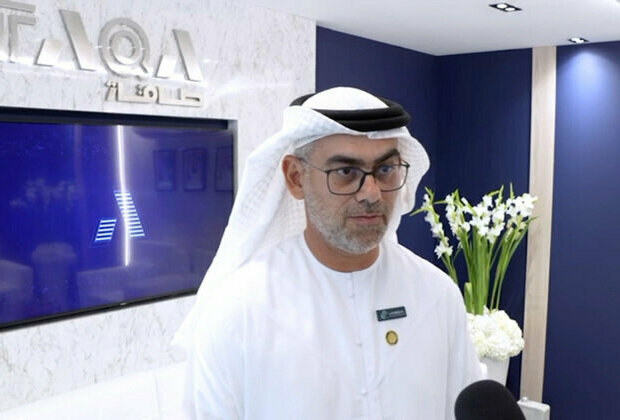
Abu Dhabi National Energy Company has unveiled plans to invest more than AED37 billion to meet the escalating power demands of the emirate’s expanding data centre and artificial intelligence infrastructure. The announcement was made by Group CEO and Managing Director Jasim Husain Thabet during the World Utilities Congress 2025.

This substantial investment is integral to TAQA’s strategy to deliver clean, certified, and reliable energy to critical infrastructure. The company aims to support Abu Dhabi’s ambition to become a global hub for digital innovation and AI development.

TAQA’s market capitalisation stands at approximately AED360 billion, positioning it among the top five companies in electricity generation, transmission, and water desalination across Europe, Africa, and the Middle East. Operating in 25 countries, TAQA has doubled its electricity production capacity to 56 gigawatts over the past four years, surpassing the total electricity consumption of the United Kingdom.

The company’s growth strategy includes significant international acquisitions. TAQA recently partnered with Mubadala to acquire an 875-megawatt gas-powered electricity station in Uzbekistan, aiding the country’s energy transition and opening new markets in Central Asia. Additionally, TAQA has acquired Transmission Investment, a leading UK-based energy and utility investment platform, enhancing its capabilities in offshore transmission services and infrastructure development.

In collaboration with Masdar, where TAQA holds a major stake, the company is developing 5 gigawatts of solar energy supported by 19 gigawatt-hours of battery storage. This integrated solar and battery system is designed to deliver a continuous supply of 1 gigawatt for 24 hours, marking it as the largest project of its kind globally.

TAQA plans to invest AED75 billion by 2030 to triple its electricity generation capacity to 150 gigawatts. Part of this strategy includes developing water desalination plants with a combined capacity of 1.3 billion gallons per day, with two-thirds utilising highly efficient reverse osmosis technology.

The company is also exploring acquisition opportunities in the United States, identifying it as a key market for expansion. TAQA aims to spend around $20 billion between 2023 and 2030 on organic and inorganic growth, targeting 150 gigawatts of capacity by the end of that period, up from around 56 gigawatts currently.

HONG KONG SAR – Media OutReach Newswire – 30 May 2025 – The Chinese University of Hong Kong’s Faculty of Law (CUHK LAW) continues to strengthen its position as a leading international legal education institution, offering innovative programmes and conducting impactful research that shapes the future of legal practice across Asia and beyond. Distinguished Academic Excellence Since its establishment in 2004, CUHK LAW has emerged as a […]

A Cozy Companion for Young Explorers, Designed for the Needs of Today’s Families CALIFORNIA, US – Media OutReach Newswire – 30 May 2025 – Ahead of International Children’s Day, Moonkie—the modern baby and toddler brand—proudly introduces the Moonkie Hug & Go™ Toddler Backpack, a thoughtfully designed essential that meets the evolving needs of modern parenting. Known for its minimalist design and everyday functionality, Moonkie continues its mission […]

The Gulf nations offer more than growth potential. For VinFast, it presents a well-timed opportunity to expand into a region that’s actively investing in clean transportation while remaining open to new players. HANOI, VIETNAM – Media OutReach Newswire – 29 May 2025 – Gulf countries are reinventing themselves, quickly. They are now investing in cleaner energy, modern infrastructure, and long-term economic resilience. National strategies like UAE Vision […]

By P. Sudhir Yaqeen Hammad, a 12-year-old Palestinian girl, was shredded into pieces by an Israeli missile attack on her residence. Yaqeen has been aptly called the Anne Frank of Gaza. Like Anne, who kept a diary in an attic in a Holocaust-ravaged, Nazi-occupied neighbourhood, Yaqeen documented the horrors around her. Her diaries – digital […]

Dubai’s employment landscape continues to attract job seekers from across Asia, Europe, and Africa, with South Asians among the most visible presence. From tax-free salaries to a safe, cosmopolitan lifestyle and fast-track digital governance, the emirate is steadily reinforcing its image as a global work destination with an accessible entry point for skilled professionals.

Dubai’s appeal is anchored in a combination of economic liberalism and aggressive infrastructure development, which has made the city one of the busiest hubs for aviation, logistics, finance, hospitality, and tech. For those seeking employment from outside the UAE, Dubai offers two main routes: applying for positions remotely, or entering on a short-term tourist visa with the hope of converting that stay into full-time employment. While the latter path involves risk and financial outlay, it remains the most widely taken route for candidates without existing work permits.

The city’s population is made up of nearly 90% expatriates, with professionals from India, Pakistan, the Philippines, Bangladesh, and the UK dominating several industries. Recruiters in Dubai confirm that demand remains steady for roles in sales, marketing, IT, logistics, real estate, engineering, healthcare, and hospitality. According to hiring trends tracked by regional recruitment firms, companies in free zone jurisdictions are particularly active, often targeting foreign candidates who bring sector-specific experience.

Dubai’s tax structure is a major driver of migration. With no personal income tax and a salary-based remuneration system, employees receive their full contracted pay without statutory deductions. This setup increases the net earnings of professionals, particularly those coming from high-tax jurisdictions. However, the city’s high cost of living — with real estate, private schooling, and transport costs — offsets some of the financial advantage, making proper salary negotiations crucial before signing contracts.

For prospective applicants based outside the UAE, the digital ecosystem built around Dubai’s employment market is an essential resource. Company career pages, job portals such as Dubizzle and Bayt, and professional networks like LinkedIn are widely used by HR departments and hiring managers. LinkedIn in particular has emerged as a preferred screening tool, where recruiters assess candidates’ professional branding even before calling for interviews. A well-structured profile featuring quantifiable achievements, skills endorsements, and updated CV attachments is now considered essential.

Recruitment agencies based in Dubai and in neighbouring countries also play an intermediary role. Many global firms with a presence in the UAE outsource their talent acquisition to specialist agencies. These agencies have formal tie-ups with employers to fill positions across levels, from blue-collar to senior management. In India, for instance, manpower firms with UAE licenses are regularly approached for hospitality, construction, medical, and logistics roles. Candidates approaching these agencies are advised to verify accreditation details and ensure the agency operates under UAE labour ministry guidelines.

A significant portion of those who eventually land jobs in Dubai do so by entering on a 60-day or 90-day visit visa. This visa allows job seekers to attend interviews, network with prospective employers, and explore options in person. While this method can be effective for confident candidates with solid credentials, the costs — including visa fees, accommodation, and living expenses — must be budgeted in advance. Moreover, there is no guarantee of securing employment during this window, making it a calculated gamble for many families.

An alternative is to enter Dubai on a student visa. Universities and training institutions in Dubai offer various professional development courses, and part-time work is permitted in certain free zone jurisdictions. While this route also involves significant upfront costs, it has become popular among young graduates aiming to break into the UAE market through education-led migration. However, strict visa compliance rules and limited working hours under student permits make it less appealing for mid-career professionals.

Once an individual secures a job offer, the employer typically initiates the work visa and residency sponsorship process. This includes submission of documents such as educational certificates, previous employment references, and medical fitness results. Once approved, a UAE resident permit is issued, which then allows the individual to bring in dependents under family sponsorship. The entire onboarding and visa stamping process usually takes two to four weeks, depending on the company’s internal HR process and jurisdiction.

Dubai’s strategic geographical position — within a 4-hour flight radius from major South Asian cities — adds another layer of practicality for job seekers. With only a two-hour time difference from India and Sri Lanka, many multinational firms operate regional back-offices or satellite centres in Dubai, recruiting bilingual and culturally adaptive professionals who can bridge operations between West Asia and South Asia.

Climate compatibility is another subtle advantage for those relocating from tropical or semi-arid regions. Temperatures and humidity levels, while extreme during peak summer months, mirror weather conditions in parts of South Asia and the Gulf, reducing the cultural adjustment curve for new migrants.

Safety and rule of law remain among the top reasons cited by working professionals and families relocating to Dubai. The UAE consistently ranks among the world’s safest countries, with low crime rates and a strong police presence. For women professionals and young students, this perception of security plays a pivotal role in relocation decisions.

Another factor contributing to Dubai’s growing job market is its economic diversification programme. With Vision 2030 and associated sectoral strategies, the city is investing in AI, clean energy, space technology, and digital banking. These emerging sectors have triggered a wave of high-skilled job openings, especially for engineers, data analysts, fintech specialists, and regulatory professionals. Start-up hubs like Dubai Internet City and Dubai Silicon Oasis are witnessing increased hiring, backed by funding incentives and incubator schemes.

However, competition remains high, with thousands of applications flooding each job posting. Recruiters advise applicants to focus on niche skills, international certifications, and sector-specific experience. A generic application or a poorly crafted CV has minimal chance of clearing the initial screening stage. Instead, candidates are urged to tailor their applications to each role, use keywords matching the job description, and attach short, results-oriented cover letters.

Allianz Safety and Shipping Review 2025: Trade conflict between the US and China and growing shadow fleet add to substantial challenges for the shipping industry. Despite geopolitical headwinds: only 27 large ships lost worldwide in 2024, down by more than 20%, the industry’s lowest-ever total. Progress made on traditional risks such as fires, collisions, and groundings, which are the main causes of losses, but potential for large […]

SINGAPORE – Media OutReach Newswire – 26 May 2025 – Woodfibre LNG, a subsidiary of Pacific Energy which is a member of the Royal Golden Eagle (RGE) group of companies, is setting a new benchmark for responsible natural gas export. At its new liquefied natural gas (LNG) facility under development in British Columbia, the company is on track to become the world’s first net zero LNG export […]

If you’ve spent the past few months watching the Trump tariff drama unfold, AI stocks become volatile and listening to everyone from your broker to your barista talk about rate cuts and inflation, you might think the only path to investment success in 2025 runs through stocks. But quietly, away from the hype, a growing number of individual investors are making a different move: they’re locking in […]

Canonical’s Ubuntu 20.04 LTS, known as Focal Fossa, will reach the end of its standard five-year support period on 31 May 2025. This transition affects millions of users across enterprise, cloud, and personal environments, who must now decide between upgrading to a newer release or subscribing to extended support to maintain security compliance. Ubuntu LTS releases are designed to provide five years of free security updates and […]

SINGAPORE – Media OutReach Newswire – 24 May 2025 – GoodCool Pte Ltd, an aircon contractor in Singapore, is marking its second anniversary with the launch of a new community engagement initiative. As part of its corporate social responsibility (CSR) initiatives, the company will provide volunteer-based air-conditioning services for selected households across Singapore. GoodCool Introduces CSR Initiative to Support Households in Singapore Community-Focused Support through Volunteer Service […]

Abu Dhabi National Oil Company has entered into framework agreements valued at Dhs6 billion with 12 UAE-based manufacturers to produce critical industrial equipment locally. This initiative, part of the “Make it in the Emirates” programme, aims to enhance the resilience of the nation’s supply chain and create up to 1,300 skilled private-sector jobs.

The agreements focus on the domestic production of cables and pressure vessels, essential components in ADNOC’s operations. By localising the manufacturing of these items, ADNOC seeks to ensure timely availability, reduce dependency on international suppliers, and mitigate global supply chain disruptions.

The signing took place during the “Make it in the Emirates” forum in Abu Dhabi, attended by Dr Sultan Ahmed Al Jaber, Minister of Industry and Advanced Technology and ADNOC’s Managing Director and Group CEO. Dr Al Jaber emphasised the importance of strengthening local manufacturing capabilities to support the UAE’s industrial growth and economic diversification.

This move aligns with ADNOC’s broader strategy to stimulate domestic manufacturing. Previously, the company announced agreements with over 60 companies to locally produce critical non-oil products, aiming to manufacture AED70 billion worth of products in its procurement pipeline by 2027. These efforts are expected to create thousands of job opportunities and enhance the resilience of the local supply chain.

In addition to the current agreements, ADNOC has committed over AED20 billion for the procurement of structures and metal products from national companies. This commitment is part of a broader initiative to stimulate industrial growth and create more private-sector jobs for UAE nationals.

The “Make it in the Emirates” initiative, led by the Ministry of Industry and Advanced Technology, aims to position the UAE as a global hub for advanced industry and innovation. The programme encourages local manufacturing, supports the development of national talent, and promotes sustainable industrial practices.

ADNOC’s investment in local manufacturing is complemented by its focus on sustainability and technological innovation. The company has been leveraging artificial intelligence and advanced technologies to optimise operations and reduce emissions. Facilities like the Habshan 5 gas processing plant and Zirku Island offshore operations have been at the forefront of deploying such technologies, contributing to ADNOC’s goal of becoming a low-carbon energy leader.

ADNOC’s In-Country Value programme incentivises suppliers to adopt clean technologies and establish new manufacturing facilities in the UAE. Since its inception, the ICV programme has driven significant investment back into the UAE economy, supporting the nation’s Net Zero by 2050 Strategic Initiative.

The “Make it in the Emirates” forum serves as a platform for collaboration between government entities, industry leaders, and investors. It showcases the UAE’s commitment to fostering a robust industrial sector, enhancing economic resilience, and achieving sustainable growth.

VISHNU RAJA
RYO YAMADA
HITORI GOTOH
IKUYO KITA
Just in:
e-Crime Bureau Signs Cybersecurity Partnership With Smart Africa, Reinforcing Its Global Expansion // CR Longdation Aethereal Cybersecurity × Global Cybersecurity Alliance (GCSA) Join Hands to Establish the “AI and Cybersecurity Research Centre” // Ousted top Kochi cop gets IG post // OpenAI abandons secrecy agreements for future data centres // Xi Jinping Preparing For A Trilateral Summit With Trump And Putin At APEC Summit On Nov 18-19 // Ningbo Consensus on Collaborative Development released at 2026 Global Mayors Dialogue · Ningbo // APT29-linked campaign exploits outdated Apple and Android software // Private varsities bill all set to face the axe // Dubai boat show confirms international shipyard line-up for November // OpenAI introduces GPT-6 Cyber with restricted security access // Emaar approves Development buyout ahead of planned delisting // UK air traffic outage inflicted £33m financial losses // Meraas showcases five residential zones at Dubai Design Week // The “1st Greater Bay Area Health and Longevity Summit & Awards Ceremony” concludes successfully in Macao // Trump’s Iran War Has A Share Of Contribution To His Midterm Debacle // Dubai details five-year visa benefits for returning visitors // Oil advances towards $100 as tanker attacks persist // Emirates Group records AED 4.1 billion half-year profit // Miss Universe Hong Kong Jen Zhou Departs for Puerto Rico to Compete in the 75th Miss Universe World Final // Oil and chip shares retreat after Democratic victories //