News related to
clean

Reducing waste by collaborating with the World Green Organisation and a local farm to upcycle materials for farming use HONG KONG SAR – Media OutReach Newswire – 25 November 2024 – Mead Johnson Nutrition Hong Kong (“Mead Johnson”) is re-introducing the “We CAN Protect the Future” formula cans recycling program today, inviting parents and the community to join forces in promoting recycling and resource recovery. Additionally, the […]

The Abu Dhabi National Oil Company (ADNOC) has announced plans to sell shares in its gas subsidiary, marking a pivotal move to unlock substantial value for its investors and support the UAE’s broader economic diversification goals. This strategic move is expected to enhance the company’s operational flexibility while contributing to ADNOC’s long-term growth prospects.

The share sale involves ADNOC Gas, a key subsidiary of the state-owned energy giant, which has been positioned to lead the UAE’s transition into a low-carbon energy future. ADNOC Gas is a crucial player in the gas sector, focusing on production, processing, and transportation, with a portfolio that spans both domestic and international markets. The company has been at the forefront of ADNOC’s gas exploration and development efforts, a key component of the UAE’s broader energy strategy. By listing its shares, ADNOC is poised to create a more diverse capital structure, positioning ADNOC Gas as a standalone entity in the rapidly evolving global energy landscape.

As part of ADNOC’s broader push to tap into the capital markets, the gas unit’s share sale will provide the company with increased financial flexibility, funding for future investments, and an avenue to pursue more growth opportunities. The move comes in line with ADNOC’s broader corporate restructuring and its ongoing efforts to enhance shareholder value. The public offering is expected to be a significant milestone for ADNOC, with analysts predicting a strong interest from global investors looking to capitalize on the stability and profitability of ADNOC Gas.

ADNOC’s gas subsidiary has seen strong performance in recent years, benefiting from both increased demand for natural gas and ADNOC’s investments in improving efficiency and expanding its infrastructure. The UAE’s strategic positioning as an energy hub also plays a key role in ADNOC Gas’s potential, with its expansive pipeline networks, substantial reserves, and proximity to growing energy markets in Asia and Europe. By offering shares to the public, ADNOC aims to capture additional capital that can be reinvested into expanding its gas production capacity and enhancing its market reach.

The sale also aligns with ADNOC’s broader efforts to diversify its revenue streams. The UAE’s long-term economic strategy emphasizes reducing dependency on oil, which accounts for a significant portion of the country’s GDP. By tapping into the global market for natural gas, ADNOC hopes to capitalize on the growing demand for cleaner energy sources. Natural gas has been increasingly recognized as a bridge fuel, offering lower carbon emissions compared to coal and oil, thus positioning ADNOC Gas to benefit from shifting global energy policies.

The decision to list ADNOC Gas is expected to draw significant interest from institutional investors, particularly those focused on energy and infrastructure sectors. With ADNOC Gas’s stable cash flows and its involvement in key infrastructure projects, it has emerged as an attractive prospect for those looking to invest in the Middle East’s energy sector. Furthermore, ADNOC has indicated that the share sale will also strengthen its corporate governance by increasing transparency and accountability.

ADNOC’s decision to list ADNOC Gas follows a broader trend among major energy companies to unlock value through initial public offerings (IPOs) and spin-offs. It mirrors similar moves made by companies in the oil and gas industry that are seeking to separate their traditional energy assets from their renewable energy or gas divisions. By creating standalone entities, these companies aim to streamline operations and enhance market valuations.

The share sale is also part of ADNOC’s broader initiative to increase the UAE’s capital markets activity. By expanding the participation of institutional and retail investors in its energy sector, ADNOC is working to boost the role of the UAE’s financial markets on the global stage. It is expected that the offering will deepen liquidity in the UAE’s stock markets and encourage further investments in energy-related sectors.

The proceeds from the share sale are anticipated to support ADNOC’s ambitious plans to develop new gas fields and expand its gas infrastructure. This includes the modernization of its gas processing plants and investments in carbon capture technologies, which are central to the UAE’s broader strategy for decarbonization. As part of its commitment to sustainability, ADNOC has been heavily involved in projects designed to reduce its carbon footprint while maintaining its role as a global energy supplier.

The listing of ADNOC Gas will likely have significant implications for the broader Gulf Cooperation Council (GCC) region, where energy companies are increasingly looking for ways to optimize their capital structures and attract new investors. The move underscores the UAE’s determination to maintain its position as a leading energy player while adapting to changing global energy demands and trends.

Experts believe that ADNOC Gas’s IPO could set a precedent for other energy giants in the region looking to unlock value and attract international investment. While ADNOC remains a state-owned entity, the partial sale of shares in ADNOC Gas represents a major shift in how energy companies in the UAE approach their capital strategies. The success of this listing could pave the way for more similar initiatives across the GCC, reinforcing the region’s reputation as a dynamic hub for energy innovation and investment.

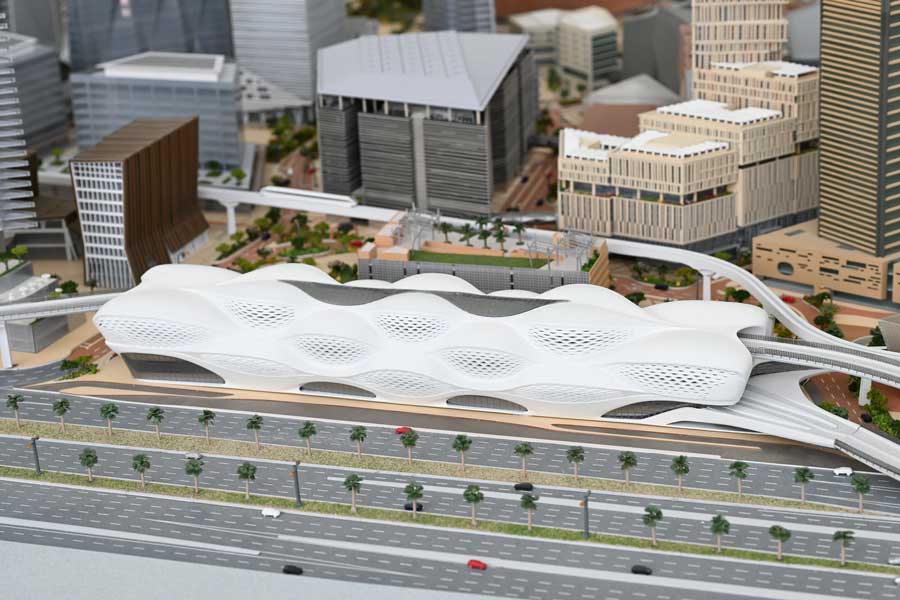
Riyadh is set to mark a significant milestone in its urban development with the much-anticipated launch of the Riyadh Metro’s first phase on November 27. This phase will feature three key lines, marking the beginning of a transformative project aimed at reshaping the city’s public transport landscape.

The Riyadh Metro is one of the largest and most ambitious transportation projects in the world, spearheading the Saudi capital’s efforts to modernize infrastructure and reduce congestion. The first phase includes three lines: the Red Line, Green Line, and Blue Line. Together, these lines will cover a network spanning more than 40 kilometers and will offer commuters a fast, efficient, and environmentally friendly alternative to the city’s heavily congested roads.

The metro network is designed to cater to the growing population of Riyadh, which has seen rapid urbanization over the past few decades. With a population now surpassing 7.5 million, the city has been grappling with traffic congestion, air pollution, and a lack of efficient public transport options. The Riyadh Metro aims to address these challenges by providing a reliable, sustainable mode of transportation for both residents and visitors.

The project has been a long time in the making, with construction having begun in 2014. The Riyadh Metro is being developed by the Saudi Arabian government in collaboration with a number of international firms, including the Spanish company Obrascon Huarte Lain (OHL), the French multinational Alstom, and the American company Bechtel, among others. The project is a cornerstone of the Kingdom’s Vision 2030, which seeks to modernize and diversify the economy and improve the quality of life for Saudi citizens.

The Red Line, which will be the longest of the three, spans 22 kilometers and runs along a north-south axis, connecting key areas such as the King Abdulaziz Historical Center, King Saud University, and the King Khalid International Airport. This line is expected to significantly reduce travel times for residents and visitors moving between the city center and the airport, as well as improving access to cultural and commercial hubs.

The Green Line, at 13 kilometers in length, runs east-west and links some of Riyadh’s most densely populated neighborhoods. This line will provide an important service for commuters traveling between residential areas, business districts, and major shopping centers. The Green Line also intersects with the Red Line at several key points, allowing passengers to easily transfer between the two.

The Blue Line, though shorter at just 5 kilometers, will provide crucial access to critical sites within Riyadh’s urban core, including government buildings, commercial centers, and transportation hubs. This line is expected to help alleviate congestion in the city’s busiest areas, particularly during rush hours.

The Riyadh Metro’s infrastructure is designed with sustainability in mind, incorporating advanced technology to ensure minimal environmental impact. The system will be powered by electricity, which aligns with Saudi Arabia’s broader push toward cleaner, renewable energy sources. The trains are designed to be energy-efficient, with an automated system to reduce energy consumption during non-peak hours. In addition to being environmentally friendly, the metro is designed to handle high passenger volumes, with the system expected to carry around 1.16 million passengers per day once fully operational.

As the first phase of the Riyadh Metro prepares for its official launch, the city has been undergoing a significant transformation to accommodate the new system. New stations, depots, and maintenance facilities have been built, while roadways and pedestrian infrastructure have been upgraded to facilitate easy access to metro stations. Several test runs have been conducted to ensure the system operates smoothly and efficiently, and the Saudi government has promised to offer free rides during the initial months to encourage adoption among the city’s residents.

The Riyadh Metro will play a central role in addressing the Kingdom’s broader goals for urban mobility. Public transportation in Saudi Arabia has historically been limited, with car ownership and road travel being the primary modes of transport for most residents. The Riyadh Metro is expected to significantly reduce the city’s reliance on private cars, thus easing congestion and cutting down on air pollution. The metro is also expected to boost Riyadh’s economic development by providing better access to key business areas, enabling greater productivity and increasing the overall efficiency of the urban environment.

In addition to its environmental and economic benefits, the Riyadh Metro project is set to improve the quality of life for residents by reducing travel times and providing a safe, reliable, and convenient alternative to private cars. The metro stations have been designed with accessibility in mind, catering to the needs of people with disabilities, and offering modern amenities such as air-conditioned waiting areas, Wi-Fi, and ample space for commuters.

The completion of the first phase is just the beginning of a larger metro network planned for Riyadh. Future phases of the project will include additional lines, connecting more neighborhoods, business districts, and cultural centers. This expansion will help integrate the metro system into the city’s broader transportation ecosystem, which includes bus services, taxis, and ride-sharing options. The overall aim is to create a comprehensive, multimodal transportation system that enhances mobility and improves quality of life for all of Riyadh’s residents.


Openreads, a new open-source mobile app, is revolutionizing the way readers track their books. The app, designed for avid readers and book lovers, offers a customizable platform to organize, catalog, and review books from an extensive library. As the popularity of digital platforms continues to rise, Openreads provides a refreshing alternative by giving users complete control over their data while supporting the open-source community. The app’s clean […]

Masdar, the UAE’s leading renewable energy company, has forged a strategic partnership with China’s Silk Road Fund to advance a series of renewable energy projects. This collaboration is expected to boost global efforts in sustainable energy development, with a particular focus on wind and solar energy initiatives. By combining Masdar’s expertise in renewable energy with the Silk Road Fund’s financial capacity, the partnership is poised to drive […]

Egypt and the United Arab Emirates have entered into a series of agreements aimed at boosting their renewable energy collaboration. These deals, announced during a high-level diplomatic visit, underscore the strengthening economic partnership between the two nations. With both countries prioritizing energy transition strategies, the agreements could play a crucial role in achieving their sustainability and energy security goals.

The signing ceremony, held in Cairo, marks a significant milestone in the growing economic cooperation between the two nations, particularly in the renewable energy sector. Under the terms of the deals, the UAE will contribute both expertise and financial support to help Egypt accelerate its renewable energy initiatives. The projects will focus on solar and wind energy, aligning with Egypt’s broader objective to increase its renewable energy capacity in the coming decades.

The partnership is built on a foundation of shared strategic interests in energy security and sustainability. Egypt has set ambitious targets to generate 42% of its energy from renewable sources by 2035, with a particular emphasis on expanding its solar and wind energy capacities. Meanwhile, the UAE, which has been a leader in the renewable energy space through investments such as the Masdar energy initiative, is eager to bolster its influence in the Middle East and North Africa (MENA) region by supporting Egypt’s green energy transition.

Egypt, located at the crossroads of Africa and the Middle East, offers vast opportunities for renewable energy investments due to its geographic advantages, including abundant sunlight and wind potential. As part of the deal, the UAE’s energy firms will help finance and develop large-scale solar parks, as well as offshore wind farms along Egypt’s Mediterranean coastline. These ventures are expected to enhance Egypt’s energy export potential, particularly to Europe, which has shown increasing interest in diversifying its energy supply sources in light of current geopolitical tensions.

The strategic importance of this collaboration is further underscored by the fact that it comes amid global energy shifts. As countries around the world work toward meeting climate change goals, many have turned their attention to renewable energy as a key pillar of energy security. For both Egypt and the UAE, this agreement represents a significant step toward achieving their respective goals of reducing dependence on fossil fuels, creating green jobs, and positioning themselves as leaders in the global renewable energy market.

Both nations have been active participants in the global push to combat climate change. The UAE has been a strong advocate for decarbonization and played a leading role in the 2023 COP28 climate summit, which took place in Dubai. Egypt, on the other hand, hosted the COP27 summit in Sharm El Sheikh in 2022, focusing on solutions for sustainable development and advancing renewable energy technologies. This shared commitment to environmental stewardship is expected to deepen their collaborative efforts in the years to come.

The Egyptian government has expressed optimism that these agreements will bring not only energy transformation but also broader economic benefits. By expanding its renewable energy capacity, Egypt aims to create jobs, boost foreign direct investment, and reduce its energy import dependency. Additionally, the projects could help Egypt manage its growing energy demands as the population expands and industrial development accelerates.

The UAE’s role in these developments is also seen as a key element in its strategy to diversify its economy beyond oil and gas. With the UAE’s heavy investments in clean energy technologies, the country is positioning itself as a regional leader in the green energy revolution. Through Masdar, one of the UAE’s leading renewable energy companies, the country has been actively involved in solar and wind energy projects across the globe. By partnering with Egypt, the UAE is not only extending its energy portfolio but also reinforcing its influence in one of the region’s largest economies.

Both Egypt and the UAE have set ambitious goals for their renewable energy initiatives. Egypt has a target to generate 20 gigawatts of renewable energy by 2025, and it is currently one of the largest producers of solar energy in the MENA region. Meanwhile, the UAE has invested heavily in technologies such as carbon capture and storage, green hydrogen production, and nuclear energy, with plans to become a global leader in clean energy innovation.

The deals are also expected to benefit local communities in Egypt by providing much-needed infrastructure, skills development, and employment opportunities. As Egypt continues to expand its renewable energy sector, the demand for technical expertise and local labor is expected to rise. Both Egyptian and UAE officials have emphasized the importance of creating long-term, sustainable benefits for the local workforce, including vocational training and capacity-building programs.

Energy cooperation between Egypt and the UAE is not limited to just these renewable energy projects. Both countries have also been discussing potential collaborations in other sectors, such as agriculture, water management, and technology. These efforts are part of a broader economic strategy aimed at fostering deeper ties between the two nations, which share strong trade relations and mutual interests in advancing economic growth and regional stability.

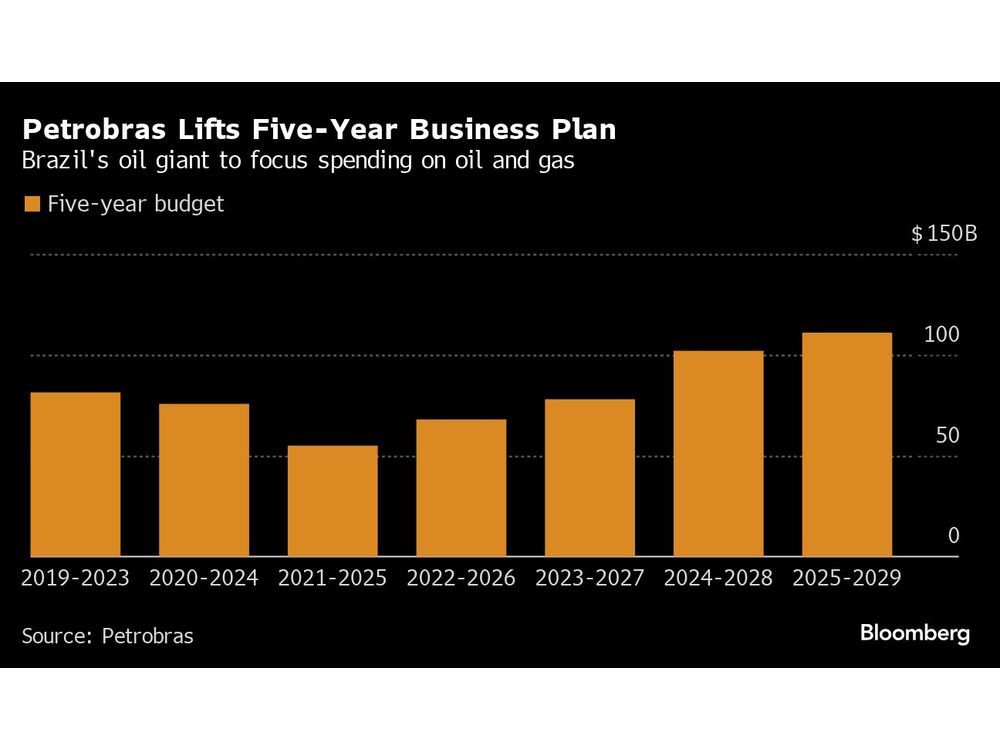
Petrobras, officially Petroleo Brasileiro SA, has committed to paying up to $55 billion in dividends by 2029 as part of its recently unveiled five-year strategic plan. This initiative underscores the state-controlled company’s ongoing emphasis on robust shareholder returns while navigating operational and market challenges. The substantial payout is linked to the company’s goal of balancing investor expectations with reinvestment in its core projects.

According to Petrobras, the projected dividend distributions align with a policy stipulating payouts equivalent to 45% of the firm’s free cash flow, a figure adjusted for specific tax considerations. Analysts suggest this conservative approach may allow for further flexibility, including potential extraordinary dividends depending on market conditions and Petrobras’ liquidity position. The estimated free cash flow for shareholders over the next fiscal year stands at approximately $16 billion.

The updated strategy incorporates a total investment plan of $78 billion spanning from 2024 to 2028, focusing primarily on exploration and production, particularly in offshore and deepwater oil fields. The allocation is intended to maintain Petrobras’ competitive edge in Brazil’s energy sector, which accounts for a significant portion of its revenues. While upstream activities will receive the bulk of investments, renewable energy projects and decarbonization efforts are gradually gaining traction within the portfolio.

Chief Executive Officer Jean Paul Prates emphasized the importance of maintaining operational efficiency and ensuring dividend payments remain sustainable. He also noted the growing scrutiny Petrobras faces in balancing returns with its broader role as a national oil company, particularly amid rising environmental concerns.

Despite promising financial targets, the company has faced criticism over its focus on traditional fossil fuels. Environmental advocates and some industry experts argue that a greater share of resources should be directed toward clean energy initiatives to future-proof the company’s relevance in a rapidly transitioning global energy landscape.

Advertisements

Collect FunStamps on the New 7-Eleven App and Redeem for FREE HONG KONG SAR – Media OutReach Newswire – 21 November 2024 – Christmas is just around the corner and 7-Eleven is inviting all of your favourite Pixar pals to celebrate with you! 10 beloved characters – including Joy, Sadness, Anger, Disgust, Mike, Sulley, Buzz Lightyear, Lotso, Alien and Woody – are here to spread cheer with […]

Oil companies are intensifying their investments in biofuels as governments and industries move toward cleaner energy alternatives. Major players in the oil sector, including BP, Shell, and ExxonMobil, are expanding their biofuel production capabilities in response to a global push for decarbonization. These companies are positioning biofuels as a key component of their strategies to reduce carbon emissions while meeting the surging demand for cleaner energy solutions […]

DigiLeap is a first-of-its-kind AI-driven platform connecting over 200 enterprises, including financial institutions and technology providers, to expedite Singapore and ASEAN’s transition to net-zero. Utilising advanced AI algorithms, DigiLeap customises matches between green projects and decarbonisation solutions, enhancing access to sustainable financing and innovative technologies. Aligned with COP29 priorities, DigiLeap drives impactful climate action across key sectors such as energy, construction, and real estate, fostering substantial environmental […]

By Saifur Rahman Dubai’s state-owned publicly-listed utility Dubai Electricity and Water Authority (DEWA), reported a 6.2 percent growth in revenue reaching a record US$6.4 billion (Dh23.5 billion) and net profit of US$1.5 billion (Dh5.5 billion) in the first nine months of the year. DEWA, the share of which is traded on Dubai Financial Market also declared a US$844.6 million (Dh3.1 billion) dividend to shareholders. DEWA’s first 9-month […]

The Woofstock Pet Festival, a one-of-a-kind event for dog enthusiasts, is set to take place at Dubai Islands Beach on November 23 and 24, 2024. This two-day celebration will offer an opportunity for pet owners and their furry companions to engage in workshops, enjoy various activities, and participate in educational seminars, all in a family-friendly and dog-friendly environment. Hosted by Doggie Adventures UAE, Woofstock promises to be […]

The Emirates Nuclear Energy Company (ENEC) has unveiled a refreshed brand identity that highlights its evolving role as a key national player in the UAE’s energy sector. The rebranding aims to emphasize the company’s commitment to sustainable, low-carbon energy production, alongside its growing influence in the global nuclear energy landscape.

The new visual identity, which includes an updated logo, color palette, and tagline, was designed to reflect ENEC’s focus on innovation, environmental responsibility, and its future role in the UAE’s energy transition. The rebranding also signifies ENEC’s transition from being a project-centric organization to one with broader operational and strategic capabilities as it continues to oversee the Barakah nuclear power plant, the UAE’s flagship nuclear energy facility.

The launch event in Abu Dhabi, which featured senior leadership from ENEC, government officials, and energy industry experts, showcased the company’s vision of a sustainable energy future. ENEC’s CEO, Mohamed Al Hammadi, spoke about how the new brand reflects the company’s core values of innovation and environmental stewardship. “Our new identity is not just about how we look, but what we stand for,” Al Hammadi stated. “As we embark on the next phase of our journey, our rebrand symbolizes our commitment to ensuring that nuclear energy is a central pillar of the UAE’s energy mix for decades to come.”

The Barakah nuclear power plant, located in the Al Dhafra region of the UAE, serves as a crucial part of the country’s strategy to diversify its energy sources. ENEC’s role in operating and managing the plant has placed it at the forefront of the UAE’s ambitious energy goals. With the completion of its four reactors, the Barakah facility is expected to provide up to 25% of the country’s electricity, contributing significantly to the UAE’s carbon-neutrality targets for 2050.

This shift in identity comes as ENEC prepares to expand its operations and partner with international entities to further develop nuclear energy. The UAE’s successful nuclear program has already made significant strides in promoting global collaboration in nuclear technology, with ENEC having signed agreements with organizations such as the International Atomic Energy Agency (IAEA) and other national nuclear operators.

Energy experts view the rebranding as a strategic move that highlights ENEC’s ambitions to not only lead in the UAE but to become a recognized authority in the global nuclear energy sector. The company’s new identity is being seen as part of a broader narrative of energy transition and innovation, with a focus on sustainability. ENEC’s efforts align with the UAE’s long-term vision for energy diversification, as outlined in the UAE Energy Strategy 2050, which seeks to increase the share of clean energy in the national energy mix.

ENEC’s transformation also comes in the wake of increasing global interest in clean energy solutions and nuclear power’s potential in addressing energy security and climate change. With countries around the world looking to reduce their carbon footprints, nuclear energy is increasingly seen as a viable option. The UAE’s nuclear energy ambitions, guided by ENEC’s expertise, are positioning the country as a leader in the global nuclear industry.

The company’s new branding was also designed to reflect ENEC’s forward-looking vision, with an emphasis on technology, transparency, and corporate social responsibility. Al Hammadi noted that the rebranding is not just a visual change but also a reflection of how ENEC operates internally and interacts with its stakeholders. The emphasis on sustainability and environmental stewardship is clear in the new logo, which incorporates elements of nature, underscoring the company’s commitment to providing energy in an environmentally responsible manner.

As ENEC moves into the next phase of its development, the company is expected to increase its focus on expanding its expertise in nuclear operations, safety, and technology. The UAE’s commitment to nuclear energy, as part of a broader strategy to achieve net-zero emissions, places ENEC at the forefront of the region’s energy transformation. This rebranding also positions the company to play a pivotal role in the UAE’s efforts to become a key player in the global clean energy economy.

With the UAE’s first nuclear plant now fully operational, ENEC is exploring new opportunities for nuclear energy development, both within the UAE and internationally. As part of its evolving strategy, ENEC is considering partnerships with other nations seeking to adopt nuclear energy as a low-carbon energy source. This global expansion will help ENEC build a reputation as a trusted partner in nuclear energy, contributing to the company’s efforts to drive innovation and excellence across the nuclear sector.

Saudi Aramco, Sinopec, and Fujian Petrochemical have officially begun the construction of a significant new refining and petrochemical complex in Fujian province, China. This collaboration marks a major step forward in enhancing energy infrastructure, with an investment that highlights the deepening trade and energy ties between the Middle East and China.

The project, located in the coastal city of Quanzhou, is poised to become a vital hub for refining and petrochemical production, aimed at bolstering the energy needs of the rapidly growing Chinese market. The new facility will process millions of tons of crude oil annually and produce a wide range of petrochemical products, further strengthening the value chain in both the refining and chemicals sectors. As one of the largest investments of its kind in the region, the project underscores the strategic importance of Sino-Saudi relations and Aramco’s broader vision for international expansion.

At the core of this venture, Saudi Aramco is contributing a substantial stake, with the company’s role as a key supplier of crude oil expected to provide crucial support to the complex’s operations. Aramco has been a key player in the Chinese market for years, consistently expanding its footprint and solidifying its presence in one of the world’s largest and most dynamic energy markets. Through this venture, Aramco continues to build on its long-standing relationship with Sinopec, one of China’s state-owned oil giants, to help meet the country’s increasing demand for refined fuels and chemicals.

Sinopec, one of China’s leading oil and gas corporations, is providing significant technical expertise and resources for the development of the new refinery. With a vast network of refineries and petrochemical facilities across China, Sinopec’s involvement is expected to enhance operational efficiencies and facilitate greater integration between refining and petrochemical processes. The partnership brings together both advanced technological capabilities and the ability to navigate the Chinese regulatory and commercial landscape, which remains critical to success in this market.

Fujian Petrochemical, a key player in China’s petrochemical industry, is a joint venture partner in the project. The company is renowned for its strategic location along China’s eastern coast and its established role in petrochemical manufacturing. By leveraging its access to the South China Sea shipping routes, Fujian Petrochemical will play a vital role in ensuring smooth logistics for the import of crude oil and the export of refined and petrochemical products.

This new project is expected to generate significant economic benefits for the region. It will provide a boost to local employment, create opportunities for small and medium-sized enterprises, and enhance the skillsets of the workforce in Quanzhou. The complex will also be a significant contributor to the local economy through taxes and royalties, aligning with the Chinese government’s ongoing efforts to modernize its energy infrastructure and industrial capabilities.

The environmental impact of this venture has also been carefully considered. While the complex will undoubtedly play an important role in meeting the energy demands of China’s rapidly developing economy, all three partners have committed to ensuring that the project adheres to the highest standards of environmental sustainability. This includes employing advanced technologies to minimize emissions, improve energy efficiency, and reduce the ecological footprint of the refinery’s operations.

The decision to locate the complex in Fujian province is strategic, as the area has long been a hub for the petrochemical industry in China. Fujian’s proximity to major shipping lanes and its well-established infrastructure make it an ideal location for such a high-capacity facility. The provincial government has expressed strong support for the project, citing its potential to contribute to regional economic growth and enhance China’s energy security.

The broader geopolitical context of this project also plays a significant role in its development. With China’s growing focus on self-sufficiency in energy production and its ambition to strengthen domestic refining and chemical manufacturing capabilities, this initiative is timely. It reflects the ongoing trend of closer cooperation between China and energy-rich nations in the Middle East, particularly in the oil and gas sector.

For Saudi Aramco, the Fujian venture represents a further expansion of its global refining and petrochemical portfolio, reinforcing its position as a dominant player in the global energy market. The company has been diversifying its operations beyond crude oil production, investing heavily in refining and petrochemicals as part of its long-term strategy to adapt to evolving energy trends and the global push toward cleaner energy solutions.

As the global energy landscape continues to evolve, with increasing emphasis on sustainability and energy transition, the timing of this major refining and petrochemical project highlights the delicate balance between meeting current energy demands and investing in future-proof technologies. For China, which remains one of the world’s largest consumers of petrochemical products, this new facility is an important step in securing reliable, high-quality energy sources that align with its ambitious economic development plans.

This collaboration also stands as a testament to the growing importance of international partnerships in the energy sector. While the primary focus remains on meeting the energy needs of China’s economy, the involvement of key players such as Aramco, Sinopec, and Fujian Petrochemical signals the increasing interdependence of the global energy market. The success of the Fujian project will likely pave the way for further cooperation between the Middle East and China in areas such as renewable energy, advanced technologies, and global infrastructure development.

Vingroup, Vietnam’s largest private conglomerate, is poised to lead the nation’s green transition. Backed by substantial resources, top talent, and cutting-edge technology, Vingroup is well-equipped to overcome the challenges and drive sustainable growth. HANOI, VIETNAM – Media OutReach Newswire – 13 November 2024 – Driven by the vision of “Creating a Green Future,” Vingroup, Vietnam’s largest private conglomerate, is strategically positioned to lead the nation’s journey toward […]

Adani Green Energy’s subsidiaries have mandated banks for the issuance of USD-denominated green bonds, marking a significant step in the company’s expansion of its sustainable financing efforts. This move follows a broader trend in the renewable energy sector, where corporations are increasingly turning to green bonds as a means to fund eco-friendly projects and promote sustainability. The subsidiaries, including Adani Green Energy Limited and Adani Renewable Energy […]

Small and medium-sized enterprises (SMEs) in Abu Dhabi have become a crucial driver of the emirate’s economy, contributing 42.8% to the non-oil gross domestic product (GDP), according to the latest data from government sources and economic reports. This surge underscores the growing significance of the private sector, as the region diversifies its economy away from oil dependence. The contribution of SMEs is seen as a pivotal element […]

Exclusive Trade Masterclass with Tim Mondavi at High House SINGAPORE – Media OutReach Newswire – 19 November 2024 – Monopole is proud to host a Trade Masterclass at High House, welcoming the legendary winemaker Tim Mondavi’s visit to Singapore. Tim shares his secret to redefining Napa—revealing his journey from establishing Continuum Estate to creating an iconic new chapter with Continuum and Novicium. With this, he is breaking […]

Shoppers can enjoy 12 days of exciting deals from top local and international brands, including Dyson, De’Longhi, SMEG, Bose, Hasbro, Bioderma and more Celebrate Black Friday at Amazon.sg Holiday Playground with exciting activities during selected time periods on 22 and 23 November at SuperPark Singapore SINGAPORE – Media OutReach Newswire – 18 November 2024 – (NASDAQ: AMZN) – Amazon Singapore today unveiled an exciting lineup of Black […]

Ras Al Khaimah has launched a new industrial initiative with the establishment of Ras Al Khaimah Minerals, marking a significant step in the emirate’s ambition to become a regional industrial hub. This new venture will focus on advancing the minerals and metals sector, an area that is poised for growth in the region. The announcement underlines Ras Al Khaimah’s strategic vision to diversify its economy and attract investments that will stimulate its industrial development.

The establishment of Ras Al Khaimah Minerals is expected to draw attention from investors both locally and internationally, particularly as the emirate seeks to leverage its natural resources and strengthen its position in the global minerals market. This move aligns with broader efforts by the UAE to diversify its economy beyond oil and gas, focusing on sustainable growth and innovation in key industries.

Ras Al Khaimah has long been recognized for its strategic geographic position, which offers access to both regional and international markets. The new company aims to capitalize on this advantage by providing a platform for investment in industrial minerals and metals, with an emphasis on sustainable practices and advanced technologies. By focusing on these sectors, Ras Al Khaimah aims to not only drive economic growth but also contribute to the broader goals of the UAE’s economic diversification plans.

The decision to create Ras Al Khaimah Minerals comes at a time when the global demand for industrial minerals and metals is growing, driven by the rise of technology, infrastructure development, and clean energy initiatives. Ras Al Khaimah is positioning itself to take advantage of these trends by fostering an environment conducive to innovation and growth within the mining and manufacturing sectors.

Industry experts have highlighted the importance of this new initiative for Ras Al Khaimah’s economy, noting that the emirate’s natural reserves of minerals and metals, including limestone, gypsum, and other raw materials, offer a strong foundation for the development of the sector. Ras Al Khaimah Minerals will play a central role in ensuring that these resources are harnessed efficiently and responsibly, creating value for both the local economy and global markets.

The formation of the new company is also expected to create new job opportunities and boost the emirate’s industrial capabilities. As the UAE continues to push forward with its Vision 2030 agenda, Ras Al Khaimah’s commitment to industrial development will play a key role in achieving national objectives, particularly in the areas of sustainability, innovation, and economic diversification.

As the emirate expands its industrial footprint, it also aims to attract investment from multinational corporations, particularly in sectors such as construction, manufacturing, and renewable energy. The launch of Ras Al Khaimah Minerals will be pivotal in driving this forward, with the company’s strategic focus on enhancing the emirate’s competitive edge in the minerals market.

With the formation of Ras Al Khaimah Minerals, the emirate is poised to become a key player in the regional industrial landscape. The new company will help expand Ras Al Khaimah’s industrial base, creating synergies with other sectors such as construction and infrastructure, which are expected to benefit from the increased availability of high-quality raw materials.

Ras Al Khaimah Minerals will also serve as a catalyst for the development of new technologies and innovations in the mining and manufacturing sectors. The company will prioritize research and development to enhance the efficiency and sustainability of operations, ensuring that the emirate remains at the forefront of industry advancements. This approach will be crucial in attracting investment, as the global mining sector increasingly favors companies that adopt environmentally responsible practices and embrace technological innovation.

The UAE’s broader economic strategy, which emphasizes diversification and sustainability, is set to benefit from the growth of Ras Al Khaimah’s industrial minerals and metals sector. As the country seeks to reduce its reliance on oil revenues, projects like Ras Al Khaimah Minerals play a crucial role in building a resilient, future-proof economy. By strengthening its industrial base, Ras Al Khaimah is not only supporting the UAE’s diversification goals but also enhancing its competitive position in the global marketplace.

Abu Dhabi Catalyst Partners (ADCP) has entered into a strategic partnership with Investindustrial, a prominent European investment firm, to accelerate growth and innovation in the Middle East and North Africa (MENA) region. The collaboration, which is set to combine ADCP’s deep regional expertise with Investindustrial’s robust investment portfolio, marks a significant milestone for both firms as they aim to strengthen the economic ecosystem across the region. Under […]

A new Linux distribution called AnduinOS has emerged, designed with a user interface aimed at mimicking the aesthetics and functionality of Windows 11. Developed by an independent team, AnduinOS seeks to offer the familiar experience of Microsoft’s latest operating system while maintaining the flexibility and open-source advantages that Linux provides. At first glance, AnduinOS might easily be mistaken for a variant of Windows 11. The user interface […]

By Nitya Chakraborty The 2024 G-20 Summit is taking place in Rio de Janeiro on November 18 and 19 in the background of two continuing wars in Ukraine and West Asia and the intensification of eco-political crisis in Europe. Moreover, the victory of Donald Trump in the November 5 presidential elections in USA has led […]

Masdar, the clean energy powerhouse based in the United Arab Emirates, has announced plans to develop a 1GW wind farm in the Mingbulak region of Uzbekistan. This significant renewable energy project underscores Masdar’s ongoing expansion in Central Asia, positioning the company as a key player in the region’s transition toward sustainable energy. The wind farm, located in one of the country’s most promising areas for wind energy […]

VISHNU RAJA
RYO YAMADA
HITORI GOTOH
IKUYO KITA