News related to
clean

The United Arab Emirates is advancing a new solar energy initiative aimed at reducing electricity bills for homes in the Northern Emirates. This initiative, introduced by the UAE’s Energy and Infrastructure Ministry, focuses on leveraging solar power to enhance energy efficiency and decrease dependence on conventional electricity sources. Under this initiative, homeowners in the Northern Emirates will be encouraged to install solar panels on their properties. The […]

Dubai is gearing up to transform urban transportation with the introduction of fully electric flying taxis, expected to be operational by the first quarter of 2026. Khaled Al Awadhi, Director of the Transportation Systems Department at Dubai’s Roads and Transport Authority (RTA), announced the ambitious plan during the World Congress and Exhibition on Intelligent Transport Systems (ITS World Congress), which is currently being hosted at the Dubai World Trade Centre.

The flying taxi initiative is part of Dubai’s broader Advanced Air Mobility (AAM) strategy. Al Awadhi emphasized that Joby Aviation, a California-based aerospace company, will be supplying the electric air taxis. The first operational vertiport is projected to be in service by early 2026, positioning Dubai as a global leader in next-generation transport solutions.

The AAM project aims to address the challenges of urban congestion by offering a sustainable, fast, and technologically advanced mode of transportation. The development of vertiports—specially designed airports for vertical take-off and landing (VTOL) aircraft—is a key component of this initiative. Four vertiports are currently planned across Dubai, strategically located to integrate seamlessly with existing public transport networks. Al Awadhi stated that the inaugural vertiport will be situated near Dubai International Airport, ensuring connectivity between the air taxi system and traditional aviation services.

The announcement was made on the sidelines of the ITS World Congress, a prestigious event bringing together global thought leaders in mobility innovation. The congress, running from September 16th to 20th, has provided a platform for Dubai to showcase its cutting-edge advancements in transport technology and its commitment to sustainability. The flying taxi service will be a cornerstone of this vision, contributing significantly to reducing carbon emissions and improving traffic flow in the city.

Joby Aviation has been at the forefront of electric VTOL technology, and its selection as Dubai’s partner for the air taxi project underscores the city’s focus on leveraging innovative and environmentally friendly technologies. Joby’s aircraft, known for their quiet operation, have the capability to carry passengers over urban areas at speeds exceeding 200 kilometers per hour. This makes them an ideal solution for reducing travel time between key locations across the city.

The flying taxi system is expected to offer a premium transport experience, initially targeting business travelers and high-income individuals seeking faster commutes across Dubai’s busiest areas. Over time, as the technology matures and production scales up, the service could become accessible to a broader segment of the population, contributing to the city’s vision of becoming a global smart mobility hub.

The launch of electric air taxis in Dubai aligns with the emirate’s long-standing reputation as a pioneer in futuristic transport solutions. Dubai has consistently been at the forefront of introducing advanced mobility technologies, such as autonomous vehicles and hyperloop systems, with the flying taxis marking another major milestone. The city’s authorities have placed a strong emphasis on ensuring that the new air mobility service will be fully integrated with existing transport systems, providing a smooth transition for commuters and tourists alike.

RTA’s collaboration with Joby Aviation marks a significant step in the global race to bring electric air taxis into commercial use. Other cities around the world, including Paris and Los Angeles, have announced similar plans, but Dubai’s established infrastructure and commitment to innovation provide a distinct advantage in bringing this technology to life.

Al Awadhi also highlighted that the development of regulations and safety standards for the flying taxi service is already underway. The Dubai Civil Aviation Authority (DCAA) is closely coordinating with international aviation bodies to ensure that the air taxi service complies with global safety standards. As the launch date approaches, RTA will also conduct public awareness campaigns to familiarize residents with the new service and address any concerns related to safety and affordability.

As Dubai looks to the future of urban transportation, the city is positioning itself as a global leader in sustainable mobility. The electric air taxi service is expected to significantly reduce the city’s carbon footprint, contributing to Dubai’s broader environmental goals under its Green Mobility Strategy. This strategy, which prioritizes the use of clean energy in transportation, has already seen the city introduce electric buses, hybrid taxis, and a growing number of electric vehicle charging stations.

The flying taxi project will also support Dubai’s ongoing efforts to enhance its tourism appeal. As one of the world’s most visited cities, Dubai continues to invest in innovative solutions that enhance the visitor experience. The air taxis, with their futuristic appeal and time-saving advantages, are likely to become a unique attraction for tourists, offering a novel way to view the city’s iconic skyline while cutting down travel time between major landmarks.

The Ministry of Energy and Infrastructure (MoEI) and Etihad Water and Electricity (EtihadWE) have joined forces to promote the use of renewable energy in the Northern Emirates. This collaboration focuses on expanding sustainable energy resources and reducing carbon emissions as part of the UAE’s wider goals to meet its ambitious climate targets. The initiative will involve the deployment of solar panels across various public and private sectors, […]

Etihad Water and Electricity (EtihadWE) has launched a new initiative in collaboration with the Ministry of Energy and Infrastructure (MoEI) to significantly advance the adoption of renewable energy across the Northern Emirates. This partnership underscores a strategic push to integrate sustainable energy solutions in the region, aligning with broader national goals of reducing carbon emissions and fostering environmental stewardship.

The initiative marks a significant step in EtihadWE’s ongoing efforts to diversify the energy mix and promote clean energy solutions in the UAE. By focusing on the Northern Emirates, the project aims to address regional energy needs and support the UAE’s broader commitment to sustainability. This move is expected to bolster the adoption of renewable technologies and provide a model for other regions within the country.

EtihadWE has been at the forefront of the UAE’s energy transformation, emphasizing a shift from conventional energy sources to renewable alternatives. The collaboration with MoEI is poised to accelerate this transition by facilitating the implementation of renewable energy projects, including solar and wind energy installations. This partnership aligns with the UAE’s Vision 2021 and the broader sustainability goals outlined in the UAE Energy Strategy 2050, which aims to increase the share of clean energy in the national energy mix to 50% by 2050.

The Northern Emirates, which include regions such as Ras Al Khaimah, Fujairah, Sharjah, Ajman, and Umm Al-Quwain, are set to benefit from this initiative through enhanced infrastructure and technology deployment. The focus on these areas is driven by their potential for renewable energy generation and the need to support local economic and environmental development.

The initiative will involve several key components, including the installation of solar photovoltaic panels on government buildings, schools, and other public facilities. Additionally, the project will explore the potential for wind energy, leveraging the natural wind resources available in these regions. These efforts are expected to contribute significantly to the reduction of the UAE’s carbon footprint while also providing economic benefits through job creation and energy savings.

One of the primary objectives of this partnership is to improve energy efficiency and promote sustainable practices within the local communities. Educational programs and workshops will be conducted to raise awareness about the benefits of renewable energy and encourage public participation in sustainability efforts. This approach aims to create a more informed and engaged populace, ultimately driving greater acceptance and implementation of green technologies.

The MoEI’s involvement in this initiative highlights its role in shaping the country’s energy landscape and ensuring that strategic objectives are met. The ministry will provide regulatory support and guidance throughout the project, ensuring that all renewable energy projects comply with national standards and best practices. This collaboration represents a significant alignment between government and industry efforts to achieve the UAE’s environmental and energy goals.

In addition to the direct benefits of increased renewable energy capacity, the project is expected to stimulate further investment in the region. By demonstrating the viability and advantages of renewable energy, it is anticipated that other private sector entities and investors will be encouraged to explore similar opportunities. This could lead to a broader expansion of green energy projects and innovations within the Northern Emirates and beyond.

The focus on renewable energy is part of a global trend toward more sustainable energy practices, driven by the need to address climate change and reduce reliance on fossil fuels. The UAE’s commitment to these goals reflects its position as a leader in the Middle East and a proactive participant in global environmental initiatives.

EtihadWE’s initiative, in partnership with the MoEI, exemplifies how collaborative efforts between government and industry can lead to substantial advancements in renewable energy. As the project progresses, it will be closely monitored to assess its impact and effectiveness, providing valuable insights for future energy initiatives.

The International Atomic Energy Agency (IAEA) has entered a strategic partnership with the Women in Energy Association (WIEA) through a newly signed memorandum of understanding (MoU), aiming to strengthen the role of women in the fields of science, technology, engineering, and mathematics (STEM). This collaboration is designed to support capacity building in these sectors and foster greater female participation in nuclear science and other STEM-related industries.

Signed in the presence of high-profile dignitaries including Prince Abdulaziz bin Salman, Saudi Arabia’s Minister of Energy, the agreement reflects an ongoing global movement to promote gender equality in fields traditionally dominated by men. Princess Mishaal bint Saud AlShalan, the Chairwoman of WIEA, and Rafael Mariano Grossi, Director General of the IAEA, both played key roles in securing this alliance, which places a clear focus on creating new opportunities for women to engage in STEM, particularly in nuclear energy.

The partnership will emphasize enhancing educational opportunities, mentorship programs, and creating a more inclusive work environment across various energy sectors. These efforts align with the broader goals of international organizations, which increasingly recognize that achieving gender balance in industries such as nuclear science is critical for innovation and sustainability.

This initiative also comes at a time when energy demands are rapidly changing, and countries are turning toward cleaner energy solutions, including nuclear energy, as a way to mitigate climate change. The IAEA has been active in promoting peaceful nuclear technologies and sees this collaboration as an essential step in driving inclusive progress in this field.

As global initiatives gain momentum for diversity in STEM, both organizations are optimistic about the prospects of their collaboration. It is anticipated that the joint efforts of IAEA and WIEA will inspire more women to pursue careers in science, particularly in regions where female representation in these fields remains limited. The move aims to empower women, contributing to a stronger, more diverse workforce capable of addressing global energy challenges.

Sources from credible outlets detail how the newly formed alliance builds on years of work by WIEA to advance gender equality within the energy sector. Similarly, the IAEA has consistently promoted programs focused on the peaceful use of nuclear energy, advocating for a balanced and skilled workforce to meet future energy demands. The MoU marks a significant milestone in combining the strengths of both organizations to push for educational reforms, networking opportunities, and policy initiatives aimed at increasing the participation of women in high-tech industries.

Imtiaz Developments has teamed up with the Emirates Environmental Group (EEG) to launch an ambitious sustainability project aimed at enhancing environmental conservation in the UAE. The collaboration, dubbed “One Tree, One Apartment,” focuses on integrating green practices into residential development projects, with each new apartment contributing to the planting of a tree. The initiative represents a significant step in Imtiaz Developments’ commitment to environmental responsibility. For every […]

Saudi Aramco has intensified its investment strategy by acquiring an additional stake in MidOcean Energy and making a substantial commitment to Peru LNG. The state-owned oil giant’s move is part of a broader effort to diversify its portfolio and secure a foothold in strategic energy sectors worldwide. The acquisition of an increased stake in MidOcean Energy, a global player in the liquefied natural gas (LNG) sector, underscores […]

Advertisements

A foreign bank operating in the United Arab Emirates (UAE) has been fined $1.4 million (Dhs 5 million) by the UAE central bank for insufficiently addressing money laundering, financing of terrorism, and related regulatory deficiencies. The financial penalty was announced on Monday as part of the central bank’s commitment to strengthening the country’s financial system and ensuring adherence to global standards in financial transparency and integrity. The […]

Abu Dhabi has introduced a new green bus service aimed at reducing the capital’s carbon footprint and promoting sustainable urban transport. This initiative represents a significant step in the city’s efforts to enhance environmental sustainability and provide more eco-conscious transportation options for its residents. The new fleet, comprising electric and hybrid buses, is set to transform public transport in Abu Dhabi. This expansion aligns with the city’s […]

The electric vehicle (EV) market in the Gulf Cooperation Council (GCC) is rapidly expanding, driven by the region’s commitment to energy diversification and decarbonization goals. Despite ongoing challenges, including infrastructure development and fluctuating oil prices, the momentum for clean energy solutions remains strong as GCC nations look to reduce their dependency on fossil fuels and embrace sustainable transportation.

In recent years, Gulf states have intensified efforts to diversify their economies, which historically relied heavily on oil revenues. This shift aligns with global carbon neutrality targets and the push for sustainable energy alternatives. The EV sector, in particular, has become a crucial part of this transition. Reports indicate that the GCC EV market could reach over $10 billion by 2029 as demand for electric vehicles grows both domestically and for export to other regions.

One of the main factors driving the EV boom in the GCC is the region’s ambition to reduce greenhouse gas emissions. Countries like the UAE and Saudi Arabia have set ambitious goals to decarbonize their transportation sectors. For instance, the UAE is working toward integrating EVs into public transport and encouraging private EV adoption. In Dubai, there are plans for a manufacturing hub to produce EVs, targeting exports to African markets like Egypt, Tanzania, and Kenya.

This economic shift is coupled with investments from key international players, particularly Chinese automakers. China, a global leader in the EV industry, has been establishing partnerships with Gulf nations to accelerate the deployment of electric vehicles in the region. BYD, one of the largest EV manufacturers in China, recently entered into agreements with local distributors in Jordan and Saudi Arabia, bolstering its presence in the Middle East. Other Chinese firms like NIO have also secured strategic investments, particularly in Abu Dhabi, which underscores the growing importance of the GCC market for international EV players.

The growing demand for EVs is further supported by governmental initiatives. Saudi Arabia, for instance, has invested billions into partnerships with foreign EV companies to build up its local manufacturing capacity, aiming to make the kingdom a hub for electric vehicle production. Meanwhile, other Gulf nations are focusing on building the necessary infrastructure, such as charging stations, to support the increased use of electric vehicles.

However, the transition is not without obstacles. One major challenge lies in developing a comprehensive infrastructure network that can support widespread EV adoption. While governments are making progress, the rollout of charging stations across the region remains slow compared to other global markets. Additionally, the upfront costs of EVs can be a deterrent for some consumers, although falling battery prices and government subsidies are helping to mitigate this issue.

The UAE’s clean energy sector has reached a significant milestone, with renewable energy now comprising 27.83% of the country’s total energy mix, as revealed by the nation’s energy minister. This development underscores the UAE’s continued commitment to diversifying its energy sources and reducing its carbon footprint amid growing global concerns about climate change. The country’s leadership has been keen on positioning itself as a pioneer in the […]

The UAE’s General Civil Aviation Authority (GCAA) has entered into an interim agreement with Hong Kong-based Volar Air Mobility to establish the Emirates’ first green aviation technology centre. The initiative is part of the UAE’s broader strategy to strengthen its environmental sustainability efforts, particularly within the aviation sector, which has seen significant investment in recent years to reduce carbon emissions and promote cleaner energy solutions.

The centre will focus on advancing clean energy technology and driving research and development in sustainable aviation solutions. Aiming to serve as a hub for collaboration between international stakeholders, regulators, and innovators, the project is positioned as a crucial step toward making aviation more eco-friendly in one of the world’s busiest air travel hubs.

Sustainability is a central pillar of the UAE’s Vision 2050, a national plan that targets a balance between economic growth and environmental responsibility. The GCAA has emphasized that the collaboration with Volar Air Mobility will not only bolster the UAE’s efforts to lead in green aviation but will also pave the way for future innovations that could be adopted globally. This initiative reflects a growing awareness among Middle Eastern nations of the need to integrate sustainable practices across various industries.

Volar Air Mobility, known for its cutting-edge technology in electric vertical take-off and landing (eVTOL) aircraft, has positioned itself at the forefront of green air mobility. The company’s expertise in developing low-emission transport solutions is expected to play a critical role in shaping the future of aviation in the Emirates. By leveraging Volar’s technology, the new centre will explore ways to integrate sustainable practices into existing aviation infrastructure, including the development of low-emission aircraft and green fuel alternatives.

The agreement comes at a time when the global aviation industry faces mounting pressure to reduce its carbon footprint. Aviation accounts for around 2-3% of global CO2 emissions, with air travel expected to grow significantly in the coming decades. Many countries are now focusing on developing green technologies to meet ambitious emission reduction targets set by international agreements such as the Paris Accord. The UAE’s green aviation technology centre is aligned with these goals and aims to address some of the most pressing challenges faced by the industry.

While the GCAA has not yet disclosed the specific location for the centre, officials have hinted that it will be based in one of the country’s major aviation hubs, likely in close proximity to Dubai or Abu Dhabi airports. Both cities are home to some of the world’s busiest airports, making them ideal candidates for a green aviation initiative that seeks to marry innovation with practicality.

The centre will also aim to attract global talent and research teams to the UAE, encouraging collaboration between local and international experts in green aviation technologies. In addition to research and development, the facility will provide a testing ground for new technologies that could eventually be implemented in commercial aviation. This is expected to include the trial of electric and hydrogen-powered aircraft, as well as the exploration of biofuels and synthetic fuels that promise lower emissions than traditional jet fuels.

The agreement between the UAE and Volar Air Mobility also underscores the importance of international partnerships in tackling the global challenges of climate change. The aviation sector, which is heavily reliant on fossil fuels, is one of the industries most in need of innovation to meet global climate goals. By teaming up with a tech leader like Volar, the UAE is positioning itself as a key player in the global push for sustainable aviation solutions.

The collaboration comes on the heels of other major sustainability initiatives within the UAE’s aviation sector. Earlier this year, Emirates Airline announced its commitment to using sustainable aviation fuel (SAF) across its fleet, while Etihad Airways has invested in the development of hybrid-electric and fully electric aircraft. Both airlines have signaled their intent to drastically cut their carbon emissions over the coming decades, aligning with the UAE’s broader environmental goals.

Sustainability has become a growing priority for the UAE government across multiple sectors, with aviation identified as a key area for transformation. The nation’s commitment to becoming a global leader in green technology is evident in its support for projects such as Masdar City, a pioneering green city designed to be a hub for clean energy companies, and its investments in renewable energy projects like solar and wind farms.

The new aviation technology centre is expected to build upon these efforts by promoting innovation that can be applied not only in the UAE but also globally. The centre’s emphasis on collaboration with international stakeholders suggests that the UAE sees this project as a stepping stone toward becoming a global leader in green aviation. The country’s strategic location as a global travel hub makes it an ideal place to test and implement new aviation technologies, which could eventually influence the practices of airports and airlines worldwide.

AMEA Power is set to establish Africa’s largest solar photovoltaic (PV) project, with plans to construct a 1,000 MW solar PV facility in Egypt’s Aswan Governorate. The project, complemented by a 500 MWh battery energy storage system (BESS), will form a critical component of Egypt’s ambitious renewable energy goals, as the country targets a substantial increase in clean energy capacity. This initiative aligns with Egypt’s vision to […]

The United Arab Emirates (UAE) and China are continuing to deepen their diplomatic and economic ties, signaling a strong and flourishing partnership that has grown substantially in recent decades. This relationship has evolved into what both nations now refer to as a “comprehensive strategic partnership,” driven by their mutual economic interests, cultural exchanges, and high-level political engagement.

Diplomatic relations between the UAE and China date back to 1984, when both nations formally established ties. Since then, the two countries have signed over 140 bilateral agreements, covering various sectors such as trade, technology, infrastructure, education, and culture. The partnership took a significant step forward with Chinese President Xi Jinping’s visit to the UAE in 2018, which set the stage for closer cooperation in critical areas such as energy, investment, and technology.

The UAE has emerged as one of China’s most important partners in the Middle East, not only due to its strategic geographic position but also because of its role as a major hub for the Belt and Road Initiative (BRI), the massive infrastructure project spearheaded by China. The UAE is regarded as a critical player in facilitating the success of this initiative, thanks to its logistics capabilities and connectivity to Europe, Asia, and Africa.

Non-oil trade between the two countries reached a record high of approximately $81 billion in 2023, marking significant growth and making China the UAE’s largest trading partner. The majority of this trade involves China’s exports to the UAE, which consist of electronics, machinery, and manufactured goods, while the UAE exports primarily aluminum, chemicals, and re-exported goods to China.

Another important aspect of the relationship is tourism. China’s growing middle class has shown an increasing interest in the UAE, with over one million Chinese tourists visiting the country in the first ten months of 2023 alone. Additionally, the UAE has embraced Chinese language and culture, introducing Mandarin into hundreds of schools across the country and hosting various cultural festivals to strengthen people-to-people connections.

Investment ties are equally robust. From 2003 to 2023, the total value of UAE investments in China was approximately $11.9 billion, while Chinese investments in the UAE reached $7.7 billion over the same period. These investments have been directed toward sectors like telecommunications, renewable energy, infrastructure, and tourism. Moreover, the UAE pledged $10 billion to a joint investment fund with China aimed at supporting projects under the Belt and Road Initiative, particularly in East Africa.

China’s technology giants are also expanding their footprint in the UAE. Companies like Huawei and Alibaba are integral players in developing the UAE’s digital infrastructure, contributing to the nation’s ambitions to become a leading technology hub in the region.

Politically, both nations have maintained a close dialogue on international issues. Mutual visits between leaders have further solidified their bond, including the pivotal visit of Sheikh Mohamed bin Zayed Al Nahyan to China in 2019, which emphasized their shared vision for global economic and security cooperation. The two countries continue to align on various international platforms, reinforcing their strategic interests on the global stage.

Cultural ties between the two countries are also flourishing. One notable example is the Sheikh Zayed Centre for Arabic Language and Islamic Studies in Beijing, which promotes Arab culture in China and serves as a bridge for cultural exchange. Additionally, both nations have promoted student exchanges and collaborative research efforts, which have contributed to stronger educational links.

As the UAE and China look to the future, their relationship is poised to grow even further. Both nations are investing heavily in sustainable technologies and clean energy, areas in which they are already cooperating closely. China’s expertise in renewable energy, particularly solar, aligns with the UAE’s Vision 2050, which seeks to diversify its energy mix and reduce its dependence on oil.


AMEA Power, a Dubai-based renewable energy developer, is making headlines with its ambitious plans to build Africa’s largest solar photovoltaic (PV) project in Egypt. The company has signed an agreement with the Egyptian government to develop a massive 1 gigawatt (GW) solar PV facility, which will also include a significant 600-megawatt-hour (MWh) battery energy storage system (BESS). The project marks a critical milestone for Egypt’s energy transition, aiming to significantly bolster its renewable energy capacity while reducing its dependence on fossil fuels.

As part of the deal, AMEA Power’s total capacity in Egypt is expected to rise to over 2,000 megawatts (MW), including both solar and wind power projects, positioning the country as a leader in renewable energy in the region. The Egyptian government, driven by its 2035 energy strategy, has been seeking to expand its renewable energy portfolio to meet growing domestic demand and reduce its environmental footprint.

This new project, which will be located in the Aswan Governorate, not only underscores Egypt’s commitment to green energy but also AMEA Power’s rapidly growing influence in the renewable sector. AMEA’s track record includes a portfolio of major projects across the Middle East and Africa, contributing significantly to the global shift toward clean energy. According to the company, the Aswan project will generate enough electricity to power over a million homes and mitigate millions of tons of CO2 emissions over its lifetime.

Egypt’s energy landscape is still dominated by fossil fuels, with more than 50 gigawatts of fossil fuel-based generation. However, this new development reflects the country’s strategic push towards increasing its renewable energy share. The International Energy Agency notes that solar PV, despite its modest role, is becoming an increasingly crucial part of Egypt’s energy mix, accounting for 28% of its renewable capacity. With the new 1GW solar project, the country is making significant progress toward achieving its ambitious goal of producing 42% of its energy from renewable sources by 2035.

The incorporation of the battery energy storage system is another critical feature of the project. The 600MWh BESS will ensure the solar power generated is stored and used efficiently, even when the sun isn’t shining. Battery energy storage is increasingly becoming a key component of large-scale renewable projects, allowing for more stable integration of solar and wind energy into national grids. This technology helps address the intermittent nature of renewable energy and supports grid stability, especially in a country like Egypt, which faces peak demand during the evening.

The project will be developed through a 25-year power purchase agreement (PPA) with the Egyptian government, further cementing Egypt’s focus on long-term renewable energy infrastructure. It will also create thousands of jobs in the construction and operational phases, contributing to the local economy. AMEA Power has underscored its commitment to sustainability and community development in all its projects, aligning with Egypt’s broader development goals.

This initiative is part of Egypt’s broader efforts to attract foreign investment into its energy sector. The country has already seen substantial interest from international players, especially after the success of the Benban Solar Park, one of the largest solar installations in the world. AMEA Power’s involvement in the Aswan project is seen as a natural extension of this momentum, with the company already holding stakes in various wind and solar ventures across the continent.

With this project, AMEA Power is poised to be a major player in Egypt’s renewable energy landscape. The firm has already established itself as one of the key developers in the region, with ongoing projects across Africa and the Middle East. This solar PV project will be among its largest to date, and the combination of solar power with battery storage will serve as a model for future renewable energy projects in emerging markets.

Egypt’s renewable energy ambitions have gained global attention, particularly as the country works to diversify its energy mix and reduce its reliance on imported energy sources. This is particularly crucial given the growing demand for electricity in the country, driven by a rising population and economic expansion. AMEA Power’s latest initiative is expected to play a pivotal role in helping Egypt meet its energy needs sustainably while attracting further investments into the sector.

1 Innovative Product “WeMedi HK Dental Protector D2” 2 Product Offers with Attractive Discounts 3 Grand Prizes of Free Round-Trip Tickets to Saipan HONG KONG SAR – Media OutReach Newswire – 13 September 2024 – Blue, Hong Kong’s first digital life insurer, announced today that in celebration of its 6th anniversary, it is launching new product, promotions, and rewards. These include the new innovative “WeMedi HK Dental […]

The International Digital Energy Expo 2024, held in Shenzhen, has become a key event spotlighting cutting-edge developments in smart and digital energy solutions. Drawing participants from across the globe, the expo showcases the latest in energy technology, with a strong focus on innovation, sustainability, and integration of digital solutions in the energy sector. This year’s expo has highlighted new products, partnerships, and initiatives that aim to revolutionize energy management and delivery in a world increasingly focused on carbon reduction and efficiency.

One of the primary themes of the 2024 expo has been the role of digitalization in creating more sustainable energy systems. The event features a variety of smart energy management tools, from next-generation solar panels and wind turbines to advanced AI-driven energy distribution networks. These innovations are designed to optimize the generation, storage, and consumption of energy, reducing waste and enhancing efficiency across the board. Attendees are particularly drawn to displays on smart grids, which integrate renewable energy sources with traditional power infrastructure, offering solutions to one of the biggest challenges in modern energy systems: reliability and scalability.

Digital energy innovation also extends into residential and commercial settings, with numerous companies presenting smart home and office energy systems that allow users to monitor and control their energy use through advanced apps and platforms. Devices powered by the Internet of Things (IoT) are key features at this year’s expo, enabling users to automate energy-saving strategies such as adjusting lighting and heating systems based on real-time data. This shift towards integrating smart devices in everyday energy use is being viewed as an important step toward achieving energy sustainability on a larger scale.

Another highlight of the event is the collaboration between energy companies and tech giants, particularly in the realm of artificial intelligence (AI) and big data. AI is increasingly being used to predict energy demand, optimize resource allocation, and even anticipate system failures before they occur, providing greater resilience in power grids. Leading companies are showcasing how big data analysis can streamline energy production and distribution, allowing utilities to adjust to fluctuating demands more efficiently and reduce overall operational costs.

As part of its forward-looking agenda, the expo is also hosting discussions on the intersection of energy and transport. With electric vehicles (EVs) on the rise globally, the challenge of creating infrastructure capable of supporting an all-electric future is a major focus. Exhibitors are unveiling new EV charging solutions designed to be more efficient and cost-effective, while several panel discussions address how cities can adapt to the anticipated surge in electric transportation. Some of the most notable innovations come from companies presenting wireless charging technology, which promises to further simplify the charging process for electric vehicle users.

Energy storage remains a critical issue in the push for cleaner energy. Several companies are presenting advanced battery technologies, particularly lithium-ion and solid-state batteries, which offer higher efficiency and longer life cycles compared to traditional storage solutions. Energy storage systems are seen as pivotal to balancing intermittent renewable energy sources such as wind and solar. Alongside this, hydrogen technology is gaining traction at the expo, with numerous firms showcasing hydrogen-based energy storage systems that could provide a cleaner alternative to traditional fossil fuels.

The expo isn’t solely about the technology. Experts from around the world are sharing insights into regulatory frameworks, government incentives, and public-private partnerships that can help accelerate the transition to a digital and smart energy future. Countries like China, already a global leader in renewable energy production, are seen as key players in this transition, and there is significant international interest in how policy and business are aligning to drive innovation forward. Keynote speakers emphasize the importance of global collaboration in building more resilient and sustainable energy systems, particularly as the world grapples with climate change and resource depletion.

Swedish manufacturer Heart Aerospace has taken a significant step towards revolutionizing regional air travel with the unveiling of its first full-scale demonstrator for the ES-30 hybrid-electric aircraft. Built almost entirely in the company’s Gothenburg facility, the aircraft, named Heart X1, has been designed to accommodate 30 passengers and offers an electric range of 200 kilometers. For longer journeys, a hybrid-electric system extends the range to 400 kilometers, […]

The OPEC Fund for International Development has approved nearly US$1.2 billion in new funding aimed at advancing development initiatives across several sectors in partner countries. This substantial commitment reflects the organization’s ongoing mission to enhance socio-economic growth through financial support, specifically in areas such as agriculture, energy, and infrastructure.

The approval of this new round of funding aligns with OPEC’s broader mandate to reduce poverty and drive sustainable development. Established in 1976, the OPEC Fund operates as an intergovernmental development finance institution, providing support to low- and middle-income countries, primarily through public sector lending, private sector operations, and trade finance. Its operations span a wide range of sectors, including energy, education, health, water, and sanitation, with each project designed to meet local needs while contributing to global development goals.

Agriculture remains a key focus for the organization, which has historically provided financing to boost food security by improving rural infrastructure and supporting small-scale farmers. In this latest tranche, substantial portions of the funding will be channeled toward enhancing agricultural productivity through investments in irrigation systems and rural storage facilities. These initiatives aim to reduce hunger and promote food security, particularly in regions where agriculture plays a vital role in the local economy.

Energy projects will also see significant backing, with a focus on expanding access to sustainable and affordable energy. The OPEC Fund has been a lead partner in the United Nations’ Sustainable Energy for All initiative, which aims to provide universal access to sustainable energy by 2030. This commitment continues with new energy projects that include building and upgrading infrastructure to meet growing demand while promoting renewable energy solutions to reduce environmental impact.

Beyond agriculture and energy, transportation and infrastructure development are other priority sectors. The approved funds will support several large-scale projects aimed at enhancing connectivity and improving transportation networks. These investments, which include the construction of roads, railways, and seaports, are critical for trade facilitation and economic growth in developing countries. Improved transportation infrastructure not only boosts local commerce but also enables these nations to better integrate into the global economy.

This round of funding also underscores the OPEC Fund’s emphasis on health and education. Previous efforts by the organization in these areas have contributed to the construction and rehabilitation of hospitals, schools, and other critical public facilities. Current plans include extending support to primary healthcare programs, as well as building new health clinics and modernizing existing facilities. The ultimate aim is to enhance healthcare delivery and educational outcomes, which are essential for long-term socio-economic development.

In line with its goal of addressing social and economic inequality, the OPEC Fund will continue to focus on the needs of marginalized and vulnerable populations. This is particularly evident in the water and sanitation sector, where previous efforts have contributed to the construction of water storage, treatment, and distribution systems in underserved regions. New investments in this sector will support initiatives aimed at providing clean drinking water and safe sanitation systems to rural and urban areas alike.

The OPEC Fund’s development financing is made possible by voluntary contributions from its member countries, along with accumulated reserves from past operations. This latest round of approvals brings the total amount of development assistance provided by the organization since its inception to more than US$24 billion. With its headquarters based in Vienna, Austria, the OPEC Fund has become a critical player in global efforts to combat poverty and promote sustainable development.

Arabian Post Staff -Dubai Bose has consistently set the standard in audio technology, and its Noise Cancelling Headphones 700 continue this legacy with impressive advancements in sound isolation and performance. Offering premium features and a sleek design, these headphones are priced at AED1,649 and are available at Carrefour, City Centre Deira. Combining superior sound quality with advanced noise-cancellation technology, they provide an immersive experience for music lovers, […]

India and the United Arab Emirates (UAE) signed a significant nuclear cooperation agreement in New Delhi on Monday, marking a crucial step in their growing strategic partnership. The memorandum of understanding (MoU) was signed during a high-profile meeting between Indian Prime Minister Narendra Modi and UAE Crown Prince Sheikh Khaled bin Mohamed bin Zayed Al Nahyan, who was on his first official visit to India as Crown […]

A pioneering electric vessel has achieved a milestone by successfully crossing the Baltic Sea, marking a significant advance in maritime sustainability. The boat, developed by Swedish startup Xshore, is the first of its kind to make this journey, demonstrating the potential of electric-powered maritime transportation. The electric boat, named “Eelex 8000,” completed the crossing without any major issues, highlighting the feasibility of using electric propulsion in long-distance […]

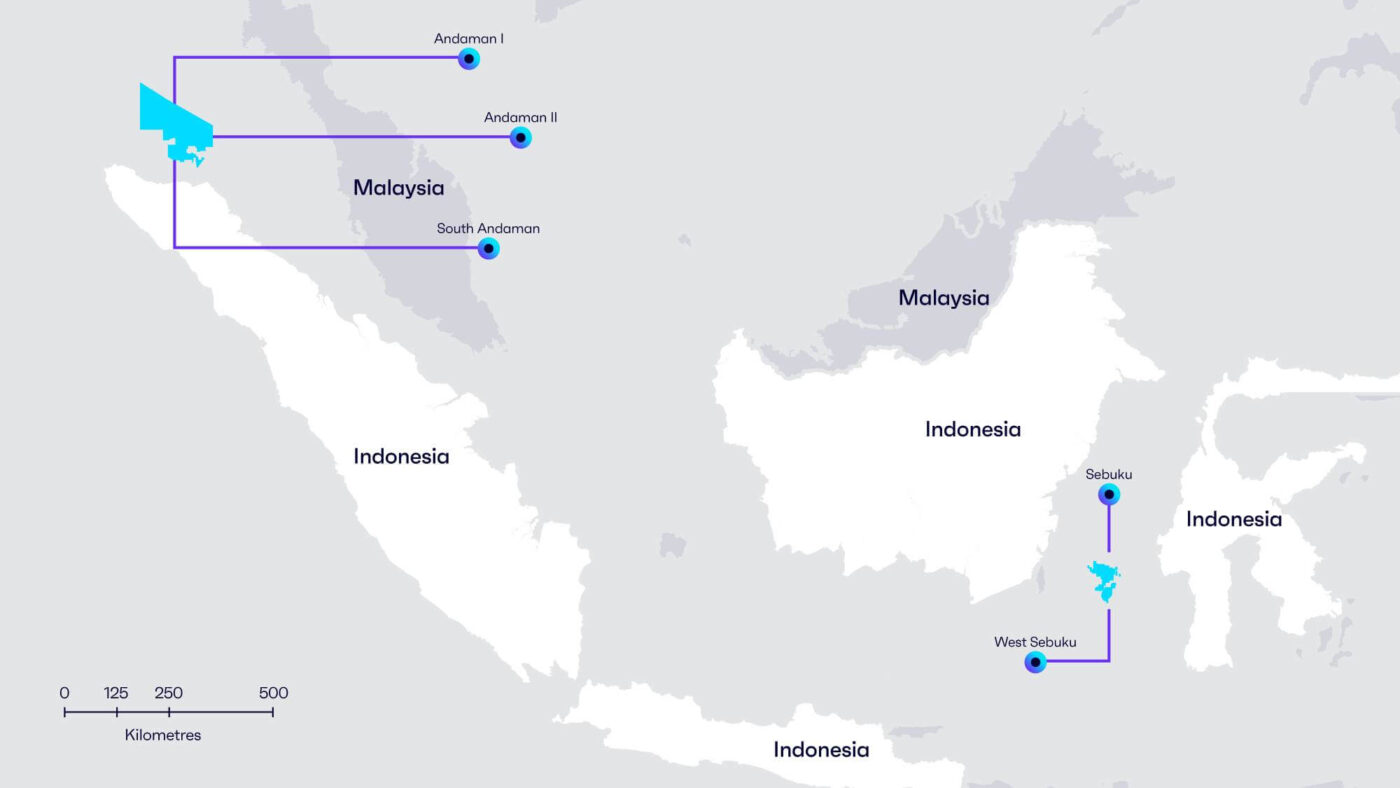
Mubadala Energy, the Abu Dhabi-based international oil and gas firm, has expanded its activities in the Andaman Sea, securing a significant foothold in Indonesia’s energy landscape. The company, alongside its partner Harbour Energy, was awarded the Central Andaman licence by Indonesia’s oil and gas regulator, MIGAS. This move marks a strategic boost for Mubadala, as it increases its influence in one of Southeast Asia’s most promising offshore basins.

Mubadala now holds a 40% stake in the Central Andaman block, with Harbour Energy leading operations with a 60% interest. The award followed the Indonesian government’s recent licensing round, where international energy firms competed for access to the region’s untapped potential. The Andaman Sea, known for its deep-water prospects, has attracted increased interest due to its significant reserves of hydrocarbons.

Building on this momentum, Mubadala has also completed an extensive drilling campaign in the South Andaman area. The campaign appraised multiple wells, including the successful Layaran and Tangkulo discoveries. These results highlight the Andaman Sea’s potential, with estimates suggesting multi-trillion cubic feet (TCF) of gas in place. The appraisal, which involved advanced deep-water drilling technologies, was seen as a major win for the company, further strengthening its long-term energy strategy in Southeast Asia.

Adnan Bu Fateem, Mubadala Energy’s Chief Operating Officer, emphasized the significance of the Central Andaman block, noting that the successful bid will open further opportunities in the region. Bu Fateem underscored the company’s operational expertise and familiarity with the basin as key factors that will enable Mubadala to maximize the area’s energy potential. As Indonesia continues to focus on energy security and the transition to cleaner energy sources, this development could play a vital role in meeting the country’s growing energy demands.

In addition to resource extraction, Mubadala Energy is poised to contribute to Indonesia’s broader energy strategy, which includes a push for gas as a transitional fuel. Gas, seen as a cleaner alternative to coal, remains central to Indonesia’s energy mix, and developments in the Andaman Sea could become crucial to maintaining supply.

Abdulla Bu Ali, President Director for Indonesia at Mubadala Energy, highlighted the success of the South Andaman drilling campaign, stressing that the safe and efficient completion of the operation was an important milestone. He reiterated that Mubadala’s findings would play a pivotal role in supporting both Indonesia’s energy needs and its transition to cleaner sources. Bu Ali added that the resources discovered during the campaign could become a cornerstone of Southeast Asia’s gas supply.

Looking forward, Mubadala is already planning its next steps in turning the South and Central Andaman blocks into production hubs. The company is formulating strategies to expedite the development of these fields, with a focus on delivering gas to regional markets. If fully developed, these assets could significantly alter the energy map of Southeast Asia, with implications for both domestic consumption and export to neighboring countries.

Kia and The Ocean Cleanup have marked a significant milestone in their partnership aimed at tackling the Great Pacific Garbage Patch. This collaboration, which began in 2021, has reached a pivotal point as both entities announce their joint achievements and outline ambitious plans for future environmental efforts. Since the initiation of their partnership, Kia has leveraged its global platform to amplify The Ocean Cleanup’s mission. Through various […]

VISHNU RAJA
RYO YAMADA
HITORI GOTOH
IKUYO KITA