News related to
clean

Abu Dhabi National Oil Company (ADNOC) is reportedly considering the sale of an additional 3% to 5% stake in its gas subsidiary, ADNOC Gas. This move, aimed at enhancing liquidity and broadening investor access, could raise as much as $3.5 billion, based on ADNOC Gas’s current valuation on the Abu Dhabi Securities Exchange (ADX). The exact details of the sale, including its size and timing, remain under […]

Gulf Cryo, a prominent player in gas solutions in the Middle East, has teamed up with Saudi Aramco to advance the development and assessment of lower-carbon hydrogen technologies. The collaboration focuses on testing hydrogen solutions with an emphasis on reducing carbon emissions, aligning with both companies’ efforts to contribute to the region’s energy transition goals. The partnership will leverage Gulf Cryo’s state-of-the-art Applications & Technology Center, a […]

Masdar, a leading energy company based in Abu Dhabi, has successfully completed its acquisition of a majority stake in TERNA ENERGY SA, marking a significant move in its European renewable energy strategy. The deal, valued at 3.2 billion euros, saw Masdar purchase 70% of the company’s shares from GEK TERNA SA and other stakeholders. This transaction has been heralded as the largest energy deal in the history of the Athens Stock Exchange.

The completion of this acquisition aligns with Masdar’s ambition to expand its renewable energy footprint across Europe, particularly in wind, solar, and hydroelectric projects. TERNA ENERGY operates a diversified portfolio of renewable projects, contributing significantly to the development of clean energy infrastructure in Greece and other European markets. The company holds a 1.2 gigawatt capacity in its renewable energy operations.

Following the deal’s closure, Masdar will seek approval from the Hellenic Capital Markets Commission (HCNC) to launch a mandatory tender offer (MTO) to purchase the remaining shares of TERNA ENERGY, solidifying its control over the company. The all-cash MTO is a standard regulatory step for publicly traded companies in Greece and ensures that all shareholders have an opportunity to sell their shares at a fair market price.

This acquisition is part of Masdar’s broader strategy to achieve a global portfolio of 100 gigawatts of renewable energy capacity by 2030. By acquiring a key player in the European renewable energy sector, Masdar is not only expanding its capacity but also reinforcing its commitment to supporting the EU’s long-term renewable energy goals. This aligns with Europe’s green energy transition, as the region looks to decarbonize its power sector and reduce dependence on fossil fuels.

As part of its global strategy, Masdar has been actively investing in clean energy across various markets, focusing on the growing demand for sustainable energy solutions. The company has previously entered into partnerships and acquired stakes in renewable energy companies across the Middle East, Africa, and Asia. With this move into the European market, Masdar is positioning itself as a key player in the global renewable energy landscape.

The Abu Dhabi National Oil Company (ADNOC) has introduced XRG, a groundbreaking low-carbon energy and chemicals enterprise with an estimated enterprise value exceeding $80 billion. This ambitious venture positions ADNOC as a leader in the energy transition, aligning with global trends toward cleaner energy solutions and technological innovation.

XRG’s portfolio will encompass advanced technologies such as hydrogen, renewable energy, and sustainable chemicals production. Additionally, it will emphasize carbon capture and storage, aligning with ADNOC’s goal of achieving net-zero emissions by 2050. The initiative is poised to leverage ADNOC’s robust infrastructure and expertise while driving its international expansion into markets seeking environmentally sustainable energy solutions.

ADNOC anticipates XRG will double its asset value over the next decade. This projection is rooted in increasing global demand for clean energy, which is further amplified by emerging economies and the proliferation of artificial intelligence in energy optimization and resource management. Such factors contribute to the shift from traditional energy sources to integrated, technology-driven models.

The Emirates Nuclear Energy Corporation (ENEC) and the Abu Dhabi National Oil Company (ADNOC) have announced a strategic partnership to explore the application of nuclear energy in the oil and gas sector. This collaboration marks a significant step toward expanding the use of nuclear technology as a cleaner and more sustainable energy source in the UAE’s key industries. Both organizations, which already play vital roles in the […]

Investment strategies must be aligned with global sustainability goals to ensure long-term growth that is both economically viable and environmentally responsible, according to James Zhan, chair of the World Investment Conference (WIC) executive board. His comments, made during the opening session of the Riyadh-based event, emphasized the urgency of reforming the global financial system to support broader social and environmental objectives. Zhan’s remarks came as the WIC […]

The European Union is ramping up efforts to enhance its collaboration with Saudi Arabia in the field of green energy, seeking to bolster clean energy initiatives and investments. This push comes as part of broader EU objectives to reduce its reliance on fossil fuels, accelerate the transition to renewable energy, and meet its ambitious climate goals set under the Paris Agreement. Recent dialogues between EU officials and […]

Advertisements

A high-profile banker has been apprehended in Dubai, accused of orchestrating an elaborate money laundering operation by siphoning off substantial bonuses, allegedly linked to illicit activities. This arrest comes amid heightened scrutiny of the UAE’s financial sector, which has been under increasing pressure to tighten regulations against financial crimes, particularly money laundering.

Authorities in Dubai have confirmed the detention of the banker, whose name has not yet been disclosed, after a detailed investigation uncovered the manipulation of bonus payouts as part of a broader money laundering scheme. The arrest is being viewed as a significant development in the UAE’s ongoing efforts to address financial crime and uphold its reputation as a global financial hub.

According to sources familiar with the investigation, the banker, who worked at a well-known financial institution, reportedly used sophisticated methods to divert funds obtained through fraudulent bonuses into offshore accounts. The bonuses were either inflated or issued without proper documentation, allowing the banker to disguise the true source of the funds. Law enforcement officials assert that the scale of the operation was large, with millions of dollars funneled through complex financial channels.

This arrest underscores growing concerns about the financial practices in the UAE, where money laundering has been an ongoing challenge. Despite the UAE’s progress in enhancing its anti-money laundering (AML) regulations, experts have expressed doubts about the effectiveness of enforcement. In recent years, the government has been working with international bodies to strengthen its AML laws, aligning with global standards. However, critics argue that enforcement still lags behind the country’s growing financial ambitions.

The banker’s arrest is believed to be linked to a larger investigation involving multiple parties, some of whom are suspected to be accomplices. Authorities have not yet confirmed whether other individuals will be implicated or arrested in connection with the scheme. However, law enforcement has vowed to continue its scrutiny of the financial sector to identify other potential money laundering activities.

Dubai, in particular, has faced increasing pressure from global watchdogs to tighten its control over financial transactions that could be linked to illegal activities. As one of the world’s leading financial centers, the UAE has made strides to clean up its banking sector by implementing stricter reporting measures, expanding due diligence requirements, and improving transparency in financial dealings. Yet, the country continues to grapple with its image as a potential destination for illicit financial flows.

Financial experts have pointed out that the focus on bonuses and executive compensation may be a new avenue for money laundering, one that many financial institutions have yet to fully address. Bonuses, which are often tied to performance metrics, can be manipulated to create false incentives or disguise the origin of funds. In the case of the detained banker, investigators believe that the bonuses were inflated or funneled into non-transparent accounts under the guise of legitimate financial rewards.

The UAE’s government has continued to bolster its efforts in preventing money laundering, having established multiple initiatives aimed at increasing financial transparency. The country has also aligned itself with international initiatives to combat money laundering, including cooperating with global anti-corruption and financial monitoring agencies. These efforts are part of a broader push to demonstrate the UAE’s commitment to meeting international standards for financial regulation, particularly in light of growing scrutiny from the Financial Action Task Force (FATF), a global money-laundering watchdog.

However, despite the progress, challenges remain in fully eradicating financial crime. The opaque nature of some financial transactions, combined with the global flow of illicit funds, complicates efforts to ensure that the UAE’s financial system is completely clean. As such, the banker’s arrest may be a precursor to further investigations and regulatory crackdowns aimed at safeguarding the integrity of the UAE’s financial landscape.

While the case continues to unfold, it serves as a reminder of the vulnerabilities that exist within the financial sector, particularly in fast-growing global markets like Dubai. The growing focus on bonuses as a potential vehicle for illicit financial activities is expected to drive new regulatory approaches across the region, with institutions now under increased scrutiny to prevent similar cases of financial manipulation.

As the UAE works to enhance its financial systems and strengthen its anti-money laundering mechanisms, the outcome of this high-profile case may have broader implications for the future of banking practices in the region. Financial institutions operating in the UAE will likely face stricter oversight, particularly around executive compensation and the transparency of their financial dealings.

SINGAPORE – Media OutReach Newswire – 26 November 2024 – On October 4, 2024, Airple, a leader in air conditioning installation, repair, and aircon servicing, launched its innovative new website and mobile app, marking a significant milestone in the digitisation of aircon maintenance in Singapore. With its advanced real-time tracking and predictive maintenance capabilities, Airple aims to redefine the standard for convenience and efficiency in aircon care. […]

Nissan Motor Co. is scaling back production operations in the United States amidst declining sales and intensifying financial challenges. This decision coincides with mounting pressure from tariff threats that could impact the automaker’s cross-border supply chain, particularly between Mexico, Canada, and the United States. The automaker’s production adjustments come as part of broader restructuring efforts aimed at countering its continued struggle to recover market share and stabilize […]

NEW YORK, US – Media OutReach Newswire – 26 November 2024 – From pharmaceutical manufacturing to petrochemical refinement, many industries utilize solvents for various processes, such as synthesis, extraction, purification, and more. Nevertheless, the conventional method across industries involves extensive solvent use followed by their disposal, often through incineration. This creates a never-ending cycle of vast chemical consumption that leads to significant waste streams, contributing to environmental […]

Let’s start with an unsettling thought: your home has secrets. No, not the charming, quirky kind. I’m talking about the secrets that lurk in the shadows—dust mites partying in your mattress, grime gathering in the grout, and allergens taking up residence in your air vents. You may not see them, but they’re there. And they’re not just freeloading—they’re impacting how you live, breathe, and feel in your […]

A Collaborative Platform Showcasing Scalable and Affordable Solutions for Climate Action, With a Focus on the Global South BAKU, AZERBAIJAN – Media OutReach Newswire – 25 November 2024 – The Biosphere 3 Solutions Pavilion stood out at the UN Climate Change Conference (COP29) as a beacon of innovation and collaboration. Hosted in the Blue Zone, the pavilion presented cutting-edge solutions that address energy equity, decarbonization, and sustainability […]

“Engineered for Sustainability: Hong Kong’s Contribution to United Nations Sustainable Development Goals” Showcasing over 40 Sustainable Engineering Projects HONG KONG SAR – Media OutReach Newswire – 25 November 2024 – The Hong Kong Institution of Engineers (“HKIE”) launched an eBook, Engineered for Sustainability: Hong Kong’s Contribution to United Nations Sustainable Development Goals, which introduces Hong Kong engineering industry’s progress towards achieving the United Nations Sustainable Development Goals […]

El Salvador’s pioneering embrace of cryptocurrency has taken another bold step, with President Nayib Bukele proposing a plan to rent out the country’s volcanoes for Bitcoin mining. The initiative aims to leverage El Salvador’s abundant geothermal energy, which is already powering its own mining operations. Since adopting Bitcoin as legal tender in 2021, the nation has positioned itself at the forefront of cryptocurrency innovation, combining digital finance with renewable energy.

The country’s current geothermal-powered Bitcoin mining facility, located near the Tecapa volcano, has generated approximately 474 Bitcoin (valued at $29 million) using clean energy sources. This operation, managed by a state-owned geothermal plant, employs 300 mining processors and utilizes 1.5 megawatts of energy—just a fraction of the plant’s 102-megawatt capacity. The potential scalability of this model has prompted discussions on how other volcanoes in the country could be similarly utilized.

President Bukele’s proposal highlights a strategy to monetize unused geothermal resources while addressing global concerns about the environmental footprint of cryptocurrency mining. The use of renewable energy is an essential component of this vision, positioning El Salvador as a global leader in sustainable digital asset practices. This is particularly significant given the scrutiny Bitcoin mining faces due to its traditionally high energy consumption and carbon emissions.

El Salvador has continued to expand its Bitcoin-related endeavors despite challenges. The legalization of Bitcoin as tender initially drew widespread criticism from international financial institutions, with concerns about economic volatility and potential misuse. The country’s strategy, however, has persisted, with daily Bitcoin purchases by the government adding to its growing reserves, now estimated at 5,750 BTC (approximately $354 million). The administration has framed this as a move toward economic sovereignty and technological advancement.

The economic viability of cryptocurrency mining, combined with geothermal energy, has prompted interest from both domestic stakeholders and international observers. Geothermal energy, a consistent and renewable power source, provides a distinct advantage, as it is less susceptible to the fluctuations seen in other renewable energy forms like solar or wind. For El Salvador, where over 20 volcanoes contribute to a substantial geothermal energy potential, this resource could become a cornerstone of its energy strategy.

As the government looks to scale its operations, the proposed renting of geothermal sites could attract private and international investments. By offering ready access to clean energy and potentially favorable regulatory conditions, the country is positioning itself as an attractive hub for crypto mining. This vision, however, is not without its risks. The volatility of Bitcoin prices and external regulatory pressures continue to pose challenges. Critics have also questioned the long-term benefits of prioritizing Bitcoin over broader economic reforms, especially in a country where poverty and economic disparity remain pressing concerns.

Despite these criticisms, President Bukele has doubled down on the Bitcoin agenda, reinforcing his commitment through policies and public declarations. The initiative is also gaining traction among his supporters, a key factor in his successful 2024 re-election campaign. For Bukele, Bitcoin is not merely a financial tool but a symbol of El Salvador’s innovation and resilience on the global stage.

A prominent shopping center in Bahrain has joined forces with Yellow Door Energy to launch a 4.7 MWp solar power plant, marking a significant step in the kingdom’s efforts to achieve net-zero carbon emissions by 2060. The new solar plant, which will supply clean energy to the mall, highlights Bahrain’s growing commitment to sustainable energy practices and its pursuit of a greener future. This collaboration is part […]

Abu Dhabi has been selected as the first region in the Middle East and North Africa (MENA) to implement the Enhanced Transparency Framework (ETF) at a subnational level, marking a significant step in the emirate’s climate strategy. This initiative, unveiled by the Environment Agency – Abu Dhabi (EAD), follows the successful introduction of the ETF at a national level by the Ministry of Climate Change and Environment (MOCCAE) in 2023. The move signals a broader commitment to meet international climate goals and bolsters Abu Dhabi’s role in regional and global environmental governance.

The ETF is a cornerstone of the Paris Agreement, which aims to increase accountability and foster a more transparent global response to climate change. It requires countries to provide regular updates on their greenhouse gas emissions, climate mitigation efforts, and progress in adapting to environmental changes. With the launch of the framework on a subnational scale, Abu Dhabi is positioning itself as a pioneer in sustainable governance within the MENA region, demonstrating a growing emphasis on local-level climate actions that align with global objectives.

By implementing the ETF, Abu Dhabi will align its efforts with the Paris Agreement’s transparency provisions, which aim to enhance global cooperation and climate commitments. The initiative involves providing data on emissions reductions, evaluating progress on mitigation strategies, and detailing actions taken to address the adverse impacts of climate change. This transparency will allow both local and global stakeholders to track the progress made and encourage greater accountability.

One of the key elements of this new framework is the establishment of a more rigorous and systematic reporting mechanism that supports better decision-making for climate-related investments and actions. The initiative will provide more precise data on the effectiveness of policies and strategies aimed at reducing carbon footprints. These reports will be made accessible to the public, offering a new level of transparency regarding the emirate’s progress in combating climate change.

Abu Dhabi’s move to implement the ETF at the subnational level comes at a time when the region is facing growing environmental challenges. Rising temperatures, changing weather patterns, and the increasing scarcity of water resources are pressing issues for many MENA countries. In this context, the new framework is not just a tool for global compliance but an essential part of the city’s broader efforts to enhance its resilience to climate change.

This initiative also aligns with Abu Dhabi’s broader sustainable development goals, which include reducing the city’s carbon footprint, increasing renewable energy adoption, and promoting green technologies. As part of the UAE’s long-term strategy, the implementation of the ETF will complement the nation’s efforts to meet its ambitious targets for reducing carbon emissions by 2030 and achieving net-zero emissions by 2050.

Abu Dhabi’s adoption of the ETF on a subnational level serves as a model for other cities and regions across MENA. The emirate’s leadership in this space is expected to inspire neighboring countries and cities to follow suit and adopt similar transparency frameworks. It also highlights the role that local governments can play in advancing global climate goals, especially in regions where national-level initiatives may face more significant challenges due to political or economic factors.

For Abu Dhabi, the ETF is not only a tool for accountability but also an opportunity to attract international investment in climate technology and sustainable infrastructure. As businesses and governments worldwide increasingly demand transparency in environmental practices, cities with robust climate frameworks will likely see a rise in green investments. Abu Dhabi’s early adoption of the ETF positions it as a leader in attracting such investment, further cementing its role as a global hub for sustainability and innovation.

The successful implementation of the ETF in Abu Dhabi will also have ripple effects in other key sectors of the economy. In particular, industries such as construction, transportation, and energy will need to align their operations with the new reporting standards. The city’s shift towards transparent climate practices may prompt major changes in corporate strategies, encouraging private sector companies to adopt cleaner technologies and enhance their environmental stewardship.

The introduction of the ETF is expected to foster increased collaboration between public and private sector stakeholders. Governments, businesses, and civil society organizations will need to work together to ensure the smooth implementation of the framework, sharing data, best practices, and strategies for climate action. This collaborative approach will be crucial in helping Abu Dhabi meet its long-term climate goals while driving innovation in sustainability.

While the ETF will undoubtedly present challenges—particularly in terms of data collection, monitoring, and reporting—Abu Dhabi’s existing climate infrastructure, supported by the EAD and other local agencies, places the city in a strong position to succeed. Additionally, the emirate has a track record of leadership in environmental policy, with notable initiatives such as the Masdar City project and the development of solar energy capacity. These past successes provide a solid foundation upon which to build more transparent, data-driven climate actions.

Reducing waste by collaborating with the World Green Organisation and a local farm to upcycle materials for farming use HONG KONG SAR – Media OutReach Newswire – 25 November 2024 – Mead Johnson Nutrition Hong Kong (“Mead Johnson”) is re-introducing the “We CAN Protect the Future” formula cans recycling program today, inviting parents and the community to join forces in promoting recycling and resource recovery. Additionally, the […]

The Abu Dhabi National Oil Company (ADNOC) has announced plans to sell shares in its gas subsidiary, marking a pivotal move to unlock substantial value for its investors and support the UAE’s broader economic diversification goals. This strategic move is expected to enhance the company’s operational flexibility while contributing to ADNOC’s long-term growth prospects.

The share sale involves ADNOC Gas, a key subsidiary of the state-owned energy giant, which has been positioned to lead the UAE’s transition into a low-carbon energy future. ADNOC Gas is a crucial player in the gas sector, focusing on production, processing, and transportation, with a portfolio that spans both domestic and international markets. The company has been at the forefront of ADNOC’s gas exploration and development efforts, a key component of the UAE’s broader energy strategy. By listing its shares, ADNOC is poised to create a more diverse capital structure, positioning ADNOC Gas as a standalone entity in the rapidly evolving global energy landscape.

As part of ADNOC’s broader push to tap into the capital markets, the gas unit’s share sale will provide the company with increased financial flexibility, funding for future investments, and an avenue to pursue more growth opportunities. The move comes in line with ADNOC’s broader corporate restructuring and its ongoing efforts to enhance shareholder value. The public offering is expected to be a significant milestone for ADNOC, with analysts predicting a strong interest from global investors looking to capitalize on the stability and profitability of ADNOC Gas.

ADNOC’s gas subsidiary has seen strong performance in recent years, benefiting from both increased demand for natural gas and ADNOC’s investments in improving efficiency and expanding its infrastructure. The UAE’s strategic positioning as an energy hub also plays a key role in ADNOC Gas’s potential, with its expansive pipeline networks, substantial reserves, and proximity to growing energy markets in Asia and Europe. By offering shares to the public, ADNOC aims to capture additional capital that can be reinvested into expanding its gas production capacity and enhancing its market reach.

The sale also aligns with ADNOC’s broader efforts to diversify its revenue streams. The UAE’s long-term economic strategy emphasizes reducing dependency on oil, which accounts for a significant portion of the country’s GDP. By tapping into the global market for natural gas, ADNOC hopes to capitalize on the growing demand for cleaner energy sources. Natural gas has been increasingly recognized as a bridge fuel, offering lower carbon emissions compared to coal and oil, thus positioning ADNOC Gas to benefit from shifting global energy policies.

The decision to list ADNOC Gas is expected to draw significant interest from institutional investors, particularly those focused on energy and infrastructure sectors. With ADNOC Gas’s stable cash flows and its involvement in key infrastructure projects, it has emerged as an attractive prospect for those looking to invest in the Middle East’s energy sector. Furthermore, ADNOC has indicated that the share sale will also strengthen its corporate governance by increasing transparency and accountability.

ADNOC’s decision to list ADNOC Gas follows a broader trend among major energy companies to unlock value through initial public offerings (IPOs) and spin-offs. It mirrors similar moves made by companies in the oil and gas industry that are seeking to separate their traditional energy assets from their renewable energy or gas divisions. By creating standalone entities, these companies aim to streamline operations and enhance market valuations.

The share sale is also part of ADNOC’s broader initiative to increase the UAE’s capital markets activity. By expanding the participation of institutional and retail investors in its energy sector, ADNOC is working to boost the role of the UAE’s financial markets on the global stage. It is expected that the offering will deepen liquidity in the UAE’s stock markets and encourage further investments in energy-related sectors.

The proceeds from the share sale are anticipated to support ADNOC’s ambitious plans to develop new gas fields and expand its gas infrastructure. This includes the modernization of its gas processing plants and investments in carbon capture technologies, which are central to the UAE’s broader strategy for decarbonization. As part of its commitment to sustainability, ADNOC has been heavily involved in projects designed to reduce its carbon footprint while maintaining its role as a global energy supplier.

The listing of ADNOC Gas will likely have significant implications for the broader Gulf Cooperation Council (GCC) region, where energy companies are increasingly looking for ways to optimize their capital structures and attract new investors. The move underscores the UAE’s determination to maintain its position as a leading energy player while adapting to changing global energy demands and trends.

Experts believe that ADNOC Gas’s IPO could set a precedent for other energy giants in the region looking to unlock value and attract international investment. While ADNOC remains a state-owned entity, the partial sale of shares in ADNOC Gas represents a major shift in how energy companies in the UAE approach their capital strategies. The success of this listing could pave the way for more similar initiatives across the GCC, reinforcing the region’s reputation as a dynamic hub for energy innovation and investment.

Riyadh is set to mark a significant milestone in its urban development with the much-anticipated launch of the Riyadh Metro’s first phase on November 27. This phase will feature three key lines, marking the beginning of a transformative project aimed at reshaping the city’s public transport landscape.

The Riyadh Metro is one of the largest and most ambitious transportation projects in the world, spearheading the Saudi capital’s efforts to modernize infrastructure and reduce congestion. The first phase includes three lines: the Red Line, Green Line, and Blue Line. Together, these lines will cover a network spanning more than 40 kilometers and will offer commuters a fast, efficient, and environmentally friendly alternative to the city’s heavily congested roads.

The metro network is designed to cater to the growing population of Riyadh, which has seen rapid urbanization over the past few decades. With a population now surpassing 7.5 million, the city has been grappling with traffic congestion, air pollution, and a lack of efficient public transport options. The Riyadh Metro aims to address these challenges by providing a reliable, sustainable mode of transportation for both residents and visitors.

The project has been a long time in the making, with construction having begun in 2014. The Riyadh Metro is being developed by the Saudi Arabian government in collaboration with a number of international firms, including the Spanish company Obrascon Huarte Lain (OHL), the French multinational Alstom, and the American company Bechtel, among others. The project is a cornerstone of the Kingdom’s Vision 2030, which seeks to modernize and diversify the economy and improve the quality of life for Saudi citizens.

The Red Line, which will be the longest of the three, spans 22 kilometers and runs along a north-south axis, connecting key areas such as the King Abdulaziz Historical Center, King Saud University, and the King Khalid International Airport. This line is expected to significantly reduce travel times for residents and visitors moving between the city center and the airport, as well as improving access to cultural and commercial hubs.

The Green Line, at 13 kilometers in length, runs east-west and links some of Riyadh’s most densely populated neighborhoods. This line will provide an important service for commuters traveling between residential areas, business districts, and major shopping centers. The Green Line also intersects with the Red Line at several key points, allowing passengers to easily transfer between the two.

The Blue Line, though shorter at just 5 kilometers, will provide crucial access to critical sites within Riyadh’s urban core, including government buildings, commercial centers, and transportation hubs. This line is expected to help alleviate congestion in the city’s busiest areas, particularly during rush hours.

The Riyadh Metro’s infrastructure is designed with sustainability in mind, incorporating advanced technology to ensure minimal environmental impact. The system will be powered by electricity, which aligns with Saudi Arabia’s broader push toward cleaner, renewable energy sources. The trains are designed to be energy-efficient, with an automated system to reduce energy consumption during non-peak hours. In addition to being environmentally friendly, the metro is designed to handle high passenger volumes, with the system expected to carry around 1.16 million passengers per day once fully operational.

As the first phase of the Riyadh Metro prepares for its official launch, the city has been undergoing a significant transformation to accommodate the new system. New stations, depots, and maintenance facilities have been built, while roadways and pedestrian infrastructure have been upgraded to facilitate easy access to metro stations. Several test runs have been conducted to ensure the system operates smoothly and efficiently, and the Saudi government has promised to offer free rides during the initial months to encourage adoption among the city’s residents.

The Riyadh Metro will play a central role in addressing the Kingdom’s broader goals for urban mobility. Public transportation in Saudi Arabia has historically been limited, with car ownership and road travel being the primary modes of transport for most residents. The Riyadh Metro is expected to significantly reduce the city’s reliance on private cars, thus easing congestion and cutting down on air pollution. The metro is also expected to boost Riyadh’s economic development by providing better access to key business areas, enabling greater productivity and increasing the overall efficiency of the urban environment.

In addition to its environmental and economic benefits, the Riyadh Metro project is set to improve the quality of life for residents by reducing travel times and providing a safe, reliable, and convenient alternative to private cars. The metro stations have been designed with accessibility in mind, catering to the needs of people with disabilities, and offering modern amenities such as air-conditioned waiting areas, Wi-Fi, and ample space for commuters.

The completion of the first phase is just the beginning of a larger metro network planned for Riyadh. Future phases of the project will include additional lines, connecting more neighborhoods, business districts, and cultural centers. This expansion will help integrate the metro system into the city’s broader transportation ecosystem, which includes bus services, taxis, and ride-sharing options. The overall aim is to create a comprehensive, multimodal transportation system that enhances mobility and improves quality of life for all of Riyadh’s residents.


Openreads, a new open-source mobile app, is revolutionizing the way readers track their books. The app, designed for avid readers and book lovers, offers a customizable platform to organize, catalog, and review books from an extensive library. As the popularity of digital platforms continues to rise, Openreads provides a refreshing alternative by giving users complete control over their data while supporting the open-source community. The app’s clean […]

Masdar, the UAE’s leading renewable energy company, has forged a strategic partnership with China’s Silk Road Fund to advance a series of renewable energy projects. This collaboration is expected to boost global efforts in sustainable energy development, with a particular focus on wind and solar energy initiatives. By combining Masdar’s expertise in renewable energy with the Silk Road Fund’s financial capacity, the partnership is poised to drive […]

Egypt and the United Arab Emirates have entered into a series of agreements aimed at boosting their renewable energy collaboration. These deals, announced during a high-level diplomatic visit, underscore the strengthening economic partnership between the two nations. With both countries prioritizing energy transition strategies, the agreements could play a crucial role in achieving their sustainability and energy security goals.

The signing ceremony, held in Cairo, marks a significant milestone in the growing economic cooperation between the two nations, particularly in the renewable energy sector. Under the terms of the deals, the UAE will contribute both expertise and financial support to help Egypt accelerate its renewable energy initiatives. The projects will focus on solar and wind energy, aligning with Egypt’s broader objective to increase its renewable energy capacity in the coming decades.

The partnership is built on a foundation of shared strategic interests in energy security and sustainability. Egypt has set ambitious targets to generate 42% of its energy from renewable sources by 2035, with a particular emphasis on expanding its solar and wind energy capacities. Meanwhile, the UAE, which has been a leader in the renewable energy space through investments such as the Masdar energy initiative, is eager to bolster its influence in the Middle East and North Africa (MENA) region by supporting Egypt’s green energy transition.

Egypt, located at the crossroads of Africa and the Middle East, offers vast opportunities for renewable energy investments due to its geographic advantages, including abundant sunlight and wind potential. As part of the deal, the UAE’s energy firms will help finance and develop large-scale solar parks, as well as offshore wind farms along Egypt’s Mediterranean coastline. These ventures are expected to enhance Egypt’s energy export potential, particularly to Europe, which has shown increasing interest in diversifying its energy supply sources in light of current geopolitical tensions.

The strategic importance of this collaboration is further underscored by the fact that it comes amid global energy shifts. As countries around the world work toward meeting climate change goals, many have turned their attention to renewable energy as a key pillar of energy security. For both Egypt and the UAE, this agreement represents a significant step toward achieving their respective goals of reducing dependence on fossil fuels, creating green jobs, and positioning themselves as leaders in the global renewable energy market.

Both nations have been active participants in the global push to combat climate change. The UAE has been a strong advocate for decarbonization and played a leading role in the 2023 COP28 climate summit, which took place in Dubai. Egypt, on the other hand, hosted the COP27 summit in Sharm El Sheikh in 2022, focusing on solutions for sustainable development and advancing renewable energy technologies. This shared commitment to environmental stewardship is expected to deepen their collaborative efforts in the years to come.

The Egyptian government has expressed optimism that these agreements will bring not only energy transformation but also broader economic benefits. By expanding its renewable energy capacity, Egypt aims to create jobs, boost foreign direct investment, and reduce its energy import dependency. Additionally, the projects could help Egypt manage its growing energy demands as the population expands and industrial development accelerates.

The UAE’s role in these developments is also seen as a key element in its strategy to diversify its economy beyond oil and gas. With the UAE’s heavy investments in clean energy technologies, the country is positioning itself as a regional leader in the green energy revolution. Through Masdar, one of the UAE’s leading renewable energy companies, the country has been actively involved in solar and wind energy projects across the globe. By partnering with Egypt, the UAE is not only extending its energy portfolio but also reinforcing its influence in one of the region’s largest economies.

Both Egypt and the UAE have set ambitious goals for their renewable energy initiatives. Egypt has a target to generate 20 gigawatts of renewable energy by 2025, and it is currently one of the largest producers of solar energy in the MENA region. Meanwhile, the UAE has invested heavily in technologies such as carbon capture and storage, green hydrogen production, and nuclear energy, with plans to become a global leader in clean energy innovation.

The deals are also expected to benefit local communities in Egypt by providing much-needed infrastructure, skills development, and employment opportunities. As Egypt continues to expand its renewable energy sector, the demand for technical expertise and local labor is expected to rise. Both Egyptian and UAE officials have emphasized the importance of creating long-term, sustainable benefits for the local workforce, including vocational training and capacity-building programs.

Energy cooperation between Egypt and the UAE is not limited to just these renewable energy projects. Both countries have also been discussing potential collaborations in other sectors, such as agriculture, water management, and technology. These efforts are part of a broader economic strategy aimed at fostering deeper ties between the two nations, which share strong trade relations and mutual interests in advancing economic growth and regional stability.

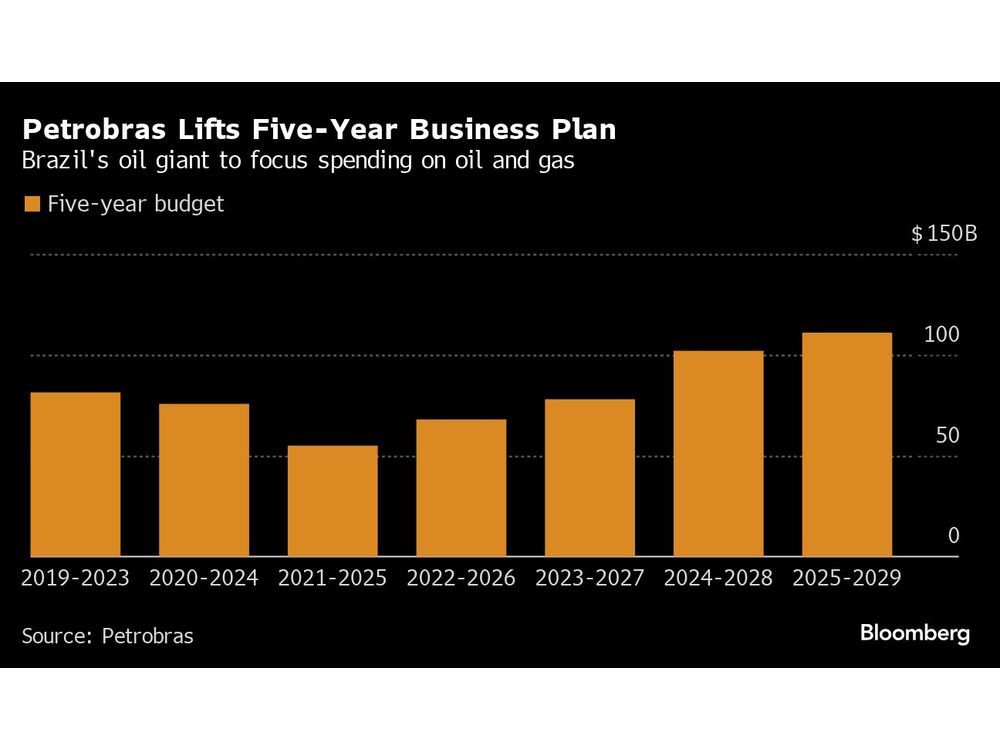
Petrobras, officially Petroleo Brasileiro SA, has committed to paying up to $55 billion in dividends by 2029 as part of its recently unveiled five-year strategic plan. This initiative underscores the state-controlled company’s ongoing emphasis on robust shareholder returns while navigating operational and market challenges. The substantial payout is linked to the company’s goal of balancing investor expectations with reinvestment in its core projects.

According to Petrobras, the projected dividend distributions align with a policy stipulating payouts equivalent to 45% of the firm’s free cash flow, a figure adjusted for specific tax considerations. Analysts suggest this conservative approach may allow for further flexibility, including potential extraordinary dividends depending on market conditions and Petrobras’ liquidity position. The estimated free cash flow for shareholders over the next fiscal year stands at approximately $16 billion.

The updated strategy incorporates a total investment plan of $78 billion spanning from 2024 to 2028, focusing primarily on exploration and production, particularly in offshore and deepwater oil fields. The allocation is intended to maintain Petrobras’ competitive edge in Brazil’s energy sector, which accounts for a significant portion of its revenues. While upstream activities will receive the bulk of investments, renewable energy projects and decarbonization efforts are gradually gaining traction within the portfolio.

Chief Executive Officer Jean Paul Prates emphasized the importance of maintaining operational efficiency and ensuring dividend payments remain sustainable. He also noted the growing scrutiny Petrobras faces in balancing returns with its broader role as a national oil company, particularly amid rising environmental concerns.

Despite promising financial targets, the company has faced criticism over its focus on traditional fossil fuels. Environmental advocates and some industry experts argue that a greater share of resources should be directed toward clean energy initiatives to future-proof the company’s relevance in a rapidly transitioning global energy landscape.

VISHNU RAJA
RYO YAMADA
HITORI GOTOH
IKUYO KITA