News related to
clean

SINGAPORE – Media OutReach Newswire – 3 July 2025 – AweMed®, a skincare brand developed in collaboration with local dermatologists and paediatricians, sponsored the Eczema Family Day 2025—an annual event organised by Eczema Support Group Singapore (ESGS). The event was held on 12 April, where patients, caregivers, and healthcare professionals came together to share knowledge, foster connections, and support individuals living with eczema in Singapore. AweMed Series […]

A specialised Indian geological team has been dispatched to Zambia to commence a three‑year survey of copper and cobalt within a 9,000 km² exploration zone. The initiative, authorised by the Zambian government earlier this year, aligns with New Delhi’s broader drive to shore up supplies of strategic minerals essential for its energy‑transition and technological ambitions. Zambia, a major exporter of copper—Africa’s second‑largest producer after the Democratic Republic of […]

ADNOC Drilling has clinched a five-year oilfield services contract from ADNOC Onshore, valued at up to $800 million, with operations scheduled to commence in the third quarter of 2025. Although the contract’s full value hinges on the volume of services eventually requested, it marks a significant step in the company’s long-term expansion strategy. The announcement extends a streak of high-value awards for ADNOC Drilling, reinforcing its role […]

Mubadala Investment Company is set to acquire a 30 per cent stake in Loscam International, a move that significantly strengthens its foothold in Asia‑Pacific’s logistics and packaging sector. The agreement positions Mubadala alongside existing shareholders Trustar Capital, FountainVest and Sinotrans Limited, aligning sovereign wealth capital with a proven regional operator. The deal revolves around a share purchase agreement dated 26 June 2025, under which Mubadala, via its wholly owned Abu Dhabi […]

Google has entered a landmark 200‑megawatt power purchase agreement with Commonwealth Fusion Systems, in what is being hailed as the world’s first corporate direct offtake of fusion energy. The power will be supplied by CFS’s ARC fusion reactor, planned for a site in Chesterfield County, Virginia, a critical data‑centre hub. Under the agreement, Google will also boost its equity stake in CFS, matching its commitment from a […]

Australia’s earnings from mining and energy exports are set to decline over the coming years, with rising gold revenues unable to fully offset weak demand and price falls in iron ore, liquefied natural gas and coal. Government projections show a fall from A$415 billion in 2023–24 to A$385 billion in 2024–25, and further to A$352 billion by 2026–27. The Office of the Chief Economist highlights that surplus global supply—particularly in […]

Abu Dhabi Fund for Development has advanced regional energy integration by extending AED 752 million to the Gulf Cooperation Council Interconnection Authority, supporting the expansion of the UAE’s national grid interconnection with the wider GCC electricity network. This strategic financing, signed at ADFD headquarters in Abu Dhabi, aims to enhance cross-border power exchange and reinforce regional energy reliability. The deal facilitates construction of a 96 km, 400 kV double-circuit overhead transmission […]

Advertisements

Sheikh Hamdan bin Mohammed bin Rashid Al Maktoum has greenlit an ambitious slate of strategic initiatives aimed at bolstering Dubai’s stature as a global epicentre for education, business, and eco‑development. The moves—from visa reforms and international academic partnerships to air‑quality drives and governance frameworks—signal a broad shift aligned with the emirate’s Education Strategy 2033 and Economic Agenda D33. At the heart of the agenda is Dubai’s higher‑education transformation. With 37 […]

Senate Republicans have advanced a version of President Trump’s sweeping tax and spending bill that would accelerate the end of several clean‑energy incentives, prompting fierce criticism from Elon Musk, who warned the proposal threatens millions of jobs and harms future industries. The legislation aims to eliminate the federal $7,500 tax credit for new electric vehicles and a $4,000 credit for used models by September 30, 2025, and […]

GUIYANG, CHINA – Media OutReach Newswire – 27 June 2025 – Eco Forum Global Guyang 2025 will be held in Guiyang, Guizhou from July 5th to 6th. Guizhou, located in the southwest of China, is using an ecological pen to paint a gorgeous green picture along her mountains and rivers. From an ‘Experimental Zone’ to a ‘Pilot Zone’, Guizhou has embarked on a new path of green […]

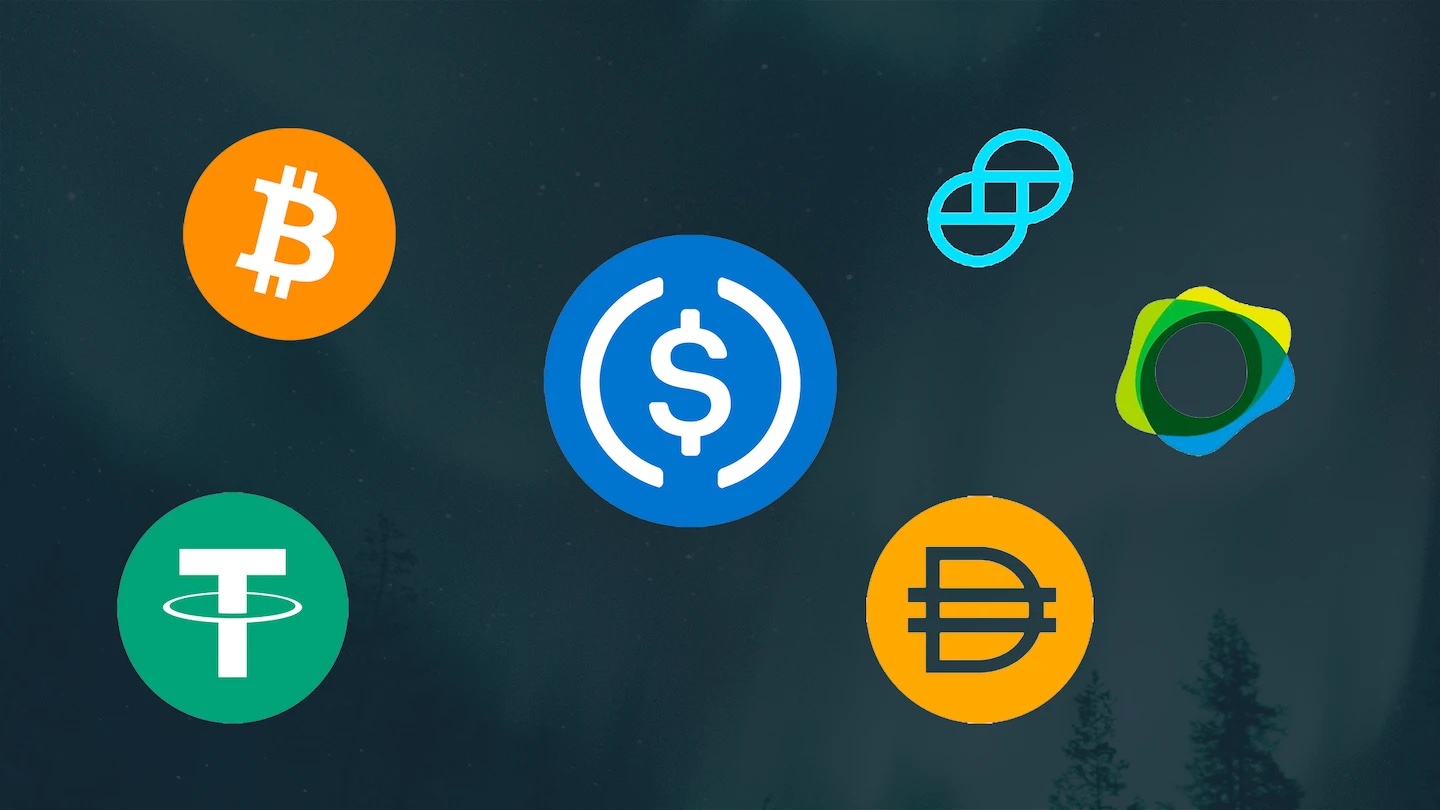
Tether chief executive Paolo Ardoino has pledged to catapult the company into the position of the world’s leading Bitcoin miner by the end of 2025, asserting that crypto‑mining is key to safeguarding its $10 billion‑plus Bitcoin reserves. He outlined a sweeping strategy centred on large‑scale investment in mining and energy infrastructure across Latin America.

Ardoino said Tether has already channelled upwards of $2 billion into mining and energy systems and is now accelerating deployment. While the company’s precise hash‑rate remains confidential, executives emphasise that their investment reflects both scale and strategic intent. The mining push forms part of a broader financial architecture designed to secure the firm’s Bitcoin holdings and further embed it within the Bitcoin ecosystem.

The announcement emerged at the Bitcoin Conference in Las Vegas, where Ardoino noted Tether’s robust earnings—reporting a $13 billion profit in 2024—and a sizeable portfolio of U.S. Treasuries. He revealed the firm holds more than 100,000 BTC and hinted that the mining operation will leverage renewable energy sources supporting its underlying reserves.

Tether is concurrently preparing to open‑source its Bitcoin Mining Operating System, which the company says will democratise mining by enabling participants ranging from individual Raspberry Pi setups to large‑scale farms to connect into secure point‑to‑point networks. The move is intended to broaden participation, enhance resilience of the Bitcoin network, and solidify Tether’s position as a leader in infrastructure innovation.

Energy infrastructure forms a crucial part of Tether’s strategy. Ardoino highlighted investments across Latin America in renewable energy projects, including substantial commitments in Uruguay and El Salvador, where Tether relocated its headquarters and backs geothermal initiatives through a project known as Volcano Energy. These investments reflect a dual focus: securing clean, reliable power for mining and contributing to regional energy resilience.

The strategic rationale centres on mitigating the risks of holding large Bitcoin reserves. Mining, Ardoino explained, provides not only operational control but also reinforces financial sovereignty, anchoring assets within a secured blockchain‑based ecosystem. By internalising hash‑rate and power sources, Tether aims to shield its holdings from external dependency and volatility.

Security considerations have informed the launch of MOS. As a decentralised architecture, the system allows devices to operate without reliance on central servers, reducing vulnerability to single‑point failures or third‑party disruptions. Looking ahead, Tether plans to integrate artificial‑intelligence tools into MOS to monitor performance and optimise operations in real time.

Tether’s move into open‑source mining software dovetails with its broader tech ambitions. Ardoino introduced QVAC, an AI platform that uses non‑custodial wallets, and unveiled plans for a Bitcoin‑centric wallet developed with Rumble. These projects underscore Tether’s strategy to embed Bitcoin deeper into digital finance and expand its ecosystem services.

Market observers note that Tether’s mining ambition places it in direct competition with publicly traded mining firms. Although exact hashrate figures are absent, the scale of investment and reserve holdings suggest that surpassing existing miners is credible by late 2025. Tracking progress will require scrutiny of deployment timelines and performance metrics, which Tether has declined to specify.

Financial analysts regard Tether’s diversified asset approach—spanning Bitcoin, gold and U.S. Treasuries—as a deliberate hedge strategy. The large Bitcoin reserves, reportedly worth over $10 billion, alongside substantial gold and treasury holdings, underpin a multifaceted capital structure. By converting passive holdings into active mining assets, Tether aims to generate operational yield and enhance asset security.

Critics of large‑scale corporate mining warn of environmental strains and centralisation risks. Tether’s emphasis on renewable energy uptake and decentralised software architecture reflects an attempt to mitigate these concerns. If MOS and energy projects deliver as promised, the model may provide a template for sustainable, corporate-scale participation in Bitcoin mining.

Next steps include the public release of MOS, scheduled for later in 2025, alongside scaling up of energy infrastructure across targeted Latin American sites. Close monitoring of mining output, energy efficiency, and systems performance will determine whether Tether’s pledge translates into actual dominance in global Bitcoin mining.

Dubai has earned its reputation as the financial and technological capital of the Middle East—and when it comes to cryptocurrencies, the city is blazing ahead. With crypto-friendly regulations, tax-free gains, and strong government support for blockchain innovation, more people than ever are turning to secure, efficient crypto exchanges in Dubai to buy, sell, and hold digital assets. Whether you’re an investor, trader, or curious beginner, choosing the […]

Kubuntu 25.10 will no longer install the Plasma X11 session by default, making Wayland the standard graphical environment for new users. Enthusiasts who require Xorg compatibility can still opt in manually, but the change marks a significant milestone in Kubuntu’s long‑planned migration away from legacy display protocols. New installations of Kubuntu 25.10—scheduled for general release on 9 October 2025—will boot into KDE Plasma under Wayland, mirroring Ubuntu’s […]

Factories are increasingly adopting a Unified Namespace architecture—an event‑driven, centralised framework that unites data from diverse systems under a single, real‑time source of truth. By standardising naming conventions and utilising protocols like MQTT, this model dismantles data silos, enhances scalability, and accelerates decision‑making across engineering, operations, and management teams. UNS addresses the critical issue of fragmented automation ecosystems, where legacy PLCs, SCADA, MES, ERP and new IIoT […]

Elon Musk has cast aside the existing Grok AI training corpus and directed xAI to construct an entirely new foundation—one that excludes what he calls “garbage” and “uncorrected data”—and then retrain the model from that vetted base. This overhaul is intended to power the next-generation Grok, tentatively dubbed Grok 3.5 or Grok 4, with “advanced reasoning” capabilities that Musk says will enable it to “rewrite the entire […]

HANOI, VIETNAM – Media OutReach Newswire – 23 June 2025 – With the invention of solar cells using Passivated Emitter and Rear Contact (PERC) technology, Prof. Martin Andrew Green from the University of New South Wales (Australia) and his team made a groundbreaking contribution to green energy production. Two years after receiving the 2023 VinFuture Grand Prize, he continues to push the boundaries of solar innovation, working […]

The United Arab Emirates drew AED 167.6 billion in foreign direct investment in 2024, climbing to tenth position globally, according to the UN Conference on Trade and Development’s World Investment Report 2025. This 48.7 percent surge from 2023 cements the UAE as a top-tier destination for international capital, with greenfield projects playing a central role. Foreign investors backed 1,369 new greenfield ventures worth AED 53.3 billion, placing the UAE second globally in […]

Acquisition strengthens Chemin’s capabilities in complex AI data services amid global demand surge SINGAPORE – Media OutReach Newswire – 20 June 2025 – TDCX Group, a leading provider of digital customer experience (CX) and growth services for global enterprises, today announced the acquisition of SUPA, a cutting-edge data labeling and annotation platform known for its agile, gig-powered delivery model. SUPA will be integrated into Chemin, TDCX Group’s […]

Tata Consultancy Services confirmed its systems and user infrastructure remain uncompromised following the cyberattack that struck the retailer Marks & Spencer. At its annual shareholder meeting on 19 June, independent director Keki Mistry emphasised, “As no TCS systems or users were compromised, none of our other customers are impacted,” noting the ongoing M&S investigation does not extend to TCS systems.

M&S, which disclosed the cyber incident in April, continues to navigate significant disruption. The attack, attributed to the “highly sophisticated and targeted” Scattered Spider hacking group, reportedly utilised stolen help‑desk credentials from a TCS contractor. This led to the theft of personal data and forced the retailer to suspend online clothing sales for weeks—their online operations remain impaired, with recovery expected to extend into July.

Financial impact estimates remain stark. M&S anticipates a £300 million loss in operating profit, with weekly losses highlighted at approximately £40 million spanning clothing and food services. The retailer has drawn on its robust financial footing—boasting over £400 million in net funds before the incident—to support recovery measures. Insurance claims and cost containment strategies aim to offset roughly half of the losses.

The attack’s disruption extended to in‑store services, including payment systems and “meal‑deal” availability at stations, where stocks dwindled and meal‑deal offers were suspended. M&S CEO Stuart Machin described the incident as triggered by human error, stating that attackers duped a contractor’s help‑desk staff via social engineering tactics. Although M&S has not disclosed ransom payment details, hackers reportedly issued a ransom demand to Machin directly, claiming ransomware deployment across the retailer’s servers.

TCS had been internally probing whether its systems served as the breach gateway, an inquiry reportedly scheduled for completion by the end of May. With Mistry’s public assurance, TCS now distances itself from fault, while confirming its services to other clients—including the UK Co‑op—remained unaffected.

Beyond TCS, UK retailers Co‑op and Harrods have suffered similar breaches in recent weeks, prompting government authorities to call cybercrime “serious organised crime” and urge businesses to elevate cybersecurity priorities. The National Cyber Security Centre is rolling out new software security guidance for the sector.

M&S leadership has kick‑started accelerated IT modernisation, fast‑tracking system upgrades they had planned over two years into the next six months to strengthen defences. CEO Machin reaffirmed the retailer’s resilience, underlining transparency in communication and ongoing support to customers during the disruption.

While TCS’s reassurance quells immediate concerns among its client base, reputational challenges linger. Cybersecurity analysts warn that such high‑profile breaches erode trust in outsourcing vendors. Mumbai‑based brokerage Nirmal Bang commented that linkage to the attack would be “quite embarrassing” for TCS.

TCS’s absence of any formal probe initiation by regulators signals regulatory leniency. However, this episode spotlights the vulnerabilities inherent in third‑party access chains. As M&S works to restore its online footprint and TCS reaffirms its integrity, both firms face ongoing scrutiny over their cybersecurity governance.

U.S. President Donald Trump has appealed directly to the House of Representatives to pass the GENIUS Act—a bipartisan stablecoin regulation bill cleared by the Senate—without any amendments or delays, stressing that it will position the country as the “undisputed leader” in digital assets.

The Senate passed the bill on 17 June with a decisive 68‑30 vote, supported by senators from both parties. It introduces stringent rules for stablecoin issuance, including full backing of coins with liquid reserves and monthly disclosures of reserve compositions, alongside audit and Treasury oversight provisions. Trump openly praised the legislation, calling it “pure genius” and urging House Republicans to advance a “clean” version so it reaches his desk before Congress breaks for its August recess.

Major market players reacted positively. The approval spurred significant gains in related equities: shares of Circle Internet, issuer of the USDC stablecoin, surged between 16% and 27%, reflecting investor optimism for regulatory clarity and mainstream token adoption.

The GENIUS Act’s framework mandates that only permitted issuers—such as banks or federally approved payment companies—may issue stablecoins for U.S. users. It requires a one‑to‑one reserve ratio in U.S. dollars or Treasuries and monthly public disclosures about reserve composition. Additionally, it introduces safeguards for consumer protection and bankruptcy protocols prioritising stablecoin holders. Large issuers will have to undergo annual audits, and the bill prohibits stabilecoin ownership by Congress members, though it excludes the President and Vice President.

While Trump’s endorsement reflects his broader pro-crypto pivot—underscored by investments like Bitcoin, policy appointments, and support from his digital-assets advisory council—critics have flagged potential conflicts of interest. Trump and his family hold substantial stakes in crypto ventures including World Liberty Financial and its USD1 stablecoin, having earned tens of millions in 2024. Critics stress that exemption of the President from the bill’s conflict-of-interest ban leaves a loophole that some fear could be exploited.

Senators on both sides celebrated the bill. Republican sponsor Bill Hagerty described it as a “paradigm-shifting development” that moves the U.S. toward global leadership in crypto. Senate Banking Chair Tim Scott described it as “the most significant digital assets legislation ever to pass the U.S. Senate”. Treasury Secretary Scott Bessent projected that the bill could expand the stablecoin market to $3 trillion‑plus by decade’s end.

Nonetheless, the path ahead is not without hurdles. Some Democrats, including Elizabeth Warren, Jeff Merkley and others, raised objections during Senate negotiations, warning the bill could grant a “super‑highway for corruption” and fails to curtail potential for big tech firms entering the stablecoin market. Senate negotiators incorporated numerous amendments to secure support, but key concerns remain unresolved.

Conscious Aerospace, KLM Royal Dutch Airlines and Transavia have entered a strategic Memorandum of Understanding at the Paris Air Show to co-develop a liquid‑hydrogen fuel‑cell retrofit for the De Havilland Canada Dash 8‑300 regional turboprop. The agreement, inked in front of Dutch aviation authorities, aims to outfit the aircraft with hydrogen‑electric propulsion, optimise cabin and cargo configurations, assess route viability, and model operational costs ahead of demonstration flights […]

Abu Dhabi’s state‑owned oil giant ADNOC has unveiled plans to escalate its U.S. energy investments six‑fold over the next decade, targeting a total of $440 billion. Speaking in Washington on 17 June, Sultan al‑Jaber, ADNOC Chief Executive and UAE Minister of Industry and Advanced Technology, declared that the American market is “not just a priority; it is an investment imperative” for the company’s global expansion.

Al‑Jaber underlined the urgency of the move, emphasising that artificial intelligence represents a “once‑in‑a‑generation investment opportunity.” He pointed out that the growth of data centres driven by AI will demand substantial power— “The next stage of evolution” in energy consumption, he said. The planned investments will span a wide spectrum: anchor stakes in the largest liquefied natural gas facility in Texas, petrochemical plants, and the deployment of 5.5 gigawatts of renewable energy paired with storage systems “from coast to coast”.

ADNOC’s international investment arm, XRG, is cementing its presence with a new Washington office, aimed at steering these high‑stakes ventures. XRG has already struck a deal with Occidental’s 1PointFive for a direct air capture project in Texas, with potential investment reaching $500 million. Additional widescale cooperation includes agreements to develop U.S. gas, LNG, specialty chemicals and energy infrastructure.

The announcement synchronises with a broader bilateral strategy: in March, senior UAE officials committed to a ten‑year, $1.4 trillion investment framework in the U.S., covering sectors such as AI, energy, semiconductors and manufacturing. As part of that pact, U.S. companies agreed to invest $60 billion in UAE energy assets. The XRG–Occidental partnership, as well as other collaborations involving ExxonMobil, Japanese firms Inpex and JODCO, is expected to expand capacity at Abu Dhabi’s major offshore oil field, Upper Zakum.

At the Atlantic Council Global Energy Forum in Washington, al‑Jaber addressed the broader challenge of powering AI, stating that U.S. energy infrastructure must undergo a “system‑wide shift” to keep pace. He highlighted the need to hyperscale energy supply—from gas, renewables with storage and nuclear—to meet the projected requirement of 50–150 GW of new capacity just in the next five years. He warned against prematurely retiring existing power plants, advocating instead for grid modernisation and rapid permitting for new infrastructure.

Environmental groups have voiced concern that the surge in AI‑driven energy demand could lead to rising carbon emissions unless clean energy is prioritised. In response, al‑Jaber suggested that AI could, in fact, offer solutions—optimising grid efficiency and managing load fluctuations, effectively “unlocking its own energy challenge”.

The energy‑AI summit ENACT, hosted by XRG and MGX alongside the Atlantic Council, gathered leading figures from across the energy, tech and finance sectors. Delegates, including representatives from Exxon, OpenAI and BP, discussed mid‑ and long‑term strategies to address the escalating power needs of hyperscale data centres.

These developments are set against a backdrop of rising instability in the Middle East, where al‑Jaber cautioned that energy remains a “cornerstone of peace, stability and prosperity,” signalling that the new chapter of collaboration aims to underpin global energy security.

For the U.S., the influx of investment promises a host of benefits: large‑scale infrastructure expansion, high‑task employment, and reinforced energy resilience. Projects under the UAE umbrella—from LNG plants to hydrogen and carbon capture initiatives—are poised to generate thousands of jobs, while U.S. energy firms gain access to new development avenues both at home and back in the Gulf.

Yet questions remain. Policy experts stress that realisation of al‑Jaber’s ambitious vision will depend heavily on ensuring timely regulatory approvals and creating an effective risk environment for private capital. Moreover, balancing fossil fuel commitments with the drive toward decarbonisation will require clear direction from both governments and industry stakeholders.


LeetCode’s Java ecosystem is evolving beyond mere algorithmic correctness, with a growing emphasis on code quality metrics such as readability, maintainability, and performance profiling. Practitioners are advancing from writing bare-bones solutions to refining their work through rigorous complexity analysis and structured refactoring. LeetCode-in-Java, a prominent community resource hosting over 300 Java-based interview questions, lists the time complexity and space usage for each problem, aiding developers in benchmarking […]

Mozilla will discontinue Pocket, its bookmarking and content-discovery service, on 8 July 2025, shifting focus to augmented Firefox browser experiences. Users can continue to access and export saved articles until 8 October 2025, after which all Pocket data will be permanently removed. Premium and annual plan subscribers will be automatically refunded or receive prorated credits as of the shutdown date. Pocket began in 2007 as Read It Later, gained popularity […]

VISHNU RAJA
RYO YAMADA
HITORI GOTOH
IKUYO KITA