News related to
clean

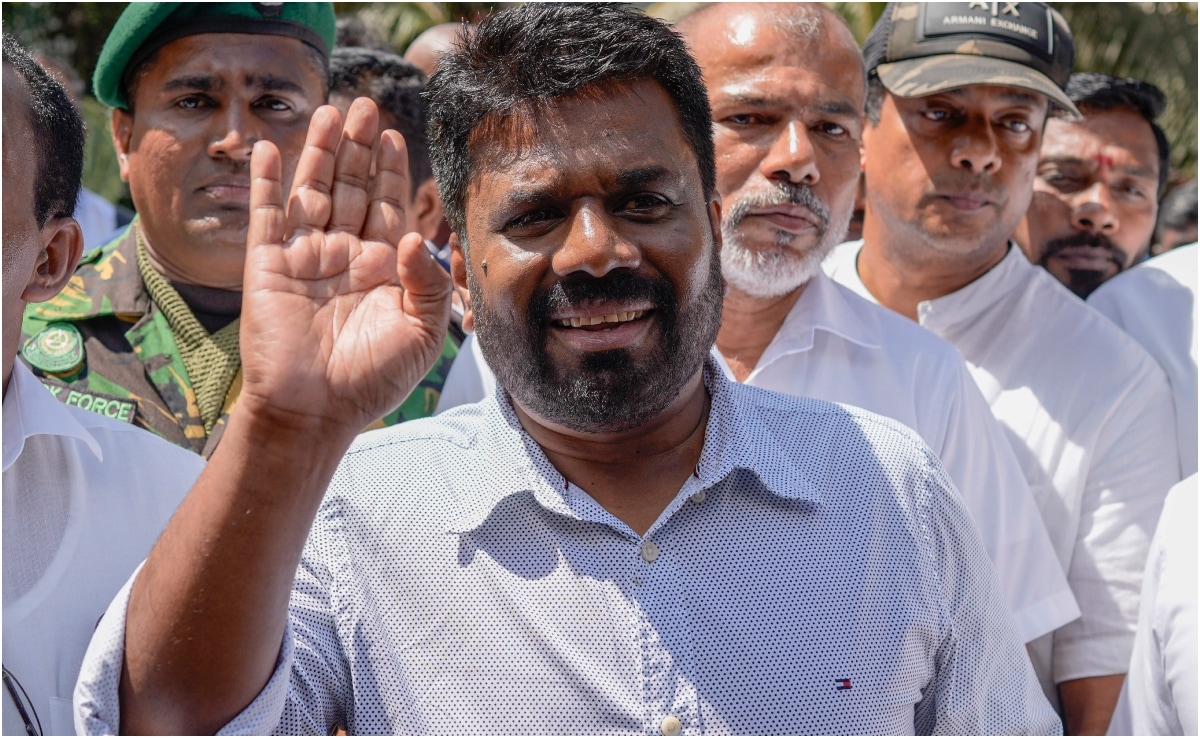
By P. Sudhir Anura Kumara Dissanayake, leader of the Janata Vimukti Perumana (JVP) and the National Peoples’ Power (an alliance of Left and progressive parties) won the presidential elections held on September 21 in Sri Lanka. He polled 57,40,179 votes (42.3 per cent) in these elections, which is a significant increase from the 4,18,553 votes […]

Devastating floods in Kenya and Tanzania have left a trail of destruction, causing widespread loss of life and displacing tens of thousands of people. At least 32 people have been confirmed dead in Kenya, while neighboring Tanzania has reported at least 58 fatalities. Thousands more remain unaccounted for as emergency services struggle to cope with the rising waters and treacherous conditions. The flooding has been described as some of the worst in recent memory, severely impacting infrastructure, agriculture, and livelihoods across both nations.

Heavy rains have lashed East Africa over the past few weeks, overwhelming rivers and dams, and triggering landslides in many parts of the region. Rivers have burst their banks, and communities located along watercourses have been submerged. In Kenya, the hardest-hit regions include the coastal counties of Kilifi, Tana River, and Lamu, where entire villages have been wiped out. Residents have been forced to evacuate their homes, often leaving behind their belongings, livestock, and crops. The situation has been exacerbated by poor drainage systems, particularly in urban areas, making it harder for floodwaters to recede.

Tanzania has seen similar destruction. The Kilimanjaro and Morogoro regions have been the most severely affected, with roads and bridges washed away, hampering rescue efforts. In some areas, emergency workers have had to rely on helicopters and boats to reach stranded communities. Local officials have expressed concerns that the death toll could rise as more remote areas are reached and the full scale of the disaster becomes clearer.

Kenya’s Meteorological Department warned of continued heavy rainfall, predicting further flooding in parts of the country. Authorities have urged residents in flood-prone areas to move to higher ground and heed evacuation orders. Many, however, remain reluctant to leave their homes, citing fears of looting and the loss of their livestock, which is a vital source of livelihood. In some cases, entire families have chosen to stay behind, leaving only the elderly and children to seek refuge in makeshift camps set up by the government.

In Tanzania, where agricultural land has been submerged and thousands of livestock lost, authorities have declared a national emergency. The country’s Prime Minister visited some of the worst-affected areas, offering condolences to families who lost loved ones and pledging government support for rebuilding efforts. Emergency services, however, are already stretched thin, with many responders pointing to a lack of equipment and resources to deal with a disaster of this magnitude.

The floods have disrupted daily life, with schools, hospitals, and businesses shuttered in many areas. Road networks have been severely damaged, making it difficult to transport food, medicine, and other supplies to those in need. In Kenya, the military has been deployed to assist with evacuation and relief operations, particularly in the northern parts of the country, where access is limited due to poor infrastructure. The government has also appealed for international assistance, with humanitarian organizations already mobilizing to provide food, water, and shelter to the displaced.

Agriculture, a key economic driver in both Kenya and Tanzania, has been hit hard by the floods. Farmlands that provide food for millions have been inundated, destroying crops that were nearing harvest. This is expected to lead to significant food shortages in the coming months, compounding an already dire situation as both countries were grappling with drought conditions earlier in the year. Farmers, particularly those in low-lying areas, face the difficult task of starting over, with little to no savings or insurance to cover the losses. The agricultural damage is likely to impact food prices, driving inflation and putting pressure on households already struggling with the rising cost of living.

Health concerns are also mounting, as the stagnant water left behind by the floods is creating a breeding ground for diseases such as cholera and malaria. Health authorities in both Kenya and Tanzania are on high alert, setting up temporary clinics in affected areas and distributing clean water and sanitation supplies to prevent outbreaks. In many regions, however, access to healthcare is limited, raising fears that the death toll could rise as waterborne diseases take hold in the aftermath of the disaster.

Efforts to provide relief to the affected populations have been hindered by logistical challenges and a lack of adequate infrastructure. In some areas, aid workers have had to use boats to reach remote communities cut off by the floods. The international community, including agencies like the Red Cross and the United Nations, is stepping in to provide emergency assistance, but officials warn that the situation is dire, and more support is needed. Appeals for funding have been launched to help cover the costs of relief operations, but as of now, it is unclear how long the recovery process will take.


SINGAPORE – Media OutReach Newswire – 25 September 2024 – Singapore-based lifestyle brand SKINARMA has unveiled its newest iPhone case collection following the iPhone 16 release. Reintroducing old favorites and debuting fresh designs, the latest lineup explores themes inspired by mecha, cyberpunk, industrial and minimalist aesthetics, capturing the world’s growing fascination with futuristic design. Each case is fashioned to complement and highlight the updated iPhone 16 features. […]

By K Raveendran SEBI would be a nice name for a new range of washing machines. The brand name is short, sweet and has good connect with its namesake market regulator, which has by far excelled in the act of cleaning. Additionally, the new range may not require a detergent, as the machine by itself […]

Investment flows from the Middle East into China have surged to unprecedented levels, reflecting an evolving economic partnership driven by substantial cash reserves and a shared interest in diversification and innovation. As the global economy continues to grapple with geopolitical tensions and supply chain disruptions, companies from the Gulf region are increasingly looking to capitalize on China’s robust market potential.

Several factors have contributed to this notable increase in investment. The post-pandemic recovery in China, coupled with the Belt and Road Initiative, has created fertile ground for collaboration. This initiative aims to enhance global trade routes, and Middle Eastern firms see significant opportunities in infrastructure, technology, and renewable energy sectors. Recent data indicates that investments from Gulf Cooperation Council (GCC) countries reached a record high, with a noticeable increase in transactions related to technology and logistics.

A pivotal player in this investment wave is Saudi Arabia, which has been actively seeking to diversify its economy under the Vision 2030 plan. The Kingdom’s Public Investment Fund (PIF) is increasingly channeling resources into Chinese technology firms, particularly in artificial intelligence and e-commerce. This aligns with the Saudi strategy to leverage advancements in technology to bolster local industries and foster economic growth. The PIF has made substantial investments in Alibaba and other tech giants, marking a significant shift in its investment portfolio.

UAE firms are also playing a critical role in this trend. Abu Dhabi’s Mubadala Investment Company has expanded its footprint in China, investing heavily in sectors such as healthcare, renewable energy, and telecommunications. The strategic focus on technology and innovation mirrors the UAE’s own economic diversification goals, emphasizing a move away from oil dependency. Additionally, Dubai’s position as a global trading hub enables UAE companies to act as a conduit for investments flowing into China, facilitating partnerships and joint ventures.

Emerging sectors are at the forefront of this investment boom, particularly in technology and renewable energy. Middle Eastern firms are increasingly recognizing the importance of digital transformation, leading to significant investments in Chinese tech startups. The push for innovation aligns with global trends in artificial intelligence, fintech, and e-commerce. Companies from the Middle East are particularly interested in leveraging China’s advanced technological infrastructure to enhance their own capabilities.

The renewable energy sector is another focal point for investment. As part of their commitment to sustainability, many GCC countries are investing in clean energy projects. China’s leadership in solar and wind technology presents attractive opportunities for collaboration. Recent joint ventures between Chinese and Middle Eastern firms in solar energy projects highlight a growing trend towards sustainability in their investment strategies. This synergy not only addresses the energy needs of the region but also contributes to global efforts in combating climate change.

China’s growing consumer market also attracts substantial interest from Middle Eastern companies. With a burgeoning middle class, demand for high-quality products and services is on the rise. Companies from sectors such as food and beverage, luxury goods, and health products are looking to tap into this lucrative market. The expanding trade relationship is expected to yield significant benefits for both parties, as Middle Eastern firms introduce their products and services to Chinese consumers.

The geopolitical landscape plays a crucial role in shaping these investment dynamics. As tensions between the U.S. and China escalate, Middle Eastern nations are finding themselves in a unique position to act as intermediaries. The desire for strategic partnerships allows Gulf countries to leverage their relationships with both Western and Eastern powers. This balancing act is critical for maintaining economic stability and fostering trade relationships that benefit all parties involved.

Despite the promising outlook, challenges remain. Regulatory barriers and varying business practices can complicate cross-border investments. However, many companies are finding ways to navigate these obstacles through strategic alliances and local partnerships. Building relationships with Chinese firms is essential for understanding market dynamics and ensuring successful investment outcomes.

As Middle Eastern firms continue to increase their presence in China, the implications for global trade are profound. The growing interdependence between these regions highlights a shift in the traditional investment landscape. Analysts predict that this trend will not only bolster economic ties but also create new avenues for collaboration across various sectors.

Immerse in Transformation — Hong Kong Visual Arts Centre, October 9-14, 2024 HONG KONG SAR – Media OutReach Newswire – 25 September 2024 – Prepare to be captivated by the art of Avidyā, a rising star whose work explores the profound depths of human experience. Avidyā’s unique ability to navigate the complexities of suffering, love, and innocence has garnered them a global audience and a reputation for […]

Partnership with Youth Corps Singapore expands service-learning expeditions to more underserved communities in Asia, creating a new wave of youth leaders and deepening social impact. SINGAPORE – Media OutReach Newswire – 25 September 2024 – Emaan Catalyst Community Ltd (ECC), a Singapore-based foundation, is making a transformative impact by expanding its overseas service-learning (SL) program, aimed at empowering Singaporean youth and supporting underserved communities. This expansion is […]

Advertisements

Oman’s strategic efforts to position itself as a key player in the global low-carbon fuel bunkering market are gaining momentum. The collaboration between Asyad Group, OQ Alternative Energy, and Sumitomo Corporation Middle East marks a significant development in this drive, aiming to transform Oman into a pivotal hub for low-carbon fuel. This ambitious initiative aligns with the country’s broader vision of achieving sustainability and economic diversification, positioning […]

The call for a significant increase in renewable energy investment to meet global climate goals has intensified. Dr. Sultan Al Jaber, the President of COP28, emphasized that global investments in renewable energy need to more than triple over the next six years to meet the ambitious target of 11,000 gigawatts (GW) of capacity by 2030. His remarks came during the Global Renewables Summit, marking the first-ever high-level […]

Work on the $2.72 billion Dubai Expo City expansion is expected to begin soon, according to officials familiar with the city’s masterplan. The project, which forms part of a broader initiative to transform the Expo 2020 site into a long-term economic and cultural hub, has drawn attention due to its scale and ambition. Key infrastructure, urban development, and residential components are part of the masterplan, aiming to […]

Brookfield Asset Management has successfully raised $2.4 billion for its inaugural climate-focused fund, with backing from Abu Dhabi’s Mubadala Investment Company. This marks a pivotal step in Brookfield’s efforts to support global decarbonization projects. The first phase of fundraising, which is part of a larger initiative to reach a $15 billion goal, underscores the growing international commitment to addressing climate change through substantial private investment. Brookfield’s new […]

Telegram’s CEO Pavel Durov has announced major improvements to the platform’s search functionality, aimed at safeguarding users from illegal content. With over a billion users globally, Telegram has faced criticism for enabling the spread of illicit material through its public channels. In response, Durov revealed that the app’s search feature has been revamped, integrating artificial intelligence (AI) to help identify and remove harmful content more effectively. This […]

Azerbaijan’s announcement of a new climate fund aimed at addressing global climate challenges has sparked debate among experts and policymakers. While the initiative reflects a growing awareness of the need for urgent action in combating climate change, skepticism remains over whether it will significantly narrow the persistent climate finance gap facing developing nations. As pressure mounts on both industrialized and emerging economies to contribute to global climate […]

ADNOC Distribution has announced an interim cash dividend of $350 million for the first half of the fiscal year, reflecting its strong financial performance and commitment to returning value to shareholders. This decision underscores the company’s robust operational framework and the positive outlook for its growth trajectory in the competitive energy sector. The announcement came during a recent board meeting, where the executives highlighted significant increases in […]

Adnoc Gas has suspended its feed-to-engineering, procurement, and construction (EPC) contest for a significant liquefied natural gas (LNG) project in Abu Dhabi, a move that has raised eyebrows in the energy sector. This decision comes amid shifting market dynamics and strategic reassessments within the company. The LNG project, which was anticipated to enhance Adnoc’s capacity and export capabilities, has been on the radar of industry analysts and […]

Oman’s Nama Power and Water Procurement Company (Nama PWP) has identified several prominent utility developers to spearhead the construction of five large-scale wind energy projects. This initiative marks a significant step in the nation’s efforts to diversify its energy sources and enhance sustainability. The competitive process saw strong interest from major players in the energy sector, with Saudi Arabia’s Acwa Power, Japan’s Sumitomo and Itochu, France’s TotalEnergies […]

Germany’s top envoy to Canada has issued a stark warning regarding the future of natural gas demand in Europe, suggesting that the continent’s appetite for Canadian exports is poised to diminish. This statement arrives amid ongoing discussions about energy supply amid Europe’s shifting focus towards renewable energy sources and greater energy independence. The envoy highlighted a significant transformation in Europe’s energy landscape, emphasizing a strategic pivot away […]

SINGAPORE – Media Outreach Newswire – 23 September 2024 – Pentair (the “Company”), a leading global water solutions purveyor, is excited to announce its participation in the upcoming FHA-HoReCa 2024 in Singapore from October 22-25. Pentair’s booth number is 4D1-01, located at the entrance of Hall 4. At the event, Pentair will showcase its latest innovations in water filtration technologies, including solutions to address the growing concern […]

The World Bank has announced a record allocation of $42.6 billion towards climate finance in fiscal year 2024, marking a significant milestone in its efforts to support the global transition to clean energy. This represents a 10% rise from the previous year’s $38.6 billion, a testament to the institution’s ongoing commitment to addressing climate challenges in developing and emerging markets. The bank’s latest financial commitment is part of a broader strategy aimed at directing 45% of its total financing toward climate-related projects, a target it is closing in on.

This surge in climate financing has been largely directed towards green infrastructure, sustainable agriculture, renewable energy projects, and climate resilience measures, particularly in developing countries that are most vulnerable to the impacts of climate change. While the increased funding highlights progress, it still falls short of the trillions required annually to meet global climate goals. Experts have emphasized that for the world to reach net-zero emissions, particularly in emerging markets, there will need to be a substantial increase in both public and private sector investment.

Efforts by the World Bank to prioritize climate finance have come at a critical juncture, with climate-related disasters and global energy transitions becoming more urgent. The $4 billion increase compared to last year underscores the scale of financial mobilization required, yet it also highlights the significant funding gaps that still exist. Many developing countries face considerable challenges in accessing affordable financing to transition to cleaner energy sources, with the cost of capital often prohibitive for large-scale investments.

As governments worldwide continue to set ambitious decarbonization targets, developing economies are grappling with the competing demands of reducing emissions while fostering economic growth. The World Bank’s climate finance aims to bridge this gap, with projects that not only focus on reducing emissions but also enhancing climate resilience and supporting sustainable development initiatives.

The $42.6 billion record in 2024 is seen as a positive step forward, but analysts warn that much more must be done to meet the ambitious targets set by international climate agreements, such as the Paris Agreement. The International Energy Agency (IEA) estimates that to reach global net-zero emissions by 2050, annual investments in clean energy will need to rise to around $4 trillion. This underscores the need for more innovative financing mechanisms, stronger international collaboration, and the involvement of the private sector to mobilize the required capital.

The World Bank has been lauded for its leadership in climate finance, but the scale of the challenge demands broader participation from global financial institutions. Its financing structure, which blends grants, concessional loans, and guarantees, is designed to attract private investment and de-risk projects in developing economies. However, concerns remain that the current pace of financing may not be sufficient to prevent the worst impacts of climate change, particularly in regions that are already experiencing severe climate shocks.

India’s climate tech sector is facing significant funding challenges, according to a report by IIMA Ventures and MUFG Bank. Despite the country boasting over 800 climate tech startups, the ecosystem is grappling with limited access to capital, which is hampering innovation in critical areas such as renewable energy, carbon capture, and sustainable agriculture. The findings highlight a growing concern over the sector’s future, as it seeks to […]

The Quad alliance, consisting of the United States, Japan, Australia, and India, solidified its growing significance as Prime Minister Narendra Modi emphasized India’s commitment to hosting the 2025 Quad Summit. Speaking at the Wilmington Summit, Modi underlined the alliance’s role in promoting stability and security in the Indo-Pacific region, while reaffirming that the grouping is not directed against any specific nation. This strategic partnership, formed in response to shared democratic values, continues to gain momentum amid evolving geopolitical tensions.

The Wilmington meeting marked a critical moment in the Quad’s development, furthering dialogue and cooperation between the four member states. Since its revival in 2021, the Quad has played a prominent role in fostering regional security, focusing on areas such as technological collaboration, climate action, and defense cooperation. Modi’s remarks highlighted India’s readiness to lead the next phase of the alliance, with preparations underway to host the 2025 summit.

As global challenges intensify, the Quad has emerged as a cornerstone of multilateral diplomacy in the Indo-Pacific. Modi pointed out the shared commitment to ensuring a free, open, and inclusive Indo-Pacific, with democratic principles at the core of the alliance. “The Quad is here to stay,” Modi stated, emphasizing that the grouping stands as a platform for collaborative solutions rather than a response to any particular nation or bloc. The assertion reflects the Quad’s non-confrontational approach, focusing instead on promoting collective security and economic prosperity across the region.

The Quad’s evolution since 2021 has been rapid, with member nations consistently expanding their areas of cooperation. Strategic experts have noted the alliance’s success in areas such as maritime security, with Quad navies conducting joint exercises aimed at improving interoperability. These exercises have not only bolstered defense capabilities but also demonstrated the alliance’s resolve to protect vital maritime routes, which are critical to global trade. With India poised to take on the next summit, expectations are high that the country will continue to push forward initiatives that reinforce regional security and economic growth.

The Wilmington Summit also underscored the importance of technology sharing and innovation. One of the key areas discussed was the development of resilient supply chains, particularly in the semiconductor industry, which has been under strain due to global shortages. The Quad countries are looking to collaborate on reducing dependency on specific nations for key technological inputs, enhancing supply chain diversification. Modi emphasized that the Indo-Pacific region, as a hub for technological development, could play a pivotal role in global supply chain stabilization. This effort reflects the Quad’s broader strategic aim of reducing vulnerabilities in critical industries while ensuring the equitable growth of emerging technologies.

The Quad’s expanding agenda now includes addressing climate change, a subject of critical importance for the Indo-Pacific, which is home to several vulnerable island nations. The Wilmington Summit reiterated the Quad’s commitment to reducing carbon emissions and promoting clean energy. Modi reinforced India’s role as a key player in the global climate conversation, showcasing the country’s strides in renewable energy development and its leadership in the International Solar Alliance. He noted that climate resilience would remain a core focus at the 2025 summit, as the Quad aims to balance economic growth with sustainable environmental practices.

While defense and economic issues dominated the Quad agenda, the alliance’s role in fostering people-to-people ties has not been overlooked. The Wilmington Summit highlighted educational exchanges and cultural collaborations between member states, reflecting the Quad’s broader ambition to strengthen ties beyond security and economics. By fostering a deeper understanding between citizens, the alliance seeks to build long-term partnerships that transcend geopolitical concerns. Modi’s vision for the 2025 summit includes a renewed focus on such exchanges, positioning India as a cultural and diplomatic bridge between the East and West.

Despite its progress, the Quad continues to face scrutiny, particularly from nations like China, which view the alliance as an attempt to contain their influence in the Indo-Pacific. However, Modi was quick to dispel this notion, stating that the Quad’s goals remain inclusive and transparent. The Quad’s diplomatic language has consistently emphasized collaboration over confrontation, seeking to engage with all nations willing to work toward a stable and prosperous region.

India’s growing role within the Quad has been noted by analysts, particularly in light of the country’s increasing influence in global economic and security forums. As the host of the 2025 summit, India is expected to leverage its diplomatic capabilities to further solidify the Quad’s position as a key player in the Indo-Pacific. Modi’s strategic vision includes strengthening defense ties with Quad members, while also expanding economic cooperation to address shared challenges such as trade imbalances and supply chain vulnerabilities.

The timing of India’s hosting of the 2025 Quad Summit is significant, as the Indo-Pacific continues to be a focal point for international diplomacy. Analysts have pointed out that India’s ability to navigate complex geopolitical dynamics will be crucial in ensuring the Quad’s continued success. With global powers vying for influence in the region, the Quad’s balanced and inclusive approach has positioned it as a diplomatic force for stability.

The Wilmington Summit also saw discussions on strengthening health security, with a focus on pandemic preparedness. The Quad’s efforts in distributing vaccines to Indo-Pacific nations have been well-received, showcasing the alliance’s capability to provide humanitarian assistance in times of crisis. Modi acknowledged the importance of continuing this collaboration, noting that health security would remain a priority in future Quad discussions. The pandemic’s impact on global health infrastructure has reinforced the need for multilateral approaches to address both current and future challenges, and the Quad is expected to play a vital role in these efforts moving forward.

SINGAPORE – Media OutReach Newswire – 20 September 2024 – Today, NTS proudly opens its new facility in Singapore, merging assembly and manufacturing operations into a state-of-the-art, future-proof production and office space. With this expansion, NTS is fully equipped to be the first-tier contract manufacturer and partner of choice for its clients. The new site in Singapore is set to become an important hub for global clients […]

The goal is to enhance resilience in facing the effects of climate change on occupational health and safety in schools, homes and workplaces DUBAI, UNITED ARAB EMIRATES – EQS Newswire – 20 September 2024 – The 26th Water, Energy, Technology and Environment Exhibition (WETEX), organised by Dubai Electricity and Water Authority (DEWA) will take place from 1 to 3 October 2024 at the Dubai World Trade Centre. […]

Regional stock markets across the Arab world reached a total market capitalization of $4.268 trillion in August, marking another significant milestone for the financial hubs of the Middle East. Major players such as Saudi Arabia, the UAE, and Qatar continue to lead the region’s stock exchanges, driven by robust economic conditions, high energy prices, and increased investor confidence in non-oil sectors. This rise reflects growing interest from […]

VISHNU RAJA
RYO YAMADA
HITORI GOTOH
IKUYO KITA