News related to
clean

SINGAPORE – Media OutReach Newswire – 19 December 2024 – Novo Nordisk, Samudera, and Diversey have been recognized as the top three best places to work in Singapore for 2024, according to the prestigious Best Places to Work certification program. These organizations have been celebrated for their exceptional commitment to employee well-being, development, and creating people-first workplace cultures. Novo Nordisk, a global healthcare leader, secured the top […]

As the new year approaches and the book on an eventful year in the energy world closes, 2025 looks set to bring more volatility, geopolitical tension and policy evolutions. Elections in almost all major global economies in 2024 have set the stage for a shifting policy landscape next year, most notably in the US, as President-elect Donald Trump outlines his priorities and plans for the incoming administration. […]

China has achieved a significant milestone in its clean energy efforts with the completion of the country’s first factory-based seawater hydrogen production project at Sinopec’s Qingdao Refinery. This groundbreaking initiative is poised to play a vital role in the nation’s push to reduce carbon emissions and transition toward greener energy sources. The new facility is part of Sinopec’s broader strategy to incorporate hydrogen as a central component […]

JAKARTA, INDONESIA – Media OutReach Newswire – 18 December 2024 – PT Xanh SM Green And Smart Mobility has officially launched its electric taxi service, Xanh SM, in Indonesia. Indonesia is the third Southeast Asian country to welcome Xanh SM, following Vietnam and Laos. This milestone solidifies the company’s role as a trailblazer in bringing innovative green mobility solutions to the world under its “Go Green Global” […]

Cango Inc., a Shanghai-based automotive transaction service platform, has entered the cryptocurrency mining sector by acquiring 32 exahashes per second (EH/s) of Bitcoin mining capacity from Bitmain Technologies Georgia Limited and Bitmain Development Limited for $256 million. This acquisition positions Cango as the third-largest publicly traded Bitcoin mining firm by deployed hashrate, just behind CleanSpark, which operates 33.7 EH/s.

The acquisition includes on-rack miners, indicating that Bitmain may continue to serve as the colocation provider. Additionally, Cango has agreed to acquire an additional 18 EH/s of mining capacity from Golden TechGen Limited and other entities for approximately $144 million, to be paid through the issuance of Cango’s common stock. This potential acquisition could bring Cango’s total mining capacity to 50 EH/s, placing it on par with Marathon Digital Holdings.

In November, Cango reported mining 363.9 BTC with the deployed 32 EH/s and did not liquidate any assets. The company did not specify the hardware models it purchased from Bitmain. However, with a unit cost of $8 per terahash per second (TH/s) and Bitmain Georgia as the counterparty, it suggests that Cango may have acquired 50 EH/s of the Antminer S19XP series that Bitmain Technologies Georgia imported since 2023.

This strategic move marks a significant shift for Cango, traditionally known for its automotive services, as it diversifies into the cryptocurrency mining industry. The company’s management has expressed confidence in the profitability of this venture, citing the increasing demand for Bitcoin and the potential for substantial returns on investment.

The cryptocurrency mining industry has seen significant growth, with companies expanding their operations to meet the rising demand for digital currencies. Cango’s entry into this market reflects a broader trend of traditional businesses exploring opportunities in the crypto space.

Investors have responded positively to Cango’s strategic pivot, with the company’s stock price experiencing a notable increase since the announcement of the acquisition. This uptick reflects market optimism regarding the potential profitability of Cango’s new venture into cryptocurrency mining.

Infinity Power, a prominent renewable energy developer partly owned by Masdar, is evaluating the possibility of launching an initial public offering (IPO) on the Abu Dhabi Securities Exchange (ADX) within the next two to three years. The company’s chairman, Mohamed Jameel Al Ramahi, revealed this potential move in an interview, signaling Infinity Power’s ambition to expand its influence in the global clean energy sector. Infinity Power is […]

Abu Dhabi-based energy group XRG has entered into a strategic partnership with BP to establish a joint venture aimed at developing a state-of-the-art natural gas platform. The move marks a significant step in the region’s ongoing efforts to expand its energy infrastructure while aligning with global trends towards cleaner energy solutions. This collaboration highlights both companies’ shared commitment to innovating within the natural gas sector, one of […]

Advertisements

Crusoe, a vertically integrated provider of artificial intelligence (AI) infrastructure, has successfully closed a $600 million Series D funding round, elevating its valuation to $2.8 billion. The investment was led by Founders Fund, with participation from notable investors including Fidelity, Long Journey Ventures, Mubadala, NVIDIA, Ribbit Capital, and Valor Equity Partners. Peter Thiel, Partner at Founders Fund, emphasized the significance of this investment, stating, “The biggest risk […]

Abu Dhabi National Oil Company (ADNOC) has secured a pivotal 15-year Sales and Purchase Agreement (SPA) with Germany’s EnBW Energie Baden-Württemberg AG for the delivery of Liquefied Natural Gas (LNG) from the Ruwais project. This agreement, valued at over 15 years, marks the transformation of a previous Heads of Agreement (HoA) between both companies into a formal, legally binding contract.

The contract will see the supply of 0.6 million tons of LNG annually, signaling a significant step for both ADNOC and EnBW as they work together on the development and growth of the lower-carbon Ruwais LNG project. This long-term agreement further underscores the UAE’s growing commitment to diversifying energy exports and providing cleaner energy alternatives to global markets.

The Ruwais LNG project, positioned as an essential piece of ADNOC’s energy strategy, seeks to tap into the global LNG market by providing environmentally friendlier solutions. The project’s focus on carbon reduction is aligned with ADNOC’s broader sustainability goals and its drive to balance its role in global energy markets with commitments to lower carbon emissions.

As one of the first major deals to materialize under ADNOC’s expanded LNG export strategy, this SPA positions ADNOC as a crucial player in the global LNG market. The deal also underscores the UAE’s robust energy diplomacy, aligning closely with the country’s energy diversification objectives.

EnBW, a key German utility company, has seen its investment in the Ruwais LNG project as a vital step toward enhancing energy security in Europe while also meeting the increasing demand for cleaner energy sources. EnBW has long been an advocate of low-carbon energy solutions and sees this partnership as an essential addition to its LNG procurement strategy, marking a significant alignment between European energy needs and Middle Eastern resources.

The agreement comes amid heightened global interest in securing clean energy sources, with Europe especially focused on reducing dependence on traditional, carbon-intensive fuels. With this deal, EnBW solidifies its place in the strategic LNG supply chain and boosts its reputation as a responsible energy provider. Meanwhile, ADNOC continues to leverage its vast energy resources to foster long-term partnerships with key international players.

This milestone deal follows a series of strategic efforts by ADNOC to capitalize on its extensive infrastructure and supply capabilities in order to meet global energy demands while maintaining an eye on sustainability. The Ruwais LNG project, designed to produce lower-carbon LNG, is part of ADNOC’s broader vision to reduce carbon emissions from its natural gas and liquefied natural gas sectors. The project aligns with the company’s goal of contributing positively to the global transition towards cleaner energy, making ADNOC a more attractive partner for global investors looking to reduce the environmental impact of their energy consumption.

For ADNOC, the deal is part of a broader push to enhance its portfolio and expand its presence in global energy markets. The UAE has long been a key energy exporter, and this deal represents another step in ADNOC’s strategic expansion plans. The company continues to focus on providing low-carbon energy solutions, driven by both market demands and a global push for environmental responsibility.

The terms of the deal also underscore ADNOC’s ability to meet growing demand for LNG while ensuring a steady supply of energy to European markets, particularly during times of supply uncertainty. The UAE’s strategic location and its robust infrastructure make it an ideal hub for such critical energy partnerships. The deal also reflects the UAE’s ongoing efforts to strengthen its ties with global markets, enhancing energy security and fostering more sustainable energy practices worldwide.

Meanwhile, for EnBW, this deal with ADNOC is an important part of its strategic push to secure long-term, stable LNG supplies. Europe’s energy market is facing substantial challenges in the wake of the global energy crisis, and EnBW is taking proactive steps to secure the necessary energy resources to meet future demand. The partnership with ADNOC is expected to bolster EnBW’s energy mix, ensuring that the utility company can maintain a balance of secure and sustainable energy sources for its customers.

With an increasing emphasis on lowering carbon footprints across industries, both ADNOC and EnBW are positioning themselves as leaders in the shift toward cleaner energy. The move comes at a time when many global companies are seeking more environmentally responsible energy sources to comply with stringent emission reduction targets set by governments and international organizations. The deal represents a significant contribution to the global LNG market, and as the project progresses, both companies are expected to explore further opportunities for collaboration in areas related to renewable energy and emission reduction technologies.

The continued partnership between the United Arab Emirates (UAE) and Bahrain is playing a pivotal role in shaping sustainable development across the Gulf region. This collaboration, notably exemplified by the Abu Dhabi Fund for Development (ADFD), remains central to both countries’ economic growth strategies and their shared goals of environmental responsibility and innovation. Over the years, the UAE’s support has significantly contributed to Bahrain’s infrastructure, economic diversification, […]

Matein Khalid sTrump 2.0 will be all the more potent in reshaping America’s economic destiny since the White House, the Senate and the House are all blood red. Tariffs/mass deportation can mean inflation shocks but deregulation, AI adoption and DOGE will have a disinflationary impact on the economy. Trump will apply punitive tariffs on a selective basis on specific countries (notably China) but his economic team is […]

BANGKOK, THAILAND – Media OutReach Newswire – 12 December 2024 – The ACES Awards 2024, organized by MORS Group, brought together an impressive constellation of Asian companies and leaders who are reshaping the regional business landscape with inspiring vision, sustainable strategies, and community-driven values. Representing 682 nominations across 41 industries and 17 countries, the honourees collectively demonstrate how strategic foresight, responsible growth, and inclusive engagement can forge […]

Faber-Castell champions creativity and sustainability among young Malaysians, empowering environmental awareness and advocacy through art. The Young Artist Award workshops saw a record-breaking four-year high in participation, reaching 77,000 students and 3,456 teachers across Malaysia. PETALING JAYA, MALAYSIA – Media OutReach Newswire – 12 December 2024 – Faber-Castell Malaysia, a renowned advocate for learning and creativity, has successfully concluded the fourth year of its Young Artist Award […]

BANGKOK, THAILAND – Media OutReach Newswire – 13 December 2024 – The ACES Awards, organised by MORS, spotlight a dynamic spectrum of leaders and enterprises across Asia that exemplify the power of strategic innovation, sustainability, and community engagement. With a diverse array of honourees—from satellite communications in Brunei and financial services in Hong Kong, to renewable energy in the Maldives and coffee craftsmanship in Vietnam—this year’s recognitions […]

State-owned Saudi Electricity Co. has secured a significant $3.6 billion internationally syndicated credit facility. This financing is designed for general corporate purposes, marking a major financial milestone for the utility company. The credit facility spans five years with the added flexibility of two one-year extension options, ensuring that the company has a robust financial buffer for its future operations and growth.

The financing deal is being provided by a group of 13 banks, including several leading international financial institutions. The consortium includes the Industrial and Commercial Bank of China (ICBC), Bank of China, Agricultural Bank of China, Bank of Communications, and China Construction Bank, alongside prominent regional banks such as KfW IPEX Bank, State Bank of India, and First Abu Dhabi Bank. The deal also involves Abu Dhabi Commercial Bank, Abu Dhabi Islamic Bank, Boubyan Bank, Dubai Islamic Bank, and Saudi Investment Bank.

This syndicate brings together a diverse mix of global and regional financial powerhouses, reinforcing Saudi Electricity Co.’s credibility and appeal in the global market. It highlights the strong international trust in the company’s ability to meet its financial obligations. The financing agreement is seen as an essential move to strengthen the company’s operational capacity and support its expansion initiatives across Saudi Arabia’s rapidly developing energy sector.

Saudi Electricity Co. is the primary electricity provider in the Kingdom of Saudi Arabia, playing a critical role in supporting the nation’s growing demand for power. The company is involved in the generation, transmission, and distribution of electricity, with a wide-reaching infrastructure that covers both urban and rural areas. As part of the Saudi government’s Vision 2030, the company is expected to continue investing in its infrastructure to support the kingdom’s growing energy needs, driven by both population growth and industrial development.

The newly secured syndicated credit facility is part of Saudi Electricity Co.’s strategy to diversify its funding sources and enhance its financial stability in the face of ongoing energy sector reforms. With Saudi Arabia pushing forward with ambitious diversification plans under Vision 2030, the demand for electricity continues to rise, creating further pressure on the country’s energy utilities to expand and modernize their infrastructure.

The five-year tenor of the loan, with the potential for two one-year extensions, provides Saudi Electricity Co. with a long-term financial cushion to undertake projects that will modernize and expand its power generation and distribution systems. It also aligns with the company’s ongoing efforts to increase the efficiency of its operations and integrate renewable energy sources into its grid. The company is exploring a range of technologies to boost its renewable energy capacity, aligning with the country’s broader sustainability goals.

The consortium of banks involved in this deal underscores the strong ties between Saudi Arabia and key global financial institutions, particularly those from China and the Gulf region. China has emerged as one of the major international partners for Saudi Arabia, with a growing interest in the country’s infrastructure and energy sectors. This trend is likely to continue as the two countries strengthen their economic and political relationships, driven by mutual interests in energy security and economic diversification.

The involvement of regional banks such as First Abu Dhabi Bank and Dubai Islamic Bank also highlights the ongoing collaboration between Saudi Arabia and the UAE. The UAE has been an active participant in the broader Gulf region’s energy sector, with many of its financial institutions looking to expand their presence in Saudi Arabia’s burgeoning energy market.

The loan facility also comes at a time when Saudi Electricity Co. is looking to improve its financial profile. While the company has historically relied on state-backed financing, this syndicated loan deal represents a step towards accessing global capital markets. The participation of a diverse array of international and regional banks suggests that Saudi Electricity Co. is becoming more integrated into the global financial ecosystem, reflecting its evolving role in the Kingdom’s energy transition.

This syndicated loan is expected to help Saudi Electricity Co. fulfill its mission of modernizing and expanding its infrastructure to meet growing electricity demands. It will also bolster its ability to integrate clean and renewable energy sources into the grid, supporting the broader goal of reducing the country’s carbon footprint and advancing sustainability efforts.

The move is also part of Saudi Electricity Co.’s long-term strategy to maintain financial flexibility and reduce its reliance on government support. By securing funding from a range of international and local financial institutions, the company is positioning itself for future growth, both in the domestic and regional energy markets. The successful closure of this facility also serves as an endorsement of the company’s financial health and strategic direction, providing it with the resources needed to maintain its pivotal role in the energy sector.

SINGAPORE – Media OutReach Newswire – 12 December 2024 – The globally-operating logistics service provider Rhenus has joined the Air France KLM Martinair Cargo SAF Program, investing in Sustainable Aviation Fuel (SAF) to help cut emissions in aviation. The initiative supports the company’s sustainability efforts while offering customers the opportunity to reduce their emissions. The participation in the Sustainable Aviation Fuel (SAF) Program launched by Air France […]

Xanh SM, Indonesia’s first 100% electric ride-hailing service, has arrived in Jakarta, revolutionizing urban mobility with a sustainable transportation solution and setting a new standard for 5-star service. JAKARTA, INDONESIA – Media OutReach Newswire – 12 December 2024 – Jakarta, a sprawling metropolis known for its relentless traffic and highly-polluted air, now bears witness to a quiet revolution. Amid the city’s ceaseless motion, a fleet of bright […]

Dubai Electricity and Water Authority (DEWA) has forged a strategic partnership with the Electric Power Research Institute (EPRI), aiming to accelerate the shift towards renewable energy. This collaboration aligns with DEWA’s long-term goal to enhance energy sustainability and address the evolving global energy challenges. By joining forces, both organizations seek to leverage cutting-edge technologies and drive forward Dubai’s ambitious clean energy agenda.

The agreement between DEWA and EPRI will focus on various aspects of the energy transition, including grid modernization, renewable energy adoption, and advanced energy storage solutions. With EPRI’s extensive research capabilities and DEWA’s robust infrastructure, the two entities plan to create a framework for knowledge exchange, joint projects, and innovation. The partnership is poised to play a pivotal role in the development and implementation of modern energy technologies, helping to shape the future of energy in Dubai and beyond.

As part of the collaboration, the two organizations will engage in training and development programs aimed at equipping professionals with the skills needed to navigate the challenges of the energy sector. These training initiatives will cover a range of topics, including energy efficiency, clean power generation, and grid resilience. This aspect of the partnership underscores the importance of developing human capital to support the energy transformation process.

DEWA has made significant strides in transitioning towards a more sustainable energy mix, with projects such as the Mohammed bin Rashid Al Maktoum Solar Park serving as flagship examples. The solar park, which is one of the largest in the world, has been a critical part of Dubai’s strategy to reduce carbon emissions and meet its renewable energy targets. By expanding its renewable energy portfolio and collaborating with global leaders like EPRI, DEWA is reinforcing its position as a leader in the Middle East’s energy sector.

EPRI, a US-based non-profit organization, brings decades of expertise in power systems, energy generation, and environmental sustainability. The institute works with utilities, governments, and other stakeholders worldwide to research and develop solutions for the energy industry. EPRI’s contribution to the collaboration with DEWA will be instrumental in driving innovations in smart grid technologies, energy storage systems, and the integration of renewable energy sources into the existing power infrastructure.

The collaboration is timely, as global energy systems are undergoing profound changes. Governments and organizations worldwide are facing the dual challenge of increasing energy demand while reducing environmental impact. In Dubai, DEWA’s leadership in renewable energy is essential for meeting the emirate’s energy goals, which include generating 50% of its power from clean sources by 2050. To achieve these targets, the emirate is focusing on solar, wind, and other renewable technologies, alongside improvements in energy efficiency and grid management.

Energy storage is one area that will benefit from the DEWA-EPRI collaboration. As renewable energy sources like solar and wind are intermittent, energy storage solutions are crucial for ensuring a stable and reliable power supply. The partnership will explore innovative energy storage technologies to better manage fluctuations in energy generation, enabling DEWA to enhance grid stability and reduce reliance on fossil fuels.

The focus on grid modernization will be vital as Dubai looks to incorporate a larger share of renewable energy into its power mix. Modernizing the grid involves upgrading infrastructure to handle decentralized and variable energy sources. This is particularly important as more renewable energy is generated locally through distributed systems, such as solar panels on buildings. Advanced grid technologies, such as smart meters and automation, will help integrate renewable energy more effectively while maintaining reliability and minimizing energy losses.

DEWA’s collaboration with EPRI also underscores the growing importance of international partnerships in addressing global energy challenges. As nations worldwide aim to meet climate goals set under international agreements such as the Paris Agreement, sharing knowledge and expertise becomes crucial. By working with EPRI, DEWA taps into a global network of energy innovators, ensuring that its energy transition strategies are informed by the latest research and best practices.

Dubai’s clean energy push is part of a broader trend across the region, where energy producers are increasingly embracing sustainable practices. The UAE has made significant investments in renewable energy projects, such as the Barakah nuclear power plant and the Noor Abu Dhabi solar plant. These efforts are not only aimed at reducing the country’s carbon footprint but also at diversifying its energy sources and enhancing energy security.

The DEWA-EPRI partnership also highlights the critical role of technological innovation in the energy sector. The growing adoption of digital tools and advanced analytics is transforming how utilities manage energy systems. Artificial intelligence, big data, and machine learning are becoming essential in optimizing grid performance and predicting energy demand patterns. These technologies will play a central role in the collaboration, helping to improve the efficiency and flexibility of Dubai’s energy infrastructure.

Another key area of focus for DEWA is enhancing energy efficiency across various sectors, including transportation and buildings. The collaboration with EPRI will explore how advanced technologies can be applied to optimize energy use in these areas, helping to reduce consumption and lower costs. Additionally, the partnership aims to promote the integration of electric vehicles (EVs) into Dubai’s transport network, providing a sustainable alternative to traditional fuel-powered vehicles.

Modon Real Estate has set a groundbreaking milestone in the UAE’s real estate sector by becoming the first developer in the region to commit to using low-carbon steel in its construction projects. This achievement comes as a result of a strategic partnership with EMSTEEL Group, the UAE’s largest steel and building materials manufacturer. The two companies signed a Memorandum of Understanding (MoU), solidifying their commitment to advancing sustainability and reducing carbon emissions in the country’s construction industry.

The alliance between Modon and EMSTEEL is a significant step forward in the UAE’s efforts to become a global leader in sustainable development. The use of low-carbon steel in construction, a vital component in reducing environmental impact, aligns with the UAE’s broader goals for environmental responsibility, particularly its National Climate Change Plan and the UAE Green Agenda 2030. The partnership is expected to enhance the nation’s sustainability credentials while transforming the local construction industry.

Low-carbon steel is produced with fewer greenhouse gas emissions compared to traditional steel, which is a significant contributor to carbon pollution globally. By incorporating this material, Modon is setting a new benchmark for the region’s real estate sector, making substantial progress toward creating more environmentally friendly urban environments. The collaboration between Modon and EMSTEEL is expected to pave the way for other developers in the UAE to adopt similar sustainable practices.

EMSTEEL, known for its cutting-edge manufacturing technologies and leadership in the steel industry, has long been committed to sustainability. The company’s partnership with Modon marks a new chapter in its efforts to support green building initiatives across the UAE. The company has pioneered various innovations in steel production, and its involvement in the low-carbon steel initiative aligns with the growing global trend of reducing carbon emissions in industrial processes.

The introduction of low-carbon steel into construction is part of a broader shift in the construction industry toward more sustainable materials. With the global construction sector accounting for a large portion of the world’s carbon emissions, the push for greener alternatives is gaining momentum. Low-carbon steel offers a solution to this issue, as it has the potential to reduce the carbon footprint of buildings and infrastructure projects significantly.

The impact of this collaboration goes beyond just environmental benefits. Modon and EMSTEEL’s MoU reflects a growing recognition of the importance of sustainable construction practices not only in the UAE but also in the Middle East region. As the demand for green buildings and sustainable infrastructure grows, the partnership is expected to attract significant attention from developers and industry leaders looking to align with the global trend toward sustainability.

This partnership could also have economic implications, as the construction industry is a major contributor to the UAE’s economy. By adopting low-carbon steel and other sustainable practices, developers can differentiate themselves in an increasingly competitive market. Sustainability is becoming a key factor for buyers, investors, and tenants who prioritize environmental responsibility in their purchasing and leasing decisions.

Modon, which is known for its focus on building vibrant and sustainable communities, has been at the forefront of implementing eco-friendly initiatives in its developments. This partnership with EMSTEEL is a natural extension of the company’s long-standing commitment to sustainability. Modon’s focus on creating green, energy-efficient communities aligns with the UAE’s vision of reducing its carbon footprint and ensuring a sustainable future for future generations.

The UAE has made significant strides in sustainability over the years, with initiatives such as the Dubai Clean Energy Strategy and Abu Dhabi’s Masdar City driving the push for cleaner, greener practices in the construction sector. The country’s ambitious goals for reducing carbon emissions are reflected in the growing number of partnerships and initiatives like the one between Modon and EMSTEEL, which aim to reduce the carbon intensity of construction materials and processes.

The construction sector is now entering a new era, where sustainable practices are no longer optional but are becoming a requirement. As part of this transformation, the use of low-carbon steel is gaining traction as a viable solution to reduce the environmental impact of building materials. With the support of companies like EMSTEEL, Modon is paving the way for a future where sustainable development is integrated into every aspect of urban planning and construction.

The Organization of the Petroleum Exporting Countries (OPEC) has revised its global oil demand forecast downward for 2024, marking the fourth consecutive adjustment. The latest update now projects global oil consumption to increase by 1.82 million barrels per day (bpd), a reduction from the previously anticipated 1.93 million bpd. This cut reflects ongoing uncertainties in global energy markets, influenced by factors such as slower economic recovery in […]

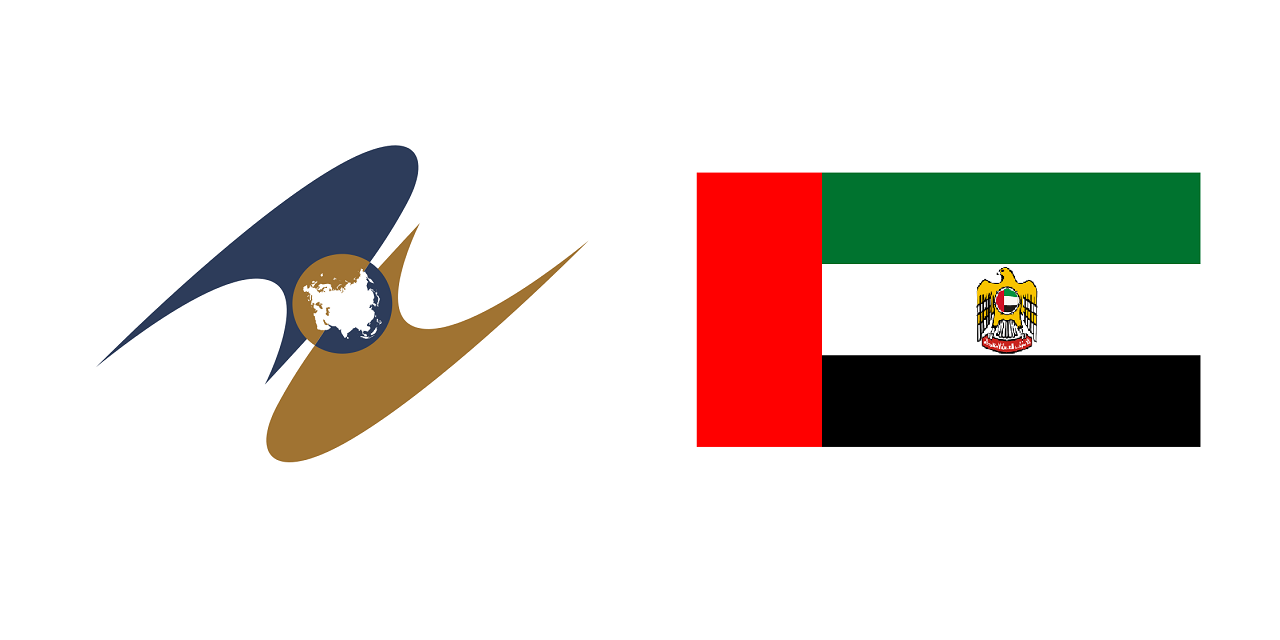
The United Arab Emirates has finalized a comprehensive agreement aimed at boosting economic and trade relations with the Eurasian Economic Union (EAEU), marking a significant step in its efforts to diversify trade partnerships and expand its geopolitical influence. The deal, signed by top officials in both regions, is expected to enhance cooperation in sectors such as energy, technology, and logistics, and increase bilateral trade, which has already shown promising growth.

The EAEU, a political and economic union comprising Armenia, Belarus, Kazakhstan, Kyrgyzstan, and Russia, represents a growing market with over 180 million consumers. The agreement with the UAE promises to deepen economic integration between these countries and one of the Middle East’s most dynamic economies. This strategic alignment highlights the UAE’s broader ambition to strengthen its role as a global trading hub, positioning itself as a bridge between East and West.

Trade relations between the UAE and the EAEU have been steadily evolving, with the UAE emerging as a key partner for EAEU nations in recent years. This new pact, formalized after several rounds of negotiation, is designed to capitalize on existing commercial synergies, offering a platform for increased investment flows, joint ventures, and the expansion of supply chains. The agreement sets the stage for a substantial increase in trade volumes, as both parties have agreed to reduce trade barriers and streamline customs procedures, making it easier for goods and services to flow across borders.

In addition to the trade component, the agreement includes provisions for cooperation in technology and innovation. The UAE, already a leader in the tech sector in the Middle East, is looking to export its expertise in fields such as artificial intelligence (AI), renewable energy, and smart infrastructure. EAEU nations, particularly Russia and Kazakhstan, are keen to integrate more advanced technologies into their industries, and the UAE sees this as a prime opportunity to tap into these growing markets. The deal is expected to open up new avenues for collaboration in space technology, fintech, and cybersecurity, sectors in which the UAE has made substantial strides.

Energy remains one of the cornerstone industries in the relationship. The UAE, a member of the Organization of the Petroleum Exporting Countries (OPEC), and Russia, one of the world’s largest oil producers, have long had a robust partnership in the energy sector. This agreement formalizes their commitment to enhancing energy cooperation, particularly in the field of renewable energy. With both nations investing heavily in solar, wind, and nuclear power, the UAE’s clean energy expertise could play a pivotal role in helping EAEU countries achieve their energy transition goals.

The partnership holds significant strategic value for the UAE, which is seeking to diversify its international partnerships and reduce its reliance on traditional Western markets. As geopolitical dynamics shift, particularly with increasing tensions between the West and Russia, the UAE sees the EAEU as an important alternative to expand its global influence. The UAE’s government has been active in seeking closer relations with non-Western powers, building ties with China, India, and Russia in various sectors, including defense, technology, and trade.

For the EAEU, the agreement provides a new dimension to its outward economic orientation, as the bloc looks to reduce its dependence on Europe and enhance its engagement with the Middle East. This new avenue for collaboration is seen as critical for the EAEU’s long-term economic strategy, which aims to bolster ties with countries in Asia and the Arab world. The UAE’s rapidly growing economy and its strategic location between Asia, Africa, and Europe offer a unique gateway for EAEU countries to increase their exports, access global markets, and attract investments.

This agreement is part of a broader trend of the UAE pursuing economic diversification and expanding its trade footprint beyond its traditional partners. The UAE has been actively seeking new trade agreements with nations across the globe, and this deal with the EAEU complements similar initiatives with countries such as India, China, and various African nations. Through these agreements, the UAE is enhancing its position as a regional and global trade powerhouse, and the EAEU pact is a significant component of that vision.

The deal’s signing follows years of diplomatic and economic negotiations, with both sides recognizing the growing potential for collaboration across multiple sectors. The UAE has long prioritized the development of strong, diversified economic relationships, and this agreement with the EAEU is expected to deliver tangible benefits for both regions in the coming years.

While the agreement sets the stage for increased trade and investment, both sides are aware of the challenges involved in implementing such a broad partnership. Differences in regulatory environments, market structures, and political dynamics could present hurdles that need to be navigated carefully. However, the determination on both sides to push forward with these initiatives reflects the shared commitment to strengthening economic ties.


Organizing online content can be daunting for users who regularly save links for future reference. Linkora, an open-source application tailored for Android devices, offers a streamlined solution to this challenge. Designed with simplicity and efficiency in mind, the app enables users to save, categorize, and retrieve links effortlessly. The app supports individual link saving and folder organization, ensuring users can group links by themes or projects. This […]

Bilateral trade between the UAE and China has seen a marked increase in the first nine months of 2024, reaching a total of $74.6 billion. This represents a 7% rise compared to the same period in 2023, underlining the ongoing strengthening of economic ties between the two nations.

The growth trajectory of trade between the UAE and China comes as part of a broader effort to deepen cooperation in various sectors, including energy, technology, infrastructure, and finance. Both countries have been working to enhance their economic partnership, focusing on leveraging the UAE’s strategic position as a gateway between East and West, and China’s expanding Belt and Road Initiative (BRI). Notably, the UAE is China’s largest trade partner in the Arab world, while China is the UAE’s second-largest trading partner globally.

Several factors contribute to this surge in trade. Increased demand for energy resources, particularly natural gas, has played a central role, with the UAE’s oil exports to China showing notable growth. Moreover, both nations have ramped up their collaborations in the tech sector, including the development of smart cities and renewable energy initiatives.

The UAE’s financial sector has also been a beneficiary of enhanced relations, with Chinese companies increasingly establishing operations in Dubai’s financial free zones, and UAE banks expanding their presence in China. This mutual interest in diversifying economic portfolios has also led to a rise in investment flows, further solidifying the economic connection between the two.

A key driver of this trade relationship is the diversification of both economies. While China continues to expand its manufacturing and high-tech exports, the UAE is shifting towards more sustainable industries, including clean energy and artificial intelligence, sectors where Chinese expertise has found a welcome market.

SINGAPORE – Media OutReach Newswire – 11 December 2024 – JForce Employment Service, an employment agency in Singapore, continues to set the standard in providing well-trained domestic helpers by operating its own dedicated maid training centre in Indonesia. This overseas facility is central to JForce’s mission as a maid agency, supplying highly skilled domestic helpers, particularly in the area of elderly care maid training, ensuring maids are […]

VISHNU RAJA
RYO YAMADA
HITORI GOTOH
IKUYO KITA