News related to
clean

Vingroup is shaping a green ecosystem that seamlessly integrates sustainability into transportation, urban living, and environmental conservation, under Chairman Phạm Nhật Vượng’s visionary leadership. HANOI, VIETNAM – Media OutReach Newswire – 24 April 2025 – As climate change intensifies and sustainable practices become a global priority, businesses are increasingly called upon to address environmental challenges. Vingroup, a diversified conglomerate led by its Chairman – Vietnamese billionaire Phạm […]

Deep research, once the domain of academics, analysts, and professionals poring over databases and archives, is rapidly being transformed by artificial intelligence. Tools like Liner, ChatGPT, and Perplexity have redefined what it means to explore a subject in depth. These platforms promise not only to automate research but to enhance it—consolidating data, extracting patterns, and offering structured, referenced summaries that would normally take hours or days to […]

Finding the best bank for a savings account isn’t always as straightforward as it seems. Sure, most banks offer a place to park your money—but not all of them offer the same value, flexibility, or ease of use. For many of us, a savings account is more than just a vault—it’s the foundation for short-term plans, emergency funds, future goals, and peace of mind. With so many […]

WUHAN, CHINA – Media OutReach Newswire – 22 April 2025 – During April’s Pear Blossom Festival, Tudianzi village, nestled deep in the mountains of central China’s Hubei Province, has welcomed over 50,000 visitors in just two days. In Tudianzi Village, tourists marveled at innovations like solar-storage integrated streetlights illuminating country paths, high-power EV charging stations eliminating range anxiety, and traditional Tujia cuisine cooked in all-electric kitchens — […]

HONG KONG SAR – Media OutReach Newswire – 22 April 2025 – On Earth Day, Watsons, the flagship health and beauty brand of AS Watson, announces an expanded partnership with ClimatePartner to enhance its carbon compensation initiative. For every purchase of selected Watsons Sustainable Choice products, we aim to offset over 4,000 tons of CO2 emissions. Inspiring Customers to Choose Wisely, Live Sustainably To meet the growing […]

Greenlogue/AP Dubai is set to host the 11th World Green Economy Summit on 1–2 October 2025 at the Dubai World Trade Centre. Organised by the Dubai Supreme Council of Energy, Dubai Electricity and Water Authority , and the World Green Economy Organization , the summit will convene global leaders, policymakers, and experts to discuss strategies for advancing sustainable development and climate resilience. Held under the patronage of […]

Aramco and BYD, two giants in their respective industries, have entered into a strategic partnership aimed at advancing new energy vehicle technologies. The collaboration is expected to drive innovation in the electric vehicle sector, integrating Aramco’s expertise in energy and BYD’s cutting-edge solutions in battery technology.

The partnership comes at a time when the global shift toward clean energy solutions is gaining momentum. With governments around the world pushing for reduced carbon emissions and an increasing focus on sustainable transportation, companies like Aramco and BYD are well-positioned to lead the way. The collaboration between these two firms will not only leverage their individual strengths but also contribute significantly to the transition toward a low-carbon future.

Aramco, long known for its dominance in the oil and gas sector, has increasingly invested in renewable energy technologies, recognising the growing importance of sustainable practices in the energy industry. As part of its diversification strategy, the company has ventured into hydrogen production, solar energy, and, more recently, electric vehicles. This move signals a shift in Aramco’s approach, with an eye on future-proofing its operations against an ever-evolving energy landscape.

BYD, based in China, has made remarkable strides in the development of electric vehicles and energy storage systems. Known for its innovation in power batteries, BYD has become a leader in the NEV space, developing everything from electric buses to passenger cars. Its established foothold in both the automotive and energy sectors gives it a significant advantage in pushing the boundaries of green technology. The company’s electric vehicles have gained a loyal customer base globally, particularly in markets like China and Europe, where demand for eco-friendly transportation solutions is surging.

The two companies are aiming to explore a wide range of opportunities within the electric vehicle market, including advancements in battery technology, energy storage, and vehicle charging infrastructure. Aramco’s expertise in the energy sector, particularly in the areas of refining, chemicals, and fuel technology, complements BYD’s proficiency in EV manufacturing and power batteries. By combining forces, the partnership aims to accelerate the deployment of high-performance, energy-efficient vehicles that can meet the demands of a more sustainable future.

As part of the agreement, Aramco and BYD will also look into the development of renewable energy-powered charging stations, further enhancing the sustainability of electric vehicles. This would involve the integration of solar power solutions into EV charging networks, reducing reliance on conventional grid power and cutting down on emissions associated with vehicle charging.

The collaboration between Aramco and BYD is poised to support the growing global adoption of electric vehicles. With transportation being one of the largest contributors to greenhouse gas emissions, the push for cleaner vehicles is essential in mitigating the effects of climate change. Governments worldwide are introducing stricter emission standards and providing incentives for electric vehicle adoption, creating a fertile environment for partnerships like the one between Aramco and BYD to flourish.

In addition to its environmental benefits, this collaboration also promises to have significant economic implications. The electric vehicle market is expected to experience substantial growth in the coming years, driven by technological advancements, government incentives, and increasing consumer demand for greener alternatives. By investing in electric vehicle infrastructure and technology, Aramco and BYD are positioning themselves to capitalise on this rapidly expanding market.

Aramco’s involvement in the electric vehicle sector also signals the company’s recognition of the need to diversify its business model. As the world moves toward a more sustainable energy future, companies in the fossil fuel industry are under increasing pressure to reduce their carbon footprints and adapt to new market realities. Through its partnership with BYD, Aramco is working to align itself with global energy transition trends, aiming to maintain its relevance in an energy landscape that is rapidly shifting away from traditional fossil fuels.

For BYD, the partnership with Aramco provides access to crucial resources and expertise, allowing the company to scale up its operations and expand its presence in new markets. Aramco’s extensive network and experience in the energy sector, along with its significant financial resources, will enable BYD to enhance its technological capabilities and accelerate the development of next-generation electric vehicles.


Advertisements

Abu Dhabi National Oil Company has finalised two significant liquefied natural gas supply agreements with Chinese firms ENN Natural Gas and Zhenhua Oil, underscoring the strengthening energy ties between the United Arab Emirates and China. ENN Natural Gas has entered into a 15-year contract with ADNOC to receive approximately one million metric tonnes of LNG annually. This agreement represents ADNOC’s largest LNG commitment to a Chinese buyer […]

Safe, Tasty, Premium, Nutritious, and Ethical — Experience New Zealand’s Treasured Flavours at Cold Storage & CS Fresh SINGAPORE – Media OutReach Newswire – 17 April 2025 – From 17 April to 7 May, Singapore’s food lovers can journey through New Zealand’s magnificent landscapes featuring a wide range of safe, tasty, nutritious, ethical and premium quality food and beverage products through the “Discover a Taste of New […]

Mubadala Investment Company, Abu Dhabi’s sovereign wealth fund managing assets exceeding $330 billion, has committed $600 million to acquire a minority stake in Nord Anglia Education Ltd., a London-based provider of premium private education services. This investment marks a notable re-engagement with British assets following a period of diplomatic tensions between the United Arab Emirates and the United Kingdom.

Nord Anglia, operating over 80 schools across 33 countries and educating more than 90,000 students aged 2 to 18, was recently valued at $14.5 billion during its acquisition by a consortium led by EQT, alongside investors such as Neuberger Berman Private Markets, CPP Investments, CF Alba, and Dubai Holding. Mubadala’s entry into this consortium underscores its strategic interest in the global education sector.

This move aligns with the broader objectives of the UAE-UK Sovereign Investment Partnership , established to facilitate investments in sectors including technology, infrastructure, healthcare, life sciences, and clean energy. Under this framework, the UAE has pledged £10 billion over five years, with Mubadala playing a central role in deploying these funds. The partnership aims to foster job creation, enhance research and development capabilities, and stimulate economic growth in both nations.

The investment in Nord Anglia follows a series of initiatives aimed at strengthening UK-UAE relations. Notably, UK Prime Minister Keir Starmer’s visit to the UAE sought to attract investments in energy and infrastructure projects, including the Sizewell C nuclear power plant. These efforts reflect a mutual interest in revitalizing economic and diplomatic ties.

However, the relationship has faced challenges. The UAE expressed concerns over UK political decisions affecting Emirati investments, such as the blocked acquisition of the Telegraph newspaper by a UAE-backed investor. Additionally, the Abu Dhabi Investment Authority’s decision to write off its 9.9% stake in Thames Water highlighted apprehensions about the UK’s regulatory environment for utilities.

Despite these hurdles, the renewed investment by Mubadala in Nord Anglia indicates a willingness to re-engage with the UK market. The focus on education aligns with the UAE’s strategy to diversify its economy and invest in sectors with long-term growth potential.

Fifteen publicly listed Bitcoin mining firms collectively sold more than 40% of their mined BTC in March, marking the most significant monthly liquidation since October 2024. This trend underscores the mounting financial pressures faced by miners due to escalating operational costs and evolving market dynamics.

Marathon Digital, one of the largest Bitcoin mining companies, reported selling over 60% of its mined Bitcoin in May, amounting to 390 BTC out of 616 BTC produced. This move reflects a broader strategy among miners to liquidate assets in response to reduced profitability following the Bitcoin halving event in April, which cut mining rewards from 6.25 BTC to 3.125 BTC per block.

Other major players, such as Riot Platforms and CleanSpark, have adopted varied approaches. Riot Platforms disclosed no BTC sales in May despite producing 215 BTC, while CleanSpark sold only a small portion of its 417 BTC production. These decisions highlight the diverse strategies miners are employing to navigate the post-halving landscape.

The sell-off trend is not isolated to a few companies. In February, the combined market capitalization of 15 major Bitcoin mining stocks dropped by $13 billion, reflecting broader market volatility and the challenges miners face in maintaining profitability. Companies like Bitdeer and Hut 8 experienced significant declines in their stock prices, with Bitdeer leading the downturn with a 55% loss.

To mitigate these challenges, miners are exploring various strategies. Marathon Digital is expanding its operations overseas, partnering with the Ministry of Energy and Petroleum of the Republic of Kenya to optimize renewable energy projects. The company also initiated a pilot project in Paraguay to enhance its energy structure, aiming to have 50% of revenues coming from overseas by 2028.

Hut 8, in collaboration with Eric Trump, launched a new Bitcoin mining company named American Bitcoin. This venture focuses on building a significant Bitcoin reserve and plans to go public in the future to enhance capital access. Hut 8 will serve as American Bitcoin’s exclusive infrastructure and operating partner, indicating a strategic shift towards energy and digital infrastructure.

Dubai homes stay shut tight most of the year. Windows stay closed. ACs run non-stop. That’s how people stay cool in the heat. But this setup traps dust and allergens. Over time, the air inside your home gets worse than the air outside. That’s where AC duct cleaning comes in. And that’s why more Dubai residents are calling EcoClean. What’s in your air? Take a deep breath […]

SINGAPORE – Media OutReach Newswire – 16 April 2025 – Leong Yik Engineering & Contractor has launched a newly redesigned website to mark its 7th year of operations in Singapore. The new platform features a clean layout, improved navigation, and a more intuitive user interface, all designed to offer a smoother and more informative experience for both new and returning visitors. One of the most notable upgrades […]

By Dr. Gyan Pathak The game of political hunting, which is typically characterised in India by cases, raids, seizures, and arrests, which generally do not lead to conviction, but enable the government to pin its adversaries down for years without trial in cases registered by the Enforcement Directorate (ED), seems to be reaching its climax. […]

Global capital turned its back on ESG last year. But that shift, we believe, is temporary and mistaken. ESG investing should and will return to favour, not just because it’s aligned with the challenges and priorities of our time, but because it remains one of the most rational long-term strategies for investors and economies alike. The numbers from 2024 were stark. Global sustainable fund inflows halved. In […]

The United States and Saudi Arabia are preparing to sign a preliminary agreement to collaborate on the development of a civil nuclear industry in the Kingdom. This marks a significant step in the two countries’ ongoing energy partnership, reflecting shared interests in enhancing the security and sustainability of global energy resources.

US Energy Secretary Chris Wright, addressing reporters in Riyadh, confirmed the impending deal, which is set to open a new chapter in Saudi Arabia’s ambitions to develop its own nuclear energy sector. The announcement comes amid growing global demand for cleaner and more sustainable energy solutions. Wright’s comments emphasised the importance of this agreement in both supporting Saudi Arabia’s long-term energy goals and strengthening the bilateral ties between the two nations.

The move follows Saudi Arabia’s ambitious Vision 2030 initiative, a broad economic reform programme designed to diversify the country’s economy away from its heavy reliance on oil exports. Among its many facets, Vision 2030 aims to establish a robust nuclear energy sector that can generate significant portions of the country’s electricity, reducing its dependence on fossil fuels. This is crucial for the Kingdom as it seeks to address both domestic energy needs and environmental concerns.

Saudi Arabia has made significant strides in recent years towards the development of nuclear energy. In 2018, the country’s nuclear authorities announced plans to construct two nuclear reactors by 2030, as part of a broader strategy to introduce nuclear power as a reliable energy source. These efforts have garnered attention from global nuclear power experts and energy companies, particularly those from the US, Russia, and China, all of which are vying for a role in the development of the Saudi nuclear industry.

The United States’ involvement in this sector is not new. Over the past decade, American firms have been at the forefront of nuclear technology development, exporting their expertise in reactors, fuel production, and regulatory frameworks. Saudi Arabia’s decision to move forward with a preliminary agreement highlights the growing importance of collaboration with nuclear powers like the US to achieve these ambitious goals. Additionally, American support could help ensure that the Kingdom adheres to international nuclear safety standards, a crucial consideration in the nuclear energy field.

The potential partnership between the US and Saudi Arabia is a step forward in strengthening their long-standing relationship, which spans multiple areas including defence, trade, and energy. Saudi Arabia’s energy infrastructure, heavily dependent on oil, has been under increasing pressure to adapt to the changing global energy landscape. As the world moves towards more sustainable energy sources, Saudi Arabia aims to take advantage of nuclear energy’s potential to generate electricity without emitting the high levels of greenhouse gases associated with fossil fuel consumption.

For the United States, the deal also represents a strategic move to expand its influence in the Middle East’s evolving energy market. The US has long maintained strong energy ties with the Kingdom, but this agreement will further cement its role as a key partner in Saudi Arabia’s energy diversification plans. By providing expertise in the nuclear field, the US ensures that it will be a prominent player in shaping the future of Saudi Arabia’s energy sector.

Critics, however, have raised concerns about the environmental impact of nuclear energy, especially with the potential risks associated with radioactive waste disposal and reactor safety. Despite these concerns, both nations appear committed to ensuring that the nuclear technology used in Saudi Arabia meets the highest safety standards. The Kingdom’s regulatory bodies are expected to follow stringent international protocols, a key point of focus in the upcoming agreement.

In the broader context, this agreement comes at a time when nuclear energy is experiencing a resurgence globally, driven by the need for cleaner alternatives to fossil fuels. Countries like China and Russia have been aggressively advancing their own nuclear energy sectors, while nations in Europe and Asia are exploring similar initiatives. With the increasing demand for clean energy, Saudi Arabia’s foray into the nuclear power industry positions it as a potential leader in the region, with the ability to export energy solutions to neighbouring countries.

The US-Saudi nuclear cooperation deal also plays a part in the shifting dynamics of international geopolitics. The Middle East has long been a region of strategic importance, and energy remains a critical element in the geopolitical landscape. By fostering deeper cooperation with Saudi Arabia, the US further solidifies its influence in the region, while also promoting energy security for both countries.

European stock markets gained ground on Monday, with investor sentiment buoyed by expectations of a break from the escalation of global trade tensions. As concerns over tariffs eased, the market shifted its focus towards corporate earnings for the first quarter, which could offer valuable insights into the resilience of businesses amidst ongoing global challenges. The major indices in Europe showed positive momentum, with investors optimistic about potential […]

The Bank also sponsored buka puasa meals for over 300 foodpanda riders in Melaka, Terengganu, Negeri Sembilan, and Perak KUALA LUMPUR, MALAYSIA – Media OutReach Neswire – 14 April 2025 – In conjunction with the holy month of Ramadhan, Hong Leong Islamic Bank (“HLISB” or the “Bank”) distributed 1,000 buka puasa meals to foodpanda e-hailing delivery riders in its ‘Senyum-Senyum Ramadhan‘ initiative, bringing the festive spirit and […]

JSW Neo Energy has successfully completed the acquisition of a 4.7 GW renewable energy platform from O2 Power, marking a significant leap in its energy portfolio. This acquisition brings the total capacity of JSW Neo Energy to 12.2 GW, positioning it closer to its ambitious target of reaching 20 GW by 2030. The deal is part of the company’s strategic push to solidify its presence in India’s rapidly growing renewable energy sector.

With the energy landscape in India transitioning towards a more sustainable future, JSW Neo Energy’s expansion aligns with the government’s vision of achieving 500 GW of non-fossil fuel-based power capacity by 2030. The platform acquired from O2 Power, which includes both operational and under-construction projects, covers a diverse mix of solar and wind energy. These assets are expected to provide significant long-term revenue streams and diversify JSW Neo Energy’s renewable portfolio.

This move comes as part of JSW Energy’s broader strategy to accelerate its green energy initiatives. In line with this, the company aims to focus on scaling up its renewable capacity while phasing out fossil fuel-based assets. The acquisition enhances JSW Neo Energy’s position as one of India’s key players in the renewable energy market, alongside other major industry players such as ReNew Power, Adani Green, and NTPC. The renewable energy sector, which has seen robust growth due to favorable policy frameworks and increasing investment, is becoming an attractive space for both established energy companies and new entrants.

O2 Power, a prominent renewable energy developer in India, made the decision to divest a part of its portfolio as part of its strategy to streamline operations and focus on other business ventures. The deal reflects a broader trend in India’s renewable energy sector, where companies are consolidating and scaling operations to meet the increasing demand for clean energy. This transaction also underscores the competitive landscape in the sector, with firms vying for a larger share of the renewable energy pie.

For JSW Neo Energy, this acquisition not only expands its operational footprint but also accelerates its progress towards meeting India’s energy transition goals. The company has been actively involved in both the solar and wind energy segments and plans to continue investing in projects that enhance its renewable energy capacity. In recent years, JSW Neo Energy has been building its portfolio through a series of acquisitions and partnerships, including deals with leading international investors and developers.

The renewable energy sector in India has witnessed increased investments, supported by policy initiatives such as the National Wind-Solar Hybrid Policy and the Renewable Energy Purchase Obligation , which mandate that utilities must procure a certain percentage of power from renewable sources. These policies have created a conducive environment for energy companies like JSW Neo Energy to expand and scale their operations.

The push towards renewable energy also reflects a growing awareness of the need to address climate change and reduce reliance on fossil fuels. India has committed to achieving net-zero emissions by 2070, with an interim target of achieving 50% of its energy needs from non-fossil fuel sources by 2030. This aligns with JSW Neo Energy’s commitment to sustainable growth and its long-term vision of becoming a leader in the green energy space.

Experts in the industry believe that the consolidation of renewable energy assets through acquisitions, such as the one completed by JSW Neo Energy, is crucial for driving economies of scale. By consolidating assets, companies can reduce operational costs, increase efficiency, and improve their financial viability. Additionally, large-scale renewable projects allow companies to attract capital more easily, which is essential for financing the growth of the sector.

By K Raveendran In both foolhardiness in decision making and shameless flip-flop in dealing with disastrous aftermaths, Narendra Modi and Donald Trump have exhibited a total lack of honesty in admitting their mistakes. The similarity is too striking to be missed. Thanks to recklessness and impulsiveness in decision making—Narendra Modi with demonetization and Donald Trump […]
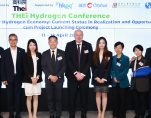

HONG KONG SAR – Media OutReach Newswire – 11 April 2025 – As a low-carbon energy source with significant development potential, hydrogen energy is recognised as a vital component of future national energy strategies. To address the increasing industry demand for hydrogen energy applications, the Technological and Higher Education Institute of Hong Kong (THEi) is actively advancing the development of the hydrogen energy sector. Funded by the […]

Global oil prices have fallen to their lowest levels in over four years, driven by escalating trade tensions and fears of a global economic slowdown. Brent crude dropped by 3.79% to $60.44 per barrel, while West Texas Intermediate declined by 4.13% to $57.12, marking their lowest points since February 2021. This decline follows the United States’ implementation of 104% tariffs on Chinese imports, after Beijing maintained its 34% retaliatory tariffs on U.S. goods. The escalating tit-for-tat measures have dampened hopes for a swift resolution, raising concerns about a deepening global recession and diminishing energy demand.

Compounding the situation, the Organization of the Petroleum Exporting Countries and its allies plan to increase output by 411,000 barrels per day in May, potentially leading to a supply surplus. Analysts warn that this move could further destabilize the market. Despite a slight easing from a 1.1 million-barrel decrease in U.S. crude inventories, overall sentiment remains bearish. Goldman Sachs forecasts further declines in oil prices through 2025 and 2026. Additionally, Russia’s ESPO Blend oil has, for the first time, dropped below the $60 Western price cap, underlining the global pressure on oil markets.

In Canada, oil and gas executives are adopting a cautious approach in response to the price slump. Doug Bartole, CEO of InPlay Oil, indicated that while immediate cutbacks in production or spending are not planned, sustained low prices, especially around $50 per barrel, could prompt strategic reassessments. InPlay recently completed a C$321 million acquisition of Alberta oil assets from Obsidian Energy, despite market uncertainties. Analysts from ATB Capital Markets have downgraded InPlay’s share target based on current low WTI price levels. Economist Peter Tertzakian noted that while major oil sands companies can sustain lower prices, smaller firms may need to adjust capital expenditures if the price slump continues. Meanwhile, Birchcliff Energy CEO Chris Carlsen highlighted a potential benefit for natural gas producers, as reduced oil drilling may decrease associated gas output, potentially tightening supply.

The sharp decline in oil prices poses significant challenges for Saudi Arabia’s ambitious Vision 2030 megaprojects, including the futuristic Neom city. Oil remains the backbone of the kingdom’s economy, despite efforts to diversify. With Brent crude recently falling to $62 a barrel and forecasts suggesting further declines due to global economic instability and increased OPEC+ output, the country faces a budget deficit and reduced oil-derived income. Saudi Aramco’s anticipated dividends have dropped significantly, compounding financial pressures. Analysts expect the government may scale back or delay lower-priority projects, focus on key investments like global events, or increase borrowing and taxation. Notably, plans for “The Line” have reportedly been reduced to a 1.5-mile stretch associated with the 2034 FIFA World Cup. Despite reassurances from Saudi officials, concerns persist that the ambitious Neom development, championed by Crown Prince Mohammed bin Salman, may need to be downsized unless oil revenues recover.

The U.S. administration’s tariff policies have been a significant factor in the market’s volatility. While some argue that the tariffs, impacting about 1% of the $28 trillion U.S. economy, are intended to shift global trade dynamics in favor of the United States and counter countries like China, others believe that the market’s reaction has been exaggerated. Despite the uproar, these tariffs would channel approximately $300 billion annually to the U.S. Treasury. Critics argue that the U.S., while the world’s largest importer, has a relatively low import-to-GDP ratio compared to other countries. They contend that China has more to lose in a trade war due to its export-reliant economy and employment structure. American public sentiment appears cautiously supportive of fair trade measures, especially against perceived Chinese industrial subsidies. Some suggest that markets should adopt a wait-and-see approach rather than panicking, likening the administration’s stance to the backlash faced by UK Prime Minister Liz Truss over her economic reform attempts, suggesting a resistance to market-driven pressure.

Falling oil prices, encouraged by policies aimed at reducing regulatory burdens, may bring lower gasoline costs but also discourage new oil production due to unprofitable pricing levels and economic uncertainty. Efforts to stimulate future energy production, such as expanding drilling access and reviving coal via executive order, are counterbalanced by cautious industry investment amidst global trade tensions. Additionally, March 2025 was the second-warmest on record globally, with Arctic sea ice hitting a near half-century low, continuing a concerning trend of climate anomalies. On the tech front, battery startup Bedrock Materials is shutting down due to competitiveness issues against cheaper lithium-ion technology from China. Meanwhile, Tesla alum Drew Baglino’s Heron Power is raising $50 million to develop advanced solid-state transformers, reflecting continued clean-tech investment. Furthermore, the Bezos Earth Fund and Global Methane Hub announced a $27.4 million initiative to identify and breed cattle and sheep that emit less methane, a step toward sustainable livestock farming. These developments reflect significant intersections between policy, environment, and innovation shaping global energy and climate landscapes.

Greenlogue/AP NEOM Green Hydrogen Company has initiated a substantial recruitment campaign to staff its forthcoming green hydrogen facility at Oxagon in Saudi Arabia’s northwestern region. This initiative seeks to attract skilled professionals across various departments, including Corporate, Environment, Health, Safety, and Security , Risk Management, Operations & Maintenance, Finance, Information Technology, and Cyber Security. The construction of this plant is progressing on schedule, with full operational capacity […]

Expanding Regional Expertise and Localized Solutions to Meet the Growing Demands of Asia-Pacific Healthcare. CRANSTON, RHODE ISLAND US – Media OutReach Newswire – 7 April 2025 – Nelipak® Corporation (“Nelipak®“), a leading global manufacturer of packaging solutions for medical device, diagnostic, pharmaceutical drug delivery, and other demanding applications, announced it is enhancing its commitment to service customers in the Asia-Pacific region on a direct basis, and through […]

VISHNU RAJA
RYO YAMADA
HITORI GOTOH
IKUYO KITA