News related to
clean

KUALA LUMPUR, MALAYSIA – Media OutReach Newswire – 24 July 2025 – Bitcoin (BTC) has been rising almost uninterruptedly over the past three months, setting new all-time highs (ATH) essentially every week since mid-May. According to Coinbase, BTCUSD surpassed the crucial $112,000 mark on 10 July and went on to touch the $123,200 level on 14 July. Since then, the market seems to have entered a period […]

Greenlogue/AP ACWA Power has forged multi-party preliminary agreements with European energy giants to assess exporting renewable energy and green hydrogen from Saudi Arabia to Europe via the India–Middle East–Europe Economic Corridor. The accords aim to explore large-scale project feasibility and develop cross-border transmission corridors. The MoUs were signed in Riyadh on 20 July during a Renewable Energy and Green Hydrogen Export Workshop presided over by the Ministry of Energy. […]

As AI permeates every corner of our digital existence, the rise of genuinely capable yet free tools has become a turning point for professionals, creators, and businesses. What once demanded hefty investment is now within reach of anyone with a connection. A decade ago, free meant basic; today, it signals sophistication—bringing power, polish, and productivity without a price tag. OpenAI’s image generator remains a crown jewel in […]

SINGAPORE – Media OutReach Newswire – 21 July 2025 – SKINARMA has launched the JAGER collection, a versatile lineup built for everyday explorers who need gear that keeps up with their pace. Crafted with functionality and durability in mind, these five bags blend classic styling with modern features, offering earth-toned designs that work from city streets to off-grid escapes. Whether for daily commutes, weekend travel, or outdoor […]

A significant majority of sovereign wealth funds from the Middle East are poised to increase their investments in Chinese assets over the coming five years, according to the latest findings from Invesco’s Global Sovereign Asset Management Study. This shift places China at the forefront of strategic allocation decisions, reflecting growing confidence in its innovation-led sectors.

The study, conducted between January and March and covering funds and central banks managing a combined US$27 trillion, reveals that around 60% of Middle Eastern sovereign wealth funds are planning to boost exposure to China. This places the region only behind Asia‑Pacific and Africa, where 88% and 80% of funds respectively intend to raise allocations. North American counterparts also show strong interest, with approximately 73% signalling intent to increase investment in China.

Funds across regions cited strong returns—identified by 71% of respondents—as a key motivator, alongside diversification goals cited by 63% and improved market access for foreigners mentioned by 45%. Chinese innovation sectors, including digital technology, software, advanced manufacturing, automation, and clean energy, are particularly attractive, with 89% indicating interest in digital tech and software, and 70% each for manufacturing and green energy.

Participants in the study included 141 senior investment professionals—chief investment officers, asset-class heads and portfolio strategists—drawn from 83 sovereign wealth funds and 58 central banks globally. The high participation rate lends weight to the findings: China is now ranked as a high or moderate priority for 59% of funds, a notable jump from the previous year.

Despite geopolitical tensions between Washington and Beijing, sovereign funds appear more focused on structural opportunities. North American allocations towards China are framed as strategic, long-term bets in innovation rather than reactive moves to policy friction. As one Invesco executive described, investors appear driven by fear of missing out on China’s strides in semiconductors, AI, EVs and renewable energy—“a strategic urgency they once directed toward Silicon Valley”.

A regional lens reveals the Middle Eastern shift as part of a larger recalibration. Sovereign funds in the Gulf and from oil-rich neighbours are increasingly turning to China not just for commodity trades but for diversified returns and access to high-growth sectors. One Middle Eastern fund commented that the credit spectrum in fixed income markets currently offers more attractive risk-adjusted returns than public equities, underlining a broader repositioning.

Globally, sovereign investors are embracing active management, allocating more to fixed income and private credit as markets normalise post ultra-low interest rate era. Thirty‑nine per cent of funds plan to increase fixed income exposure, underscoring a pivot towards liquidity management and resilience. Private credit usage has expanded sharply, from 30% to 44% in direct or co-investments, reflecting growing appetite for yield and portfolio diversification.

Central banks are also reshaping strategy, with 64% planning to grow reserve holdings and 53% aiming to diversify further within two years. Gold remains a popular hedge: almost half intend to expand allocations over the next three years. The dominance of the US dollar persists, with 78% expecting no credible alternative supply within the next two decades.

A modest entrant in the digital asset space, sovereign wealth funds are gradually increasing exposure to digital currencies. Direct allocations rose to 11% from 7% in 2022, most pronounced in the Middle East, Asia‑Pacific and North America. Stablecoins, viewed as more accessible than traditional crypto, are gaining attention among emerging market funds.

China remains a focal point for global sovereign investors seeking exposure to growth-critical sectors and structural diversification. The convergence of strong returns, market access improvements, and sectoral opportunities is driving Middle Eastern and other funds to recalibrate their portfolios. China has transitioned from an optional allocation into a central pillar of future-focused asset strategies, marking a calculated investment pivot amid an evolving global landscape.

By Nitya Chakraborty The INDIA Bloc constituents are finally meeting in New Delhi on Saturday, July 19 to discuss the strategy for the monsoon session of the Parliament beginning on July 21 as also an assessment of the developments in the country including increasing threat to the electoral democracy in the third term of Narendra […]

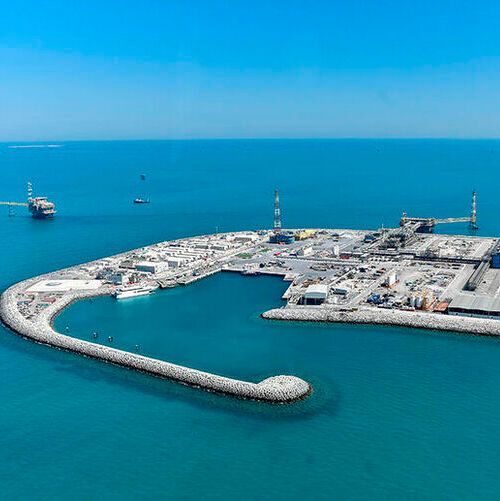
Saudi Aramco is in advanced discussions with a consortium spearheaded by BlackRock to secure approximately $10 billion for infrastructure linked to its expansive Jafurah gas initiative. The financing structure echoes prior deals, with investors purchasing usage rights while Aramco retains operational control and ownership.

The proposed transaction centres on critical assets—specifically pipelines and a processing facility—essential to the $100 billion Jafurah project, the world’s largest shale gas development outside the United States. Aramco aims to lift gas output by 60 per cent by 2030 from 2021 levels.

This initiative represents another strategic approach by Gulf oil majors to diversify their revenue models amid volatile crude prices. The deal allows Aramco to tap private capital while offering investors stable tariff income backed by long‑term usage commitments.

In 2021, BlackRock and EIG invested in Aramco’s gas and oil pipeline subsidiaries through similar lease‑back transactions, collectively raising nearly $28 billion. Under those agreements, Aramco retained a 51 per cent stake in each entity and paid tariffs to investors for pipeline usage, a structure described by consultancy Qamar Energy as more akin to borrowing than a sale.

With this new deal, Aramco continues its disciplined approach to infrastructure financing. The Jafurah project itself is a linchpin of Saudi Arabia’s energy transition agenda, aligning with national objectives to bolster gas production and reduce reliance on oil exports.

While those familiar with the talks confirm the structure mirrors the 2021 transactions, the group declined to specify a timeline for finalisation. Both Aramco and BlackRock declined to comment.

Experts note that such arrangements enable Aramco to free up capital for diversification ventures while retaining strategic infrastructure oversight. “The pipeline deals were basically a securitisation,” said Robin Mills, chief executive of Qamar Energy, referencing the 2021 transactions.

Market analysts believe this deal could serve as a template for financing future segments of Jafurah, which is expected to reach production of 2 billion cubic feet per day by 2030.

Taken together with Aramco’s earlier asset sales—such as its consideration of offloading gas-fired power plants and port infrastructure—these moves reflect mounting government pressure to boost proceeds amid a fiscal deficit and fluctuating oil revenues.

Saudi Arabia’s reliance on oil revenues—which accounted for around 62 percent of state income in 2024—has prompted a series of asset realisations, bond issuances and structured financing to support large-scale domestic projects and broaden the economic base.

The Jafurah deal also highlights growing investor appetite for stable, long‑dated infrastructure revenue streams in the Gulf. With institutional players like BlackRock involved, these deals are gaining traction as a viable alternative to traditional equity or debt-financing routes. Analysts suggest more such partnerships could emerge as the kingdom scales up energy-reform initiatives, including clean energy and non-oil sectors.

As the deal progresses, stakeholders will monitor its structure, particularly in comparison with the 2021 models, and assess implications for Aramco’s capital allocation strategy. The outcome could influence both market perception of the firm and broader investment flows into Middle East energy infrastructure.

Advertisements

Greenlogue/AP Masdar has completed the sale of its equity stake in the Sharjah Waste-to-Energy plant to Tadweer Group, consolidating the latter’s position as a primary stakeholder alongside BEEAH in the Emirates Waste-to-Energy company. The strategic divestment marks a key reconfiguration in the regional clean energy sector, aligning the interests of all involved entities with their evolving operational goals and international ambitions. The transaction cements a new operational […]

Emirates NBD has arranged AED 3.9 billion in fully underwritten syndicated bonding facilities to support the MAPA‑LIMAK‑CRRC consortium building Dubai’s Metro Blue Line Project, advancing the emirate’s 2040 Urban Master Plan goals for a world‑class public transport network. The bond will cover part of the AED 20.5 billion contract awarded by the Roads and Transport Authority to the three‑way consortium for design and construction of the new metro line. Set to span […]

Greenlogue/AP UAE health and finance leaders have been urged to expedite air quality improvements, with a new report estimating annual savings of $596 million if pollution levels align with World Health Organization guidelines. The projected gains stem from fewer hospital admissions, drops in respiratory illnesses such as asthma, and reduced premature mortality. The study, led by Economist Impact, highlighted over 94 per cent of the global population lives in areas […]

UAE’s Ministry of Energy and Infrastructure has restated its unwavering aim to lift crude oil production capacity to five million barrels per day by 2027 amid shifting global energy demand. The clarification from Abu Dhabi follows remarks from the Energy Minister indicating potential capacity growth beyond that goal.

Aligned with its declared strategy, the nation insists the 5 million bpd target remains intact. Energy Minister Suhail Mohamed al‑Mazrouei, speaking at the Opec International Summit in Vienna, emphasised the UAE could scale up to six million bpd if global markets required—while making clear this figure is not an official target.

Presently, UAE’s production capacity stands at around 4.85 million bpd. The ministry’s public affirmation underscores long‑established plans by Abu Dhabi National Oil Company to align with wider economic imperatives, including state‑led diversification and responsible growth.

On the sidelines in Vienna, Minister al‑Mazrouei pointed to oil inventories that have not surged, interpreting it as evidence of sustained market demand. He characterised the additional million barrels potential as a proactive choice, contingent on demand, rather than a binding pledge.

Opec+ has already increased the UAE’s production quota this year, acknowledging its heavy investment in expanding capacity from 3 million to 4.85 million bpd. That quota adjustment reflects a bid to balance output with capacity and avoids penalising investment-led increases.

Global energy forecasts cited at the summit envision oil demand climbing by nearly 19 percent to 123 million bpd by 2050, driven by economic growth, urbanisation, and energy‑intensive industries such as artificial intelligence. Despite this, Opec has revised its short‑term forecast downward amid signs of slowing demand in China. Long‑term growth, however, is expected from regions including Asia, the Middle East and Africa.

ADNOC’s accelerated expansion plan—bringing forward its 5 million bpd capacity objective from 2030 to 2027—was endorsed by the board under the leadership of His Highness Sheikh Mohamed bin Zayed Al Nahyan, supported by CEO Sultan Ahmed Al Jaber. The strategy forms part of a broader state-led drive combining energy security with economic diversification and sustainability.

While bolstering its crude oil output, ADNOC is also investing heavily in low‑carbon solutions. It allocates about US $5 billion annually to clean energy and has set a net‑zero emissions ambition for 2045. The company is integrating solar and nuclear power into offshore fields and is implementing carbon‑capture technologies in major developments.

ADNOC’s low-carbon division recently acquired Germany’s Covestro for US $16 billion, signalling a move to diversify into value‑added petrochemicals such as plastics, foams and ammonia. Its strategy foregrounds gas, chemicals and downstream operations alongside oil capacity growth, in anticipation of structural shifts in global energy use.

The UAE is poised to become the world’s fourth-largest oil and liquids producer if the anticipated expansion is achieved, trailing only the United States, Saudi Arabia and Russia. At six million bpd capacity, it would surpass producers such as Canada, China, Iraq and Iran in scale.

However, uncertainties remain. The pace of global energy transition, the adoption of renewables, and potential peaking of oil demand—especially in China—pose risks to long-term strategy. But the UAE appears ready to hedge by maximizing flexibility: build for five million bpd, yet leave room to stretch if markets demand.

The public reaffirmation by the ministry serves both domestic and international audiences: showcasing earnest delivery of targets, reassuring investors on energy stability, and reinforcing the UAE’s position as a stabilising force within Opec+.

Oil prices have shifted sharply this week, with demand forecasts now under pressure from escalating trade tensions fuelled by fresh tariffs. Brent crude is trading in the high‑60s per barrel, while benchmark WTI hovers around mid‑60s, reflecting growing investor caution. Analysts point to revised supply and demand projections as indicators of a changing market landscape.

An International Energy Agency monthly report has cut its global oil‑demand growth forecast for 2025 to 700,000 bpd, the slowest pace since 2009 outside the pandemic, down from 720,000 bpd last month. The downgrade reflects weaker consumption in emerging markets and a cooling US‑China trade outlook. Supply continues to outpace demand as OPEC+ ramps up production; global output in June rose by about 950,000 bpd to reach 105.6 mbpd.

The IEA notes the oil market remains technically in surplus, with inventories building globally—even as regional stock draws persist. Oil runs at refineries have slowed, particularly in the US and China, enabling downward revisions in demand projections. Enverus Intelligence Research offers a counter‑view, pointing to balanced OECD inventories and sustained summer demand north of 1 mbpd, which may support higher prices.

The US Energy Information Administration expects US crude oil production to plateau at roughly 13.4 mbpd in 2025, dropping modestly later this year as lower prices curb drilling activity. Despite this, producers remain vulnerable to profit erosion unless prices stabilise in the $65–70 range.

President Trump’s trade moves have reignited fears of another global trade war, with new tariff letters dispatched to Brazil, South Korea, Japan, the Philippines and others this week. Threats of 50% duties on exports such as copper, semiconductor components and auto parts are weighing heavily on commodity‑linked equity markets and raising recession risk concerns. Oil prices dropped more than 2% on Thursday as benchmark futures responded to the potential hit to economic growth.

While some market participants remain in “wait‑and‑see” mode, given Trump’s unpredictability and history of policy reversals, the overarching effect is to dampen demand forecasts. Onyx Capital’s head of research, Harry Tchilinguirian, cautions against overreaction but acknowledges that tariffs are adding to inflationary pressures and may reinforce Federal Reserve caution.

Geopolitical flashpoints in the Middle East continue to influence sentiment. Oil surged in June as Iran threatened to close the Strait of Hormuz, which handles almost 20% of world oil shipments, but prices eased once the waterway remained open. Meanwhile, Saudi Arabia raised official prices to consumers, citing strong demand in China’s post‑pandemic recovery, though refiners are reporting margin squeezes.

Financial institutions have started to reflect this shifting environment in their projections. A Reuters‑polled group of 40 analysts revised Brent average forecasts for 2025 to $67.86 per barrel—up marginally from May—while predicting demand growth of only around 730,000 bpd. JP Morgan cut its annual Brent estimate to $66, citing rising OPEC+ output and sluggish consumption. TD Economics trimmed its forecast further, expecting 2025 WTI to average near $62, warning of sustained downward pressure from trade risk and oversupply.

Two factors loom large over the coming months. First, the path of trade tensions: further tariff escalations or retaliatory actions could erode industrial activity and fuel sales. Second, OPEC+ strategy: with the bloc unconstrained in raising output, additional production could overwhelm tepid demand, pushing prices below current levels. The IEA projects supply growth for 2025 at 2.1 mbpd, while demand is seen rising just 700 kbpd.

On the financial front, hedge fund positioning has turned cautious, registering the sharpest drop in bullish sentiment since February. Traders are forecasting narrower price ranges ahead, with elevated volatility as tariff developments hit market headlines.

Forward‑looking forecasts remain mixed. EIA projects Brent to average $68.89 in 2025 and $58.48 in 2026, marking a seasonal decline. Enverus suggests the upside remains intact if demand holds steady, especially with summer driving season underway. Market watchers also note that rising gas‑to‑oil switching costs, refinery restarts and diminished spare capacity could temper price declines.

China’s consumption is also under scrutiny. While Beijing seeks to stimulate growth through fiscal and monetary tools, investor sentiment remains fragile. Saudi’s decision to push prices higher was based on perceived strengthening in Chinese demand, but many analysts caution that any slow‑down could rapidly tip the balance.

Emerging long‑term trends offer some balance. IEA’s long‑term outlook suggests oil demand will continue rising through the late 2020s, driven by non‑OECD economies and slower clean‑energy adoption, delaying peak demand beyond 2030. Nonetheless, short‑term price direction seems firmly tied to macroeconomic risks and geopolitical dynamics.


Masdar City has initiated real‑world testing of Level 4 autonomous vehicles, partnering with smart mobility firm Solutions+, a Mubadala venture. Overseen by Abu Dhabi’s Integrated Transport Centre, the pilot marks a deliberate move in the emirate’s drive to establish itself as a leading smart and sustainable transport hub. The programme involves the registration, safety certification and operational approval of fully autonomous vehicles for deployment across a 2.4 km […]

Greenlogue/AP Morocco is embarking on an ambitious project to construct a 500 megawatt data centre powered entirely by renewable energy in Dakhla, Western Sahara, according to digital transition minister Amal El Fallah Seghrouchni. The facility aims to bolster the protection and localisation of sensitive data infrastructure, reinforcing the kingdom’s drive to establish itself as a key digital hub for Africa. The announcement positions the Dakhla centre as a state-owned flagship in […]

The summer months bring warmth, sunshine and long perfect days. These conditions are great for enjoying your garden, but with the seasons, benefits also come from challenges. Those soaring temperatures you’d love to sunbathe in and lead to burnout plants. An increasing number of pests can lead to destroyed vegetables, and the dry soil can threaten your plant’s growth. You want to keep your garden healthy, thriving […]

Greenlogue/AP Abu Dhabi’s renewable energy developer Masdar and Spanish energy giant Iberdrola have announced a joint investment totalling €5.2 billion in the UK’s 1.4 GW East Anglia Three offshore windfarm. The project, located around 69 km off the Suffolk coast, will be equally co-owned—50:50—by both firms and supported by a €4.1 billion financing package arranged by 24 international banks. East Anglia Three forms part of a decade‑long partnership underpinned by a broader […]

For the winners of the 2025 Golden Bull Award, the answer is clear: vision, agility, and a drive to challenge the norm. KUALA LUMPUR, MALAYSIA – Media OutReach Newswire – 10 July 2025 – These are high-performing companies and trailblazers. This year’s winners are leading the way through innovation, from adopting AI and strengthening cybersecurity to integrating ESG values into their core operations. They show us that […]

SINGAPORE – Media OutReach Newswire – 10 July 2025 – To celebrate Singapore’s SG60 milestone, Chevron Singapore, which operates the Caltex retail brand, has launched a limited-edition SG60 picnic set comprising a picnic box and two chairs. Designed to enrich Singaporeans’ upcoming National Day celebrations while fostering a sense of local community spirit, these unique items will be available for purchase at all 26 Caltex stations nationwide […]

Birthdays are one of life’s most special moments, and there’s no better way to express your love and best wishes than with a beautiful bouquet of flowers. Flowers carry deep meanings, and they instantly brighten up any occasion, especially birthdays. However, when you’re on a budget, it can be tricky to find the perfect bouquet that looks beautiful without draining your wallet. Luckily, you don’t have to […]

U. S. President Donald Trump has announced a sweeping 50 % tariff on copper imports, jolting commodity markets and triggering sharp moves across financial sectors. Copper futures in the United States surged to record highs, while international benchmarks in London and Shanghai retreated under mounting uncertainty surrounding shipment logistics and timing. At a Cabinet meeting, Trump confirmed the unprecedented levy, citing national security and a desire to bolster […]

SHENZHEN, CHINA – Media OutReach Newswire – 8 July 2025 – Smart home innovator Proscenic is kicking off Prime Day 2025 with one of its biggest sales yet, offering up to 40% off its top-rated vacuums on Amazon from July 8–11 (CEST). With prices starting at just €89, customers can upgrade their summer cleaning routine with powerful, easy-to-use devices designed for every home. In addition to the […]

VFS Global’s Education, Trade & Migration Services has teamed up with the Rayad Group to launch specialist advisory services for UAE Golden Visa applicants in India. The new Centres of Excellence, operating in New Delhi, Mumbai, Ahmedabad, Chennai, Hyderabad and Pune, offer legal guidance and AI-enhanced support to individuals eligible for a 10‑year UAE residence visa via government nomination—no requirement to invest in property or establish a business. […]

By Dr. Gyan Pathak Election Commission of India’s order of June 24, 2025 for conducting Special Intensive Revision of Electoral Rolls in Bihar violates its core constitutional responsibility, and is contrary to the well-defined protocol and procedure, and hence whimsical. In the note explaining the process of annual revision/updation of electoral rolls, the ECI has […]
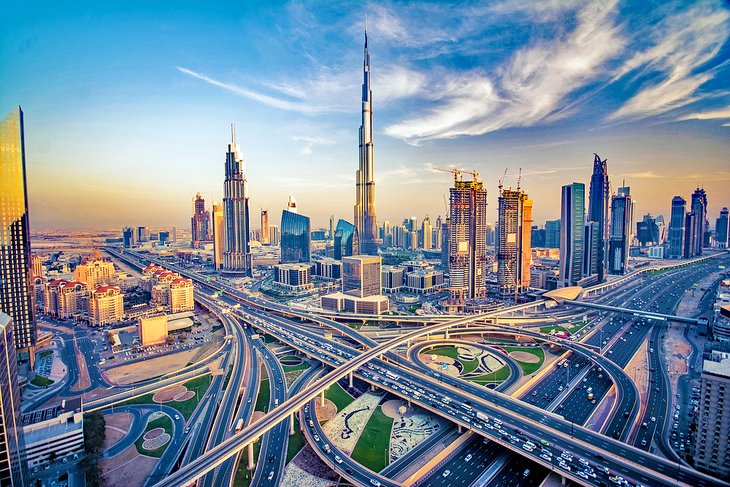

Dubai and Abu Dhabi have emerged as epicentres of a pioneering surge in electric air taxi trials, with two leading US firms—Joby Aviation and Archer Aviation—making significant strides toward establishing urban air mobility networks in the Emirates. Both pilots mark landmark achievements in eVTOL technology, underscoring the UAE’s ambition to lead the field by the mid-2020s.

Joby Aviation achieved a milestone in Dubai by completing its first manned transition flights. The aircraft executed full vertical take‑off, horizontal cruising and vertical landing sequences, signalling readiness for commercial operations as early as 2026. With a range reaching 160 km and cruise speeds up to 320 km/h, these flights demonstrate capability to transform journeys such as those between Dubai International Airport and Palm Jumeirah—cutting travel time from 45 minutes by road to around 12 minutes by air. Joby’s entry follows a six-year exclusivity agreement with Dubai’s Roads and Transport Authority, aligned with infrastructure build-out including a vertiport at DXB.

Almost simultaneously in Abu Dhabi, Archer Aviation conducted its inaugural test flight of the Midnight eVTOL at Al Bateen Executive Airport. The design, a carbon‑fibre‑skinned craft powered by multiple independent motors and battery packs, was evaluated under extreme climate conditions—high temperatures, humidity and dust—to validate UAE‑specific operational readiness. Emirati authorities, including personnel from the General Civil Aviation Authority, Abu Dhabi Investment Office and Abu Dhabi Airports, observed the flight, reinforcing the regulatory support behind the project.

Archer is impressively backed by institutional investors and strategic partnerships, having raised nearly US$2 billion, including funding from Stellantis, United Airlines and Abu Dhabi’s 2 Point Zero, positioning it well to deploy a “Launch Edition” fleet of air taxis in Abu Dhabi in early 2026. Its Midnight aircraft can accommodate one pilot and four passengers, reach speeds of up to 240 km/h, and recharge rapidly between Flights.

Dubai and Abu Dhabi’s dual-hosting of these test flights underscores a competitive yet complementary approach to cultivating the UAE as a global urban air mobility hub. Joby holds exclusive Dubai rights, while Archer has pledged infrastructure investment in Abu Dhabi, including converting facilities like the Cruise Terminal helipad into dual-use vertiports. Both firms enjoy the government‑backed Smart and Autonomous Systems Council and its SAVI cluster as key enablers.

Challenges persist: both operations require final regulatory approvals, sustainable vertiport rollout, and demonstration of consistent performance under harsh environmental conditions. Financial markets have already factored in execution risks; for example, Morgan Stanley moderated its price target for Joby amid aerospace supply-chain pressures. Yet ambitions remain bold. Joby is advancing FAA certification and aims to launch in other global markets, such as New York and Los Angeles, once Dubai begins operations. Meanwhile, Archer is linking global playbooks, forming networks with United Airlines and gearing for Olympic deployment in Los Angeles.

As both eVTOL manufacturers drive testing deeper into summer, UAE regulators are working in parallel to issue flight clearances. Joby’s vertiport in Dubai is set for Q1 2026 completion, while Aviation Authorities in both emirates coordinate type certifications.

The nation’s progressive embrace of air taxis represents a strategic leap in sustainable urban transit. Quiet, electric, zero-emission profiles align with broader UAE clean‑tech objectives. With ambitions to integrate these vehicles into daily commutes, airport shuttles and even rescue missions, policymakers are betting on airborne mobility becoming a normalised, accessible element of future transport regimes.

VISHNU RAJA
RYO YAMADA
HITORI GOTOH
IKUYO KITA
Just in:
ADIA and partners establish $1.4 billion aviation venture // Middle East governments assess Iran war after US vote // Cyberport Venture & Capital Forum 2026 Grand Opening // ADIPEC leaders urge investment in global energy networks // Utilities pursue ₹1,992 cr in unpaid bills // AI trust gap reveals distinct retail priorities: Divergent paths to consumer growth in Hong Kong and the GBA // mamun raises US$3 million to finance cross-border trade between the Gulf and Asia // ADIA and partners establish $1.4 billion aviation venture // Democrats capture Senate majority with seven Republican seats // Arrow Electronics showcases technologies advancing intelligent robotics, mobility and digital infrastructure // DIP Holding targets Dh1.12 IPO price and $529m proceeds // Assembly ruckus trial begins after 11 years // U.S. Mid Term Result Is A Clear Verdict Against Trump’s Authoritarianism // Democrats secure Senate majority after Republican election losses // Fast Just Got Fastest: STING Energy Boost™ Celebrates Kimi Antonelli’s Formula 1® World Championship and the Fan Energy Behind It // xCube Access Welcomes Entrust Capital Limited  Expanding Access to Professional Portfolio Management // BJP’s Aggressive Response Exposes Anxiety Over Opposition Unity // CPI, CPM dispute portrayal of Vayalar uprising leaders // Vance attributes Republican midterm defeats to Iran conflict // Vingroup And Legends Global Announce Strategic Partnership For VinFast – Trong Dong Stadium //