News related to
clean

ENOC Group, a leading player in the energy sector, is set to demonstrate its commitment to sustainable practices at the 19th Dubai Airshow. The group, known for its integrated energy solutions, will focus on innovations aimed at accelerating the transition to a low-carbon economy. One of the key highlights will be the provision of Sustainable Aviation Fuel to JETEX-operated aircraft during the event, underscoring ENOC’s efforts to reduce aviation’s carbon footprint.

The move is part of ENOC’s broader strategy to align with the global push towards net-zero emissions by 2050. With aviation being a significant contributor to global greenhouse gas emissions, the use of SAF is seen as a vital step in the industry’s decarbonisation. SAF, produced from renewable resources, offers a lower carbon alternative to traditional jet fuel and is considered a crucial component in achieving the aviation sector’s climate goals.

In addition to providing SAF, ENOC will showcase other clean energy innovations designed to support the aviation and energy sectors’ transition to sustainable practices. These technologies are aligned with the UAE’s national energy strategy, which prioritises sustainability and aims to position the country as a leader in the global energy transition.

The Dubai Airshow, a prominent global event, serves as an ideal platform for ENOC to display its clean energy capabilities. The event brings together key stakeholders from across the aerospace, aviation, and energy industries, providing ENOC with a valuable opportunity to engage with industry leaders and showcase its role in driving the shift towards a greener future.

ENOC’s partnership with JETEX for SAF supply at the Dubai Airshow reflects the growing demand for sustainable fuel alternatives in the aviation industry. This collaboration builds on ENOC’s longstanding commitment to sustainability and environmental stewardship, as it continues to expand its range of clean energy solutions. The company’s efforts in SAF production are designed to complement its other sustainability initiatives, including investments in renewable energy and advancements in energy efficiency.

The showcase of SAF at the Dubai Airshow is expected to raise awareness about the importance of sustainable aviation fuels in reducing the environmental impact of air travel. As global demand for cleaner energy solutions grows, ENOC’s involvement in this sector underscores its strategic focus on providing innovative, sustainable energy solutions to support the UAE’s climate goals and contribute to global decarbonisation efforts.

ENOC’s participation in the Dubai Airshow also highlights the growing importance of partnerships between energy and aviation companies in addressing climate challenges. By working closely with JETEX and other stakeholders, ENOC is helping to shape the future of sustainable aviation, ensuring that the industry remains aligned with global environmental objectives while continuing to meet the demands of modern air travel.
Abu Dhabi’s state-owned oil giant, ADNOC, has received a conditional nod from the European Commission for its 14.7 billion euro acquisition of the German chemicals firm Covestro. The approval, granted on Friday, hinges on ADNOC adhering to specific commitments outlined by the Commission, including modifying its articles of association and sharing Covestro’s sustainability-related patents with competitors in certain areas.

The deal represents ADNOC’s strategic push into the global chemicals market, marking a significant expansion beyond its traditional oil and gas operations. Covestro, a leader in high-performance plastics and other chemical products, has long been a key player in the European industrial landscape. This acquisition could give ADNOC greater access to advanced materials used in various sectors, including automotive, construction, and electronics.

In its ruling, the European Commission emphasised that ADNOC’s commitment to altering its corporate structure and making proprietary technologies available to others in the field of sustainability is crucial to maintaining competitive conditions in the European market. The deal, which was first announced earlier this year, is contingent upon ADNOC meeting these demands to ensure no harm to competition in the chemical and sustainability markets.

The approval came after several rounds of regulatory scrutiny, including concerns over potential monopolistic effects in certain segments of the chemicals industry. However, ADNOC’s willingness to adapt its operational framework and engage in collaboration with other market players ultimately paved the way for the European Commission’s greenlight.

The Commission’s conditional approval also reflects the growing importance of sustainability within corporate transactions. By requiring ADNOC to share Covestro’s patents, the EU is ensuring that the intellectual property crucial to advancing eco-friendly and sustainable technologies does not remain under the control of a single entity. This step is seen as a way of fostering innovation and preventing market consolidation that could stifle progress in critical sectors like renewable energy and environmental protection.

ADNOC’s acquisition of Covestro aligns with its broader strategy to diversify its business interests and strengthen its presence in high-value industries. The company has been increasing its investments in chemicals and other non-oil sectors in recent years, as it seeks to become less reliant on fossil fuels amid the global push for cleaner energy sources. For ADNOC, acquiring a major chemical manufacturer is an opportunity to leverage its substantial financial resources and access new markets for its products, particularly in Europe, which has a strong demand for advanced materials.

The deal is also seen as a win for the UAE’s broader economic vision, which aims to position the country as a global leader in sustainable development and innovation. ADNOC’s willingness to share Covestro’s sustainability patents is part of its commitment to contributing to the global fight against climate change, which is increasingly a focal point for both the public and private sectors.

While the conditional approval is a significant step forward, the acquisition is far from complete. ADNOC must now comply with the European Commission’s stipulations, which could include more detailed negotiations with competitors and stakeholders in the sustainability sector. It is expected that the full regulatory process will take several months before the deal can be finalised.

Covestro, for its part, stands to benefit from ADNOC’s financial backing and expertise in the chemicals sector. As a global leader in the production of polyurethanes and polycarbonates, the company is well-positioned to expand its reach and scale its operations, particularly in emerging markets where demand for high-performance materials is growing rapidly. ADNOC’s financial strength, coupled with Covestro’s established market position, could create a powerful synergy capable of driving innovation and expanding the companies’ collective influence in the global chemicals market.

Cairo-based African Export‑Import Bank has outlined a bold agenda at the United Nations Climate Change Conference in Belém, Brazil, urging the continent to seize the dual opportunity of sustainable development and industrialisation through a just energy transition. Under its new president George Elombi, the institution emphasised the urgency of aligning Africa’s low-carbon ambitions with its economic growth pathways. Afreximbank is advocating for climate finance mechanisms that recognise […]

An estimated US$300 million worth of long positions in the cryptocurrency market were wiped out within a short period, exposing vulnerabilities in high-leverage trading and sparking fresh concern among market participants. While the exact timeframe remains disputed, data aggregated from multiple analytics platforms show a sharp spike in forced liquidations as asset prices slipped.

According to the real-time liquidation monitor on one analytics service, the past 24 hours have seen unusually high volumes of closed long positions, with the tally edging near US$300 million. Other reports suggest the figure may have occurred over the span of 60 minutes, with industry social-alerts estimating that magnitude of losses among long traders.

Prices of flagship assets such as Bitcoin and Ethereum registered meaningful intra-day declines, which in turn triggered liquidation cascades. Data from the analytics platform show that the leverage unwind was heavily concentrated among long bets, meaning traders expecting prices to rise were forced out as conditions reversed. Market analysts point to a surrender of bullish momentum: the chain reaction begins when a leveraged long position is liquidated, driving asset-sales and pushing prices lower, which in turn triggers further liquidations. This creates a self-reinforcing decline until the excess leverage is cleaned out.

This manoeuvre comes at a moment when structural shifts are underway in the crypto ecosystem. On-chain research indicates that institutional players are absorbing large volumes of bitcoin—almost 300,000 BTC or around US$33 billion—since mid-year, signalling a migration of risk away from retail-leveraged positions into longer-term holdings. That migration may be insulating a lot of the market from large draw-downs, but it also leaves the leveraged short-term traders exposed.

Some analysts interpret the liquidation event as a symptom of broader fragility in the derivatives market. The platform that tracks open interest and funding rates flagged elevated levels of long-side leverage prior to the drop, suggesting that the market had been overloaded with bullish bets. Once price momentum stalled, forced liquidations acted as a trigger for a more acute correction. The effect tends to be more severe when a large proportion of leverage lies on one side of the trade.

While the spot market for major cryptos held up relatively well compared with past extreme episodes, the liquidation event raises questions about crowd positioning and risk management. The analytics firm responsible for the heat-map data emphasises that while asset prices can stay elevated, the presence of large clustered leveraged trades makes the market susceptible to sharp draw-downs. From a regulatory and risk-framework perspective, the event may amplify calls for more transparent oversight of derivatives platforms given the interconnectedness of spot-and-futures exposures.

From the retail trader’s standpoint, the message is clear: heavy use of leverage in a complex and volatile market increases the potential for rapid and large losses. Several traders active in online forums noted one recurring theme: when the dominoes fall, they fall quickly. Nonetheless, the institutional shift described in bitcoin ownership data suggests that the broader market may be entering a more mature phase, wherein spot liquidity and accumulation replace the wild speculative cycles of earlier years.

In the derivatives space, the major platforms are likely to re-evaluate margin-requirements and risk-controls. Some executives in the sector previously flagged that the previous cycle’s wild leverage growth was unsustainable. This latest liquidation incident could prompt exchanges to tighten conditions, potentially increasing costs for leveraged trading and reducing the appeal of highly-geared positions.

Dubai Electricity and Water Authority has opened the door for qualified companies and consortiums to submit their proposals for the seventh phase of the Mohammed Bin Rashid Al-Maktoum Solar Park, one of the largest renewable energy projects in the world. This expansion is set to significantly enhance Dubai’s efforts to diversify its energy mix and meet its sustainability targets. The upcoming phase will incorporate 2,000 megawatts of […]

The Philippines and Norway have partnered to develop an electric hybrid propulsion ferry, marking a significant step towards advancing sustainable maritime transport in the Philippines. This collaboration aims to foster the growth of the electric ferry sector, with a focus on environmental impact and aligning with global sustainability goals.

This initiative was unveiled during the first Philippines-Norway Electric Ferries Conference, organised by the Royal Norwegian Embassy in Manila, the Philippine Ports Authority, and several key stakeholders, including Innovation Norway, the Philippines-Norway Business Council, and Maritime Cleantech. The event also garnered support from the European Union’s Horizon2020 programme, which backs innovation and sustainability projects across Europe.

The highlight of the conference was the signing of a Memorandum of Understanding between the Philippines Association of Coastal and Inland Water Ferries Inc., IMP Shipyard and Port Services Inc., and ZEM. The agreement formalises plans to create a prototype electric hybrid propulsion ferry, a significant milestone in the country’s maritime transition towards greener technologies.

One of the key goals of this project is to align with the United Nations’ Sustainable Development Goals, particularly in the areas of sustainable energy and climate action. Additionally, the project aims to enhance the European Union’s innovation, competitiveness, and economic growth by showcasing how electric ferries can reshape the maritime sector. Norway, a leader in electric ferry technology, is playing a central role in this effort, drawing on its successful track record in electrifying its ferry fleet.

Norwegian Ambassador to the Philippines, Christian Lyster, emphasised that the future of maritime transport will depend on a blend of alternative fuels, energy efficiency improvements, and shore power systems—especially when powered by renewable energy. He pointed to Norway’s success, where 111 ferry routes are currently operated with about 180 electric ferries. Lyster highlighted that the shift to electric ferries is both feasible and highly effective, demonstrating the viability of zero-emission technology on a large scale.

Norway’s pioneering role in electric ferry development is further underscored by its history of innovation in the sector. The first fully electric commuter ferry, MS Ampere, entered service in 2015, followed by the launch of the high-speed electric ferry MS Medstraum in 2022. These ferries have set a benchmark for electrification in maritime transport, showcasing the potential for sustainable alternatives in global shipping networks.

At the conference, various Norwegian companies shared insights into their contributions to the electric ferry industry. Hyke, for instance, is working on urban electric ferry designs, while Zinus focuses on developing innovative charging solutions. Zeabuz is advancing autonomous passenger ferry technology, and Kongsberg International is involved in integrated maritime solutions. Other contributors include Kongsberg Norcontrol, which provides digital solutions for safer maritime operations, and Maritime Robotics, which is advancing autonomous surface and subsea operations. ZEM, a key player in maritime electrification, is also involved in the initiative.

The collaboration between the Philippines and Norway presents an opportunity to transform the maritime industry in Southeast Asia, a region with vast inter-island ferry networks. The Philippine Inter-Island Shipping Association also participated in the discussions, offering insights into how electric ferries could be integrated into the country’s extensive network of island transport. The initiative is seen as an important step towards reducing carbon emissions from the Philippines’ ferry industry, which has long relied on diesel-powered vessels.

This development comes on the heels of the Department of Transportation’s recent launch of the first fully electric passenger ferry in the Philippines, M/B Dalaray. The ferry, which operates on the Pasig River, stops at 13 locations across Pasig, Makati, Mandaluyong, Manila, and Taguig. The project aims to showcase the potential for electric ferries in urban environments, paving the way for more sustainable public transport solutions in the country.

Greenlogue/AP Masdar, a global leader in renewable energy, has signed a landmark agreement to develop Uzbekistan’s largest standalone battery energy storage system in the Navoiy region. The deal marks a significant step in the country’s energy transformation as it seeks to bolster grid reliability and enhance the integration of renewable energy sources. The 600 MW / 600 MWh BESS will be pivotal in supporting Uzbekistan’s growing renewable […]

Advertisements

By Ashok Nilakantan Ayers NEW YORK: The world’s most valuable technology companies are engaged in a spending spree unlike anything seen since the space race. Meta, Amazon, Alphabet and Microsoft intend to invest as much as $320 billion this year into artificial intelligence technologies, with Amazon offering the most ambitious spending initiative among the four, […]

The article Tech Giants’ $400 Billion AI Bet: Returns On Investment Is The Key Issue appeared first on Latest India news, analysis and reports on Newspack by India Press Agency).

SHENZHEN, CHINA – Media OutReach Newswire – 10 November 2025 – On October 28, OPPO unveiled the Find X9 series, its latest generation of flagship smartphones redefining premium quality with industry-leading imaging and AI capabilities. Alongside the launch of the new series, OPPO is further enhancing the after-sales experience for Find X9 series owners with the introduction of new user-centric services, including dedicated One-on-One Support and Exclusive […]

Abu Dhabi National Oil Company is poised to significantly ramp up its global trading operations, with plans to increase the volume it handles by two-thirds over the next few years. This expansion is part of a broader strategy to strengthen ADNOC’s position on the global stage and tap into new revenue streams. The move signals the growing ambition of the UAE’s state-owned oil giant to enhance its commercial footprint beyond traditional oil and gas production.

Since the establishment of its trading arm in 2018, ADNOC has been gradually building its global network, positioning itself as a major player in international energy markets. The company has already set up trading offices in key financial hubs such as Singapore and Geneva, with the United States next on its list. This expansion is seen as a strategic initiative aimed at consolidating ADNOC’s presence in both the fuel trading and energy markets, where it competes with some of the world’s largest oil companies.

Ahmed Bin Thalith, CEO of ADNOC Global Trading, outlined the company’s goals during a recent interview. He explained that ADNOC’s trading operations are central to its broader strategy of extracting greater value from the fuel produced not only in the UAE but from global markets. Thalith emphasized that the expansion of the trading unit is integral to ADNOC’s vision of becoming a more diversified energy enterprise, moving beyond its traditional role as a major oil producer.

The UAE, known for its vast reserves of oil and natural gas, is under pressure to diversify its economy, which is heavily dependent on hydrocarbons. By expanding its trading operations, ADNOC seeks to secure additional revenue streams from the global sale of fuel products, a vital step as the world moves towards a more sustainable energy future. The move aligns with the UAE’s broader vision of positioning itself as a global energy hub, diversifying into renewable energy and other industries, such as technology and manufacturing.

ADNOC’s global trading expansion follows a series of similar moves by other Gulf oil companies seeking to broaden their operations beyond the traditional export of crude oil. Companies like Saudi Aramco have been pursuing similar strategies to increase their influence in the global energy trading market. However, ADNOC’s strategy to build a robust trading platform since 2018 gives it a more established presence in the field. The company is now looking to leverage its growing infrastructure to manage an even greater volume of trades, both within the Middle East and globally.

In addition to expanding its physical presence in strategic locations, ADNOC Global Trading is also exploring new technologies to improve its operations. This includes the use of data analytics and advanced digital tools to monitor and predict market trends, a crucial aspect for maintaining competitiveness in the volatile global energy market. By integrating cutting-edge technology into its trading practices, ADNOC aims to stay ahead of the curve and better position itself in a market where agility and adaptability are paramount.

The decision to enter the U. S. market is one of the more ambitious elements of ADNOC’s expansion plans. The company aims to tap into the largest energy market in the world, which has seen significant changes in recent years due to the shale revolution and growing interest in alternative energy sources. By establishing a presence in the U. S., ADNOC hopes to gain access to new trading opportunities, as well as foster relationships with key players in the global energy sector.

The expansion also reflects ADNOC’s long-term vision of becoming a more diversified energy company that is not solely reliant on crude oil exports. The UAE has been increasingly investing in renewable energy, and ADNOC’s trading division is seen as a key pillar in achieving this transition. As part of its sustainability strategy, ADNOC has set ambitious targets for reducing its carbon footprint and increasing its investment in cleaner energy technologies, including solar power and hydrogen.

HONG KONG SAR – Media OutReach Newswire – 8 November 2025 – HKFindLawyer.com has officially launched Hong Kong’s first “Work Injury Occupation and Injury Compensation Database”, a comprehensive online resource based on the Employees’ Compensation Ordinance. The database covers a wide range of occupations — including construction workers, cleaners, delivery riders, and office staff — as well as common workplace injuries such as falls, burns, back pain, […]

Iron ore prices have continued their downward trend, heading towards their most significant weekly decline since February. The ongoing drop in prices is being driven by sluggish demand for steel in China and the tightening profit margins faced by steel mills. These factors have raised concerns about the overall stability of the global iron ore market, particularly in the world’s largest consumer, China.

Steel mills in China, which are the primary drivers of iron ore demand, are facing significant challenges due to rising input costs and tighter margins. The country’s construction and manufacturing sectors, which consume a large portion of steel, have struggled to gain momentum amid slower economic growth. With high input costs and a slowdown in industrial activity, many steelmakers have been forced to curb production, leading to reduced demand for iron ore.

At the same time, steel prices have also been under pressure, further exacerbating the squeeze on mill margins. While there were hopes for a recovery earlier in the year, the anticipated rebound in steel demand has yet to materialise, as economic conditions in China remain uncertain. The country’s industrial output has shown signs of stagnation, with infrastructure projects failing to meet expectations and housing activity continuing to struggle.

In addition to weak demand, iron ore prices have also been affected by rising supply levels. Brazilian mining giant Vale, one of the largest iron ore producers globally, has increased production in recent months, adding to the market’s supply glut. Vale’s expansion of its operations has helped to further ease supply concerns that have plagued the market over the last few years. However, this has created a situation where the supply of iron ore is outpacing demand, particularly given the subdued consumption from China’s steel mills.

The combination of oversupply and weakening demand has led to a decline in iron ore futures. The most actively traded contracts have experienced a significant fall in recent trading sessions, reflecting the broader bearish sentiment in the market. Prices have dropped by as much as 6% this week, marking a notable setback for an industry that had previously seen strong growth due to the post-pandemic recovery phase.

Global iron ore producers are feeling the impact of these declines as well. Companies such as Rio Tinto and BHP have faced a slowdown in earnings growth, despite their dominance in the market. Lower iron ore prices have put pressure on the profitability of these companies, leading to recalibrated forecasts for the rest of the year.

China’s role in the iron ore market remains critical, with the country accounting for over half of global iron ore consumption. However, the shift in the country’s steelmaking practices, including a push towards cleaner and more sustainable steel production, has led to concerns that long-term demand may not be as robust as previously expected. Furthermore, the government’s increasing focus on reducing emissions could eventually affect steel production levels in the country.

Despite these challenges, analysts believe that iron ore prices are unlikely to fall precipitously in the coming months. While demand from China may remain subdued, global steel production is expected to recover in other regions, such as Europe and North America. This could provide some support for iron ore prices, although the pace of recovery remains uncertain.

A landmark agreement has been signed by the UAE clean-energy firm Masdar and Austrian integrated energy company OMV to establish a joint venture for the financing, construction and operation of a 140 MW green-hydrogen electrolyser plant at Bruck an der Leitha, Austria. The plant is expected to commence operations in 2027, following the commencement of construction in September 2025. OMV will hold a 51 per cent majority […]

Greenlogue/AP A partnership between clean-energy pioneer Masdar and integrated fuels and chemicals company OMV will create a 140 megawatt green-hydrogen electrolyser plant in Bruck an der Leitha, Austria, with operations targeted for 2027. The binding agreement grants Masdar a 49 per cent stake while OMV retains 51 per cent and oversees day-to-day operations. The venture is projected to produce up to 23,000 tonnes of green hydrogen annually, […]

A fresh platform launched by the startup SolarLedger is aiming to reshape how clean-energy data is processed and verified by introducing what it describes as a “green energy operating system” that embeds robust security features and market interfaces. At the heart of the offering are distributed-ledger and Internet-of-Things tools designed to automate the generation, trading and auditing of solar and other renewable-energy flows. According to the company’s statements, the system incorporates cryptographic tools such as zero-knowledge proofs and multi-signature verification to bolster data authenticity and traceability.

SolarLedger’s solution addresses growing concerns in green-finance and energy markets about the reliability of datasets underpinning asset-backed claims, such as renewable-energy certificates or carbon credits. By running real-time tracking of generation, storage, trading and settlement, the platform aims to reduce friction in peer-to-peer energy transactions and enhance transparency for smaller producers who have lacked access to institutional channels. This comes at a moment when distributed energy generation is expanding rapidly but remains under-represented in traditional electricity markets.

From a market-participant perspective, SolarLedger’s architecture is being pitched as transformative. It enables solar modules and storage systems not only to supply power but also to act as tradeable units with embedded provenance metadata. Smart-contract modules match producers and consumers, while traceable certificates of origin claim to be issued as each kilowatt-hour is generated. The firm states that its system eliminates much of the manual reconciliation and trust-layer overhead that currently slows clean-energy transactions, thereby unlocking new income streams for distributed generators.

On the technical side, the platform’s use of zero-knowledge proofs is particularly noteworthy. ZKPs allow one party to prove a fact is true without revealing the underlying data. This is increasingly recognised in academic literature as a potent tool for privacy-preserving validation in decentralized systems. In SolarLedger’s case, the firm says it uses ZKPs to validate meter-data reports and audit logs without exposing granular user or asset-level details. Complementing this, the system applies multi-signature verification — requiring multiple authorised parties to validate transactions — to further enhance trust in each asset’s lifecycle.

Emerging trends in the broader energy-tech space amplify SolarLedger’s relevance. Analysts observe that decentralised energy systems—particularly rooftop solar, microgrids and battery storage—are growing faster than transmission-interconnection frameworks in many regions. Traditional centralised electricity markets were built at a time when generation was large-scale and top-down. By contrast, distributed-generation assets today face barriers to participation in wholesale or retail markets, often due to information asymmetry, latency in settlement, and limited trust among counterparties. SolarLedger aims to bridge that gap by enabling smaller producers to join trading ecosystems on more flexible and transparent terms.

However, important challenges remain across regulation, interoperability and scalability. While SolarLedger cites pilot testing and proof-of-concept deployments, wide-scale adoption will require alignment with local grid-code legislation, energy-market rules, and national certification schemes. Integration with existing utilities and regulatory frameworks may prove complex, particularly in jurisdictions where grid operations and energy trading are tightly regulated. Furthermore, the academic literature on ZKP implementation cautions that although ZKP offers strong privacy and integrity gains, the complexity and computational overhead can be non-trivial — especially when applied to high-frequency data environments.

Another key player to watch in this space is Powerledger, an Australian blockchain-energy-software company which has built peer-to-peer energy-trading platforms and environmental-commodity tracking solutions. Its experiences highlight the twin challenges of scaling and commercialising such platforms in multiple jurisdictions. SolarLedger will need to demonstrate not just technical readiness but also market-acceptance, cost-competitiveness and regulatory compliance if it is to capture a meaningful share of the decentralised-energy-market value chain.

By TN Ashok NEW  YORK:When the polls closed at 9 p.m. on Tuesday, November 4, 2025, it took less than 40 minutes for the Associated Press to call the race. Zohran Mamdani, a 34-year-old democratic socialist and state assemblyman from Queens, had accomplished what many considered impossible just a year earlier: he defeated Andrew Cuomo—twice—to […]

The article The Mamdani Moment: A Political Earthquake In America’s Largest City appeared first on Latest India news, analysis and reports on Newspack by India Press Agency).

The governments of the northern United Arab Emirates have taken a bold step into natural-hydrogen exploration with the collaboration among the Sharjah National Oil Corporation, Siemens Energy and Decahydron to assess the use of naturally occurring hydrogen for power generation and other industrial applications. This marks a decisive departure from traditional fossil reliance and underscores Sharjah’s ambition to secure a foothold in the emerging hydrogen economy. The initiative rides on ongoing technical studies by Decahydron and SNOC at an existing exploration well in Sharjah, with initial findings reported as encouraging and further drilling scheduled for 2026 to gather detailed resource data and measure flow rates.

The emerging project will evaluate whether natural hydrogen — distinct from hydrogen produced by electrolysis or reforming — can feed power turbines or serve heavy industry without the extensive storage, transport and conversion infrastructure typically required for conventional “green” or “blue” hydrogen. Siemens Energy brings its global hydrogen and energy-system expertise into the alliance, while Decahydron focuses on mineralisation and subsurface hydrogen resources. SNOC, as the emirate-owned upstream and midstream energy company, provides the local infrastructure and regulatory engagement needed to steer the resource development. The companies frame the effort as a potential new low-carbon energy source that could serve data centres, manufacturing plants and other energy-intensive uses in the UAE.

Figures within the consortium underscore the significance of the move. SNOC’s chief executive, Khamis Al Mazrouei, said the feasibility study could mark “a new chapter in Sharjah’s energy landscape—providing an abundant, naturally occurring source of clean energy.” Siemens Energy’s UAE managing director, Khalid Bin Hadi, described hydrogen as central to decarbonising the power sector, adding that this collaboration sets a new course for natural-hydrogen in the Gulf region. Decahydron’s CEO, Arnaud Lager, said early findings suggest the potential for continuous supply directly from subsurface sources and that Sharjah and the northern Emirates hold “exceptional potential”.

Global context reinforces the ambition behind the project. The UAE aims to become one of the top ten hydrogen-producing countries and to capture a 25 per cent share of the low-carbon hydrogen key markets, according to statements from leading federal energy officials. Sharjah’s drive aligns with this broader national strategy. Previously SNOC announced its intent to explore green hydrogen and carbon capture within its portfolio as part of its pathway to net-zero emissions. Now the emphasis on naturally occurring hydrogen marks a notable shift in approach.

The technical front remains complex. Natural hydrogen projects remain nascent worldwide, with questions around resource size, continuity of flow, well economics, contaminants and commercial usability still to be resolved. The Sharjah initiative is built on preliminary well-site data, but the drilling slated for 2026 will be critical in determining resource scale and flow rate viability, which in turn will affect whether the hydrogen can be used directly for power generation or whether it will need conversion. Siemens Energy’s role will involve analytical and technical verification of commercial potential, while SNOC’s project governance will oversee permitting, regulatory interaction and integration with Emirate infrastructure.

Industrial demand in the Gulf region adds urgency to the project. With increasing energy consumption from data centres, hydrogen applications in manufacturing, and a drive to decarbonise hard-to-abate sectors, natural hydrogen presents a complementary path to electrolytic hydrogen and renewables. The potential upside includes bypassing some of the cost and complexity of hydrogen storage and pipeline transport by tapping subsurface reservoirs directly. If proven viable, the Sharjah project could serve as a model for other Middle East jurisdictions investigating hydrogen from unconventional sources.

Strategic risks remain. Project economics will depend on the continuity and purity of hydrogen flows, the cost of drilling and well development, regulatory frameworks, and the readiness of industrial hosts to adapt infrastructure. Market competition is intensifying: electrolytic green hydrogen is scaling rapidly and could outpace unconventional hydrogen if production and storage costs fall further. Moreover, hydrogen certification, transport logistics, and industrial offtake agreements remain evolving domains globally. For Sharjah and the GNOC-Siemens-Decahydron alliance, time to commercial decision-making will be an important metric.

Crypto markets experienced a sharp upheaval as the price of Bitcoin slid below the US $100,000 mark for the first time in approximately six months, while Ethereum plunged to levels near US $3,000. As a result, leveraged positions totalling around US $2 billion were liquidated within a 24-hour period.

The downturn began when Bitcoin fell to about US $99,000, triggering a cascade of forced unwinds in futures and perpetual contracts. According to data providers, more than 80 per cent of these losses stemmed from long bets, amounting to approximately US $1.6 billion. Ethereum’s drop—exceeding 20 per cent over two days—added nearly US $1 billion in liquidations in the same timeframe. The broader crypto market capitalisation slipped to roughly US $3.4 trillion, marking its lowest level in four months.

Analysts point to a confluence of factors driving the sell-off. The Federal Reserve’s cautious comments about future policy signalled the end of easy money for risk assets and prompted a rise in the US dollar index and treasury yields—both typically adverse for cryptocurrencies. Weakening institutional demand compounded the problem, as cumulative outflows from spot Bitcoin exchange-traded funds and related vehicles exceeded US $1.3 billion in the days leading to the crash. Algorithm-driven trades amplified the move: Bitcoin breached its 200-day exponential moving average near US $109,800 and touched technical support around US $100,000, triggering automated sell orders.

The liquidation event has wider implications for investor sentiment and the structure of the crypto market. The so-called Fear & Greed index plunged into the “extreme fear” zone, while open interest in perpetual futures contracts dropped as many leveraged players exited. On-chain metrics show historic wallets transferring tens of thousands of Bitcoin to exchanges, signalling profit taking by long-term holders. Yet some argue the correction could serve as a cleansing phase for the market: by flushing out excessive leverage, the environment may become healthier for the next leg of the cycle.

Despite the turbulence, there are signs that structural demand remains intact. Large-scale buyers such as MicroStrategy continue to accumulate Bitcoin—its holdings now exceed 641,000 BTC. Meanwhile, infrastructure-oriented developments in decentralised physical infrastructure networks and the convergence of blockchain with artificial intelligence are still attracting investor interest. Nevertheless, the immediate path forward is fraught. Analysts now identify a failure to hold US $100,000 for Bitcoin as potentially opening a decline toward the US $92,000–US $94,000 range. For Ethereum, a slide toward US $2,700–US $2,800 is on the radar if momentum fails to stabilise around current levels.

Dubai’s fuel-retail market marked a shift this week as Emirates Petroleum Company opened its 158th service station, the “Al Buhaira” site in Barsha South, incorporating what the company describes as the GCC’s first dedicated Electric Vehicle Service Centre. This move underscores Emarat’s response to evolving mobility trends as electric vehicles gain traction across the region. Located in Dubai’s New Dubai zone, the Al Buhaira station not only […]

HANOI/ ABU DHABI, VIETNAM – Media OutReach Newswire – 4 November 2025 – The Vietnam Exposition Center (VEC) and dmg events have announced a strategic partnership and launch their first collaborative initiative – a global energy congress and exhibition. Operated under an exclusive brand model, this global event is expected to become a new international platform connecting the renewable energy, power, hydrocarbons, energy storage, hydrogen, low-carbon technology, […]

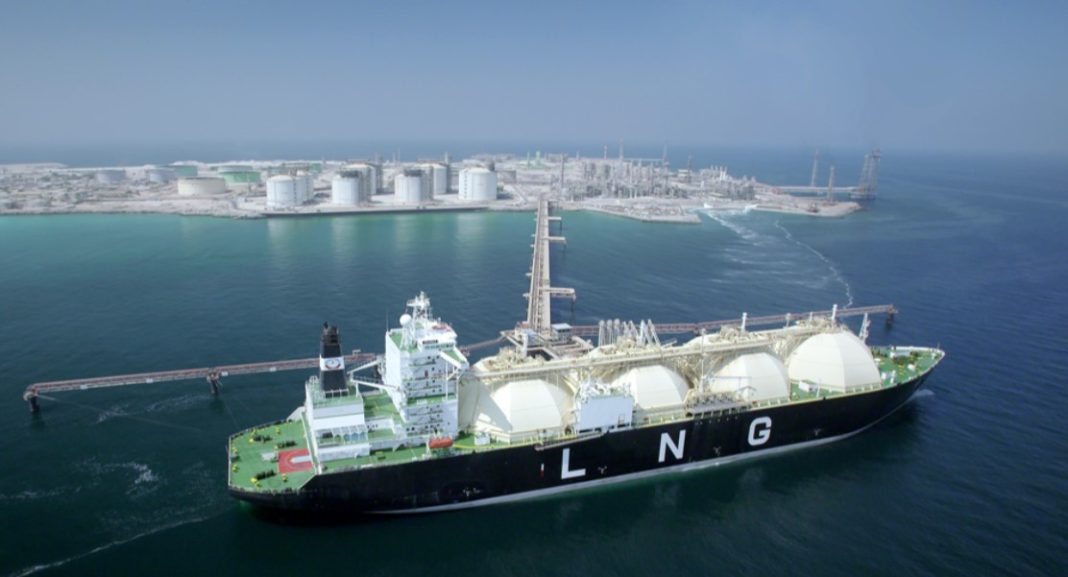
Abu Dhabi’s state energy company signed a 15-year sales and purchase agreement with a unit of British energy major for the delivery of up to 1 million tonnes per annum of liquefied natural gas. The contract represents the first long-term LNG sales deal between the company and Shell and marks the eighth offtake agreement secured for its new export facility.

The LNG will be supplied from the Ruwais LNG project in Al Ruwais Industrial City, Abu Dhabi, which is under development and is set to become the first LNG export plant in the Middle East and Africa region to operate on clean power. Shell holds a 10 per cent equity stake in the project. The agreement converts a previous heads of agreement into a definitive contract and accelerates the project’s commercial timeline.

By securing this deal, more than 8 mtpa of the facility’s planned 9.6 mtpa capacity has already been contracted across Asia and Europe, just 16 months after the project’s final investment decision in July 2024. The project comprises two liquefaction trains of 4.8 mtpa each and is designed to more than double the company’s existing LNG production capacity to around 15 mtpa.

The deal is timed to global gas-market conditions where demand is picking up and energy security is a key concern for buyers. By locking in long-term supply, the exporting company seeks to position itself as a “reliable global supplier of lower-carbon LNG”, while the buyer views the contract as a strategic commitment to expanding its LNG portfolio and securing long-term supplies.

For the seller, the rapid pace at which contract commitments have been won is significant. The chief executive of the gas-division described the achievement of contracting more than 80 per cent of the plant’s capacity within roughly a year of FID as “a new benchmark” for large-scale LNG projects globally, and noted that construction, contractor mobilisation and site works remain on track for commissioning by the end of 2028. The buyer emphasised its long-standing partnership of more than fifty years with the Abu Dhabi exporter and said the agreement supports its global LNG-expansion strategy.

Analysts note that the project’s clean-power design, advanced technology deployment, and rapid contracting distinguish it in the LNG market. That said, while the exporting company releases its ambition to expand its LNG portfolio, competitors in the region are also pursuing aggressive growth, raising competitive risk. Moreover, delivering commercial operations at a low-carbon intensity adds complexity and cost — achieving the projected timeline and performance will require careful execution.

On the demand side, the contract underscores how buyers are increasingly seeking longer-term and lower-emissions supply arrangements in the transition-era gas market. For the buyer, the deal adds to its diversified portfolio of LNG suppliers as it faces intensified competition for cargoes from traditionally dominant exporters. The seller’s ability to secure multiple offtake agreements rapidly helps de-risk the project and supports financing and construction momentum.

One key theme emerging is the alignment of LNG expansion with sustainability credentials. The Ruwais facility’s design to run on clean grid-powered operations, along with claims of being among the lowest-carbon intensity LNG plants globally, reflects a shift in gas-project metrics: projects are now evaluated not solely on cost and capacity but also on carbon footprint and technology sophistication. This trends suggests that access to lower-carbon LNG could become a differentiator among suppliers and a value driver for buyers.

However, achieving this low-carbon ambition may face challenges such as securing clean-power infrastructure, managing capital-cost escalation, and meeting stringent environmental and regulatory expectations across export markets. The broader LNG market is also subject to volatility in feed-gas supply, shipping capacity constraints, and fluctuating demand growth in key markets such as Asia and Europe.

The United Arab Emirates has established itself as a leading hub for innovation and the deployment of advanced technology in the energy sector, according to George Bou Mitri, President of Honeywell for the Middle East, Türkiye and Central Asia. Speaking at the sidelines of the Abu Dhabi International Petroleum Exhibition & Conference 2025, he highlighted how the country’s digital transformation initiatives are serving as a global model for sustainable, technology-driven energy systems.

Bou Mitri said the UAE presents a distinctive example of openness, collaboration and synergy between public and private sectors in driving innovations that are making a tangible global impact in the energy industry. “The solutions created here in the UAE extend their influence far beyond its borders,” he commented. He noted that the country is actively integrating advanced technologies across its energy ecosystem, including expanding the use of LNG, hydrogen, solar and developing sustainable aviation fuel and bio-fuel as part of its emissions-reduction drive.

Honeywell is playing a significant role in this transformation. Bou Mitri pointed to the company’s participation in a landmark project with Abu Dhabi National Oil Company for the Ruwais LNG facility, expected to produce about 9.6 million tonnes annually. He also revealed that Honeywell is developing the region’s first fully autonomous control room powered by agent-based artificial intelligence in partnership with Borouge, aimed at managing petrochemical operations without direct human intervention.

Bou Mitri stressed that digital transformation forms the backbone of the sector’s future. He noted that global energy demand is projected to increase by 32 percent by 2050, while electricity demand is expected to grow by more than 75 percent in the same period, necessitating comprehensive tech solutions to balance growth with emission reduction and operational efficiency. He added that the UAE is clearly adopting that approach, emphasising that the country’s facilities are becoming important development grounds for technologies related to emissions management, artificial intelligence applications and workforce productivity improvements through digitalisation.

The autonomous control-room initiative with Borouge stands out as a practical demonstration of this strategy. According to Borouge, the project will deliver the petrochemical industry’s first AI-driven control room at its UAE plant operations and forms part of its “AIDT” programme with a targeted value generation of US$575 million. The collaboration is intended to optimise production, reduce energy use and enhance safety while lowering costs at what is set to be the world’s largest petrochemical site.

The UAE’s positioning as an innovation frontier for energy technologies comes at a time when the industry is under growing pressure to adapt. Emerging themes include the convergence of artificial intelligence, digital twins, autonomous operations, and clean-energy integration. The broader Middle East region is witnessing major energy investment momentum, with expectations of exceeding US$130 billion this year in oil and gas alone, and simultaneous major expansion in clean-energy investments including hydrogen, LNG and carbon capture projects.

For Honeywell, the UAE’s energy ecosystem is a fertile environment for deploying its digital and automation technologies, but challenges remain. Among these are workforce skills deficits — Bou Mitri pointed out that more than 50 percent of the global energy workforce is aged over 45 — and the need to transfer accumulated expertise to a younger generation. In a sector where downtime, operational safety and emissions control have high stakes, the technology must deliver in real-world conditions, not just in controlled test environments.

Critics might point to the scale of investment required, potential cybersecurity and data governance risks as operations become more connected and autonomous, and the difficulty of scaling pilot programmes into full-scale operations across multiple sites. Nonetheless, the UAE’s strategic posture — combining government backing, private-sector capability and a willingness to test and deploy cutting-edge systems — presents a compelling case study for the global energy community.

The dominance of the Magnificent 7 now defines the shape of global markets. Apple, Microsoft, Alphabet, Amazon, Meta, Nvidia, and Tesla account for more than a third of the S&P 500’s total value, up from about 12% a decade ago. Their performance has lifted the index even as most of the remaining companies have moved sideways. The question for investors is whether these firms are overvalued or […]

Chinese authorities have agreed to suspend implementation of a new wave of export controls on rare-earth metals and to cease investigations into U. S. semiconductor companies, signalling a de-escalation in trade tensions between the world’s two largest economies. According to a White House fact sheet, the measures to be paused were those announced by People’s Republic of China in October and would have expanded export licences and […]

VISHNU RAJA
RYO YAMADA
HITORI GOTOH
IKUYO KITA