News related to
clean

MANILA, PHILIPPINES – Media OutReach Newswire – 9 October 2025 – Green GSM, the all-electric ride-hailing brand under the GSM ecosystem, has signed a memorandum of understanding with AMRC Renewable Corporation/Xentro Motors, a subsidiary of the Philippine-based Xentro Group of Companies, for the supply of 2,000 VinFast electric vehicles to support future operations under the Green GSM platform. The collaboration supports the Philippines’ transition to cleaner and more inclusive mobility, reflecting both companies’ shared commitment to sustainability and community impact.

Under the MOU, Green GSM will supply 2,000 VinFast Nerio Green electric vehicles to AMRC Renewable Corp/Xentro Motors. The first 1,000 units have already been secured, with the remaining to be delivered within two years. The fleet will operate under the co-branding “Green Xentro powered by Green GSM” across Metro Manila and key urban centers, following the completion of all necessary regulatory and accreditation processes.

The Green Xentro fleet will showcase Green GSM’s signature cyan color and follow eco-friendly standards, similar to those used in other markets. Known for their quiet operation, zero tailpipe emissions, and comfortable interiors, VinFast electric vehicles aim to offer passengers a cleaner and more enjoyable ride.

Green GSM, which began deploying its all-electric ride-hailing service in the Philippines earlier this year, is developing a partner-based operational approach to increase EV adoption while fully complying with local regulations. AMRC Renewable Corp/Xentro Motors viewed this collaboration as an opportunity to contribute to the country’s growing sustainable transportation movement. Once all approvals are secured, the fleet will begin operations under the Green GSM platform.

Through this partnership, Xentro Motors will also utilize its nationwide Xentro Malls network to offer accessible pick-up zones, EV charging stations, and parking areas, improving convenience for passengers and drivers. This initiative supports the group’s broader goal of incorporating sustainability into its retail and property ecosystem.

The partnership will also benefit from VinFast’s service ecosystem, which includes fleet maintenance, charging infrastructure, and driver support, strengthening Xentro’s collaboration with the Vietnamese automaker.

“We are honored to partner with Green GSM in bringing all-electric ride-hailing closer to Filipino communities,” said Mr. Noel M. Ignacio, CEO of Xentro Motors. “This collaboration reflects our belief that sustainability and progress can go hand in hand. By integrating electric mobility into our ecosystem, we aim to support the country’s long-term transport modernization goals and enhance daily commutes for users.”

“This partnership with Xentro Motors marks another important step in our regional journey,” said a representative of Green GSM. “Green GSM always welcomes and creates favorable conditions for local businesses to collaborate on the GSM platform. Across the countries where GSM operates, we have successfully partnered with and supported more than 100 enterprises in building sustainable business models within the electric mobility ecosystem. Xentro is the first of such valued partners in the Philippines, and we believe this cooperation will set a positive example for future collaborations. Our mission remains clear, to work alongside partners who share the same vision for cleaner, smarter, and more inclusive mobility, because when communities and businesses move together, everyone benefits”.

The collaboration represents a shared belief that meaningful change in mobility begins with collective effort. By combining Green GSM’s expertise in electric ride-hailing with Xentro Motors’ strong local network, the two companies aim to make sustainable transport accessible to more Filipinos and to inspire a growing movement toward cleaner, smarter everyday journeys.

Hashtag: #GSM

The issuer is solely responsible for the content of this announcement.

India has purchased its first shipment of liquefied petroleum gas from Iran in several years, following a temporary easing of United States sanctions on Tehran’s oil and refined fuel exports, signalling a cautious shift in regional energy trade flows. The cargo marks a notable development in India’s energy procurement strategy, which has been shaped by geopolitical constraints since Washington reimposed sanctions on Iran in 2018. The latest […]

Altérra has joined forces with General Atlantic to back Wireless Logic in a deal aimed at expanding infrastructure that supports connected devices across energy, transport and industrial systems, as investors increase focus on digital tools that can improve resource efficiency and emissions tracking. The investment underscores a broader shift in capital markets towards climate-linked digital infrastructure, where connectivity platforms are seen as critical enablers of data-driven optimisation. […]

Two Indian-flagged liquefied petroleum gas carriers are navigating the Strait of Hormuz along a route close to Iran’s coastline, according to ship-tracking data, underscoring a cautious approach by operators as geopolitical tensions continue to shape shipping decisions in one of the world’s most critical energy corridors.

The vessels, loaded with LPG cargoes, are following a path similar to that taken by earlier ships that received clearance to transit the narrow waterway. Industry observers say hugging the Iranian side of the strait may reflect efforts to minimise exposure to potential risks amid heightened scrutiny of maritime movements in the region. The Strait of Hormuz, through which a significant share of global oil and gas exports passes, has long been vulnerable to disruption during periods of political friction.

Shipping analysts note that the altered routing strategy has become more visible as operators weigh safety considerations against the need to maintain steady energy flows. The decision to steer closer to Iran’s coast does not necessarily indicate a change in official navigation guidelines but highlights the adaptability of commercial shipping in response to perceived threats. Maritime insurers and charterers have been closely monitoring developments, with premiums and risk assessments adjusting in line with evolving conditions.

India’s reliance on imported LPG has grown steadily over the past decade, driven by expanding domestic consumption and government-backed programmes aimed at increasing access to cleaner cooking fuels. As a result, uninterrupted maritime supply chains are critical for meeting demand. The movement of Indian-flagged vessels through Hormuz carries added significance given the country’s position as a major energy importer and its exposure to volatility in global shipping lanes.

The route taken by these vessels follows earlier transits that were understood to have been cleared through established maritime coordination channels. While no formal restrictions have been imposed on passage through the strait, heightened alert levels in surrounding waters have prompted shipowners to adopt precautionary measures. These include adjustments to sailing speeds, increased onboard vigilance, and coordination with naval authorities in the region.

Tensions in West Asia have periodically raised concerns about the security of shipping through Hormuz. Episodes involving vessel seizures, drone activity, and naval manoeuvres have reinforced the strategic sensitivity of the waterway. Although large-scale disruptions have been avoided, even limited incidents can have ripple effects across global energy markets, influencing freight rates, insurance costs, and delivery schedules.

Market participants indicate that LPG shipments have remained largely uninterrupted, but logistical complexities have increased. Charter rates for gas carriers have shown signs of volatility, reflecting both demand dynamics and risk premiums associated with transiting high-risk zones. Traders and refiners are factoring in longer voyage times and potential delays when planning cargo movements.

Officials and industry executives emphasise that international maritime law guarantees freedom of navigation through straits used for international transit, including Hormuz. However, the practical execution of that principle often depends on the prevailing security environment. Naval patrols by regional and international forces continue to play a role in deterring threats and ensuring safe passage for commercial vessels.

Energy analysts point out that India sources LPG from multiple suppliers, including producers in West Asia and beyond, making the Hormuz route indispensable. Any sustained disruption could have implications for domestic supply chains, pricing, and inventory management. At the same time, diversification strategies, including alternative sourcing and storage capacity expansion, are being explored to mitigate potential risks.

The movement of the two LPG carriers also reflects broader trends in global shipping behaviour, where operators increasingly rely on real-time intelligence and data analytics to inform routing decisions. Advances in vessel tracking and communication technologies have enhanced situational awareness, enabling more responsive navigation strategies in sensitive regions.

Shipping companies have also strengthened coordination with flag states and port authorities to ensure compliance with safety advisories and regulatory requirements. Crew training and contingency planning have gained prominence, with a focus on preparedness for a range of scenarios, from mechanical issues to security incidents.

Greenlogue/AP Environmental, social and governance investing is undergoing a marked transformation as regulatory scrutiny, political pushback and shifting market dynamics compel investors to recalibrate strategies once seen as central to sustainable finance. Assets tied to ESG-labelled funds have shown uneven growth across regions, reflecting a broader reassessment of how sustainability metrics are defined and applied. While global flows into ESG funds slowed compared with earlier peaks, institutional […]

Arabian Post Staff -Dubai United Arab Emirates has introduced the first phase of a national research and development tax incentives programme, offering businesses a non-refundable tax credit of up to 50 per cent on qualifying expenditures as authorities intensify efforts to position the country as a regional hub for innovation and advanced industries. The Ministry of Finance confirmed that the initiative is designed to stimulate private-sector investment […]

Tumblr has rolled back controversial changes to its reblog system following a wave of user protests, marking another instance of the platform reversing course after community pushback. The microblogging service, owned by Automattic, confirmed it would restore key elements of its traditional reblogging functionality after users criticised recent updates that altered how posts are shared and interacted with across the platform. The decision comes amid sustained complaints […]

Advertisements

Zimbabwe’s abrupt ban on the export of unprocessed lithium has sent ripples through global battery supply chains, triggering uncertainty among miners, refiners and manufacturers while intensifying competition for alternative sources of the critical mineral. The government’s move, aimed at forcing local beneficiation and boosting domestic value addition, has effectively halted shipments of lithium ore to key overseas buyers. The policy has disrupted established trade flows, particularly those […]

Greenlogue/AP Escalating conflict involving Iran has triggered sharp volatility across global energy markets, prompting a stark warning from the United Nations’ climate leadership that the turmoil exposes structural dependence on fossil fuels and reinforces the urgency of transitioning to cleaner energy systems. Simon Stiell, executive secretary of the United Nations Framework Convention on Climate Change, described the disruption as a clear demonstration of how geopolitical shocks tied […]

Laboratory experiments have produced a cement composite capable of withstanding stress far beyond that tolerated by conventional concrete, marking a development that could influence how future buildings, bridges and other structures respond to cracking and failure. Engineers report that the newly designed material can be up to seventeen times tougher than traditional cement-based composites and behaves in a way that deliberately alters how cracks travel through a […]

VinFast plans to restart construction of its electric vehicle manufacturing complex in North Carolina this year, even as the Vietnamese automaker reported a deeper quarterly loss driven by rising costs tied to expansion, marketing and production ramp-ups.

The company said the project in Chatham County will move forward after earlier delays tied to supply-chain adjustments and financing decisions. The facility, once completed, is expected to anchor VinFast’s ambitions in the United States market, producing electric sport utility vehicles and battery packs aimed at competing with established global manufacturers.

The announcement came alongside financial results that showed losses widening in the final quarter of the year as the company continued investing heavily in overseas manufacturing capacity and global sales networks. VinFast, part of Vietnam’s conglomerate Vingroup, has been expanding aggressively beyond Southeast Asia in a bid to gain a foothold in one of the world’s largest electric-vehicle markets.

Chief executive Le Thi Thu Thuy said the company remained committed to its strategy of building a manufacturing presence close to customers in key markets. Executives argue that local production in the United States will help VinFast reduce logistics costs, navigate tariff regimes and qualify for incentives tied to domestic manufacturing under US clean-energy policies.

The North Carolina facility represents one of the most significant foreign manufacturing investments announced by a Vietnamese company. Plans call for an initial production capacity of around 150,000 vehicles annually once the site becomes operational. The project also includes battery production facilities and a supplier ecosystem expected to attract component manufacturers to the region.

Construction began after the project was announced with strong backing from state authorities, who offered incentive packages to attract the investment. Delays followed as the company reviewed construction schedules and adjusted financing strategies while global demand for electric vehicles experienced uneven growth. VinFast has now indicated work will restart this year as preparations move into the next phase.

The company’s financial statements showed that aggressive expansion continued to weigh on profitability. VinFast has been spending heavily on vehicle development, dealer networks, charging infrastructure partnerships and marketing campaigns in North America and Europe. These investments have expanded operating losses even as vehicle deliveries increased.

VinFast’s product portfolio currently includes several electric SUVs, including the VF 6, VF 7, VF 8 and VF 9 models, which target different segments of the global market. Early deliveries in the United States began with the VF 8, while additional models are being introduced gradually as the company builds service and distribution networks.

Industry analysts say VinFast’s strategy mirrors that of other emerging electric-vehicle manufacturers that are prioritising market share and brand recognition over short-term profitability. Building manufacturing capacity in major markets is seen as essential for competing with established automakers and benefiting from incentives tied to local production.

Global demand for electric vehicles continues to grow, though the pace has moderated in some markets as higher interest rates and infrastructure challenges influence consumer purchasing decisions. Established manufacturers including Tesla, General Motors and Ford have adjusted production plans in response to evolving market conditions, while new entrants continue pushing forward with long-term investments.

VinFast’s push into the United States comes as competition intensifies across the electric-vehicle sector. Chinese manufacturers have rapidly expanded production capacity and export volumes, while European and North American automakers are investing billions of dollars in battery technology and electric platforms.

Executives at VinFast argue that the company’s vertically integrated model, which includes battery development and vehicle production within the broader Vingroup ecosystem, gives it flexibility to adapt to changes in supply chains and technology. The company has also explored partnerships with technology firms and battery specialists as it scales manufacturing.

North Carolina officials have described the planned factory as a potential economic catalyst for the region, with expectations of thousands of jobs and the development of an automotive supply chain around the plant. Infrastructure upgrades and workforce training programmes are being planned alongside the project as authorities prepare for construction to accelerate.

VinFast’s global expansion forms part of Vietnam’s broader push to develop advanced manufacturing industries capable of competing internationally. The country has emerged as a major hub for electronics production, and policymakers have encouraged the growth of domestic companies capable of expanding into high-technology sectors such as electric mobility.

Financial markets have watched VinFast closely since its public listing in the United States, where its share price has experienced sharp swings amid changing investor expectations about the pace of growth in the electric-vehicle sector. Investors have been assessing the company’s ability to scale production, expand deliveries and narrow losses as global competition intensifies.

  • 63 percent of industrial leaders in Malaysia have already invested in energy efficiency and a further 33 percent plan to within 12 months – yet results remain fragmented and uneven
  • Energy consumes 25 percent of operating costs in Malaysia, and 61 percent say rising costs threaten profitability – but barriers have shifted since 2022, from cost to data, skills and organizational silos
  • Digital readiness in Malaysia reaches 84 percent, and 85 percent agree total cost of ownership should guide investment in energy efficiency – however, only 42 percent consistently apply this approach

KUALA LUMPUR, MALAYSIA – Media OutReach Newswire – 16 March 2026 – Energy efficiency has become a board‑level margin and risk issue, but many industrial organizations in Malaysia are struggling to turn intent into sustained results, according to a new report from ABB.

Based on a survey of 2,700 senior decision‑makers across 15 countries and 15 industries, the study, developed in partnership with Sapio Research, finds that 63 percent of respondents in Malaysia have already invested in energy efficiency and a further 33 percent plan to within the next 12 months. Yet, progress is increasingly constrained by execution gaps.

Energy accounts for 25 percent of operating costs on average in Malaysia, and 61 percent of companies say rising energy costs continue to threaten profitability. For executives, the challenge has shifted from reacting to price spikes to managing persistent price volatility and structural exposure.

Compared to the global average, Malaysia shows an average energy cost burden (25% vs 25% globally), above-average profitability threat perception (61% vs 59% globally), and the highest level globally of digital readiness (84% vs 67% globally).

“Energy efficiency has become a foundation for business continuity, compliance, and long-term value creation. It’s a condition for market access,” explains S Kanavati, Vice President, Motion Services, ABB Malaysia Sdn Bhd. “Today, leaders care about optimizing energy use. What they struggle with is deployment, at scale, and over time.”

Execution, not intent, is now the differentiator

The study shows that digital readiness in Malaysia has reached 84 percent, with respondents already using or ready to deploy digital energy‑management tools. However, readiness alone does not guarantee results. Only 42 percent of Malaysia companies consistently apply total cost of ownership (TCO) when making investment decisions – despite 85 percent agreeing it should guide purchasing.

At the same time, responsibility for energy efficiency remains fragmented across executive management, operations, sustainability, maintenance and finance, with no single function clearly accountable.

“The barriers to energy efficiency have fundamentally changed,” adds Pearl Ong, Regional Service Manager, Asia, Motion Services, ABB Malaysia Sdn Bhd. ” Cost is no longer the main blocker for many organizations globally – it has fallen from 50 percent to 43 percent since 2022. What’s holding companies back now are organizational silos, skills gaps and a lack of usable data. That’s a critical inflection point. It tells us the challenge is helping businesses turn intent into repeatable execution.”

In Malaysia, the most significant barriers to energy efficiency are the costs (54%), the potential for downtime and disruption (44%), and a lack of specialist resource (36%).

Renewables alone are not enough

The research also points to a growing risk of ‘post‑renewables complacency’. Among organizations in Malaysia that have switched to renewable energy sources (43% of respondents), 37 percent report a reduced focus on energy efficiency.

While renewables lower the carbon intensity of energy, they do not reduce the volume consumed – meaning significant efficiency gains remain untapped, even for companies that have already secured green power. As a result, opportunities to strengthen resilience, control long‑term costs and reduce exposure to volatility are being left on the table.

When asked about their primary reasons for investing in energy efficiency, respondents in Malaysia said reducing energy costs (63%), complying with regulations (53%), and improving their resilience and competitiveness (49%).

The next phase of the industrial energy transition will be defined by delivery capability. While activity levels are high across businesses in Malaysia and globally, efforts remain shallow, lacking coordination and long‑term structure.

“To close the execution gap, ABB combines diagnostics with targeted modernization of motor‑driven systems, software‑based optimization tools, outcome‑based financing and lifecycle services,” concludes Pearl Ong. “End-to-end energy intelligence is another way we help industries outrun, leaner and cleaner – turning isolated initiatives into sustained performance gains.”

For the full report, visit this page.

Hashtag: #ABB

The issuer is solely responsible for the content of this announcement.

About ABB

ABB is a global technology leader in electrification and automation, enabling a more sustainable and resource-efficient future. By connecting its engineering and digitalization expertise, ABB helps industries run at high performance, while becoming more efficient, productive and sustainable so they outperform. At ABB, we call this ‘Engineered to Outrun’. The company has over 140 years of history and around 110,000 employees worldwide. ABB’s shares are listed on the SIX Swiss Exchange (ABBN) and Nasdaq Stockholm (ABB).

ABB Motion, a global leader in motors and drives, is at the core of accelerating a more productive and sustainable future. We innovate and push the boundaries of technology to contribute to energy efficient, decarbonizing and circular solutions for customers, industries and societies. With our digitally enabled drives, motors and services we support our customers and partners to achieve better performance, safety and reliability. To help the world’s industries outrun – leaner and cleaner, we deliver motor-driven solutions for a wide range of applications in all industrial segments. Building on over 140 years of domain expertise in electric powertrains, our more than 23,000 employees across 100 countries learn and improve every day.

A coordinated international law enforcement operation has dismantled SocksEscort, a large malicious proxy service that enabled cybercriminals to hide their identities while carrying out fraud, ransomware attacks and other online crimes. The operation, codenamed Operation Lightning, targeted infrastructure spread across multiple countries and led to the seizure of dozens of domains and servers used to run the network. Authorities said the proxy service relied on malware that […]

Hosting New Energy Summit to Connect Global Experts Insights on New Energy Landscape

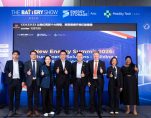
HONG KONG SAR – Media OutReach Newswire – 13 March 2026 – Centre of Advanced Power and Autonomous Systems (APAS), under the Hong Kong Productivity Council (HKPC),made its debut at The Battery Show Asia held from 10 to 12 March. During the exhibition, APAS set up a dedicated showcase area to present eight innovative battery technology solutions featuring high safety standards and intelligent capabilities for the first time. In parallel, APAS hosted the second edition of the New Energy Summit during the exhibition. The summit brought together five industry experts and scholars from Hong Kong, Singapore, Thailand, India and Switzerland to deliver speeches on various topics related to new energy and energy storage. Speakers shared the latest industry developments and application trends, fostering international technology exchange and collaboration.

During the exhibition, APAS hosted the second New Energy Summit, inviting industry experts and scholars from Hong Kong, Singapore, Thailand, India and Switzerland to speak and share the latest technological developments and application trends in the fields of new energy and advanced materials.

Mr Yonghai DU, Chief Innovation Officer of HKPC and General Manager of APAS, said, “In line with the strategic priorities set out in the outline of the 15th Five-Year Plan for emerging and future industries such as new energy, advanced energy storage and hydrogen energy, energy technologies are entering an unprecedented period of growth. The outline also emphasise the pursuit of smart, green, and integrated development of industry, injecting long-term momentum for the new energy development. For many years, HKPC has been committed to market-led technology R&D. APAS focuses on areas including new energy technologies, green transportation, smart mobility, intelligent systems and emerging applications, actively translating research outcomes into market-ready solutions to help industries enhance technological capabilities and industrial value.”

He added, “Through this international platform, we hope to strengthen our collaboration with enterprises and research institutions from around the world. Hong Kong can play a more proactive role as a connector between Chinese Mainland and the global market in the development of innovation, international standards and the practical application of new energy technologies, thereby enhancing the city’s global competitiveness in the new energy industry. Looking ahead, APAS will continue to focus on research and practical applications in new energy and intelligent systems, while advancing technological innovation and cross-regional collaboration to support both the nation and Hong Kong in fostering emerging industries and future industries.”

First Participation in The Battery Show Asia, Highlighting Battery Technology Achievements

The Battery Show Asia brings together more than 20,000 industry representatives from Chinese Mainland, Japan, Korea, Southeast Asia, India, Europe and the United States, including policymakers, technology innovators, engineers, manufacturers and industry experts. Covering battery manufacturing, energy storage solutions and new energy transportation industries, the exhibition serves as an international platform integrating technology showcase, industry exchange and business collaboration.

In its first participation in the exhibition, APAS showcased its research strengths in new energy technologies and emerging applications by presenting a range of innovative battery technology solutions. The showcase aims to contribute to the development of the battery industry while providing an important platform for Hong Kong to connect with global technologies and markets, facilitating cross-regional exchange and collaboration.

APAS set up a dedicated exhibition area to present several research outcomes developed in collaboration with industry partners, including:

  • Battery Cell Technologies:
    • High-performance Sodium-ion Battery: Using stable poly-anionic phosphate cathode, the battery enables rapid storage and release of sodium-ions while offering high safety and cost efficiency. It is suitable for applications such as low-speed electric vehicles, power batteries and large-scale energy storage. Looking ahead, APAS will collaborate with industry partners to establish large-scale production capabilities for high-performance sodium-ion battery, further optimising its performance and cost-effectiveness while exploring deployment in low-speed electric vehicles and utility-scale energy storage systems.
  • Battery Systems and Solutions:
    • Explosion-Proof High-Energy Battery Systems:This solution features proprietary safety technology that prevents thermal runaway, delivering reliable power in the most challenging environments, engineered for demanding marine and portable power applications. APAS will assist partners in optimising battery module design and thermal management systems to enhance product performance and align R&D processes with industry standards. This will support partners in establishing manufacturing facilities in Hong Kong and expanding into overseas markets.
    • Yacht Battery System: The system integrates advanced solid-state battery technology with an intelligent Battery Management System (BMS) to eliminate risks associated with traditional liquid electrolytes, including leakage, corrosion and thermal runaway. It is specifically designed to withstand the high-humidity, high-vibration and salt-spray conditions inherent to open-water yacht operations. APAS is currently supporting partners in obtaining international battery standard certifications to facilitate entry into the global market.

These solutions feature high safety standards, intelligent capabilities, and flexible applications. They support a wide range of sectors, including electric transportation and smart mobility, marine and industrial applications, specialised equipment, aerospace and high-end manufacturing, medical devices, consumer electronics, home assistive equipment and portable energy storage for travel.

Hosting New Energy Summit to Jointly Build a Sustainable Future

During the exhibition, APAS also hosted the second New Energy Summit, which brought together industry leaders and academic experts from Hong Kong, Singapore, Thailand, India and Switzerland. The summit focused on key topics related to new energy development and applications, providing a platform for speakers to share insights and engage in discussions with industry professionals in attendance.

The summit focused on two key themes — new energy and advanced materials — bringing together global experts to explore technological development and industrial applications. In the new energy sector, a representative from The Hong Kong and China Gas Company Limited introduced innovative hydrogen energy technologies and their potential applications in promoting clean energy development in Hong Kong. Representatives from energy technology companies and alliances in Switzerland, India and Thailand shared the latest trends and practical applications in energy storage technologies, as well as the integration of renewable energy with smart infrastructure. In the field of advanced materials, a scholar from the Department of Materials Science and Engineering at the National University of Singapore highlighted the critical role of nanotechnology in energy and sustainable development, offering insights into the future landscape of sustainable new energy.

Through this cross-regional and cross-industry platform, APAS aims to promote international technology exchange and collaboration, accelerate the application of new energy technologies and drive industry transformation, contributing to a more resilient and sustainable future energy ecosystem.

Advancing Technologies onto the Global Stage, Reinforcing Hong Kong’s Connectivity Advantages

HKPC actively participates in various international exhibitions and industry exchange activities to showcase innovative solutions co-developed with industry partners. Leveraging Hong Kong as a platform, HKPC supports enterprises in expanding into international markets and advancing cutting-edge technologies and standards worldwide.

Through international exhibitions and collaboration initiatives, HKPC further strengthens Hong Kong’s role as an important connector between Chinese Mainland and the world. In line with the Government’s 2026-27 Budget to attract large-scale international exhibitions to Hong Kong and promote the city’s exhibition brand globally, HKPC will continue to participate in international exhibitions and foster industry exchanges to drive innovation showcase and collaboration.

Hashtag: #APAS

The issuer is solely responsible for the content of this announcement.

About Centre of Advanced Power and Autonomous Systems (APAS)

Centre of Advanced Power and Autonomous Systems (APAS) (formerly Automotive Platforms and Application Systems R&D Centre) was established in 2006 and is fully integrated as a business division under HKPC on 1 April 2025. APAS continues to undertake market-led R&D programmes spanning green transportation, smart mobility, intelligent systems and emerging applications, as well as commercialises R&D results in collaboration with industry, universities and technology institutes to enhance the competitiveness of Hong Kong’s automotive and other transportation sectors in new energy and smart driving.

About Hong Kong Productivity Council

The Hong Kong Productivity Council (HKPC) is a statutory body established in 1967, dedicated to enhancing the productivity and competitiveness of Hong Kong enterprises through world-class applied R&D, innovative technology services, and integrated manufacturing solutions. As a market-oriented, international R&D organisation, HKPC leverages its deep expertise and extensive industry experience in key areas such as AI, advanced manufacturing, life and health technology, green technology and new energy to drive new industrialisation and support the growth of emerging and future industries.

HKPC focuses on addressing businesses challenges and industrial technology needs, promoting the full integration between technological and industrial innovation. Through technology transfer, product innovation, intellectual property protection and commercialisation of R&D outcomes, the Council fosters collaboration with the local business community as well as top global R&D institutions, delivering added value to industries and advancing the development of new productive forces. HKPC’s world-class R&D achievements have been widely recognised over the years, winning an array of local and overseas accolades, reinforcing Hong Kong’s role as an international innovation and technology centre and a smart city.

To help enterprises capitalise on Hong Kong’s strengths in international connectivity to expand into global markets, HKPC offers comprehensive overseas expansion services tailored to critical areas including product development, technology, manufacturing, and management, enabling businesses to successfully go global from Hong Kong.

HKPC is also committed to providing timely and practical support to SMEs and startups with timely and practical, assisting them in accessing Government funding programmes. Through its FutureSkills training initiatives, HKPC helps both industry and academia stay ahead in latest digital and STEM technologies, nurturing a future-ready talent pool for Hong Kong.

For more information, please visit HKPC’s website: .

Pressure on cooking gas supplies has pushed households and businesses across the country toward more polluting fuels, including kerosene, biomass and fuel oil, highlighting the vulnerability of energy supply chains during geopolitical upheaval.

Authorities have authorised the wider use of alternative fuels to ease the strain on liquefied petroleum gas and natural gas networks after disruptions to shipments from West Asia tightened availability and drove up prices. The shift marks a temporary reversal of a decade-long policy drive aimed at replacing traditional fuels such as coal, wood and kerosene with cleaner LPG and piped gas.

Officials say the measures are designed to shield households from the worst effects of the supply squeeze while allowing industries and commercial establishments to adapt by switching to alternative fuels. Hospitality businesses, restaurants and small manufacturers have been among the first to face curbs on LPG allocations as authorities prioritise residential supply. Environmental regulators have advised state pollution control boards to permit the temporary use of biomass, kerosene, refuse-derived fuel pellets and coal in certain sectors to maintain operations during the shortage.

The supply stress is linked to the conflict in West Asia, which has disrupted energy shipments through the Strait of Hormuz, a crucial corridor for crude oil, liquefied petroleum gas and liquefied natural gas moving from the Gulf to Asian markets. The country imports a large share of its LPG needs and has limited strategic reserves of the fuel, leaving the domestic market exposed to sudden supply shocks and price spikes when global trade routes are interrupted.

Government agencies have sought to reassure consumers that domestic cooking gas deliveries remain stable even as authorities adopt contingency measures. Emergency powers have been invoked to instruct refiners to maximise LPG production, diverting propane and butane toward household cooking fuel and away from petrochemical uses. Oil marketing companies have also tightened commercial sales and redirected supplies to residential consumers, a move affecting hotels, restaurants and other energy-intensive sectors.

As part of the response, officials have increased allocations of kerosene to states through the public distribution system to ensure access for households that depend on subsidised fuels. Additional supplies of the product are being released to meet growing demand in areas where LPG refills have become harder to secure.

Energy analysts say the sudden return to older fuels underscores the complexity of managing the transition to cleaner energy sources in a country with rapidly rising consumption. Over the past decade, policies promoting LPG connections for low-income households helped drive a significant decline in the use of biomass and kerosene for cooking, improving public health outcomes and reducing indoor air pollution. Programmes designed to expand LPG access reached tens of millions of homes and sharply increased the penetration of modern cooking fuels in rural regions.

Yet the current disruption reveals how heavily the system relies on global supply chains. Nearly two-thirds of the country’s LPG consumption is met through imports, with a substantial portion arriving from Gulf producers. When shipments are delayed or rerouted, domestic supply can tighten quickly, forcing policymakers to intervene to stabilise markets and protect vulnerable consumers.

Industry groups warn that sustained disruptions could place additional strain on manufacturing and services, particularly sectors that rely heavily on natural gas or LPG for process heat. Fertiliser plants, petrochemical complexes and small industrial units have already faced adjustments to gas allocations, and some facilities have reduced operations as fuel availability fluctuates.

Energy companies have responded by diversifying import sources in an effort to offset supply disruptions from the Gulf. Cargoes are being sourced from producers in North America, Europe and other regions as traders seek alternative routes and suppliers. This diversification strategy is intended to reduce dependence on any single supply corridor and cushion the domestic market from geopolitical shocks.

At the same time, officials are urging consumers and businesses to conserve fuel where possible and avoid panic buying. Authorities have intensified monitoring of fuel distribution channels to prevent hoarding and black-market sales, which can worsen shortages and inflate prices during periods of uncertainty.

Environmental experts note that the temporary return to dirtier fuels may carry consequences for air quality and emissions if prolonged. Burning kerosene, coal and biomass releases higher levels of particulate matter and greenhouse gases compared with LPG, potentially undermining progress made through clean cooking initiatives.

Policy planners therefore face a delicate balancing act: ensuring reliable energy supplies for households and industry while maintaining momentum toward cleaner fuels and reduced emissions. The current crisis has renewed debate among energy economists over the need for larger strategic reserves of LPG and natural gas, as well as expanded domestic production and storage capacity to cushion future shocks.

By T.N. Ashok NEW YORK: Let’s be blunt about what’s actually happening in the current no holds barred war between Iran and US-Israel combine. The United States and Israel have been bombing Iran for thirteen straight days. Cruise missiles, precision strikes, relentless sorties. The kind of firepower that flattened cities in Iraq within weeks and […]

The article After 13 Days Of Iran War, Trump And Netanyahu Are Learning Bitter Lesson appeared first on Latest India news, analysis and reports on Newspack by India Press Agency).

  • Strategic Investment of S$3-5 billion in Singapore to advance AI-ready data centre developments, supporting over 2 GW of AI-ready capacity globally, and driving technological innovation with international ecosystem partners.
  • First-mover advantage as one of Asia Pacific’s top three hyperscale data centre developers, with proven track record delivering large-scale campus developments in Malaysia, Thailand and India, supporting regional AI and cloud demand.
  • Pioneering sustainable energy solutions, including Singapore’s first floating hydrogen power generation model leveraging the nation’s strengths in maritime transport, port infrastructure and global energy supply chains and research into nuclear energy as a future clean power source for data centres.
  • Building an integrated innovation ecosystem in Singapore through partnerships with universities, research institutions and global technology companies, while supporting job creation and talent development initiatives for around 3,000 students and professionals.

SINGAPORE – Media OutReach Newswire – 12 March 2026 – Bridge Data Centres (BDC), a Singapore-headquartered digital infrastructure platform backed by Bain Capital, has announced ambitious plans to invest S$3-5 billion in Singapore to advance next-generation digital infrastructure and strengthen the country’s position as a leading AI and cloud hub in Asia Pacific.

BDC had announced its new strategic brand identity in early 2026 that reflects the Company’s position of being a leading hyperscale and AI-infrastructure builder with a growing network of mega-campus developments in Asia Pacific. With close to a decade of experience developing high quality data centres, BDC’s new brand identity reflects BDC’s reputation as platform built on disciplined execution, certainty of delivery, and the ability to scale with customers.

As AI and high-density workloads accelerate across Asia Pacific, customers are looking for partners who can offer world-class capabilities and local agility, provide bespoke solutions at scale, and deliver and operate with a proven track record.

With Singapore serving as its global headquarters, BDC is uniquely positioned to support hyperscale customers and global technology companies seeking high-performance, sustainable and scalable data centre platforms across Asia Pacific, while enabling global technology companies to establish and expand their presence in Singapore as they develop AI and digital capabilities in the region.

Over the past decade, BDC has established itself as one of Asia Pacific’s leading digital infrastructure developers and operators. The Company currently operates and develops hyperscale campuses across Malaysia, Thailand and India.

Building on strong relationships with global hyperscale customers and ecosystem partners, BDC is on track to expand its regional capacity to approximately 2 GW by 2030.

By deepening its investments in Singapore, BDC aims to support customers seeking world-class digital infrastructure expertise, strong technology partnerships and integrated energy solutions that enable the sustainable growth of AI workloads.

First-mover advantage

BDC is among the first data centre developers to foray into Malaysia, where the Company has several large-scale data centre campuses – both operational and under development.

BDC’s flagship MY06 campus is the Company’s first project in Johor, as well as the state’s first hyperscale data centre development. In addition, BDC is the first data centre developer in Southeast Asia to adopt a build-to-suit (BTS) model for hyperscale data centre construction. BDC was also among the first hyperscale operators in the region to deploy advanced liquid cooling technologies at scale, including cold plate liquid cooling, to support high-density and AI-driven workloads. BDC’s suite of sustainability initiatives at MY06 enabled the facility to achieve an annualised Power Usage Effectiveness (PUE) of below 1.2.

BDC is also the first in Southeast Asia to incorporate Prefabricated, Prefinished Volumetric Construction (PPVC) construction, an innovative method that assembles large building sections off site. This enabled BDC to complete MY06 within eight months, which is 40 per cent faster than traditional methods, while reducing on-site dust, waste and noise. This strategy is one of BDC’s key competitive advantages to support the growing needs of hyperscale customers in the region, including Singapore, who need to rapidly scale to meet increasing demand for more capacity to power AI-workloads.

BDC has built Malaysia’s first large-scale Water Treatment Plant (WTP) to treat effluent and convert it into high grade effluent water to cool its upcoming 400MW campus in Ulu Tiram, Johor. The WTP applies advanced Membrane Bioreactor (MBR) and Reverse Osmosis (RO) technologies to deliver superior water recovery and quality. Since commencing operations in 2025, the WTP has been significantly reducing reliance on potable water. It further strengthens the long-term resilience of BDC’s operations and supports Johor’s broader environmental agenda.

The WTP has also attracted interest from regional public agencies. In 2025, BDC hosted a technical visit by representatives from PUB, Singapore’s National Water Agency, who were presented with an overview of the plant’s design and its use of advanced membrane technologies for sustainable water reuse in data centre operations.

BDC’s MY-06 Campus (Building 1) has achieved Singapore’s BCA Green Mark Platinum Award granted under the BCA-IMDA Green Mark International for Data Centres 2024 (GMDC: 2024) framework. The BCA Green Mark Award recognises developers, building owners and individuals who have made outstanding achievements in environmental sustainability in the built environment. BDC is the first data centre operator to achieve this recognition for a facility based outside of Singapore. Beyond project certification, BDC has also signed a Memorandum of Understanding with BCA International (BCAI) to support the international adoption of Singapore’s Green Mark standards in global data centre developments. Through this partnership, BDC will promote Singapore’s sustainable building standards globally while reinforcing the country’s position as a leading AI and green digital infrastructure hub in the region.

These capabilities are aligned with Singapore’s Green Data Centre (DC) Roadmap, which emphasises energy efficiency, sustainable resource use and the integration of green energy to support the growth of digital infrastructure. BDC’s experience in delivering high-efficiency campuses positions it well to contribute to these objectives through practical, deployable solutions.

Pioneering energy solutions

As AI workloads drive the rapid expansion of digital infrastructure, energy resilience, data security and sustainability are becoming increasingly important. BDC is advancing a range of initiatives to explore alternative energy pathways and strengthen long-term power strategies.

A key collaboration is with Concord New Energy (CNE), where the partners are jointly developing Singapore’s first floating hydrogen power generation solution tailored for next-generation AI digital infrastructure, marking a significant milestone in advancing low-carbon energy pathways for the data centre sector.

BDC and CNE will also collaborate with Nanyang Technological University (NTU) to support the development of Singapore’s hydrogen ecosystem, accelerating research, engineering and the deployment of scalable clean energy technologies for digital infrastructure applications.

In addition, BDC is working with Singapore’s Agency for Science, Technology and Research Institute of High Performance Computing (A*STAR IHPC) and HY to evaluate the potential of nuclear energy as a long-term clean power source for data centres.

BDC’s alliance with A*STAR IHPC and HY will leverage advanced modelling and engineering expertise to explore innovative low-carbon energy pathways that will support Singapore’s sustainable digital growth while reinforcing the nation’s position as a trusted global technology hub.

BDC has also established partnerships with global leaders in energy and energy storage technologies, including CATL, EcoCeres, SK Innovation. Through these collaborations, the partners will jointly explore the establishment of innovation and research platforms to advance the development and pilot deployment of clean energy solutions such as hydrogen and biomass energy, as well as next-generation energy storage technologies designed for tropical climates. These initiatives aim to enhance thermal management, improve safety performance and increase the power density of data centre energy storage systems.

These collaborations and pilot initiatives will also contribute to talent development and workforce capability building in Singapore’s digital infrastructure and energy sectors. Through joint research programmes, technology pilots and knowledge exchange with universities, research institutions and industry partners, BDC aims to support the development of specialised expertise in areas such as advanced energy systems, sustainable data centre design, and next-generation cooling and energy storage technologies.

The initiatives are also expected to create high-value job opportunities in Singapore, spanning engineering, energy systems research, digital infrastructure operations and advanced technology development. By nurturing local talent and strengthening cross-disciplinary capabilities, these efforts will help build a robust talent pipeline to support Singapore’s growing AI and digital infrastructure ecosystem.

These partnerships represent a strategic step in BDC’s long-term roadmap to diversify power sourcing pathways, enhance energy security, and future-proof its Singapore data centre portfolio amid evolving grid constraints and decarbonisation dynamics. They also reinforce Singapore’s position as a regional hub for AI-ready digital infrastructure, while supporting the nation’s broader ambitions in sustainable energy innovation and green economic growth. Furthermore, these advancements accelerate Singapore’s ambition to achieve its net zero emissions goal by 2050.

Advancing technology and ecosystem growth

BDC is also pushing the envelope in innovative and sustainable cooling solutions through collaborations with ecosystem technology partners such as Vertiv, Terahop and Teracule, which are subsidiaries of Zhongji Innolight, as well as Delta Electronics and Supermicro.

Many of these partners are established leaders in data centre cooling, power systems and high-performance computing infrastructure, and are active participants in the broader AI infrastructure ecosystem, working closely with leading chipmakers to support next-generation compute environments.

Through its collaboration with Teracule and Terahop, the subsidiaries of Zhongji Innolight, BDC is exploring opportunities to jointly develop next-generation liquid cooling modules and high-performance optical connectivity solutions tailored for AI data centre environments. By combining Innolight’s expertise in optical modules and high-speed interconnect technologies with BDC’s experience in hyperscale data centre design and operations, the partners aim to advance integrated solutions that enhance thermal efficiency, data transmission performance and system reliability for high-density AI workloads.

The collaboration will also explore the establishment of joint research and development initiatives in Singapore, bringing together industry, academia and research institutions to support innovation in AI infrastructure technologies. Through this industry–academia-research collaboration model, the partners aim to accelerate the development and commercialisation of advanced cooling and connectivity technologies while contributing to Singapore’s broader push to strengthen research, talent development and innovation within the digital infrastructure ecosystem.

Together, these alliances focus on the development of advanced liquid cooling architectures, high-density GPU cooling solutions, and energy-optimised HVAC systems designed to support increasingly compute-intensive workloads. These technologies are critical in enabling the efficient operation of AI infrastructure, particularly as rack densities and thermal loads continue to rise in next-generation data centre environments.

Driving regional connectivity

As a Singapore-headquartered digital infrastructure platform, BDC continues to strengthen Singapore’s position as a regional hub for digital infrastructure and AI-driven innovation. With its highly developed connectivity ecosystem, robust regulatory environment and strong international network links, Singapore plays a central role in enabling the growth of the digital economy across Asia Pacific.

In this context, Singapore serves as one of the primary regional hubs, supporting high-value and latency-sensitive digital services such as edge computing deployments, international data traffic management and regional digital service platforms.

To support the burgeoning demand for AI and cloud computing across the region, complementary infrastructure resources across Asia Pacific can help provide additional capacity for compute-intensive workloads, including AI inference, machine learning and large-scale data processing. This cross-border model enables Singapore to remain the connectivity and innovation anchor of the ASEAN digital ecosystem, while regional infrastructure supports the scaling of digital capacity.

BDC’s collaborations with ecosystem partners, including major telecommunications companies and global technology firms, also help expand connectivity networks beyond Asia Pacific, further reinforcing Singapore’s role as a key regional interconnection hub.

One such ecosystem partner is Zenlayer, a leading global edge cloud and connectivity provider with a well-established customer base across Asia Pacific, North America and Europe. Through this partnership, BDC continues to strengthen its regional and international network connectivity anchored in Singapore.

This expanded network reach supports low-latency cross-border digital infrastructure integration, enabling hyperscalers to scale efficiently across markets while leveraging Singapore as one of the core regional gateways for digital services.

Catalysing Singapore’s AI-driven digital growth

Looking ahead, BDC will continue to leverage its operating model as a glocal platform, combining regional scale with deep local execution capabilities to expand across Asia Pacific. The Company’s strategy focuses on connecting key economic corridors, developing high-density, utility-integrated campuses, and working with ecosystem partners to align digital infrastructure growth with evolving energy pathways.

Anchored in Singapore as its strategic regional hub, BDC’s investments and partnerships contribute to the development of a robust digital infrastructure ecosystem that supports AI-driven workloads and cross-border connectivity.

BDC is also adopting an industry–academia–research collaboration mode, bringing together industry partners, universities and research institutes to accelerate innovation in AI infrastructure, advanced cooling technologies and sustainable energy systems. This integrated approach supports the development of new technologies while nurturing local talent and strengthening Singapore’s innovation ecosystem.

BDC’s initiatives in hydrogen, low-carbon power solutions and energy storage further contribute to the growth of Singapore’s green economy, catalysing investment in sustainable energy infrastructure and support the transition towards lower-carbon digital operations.

BDC’s efforts support the creation of high-value jobs and the development of specialised technical expertise in Singapore, spanning engineering, digital infrastructure and advanced energy systems. In addition, BDC will work with universities, research institutes and industry partners to support talent development initiatives, including internships, training programmes and collaborative research opportunities, contributing to the development of a strong local talent pipeline for Singapore’s AI and digital infrastructure ecosystem.

Collectively, these contributions reinforce Singapore’s position as a leading AI and digital infrastructure hub in Asia Pacific, underpinned by resilient, efficient and sustainable infrastructure.
Hashtag: #BridgeDataCentres #Singapore

The issuer is solely responsible for the content of this announcement.

Bridge Data Centres

Bridge Data Centres (BDC) is a Singapore-headquartered hyperscale data centre provider delivering high-performance, next-ready infrastructure across Asia Pacific. Backed by Bain Capital, BDC operates in Malaysia, Thailand, India, and other high-growth markets, with the capability to deliver up to 3 gigawatts (GW) of capacity globally by 2030 through partnerships with sister platforms in Europe and the United States.


Achieving the highest rating for LEED, WELL, and LOTUS; Bringing into society architecture that integrates environmental performance and human wellbeing in response to Vietnam’s growing air quality consciousness

HCMC, VIETNAM – Media OutReach Newswire – 12 March 2026 – Nikken Sekkei Ltd announces that Daikin Air Tower, Daikin’s new head office building in Ho Chi Minh City, Vietnam conceptualized and designed by Nikken Sekkei, achieved the highest Platinum rating for LEED, the global environmental certification, and WELL, the global health certification, as well as LOTUS, Vietnam’s national environmental certification. This is the world’s first building to attain Platinum across all three certification systems.

Daikin Air Tower, Daikin’s new head office building in Vietnam (Photo provided by Shimizu Corporation)

As Ho Chi Minh City undergoes rapid economic growth, awareness is rising around air quality challenges driven by particulate matter (PM) including PM2.5 generated by increasing traffic and construction projects. In such a situation, protecting the health of people working in urban areas and delivering a safe, comfortable indoor environment has become one of the most critical themes in architectural design in Vietnam.

To address these challenges, this project has achieved the goal of “responding to Vietnam’s air quality with Daikin’s technology.” Adopting Daikin’s advanced air conditioning technology throughout the building, the project achieves both enhanced indoor quality and significant energy savings, realized through purposeful architectural approaches such as heat-insulating glass facades and reuse of rainwater, as well as naturally lit workspaces and clean indoor air systems. The building also incorporates a real-time monitoring system for tracking both energy consumption and indoor environmental quality. By pursuing a sustainable and comfortable office environment through both hardware and software solutions, the project achieved the highest Platinum rating across three certifications: LEED (v4 BD+C – Building Design and Construction), an international environmental certification for buildings and cities; WELL (v2 pilot), an international certification focused on human health and wellbeing; and LOTUS (New Construction v3), an environmental certification by the Vietnam Green Building Council.

For details, please visit:
https://www.nikken.jp/en/news/press_release/2026_03_12.html

Hashtag: #NikkenSekkei

The issuer is solely responsible for the content of this announcement.

About Nikken Sekkei

Nikken Sekkei is a professional service firm engaged in architectural and civil engineering design and supervision, urban design, as well as related research, planning, and consulting services.

URL:

Arabian Post Staff -Dubai Apple is preparing an updated generation of iMac desktops expected to arrive later in 2026, with industry analysts pointing to new colour options and performance upgrades as the company continues to expand its Mac product strategy amid rising competition in personal computing. The anticipated refresh would build on the redesign introduced with Apple’s 24-inch iMac line powered by its custom silicon processors. Supply-chain […]

VIENNA, AUSTRIA – Media OutReach Newswire – 11 March 2026 – Easy to transport, featuring compact size and high-quality images, developed to revolutionise and facilitate the work of interventional radiologists all around the world. Esaote launched the new MyLab™ E85 GTS, the new cart-based ultrasound system that Esaote, a leading Italian company in medical imaging innovation, presented at the European Congress of Radiology (ECR), held in Vienna from 4th to 8th March.

The machine is based on two new technologies, combined for the first time: Virtual Navigator and Ablation Confirmation. The former enables real-time multimodality image fusion for accurate navigation, reinforcing the role of ultrasound as a valuable aid to computed tomography (CT)-guided interventional procedures. The second analyses and combines pre- and post-treatment CT and multiparametric MRI data with real-time ultrasound imaging automatically to assess the technical success of thermal ablation procedures. The combination of both technologies aims at providing interventional radiologists with accurate diagnosis, excellent needle visualisation and improved interventional procedures.

Equipped with a touch-sensitive keyboard that is easy to clean, MyLab™ E85 GTS represents a further evolution in the devices now available to specialists, offering their patients even greater precision in minimally invasive therapeutic and diagnostic procedures. The combination of Virtual Navigator and Ablation Confirmation guarantees extremely high performance in biopsies, aspirations and drainages. The visualization of the needle is excellent and contributes to the confidence of the physician and the precision of the operation performed.

“Interventional procedures can be done under CT guidance, but allying them with ultrasound systems, characterized by non-radiation procedures and real time-imaging, offers invaluable advantages: with a single click, the fusion between CT and US images is operational”, explained Marta Daniel, Guided Therapy Product and Clinical Solutions Manager at Esaote, on the sidelines of the launch of the new ultrasound scanner at the European Congress of Radiology in Vienna. “By maximising the workflow of focal ablation, MyLab™ E85 GTS offers the first “integrated” Ablation Confirmation Software in addition to fusion imaging. The software analyses pre- and post-ablation CT scans and provides feedback on the effectiveness of the procedure, maintaining real-time fused images to navigate the target area, both to confirm treatment and to further ablate any residual areas identified. This is a revolutionary breakthrough that ensures confidence and precision”, she concluded.

Esaote developed the new MyLab™ E85 GTS with today’s interventional radiology needs in mind. “Working with young physicians all around the world, we identified their challenges and understood their specific requests, pushing us to go beyond the conventional functions of an ultrasound system”, said Laurent Rapon, Global Business Development Manager GTS US. “The E85 GTS is our first response to this commitment, proposing a sealed keyboard design and integrating tailor-made software to further ease complex interventional procedures”.

Hashtag: #Esaote

The issuer is solely responsible for the content of this announcement.

New Singapore facility integrates flexible and rigid sterile barrier packaging systems development under one roof to simplify and accelerate package design and speed to market

SINGAPORE – Media OutReach Newswire – 11 March 2026 – Nelipak® Corporation (“Nelipak”), a leading global provider of healthcare packaging solutions, today announced the opening of its new Asia-Pacific Technical Development Center located in Singapore. This new facility establishes an integrated technical development capability in the Asia-Pacific region combining Nelipak’s flexible and rigid sterile barrier packaging design and innovation capabilities under one roof.

(L-R) Roger Prevot, Chairman, Nelipak, Aldin Velic, Vice President and General Manager, Asia-Pacific, Nelipak, Soo Haw Yun, Vice President, Global Enterprises, Singapore Economic Development Board, Pat Chambliss, Chief Executive Officer, Nelipak, Sean Patel, Vice President, Commercial Development, Nelipak

This investment marks a major milestone in Nelipak’s global growth strategy and establishes a permanent technical and innovation presence in one of the world’s fastest-growing medical device innovation and manufacturing hubs. Its strategic location in Singapore offers a launchpad to Asia-Pacific’s medtech and biomedical industries, owing to the country’s strong global connectivity and growing healthcare manufacturing and research capabilities.

The center will enable Nelipak to support customers across Southeast Asia, China, Japan, Korea, India, Australia, and New Zealand. It combines personalized real-time collaboration with Nelipak’s global manufacturing and innovation network to ensure that packaging solutions developed in Asia-Pacific are globally scalable and production-ready.

Designed to enhance how medical device and pharmaceutical companies develop and validate sterile packaging systems, the Asia-Pacific Technical Development Center enables customers to arrive with a medical device concept and leave with a validation ready packaging design and physical samples. For device manufacturers, the benefit is immediate and tangible. Customers can engage directly with Nelipak’s technical experts to co-develop and validate bespoke sterile barrier solutions, streamline iteration cycles and regulatory processes, and accelerate time to market.

The center supports the development of Nelipak’s comprehensive range of custom designed sterile-barrier packaging solutions which integrate both flexible and rigid formats. Its capabilities are also designed to support ISO 11607-compliant development, risk mitigation, and accelerated commercialization for Class I through Class III medical and pharmaceutical devices.

“Asia-Pacific is an important and growing region for global medical device innovation, manufacturing, and consumption,” said Pat Chambliss, Chief Executive Officer of Nelipak. “Our new Asia-Pacific Technical Development Center located in Singapore represents a foundational investment that supports our global customer base while anchoring Nelipak firmly in the Asia-Pacific region. It reflects our ongoing commitment to ensuring customer access to our broad range of flexible and rigid sterile barrier packaging solutions which are widely used globally and have been used extensively in the region for over 30 years.”

“Medical device customers are under enormous pressure to move faster without compromising safety, compliance, or performance,” said Aldin Velic, Vice President and General Manager, Asia-Pacific, Nelipak. “Our goal with this center is simple. Customers walk in with a device and a packaging challenge, and they leave with an engineered packaging solution, prototype samples in hand, and a clear path to development, validation and commercialization. We are replacing distance, delay, and fragmentation with expertise, speed, and collaboration.”

The Asia-Pacific Technical Development Center is equipped to support early-stage concept development, line extensions, material transitions, and risk mitigation projects, including changes driven by sterilization modality, regulatory requirements, or supply chain resilience. By unifying rigid and flexible packaging development in a single location, Nelipak enables holistic and optimized sterile barrier system design rather than isolated and fragmented component development.

“We congratulate Nelipak on the opening of its first Technical Development Center in Asia-Pacific. The new center will enable Nelipak to work closely with pharmaceutical and medical device companies in the region to accelerate product development and launches. The investment is a welcome addition to Singapore’s growing biomedical sciences ecosystem and strengthens our role as a regional hub for medtech innovation,” said Soo Haw Yun, Vice President, Global Enterprises, Singapore Economic Development Board.

This investment builds on Nelipak’s long-standing commitment to innovation, quality, and customer collaboration and reinforces the company’s broader expansion across Asia-Pacific. It also reflects growing demand from global medical device manufacturers for regionally based technical support that meets the same standards of rigor, speed, and expertise available in established Western markets.

Hashtag: #Nelipak #Healthcare #HealthcarePackaging #MedicalDevices #Pharma


The issuer is solely responsible for the content of this announcement.

About Nelipak®

Nelipak® is a leading global provider of healthcare packaging solutions including rigid and flexible sterile-barrier packaging for medical device, diagnostic, pharmaceutical drug delivery, and other demanding applications. To support the development of innovative sustainable packaging solutions, Nelipak® offers in-house design, prototyping, tooling, simulation, validation, laboratory, and other value-added services as well as a line of tray sealing equipment. With over 1,600 employees, Nelipak operates at 14 sites globally, including 8 sites in the Americas (USA, Costa Rica, Puerto Rico), 5 sites in Europe (Ireland, Netherlands, UK), and 1 site in Asia (Singapore). Nelipak® is committed to delivering superior quality, service, and customer experience through world-class cleanroom manufacturing. For more information, visit www.nelipak.com.

Follow us on:

LinkedIn:
Twitter:

Engineering group ABB has committed about $75 million to expand manufacturing and research operations across five locations in India, a move aimed at strengthening production for sectors such as renewable energy, metro rail systems and data centres. The investment reflects rising demand for advanced electrification and automation technologies as infrastructure projects accelerate and digital capacity expands across the country.

ABB said the spending will upgrade and enlarge facilities that produce critical components including switchgear, power distribution equipment and industrial automation systems. The programme is also designed to expand research and development capabilities to support innovation in energy efficiency, smart grid technologies and digitalised industrial processes. Executives say the initiative forms part of a broader strategy to align manufacturing capacity with growing infrastructure investment and the rapid expansion of power-intensive industries.

The company’s expansion covers five manufacturing and engineering sites located in Karnataka, Maharashtra and Gujarat. Upgrades will introduce new automated production lines, enhanced testing laboratories and expanded engineering facilities aimed at designing solutions for electrification, transport networks and digital infrastructure. ABB expects the additional capacity to support large-scale projects ranging from metro rail electrification to the growing network of data centres serving cloud computing and artificial intelligence services.

Demand for equipment linked to renewable energy projects has surged as the country accelerates plans to increase solar and wind generation capacity. Grid-integration technologies, power converters and control systems have become essential as utilities manage fluctuating renewable output while maintaining grid stability. ABB’s investment is intended to strengthen its ability to deliver these solutions domestically while also supporting export markets in Asia, the Middle East and Africa.

Metro rail expansion has emerged as another driver for advanced electrification equipment. Urban transport networks in cities such as Bengaluru, Mumbai, Delhi and Hyderabad are undergoing continuous expansion to address congestion and improve mobility. These projects require reliable power distribution systems, signalling integration and energy-efficient traction equipment. ABB’s manufacturing expansion is expected to help supply such components more efficiently while shortening delivery timelines for large infrastructure contracts.

Data centres represent one of the fastest-growing infrastructure segments globally, and the country has become a major destination for cloud and digital-service investments. Technology companies and telecommunications providers are building large facilities to manage the surge in online services, financial technology platforms and artificial intelligence workloads. These facilities require high-capacity electrical systems, uninterrupted power supplies and advanced cooling solutions, areas where ABB has been expanding product development.

Company officials say the investment will also strengthen collaboration between manufacturing units and engineering teams to accelerate product innovation. Expanded research facilities are expected to focus on digital monitoring systems, predictive maintenance tools and power-management technologies designed to improve energy efficiency across industrial operations. Such innovations are increasingly sought by infrastructure operators attempting to reduce energy consumption and operating costs.

Global industrial groups have been increasing investment in advanced manufacturing and engineering capabilities across the country as infrastructure development gathers pace. Government programmes encouraging domestic manufacturing, combined with demand for electrification technologies, have attracted multinational companies seeking to expand local production while integrating global supply chains. ABB has maintained a presence in the market for more than a century and operates multiple technology centres focused on electrification, robotics and automation.

Industry analysts say electrification and digital automation are becoming central to infrastructure planning as cities grow and industries transition towards cleaner energy systems. Equipment that supports smart grids, energy-efficient manufacturing and automated transport networks is expected to see strong demand over the coming decade. Companies able to integrate digital monitoring with hardware solutions are viewed as particularly well positioned in this evolving landscape.

ABB’s strategy places emphasis on combining electrical equipment with digital analytics to monitor power usage and equipment performance in real time. Sensors, connected control systems and artificial intelligence-based monitoring platforms are increasingly embedded within infrastructure networks. Such technologies allow operators to detect equipment failures early, optimise energy consumption and reduce downtime in critical facilities such as metro systems and data centres.

KUALA LUMPUR, MALAYSIA – Media OutReach Newswire – 11 March 2026 – Comfort is set to be a defining theme for Raya 2026, and it extends well beyond the festive outfit. XIXILI is bringing that same ease into the downtime between celebrations, with sleepwear designed for the hours when women can finally catch their breath, rest, and simply be.

XIXILI Raya Sleep Collection

The Reality of the Raya Rush

The lead-up to Raya is a whirlwind of grocery runs, deep cleaning, and late nights in the kitchen. By the time the first open house begins, most women have already put in an incredible amount of effort for their families. The quiet moments in between are not just a break. They are earned.

XIXILI’s pajamas are made for those moments. Easy to move in, soft enough to wear through the night, and the kind of pieces that make coming home feel like something to look forward to. Designed to fit a wide range of body types, every woman can find something that feels as good as it looks.

“Raya is everything. The food, the family, the laughter. And at the end of it all, she deserves to rest just as well as she celebrated,” says Tara Tan, Marketing Director at XIXILI.

Comfort That Carries Through the Season

Raya may bring the occasion, but the shift happening in Malaysian wardrobes goes further than that. Women are increasingly treating sleepwear as a considered part of their self-care, not just something to change into before bed.

“We often talk about the joy of gathering, but we rarely talk about the exhaustion that comes with it,” Tara Tan adds. “Our goal for Raya 2026 is to ensure that when the last guest leaves, every woman has a high-quality piece of loungewear to retreat into. It is about honouring the work she does by giving her the rest she deserves.”

Quality loungewear for the wind-down, the slow morning, and every quiet moment in between has become one of the most considered purchases a woman makes this season.

Made to Be Worn, Not Just Owned

Good sleepwear should not sit tucked away at the back of a drawer. It should be the first thing she reaches for at the end of a long day, worn in and looked forward to. XIXILI’s range is built for exactly that, styles that settle naturally into her routine and carry her well beyond the festive season.

The full sleepwear collection is available online and at XIXILI boutiques nationwide. To shop the range, visit www.xixili-intimates.com.Hashtag: #XIXILI


The issuer is solely responsible for the content of this announcement.

About XIXILI

A homegrown Malaysian brand, XIXILI offers beautiful fashion lingerie and shapewear in Malaysia that prioritises fit and comfort. With an extensive range of bra sizes from A to I and bands 65 to 110cm, XIXILI caters to women of all shapes and sizes. Expert fitters are dedicated to helping each customer find the perfect bra, boosting confidence and enhancing silhouettes.

XIXILI became the first Malaysian lingerie brand to introduce a Try-On in 3D avatar tool, allowing customers to virtually try on XIXILI lingerie using a 3D avatar tailored to their specific body type and measurements. Whether for everyday wear or something special, XIXILI ensures women always look and feel amazing.

HANOI, VIETNAM – Media OutReach Newswire – 10 March 2026 – Amid volatility in global fuel prices, Vingroup has announced the launch of a special “Trade Gas for Electric” program in Vietnam, India, Indonesia, and the Philippines. The program offers an additional 3% discount on VinFast cars and 5% discount on VinFast electric scooters for customers switching from old gasoline vehicles. At the same time, fares for Xanh SM services will be reduced by 10% from March 11 to March 31, 2026, depending on each market.

"Trade Gas for Electric" program in Vietnam, India, Indonesia, and the Philippines

Specifically, in addition to the existing incentives currently available, customers who switch from old gasoline vehicles to new VinFast electric vehicles during the program period will receive an additional 3% discount for cars and 5% discount for scooters. The program will be applied across all four markets: Vietnam, India, Indonesia, and the Philippines.

Fares for Xanh SM services will be reduced by 10% from March 11 to March 31, 2026

In line with VinFast’s pioneering spirit, GSM Green and Smart Mobility Joint Stock Company has also announced an immediate 10% reduction in fares for electric mobility services on the Xanh SM platform in Vietnam and Green SM in Indonesia from March 11 to March 31, 2026. This initiative offers customers a more environmentally-friendly and cost-effective transportation option.

The program may be extended depending on international developments and future fuel price movements.

Ms. Duong Thi Thu Trang, Deputy CEO of Global Sales, VinFast, stated: “The special ‘Trade Gas for Electric’ program launched in March across four key markets is VinFast’s timely response to geopolitical volatility that is affecting socio-economic conditions in many countries around the world. As one of the pioneering manufacturers leading the global electric vehicle revolution, VinFast together with companies in Vingroup’s green ecosystem aims to help reduce the impact of fuel prices on people’s daily lives while also lowering environmental pollution through smarter, more sustainable, and more cost-efficient mobility solutions.”

The special “Trade Gas for Electric” program will be implemented in parallel with and combined with other available incentive programs in each market. Through layered incentives, Vingroup and companies within its ecosystem aim to create favorable conditions for customers to transition quickly to electric vehicles, reduce dependence on gasoline, stabilize daily life, and contribute to building a cleaner and more civilized living environment.

Hashtag: #Vingroup

The issuer is solely responsible for the content of this announcement.

VISHNU RAJA
RYO YAMADA
HITORI GOTOH
IKUYO KITA