News related to
good

Charleston, South Carolina, is known for its rich history, thriving business community, and welcoming neighborhoods. As one of the state’s fastest-growing cities, Charleston is also home to a diverse legal community serving individuals, families, entrepreneurs, and organizations across a wide range of legal matters. Whether you’re navigating a real estate transaction, planning your estate, resolving a family dispute, launching a business, or recovering after an accident, finding […]

By K Raveendran India’s decision to initiate an anti-dumping investigation into cheap steel imports marks more than another defensive trade action. It is a reminder that globalisation, which New Delhi has often invoked when Indian exports face barriers abroad, becomes far more complicated when the pressure arrives at home. The steel case has exposed the […]

The article Steel Exposes Hard Limits Of Much-Vaunted Free Trade Piety appeared first on Latest India news, analysis and reports on Newspack by India Press Agency).

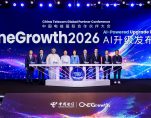
SHANGHAI, CHINA – Media OutReach Newswire – 26 June 2026 – On June 25, 2026, the China Telecom Global Partner Conference convened in Shanghai. Centered on the theme of “OneGrowth 2026: Shared AI Token Era Ahead,” the event brought together leading global telcos, key ecosystem partners, and prominent clients from both domestic and international markets. During the event, the upgraded “OneGrowth Global Cooperation Initiative” was officially launched, and the AI Token Global Service Ecosystem Alliance was inaugurated.

e9d3722a-1b0e-48ba-8c94-ed2ed79e6932.jpg

Global Industry Leaders Convene, Charting a New Chapter for the Intelligent Era

Liu Ying, Executive Vice President of China Telecom, stated in her speech that China Telecom closely align with the high-quality joint construction of the Belt and Road Initiative, promoting the deep integration of mature domestic technological capabilities with global cloud and network resources, and steadily enhancing its international operational strength. Through continuous cultivation, China Telecom has built an AI Token international operation capability system, consolidating the foundation for expanding the global market and deepening ecosystem cooperation. Based on the new stage of the AI Token era, China Telecom is committed to leveraging Token operations as a bond to share the new global computing network, co-create a new paradigm of AI services, jointly govern the new cross-border compliance order, and collectively embrace the new value of the digital intelligence wave.

John Hoffman, CEO of the GSMA, delivered a speech highly recognizing the outstanding contributions made by China Telecom in the collaborative growth of the global digital industry. He stated that, relying on its forward-looking deployment of globalized computing power infrastructure, China Telecom has set a practical benchmark for the intelligent digital transformation of the entire industry. GSMA looks forward to continuously deepening its long-term collaboration with China Telecom, uniting all parties to build unified and general Token service industry standards, enabling advanced AI technologies to land in markets globally.

OneGrowth 2026, Upgraded, Annual Milestones Revisited

At the conference, China Telecom Global (CTG) officially launched the AI-powered and upgraded OneGrowth 2026 Global Cooperation Initiative. This upgrade centers on the three core dimensions of capabilities, applications, and cooperation. Leveraging on the AI Token empowerment system, it accelerates the standardization, commercialization, and global promotion of core AI capabilities.

Looking back at the past year, the key cooperation achievements of the China Telecom OneGrowth blueprint have gradually been put into practice. The “main artery” of the computing power network is smoother, the “2+5+X” global AIDC layout is accelerating, the ALC international submarine cable successfully landed in Hong Kong, and international submarine and terrestrial cables have increased to 185, with a capacity exceeding 304T. The “new engine” of platform capabilities is fully activated; the all-scenario Vision Network platform “OmanEye” officially commenced commercial trial provisioning, the International Seelink Vison Network Platform successfully put into service, and the global traffic platform operation has cumulatively served millions of customers. Four lightweight quantum products, including eSurfing Quantum Secret, took the lead in landing in the Asia-Pacific region. The “experimental field” of industry applications landed at scale; the Satellite Direct-to-PhoneService successfully landed in Hong Kong and Laos, and the global Internet of Vehicles (IoV) “One Card” capability covers more than 230 countries and regions. The “ecosystem” of cloud-intelligence integration continues to prosper, connecting to over 300 mainstream large models via more than 230 global cloud nodes.

United Through Tokens, Cultivared the AI Ecosystem

China Telecom comprehensively implementing the corporate strategy “Cloudification, Digital Transformation, and AI for good” and actively promotes Token-based operations, sincerely inviting global partners to activate the infinite potential of AI Tokens jointly defining a brand-new map for the intelligent era with OneGrowth initiative.

1. Capabilities Fully Upgraded, Building a “Five-in-One” Token Operation System

China Telecom deepens the “Five-in-One” Intelligent Cloud System, builds an “L-shaped” capability layout, and continuously enhances capabilities in compute, platforms, data, models, and applications, externally launching a one-stop comprehensive Token service platform—XINGCHEN TokenHub.

The Xingchen Super Intelligent Agent TeleAgent enables one-click access to mainstream global large models, creating a lightweight and highly efficient AI Token experience for various customers. The platform provides large model access and public cloud cooperation for leading customers in the industry, and providing standard and customized packages for SME customers in subdivided industries, achieving full-chain value management of “Production—Orchestration & Distribution—Application.”

2. Layout of Four AI Sectors, Building a Token Value Community

Building on the comprehensive layout of four core AI business sectors, and simultaneously opening up all platform resources of XINGCHEN TokenHub, differentiated cooperation schemes are launched for each track, joining hands with global partners to build a Token value community.

AI+ New Connectivity:

With cloud-network integration and computing-network unity as its foundation, and relying on intelligent dedicated lines, it achieves one-point cloud access, proximate high-speed connection, and ubiquitous coverage, providing low-latency, highly stable compute-network support for the high-speed flow of Tokens. It can provide partners with full-process services from technology to deployment, realizing intelligent connections that are manageable, controllable, and security-compliant.

AI+ Vision Network:

Jointly building an open and collaborative vision network platform with 30+ global partners. The international visual platform has deployed across multiple sites in Oman, the UAE, and the Asia-Pacific region, boasting over 10 landing scenarios. Driven by the twin engines of “platform + terminal” and “standards + operations”, creating a Token operation gateway to support overseas operators in achieving breakthrough growth and value-driven operations.

AI+ IoT:

Empowered by mature eSIM technology and an AI+ unified management platform, the business covers 230+ countries and regions, accumulating overseas service cases from 30+ leading automotive enterprises. The cooperation model has upgraded to a joint-operation framework, providing DMP platform customization, joint laboratory R&D, AIoT operation upgrades, and automotive industry eco-partnerships to enhance global user experience.

AI+ Digital Life:

Building the core AI entrance for families based on “one all-optical network, one intelligent cloud, and one Better Home.” It empowers externally by leveraging mature domestic experiences of 290 million users of Xiao Yi Guan Jia (Wing Butler) and 580 million ubiquitous smart terminal connections. Centering on overseas market demands, it opens up international cooperation for core products such as the eSurfing Smart Screen and eSurfing Cloud Drive, together with partners explore brand-new business models and empower global smart families.

Alliance Inaugurated, Consolidating the Foundation for Intelligent Upgrades

During the conference, the AI Token Global Service Ecosystem Alliance was officially inaugurated. Co-initiated by leading enterprises in domestic and overseas computing power supply, large model R&D, and vertical industry applications, the alliance is dedicated to unblocking the full-link synergy of AI Tokens from production and scheduling to application and monetization, jointly building an open, interoperable, and value-sharing globalized AI comprehensive service network to provide a solid foundation for the intelligent upgrade of global industries.

Outstanding Partners Honored, Embarking on a New Journey Together

The conference concluded with an awards ceremony. China Telecom presented the OneGrowth Best Innovative Carrier Partner, OneGrowth Best Product Innovative Partner, OneGrowth Best Strategic Partner, and OneGrowth Best Benchmark Partnership to partners who have shown outstanding performance in global cooperation. This accolades recognize partners walking alongside China Telecom, synergizing deeply in industrial layout planning, tackling cutting-edge technologies, and expanding overseas markets, thereby gathering industrial synergy to consolidate the foundation for digital industry development and jointly boosting the global digital intelligent transformation process.

This conference marks the strategic progression of the OneGrowth Global Cooperation Initiative from ecosystem construction to deep cultivation of sub-tracks. China Telecom will continue to leverage its unique advantages of cloud-network integration and broad cross-border coverage, upholding the core cooperation philosophy of “Co-Creation, Sharing, Co-Governance, and Win-Win.” By building a computing power foundation, expanding the cloud-network backbone, innovating the intelligent core, and gathering ecological synergy, it will make AI Tokens the universal value carrier connecting the global intelligent ecosystem, continuously contributing China Telecom’s strength to building a smarter, safer, and more inclusive global digital industry ecosystem.

Hashtag: #ChinaTelecom

The issuer is solely responsible for the content of this announcement.

HONG KONG SAR – Media OutReach Newswire – 26 June 2026 – More than 380 representatives of global enterprises joined a welcome reception yesterday (June 25) for 413 newly arrived or expanded overseas and Chinese Mainland companies in Hong Kong.

During the reception, Invest Hong Kong (InvestHK), the government’s investment promotion agency, announced impressive results for the first half of 2026, revealing that these enterprises are expected to bring in over HK$53 billion (US$6.8 billion) in foreign direct investment and create over 8,600 new jobs for Hong Kong.

Hong Kong SAR's Chief Executive, John Lee (second left); the Secretary for Commerce and Economic Development, Algernon Yau (second right); the Director of the Chief Executive's Office, Carol Yip (first left); and the Director-General of Investment Promotion, Alpha Lau (first right), toast the success of enterprises expanding in Hong Kong at Invest Hong Kong's annual welcome reception.
Hong Kong SAR’s Chief Executive, John Lee (second left); the Secretary for Commerce and Economic Development, Algernon Yau (second right); the Director of the Chief Executive’s Office, Carol Yip (first left); and the Director-General of Investment Promotion, Alpha Lau (first right), toast the success of enterprises expanding in Hong Kong at Invest Hong Kong’s annual welcome reception.

Speaking at the reception, John Lee, Chief Executive of the Hong Kong Special Administrative Region (HKSAR), said Hong Kong is one of the best places in the world to do business, being ranked as the world’s freest economy by the Fraser Institute and the second most competitive economy according to the latest IMD World Competitiveness Yearbook.

“In choosing Hong Kong for your Asian and global business expansion, you share my belief in Hong Kong’s flourishing future,” Mr Lee said. “You have made a wise choice. Hong Kong is one of the world’s best economies to do business in and with.”

Under the “one country, two systems” principle, Hong Kong possesses the distinctive advantages of enjoying strong support from the country (China) and being closely connected to the world. The city offers an open and business-friendly environment, a simple and low tax regime, and a common law system that seamlessly connects with global financial centres.

Austria-based transport and logistics firm Gebrüder Weiss recently upgraded its Hong Kong office to become regional headquarters in East Asia and Oceania. Its Regional Director East Asia/Oceania, Michael Zankel, said of Hong Kong, “The business environment is great, you have a lot of talent around here to employ. It has always been the gateway to the Chinese Mainland but for us it is more a gateway to Asia.”

According to Merwann Younes, Global Head of Hospitality & Lifestyle Channels for Italian company Moleskine, Hong Kong is a “a very dynamic and creative city, which are also the core values for Moleskine as a brand.”

Etienne Dubois, Chief Strategy Officer, Unlimitics, which has developed an AI-powered school simulation game designed for neurodivergent children, said Hong Kong is a good place for start-up entrepreneurs like himself. “It is a very good melting pot for talent and opportunities and for growth,” he said.

image-1.jpeg

Expanding on its first half results for 2026, InvestHK announced that its number of completed projects had increased 9% compared to the same period in 2025, while anticipated direct investment was up 36% and new jobs created rose 6% year-on-year.

In terms of place of origin of the 413 enterprises, 246 came from the Chinese Mainland, followed by Singapore (26), the United States (21), the United Kingdom (18), France (11) and Italy (11).

The top five sectors are innovation and technology (93), financial services and fintech (89), tourism and hospitality (55), transport, logistics and industrials (44), and business and professional services (39).

Looking ahead, Mr Lee said the HKSAR Government was expediting development of the Northern Metropolis, a new economic engine destined to rise as an international I&T and business hub.

“This will unlock abundant opportunities and shape a prosperous future for Hong Kong,” Mr Lee said, adding that the HKSAR Government is creating Hong Kong’s first Five-Year Plan, a strategic blueprint that will focus on long-term economic momentum, advancing technology and improving livelihoods.

Investment promotion results of InvestHK for the first half of 2026 are available at: https://gia.info.gov.hk/general/202606/25/P2026062500366_548202_1_1782386859629.pdf

Hashtag: #hongkong #brandhongkong #asiasworldcity #investhk #business #investment


The issuer is solely responsible for the content of this announcement.

HONG KONG SAR – Media OutReach Newswire – 25 June 2026 – Recently, SCNet.AI (www.scnet.ai) headquartered in Hong Kong has officially launched as a global AI&HPC computing service platform. With an e-commerce-style operational model, the platform redefines how AI for Science (AI4S) computing resources are accessed, enabling researchers worldwide to access AI, supercomputing applications and diverse compute resources as seamlessly as online shopping.

Putting Scientific Research Agents Within Reach — SCNet.AI Accelerates AI4S Innovation Powered by AI & HPC

Simplifying Innovation: From Bioinformatics to Industrial Simulation

SCNet.AI is positioned to bridge supply and demand for computing resources and unify an ecosystem of research software, delivering user-friendly research computing and scientific large model innovation environments for global research institutes, enterprises and independent developers.

SCNet.AI covers three core research scenarios:

  • Life Science & Bioinformatics: Tailored for biopharma firms and universities;
  • Industrial Manufacturing: CFD fluid simulation and FEA finite element analysis for automotive and semiconductor sectors;
  • Physical & Chemical Research: Molecular dynamics simulation for researchers in materials and new energy sectors.

Built around the integrated development philosophy of “data, computing power, models and applications”,SCNet.AI addresses pain points of open-source large models including difficult deployment, high usage costs and complicated adaptation, and provides end-to-end technical support from environment deployment to task tuning, substantially lowering the operational barrier for researchers to access AI4S computing resources.

E-commerce-style Operational Model: Instant Access & Elastic Scheduling

SCNet.AI’s standout innovation lies in its proprietary AI4S application marketplace model. Much like mainstream e-commerce platforms that connect physical goods buyers and sellers, SCNet.AI matches computing power, datasets, research models and industry applications with researchers.

This model delivers three distinct competitive advantages:

  • Instant on-demand access. All software is delivered via SaaS, while research AI agents are deployed under MaaS. Users can run tools online after subscription without local downloading, installation or maintenance.
  • Elastic scaling. Computing resources can be precisely allocated on demand for workloads ranging from simulation calculations to large model training.
  • Unified innovation ecosystem. Beyond being a computing power trading hub, SCNet.AI serves as a global collaborative platform for scientific research and innovation.

Currently, hundreds of premium applications, datasets and model products have already been listed on the platform. Users can select research applications on demand just like browsing an e-commerce site, eliminating the need to build in-house computing clusters or hire dedicated operation and maintenance staff. Simple registration unlocks full access, drastically cutting the overall hidden AI4S cost.

To lower entry barriers for researchers worldwide, SCNet.AI offers a complimentary resource kit for all newly registered users, including 10M Tokens, 100 GPU Hours (AI Inference) and 100 CPU Core Hours (HPC). These resources can support dozens of inference runs for mainstream foundation models, lightweight model fine-tuning, or complete end-to-end CFD and molecular dynamics simulation experiments.

This promotion is valid from June 23 to July 23, 2026 and open exclusively to first-time registrants. Each new account entity is entitled to claim the resource kit only once. All redeemed resources expire 90 days after collection. Quantities are limited and will be distributed on a first-come, first-served basis until exhausted.

For full information, please visit our official website at www.scnet.ai.

Hashtag: #SCNet.AI

The issuer is solely responsible for the content of this announcement.

Emirates SkyCargo has expanded its freighter network across East and Southeast Asia, adding capacity on key manufacturing corridors as exporters seek faster links to markets across the Middle East, Africa, Europe and the Americas. The Dubai-based carrier said it moved more than 439,000 tonnes of cargo on freighter and passenger flights from 12 markets in East and Southeast Asia during FY2025/26, an increase of about 5 per […]

Electric Way has broken ground on a 125,000 sq ft expansion of its distribution centre at National Industries Park in Dubai, a move aimed at more than doubling its operating capacity as demand rises from construction, utilities, manufacturing and data centre projects across the region. The extension is designed to strengthen the company’s bulk order fulfilment, warehousing, kitting and supply chain operations for electrical products including cables, […]

Advertisements
  • Safety and Shipping Review 2026: Vessel and cargo value in region shows importance of maritime chokepoints. Managing geopolitical disruptions is now a top priority for shipowners and cargo operators.
  • Geopolitical tensions challenge shipping’s ongoing long-term safety improvements. Incidents fell 16% to fewer than 3,000 globally in 2025, while fire remains a major loss driver with over 200 incidents, the second highest total in a decade.
  • More complex and volatile risk landscape enforces need for greater operational resilience versus cost efficiency.
SINGAPORE – Media OutReach Newswire – 24 June 2026 – Given that 90% of international trade is transported across oceans, maritime safety and stable shipping trading routes are critical. According to Allianz Commercial’s latest Safety and Shipping Review, incidents like the closure and reported mining of the Strait of Hormuz are the latest in a series of recent disruptions to have impacted shipping. They signal a transition toward a “new maritime order” defined by escalating security risks along strategic shipping corridors, the disruption of established trade routes, persistent uncertainty, higher risk premiums, and a greater strategic emphasis on resilience over pure cost efficiency.

In addition to geopolitical uncertainty, traditional risks for the shipping industry remain a major concern, although the numbers of total vessel losses and incidents have continued to decline in recent years. Machinery damage or failure and fires are among the main loss drivers in this regard, leading to significant economic and insured losses.

“Our analysis shows the shipping industry has made significant improvements in maritime safety in recent years. However, it has also undergone a fundamental transformation, from decades of relative stability, defined by steady trade flows and largely predictable operating conditions to becoming increasingly complex and volatile. The Middle East conflict and Strait of Hormuz closure is just the latest in a series of severe interruptions to hit shipowners and cargo operators. Resilience, geopolitics, and efficiency must be balanced in an increasingly unpredictable world, where the cost of uncertainty is reshaping the shipping industry,” explains Thomas Lillelund, CEO of Allianz Commercial.

Geopolitical uncertainty becomes top risk for shipping industry
The conflict in the Middle East paralyzed the Strait of Hormuz, a critical global oil trade route. Allianz Research data shows that around 1,150 cargo-carrying vessels (over 100GT*) with an estimated vessel and cargo value of approximately $125 billion, a volume of 29 million GT, and as many as 20,000 seafarers are in the Persian Gulf waiting to resume operations following recent diplomatic breakthroughs. This underscores the structural importance of maritime chokepoints and how critical they are for shipping and international trade, while also highlighting the severe disruptions to vessel operations and mental strain that has been placed on those seafarers who have endured months on board facing the threat of attack.

Marine insurance cover has been available throughout the conflict, albeit at increased hull and cargo premiums. However, the real issue for shipowners has been more about the risk to the crew and the vessel when transiting a conflict zone, rather than pure insurance considerations. Even if the US and Iran agreement holds and the Strait of Hormuz is reopened, solid assurances of safe passage will be required, involving the international community, particularly if traffic is to return to its pre-war levels, up to as many as 140 vessels a day.

“We are seeing growing uncertainty around shipping routes. Any type of event – a conflict, pandemic or a grounded vessel blocking a key port or shipping canal – can potentially cause a major disruption to shipping and supply chains. The events in the Middle East have been more impactful than many would have expected. The closure of the Strait of Hormuz sets a dangerous precedent and raises questions around the long-term future of this and other critical chokepoints. What is becoming clear is that we have to pay a price for uncertainty, shifting from ‘just-in-time’ to ‘just-in-case’ supply chains, and prioritizing resilience over cost efficiency,” says Captain Rahul Khanna, Global Head of Marine Risk Consulting at Allianz Commercial.

Total loss and incident numbers decline despite industry headwinds
The review’s latest analysis shows that there have been more than 900 total losses reported over the past decade (vessels over 100GT). Between 2016 and the end of 2020, there were 555, an average of 111 per year. This number declined to 350 between 2021 and the end of 2025, an average of 70 (37% down on the previous five-year period), reflecting the positive effect of an increased focus on safety measures over time – 43 total losses have been reported in 2025, with more than 30 of these vessels over 500GT. The South China, Indochina, Indonesia, and the Philippines region is the main loss hotspot globally over the past year, and the past decade (255). A huge volume of imports and exports flow through the region, resulting in high levels of shipping traffic, which is reflected in the number of incidents.

Around the world, the number of shipping incidents declined over the past year by around 16% (2,818 in 2025 compared to 3,353 in 2024). The East Mediterranean and Black Sea region saw the highest number (622), followed by the British Isles (619), which is also the location of the most incidents over the past decade. Machinery damage or failure was the major cause of shipping incidents globally, accounting for over half (1,505), followed by vessel collision (260). Fires on large vessels, including container ships and car carriers, remain a worry. There were more than 200 incidents on large vessels reported during 2025, down from 2024, but still the second highest total over the past decade, with at least nine total losses reported.

The increasing size of vessels is also driving a trend for a rise in general average claims, where the shipowner and cargo interests share losses or expenditure to save the whole venture in an emergency. Such claims are typically complex and large. Contributions to cover losses can be as high as 50% of the cargo value, which if a vessel is carrying a few thousand electric cars, for example, could easily be over US$100mn.

“Insurance markets react quickly to crises, but the real challenge for companies is understanding how risks are interconnected. That’s why resilience and risk management are becoming just as important as insurance coverage. The shipping industry is facing turbulent times, not only from geopolitical instability, but also from traditional hull and machinery risks, where we see claims costs continue to rise, as well as from decarbonization and fleet renewal challenges. Our role as an insurer is to support our clients as both a risk carrier and a resilience partner to mitigate risks before they become a damaging loss event,” says Justus Heinrich, Global Product Leader Marine Hull at Allianz Commercial.

Geopolitics and high demand drive trend for older vessels
The average age of the global fleet increased to 23 years in 2025, up from around 20 years old just before the Covid-19 pandemic, as shipowners retain vessels for longer due to the volatile geopolitical climate. Conflict in the Middle East has seen tankers and container ships stranded and rerouted around the Cape of Good Hope, for example, resulting in longer transit times and a squeeze on existing fleet capacity.

Older vessels pose significant safety risks at sea, with vessels over 20 years old accounting for over half of all safety incidents, analysis shows. As ships age, the likelihood of incidents increases due to structural, mechanical, and technological obsolescence, creating risks for crew, cargo, and the environment.

“Shipowners are under pressure to scrap older vessels and replace them with new, more efficient, safer and compliant ships. However, the recent pushback against net zero targets and full order books at the major Asian shipyards are other factors which could ensure the average age of vessels is likely to remain elevated in the near term,” says Captain Nitin Chopra, Senior Marine Risk Consultant, Allianz Commercial.

Hashtag: #Allianz

The issuer is solely responsible for the content of this announcement.

About Allianz Commercial

Allianz Commercial is the center of expertise and global line of Allianz Group for insuring mid-sized businesses, large enterprises and specialist risks. Among our customers are the world’s largest consumer brands, financial institutions and industry players, the global aviation and shipping industry as well as family-owned and medium enterprises which are the backbone of the economy. We also cover unique risks such as offshore wind parks, infrastructure projects or film productions. Powered by the employees, , and network of the world’s #1 insurance brand, we work together to help our customers prepare for what’s ahead: They trust us in providing a wide range of traditional and risk transfer solutions, outstanding and services as well as seamless handling. Allianz Commercial brings together the large corporate insurance business of Allianz Global Corporate & Specialty (AGCS) and the commercial insurance business of national Allianz Property & Casualty entities serving mid-sized companies. We are present in over 200 countries and territories either through our own teams or the Allianz Group network and partners. In 2025, the integrated business of Allianz Commercial generated around €17.3 billion in gross premium globally.

Arabian Post Staff -Dubai Hafeet Rail has begun laying tracks on the planned UAE-Oman railway, moving the Gulf’s first cross-border rail link from heavy civil construction into a more visible phase of delivery as the two countries seek to deepen trade, tourism and logistics ties. The 238-kilometre railway, being developed by Hafeet Rail, will connect Sohar Port with Abu Dhabi through Al Ain and Al Buraimi, linking […]

Dubai’s commodities market is preparing to launch a same-day physically settled gold contract, giving bullion dealers, refineries and institutional traders a regulated route to execute, clear and settle physical gold transactions within a single trading day. The Dubai Gold and Commodities Exchange will introduce its Gold Spot T+0 Contract on Monday, 22 June, positioning the emirate as one of the few global centres offering exchange-based same-day settlement […]

Moscow’s Tagansky District Court has fined Google for failing to remove Google Maps pages for several Moscow liquor retailers, after regulators alleged the listings carried information linked to distance sales of alcohol, a category prohibited under Russia’s rules on alcohol circulation. The penalty, issued in October 2025, became clearer through appeal materials dated 29 April 2026, when Moscow City Court upheld the lower court’s ruling. The amount […]

Freight costs on key Asia-UAE routes have surged from about $1,000 to as much as $7,000 per container, intensifying pressure on importers, retailers, manufacturers and re-exporters that rely on Dubai and other UAE hubs for supplies moving across the Gulf, Africa and South Asia.

The jump, flagged at an IBPC Dubai logistics session, reflects a wider disruption in maritime corridors linked to Middle East tensions, fuel-cost volatility, security-risk surcharges and capacity constraints. Paras Shahdadpuri, Governor of IBPC Dubai and Chairman of Nikai Group, said the disruption had tested businesses while reinforcing confidence in the UAE’s ability to respond effectively. “Freight rates have risen from $1,000 to $7,000, putting pressure on businesses, but the speed of response here has helped maintain confidence in uncertain times,” he said.

The impact is being felt most sharply by businesses with thin margins or long replenishment cycles. Consumer electronics, appliances, automotive parts, food products, textiles, building materials and pharmaceutical consignments are among the categories most exposed to higher freight, delayed vessel schedules and tighter booking windows. Importers face a difficult choice: absorb added costs, renegotiate supply contracts, delay shipments or pass part of the burden to consumers.

Dubai’s response has centred on route diversification, customs facilitation and closer coordination among ports, logistics operators, carriers and government agencies. The Green Corridor linking Dubai and Oman has become a critical pressure valve, allowing cargo arriving through Omani ports and airports to move overland through streamlined procedures. Customs declarations through the corridor rose from about 12,000 in March to nearly 100,000 in April, while the value of goods moved increased from Dh1 billion to more than Dh8 billion.

The corridor has helped sustain flows for containers destined for Jebel Ali, goods entering the local market and re-export cargo bound for other destinations. More than 100,000 TEUs have already moved through Green Corridor initiatives, underlining how quickly shippers have adapted to alternative supply routes. Food security shipments and refrigerated cargo movements have remained stable, a key benchmark for a market dependent on uninterrupted imports.

Freight inflation is not confined to the UAE lane. Global container benchmarks have moved higher as peak-season demand started earlier than usual and conflict risk reshaped vessel deployment. The World Container Index climbed to $3,549 per 40ft container in mid-June, while Asia-Europe and transpacific routes also recorded rate increases. Fuel costs, insurance premiums and route deviations have widened the gap between contracted and spot-market pricing.

The UAE’s logistics model has so far avoided the deeper breakdown seen during earlier global supply-chain shocks. Jebel Ali remains central to regional trade, while Fujairah, Khor Fakkan and Omani gateways have gained strategic importance as alternative access points. Cargo owners are mixing sea, land and air solutions to balance cost against reliability, making multimodal logistics a boardroom issue rather than a back-office procurement function.

The pressure comes at a sensitive time for India-UAE trade, which has expanded under the Comprehensive Economic Partnership Agreement that entered into force in 2022. Bilateral trade reached $101.25 billion in FY2025-26, with the UAE ranking as India’s third-largest trading partner and second-largest export destination. Higher freight costs risk eroding some of the tariff and market-access gains achieved through the pact, particularly for mid-sized exporters and distributors operating on fixed price commitments.

Business groups say the crisis is accelerating changes that were already under way. Importers are adding supplier options in Southeast Asia and the GCC, splitting shipments across ports, increasing buffer stocks for critical items and using digital tracking tools to manage delays. Logistics providers are offering blended products that combine ocean freight, bonded trucking and air cargo, while retailers are reviewing inventory cycles before the next seasonal demand peak.

The strain is also prompting fresh attention to contract design. More companies are inserting freight-adjustment clauses, separating shipping costs from product pricing and seeking clearer force-majeure language for geopolitical disruption. For smaller traders, the biggest challenge is cash flow: a container that once required a modest upfront freight payment can now tie up several times more capital before goods even reach the warehouse.

Arabian Post Staff -Dubai Dubizzle Group has taken a strategic stake in Tern, a UAE rental rewards platform, in a move aimed at extending its property business beyond search listings into rent payments, loyalty benefits and landlord-facing digital services. The investment, made through Dubizzle Group Ventures, will place Tern inside Bayut and dubizzle on an exclusive basis, allowing tenants to pay rent by credit card while earning […]

Elon Musk’s personal fortune of $1.3 trillion exposes a flaw in one of investing’s most widely accepted ideas. The financial advice industry has for decades championed diversification as the answer to almost every investment challenge. Build a broad portfolio, spread risk, own the market and stay patient. Indeed, it’s sensible advice and, for many investors, entirely appropriate. Yet diversification has gradually evolved from a risk-management tool into […]

Arabian Post Staff -Dubai L’Oréal Middle East has signed the UAE Climate-Responsible Companies Pledge, placing the beauty group’s regional operations under a national framework that asks private companies to measure emissions, set reduction plans and align business decisions with the UAE’s Net Zero by 2050 pathway. The pledge was announced at the third L’Oréal For the Future Summit in Dubai, where the company positioned climate action, refillable […]

By Dr. Nilanjan Banik The Indian economy, to quote from Charles Dickens’ novel, looks like A Tale of Two Cities. Recent estimates suggest India’s real GDP expanded by 7.8%, with strong growth noted across sectors: services (9.3%), manufacturing (10.7%), and construction (7.4%). Consumption expenditure, which is the largest component of GDP explaining 58% of GDP, […]

The article Big Indian Corporates Are Not Investing Despite Series Of Govt Incentives appeared first on Latest India news, analysis and reports on Newspack by India Press Agency).

SINGAPORE – Media OutReach Newswire – 12 June 2026 – LVL Music Academy has introduced a structured beginner string learning method designed to support students who are starting violin or cello lessons for the first time.

The framework brings together lesson planning, posture development, instrument handling, basic technique, and instrument setup guidance. It was developed in response to common challenges faced by beginner string students, including discomfort while holding the instrument, poor bow grip, inconsistent sound production, unsuitable instrument sizing, and difficulty building good practice habits in the early stages of learning.

Unlike some instruments where students can begin with fewer setup considerations, the violin and cello require careful attention to posture, hand position, bow control, instrument fit, and tuning stability from the start. For young beginners in particular, an instrument that is too large, poorly adjusted, or difficult to play can affect both progress and confidence.

LVL Music Academy’s method aims to make the early learning process more structured by connecting what happens in the lesson room with the physical condition and suitability of the instrument itself. The academy’s in-house luthier support allows teachers and staff to assess factors such as instrument size, bridge height, string condition, peg function, bow quality, and general playability where needed.

“Many beginner students struggle not because they are not musical, but because the instrument is difficult to manage or the early foundations are not clear enough,” said a spokesperson for LVL Music Academy. “For violin and cello, comfort, posture, instrument setup, and lesson structure all affect how a student learns. This method is designed to address those areas together rather than treating them separately.”

The beginner framework covers several core areas: posture and body awareness, correct instrument hold, bow hold development, left-hand position, rhythm, note reading, tone production, listening skills, and home practice guidance. Students are also guided on how to care for their instrument, tune safely with support, and understand when an instrument may need adjustment.

The approach is intended for children and adult beginners who are new to string instruments. It also provides parents with clearer guidance on what to expect during the early stages of violin or cello learning, including how to support practice at home and how to recognise whether an instrument is suitable for the student’s size and level.

LVL said the framework is part of its wider effort to make beginner string education more practical and better supported. By combining teaching, instrument guidance, and luthier knowledge under one roof, the academy hopes to reduce common early-stage barriers that can affect motivation and long-term progress.
Hashtag: #LVLMusicAcademy


The issuer is solely responsible for the content of this announcement.

About LVL Music Academy

LVL Music Academy is a Singapore-based music school, string instrument shop, and in-house luthier workshop located in Bukit Timah. The academy provides violin, cello, piano, viola, and music theory lessons for children and adults, alongside instrument sales, rentals, repairs, restoration, and professional setup support.

Founded with a focus on practical music education and proper instrument care, LVL Music Academy supports students from beginner to advanced levels through structured lessons, performance opportunities, examination preparation, and access to luthier guidance under one roof.

For more information, visit .

Arabian Post Staff -Dubai Dubai has established the Dubai Longevity Authority under Law No. 17 of 2026, setting up a dedicated regulator to oversee one of the fastest-growing areas of healthcare, wellness and life sciences as the emirate seeks to build a global hub for advanced medicine and healthy ageing. The law was issued by His Highness Sheikh Mohammed bin Rashid Al Maktoum, Vice President and Prime […]

Arabian Post Staff -Dubai Hafeet Rail has completed 40 per cent of the Oman-UAE railway link, moving the Gulf’s first cross-border rail connection into a more advanced construction phase as work accelerates across tunnels, bridges, earthworks and logistics facilities along the corridor. The company, a joint venture between Etihad Rail, Oman Rail and Mubadala Investment Company, said the milestone covers civil works and major structures on the […]

Egypt’s Suez Canal recorded its strongest monthly revenue since early 2024 as oil tankers turned increasingly to the Red Sea route after the effective shutdown of the Strait of Hormuz disrupted Gulf energy flows. Revenue from the waterway reached about $419 million in April, up 27 per cent from a year earlier, supported by a sharp rise in tanker crossings and higher net tonnage. The canal handled […]

Sri Lanka’s rupee rallied more than 2 per cent after the Central Bank of Sri Lanka shortened the deadline for exporters to convert foreign currency earnings into local currency, a move aimed at easing pressure on a market strained by rising import demand, energy costs and expectations of further depreciation.

The currency strengthened sharply in Colombo trading, touching 328 to the dollar from weaker levels around 336.50 before settling in a wider 332-334 range. The previous close was near 337.00-337.75, underscoring the immediate impact of the central bank’s intervention on market sentiment. The move marks one of the rupee’s strongest single-session gains this year after months of pressure linked to higher fuel bills, vehicle imports and heavy demand for dollars from importers.

The new rule, issued through an extraordinary gazette under the authority of Governor Nandalal Weerasinghe, requires exporters of goods receiving proceeds during a calendar month to convert the residual foreign exchange into Sri Lankan rupees on or before the tenth day of the following month. The change effectively reduces the conversion window to about 30 days from the earlier period of about 90 days, after permitted payments are made.

The directive came into immediate effect and applies to exporters after they use proceeds for authorised payments such as imports, debt servicing and other approved foreign currency obligations. It reverses part of the relaxation introduced in 2024, when the central bank gave exporters more time to convert proceeds as foreign exchange conditions improved after the country’s debt crisis.

The latest measure is designed to bring export dollars more quickly into the domestic market at a time when the rupee has come under renewed strain. The currency had fallen by about 8 per cent this year before the intervention, reflecting a combination of stronger import demand, elevated global energy prices and cautious dollar conversions by exporters waiting for more favourable rates.

Market participants said the shortened conversion period could provide near-term support by increasing the supply of dollars through the banking system. The effect, however, may be temporary if importers absorb the additional liquidity quickly, particularly with fuel, medicines, vehicles and intermediate goods continuing to drive demand for foreign exchange.

The rupee’s rebound follows a series of policy moves by the Central Bank of Sri Lanka to contain pressure on the currency and inflation. On May 26, the central bank raised the overnight policy rate by 100 basis points to 8.75 per cent, its largest increase since 2023, signalling a shift away from growth support towards price and currency stability. The rate move followed a faster-than-expected rise in inflation and a renewed deterioration in external conditions.

Headline inflation in Colombo stood at 5.5 per cent in May, marginally above the central bank’s target and slightly higher than April’s 5.4 per cent. Price pressures have been fuelled by energy adjustments and the spillover from tensions in the Middle East, which have pushed up import costs for fuel-dependent economies. Construction firms have also reported higher input costs and shortages of petrochemical-based materials.

The central bank has already spent foreign exchange to defend the currency. Around $211 million was used in May as the rupee tested its weakest level in four years on May 21. Foreign reserves fell 3.8 per cent in April to about $6.7 billion, reflecting the cost of higher imports and intervention, although reserves remain well above the crisis levels seen during the 2022 balance-of-payments collapse.

Sri Lanka’s external position has become more fragile after a stronger start to the year. The current account moved into deficit in April after surpluses during the first quarter, mainly because of a wider trade gap, a softer services surplus and higher primary income outflows. Workers’ remittances continued to improve, offering some relief, but the recovery in imports has changed the balance in the foreign exchange market.

The policy shift also comes as Sri Lanka remains under a $2.9 billion International Monetary Fund programme designed to restore macroeconomic stability after the country’s sovereign default. A further $695 million disbursement was approved in late May, helping support reserves and fiscal reforms, but the economy remains exposed to external shocks, especially oil price volatility and shifts in investor confidence.

Arabian Post Staff -Dubai UAE nationals building new private homes can claim VAT refunds on a wider range of construction-related expenses under a Federal Tax Authority initiative that broadens relief for citizens at a time of elevated residential building costs. The initiative, now active, applies to eligible refund claims submitted on or after 1 January 2026 and is expected to lift the value of approved homebuilding VAT […]

China’s aluminium exports accelerated in May as overseas buyers turned to the world’s biggest producer to offset supply disruption triggered by the Middle East war, while crude oil imports dropped to their lowest level in eight years in a sign of strain across the country’s commodity flows.

Customs figures showed a sharp rise in outbound shipments of unwrought aluminium and aluminium products, extending the strong performance seen in April, when exports reached 598,000 metric tonnes. The increase underlined China’s role as the main buffer for a global market unsettled by production cuts, shipping delays and higher insurance costs linked to the conflict around the Gulf and the Strait of Hormuz.

The aluminium surge came as China’s wider trade machine gathered pace. Total exports rose 19.4 per cent from a year earlier in May, beating forecasts and widening the trade surplus to more than $105 billion. Imports also grew 27.4 per cent, but the headline gain masked a sharp fall in crude purchases, with volumes down about 29 per cent as refiners leaned more heavily on inventories and cut some buying amid elevated freight and geopolitical risks.

Aluminium has become one of the clearest channels through which the Middle East war is reshaping industrial supply chains. Producers in Gulf states account for a meaningful share of non-Chinese primary aluminium supply, and disruption to power-intensive smelting, port activity and shipping routes has tightened availability for consumers in Europe, Asia and North America. Prices in London climbed to a four-year high this month as traders priced in the risk of prolonged supply constraints.

Chinese exporters have benefited from the opening. Producers and traders have increased shipments of semi-finished products and other aluminium categories where overseas premiums have risen faster than domestic prices. The price gap has improved margins for exporters, even as Beijing continues to manage capacity growth in a sector long associated with heavy energy use and emissions.

The market shift is particularly important for manufacturers in transport, construction, packaging, power infrastructure and renewable energy. Aluminium is widely used in electric vehicles, aircraft parts, solar frames, building systems and high-voltage transmission equipment. A sustained shortage outside China could raise input costs for industries already dealing with expensive financing, disrupted shipping schedules and volatile energy markets.

China’s advantage rests on scale. The country dominates global aluminium production and has built deep processing capacity across provinces such as Shandong, Henan, Guangxi and Yunnan. Its producers can move quickly when export margins improve, though output remains constrained by power costs, environmental controls and the national ceiling on smelting capacity.

The export rise also carries political sensitivity. Western governments have long argued that China’s industrial policies create excess capacity and depress global prices. A fresh wave of metal exports, even if driven by war-related shortages, could sharpen trade friction at a time when the United States, Europe and other economies are expanding scrutiny of Chinese goods in sectors ranging from steel and batteries to solar components and electric vehicles.

Crude oil tells a different story. China remains the world’s largest crude importer, but May’s decline showed how refiners are adjusting to uncertainty in Gulf shipping. The Middle East supplied a large share of China’s crude last year, with Saudi Arabia, Iraq, the United Arab Emirates, Oman, Kuwait and Qatar among key reported suppliers, while Iranian barrels have continued to reach Chinese buyers through opaque trading channels.

Refiners have drawn on commercial and strategic inventories built during earlier periods of lower prices and heavy discounted buying. Weak domestic fuel margins have also reduced the incentive to import aggressively. Independent refiners in Shandong and state-run plants have faced pressure from high crude costs, capped fuel prices and softer demand growth as electric vehicles erode petrol consumption.

The fall in crude imports may help ease immediate pressure on global oil markets, but it also reflects the vulnerability of China’s energy security to maritime disruption. The Strait of Hormuz remains central to crude and liquefied natural gas flows, and any prolonged interruption would force Beijing to rely more on stockpiles, pipeline supplies from Russia and Central Asia, and alternative seaborne routes.

For commodity markets, May’s trade data showed a split picture. Metals exports are expanding where China can monetise overseas shortages, while energy imports are being managed more cautiously to reduce exposure to war-driven price spikes. Copper imports slipped from April, suggesting that parts of the manufacturing supply chain remain uneven despite the strong headline export performance.

SANYA, CHINA – Media OutReach Newswire – 9 June 2026 – As the morning sun bathed Sanya Bay in golden light, a group of international tour operators began their exploration of the city. From June 4 to 5, delegates participating in the Overseas Tour Operators Hainan Tour 2026 visited Sanya for an in-depth familiarization tour of its luxury resort hotels, coastal cultural and tourism destinations, and duty-free shopping complexes.

1

From the spectacular underwater suites at Atlantis Sanya, to the colorful street-art alleys of Tianya Town, and the rooftop infinity pool at Sanya Conifer Resort, each stop gave the visitors a fresh impression of Hainan. Many visitors paused to capture the scenery, remarking with delight: “Sanya is full of surprises!”

Exploring Luxury Resorts and Applauding World-Class Service

At 10 a.m. on June 4, the tour operators arrived at Atlantis Sanya. Upon entering the lobby, they were immediately captivated by the resort’s massive aquarium, where sharks, rays, and other marine creatures glided gracefully through the water. The group was visibly amazed.

The group toured both the ocean-view suites and the resort’s signature underwater suites. In the latter, floor-to-ceiling windows offer direct views into the aquarium, allowing guests to lie in bed and watch marine life drift by as if they were beneath the sea.

“The underwater suite concept is truly unique. Very few hotels in the world can offer an experience like this,” said tour operator Vivian He from Hong Kong. “The dreamlike setting would make an outstanding feature for honeymoon packages and would appeal strongly to younger travelers. I’ve already taken plenty of photos and videos on my phone and plan to use them for promotion when I return.”

The group then traveled to Hyatt Regency Sanya Tianli Bay in Tianya District. Strolling through palm-lined gardens, they were greeted by breathtaking views where the infinity pool seemed to merge with the sea and sky beyond. Many guests stopped to take photos, fascinated by the striking visual effect, which made it look as though water flowed directly into the ocean.

“The design is incredibly clever. It gives you the urge to dive right in and swim toward the sea,” said Julia, a tour operator from Germany, while taking photos of the stunning view. Having worked in the European outbound travel market for many years, she was visiting Sanya for the first time. “In Europe, hotels with sea views like this often come with a very high price tag. Hainan offers excellent value for money. Combined with China’s visa-free policy for travelers from 86 countries, it has tremendous appeal for European visitors.”

The hotel’s representative introduced the group to the property’s all-ocean-view suites, children’s amusement facilities, and its distinctive pink-sand beach. Natthapat, a tour operator from Thailand, showed particular interest in these features. “The children’s facilities and the pink-sand beach are perfect for family travel products. When I return home, I’ll discuss with my team how we can incorporate this destination into our product offerings.”

The delegation then proceeded to Rosewood Sanya. The hotel’s sky lobby, located on the 14th floor, offers sweeping 270-degree ocean views. Equally impressive was the elevated infinity pool on the 13th floor. Suspended between sea and sky, the pool’s edge appears to merge with the horizon, creating a spectacular setting from every angle.

“This is one of the most visually stunning hotel pools I’ve ever seen,” said Amy, a tour operator from Australia, while admiring the view from the poolside. She noted that Australian travelers also have a strong preference for luxury resort experiences, and the design aesthetic and sense of privacy here align perfectly with the expectations of the high-end market.

Throughout the visit, many tour operators actively exchanged business cards with hotel sales representatives, inquiring about partnership opportunities, group rates, and capacity for group reception. A tour operator from Southeast Asia said that he hopes to bring a group of high-end family travelers to experience Sanya’s luxury resort offerings.

Tianya Town’s Artistic Transformation Resonates with Tour Operators

The delegation also visited Tianya Town, where they experienced the unique charm of this “seaside arts village.” From the colorful mural-covered walls at the entrance of Huanglong Street, to the pure-white architecture of Sanya Guanxia Seaview B&B, and the cave-inspired interiors of Malt Cave Seaview Café, every corner became a favorite photo stop.

“This is completely different from the fishing village I imagined,” said Eter, a tour operator from Georgia, pausing at the iconic “18° North Latitude” landmark to examine the coordinates displayed on the wall. She noted that the destination could be easily integrated with the coastal tourism resources of Sanya, Lingshui, and Wanning. “Visitors are drawn to places with distinct geographic markers, which give the destination a sense of occasion.”

A local guide accompanying the group explained that in recent years, Tianya Town has undergone a series of small-scale renovations and refined upgrades. While retaining the original layout and character of a traditional fishing village, it has incorporated contemporary artistic elements, evolving into a popular photo-friendly destination. Today, Tianya Town is home to dozens of seaview guesthouses, cafés, and cultural and creative shops, making it especially popular among younger travelers.

“These small but beautifully designed destinations are exactly what many European travelers are looking for,” said Zhang Jing, a tour operator from Ireland. “Many European visitors are keen to experience local culture and everyday life when they travel. Tianya Town combines fishing village stories, artistic ambiance, and seaside accommodations. It has tremendous appeal.”

Inside one of the town’s cultural and creative stores, the visitors showed great interest in souvenir products featuring traditional Li ethnic totems. France, a tour operator from the United States, even inquired on the spot about purchasing the products in bulk as gifts for clients.

Meanwhile, Korean tour operator Lee Jae-hyun was particularly impressed by the town’s photogenic appeal. “Every corner is picture-perfect. Young people in Korea love destinations that look great in photos. If Tianya Town were included in independent travel packages, I’m sure it would be very popular.”

Duty-Free Shopping Drives Strong Interest and New Cooperation Opportunities

On the afternoon of June 4, the tour operators continued their familiarization tour with visits to Sanya Conifer Resort and Pullman Oceanview Sanya Bay Resort & Spa.

At Pullman Oceanview Sanya Bay Resort & Spa, the group was introduced to the hotel’s comprehensive conference facilities and family-oriented amenities. Guests were particularly intrigued by the hotel’s exclusive underground passageway, which provides direct access to Sanya Bay Beach.

Sanya Conifer Resort, meanwhile, impressed visitors with its iconic 70-meter-high rooftop infinity pool. Offering panoramic views of the Sanya Bay coastline, the elevated waterscape has become one of the hotel’s signature attractions. Its distinctive architectural design also earned high praise from the international tour operators.

Later that day, the delegation arrived at the final highlight of their Sanya tour—a self-guided visit to the CDF Sanya International Duty Free City. As the world’s largest single-building duty-free shopping destination, the complex brings together more than 800 international brands.

Aziz, a tour operator from Malaysia, found himself spoiled for choice in the cosmetics and fragrance section. “Malaysian travelers love duty-free shopping. The selection of brands here is impressive, and the pricing is highly competitive. If duty-free shopping can be combined with resort stays as part of a travel package, I believe it would be extremely well received by the market.”

Julia, a tour operator from Germany, was equally impressed by the scale and variety of the shopping complex. “European travelers enjoy purchasing luxury goods and cosmetics, and Sanya’s duty-free advantages are very clear. I believe Sanya has the potential to become a new favorite destination among European visitors.”

After several days of exploration across Hainan, tour operators from around the world expressed strong interest in developing partnerships in sectors ranging from sports tourism and wellness travel to cultural and leisure tourism. Shirley, a tour operator from Australia, paid particular attention to Hainan’s sports tourism resources. “Hainan has outstanding assets for sports tourism, especially golf and coastal outdoor activities. These resources are ideal for developing sports-focused holiday products. Australian consumers are passionate about sports travel, and I plan to introduce Hainan’s sports tourism offerings to the Australian market.”

According to officials from the Sanya Municipal Bureau of Tourism, Culture, Radio, Television and Sports, the city has launched several new international air routes since the beginning of this year, contributing to steady growth in inbound visitor arrivals. Looking ahead, Sanya will continue to improve its inbound tourism services and strengthen international market outreach, encouraging more global tour operators to include the city in their product portfolios.

Sunny Hainan, heart’s desire. Although the two-and-a-half-day familiarization tour was brief, it provided tour operators from around the world with a firsthand look at Sanya’s diverse tourism offerings and strong hospitality capacity. More importantly, it allowed visiting industry professionals to identify tangible opportunities for future cooperation. With the continued expansion of international flight connections and the ongoing optimization of inbound travel policies, Sanya is embracing the world with an increasingly open and welcoming outlook, ready to receive more visitors from across the globe.

Hashtag: #SanyaTourismBoard

The issuer is solely responsible for the content of this announcement.

VISHNU RAJA
RYO YAMADA
HITORI GOTOH
IKUYO KITA