Autonomous delivery robots are beginning to move beyond pavements and into urban streets, as robotics company Coco Robotics deploys a faster generation of machines guided by mapping technology originally developed for the global mobile game Pokémon GO. The company says its latest machine, known as Coco 2, can travel at speeds of up to 13 miles per hour while navigating city roads and bicycle lanes where local […]
Arabian Post Staff -Dubai Dubai’s skyline continues to glitter with life even as missile alerts and air-defence interceptions echo across parts of the Gulf, highlighting the unusual resilience of a city built largely by foreign workers and entrepreneurs. While tourists and some diplomatic staff rush to depart amid escalating confrontation between Iran and the United States–Israel alliance, many expatriates who call Dubai home have chosen to remain, […]
KUALA LUMPUR, MALAYSIA – Media OutReach Newswire – 11 March 2026 – Comfort is set to be a defining theme for Raya 2026, and it extends well beyond the festive outfit. XIXILI is bringing that same ease into the downtime between celebrations, with sleepwear designed for the hours when women can finally catch their breath, rest, and simply be.
The Reality of the Raya Rush
The lead-up to Raya is a whirlwind of grocery runs, deep cleaning, and late nights in the kitchen. By the time the first open house begins, most women have already put in an incredible amount of effort for their families. The quiet moments in between are not just a break. They are earned.
XIXILI’s pajamas are made for those moments. Easy to move in, soft enough to wear through the night, and the kind of pieces that make coming home feel like something to look forward to. Designed to fit a wide range of body types, every woman can find something that feels as good as it looks.
“Raya is everything. The food, the family, the laughter. And at the end of it all, she deserves to rest just as well as she celebrated,” says Tara Tan, Marketing Director at XIXILI.
Comfort That Carries Through the Season
Raya may bring the occasion, but the shift happening in Malaysian wardrobes goes further than that. Women are increasingly treating sleepwear as a considered part of their self-care, not just something to change into before bed.
“We often talk about the joy of gathering, but we rarely talk about the exhaustion that comes with it,” Tara Tan adds. “Our goal for Raya 2026 is to ensure that when the last guest leaves, every woman has a high-quality piece of loungewear to retreat into. It is about honouring the work she does by giving her the rest she deserves.”
Quality loungewear for the wind-down, the slow morning, and every quiet moment in between has become one of the most considered purchases a woman makes this season.
Made to Be Worn, Not Just Owned
Good sleepwear should not sit tucked away at the back of a drawer. It should be the first thing she reaches for at the end of a long day, worn in and looked forward to. XIXILI’s range is built for exactly that, styles that settle naturally into her routine and carry her well beyond the festive season.
The full sleepwear collection is available online and at XIXILI boutiques nationwide. To shop the range, visit www.xixili-intimates.com.Hashtag: #XIXILI
The issuer is solely responsible for the content of this announcement.
About XIXILI
A homegrown Malaysian brand, XIXILI offers beautiful fashion lingerie and shapewear in Malaysia that prioritises fit and comfort. With an extensive range of bra sizes from A to I and bands 65 to 110cm, XIXILI caters to women of all shapes and sizes. Expert fitters are dedicated to helping each customer find the perfect bra, boosting confidence and enhancing silhouettes.
XIXILI became the first Malaysian lingerie brand to introduce a Try-On in 3D avatar tool, allowing customers to virtually try on XIXILI lingerie using a 3D avatar tailored to their specific body type and measurements. Whether for everyday wear or something special, XIXILI ensures women always look and feel amazing.
By R. Suryamurthy Few economic variables carry the political volatility of oil prices in India. When global crude rises, inflation anxieties spread quickly across households, transport costs ripple through supply chains, and governments scramble to contain the political fallout. Yet the latest oil shock — triggered by tensions involving the US-Israel-Iran war— has exposed a […]
Nintendo of America has taken legal action against the United States government, arguing that trade measures imposed under a sweeping tariff regime were unlawful and seeking reimbursement of duties paid on imported gaming hardware and accessories. Court documents filed at the United States Court of International Trade accuse federal agencies of improperly administering tariffs that the company says imposed significant financial burdens on its operations. The complaint […]
TAIPEI, TAIWAN – Media OutReach Newswire – 10 March 2026 – The Asian Computer Industry Online Exhibition 2026 (ACI 2026) will officially open on March 10, 2026, and run through June 30, 2026. Designed as a nearly four-month premier international trade event, the exhibition aims to connect suppliers, importers, and exporters across Asia while strengthening cross-border sourcing and global technology partnerships.
Since its launch in 2022, the exhibition has been jointly organized by AsianNet and TradeAsia (www.e-tradeasia.com). The event has supported numerous companies in expanding into overseas markets and has earned strong industry recognition for high-quality buyers, efficient matchmaking, and measurable order results.
In 2026, ACI 2026 will expand in scale and be held concurrently with leading international technology trade shows, including Embedded World, Display Week (SID), COMPUTEX TAIPEI, and ISC High Performance. By aligning with major global exhibitions, the event creates a strong time-synergy effect, enabling international buyers to efficiently compare products, evaluate suppliers, and complete procurement decisions within a concentrated timeframe. This strategic alignment enhances purchasing efficiency and maximizes cross-exhibition business opportunities.
Comprehensive Coverage Across the Entire Industry Chain
The Asian Computer Industry Online Exhibition 2026 brings together dozens of premium suppliers from the global computer manufacturing and electronic components sectors, showcasing over a thousand innovative products and forward-looking technologies. The exhibits are strategically structured around the core value of the industry supply chain, comprehensively covering key system-level products such as desktop computers, laptops and accessories, tablets and accessories, industrial computers and embedded systems, gaming and e-sports equipment, as well as computer software, IT, and internet services.
The ACI 2026 also highlights critical communications infrastructure, including networking equipment, wireless communication devices, telecommunications and fiber access equipment, landline and VoIP systems, and antennas. In terms of key components and supply chain solutions, the showcased products include computer components, storage and memory devices, active components, power supply units, connectors and terminals, cables and cable assemblies, wiring accessories, transformers, batteries, and charging equipment.
In addition, the ACI 2026 features monitors, computer accessories and peripherals, input devices, point-of-sale (POS) systems, printers, plotters and scanners, printer consumables and parts, as well as broadcast and professional AV equipment, audio and video components, consumer electronics accessories and components, and electronic materials and supplies.
Together, these comprehensive categories fully demonstrate the complete ecosystem of the computer industry, spanning system integration, communications infrastructure, core components, and end-use applications. Combining technological depth with product breadth, the exhibition stands as a premier international trade event for efficient business matchmaking and global market expansion among professional buyers and industry stakeholders worldwide.
The Asian Computer Industry Online Exhibition 2026 features dedicated online showrooms, digital catalogs, and virtual exhibition halls fully integrated with the TradeAsia platform. Buyers worldwide can browse exhibitor information, submit quotation requests, and conduct procurement evaluations in real time, thereby facilitating efficient, cost-effective, and results-driven global business connections.
Hashtag: #TradeAsia
The issuer is solely responsible for the content of this announcement.
About TradeAsia
TradeAsia (www.e-tradeasia.com) is a well-established global B2B trade platform with millions of members and over 600,000 suppliers worldwide. The platform facilitates efficient matchmaking between buyers and sellers and maintains strategic partnerships with hundreds of trade organizations and exhibition entities globally. Through cross-platform marketing and integrated exposure, TradeAsia provides suppliers with expanded international visibility and multi-channel promotion opportunities. For ACI 2026, the organizers will implement a comprehensive global marketing campaign to support exhibitors in expanding overseas markets, enhancing brand presence, and maximizing business opportunities.
Business operations across major companies in the United Arab Emirates remain steady despite heightened geopolitical tensions across parts of the Middle East, with executives from several sectors emphasising strong balance sheets, diversified portfolios and resilient domestic demand as buffers against potential disruption. Statements issued by leading firms in aviation, energy, banking, logistics and real estate underline a common message: operations continue normally while financial fundamentals remain intact. […]
By Nantoo Banerjee The all-out war in West Asia, involving the US-Israel combine and Iran and covering 10 countries in the region, is expected to have a big economic backlash on India. At stake are India’s $120-billion trade in this region, huge oil imports, overall balance of payments, inflow of external investments, foreign repatriation and […]
Arabian Post Staff -Dubai United Arab Emirates and Japan have agreed on the final provisions of a Comprehensive Economic Partnership Agreement, marking a significant step toward expanding trade and investment ties between the Gulf state and Asia’s third-largest economy. The agreement, the first such partnership Japan has concluded with an Arab country, aims to reduce tariffs, ease market access and deepen cooperation across sectors ranging from energy […]
By Nitya Chakraborty The resounding victory of the Gen Z supported Rashtriya Swatantra Party (RSP) in the March 5 general elections in Nepal is a game changer not only in the political history of this tiny Himalayan nation but also in the evolving polity of South Asia. Nepal is now the second country in South […]
Amazon users across several regions encountered difficulties accessing product listings and completing purchases after a technical disruption affected parts of the e-commerce platform, leaving many shoppers unable to load item pages or proceed through checkout. Complaints began circulating on social media and outage-tracking services as customers reported that searches returned incomplete results, product pages failed to load properly and payment processes stalled. Data compiled by monitoring platforms […]
Arabian Post Staff -Dubai Rome hosted high-level talks between the United Arab Emirates and Italy as both sides explored ways to expand economic cooperation and deepen strategic ties across trade, energy, investment and technology sectors. Discussions centred on strengthening an already growing partnership between the Gulf state and one of Europe’s largest economies, reflecting a broader push by both governments to widen collaboration in a shifting geopolitical […]
Escalating military strikes across West Asia have disrupted regional airspace and raised fresh concerns across the global aviation industry, with airlines, airports and tourism operators bracing for prolonged uncertainty as missile and drone exchanges threaten major flight corridors. Air travel across parts of the Middle East has been thrown into turbulence following attacks launched by Israel and the United States on Iranian targets on February 28, followed […]
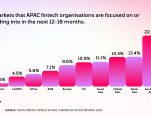
BANGKOK, THAILAND – Media OutReach Newswire – 6 March 2026 – Money20/20, the world’s leading fintech show and the place where money does business, unveiled its annual Future of Fintech in APAC report ahead of Money20/20 Asia in Bangkok on April 21-23 at the Queen Sirikit National Convention Center. The whitepaper reveals APAC’s fintech ecosystem has reached a pivotal inflection point, shifting from experimentation to production-grade innovation across AI, digital payments, and assets.
Source: Money20/20
Based on insights from over 130 senior fintech leaders, the report highlights an industry moving beyond pilot programs toward enterprise-scale solutions that prioritize collaboration, digital trust, and financial inclusion as core business imperatives for 2026.
Key Findings
22.9% of respondents identify the region as their primary growth target, underscoring its continued dominance as the region’s growth engine.
90.6% of executives say social good initiatives are now embedded in corporate strategy — confirming impact has become a commercial imperative.
61.2% of organizations have already adopted AI or machine learning.
New frameworks in Singapore, Hong Kong, and Japan are driving institutional adoption of stablecoins and tokenized assets.
63.5% of leaders cite fraud prevention as their highest operational priority.
“APAC is no longer experimenting — it’s executing,” said Ian Fong, VP of Content at Money20/20 Asia. “The region is building financial infrastructure that is faster, safer, and more inclusive than ever before. What happens here will influence the future of money globally.”
Digital Trust Becomes the New Currency
With digital adoption accelerating, 63.5% of leaders identify fraud prevention as their top priority. Regulators and industry players are now pivoting toward real-time risk intelligence and AI-driven security.
“The speed of digital adoption in APAC has outpaced traditional fraud models,” said Justin Lie, Founder & CEO of SHIELD. “What we’re seeing now is a shift toward real-time, device-level intelligence that operates silently in the background. Trust is the new currency of digital finance, and the companies that embed it in every interaction while delivering a frictionless experience will define the future of the industry.”
Stablecoins Move into Mainstream Financial Infrastructure
Institutional engagement with stablecoins and tokenized financial instruments has grown significantly, supported by clearer regulatory frameworks emerging across Singapore, Hong Kong, and Japan.
“Across Asia, stablecoins are already embedded in real economic activity from payments and cross-border settlements to treasury optimization,” said Yam Ki Chan, Vice President, Asia Pacific at Circle. “The region is demonstrating how digital assets can scale within financial systems, and the next phase is about interoperability and the development of an economic operating system for the internet”.
Digital Lending Expands Financial Access
The report highlights 72.9% of respondents believe SME-tailored fintech solutions are key to APAC’s economic growth, signaling a widening opportunity for inclusive financial innovation.
“Financial inclusion isn’t achieved by simply putting products online — it requires building for the realities of everyday consumers,” said Moritz Gastl, General Manager of Tala Philippines. “In markets like the Philippines, trust, transparency, and flexibility matter just as much as credit scoring. Digital lending works when it empowers people, not when it replicates old systems with new interfaces.”
Looking Ahead: Collaboration Will Define the Next Decade
As AI scales, payment rails interconnect, and digital assets enter regulated markets, APAC is emerging as a global blueprint for future financial systems. “The next wave of fintech innovation will be defined by how well we balance technological advancement with social impact,” added Fong. “APAC markets are proving that financial innovation and inclusion can advance together.”
The Future of Fintech in APAC report can be downloaded HERE. Hashtag: #Money20/20
The issuer is solely responsible for the content of this announcement.
Around 50% of companies see supply chain paralysis and a global internet outage as the two most plausible Black Swan scenarios in the next five years.
Geopolitical noise around the globe masks risks from high-impact climate, health, and future technology risks.
Different risk perceptions between multinational enterprises and small and medium-sized businesses.
SINGAPORE – Media OutReach Newswire – 4 March 2026 – Despite seeming predictable in hindsight, Black Swans are unexpected or unforeseen events that are highly disruptive and economically damaging. Examples include the 9/11 attacks of 2001 in the US, the 2008 global financial crisis, and the Covid-19 pandemic. Allianz Research estimates cumulative global GDP losses from the pandemic between 2020 and 2023 to be in the region of US$12trn.In addition to the huge financial and business costs, such events typically have long-lasting implications, resulting in geopolitical and societal shifts that continue many years after the initial event. According to new Allianz Risk Barometer analysis, more than half of the 3,000+ respondents (51%) identify a global supply chain paralysis due to a geopolitical conflict as the most plausible Black Swan scenario globally which could impact their company in the next five years. Fear of a global internet outage ranks second (47%) which reflects the increasing awareness of cyber and artificial intelligence (AI) risks among business leaders.
Respondents in Asia Pacific also identified a global supply chain paralysis and global internet outage as the two most plausible Black Swan scenarios; the former is ranked first in China and Hong Kong, Singapore, and South Korea, while the latter is ranked first in Australia, India, Japan, Malaysia, and Thailand.
Allianz Commercial CEO Thomas Lillelund comments: “Although Black Swan events are not seen to be immediately likely, these rare, high-impact scenarios are perceived as increasingly plausible and should be considered by executive boards given their potential consequences. Growing interconnectivity across both physical and digital supply chains means disruptions now cascade much faster and can turn into major losses. In today’s fragmented geopolitical environment, companies must double down on resilience and integrated risk management to ride out the next perfect storm.”
Geopolitics is a key driver for Black Swans Given the current geopolitical environment, it is no surprise that supply chain paralysis resulting from a geopolitical conflict is regarded as the most plausible Black Swan scenario. The threats of tariffs, trade wars and protectionism, as well as disruption to supply chains and shipping caused by regional conflicts in the Middle East and Russia / Ukraine are at the top of every board agenda. Allianz Research estimates that cumulative GDP losses over a two-year horizon triggered by a global supply chain disruption on the scale of the war in Ukraine could total US$1.5trn. In fact, political-related risks stand out as a leading potential trigger for Black Swan events, according to respondents. Mass social unrest and political instability is regarded as the fourth most plausible scenario globally (29%) and is a top three risk in the Americas (31%) and Africa and the Middle East (41%) regions, as well as in France (42%), for example. A sudden collapse of a major financial institution or a sovereign debt crisis, leading to a global liquidity crisis and severe market volatility ranks third (30%).
Interconnectivity and interdependency of both physical and digital supply chains are potentially increasing vulnerability at a time of geopolitical uncertainty, rapid advances in technology, and climate change. Businesses and global supply chains are also more vulnerable to Black Swan events due to growing concentrations of economic activity reliant on a limited number of critical suppliers and products in areas like AI and digital services, semiconductors, rare earth processors and transition technologies.
Company size influences risk perception Global supply chain paralysis due to a geopolitical conflict halting the movement of goods and raw materials ranks top for both large (>US$500mn annual revenue, 55% of responses) and mid-sized companies (US$100mn+ to US$500mn, 52%). In contrast, smaller companies (<USS$100mn) are most concerned about the impact of a global internet outage (45%), which is the #2 scenario for larger and mid-sized businesses. The third most plausible Black Swan for mid-sized and smaller companies is the sudden collapse of a major financial institution, while larger companies are more concerned about the risk of simultaneous climate disaster and energy grid failure, such as a heatwave triggering wildfires and widespread blackouts. Multinational enterprises have the advantages of bigger budgets and more diversified portfolios and therefore feel they are better prepared to mitigate the risks of an event such as a major internet outage than their smaller and medium-sized counterparts.
“Awareness of Black Swans and the need to build resilience has increased in recent years, but businesses can never fully prepare for rare high impact events such as a global outage or an unforeseen climate-related catastrophe. Building organizational agility, fostering a risk-aware culture and developing scalable response plans for a range of scenarios remain the most practical steps to best prepare for Black Swan events. Insurers can play a critical role in helping businesses strengthen their resilience in areas such as cyber risk and support more informed decisions when assessing and selecting critical suppliers,” says Michael Bruch, Global Head of Risk Consulting Advisory Services, Allianz Commercial.
The issuer is solely responsible for the content of this announcement.
About Allianz Commercial
Allianz Commercial is the center of expertise and global line of Allianz Group for insuring mid-sized businesses, large enterprises and specialist risks. Among our customers are the world’s largest consumer brands, financial institutions and industry players, the global aviation and shipping industry as well as family-owned and medium enterprises which are the backbone of the economy. We also cover unique risks such as offshore wind parks, infrastructure projects or film productions. Powered by the employees, financial strength, and network of the world’s #1 insurance brand, we work together to help our customers prepare for what’s ahead: They trust us in providing a wide range of traditional and alternative risk transfer solutions, outstanding risk consulting and Multinational services as well as seamless claims handling. Allianz Commercial brings together the large corporate insurance business of Allianz Global Corporate & Specialty (AGCS) and the commercial insurance business of national Allianz Property & Casualty entities serving mid-sized companies. We are present in over 200 countries and territories either through our own teams or the Allianz Group network and partners. In 2024, the integrated business of Allianz Commercial generated around €18 billion in gross premium globally. https://commercial.allianz.com/
This new addition reflects the company’s dedication to supporting the growing demands for logistics and warehousing services in the country
The warehouse is a part of strategic growth plans to significantly expand its warehousing footprint and service offering in the country
MANILA, PHILIPPINES – Media OutReach Newswire – 5 March 2026 – Leading global logistics service provider Rhenus Group has officially opened a new warehouse in Philippines’ Paranaque, Metro Manila. This marks the company’s effort to expand its presence as a leading logistics player in the Philippines, with plans to add more warehousing space in the near future.
The warehouse is strategically located in NCR, close to major business districts and offers excellent access to major transport routes via direct access from SLEX Sucat. The brand new 7,320 sqm multi-user warehouse facility features a very high ceiling of around 20m with full insulation. It has the highest level of structural integrity and meets very high safety and security standards. Some of the features include Optical Beam Smoke Detectors, Sprinklers, mechanical cross ventilation system, fully enclosed gated compound, 24×7 security guards, full CCTV coverage with 60 days video retention, intruder alarm system, etc.
With a focus on sustainability, the warehouse utilizes LED lighting, solar panel provision, and a skylight to harness natural light, in an effort to reduce its carbon footprint. The warehouse is in the process of obtaining ISO certifications in Quality Management Systems (QMS), Environmental Management Systems (EMS), and Occupational Health and Safety (OH&S) Management Systems.
The new warehouse expands the footprint of seven existing facilities across Manila, Cagayan de Oro, and Davao, strengthening nationwide coverage and smooth integration with global supply chains.
“Rhenus offers 4 million m² of storage across 180 locations in 21 countries, providing tailored contract logistics solutions. The new warehouse will enhance our logistics network in the APAC region, enabling us to deliver more efficient and sustainable logistics operations for our customers. We are committed to optimizing supply chains and meeting diverse client needs,” said Marcus Fornell, Regional Head of Rhenus APAC Warehousing Solutions.
Rhenus in the Philippines
The freight and logistics market size in the Philippines is estimated at USD 16.20 billion in 2026 and is expected to reach USD 21.60 billion by 2031[1].
“Rhenus Philippines will continue to strengthen our position further in the market. With the opening of this new warehouse, we are moving forward with our plan to continue to invest in modern and state-of-the-art facilities. This allows us to expand our footprint and product portfolio to serve our customers’ requirements with the highest level of efficiency, safety, security, and compliance,” said Deepak Sharma, Managing Director of Rhenus Warehousing Solutions Philippines.
Rhenus Philippines has strong expertise in chemical warehousing, consumer goods, machinery and industrial logistics. Together with its freight forwarding entity, it offers a wide range of comprehensive services to customers, including warehousing and distribution solutions, domestic inter-island shipping, customs brokerage, project logistics, as well as air, ocean, and road freight.
More information on Rhenus Philippines is available at:
The issuer is solely responsible for the content of this announcement.
About Rhenus
The Rhenus Group is one of the leading logistics specialists with global business operations and annual turnover amounting to EUR 8.2 billion. 41,000 employees work at 1,330 business sites in more than 70 countries and develop innovative solutions along the complete supply chain. Whether providing transport, warehousing, customs clearance or value-added services, the family-owned business pools its operations in various business units where the needs of customers are the major focus at all times.
HONG KONG SAR – Media OutReach Newswire – 4 March 2026 – The inaugural “Study in Hong Kong” Week (February 23 to March 1) was successfully launched to promote the city’s attractiveness as a destination for students around the world to pursue higher education.
A major highlight was the prestigious Asia-Pacific Association for International Education (APAIE) 2026 Conference and Exhibition, which ranks among the world’s top three international higher education conferences. The event attracted over 3,500 leading international education professionals to explore the latest trends and critical issues in higher education.
Speaking at the opening ceremony of APAIE 2026, the Hong Kong Special Administrative Region (HKSAR)’s Secretary for Education, Dr Christine Choi said, “To further promote higher education in Hong Kong to the world, we are dedicating this week as the ‘Study in Hong Kong’ Week, during which we will share our success stories and connect more closely with partners worldwide.”
HKSAR’s Secretary for Education, Dr Christine Choi (second row, ninth left), visits the “Study in Hong Kong” Pavilion at the APAIE with other guests
“Under the “one country, two systems” principle, Hong Kong enjoys the distinctive advantages of being part of China with strong support from our Motherland and at the same time being centrally located in Asia.
“Our universities are globally recognised, with five of them within the world’s top 100 and Asia’s top 20. Hong Kong claimed all top four spots in the ranking of the world’s most international universities last year. Indeed, one in every four of our students come from outside Hong Kong. The proportion is even higher for academic staff, with around 70 per cent from elsewhere.”
Held under the theme “Asia-Pacific Partnerships for the Global Good”, APAIE 2026 featured pre-conference workshops, summit forums, keynote speeches, and exchange activities.
Dr Choi met with education officials and representatives from various regions on international education development trends and co-operation. She held separate meetings with the State Secretary of the Ministry of Education, Research, Development and Youth of the Slovak Republic, Mr Róbert Zsembera, and the Director General of the International Cooperation Department of the Ministry of Education and Training of Vietnam, Dr Nguyen Thu Thuy, to exchange views on the development, co-operation, and promotion of international higher education.
Dr Choi also toured the “Study in Hong Kong” Pavilion, where she learned about the promotional efforts of University Grants Committee (UGC)-funded universities and how they expand international networks to recruit students from various regions for study and exchange in Hong Kong. She also visited other booths at the exhibition, exchanging views on higher education development with representatives from various countries and regions.
Dr Choi noted that Hong Kong, as Asia’s world city, possesses advantages in global connectivity, world-class infrastructure, and rich cultural experiences that attract outstanding talent.
During the Week, UGC-funded universities hosted campus tours, allowing overseas guests to experience first-hand the fusion of diverse cultures from different regions. Universities also organised student exchange activities to foster friendships among international students from different regions, deepen their understanding of Hong Kong, and help them better integrate into local campus life.
“While Hong Kong is highly popular among students from the Chinese Mainland, those from other parts of the world, especially in the Association of Southeast Asian Nations (ASEAN) and Belt and Road countries or regions, have increased significantly in recent years,” Dr Choi said.
“As we welcome more non-local students to our schools and universities, we hope Hong Kong can serve as a springboard for them to engage with the Chinese Mainland and the wider Asia-Pacific, and as a pathway to widen collaborations across this vibrant region.”
Arabian Post Staff -Dubai Authorities in the United Arab Emirates declared that essential services, financial systems and aviation operations remain functioning across the country, even as regional tensions intensified, during a national media briefing on March 3 addressing developments over the previous four days. Officials emphasised that the country’s institutions remain fully operational and that measures are in place to safeguard citizens, residents and visitors while […]
The following announcement was issued today to a Regulatory Information Service approved by the Financial Conduct Authority in the United Kingdom.
DFI RETAIL GROUP HOLDINGS LIMITED
2025 PRELIMINARY ANNOUNCEMENT OF RESULTS
Highlights
Underlying profit reached the high-end of guidance at US$270 million, up 35% year-on-year
Reported profit of US$235 million, up US$480 million year-on-year
Health and Beauty delivered strong like-for-like (LFL) sales and profit growth
Convenience returned to profit growth in the second half of 2025, supported by a favourable mix shift towards higher-margin, non-cigarette categories
Strengthening value-driven, omnichannel proposition in Food and Home Furnishings
Divestments of Yonghui, Robinsons Retail and Singapore Food underscored the Group’s transition from a portfolio to a focused operating company and strengthened balance sheet to a net cash position
Returned approximately US$740 million to shareholders for the full year 2025, including a US$600 million special dividend
Final dividend of US¢10.50 per share based on a new 70% payout policy announced in December 2025
“Effective execution of our strategy drove strong financial performance and higher shareholder returns in 2025, despite a challenging retail environment. Our significant progress made in portfolio simplification creates investment capacity for strategic priorities, enabling greater value for our customers and accretive inorganic opportunities to drive sustainable growth and returns.”
Lincoln Pan
Chairman
DFI RETAIL GROUP HOLDINGS LIMITED
PRELIMINARY ANNOUNCEMENT OF RESULTS
FOR THE YEAR ENDED 31 DECEMBER 2025
INTRODUCTION
It is my honour and privilege to join DFI Retail Group (‘DFI’ or the ‘Group’) as Chairman of the Board, supporting Group Chief Executive, Scott Price, and his leadership team in executing its strategic priorities and delivering shareholder returns. On behalf of the Board, I would also like to express our gratitude to John Witt for his invaluable contributions to DFI over many years.
As Asia’s leading multi-format retail platform, DFI has a unique set of assets – strong customer trust, an extensive store network across markets, deep data insights from a powerful loyalty programme, and a strengthening Own Brand portfolio – that will serve as a foundation for growth over the coming years.
Amid macroeconomic volatility and evolving consumer needs, the Group has been responding effectively through a stronger value proposition and enhanced omnichannel capabilities. This strategy is yielding early and encouraging results, demonstrated by a 35% increase in underlying profit in 2025. We remain particularly optimistic about the growth prospects in Health & Beauty and Convenience, as well as the opportunities emerging in digital.
I am confident that under the capable leadership of Scott and his team, DFI will continue to deliver retail excellence to customers across Asia while driving long-term value creation and growth.
Under a new 70% dividend payout policy announced in December 2025, the Board recommends a final dividend of US¢10.50 per share (2024 final dividend: US¢7.00).
STRATEGIC HIGHLIGHTS
Over the course of 2025, the Group executed effectively against its strategic framework of Customer First, People Led, Shareholder Driven. This approach enables DFI to navigate market challenges while capturing opportunities that build on its strong platform for sustainable growth.
The retail landscape is rapidly evolving, driven by shifting consumer behaviour and digitalisation. The Group remains focused on strategic priorities that place customers first – delivering quality, value and convenience in everyday moments. Across its businesses, the Group made good progress in strengthening value propositions, expanding customer reach in growth markets, driving deeper customer engagement with data-driven insights and accelerating digital monetisation. These initiatives enhance its ability to better serve customers and supplier partners while delivering returns to shareholders.
Investing in talent development remains at the top of the agenda. During the year, the Group achieved an improved team member engagement score. Inclusive leadership, a purpose-driven culture and engaged team members are critical to driving stronger performance and delivering exceptional customer experience. In parallel, the Group continues to enhance its organisational agility in meeting customer needs while reducing overhead costs.
In 2025, the Group completed the divestments of minority stakes in Yonghui and Robinsons Retail, as well as Singapore Food business, enabling reinvestment in subsidiary businesses and strategic priorities with stronger growth and return potential. This approach, combined with a sharpened business focus and a strengthened balance sheet, delivered a total shareholder return exceeding 90% in 2025, including the distribution of a US$600 million special dividend in October.
PROSPECTS
Transformation is an ongoing journey for today’s retailers. Serving diverse communities across Asia, where economic conditions and consumer expectations vary widely, the Group must stay agile and locally relevant guided by a customer-first mindset and a disciplined focus on growth opportunities that further build on its competitive advantages. Over the year, DFI has invested in delivering better outcomes for customers through price reinvestment, Own Brand innovation, omnichannel expansion and data-driven personalisation – focus areas that will remain central to its growth plans in the years ahead. An expanded digital ecosystem also unlocks new avenues to drive deeper value for supplier partners and enhance shareholder returns.
I would like to end by expressing the Board’s appreciation to our team members. We could not be more proud of the work they have done over the year, particularly in responding to the deeply tragic Tai Po fire in Hong Kong. Their unwavering dedication to serving our customers across Asia is what will continue to drive our business forward and build long-term value for shareholders.
Lincoln Pan
Chairman
GROUP CHIEF EXECUTIVE’S REVIEW
INTRODUCTION
We are pleased to close 2025 on a strong note, with underlying profit attributable to shareholders up 35% year-on-year to US$270 million, reaching the high end of our guidance range. This strong performance was driven by a recovery in LFL subsidiary sales, improved margins and proactive portfolio actions, including the divestment of our minority stake in Yonghui.
Customers across Asia, including in our home market of Hong Kong, are increasingly seeking quality and convenience at great value. While macro challenges remain, we are encouraged to see early signs of recovery in key retail segments, including 3% growth in health and beauty sales in Hong Kong, supported by a 12% increase in tourist arrivals. As Asia’s leading multi-format omnichannel retail platform, we are uniquely positioned to meet customers’ evolving needs effectively across all channels through relevant and compelling customer propositions.
With a renewed focus on balancing profitability with capital discipline, the Group ended the year in a net cash position, after distributing a US$600 million special dividend, and delivered a significantly improved return on capital employed (ROCE) of 9.4%. Our strengthened balance sheet allows us to reinvest for growth as we deepen our focus on higher-return subsidiary businesses and strategic priorities that sustain value creation for shareholders. For the full year 2025, we returned a total of approximately US$740 million to shareholders, including the special dividend.
In December, we held our inaugural Investor Day where DFI announced a new dividend policy with an increased payout ratio of 70%. Dividends paid during the year, combined with a share price increase of more than 70%, resulted in a total shareholder return exceeding 90% in 2025. We also outlined our three-year plan for realising our financial ambitions and accelerated growth goals, including a target of US$310-350 million in underlying profit (representing 11% CAGR at the mid-point compared to 20251) and an improved ROCE of at least 15% by 2028.
As we enter the new financial year, we remain firmly focused on executing our strategic priorities to drive sustained, profitable growth.
STRATEGIC DELIVERABLES – KEY PROGRESS
Over the past year, we have made significant progress in our transformation from a portfolio business into a strategically focused operating company. We have been advancing our strategy across five key deliverables to create greater value for our customers, supplier partners and shareholders.
Retail Excellence
By delivering best-in-class customer propositions, we see a wide range of opportunities for driving higher store sales density and market share gain across all business segments.
Health & Beauty
Mannings and Guardian continue to strengthen their position as the trusted advisor for wellness, unlocking strong cross-category growth opportunities through an assortment with high functional value across supplements, derma skin care and hair care. Customers across Asia are increasingly shifting to retailers that best fulfil their broad, diverse and unique wellness goals. Our technology-enabled personalised services – including skin, scalp and health assessments – drive higher purchase conversion and basket size by deepening customer understanding of their wellness needs. These capabilities will be expanded to 25% of our Health & Beauty store network to enhance our competitive differentiation and leadership in wellness.
Convenience 7-Eleven is broadening its shopper missions towards higher-margin, non-cigarette categories with a strategic focus on ready-to-eat (RTE) offerings, which accounted for 24% of Convenience sales in 2025. Across markets, consumers are seeking more convenient, high-quality and value-driven meal solutions. The expansion of Food Bars to 1,250 locations in South China and the rollout of RTE-focused store revamp across the entire Hong Kong network by 2028 will further strengthen 7-Eleven’s RTE proposition.
Food
Given consumers’ pivot towards value, continued northbound travel and increasing competition from Chinese mainland e-commerce platforms, the Wellcome team has focused on enhancing food basket value for customers by advancing our Everyday Low Price strategy. Investment in reduced pricing through strategic direct sourcing of core basket items, particularly in fresh, has resulted in a 2% growth in volume driven by higher footfall and increased items per basket. Direct sourcing allowed us to reduce prices while protecting gross profit, resulting in a 30-basis point gross margin improvement. These efforts further supported the narrowing basket price gap compared to the Greater Bay Area to a currently low single-digit price difference2.
Home Furnishings
Similar to Food, IKEA has focused on enhancing its affordability and accessibility by reinvesting in the pricing of high-volume products, broadening the range of entry price points, rationalising the tail of slow-selling assortment, and further expanding digital touchpoints through third-party marketplaces. We are also strengthening IKEA Food as a key draw for customers seeking exciting and affordable food experiences as part of their store journey. These efforts are supported by significant cost transformation initiatives across our operating markets.
Own Brand
Our reset in Own Brand strategy across Food and Health & Beauty is driving higher customer loyalty and sales penetration through greater exclusivity and value. By refining our product range to align closely with customer needs and maximising cross-selling across our formats, we achieved meaningful improvements in margins and sales productivity.
Access to Customers
We continue to strategically expand our network in high-growth, profitable markets, primarily through a capex-light franchise model, with 114 net new openings3 in 2025. In particular, we will deepen 7-Eleven’s presence in Guangdong province to around 2,400 stores and expand Guardian’s footprint in Indonesia to approximately 750 stores by 2028.
Omnichannel and Data Ecosystem
DFI’s expanded omnichannel ecosystem is elevating our relevance and engagement with customers, providing us deep data insights across daily consumer needs that few peers in Asia can match. This ecosystem now allows our customers to engage with DFI brands across more than 90 digital channels, including apps, websites, third-party marketplaces, quick-commerce partnership with food delivery platforms and click-and-collect services. Our strengthened digital proposition was underpinned by a 140-basis point increase in online sales penetration to 6.4%4 as at year-end 2025, with order volume more than doubled year-on-year. Our overall digital ecosystem, comprising e-commerce, retail media, insights monetisation and yuu, continues to drive improved financial returns for the Group.
Retail Media (DFIQ Media)
Positioned to become Asia’s leading omnichannel retail media network, DFIQ Media offers a differentiated online and offline advertising proposition, enabling brands to execute cross-format campaigns through our digital assets and more than 10,000 in-store digital screens across markets. DFIQ Media delivered strong sales growth, albeit from a low starting base, achieving a fourfold increase in revenue over 2024, supported by proprietary data insights from over 7 million monthly active users across our growing digital portfolio.
DFIQ Portal
We aim to empower our supplier partners with actionable insights that drive greater business impact and better outcomes for customers. The DFIQ Portal – a vendor platform combining DFIQ Media, DFIQ Insights and trade capabilities – was launched in December 2025, providing suppliers real-time access to critical analytics that enables optimised inventory management and more effective strategic planning.
Retail Analytics
Leveraging cross-format data insights from over 5 million yuu Rewards members in Hong Kong, we continue to enhance our assortment and promotional decisions to help expand both in-store sales and gross profit.
Lean & Agile Model
Maintaining a lean and agile operating model is essential to ensuring efficient decision-making in a rapidly evolving retail landscape. Continued cost optimisation and better product sourcing will support both strategic price reinvestment and sustainable margin expansion in the coming years. Overhead reductions are expected to translate into lower SG&A costs beginning 2026. We remain disciplined in capex, driving network growth primarily through a franchise model with a strong focus on paybacks.
Strategic pivot from portfolio to a focused operating company
We conduct strategic reviews of our businesses guided by return on capital and total shareholder return priorities. During the year, we completed the divestment of our minority stakes in Yonghui and Robinsons Retail, as well as our Singapore Food business, generating total gross proceeds of approximately US$1 billion in cash consideration. In line with our capital allocation priorities, these proceeds were redeployed towards debt repayment, resulting in a net cash position of US$70 million as at year-end 2025. In addition, a special dividend of US$600 million was distributed to shareholders in October 2025. The Group remains focused on maximising total shareholder return while maintaining strategic flexibility for inorganic growth opportunities that are accretive to long-term shareholder value.
2025 PERFORMANCE
Total revenue from subsidiaries in 2025 was US$8.9 billion, up 1% on a LFL basis, excluding cigarettes. Organic revenue, excluding divested businesses5 for the comparable period, grew 0.5%. Strong sales growth in the Health & Beauty division was offset by lower contributions from other segments.
Excluding the impact of the minority stake divestments in Yonghui and Robinsons Retail completed in 2025, total revenue for the Group, including 100% of associates and joint ventures, remained broadly stable.
The Group reported total underlying profit attributable to shareholders of US$270 million for the year, up 35% year-on-year. This was supported by improved profitability from subsidiary businesses, lower financing costs and higher underlying profit from associates following the divestment of Yonghui.
Underlying profit from subsidiaries was US$183 million, 15% higher than the prior year. This was driven by strong Health & Beauty performance in addition to earnings recovery in Singapore Food and Home Furnishings segment, partially offset by lower contribution from Convenience due to reduced cigarette volume.
The Group’s share of underlying profit from associates was US$88 million, an improvement of US$45 million compared to the prior year, primarily due to the divestment of minority stake in loss-making Yonghui and higher contribution from Maxim’s as a result of improved mooncake sales and restaurant performance in Southeast Asia. Despite challenging trading conditions in Hong Kong and Chinese mainland, Maxim’s delivered profit growth in these regions through cost optimisation.
The Group reported operating cash flow after lease payments of US$430 million, 30% higher than the prior year, supported by underlying operating profit growth. Free cash flow6 for the period was US$281 million, up 78% year-on-year. As at 31 December 2025, the Group’s net cash was US$70 million, compared to US$468 million net debt at 31 December 2024.
SUSTAINABILITY
We remain firmly committed to our purpose to sustainably serve Asia for generations with everyday moments – with a focused, balanced, collaborative approach taking into account the macroeconomic environment and consumer sentiment. We are driving progress on our pathway to reduce our Scope 1 and 2 emissions by 50% by 2030 from a 2021 baseline, with our targeted investments in refrigerant emissions management, energy efficiency, and behaviour-change initiatives across our operations gaining momentum throughout the year. From 2025 to 2030, we will further increase the share of renewable energy use in our portfolio, helping to accelerate the energy transition in the key markets where we operate.
As advocates for our customers and the communities we serve, we are committed to delivering affordable, sustainable products. In 2025, we delivered 380 tonnes of Own Brand low-carbon rice to our Hong Kong markets and added multiple products through our Grounds to Green programme to our 7-Eleven RTE range. These award-winning initiatives demonstrate our ability to anticipate customer expectations and deliver on market demands. We maintained strong discipline in waste and packaging management, keeping us on track to meet our 2030 targets.
BUSINESS REVIEW
HEALTH AND BEAUTY
Sales for the Health and Beauty division grew 7% year-on-year or 5% on an LFL basis to US$2.6 billion. Underlying operating profit was US$228 million for the year, representing an increase of 8% compared to 2024.
Both Mannings and Guardian achieved strong LFL sales performance, supported by growing wellness sales penetration towards the mid-term target of over 35%. To further strengthen our leadership in wellness – a cross-category opportunity spanning health, beauty and personal care – Mannings and Guardian complemented their wellness-focused assortment with in-store health, skin and scalp assessments in selected outlets. Our personalised consultations and tailored product recommendations deepen our engagement with customers, supporting larger basket sizes and higher purchase conversion.
In Hong Kong and Macau, LFL sales increased by 5%, driven by strong growth in tourist store sales from higher arrivals. Own Brand strategy reset resulted in a 35% improvement in gross profit per SKU through a refined product range that better aligns with customer needs. Sales of Mannings China declined due to the closure of majority of its offline store network as the business pivots towards a cross-border e-commerce model.
Guardian in Southeast Asia reported 5% LFL sales increase, driven by growth in basket sizes across key markets and an expanding e-commerce presence, including the Guardian Malaysia loyalty programme launched in March 2025 and a new Guardian Singapore app in July 2025. Indonesia and Vietnam delivered LFL sales growth exceeding 10%, supported by strong traffic gains. Gross margin expansion and operating leverage contributed to operating profit growth of 16% in the region.
CONVENIENCE
Total Convenience sales were US$2.3 billion, representing a decline of 2% year-on-year or 3% on an LFL basis, due to lower-margin cigarette volume reductions following tax increases in Hong Kong in February 2024. Excluding cigarettes, overall Convenience sales grew 1% compared to 2024 and were marginally lower on an LFL basis. Underlying operating profit was US$97 million, down 6% year-on-year. Favourable sales mix shift towards higher-margin non-cigarette categories drove a return to a positive profit growth in the second half of 2025.
In Hong Kong, the Group expects to mitigate financial impact from declining cigarette sales in 2026 and beyond through continued growth in higher-margin non-cigarette categories, including RTE which accounted for 18% of sales for the full year, up from 16% in 2024.
7-Eleven Singapore reported robust LFL sales growth driven by a stronger RTE proposition and effective promotional campaigns. In South China, continued store network expansion through a capex-light franchise model, including 99 net increase in store number, contributed to 3% sales growth. LFL sales, however, were down 2% largely due to intense subsidy competition from food delivery platforms, primarily in the first half of the year. The focus remains on driving footfall through innovative RTE and Food Bar expansion to 1,250 stores by the end of 2028, compared to 325 as of year-end. Both markets saw meaningful profit growth, supported by a favourable product mix shift and disciplined cost control.
FOOD
Reported sales for the Food division were US$3.0 billion, remaining stable compared to 2024 on an LFL basis. Underlying operating profit reached US$62 million for the year, up 6% year-on-year, driven by earnings recovery in Singapore Food following the distribution of government consumption vouchers in 2025.
In Hong Kong, the Wellcome team strengthened its fresh and value proposition through pricing reinvestment supported by strategic direct sourcing. These efforts included a new partnership with Dingdong Maicai (DDL) since May 2025 for a wider selection of price-competitive fresh produce, as well as the Everyday Value campaign launched in September 2025, offering up to 40% savings on 100 core basket items. The team also accelerated omnichannel growth through broader digital channels – including a quick-commerce partnership with foodpanda and click-and-collect services – and a shortened delivery time to same or next day delivery, driving a more than 20% sales growth in Hong Kong Food online sales. Despite a 1% LFL sales decline compared to the prior year, total volume grew 2% driven by increased transactions and items per basket.
Southeast Asia Food sales performance benefited from multiple rounds of government consumption voucher distribution in Singapore during the year, including S$800 vouchers for each household and S$600 vouchers for individuals in celebration of the nation’s 60th anniversary. These vouchers, which were redeemable at supermarkets and heartland merchants, drove stronger sales in the Food segment. Convenience and Health & Beauty did not see a similar uplift in sales as the vouchers were not applicable to these outlets. Divestment of Singapore Food business was completed in early December 2025. Post-completion, the Group continues to serve the Singapore market through its Guardian and 7-Eleven brands. As the only nationwide modern trade operator in Cambodia, Lucky reported robust LFL sales growth with strong margin expansion on scale benefits.
HOME FURNISHINGS
IKEA reported sales of US$677 million, down 3% year-on-year and 5% on an LFL basis, compared to an 11% LFL sales decline in 2024. Operating profit was US$26 million, representing a meaningful improvement from US$16 million in the prior year, driven by effective cost control measures across markets.
Amid a challenging macro environment and reduced consumer demand for big-ticket items due to subdued real estate market activity, the IKEA team has prioritised enhancing its value proposition and omnichannel presence. Key initiatives include price reductions on high-volume products, rationalisation of non-core assortment, and a broader range of entry price points. In Indonesia, the team has further expanded digital partnerships with third-party marketplaces to improve accessibility, supporting continued progress towards its overall online sales penetration target of 18-20% by 2028. IKEA Food remains a critical traffic and revenue driver, representing 14% of total sales.
These combined with significant cost optimisation efforts in labour, supply chain and infrastructure across markets contributed to a US$10 million improvement in overall profitability.
RESTAURANTS
The Group’s share of Maxim’s underlying profits was US$72 million in 2025, an increase of 9% year-on-year, supported by resilient sales of US$3.1 billion, up 0.4% year-on-year, and ongoing cost optimisation. Improved mooncake sales during the mid-autumn festival and stronger restaurant performance in Southeast Asia was offset by challenging trading environment in Hong Kong and the Chinese mainland. Cost management in these markets also supported overall profit growth. During the year, Maxim’s continued to expand its Southeast Asia network with 84 net new stores added, mainly in Thailand and Vietnam.
OUTLOOK
2025 marked a year of strong progress for DFI, with the strategic reset across our businesses driving improved underlying profitability in both subsidiaries and associates, a stronger ROCE and enhanced shareholder returns. Our strengthened balance sheet and disciplined use of capital provides capacity to reinvest for growth both organically and inorganically, laying a strong foundation as we pursue our financial ambitions of achieving a US$310-350 million underlying profit (+11% CAGR at midpoint compared to 20257) and a 7-10% online sales mix by 2028.
At our inaugural Investor Day, we outlined clear strategic priorities which include strengthening our value proposition, enhancing omnichannel capabilities, accelerating Own Brand innovation, deepening digital monetisation, and leveraging data to deliver better outcomes for both customers and supplier partners.
For the full year of 2026, the Group expects organic revenue growth of approximately 2-3%8 and underlying profit attributable to shareholders to be between US$270 million and US$300 million. Excluding the divestment impact of Singapore Food and Robinsons Retail, this would represent a year-on-year growth of 13-25%.
Looking into 2026 and beyond, I am confident that DFI has developed a renewed foundation as we execute against our strategic priorities to deliver sustained, profitable growth, drive market share gains across our formats and generate long-term returns for our shareholders.
Scott Price
Group Chief Executive
—————– 1 Excluding Singapore Food business and minority stake in Robinsons Retail upon completion of divestment in 2025 2 Based on a third-party assured price comparison of a 200-item comparable basket between DFI and Greater Bay Area
3 Excluding Singapore Food. Divestment of business was completed in early December 2025. 4 Excluding Singapore Food, cigarettes under Convenience and IKEA food 5 Excluding financial contribution from Singapore Food (December 2024) and Hero Supermarket (2024) for comparison purpose 6 Free cash flow is equivalent to cash flows from operating activities after lease payments minus normal capital expenditure
7 Excluding Singapore Food business and minority stake in Robinsons Retail upon completion of divestment in 2025
The issuer is solely responsible for the content of this announcement.
DFI Retail Group
DFI Retail Group (the Group) is a leading Asian retailer, driven by its purpose to ‘Sustainably Serve Asia for Generations with Everyday Moments’.
At 31 December 2025, the Group and its associates operated 7,580 outlets across 12 markets, of which 5,529 stores were operated by subsidiaries. The Group, together with associates, employed over 79,000 people, with some 42,000 people employed by subsidiaries. The Group had reported revenue of US$8.9 billion in 2025.
The Group is dedicated to delivering quality, value and service to Asian consumers through a compelling retail experience, supported by an extensive store network and highly efficient supply chains.
The Group and its associates, operates a portfolio of well-known brands across five key divisions. The principal brands are:
Health and Beauty
• Mannings on the Chinese mainland, Hong Kong and Macau S.A.R.; Guardian in Brunei, Indonesia, Malaysia, Singapore and Vietnam.
Convenience
• 7-Eleven in Hong Kong and Macau S.A.R., Singapore and Southern China.
Food
• Wellcome and Market Place in Hong Kong S.A.R.; San Miu in Macau S.A.R.; Lucky in Cambodia.
Home Furnishings
• IKEA in Hong Kong and Macau S.A.R., Indonesia and Taiwan.
Restaurants
• Hong Kong Maxim’s group on the Chinese mainland, Hong Kong and Macau S.A.R., Cambodia, Laos, Malaysia, Singapore, Thailand and Vietnam.
The Group’s parent company, DFI Retail Group Holdings Limited, is incorporated in Bermuda and has a primary listing in the equity shares (transition) category of the London Stock Exchange, with secondary listings in Bermuda and Singapore. The Group’s businesses are managed from Hong Kong. DFI Retail Group is a member of the Jardine Matheson group.
Kenya holds sufficient petroleum stocks to cushion the country and its regional partners from supply disruptions linked to conflict in the Middle East, Energy and Petroleum Cabinet Secretary Opiyo Wandayi has said, seeking to calm fears of shortages and price spikes. Wandayi stated that the country’s strategic and commercial fuel inventories remain within statutory requirements, with diesel, petrol and jet fuel volumes adequate to meet domestic consumption […]
By Ashok Nilakantan Ayers NEW YORK: The war that began with a lightning decapitation strike has settled into something far more uncertain. President Donald Trump said Tuesday that U.S. military operations against Iran could last “four to five weeks” — and possibly “far longer.” Across the Atlantic, Prime Minister Benjamin Netanyahu defended Israel’s decision to […]
Complete Ecosystem for Aesthetic Practice Success What sets DUBIMED apart is its holistic approach to supporting aesthetic medical practices. Beyond simply supplying equipment, the company delivers a complete ecosystem of services designed to ensure clinical success from day one. “Every practice has unique needs,” explains a senior DUBIMED representative. “Our mission is to provide not just the technology, but the knowledge, support, and infrastructure that transform equipment […]
A discreet, reservation-led space in TPI Building designed for intimate experiences, elevated service, and a new kind of all-in-one entertainment destination
SINGAPORE – Media OutReach Newswire – 2 March 2026 – Singapore’s nightlife is about to get a new kind of pulse. One that beats smaller, sharper, and far more intentional. Opening on 6 March 2026, Club 666 will debut at TPI Building, positioning itself as Singapore’s first micro club built around exclusivity, discretion, and thoughtfully curated, intimate experiences.
In recent years, the city’s idea of a great night out has shifted. Less “big room, big chaos,” more considered corners, good company, and spaces that feel designed, not accidental. Club 666 arrives with that same instinct, created for guests with busy schedules, little appetite for wasted time, and a growing preference for nights that feel polished rather than frantic. It is a club concept that leans into the art of going smaller, with the confidence that intimacy can be its own kind of luxury.
Inspired by the secretive allure of world-class private clubs, Club 666 is designed for guests who prefer refinement over noise, and atmosphere over volume. The concept is not about scaling up. It is about stripping back, tightening the room, and making every detail count, from the ambience and acoustics to the art of hosting itself. Anchoring the experience are capsule rooms designed for closeness and comfort, creating intimate pockets where groups can settle in, stay present, and move through the night together.
While the space is intentionally intimate, Club 666 is not designed to stay quiet all night. Each evening will feature two signature hype programmes created to shift the room’s energy at key moments, delivering show-led crowd activation and interactive rituals that are designed to feel unexpected, elevated, and distinctly Club 666, without relying on the usual playbook.
Among the club’s signature offerings is a service style not commonly experienced in Singapore’s nightlife landscape, including personal butler service tailored to guest preferences. With a focus on comfort, privacy, and seamless hosting, Club 666 aims to deliver an experience that feels less like a typical night out and more like being welcomed into a carefully orchestrated space, where the night flows and the service anticipates.
Club 666 is helmed by Glenn, who will be known publicly by his first name only. He is also behind The Gentleman’s Club, located within the same building. With plans for another nightlife concept still under wraps, Glenn’s vision for TPI Building is shaping into a one stop destination made up of distinct spaces that move like chapters, each with its own mood, energy, and purpose.
“People go out because they want variety, but the reality is they end up spending half the night moving from place to place,” said Glenn, owner of Club 666. “I want to build a one-stop entertainment hub where guests can experience different moods and environments without wasting time club-hopping. When we do it right, the night flows better, and guests can focus on enjoying themselves.”
What to expect at Club 666
Singapore’s first micro club, built for intimate capacity and elevated ambience
Discreet, curated experiences inspired by private club culture
Personal butler service and hospitality-led nightlife tailored to guest preferences
A new chapter within TPI Building’s evolving entertainment ecosystem
Two signature nightly hype programmes, designed as crowd-led moments you will not find elsewhere in Singapore
More than a dance floor and more than a bar, Club 666 positions itself as a social room for people who value belonging as much as atmosphere. By keeping the experience intentionally intimate, the club aims to make it easier to return, reconnect, and share nights that feel considered from the first arrival to the last song.
The issuer is solely responsible for the content of this announcement.
About Club 666
Club 666 is Singapore’s first micro club, redefining exclusivity through thoughtfully curated, intimate experiences. Inspired by the world’s elite private clubs, Club 666 creates a refined space where discretion, distinction, and elevated lifestyle converge. Located in TPI Building, Club 666 is part of a growing, one stop entertainment vision led by founder Glenn.
Operating Hours: Open daily (including public holidays), 10:00PM to 3:00AM. Extended hours on Saturdays and eves of public holidays: 10:00PM to 4:00AM. Reservations: +65 8414 3466 More information: https://club666-premium.com
India’s economic expansion has moderated to 7.8 per cent, yet the country continues to outpace other major economies, reinforcing its position as the fastest-growing large market amid a fragile global backdrop.
Official data released by the Ministry of Statistics and Programme Implementation showed that gross domestic product growth eased compared with earlier quarters, reflecting softer manufacturing momentum and uneven external demand. Even so, the figure places India ahead of the United States, China, Japan and the euro area, where growth rates remain significantly lower.
The government’s updated projections under the revised national accounts data series marginally lifted the full-year estimate for the financial year ending March 31. Growth for 2025/26 is now projected at 7.6 per cent, supported by strong domestic consumption, resilient services exports and sustained public capital expenditure. The revision follows adjustments in base year calculations and improved data capture across informal and digital sectors.
Finance ministry officials have maintained that macroeconomic fundamentals remain intact. Gross fixed capital formation has shown steady expansion, underpinned by infrastructure outlays in transport, railways and energy. Private sector investment has begun to recover after a prolonged period of balance sheet repair, although it has not yet matched the pace of public spending.
Manufacturing output, a key pillar of the government’s production-linked incentive schemes, displayed mixed trends. Electronics and pharmaceuticals recorded robust growth, aided by global supply chain realignments and incentives aimed at boosting exports. However, textiles and certain consumer durables segments faced headwinds from weaker global demand and inventory corrections.
Agriculture provided a stabilising force despite weather-related uncertainties linked to El Niño conditions earlier in the year. Official estimates indicate that foodgrain production remained broadly stable, while rural consumption showed gradual improvement following targeted welfare transfers and support prices for key crops.
Services continued to drive overall growth. Information technology exports, financial services and travel-related activity expanded steadily. The rebound in tourism and aviation, alongside strong digital payments growth, contributed to higher value-added in contact-intensive sectors. Data from the Reserve Bank of India indicate that credit growth has remained in double digits, reflecting demand for retail loans and working capital financing.
Inflation dynamics have been closely monitored. Consumer price inflation eased from earlier peaks but remains sensitive to food price volatility and global energy movements. The central bank has maintained a cautious stance, balancing price stability with growth objectives. Monetary policy decisions have focused on anchoring inflation expectations while ensuring adequate liquidity for productive sectors.
Global comparisons underscore India’s relative strength. The International Monetary Fund has projected growth in advanced economies at below 2 per cent, with China expected to expand at a more moderate pace compared with its historical averages. Analysts note that India’s domestic demand-led model offers insulation against external shocks, though it remains exposed to commodity price swings and geopolitical tensions affecting trade routes.
Fiscal policy has remained expansionary but calibrated. The government has reaffirmed its commitment to fiscal consolidation, targeting a gradual reduction in the deficit as revenue buoyancy improves. Tax collections have exceeded budgeted estimates in several quarters, aided by stronger compliance and digital tracking systems under the goods and services tax framework.
Labour market indicators present a nuanced picture. Urban employment has improved, particularly in construction and services, yet concerns persist regarding job creation in high-value manufacturing. Economists argue that sustaining growth above 7 per cent will require deeper structural reforms, including land and labour flexibility, skilling initiatives and streamlined regulatory processes.
Foreign direct investment inflows have fluctuated amid global capital reallocation, but India remains a preferred destination for long-term investors seeking exposure to a large consumer base and expanding digital infrastructure. Sovereign bond inclusion in global indices is expected to broaden the investor base and reduce borrowing costs over time.
External sector performance has been mixed. Merchandise exports faced pressure from slowing global trade volumes, while services exports and remittances provided offsetting support. The current account deficit remains manageable, supported by strong capital inflows and healthy foreign exchange reserves.
Corporate earnings trends indicate resilience across banking, infrastructure and select manufacturing firms. Equity markets have responded positively to growth data, though volatility persists amid global uncertainty. Rating agencies have acknowledged India’s stable outlook, citing prudent macroeconomic management and structural reforms.




 https://www.xixili-intimates.com/my/
 https://www.facebook.com/XIXILI.OfficialFanPage/
 https://www.instagram.com/xixili_intima/
 https://www.tiktok.com/@xixili_intima?
 https://www.youtube.com/user/xixilipage


 By R. Suryamurthy Few economic variables carry the political volatility of oil prices in India. When global crude rises, inflation anxieties spread quickly across households, transport costs ripple through supply chains, and governments scramble to contain the political fallout. Yet the latest oil shock — triggered by tensions involving the US-Israel-Iran war— has exposed a […]








 https://www.linkedin.com/company/allianz-commercial/


 https://x.com/Brand_HK/