News related to
good

COLOMBO, SRI LANKA- Media OutReach Newswire – 9 July 2026 – On July 4, 2026, the cultural exchange event Encounter & Insight: Dialogue Between Ningbo, China and Colombo, Sri Lanka took place in Colombo.

On July 4, 2026, the cultural exchange event Encounter & Insight: Dialogue Between Ningbo, China and Colombo, Sri Lanka took place in Colombo.

Separated by thousands of miles, the two millennia-old port cities reconnected, leveraging their ports as a bond and cultural exchanges as a cohesive force to hold in-depth talks on integrated port-city development and bilateral economic and trade connectivity.

This cross-Indian Ocean dialogue echoes the ancient Maritime Silk Road while charting a brand-new outbound development path. As a pivotal starting port of the ancient Maritime Silk Road, Ningbo is building a new global trade landscape powered by smart manufacturing.

A thousand years ago, merchant vessels from Mingzhou Port set sail southward loaded with Yue Kiln celadon porcelain, passing through Ceylon to deliver Oriental crafts across the Indian Ocean coasts. Precious gemstones and spices traveled the same sea route back to regions south of the Yangtze River, laying the groundwork for the earliest cultural exchange between the two ports through trade. Today, the cargo carried by giant cargo ships has undergone a dramatic transformation. Beyond traditional daily necessities, intelligent equipment, digital home appliances and industrial robots now dominate shipments.

Official statistics show that Ningbo’s exports of intelligent equipment, including mechanical arms and industrial robots, hit 440 million yuan in 2025, surging more than 40% year-on-year. From January to May this year, Ningbo’s exports of mechanical and electrical products maintained steady growth, reaching 247 billion yuan, a 4.1% year-on-year increase and accounting for 58.0% of the city’s total export volume. The new energy foreign trade sector saw explosive growth, with exports of new energy vehicles, lithium batteries, and photovoltaic products jumping 138.4% year-on-year, with electric vehicle exports skyrocketing 215.9%. Smart manufactured goods are continuously expanding the scope of Ningbo’s foreign trade.

Complementing the Colombo forum, an exhibition highlights Ningbo’s outstanding going-global enterprises and their products, vividly illustrating the profound shift in Ningbo’s trade structure.

Alongside time-honored Maritime Silk Road staples such as celadon porcelain and silk, Ningbo’s smart manufactured products—including AI translation glasses, intelligent outdoor gear and digital small home appliances—occupy prominent display spaces across the venue. In Sri Lanka, Ningbo smart water meters are widely adopted nationwide, while handheld cooling fans and intelligent kitchen appliances have entered ordinary households.

Leveraging Colombo Port’s transshipment advantages, massive volumes of Ningbo smart manufactured goods are distributed onward to Europe, the Middle East and beyond. What Ningbo exports today is no longer mere commodities, but a complete outbound solution integrating technology, brand value and after-sales services.

Faced with mounting challenges including homogeneous global market competition and rising trade barriers, Ningbo’s manufacturing sector has abandoned the old model of low-cost OEM production, relying on intelligent transformation to consolidate its competitive edge in overseas markets.

Over more than a decade of digital transformation efforts, Ningbo has achieved full digital upgrading of all industrial enterprises above designated size. A large number of local factories have built unmanned black-light workshops and flexible production lines, escaping vicious price competition through continuous technological iteration. Represented by five specialized, sophisticated, distinctive and innovative enterprises dubbed Ningbo’s “Five Little Tigers”—famous for their core proprietary technologies, including highly sophisticated visual inspection equipment, heat-resistant materials, sun-proof coatings, puncture-proof materials and self-drilling fasteners—these niche manufacturers have developed differentiated technical routes and full-spectrum production capacity, cementing irreplaceable competitiveness for Ningbo smart manufacturing on global markets.

Beyond trade expansion, Ningbo has built a supporting cultural communication system to ensure “products go global, accompanied by local culture”.

The launch of Sri Lanka’s first “One-Meter Cultural Space” cultural station during the Colombo event marks a tangible milestone of Ningbo’s go-global initiative. Built on enterprises’ overseas outlets, these miniature cultural exhibition halls integrate intangible cultural heritage crafts, urban stories and smart products, enabling overseas clients to experience cutting-edge manufacturing while gaining insight into Ningbo’s profound cultural heritage.

During the twin-city story-sharing session, Ningbo entrepreneurs based in Sri Lanka and local designers blending Chinese and Sri Lankan aesthetics shared stories of bilateral exchanges. Economic and trade ties have evolved into a bond for people-to-people communication, bridging divides in cross-cultural trade.

From Tang-dynasty celadon porcelain sailing across the Indian Ocean to intelligent equipment shipping to every corner of the globe, Ningbo, the ancient Maritime Silk Road port, has preserved its enduring gene of openness. Where exchanges once relied purely on commodity trade, today smart manufacturing underpins a stable, diversified and high-value-added global trade network.

The Ningbo-Colombo dialogue stands as a vivid microcosm of this transformation: the port still links lands and seas, yet the core of its trade has undergone a full intelligent upgrade.

Rooted in its historical legacy as a key Maritime Silk Road hub, Ningbo has consolidated its industrial foundation through a decade of digital development, expanded global market reach via worldwide port networks, and softened trade cooperation through cultural exchanges. This brand-new outbound shipping route forged by smart manufacturing has not only reshaped the city’s foreign trade landscape, but also delivered a replicable port-city development model for Chinese manufacturing to go global.

Hashtag: #NingboSmartManufacturing #MaritimeSilkRoad #GlobalTrade

The issuer is solely responsible for the content of this announcement.

By K Raveendran The Narendra Modi government’s position on fuel prices now looks less like prudent caution and more like an overly defensive reading of a market that has already absorbed much of the Iran-US risk. The more calibrated question, therefore, is not whether New Delhi is right to watch the West Asian security situation, […]

The article Modi Govt’s Overcautious Oil Market Reading Hurting Retail Fuel Customers appeared first on Latest India news, analysis and reports on Newspack by India Press Agency).

China has offered fresh channels for easing trade tensions with the European Union after Foreign Minister Wang Yi completed a four-country Nordic tour aimed at rebuilding confidence with some of Europe’s most security-conscious governments.

Wang’s 2-8 July visit to Denmark, Sweden, Finland and Norway came as Brussels and Beijing try to prevent a deepening dispute over industrial subsidies, electric vehicles, market access, export controls and critical minerals from turning into a broader trade confrontation. The trip placed trade, green technology, shipping, healthcare, tourism and scientific innovation at the centre of talks, while allowing Beijing to test whether northern Europe could support a less confrontational EU approach.

The diplomatic push followed high-level trade discussions in Brussels, where both sides agreed to establish a ministerial-level mechanism that would meet once or twice a year. Four negotiation tracks are expected to cover export controls, trade and investment balancing, market access, and supply-chain transparency, with October emerging as a key deadline for measurable progress.

The EU’s trade deficit with China stood at about €360 billion last year, driven by imports of electric vehicles, batteries, solar equipment, machinery and consumer goods. European officials have warned that subsidised Chinese production could put pressure on strategic industries, while Beijing argues that EU restrictions on technology exports and investment screening have politicised commerce.

Wang used the Nordic leg to frame China and Europe as partners rather than rivals. In Copenhagen, he urged Denmark to play a constructive role in stabilising EU-China relations and highlighted cooperation in green shipping, life sciences and tourism. Denmark holds political weight in Brussels through its support for open trade, but it has also backed a firmer European line on economic security and resilience.

The tour carried symbolic value. It was the first visit by a Chinese foreign minister to Denmark in 15 years and to Sweden in 22 years. Sweden is China’s largest trading partner in the Nordic region, but relations have faced strain over human rights, security policy and Europe’s concerns over dependence on Chinese technology. Wang met Prime Minister Ulf Kristersson and Foreign Minister Maria Malmer Stenergard in Stockholm, where the talks covered bilateral ties and the wider EU agenda.

Finland added a sharper security dimension to the visit. President Alexander Stubb and Foreign Minister Elina Valtonen have supported a more cautious European posture towards Beijing, particularly since Russia’s war in Ukraine reshaped the security debate across northern Europe. Finland’s accession to NATO has also altered the regional balance, placing Helsinki firmly inside the transatlantic security framework. Trade dialogue with Beijing therefore sits alongside hard questions over Russia, technology transfer and strategic infrastructure.

Norway, the final stop, offered Beijing a more pragmatic opening. Oslo is outside the EU but closely tied to the single market through the European Economic Area. Its energy, maritime and seafood industries give it economic links with China, while Norway’s diplomatic tradition allows space for dialogue even during periods of political tension. Wang’s meeting with Foreign Minister Espen Barth Eide was expected to focus on trade, green transition and international security.

Beijing’s message is that the EU should expand trade rather than restrict it. China has signalled willingness to increase imports from Europe and improve communication over trade frictions. It has also pressed Brussels to ease restrictions on high-tech exports and avoid measures that it views as protectionist. European negotiators, however, want more than general assurances. They are seeking concrete steps to narrow the trade gap, improve access for European firms, and curb state-backed overcapacity in sectors where Chinese exports have surged.

The most sensitive issue remains electric vehicles. The EU imposed duties on battery-powered cars made in China after concluding that state support had distorted competition. Chinese manufacturers have responded by looking more seriously at European production sites, including plants in Hungary and other markets, to maintain access to consumers while reducing tariff exposure. The dispute has become a test case for whether Brussels can defend industry without triggering retaliation that would hit exporters, luxury brands, agriculture and aviation.

Rare earths and critical inputs have become another pressure point. China dominates several stages of processing for materials used in clean energy, defence and advanced manufacturing. European officials are trying to reduce exposure without severing commercial links. Beijing retains leverage through licensing and supply-chain controls, while the EU is developing tools to diversify sourcing, screen investment and support domestic production.

  • Formula E Season 12 accelerates global expansion and sustainability milestones as DHL delivers precision logistics behind one of the world’s most complex sporting championships
  • Battery logistics takes center stage off track as electrification drives new supply chain demands

SHANGHAI, CHINA – Media OutReach Newswire – 7 July 2026 – As the ABB FIA Formula E World Championship returns to Shanghai for the 2025/2026 Season, the world’s premier all-electric racing Championship accelerates into its most ambitious chapter yet with a record 17 races across 11 global cities, including new circuits in Madrid and Miami.

ABB FIA Formula E World Championship returns to Shanghai for the 2025/2026 Season

Underscoring its commitment to sustainability and transparency, Formula E has also recently become the first global sport to achieve B Corp Certification, a globally recognised designation awarded to companies that meet high standards of social and environmental performance, accountability, and transparency. “Achieving B Corp Certification is a defining milestone for Formula E and reinforces our mission to drive sustainable innovation both on and off the track,” said Barry Mortimer, Paddock and Logistics Director, Formula E. “It reflects our commitment to operating responsibly as we continue to push the boundaries of electric mobility and sustainable sport on a global stage.”

DHL Powers the Global Movement of Formula E

Behind the high-speed action lies a complex global logistics operation. DHL, the Official Founding and Official Logistics Partner of the ABB FIA Formula E World Championship since 2013, plays a critical role in moving the Championship seamlessly across continents, ensuring that every race is delivered with precision, efficiency and sustainability.

Each race in this season requires the transport of approximately 400 metric tons of freight, including 21 electric race cars, charging infrastructure, broadcast equipment, and critical power systems, all orchestrated through tightly coordinated multimodal solutions spanning air, ocean, rail and road.

In the lead-up to the 2026 Shanghai E-Prix, DHL executed a three-day multimodal journey from Sanya, combining ferry and road transport. This required extensive planning and documentation to ensure full compliance across multiple transport regulations, highlighting the precision and intricate choreography required to meet unmovable race-day deadlines.

Battery Logistics at the Heart of Electrified Racing

Beyond motorsport, this partnership shines a spotlight on one of the fastest-growing and most complex areas of global trade: battery logistics. As electrification accelerates worldwide, the safe and compliant transport of lithium-ion batteries has become mission-critical and increasingly challenging.

Formula E offers a vivid real-world example. Each race involves transporting approximately 31 high-performance batteries, each weighing around 400kg—far exceeding typical consumer battery thresholds and classified as regulated dangerous goods. Their transport requires strict adherence to international regulations, including IATA and ICAO standards, covering specialized packaging, state-of-charge restrictions, certified handling procedures, and multiple layers of regulatory approvals from airlines and authorities.

The complexity is further amplified by varying customs requirements of different countries and cities, and stringent transport conditions across different modes. From certified aluminum containment units and non-stackable packaging to detailed documentation and risk classification requirements, every step demands precision and deep expertise.

“Every Formula E race may look seamless on track, but behind the scenes it is a highly complex logistics operation—especially when it comes to transporting lithium-ion batteries safely across borders,” said Federico Cavani, Head of Motorsports Italy, DHL Global Forwarding. “These are regulated dangerous goods that require meticulous planning, strict compliance with global standards, and specialized handling at every stage. Our partnership with Formula E showcases how advanced battery logistics can be executed safely at scale, and reflects the same challenges DHL customers face as electrification accelerates globally.”

China: The Engine Driving Global Battery Supply Chains

China has emerged as the undisputed hub of the global battery ecosystem, underpinning the rapid growth of electrification worldwide. In 2025, global electric vehicle battery deployment reached 1.2 terawatt-hours (TWh), with China accounting for around 60% of the total, reinforcing its position as the largest and most dynamic market. Beyond demand, China also leads across the manufacturing value chain. The country produces over 70% of the world’s lithium-ion batteries, with some estimates placing its share at more than three-quarters of global output in 2025.

The ability to move batteries safely, compliantly, and efficiently—both within China and across international markets—has thus become a critical differentiator.

“DHL Global Forwarding China partners with several of the world’s leading battery manufacturers, providing end-to-end battery transportation solutions across the entire logistics value chain. The company also supports the rapidly growing energy storage logistics sector, helping customers better manage and optimize their energy storage supply chains. Each year, we handle more than 10,000 TEUs of batteries and battery-related materials exported from China, with shipments destined for major markets such as the United States and Europe,” said Stephen Zhang, Vice President, Ocean Freight, Greater China, DHL Global Forwarding.

As global supply chains evolve alongside the energy transition, DHL’s role extends far beyond the racetrack. From supporting EV and battery ecosystems to enabling resilient, compliant and sustainable logistics solutions, the company continues to power the shift toward a low-carbon future—one race, and one shipment at a time.

DHL Group has made significant investments in its New Energy capabilities under its Strategy 2030: Accelerating Sustainable Growth. Through DHL New Energy Logistics, a sector brand driving electrification and the energy transition, the company delivers end-to-end solutions across the full value chain, spanning wind, solar, EVs and batteries, BESS, charging, grid infrastructure, alternative fuels, and hydrogen. Leveraging a global network covering more than 220 countries and territories and supported by over 20 DHL EV Centers of Excellence and a dedicated team of trained dangerous goods specialists, DHL ensures high-sensitivity cargo moves safely, compliantly, and on time.
Hashtag: #DHL

The issuer is solely responsible for the content of this announcement.

DHL – The logistics company for the world


DHL
is the leading global brand in the logistics industry. Our DHL divisions offer an unrivalled portfolio of logistics services ranging from national and international parcel delivery, e-commerce shipping and fulfillment solutions, international express, road, air and ocean transport to industrial supply chain management. With approximately 389,000 employees in more than 220 countries and territories worldwide, DHL connects people and businesses securely and reliably, enabling global sustainable trade flows. With specialized solutions for growth markets and industries including technology, life sciences and healthcare, engineering, manufacturing & energy, auto-mobility and retail, DHL is decisively positioned as “The logistics company for the world”.

DHL is part of DHL Group. The Group generated revenues of approximately 82.9 billion euros in 2025. With sustainable business practices and a commitment to society and the environment, the Group makes a positive contribution to the world. DHL Group aims to achieve net-zero emissions logistics by 2050.

A UAE-based company has moved to bring Korean manufacturing into Abu Dhabi through a proposed industrial zone that could host more than 25 factories in its first phase and attract investments exceeding $1 billion.

AG Company signed a strategic partnership with Akbar Investment Company of the Republic of Korea to study the establishment of a zone dedicated to Korean industries, with Al Ain identified as the proposed location. The initiative comes as the UAE and Korea deepen economic ties under a bilateral trade framework that entered into force on May 1, 2026, after being signed in Seoul on May 29, 2024.

The announcement coincided with the visit of a high-level Korean delegation to Abu Dhabi, led by Jung Min Kim, a member of the National Assembly of the Republic of Korea and member of its Committee on Trade, Industry, Energy, SMEs and Startups. The delegation included representatives from government and semi-government entities, investors and industrial companies.

The agreement was accompanied by the signing of 15 memoranda of understanding with Korean companies and manufacturers across industrial sectors. The proposed zone is expected to focus on advanced manufacturing, technology-led production, artificial intelligence applications, healthcare technologies and related industries, although the final sector mix will depend on feasibility studies, regulatory approvals and investor commitments.

The project aligns with Abu Dhabi’s wider industrial strategy, which seeks to more than double the emirate’s manufacturing sector to AED172 billion by 2031, expand non-oil exports and create thousands of skilled jobs. Abu Dhabi has been positioning industrial growth as a pillar of diversification, combining ports, free zones, logistics networks and investment incentives to attract manufacturers serving the Middle East, Africa and South Asia.

During the visit, the Korean delegation held meetings with the Abu Dhabi Investment Office and Khalifa Economic Zones Abu Dhabi to review the emirate’s investment environment, infrastructure and industrial services. The delegation also met business leaders and investors and carried out field visits to assess operational readiness, logistics capacity and production facilities.

Jung Min Kim said the UAE, and Abu Dhabi in particular, had established itself as one of the world’s most attractive and trusted investment destinations due to its economic vision, legislative environment and infrastructure. He said those advantages, along with stability and the capacity to attract quality investment, made the country an appropriate partner for expanding the presence of Korean industries across the region.

Dr Ahmed Abdullah, chief executive of AG Company, said the project reflected the UAE’s direction towards a more diversified and competitive economy based on knowledge, innovation and autonomous artificial intelligence capable of self-operation and execution. He said attracting Korean industries represented not only an economic investment but also an opportunity to transfer expertise, develop national competencies and strengthen the UAE’s position as a hub for industry and innovation.

The UAE–Korea trade agreement is expected to eliminate or reduce duties on more than 90 per cent of tariff lines over a period of up to 10 years. It also covers trade in goods and services, investment, customs procedures, digital trade, intellectual property, government procurement and cooperation in sectors including energy, healthcare and advanced industries.

The industrial zone proposal gives private-sector form to those commitments. Korean companies have strong global positions in electronics, automotive components, batteries, robotics, shipbuilding, healthcare equipment and advanced materials. Abu Dhabi offers access to capital, energy, transport infrastructure and regional markets, while Korean manufacturers bring production systems, export networks and technology capabilities.

The location of Al Ain carries added significance. The city has been seeking a larger role in Abu Dhabi’s economic diversification beyond its established strengths in agriculture, education, culture and tourism. A manufacturing cluster there could broaden industrial activity outside the coastal logistics corridor, although investors will assess connectivity, labour requirements, utilities, supply chains and access to ports before committing to factory sites.

Safwan Bals, board adviser at AG Company, said nominating Al Ain reflected a vision of expanding economic development and diversifying production hubs. He said the project could support the city’s economic and social development by attracting investments and creating direct and indirect employment opportunities.

China’s cinemas are being encouraged to add AI agents, karaoke rooms, coffee bars, retail corners and cultural events as regulators seek to turn theatres into broader entertainment venues rather than spaces dependent only on film screenings. The policy direction was set out in a notice issued by the National Film Administration and the State Administration for Market Regulation, outlining 10 measures across business diversification, brand management and […]

Over Ten Thousand International Delegates Gather in Hong Kong Confirming City’s Status as World’s Meeting Place

HONG KONG SAR – Media OutReach Newswire – 4 July 2026 – The Hong Kong Tourism Board is proud to support the 108th Lions International Convention 2026 in Hong Kong. Having previously hosted the convention in 1992 and 2005, Hong Kong has once again been chosen by Lions Clubs International as the venue for its flagship event, attracting around 17,000 delegates from across the globe. Hong Kong has thus become one of the very few cities among more than 200 Lions member countries and regions worldwide to have secured hosting rights three times. This underscores Hong Kong’s status and appeal as the Events Capital of Asia and the World’s Meeting Place.

The opening ceremony was attended by more than 10,000 representatives from Lions Clubs worldwide.

Hosting Same High-Profile Event for the Third Time Cements Hong Kong’s Title as Asia’s World City

HKTB Chairman Dr Peter Lam said, “HKTB is delighted to partner with the Lions Clubs International District 303 Hong Kong and Macao, China, to bring this Convention to Hong Kong for the third time. Its return affirms Hong Kong’s position as the World’s Meeting Place and a top-of-mind destination for MICE tourism. It also showcases Hong Kong’s integrated strengths in world-class MICE infrastructure, global aviation connectivity, diverse and distinctive tourism offerings, and quality hospitality services. These are the key factors in attracting international MICE events and encouraging business travellers to return time and again. We extend our warmest welcome to Lions from around the world and, together with our industry partners, have curated exclusive itineraries and experiences to encourage delegates to stay longer and discover the unique appeal that can be found only in Hong Kong.”

HKTB Chairman Dr Peter Lam delivered the opening remarks at the 108th Lions International Convention, held at AsiaWorld-Expo.

Lions Clubs International is one of the world’s largest service organisations, with more than 1.4 million members and around 50,000 district clubs across over 200 countries and regions. Since 1917, the organisation has supported communities worldwide through a wide range of social service and community aid initiatives.

Lions International Convention 2026 Honorary Chairman and Past International President Dr Tam Wing-kun said, “Hong Kong is an international metropolis where Eastern and Western cultures converge. With its well-developed professional services and comprehensive MICE infrastructure, Hong Kong is an ideal host for this international mega event. I am delighted that the Convention has returned to Hong Kong. This year’s edition will provide Lions from all corners of the world with a broad and diverse platform to explore the future development of international services. Delegates will also be able to experience first-hand Hong Kong’s world-class cuisine and rich cultural appeal. I am confident they will be the best ambassadors possible when they return home, telling the good stories of Hong Kong to the world.”

Lions Attempt Tai Chai World Record in Hong Kong
The 108th Lions International Convention is being held for five consecutive days from 3 to 7 July at AsiaWorld-Expo. To celebrate its return to Hong Kong and promote traditional Chinese culture, the organiser will attempt to set a world record with thousands of international Lions practising Tai Chi simultaneously. The activity aims to promote exercise for all and deepen participants’ understanding of the Sustainable Development Goals, creating a meaningful finale to the convention.

HKTB Teams Up with the Trade to Offer Unforgettable Cultural Tourism Experiences

As a supporting organisation of the 108th Lions International Convention, HKTB has teamed up with the local travel trade and major attractions to curate a series of exclusive tourism itineraries and offerings for convention delegates. These include transport offers, attraction tickets and shopping mall discounts, gift redemptions, and theme park deals to encourage delegates to stay in Hong Kong after the convention and explore more of the city’s diverse culture, cuisine, and unique tourism appeal.
HKTB will continue to bring more influential large-scale international MICE events to Hong Kong, further strengthening the city’s competitiveness and appeal as world-class, top-of-mind destination for both business and leisure tourism.

Hashtag: #MEHK #MeetingsandExhibitionsHongKong #HongKong #MICE #Lions #LionsInternationalConvention2026


The issuer is solely responsible for the content of this announcement.

Advertisements

Etihad Rail has opened passenger journeys between Abu Dhabi and Fujairah, giving travellers a new way to cross the country with online booking, discounted launch fares and a travel time of about one hour and 45 minutes. The first public phase of the UAE’s national passenger rail service began on June 30, connecting Abu Dhabi Station in Mohammed bin Zayed City with Fujairah Station in Al Hilal. […]

Singapore-based companies have committed more than S$5.5 billion in Johor since the JS-SEZ memorandum of understanding, while IMFC-J reported 1,000 enquiries linked to RM73 billion in potential investment in March 2026.

JOHOR, MALAYSIA – Media OutReach Newswire – 2 July 2026 – Forest City Special Financial Zone (Forest City SFZ) today issued a progress update on the Johor-Singapore Special Economic Zone (JS-SEZ), pointing to early implementation milestones in investment facilitation, financial-services incentives and cross-border connectivity.

Forest City, Johor
Forest City, Johor

The JS-SEZ agreement, signed on 7 January 2025, covers approximately 3,588 square kilometres across southern Johor. It comprises nine flagship areas and targets investment in 11 sectors, including manufacturing, logistics, financial services, the digital economy, tourism, education, healthcare and the green economy. Forest City is the designated financial-services flagship within the framework.

“The JS-SEZ has moved beyond framework design and into early-stage execution. Forest City has a defined role in financial services and family-office activity, while the wider zone is building a pipeline across multiple industries,” a Forest City SFZ spokesperson said.

Investment pipeline builds across the JS-SEZ

Singapore’s Ministry of Trade and Industry said Singapore-based companies had committed more than S$5.5 billion in investments into Johor since the JS-SEZ memorandum of understanding was signed in January 2024. The figure was highlighted at the second JS-SEZ Joint Investment Forum in Singapore in October 2025.

On the Malaysian side, the Invest Malaysia Facilitation Centre Johor (IMFC-J) reported in March 2026 that it had received 1,000 investor enquiries and was facilitating RM73 billion in potential investment.

IMFC-J is a joint federal-state one-stop centre led by the Iskandar Regional Development Authority, Invest Johor and the Malaysian Investment Development Authority.

The figures represent investment commitments and potential project value rather than fully realised capital expenditure, but provide an early measure of the commercial pipeline forming around the economic corridor.

Forest City builds financial-services proposition

Malaysia announced the Forest City SFZ incentive package in September 2024, followed by the gazettement of the Single Family Office (SFO) tax rules in October 2025. Under the scheme, a qualifying SFO vehicle may receive a 0% tax rate on eligible investment income for an initial 10-year period, with a possible extension for a further 10 years, subject to asset, local investment, staffing and operating-expenditure requirements.

The initial phase requires at least RM30 million in assets under management. The wider Forest City incentive framework also includes a 5% corporate tax rate for qualifying global-services and selected relocation activities, while eligible knowledge workers in the JS-SEZ may qualify for a 15% personal income tax rate, subject to prevailing rules and approvals.

According to Forest City data, nine family offices had received approvals under the scheme by June 2026. The Securities Commission Malaysia had previously reported more than 30 expressions of interest and has set a target of RM2 billion in SFO assets under management by the end of 2026.

Separately, Forest City said 593 applicants were approved for the SFZ category of the Malaysia My Second Home programme between 1 October 2024 and 31 March 2026, indicating demand from investors, professionals and long-stay residents alongside the financial-services push.

Cross-border measures support the dual-market model

The JS-SEZ framework is intended to combine Johor’s land, industrial capacity and cost base with Singapore’s capital, connectivity and business ecosystem. Measures under the bilateral framework include investor facilitation, automated immigration channels, paperless goods clearance and improved transport links.

Singapore has rolled out QR-code immigration clearance across travel modes at the Woodlands and Tuas checkpoints. Travellers should continue to carry their passports, which may still be required for verification and for clearance at the Malaysian border.

The Johor Bahru-Singapore Rapid Transit System Link is targeted to begin passenger service by the end of 2026. The four-kilometre line will connect Bukit Chagar and Woodlands North in about five minutes and is designed to carry up to 10,000 passengers per hour in each direction during peak periods.

Execution and conversion remain the next test

The World Bank projects Malaysia’s economy to expand by 4.4% in 2026, supported by domestic demand, while warning that trade restrictions, global policy uncertainty and weaker external demand remain downside risks.

For the JS-SEZ, the next phase will be measured by the conversion of enquiries and commitments into approved projects, realised investment, skilled employment and operating businesses. Delivery of transport, utilities, talent development and regulatory coordination will also determine the pace at which companies adopt a cross-border operating model.

“The early indicators are encouraging, but the economic impact should be assessed over a multi-year horizon. The priority now is to convert the pipeline into sustainable business activity, jobs and a deeper professional-services ecosystem,” the spokesperson said.

Forest City SFZ said it will continue working with public agencies, financial institutions and professional-service providers to support family offices, international investors and companies evaluating Johor as part of their regional growth strategy.

Key figures

Indicator Latest stated figure
JS-SEZ coverage Approximately 3,588 km²; nine flagship areas; 11 priority sectors
Singapore-linked commitments More than S$5.5 billion committed into Johor since January 2024
IMFC-J pipeline 1,000 enquiries; RM73 billion in potential investment as at March 2026
SFO incentive 0% on eligible investment income for 10 years, with a possible further 10 years
RTS Link Targeted passenger service by end-2026; up to 10,000 passengers per hour per direction
Malaysia 2026 GDP outlook 4.4% growth forecast by the World Bank

Hashtag: #ForestCity

The issuer is solely responsible for the content of this announcement.

About Forest City Special Financial Zone

Located in Iskandar Puteri, Johor, Forest City Special Financial Zone (FCSFZ) is Malaysia’s pioneering special financial zone and the financial-services flagship within the Johor–Singapore Special Economic Zone. It is positioned to attract financial institutions, multinational corporations, high-net-worth individuals and businesses operating in wealth management, financial technology and global business services.

Its incentive framework includes a 0% income tax rate for qualifying Single Family Office Vehicles for up to 20 years, a preferential 5% corporate tax rate for approved qualifying activities, and a special 15% personal income tax rate for eligible knowledge workers, subject to the applicable conditions, regulatory approvals and prevailing legislation. Forest City also holds duty-free island status, further strengthening its appeal as a regional investment, business and wealth-management destination near Singapore.

Textile exporters have emerged as some of the strongest performers on Dalal Street this year, as investors price in improved access to the US and UK markets for suppliers of garments, towels, bed linen and home furnishings to global retailers including Walmart, Gap and JCPenney.

The rally has been led by export-heavy names such as Gokaldas Exports, KPR Mill, Welspun Living, Trident, Indo Count Industries and Pearl Global Industries, whose earnings prospects have brightened after tariff relief in key overseas markets. The sector has drawn renewed attention at a time when broader equities have faced bouts of volatility linked to global rates, trade uncertainty and uneven consumption trends.

The immediate trigger has been a series of trade developments that have altered expectations for the industry. A trade understanding with the US reduced tariffs on a range of goods, easing pressure on apparel exporters that had been absorbing costs to protect long-standing customer relationships. The India-UK Comprehensive Economic and Trade Agreement, due to take effect on July 15, is expected to remove tariffs of up to 12 per cent on textiles and clothing shipped to Britain.

That change is significant for companies competing against Bangladesh, Vietnam, Cambodia and China in price-sensitive categories. Apparel and home textile exports operate on thin margins, and even a modest tariff difference can influence sourcing decisions by large retailers. Zero-duty access to the UK strengthens the case for shifting more orders to factories with scale, compliance records and established relationships with global buyers.

Gokaldas Exports has become a focal point for the trade. The Bengaluru-based apparel exporter manufactures about 90 million garments a year and earns a large share of revenue from the US, while also serving markets such as Canada, the UK and France. Its customer base includes major retailers, making it one of the more direct beneficiaries of improved tariff conditions. The company’s fiscal 2025 revenue stood at about ₹38.64 billion, and management has indicated scope for margins to move into double digits as the benefit of lower duties flows through.

Welspun Living, one of the world’s largest home textile manufacturers, is another major beneficiary of the shift. Its presence in towels, sheets, rugs and other home products gives it exposure to large-format retail demand in North America and Europe. The company has also invested in traceability, sustainable cotton sourcing and branded offerings, areas increasingly monitored by overseas buyers under stricter compliance and environmental standards.

KPR Mill, with its integrated operations across yarn, fabric, garments and sugar, has attracted investor interest because of its operating scale and relatively strong balance sheet. Pearl Global Industries and Indo Count Industries have also gained attention as investors look beyond the most visible exporters to companies with capacity expansion plans, customer diversification and scope to improve utilisation.

The rally has not been confined to a single trade event. Textile counters moved sharply in February after the US tariff relief, again after clarity on the UK agreement, and then attracted further institutional interest as brokerages initiated coverage on several sector names. Some reports have projected potential upside of more than 40 per cent in select stocks, though the bullish view is not uniform. More conservative calls on parts of the sector reflect concerns over valuations, cotton prices, wage inflation and execution risks.

The optimism also comes after a difficult period. Higher US tariffs had squeezed exporters, forcing some companies to absorb costs or offer discounts. Global retailers delayed shipments in parts of fiscal 2025 as tariff uncertainty disrupted ordering cycles. Demand in discretionary categories such as home textiles has been uneven, especially in the US, where retailers worked through excess inventory after the pandemic-era surge.

That makes the latest rally a test of whether tariff gains can translate into sustained earnings growth. Investors are looking for evidence of higher order books, improved realisations and better plant utilisation over the next two to four quarters. Margin expansion will depend not only on lower duties but also on raw material prices, currency movement, freight costs and the ability of exporters to negotiate better terms with buyers.

The rupee’s movement will also be important. A weaker rupee generally supports exporters, but higher imported input costs can dilute the advantage. Cotton price volatility remains another risk, particularly for companies that cannot pass on cost increases quickly. Compliance spending, labour availability and delivery timelines will influence whether larger buyers shift orders at scale.

Arabian Post Staff -Dubai SolitAir has launched its first flight to Sofia, Bulgaria, opening the Dubai-based cargo carrier’s first operational route into Europe and extending its network beyond the Global South as it seeks a larger role in time-sensitive regional freight. The service marks a new phase for the airport-to-airport cargo airline, which is based at Dubai World Central and has built its early network around underserved […]

Arabian Post Staff -Dubai Washington and Tehran have used a new round of indirect talks in Doha to move from crisis management towards implementation of a preliminary understanding that has lowered fears of a wider Gulf confrontation but left major disputes unresolved. The discussions, hosted by Qatar with Pakistani mediation, began on Tuesday night and continued on Wednesday in separate sessions involving senior negotiators and technical experts. […]

By K Raveendran The arithmetic of India’s fuel market has long been sold as market-driven, but the latest price movements expose a more selective discipline. When crude oil rises, the pass-through to consumers and businesses is quick, stern and explained as unavoidable. When the same crude oil retreats, the adjustment becomes cautious, partial and wrapped […]

The article Retail Petroleum Prices Fall Only On Paper As Consumers Wait In Anticipation appeared first on Latest India news, analysis and reports on Newspack by India Press Agency).

ZURICH, SWITZERLAND – Media OutReach Newswire – 1 July 2026 – An iconic Swiss chocolate brand meets one of the world’s most celebrated names in crystal artistry to bring ‘Never Square’ to life. Creating something unexpected, something beautiful, and something that gives back: Toblerone today announces The Ultimate Gift.

The Making of - Toblerone Crystal Bar crafted by Swarovski
The Making of – Toblerone Crystal Bar crafted by Swarovski


The centrepiece is the Toblerone Crystal Bar crafted by Swarovski: an exceptionally rare series of hand-made crystal replicas of the original Toblerone chocolate bar – the gift many associate with travel. Familiar in form. Remarkable in execution. Individually numbered, certified, and utterly one-of-a-kind.
The Ultimate Gift: A Global Auction for Good

From 1st July to 31st July 2026, travellers passing through some of the world’s most iconic airports (Athens, Delhi, Doha, Dubai, Frankfurt, Madrid, New York JFK, Singapore and Zurich) will encounter a mesmerising pop-up experience celebrating both brands and, above all, will have the chance to bid in person on the Toblerone Crystal Bar crafted by Swarovski.

Toblerone Crystal Bar crafted by Swarovski

Each auction is linked to the airport’s own established charity partner – organisations already embedded in their local communities and chosen by the airports themselves. 100% of winning bids will be donated to the designated charity at each location.
However, the auction is open to everyone globally. No need to be travelling to take part. Bidding is available online (terms and conditions apply), click here to visit the auction site and here for more information on the charities.

Toblerone Crystal Bar crafted by Swarovski unveiled in the Crystal Dome at Swarovski Kristallwelten

The Story Behind the Crystal Bar

Toblerone was born in Switzerland in 1908. Its triangular shape has made it one of the most recognised silhouettes in the world. For generations of travellers, it has been the gift you bring home: a small but indulgent, reliable piece of Switzerland.
To bring the Toblerone Crystal Bar to life, Toblerone turned to Swarovski. Swarovski delivers a diverse portfolio of unmatched quality, craftsmanship, and creativity. Founded in 1895 in Austria, the company designs, manufactures and markets high-quality crystals and created stones as well as finished products such as jewelry.
The two share more than Alpine geography. They share a belief that quality is not a detail but it is the point. That the things worth making are worth making properly. And that some of the most enduring objects in the world are the ones that manage to be both beautiful and, somehow, completely unpretentious about it.

The result is the Toblerone Crystal Bar crafted by Swarovski: Toblerone’s unmistakable triangular form, unapologetically rich on the inside, reimagined as a luxury artefact through Swarovski’s crystal craftsmanship.
Iain Livingston, President Toblerone & World Travel Retail, says: “Toblerone has always been more than a chocolate bar. It’s a ritual, a symbol of travel, and one of the world’s most recognised gifts. Creating the Toblerone Crystal Bar crafted by Swarovski feels like a natural expression of who we are: a brand that takes quality seriously but never takes itself too seriously. The Ultimate Gift is exactly that and will raise funds to support brilliant causes that help make the world a better place.”
The Craft Behind the Crystal

Each Toblerone Crystal Bar crafted by Swarovski is exclusively designed and developed using Swarovski’s rich savoir-faire:
  • Modelled on the original Toblerone chocolate bar & manufactured in Austria
  • Each weighs 851g and measures 305mm in length
  • 546 individually cut facets per bar
  • 140 hours of development and 65 hours of production – 100% handmade
  • Crafted with high-precision cutting technology, characterised by unmatched brilliance

The Ultimate Gift Box: Available to All

For those who prefer to take something home immediately, Toblerone is also launching a limited-edition Ultimate Gift Box adorned with Swarovski crystals, available exclusively in World Travel Retail throughout the campaign period across airports globally.
Inside: a Milk Toblerone bar.

Crystals on the outside. Unapologetically rich on the inside. The answer, as ever, to the question every traveller eventually asks themselves at the airport: “Where is my Toblerone?”

Hashtag: #Toblerone #Neversquare #CrystalBar #UltimateGift #SwarovskiCrystals

The issuer is solely responsible for the content of this announcement.

About Toblerone

In 1908, Theodor Tobler and Emil Baumann invented a unique chocolate: Toblerone. “Toblerone” is a portmanteau of “Tobler” and “Torrone,” the Italian term for honey-almond nougat. Its distinctive triangular shape has been recognised around the world ever since. Today, production remains based in Bern Brünnen, where employees work with great passion every day — producing up to 4 million Toblerone products daily, with around 90 percent of all Toblerone sold worldwide manufactured right there in Bern.

Toblerone has never been square. Not in shape. Not in spirit. And not in ambition. Never Square is the belief that the best things in life refuse to conform — and that the most interesting gifts are rarely the obvious ones.

About Swarovski

Masters of Light Since 1895.

Swarovski creates beautiful products of impeccable quality and craftsmanship, celebrating joyful extravagance and self-expression.

Founded in 1895 in Austria by Daniel Swarovski, Swarovski creates the world’s finest crystals, Swarovski Created Diamonds, Swarovski Crystal Pearls and Swarovski Zirconia, jewelry, and accessories, as well as home décor and crystals for the automotive industry.

Swarovski Crystal Business operates in more than 140 countries worldwide, with 2,200 boutiques complemented by a network of selected multibrand partners and employs approximately 18,300 people globally. Together with its sister companies, Swarovski Optik and Tyrolit, it forms the Swarovski Group. Rooted in the company’s heritage, Swarovski strives to make a positive impact on people, society, and the planet. Today, sustainability measures are implemented throughout the value chain, with a focus on circular innovation, championing diversity and inclusion, and encouraging self-expression. This includes the philanthropic work of the Swarovski Foundation, which supports charitable organizations bringing positive environmental and social impact.

World Cup Fever Returns: Learning Emotional Management on the Pitch

HONG KONG SAR – Media OutReach Newswire – 30 June 2026 – The four-yearly World Cup is in full swing, and the football fever once again sweeps the globe. The pitch has long been known as a “proving ground” for heroes; even for world-class players with years of experience, the joy of scoring a goal is often balanced by the sight of others in tears, frustrated by a defeat. The prowess of these players will be etched into the hearts of countless children, inspiring a lifelong love for the sport.

In the Play to Thrive programme, winning or losing isn't what matters; what's more important is building children's resilience.

Save the Children Hong Kong firmly believes that the football pitch is more than just a venue for competition—it is an ideal classroom for Social-emotional Learning. For eight-year-old Kai-long, the setbacks and failures experienced on the pitch have proven far more vital to his personal growth than mastering technical skills or perfecting “step-overs”.

The Play to Thrive programme empowers children to master emotional management and communication skills while staying active in sports. Compared to a “Zidane turn”, these are the skills that will truly serve them for a lifetime.

On the training ground, eight-year-old Kai-long’s skills are clearly “a cut above the rest”. From the way he carries the ball to the power of his strikes, he already carries himself like a mini professional. During internal matches, he frequently finds the back of the net, scoring multiple goals for his side.

However, the moments that truly bring a smile of approval to the coaches and teachers are not Kai-long’s technical displays, but his small yet heart-warming gestures. For instance, he is seen helping teammates by steadying the inflatable goalposts during shooting drills. Even when knocked down during a match, if the coach does not blow for a foul, Kai-long doesn’t complain; he simply brushes it off with a smile and gets straight back to chasing the ball.

When Excellence Becomes a Burden: Children Trapped by the Need to Win

“He has a personality that tends to be quite fixated on winning and losing. Because of his own performance, or because his classmates’ performance didn’t meet his expectations, he would sometimes experience emotional ups and downs,” explains Mr. Lui, the PE teacher. He admits that while Kai-long’s football skills are outstanding, his stubborn nature previously caused friction with teammates and classmates. Mr. Lui noted that since Kai-long was already a member of the school’s reserve team, he recommended him for the Play to Thrive programme not to “learn football”, but in the hope that he would learn how to get along with others.

Consequently, what moved Mr. Lui the most was not Kai-long’s “goal-scoring show”, but his reaction during a match when other students deliberately moved the inflatable goalposts. Instead of complaining or losing his temper as he might have done in the past, Kai-long continued to play with a smile on his face. “Previously, he might have called it unfair or had an emotional outburst, but today he didn’t complain; he even found it quite funny. He is no longer fixated on winning or losing.”

In the eyes of his father, Chung, Kai-long has been a child with extremely high expectations of himself and a drive for perfection since he was young. “Whether it is schoolwork or his behaviour, he hopes to be a good role model and be very well-behaved.” However, Chung also mentioned that this perfectionist streak serves as a source of pressure for Kai-long.

Interpersonal Skills Are More Important Than Footballing Ability

Chung admits that Kai-long used to be very fixated on winning and losing: “In the past, if he lost a game of football against his elder brother, he would be resentful; when he was younger, he even tried to hit him.” While it is natural to crave goals and seek victory on the pitch, Chung also believes that how one treats others and interacts with peers is a vital part of growing up, which is why he enrolled Kai-long in Play to Thrive.

“Football is a natural educational tool,” says Ms. Wong Shek Hung, Director of Hong Kong Programmes at Save the Children Hong Kong. She explains that experiencing victory, defeat, and frustration is inevitable in sports, providing the perfect opportunity for children to learn emotional management. She adds that Play to Thrive originated from a community football programme developed by Save the Children UK for children in Jordan and Indonesia.

The core of the programme lies in integrating Social-emotional Learning into football training to help children build five core competencies: self-awareness, self-management, social awareness, relationship skills, and responsible decision-making. Furthermore, the programme is open to all children regardless of gender, ethnicity, or background, allowing them to master self-awareness, emotional regulation, and team communication skills within a diverse and inclusive environment.

No Ordinary Football Training

As this is unlike conventional football training, every coach is required to undergo professional training covering “Child Safeguarding” and emotional support knowledge. Ms. Wong Shek Hung notes that during the “debriefing” session at the end of each practice, coaches guide the children to reflect on their experiences on the pitch, attempting to translate these moments into emotional literacy. The ultimate goal is “to let children learn how to become ‘masters of their own emotions’.”

Demonstrating Personal Growth and Cultivating Leadership Skills

Mr. Lui noticed that after joining the programme, Kai-long not only showed progress in his personal emotional management but also learned how to consider things from others’ perspectives. During PE lessons, Kai-long has become more willing to take the initiative to help his classmates and has learned to accept teammates with different abilities, even proactively coaching others. “He gets along with his classmates much more harmoniously now; the barriers that existed before have disappeared,” Mr. Lui remarked. He further revealed that Kai-long’s form teacher, having observed this growth, officially appointed him as a class monitor for the second term.

His father, Chung, observed that since joining the programme, Kai-long has demonstrated a level of resilience rarely seen before. He recalled a match where Kai-long served as both captain and goalkeeper; even when facing conceded goals and falling behind, “his first instinct wasn’t to feel discouraged, but rather to keep encouraging his teammates from the back to keep running and keep attacking.”

Ms. Wong Shek Hung reaffirmed that this is precisely the philosophy of Play to Thrive: “We emphasise ‘Football Second, Growth First’, ensuring that even if children lose a match, they learn to handle their emotions, communicate, and cooperate throughout the process.”

Building Resilience: Transforming Lives Through Football

Ms. Kalina Tsang, CEO of Save the Children Hong Kong, stated that she has always believed football is a powerful tool for building resilience in children: “We have always been concerned about children’s physical and mental well-being. Football is more than just a sport; beyond honing technical skills, it can be used to build a child’s resilience. By combining football training with Social-emotional Learning, and under the guidance of professionally trained coaches, Play to Thrive ensures that the sweat shed by children on the pitch is transformed into self-awareness and emotional management skills.” Ms. Tsang also noted that Kai-long’s growth perfectly embodies the programme’s success. She said, “We are deeply gratified to see Kai-long progress from initial emotional fluctuations to confidently cooperating with teammates and facing victory or defeat positively—improving both on a personal level and in his interactions with peers.”

As for Kai-long himself, it is difficult for an eight-year-old to describe his transformation in detail. But when asked what was different about him, he said with an innocent smile, “I used to blame my teammates for not passing the ball, but now I’ve learned not to. I tell them: ‘It’s okay, pass it again next time. We’ll win the ball back together.'”

Launched in Hong Kong in 2023, the Play to Thrive programme is a service that integrates Social-emotional Learning with football training. It aims to create a safe and supportive space for schoolchildren, promoting their physical, social, and mental health through sport. The programme currently operates across various districts in Hong Kong, including community teams in areas such as Sham Shui Po and Tin Shui Wai. The school-based project collaborates with over 30 primary schools across the territory, integrating football training into school life to help students recognise and manage their emotions, build healthy interpersonal relationships, and enhance their confidence and resilience. In response to the current situation where up to 39% of primary and secondary students in Hong Kong face mental health challenges, the programme places special emphasis on SEL to help children master effective communication and emotional management both on and off the pitch.

In 2025 alone, the community and school projects of Play to Thrive held a total of 744 training sessions, with total service hours exceeding 1,000 hours. The programme reached 1,120 children and their families across Hong Kong, establishing close partnerships with 32 schools and 4 non-profit organisations. In terms of impact assessment, participant satisfaction was high, with satisfaction rates for the community and school projects reaching 80% and 75%, respectively.

Interview Video: https://savethechildren.click/PTT-KaiLong-Video-2026
Hashtag: #SavetheChildrenHongKong #香港救助兒童會 #mentalhealth #精神健康 #football #足球 #WorldCup #世界盃


YouTube:

The issuer is solely responsible for the content of this announcement.

Save the Children Hong Kong

Save the Children believes every child deserves a future. In Hong Kong and around the world, we do whatever it takes – every day and in times of crisis – so children can fulfil their rights to a healthy start in life, the opportunity to learn and protection from harm. With over 100 years of expertise, we are the world’s first and leading independent children’s organisation – transforming lives and future.

Established in 2009, Save the Children Hong Kong is part of the global movement which operates in around 100 countries. We work with children, families, schools, communities and our supporters to deliver lasting change for children in Hong Kong and around the world.

China widened its export-control campaign against Japan by placing 40 more entities under restrictions, intensifying a political and security feud with Prime Minister Sanae Takaichi’s government over defence policy, Taiwan and the use of critical dual-use technologies. The measures announced on Monday add 20 entities to a restricted export list and place another 20 on a watch list, tightening Beijing’s scrutiny of Chinese-origin goods, software and technology […]

BINZHOU, CHINA – Media OutReach Newswire – 29 June 2026 – Recently, the Ministry of Industry and Information Technology and the Ministry of Finance jointly released the list of China’s third batch of pilot cities for the new technological transformation of the manufacturing sector. Binzhou City in Shandong Province has successfully been selected and is eligible for up to 300 million yuan in national fiscal incentives.

Wind Power Industry
Wind Power Industry

Along the banks of the Yellow River, Binzhou in Shandong Province is witnessing a surge in industrial development. In the smart workshops of Weiqiao Pioneering Group, robotic arms move with precision and agility; at the command center of Chambroad Holdings, data from pipelines spanning thousands of miles updates in real time; at the port terminals, high-end aluminum products and fine chemical goods are continuously loaded onto vessels, setting sail for global markets.

This industrial hub boasts 37 out of the country’s 41 industrial categories, forming six trillion-yuan-level industrial clusters, including high-end aluminum, fine chemicals, and smart textiles. A total of 82 products rank among the top in China or hold leading global market shares. Binzhou has been listed among China’s Top 100 Advanced Manufacturing Cities for four consecutive years.

Weiqiao Textile Green Smart Manufacturing Plant

In 2025, the industrial enterprises above designated size in Binzhou achieved operating revenue exceeding RMB 1.06 trillion, crossing the trillion threshold for the second consecutive year. Total profits reached RMB 77.73 billion, with a profit margin of 7.3%, both ranking first in Shandong Province. Value-added industrial output above designated size accounted for 38.9% of the city’s GDP growth, cementing industry as a key pillar of economic development.

Binzhou’s transformation has been driven by extending technological upgrading from individual enterprises to entire industrial chains. From 2023 to 2025, three clusters, i.e., lightweight aluminum new materials, intelligent textiles, and functional nutritional products, were successively selected as provincial-level advanced manufacturing clusters. The proportion of R&D investment in GDP has remained the highest in Shandong for five consecutive years. Six national-level excellent smart factories, 32 provincial-level advanced smart factories, and 66 green factories above the provincial level have taken root here, turning intelligent manufacturing and green transformation from blueprints into reality.

From an industrial city to an intelligent manufacturing powerhouse, Binzhou is steadily advancing on the path of new industrialization with practical actions, writing a new chapter of high-quality development.

Hashtag: #BinzhouInformationOffice

The issuer is solely responsible for the content of this announcement.

By Nantoo Banerjee West Bengal’s first ever Bharatiya Janata Party (BJP) government’s resolve to rebuild the state to its “old glory” sounds good though reversing decades of economic stagnation and industrial decline remains an incredibly difficult challenge. Economically, West Bengal’s rank among Indian states has dropped from No.1 till the mid-1960s to below 10 now. […]

The article Bid To Rebuild Bengal To Its Old Glory Is Welcome, Though Difficult appeared first on Latest India news, analysis and reports on Newspack by India Press Agency).

Tether is moving to turn its multibillion-dollar bullion base into an active lending instrument, with holders of its gold-backed XAU₮ token set to borrow against their digital claims on physical gold without selling the underlying asset. The plan extends the company’s tokenised gold strategy into collateralised credit, a market structure already familiar to holders of bitcoin who use digital assets to obtain liquidity while keeping exposure to […]

Charleston, South Carolina, is known for its rich history, thriving business community, and welcoming neighborhoods. As one of the state’s fastest-growing cities, Charleston is also home to a diverse legal community serving individuals, families, entrepreneurs, and organizations across a wide range of legal matters. Whether you’re navigating a real estate transaction, planning your estate, resolving a family dispute, launching a business, or recovering after an accident, finding […]

By K Raveendran India’s decision to initiate an anti-dumping investigation into cheap steel imports marks more than another defensive trade action. It is a reminder that globalisation, which New Delhi has often invoked when Indian exports face barriers abroad, becomes far more complicated when the pressure arrives at home. The steel case has exposed the […]

The article Steel Exposes Hard Limits Of Much-Vaunted Free Trade Piety appeared first on Latest India news, analysis and reports on Newspack by India Press Agency).

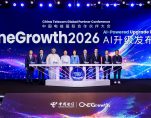
SHANGHAI, CHINA – Media OutReach Newswire – 26 June 2026 – On June 25, 2026, the China Telecom Global Partner Conference convened in Shanghai. Centered on the theme of “OneGrowth 2026: Shared AI Token Era Ahead,” the event brought together leading global telcos, key ecosystem partners, and prominent clients from both domestic and international markets. During the event, the upgraded “OneGrowth Global Cooperation Initiative” was officially launched, and the AI Token Global Service Ecosystem Alliance was inaugurated.

e9d3722a-1b0e-48ba-8c94-ed2ed79e6932.jpg

Global Industry Leaders Convene, Charting a New Chapter for the Intelligent Era

Liu Ying, Executive Vice President of China Telecom, stated in her speech that China Telecom closely align with the high-quality joint construction of the Belt and Road Initiative, promoting the deep integration of mature domestic technological capabilities with global cloud and network resources, and steadily enhancing its international operational strength. Through continuous cultivation, China Telecom has built an AI Token international operation capability system, consolidating the foundation for expanding the global market and deepening ecosystem cooperation. Based on the new stage of the AI Token era, China Telecom is committed to leveraging Token operations as a bond to share the new global computing network, co-create a new paradigm of AI services, jointly govern the new cross-border compliance order, and collectively embrace the new value of the digital intelligence wave.

John Hoffman, CEO of the GSMA, delivered a speech highly recognizing the outstanding contributions made by China Telecom in the collaborative growth of the global digital industry. He stated that, relying on its forward-looking deployment of globalized computing power infrastructure, China Telecom has set a practical benchmark for the intelligent digital transformation of the entire industry. GSMA looks forward to continuously deepening its long-term collaboration with China Telecom, uniting all parties to build unified and general Token service industry standards, enabling advanced AI technologies to land in markets globally.

OneGrowth 2026, Upgraded, Annual Milestones Revisited

At the conference, China Telecom Global (CTG) officially launched the AI-powered and upgraded OneGrowth 2026 Global Cooperation Initiative. This upgrade centers on the three core dimensions of capabilities, applications, and cooperation. Leveraging on the AI Token empowerment system, it accelerates the standardization, commercialization, and global promotion of core AI capabilities.

Looking back at the past year, the key cooperation achievements of the China Telecom OneGrowth blueprint have gradually been put into practice. The “main artery” of the computing power network is smoother, the “2+5+X” global AIDC layout is accelerating, the ALC international submarine cable successfully landed in Hong Kong, and international submarine and terrestrial cables have increased to 185, with a capacity exceeding 304T. The “new engine” of platform capabilities is fully activated; the all-scenario Vision Network platform “OmanEye” officially commenced commercial trial provisioning, the International Seelink Vison Network Platform successfully put into service, and the global traffic platform operation has cumulatively served millions of customers. Four lightweight quantum products, including eSurfing Quantum Secret, took the lead in landing in the Asia-Pacific region. The “experimental field” of industry applications landed at scale; the Satellite Direct-to-PhoneService successfully landed in Hong Kong and Laos, and the global Internet of Vehicles (IoV) “One Card” capability covers more than 230 countries and regions. The “ecosystem” of cloud-intelligence integration continues to prosper, connecting to over 300 mainstream large models via more than 230 global cloud nodes.

United Through Tokens, Cultivared the AI Ecosystem

China Telecom comprehensively implementing the corporate strategy “Cloudification, Digital Transformation, and AI for good” and actively promotes Token-based operations, sincerely inviting global partners to activate the infinite potential of AI Tokens jointly defining a brand-new map for the intelligent era with OneGrowth initiative.

1. Capabilities Fully Upgraded, Building a “Five-in-One” Token Operation System

China Telecom deepens the “Five-in-One” Intelligent Cloud System, builds an “L-shaped” capability layout, and continuously enhances capabilities in compute, platforms, data, models, and applications, externally launching a one-stop comprehensive Token service platform—XINGCHEN TokenHub.

The Xingchen Super Intelligent Agent TeleAgent enables one-click access to mainstream global large models, creating a lightweight and highly efficient AI Token experience for various customers. The platform provides large model access and public cloud cooperation for leading customers in the industry, and providing standard and customized packages for SME customers in subdivided industries, achieving full-chain value management of “Production—Orchestration & Distribution—Application.”

2. Layout of Four AI Sectors, Building a Token Value Community

Building on the comprehensive layout of four core AI business sectors, and simultaneously opening up all platform resources of XINGCHEN TokenHub, differentiated cooperation schemes are launched for each track, joining hands with global partners to build a Token value community.

AI+ New Connectivity:

With cloud-network integration and computing-network unity as its foundation, and relying on intelligent dedicated lines, it achieves one-point cloud access, proximate high-speed connection, and ubiquitous coverage, providing low-latency, highly stable compute-network support for the high-speed flow of Tokens. It can provide partners with full-process services from technology to deployment, realizing intelligent connections that are manageable, controllable, and security-compliant.

AI+ Vision Network:

Jointly building an open and collaborative vision network platform with 30+ global partners. The international visual platform has deployed across multiple sites in Oman, the UAE, and the Asia-Pacific region, boasting over 10 landing scenarios. Driven by the twin engines of “platform + terminal” and “standards + operations”, creating a Token operation gateway to support overseas operators in achieving breakthrough growth and value-driven operations.

AI+ IoT:

Empowered by mature eSIM technology and an AI+ unified management platform, the business covers 230+ countries and regions, accumulating overseas service cases from 30+ leading automotive enterprises. The cooperation model has upgraded to a joint-operation framework, providing DMP platform customization, joint laboratory R&D, AIoT operation upgrades, and automotive industry eco-partnerships to enhance global user experience.

AI+ Digital Life:

Building the core AI entrance for families based on “one all-optical network, one intelligent cloud, and one Better Home.” It empowers externally by leveraging mature domestic experiences of 290 million users of Xiao Yi Guan Jia (Wing Butler) and 580 million ubiquitous smart terminal connections. Centering on overseas market demands, it opens up international cooperation for core products such as the eSurfing Smart Screen and eSurfing Cloud Drive, together with partners explore brand-new business models and empower global smart families.

Alliance Inaugurated, Consolidating the Foundation for Intelligent Upgrades

During the conference, the AI Token Global Service Ecosystem Alliance was officially inaugurated. Co-initiated by leading enterprises in domestic and overseas computing power supply, large model R&D, and vertical industry applications, the alliance is dedicated to unblocking the full-link synergy of AI Tokens from production and scheduling to application and monetization, jointly building an open, interoperable, and value-sharing globalized AI comprehensive service network to provide a solid foundation for the intelligent upgrade of global industries.

Outstanding Partners Honored, Embarking on a New Journey Together

The conference concluded with an awards ceremony. China Telecom presented the OneGrowth Best Innovative Carrier Partner, OneGrowth Best Product Innovative Partner, OneGrowth Best Strategic Partner, and OneGrowth Best Benchmark Partnership to partners who have shown outstanding performance in global cooperation. This accolades recognize partners walking alongside China Telecom, synergizing deeply in industrial layout planning, tackling cutting-edge technologies, and expanding overseas markets, thereby gathering industrial synergy to consolidate the foundation for digital industry development and jointly boosting the global digital intelligent transformation process.

This conference marks the strategic progression of the OneGrowth Global Cooperation Initiative from ecosystem construction to deep cultivation of sub-tracks. China Telecom will continue to leverage its unique advantages of cloud-network integration and broad cross-border coverage, upholding the core cooperation philosophy of “Co-Creation, Sharing, Co-Governance, and Win-Win.” By building a computing power foundation, expanding the cloud-network backbone, innovating the intelligent core, and gathering ecological synergy, it will make AI Tokens the universal value carrier connecting the global intelligent ecosystem, continuously contributing China Telecom’s strength to building a smarter, safer, and more inclusive global digital industry ecosystem.

Hashtag: #ChinaTelecom

The issuer is solely responsible for the content of this announcement.

HONG KONG SAR – Media OutReach Newswire – 26 June 2026 – More than 380 representatives of global enterprises joined a welcome reception yesterday (June 25) for 413 newly arrived or expanded overseas and Chinese Mainland companies in Hong Kong.

During the reception, Invest Hong Kong (InvestHK), the government’s investment promotion agency, announced impressive results for the first half of 2026, revealing that these enterprises are expected to bring in over HK$53 billion (US$6.8 billion) in foreign direct investment and create over 8,600 new jobs for Hong Kong.

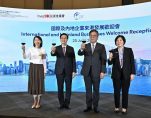
Hong Kong SAR's Chief Executive, John Lee (second left); the Secretary for Commerce and Economic Development, Algernon Yau (second right); the Director of the Chief Executive's Office, Carol Yip (first left); and the Director-General of Investment Promotion, Alpha Lau (first right), toast the success of enterprises expanding in Hong Kong at Invest Hong Kong's annual welcome reception.
Hong Kong SAR’s Chief Executive, John Lee (second left); the Secretary for Commerce and Economic Development, Algernon Yau (second right); the Director of the Chief Executive’s Office, Carol Yip (first left); and the Director-General of Investment Promotion, Alpha Lau (first right), toast the success of enterprises expanding in Hong Kong at Invest Hong Kong’s annual welcome reception.

Speaking at the reception, John Lee, Chief Executive of the Hong Kong Special Administrative Region (HKSAR), said Hong Kong is one of the best places in the world to do business, being ranked as the world’s freest economy by the Fraser Institute and the second most competitive economy according to the latest IMD World Competitiveness Yearbook.

“In choosing Hong Kong for your Asian and global business expansion, you share my belief in Hong Kong’s flourishing future,” Mr Lee said. “You have made a wise choice. Hong Kong is one of the world’s best economies to do business in and with.”

Under the “one country, two systems” principle, Hong Kong possesses the distinctive advantages of enjoying strong support from the country (China) and being closely connected to the world. The city offers an open and business-friendly environment, a simple and low tax regime, and a common law system that seamlessly connects with global financial centres.

Austria-based transport and logistics firm Gebrüder Weiss recently upgraded its Hong Kong office to become regional headquarters in East Asia and Oceania. Its Regional Director East Asia/Oceania, Michael Zankel, said of Hong Kong, “The business environment is great, you have a lot of talent around here to employ. It has always been the gateway to the Chinese Mainland but for us it is more a gateway to Asia.”

According to Merwann Younes, Global Head of Hospitality & Lifestyle Channels for Italian company Moleskine, Hong Kong is a “a very dynamic and creative city, which are also the core values for Moleskine as a brand.”

Etienne Dubois, Chief Strategy Officer, Unlimitics, which has developed an AI-powered school simulation game designed for neurodivergent children, said Hong Kong is a good place for start-up entrepreneurs like himself. “It is a very good melting pot for talent and opportunities and for growth,” he said.

image-1.jpeg

Expanding on its first half results for 2026, InvestHK announced that its number of completed projects had increased 9% compared to the same period in 2025, while anticipated direct investment was up 36% and new jobs created rose 6% year-on-year.

In terms of place of origin of the 413 enterprises, 246 came from the Chinese Mainland, followed by Singapore (26), the United States (21), the United Kingdom (18), France (11) and Italy (11).

The top five sectors are innovation and technology (93), financial services and fintech (89), tourism and hospitality (55), transport, logistics and industrials (44), and business and professional services (39).

Looking ahead, Mr Lee said the HKSAR Government was expediting development of the Northern Metropolis, a new economic engine destined to rise as an international I&T and business hub.

“This will unlock abundant opportunities and shape a prosperous future for Hong Kong,” Mr Lee said, adding that the HKSAR Government is creating Hong Kong’s first Five-Year Plan, a strategic blueprint that will focus on long-term economic momentum, advancing technology and improving livelihoods.

Investment promotion results of InvestHK for the first half of 2026 are available at: https://gia.info.gov.hk/general/202606/25/P2026062500366_548202_1_1782386859629.pdf

Hashtag: #hongkong #brandhongkong #asiasworldcity #investhk #business #investment


The issuer is solely responsible for the content of this announcement.

HONG KONG SAR – Media OutReach Newswire – 25 June 2026 – Recently, SCNet.AI (www.scnet.ai) headquartered in Hong Kong has officially launched as a global AI&HPC computing service platform. With an e-commerce-style operational model, the platform redefines how AI for Science (AI4S) computing resources are accessed, enabling researchers worldwide to access AI, supercomputing applications and diverse compute resources as seamlessly as online shopping.

Putting Scientific Research Agents Within Reach — SCNet.AI Accelerates AI4S Innovation Powered by AI & HPC

Simplifying Innovation: From Bioinformatics to Industrial Simulation

SCNet.AI is positioned to bridge supply and demand for computing resources and unify an ecosystem of research software, delivering user-friendly research computing and scientific large model innovation environments for global research institutes, enterprises and independent developers.

SCNet.AI covers three core research scenarios:

  • Life Science & Bioinformatics: Tailored for biopharma firms and universities;
  • Industrial Manufacturing: CFD fluid simulation and FEA finite element analysis for automotive and semiconductor sectors;
  • Physical & Chemical Research: Molecular dynamics simulation for researchers in materials and new energy sectors.

Built around the integrated development philosophy of “data, computing power, models and applications”,SCNet.AI addresses pain points of open-source large models including difficult deployment, high usage costs and complicated adaptation, and provides end-to-end technical support from environment deployment to task tuning, substantially lowering the operational barrier for researchers to access AI4S computing resources.

E-commerce-style Operational Model: Instant Access & Elastic Scheduling

SCNet.AI’s standout innovation lies in its proprietary AI4S application marketplace model. Much like mainstream e-commerce platforms that connect physical goods buyers and sellers, SCNet.AI matches computing power, datasets, research models and industry applications with researchers.

This model delivers three distinct competitive advantages:

  • Instant on-demand access. All software is delivered via SaaS, while research AI agents are deployed under MaaS. Users can run tools online after subscription without local downloading, installation or maintenance.
  • Elastic scaling. Computing resources can be precisely allocated on demand for workloads ranging from simulation calculations to large model training.
  • Unified innovation ecosystem. Beyond being a computing power trading hub, SCNet.AI serves as a global collaborative platform for scientific research and innovation.

Currently, hundreds of premium applications, datasets and model products have already been listed on the platform. Users can select research applications on demand just like browsing an e-commerce site, eliminating the need to build in-house computing clusters or hire dedicated operation and maintenance staff. Simple registration unlocks full access, drastically cutting the overall hidden AI4S cost.

To lower entry barriers for researchers worldwide, SCNet.AI offers a complimentary resource kit for all newly registered users, including 10M Tokens, 100 GPU Hours (AI Inference) and 100 CPU Core Hours (HPC). These resources can support dozens of inference runs for mainstream foundation models, lightweight model fine-tuning, or complete end-to-end CFD and molecular dynamics simulation experiments.

This promotion is valid from June 23 to July 23, 2026 and open exclusively to first-time registrants. Each new account entity is entitled to claim the resource kit only once. All redeemed resources expire 90 days after collection. Quantities are limited and will be distributed on a first-come, first-served basis until exhausted.

For full information, please visit our official website at www.scnet.ai.

Hashtag: #SCNet.AI

The issuer is solely responsible for the content of this announcement.

VISHNU RAJA
RYO YAMADA
HITORI GOTOH
IKUYO KITA