News related to
good

Abu Dhabi’s National Marine Dredging Company (NMDC) has expanded its reach into new sectors with the establishment of a dedicated logistics unit. This strategic move aims to enhance the company’s service offerings and leverage its operational expertise to capitalize on the growing demand for integrated logistics services. The new division will focus on providing logistics solutions for a wide range of industries, marking a significant shift in NMDC’s business trajectory.

The expansion comes at a time when the global logistics market is experiencing rapid growth, driven by advancements in technology and an increase in trade activities. NMDC’s decision to establish a logistics unit underscores its ambitions to diversify beyond its traditional dredging and marine operations. The move also positions the company to tap into a sector that is becoming increasingly vital to the supply chain, particularly in the Middle East, where infrastructure development continues to surge.

The logistics unit will provide end-to-end services, including transportation, storage, and distribution, aimed at industries such as construction, oil and gas, and infrastructure development. By venturing into this space, NMDC is poised to offer a broader suite of solutions to its existing client base while also attracting new customers from sectors that require sophisticated logistical support. The company’s extensive experience in project management and large-scale operations positions it well to integrate these new services into its existing portfolio.

According to industry experts, NMDC’s entry into the logistics market is a timely response to the increasing need for efficient supply chain solutions. The UAE, and particularly Abu Dhabi, is seeing a rise in demand for specialized logistics services driven by its growing infrastructure and energy sectors. With a well-established reputation for executing large-scale maritime and dredging projects, NMDC’s expansion into logistics is seen as a natural progression.

The establishment of the logistics division is expected to improve operational efficiency by streamlining the movement of goods, materials, and equipment across different sectors. Furthermore, the move aligns with broader economic trends in the UAE, where non-oil sectors are becoming a focal point of the country’s long-term economic diversification strategy. The UAE government has made significant investments in infrastructure, including airports, seaports, and transport systems, which have spurred demand for robust logistics capabilities.

One of the key advantages of NMDC’s new unit is its potential to integrate its marine expertise with logistics operations. Given the company’s vast experience in marine dredging, port construction, and offshore services, it is well-positioned to offer seamless transportation solutions for industries dependent on sea-based logistics. This expertise could offer a significant competitive edge, particularly in the context of the UAE’s strategic location as a hub for global trade. The integration of marine logistics with land-based services is expected to create a more efficient supply chain, allowing NMDC to offer cost-effective and timely solutions.

NMDC’s logistics expansion also reflects broader trends within the UAE’s corporate sector, where companies are diversifying to stay competitive amid evolving market conditions. The logistics sector, in particular, has attracted substantial investments from both public and private entities due to its role in supporting economic growth. As a result, many firms are increasingly seeking ways to enhance their capabilities to meet the demands of industries such as e-commerce, retail, and manufacturing.

The logistics unit will also have a significant impact on job creation within the region. As the company scales up its operations, it is expected to generate a range of employment opportunities, particularly for skilled workers in fields like supply chain management, transportation, and warehousing. The initiative also aligns with the UAE’s ongoing efforts to cultivate a competitive workforce and reduce dependency on foreign labor by providing more opportunities for local talent.

NMDC’s growth strategy involves not only expanding its reach in logistics but also enhancing its overall service capabilities to support the UAE’s broader economic objectives. The logistics division is expected to bolster the company’s presence in key regional markets, particularly as demand for efficient transportation services increases across the GCC and North Africa. By extending its services, NMDC aims to position itself as a leading player in the logistics sector, much like it has in the marine and dredging industries.

The logistics market in the UAE has witnessed significant growth in recent years, with an increasing number of companies entering the field to cater to the rising demand for transport, warehousing, and distribution services. NMDC’s move to enter this competitive market, however, comes with its own set of challenges. The logistics sector is highly competitive, with established players already commanding significant market share. However, industry analysts believe that NMDC’s reputation for successful large-scale project execution and its ability to integrate advanced technology into operations could give it a competitive advantage in the long term.

Technological innovation is expected to be a key focus for the logistics unit, with NMDC likely to implement smart logistics systems and automation to streamline processes. Technologies such as artificial intelligence, Internet of Things (IoT), and blockchain are increasingly becoming integral to the logistics sector, enabling companies to improve efficiency and transparency. By integrating such technologies, NMDC can not only optimize its logistics operations but also offer value-added services to customers who are increasingly seeking more digitized and automated solutions.
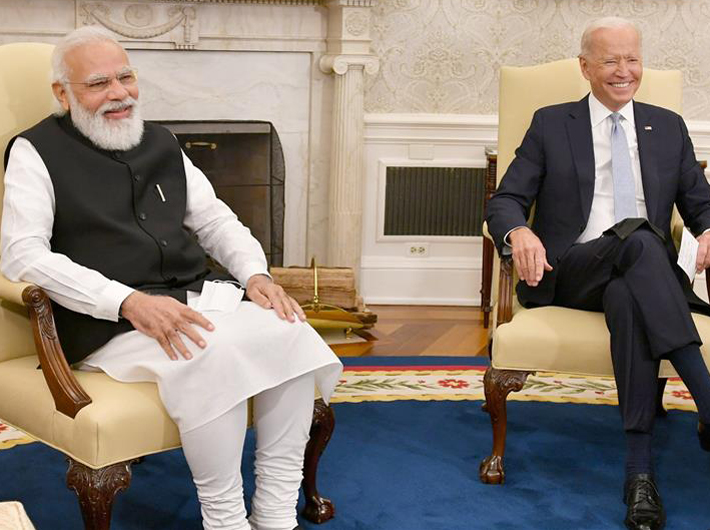
By Nitya Chakraborty As the year 2024 is ending and India is on the threshold of beginning a New Year 2025, Prime Minister Narendra Modi and his senior officials in both PMO and the external affairs ministry are relaxed and looking for positive developments in the coming year for Indian diplomacy. Narendra Modi has reasons […]

Elon Musk’s legal battle against OpenAI, the artificial intelligence company he helped launch, has intensified with the filing of an injunction aimed at halting the company’s transition to a for-profit model. Musk, who played a pivotal role in OpenAI’s early development, is challenging the company’s decision to pivot from its original non-profit status, citing concerns over the ethical implications and potential conflicts of interest arising from this […]

France is contemplating a significant tax overhaul aimed at targeting “unproductive wealth,” which could include assets like Bitcoin, private jets, yachts, and luxury cars. This potential move reflects a growing trend among European countries to reshape their tax systems in response to the changing nature of wealth accumulation and its role in economic inequality.

French President Emmanuel Macron’s government is looking to implement a broader fiscal policy that addresses the concentration of wealth in certain sectors and individuals who possess assets not actively contributing to the economy. The move comes as part of a wider effort to tackle rising inequality in the country, with a particular focus on taxing luxury goods and non-productive financial assets. The goal is to redistribute resources to fund social programs and reduce the wealth gap, particularly in times of economic pressure exacerbated by the aftermath of the COVID-19 pandemic.

A key target of this new tax policy is cryptocurrency holdings, particularly Bitcoin, which has been characterized as an asset that is primarily held for speculative purposes. Bitcoin, often referred to as a store of value or “digital gold,” has garnered significant attention in recent years as a hedge against inflation and a means of diversifying portfolios. However, its volatile nature and lack of productive output have raised concerns among policymakers, who argue that such assets contribute little to the broader economy.

Supporters of the tax argue that the move would level the playing field between those who accumulate wealth through productive means and those who hold non-productive assets. They contend that luxury goods and speculative investments like Bitcoin should not be exempt from taxation, as they offer minimal societal benefit while contributing to wealth inequality.

Opponents, however, warn that such a policy could stifle investment and economic growth. They argue that taxing assets like Bitcoin could undermine investor confidence in both traditional and digital markets. There is also concern that the policy may discourage innovation in the cryptocurrency space, which has been seen as a driver of financial innovation and economic diversification.

The inclusion of Bitcoin in the potential tax bracket highlights France’s growing stance on regulating cryptocurrencies. France has long been cautious about the rise of digital currencies, having implemented stringent regulations to combat money laundering and fraud. However, this new proposed tax is a more direct approach, targeting the underlying wealth of crypto investors.

For many cryptocurrency enthusiasts, the tax represents a broader philosophical debate over the role of government in regulating digital assets. The decentralization of cryptocurrencies, which operate outside the traditional banking system, has made them an attractive option for individuals seeking financial autonomy. As the debate continues, French lawmakers are grappling with balancing the need for regulation and oversight with the potential for stifling innovation in the growing crypto economy.

Beyond cryptocurrency, the tax proposal includes traditional luxury assets, such as private jets, yachts, and high-end automobiles. These assets, often associated with the wealthiest individuals, have been a focus of criticism for their environmental impact and lack of tangible economic contribution. The government’s argument is that taxing these non-productive assets can help fund projects that would benefit a broader segment of the population, particularly in the context of green initiatives and sustainable development.

The tax would not only target French residents but also foreign nationals who own such luxury assets within France. This has raised concerns among global elites, many of whom use France as a destination for both leisure and business. While the policy is still in the proposal stage, it has sparked significant debate within both the political and business communities. Opponents argue that France could risk losing its status as a major hub for luxury goods and high-net-worth individuals if such a tax were to be implemented.

Despite these concerns, the government is moving forward with consultations to finalize the details of the tax. The proposed tax would likely be tiered, with higher rates for those who hold larger or more expensive assets, both in the realm of cryptocurrency and physical luxury goods. This progressive approach is intended to ensure that the wealthiest individuals, who are often the primary holders of such assets, contribute a fairer share to the country’s public finances.

While France has yet to release a formal timetable for the implementation of the tax, the proposal is gaining traction among certain factions of the political spectrum, particularly those advocating for stronger measures to combat inequality and climate change. However, it remains to be seen how the policy will affect investment in both luxury markets and cryptocurrencies, which have been seen as major sources of wealth for the affluent in recent years.

Hong Kong’s first two-day outdoor music and cultural festival hosted by Hypebeast, featured 24 musical acts alongside a multitude of brand activations, art installations and interactive experiences. HONG KONG SAR – Media OutReach Newswire – 3 December 2024 – Hypebeast, the leading global platform for contemporary culture and lifestyle, concluded Hypefest Hong Kong 2024 on November 9-10. Financially supported by the Mega Arts and Cultural Events (Mega […]

Coinbase has launched a new feature, integrating Apple Pay into its platform through the “OneRamp” product, enabling users to make seamless fiat-to-crypto transactions. This move comes as part of Coinbase’s strategy to simplify cryptocurrency trading and expand access for everyday users. By integrating Apple Pay, Coinbase aims to offer a more efficient and user-friendly method for purchasing cryptocurrencies directly from fiat accounts.

OneRamp, designed to streamline the transaction process, allows users to connect their Apple Pay accounts with their Coinbase profiles. The feature enables the purchase of digital assets with a single click, providing an immediate, seamless bridge between traditional fiat currencies and the world of cryptocurrency. The integration comes at a time when many investors and users are seeking easier ways to participate in crypto markets without dealing with the complexities of traditional banking and crypto exchanges.

The collaboration between Coinbase and Apple Pay is expected to make crypto more accessible to mainstream audiences, particularly those who are already comfortable using Apple Pay for everyday transactions. Apple Pay is widely used for various purchases, from retail shopping to online services, and the integration into Coinbase provides a new, frictionless entry point into the cryptocurrency ecosystem. As the crypto market continues to evolve, such integrations are seen as vital for bridging the gap between traditional finance and the decentralized finance world.

For Coinbase, the introduction of OneRamp with Apple Pay represents a significant shift in how the platform approaches user experience. By eliminating barriers like cumbersome account setup processes or the need for multiple authentication steps, Coinbase hopes to attract a broader user base. One-click crypto purchases can appeal to individuals who are not well-versed in blockchain technology but are familiar with digital payment methods like Apple Pay.

This integration also positions Coinbase to compete more effectively with other crypto exchanges that are constantly working on improving ease of use and expanding payment options. Other platforms have made similar moves in recent months, integrating traditional payment systems into their crypto-buying processes. As a result, Coinbase’s new feature is part of a larger trend to democratize access to cryptocurrency, making it as easy to purchase as any other consumer good.

The broader implications of the Coinbase-Apple Pay collaboration also touch on the growing intersection of traditional finance and the evolving cryptocurrency space. Apple, with its large user base and robust payment infrastructure, brings credibility and convenience to cryptocurrency purchases, something that has long been a barrier for potential investors. Cryptocurrency still faces challenges in gaining widespread adoption, with concerns over security, volatility, and regulatory uncertainty. By partnering with a trusted name like Apple, Coinbase hopes to address some of these issues while encouraging more mainstream participation.

This development also highlights Coinbase’s ongoing efforts to improve its platform for a global audience. Apple Pay is available in multiple regions, and its integration with OneRamp is expected to facilitate crypto transactions in these markets. Expanding payment options and making crypto more accessible to users in various countries is part of Coinbase’s strategy to broaden its international presence and increase its user base beyond North America.

In addition to the technical improvements, this integration has the potential to drive increased liquidity in the crypto market. The ability to quickly convert fiat into cryptocurrency through widely recognized payment systems could boost market activity, as users will have easier access to buy and sell cryptocurrencies as they see fit. This could also lead to a more dynamic marketplace, where crypto trading becomes just as seamless as trading in other financial assets.

However, the success of this integration will depend on how well Coinbase and Apple Pay can manage issues such as fraud prevention and regulatory compliance. With governments and regulators around the world tightening their focus on cryptocurrency transactions, Coinbase will need to ensure that its platform remains compliant with both local and international regulations. The integration of Apple Pay, while simplifying the purchasing process, may also require Coinbase to maintain robust security measures to protect users from potential cyber threats.

Matein Khalid The S&P 500 Index was the ultimate Thanksgiving gift to investors in US equities though the party poopah sectors like Big Pharma were the proverbial turkey. The post-election spike was only the icing on a cake that has been a dream for investors in the SPX, now up 27% with 53 record closes. America is 4% of the world’s population and 25% of its GDP […]

Advertisements

MicroStrategy has solidified its position as the leading corporate holder of Bitcoin with a monumental acquisition. The company added 55,500 Bitcoin to its reserves for approximately $5.4 billion, an investment executed at an average price of $97,862 per Bitcoin. This purchase elevates the company’s total holdings to 386,700 Bitcoin, acquired at a cumulative cost of $21.9 billion, reflecting an average acquisition price of $56,761 per coin.

The acquisition follows the company’s completion of a $3 billion convertible notes offering, a strategic move that provided the financial backing for this significant investment. Over the past quarter, MicroStrategy reported a Bitcoin yield of 35.2%, underscoring the asset’s growing contribution to the company’s balance sheet. On a year-to-date basis, the yield surged to 59.3%, further cementing Bitcoin’s role as a core component of MicroStrategy’s long-term strategy.

Michael Saylor, MicroStrategy’s co-founder and executive chairman, continues to champion Bitcoin as a “digital gold” and a hedge against inflation. Since initiating Bitcoin purchases in 2020, the company has employed innovative financing methods, including equity sales and corporate cash flow, to fund acquisitions. This strategy has placed MicroStrategy at the forefront of corporate cryptocurrency adoption, influencing other companies to explore Bitcoin as a reserve asset.

Saylor stepped down as CEO in 2022 to focus exclusively on Bitcoin-related initiatives, enabling MicroStrategy to scale its crypto strategy while entrusting day-to-day operations to his successor, Phong Le. The company’s unwavering commitment to its Bitcoin strategy has inspired other corporations globally, with firms like Metaplanet in Japan and Semler Scientific in the United States adopting similar treasury practices.

MicroStrategy’s latest move has not only strengthened its financial position but also highlighted the growing acceptance of Bitcoin as a mainstream financial asset. As more corporations consider integrating Bitcoin into their strategies, MicroStrategy remains a pivotal player in shaping the narrative around cryptocurrency adoption in corporate finance.

By Nantoo Banerjee It is a matter of grave concern that counterfeit Rs 500 notes from the Mahatma Gandhi (new) series have nearly quadrupled between 2018-19 and 2023-24. And, the detection of counterfeit Rs 2,000 notes has tripled since 2020-21. The Rs 2,000 notes continue to remain legal tender and can be exchanged at RBI […]


Understood. Let me research and draft the report for you. Please hold on.

Dubai will host the second edition of the Japan Kyoto Trade Exhibition in February 2025, showcasing Japan’s innovative industries and fostering cross-border business opportunities. Organized by MAICO Enterprises Inc., a prominent Japanese trade organization, this event is set to bring together global businesses, investors, and policymakers in a celebration of economic collaboration and cultural exchange.

Scheduled from February 10 to 13 at the Dubai World Trade Centre, the exhibition will highlight sectors such as technology, green energy, and consumer goods. The event aims to promote Japan’s traditional craftsmanship alongside its advancements in technology, emphasizing sustainability and innovative trade practices.

This year’s exhibition builds upon the success of the inaugural event, which featured over 300 exhibitors and attracted more than 20,000 visitors. Organizers have expressed confidence in surpassing these figures in 2025, given the strategic location of Dubai as a global trade hub and its commitment to fostering international partnerships.

Fuel prices in the UAE experienced a notable rise in November, with the price of Super 98, Special 95, and E-Plus 91 all increasing by 9 fils per liter compared to October. The increase has raised concerns among consumers, particularly in light of ongoing discussions about the global energy market and its impact on local economies.

The National Petroleum Marketing Company, which oversees fuel pricing in the UAE, implemented this price change after monitoring shifts in global oil prices. The new prices reflect a global trend in energy markets where oil prices have steadily climbed in the past months due to rising demand and geopolitical uncertainties. Industry analysts suggest that such fluctuations are becoming increasingly common as global supply and demand dynamics evolve.

The change has been felt by consumers across the country, with many noting the impact on household budgets. The price for Super 98, the premium fuel grade, is now set at 3.03 AED per liter, up from 2.94 AED in October. Special 95, which is widely used by the general public, now costs 2.92 AED per liter, while E-Plus 91 has seen its price rise to 2.83 AED per liter. These increases, although seemingly modest, have a direct impact on daily life in the UAE, where gasoline-powered vehicles remain the primary mode of transport for the majority of residents.

The fuel price hike is part of a broader trend of fluctuating oil prices that began in mid-2023, driven by OPEC+ decisions, changes in U.S. production levels, and shifting demand patterns across key global markets. In particular, recent supply cuts by major oil-producing nations have tightened global crude oil supplies, contributing to the increase in fuel costs. The UAE, being a significant player in the global energy market, is not insulated from these trends, as the country relies heavily on oil exports for revenue.

The fuel price increases also come amidst discussions about the UAE’s efforts to diversify its economy away from oil dependence. Although the country has made significant strides in renewable energy development, including solar power and nuclear energy, oil remains a dominant economic driver. This creates a delicate balance for policymakers who must manage rising fuel prices while attempting to transition to more sustainable energy sources in the long term.

Consumer sentiment regarding the fuel price hike has been mixed. While some accept the increase as an inevitable result of global market trends, others express frustration with the recurring adjustments. Public transport, although available in major cities like Dubai and Abu Dhabi, remains underdeveloped in many parts of the country, making private car ownership essential for most people. This reliance on cars amplifies the impact of rising fuel prices on everyday expenses, leading to concerns about the affordability of transportation.

Economists have also weighed in on the potential long-term effects of fuel price hikes in the region. Some suggest that continued increases could put pressure on the cost of living, particularly in industries reliant on fuel-intensive activities such as transportation and construction. Businesses may face higher operating costs, which could eventually be passed on to consumers in the form of higher prices for goods and services.

On the other hand, analysts point out that the UAE government has taken steps to mitigate the impact on the most vulnerable sectors of the economy. Some subsidies remain in place for specific fuel products, particularly for those used in commercial and industrial sectors. These measures are designed to help cushion the effects of price increases and ensure that critical sectors do not experience undue strain.

The UAE’s fuel pricing system, which is reviewed monthly, has led to a degree of predictability in the market. Although prices are subject to fluctuations, the transparency of the system allows consumers to plan their expenses accordingly. This regular review process has earned praise from certain segments of the population, who appreciate the consistency in pricing, despite the periodic hikes.

Global energy market conditions remain a crucial factor in determining fuel prices. International oil price fluctuations have an immediate impact on the cost of fuel, and the UAE is particularly sensitive to these changes due to its role as a major oil exporter. With oil prices expected to remain volatile, fuel price adjustments are likely to continue being a regular feature of the economic landscape in the UAE. These changes, while impacting consumers, also serve as a reminder of the intricate connection between local economies and global energy markets.

SINGAPORE – Media OutReach Newswire – 29 November 2024 – Celebrate Christmas with Shiok Kitchen Catering, a Halal-certified caterer under Creative Eateries that offers an array of one-stop catering services. These seasonal menus, which boast traditional international Christmas food with modern Singapore flavours, are available in a number of formats and occasions, for any number of pax. From a Christmas mini buffet catering to holiday bentos for […]

Over 80 Local and Overseas Creative Communities Engaging in Large-scale Installations & Exhibitions, Workshops, and Creative Voice Powering Inner Growth Through Design HONG KONG SAR – Media OutReach Newswire – 29 November 2024 – Presented by PMQ and sponsored by the Cultural and Creative Industries Development Agency (CCIDA), formerly known as Create Hong Kong (CreateHK), deTour design festival will take place from 29th November to 15th December […]

Recognition Highlights Leadership Balancing Business Success and Community Impact PHNOM PENH, CAMBODIA – Media OutReach Newswire – 29 November 2024 – Neak Oknha Chen Zhi, Chairman of Prince Holding Group, received the prestigious “Best Contributions Towards Socio-Economic Development – Cambodia” award at the International Finance Awards. This accolade recognizes Chairman Chen Zhi’s visionary leadership and steadfast commitment to fostering sustainable growth and development across Cambodia. Neak Oknha […]

TAIPEI, TAIWAN – Media OutReach Newswire – 29 November 2024 – Global talent solutions provider Robert Walters Taiwan released a report exploring the state of succession planning in Taiwan. The report, titled “Success in succession: Building a leadership pipeline to keep your business thriving“, includes a survey of 253 organisations in Taiwan, which found that 87% of businesses face challenges with succession planning. Moreover, 54% of respondents […]

BANGKOK, THAILAND – Media OutReach Newswire – 28 November 2024 – Thailand’s culinary community shines brighter than ever, with the announcement of the country’s first recipient of the ultimate accolade of Three MICHELIN Stars at the MICHELIN Guide Ceremony Thailand that marks the official release of The MICHELIN Guide Thailand 2025 edition, and the unveiling of its much-awaited full restaurant selection. The newly released Guide features 462 […]

Dubai is famous for its road system and traffic rules all around the world. For this reason, it is a wonderful destination for new drivers to practice and gain experience. However, safe driving practices should be strictly followed. The well-paved roads might be a reason for temptation for the experienced drivers to go fast. But the new drivers have to be careful. If you are a new […]

HONG KONG SAR – Media OutReach Newswire – 27 November 2024 – The first baijiu company listed on the Hong Kong Stock Exchange, ZJLD Group Inc. (“ZJLD” or the “Company”, SEHK stock code: 06979. HK), is pleased to announce that the Group has been awarded the “Greater Bay Area (GBA) Listed Companies ESG100 Green Advancement Awards – Value Champion Award” at the inaugural event. The “GBA Listed […]

The UAE has officially launched its national lottery, marking a historic moment in the country’s gaming landscape. Nearly four months after the announcement, the first and only regulated lottery operation in the UAE is now live, offering residents the chance to participate through tickets priced at Dh50. The official platform, www.theuaelottery.ae, serves as the exclusive channel for purchasing tickets.

The launch of the UAE Lottery was a significant step for the country, which had previously prohibited gambling activities. This new initiative, operated by The Game LLC, marks a shift in the regulatory landscape, bringing a legal, controlled avenue for residents to try their luck with the possibility of winning big. The jackpot for the first draw stands at Dh100 million, attracting widespread attention as people across the nation look to test their fortunes.

This move is part of a broader effort by the UAE government to modernize and diversify its economy. By introducing a national lottery, the government not only opens up a new form of entertainment but also a new revenue stream that could benefit various public sectors. While some may view the lottery as a controversial form of entertainment in a region historically opposed to such activities, its regulation ensures that the operation aligns with the country’s strict guidelines and laws. The revenue generated from ticket sales is expected to be channeled into community projects, contributing to the social and economic development of the UAE.

The Game LLC, the entity behind the lottery, has positioned itself as a transparent and ethical operator, adhering to all legal and regulatory requirements set by the UAE government. The company has emphasized its commitment to responsible gaming and the importance of maintaining the integrity of the lottery system. This effort is particularly important in a market where trust in gaming operations is vital for ensuring public participation and support.

The introduction of the lottery aligns with the UAE’s broader economic strategies, particularly its push to enhance tourism and entertainment offerings. The lottery provides not only a new source of revenue but also a new attraction for both local residents and tourists who might be drawn to the opportunity of winning a life-changing sum. By tapping into the global trend of state-regulated lotteries, the UAE is positioning itself as a modern hub for entertainment, in line with its vision of becoming a global leader in diverse sectors.

Participants in the lottery can purchase tickets directly from the official website, making the process simple and accessible. The digital platform ensures a secure and user-friendly experience for buyers, with the system designed to handle large volumes of traffic, ensuring that ticket purchases and subsequent draws are seamless and transparent. The availability of the lottery through an online platform also reflects the UAE’s ongoing commitment to digital innovation and the expansion of e-commerce within the region.

The prize pool, with the jackpot set at Dh100 million, has generated significant interest among potential players. However, the odds of winning the grand prize are expected to be steep, as is typical with large-scale lotteries. The Game LLC has stated that the lottery will operate on a draw system, with winners selected randomly from the pool of ticket holders. This randomization process is designed to ensure fairness and impartiality in the distribution of prizes, an essential feature for maintaining the public’s trust in the operation.

While the introduction of the lottery has been met with enthusiasm by many, there are also concerns about the impact of gambling in a region where it has traditionally been viewed with caution. However, the regulated nature of the UAE Lottery aims to mitigate these concerns by implementing strict safeguards and offering transparency throughout the process. The introduction of educational campaigns on responsible gaming is part of the strategy to ensure that individuals participate in the lottery in a controlled and informed manner.

Experts suggest that the UAE Lottery could have broader implications for the regional gaming industry, potentially setting a precedent for other Gulf nations to explore regulated lottery systems. The success of this operation could encourage neighboring countries to adopt similar models, creating a new sector within the region’s economy while promoting responsible gambling practices. The UAE’s move may also influence broader social and cultural perceptions of gaming, especially as the government emphasizes its regulated nature and commitment to ensuring that the lottery is both a form of entertainment and a tool for social good.

The regulatory framework surrounding the lottery operation is carefully designed to ensure compliance with UAE laws. The operation is closely monitored by government agencies to ensure that it operates fairly and responsibly. There are strict controls on advertising and marketing, particularly concerning the promotion of the lottery to younger audiences. The UAE’s commitment to regulating this new form of entertainment underscores the importance of striking a balance between economic growth and societal values.

By Nitya Chakraborty The last round of the state assembly elections of the country in 2024 along with the by polls ended on November 20 with the results declared on November 23. The massive victory of the BJP led Mahayuti in Maharashtra polls has given a new confidence to the BJP in offsetting the losses […]


BANGKOK, THAILAND – Media OutReach Newswire – 27 November 2024 – SM Investments Corporation (“SM Investments”), one of the largest and most diversified conglomerates in the Philippines, has been honoured with the prestigious titles of Top Sustainability Advocates in Asia and Asia’s Most Influential Companies at the 2024 Asia Corporate Excellence & Sustainability (ACES) Awards, organised by MORS Group. These accolades recognise SM Investments’ outstanding commitment to […]

By Rabindra Nath Sinha KOLKATA: It is not just that the Bharatiya Janata Party cut a sorry figure in the electoral battle 2024 for Jharkhand assembly despite a high octane campaigning that had strong communal overtones and in which the party’s money power was all too evident. Some new developments, which may shape future politics […]


Hongkongers’ average monthly savings soar to HK$9,800, while pre-retirees need HK$5.45 million to retire with sufficient “sense of security” HONG KONG SAR – Media OutReach Newswire – 26 November 2024 – The Hong Kong Deposit Protection Board (HKDPB) has conducted its “Hongkongers’ Sense of Security on Savings” survey for the seventh consecutive year. According to the survey results of this year, the average monthly savings of Hongkongers […]

Saudi Arabia announced a series of major agreements in its metals and minerals sector, totaling over $9 billion. These deals, unveiled during the World Investment Conference in Riyadh under the Global Supply Chain Resilience Initiative, mark a significant step toward diversifying the kingdom’s economy and reducing its reliance on oil. The agreements aim to boost domestic production capabilities, enhance sustainability, and position Saudi Arabia as a key […]

VISHNU RAJA
RYO YAMADA
HITORI GOTOH
IKUYO KITA