News related to
good

Matein Khalid My mystical vegan-pivot makes Christmas goose tab​oo for the rest of my life but my quest for those rare geese that lay golden eggs for me ​on the stock exchanges continues unabated. Alibaba (BABA) was despised/dissed by everyone I respected, from CNBC honcho Jim Cramer to my Indian luminati (but never Illuminati) friends in the DIFC and even hedgies in New York and London who […]

SHANGHAI, CHINA – Media OutReach Newswire – 21 February 2025 – In the Financial Times‘ 2025 global ranking of MBA programmes, CEIBS has once again been named #1 in Asia, marking nine consecutive years as the highest ranked programme in the region on the internationally authoritative list. The programme was ranked #12 globally. This accomplishment demonstrates the robustness and enduring quality of our programme in a climate […]

Nissan Motor Co. experienced an 11% surge in its share price on Friday following reports that a prominent Japanese consortium is formulating plans to attract investment from Tesla Inc. This development comes on the heels of Nissan’s unsuccessful merger discussions with Honda Motor Co., highlighting the automaker’s ongoing efforts to stabilize its financial standing. The initiative is spearheaded by Hiro Mizuno, a former Tesla board member, with […]

MACAU SAR – Media OutReach Newswire – 21 February 2025 – Galaxy Macau™, the world-class luxury integrated resort, stands as a premier culinary destination, offering exquisite dishes from around the globe and ensuring that every visit to Macau is vibrant and memorable. Since its opening in 2015, 8½ Otto e Mezzo BOMBANA at Galaxy Macau has garnered numerous accolades, including a Michelin one-star rating for nine consecutive […]

Canadian Retailer Expands to Six ‘Must-See’ Showrooms ALBERTA & ONTARIO, CANADA – Media OutReach Newswire – 20 February 2025 – In a joint agreement that completes today at 11:00 am MST, Barbecue Country, of 5682 75 Street NW, Edmonton, Alberta will officially join the proudly Canadian, Barbecues Galore family. Canadian homeowners have trusted Barbecues Galore since 1979 for expert advice and exceptional services related to luxury patio […]

By Nitya Chakraborty February 2025 is not just the moment of truth for the European nations and NATO members but also time for reckoning for the Global Left and the peace movement which are still sizing up the dimension of the impact of U.S. President Donald Trump’s emergence as a peacenik to end the three […]

Google Pay, a leading digital payment platform in India, has introduced a convenience fee for users settling utility bills via credit and debit cards. This development marks a significant shift from the platform’s previous policy of offering fee-free transactions for essential services such as electricity and gas.

The newly imposed charges range between 0.5% and 1% of the transaction amount, in addition to the applicable Goods and Services Tax . For instance, a user paying an electricity bill of ₹2,000 through a credit card may incur a convenience fee of up to ₹20, plus GST. These fees are applicable exclusively to payments made using credit and debit cards; transactions conducted directly through UPI-linked bank accounts remain exempt from such charges.

This move aligns with a broader trend in the digital payments industry, where platforms are exploring monetisation strategies to offset operational costs associated with payment processing. The National Payments Corporation of India had previously introduced an interchange fee of up to 1.1% on UPI transactions exceeding ₹2,000 when conducted through Prepaid Payment Instruments such as digital wallets. However, it’s important to note that this interchange fee is typically borne by merchants, and standard UPI transactions between bank accounts continue to be free for consumers.

The introduction of convenience fees by Google Pay may influence user behaviour, potentially prompting a shift towards alternative payment methods that do not attract additional charges. Users aiming to avoid these fees are encouraged to utilise UPI-linked bank account payments, which continue to offer a cost-free experience for bill settlements and other transactions.

Advertisements

The cryptocurrency platform Pump.fun has experienced a significant decline in daily trading volume, coinciding with the controversy surrounding Argentine President Javier Milei’s endorsement of the LIBRA memecoin. Data indicates that Pump.fun’s daily trading volume decreased by 27%, falling from $184 million to $134 million, following the promotion of LIBRA on February 14, 2025.

President Milei’s endorsement of LIBRA led to a rapid surge in the token’s market capitalization, reaching approximately $4 billion. However, the token’s value plummeted shortly thereafter, resulting in substantial financial losses for investors. This incident has sparked widespread criticism and calls for President Milei’s impeachment. He has defended his actions, stating that he was not fully informed about the token and acted in good faith.

The LIBRA memecoin was launched on February 14, 2025, with the intention of supporting small and mid-sized businesses in Argentina. President Milei promoted the token on his social media account, describing it as a promising investment opportunity. The token’s value experienced a brief surge before collapsing, leading to allegations of fraud and a significant financial impact on investors.

In the aftermath of the LIBRA incident, Pump.fun’s trading activity has notably declined. The platform’s daily trading volume fell by 27%, from $184 million to $134 million, as of February 19, 2025. This downturn reflects a broader trend of decreased activity in the memecoin market, possibly influenced by the negative publicity surrounding the LIBRA scandal.

Further complicating the situation, blockchain researchers have reported that approximately $99 million worth of cryptocurrency was withdrawn from the LIBRA marketplace by eight digital wallets linked to the token’s creator. These withdrawals have raised questions about the legitimacy of the token and the intentions of its creators.

The LIBRA incident has also prompted legal and political repercussions. Over 100 complaints have been filed against President Milei in Argentina’s supreme court, alleging financial misconduct and fraud. Opposition parties are calling for his impeachment, accusing him of irresponsibly promoting a fraudulent investment scheme. President Milei has denied any wrongdoing, asserting that he did not benefit financially from the promotion and was unaware of the token’s potential risks.

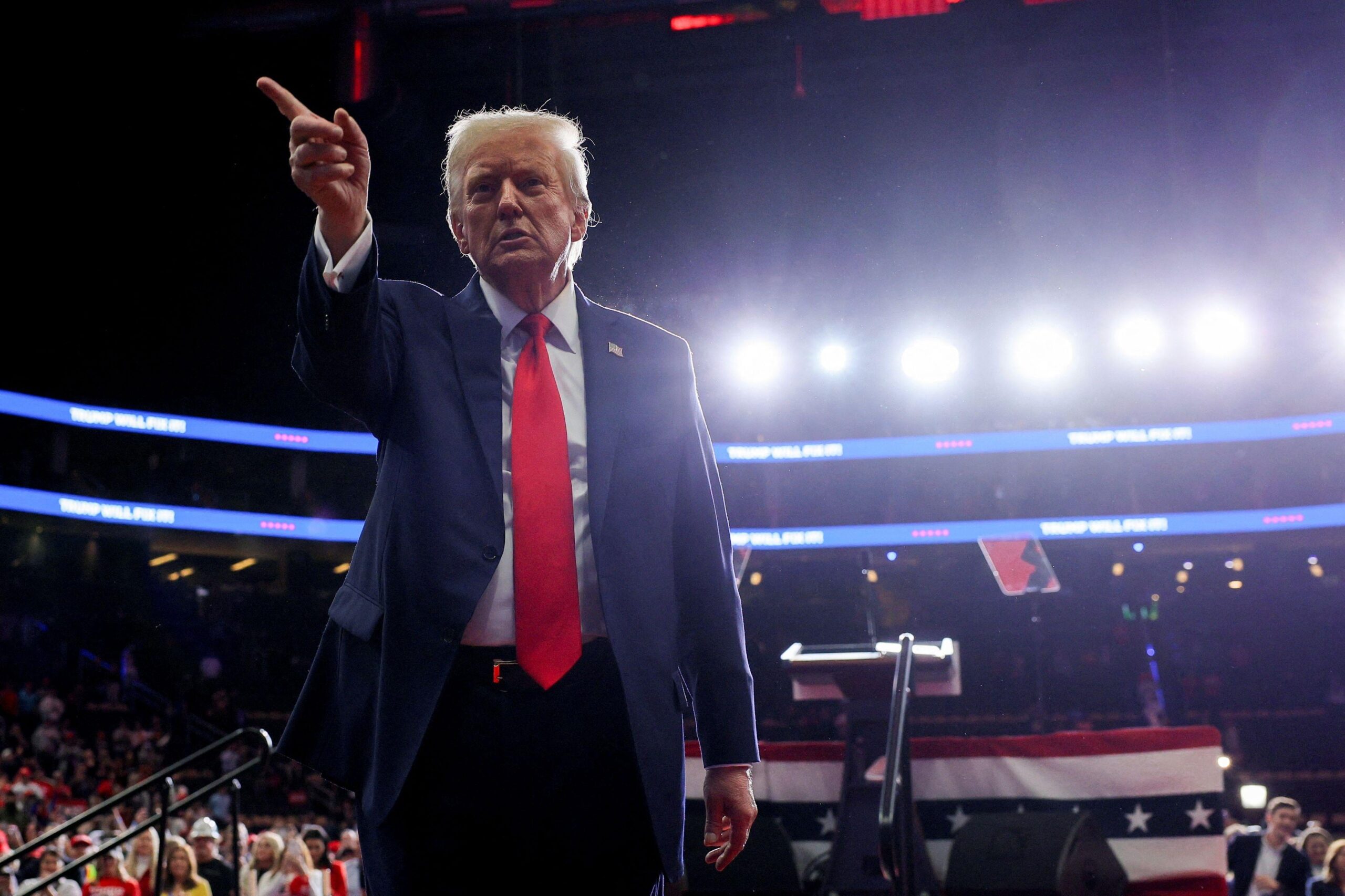
President Donald Trump has announced plans to impose tariffs of 25% or more on imported pharmaceuticals, automobiles, and semiconductors, aiming to reduce the U.S. trade deficit and bolster domestic manufacturing. The tariffs are slated for formal announcement on April 2, following a comprehensive review of trade policies concluding on April 1. This move signifies a significant shift in U.S. trade policy, as pharmaceutical products have traditionally been exempt from such tariffs under World Trade Organization rules.

The U.S. pharmaceutical market, valued at approximately $560 billion in 2024, relies heavily on imports, with around $200 billion worth of pharmaceutical products sourced from abroad. Major suppliers include Ireland, Germany, and Switzerland, which are expected to be significantly impacted by the proposed tariffs. India, another key exporter, sent pharmaceutical goods worth $8.73 billion to the U.S. in the fiscal year 2024, accounting for 31% of its total pharmaceutical exports. Following the tariff announcement, Indian pharmaceutical stocks experienced a notable decline, with the sector’s index dropping 2% to a seven-month low. Companies such as Sun Pharma and Dr. Reddy’s Laboratories saw their shares fall by 2% and 4%, respectively.

Industry experts warn that these tariffs could lead to increased drug prices for U.S. consumers and exacerbate existing medication shortages. The Healthcare Distribution Alliance , representing pharmaceutical distributors, expressed concerns that tariffs on generic drug products developed outside the U.S. could worsen shortages and elevate costs for patients, including those in Medicare and Medicaid programs. The HDA emphasized that distributors operate on low profit margins—approximately 0.3%—limiting their ability to absorb additional costs.

The global pharmaceutical supply chain is intricately linked, with many active pharmaceutical ingredients and raw materials sourced from countries like China and India. Approximately 13% of APIs used in the U.S. originate from China. Imposing tariffs on these imports could disrupt the supply chain, leading to production delays and increased manufacturing costs. Caroline Shleifer, CEO of regulatory research firm RegASK, noted that higher raw material costs are likely to cascade through the supply chain, raising overall production expenses and potentially leading to inflationary pressures in healthcare.

The proposed tariffs also pose challenges for domestic manufacturers. While the intent is to encourage companies to relocate production to the U.S., establishing new manufacturing facilities is a complex and time-consuming process. It requires significant investment in infrastructure, adherence to stringent regulatory approvals, and a skilled workforce. In the interim, consumers may face higher prices and limited access to essential medications.

The tariffs could have broader economic implications, potentially triggering retaliatory measures from affected trading partners. Such trade disputes may lead to a contraction in global trade, affecting not only the pharmaceutical industry but also other sectors interconnected through international supply chains. The uncertainty surrounding these developments has already led to volatility in global stock markets, with investors closely monitoring the situation.

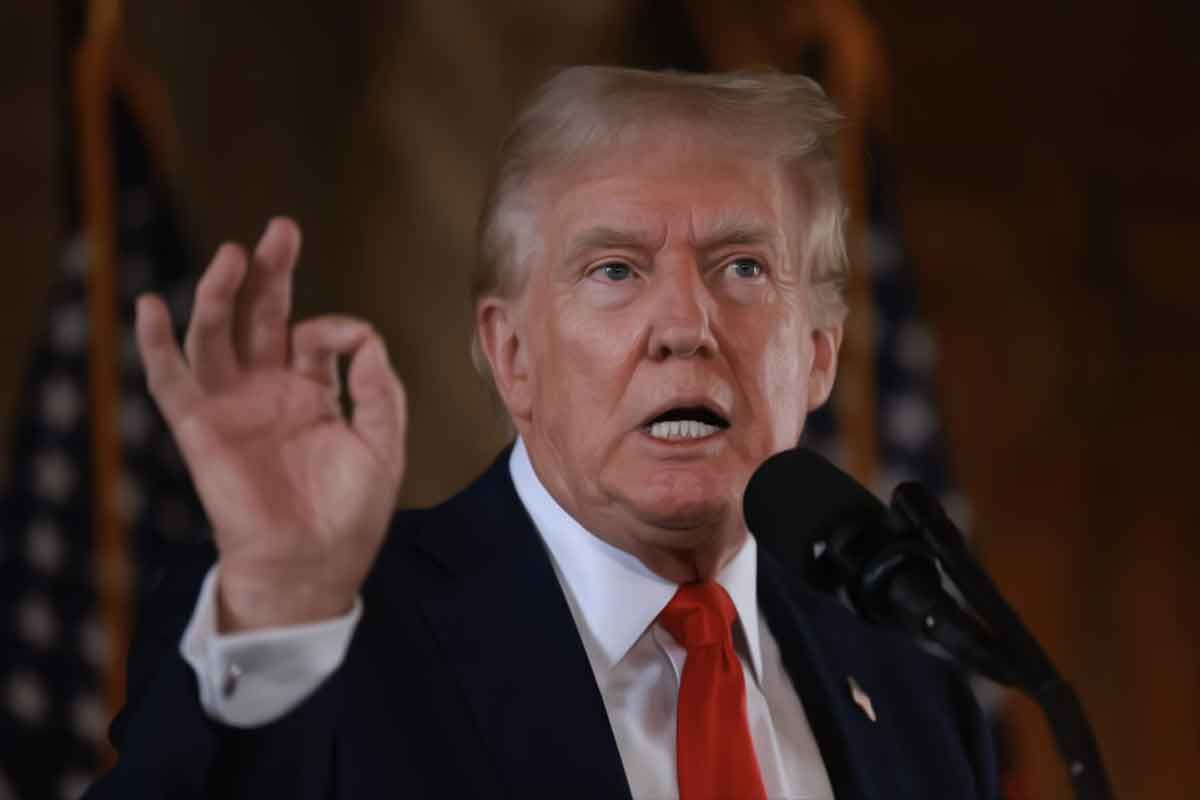
President Donald Trump addressed a gathering of international financiers and technology leaders at the Future Investment Initiative Priority Summit in Miami Beach on Wednesday. The event, hosted by Saudi Arabia’s sovereign wealth fund, the Public Investment Fund , aimed to foster global investment partnerships and economic collaboration. In his opening remarks, President Trump declared, “The United States is back and open for business.” He emphasized his administration’s […]

By Cihan Tuğal DAMASCUS: As the smoke settles on the fall of Bashar al-Assad’s regime in Syria and its replacement by Islamist leadership under Hayat Tahrir al-Sham (HTS), it is clear that Turkey’s far-right governing bloc has emerged from the tumult strong and emboldened. What is less clear is whether this will mean that Recep […]
By M. A. Hossain & Vishakhajha For decades, U.S. alliances have been the backbone of global stability, fostering economic cooperation and collective security. NATO, economic partnerships with European and Asian allies, and engagement in international organizations have cemented America’s leadership in world affairs. However, under Trump’s second term Presidency, these traditional alliances came under significant […]

Nintendo has announced the termination of its My Nintendo Gold Points program, effective March 24, 2025, at 9:30 p.m. PDT. This decision coincides with the company’s preparations for the upcoming Nintendo Switch 2 console.

The My Nintendo Gold Points program allowed users to earn points from digital and eligible physical purchases, which could then be redeemed for discounts on future digital content. According to Nintendo’s official statement, after the specified date and time, users will no longer accumulate Gold Points from any digital purchases made on the Nintendo eShop. However, any points earned prior to this cutoff will remain valid for 12 months from their issuance date.

For physical game purchases, Gold Points can still be earned by registering eligible Game Cards through the Nintendo Switch console’s HOME Menu. This applies only to titles released on or before March 24, 2025. Games launched after this date will not be eligible for Gold Point accumulation. It’s important to note that the original release date of a title, as indicated on the Nintendo eShop, determines its eligibility. Users have up to one year from a game’s original release date to register and earn points.

In addition to discontinuing the Gold Points program, Nintendo has clarified that existing Nintendo Switch Online Game Vouchers will not be redeemable for exclusive titles on the forthcoming Nintendo Switch 2 console. The Game Voucher program, which allowed subscribers to purchase two vouchers for $100 and redeem them for select $60 games, will not extend to Switch 2-exclusive titles. This move has led to speculation about a potential increase in the retail price of first-party titles, aligning with trends seen in the PlayStation 5 and Xbox Series markets, where game prices have risen from $60 to $70.

Despite these changes, the My Nintendo “Platinum” Points program remains unaffected. Platinum Points, earned through specific missions such as playing certain mobile games or engaging with Nintendo’s online services, can still be redeemed for digital goods or exclusive physical merchandise. This program continues the tradition of rewarding loyal customers, reminiscent of the former Club Nintendo loyalty program, which concluded in 2015.

The discontinuation of the Gold Points program and the limitations placed on the Game Voucher system suggest a strategic shift by Nintendo as it transitions to the next-generation console. While these changes may disappoint some long-time fans who have benefited from the rewards system, the company appears to be realigning its offerings in preparation for the Nintendo Switch 2’s market entry.

By Swarati Sabhapandit SOCIAL media influencer Ranveer Allahabadia’s question to a contestant on the online show ‘India’s Got Latent’ has attracted not only public outrage, but systematic response from various State authorities. By mid-February, the Maharashtra Cyber Department had filed a First Information Report (‘FIR’) against Allahabadia, comedian Samay Raina, and other artists from the […]

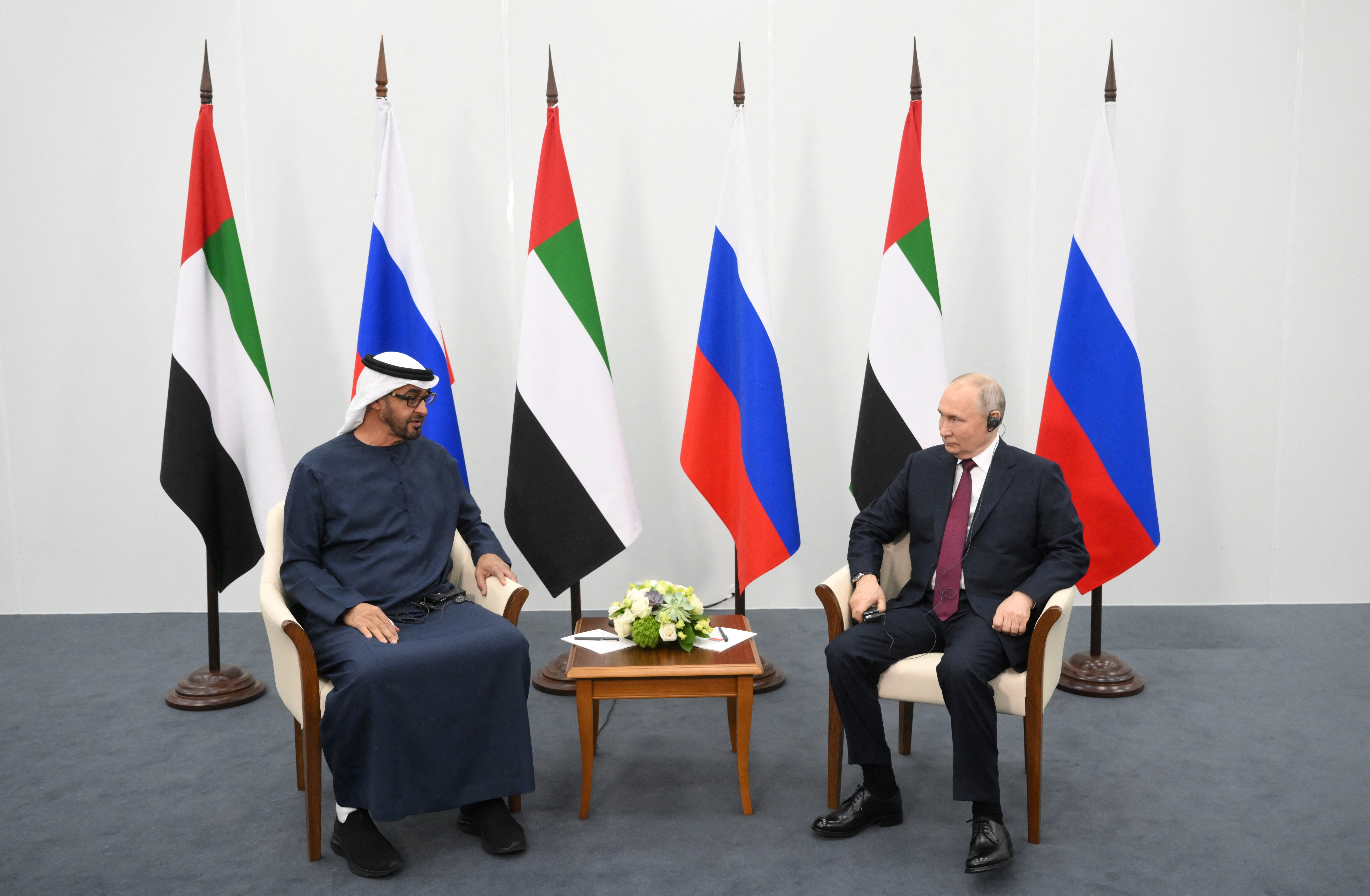
In a significant diplomatic and economic development, the United Arab Emirates and Ukraine have formalized a Comprehensive Economic Partnership Agreement during Ukrainian President Volodymyr Zelensky’s official visit to Abu Dhabi. The accord aims to bolster bilateral trade, investment, and economic collaboration between the two nations, marking a pivotal moment in their diplomatic relations.

The signing ceremony, held in Abu Dhabi, was attended by UAE President Sheikh Mohamed bin Zayed Al Nahyan and President Zelensky. Under the terms of the CEPA, 99% of Ukrainian imports of UAE goods and 97% of Ukrainian exports to the UAE will be exempt from customs duties, effective immediately. This strategic move is projected to contribute approximately $369 million to the UAE’s Gross Domestic Product and $874 million to Ukraine’s GDP by 2031. The agreement is also expected to accelerate Ukraine’s economic recovery and create new opportunities for cooperation in sectors such as infrastructure, heavy industry, aviation, aerospace, and information technology.

President Zelensky’s visit to the UAE comes at a time when momentum is building for potential peace talks to end the ongoing conflict in Ukraine. The UAE, home to a significant number of Russian and Ukrainian expatriates, has been considered a potential site for these discussions. During his visit, President Zelensky emphasized priorities such as repatriating Ukrainian captives, enhancing economic partnerships, and initiating humanitarian programs. He expressed gratitude for the UAE’s mediation efforts, which have reportedly resulted in saving many lives.

In addition to the CEPA, the two leaders agreed to establish a Ukraine-UAE Investment Council, aiming to explore promising investment opportunities in Ukraine, particularly in infrastructure projects. This initiative underscores the UAE’s commitment to supporting Ukraine’s economic development and post-war reconstruction efforts.

The UAE’s involvement in facilitating dialogue and supporting Ukraine’s sovereignty has been evident through its diplomatic engagements. Sheikh Mohamed bin Zayed Al Nahyan reaffirmed the UAE’s dedication to supporting peaceful resolution efforts and alleviating the humanitarian impact of the Ukraine conflict. He emphasized the importance of reaching peaceful solutions to crises around the world and reiterated the UAE’s commitment to building partnerships based on cooperation and understanding to promote peace, stability, and prosperity for all.

Concurrently, high-level talks between U.S. and Russian officials are set to occur in Saudi Arabia, aiming to explore a peace dialogue regarding the Ukraine conflict. Notably, Ukraine has been excluded from these discussions, a move President Zelensky criticizes, emphasizing the necessity of consulting strategic partners before any negotiations with Russia. He has declared that Ukraine will disregard any peace agreements forged between the U.S. and Russia without its involvement, underscoring the importance of including Ukraine in any peace negotiations.

The CEPA between the UAE and Ukraine is the first such agreement Ukraine has signed with a Gulf country, highlighting the UAE’s role as a strategic partner in Ukraine’s economic and diplomatic endeavors. Bilateral trade between the two nations reached $372.4 million in 2024, and the new agreement aims to further enhance this economic relationship by reducing or eliminating customs duties and opening new avenues for collaboration in various sectors.

This development reflects a broader trend of Middle Eastern countries engaging more actively in global diplomatic efforts, positioning themselves as neutral grounds for conflict resolution and as pivotal players in international economic partnerships. The UAE’s strategic support and facilitation of dialogue underscore its growing influence in global affairs, particularly in fostering peace and stability in conflict regions.

As the situation in Ukraine remains fluid, the international community continues to monitor the developments closely. The UAE’s proactive approach in mediating and supporting Ukraine’s sovereignty may serve as a model for other nations seeking to play a constructive role in global peace efforts. The success of the CEPA and the potential for future diplomatic resolutions could significantly impact the geopolitical landscape, offering a pathway toward stability and economic growth in the region.

MACAU SAR – Media OutReach Newswire – 18 February 2025 – Galaxy Macau™ presents the world-renowned Italian crossover king of classic and pop music, Andrea Bocelli, who will perform his first concert in Macau at Galaxy Arena on March 29, 2025. This marks the first time the legendary tenor has appeared at Macau’s largest indoor arena. This concert will feature a unique setlist, offering fans in Macau, […]

The MICHELIN Guide announced its arrival in Manila and Environs & Cebu for an upcoming 2026 selection The restaurant selection for the inaugural edition will be revealed in the last quarter of 2025 The renowned anonymous MICHELIN Inspectors are already in the field MANILA, PHILIPPINES – Media OutReach Newswire – 18 February 2025 – The MICHELIN Guide announced today its latest expansion into the vibrant culinary landscapes […]

Hayden Davis, the creator behind the highly debated LIBRA memecoin, has introduced a new digital token named MELANIA, further stirring up the already volatile world of cryptocurrency. Davis, who rose to prominence for his controversial involvement with LIBRA, stated that he had refunded $5 million to prominent investor Dave Portnoy after the latter faced significant losses with the previous token. This latest move by Davis has sparked a new wave of interest and scepticism within the crypto community, especially given the history of volatility surrounding his previous projects.

LIBRA, which gained widespread attention due to its speculative nature and ties to the social media influencer community, was initially touted as a groundbreaking new cryptocurrency. However, its journey was marred by controversies, including fluctuating values and allegations of market manipulation. Despite the backlash, LIBRA achieved a notable degree of success in terms of market presence, albeit with a reputation that many considered controversial. Its erratic performance and the subsequent departure of several investors raised questions about the stability of such tokens.

Davis, who had been at the forefront of the LIBRA coin’s launch, faced intense scrutiny over its impact. The memecoin’s popularity grew quickly, attracting investors seeking fast returns, yet it was often criticised for lacking a solid underlying value or utility. LIBRA’s volatility led to substantial losses for many, including Portnoy, a prominent figure in the financial world, who invested heavily into the token. Portnoy, who is known for his outspoken persona, expressed frustration over the unpredictability of the coin, noting that his investment had been marred by significant financial losses.

In response, Davis made an unexpected move by announcing that he had refunded Portnoy’s $5 million in an effort to address the criticism that had been directed towards LIBRA. Davis’ refund, while somewhat mitigating the damage to Portnoy’s portfolio, did little to quell the broader doubts about the memecoin’s legitimacy. His actions sparked a polarising debate within the crypto world, with some applauding the gesture as a sign of accountability, while others viewed it as a tactical move to bolster his reputation ahead of the release of his new token, MELANIA.

MELANIA’s launch is the latest addition to a growing trend of memecoins that have taken over the crypto space in recent years. These tokens, often based on internet trends or pop culture references, are typically known for their highly speculative nature. MELANIA, however, presents itself as a different entity, according to Davis, who claims that the token will have a stronger focus on utility and long-term value. While the specifics of MELANIA’s underlying technology remain unclear, Davis has been vocal about his plans for the token to transcend the typical characteristics of memecoins by incorporating elements of DeFi and NFTs .

The unveiling of MELANIA has already generated a significant amount of attention, both positive and negative. On the one hand, the cryptosphere is intrigued by Davis’ bold claim that he has “sniped” both LIBRA and MELANIA tokens, suggesting that he has the ability to strategically manipulate or influence the market in his favour. On the other hand, sceptics have raised concerns that Davis is once again positioning himself as a central figure in the creation of speculative assets, potentially leading investors down a similar path as with LIBRA.

Despite the criticism, Davis has insisted that he is taking a more responsible approach with MELANIA, aiming to create a cryptocurrency that balances the high-risk, high-reward nature of the market with a more stable and transparent framework. He has outlined plans for MELANIA to support charitable initiatives, including efforts to assist underprivileged communities, which he hopes will add credibility to the project. The combination of social causes with cryptocurrency is becoming an increasingly popular trend in the space, with several blockchain projects positioning themselves as vehicles for social good.

Critics, however, remain unconvinced by Davis’ assurances, pointing out that the broader crypto market remains largely unregulated, with limited safeguards for investors. As evidenced by the LIBRA experience, tokens in the memecoin category can experience significant swings in value, often driven more by hype than tangible innovation. The unpredictability of these assets has led to calls for greater oversight in the cryptocurrency sector, as more individuals and institutions enter the market looking to capitalise on the potential for quick returns.

Adding to the intrigue is Davis’ claim that he was responsible for “sniping” both LIBRA and MELANIA, a term often used in trading circles to describe taking advantage of market opportunities at opportune moments. Whether this refers to manipulating market sentiment or executing tactical trades in his favour remains unclear, but it further adds to the mystique surrounding Davis as a figure in the crypto world. His activities have sparked interest not only from investors but also from regulatory bodies who are beginning to take a closer look at the actions of influential players in the cryptocurrency space.

By Satyaki Chakraborty The anti-discrimination students body which pioneered the massive upsurge in Bangladesh last year leading to the fall of the Awami League government on August 5 and abdication of the then Prime Minister Sheikh Hasina to India, is set to float their new political party with specific programme and constitution by the end […]

The sales landscape is changing all the time. So, to address this, you need to make specific plans for crushing sales goals in 2025 and beyond. As a beginner or seasoned pro, there are a few things you can try this year and into the next few. So, from using data analytics to make better decisions and improve the overall customer experience, here are some suggestions. Set […]

SK Telecom has become a founding member of the MIT GenAI Impact Consortium, collaborating with Massachusetts Institute of Technology faculty and global industry leaders to explore the commercialization and societal implications of generative artificial intelligence technologies. The consortium, a strategic initiative led by MIT President Sally Kornbluth, aims to provide practical direction to the AI industry by examining the transformative potential of generative AI across various sectors. […]

Changpeng Zhao, the CEO of Binance, announced that he would contribute 150 BNB to support victims of the LIBRA token scam. This move comes as a response to the rising concerns surrounding fraudulent crypto schemes and the growing need for greater accountability within the industry. Zhao’s donation underscores a broader effort to address the challenges posed by scams in the cryptocurrency world.

LIBRA, a token that was initially marketed as a promising new digital asset, has gained notoriety for its involvement in a significant scam that left many investors financially devastated. The scam primarily targeted individuals looking to capitalise on the growing interest in digital currencies, drawing them into fraudulent schemes that promised high returns. However, once the funds were invested, the organisers of the scam disappeared, leaving victims with no recourse for recovery.

Zhao’s decision to donate to the cause has been met with mixed reactions. While many have praised his generosity, others have raised questions about the broader systemic issues within the cryptocurrency market. Critics argue that while individual acts of charity are commendable, they do little to address the underlying problems that allow such scams to proliferate in the first place.

The Binance CEO, however, has positioned his donation as a direct response to the specific victims of the LIBRA scam, offering hope to those who lost substantial amounts of money. His actions also bring attention to the growing role of cryptocurrency exchanges in combating fraud and protecting users. Binance, being one of the largest cryptocurrency exchanges in the world, has taken a number of steps in the past to improve the security and integrity of the digital asset market, though critics argue that the exchange, along with other platforms, could do more to prevent such incidents from occurring in the future.

While the donation itself is an act of goodwill, it raises important questions about the responsibility of major industry players in preventing scams. Cryptocurrency exchanges like Binance hold vast amounts of market influence and are often the first point of contact for new users entering the digital asset space. As the industry continues to evolve, there is an increasing call for regulatory oversight to help mitigate the risks associated with trading in digital currencies.

The LIBRA scam, which was reportedly designed to exploit the hype surrounding decentralized finance tokens, highlights the vulnerability of inexperienced investors in an unregulated market. Many of the victims were lured by promises of high returns and quick profits, characteristics common to fraudulent schemes. The incident has sparked discussions around the need for more robust safeguards for investors, including clearer regulations and increased transparency from cryptocurrency projects and exchanges.

Despite these concerns, the cryptocurrency market remains largely self-regulated, with only a few countries enacting specific laws to govern digital asset trading. This lack of a unified regulatory framework leaves many investors unprotected and exposes them to the risk of scams. The absence of comprehensive regulations also complicates efforts to hold fraudsters accountable, as they can often operate across jurisdictions where enforcement mechanisms are weak or nonexistent.

As part of his ongoing efforts to address the challenges of fraud in the cryptocurrency industry, Zhao has called for greater cooperation between industry leaders and regulators. He has emphasised the need for a more collaborative approach to establishing guidelines that can protect investors while fostering innovation within the sector. However, Zhao’s calls for cooperation have not been without controversy, with some critics suggesting that cryptocurrency exchanges are more focused on their bottom lines than on implementing meaningful changes that could benefit the broader ecosystem.

The controversy surrounding LIBRA and similar scams has brought attention to the potential risks associated with the rise of DeFi projects, which are largely built on the promise of decentralization and financial inclusion. While these projects have the potential to revolutionise the financial sector, they also present significant challenges when it comes to ensuring security and trustworthiness. The lack of a central authority to oversee DeFi projects makes them particularly susceptible to fraud and manipulation.

The responsibility of companies like Binance to ensure the security of their platforms and to protect users from scams has never been more pressing. Binance has already implemented a number of security measures, including enhanced identity verification procedures and anti-money laundering protocols, in an effort to protect users. Despite these efforts, scams like the LIBRA incident continue to highlight the limitations of self-regulation within the cryptocurrency space.

Experts agree that stronger regulatory frameworks are necessary to protect investors and promote sustainable growth in the cryptocurrency market. Some have argued that a more rigorous approach to regulation could help prevent scams from taking root by requiring greater transparency from cryptocurrency projects and exchanges. Others caution that over-regulation could stifle innovation and drive new projects to jurisdictions with more lenient rules.

Zhao’s donation of 150 BNB reflects the growing concern within the cryptocurrency community about the impact of scams on public perception and investor confidence. By taking direct action, Zhao aims to show that major industry players are committed to addressing the harms caused by fraud. However, the donation also raises questions about the extent to which cryptocurrency exchanges can be held responsible for the actions of their users and the projects listed on their platforms.

China has successfully completed its first intercity cargo drone flight, a groundbreaking development in the nation’s push to revolutionise its transportation infrastructure. This historic flight paves the way for a future where drones play a vital role in moving goods swiftly and efficiently across cities. The journey, which covered multiple urban centres, showcases China’s growing capabilities in the field of unmanned aerial vehicles , with potential implications […]

A looming tariff threat from the United States is casting a shadow over multiple sectors in India, including automobiles, textiles, and footwear, with analysts warning that potential hikes in import duties could disrupt trade and economic growth. This growing concern comes amid rising trade tensions between the two countries, which have led to a heightened focus on the viability of Indian exports in the face of stricter US trade policies.

The US administration has indicated that it might impose higher tariffs on goods from India, a move that could significantly affect industries critical to the Indian economy. With the US being one of India’s largest trading partners, the prospect of tariffs on goods such as cars, clothing, and shoes is troubling for manufacturers and exporters alike. According to recent reports, India’s automotive and textile sectors have been identified as particularly vulnerable due to their significant export volumes to the US market.

The automotive sector, which includes both luxury cars and compact vehicles, stands to lose billions of dollars in export revenue should tariffs increase. India is home to several global automotive manufacturers, including Maruti Suzuki, Tata Motors, and Mahindra & Mahindra, which export a substantial number of vehicles to the US. A tariff hike could render these products less competitive, pushing US-based consumers towards locally manufactured or cheaper imported alternatives from other countries. In 2023, India exported nearly $2 billion worth of cars to the US, a figure that could shrink under new tariffs.

Similarly, the textiles industry, another key player in India’s export economy, faces a turbulent future if tariffs are raised. India is the world’s second-largest producer of textiles, with a significant portion of its products headed to the US market. The US is a vital customer for Indian textiles, including apparel, fabrics, and home furnishings. Analysts argue that any increase in tariffs could lead to a decline in demand, as US buyers might seek more affordable alternatives from other suppliers, particularly from countries that currently benefit from lower trade barriers.

The footwear sector is also at risk, with India exporting a wide range of footwear items to the US. Footwear exports have been a growing part of India’s manufacturing output, with the US accounting for a major portion of this trade. A tariff increase could significantly affect manufacturers, especially small and medium enterprises , which depend heavily on the US market for revenue. These companies may struggle to absorb the additional costs imposed by tariffs, leading to potential price hikes or a reduction in exports.

The looming tariff threat is not just about trade barriers; it also reflects broader geopolitical concerns. Trade relations between the US and India have been increasingly strained due to disagreements over various trade practices, including market access, intellectual property rights, and agricultural policies. The US has expressed dissatisfaction with India’s protectionist policies, and this discontent has translated into the threat of tariffs. However, the issue is not only about trade; it also touches on political relations, with both countries vying for greater economic influence in the region.

Trade experts suggest that India could be facing a period of heightened vulnerability, especially as the US underlines its “America First” policy, prioritising domestic industries and reducing reliance on imports. While India has sought to diversify its trade partnerships and strengthen ties with other countries, including the European Union and Japan, the US remains a key economic player. This makes the potential for increased tariffs particularly damaging for India, especially in light of its ambition to boost exports and achieve a higher growth trajectory.

In response to the threat of higher tariffs, the Indian government has ramped up efforts to protect its domestic industries by exploring alternative markets and seeking to negotiate more favourable trade terms with the US. The government has also engaged in diplomatic efforts to reduce trade tensions, hoping to find common ground on issues that could benefit both nations. However, some experts are sceptical about the immediate impact of these negotiations, given the political climate and the US’s growing tendency to assert its economic interests.

The potential consequences of these tariffs extend beyond individual industries. Analysts caution that a tariff hike could lead to inflationary pressures within India, as businesses may pass on the additional costs to consumers. This, in turn, could affect consumer spending and dampen overall economic activity. Moreover, sectors like automotive manufacturing and textiles are major sources of employment, and any disruption in these industries could result in significant job losses, further straining India’s labour market.

For now, industry stakeholders are watching closely as developments unfold. The automotive sector is exploring strategies to mitigate the impact of potential tariffs, including shifting production to other countries or adjusting product lines to cater to the changing demands of US consumers. Similarly, the textiles industry is focusing on increasing its competitive edge by diversifying its offerings and tapping into non-US markets. However, these measures may not be enough to offset the damage caused by a sharp rise in tariffs, which could push both sectors to reconsider their overall export strategies.


VISHNU RAJA
RYO YAMADA
HITORI GOTOH
IKUYO KITA