News related to
good

By Dr. Gyan Pathak Election campaigns for all participating political parties in the ongoing Jammu and Kashmir Vidhan Sabha election has unquestionably centred round the chief issue – restoration of the abrogated Article 370 of the Constitution of India and the lost statehood of this Union Territory. The electoral battle has been turning into a […]

HKBN Ltd. has made significant strides in its climate action commitment by achieving validation from the Science Based Targets initiative (SBTi). This milestone positions the company at the forefront of corporate sustainability efforts, aiming to substantially reduce its greenhouse gas emissions over the next several years. HKBN has established targets to cut absolute scope 1 and 2 emissions by 50.65% by the fiscal year 2030, using fiscal […]

By Dr. Gyan Pathak September 25, 2024, is the tenth birth anniversary of Make in India. It was launched on September 25, 2014. PM Narendra Modi government has tried its best to promote ease of business in the country, but finding the scheme not getting desired momentum, it decriminalized 183 provisions in 2023, in the […]

HONG KONG SAR – Media OutReach Newswire – 25 September 2024 – Hong Kong’s vibrant economy and strategic location offer boundless opportunities for European firms. Starting in Spain, a delegation led by Hong Kong’s Financial Secretary Paul Chan, is visiting Madrid (September 22-25, 2024) and London (September 25-28, 2024) to promote Hong Kong’s advantages, in particular the city’s burgeoning innovation and technology ecosystem. In a keynote speech […]

Ajeej Capital, in collaboration with Nuwa Capital, has announced the launch of a $100 million private debt fund aimed at providing financing to companies in the Middle East and North Africa (MENA) region. This initiative reflects the growing demand for alternative funding sources amid a shifting economic landscape influenced by rising interest rates and tightening financial conditions globally.

The newly formed fund, named the “Ajeej-Nuwa Private Debt Fund,” will primarily focus on lending to small and medium-sized enterprises (SMEs) that are often underserved by traditional financial institutions. According to industry experts, SMEs play a crucial role in the economic fabric of the region, accounting for a significant portion of employment and GDP. By facilitating access to capital, this fund aims to spur growth in a sector that is pivotal for job creation and economic diversification.

Both Ajeej Capital and Nuwa Capital are seasoned players in the private equity and venture capital markets. Ajeej Capital, known for its strategic investments across various sectors, has established itself as a key player in the MENA investment landscape. Meanwhile, Nuwa Capital, with its expertise in supporting startups and high-growth companies, brings a complementary skill set to the partnership.

The fund’s investment strategy will involve a blend of secured and unsecured debt, tailored to meet the unique needs of each portfolio company. This approach enables the fund to balance risk while providing flexible financing solutions. Moreover, the partnership has signaled its commitment to fostering sustainable and socially responsible business practices, aligning with broader trends in impact investing.

Market analysts emphasize that the launch of this private debt fund is timely, given the challenges facing businesses in the region. Economic pressures, including inflation and supply chain disruptions, have made traditional financing avenues more challenging for SMEs. With banks increasingly cautious in their lending practices, alternative financing options like private debt funds are becoming more attractive to companies seeking capital to sustain operations and fuel growth.

Ajeej and Nuwa’s initiative also coincides with a larger trend in the investment landscape, where institutional investors are increasingly allocating funds to private debt as a means of achieving higher yields in a low-interest-rate environment. According to industry reports, private debt fundraising reached record levels in 2023, highlighting the asset class’s growing appeal among investors seeking diversification.

The fund aims to deploy its capital over the next few years, focusing on sectors such as technology, healthcare, and consumer goods. These industries have shown resilience and potential for growth, making them attractive targets for investment. As part of its strategy, the Ajeej-Nuwa fund will also consider companies that are at various stages of development, from established firms looking to expand to startups seeking initial growth capital.

Both firms have expressed their commitment to not only generating financial returns but also creating positive social impact through their investments. This aligns with a growing emphasis among investors for socially responsible and sustainable investing practices. Ajeej Capital and Nuwa Capital have underscored their goal of supporting businesses that prioritize environmental, social, and governance (ESG) considerations.

Investor interest in private debt continues to surge as traditional asset classes face volatility. The appetite for alternative investments has been driven by a combination of factors, including rising inflation, increased market uncertainty, and the quest for yield in a low-rate environment. Private debt funds provide a unique opportunity to capitalize on these trends by offering more predictable returns compared to public equity markets.

The announcement of the Ajeej-Nuwa fund is indicative of a broader shift in the region’s investment landscape, where innovative financing solutions are becoming essential for economic growth. The collaborative efforts of Ajeej Capital and Nuwa Capital represent a forward-thinking approach to addressing the capital needs of SMEs, which are vital for the sustainable development of the MENA economy.

As the fund gears up for its first investments, it aims to establish a track record of success that can attract additional capital in the future. Both firms are keen to leverage their networks and expertise to identify high-potential companies that align with their investment criteria. By focusing on underrepresented segments of the market, they hope to play a significant role in fostering entrepreneurship and innovation across the region.

The Ajeej-Nuwa Private Debt Fund’s emphasis on flexibility in structuring deals and understanding the unique challenges faced by businesses will be a key differentiator. This approach not only enhances the fund’s competitiveness but also reinforces its commitment to supporting the growth ambitions of its portfolio companies.

By K Raveendran SEBI would be a nice name for a new range of washing machines. The brand name is short, sweet and has good connect with its namesake market regulator, which has by far excelled in the act of cleaning. Additionally, the new range may not require a detergent, as the machine by itself […]

Investment flows from the Middle East into China have surged to unprecedented levels, reflecting an evolving economic partnership driven by substantial cash reserves and a shared interest in diversification and innovation. As the global economy continues to grapple with geopolitical tensions and supply chain disruptions, companies from the Gulf region are increasingly looking to capitalize on China’s robust market potential.

Several factors have contributed to this notable increase in investment. The post-pandemic recovery in China, coupled with the Belt and Road Initiative, has created fertile ground for collaboration. This initiative aims to enhance global trade routes, and Middle Eastern firms see significant opportunities in infrastructure, technology, and renewable energy sectors. Recent data indicates that investments from Gulf Cooperation Council (GCC) countries reached a record high, with a noticeable increase in transactions related to technology and logistics.

A pivotal player in this investment wave is Saudi Arabia, which has been actively seeking to diversify its economy under the Vision 2030 plan. The Kingdom’s Public Investment Fund (PIF) is increasingly channeling resources into Chinese technology firms, particularly in artificial intelligence and e-commerce. This aligns with the Saudi strategy to leverage advancements in technology to bolster local industries and foster economic growth. The PIF has made substantial investments in Alibaba and other tech giants, marking a significant shift in its investment portfolio.

UAE firms are also playing a critical role in this trend. Abu Dhabi’s Mubadala Investment Company has expanded its footprint in China, investing heavily in sectors such as healthcare, renewable energy, and telecommunications. The strategic focus on technology and innovation mirrors the UAE’s own economic diversification goals, emphasizing a move away from oil dependency. Additionally, Dubai’s position as a global trading hub enables UAE companies to act as a conduit for investments flowing into China, facilitating partnerships and joint ventures.

Emerging sectors are at the forefront of this investment boom, particularly in technology and renewable energy. Middle Eastern firms are increasingly recognizing the importance of digital transformation, leading to significant investments in Chinese tech startups. The push for innovation aligns with global trends in artificial intelligence, fintech, and e-commerce. Companies from the Middle East are particularly interested in leveraging China’s advanced technological infrastructure to enhance their own capabilities.

The renewable energy sector is another focal point for investment. As part of their commitment to sustainability, many GCC countries are investing in clean energy projects. China’s leadership in solar and wind technology presents attractive opportunities for collaboration. Recent joint ventures between Chinese and Middle Eastern firms in solar energy projects highlight a growing trend towards sustainability in their investment strategies. This synergy not only addresses the energy needs of the region but also contributes to global efforts in combating climate change.

China’s growing consumer market also attracts substantial interest from Middle Eastern companies. With a burgeoning middle class, demand for high-quality products and services is on the rise. Companies from sectors such as food and beverage, luxury goods, and health products are looking to tap into this lucrative market. The expanding trade relationship is expected to yield significant benefits for both parties, as Middle Eastern firms introduce their products and services to Chinese consumers.

The geopolitical landscape plays a crucial role in shaping these investment dynamics. As tensions between the U.S. and China escalate, Middle Eastern nations are finding themselves in a unique position to act as intermediaries. The desire for strategic partnerships allows Gulf countries to leverage their relationships with both Western and Eastern powers. This balancing act is critical for maintaining economic stability and fostering trade relationships that benefit all parties involved.

Despite the promising outlook, challenges remain. Regulatory barriers and varying business practices can complicate cross-border investments. However, many companies are finding ways to navigate these obstacles through strategic alliances and local partnerships. Building relationships with Chinese firms is essential for understanding market dynamics and ensuring successful investment outcomes.

As Middle Eastern firms continue to increase their presence in China, the implications for global trade are profound. The growing interdependence between these regions highlights a shift in the traditional investment landscape. Analysts predict that this trend will not only bolster economic ties but also create new avenues for collaboration across various sectors.

Advertisements

Partnership with Youth Corps Singapore expands service-learning expeditions to more underserved communities in Asia, creating a new wave of youth leaders and deepening social impact. SINGAPORE – Media OutReach Newswire – 25 September 2024 – Emaan Catalyst Community Ltd (ECC), a Singapore-based foundation, is making a transformative impact by expanding its overseas service-learning (SL) program, aimed at empowering Singaporean youth and supporting underserved communities. This expansion is […]

The Ras Al Khaimah Economic Zone (RAKEZ) is among the top free zones within the United Arab Emirates territory. It is a business haven that pulls customers from all countries. RAKEZ provides several types of business Licenses, business premises, and other productive services. These features make it appealing to both new and existing firms. The RAKEZ is also appealing because of its location via the international market. […]

By Dr. Gyan Pathak Creating a bad neighbourhood is unwise, especially through totally avoidable unrestrained speeches. However, the leaders from the ruling establishment in India have been in the habit of making unrestrained speeches aimed at winning domestic elections that hurt our neighbouring countries unnecessarily worsening already strained relationships at a time when India is […]

Embracing a Healthy Lifestyle Together HONG KONG SAR – Media OutReach Newswire – 24 September 2024 -The Beijing Tong Ren Tang Traditional Chinese Medicine Culture Carnival will be held on September 21-22, 2024, Saturday and Sunday, at the Tsim Sha Tsui Cultural Centre Piazza. Through a series of exciting activities, citizens will learn more about Traditional Chinese Medicine and its National List of Intangible Cultural Heritage while […]

SINGAPORE – Media OutReach Newswire – 24 September 2024 – Prepare to be enthralled by a mesmerizing symphony of flavours as JFOODO (Japan Food Product Overseas Promotion Center) proudly unveils the eagerly anticipated 5th edition of its renowned “Seafood Loves Sake. 2024” campaign, in collaboration with 20 of Singapore’s most esteemed and celebrated culinary havens. This enchanting culinary journey promises to captivate the senses with an extraordinary […]

Telegram’s CEO Pavel Durov has announced major improvements to the platform’s search functionality, aimed at safeguarding users from illegal content. With over a billion users globally, Telegram has faced criticism for enabling the spread of illicit material through its public channels. In response, Durov revealed that the app’s search feature has been revamped, integrating artificial intelligence (AI) to help identify and remove harmful content more effectively. This […]

By Nitya Chakraborty India’s neighbour Sri Lanka has elected the Marxist-Leninist leader Anura Kumara Dissanayake as the next president in the intensely contested presidential elections held on Saturday, September 21. About 75 per cent of the total of 170 million population who voted, broke away decisively from the binary of two political formations through years […]

Secures 28 new signings year-to-date in Southeast Asia, with plans to open 28 properties across the region this year SINGAPORE – Media OutReach Newswire – 23 September 2024 – The Ascott Limited (Ascott), the lodging business unit wholly owned by CapitaLand Investment (CLI), today announced 28 new signings year-to-date in Southeast Asia, adding over 3,400 units across its various brands in key destinations. Accounting for more than […]

WordCamp USA concluded recently with a keynote address from Matt Mullenweg, the co-founder of WordPress.org and CEO of Automattic, that has since ignited a considerable backlash from the WordPress community and beyond. While the event typically fosters a spirit of collaboration and community, Mullenweg’s speech diverged sharply from this norm, culminating in pointed criticism of a prominent managed WordPress web host, WP Engine. This controversial moment not […]

A variety of solutions will offer simple and affordable cross-border shipping with returns and integration with existing e-commerce platforms Provide end-to-end delivery service from China to Germany within 4-5 working days Expedited solution to Europe, United Kingdom and U.S. SHANGHAI, CHINA – Media Outreach Newswire – 23 September 2024 – DHL Global Forwarding, the freight specialist of DHL Group, is introducing a variety of cross-border e-commerce solutions […]

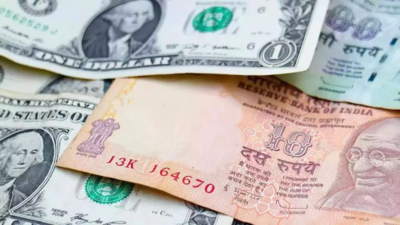
India’s foreign exchange reserves have surged to an unprecedented level of $689.458 billion, marking a crucial milestone for the country’s economic positioning in global markets. The reserves, which reflect the country’s ability to meet external obligations and provide a buffer against financial instability, increased by $223 million in the week ending September 13. This rise has further cemented India’s status as one of the largest holders of foreign currency reserves worldwide, positioning it as a key player in the global financial arena.

Despite this substantial increase in the overall reserves, the composition of these reserves presented a more nuanced picture. Foreign currency assets (FCA), which form the largest component of the reserves, witnessed a reduction of $515 million. These assets, held in different currencies such as the U.S. dollar, euro, pound sterling, and Japanese yen, are a critical indicator of India’s foreign currency holdings and are often affected by currency fluctuations and interest rates in international markets. The decline in FCA was offset by other components of the reserves, particularly the significant increase in gold reserves.

Gold reserves saw a sharp rise of $899 million during the same period, underscoring the metal’s continued relevance as a safe haven asset. This increase suggests that India’s central bank may be looking to diversify its holdings in response to broader global uncertainties. Gold, traditionally regarded as a hedge against inflation and economic instability, has been gaining renewed attention among global central banks. As countries face the challenges of rising geopolitical tensions and economic fluctuations, gold’s role as a stabilizing force has once again come into focus.

While the rise in gold reserves was notable, other components of India’s foreign exchange holdings, such as Special Drawing Rights (SDRs) and the reserve position with the International Monetary Fund (IMF), experienced marginal declines. SDRs, which represent a basket of international currencies and serve as a supplementary reserve asset allocated by the IMF, dropped by $50 million. Similarly, the country’s reserve position in the IMF, which allows access to international liquidity and contributes to global financial stability, recorded a decrease of $111 million.

The overall uptick in reserves comes at a time when India’s economic outlook remains relatively resilient compared to other emerging markets. The reserves serve not only as a tool for defending the rupee in times of volatility but also as an indicator of investor confidence in India’s macroeconomic stability. A stronger reserve position allows India to better manage external shocks, such as oil price fluctuations, trade imbalances, and global financial turbulence.

India’s reserves are now among the highest globally, trailing only China, Japan, and Switzerland. This latest achievement reflects the country’s efforts to build a robust foreign exchange buffer since the economic reforms of the 1990s. Since then, successive governments have prioritized strengthening the reserves to safeguard the country from external vulnerabilities. The rise in reserves has also been fueled by sustained foreign investment inflows and a healthy current account balance in previous quarters, driven in part by a recovery in global demand for goods and services after pandemic-induced disruptions.

Analysts have pointed out that India’s reserve accumulation strategy is likely to be shaped by several factors in the coming months. Global interest rate trends, particularly in the United States, will have a significant impact on foreign currency assets, while commodity prices, especially crude oil, will influence the country’s import bill. Moreover, ongoing geopolitical tensions, trade uncertainties, and inflationary pressures in major economies will also affect the Reserve Bank of India’s (RBI) approach to managing these reserves.

The central bank has maintained a cautious approach toward managing the reserves, intervening in the forex market to curb excessive volatility in the rupee’s value. A stable and sufficient level of reserves allows the RBI greater flexibility in implementing monetary policy and defending the currency against external shocks. With inflationary pressures rising globally and the U.S. Federal Reserve tightening its monetary policy, India’s reserve position will play a critical role in maintaining domestic economic stability.

In the past, India has faced challenges related to its foreign exchange reserves, particularly during the 1991 balance of payments crisis, when reserves had dwindled to just a few weeks’ worth of imports. The crisis marked a turning point in India’s economic policy, leading to structural reforms that opened the economy to greater foreign investment and trade. Since then, India has steadily accumulated reserves, reaching new highs over the years. The importance of a strong forex reserve was highlighted again during the global financial crisis of 2008 and the economic shocks caused by the COVID-19 pandemic, where countries with stronger reserves were better able to weather financial market disruptions.

As of the latest data, India’s forex reserves provide an import cover of approximately 10 months, which is well above the internationally recommended threshold. This gives India a comfortable cushion to meet its external payment obligations and insulate the economy from global shocks. The reserves also provide a buffer to support the rupee, which has faced depreciation pressures amid fluctuating oil prices and changes in global investor sentiment.

Going forward, experts suggest that India’s focus should remain on maintaining a balanced reserve composition. While the accumulation of foreign currency assets is crucial, ensuring diversification through gold and other assets will provide added protection against global market volatility. Moreover, with India being a major importer of crude oil, fluctuations in energy prices will continue to play a significant role in determining the country’s forex reserve levels.


Carousell makes it easier to sell old phones or trade in for the new iPhone 16, encouraging more to reduce e-waste. SINGAPORE – Media OutReach Newswire – 20 September 2024 – In the lead up to the highly-awaited iPhone 16 launch, leading multi-category classifieds marketplace Carousell has launched a new trade-in programme to offer customers a seamless way to trade in and give their old phones a […]

Vingroup, a leading Vietnamese conglomerate, is redefining the role of business in society. Through a diverse portfolio and a deep commitment to social responsibility, they are actively cultivating an ecosystem that fosters positive social impact. HANOI, VIETNAM – Media OutReach Newswire – 20 September 2024 – In the wake of Typhoon Yagi’s devastating impact, Vingroup, a leading Vietnamese conglomerate with a diverse portfolio spanning real estate, technology, […]

By Satyaki Chakraborty The junior doctors’ movement in West Bengal partially ended on its 41st day on September 20 Friday. The striking doctors joined their duties on September 21 in emergency services only in the state government run medical colleges and hospitals still keeping the OPD work and surgical operations out of their duty profile. […]

The rising tensions in the Red Sea, particularly due to Houthi rebel threats against shipping vessels, have led to a sharp increase in insurance premiums for maritime companies operating in the region. The volatile security environment, combined with the risk of targeted attacks on vessels linked to countries like the UK, US, or those having called at Israeli ports, has left insurers increasingly cautious about providing war-risk cover for ships transiting the waters.

War-risk insurance premiums have skyrocketed to as much as 2% of a vessel’s value for a single transit through the Red Sea. This steep increase reflects heightened concerns following several incidents, most notably the August 21 strike on the oil tanker Sounion, which was carrying about one million barrels of crude oil at the time. Though the tanker was safely towed without spillage, the attack underscored the vulnerability of maritime assets in the region, adding pressure on insurers and shipping companies alike.

The market for insuring ships passing through this critical shipping route has narrowed as smaller insurers retreat from offering coverage. A limited number of firms, mostly high-risk underwriters, continue to offer protection, but at significantly elevated costs. Industry insiders have noted that some vessels, especially those perceived as high-value targets for potential attacks, are struggling to secure any coverage at all.

The risks have intensified with the Houthis’ declaration that ships with certain affiliations would face potential attacks. While traditionally, war-risk cover has been available, the situation is unprecedented with underwriters outright refusing coverage, citing the region’s escalating risks. For shipping operators, this poses not only financial but also operational challenges, as the necessity of traversing the Red Sea for global oil and goods trade remains critical despite the threats.

A consortium of insurance underwriters led by Brit provided the war-risk cover for the Sounion, alongside firms such as Antares, Iquw, Hamilton, and others. However, many of these insurers have been notably silent regarding the details of coverage, which underscores the sensitivity and complexities of offering insurance in such a volatile region. The consortium’s willingness to continue offering protection contrasts with smaller players who are increasingly unwilling to take on such risks.

The situation has compounded concerns for global shipping companies, especially with the strategic importance of the Red Sea in connecting Europe, the Middle East, and Asia. As attacks threaten to disrupt not just oil shipments but broader trade routes, the rising insurance costs may further exacerbate existing challenges for global supply chains.

Maritime experts are urging caution as geopolitical tensions in the region show little sign of abating, with insurers increasingly exercising selective underwriting processes to minimize exposure. Ships perceived as having higher exposure to attacks are now finding it exceedingly difficult to secure coverage at any price. This selective process not only reflects the complexities of the situation but also highlights the unpredictable nature of risk in conflict-prone areas like the Red Sea.

As shipping companies scramble to mitigate these rising costs, the long-term impact on global trade remains a looming concern. Many in the industry are questioning how long they can sustain operations under such financial pressure and whether alternative routes or additional security measures might provide a viable solution in the coming months.

The goal is to enhance resilience in facing the effects of climate change on occupational health and safety in schools, homes and workplaces DUBAI, UNITED ARAB EMIRATES – EQS Newswire – 20 September 2024 – The 26th Water, Energy, Technology and Environment Exhibition (WETEX), organised by Dubai Electricity and Water Authority (DEWA) will take place from 1 to 3 October 2024 at the Dubai World Trade Centre. […]

LONDON, UK / SINGAPORE – Media OutReach Newswire – 20 September 2024 – The Ascott Limited (Ascott), the Official Global Hotels Partner of Chelsea Football Club, is excited to bring The Famous CFC to Singapore as the event’s presenting partner. This will mark the inaugural Southeast Asian destination for Chelsea’s flagship international fan engagement programme. Scheduled for the weekend of 30 November and 1 December 2024, the […]

VISHNU RAJA
RYO YAMADA
HITORI GOTOH
IKUYO KITA