News related to
good

The global shipping industry is experiencing significant upheaval following the implementation of extensive tariffs by U.S. President Donald Trump. These measures, including a 25% tariff on imports from Canada and Mexico and a 10% levy on Chinese goods, have disrupted international trade flows and introduced widespread economic uncertainty.

In anticipation of these tariffs, container vessel traffic to American ports surged by 12% last month, reaching a record 281 port calls in the week ending March 13, as reported by Ami Daniel of AI data provider Windward. This rush to ship goods ahead of the tariffs has complicated annual freight contract negotiations, set to begin on May 1, according to Norwegian analytics firm Xeneta. Asian shipping companies have responded by raising prices for routes to the U.S. to offset the expected tariffs on Chinese-built ships, as noted by Singapore-based Linerlytica.

The automotive sector has been notably affected. Jaguar Land Rover announced a temporary halt to exports of its British-made vehicles to the U.S. in response to the 25% import tariff. The company, which exports nearly a quarter of its 400,000 annual vehicle sales to the U.S., is assessing the financial impact and exploring options such as price increases for American consumers and boosting sales in other markets. Other UK-based automakers, including BMW, Rolls-Royce, and Ineos Automotive, are also evaluating their responses, with Ineos already raising U.S. prices.

The financial markets have reacted sharply to the tariff announcements. The Dow Jones Industrial Average and S&P 500 experienced significant declines over the past week, falling 7.9% and 9.1%, respectively, with the Dow dropping over 2,200 points on Friday alone. China responded with retaliatory 34% tariffs, escalating fears of a deepening trade war. Experts, including Moody’s chief economist Mark Zandi, warned that the tariffs could hinder productivity, damage the U.S.’ investment image, and prompt global allies to distance themselves from U.S. trade.

In the United Kingdom, Prime Minister Keir Starmer is considering a significant reset of the country’s economic policies in response to the U.S. tariffs. The FTSE 100 has plummeted over 7% in its worst week since the COVID-19 panic in March 2020. Amid fears of a prolonged recession, Starmer and Chancellor Rachel Reeves are reportedly contemplating raising taxes or altering fiscal rules to increase borrowing and stimulate growth, despite previous pledges to the contrary. British businesses, such as JLR, are already feeling the pressure, with the automotive sector particularly vulnerable due to its reliance on exports to the U.S.

The tariffs have also intensified discussions around supply chain deglobalization. Companies are reassessing their sourcing strategies, with potential shifts toward domestic production and alternative countries like Vietnam and India. This trend is driven by the need to mitigate the impact of tariffs and reduce reliance on any single country for manufacturing. However, such shifts are complex and require significant investment and time to implement.

The shipping industry is facing additional challenges due to the removal of the de minimis exemption for shipments under $800 from Canada, Mexico, and China. This change means that goods arriving by air will be subject to the new and existing tariffs, incur significant filing requirements and costs, and take longer to clear customs. This development could sharply reduce air cargo volumes from China to the U.S., leading to downward pressure on transpacific air cargo rates and potentially affecting the broader air cargo market.

Industry leaders are expressing concern over the escalating trade tensions. Billionaire Elon Musk expressed hopes for a future zero-tariff trade zone between North America and Europe. Meanwhile, leaders from the UK and France emphasized the importance of global cooperation and warned against the detrimental effects of trade wars. Italy’s economy minister cautioned against retaliatory actions and urged a rational response to safeguard Europe’s economic interests.

Vietnam’s economic growth has decelerated in the first quarter of 2025, coinciding with the United States’ imposition of a 46% countervailing tariff on Vietnamese exports. This development raises concerns about the nation’s export-driven economy and its future trajectory.

The newly enforced tariff is expected to significantly impact Vietnamese exports, potentially affecting goods worth up to $37.5 billion, which represents approximately 2% of the country’s GDP. Key sectors such as electronics, machinery, apparel, and footwear are anticipated to bear the brunt of these tariffs, leading to increased prices for American consumers and prompting multinational companies to reconsider their supply chain strategies.

The U.S. administration justifies the tariff by citing concerns over Vietnam’s alleged unfair trade practices and substantial trade surplus with the United States. The tariff is part of a broader strategy targeting several Asian manufacturing economies, with Vietnam facing one of the highest rates. Other affected countries include China , Thailand , Indonesia , and South Korea . Even traditional U.S. allies like Japan and Taiwan have been subjected to tariffs of 24% and 32%, respectively.

Industry experts warn that these tariffs could lead to higher prices and reduced product choices for U.S. consumers. Companies are now evaluating their global supply chains, with some considering shifting operations to countries like Mexico, Brazil, and India to mitigate the impact. However, large-scale relocation of labor-intensive industries to the United States remains unlikely due to high domestic labor costs and a shortage of skilled workers.

In response to the tariffs, Vietnam is exploring strategies to mitigate the economic impact. These include diversifying export markets, enhancing product quality, and leveraging existing free trade agreements such as the European Union-Vietnam Free Trade Agreement and the Regional Comprehensive Economic Partnership . By broadening its market reach and improving the investment climate, Vietnam aims to navigate the challenges posed by the U.S. tariffs and sustain its economic growth.

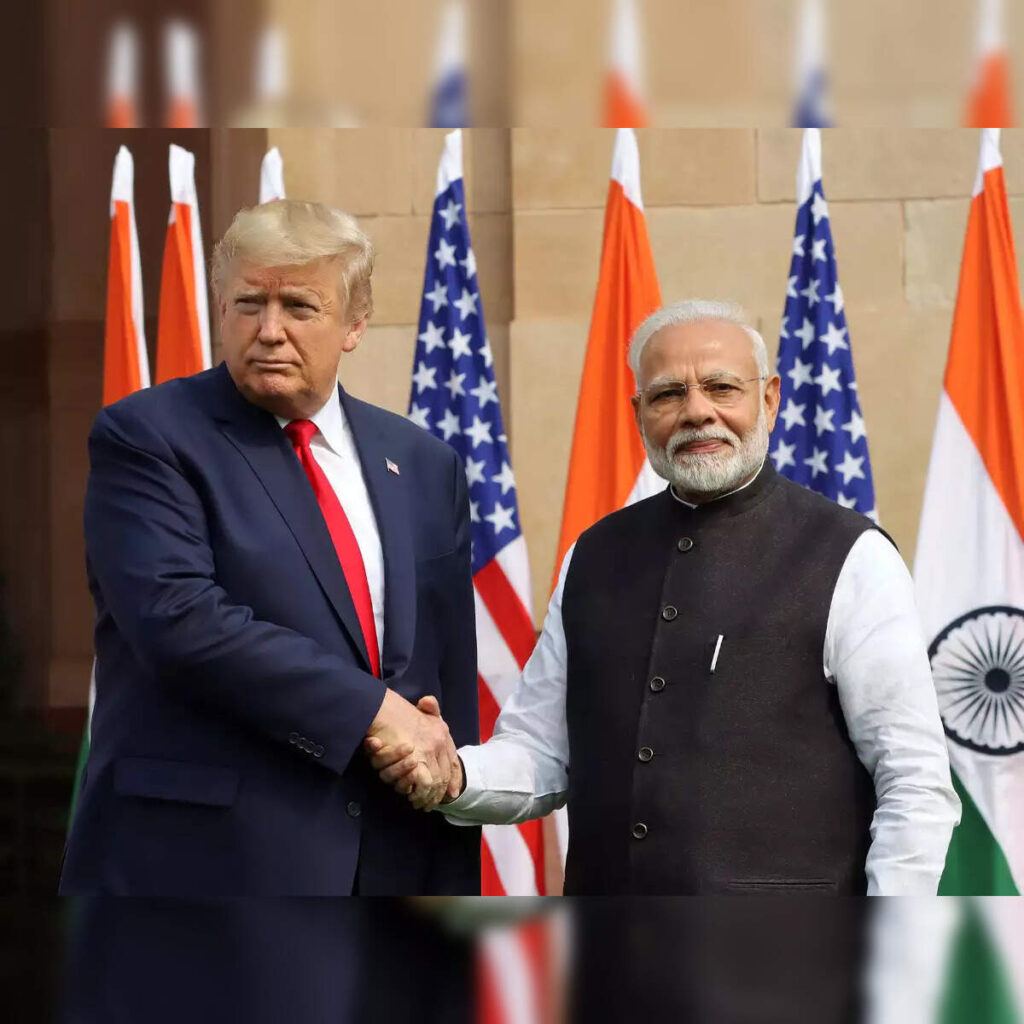
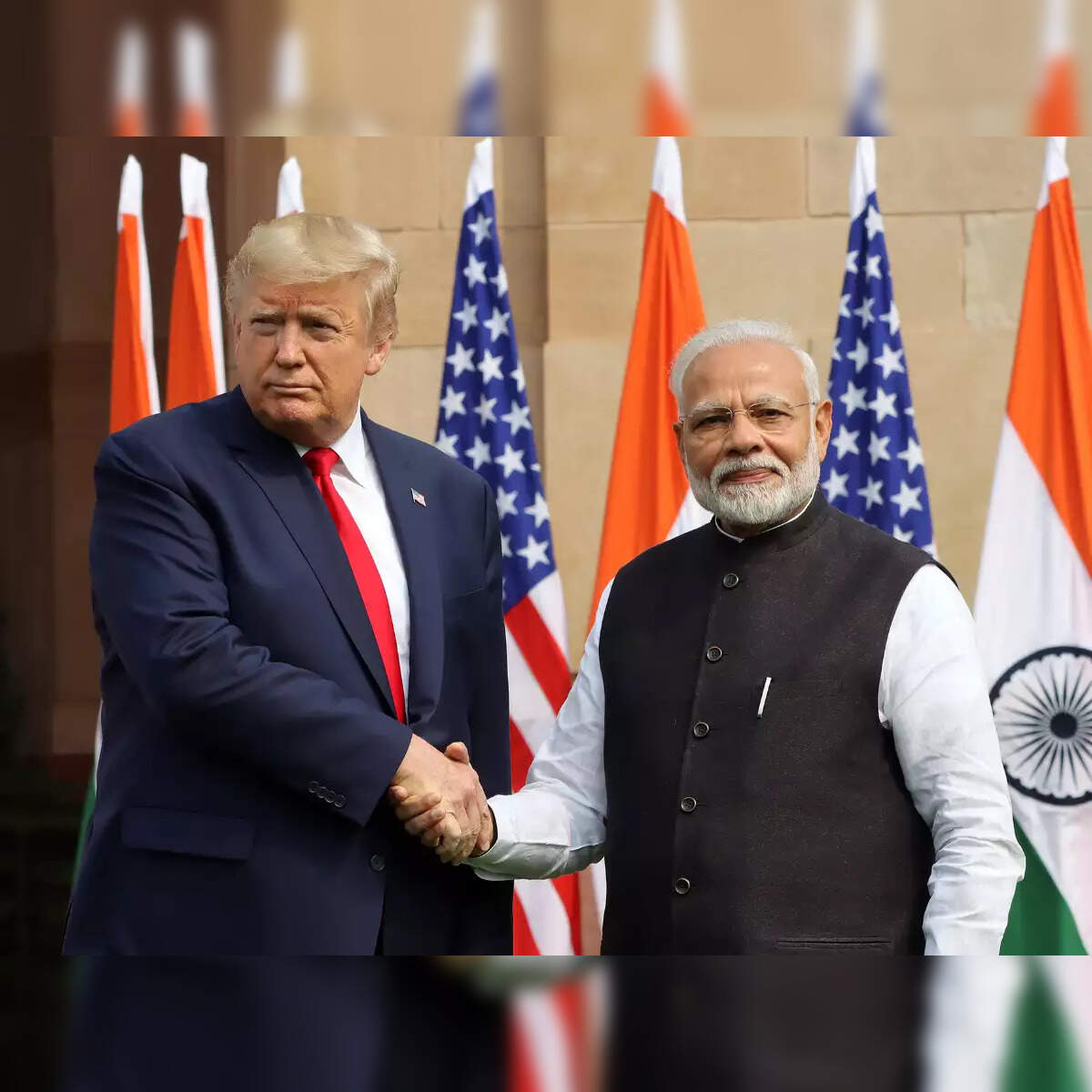
By K Raveendran Donald Trump and Narendra Modi never seem to tire of expressing admiration for each other, their mutual regard forming an odd but undeniable transnational political camaraderie. What binds them is not simply shared ideology but a similar worldview shaped by populism, nativism, and a flair for dramatic, often reckless, decision-making. Modi’s ‘Atmanirbhar […]

Oil markets witnessed a significant downturn as Brent crude, the global benchmark, tumbled over 13% in two days, settling just above $66 per barrel. This sharp decline follows the dual impact of OPEC+ unexpectedly increasing production and the imposition of new tariffs by President Donald Trump.

On April 4, 2025, Saudi Arabia led an initiative within OPEC+ to substantially boost oil output by 411,000 barrels per day starting in May. This move aims to penalize member countries like Kazakhstan and Iraq for consistently exceeding production quotas. The decision contributed to an 8% drop in oil prices, with Brent crude falling below $65 per barrel for the first time since 2021.

Concurrently, President Trump intensified trade tensions by imposing tariffs on imports from Canada, China, and Mexico. China responded with a retaliatory 34% tariff on U.S. imports, escalating fears of a global economic slowdown and further pressuring oil prices.

Goldman Sachs revised its 2025 oil price forecasts downward, cutting Brent crude to $69 and West Texas Intermediate to $66 per barrel. JPMorgan raised its global recession probability to 60%, up from 40%, reflecting growing concerns over economic stability.

The surge in supply and escalating trade disputes have led to significant losses in energy stocks. Major oil companies, including Chevron, APA, Occidental Petroleum, and Diamondback Energy, experienced notable declines. The Energy Select Sector SPDR ETF fell nearly 7% on the day and almost 13% for the week.

Analysts suggest that until production is significantly reduced, oil prices may continue to fall. The geopolitical backdrop includes U.S. relations with Saudi Arabia, key to both energy policy and diplomatic efforts related to Russia, Iran, and broader Middle East tensions.

In contrast, natural gas stocks have shown resilience, supported by rising LNG exports and less exposure to OPEC’s dynamics. Companies like EQT, Expand Energy , and Coterra Energy are highlighted as attractive investments due to geographic advantages and favorable valuations.

The current downward trend in oil prices is primarily driven by OPEC+’s decision to increase output and the introduction of U.S. tariffs. Analysts expect the tariffs to curb economic activity and demand for energy, weighing on oil prices. The bank also said higher-than-expected crude supply and a demand squeeze from softer U.S. economic activity and tariff escalation posed downside risks to oil price forecasts.

The Organization of the Petroleum Exporting Countries and its allies, known as OPEC+, decided on Monday to increase output for the first time since 2022, further pressuring crude prices. The group will make a small increase of 138,000 barrels per day from April, the first step in planned monthly increases to unwind its nearly 6 million bpd of cuts, equal to almost 6% of global demand.

The larger-than-expected decline in crude stocks supported the downward trend in oil prices, pointing to weakening demand in the U.S. The U.S. Energy Information Administration is expected to announce the official inventory data during the day.

The risks to oil prices remain tilted to the downside with new supply from OPEC+ and non-OPEC producers expected to push the market well into an oversupply. Brent prices on Wednesday fell to their lowest since December 2021 after U.S. crude inventories rose and in the wake of the decision by OPEC+ to increase their output quotas.

Oil prices had already been trading lower in the last few weeks, partly because of expectations that U.S. president Donald Trump could swiftly end Russia’s war in Ukraine. This, in turn, is likely to increase Russian oil output thanks to sanctions relief.

The benchmark previously dropped to $66.77 a barrel, the lowest since November. “The current downward trend in oil prices is primarily driven by OPEC+’s decision to increase output and the introduction of U.S. tariffs,” said Darren Lim, commodities strategist at Phillip Nova. He said another factor was President Donald Trump’s decision to pause all U.S. military aid to Ukraine after his Oval Office clash with President Volodymyr Zelenskiy last week.

Those politics are likely connected with the wheeling and dealing of Donald Trump, referring to the U.S. president’s calls for lower oil prices. U.S. tariffs of 25% on imports from Canada and Mexico took effect at 12:01 a.m. EST on Tuesday, with 10% tariffs on Canadian energy, while tariffs on imports of Chinese goods were increased to 20% from 10%. Analysts expect the tariffs to curb economic activity and demand for energy, weighing on oil prices.

The bank also said higher-than-expected crude supply and a demand squeeze from softer U.S. economic activity and tariff escalation posed downside risks to oil price forecasts. Chinese demand is also down, with a period of refinery maintenance looming, said Josh Callaghan, head of crude derivatives at Arrow Energy Markets.

Oil prices declined for a third day on Wednesday, as investors worried about OPEC+ plans to proceed with output increases in April, and U.S. President Donald Trump’s tariffs on Canada, China, and Mexico escalated trade tensions. Brent futures fell $1.02, or 1.44%, to $70.02 a barrel by 1149 GMT. U.S. West Texas Intermediate crude declined $1.33, or 1.95%, to $66.93 a barrel.

Dr Imran Khalid President Donald Trump’s declaration of April 2, 2025, as “Liberation Day” marked a seismic shift in U.S. trade policy, with the imposition of sweeping reciprocal tariffs that have sent shockwaves through the global economy. The new measures include a universal 10% tariff on all imports, with punitive rates as high as 54% for China, 46% for Vietnam, and 20% for the European Union, alongside […]

The escalating trade conflict between the United States and China has introduced significant shifts in global trade dynamics, presenting both opportunities and challenges for Indian exporters. The U.S. administration’s imposition of substantial tariffs on Chinese imports has prompted China to retaliate with its own set of tariffs, affecting a broad spectrum of goods. This tit-for-tat exchange has disrupted established supply chains, leading American importers to seek alternative sources for various products.

Indian exporters are poised to benefit from this realignment, particularly in sectors where India has a competitive edge. Industries such as agriculture, engineering, textiles, chemicals, and leather are witnessing increased interest from U.S. buyers aiming to diversify their supply chains away from China. Ajay Sahai, Director General of the Federation of Indian Export Organisations , noted that U.S. buyers are approaching Indian companies with manufacturing operations in China, requesting them to supply from their Indian facilities due to the prevailing uncertainties.

The agricultural sector stands to gain notably, with products like soybeans and seafood emerging as viable alternatives to Chinese exports. Similarly, the engineering and machine tools industries are experiencing heightened demand, as American companies look to mitigate the impact of increased tariffs on Chinese machinery. The textiles and garments sector is also seeing a surge in orders, capitalizing on India’s established reputation in these markets.

However, this shift is not without its challenges. The increased tariffs on Chinese goods have led to concerns about the potential for these products to be redirected to other markets, including India, at lower prices. This scenario raises the specter of dumping, which could adversely affect domestic manufacturers. Crisil, a global analytics company, has highlighted that as the U.S. imposes higher tariffs on Chinese imports, there is a heightened possibility of these surplus goods being diverted to countries like India, potentially disrupting local industries.

In response to these developments, the Indian government is actively engaging with exporters to assess the evolving landscape and identify strategies to capitalize on emerging opportunities. Efforts are underway to enhance manufacturing capabilities, streamline regulatory processes, and improve infrastructure to better position Indian products in the global market. The government’s proactive stance aims to not only seize the openings created by the U.S.-China trade tensions but also to safeguard domestic industries from potential negative spillovers.

Emirati trainer Saeed bin Suroor is set to field Godolphin’s seasoned contenders, Dubai Future and Passion and Glory, in the Group 2 Dubai Gold Cup at Meydan Racecourse on Saturday, 5 April 2025. The Dubai Gold Cup, a 3,200-meter turf race, boasts a purse of $1 million and is a highlight of the Dubai World Cup meeting, which offers a total prize pool of $30.5 million.

Dubai Future, a nine-year-old gelding, returns to the track after a 14-month hiatus. Bin Suroor has expressed confidence in Dubai Future’s readiness, noting, “Dubai Future is having his first start for a while, although I have been really pleased with his work. He has gone well at Meydan before and I’m hoping for another good run.” The gelding has previously demonstrated his capabilities with three wins at Meydan and a notable victory in the Group 3 Nad Al Sheba Trophy on 21 February 2025.

Passion and Glory, another of Bin Suroor’s trainees, has also shown promise on the international stage. Reflecting on their performances, Bin Suroor remarked, “It was amazing to finally win the Bahrain Trophy after trying for a few years and to have the runner-up as well as a fantastic bonus. Dubai Future and Passion and Glory obviously both put in exceptional performances.”

The Dubai World Cup meeting is renowned for attracting top-tier talent from around the globe. Sheikh Rashed bin Dalmook Al Maktoum, Chairman of the Dubai Racing Club, highlighted the event’s prestige, stating, “We have received some outstanding nominations for the 29th Dubai World Cup meeting from all corners of the globe. This is a testament both to the outstanding facilities for horses at Meydan Racecourse and the strength of the Dubai World Cup meeting, one of the best days of racing on the global calendar.”

Bin Suroor’s impressive record includes nine victories in the $12 million Dubai World Cup race. He has emphasized the significance of the event, saying, “The race meeting was created to become the best in the world and it has exceeded all expectations.” His notable wins feature the legendary Dubai Millennium in 2000 and Thunder Snow, who made history as the first horse to win the race twice.

Advertisements

The United States economy added 228,000 jobs in March 2025, surpassing analysts’ expectations and indicating a robust labour market. This growth was notably higher than the anticipated 130,000 positions, reflecting resilience despite looming trade uncertainties. The unemployment rate edged up to 4.2% from 4.1% in February, primarily due to an increased number of individuals entering the workforce. Significant employment gains were observed in the healthcare sector, which […]

By Subrata Majumder The entire world is deepening into geopolitical tensions and increasing uncertainty in trade following the announcement made by the U.S. President Donald Trump the new tariff rates on April 2. The U.S. slapped 27 percent import tariff on India. President Trump exhilarated this as “discounted replication”, despite India imposing 52 percent and […]

Beijing has announced the imposition of a 34% tariff on all imports from the United States, effective April 10, 2025, in direct response to the sweeping tariffs introduced by U.S. President Donald Trump. The Chinese Ministry of Finance stated that this measure aims to counteract what it perceives as unjust and protectionist policies from Washington.

This development follows President Trump’s declaration of “Liberation Day” on April 2, during which he unveiled a universal 10% tariff on all foreign imports, with higher rates for specific countries. China was notably targeted with an additional 34% tariff, bringing the total levy on Chinese goods to 54%. The U.S. administration justified these tariffs as necessary to rectify longstanding trade imbalances and to protect domestic industries.

In a statement, China’s Ministry of Finance condemned the U.S. actions, urging Washington to immediately withdraw the imposed tariffs to prevent further escalation. The ministry emphasized that China’s countermeasures are a legitimate response to safeguard its national interests and the multilateral trading system.

The U.S. tariffs have been met with criticism from various quarters. Economists have expressed concerns over the methodology used to calculate these tariffs, arguing that the approach is overly simplistic and could lead to unintended economic consequences. They warn that such measures might not effectively address trade deficits and could harm consumers through increased prices.

The business community is also bracing for the impact of these tariffs. In New York City, retailers are encouraging consumers to make purchases before the new tariffs lead to price increases. Products such as electronics, appliances, and automobiles are expected to see significant price hikes, prompting a surge in sales ahead of the tariff implementation.

China’s retaliatory tariffs are anticipated to affect a wide range of U.S. exports, including agricultural products, automobiles, and technology goods. This move is expected to have significant implications for American farmers and manufacturers who rely heavily on the Chinese market. Analysts predict that the escalating trade war could disrupt global supply chains and dampen economic growth in both countries.

The Tim Hortons retail coffee lineup includes Original Blend whole bean coffee and fine grind coffee available in five signature varieties: Original Blend, French Vanilla, Colombian, Maple and Decaf. The first Tim Hortons restaurant in South Korea opened in the Seoul Metropolitan Area in 2023 and the brand rapidly expanded to 16 restaurants driven by popular demand for its freshly brewed coffee, baked goods and exceptional guest […]

President Donald Trump’s declaration of “Liberation Day” introduced sweeping tariffs on imports, triggering significant upheaval in global energy markets. The administration announced a baseline tariff of 10% on all imported goods, with elevated rates for specific countries accused of nonreciprocal or discriminatory trading practices. These measures have prompted widespread market volatility and raised concerns about potential economic slowdowns. Oil prices experienced a sharp decline following the tariff […]

President Donald Trump’s administration has announced sweeping tariffs, including a baseline 10% levy on all imports into the United States, with higher rates for specific countries. This development has prompted companies across the Middle East to evaluate potential repercussions and strategize accordingly. The Gulf Cooperation Council nations—comprising Saudi Arabia, the United Arab Emirates , Qatar, Kuwait, Oman, and Bahrain—are subject to the 10% tariff. Given that many […]

HO CHI MINH, VIETNAM – Media OutReach Newswire – 4 April 2025 – On April 4, 2025, OH!SOME officially enters the Vietnam market, with its very first store opening at Crescent Mall in Ho Chi Minh City. OH!SOME OH!SOME, as a one-stop trendy retail brand, benefits from primary business focus on fashion retail, IP, advanced technology and expanding into diverse family entertainment centers, powered by and efficient […]

Corporate events have long gone beyond simple team building activities. They address a wide range of tasks today: helping to accelerate onboarding, improving internal communications, increasing employee engagement and strengthening corporate culture. This is especially important for employees of remote teams who risk losing contact with each other and the company due to remote working formats. In recent years, online tools have made communication easier and virtual […]

India’s $32 billion gems and jewellery industry is facing a significant downturn following the United States’ imposition of a 26% reciprocal tariff on Indian imports. This development poses a substantial challenge to the sector, which relies heavily on the U.S. market, accounting for approximately 30% of its annual exports. The tariff, announced by President Donald Trump on April 2, 2025, is part of a broader strategy to […]

Driving innovative solutions to tackle climate change and extreme weather challenges HONG KONG SAR – Media OutReach Newswire – 2 April 2025 – The Hong Kong Polytechnic University (PolyU) has established the Otto Poon Research Institute for Climate-Resilient Infrastructure (RICRI), a pioneering strategic research institute focused on global climate change, with the staunch support of the Otto Poon Charitable Foundation. The Research Institute aims to be a […]

A Must-Visit UNESCO-Recognized Festival Featuring Water Play, Traditional Thai Ceremonies & Performances Along the Most Breathtaking Views of the Chao Phraya River from April 10–16, 2025 BANGKOK, THAILAND – Media OutReach Newswire – 2 April 2025 – ICONSIAM, a global landmark along the Chao Phraya River developed through a joint venture of Siam Piwat, Charoen Pokphand Group (CP), and Magnolia Quality Development (MQDC), joins forces with public […]

KUALA LUMPUR, MALAYSIA – Media OutReach Newswire – 2 April 2025 – Octa, a global broker since 2011, surveyed more than 2,000 traders from Indonesia, Malaysia, South Africa, and Nigeria to discover their most glaring concerns regarding choosing a financial broker. What are the most suspicious brokers’ traits, according to traders? How do traders identify potentially unreliable service providers in the highly diversified e-brokerage landscape? Below is […]

Substack has unveiled a new vertical video feed within its app, positioning itself as a potential alternative to TikTok, which faces a looming U.S. ban unless its parent company, ByteDance, divests its American operations by April 5. The “Media” tab, recently added to Substack’s platform, offers a scrollable video feed featuring short-form videos under 10 minutes. This development aligns with Substack’s strategy to diversify content offerings and […]

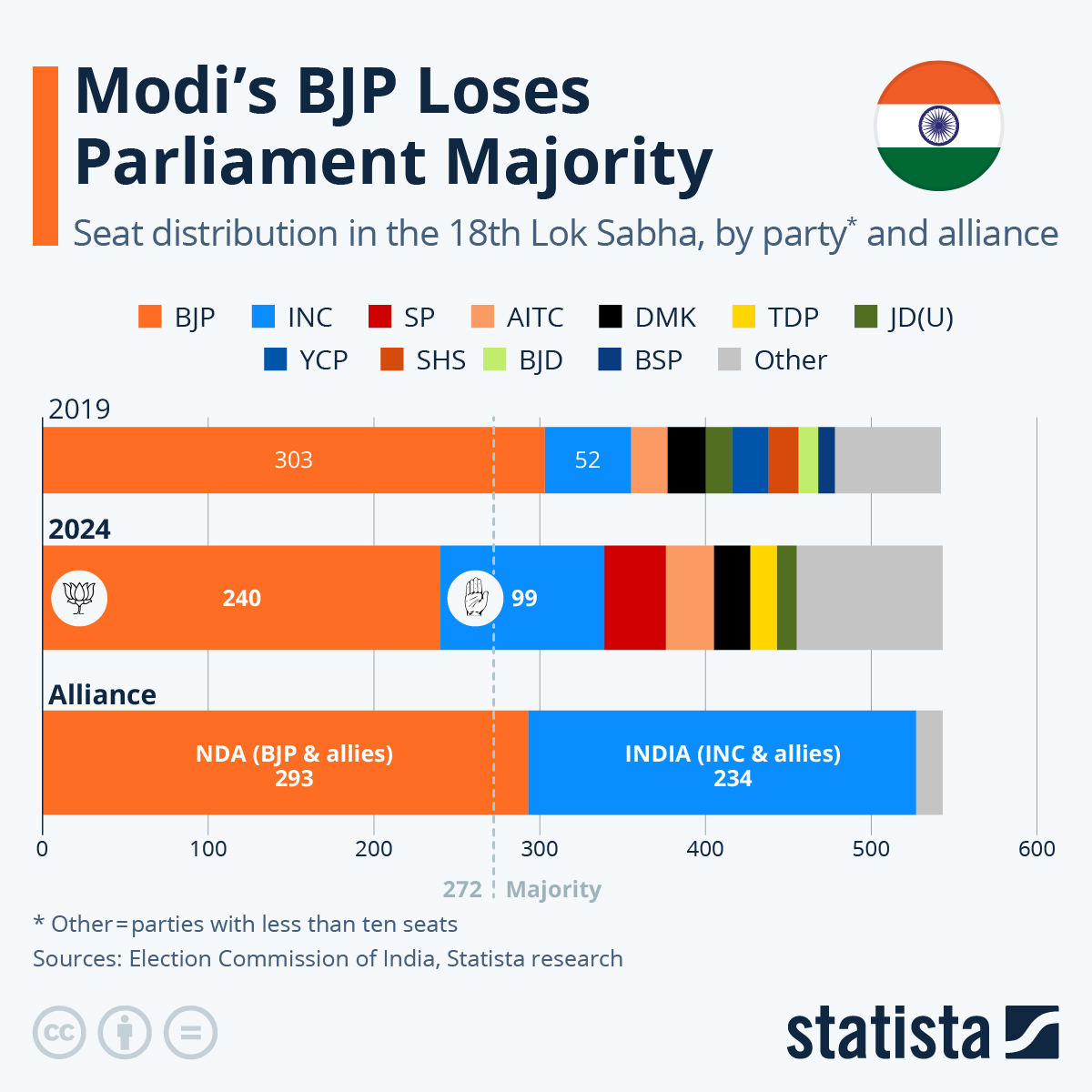
By Nantoo Banerjee If in the United States, the world’s second largest federal democracy, the number of seats in the House of Representatives could remain capped at 435 since 1913, there is no reason to justify the latest delimitation exercise to freshly fix the number of seats and boundaries of territorial constituencies in each state […]

RIYADH, SAUDI ARABIA – Media OutReach Newswire – 1 April 2025 – Recently, at JINGDONG Logistics’ warehouse in Riyadh, goods were being efficiently processed, destined not only for Middle East countries but also for parts of North Africa. Currently, JINGDONG Logistics operates five warehouses in the Middle East, including Saudi Arabia Warehouse No. 1. Last year, JINGDONG Group also established a strategic partnership with Saudi Electricity Company […]

I’m often asked where I invest my own money—by clients, advisers, even industry peers. And in a year like this one, when the world is being reshaped by the policies of President Trump, market volatility, and fast-moving tech cycles, the question feels more urgent than ever. We’ve seen a 10% drop in markets this year. Historically, that’s not unusual—since 1950, there have been over 30 such corrections. […]

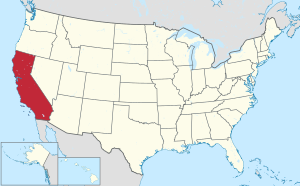
The California State Assembly has introduced Assembly Bill 1052 , a legislative measure aimed at providing legal protections for individuals engaging with digital assets such as Bitcoin. The bill, spearheaded by Assemblymember Juan Carrillo Valencia, Chair of the Assembly Banking and Finance Committee, seeks to affirm the rights of Californians to self-custody digital assets and to use them as a valid form of payment.

AB-1052 explicitly recognizes the right of individuals and businesses within the state to accept digital financial assets for the sale of goods and services. It deems the use of such assets in private transactions as valid and legal consideration. Furthermore, the bill prohibits public entities from imposing taxes, withholdings, assessments, or other charges solely based on the use of digital assets as a method of payment. This provision aims to prevent discrimination against digital asset transactions by governmental bodies.

In addition to payment considerations, the bill addresses the management of unclaimed digital assets. It stipulates that intangible property held in a digital asset account will escheat to the state three years after certain conditions are met, such as the return of undelivered communication to the owner or the last exercise of ownership interest by the owner. Holders of private keys for such escheated digital assets are required to transfer them to a custodian designated by the Controller, ensuring that these assets are managed appropriately and securely.

AB-1052 also seeks to amend the Political Reform Act of 1974 by prohibiting public officials from issuing, sponsoring, or promoting any digital assets, securities, or commodities. This measure is intended to reduce potential conflicts of interest and political influence over emerging financial technologies. Public officials are further restricted from engaging in transactions or conduct related to digital assets that could create conflicts with their public duties.

VISHNU RAJA
RYO YAMADA
HITORI GOTOH
IKUYO KITA