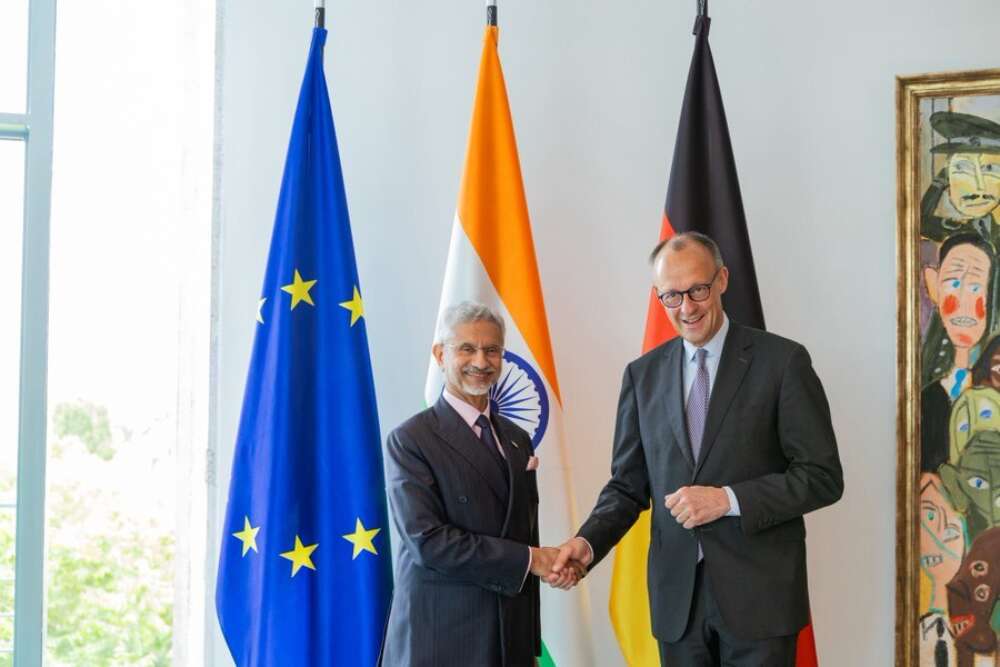
Germany’s opposition leader Friedrich Merz has suggested that a long-stalled trade agreement between the European Union and India could be clinched by the end of January, injecting momentum into negotiations that Brussels and New Delhi have struggled to close for more than a decade as global supply chains remain under strain from geopolitical frictions.
Speaking at a policy forum, Friedrich Merz said the bloc and India were “closer than many assume” to resolving key differences, adding that the economic case for a deal had sharpened after prolonged disruptions linked to strategic competition between major powers. His comments come as European manufacturers continue to grapple with uneven access to critical inputs following China’s tightening of export controls on minerals vital for electric vehicles, electronics and defence applications.
Negotiations for an EU–India free trade agreement were relaunched in 2022 after an eight-year hiatus, with both sides aiming to expand trade that exceeded €120 billion in goods and services last year. Officials involved in the talks say progress has been made on tariff reductions and rules governing digital trade, though sensitive areas such as agriculture, labour standards and intellectual property remain contentious. Merz’s remarks underscore a growing sense in Berlin and other capitals that the agreement has moved from a strategic aspiration to an economic necessity.
Germany, Europe’s largest economy, has been among the strongest advocates of diversifying trade ties beyond China, particularly after export controls imposed by Beijing on gallium, germanium and graphite created months of bottlenecks for automotive and renewable energy firms. Those controls, introduced amid the broader U. S.–China trade dispute, highlighted vulnerabilities in Europe’s dependence on a narrow set of suppliers for critical raw materials.
Executives in the auto sector say shortages of battery-grade materials last year forced production adjustments and delayed investment decisions. While some supply has since stabilised, industry groups argue that long-term resilience requires deeper partnerships with alternative producers and manufacturing hubs. India, with its expanding industrial base and policy push to attract foreign investment, has emerged as a central pillar of that strategy.
European officials note that the proposed agreement would not only cut tariffs—currently as high as 60 per cent on some vehicles entering India—but also establish clearer rules for public procurement and data flows. For India, the deal promises greater access to the European market for pharmaceuticals, textiles and IT services, while also encouraging technology transfer and skills development.
Trade analysts caution that closing the pact by late January would require political compromises on both sides. European negotiators have pressed for stronger environmental and labour commitments, while Indian counterparts have sought flexibility to protect small farmers and domestic manufacturers. Still, the geopolitical context is shifting calculations. The European Union has accelerated its “open strategic autonomy” agenda, seeking to balance openness with security of supply, and India has signalled willingness to align more closely with Western economies without abandoning its strategic independence.
Merz’s intervention also reflects domestic pressures within Germany, where exporters are seeking new growth markets as demand in China cools. German industry groups have repeatedly urged policymakers to prioritise agreements with fast-growing economies, arguing that delays risk ceding ground to competitors from East Asia and North America.
The broader backdrop includes intensifying scrutiny of China’s role in global supply chains. Beijing has defended its export controls as legitimate measures to safeguard national security and manage resources, but the ripple effects have reinforced calls in Europe for diversification. The European Commission has already launched initiatives to secure access to lithium, cobalt and rare earths through partnerships in Africa, Latin America and Asia, with India seen as both a market and a manufacturing partner.
Diplomats familiar with the EU–India talks say technical chapters are largely drafted, leaving political decisions to bridge remaining gaps. Any agreement would still need approval from member states and the European Parliament, a process that could extend beyond the negotiating deadline even if a political deal is struck.
Arabian Post Staff -Dubai Saudi Basic Industries Corporation has agreed to divest its European petrochemicals arm and its engineering thermoplastics operations across the Americas and Europe, marking a significant portfolio shift by the chemical producer as it sharpens its focus on core businesses. The company said it has signed a definitive agreement with Germany’s AEQUITA SE & Co. KGaA to sell 100 per cent of its shares […]
China’s commerce authorities have set out plans to reinforce the country’s legal and regulatory architecture governing trade, placing export controls and supply-chain risk management at the centre of economic policy for the year ahead. The agenda, outlined by the Ministry of Commerce of the People’s Republic of China, reflects Beijing’s determination to shield domestic industries from external shocks while maintaining its position as a pivotal node in global manufacturing and logistics networks.
Officials said the push will focus on tightening the legal framework that underpins foreign trade, improving the design and enforcement of export control mechanisms, and strengthening early-warning systems to guard against disruptions. The ministry described supply-chain resilience as a strategic priority, arguing that legal certainty and predictable controls are essential to sustaining economic stability amid persistent geopolitical tensions and shifting global demand.
Export controls have become a particularly sensitive policy lever for China as advanced technologies, critical minerals and dual-use goods face growing scrutiny worldwide. Over the past two years, Beijing has expanded the scope of its export control regime, introducing licensing requirements and compliance obligations that mirror, in some respects, measures imposed by other major economies. Officials now say further refinement is needed to close loopholes, clarify enforcement standards and ensure that rules are aligned with broader industrial and security objectives.
The commerce ministry’s policy outline also emphasises the need to improve coordination among regulators, customs authorities and law-enforcement agencies. By streamlining oversight and information-sharing, Beijing aims to reduce regulatory fragmentation that businesses have long complained adds cost and uncertainty to cross-border operations. Officials argue that a more coherent system will help enterprises navigate compliance requirements while allowing the state to respond more swiftly to emerging risks.
Legal experts in China note that the emphasis on statutory clarity signals a shift away from ad hoc administrative guidance towards more formalised rules. This approach, they say, could provide companies with clearer expectations, particularly foreign-invested firms that often struggle to interpret policy signals. At the same time, stronger legal backing for export controls may give regulators broader discretion to act when national security concerns are invoked.
The policy direction comes as global supply chains continue to recalibrate. Trade frictions, sanctions regimes and technology restrictions have prompted multinational companies to reassess sourcing strategies, diversify production bases and build redundancy into logistics networks. China, while seeking to retain its manufacturing dominance, has also encouraged domestic firms to reduce exposure to external vulnerabilities by investing in upstream capabilities and alternative markets.
Officials have framed the new priorities as part of a broader effort to balance openness with security. While reaffirming commitments to trade facilitation and market access, the commerce ministry stressed that safeguarding key sectors and technologies remains non-negotiable. This dual emphasis reflects guidance from top leadership that economic policy must serve both development and security goals, a theme repeatedly highlighted in speeches by Xi Jinping.
Industry analysts say the strengthened export control regime is likely to have uneven effects across sectors. Producers of high-tech components, rare earths and advanced materials may face tighter scrutiny, while exporters of consumer goods could see limited direct impact. However, the broader compliance environment may become more demanding, requiring companies to invest in legal expertise, internal controls and supply-chain mapping.
Foreign chambers of commerce in China have previously urged authorities to ensure transparency and proportionality in export control enforcement. Businesses worry that ambiguous rules or retroactive application could disrupt contracts and undermine confidence. The commerce ministry has sought to address these concerns by signalling that legal reforms will be accompanied by clearer guidance and procedural safeguards, though details on implementation timelines remain limited.
Beyond export controls, the policy outline highlights risk prevention across trade finance, logistics and overseas investment. Officials pointed to the need for monitoring mechanisms that can detect stress points early, whether arising from financial volatility, shipping bottlenecks or regulatory changes abroad. Strengthening such systems, they argue, will help Chinese firms adapt more quickly and reduce the likelihood of cascading disruptions.
Senate Republicans are accelerating plans to bring a sweeping cryptocurrency bill to a vote, betting that momentum and industry pressure can overcome lingering Democratic reservations even as bipartisan talks remain unsettled. The move was confirmed late on Friday by the chair of the Senate Banking Committee, who said the panel would press ahead with scheduling despite parallel efforts by the Senate Agriculture Committee to refine a cross-party […]
By Nitya Chakraborty U.S. commerce secretary Howard Lutnick’s stunning podcast on Thursday claiming that the bilateral India-US trade deal was almost ready but was not signed as Prime Minister did not call the U.S. President Donald Trump as was expected by the Americans. This lack of proper gesture on the part of the Indian PM […]
Quiet weather patterns are holding across much of the UAE, with forecasters pointing to generally settled conditions through the coming days and a slim chance of light rainfall in isolated pockets. Authorities say the outlook favours outdoor plans, while advising residents and marine users to stay alert to short-lived changes driven by cloud build-up and shifts in humidity. Early-day conditions are expected to remain stable across […]
African policymakers and market operators are accelerating efforts to deepen trade within the continent by leaning on digital payment systems that promise faster settlements, lower costs and broader access for businesses of all sizes. The push comes as governments and private players seek to convert the African Continental Free Trade Area from a legal framework into a functioning commercial ecosystem that moves goods, services and capital more […]
By Nitya Chakraborty West Bengal is going to the state assembly polls in March-April 2026. The election fever has soared high with the visits of the BJP leaders Prime Minister Narendra Modi and the Home Minister Amit Shah to the state which is being ruled by the Trinamool Congress led by the chief minister Mamata […]
Arabian Post Staff -Dubai UAE’s national railway operator Etihad Rail has outlined the rollout of the country’s first passenger railway network, marking a significant expansion of the federal transport system that will connect 11 cities and regions through a series of strategically located stations scheduled to become operational this year. The passenger rail service builds on the national freight network that has been running since 2023 and […]
Republic of Korea delivered its largest current account surplus ever recorded for a November, underpinned by a sharp rebound in exports led by semiconductors, according to data released by the central bank, reinforcing signs that Asia’s fourth-largest economy is benefiting from a global technology upcycle.
Figures published by Bank of Korea showed the surplus widened markedly from a year earlier, driven primarily by goods exports as overseas demand for memory chips and advanced components strengthened. The milestone November result adds to a sequence of solid monthly balances this year and signals improving external resilience after a period of volatility linked to energy prices and weaker global trade.
Exports rose at a double-digit pace year on year, with semiconductors once again the dominant contributor. Chip shipments, which had slumped during the global downturn in memory prices, rebounded strongly as inventories normalised and orders increased from data-centre operators and manufacturers deploying artificial intelligence workloads. Analysts said demand for high-bandwidth memory and advanced logic chips has been particularly supportive for Korean producers.
The current account surplus, which measures the balance of trade in goods and services alongside income flows, was also supported by a narrower energy import bill. Lower prices for crude oil and liquefied natural gas compared with last year reduced the cost of imports, amplifying the positive effect of export growth. Services remained in deficit, reflecting outbound travel by residents, but the shortfall was smaller than earlier in the year.
Economists link the export recovery to the improving cycle in global technology spending. Korean chipmakers, led by Samsung Electronics and SK Hynix, have benefited from rising prices for dynamic random-access memory and NAND flash products, as well as from long-term contracts tied to AI infrastructure. Both firms have announced higher capital expenditure plans focused on advanced memory and packaging technologies, moves that are already filtering through trade data.
Beyond semiconductors, shipments of automobiles, machinery and petrochemical products also contributed positively. Vehicle exports remained robust despite softer demand in some advanced economies, reflecting competitive pricing and the growing popularity of electric and hybrid models produced by Korean manufacturers. Machinery exports gained from infrastructure and energy projects across the Middle East and parts of Southeast Asia.
Income from overseas investments added another layer of support. Dividend and interest receipts from Korean companies’ foreign assets increased, offsetting profit repatriation by foreign firms operating domestically. This helped keep the overall current account firmly in surplus despite the persistent services deficit.
Policy makers view the November outcome as confirmation that the economy is on a steadier footing. The central bank has previously signalled that a sustained export-led recovery would ease pressure on monetary policy, even as it remains cautious about household debt and property-market risks. A strong external balance also provides a buffer against currency volatility, a concern earlier in the year when the won weakened amid global interest-rate uncertainty.
Still, officials and analysts warn that risks remain. The export outlook is closely tied to the durability of the global technology rebound and to geopolitical developments that could disrupt supply chains or dampen investment sentiment. Slower growth in major trading partners or renewed trade frictions could weigh on momentum in coming months. Services exports, particularly tourism, have yet to return to levels seen before the pandemic, limiting diversification of the external balance.
France’s trade deficit widened to €4.2 billion in December 2025, reversing some of the narrowing seen earlier in the quarter as imports accelerated faster than exports, according to official customs data released this week. The shortfall, up from a revised €3.5 billion in November, broadly matched market expectations and underscored the uneven recovery in external trade as domestic demand picked up while overseas sales faced mixed conditions. […]
Tackle rising business costs and trade barriers with a unified digital platform for Free Trade Agreements as well as build stronger economic partnerships.
Bridge AI adoption gaps by co-funding shared data pools and introducing a regional “Trusted AI” mark to drive innovation and governance.
Future-proof the workforce with targeted work visas for global experts, job transformation roadmaps, and advanced leadership programmes.
SINGAPORE – Media OutReach Newswire – 7 January 2026 – KPMG in Singapore and the Singapore Institute of Directors (SID) are pleased to announce the release of a joint Budget 2026 Proposal, titled “Prospering in a New Global Landscape”.
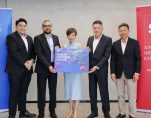
From Left to Right: Yong Jiahao, Partner, Infrastructure, Government & Healthcare (IGH) & Industrial Manufacturing, Tax, KPMG; Ajay Kumar Sanganeria, Partner and Head of Tax, KPMG; Lee Sze Yeng, Managing Partner, KPMG; Max Loh Khum Whai, Vice-Chair, Singapore Institute of Directors; Edwin Lee, Deputy CEO, Singapore Institute of Directors
By fostering resilient economic linkages, embedding digital trust, and cultivating world-class talent and leadership with cross-domain expertise, Singapore can ensure its businesses and economy remain secure, innovative, and competitive in an uncertain global landscape.
This Proposal outlines strategies to position Singapore as a critical hub for global flows, covering three crucial areas:
A new global order: Resilience as a pivotal growth strategy
The Intelligent Age: Smart solutions for an innovative era
The recommendations in the proposal are also supported by data-driven insights from a survey recently conducted by KPMG and SID. More than 1,000 professionals, managers, executives and technicians (PMETs) and business owners were surveyed on the challenges they face and the kinds of Budget 2026 support they hoped to see. [For more information, please refer to the deck with the full survey results: https://kpmg.com/sg/en/campaigns/kpmg-singapore-budget.html ]
Empowering businesses to leverage Singapore’s trusted role as a global connector
Global commerce is rapidly transforming amid rising protectionism, shifting trade rules, evolving tax regimes, and geopolitical tensions. Singapore’s long-term prosperity in the new global order depends on its ability to lead as a trusted connector and aggregator of the flows of goods, capital, data, and talent.
Singapore must strengthen its economic linkages, build secure and interoperable digital platforms, cultivate a workforce equipped with cross-domain expertise, and equip boards with essential skills to navigate emerging risks and opportunities. Trusted and resilient economic linkages will ensure the seamless movement of goods, services, and investments, while interoperable digital platforms will play a critical facilitation role in enabling cross-verification of information, streamlining compliance, and fostering trust across borders. These efforts are especially important in helping businesses cope with shifting regulations. KPMG and SID’s survey found that 51 percent of respondents identified increased business costs as the main challenge to cross-border expansion, followed by higher tariffs (26 percent) and supply chain difficulties (25 percent). To address these challenges, 43 percent of respondents want stronger economic and trade partnerships to overcome trade barriers.
KPMG and SID recommend:
a) Developing a unified digital platform for Free Trade Agreement (FTA) management (page 7) to help businesses navigate complex procedures and unlock the full benefits of FTAs. This would be seamlessly integrated with government systems, making it more seamless and cost-effective for businesses to comply with FTA requirements. This would enable firms to leverage Singapore’s extensive FTA network to gain footholds in new markets, further enhancing Singapore’s regional and global competitiveness.
b) Increasing access to working capital to accelerate local enterprises’ strategic transformation and implementing industry-specific governance frameworks (page 7). With geopolitical shifts driving a more complex regulatory landscape, increased and dedicated funding would enable businesses to transform for the future while responding effectively to evolving governance standards. Such funding should be complemented by industry-specific governance playbooks to equip boards with essential tools to strengthen agility and resilience.
c) Enhancing Singapore’s government-backed trade platform with blockchain and AI (page 6). The global economy has seen an increase in supply chain disruptions amid geopolitical and trade uncertainties. An enhanced Government-backed trade platform would enable Singapore to further facilitate the flow of trusted payments, making it even easier for businesses to validate transactions and act on smart recommendations to elevate supply chain efficiency. Amid a more fragmented world, the enhanced platform would also reinforce Singapore’s position as a reliable hub for global commerce, by promoting increased supply chain transparency for critical industries like semiconductors, pharmaceuticals, and advanced manufacturing.
d) Introducing progressive carbon taxes to reward decarbonisation and establish performance-based pathways for large emitters (page 9). Singapore’s carbon taxes must evolve to consider unique business needs and companies’ decarbonisation plans. Progressive carbon tax rates post-2030 – based on facility emissions volume, emissions per unit of output, and sectoral abatement potential – could be accompanied by permanent conditional tax rebates for energy-intensive, trade-exposed sectors. These rebates could be based on set criteria such as verified year-on-year reductions in carbon intensity and investments in low-carbon technology. To strengthen these efforts, Singapore could also establish an ASEAN Environmental Data Exchange to facilitate the sharing of standardised and interoperable environmental data between Singapore and its regional trade partners (page 8). The exchange would improve the flows of green trade and green capital, enabling Singapore to be a regional hub for environmental data harmonisation. Organisations like the Singapore Institute of Directors could play a catalytic role by building board-level capability, aligning disclosure expectations and promoting best practices through director education, guidance frameworks and peer learning on a regional scale, helping boards to lead initiatives like progressive carbon taxation.
Fostering an ecosystem of Trusted AI in the Agentic Era
The rise of artificial intelligence (AI) is reshaping global competitiveness, with agentic AI—capable of autonomous decision-making—introducing both transformative opportunities and significant challenges. While agentic AI can drive innovation, optimise operations, and unlock new efficiencies, it also raises critical concerns around accountability, ethical deployment, and governance.
A critical enabler of AI’s potential is data sharing, yet this often proves difficult due to competition, concerns over intellectual property, and a lack of trust between organisations. Businesses—particularly smaller enterprises—also face cost constraints in accessing high-quality data, and many also lack the strategic clarity and workforce competencies to identify where AI can augment their operations.
KPMG and SID’s poll found that 54 percent of respondents cited talent and skills gaps as the top challenge for adopting AI, followed by high costs of technology adoption (52 percent) and a lack of clear AI adoption strategies (48 percent). By addressing these concerns, Singapore will be able to fully leverage the vast potential of AI and data to reinforce its status as a hub across various sectors.
KPMG and SID recommend:
a) Co-funding sector-specific shared data pools in partnership with trade associations and industry stakeholders (page 15). These shared, anonymised data pools would enable businesses to access high-quality datasets without incurring prohibitive costs. Tailored to specific sectors such as logistics and retail, these pools would facilitate benchmarking, model training, and experimentation under a trusted framework that safeguards data privacy and protects intellectual property. Shared data initiatives should be paired with guided AI adoption support to help businesses understand how AI can enhance specific parts of their value chain. For example, targeted support could help logistics firms optimise supply chains or assist retailers in leveraging AI to personalise customer experiences. This dual approach would enable broader AI adoption and accelerate innovation across industries.
b) Enhancing the public-private partnership (PPP) framework to accelerate AI adoption (page 15). As firms navigate high costs and limited guidance around AI adoption, there is an opportunity for the Government to provide greater access to infrastructure to lower barriers for AI experimentation and deployment. The enhanced framework would create positive spillover effects from existing AI initiatives, as government agencies, academia and industry stakeholders collaborate to strategically integrate AI solutions into business strategies. The framework could also promote cross-sector collaboration in key industries, fostering a culture of open innovation in AI. To bolster digital trust, Singapore could also establish a regional “Trusted AI” mark to drive harmonisation and innovation (page 12). Although Singapore’s Model AI Governance Framework provides a strong foundation for responsible AI deployment, there is still a largely untapped opportunity for Singapore to champion an assurance label that shows firms have AI controls aligned with recognised AI governance standards. By pushing regionalrecognition of this mark, Singapore could accelerate cross-border innovation and trade. The mark would build on initiatives like AI Verify and Project Moonshot, which have helped to promote Trusted AI in Singapore.
c) Supporting hands-on AI governance training for board members and executives (page 13) through a dedicated fund. This would complement existing SkillsFuture programmes which focus primarily on AI awareness, by expanding the emphasis to address strategic and operational gaps at the leadership level – covering ethical deployment, change management and cross-domain applications.
Building globally relevant leaders with cross-domain skills
To fulfil its role as a hub for global flows, Singapore must enable its businesses to navigate a complex web of governance requirements, trade rules, tax policies, and tariffs. While compliance with governance standards will bring higher upfront costs, it also provides a foundation for businesses to lead in innovation and competitiveness. For instance, businesses that embrace sustainability compliance can innovate in areas like green finance, carbon accounting, and environmental data exchange.
Yet, none of this is possible without specialised talent and leadership. Singapore needs professionals and board leaders with expertise in areas such as supply chain management, AI governance, and sustainability strategy. These individuals must be able to connect the dots across domains, such as linking data governance with trade compliance or integrating sustainability goals into business operations. The need for enhanced talent development also emerged from KPMG and SID’s survey findings. Forty-nine percent of respondents want more skills development and upskilling courses. Meanwhile, 42 percent hope for more support for workforce transformation and job redesign, such as higher grants. In addition, 37 percent of respondents want more leadership and management development initiatives, especially in the areas of mentorship and coaching for emerging leaders and advanced leadership programmes.
KPMG and SID recommend:
a) Creating a dedicated work-pass category for “master trainers” and mentors (page 18). The work-pass would encourage international professionals to join local companies, public agencies and training institutions to lead structured upskilling or leadership development programmes. This would accelerate skills transfer, expose workers to global best practices, and build a robust pipeline of talent capable of driving strategic transformation and competitiveness in a rapidly evolving global landscape. Structured leadership development programmes could also include peer-sharing platforms (page 21) aimed at promoting transformation training among C-suite leaders. Backed by the public sector and industry stakeholders, such platforms could foster the exchange of best practices, promote collective learning on key sustainability capabilities and empower leaders to proactively redesign roles and workflows ahead of market shifts.
b) Setting up job transformation roadmaps with co-funded training and certification initiatives (page 19) tied closely to sector-specific needs. As rapid technological developments shape industry demand for skills, job transformation roadmaps would be beneficial in outlining sector-specific disruptions, challenges and opportunities. These roadmaps could be accompanied by industry-recognised certification, and programmes backed by both the public and private sectors. Tailored to sectoral needs, certifications could help to assess whether workers have acquired the necessary skills to perform in transformed roles, especially in fast-evolving sectors where traditional qualifications may no longer suffice.
c) Establishing a $100 million fund to advance social impact reporting (page 9). As Singapore pursues long-term resilience, it must also ensure that economic growth is sustainable and inclusive. The fund could be used to train professionals and board directors in the reporting of social metrics, support academic modules in social sustainability and certify social auditors and advisers. It could also be complemented by broader efforts to enhance environmental, social and governance (ESG) competencies among businesses’ top leadership. Singapore could establish a national registry of certified sustainability committee members (page 20) who can be matched to boards and committees across sectors. This would help to expand access to qualified board resources, especially for local enterprises.
Lee Sze Yeng, Managing Partner, KPMG in Singapore, said:
“Leadership today isn’t just about mastering AI or acquiring specialised skills—it’s about navigating the intersections of cross-border trade, technology, and sustainability. To remain competitive, leaders must move beyond the basics, using AI and data to drive real business outcomes while building governance frameworks that inspire trust. At the same time, they need the courage to take calculated risks and collaborate across ecosystems to unlock new opportunities. Initiatives like co-funding sector-specific shared data pools and guided AI adoption support are critical to overcoming barriers and equipping leaders with the tools to thrive. As disruptions grow increasingly cross-border and cross-domain, Singapore’s ability to cultivate leaders who can turn complexity into opportunity will define its success as a global flows hub.”
Ajay Kumar Sanganeria, Partner, Head of Tax, KPMG in Singapore, said:
“Singapore’s position as a global hub—connecting trade, data, and capital—offers businesses significant opportunities to grow and compete globally. Grants and platforms are vital enablers, but they must be part of a broader solution that simplifies complexities and empowers businesses to focus on innovation. Future-ready approaches, such as managing governance and compliance in a more consolidated or ‘as-a-service’ mode, can reduce burdens on enterprises. A unified digital platform for Free Trade Agreement (FTA) management, enhanced with blockchain and AI, could streamline compliance and unlock the full benefits of Singapore’s FTA network. Co-funded training programmes and shared governance frameworks can further help businesses pool resources and build capabilities. By combining grants, platforms, and smarter ways of working, Singapore strengthens its role as a trusted global connector and equips businesses to lead with confidence in an evolving world.”
Yeoh Oon Jin, Chair, Singapore Institute of Directors, said:
“Singapore’s future as a global hub for connectivity and commerce will be shaped by how boards of directors evolve to lead with resilience and trust. Budget 2026 is an opportunity to strengthen governance frameworks that embed sustainability, cyber trust and accountability into every organisation’s agenda. By empowering directors to champion innovation, sustainability and digital assurance, organisations can grow with confidence while reinforcing Singapore’s position as a secure and trusted connector for goods, capital, data and talent in an increasingly complex global landscape.” Hashtag: #KPMG #SID
The issuer is solely responsible for the content of this announcement.
About KPMG in Singapore
KPMG in Singapore is part of a global organization of independent professional services firms providing Audit, Tax and Advisory services. We operate in 142 countries and territories with more than 275,000 partners and employees working in member firms around the world. Each KPMG firm is a legally distinct and separate entity and describes itself as such. KPMG International Limited is a private English company limited by guarantee. KPMG International Limited and its related entities do not provide services to clients.
About SID
The Singapore Institute of Directors (SID) is Singapore’s national association for company directors. Established in 1998, our mission is to transform boards and empower board directors to be champions of good governance. SID works with regulators and partners to serve as the voice for directors and facilitates consultations and feedback sessions on regulatory matters. In advocating for good governance, SID advances thought leadership and benchmarking research and indices on corporate governance and directorship issues.
SID builds competencies and capabilities to enhance boardroom skills of directors for informed decision-making. An accreditation programme serves to set standards for and showcase best practices of good governance. The organisation supports members on their directorship journey with courses, workshops, advanced masterclasses, forum discussions and pit-stops. SID connects and strengthens the ecosystem with initiatives such as mentoring and networking. The Governance for Good Alliance is an initiative by SID to bring together key stakeholders who help advance our vision for every board director to be a champion of good governance.
Arabian Post Staff -Dubai Saudi Arabia will allow all foreign investors to participate directly in its financial markets from February 1, marking a significant liberalisation as the kingdom intensifies efforts to draw sustained overseas capital and deepen market liquidity. The policy shift removes longstanding eligibility thresholds that limited access to a narrower group of institutions, signalling a more open framework aligned with global investment practices. The […]
Integrity is often spoken of as though it were universal: one definition, one standard, one moral yardstick by which trust is measured everywhere. In reality, integrity is deeply shaped by culture. What one society considers faithfulness, another may experience as rigidity. What one views as flexibility, another may interpret as unreliability. These differences are not signs of moral deficiency; they are reflections of distinct histories, social structures, […]
By Nitya Chakraborty India’s isolation from Global South on the issue of Trump’s invasion of Venezuela is now complete. Prime Minister Narendra Modi claims himself as the leader of Global South. Both at the SCO summit and BRICS meeting last year, Modi was active in articulating the aspirations and the programmes of the developing and […]
US-based multinational corporations are set to be exempt from key elements of the global minimum tax regime, following an agreement among major economies that eases pressure on Washington while preserving the broader framework championed by the Organisation for Economic Co-operation and Development. The move reshapes the implementation of the 15 per cent global minimum tax and recalibrates how countries apply enforcement rules to the world’s largest companies. […]
TAIPEI, TAIWAN – Media OutReach Newswire – 5 January 2026 – The TVBS Foundation’s “Infinite Love” charity campaign raised over NT$32 million (around US$1.02 million) in 2025, reaching 15 counties and cities across Taiwan in its sixth consecutive year. The initiative integrates fundraising, emergency assistance, city prayer breakfasts, charity dinners, Christmas celebrations, sports philanthropy, and special television programs. The foundation connects government agencies, churches, civil organizations, and corporate partners to channel resources toward disadvantaged communities, education, and post-disaster reconstruction.
Christmas Eve Special Program Achieves High Ratings, Spreading Warmth on Christmas Eve.
The fifth annual “Share Infinite Love” (分享愛無限) campaign raised NT$5,535,590 (around US$176,856), with donations distributed to 12 social welfare organizations across Taiwan. Recipients include Libertas Educational Foundation and Blessed Children Education Association of Taiwan, which provide ongoing support for disadvantaged education and family care programs. The foundation emphasizes that “Infinite Love” serves as a long-term platform for action, striving to make goodwill visible and reach those who truly need assistance.
In response to the Mataian River Barrier Lake disaster in Hualien, a county on Taiwan’s eastern coast, the TVBS Foundation launched a special fundraising project that collected NT$26,902,435 (around US$859,503). The foundation established the “Guangfu Township Home Recovery Network” with local organizations, distributing NT$5,000 (around US$160) in settlement assistance to each affected household. Recipients expressed gratitude, saying, “TVBS Foundation’s care has helped us feel less alone during post-disaster reconstruction, knowing that people are walking alongside us.”
Connecting Local Governments and Churches: City Prayer Breakfasts and Charity Dinners Across Taiwan
The “City Prayer Breakfasts and Charity Dinners” serve as a key annual platform, held across 15 counties and cities in partnership with the Christian Cultural Exchange Association and local churches. In Taipei, Mayor Chiang Wan-An participated under the theme “Love in Taipei, Moving Forward Together.” New Taipei City Mayor Hou You-yi attended for the fourth consecutive year, incorporating anti-fraud awareness campaigns with police collaboration. Taichung hosted its fifth consecutive event, connecting over 50 local churches and providing long-term care to more than 45,000 disadvantaged households, with resources exceeding NT$210 million (around US$6.71 million).
Events also took place in Miaoli, Nantou, Yunlin, Taoyuan, Tainan, Kaohsiung, Chiayi, Changhua, Penghu, and Kinmen, each developing unique city-focused charitable initiatives. Hualien held a “Guangfu Township Special Session,” combining year-end care with post-disaster reconstruction efforts following the Mataian River Barrier Lake disaster. Teams went directly into communities to support recovery, distributing settlement assistance and ensuring that charitable efforts extend beyond formal events.
Taipei Christmas Infinite Love Attracts 240,000 Visitors, Creating a Shared Urban Festive Atmosphere
The “2025 Taipei Christmas Infinite Love”event at Daan Forest Park attracted approximately 240,000 visitors over three days, featuring a Christmas Music Concert and “International Christmas Culture Carnival.” Artists including Kelly Tsai (蔡家蓁), Black Storm (黑旋風) and David Lin (林道遠) ),and others, performed in rotation. Over 100 market booths and six major light installations created an immersive festive atmosphere, extending the foundation’s charitable reach into urban public spaces.
The TVBS Foundation partnered with the New Taipei Kings, a professional basketball team in Taiwan’s T1 League, for the “Infinite Love Charity Program,” extending charitable care through sports initiatives. Through basketball camps and community outreach programs, children from disadvantaged families across Taiwan received invitations to attend home games throughout the season. The program utilizes sports to convey positive energy and broaden the foundation’s reach to additional communities, illustrating how athletic partnerships can amplify charitable impact.
Christmas Eve Special Program Achieves High Ratings, Spreading Warmth on Christmas Eve
On Christmas Eve, Wednesday (Dec. 24), the TVBS Foundation aired its annual Christmas Eve Special Program featuring over 50 artists, reaching families across Taiwan through television screens. Through music, storytelling, and special segments, the program created a heartwarming celebration that extended the foundation’s spirit of accompaniment to viewers at the end of the year. The broadcast demonstrated the foundation’s commitment to utilizing media platforms to extend its charitable reach beyond in-person events.
In the special episode hosted by Kuo Tze Cheng (郭子乾) and Action Tang (唐從聖), representatives from different political parties set aside their differences to perform “Silent Night” together. The segment conveyed reconciliation and blessings through humor and music, becoming a ratings highlight that reached a peak. The cross-party performance demonstrated how charitable events can foster unity and goodwill across Taiwan’s political spectrum.
For the first time, the program introduced an “Online Prayer Room,” enabling viewers to write down their Christmas wishes and receive personalized prayers from pastors. Over 700 viewers participated, leaving messages of hope for peace and safety that religious leaders individually addressed. The interactive feature spread blessings through the screen to households across Taiwan, extending the foundation’s reach beyond traditional broadcast formats.
Hashtag: #TVBS
The issuer is solely responsible for the content of this announcement.
Swiss authorities have moved swiftly to block any financial assets within their jurisdiction linked to Venezuela’s deposed President Nicolás Maduro and associates, ordering freezes with immediate effect after his arrest by United States forces and transfer to the United States to face narco-terrorism charges. The decision by the Swiss Federal Council is set to remain in place for four years, aimed at preventing the outflow of potentially […]
The Gulf Cooperation Council has moved closer to a fully integrated regional market with the launch of the first phase of an electronic customs data linkage system, enabling member states to securely exchange customs declaration information in real time. Approved by the Gulf Cooperation Council Customs Union Authority, the initiative marks a structural shift in how goods move across the bloc, replacing fragmented national processes with a shared digital framework.
Under the new system, customs authorities across the six-member bloc can access standardised declaration data as shipments cross borders, reducing repetitive checks and administrative bottlenecks that have long affected intra-GCC trade. Officials involved in the rollout describe the project as foundational to the Customs Union’s original objectives, which include the free movement of goods produced within the bloc and the consistent application of common external tariffs.
Trade flows within the Gulf have expanded steadily alongside diversification efforts that aim to reduce reliance on hydrocarbons. Manufacturing, re-export activity, food security logistics and e-commerce have all increased the volume and complexity of cross-border shipments. The electronic linkage is designed to keep pace with these changes by allowing authorities to verify origin, valuation and compliance details instantly, rather than relying on physical documentation and sequential clearance at each border.
Technically, the system connects national customs platforms through a secure digital interface governed by agreed data standards. Each declaration submitted in one member state becomes visible to others, allowing advance risk assessment and coordinated inspection decisions. This approach is expected to shorten clearance times, lower costs for traders and improve the predictability of supply chains, particularly for time-sensitive goods such as perishables and pharmaceuticals.
Customs officials familiar with the project say the first phase focuses on core declaration data and risk indicators, with future stages expected to expand into areas such as duty settlement, exemptions and post-clearance audits. The phased approach reflects the complexity of aligning legacy systems and legal frameworks across six jurisdictions while maintaining data security and national sovereignty.
For governments, the linkage strengthens oversight and revenue protection by reducing opportunities for misdeclaration or tariff arbitrage between borders. Shared data allows authorities to track consignments throughout their journey in the region, improving enforcement of customs rules and trade remedies. The system also supports broader efforts to combat illicit trade by enhancing visibility over cargo movements and identifying anomalies earlier in the process.
Businesses operating across the Gulf stand to benefit from lower compliance burdens and faster market access. Logistics providers have long argued that differences in documentation requirements and clearance practices add hidden costs to regional trade. A unified digital channel reduces the need for duplicate submissions and manual reconciliations, making it easier for firms to scale operations across multiple markets within the bloc.
The initiative aligns with national digital transformation agendas that place trade facilitation at the centre of economic policy. Several member states have invested heavily in smart ports, automated clearance systems and single-window platforms over the past decade. The customs data linkage builds on this foundation by connecting these national efforts into a regional network, rather than treating borders as isolated endpoints.
From a strategic perspective, the project supports the Gulf’s ambition to position itself as a global logistics and re-export hub linking Asia, Europe and Africa. As international supply chains increasingly depend on data-driven decision-making, regions with interoperable customs systems are better placed to attract investment and high-value trade flows. The ability to offer predictable, transparent and rapid clearance across multiple countries is viewed by policymakers as a competitive advantage.
Economic analysts note that the linkage also enhances resilience by allowing authorities to respond more effectively to disruptions. Shared data enables coordinated responses to surges in demand, rerouting of shipments or regulatory changes, reducing the risk of congestion at individual borders. This coordination has become more important as global trade patterns adjust to geopolitical shifts and evolving production networks.
Shares of ITC Ltd. have come under sustained pressure after a sharp shift in analyst sentiment, with about a third of brokerage houses cutting their buy recommendations following higher taxes on cigarettes that have altered earnings expectations for the diversified consumer goods group.
The change in outlook has been swift. Until the latest tax measures, ITC had ranked among the most favoured large-cap stocks on domestic brokerage lists, supported by steady cash flows from cigarettes and growing contributions from fast-moving consumer goods, hotels and paperboards. That balance has been questioned after the government raised duties on tobacco products, squeezing margins in the company’s most profitable segment.
ITC hit by analyst downgrades after tax move has become a defining theme in market commentary as earnings models are recalibrated. Analysts who turned cautious point to limited scope for further price hikes in cigarettes without risking volume erosion, at a time when consumption growth has already been uneven.
Cigarettes contribute a majority of ITC’s operating profit despite accounting for a smaller share of revenue, making tax changes particularly sensitive. The latest duty increase, structured through a combination of higher specific excise and cess components, has raised the effective tax burden across key cigarette categories. Brokerages estimate that, unless offset by price increases or cost efficiencies, operating margins in the segment could compress by 150 to 250 basis points over the coming quarters.
Some analysts expect ITC to pass on part of the tax through selective price increases, a strategy the company has used in earlier cycles. However, several broker notes highlight a more competitive environment, with illicit trade and regional players limiting pricing power. Volume growth assumptions for the cigarette business have been trimmed, with some forecasts now factoring in flat to marginally negative growth.
The reassessment has translated into rating cuts from buy to hold or equivalent neutral stances. Target prices have also been lowered, reflecting reduced earnings visibility and a narrower valuation premium for the cigarette franchise. A few brokerages have flagged that ITC’s valuation multiple had already priced in regulatory stability, leaving little cushion for adverse policy surprises.
Not all analysts are bearish. A significant portion of coverage has retained positive recommendations, arguing that the market reaction may be overdone. Supporters note ITC’s strong balance sheet, consistent dividend payouts and diversified portfolio as buffers against near-term volatility. The company remains debt-free and continues to generate robust free cash flow, providing flexibility to absorb tax shocks.
Attention has also turned to ITC’s non-cigarette businesses, which management has been positioning as long-term growth drivers. The FMCG segment, covering packaged foods, personal care and agri-branded products, has delivered double-digit revenue growth in several quarters, albeit with thinner margins. Analysts broadly agree that sustained investment is required before this segment can materially offset any slowdown in cigarettes.
The hotels business, demerged earlier into a separate listed entity, has been another focal point. While the demerger unlocked value and allowed sharper capital allocation, it also removed a stable earnings contributor from ITC’s consolidated results. Some analysts argue that the timing has amplified the perceived impact of the tobacco tax, as investors now view ITC more squarely through the lens of its cigarette exposure and FMCG transition.
Market participants are also weighing the broader regulatory backdrop. Tobacco taxation remains a policy lever tied to public health objectives and revenue needs, creating an element of unpredictability. Analysts caution that while steep tax hikes may not be annual, periodic adjustments are likely, keeping long-term risk premiums elevated for cigarette makers.
ITC’s management has yet to signal any immediate strategic shift in response to the tax increase. Past commentary has emphasised disciplined pricing, supply chain efficiencies and portfolio premiumisation to protect margins. The company has also highlighted investments in agri-sourcing and digital distribution to strengthen competitiveness across categories.
For investors, the debate has narrowed to whether the stock’s recent underperformance adequately reflects these risks. Some analysts see value emerging if earnings downgrades stabilise and FMCG margins continue to improve. Others maintain that sentiment will remain cautious until clearer evidence emerges that cigarette profitability can be sustained without sacrificing volumes.
Venezuela’s state-run oil industry continued operating without interruption on Saturday despite a dramatic United States operation that led to the capture of President Nicolas Maduro, according to people familiar with the operations of Petróleos de Venezuela, known as PDVSA. Production, refining and internal logistics remained stable, the sources said, with no damage reported at oilfields, pipelines or export terminals that underpin the country’s energy revenues. The announcement […]
HONG KONG SAR – Media OutReach Newswire – 5 January 2026 – Amid Hong Kong’s rising prominence as a hub for life sciences talent, the Hong Kong Life Sciences Society (HKLSS) is stepping up its efforts to nurture young talents who will shape the city’s scientific future. Through its Hong Kong Life Sciences Scholarship Awards (the Scholarship Awards) introduced in 2022, the Society has celebrated the achievements of outstanding students – this time honoring six students selected from more than 120 nominations.
The awardees of Hong Kong Life Sciences Scholarship Awards 2025/26: (from left) SANTOSO Rachelle Jacinda, RAHMAN Syed Rayan, and TAI Wing Yin Vincy.
The Scholarship Awards aims to recognize and support students pursuing life sciences or biomedical sciences programs at local UGC-funded institutions. Each awardee would receive a HK$50,000 scholarship, mentorship from industry professionals through the HKLSS Mentorship Scheme, and priority enrollment in the HKLSS Life Sciences Summer Internship Program, which offers students an integrated hands-on learning experience across Hong Kong, the Yangtze River Delta (YRD) Region and the Guangdong-Hong Kong-Macao Greater Bay Area (GBA).
Brought together by the Scholarship Awards, three awardees of cohort 2025/26 – SANTOSO Rachelle Jacinda(Y3 BSc in Biological Sciences, CityUHK), RAHMAN Syed Rayan(Y3 BSc in Applied Biology with Biotechnology, PolyU), and TAI Wing Yin Vincy(Y3 Bachelor of Biomedical Sciences, HKU), embarked on a shared journey – to be nurtured, grow, and ultimately bloom as future leaders in life sciences, contributing their skills and passion to advance Hong Kong’s life sciences ecosystem and build a better tomorrow through inter-disciplinary collaborations.
Awardees of Hong Kong Life Sciences Scholarship Awards 2025/26 (from left) Vincy, Rachelle, and Rayan shared their career aspirations in life sciences and enthusiasm for the HKLSS pillar programs.
Homegrown Biological Sciences Dream Fuels Up in Hong Kong Arriving from Indonesia three years ago, SANTOSO Rachelle Jacinda (Rachelle) joined Hong Kong’s life sciences community as an undergraduate with determination and hope. Her passion was first ignited by family medical challenges and her curiosity for biology drove her to pursue deeper studies in biological sciences.
What opened her door to her true calling was the hands-on laboratory work. Rachelle came to appreciate not only the essential role of doctors but also the vital impact of scientists, both working together to advance healthcare. This realization fueled her dream for postgraduate studies, a goal that she once deemed rather idealistic.
She described the Scholarship Awards as a “confidence boost”. She recalled receiving an affirmation from one of the Scholarship Awards interviewers about her future plans, “I think you’re in a quite good place” reassured her that she was on the right path.
With her confidence boosted, Rachelle plans to leverage the scholarship to establish herself in Hong Kong – a supportive nurturing ground for life sciences students, and growing global healthcare investment. Embracing the local culture, she is now learning Cantonese and improving her Mandarin to gear herself up and pursue future opportunities in both Hong Kong and the Chinese Mainland.
From Hometown to International Life Sciences Research Lab “I wanted to become a surgeon [in the past] because I wanted to save lives every day. But if I become a researcher in the life sciences field, one single breakthrough can change millions of lives,” said, RAHMAN Syed Rayan (Rayan), who discovered his real passion in the research lab.
Rayan’s fascination with science began at the age of ten in Bangladesh, where he observed animals in his hometown. Like Rachelle, his enthusiasm for life sciences brought him to Hong Kong, where he was encouraged to immerse himself in research at the university laboratory, guided by professors with profound global research expertise. During semester breaks, Rayan seized every opportunity to broaden his knowledge. Now based in Hong Kong, on his freshman and sophomore years, he pursued an internship in Canada and a summer exchange in the UK, where research primarily followed a fundamental approach. He was thankful for the diverse doors Hong Kong had opened, as exposure to different research methods taught him to see things more holistically, which benefited his work in Hong Kong, known for its focus on translational research.
As Rayan continued to build his career in the life sciences field, receiving the Scholarship Awards meant a great deal to Rayan as he felt “trusted by the panel” and empowered him to be aware of his actions. “Having somebody else to tell you that you are on the right path and believe in you, is very important,” Rayan emphasized.
Rayan also feels especially grateful and refreshed to have found the amazing community he discovered through the Scholarship Awards, as he gets a chance to connect with like-minded peers, who all work towards the same goals and similar challenges. The Scholarship Awards has paved his way to additional opportunities, including priority access to the Society’s industry experience focused Summer Internship Program.
Scientists on TV Ignite Big Ambitions TAI Wing Yin Vincy (Vincy), raised in Hong Kong, developed her passion for life sciences as a child watching scientists in action on TV. Inspired by her curiosity and determination to make a difference, she chose to study biomedical sciences at The University of Hong Kong, following her passion despite conventional expectations.
During her time at university, she gained practical experience through internships in both laboratory and Good Manufacturing Practice (GMP)-compliant facility, which reinforced her ambition. She also minored in Sustaining Cities, Cultures and the Earth to explore inter-disciplinary connections, “As a student, we should not only focus on life sciences, but also learn more about the global perspective, especially when sciences can influence the world,” she said.
These experiences deepened her dedication to the field and the Scholarship Awards became more than an award – it offered a source of belonging that affirmed her place in the life sciences community. “I feel like I am part of the Society, someone who can eventually grow and evolve together with the community and industry,” she said.
The Scholarship Awards has helped bridge her to the broader life sciences ecosystem, as Vincy was connected with previous and other same-cohort awardees at the Presentation Ceremony, and she looks forward to meeting more entrepreneurs, researchers, and C-suite executives from the life sciences sector and gaining guidance from them through HKLSS’ Mentorship Scheme and Summer Internship Program.
Powering Ambition: HKLSS Opens Paths Beyond the Classroom with its Pillar Programs From different beginnings, Rachelle, Rayan, and Vincy find common ground through HKLSS. For them, the Scholarship Awards is more than financial support – it brings them to the pillar programs, a gateway to industry-centered mentorship, industry experience, and a vibrant community driving the future of life sciences in Hong Kong, the YRD, the GBA and beyond.
“I would very much love to go there [Shanghai and Shenzhen] because I will have the opportunity to explore new places and also to meet people with different cultures,” Rachelle said, while Rayan and Vincy also saw the internships as valuable opportunities to gain experience in the Chinese Mainland. “I have heard so many good things from my friends, especially the pharmaceutical companies over there,” Rayan added.
As a life sciences ecosystem enabler, HKLSS continues to expand its pillar programs, activities, and network to meet the evolving needs of members at different career stages. To address the growing demand for life sciences talent and attract both local and non-local professionals to the city, HKLSS also launched Biotech Talent, a dedicated job platform that connects talent with opportunities in the life sciences and biotechnology industry, and offers employers direct access to a diverse talent pool. Through a growing suite of initiatives, the Society partners with its network to support and cultivate a vibrant life sciences ecosystem with dedication. Hashtag: #HongKongLifeSciencesSociety #HKLSS #香港生命科技青年會 #LifeSciences
The issuer is solely responsible for the content of this announcement.
About Hong Kong Life Sciences Society
Hong Kong Life Sciences Society (HKLSS) is an organization established by Nan Fung Group in 2018 aiming to build a dynamic life sciences ecosystem in Hong Kong. Through knowledge exchange, collaboration and public engagement, HKLSS aims to attract, cultivate and retain talent in Hong Kong’s life sciences and biotechnology sectors.
Members of Hong Kong Life Sciences Society Founder and Board Chair: Mr Vincent Cheung Board Vice-chair: Mr Shannon Cheung, Prof Nancy Ip, Mr Antony Leung Executive Director: Prof Ken Wong
Members of the Advisory Board Prof Tom Cheung, Dr Vanessa Cheung, Ms Irene Chu, Mr Shan Fu, Mr Meng Gao, Ms Gladdy He, Prof David Ho, Dr Lu Huang, Mr Emmanuel Hui, Prof Daniel Lee, Ms Nisa Leung, Prof Suet Yi Leung, Prof Kai Liu, Prof Stephanie Ma, Dr Jay Mei, Prof Malik Peiris, Prof Leo Poon, Dr Jin Seok Seo, Prof Anderson Shum, Dr Qiusong Tang, Mr William Tang, Prof Lap-Chee Tsui, Prof Yung Hou Wong, Mr Frank Yu, Prof Kwok-Yung Yuen
Air India Express has unveiled a limited-period initiative offering discounted rates for pre-booked excess baggage on flights from the Middle East to destinations across the country, a move aimed at easing travel costs for migrant workers, families and long-haul passengers who routinely carry more than the standard allowance.
The airline said passengers travelling on eligible routes can now pre-book either 5 kg or 10 kg of additional baggage at reduced prices when purchasing tickets or managing bookings in advance, rather than paying significantly higher charges at airport counters. The scheme applies to flights operated by Air India Express connecting key Gulf cities with multiple airports, including Kochi, Kozhikode, Thiruvananthapuram, Kannur, Mangaluru, Bengaluru, Chennai, Hyderabad, Tiruchirappalli and Tirupati.
According to the airline, the discounted excess baggage option is available only for travel originating in the Middle East and must be secured before the scheduled departure. Passengers booking at the airport will not be eligible for the reduced rates, a distinction designed to streamline airport operations while encouraging early planning.
Air India Express operates a dense network between the Gulf and southern states, serving a passenger base that often includes overseas workers returning home with gifts, personal belongings and household items. Industry executives say baggage fees have long been a sensitive issue on these routes, where standard allowances can fall short of passenger needs.
A senior airline official said the initiative was introduced after feedback indicated that travellers valued predictable, upfront costs more than ad hoc airport payments. “Pre-booked baggage gives customers certainty and reduces stress on the day of travel,” the official said, adding that the airline continues to evaluate pricing structures in response to demand patterns.
The move comes as competition intensifies on Middle East–India corridors, with full-service and low-cost carriers vying for price-sensitive passengers. Airlines have increasingly turned to ancillary services such as baggage, seat selection and onboard meals to boost revenues while keeping base fares competitive.
Aviation analysts note that excess baggage fees represent a significant ancillary revenue stream globally, but also pose reputational risks if perceived as excessive or opaque. By offering discounted slabs for pre-booking, carriers can strike a balance between revenue generation and customer goodwill.
Data from industry bodies show that traffic between Gulf countries and India has continued to expand, driven by labour mobility, tourism and family travel. Seasonal peaks around school holidays and festival periods often see passengers travelling with heavier loads, amplifying the relevance of baggage-related offers.
Air India Express, now part of the Air India Group following its integration with AIX Connect, has been undergoing operational and branding changes as the group consolidates its low-cost strategy. The airline has been inducting new aircraft, expanding its network and revisiting service elements to align with broader group objectives.
The discounted baggage scheme also reflects a wider trend among low-cost carriers to monetise flexibility. Instead of a one-size-fits-all fare, airlines are offering modular options that allow passengers to tailor services based on individual needs, often at lower overall cost if planned in advance.
Consumer advocacy groups have welcomed clearer communication around baggage pricing but stress the importance of transparency. “Passengers should be able to understand what they are paying for and how much they can carry without surprises,” said a travel rights consultant based in Dubai, noting that disputes over baggage charges remain a frequent source of complaints.
Ilya Lichtenstein, the convict at the centre of one of the largest bitcoin thefts in history, has walked free from federal custody ahead of his full sentence, publicly attributing his early release to the First Step Act, a criminal justice reform law enacted in 2018 under President Donald Trump. Lichtenstein’s abrupt return to civilian life after serving about 14 months of a five-year term for laundering nearly […]



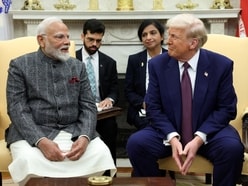



 By Nitya Chakraborty India’s isolation from Global South on the issue of Trump’s invasion of Venezuela is now complete. Prime Minister Narendra Modi claims himself as the leader of Global South. Both at the SCO summit and BRICS meeting last year, Modi was active in articulating the aspirations and the programmes of the developing and […]






 www.hklss.org
 www.facebook.com/HKLifeSciencesSociety
 www.instagram.com/hklifesciencessociety
 www.linkedin.com/company/hklss/





