News related to
good

Iran’s national currency, the rial, has depreciated to an unprecedented low, trading at 1,039,000 rials per U.S. dollar on Tuesday. This significant decline underscores the mounting economic challenges facing the nation as it grapples with stringent sanctions reinstated under President Donald Trump’s “maximum pressure” strategy. The reimplementation of these sanctions has severely curtailed Iran’s oil exports, a primary source of national revenue. Consequently, the economy has experienced […]

A magnitude 6.7 earthquake occurred off the coast of New Zealand’s South Island on Tuesday afternoon, prompting authorities to assess potential tsunami risks. The tremor was recorded at 2:43 p.m. local time, with its epicenter approximately 160 kilometers northwest of the Snares Islands at a depth of 33 kilometers. The National Emergency Management Agency advised residents in the Southland and Fiordland regions to avoid coastal and marine […]

The Open Network Foundation has addressed circulating reports suggesting it raised $400 million in a funding round. Contrary to these claims, the Foundation clarified that prominent venture capital firms have collectively acquired over $400 million worth of Toncoin, the native cryptocurrency of the TON blockchain, through purchases from early investors.

Among the investors are notable firms such as Sequoia Capital, Ribbit, Benchmark, and Kingsway. Additional participants include Vy Capital, Draper Associates, Libertus Capital, CoinFund, Hypersphere, SkyBridge, and Karatage. These investments were made directly in Toncoin, rather than through traditional equity or cash transactions. A spokesperson for the TON Foundation emphasized that this is not a fundraising round but rather a strategic move by these venture capitalists, reflecting their confidence in the future success and utility of the TON blockchain and its expanding ecosystem.

The TON blockchain, originally developed by the founders of the messaging app Telegram, operates as a decentralized network supporting the development of Mini Apps within the Telegram ecosystem. In January, the Foundation strengthened its partnership with Telegram, designating TON as the exclusive blockchain for Telegram’s Mini Apps Ecosystem. This collaboration aims to provide Telegram’s extensive user base, which significantly exceeds 1 billion monthly active users, with seamless access to financial applications, including efficient payment solutions for goods and services.

Over the past year, the TON blockchain has experienced substantial growth. The number of active accounts surged from 4 million to 41 million, and Toncoin holders surpassed 121 million, exceeding the number of wallets holding Bitcoin. This remarkable expansion has attracted institutional investors globally, underscoring the network’s robust capabilities and potential.

Looking ahead, the TON Foundation aims to onboard 30% of active Telegram users to the TON blockchain by 2028. This ambitious goal will be driven by four key verticals:

1. Attracting users through Telegram’s native intellectual property, such as stickers, gifts, and on-chain collectibles.

2. Introducing engaging and rewarding multiplayer mini-games.

3. Providing decentralized finance solutions that offer user-friendly savings options with sustainable returns.

4. Creating practical payment applications that deliver real-world utility for crypto holdings.

Shaun Maguire, Partner at Sequoia Capital, expressed enthusiasm about the collaboration, stating, “The TON team is the best in the world at the intersection of consumer product thinking and crypto infrastructure. When you combine this with the global distribution of Telegram, we’re very excited to see where they go.”

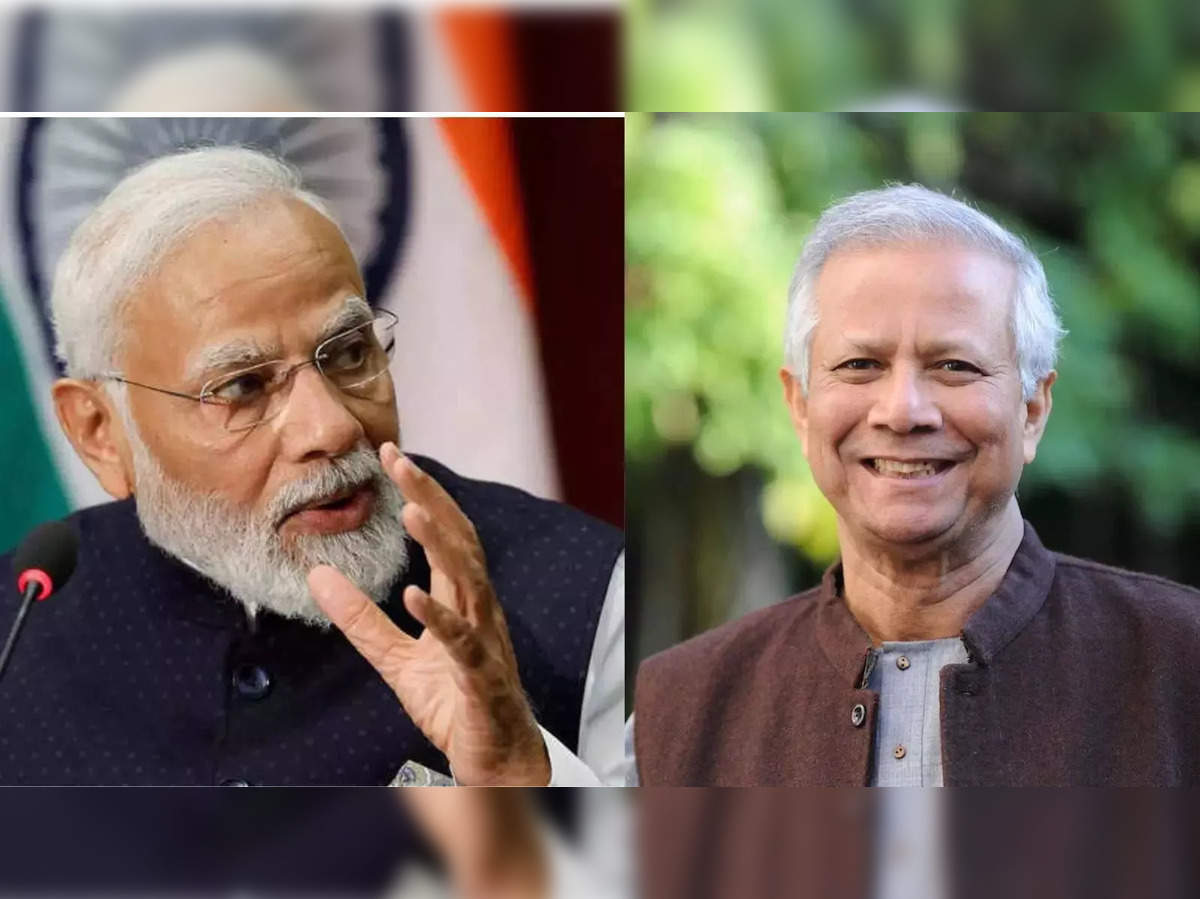
By Nitya Chakraborty Bangladesh has officially sought a meeting between their head of interim government Dr. Mohammad Yunus and the Indian Prime Minister Narendra Modi on the sidelines of the coming BIMSTEC meeting at Bangkok on April 2-4 next. Both countries are members of BIMSTEC. As per present schedule, both have confirmed their presence at […]

Chinese financial experts have raised concerns that US dollar-pegged stablecoins may strengthen the dollar’s global dominance by linking international credit to virtual economies. They advocate for China to develop its own stablecoins to enhance the yuan’s international standing.

A recent opinion piece published in several Chinese outlets considers how China should respond to the proliferation of US dollar stablecoins. The article suggests that China’s central bank should consider issuing its own stablecoins to counter the influence of dollar-pegged digital currencies.

Wang Yongli, former Vice President of the Bank of China, analyzed the position of the U.S. dollar as the world’s dominant currency and its implications for China’s monetary strategy. He pointed out that many countries, including China, have sought to internationalize their currencies and reduce reliance on the dollar, but these efforts face significant challenges. Despite China being the world’s second-largest economy and the largest trading nation in goods, the RMB’s share in global payments remains low, only around 4%, compared to the dollar’s nearly 50%. The RMB’s share in global reserves is also minimal, at just over 2%, while the U.S. dollar, despite declining from its peak, still accounts for nearly 60%.

China has been proactive in developing its own central bank digital currency , known as the digital yuan or e-CNY. This initiative aims to modernize the country’s payment systems and promote the yuan’s international use. The digital yuan is currently being tested in various regions and sectors within China, with plans for broader implementation in the future.

The internationalization of the yuan faces challenges, particularly due to China’s stringent capital controls, which limit the currency’s convertibility. These controls are in place to maintain financial stability but hinder the yuan’s acceptance as a global currency. Additionally, geopolitical tensions and U.S. sanctions add complexity to China’s efforts to promote the yuan internationally.

In response to these challenges, Chinese researchers have proposed the idea of a common Asian digital currency. Such a currency could reduce the region’s reliance on the U.S. dollar and enhance financial cooperation among Asian countries. This proposal reflects a strategic move to counter the dollar’s dominance and promote regional financial stability.

The proliferation of US dollar stablecoins presents both opportunities and challenges for global financial systems. While they offer efficiency and accessibility in digital transactions, they also reinforce the dollar’s hegemony, potentially undermining other currencies. China’s consideration of its own stablecoins and the development of the digital yuan are strategic efforts to enhance the yuan’s global standing and mitigate the risks associated with dollar-dominated digital currencies.

Cryptocurrency payments in the European Union have seen a significant uptick, with 70% directed towards retail, food, and beverage sectors, according to a report by Oobit, a cryptocurrency payments platform. The analysis, which denominated all transactions in U.S. dollars, revealed that the average payment size using the Oobit app was $8.36, while the average deposit amounted to approximately $85.

Beyond everyday consumer goods, 26% of crypto payments were allocated to tourism-related activities, encompassing lodging, travel, and aviation. Government services and digital payments constituted 1.5% of transactions, with an additional 1.5% directed towards miscellaneous purchases such as healthcare and entertainment.

The surge in cryptocurrency usage within the EU is attributed to the growing acceptance of digital assets, bolstered by governmental efforts to enact supportive legislation. Notably, a substantial 92% of these payments were conducted using the USDt stablecoin. However, this prevalence presents challenges under the Markets in Crypto-Assets regulation, which came into full effect on December 30, 2024.

Complementing Oobit’s findings, data from Chainalysis indicates a 44% year-over-year increase in cryptocurrency adoption across Central, Northern, and Western Europe. For transactions under $1 million, the stablecoin market in these regions is expanding at a rate 2.5 times faster than in North America, highlighting a robust trend towards digital currency integration in everyday financial activities.

Technological advancements have played a pivotal role in facilitating this growth. Innovations such as the Lightning Network have enabled swift micropayments in Bitcoin, while crypto debit cards offering “crypto-back” rewards have made spending digital currencies more accessible. These developments signify a shift from viewing cryptocurrencies merely as speculative assets to recognizing them as practical means of exchange.

This evolution is further evidenced by global adoption trends. In June 2024, Nubank integrated the Lightning Network, bringing cryptocurrency payment capabilities to 100 million customers in Latin America. Similarly, in June 2023, IBEX partnered with Grupo Salinas to allow millions of Mexicans to pay their internet bills using Bitcoin. More recently, in March 2025, Ripple secured a license in Dubai to offer crypto payment services in the United Arab Emirates, underscoring the worldwide momentum of digital currency adoption.

Thailand’s edible insect industry has emerged as a global leader, seamlessly blending tradition with modern sustainability practices. This sector not only offers a rich source of nutrition but also presents environmentally friendly alternatives to conventional protein sources. In Thailand, consuming insects is deeply rooted in cultural traditions, especially in regions like Isan and the north. Markets frequently display an array of fried insects, including grasshoppers, crickets, silkworm […]

Advertisements

SINGAPORE – Media OutReach Newswire – 19 March 2025 – Acclaimed Singaporean actor and cultural icon Li Nan Xing is thriving in his new role as the face of NJHealth NMN 20000mg, the cutting-edge healthy ageing supplement revolutionising the wellness industry in Singapore. Known for his enduring vitality and charisma, Li Nan Xing’s endorsement underscores the product’s efficacy and aligns with his personal commitment to maintaining vitality […]

By Nitya Chakraborty Indrajit Gupta, the dedicated Communist leader of India in the last century and an outstanding Parliamentarian dominated the country’s trade union movement and the Left movement for the last sixty years of the 20th century. He belonged to that generation of leaders from undivided Bengal whose sense of patriotism and deep anguish […]

Recent regulatory changes enhance credibility for corporate trustees but add to complexity and costs New eMPF Platform to reshape Hong Kong’s pension system and bring wave of change for pension trustees HONG KONG SAR – Media OutReach Newswire – 18 March 2025 – Access to Chinese Mainland clients, Asia’s growing private wealth sector and improving industry credibility are underpinning a positive outlook for Hong Kong’s trust industry, […]

Strategy, formerly known as MicroStrategy, has unveiled plans to issue up to $21 billion in preferred stock to fund additional Bitcoin acquisitions. This move underscores the company’s ongoing commitment to integrating cryptocurrency into its corporate strategy.

The firm, led by Executive Chairman Michael Saylor, has become a prominent institutional investor in Bitcoin. As of February 5, 2025, Strategy reported holding approximately 499,096 bitcoins, valued at over $41 billion. This substantial accumulation reflects the company’s aggressive approach to cryptocurrency investment.

To finance these acquisitions, Strategy has been leveraging various financial instruments. In February 2025, the company announced a $584 million offering of 8% perpetual convertible preferred stock, designated under the ticker symbol “STRK” on the Nasdaq Global Select Market. The net proceeds from this offering were earmarked for further Bitcoin purchases and general corporate purposes.

The latest proposal to issue up to $21 billion in preferred stock represents a significant escalation in Strategy’s capital-raising efforts. This initiative is part of the company’s broader strategy to secure $42 billion over the next few years through various securities offerings, including fixed-income instruments and common stock sales, all aimed at bolstering its Bitcoin reserves.

However, this aggressive capital-raising approach has raised concerns among investors and analysts. The potential issuance of such a substantial amount of preferred stock could lead to significant dilution of existing shareholders’ equity. Moreover, the high yield associated with the preferred stock, approaching 9.5%, reflects the increased financial risk and the company’s lack of ongoing earnings from its traditional software business.

Strategy’s heavy reliance on Bitcoin has also been a point of contention. While the company’s stock price has experienced substantial growth since pivoting to a Bitcoin-centric strategy, it has not always kept pace with Bitcoin’s performance. This discrepancy has led to questions about the sustainability of Strategy’s approach, especially given the inherent volatility of the cryptocurrency market.

Despite these challenges, Strategy continues to advocate for Bitcoin’s role as a transformative asset. The company’s leadership remains steadfast in its belief that integrating Bitcoin into its corporate treasury strategy will yield long-term benefits, both for the company and its shareholders.

HO CHI MINH CITY, VIETNAM – Media OutReach Newswire – 18 March 2025 – As Vietnam’s digital economy continues to expand rapidly, brands are increasingly shifting their marketing efforts toward AI-driven video content and influencer collaborations to stay competitive. In response to this growing demand, KIT Global, a digital marketing solutions provider based in Asia Pacific, Europe, and Latin America, equips Vietnam businesses with the latest digital […]

The global economy is experiencing fresh waves of volatility as Trump’s second term reignites trade conflicts, currency battles, and inflationary pressures. Markets have already reacted—tariff hikes on Chinese goods, retaliatory measures from Beijing, and escalating tensions with Europe are shifting capital flows at a breakneck pace. Investors can’t afford to be complacent. They must position portfolios to withstand uncertainty, hedge against risk, and seize opportunities in this […]

By Nitya Chakraborty Sidelined by the Trump 2.0 administration and rebuffed by India, Bangladesh interim government is exploring all avenues to rejuvenate the country’s ailing economy by expanding its trade and investment relationship with Pakistan and China. The objective is to reduce the dependence on India in major areas where the outsourcing is possible from […]

Accelerating Deeptech SINGAPORE – Media OutReach – 3 October 2023 – X-PITCH is delighted to introduce 2023 TOP100 startups. Chosen from a pool of over 3,000 startups around the world, this year’s selection showcases a diverse and vibrant ecosystem of entrepreneurial talent. X-PITCH 2023 is driven by a shared commitment to accelerate deeptech innovation across four vital domains: Healthcare, Advanced Manufacturing, Sustainability, and Digital Economy. The statistics […]

Gold prices have soared past the $3,000 per ounce mark for the first time, reflecting investors’ flight to safety amid escalating global economic uncertainties. The precious metal reached an unprecedented high of $3,004.86 during midday trading on Friday before settling slightly below this milestone later in the session. Several factors have converged to drive this historic surge. Chief among them is the intensifying trade conflict initiated by […]

Dubai-based robotics manufacturer Micropolis Holding has successfully raised $15.5 million through its initial public offering on the NYSE American exchange. The company offered approximately 3.875 million ordinary shares at $4 per share, aligning with the lower end of the anticipated price range. Trading commenced on March 7, 2025, under the ticker symbol “MCRP”. Established in 2014 and headquartered in Dubai Production City, Micropolis specializes in developing autonomous […]

KUALA LUMPUR, MALAYSIA – Media OutReach Newswire – 14 March 2025 – Silver is attracting investor interest, with market analysts predicting a potential leap to $40 per troy ounce in 2025. The metal is rising in global investment portfolios, providing stiff competition to gold’s long reign over commodity markets. Kar Yong Ang, a financial market analyst at Octa Broker, explains why silver has a very good opportunity […]

By P. Sudhir The US President Donald Trump, in his first address to the US Congress following his election, has threatened to impose tariffs on countries that he considers are taking advantage of US trade policies. In his list is India, along with Canada, Mexico, China, Brazil and the European Union. Trump has repeatedly named […]

HYDERABAD, INDIA – Media OutReach Newswire – 12 March 2025 – This Holi, 1win brightened celebrations across India, bringing light, color, and community togetherness to thousands. As part of the “1win We Care. We Share” initiative, 1win distributed special Holi kits filled with vibrant powders, traditional sweets, and branded gifts, ensuring that more people could fully experience the spirit of the festival. Holi with 1win is all […]

The European Union has announced plans to impose tariffs on $28 billion worth of U.S. goods starting April 1, 2025, in direct response to the United States’ recent implementation of a 25% tariff on steel and aluminium imports. This move marks a significant escalation in trade tensions between the two economic powerhouses.

The U.S. tariffs, championed by President Donald Trump, took effect on March 12, 2025, targeting steel and aluminium imports globally. The administration justified these measures as necessary to protect national industries and bolster domestic employment. However, the EU has criticized these actions as unjustified and harmful to international trade relations.

In retaliation, the EU’s countermeasures will affect a diverse array of American products. Notably, iconic items such as Kentucky bourbon, Harley-Davidson motorcycles, and various agricultural products are on the list. The selection of these goods appears strategic, aiming to exert political pressure on key U.S. constituencies, particularly in states that supported President Trump. For instance, bourbon production is a significant industry in Kentucky, the home state of Senate Majority Leader Mitch McConnell.

European Commission President Ursula von der Leyen emphasized that while the EU’s response is robust, it remains proportionate. She stated, “We do not seek escalation, but the U.S. tariffs leave us no choice but to defend our industries and uphold the rules of international trade.” The EU’s approach underscores its intent to protect its economic interests without further destabilizing global trade dynamics.

The targeted U.S. products span various sectors, including industrial goods, textiles, and agriculture. This broad spectrum indicates the EU’s strategy to distribute the impact across multiple industries, thereby minimizing potential adverse effects on European consumers and businesses. The list of goods subject to tariffs was compiled after thorough consultations with EU member states to ensure a balanced and effective response.

The U.S. administration has defended its tariffs as a means to revitalize domestic manufacturing and safeguard national security interests. President Trump argued that the influx of imported steel and aluminium poses a threat to these sectors, necessitating protective measures. However, critics argue that such tariffs could lead to increased production costs for American industries reliant on these raw materials, potentially resulting in higher prices for consumers and strained relationships with key trading partners.

The EU’s decision to implement counter-tariffs is rooted in World Trade Organization rules, which permit such measures when a member country’s actions are deemed unjustifiable and harmful. By adhering to these international guidelines, the EU aims to reinforce the legitimacy of its response while highlighting the perceived illegitimacy of the U.S. tariffs.

The brewing trade dispute has raised concerns among global economic analysts. There is apprehension that this tit-for-tat escalation could lead to a broader trade war, negatively impacting global economic growth and stability. Both the EU and the U.S. are integral players in the international economy, and prolonged tensions between them could have ripple effects worldwide.

Despite the firm stance, the EU has expressed a willingness to engage in dialogue to resolve the dispute. Von der Leyen remarked, “Our door remains open for discussions. It is in the interest of both sides to find a mutually agreeable solution that preserves the integrity of our economic relationship.” This openness to negotiation suggests that while the EU is prepared to defend its interests, it also recognizes the value of maintaining a cooperative transatlantic partnership.

In the United States, reactions to the escalating trade tensions have been mixed. Some industry leaders have voiced support for the administration’s protective measures, citing long-standing challenges posed by foreign competition. Conversely, others express concern over potential retaliatory actions and their impact on export-dependent industries. The agricultural sector, in particular, fears that the EU’s tariffs could significantly reduce demand for American produce in European markets.

The unfolding situation underscores the complexities inherent in global trade relations. As both sides brace for the implementation of these tariffs, the international community watches closely, hoping for a resolution that averts further economic disruption. The coming weeks may prove pivotal in determining whether the EU and the U.S. can navigate this impasse through negotiation or if the world is on the cusp of a more pronounced trade conflict.

In light of these developments, businesses on both sides of the Atlantic are advised to monitor the situation closely. Companies involved in the production, export, or import of the affected goods should prepare for potential disruptions and consider strategies to mitigate the impact of the tariffs. This may include exploring alternative markets, adjusting supply chains, or engaging in advocacy efforts to influence policy decisions.

By K Raveendran President Trump’s repeated assertions that India has agreed to reduce tariffs “way down” have sparked a predictable wave of denials from New Delhi, underscoring the fraught and often opaque nature of trade negotiations between the two countries. While Trump’s tendency to make exaggerated or even unverified claims is well-known, in this particular […]

The United States has intensified its criticism of India’s trade policies, highlighting substantial tariffs imposed on American products. White House Press Secretary Karoline Leavitt underscored these concerns during a press briefing, emphasizing the challenges faced by U.S. exporters in penetrating the Indian market.

Leavitt pointed out that India levies a 150% tariff on American alcohol, significantly hindering the export of products like Kentucky bourbon. Additionally, she noted a 100% tariff on U.S. agricultural goods entering India. These steep tariffs, according to Leavitt, exemplify the broader issues of trade imbalances that the current administration aims to address.

The U.S. administration’s stance is rooted in a commitment to reciprocity and equitable trade practices. President Donald Trump has been vocal about the need for fair treatment of American businesses and workers, criticizing countries that impose disproportionately high tariffs on U.S. goods. In the same briefing, Leavitt also highlighted Canada’s nearly 300% tariff on American cheese and butter, further illustrating the administration’s concerns over global trade practices.

The issue of tariffs has been a recurring theme in U.S.-India trade relations. President Trump has previously labeled India as the “tariff king,” citing its average tariffs on imports as significantly higher compared to other nations. This characterization underscores the administration’s frustration with India’s protectionist measures, which are seen as barriers to U.S. exports.

In response to these concerns, Indian Prime Minister Narendra Modi has initiated steps to reduce tariffs on certain products. Ahead of his visit to Washington, India announced reductions in tariffs on items such as smartphone components and electric-vehicle batteries. These measures aim to strengthen bilateral ties and potentially avert punitive reciprocal tariffs from the U.S. However, many of these tariff reductions are offset by other taxes, and key imports from the U.S. continue to face relatively high tariffs.

The economic implications of these tariffs are significant. For instance, Citi Research estimates that India could lose $7 billion annually if the U.S. proceeds with its proposed reciprocal tariff measures. This potential loss underscores the high stakes involved in the ongoing trade negotiations between the two countries.

The U.S. administration’s concerns are not limited to India. President Trump has also criticized other nations, including Japan, for imposing high tariffs on specific U.S. products. For example, Japan’s tariffs on rice imports stand at 700%, further complicating the global trade landscape.

In an effort to address these disparities, President Trump has announced plans to implement reciprocal tariffs on countries with high value-added taxes or other trade barriers. This policy aims to counteract what the administration perceives as unfair advantages held by countries with high VAT systems, which can act as de facto tariffs on U.S. goods.

The proposed reciprocal tariffs are part of a broader strategy to create a more balanced trade environment for American companies. The administration’s goal is to ensure that U.S. businesses can compete on a level playing field in the global market. While specific details of the reciprocal tariff plan are still being finalized, the administration has indicated that implementation could begin in the coming weeks or months.

The U.S. has also expressed concerns about India’s high average applied Most Favored Nation tariff on agricultural goods, which stands at 39%, compared to the U.S. average of 5%. Additionally, India imposes a 100% tariff on U.S. motorcycles, while the U.S. charges only a 2.4% tariff on Indian motorcycles. These disparities further contribute to the administration’s push for more equitable trade practices.

The ongoing trade tensions have prompted high-level discussions between the two nations. Indian Commerce Minister Piyush Goyal recently visited Washington to negotiate a trade agreement following President Trump’s threat of reciprocal tariffs. These negotiations are part of a broader realignment in India’s trade strategy, as the country also seeks to restart trade talks with the UK and the European Union.

However, significant challenges remain. India’s protectionist stance, particularly in the agricultural sector, poses notable obstacles to reaching a comprehensive trade agreement. The Modi government faces political sensitivities in liberalizing sectors like agriculture, highlighted by past resistance to international trade agreements and farming reforms. Analysts foresee difficult negotiations, especially regarding U.S. demands for market access in agriculture and other sensitive areas.

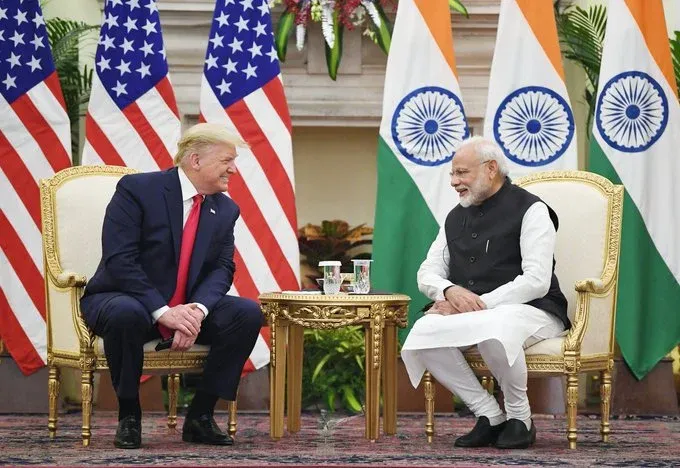
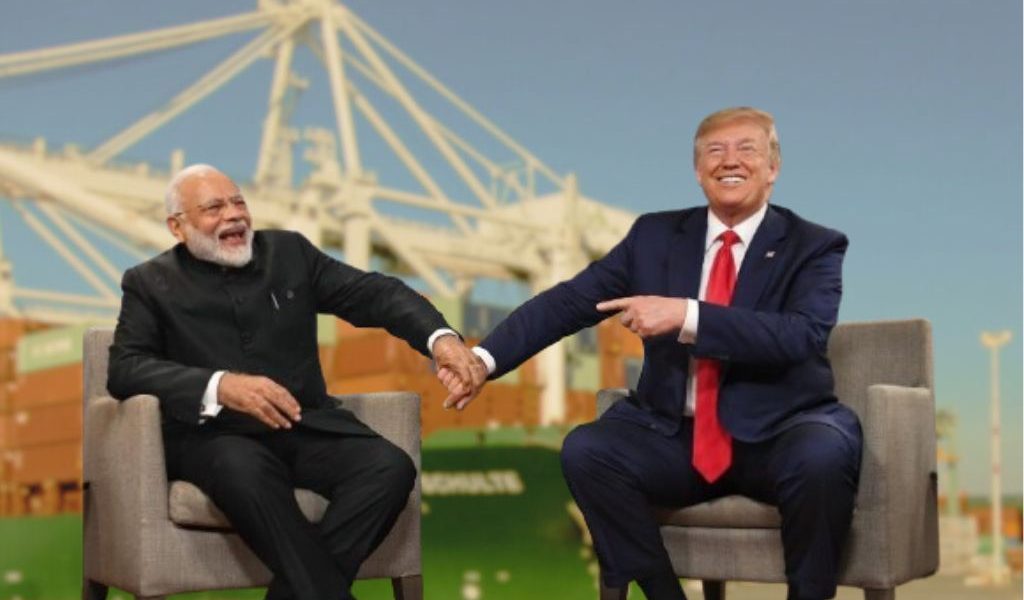
The personal rapport between President Trump and Prime Minister Modi could play a pivotal role in these negotiations. Both leaders have expressed a desire to strengthen bilateral ties and expand economic cooperation. However, balancing domestic political considerations with international trade demands will be crucial in determining the outcome of these discussions.

As the April 2 deadline for the implementation of U.S. reciprocal tariffs approaches, the urgency for a resolution intensifies. Both nations stand to gain from a mutually beneficial agreement that addresses tariff disparities and promotes fair trade practices. The coming weeks will be critical in shaping the future trajectory of U.S.-India trade relations.


HONG KONG SAR – Media OutReach Newswire – 12 March 2025 – The James Dyson Award, an international student design and engineering competition, opens for submissions today to its 2025 programme in 28 countries and regions. From everyday challenges to the world’s most pressing issues, the Award calls for current or recent students to submit problem-solving ideas that could make a real difference to people’s lives. Since […]

VISHNU RAJA
RYO YAMADA
HITORI GOTOH
IKUYO KITA