Just in:
As AI Reshapes Education, Singapore Convenes Global Dialogue on the Future of Early Childhood Education // xCube Access Welcomes Entrust Capital Limited  Expanding Access to Professional Portfolio Management // Vingroup And Legends Global Announce Strategic Partnership For VinFast – Trong Dong Stadium // Pinarayi faults UDF over mounting road crashes // SC to examine students’ exam plea today // Middle East governments assess Iran war after US vote // BJP’s Aggressive Response Exposes Anxiety Over Opposition Unity // Govt opposes Arlekar’s PSC action // After Reaching 7 Million Users in the Philippines, Skyro Launches Transparent Cash Loans in Malaysia // Utilities pursue ₹1,992 cr in unpaid bills // AI trust gap reveals distinct retail priorities: Divergent paths to consumer growth in Hong Kong and the GBA // DIP Holding targets Dh1.12 IPO price and $529m proceeds // Arrow Electronics showcases technologies advancing intelligent robotics, mobility and digital infrastructure // ADIPEC leaders urge investment in global energy networks // CPI, CPM dispute portrayal of Vayalar uprising leaders // XRG secures agreement for $1.45bn Australian LNG stake // mamun raises US$3 million to finance cross-border trade between the Gulf and Asia // ADIA and partners establish $1.4 billion aviation venture // Fast Just Got Fastest: STING Energy Boost™ Celebrates Kimi Antonelli’s Formula 1® World Championship and the Fan Energy Behind It // Democrats capture Senate majority with seven Republican seats //

News related to
good

Dr Imran Khalid On July 26, 2025, amid the grandeur of Shanghai’s World Artificial Intelligence Conference and High-Level Meeting on AI Governance, China unveiled what may well become the defining moment in the transformation of global artificial intelligence – its AI Global Governance Action Plan and the bold proposal to create a World Artificial Intelligence Cooperation Organization, initially headquartered in Shanghai. These moves signal not just China’s […]

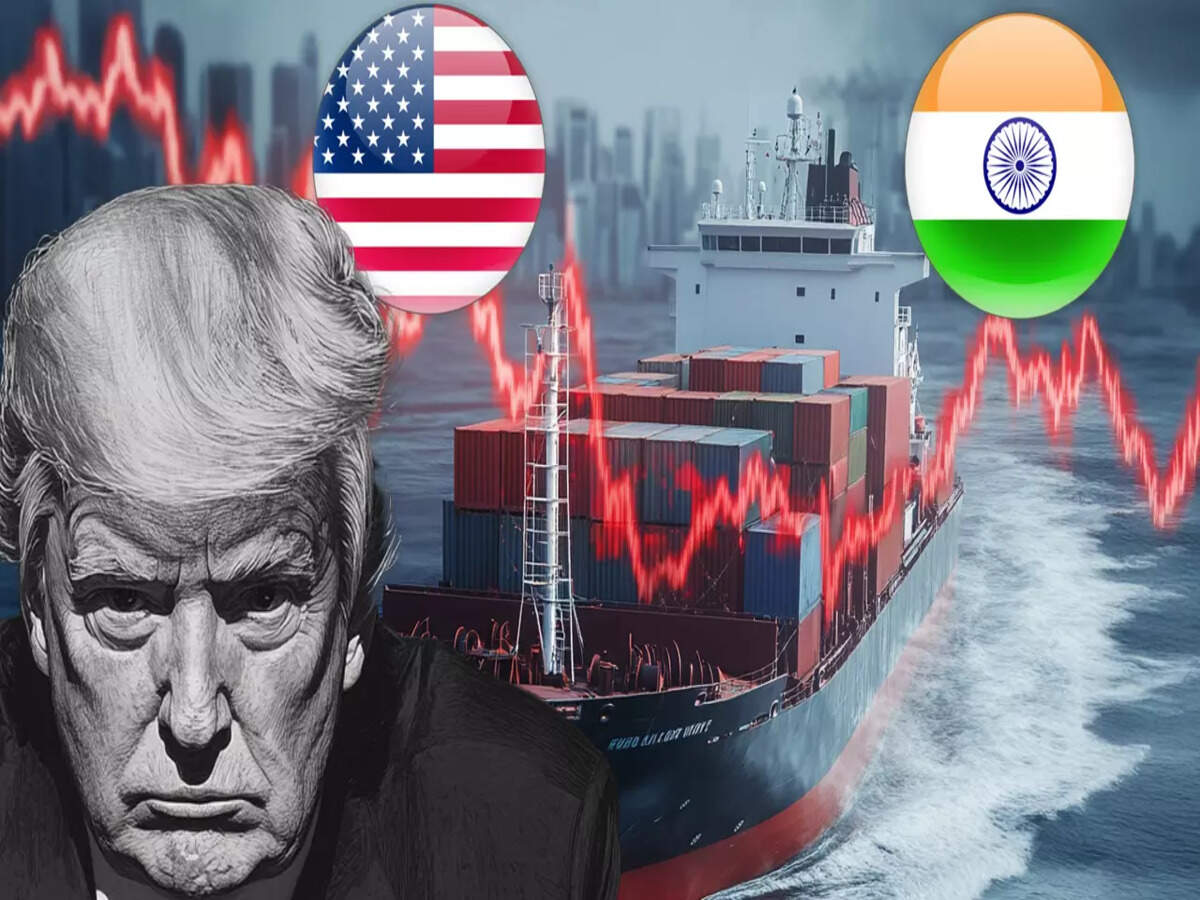
By Nitya Chakraborty It is not a cliché to say that our powerful Prime Minister Narendra Modi’s moment truth has arrived after 11 years of ruling the country as the unchallenged leader. The 25 per cent tariff hike on Indian exports announced by the United States President Donald Trump on Wednesday and taking effect from […]

Russia has renewed efforts to revive the dormant Russia–India–China trilateral dialogue, prompting cautious signals from India and prompt endorsement from China. Moscow’s deputy foreign minister, Andrei Rudenko, has confirmed active negotiations with Beijing and New Delhi around restarting consultations among the trio, all founding members of BRICS, to address global strategic concerns. China’s foreign ministry spokesperson Lin Jian framed the initiative as beneficial not only to the […]

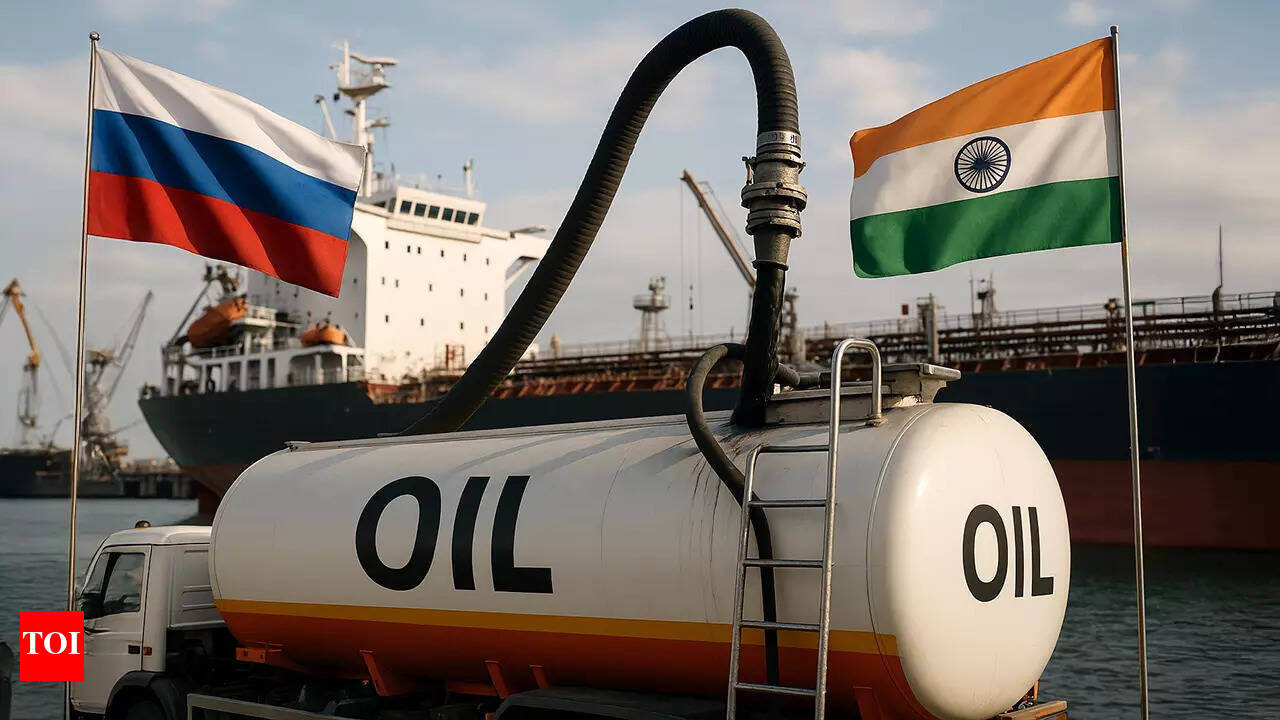
By Dr. Nilanjan Banik Before the August 1 deadline, the U.S. President Donald Trump decided to impose a 25% tariff on Indian exports. He also talked about an additional penalty on Indian exports, which could go up to100% as a surcharge, targeting countries that continue trading oil with Russia. Trump seems to care less about […]

The U. S. Treasury has placed sweeping sanctions on a sprawling oil‑trading and shipping network linked to Mohammad Hossein Shamkhani, whose father, Ali Shamkhani, serves as adviser to Iran’s Supreme Leader Ayatollah Ali Khamenei. The action, imposed on 30 July 2025, marks the most extensive Iran‑related sanctions package since 2018, covering more than 115 individuals, entities and vessels.

At the heart of the measures is Shamkhani’s maritime empire, comprising 15 shipping firms, 52 vessels and 53 entities operating across 17 countries from Panama to Hong Kong. Officials contend the network funnels tens of billions of dollars in revenue from Iranian and Russian oil sales, largely to buyers in China, using aliases, front companies and falsified documentation to conceal ownership and origin.

Treasury Secretary Scott Bessent described the network as a prime example of elite Iranian circles using state influence for private gain while empowering Tehran’s destabilising agenda, asserting that this is “the largest to‑date since the Trump Administration implemented our campaign of maximum pressure on Iran”.

Hossein—known in industry as “H”, “Hector” or, in travel documents, “Hugo Hayek”—is said to travel internationally using foreign passports and operate from the UAE and beyond. The Treasury report underscores his use of a web of shell enterprises and shipping registries in jurisdictions such as Hong Kong, Singapore, the UAE, Italy and Switzerland to obscure true control of assets.

The network’s operations align with broader patterns observed in Iran’s so‑called “ghost fleet.” Surveillance reports have documented vessels switching flags, deactivating AIS transponders, engaging in ship‑to‑ship oil transfers, blending cargoes mid‑voyage and falsifying bills of lading to evade detection. Such tactics enable covert deliveries to Chinese “teapot” refineries and other end‑users despite global sanctions.

The sanctions also extend to six firms based in India, accused of transacting petroleum and petrochemical goods with Iran worth approximately $220 million. U. S. officials warned these sanctions could strain trade relations and signal serious repercussions for firms ignoring sanctions diplomacy ][5]).

While the sanctions are intended to sever the flow of funds financing Iran’s nuclear, ballistic missile and proxy capabilities, U. S. officials stopped short of declaring they will destabilise global oil markets. Still, they emphasised that the network’s disruption would make it “much more difficult” for Tehran to covertly maintain oil sales via front companies and intermediaries.

Ali Shamkhani, previously sanctioned by the U. S. in 2020, remains a key figure in Iran’s security establishment. Serving as a naval officer, former defence minister and head of the Supreme National Security Council until May 2023, he assumed the role of adviser to the supreme leader thereafter. His son’s oil empire is widely seen as an extension of those elite institutional networks.

Industry observers say the sanctions package highlights the increasing difficulty in enforcing international measures against Iran’s evolving evasion networks. The complexity, scale and global reach of Shamkhani’s operations underscore the challenge of identifying and intercepting entities that operate invisibly across jurisdictional lines.

Factory activity in China showed unexpected signs of contraction in July, signalling deeper challenges for the world’s second-largest economy. This downturn comes despite a partial thaw in trade tensions with the US, with early data indicating a slowdown in exports and continued weakness in domestic demand.

The Purchasing Managers’ Index for July, a key indicator of factory activity, dropped below expectations, highlighting a downturn in production and new orders. Official data indicated that the PMI for manufacturing fell to 49.3, dipping below the critical 50-point mark that separates expansion from contraction. This marks a stark contrast to the optimism that initially followed trade negotiations between the US and China.

The Chinese economy has been grappling with several systemic issues, including ongoing structural imbalances and shifts in consumer behaviour. Economic experts attribute the stagnation in factory activity not only to the global economic uncertainty but also to persistent domestic challenges. While the export sector has been a critical driver of China’s growth in the past decades, the country’s trade surplus has been narrowing as demand for its goods slows down in key markets like the US and Europe.

China’s trade relationship with the US, although stabilised, still faces a challenging landscape. A shift in global trade patterns, exacerbated by geopolitical tensions and the lingering effects of the pandemic, has taken a toll on China’s manufacturing sector. Exports of major products such as electronics and textiles have begun to show signs of slowing, even as Beijing has attempted to bolster its trade position through policy adjustments.

Compounding the issue, domestic demand has failed to pick up the slack. Despite various government efforts to stimulate spending, consumer confidence remains low, particularly in sectors like retail and real estate. The country’s efforts to transition from an export-driven economy to one more reliant on domestic consumption have yet to show significant results, and the reliance on government spending for growth is becoming increasingly evident.

The weakness in the manufacturing sector is linked to a sharp decline in the production of industrial goods, which has directly impacted job creation. Although the government has taken steps to mitigate the effects of unemployment by investing in infrastructure and green technologies, these efforts have yet to yield the desired economic recovery in the short term.

Economists are increasingly concerned that without more comprehensive structural reforms, China may continue to face these economic headwinds. Some analysts suggest that more aggressive monetary policies or fiscal stimulus could be required to stabilise the economy. The People’s Bank of China has already hinted at such moves, potentially lowering interest rates further to spur investment and consumer spending.

However, the global economic context remains challenging. Countries that traditionally rely on Chinese exports are also facing downturns, which could further dampen demand. Additionally, as global inflation continues to impact the purchasing power of consumers worldwide, the potential for China’s manufacturing recovery to take hold seems uncertain.

Matein Khalid While Marjan Island day trips with Amore mio Donna Farah hardly makes me nostalgic for my singleton era visits to Vegas and college boy trips to the odious Trump Plaza/Taj Mahal casinos in Atlantic City, I have no problem taking a flutter on Wynn when it traded at 12X earnings since the free cash flow yield is a more reliable proxy for a money making […]

Advertisements

South Africa’s trade proposal to the United States remains unaddressed with only four days left before a critical deadline. The proposal, submitted last month, aims to prevent the imposition of steep tariffs on South African goods, which could significantly affect the nation’s economy. As the deadline draws near, the lack of response from Washington has raised concerns among policymakers in Pretoria about the potential impact on exports […]

Gold retailer Joyalukkas has secured a significant financing deal with Emirates NBD, confirming a revolving credit facility of 500 million UAE dirhams. The facility will aid Joyalukkas in accelerating its expansion strategy across key international markets, which include the GCC, UK, US, Canada, and Australia. The partnership between Joyalukkas and Emirates NBD is designed to support the retailer’s ambitions by ensuring smooth operational liquidity, particularly during high-demand […]

A hacker has uncovered a significant security flaw within Amazon’s Q platform, potentially endangering millions of users. The breach, which came to light after the hacker injected covert code into the system, highlighted vulnerabilities in the platform’s security measures. The hacker’s actions, intended as a warning, may have had far worse consequences had they been exploited for malicious purposes. Amazon Q, a widely-used service that integrates AI […]

JAKARTA, INDONESIA – Media OutReach Newswire – 29 July 2025 – In collaboration with Human Initiative, Finex, an A+++ status Indonesian broker, hosted the Edu Trip program — a day of outdoor learning and play for 100 underprivileged children. The program strengthens the broker’s commitment to education, empowerment, and social impact. The event took place at Rivera Outbound and Edutainment in Bogor, Indonesia. The Edu Trip is […]

By Nantoo Banerjee The European Union seems to have arrogated itself with extrajudicial power to prevent outside nations from purchasing Russian oil. It has no locus standi to impose its will on countries which are not members of EU. Thus, the latest expansion of the EU sanctions targeting Russian energy exports can legally cover only […]

Malaysia’s central bank has revised its economic growth forecast for 2025, citing increased volatility stemming from ongoing global trade tensions, notably those related to US tariffs. The Bank Negara Malaysia reduced its expected GDP growth to a range of 4% to 5%, down from an earlier projection of 5% to 5.5%. The adjustment comes as a response to the shifting dynamics of global trade, which have been exacerbated by the imposition of tariffs by the United States under the administration of President Donald Trump.

While Malaysia has been largely insulated from direct tariff measures, the broader implications of the US-China trade war and related tariffs have left a significant mark on its export-driven economy. Malaysia’s position as a key player in global supply chains has made it vulnerable to shifts in the global trade environment. The US tariffs, particularly on Chinese goods, have reverberated through Southeast Asia’s manufacturing sector, affecting Malaysia’s export performance and business sentiment.

BNM’s decision to cut the forecast reflects the broader concerns surrounding economic stability in the region. The central bank noted that the uncertainty surrounding US trade policy, particularly regarding its tariffs on various Chinese products, is likely to persist throughout 2025. Furthermore, the report highlighted the continued risks posed by rising protectionism and trade barriers globally, which have disrupted supply chains and added to market volatility.

In addition to the impact of tariffs, Malaysia’s central bank has also pointed to domestic factors influencing growth. These include higher inflationary pressures, mainly due to increased global commodity prices, which have had a knock-on effect on consumer spending. Malaysia’s key exports, such as palm oil, rubber, and electronic components, have all seen price fluctuations driven by external factors such as US tariffs and China’s economic slowdown.

The reduction in growth expectations comes at a time when Malaysia is also grappling with challenges in maintaining fiscal discipline. The government has pledged to reduce its budget deficit but has struggled to meet its revenue targets, further complicating the nation’s economic outlook. Malaysia’s reliance on exports, especially to major economies like the United States and China, has made it particularly sensitive to trade tensions. These developments have placed additional strain on the country’s fiscal policy, forcing the government to reconsider its growth strategies.

The central bank’s move is likely to have significant implications for Malaysia’s monetary policy. With inflation on the rise and external risks mounting, BNM may opt to adopt a more cautious stance in terms of interest rate adjustments. While the central bank has refrained from any immediate changes, economists expect that it will closely monitor both domestic and international developments, particularly as trade tensions show no sign of easing.

The challenges facing Malaysia’s economy are also compounded by global economic slowdowns, which have affected demand for Malaysian goods and services. As countries like the United States and China grapple with their own internal economic issues, Malaysia’s export markets have softened, leading to a reduced demand for its products. In particular, Malaysia’s electronics and semiconductor industries, which account for a significant portion of its exports, have faced headwinds as the US-China trade war has diverted global supply chains elsewhere.

Despite these challenges, the government remains optimistic about Malaysia’s long-term prospects. The country has made significant strides in diversifying its economy over the past few years, with a growing emphasis on technology, innovation, and sustainable development. Malaysia’s efforts to strengthen its digital infrastructure and promote industries such as e-commerce and renewable energy are seen as key to sustaining growth, even amid global trade disruptions.

A transformative trade agreement between the United States and the European Union is poised to redefine their economic relations. US President Donald Trump announced the deal, which is set to have far-reaching implications on both sides of the Atlantic. The agreement includes the unprecedented opening of trade at zero tariffs, along with a significant commitment from the EU to purchase $750 billion worth of energy over the […]

By Nitya Chakraborty The recent months have not been comfortable for India with its two neighbours Pakistan and India, but as regards the third most powerful neighbouring county China, th scenario has turned different. India-China ties which became bitter at the time of clashes in Galwan valley in 2020, started softening from last year and […]

Dubai is known for its luxury lifestyle and glamorous offerings, with yachting being one of the most sought-after experiences for both residents and visitors. Whether you’re an experienced sailor or new to the world of yachts, finding the right yacht broker Dubai is crucial to ensuring you make the best purchase, whether it’s for personal use or investment. The right broker can help you navigate the complex market and […]

DP World Trade Finance has crossed the $1 billion threshold in working capital provided to businesses in emerging markets, marking a significant milestone just four years after launching its integrated logistics-finance platform. The achievement reflects growing momentum behind digital trade finance solutions aimed at bridging the $2.5 trillion global trade finance gap, which continues to weigh heavily on small and medium-sized enterprises in developing economies. The platform, […]

By Nitya Chakraborty After nearly a year of frosty relations between the two neighbours India and Bangladesh, signs are there of a breakthrough as India is sending a team of burn doctors and nurses to Dhaka to treat the victims of the Monday’s devastating crash of a fighter jet plane leading to the death of […]
By Dr. Gyan Pathak Health issue is the officially stated reason for the Vice President of India Jagdeep Dhankhar’s resignation, but it has a political context. It was only in December 2024, Dhankhar had rebuked its own government led by PM Narendra Modi over not talking to agitating farmers of Punjab. He had said that […]

Dubai is known for its vibrant event scene, from corporate functions and exhibitions to weddings, private dinners, and luxury celebrations. With so many events taking place every day, finding the right catering Dubai provider has become an essential part of successful planning. Key Factors to Consider When Booking Catering in Dubai Menu Variety Dubai is a multicultural city, and guests often expect a wide selection of international cuisines. […]

HO CHI MINH, VIETNAM – Media OutReach Newswire – 19 July 2025 – The China Factory Products Export Fair 2025 was held in Ho Chi Minh City, Vietnam from July 12 to 14. Hundreds of original manufacturers from places like Shandong province’s Linyi city displayed thousands of products ranging from daily necessities, office supplies, chemical products, and outdoor equipment to hardware tools. This fair adopted a collaborative […]

DP World, Deendayal Port Authority and Polish tech firm Nevomo have formalised an agreement to pilot Nevomo’s MagRail system—a self-propelled, electric linear‑motor freight train—on a 750‑metre stretch at the port in Kandla. Signed on 15 July 2025 by top executives from each organisation, the deal marks India’s first experiment with autonomous magnetic rail freight within an operational port environment.

The partnership will pilot MagRail technology on existing railway tracks to autonomously transport containerised and bulk goods. Powered by electric linear motors, MagRail wagons eliminate diesel use, promising reductions in logistics time, operational costs and CO₂ emissions. The trial is designed to enhance port-hinterland connectivity and support India’s broader logistics modernisation under the National Logistics Policy and the PM‑Gati Shakti agenda.

DP World, a global supply chain specialist, is leading efforts to integrate this advanced freight solution. The Deendayal Port Authority—a significant multi‑cargo terminal under central government jurisdiction—is hosting the pilot to assess real‑world viability. Nevomo will provide its proprietary MagRailBooster system, designed for seamless integration with existing port rail networks. This three‑way collaboration reflects an alignment of private innovation and public logistics priorities.

According to Sushil Kumar Singh, chair of the port authority, the initiative represents “a strategic advancement in port infrastructure, enhancing capacity and operational efficiency to support growing cargo demands,” signalling strong institutional backing. Sultan Ahmed bin Sulayem, DP World’s group chairman and CEO, emphasised that MagRail will “reduce transit times and optimise infrastructure use,” adding value for customers while promoting sustainability.

Nevomo’s CEO, Przemek “Ben” Paczek, said the project would “showcase MagRail’s real‑world potential in boosting freight efficiency,” reflecting confidence in the technology’s applicability to closed‑loop logistics systems. Harj Dhaliwal, Nevomo’s Chief Business & Capital Programmes Officer, was credited with advancing the partnership. European rail specialists have already acknowledged MagRail’s promise in port and metro-campus settings.

Industry experts note that MagRail addresses several persistent bottlenecks in freight logistics: it offers rapid container shunting without the need for diesel road vehicles, improves yard cycle times, and integrates with existing rail infrastructure, minimising capital expenditure. The pilot’s green credentials also align with global port decarbonisation targets.

Situated at Kandla, which recently welcomed a large satellite terminal by DP World with a TEU capacity of 2.19 million, the trial supports the port’s expansion strategy. Officials hope that MagRail can help optimise operations across the new and existing facilities.

Planning documents suggest a phased implementation: initial tests on a limited 750 m section within the yard, followed by performance metrics on speed, energy use, reliability, and integration before broader deployment. Results from this pilot are expected to influence decisions on port rail automation nationwide.

This initiative positions India at the forefront of port logistics innovation within Asia. Similar systems have been deployed or tested in Europe, but this marks India’s first on‑site demonstration combining magnetic propulsion and autonomy in a live port. Industry observers see potential for replication at other major ports, boosting capacity and reducing carbon footprints across maritime‑logistics hubs.

Adoption of MagRail could revolutionise short‑haul freight by enabling fast, consistent and emissions‑free movement of containers between berths, storage yards, and hinterland connections. For DP World and the port authority, a successful trial could translate into scalable technology upgrades and competitive advantages in trade facilitation.


M A Hossain Donald Trump once campaigned on ending the war in Ukraine within 24 hours. He promised to bring an end to the proxy war with Russia, leveraging his self-proclaimed ‘Dealmaking’ skills. Yet, halfway into July, what we see instead is a new escalation dressed up as diplomacy. In a carefully choreographed appearance with NATO Secretary Mark Rutte at the White House, Trump offered Moscow a […]

Dubai has climbed to seventh place worldwide among the most expensive cities for high-net-worth individuals, according to Julius Baer’s Global Wealth and Lifestyle Report 2025, up from 12th last year. This marks the largest ascent within Europe, the Middle East and Africa, even though local currency prices rose by just 1 per cent.

The report evaluates the cost of living for HNWIs using a “Lifestyle Index” that covers 20 goods and services ranging from property and cars to legal services and education. In Dubai, steep increases in big-ticket sectors—13 per cent for car prices and 17 per cent for residential property—have driven the city’s rise in rankings, reinforcing its appeal to affluent migrants.

Regionally, EMEA now accounts for over half of the top ten most expensive cities for HNWIs. London, Monaco and Zurich also climbed the rankings, securing second, fourth and fifth positions globally. Dubai’s dramatic move to seventh place complements these traditional wealth centres, overtaking cities such as Shanghai and New York.

Globally, Singapore remains the costliest city for wealthy lifestyles, with London and Hong Kong following in second and third place. While overall prices in US dollar terms fell by 2 per cent—driven by a 3.4 per cent decline in the cost of goods—Dubai defied this trend with its sharp price hikes in luxury property and automotive sectors.

Dubai’s real estate sector experienced exceptional growth in 2024, with property sales value surging by 27 per cent year-on-year. Concurrently, the number of millionaires in the emirate more than doubled over the past decade, now exceeding 80,000, accompanied by a rise in centi-millionaires and billionaires.

Julius Baer attributes this shift to the emirate’s strategic appeal to mobile elites via residency schemes, minimal personal taxation and a vibrant lifestyle combining beachfront living, upscale services and robust business potential. Luxury dining, designer fashion, fine jewellery and experiential spending remain in high demand, even as global consumption for goods softens.

Beyond wealth rankings, the report highlights evolving HNWI priorities, with growing emphasis on both physical and financial longevity. Across regions, including Asia and North America, wealthy individuals are increasingly investing in wellness, advanced healthcare and long-term wealth preservation.

As Dubai solidifies its position among global wealth hubs, analysts expect its progressive trajectory to continue. Julius Baer suggests that it may soon challenge top-tier cities like Singapore or London if growth in luxury sectors and affluent residency persists.

Despite global economic headwinds—such as trade tensions, slowing consumption and geopolitical uncertainties—the emirate’s ability to attract HNWIs has remained strong, positioning it as a dominant destination for global mobility and wealth settlement.

VISHNU RAJA
RYO YAMADA
HITORI GOTOH
IKUYO KITA
Just in:
XRG secures agreement for $1.45bn Australian LNG stake // ADIA and partners establish $1.4 billion aviation venture // Anthropic to prohibit persistent abuse of Claude chatbot // AI trust gap reveals distinct retail priorities: Divergent paths to consumer growth in Hong Kong and the GBA // ADIA and partners establish $1.4 billion aviation venture // xCube Access Welcomes Entrust Capital Limited  Expanding Access to Professional Portfolio Management // Democrats capture Senate majority with seven Republican seats // After Reaching 7 Million Users in the Philippines, Skyro Launches Transparent Cash Loans in Malaysia // Ta’ziz finalises $1.39bn funding for Ruwais industrial facilities // BJP’s Aggressive Response Exposes Anxiety Over Opposition Unity // ADIA and partners establish $1.4 billion aviation venture // Fast Just Got Fastest: STING Energy Boost™ Celebrates Kimi Antonelli’s Formula 1® World Championship and the Fan Energy Behind It // ADIA and partners establish $1.4 billion aviation venture // As AI Reshapes Education, Singapore Convenes Global Dialogue on the Future of Early Childhood Education // Govt opposes Arlekar’s PSC action // Vance attributes Republican midterm defeats to Iran conflict // CPI, CPM dispute portrayal of Vayalar uprising leaders // Arrow Electronics showcases technologies advancing intelligent robotics, mobility and digital infrastructure // Middle East governments assess Iran war after US vote // U.S. Mid Term Result Is A Clear Verdict Against Trump’s Authoritarianism //