News related to
good

SINGAPORE – Media OutReach Newswire – 15 August 2025 – SafetySam, Singapore’s provider of safety solutions and workwear, is proud to announce a new product launch—the WORKSafe Greta Safety Boot. Born from Craftsmanship, Built for the Field Known as “Generally Resistant Enough To Anything”, the Greta boot is a rugged innovation designed for industrial professionals who rely on their footwear every day. The new product launch demonstrates […]

The cryptocurrency market has suffered a significant blow, with over $500 million in liquidations across positions within just one hour. This sharp decline follows the release of the latest U. S. Producer Price Index report, which revealed unexpectedly high inflation figures. The data has dashed investor hopes for imminent interest rate cuts by the U. S. Federal Reserve, sparking widespread panic and a sell-off across multiple crypto assets.

The PPI report, which tracks the change in prices that producers receive for goods and services, showed an uptick in inflation that exceeded analysts’ expectations. The results were particularly alarming given the U. S. Federal Reserve’s ongoing battle to control inflation. As a result, the market now faces a more aggressive stance from the central bank, with investors bracing for potential rate hikes rather than cuts, at least in the short term.

This shift in sentiment has had a dramatic impact on risk assets, particularly in the volatile crypto market. Bitcoin, Ethereum, and several altcoins saw rapid declines in their valuations, with the overall market sentiment turning bearish. Liquidation volumes surged as traders, particularly those with leveraged positions, were forced to sell their assets to cover their margin calls.

Bitcoin, the largest cryptocurrency by market capitalisation, saw a drop of over 5% in just a few hours, while Ethereum and other major altcoins followed suit with steep losses. The sell-off was not confined to smaller coins either; large-cap cryptos that are usually seen as more stable also witnessed significant price drops. Some analysts have warned that the market could continue its downward trajectory if inflation remains persistent and the Fed keeps its hawkish policy stance in place.

The crypto market had previously been showing signs of optimism, especially after recent rallies that saw prices inch higher. Many market participants had hoped that the Federal Reserve, under pressure from slower economic growth, would begin to reduce interest rates in the latter half of 2023, which would typically support riskier assets like cryptocurrencies. However, the latest PPI figures dashed such expectations, leading to a sharp reversal in market sentiment.

The primary concern now is the potential for more stringent monetary tightening, which could further dampen investor appetite for high-risk assets. Rising interest rates often drive capital out of speculative markets, as higher borrowing costs make riskier assets less appealing compared to traditional investments like bonds or equities.

Some analysts are predicting that the current market instability could persist for some time, especially if inflationary pressures continue to be a concern. “Cryptocurrencies are still seen as speculative assets, and as long as inflation remains high and the Fed is tightening, there is little room for these assets to flourish,” said one senior strategist at a leading global investment bank.

The liquidations across the crypto market serve as a stark reminder of the inherent risks of trading in this volatile space. Traders leveraging their positions to maximise profits are particularly vulnerable in such an environment, as even small fluctuations in price can trigger substantial losses. The crypto market’s high leverage environment is often seen as a double-edged sword, where both potential rewards and risks are amplified.

Beyond the immediate price impact, there are broader concerns about how the crypto market might react to further tightening measures by the Fed. If inflation continues to exceed expectations, market participants may be forced to adjust their strategies, potentially driving further price declines.

This shake-up has led to heightened calls for regulation within the crypto space. Industry experts have long argued that greater oversight is needed to protect investors and reduce the risks associated with volatile market movements. The sudden surge in liquidations underscores the importance of establishing clearer guidelines for trading and risk management in cryptocurrencies.

Peloton Interactive Inc. is gearing up to launch its most significant product upgrades in years, with plans to boost sales by introducing new hardware, fresh accessories, and cutting-edge artificial intelligence features. These moves come as the company strives to reassert itself in the competitive fitness market and rebuild consumer confidence after a series of financial setbacks and slowing growth. The company is set to unveil a revamped […]

US stocks experienced a notable decline on Thursday after a surge in wholesale inflation sent tremors through the market, putting an abrupt halt to a months-long rally that had propelled major indices to record highs. The Producer Price Index, a critical measure of wholesale inflation, posted its sharpest rise in three years, spooking investors and raising concerns about the resilience of the broader economy. The PPI climbed […]

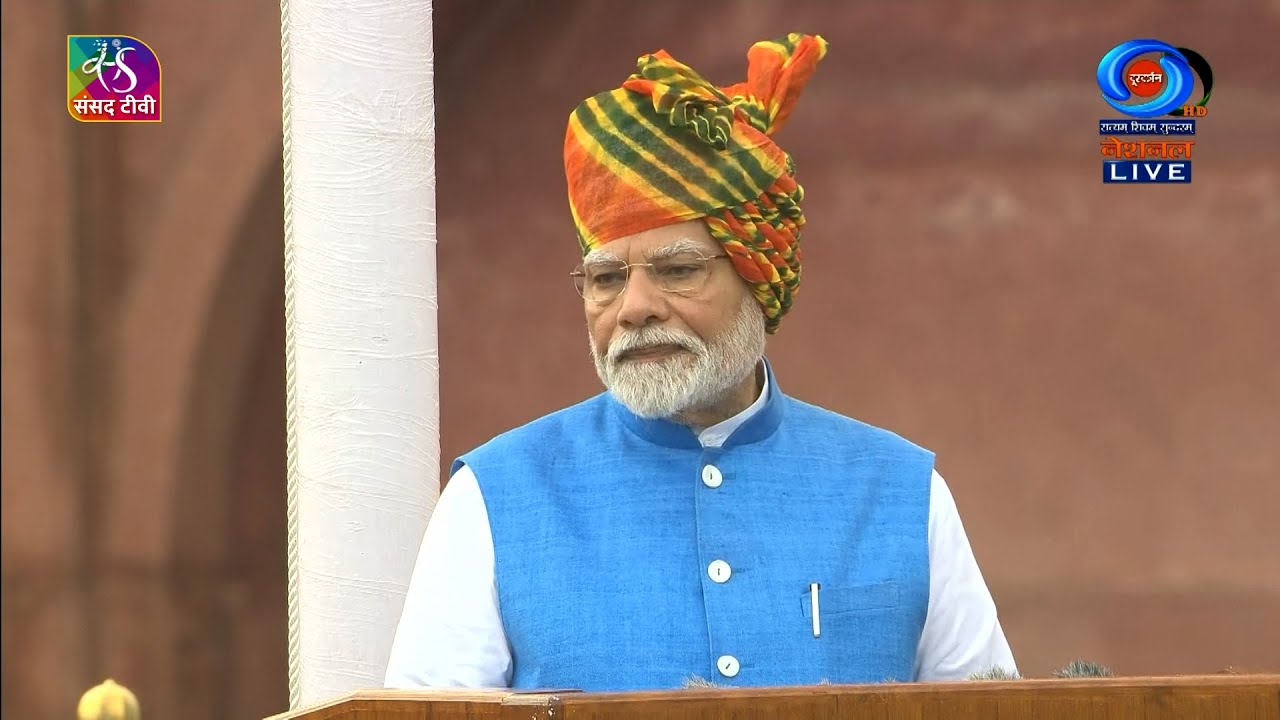
By R. Suryamurthy When Prime Minister Narendra Modi ascends the Red Fort on August 15 to deliver his Independence Day address, the nation will be listening for the usual rhetoric of progress, resilience, and pride. This year, the subtext must be different. With a possible face-off with U.S. President Donald Trump looming at next month’s […]

Abu Dhabi-listed Lulu Retail Holdings has posted a modest profit increase for the second quarter of 2025, with net earnings reaching $57 million, up by 2% year-on-year. The retail giant’s revenue for the quarter rose by nearly 5%, hitting $2 billion. This growth was primarily attributed to like-for-like sales growth of 2.1%, reflecting strong consumer demand across its diverse range of products. In the first half of […]

India’s diplomatic ties with the United States have been significantly shaped by the evolving political landscape under former President Donald Trump. According to a US academic, India has paid a steep price due to Trump’s pursuit of a Nobel Peace Prize, which may have undermined its broader geopolitical interests. The scholar argues that Trump’s overtures to India during his tenure were often overshadowed by his personal ambitions […]

Advertisements

What do you associate flowers with? Maybe it’s your dad’s or mum’s birthday, when you celebrate it with your family. Perhaps a romantic date with your partner, when the whole world stops and it’s just the two of you, delicious food and a nice glass of wine. And flowers remind you of your wedding day, where everything is covered and decorated with soft pastel coloured flowers, gentle […]

By Ashok Nilakantan Ayer When the U.S. President Donald Trump slapped heavy tariffs on a range of Indian goods this month, Prime Minister Narendra Modi responded almost immediately with quiet contingency planning: supply a targeted, limited financial backstop to exporters and small manufacturers whose cash flows are being squeezed by sudden loss of competitiveness in […]

SINGAPORE – Media OutReach Newswire – 12 August 2025 – As scam networks across Southeast Asia grow more coordinated and transnational, the Global Anti-Scam Alliance (GASA) is responding with counterforce and progress. This year’s Global Anti-Scam Summit (GASS) Asia 2025 will be held on 2-3 September in Singapore and will convene over 1,200 industry leaders, policymakers, and enforcement agencies from over 60 countries (physical and online) to […]

A UK court recently ruled against Wikipedia’s challenge to the country’s Online Safety Act, yet the decision may have set a significant legal precedent. The case, which has been closely monitored by tech companies and legal experts, revolved around the implications of the new rules on platforms like Wikipedia. Despite the court’s decision, legal commentators argue that the ruling still marks a pivotal moment in the debate […]

Brand update brings to life its global purpose and positioning as a unified group of brands MANILA, PHILIPPINES – Media OutReach Newswire – 23 July 2025 – The Jollibee Group, one of the world’s fastest-growing restaurant companies, has officially launched its evolved corporate brand, marking a major milestone in aligning the company’s global growth strategy with its long-standing values and vision. Corporate Brand Evolution. Fresh from introducing […]

The Gulf region is fast becoming a significant alternative hub for Indian jewellery manufacturing and exports, spurred by rising trade tensions between the US and India. Experts point to the growing challenges faced by Indian jewellers, particularly as American tariffs on Indian imports climb in response to geopolitical factors, including India’s continued oil purchases from Russia.

The latest move by the US, led by an executive order from President Donald Trump, has intensified trade uncertainties. The executive order, signed on Wednesday, introduces a hefty 25 per cent tariff on Indian goods, with specific implications for the jewellery sector. This tariff hike, effective in three weeks, increases the overall tariff burden on Indian imports to 50 per cent—one of the highest rates the US has imposed on its trading partners.

For years, India has been the global leader in jewellery manufacturing, with a robust presence in the international market, particularly in the US. However, the imposition of punitive tariffs has forced many Indian jewellers to rethink their export strategies. The Gulf region, traditionally a key market for Indian gold and precious stones, is now gaining prominence as a strategic manufacturing base, offering a more favourable trade environment.

The decision to shift operations to the Gulf is driven by a combination of factors, including the region’s strategic geographic position and its trade agreements with major markets. Countries like the UAE and Bahrain have long been involved in the jewellery trade, but as tariffs increase on Indian exports to the US, their roles are now being redefined. Experts suggest that the Gulf’s advanced infrastructure, coupled with an array of free trade agreements, makes it an attractive destination for manufacturing and re-exporting high-end jewellery to global markets, including the US.

The Dubai Gold and Jewellery Group, one of the region’s leading jewellery trade bodies, has welcomed the shift, noting the opportunities it presents for growth. The UAE, in particular, has developed an attractive ecosystem for jewellery manufacturers, offering tax incentives, access to advanced technology, and a well-established logistics network. These benefits make it an appealing alternative for Indian jewellers seeking to bypass the punitive tariffs imposed by the US.

India’s reliance on the US market for jewellery exports, particularly in the high-end sector, has been significant. However, as the tariff burden becomes heavier, companies are exploring alternatives that provide both cost-effectiveness and access to lucrative international markets. Several large manufacturers have already established bases in the UAE, with plans to expand their operations further into the region.

A noteworthy trend is the increasing collaboration between Indian and Gulf-based jewellery firms. These partnerships are focused on expanding manufacturing capabilities while reducing reliance on traditional export routes. The UAE, with its business-friendly policies, is proving to be an ideal locale for jewellery production, particularly for smaller-scale businesses that are unable to absorb the full impact of the US tariffs.

One of the key drivers of this shift is the growing US demand for luxury goods, including jewellery. The tariff hike, while discouraging direct exports from India, has not dampened the appetite for high-quality jewellery. Instead, it has prompted companies to explore alternative routes to meet this demand. Experts point out that the Gulf provides a strategic advantage for such businesses, offering them the flexibility to maintain their competitive edge without the added burden of trade barriers.

The Gulf’s importance in the global jewellery trade has long been overlooked in favour of established centres like India. However, as geopolitical tensions continue to shape trade flows, the region’s position as a central player in the jewellery manufacturing process is becoming more evident. Industry insiders predict that over the next few years, the Gulf’s jewellery manufacturing and export capabilities will only grow stronger, reshaping the global jewellery supply chain.

For Indian jewellery manufacturers, the shift to the Gulf represents a broader strategy to diversify their risk exposure. By establishing a presence in markets that are less susceptible to abrupt policy changes, Indian companies are better positioned to mitigate the impact of volatile geopolitical situations. The expansion of Gulf-based jewellery production also ensures that India maintains a foothold in the lucrative US market, even as tariffs continue to escalate.


Ethiopia’s energy authorities have raised fresh allegations against Egypt, accusing it of attempting to block the progress of the Grand Ethiopian Renaissance Dam, one of the continent’s most ambitious infrastructure projects. The accusations come ahead of what Ethiopia says will be a significant step in its development, as the country gears up for the operationalisation of its colossal hydroelectric power facility on the Blue Nile. Asheber Balcha, […]

UAE and Russia have elevated their economic collaboration with the signing of a new Trade in Services and Investment Agreement, a move set to bolster bilateral ties. This agreement was formalised during the visit of UAE President Sheikh Mohamed bin Zayed Al Nahyan to Moscow, underscoring the growing importance of the economic relationship between the two nations. UAE Minister of Foreign Trade, Thani bin Ahmed Al Zeyoudi, […]

By Nitya Chakraborty The additional 25 per cent tariff on Indian exports to the USA announced by President Donald Trump to be effective from August 27, has led to an intense ideological and political battle within RSS, the BJP as also among the industrialist friends of Prime Minister Narendra Modi who are active members of […]

DP World has significantly boosted its automotive logistics capacity at Jebel Ali Port with the opening of a new 2.6 million square foot vehicle storage yard at Terminal 4. This expansion is a strategic move to cater to the increasing demand for global vehicle trade and further solidifies Dubai’s position as a leading automotive hub in the region.

The development adds an additional 13,000 car equivalent units to the port’s storage capacity, bringing the total to 75,000 CEUs. This increase comes as Dubai seeks to accommodate the growing flow of vehicles through its primary maritime gateway. The modern facility is equipped to handle a wide range of vehicles, ensuring smoother logistics and faster turnaround times for automobile shipments.

In tandem with the storage space, the upgrade also features an 800-metre quay. This quay is designed to support three roll-on/roll-off vessels simultaneously, improving the port’s efficiency and handling capacity for large-scale vehicle shipments. RoRo vessels are commonly used for transporting automobiles due to their ability to load and unload vehicles quickly and safely. The expanded quay capacity significantly enhances Jebel Ali’s ability to meet the demands of car manufacturers, traders, and logistics companies, both regionally and globally.

Dubai’s Jebel Ali Port has long been recognised as a pivotal trade and logistics hub, playing a crucial role in the region’s supply chain. The port’s strategic location, coupled with its extensive infrastructure, has made it a preferred gateway for trade in the Middle East, Africa, and Asia. The automotive sector, in particular, has seen exponential growth, with Dubai acting as a key transit point for vehicles moving between markets in Europe, Asia, and Africa. This new development aims to support the growing needs of global car manufacturers who rely on Dubai’s connectivity and efficiency to reach a broader market.

DP World’s expansion aligns with the UAE’s broader strategy to diversify its economy and reduce dependence on oil revenues by strengthening other sectors such as logistics and trade. The automotive logistics market has witnessed an upward trajectory in recent years, with rising demand for vehicle imports and exports. In response, DP World has invested in this infrastructure to support automotive trade and contribute to the broader economic goals of Dubai and the UAE.

With the automotive trade forecasted to grow, Jebel Ali Port’s enhanced capacity provides a critical edge in a competitive global market. The integration of cutting-edge technology and modern facilities within the new yard also supports the port’s commitment to sustainability and operational efficiency. The facility will implement eco-friendly practices such as energy-efficient lighting, and the quay will utilise advanced mooring systems to ensure safer and faster vessel turnaround.

The expansion also comes at a time when global trade flows are undergoing rapid changes, with new markets emerging in Asia, Africa, and Latin America. Dubai’s strategic location on the Arabian Peninsula offers a unique advantage, acting as a natural conduit for goods moving between these markets. DP World’s investment in Jebel Ali Port ensures that the UAE remains at the forefront of global trade, particularly in sectors like automotive logistics, where speed and efficiency are paramount.

As Dubai continues to enhance its infrastructure and trade capacity, it attracts increasing attention from international car manufacturers, logistics companies, and global shipping lines. The city’s status as a central automotive hub within the region is further cemented with such projects that not only increase capacity but also enhance the overall operational flow, making it a prime location for companies seeking to expand their footprint in the Middle East and beyond.

Hunan, a central province in China, has emerged as a vital player in the country’s trade and economic relations with Africa, defying the common association of Beijing or Shanghai as the primary hubs for these dealings. With its strategic location and evolving infrastructure, Hunan is positioning itself as a key partner in China’s broader strategy to expand its influence on the African continent. Over the past few […]

The South African rand strengthened in early Thursday trading, buoyed by an uptick in gold prices and a softer US dollar, following the implementation of steep tariffs by the United States. The commodity-linked currency, which often moves in tandem with the price of gold, saw a brief rally as traders sought refuge in the precious metal amidst economic uncertainty. Investors were particularly focused on the U. S.’s […]

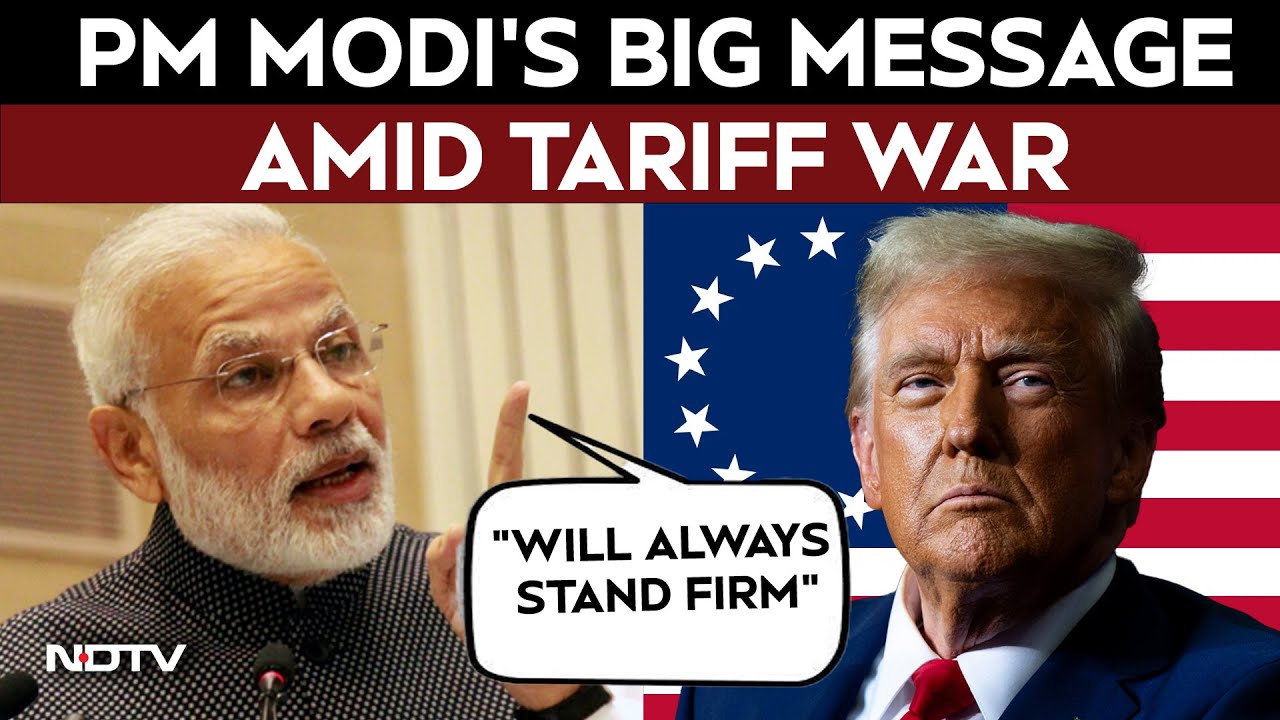
By R. Suryamurthy Prime Minister Narendra Modi’s declaration that he is willing to “pay a heavy price” to stand by Indian farmers in the face of escalating U.S. trade tariffs has captured headlines—but not necessarily for the right reasons. It is a speech crafted more for the political stage than the policy war room. Beneath […]
By Nitya Chakraborty Bangladesh is finally going for national elections in February 2026 ending all speculations in the political circles in Dhaka in the last one year since the abdication of the earlier Prime Minister Sheikh Hasina from power on August 5, 2024. Chief Adviser of the interim government Dr. Muhammad Yunus announced the elections […]

The Africa Debate conference, a pivotal event focusing on trade and investment across the African continent, is set to take place on 30 September 2025 in Dubai. Organised by Invest Africa in partnership with the UAE government, this flagship conference aims to address critical issues surrounding economic growth, investment opportunities, and regional collaboration in Africa. Held in cooperation with the UAE Ministry of Foreign Trade, the conference […]

Geopolitical uncertainties and escalating regional tensions have continued to dampen growth in the UAE’s non-oil sector, with July’s Purchasing Managers’ Index marking its lowest point in four years. The S&P Global UAE PMI dropped to 52.9 from 53.5 in June, highlighting a slower pace of expansion in the country’s non-oil business activity. The decline indicates that the rate of growth has weakened, falling below the long-term trend observed in past months.

The report, based on a survey of businesses across the UAE, signalled the weakest growth in the non-oil sector since June 2021. It outlined several key factors contributing to the slowdown, most notably the lingering geopolitical uncertainties affecting both domestic and regional market conditions. Sales, in particular, have been impacted, with companies facing challenges in securing new business. The survey revealed that a cautious approach was being adopted by clients, with many hesitant to commit to new expenditures due to the prevailing uncertain environment.

The survey found that new business growth had slowed further, with firms reporting reduced client demand across various sectors. This has led to a decline in both hiring and purchasing activity, further underscoring the strained business conditions. Companies appear more reluctant to invest in workforce expansion or in the procurement of goods and services.

Despite these setbacks, there was a notable increase in output levels, as firms worked to manage their backlogs of work. To ensure that delivery times were met and customer satisfaction remained high, businesses opted to accelerate their production. This uptick in output was a response to the mounting pressures caused by increased demand from existing orders, with firms aiming to prevent a further buildup of work left unfinished.

According to the PMI report, the services sector, a key pillar of the non-oil economy, showed signs of stagnation in growth. This is in contrast to other periods of relative expansion, where the sector had experienced more robust gains. The impact of external factors, such as regional tensions and fluctuating demand, has been particularly noticeable in the services sub-sector, which includes industries like hospitality, tourism, and business services.

Notably, the survey’s findings also revealed that UAE businesses were still grappling with a cautious economic outlook. Many are navigating the ongoing challenges posed by global economic conditions, including inflationary pressures and supply chain disruptions. While some sectors have managed to adapt, the overall sentiment among businesses remains one of caution.

Another contributing factor to the sector’s struggle has been the steady rise in costs. With inflationary pressures mounting, firms have faced higher input costs, which they have had to balance against the slower growth in demand. Despite these challenges, many companies are opting to absorb the additional costs to maintain competitive pricing in the marketplace, though the sustainability of this approach is under scrutiny as conditions persist.

While the non-oil sector’s growth has been muted, there have been some positive indicators in the form of continued investment in infrastructure projects and the government’s commitment to diversifying the economy. The UAE’s Vision 2030, which focuses on reducing dependence on oil revenues, remains a long-term blueprint for economic transformation. However, the road ahead appears uncertain, with regional tensions and external pressures acting as major headwinds to the UAE’s ambitious goals.

In terms of employment, the outlook is mixed. While there has been a decline in hiring across some sectors, others continue to experience demand for skilled workers, particularly in industries aligned with the country’s long-term economic diversification plans. However, businesses have also been cautious in their hiring practices, mindful of the fluctuating economic environment and the potential for further uncertainties in the coming months.

Capital Deployed to Date: Over US$1 Billion Companies Supported: Advised and invested in 200+ SGX-listed companies SINGAPORE – Media OutReach Newswire – 6 August 2025 – ICH Group is the key anchor investor in the recent Initial Public Offerings (IPOs) of Lum Chang Creations, Info-Tech and Goodwill Entertainment on multi-asset platform Singapore Exchange (SGX Group), a decisive move that signals renewed investor confidence following a notable drought […]

VISHNU RAJA
RYO YAMADA
HITORI GOTOH
IKUYO KITA