Chicago wheat futures advanced for a third straight session on Tuesday as drought damage across the US Plains kept traders focused on tightening prospects for the winter crop, even as forecasts for rainfall checked sharper gains. The most-active wheat contract on the Chicago Board of Trade rose 0.8 per cent to $6.44-1/4 a bushel in early Asian trade, extending a rally that last week pushed prices to […]
By T N Ashok The verdict from India’s sprawling five-state assembly elections of 2026 has redrawn the country’s political map with a force few had anticipated. What began as a routine electoral cycle across West Bengal, Tamil Nadu, Kerala, Assam and Puducherry has culminated in something far more consequential: a consolidation of power for the […]
Dubai food group IFFCO is poised for provisional liquidation after months of debt restructuring talks failed to produce agreement, pushing a major Gulf consumer-goods business into a court-led process as creditors seek to protect assets and stabilise operations. A lender group led by HSBC Holdings has initiated legal proceedings to take control from the owners, with FTI Consulting nominated to act as provisional liquidator. The move follows […]
Blizzard has returned Warcraft III’s legacy client to Battle. net, giving owners of the game direct access to the original The Frozen Throne 1.29 build without requiring a Warcraft III: Reforged installation to launch it. The move reopens an official route to a version of the landmark real-time strategy title that many players believed had been effectively buried after the troubled 2020 remaster. Players can now select […]
Building upon its expertise in Europe, Rhenus is expanding its road freight solutions in Asia Pacific
The strategic move will see dedicated expertise and resources to better support the region’s demand for fast and reliable freight transportation options
SINGAPORE – Media OutReach Newswire – 4 May 2026 – With demand for road freight services across Asia Pacific rising, leading global logistics provider Rhenus Group has announced plans to further expand its road freight operations in the region. As part of its broader regional growth strategy, the company is strengthening cross-border trucking across Southeast Asia and key corridors between Greater China and Southeast Asia. Building on this, it is continuously integrating road with air and ocean freight, while scaling local distribution, sourcing and leveraging existing free trade zone warehousing capabilities.
As part of this expansion, Rhenus is investing in local capabilities to support individual market needs including the recent establishment of its Bukit Kayu Hitam Border Office in Malaysia, with full customs capabilities to support smoother cross-border movements.
Prem Anand Anandaverl, Regional Director of Cross Border Trucking Asia, Rhenus Logistics notes, “Our goal is to provide a seamless connectivity to the global network by reinforcing a comprehensive road freight service and continue to help businesses to move their goods across Asia efficiently and compliantly. Road Freight is playing an increasingly important role in building a resilient supply chain especially in this region.”
Asia Pacific to see high demand for road freight services
The global freight trucking market size [1] is projected to be valued at US$2.74 Tn in 2025 and is set to reach US$3.70 Tn by 2032, growing at a CAGR (Compound Annual Growth Rate) of 3.9%. Asia Pacific remains a key growth driver, supported by expanding industrial output, a large consumer base, and rapidly developing logistics infrastructure enabling both domestic and cross-border trade.
Achieving Sustainable Growth through Road Freight: Consistency, Scalability and Increasing Customer Value
With more than 150 owned and partner road freight locations in Europe, Rhenus currently operates in over 15 countries through a well-established network. The expansion of road freight services in Asia Pacific will enable the company to further integrate its’ end-to-end supply chain solutions, combining road freight solutions with air and ocean services to deliver more flexible and customized logistics solutions globally.
Ongoing investments in multilingual local teams, dedicated border infrastructure, and best practice transport management systems will support seamless cross-border operations, stronger customs and regulatory expertise across markets.
Leveraging its rail connections between Greater China and Europe, alongside a robust multimodal network spanning sea, land, and rail, the company aims to provide customers with greater flexibility and scalability in response to evolving supply chain demands. The company is also working with partners to improve CO₂ tracking and explore alternative fuel options, supporting more sustainable road freight operations.
[1] Based on analysis by Persistence Market Research
Hashtag: #Rhenus
The issuer is solely responsible for the content of this announcement.
About Rhenus
The Rhenus Group is one of the leading logistics specialists with global business operations and annual turnover amounting to EUR 8.2 billion. 39,000 employees work at 1,300 business sites in more than 70 countries and develop innovative solutions along the complete supply chain. Whether providing transport, warehousing, customs clearance or value-added services, the family-owned business pools its operations in various business units where the needs of customers are the major focus at all times.
Dubai has removed the minimum property value requirement for sole owners seeking a two-year residence visa, widening access to residency through real estate and lowering one of the main entry barriers for smaller investors. Under the revised eligibility rules, a person who owns a completed property in Dubai as the sole owner can apply for the two-year property investor residence visa regardless of the value of the […]
NEW DELHI, INDIA – Media OutReach Newswire – 3 May 2026 – The Indo-Pacific region continues to be the focal point of global growth dynamics and strategic competition, and relations between Vietnam and India are facing new opportunities to develop in a deeper, more substantive, and more sustainable manner. Building on the Comprehensive Strategic Partnership established in 2016, cooperation in the fields of economy, science and technology, and environment has increasingly been identified by both sides as key pillars.
In 2024, the two sides adopted an Action Plan to implement the Comprehensive Strategic Partnership for the 2024-2028 period. This document not only consolidates traditional areas of cooperation but also expands into new domains such as science and technology, innovation, digital transformation, energy and sustainable development.
Economy continues to be a bright spot in bilateral cooperation
Over the past decade, Vietnam-India economic cooperation has recorded significant positive developments. Bilateral trade turnover has maintained steady growth, increasing from over USD 14 billion in 2023 to nearly USD 16.5 billion in 2025, reflecting the increasingly close integration between the two dynamic Asian economies.
The structure of two-way trade has increasingly demonstrated complementarity. Vietnam has strengthened its exports of electronics, machinery, processed agricultural products, wood, and seafood, while India serves as an important supplier of steel, pharmaceuticals, chemicals, and textiles to Vietnam.
Amid the ongoing restructuring of global supply chains, both Vietnam and India are intensifying efforts to diversify their partners and reduce dependency risks. This creates significant room for the two countries to promote supply chain linkages in areas such as processing and manufacturing industries, supporting industries, logistics, and high-tech agriculture. Vietnam, with its strategic location in Southeast Asia, can serve as a gateway for Indian enterprises to expand their presence deeper into ASEAN, while India represents a vast market with rapidly increasing consumer demand.
Science and technology: a new driver for deeper cooperation
Scientific and technological cooperation has seen remarkable development recently, gradually shifting from exchanges to more substantive collaboration, tied to specific products and developmental needs. Priority areas of cooperation include information technology, biotechnology, clean energy, and digital transformation.
Several representative projects, such as the Satellite Data Receiving Station and Satellite Image Processing Center, the Vietnam-India Nuclear Science Center (Da Lat), the Army Software Park (Nha Trang), and the Center of Excellence in Software Development and Training (CESDT), have been contributing to enhancing Vietnam’s technological capacity. Notably, the Indian Technical and Economic Cooperation (ITEC) program continues to be an effective channel for human resource training, helping Vietnamese officials and experts access modern management knowledge and experience.
Against the backdrop of the vigorous Fourth Industrial Revolution, the potential for cooperation between the two countries remains vast. The two sides can expand their cooperation into emerging areas such as Artificial Intelligence, semiconductors, cybersecurity, fintech, and biotechnology, aiming for the goals of co-development and co-innovation.
Environmental cooperation and sustainable development are gradually expanding
In the context of increasingly complex climate change, environmental cooperation between Vietnam and India is becoming an important component of the bilateral agenda. Areas such as renewable energy, water resource management, circular economy, and disaster-resilient infrastructure are receiving growing attention and promotion from both sides.
Cooperation agreements in marine science, along with Quick Impact Projects (QIPs) supporting communities, such as clean water supply, drought mitigation, and saline intrusion prevention in the Mekong Delta, have delivered practical results. Vietnam’s participation in the Coalition for Disaster Resilient Infrastructure (CDRI), initiated by India, also opens up opportunities to strengthen cooperation in sustainable infrastructure and climate change adaptation.
In the coming period, areas encompassing solar energy, energy storage, waste management, marine pollution monitoring, and early warning systems for natural disasters are considered promising directions for cooperation.
Prospects for cooperation
The prospects for cooperation in the coming period are assessed as positive. With the economic and scientific-technological complementarity, along with strong political will from both sides, Vietnam-India relations have many favorable conditions to grow more strongly, particularly in areas such as the digital economy, green economy, innovation.
Orientations for promoting cooperation in the coming period
With a foundation of excellent relations and significant room for cooperation, the two countries have the basis to elevate the Comprehensive Strategic Partnership to a new height, making it increasingly substantive and effective in the new phase, particularly in the context of the two countries heading towards new high-level engagements with the state visit of General Secretary and President To Lam to India in May 2026.
To effectively capitalize on opportunities, both sides need to continue maintaining high-level exchanges, intergovernmental mechanisms and specialized dialogues, and further translate strategic commitments into cooperation programs and projects with clear roadmaps and resources.
In the economic field, efforts should be intensified to remove trade barriers, improve logistics connectivity, and promote the review and upgrading of the ASEAN – India Trade in Goods Agreement (AITIGA); strengthen the development of large-scale investment projects in priority areas such as pharmaceuticals, the marine economy, renewable energy, and supporting industries.
In the field of science and technology, establishing joint research cooperation mechanisms, strengthening linkages between research institutes, universities, enterprises, as well as promoting expert exchanges, technology transfer, and human resource training will play an important role.
In the environmental field, efforts should be directed toward building a comprehensive green cooperation framework, focusing on water management, marine science, plastic pollution reduction, clean energy, and disaster-resilient infrastructure, while also effectively leveraging regional initiatives such as the CDRI.
Hashtag: #MAE
The issuer is solely responsible for the content of this announcement.
Matein Khalid As the world’s leading trading power, China’s vast export engine fuelled a $1.2 trillion current account surplus in 2025. At the same time, it is the largest importer of crude oil globally, with around 40 percent sourced from the Middle East. This exposure gives Beijing a clear stake in Gulf stability – prioritising secure maritime transit through energy chokepoints and uninterrupted access to the GCC’s trillion-dollar development […]
By K Raveendran Election-season restraint on fuel pricing is giving way to a harsher economic reality, and Indian consumers are likely to feel the impact first through the everyday costs that rarely appear as headline inflation until they have already entered household budgets. Petrol, diesel and cooking fuel are not merely energy products in India; […]
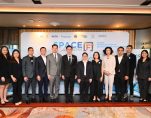
BANGKOK, THAILAND – Media OutReach Newswire – 1 May 2026 – Prof. Dr. Yodchanan Wongsawat, Deputy Prime Minister and Minister of Higher Education, Science, Research and Innovation (MHESI), led the National Innovation Agency (Public Organization) or NIA, along with Thai Union Group PCL, Mahidol University, and leading corporate partners including Thai Beverage PLC, Nestlé (Thai) Ltd., and new partner Foodland Ventures from Taiwan, to launch “SPACE-F Year 7”. This is Thailand’s first global foodtech startup incubator and accelerator program, continuing the success of solving food industry challenges through sustainable innovation.
SPACE-F Batch 7
Prof. Dr. Yodchanan spoke about elevating “SPACE-F Batch 7” to the policy level and building awareness, stating that MHESI aims to present food innovation products from the startups in this batch at the upcoming Cabinet meeting. This will allow the Prime Minister to taste them, raising awareness that FoodTech is the nation’s new future. The products will be presented to the Cabinet in the next two weeks.
Regarding the core concept of combining technology with “Thai taste,” Prof. Dr. Yodchanan emphasized that no matter how advanced the technology is, it must maintain the “Nice taste of Thailand.” He cited a “high-tech omelet” he previously tasted as an example, noting that there is still room for improvement to make it taste closer to an authentic Thai omelet so that the technology can truly win over consumers’ hearts.
The MHESI Minister continued that regarding food innovation under the Wellness Economy, this year focuses on using the Wellness Economy as a New Growth Engine. This is not limited strictly to food but includes AI, ICT, and software, aiming to push Thailand into a global Wellness Tourism Hub with support from the BOI in connecting investment opportunities.
Prof. Dr. Yodchanan further stated that regarding the use of biodiversity and quality ingredients (Biodiversity & GI), startups will be encouraged to utilize Thailand’s rich biodiversity and GI products as substitutes for imported raw materials. This will help reduce costs and create a unique identity.
“As for connecting the ‘Thinker’ with the ‘Doer,’ this program emphasizes linking startups with large industrial corporations and investors. This helps startups in the Accelerator group advance toward Series A or B funding, while helping the Incubator group learn business and pitching experiences from their seniors to cross the business ‘Death Valley.’ Furthermore, regarding food and nutrition security in the era of war: in the current global conditions facing wartime situations, Food Security and Nutrition Security are vital. This program is an opportunity for startups to create innovations that help solve problems for the whole world, with the government working closely with SPACE-F to create new services and products,” the MHESI Minister said.
However, “SPACE-F Batch 7” features 20 participating startups from 10 countries, focusing on the Proof of Concept (POC) strategy to ensure they can tangibly grow toward commercialization on an international scale.
Dr. Krithpaka Boonfueng, Executive Director of the National Innovation Agency (NIA), stated that NIA aims to strengthen the potential of startups and innovative entrepreneurs to overcome business crises and grow commercially in a tangible way. Over the past 6 years, the SPACE-F program has concretely reinforced its role as a regional food innovation hub by incubating and accelerating over 100 startups from 18 countries worldwide, generating a total funding value of over 5.1 billion THB. For the SPACE-F Year 7 program, it marks another major milestone of leapfrog growth, setting a new international record with an all-time high of 204 applicants, continuously increasing from 156 in Cohort 6 and 148 in Cohort 2, reflecting the confidence of global startups in the program’s potential. Concurrently, the program has significantly expanded its international reach, with applicants from 57 countries worldwide, up from 34 countries in the previous cohort, affirming that SPACE-F is a truly global platform connecting and driving world food innovation.
“The SPACE-F program is considered a vital mechanism in driving the development of a strong and comprehensive foodtech startup ecosystem by systematically connecting knowledge, technology, and the industrial sector together. Particularly, it provides opportunities for startups to co-develop and test real products (Proof of Concept: POC) with large corporate partners, as well as access expert networks and world-class infrastructure. This includes testing protein innovations focused on appearance, freshness, and taste with Thai Union; developing modern health and nutrition solutions with ThaiBev and Nestlé; utilizing deep-tech research laboratories from Mahidol University; and enhancing fundraising capabilities from Foodland Ventures, which plays a crucial role in reducing business risks and effectively increasing the chances of commercialization. For SPACE-F Year 7, it aims to elevate startup development through 2 main programs: the Incubator Program, which focuses on laying business foundations and developing prototypes into market-ready products, and the Accelerator Program, which focuses on accelerating business expansion through connections with strategic partners and investors. This covers 7 key areas of the food industry: 1) Personalized Nutrition, 2) Future Protein, 3) Circular Food Systems, 4) Smart Manufacturing, 5) Sustainable Production, 6) Food Safety, and 7) Novel Consumer Experience, to build high-potential startups capable of developing quality new products that directly meet market demands, ready to compete and grow sustainably on the global stage.”
Ms. Sirichit Jiraruangkiat, Senior Director – Group Innovation at Thai Union Group PCL, revealed, “As a co-founding partner of the SPACE-F program, Thai Union Group PCL continues to drive the development of Thailand’s foodtech startup ecosystem. We aim to support breakthrough growth by promoting the development and testing of innovations at the industrial level, particularly through the Proof of Concept (POC) process, to elevate the standards of future protein products to compete internationally. Thai Union prioritizes the application of modern food production and preservation technologies, covering everything from maintaining product quality and freshness and developing appealing appearances to sensory research to create textures and flavors that effectively meet the demands of global consumers. Simultaneously, the SPACE-F program remains committed to a ‘No Equity Taken’ approach, allowing startups to retain full ownership of their innovations, maintain business agility, and grow independently and sustainably in the long term.”
Assoc. Prof. Dr. Pasit Pakawatpanurut, Deputy Dean for Research and Innovation, Faculty of Science, Mahidol University, further added, “With expertise in food science, nutrition, biotechnology, and related fields, Mahidol University serves as an academic powerhouse and innovation infrastructure, providing startups with access to advanced laboratories, pilot plants, and modern research equipment. They also receive in-depth consultation from a team of expert researchers to successfully transition research into products that truly meet global market demands (Lab-to-Market). This collaboration is therefore a key mechanism in driving sustainable food innovation and enhancing Thailand’s competitiveness as a global foodtech hub. Mahidol University’s involvement in the SPACE-F program also plays a vital role in strengthening the country’s foodtech startup ecosystem in the long run.”
In addition, another key partner is Thai Beverage Public Company Limited, which places great importance on continuous research and development, believing it to be essential for startups. As a sponsor of the SPACE-F program, they are pleased to be part of an ecosystem that enhances the potential of foodtech startups and provides business and technological guidance to help startups discover solutions that truly meet the needs of the global food market.
Ms. Jenica Conde Cruz, Business Manager – Cereal Partners Worldwide & Incubator at Nestlé (Thai) Ltd., also stated, “Nestlé, a global leader in food and beverages, plays a vital role as a strategic partner of the SPACE-F program. We aim to elevate foodtech startups through the transfer of Research & Development (R&D) knowledge and product development experience under the ‘Good food, Good life’ concept. Nestlé also provides in-depth consultation to support the development of products that meet Nutrition, Health, and Wellness needs, while promoting the use of innovation to tackle global food industry challenges. In parallel, Nestlé also drives the development of innovations that align with sustainability goals by opening opportunities for startups to learn together with experts from our global research center network, in areas of food preservation technology, eco-friendly packaging, and responsible sourcing.”
Victor Chen, CEO of Foodland Ventures Co. closed with, “Foodland Ventures, a leading Venture Capital firm and Accelerator from Taiwan, has joined as a strategic partner in the SPACE-F program to push foodtech startups to expand their businesses into international markets. We aim to act as a bridge connecting innovation from Taiwan with food industry networks in Thailand and Southeast Asia. With expertise in key technologies such as Restaurant Automation, Alternative Protein, and Smart Supply Chain, Foodland Ventures is ready to support startups through access to the Taiwanese market and resources, providing investment and business strategy consultation, and connecting them with the industrial sector to test solutions in real-world environments. This collaboration marks a significant step in building a ‘FoodTech Corridor’ between Thailand and Taiwan to elevate startup potential and drive the food industry toward a sustainable global future.”
The “SPACE-F Year 7” program also introduced 20 startups from 10 countries worldwide: South Korea, Spain, Canada, USA/Argentina, Australia, Singapore, UK, Saudi Arabia, Taiwan, and Thailand, selected for this year’s program. All will have the opportunity to co-develop and test real innovations with leading industry partners, covering product development, industrial-level testing, and commercialization in the real market
Such collaboration is a key highlight of the program, providing startups the opportunity to test technology and innovations in real-world environments, reducing development limitations, and increasing the chances of creating business models that accurately meet market demands.
10 FoodTech Startups Joining the Accelerator Program
Terra Bioindustries Inc (Canada): Upcycles agricultural and food industry waste into high-value ingredients such as sugar, protein, and fiber for use in the food, biotech, and chemical industries.
Nucaps (Spain): Develops functional protein ingredients using microencapsulation technology to wrap active substances and probiotics, enhancing nutritional value, reducing costs, and improving taste to effectively promote consumer health.
BeNatureBioLab (South Korea): Develops functional ingredients using nano and microencapsulation technology from natural proteins to wrap active substances and probiotics, increasing the stability, absorption, and efficiency of substances in food, supplements, and health products.
Kinava (South Korea): Converts food waste into biofertilizer, biochar, and biogas within hours using HydroThermal Carbonization (HTC) technology, which reduces odor, energy use, and emissions.
ComexSoft (Spain): A near real-time market intelligence platform that collects and organizes retail data, matching similar products specifically developed for accurate decision-making.
PROTINOS (Thailand): High-protein noodles made from egg whites and soybeans containing complete essential amino acids, created using enzyme incubation techniques, serving as food to help care for and protect health.
SicPama (South Korea): A QR ordering and payment platform with a CRM system that links social media with actual service usage and repeat visits, helping restaurants measure returns and increase revenue.
Nourish Ingredients (Australia): High-performance animal-free fats created via precision fermentation to solve the taste and texture issues of plant-based alternative foods by mimicking the key fats found in meat and dairy products.
Kresko RNAtech (USA/Argentina): Nutrients from biological RNA found in natural foods, developed by AI and biotechnology to be more stable and better absorbed, for use in dietary supplements and health products.
Agrifreeze (Singapore): Develops freezing technology using Electromagnetic Fields (EMF) to control the formation of small ice crystals, reducing food damage and maintaining quality close to fresh products.
10 FoodTech Startups Joining the Incubator Program
Eatwellconcept (Thailand): An AI-powered personalized therapeutic diet platform for NCD patients, offering real-time nutritional guidance by dietitians to improve health and quality of life.
AmaranthLab (UK): Protein ingredients from amaranth for GLP-1 (Glucagon-Like Peptide-1) nutrition to control blood sugar levels and satiety, for use in various functional food products.
Openfarming (Saudi Arabia): An AI operating system for food distributors that converts orders from multiple channels into real-time data, enabling automated demand forecasting and dynamic inventory management without changing existing workflows.
Zuppar Reborn (Thailand): Biodegradable fruit and bakery stickers made from pineapple waste, replacing plastic labels with an alternative that can decompose into fertilizer.
VeriPura (Thailand/Singapore): An AI and Blockchain platform for automated document management and product traceability, making food exports to Europe easier and more compliant with regulations (EU).
YiXingYuan (Taiwan): A modular small-scale fruit processing factory (Factory-in-a-box) utilizing High Voltage Electric Field (HVEF) technology to process fruits directly at the source, preserving product quality while reducing energy use, costs, and spoilage.
JOLA (Thailand): Vitamin-infused jelly pet food that develops DIY treat products, such as jellies for dogs and cats, focusing on natural ingredients, good nutrition, and creating a shared experience between owners and pets.
UPLI (UK): A precision fermentation platform to create functional proteins with characteristics similar to human breast milk, used to increase nutritional value in food at an industrial scale.
Emerald Plast (Thailand): Biodegradable food materials and packaging made from starch and bioplastics to replace traditional plastics, reducing environmental impact and enhancing sustainability image.
Squizify (Thailand): A digital food safety platform integrating software and IoT devices to automatically track, monitor, and manage food business standards, complete with real-time data analysis.
Arabian Post Staff -Dubai Ras Al Khaimah’s economic regulator has stepped up public and business awareness over counterfeit goods, warning that fake products threaten consumer safety, undermine legitimate traders and expose offenders to serious legal action. The Ras Al Khaimah Department of Economic Development, through its Commercial Control and Protection Department, carried out an awareness campaign titled “Protect Your Products from Counterfeiting” as part of wider efforts […]
MILAN, ITALY – Media OutReach Newswire – 1 May 2026 – As the dynamic interplay of light and shadow along the Putuo District section of Suzhou Creek in Shanghai, known as the “Half Marathon Suzhou Creek,” met the artistic atmosphere of Milan Cathedral, a spring dialogue spanning continents opened warmly as part of the “Shanghai in My Mind · Spring Shanghai” pop-up event series in Milan. On April 25, the “Putuo Day” themed event was held at a newsstand in Largo Augusto, Milan. Centered on the theme “Half Marathon Suzhou Creek · Garden of Light,” the event offered local residents an immersive experience of the distinctive charm of Shanghai’s Putuo District.
Light as a Bridge: A Garden of Light in Miniature
Centered on the theme of “Garden of Light,” the pop-up event blended Putuo’s cultural heritage with Milan’s artistic aesthetic, transforming the compact newsstand into four themed spaces: the Light of Development, the Light of Vitality, the Light of Warmth and the Light of Craftsmanship. Together, they created a refined and richly layered exhibition of urban aesthetics.
The Garden Walk zone conveyed the “Light of Vitality,” with artificial greenery recreating the energy of the Suzhou Creek waterfront. Cultural and creative products from the “Half Marathon Suzhou Creek” collection, including sand-art magnets, liquid-motion coasters and custom scarves, added to the lively atmosphere. The Interactive Experience zone embodied the “Light of Warmth,” linking stamp collecting, message sharing and film screenings to create a welcoming space where every visitor could take part in the cross-cultural exchange. The Craftsmanship Heritage zone interpreted the “Light of Craftsmanship,” featuring century-old Hero pens, intangible cultural heritage bamboo weaving and pieces from the Shanghai Mint, highlighting the brilliance of Eastern craftsmanship through light and shadow. The Light and Shadow Window zone represented the “Light of Development.” Warm light passed through suspended golden bookmarks, casting colorful reflections across the walls and floor, echoing the stained-glass windows of Milan Cathedral.
At the event, local residents and visitors posed for photos with light-and-shadow bookmarks, wrote heartfelt messages on postcards, and captured joyful moments with instant cameras. They collected commemorative stamps as keepsakes, experienced the elegance of Eastern writing with Hero pens, and watched the VR film “HI, This Is Half Marathon Suzhou Creek” for an immersive introduction to Putuo. The pop-up event transcended barriers of language and distance, bringing the urban charm of Putuo to people in Milan through experiences that were tangible, engaging and memorable.
Spring Echoes: Suzhou Creek’s Story Continues in Light
The “Spring Shanghai” themed pop-up was not only a city showcase in Milan, but also a dialogue between two cities across Europe and Asia. To extend the memory of this celebration of light, Putuo has created a “Garden of Light” themed corner at the Half Marathon Suzhou Creek Café & Cultural Creative Store, allowing cultural exchanges between the two places to continue to grow.
Inside the store, white magnolias and azaleas feature throughout the décor, symbolizing friendship and dialogue between the two cities. Decorative decals inspired by the stained-glass windows of Milan Cathedral cast colorful patterns of light across the floor, creating an aesthetic connection between Shanghai and Milan. Messages from visitors collected during the Milan event, handwritten postcards and instant photos will be displayed in artistic installations, including a corridor of greetings and a light-and-shadow photo wall reflecting a blend of Chinese and Italian culture. Limited-edition light-and-shadow bookmarks and other themed merchandise will also be introduced, while messages written by Shanghai residents in response will be compiled into a collection, creating a two-way bond of mutual goodwill.
From Milan to Suzhou Creek, Putuo used light as a bridge to continue the friendship between China and Italy across the two cities, while enabling more people to see and understand the story of “Half Marathon Suzhou Creek.”
Vibrant Putuo: Half Marathon Suzhou Creek in Full Flow
Putuo District is actively participating in China’s Yangtze River Delta integration strategy. It supports the development of the Shanghai–Nanjing Industrial Innovation Belt, advances the “one belt, one core, one city” framework, and promotes a vision of a coordinated innovation zone and a high-quality Half Marathon Suzhou Creek area. A digital-driven upgrade of the bulk commodity trade supply chain is currently taking shape. Along the Suzhou Creek waterfront, ecological landscapes are increasingly being transformed into spaces for industrial development. The Zhenru sub-center is speeding up its digital transformation, combining heritage with modern urban functions and integrating cultural and commercial activity. Taopu Smart City is emerging as a hub for R&D and advanced manufacturing, as it moves toward becoming a model for integrated urban-industrial development. Together, these developments are helping drive Putuo’s high-quality growth.
Industrial growth brings urban vitality, and a vibrant city improves people’s quality of life. Building on a solid foundation of high-quality development, Putuo is shaping a livable and business-friendly district defined by energy and human warmth. It is both a hub for sports and an appealing place to live. Major events such as the Suzhou Creek Half Marathon, dragon boat races, the 10km Elite Race and the National Curling Championships showcase the district’s dynamism and competitive spirit. Daily life offers a different rhythm. TOP Central Park provides expansive green space, the RV Music Festival draws crowds with live performances, M50 Creative Park remains a center for arts and culture, and Hong Shou Fang blends Shanghai-style charm with the atmosphere of neighborhood street life. Putuo is working to build a district-wide “15-minute community living circle,” giving residents convenient access to education, healthcare, eldercare and retail services. It is advancing child-friendly urban development, expanding the silver economy to better serve seniors, and creating homes and support services for the city’s builders and frontline workers. Through these efforts, openness, inclusiveness and warmth have become defining features of the district.
Hong Kong recorded its widest visible trade deficit since comparable records began in 1952, as imports outpaced a powerful export rebound driven by demand for artificial intelligence-related electronics and high-value technology goods.
The city’s merchandise trade gap widened to HK$89.1 billion in March 2026, equal to 12.6 per cent of the value of imports. Total exports rose 35.8 per cent year on year to HK$618.4 billion, while imports jumped 41.2 per cent to HK$707.5 billion, underscoring the unusual scale of the surge in cross-border goods flows through one of Asia’s main trading hubs.
The figures point to a mixed signal for Hong Kong’s externally oriented economy. Export growth was the strongest since early 2021, reflecting robust global demand for electronic components, telecommunications equipment, semiconductors and related supply-chain goods. Yet the sharper rise in imports left the city with a deficit larger than any monthly gap recorded over more than seven decades, highlighting the pressure created by front-loaded purchases, supply-chain repositioning and higher input costs.
For the first quarter of 2026, total exports climbed 32 per cent from a year earlier, while imports increased 37 per cent. The visible trade deficit for the quarter reached HK$168.4 billion, equivalent to 9.8 per cent of imports. On a seasonally adjusted basis, exports rose 18.4 per cent from the previous quarter, while imports advanced 20 per cent.
The most striking gains came from technology-linked categories. Exports of electrical machinery, apparatus, appliances and related parts rose by HK$99.8 billion, or 47.9 per cent, in March from a year earlier. Telecommunications and sound recording equipment exports increased by HK$40.2 billion, or 94.7 per cent, while non-ferrous metals shipments rose by HK$10.2 billion, or 175.9 per cent.
Imports showed a similar pattern, but with larger absolute increases in several categories. Purchases of electrical machinery and related parts grew by HK$106.2 billion, or 49.5 per cent. Telecommunications and sound recording equipment imports rose by HK$45.3 billion, or 93 per cent. Non-ferrous metals imports surged by HK$30.4 billion, a rise of more than 400 per cent, suggesting strong demand for materials used in electronics, data-centre infrastructure and advanced manufacturing supply chains.
The widening deficit also reflects Hong Kong’s role as a re-export centre rather than a conventional manufacturing economy. Goods imported into the city often move onwards to mainland China, Southeast Asia, the United States and Europe after financing, logistics, testing, repackaging or redistribution. During periods of strong global technology demand, import values can rise faster than exports if companies build inventories, reroute shipments or accelerate procurement to avoid transport delays.
Geopolitical tensions have added another layer of volatility. The war in the Middle East has pushed up energy prices, raised shipping risks and complicated trade routes linking Asia with Europe and the Gulf. Higher freight and insurance costs can lift the recorded value of imports, while uncertainty over maritime routes may encourage companies to bring forward shipments or diversify logistics channels. Hong Kong, with its deep financial links and dense regional supply-chain networks, is exposed to those shifts even when final demand originates elsewhere.
The export destination data showed broad-based strength across Asia and beyond. Shipments to Singapore more than doubled, while exports to Malaysia, Thailand, Taiwan and mainland China recorded strong gains. Exports to the United States also rose sharply, reflecting resilient demand for electronics and technology-linked goods despite continuing trade friction and tariff risks. Shipments to the United Kingdom declined, indicating uneven demand across advanced markets.
On the import side, increases were recorded from most major suppliers. Purchases from the United Kingdom, Korea, India, Vietnam, the United States and mainland China all rose substantially, underlining the geographically diverse nature of the procurement surge. Mainland China remained central to the city’s trade flows, both as a supplier and destination, while Southeast Asian economies continued to gain prominence in electronics and component supply chains.
The data suggest that Hong Kong is benefiting from the global investment race in artificial intelligence, cloud computing and advanced electronics, but the gains come with greater exposure to external shocks. Demand for AI servers, chips, networking equipment and related components has lifted trade volumes across Asia, while higher energy prices and shipping uncertainty are adding costs and complicating timing decisions for importers.
Rhenus Group acquires remaining 49 percent of LBH Group, achieving full ownership
Partnership further strengthens global maritime and port logistics network
LBH continues operating under its renowned brand while maintaining its recognized service quality
SINGAPORE – Media OutReach Newswire – 29 April 2026 – Rhenus Group announced the successful closing of the acquisition of the remaining 49 percent stake in LBH Global Agencies Inc. LBH Group is a globally active port agency with business sites in 24 countries worldwide. As an international maritime shipping agency, LBH Group manages incoming and outgoing vessels handling bulk goods, liquid cargo, containers, and general cargo. With the acquisition of the remaining shares from the Lagendijk family, the company is now a wholly owned subsidiary of Rhenus – a strategic step that has been pursued since the two companies joined forces in 2023. For many years, both parties have fostered a close and trustful relationship based on a shared goal.
Joined expertise for strong international customer service
The partnership between Rhenus and LBH Group was initially established with the shared objective of combining LBH’s global reach in port agency services with the international logistics network of Rhenus. Since then, the collaboration has strengthened both companies’ capabilities, enabling the development of more comprehensive service offerings and supporting customers with increasingly customized, resilient, and efficient supply chain solutions. Uniting two highly skilled and specialized teams marks another milestone in the Rhenus Group’s strategic growth plan in global trade, aiming to expand its network and foster supply chains worldwide. Under full ownership, LBH Group will remain a central pillar of the maritime strategy of Rhenus. The company will continue to operate under its established brand, maintaining its market presence and well-recognized service quality. Inspired by the vision of expanding global logistics operations as one global team, the acquisition underscores the importance of reliable partnerships that continue to pave the way for the Rhenus Group’s growth trajectory.
Hashtag: #Rhenus
The issuer is solely responsible for the content of this announcement.
About Rhenus
The Rhenus Group is one of the leading logistics specialists with global business operations and annual turnover amounting to EUR 8.2 billion. 39,000 employees work at 1,300 business sites in more than 70 countries and develop innovative solutions along the complete supply chain. Whether providing transport, warehousing, customs clearance or value-added services, the family-owned business pools its operations in various business units where the needs of customers are the major focus at all times.
France has set deadlines to end the use of coal, oil and fossil gas for energy, placing itself among the first major economies to publish a full fossil-fuel exit timetable as governments debate how to turn climate pledges into enforceable national plans. The roadmap, presented at the international talks in Santa Marta, Colombia, commits France to phasing out coal by 2030, oil by 2045 and fossil gas […]
By Saifur Rahman GCC financial wealth is projected to grow by roughly 4.7–5.2 percent annually, reaching US$3.5 trillion by 2026–2027, up from US$2.7–US$2.8 trillion in 2021–2022, driven by high oil prices, robust IPO activity in the UAE and Saudi Arabia, and a rising influx of high-net-worth individuals, according to a report by Boston Consulting Group. The recently announced plans by the UAE Government to automate 50 per […]
By Nantoo Banerjee Only six months in power, Japan’s first female prime minister, Sanae Takaichi, has emerged as the world’s most powerful woman reshaping the country’s domestic social and economic policies and international relations, taking a hard line on China. Takaichi has taken a firm stance on China suggesting that a “Taiwan contingency is a […]
Sheikh Mohammed bin Rashid Al Maktoum has approved a new set of Cabinet decisions aimed at strengthening the UAE’s industrial base, led by the creation of a AED1 billion National Industrial Resilience Fund to localise critical industries, secure supply chains and accelerate the use of artificial intelligence in manufacturing. The Vice President, Prime Minister and Ruler of Dubai reviewed the measures during a Cabinet meeting that also […]
By K Raveendran Over 70 Opposition members of the Rajya Sabha have opened a new constitutional front against Chief Election Commissioner Gyanesh Kumar, submitting a fresh notice for his removal on grounds they describe as “proven misbehaviour”. The move comes after an earlier attempt was rejected and is centred on allegations including partisan enforcement of […]
By T N Ashok In most democracies, high voter turnout is read as a simple good—an affirmation of faith in the system. In India, it is rarely that straightforward. The extraordinary participation seen in the 2026 assembly elections in Tamil Nadu and West Bengal—with turnout brushing past 84% and 90% respectively—demands a more layered reading. […]
Washington’s push for renewed face-to-face talks with Tehran has slowed as President Donald Trump’s combative social media messages and continuing naval blockade of Iranian ports deepen distrust around a fragile ceasefire. Officials familiar with the negotiations say the tone of Trump’s Truth Social posts, combined with military pressure in and around the Strait of Hormuz, has complicated efforts by Pakistan and other intermediaries to bring the […]
Allianz Trade and DBS Hong Kong brief businesses on evolving geopolitical trade risks and the critical need for granular liquidity visibility.
HONG KONG SAR – Media OutReach Newswire – 23 April 2026 – One year after the US Liberation Day, tariffs continue to disrupt global trade and supply chains while many economies and corporates still struggle to find their footing. The broke out of the Middle East conflict has compounded on the effect by driving lower global GDP growth (+2.6% in 2026), higher global inflation (4.3% in 2026) and stronger fiscal pressure. Amid such highly uncertain times, Allianz Trade in Hong Kong partnered with DBS for an exclusive session where industry experts and thought leaders dissected into today’s shifting geopolitical landscape and heightened credit risks, and offered their views on trade opportunities in an increasingly fragmented world.
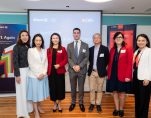
Management teams of Allianz Trade and DBS Hong Kong pose for a picture.
“The Middle East conflict has added a new layer of shocks to an already fragile environment shaped by tariffs, weakening demand and declining consumer confidence. The good news is that firms have taken operational steps to adapt since the trade war began, with the most common strategies including inventory building, market diversification, sourcing from new suppliers and rerouting through third markets. Asia Pacific has emerged as the clear structural beneficiary of supply chain realignment. Hong Kong, as a major trading and financing hub in the region, continues to play a pivotal role in facilitating trade and investment flows. Together with DBS, we are here to offer our combined intelligence and support to help companies achieve customer and market diversification, better risk selection, and providing them with confidence to trade and grow safely,” states Hassan Omaish, CEO for Hong Kong, South Korea and Taiwan at Allianz Trade.
Jolynn Wong, Managing Director and Head of Global Transaction Services, DBS Hong Kong, says, “We are witnessing a lengthening of cash collection cycles across sectors impacted by trade route and inventory disruptions, leading to a growing proportion of receivables held at extended tenors. In this climate of heightened volatility, the role of trade finance extends beyond mere credit extension; it must now assure corporates of timely critical cash flow realisation and enable strategic suppliers to maintain production amidst disruptions. Leveraging DBS Hong Kong’s robust capital and liquidity, we provide clients with the necessary extended tenors and contingent liquidity to navigate prolonged inventory and shipping cycles, thereby fortifying their resilience. By integrating guarantees, letters of credit, credit insurance, and treasury hedging into a unified architecture through our digital platforms, we empower clients to transform volatile receivables into reliable cash flows and turn disruptions into investable growth opportunities.”
Notes to editors: To gauge how global exporters fared through tariffs and the Middle East conflict, Allianz Trade recently published its flagship Global Survey, where 6,000 exporters across 13 countries were polled on their export performances over the past year, as well as outlook and coping strategies for the short- to medium-term. The Survey revealed that 75% of exporters expect positive export growth in 2026, which was much more optimistic than the 2025 tariff shock where expectations dropped by -40pp.
Allianz Trade Head of Economic Research Ana Boata.
“For now, the impact of the Middle East conflict seems moderate, but such level of optimism remains fragile and could quickly fade if the conflict drags on. Allianz Trade’s Global Survey revealed that geopolitical and political risks are the leading threat globally for corporates (65%), while supply-related issues, such as bankruptcy of suppliers and shortage of inputs, came at second place (57%). The Middle East conflict has also tightened trade finance conditions. Not only payment cycles are lengthening, 43% of companies expect payment terms to deteriorate further. Pharmaceuticals, construction and computers/telecom are the most exposed sectors, while larger companies face disproportionately longer payment cycles,” says Ana Boata, Head of Economic Research at Allianz Trade.
The issuer is solely responsible for the content of this announcement.
About Allianz Trade
Allianz Trade is the global leader in trade credit insurance and a recognized specialist in the areas of surety, collections, structured trade credit and political risk. Our proprietary intelligence network is based on instant access to data of 289 million corporates. We give companies the confidence to trade by securing their payments. We compensate your company in the event of a bad debt, but more importantly, we help you avoid bad debt in the first place. Whenever we provide trade credit insurance or other finance solutions, our priority is predictive protection. But, when the unexpected arrives, our AA credit rating means we have the resources, backed by Allianz to provide compensation to maintain your business. Headquartered in Paris, Allianz Trade is present in over 40 countries with 5,900 employees. In 2025, our consolidated turnover was EUR4 billion and insured global business transactions represented EUR1,400 billion in exposure. For more information, please visit allianz-trade.com.
About DBS
DBS is a leading financial services group in Asia with a presence in 19 markets. Headquartered and listed in Singapore, DBS is in the three key Asian axes of growth: Greater China, Southeast Asia and South Asia. The bank’s “AA-” and “Aa1” credit ratings are among the highest in the world.
DBS provides a full range of services in consumer, SME and corporate banking. As a bank born and bred in Asia, DBS understands the intricacies of doing business in the region’s most dynamic markets.
DBS is committed to building lasting relationships with customers, as it banks the Asian way. Through the DBS Foundation, the bank creates impact beyond banking by uplifting lives and livelihoods of those in need. It provides essential needs to the underprivileged, and fosters inclusion by equipping the underserved with financial and digital literacy skills. It also nurtures innovative social enterprises that create positive impact.
With its extensive network of operations in Asia and emphasis on engaging and empowering its staff, DBS presents exciting career opportunities. For more information, please visit www.dbs.com.
Unchecked AI agents are triggering cybersecurity incidents across a broad swathe of companies, with data exposure, disrupted operations and direct financial damage now emerging as common consequences of a fast-moving corporate shift towards autonomous software. A new industry survey found that 65% of organisations suffered at least one AI agent-related incident over the past 12 months, while 82% said they had discovered previously unknown AI agents operating […]
Gandakan Kebaikan transforms nationwide kindness into real homes, delivering meaningful and lasting impact.
KUALA LUMPUR, MALAYSIA – Media OutReach Newswire – 22 April 2026 – Tropicana Twister’s ‘Gandakan Kebaikan’ campaign has reached a defining milestone with the completion and handover of homes to families in need, marking a tangible outcome of a nationwide movement built on everyday acts of kindness.
Developed in partnership with EPIC Homes, the initiative contributes towards the building of up to 100 homes for underserved communities, including Orang Asli families across Malaysia. What began during Ramadan as a simple call to do good has since translated into safe, liveable spaces that provide families with protection, stability and a chance to move forward.
“Gandakan Kebaikan reflects our belief that meaningful change happens when communities come together with a shared purpose,” said Aditya Sheoran, PepsiCo Franchise Senior Director. “Through this initiative, we’re building homes and helping to create stronger foundations for families to thrive, today and for the future.”
Jennifer Lee, Head of Marketing, PepsiCo Malaysia Beverages, shared, “This is where intention becomes impact. Tropicana Twister’s Gandakan Kebaikan campaign started as individual acts of kindness, and now, the result is visible, that Malaysians are and will continue to show up for one another.”
“Families living in unsafe homes live in constant worry, especially during heavy rain. An EPIC Home gives them a place where they can feel secure. It goes beyond being just a shelter – a safe home gives peace of mind, stability, and the hope for a better future.” said Nadhira Halim, (Asst. Manager, Fundraising & Partnership, EPIC Homes).
More than just physical structures, these homes create a sense of security and dignity, while giving families a stable environment to rebuild their lives. Built with the support of volunteers and local communities, each home reflects a collective effort that goes far beyond a single campaign.
While ‘Gandakan Kebaikan’ was rooted in the spirit of Ramadan, its impact continues to extend far beyond the festive season. By focusing on long-term community needs, Tropicana Twister reinforces its commitment to creating meaningful and lasting change.
“As a brand, we believe in the power of collective goodness. This project is about turning that belief into action and bringing people together to create lasting impact,” added Jennifer. “Just like every beam and plank forms a home, each of you is a vital piece in building this journey.”
With the completion of these homes, ‘Gandakan Kebaikan’ continues to build on its mission of supporting underserved communities across Malaysia, proving that collective goodwill can create an impact that lasts beyond a moment.
For more information, visit Tropicana Twister’s Facebook page @MYTropicana and watch here on YouTube to see the impact unfold.
Hashtag: #TropicanaTwister
The issuer is solely responsible for the content of this announcement.
About PepsiCo
PepsiCo products are enjoyed by consumers more than one billion times a day in more than 200 countries and territories around the world. PepsiCo generated more than $86 billion in net revenue in 2022, driven by a complimentary beverage and convenient foods portfolio that includes Tropicana, Lay’s, Doritos, Cheetos, Gatorade, Pepsi-Cola, Mountain Dew, Quaker, and SodaStream. PepsiCo’s product portfolio includes a wide range of enjoyable foods and beverages, including many iconic brands that generate more than $1 billion each in estimated annual retail sales.
Guiding PepsiCo is our vision to be the Global Leader in Beverages and Convenient Foods by Winning with pep+ (PepsiCo Positive). pep+ is our strategic end-to-end transformation that puts sustainability and human capital at the centre of how we will create value and growth by operating within planetary boundaries and inspiring positive change cafor the planet and people. For more information, visit www.pepsico.com, and follow on Twitter, Instagram, Facebook, and LinkedIn @PepsiCo.





 https://www.nia.or.th/




 https://www.linkedin.com/company/allianz-trade-apac/