News related to
next

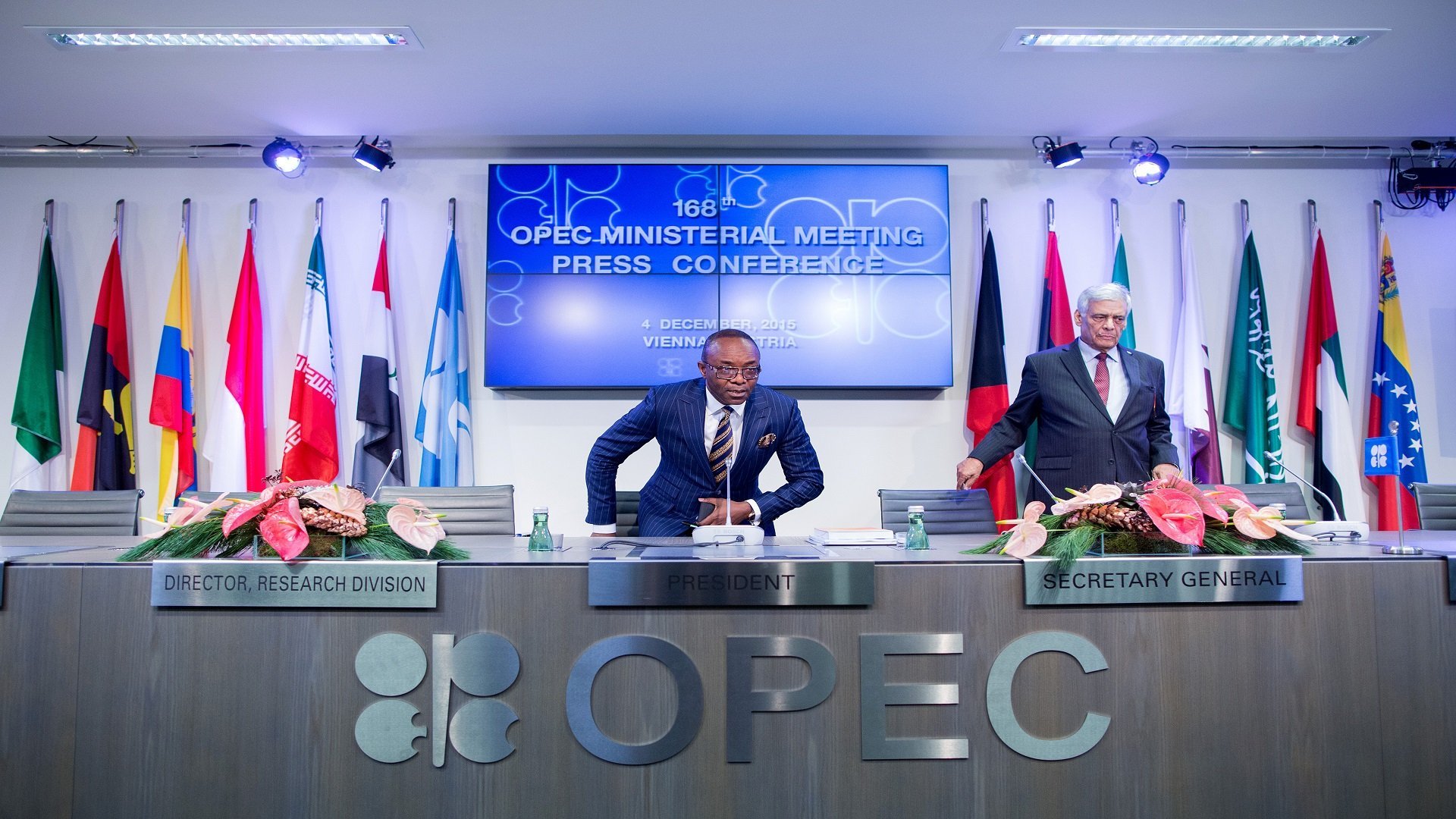
Producers grouped under OPEC+ are preparing to approve a modest rise in oil‐production targets for December, in an effort to balance market share ambitions against signals of oversupply and constrained output growth. Three delegates familiar with the discussions indicated the increase is expected to amount to roughly 137,000 barrels per day, mirroring the size of the hikes seen in both October and November.

The key players in the alliance include Saudi Arabia, Russia, the United Arab Emirates, Iraq, Kuwait, Oman, Kazakhstan and Algeria. The group’s online meeting scheduled for Sunday is expected to formalise the decision.

The incremental increase is part of a broader strategy underway since April, in which OPEC+ has raised output targets by more than 2.7 million barrels per day, amounting to about 2.5 per cent of global supply. However, the pace has been deliberately slowed from earlier months as signs emerge of an excess in global supply pools, including a forecasted surplus of over 3 million barrels per day in the current quarter.

Market analysts, including those at RBC and Rystad, anticipate the 137,000 bpd figure to represent the baseline scenario. Some delegates are also said to be weighing a pause on further hikes if supply conditions deteriorate.

Russia faces particular hurdles in supporting the quota rise, as Western sanctions limit the capacity of the Russian oil sector to boost output rapidly. That constraint is factoring into OPEC+ calculations as it debates whether to add more barrels to the market. Meanwhile, the UAE has been granted a higher production quota through to September 2026, enabling a phased increase of up to 300,000 bpd in its case.

Oil‐price behaviour reflects the tension between supply ambitions and demand concerns. Brent crude dropped to around US$60 a barrel in late October amid oversupply fears and sluggish demand from Asia, but has since climbed back toward the mid‐US$60s on the back of sanctions on Russia and trade optimism.

OPEC+’s cautious approach is informed by concerns about a supply‐demand mismatch next year. The International Energy Agency has flagged that world supplies could outstrip demand by over 3 million bpd in the current quarter, with an even larger gap potentially forming in 2026.

One industry commentator noted that unless there is clear evidence of a disruption to supply, the group is unlikely to commit to a large output hike. That view underscores the balancing act between protecting market share and avoiding a price collapse driven by oversupply.

Compliance remains another pressure point for the alliance. Some OPEC+ members have struggled to lift production to their quotas due to infrastructure, regulatory or investment constraints, diluting the impact of nominal target rises. This has helped temper the immediate effect of output increases even as quotas climb.

A further consideration is the shale oil sector in the United States, where producers are ready to capitalise on any loosening of supply discipline. OPEC+ therefore faces a strategic dilemma: raise output and risk reigniting competition, or hold back and cede ground to non-OPEC supply growth.

For December the decision appears modest, signalling a move to restore barrels cautiously rather than aggressively. The virtual meeting on Sunday will thus act as a critical test of the alliance’s ability to calibrate policy around shifting global demand patterns and geopolitical risk.

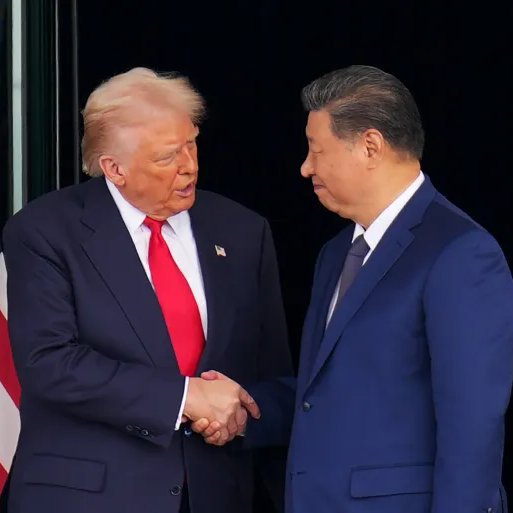
Seventeen years after the publication of the nine-page document titled “Bitcoin: A Peer-to-Peer Electronic Cash System,” authored under the pseudonym Satoshi Nakamoto on 31 October 2008, the digital asset known as Bitcoin has evolved from an experimental peer-to-peer payment proposal into a multi-trillion-dollar fixture of global finance.

At its launch, the paper proposed a decentralised network free of financial-institution intermediaries, aiming to avoid double-spending through a proof-of-work mechanism. Over the years the network has grown into a dominant cryptocurrency, and observers say that Bitcoin’s role in financial markets has shifted markedly. A study examining institutional adoption found that Bitcoin’s correlation with major equity indices — once low — rose to as high as 0.87 in 2024, signalling growing integration with mainstream markets.

Institutional interest forms a central pillar of this transformation. Following the approval of spot Bitcoin exchange-traded funds in the United States in January 2024, which drew in more than $50 billion in inflows, traditional asset managers such as BlackRock and Fidelity Investments gained routes for mainstream investors to access Bitcoin. Some corporations have adopted Bitcoin as part of corporate treasury strategy: around 80 companies now hold approximately 3.4 per cent of total Bitcoin supply.

Despite this ascent, some early proponents of Bitcoin’s original vision — that of a decentralised digital cash usable for everyday transactions — argue that the current model leans more toward its status as “digital gold” than as peer-to-peer money. Payment-system advances like the Lightning Network seek to restore that vision, enabling faster and cheaper transactions on-chain. Meanwhile, critics highlight that energy consumption and regulatory uncertainty continue to pose risks to Bitcoin’s wider adoption.

Regulatory momentum also remains uneven. While the United States moves closer to clearer rules through legislation such as the proposed Clarity Act — which analysts estimate has an 80 per cent chance of passing by early 2026 — global approaches vary significantly. Some jurisdictions have embraced crypto frameworks, while others maintain prohibitive stances. The potential for banks and custodial institutions to operate more directly with digital assets is gaining attention.

Technologically, Bitcoin remains foundational. The original protocol, unchanged at its core since its launch, still underpins a thriving ecosystem of wallets, exchanges and blockchain analytics. That continuity has contributed to its brand as the ‘first mover’ in the cryptocurrency space. At the same time, ecosystem participants are attending to scalability challenges, security risks tied to quantum computing and ecosystem fragmentation through forks.

On the macro-economic front, Bitcoin is increasingly viewed as a hedge or alternative asset, though its extreme price volatility continues to limit its suitability for everyday payments for most users. A survey found 63 per cent of Americans did not feel confident investing in or using cryptoassets, and among adults aged 50 or over that figure rose to 71 per cent. At the same time, the asset’s market cap has situationally breached the $2 trillion mark, reflecting its material scale within finance.

The evolution of Bitcoin also reflects a broader shift in financial architecture: decentralised networks and tokenised assets are increasingly challenging traditional models of money, payment and settlement. Analysts argue that the next phase of Bitcoin’s maturation will hinge on regulatory clarity, technological scalability and an enhanced role in everyday commerce, rather than only institutional accumulation.

Global enterprise cloud provider Oracle Corporation is pushing its multicloud and artificial intelligence strategy into a new phase, deploying ultra-high-density GPU clusters, open standards and unified data architecture to support large-scale model training and agentic AI workloads. At the heart of the initiative is Nathan Thomas, Vice President of Multicloud and AI Strategic Initiatives, who described the engineering-driven enhancements unveiled at the company’s AI world event in […]

Dubai is preparing to host one of the region’s largest music festivals when the event runs from 6–9 November at the sprawling Dubai Parks and Resorts complex. Organisers expect over 250,000 attendees and plan more than 100 global artists performing across five stages designed to cover genres from EDM and techno to hip-hop and world music. The move to Dubai Parks and Resorts marks a major expansion […]

Chicago futures for soybeans surged as trade diplomacy between the United States and China paved the way for a revival of American oilseed exports. The most-active contract on the Chicago Board of Trade reached the highest level in 15 months and is on track for its largest monthly gain in nearly four years. China’s state-owned enterprise COFCO confirmed the purchase of three cargoes of U. S. soybeans […]

By Nitya Chakraborty In the last 24 hours since the holding of the historic summit between President Donald Trump and Chinese President Xi Jinping, a large number of commentaries in the American media as also in other western papers have been written. While in US, the assessment of the outcome of talks is on expected […]

The article Trump-Xi Summit At Busan Is A Game Changer Within China’s Us Policy appeared first on Latest India news, analysis and reports on Newspack by India Press Agency).

The European Central Bank is moving closer to launching a pilot phase for the digital euro, with the prospect of beginning in 2027, contingent upon the agreement of national governments and the European Parliament on a legal framework next year. The digital euro, a form of central bank digital currency, has been under discussion for several years, with the ECB exploring its potential to complement cash in the digital economy.

As Europe grapples with the rise of cryptocurrencies and the growing trend of digital payments, the digital euro could provide an official, secure alternative to private sector digital currencies. The ECB’s President, Christine Lagarde, has emphasised the need for such a digital currency to support the stability and efficiency of the European financial system, ensuring that the euro remains relevant in the digital age.

The digital euro would function as a central bank liability, meaning it would be fully backed by the ECB. It would be designed to facilitate seamless transactions within the European Union, enhancing the speed and security of payments while reducing the costs associated with cash handling. The move aligns with global trends, as several central banks, including those of China and Sweden, have already made significant progress in developing their own digital currencies.

According to the ECB, the pilot phase of the digital euro will test its usability, privacy measures, and integration with existing payment systems. This will provide invaluable insights into its effectiveness and address potential challenges, such as ensuring the currency’s security against cyber threats and the impact on existing banking systems. A key aspect of the digital euro is that it will be designed to coexist with physical cash, offering citizens the flexibility to choose between digital and traditional forms of payment.

Although the digital euro will be built on blockchain technology, it will differ from cryptocurrencies like Bitcoin. While cryptocurrencies operate on decentralised networks, the digital euro will be centralised, controlled by the ECB. This distinction is important for maintaining monetary control and ensuring that the currency does not fall prey to the volatility often associated with digital assets. The goal is to create a stable digital currency that enhances the European Union’s ability to manage monetary policy, while also improving the payments landscape for consumers and businesses.

The upcoming legal framework is crucial in determining how the digital euro will be implemented and regulated. The European Commission is expected to propose legislation that will outline how the digital currency will be integrated into the broader financial system. National governments and the European Parliament will then need to agree on the proposal, a process that is expected to take several months. The legal framework will address issues such as the protection of personal data, the accessibility of the digital euro to all citizens, and how it will interact with existing digital payment systems.

For the ECB, the digital euro represents a forward-thinking solution to challenges posed by the growing use of digital payment methods and the risk of losing control over the money supply. Central banks around the world are racing to develop their own digital currencies in response to the rapid rise of private sector innovations like stablecoins and cryptocurrencies. The digital euro could potentially safeguard the sovereignty of the eurozone’s monetary system while fostering innovation in payments.

The shift towards a digital currency also holds significant implications for the banking sector. By providing a digital alternative to cash, the ECB could help reduce the reliance on commercial banks for certain types of payments. This could reshape the banking sector, influencing the role of traditional banks and their relationship with consumers. At the same time, the introduction of the digital euro could offer new opportunities for businesses, especially in the area of cross-border payments, where speed and efficiency are essential.

However, the introduction of a central bank digital currency is not without its challenges. Privacy concerns are a major issue, as the digital euro would need to balance transparency with the protection of personal data. The ECB has stated that it will ensure robust privacy protections, but questions remain about the extent to which transactions will be monitored and tracked. Additionally, the potential for disruption to the existing banking and payment systems must be carefully managed to ensure a smooth transition.

Advertisements

The blockchain platform admittedly known as Qtum has rolled out a new desktop artificial-intelligence agent called “Ally”, aiming to shift the landscape of AI productivity from cloud-only assistants to desktop-native, multi-model orchestration. The launch positions Qtum as a player in both blockchain and artificial-intelligence domains as users increasingly demand local control, privacy and advanced automation beyond chat-based tools. Ally can run on both Windows and macOS platforms […]

By Nitya Chakraborty   The much-awaited meeting between US President Donald Trump and the Chinese President Xi Jinping ended on Thursday morning at Busan in South Korea with both expressing high optimism at the outcome of the talks. Trump described the talks as “amazing” saying that their dispute over the supply of rare earths had […]

The article Is Xi Jinping Working For A Bipolar World Along With Donald Trump? appeared first on Latest India news, analysis and reports on Newspack by India Press Agency).

An international distinction celebrating the company’s culture of human excellence and innovation PARIS, FRANCE – Media OutReach Newswire – 30 October 2025 – HepTa Advisory-Labs has earned the Best Place to Work 2024 certification, joining the exclusive community of organizations recognized for the exceptional quality of their workplace environment and their commitment to employee well-being. This distinction, awarded following a rigorous evaluation conducted among employees and the […]

Matein Khalid Critical minerals have become a national security priority for GCC states as China has weaponised its dominance over supply chains, refining capacity and magnet production. These materials, including lithium, nickel, cobalt, tin, tungsten, vanadium and germanium, are essential for defence systems such as Lockheed’s F-35 stealth fighters, Raytheon’s hypersonic missiles and General Dynamics’ Virginia-class submarines, as well as civilian applications in advanced semiconductors, electric vehicles, […]

Dubai-listed developer Emaar Properties is sharpening its global expansion strategy by placing a stronger emphasis on India while exercising caution over entry into China’s troubled housing market, according to chief executive and founder Mohamed Alabbar.

Alabbar told the Future Investment Initiative conference in Riyadh that India would be “our next big step,” citing two decades of operations in the country and significant growth potential. He emphasised that, while Emaar remains “very interested in China,” it is holding off until the market shows clear signs of recovery, noting that “it is a different world. Let them recover.”

The directive comes after Emaar posted strong financial results: net profit jumped 25 per cent to AED 18.9 billion last year and rose a further 34 per cent in the first half of 2025, conditions that Alabbar says position the firm to target large market acquisitions rather than start-ups abroad. Emaar’s land-bank footprint already spans more than 1.87 billion sq ft globally, including a 122 million sq ft stake in India and around 175 million sq ft outside the UAE.

In India the driver is rising urbanisation, youthful demographics and a housing deficit that Emaar believes it is well placed to address. Alabbar signalled that the company is pursuing joint-venture partnerships with local groups rather than divesting its Indian operations, dismissing reports of a sale to one of the country’s major conglomerates. By contrast, China presents multiple headwinds including a pronounced housing market slump: new-home prices in 63 out of 70 major Chinese cities fell in September, reflecting a 0.4 per cent month-on-month drop and a 2.2 per cent year-on-year fall.

Analysts say Emaar’s bifurcated strategy makes sense in the context of broader market dynamics. India’s economy is forecast to grow about 6.7 per cent in fiscal 2025-26, according to a Reuters poll, while China is projected to expand by roughly 4.8 per cent amid real-estate weakness. Alabbar noted that the company sees China’s environment as “still suffering with their housing problem, but they’ll come up with it,” stating that Emaar wants to be ready rather than reactive.

Emaar’s preferred mode of overseas expansion appears to be acquiring significant stakes in existing developers, upgrading business models and rolling out its integrated real-estate offering rather than green-field launches. “Maybe you go and buy a majority stake in a developer and then change the way they do business … or maybe they already do good business and we learn from them,” Alabbar explained. That approach aligns with Emaar’s low net debt, elevated cash position and willingness to invest in large markets such as the US, Europe and China.

Critics caution that while India holds promise, foreign developers often face regulatory, land-title and partner-alignment risks. Emaar’s long-standing Indian venture, launched in 2005, endured partner disputes and execution delays, a history that Alabbar acknowledged when he said “we’ve been there 20 years. That’s big for us.” He further noted that successful growth in India depends on selecting the proper location and product mix. Meanwhile, China’s structural property problems are deep-rooted: unsold inventory and falling valuations continue to impair home­buyer confidence, raising questions about the timing of any major developer expansion into the market.

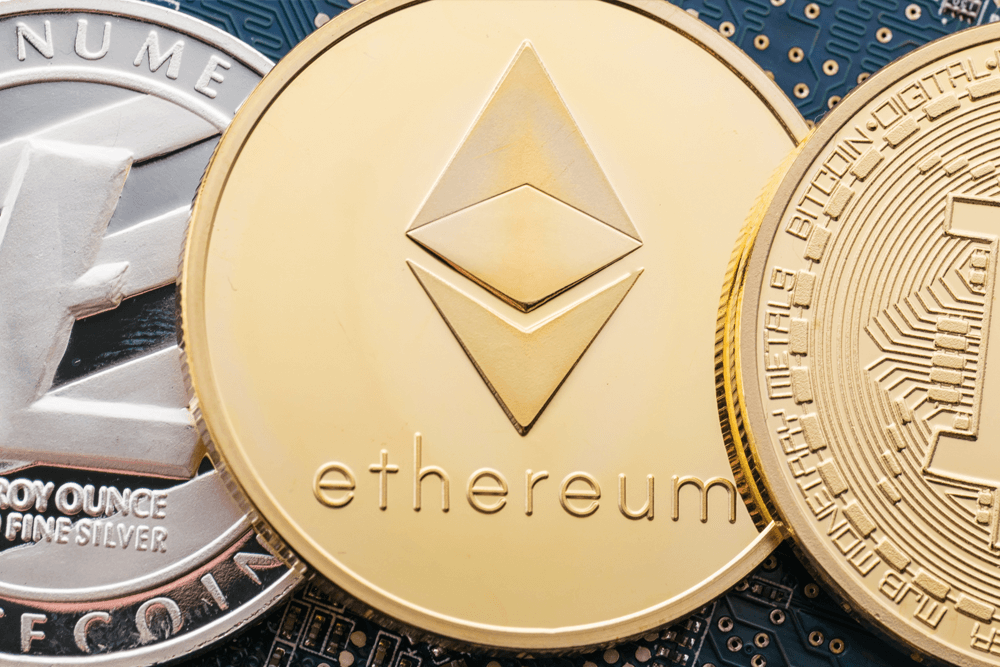
Ethereum’s trajectory is showing signs of strengthening as institutional demand, staking growth and protocol upgrades converge to position the network for a possible lead in the upcoming crypto cycle. The asset has been trading in a holding pattern around the $4,000–$4,300 range while market watchers debate whether this consolidation presages a breakout or a renewed test of support. According to exchange-data and on-chain indicators, Ethereum’s fundamentals are increasingly robust as it faces critical technical levels.

Institutional flows into Ethereum-related products have doubled since early 2025, with fund holdings reaching an estimated 6.5 million ETH and staking totals climbing to a record near 36.1 million. These developments reflect rising confidence in the network’s long-term value proposition as more traditional investors enter the space. On-chain records show that major whale wallets and “smart money” participants are accumulating, while staking reduces circulating supply and enhances scarcity dynamics.

Ethereum’s dominance in the decentralised finance and stable-coin settlement sectors amplifies that structural momentum. The network remains the foundational layer for smart-contract use-cases, layer-2 roll-ups and tokenised assets, lending greater weight to its ecosystem compared with more speculative cryptocurrencies. Developer-activity metrics place Ethereum ahead in creating new builds, deploying upgrades and supporting applications, reinforcing its role as a critical infrastructure asset rather than simply a trading vehicle.

On the technical front, key resistance near $4,250–$4,300 has become a focal point for analysts. A sustained breakout beyond that zone could unlock targets in the $5,000–$6,000 range and potentially much higher over the next year or two. Conversely, failure to clear that barrier could invite a re-test of support zones around $3,900–$4,000, a scenario flagged by bearish analysts. Macro-conditions such as global interest-rate policy, liquidity flows and risk-appetite remain wild cards, keeping short-term momentum fragile even as the long-term case strengthens.

Competition from alternative layer-1 blockchains and regulatory uncertainties remain headwinds. While Ethereum remains the ecosystem leader, other chains are gaining traction with lower fees and faster speeds; the extent to which Ethereum preserves its dominance will depend on its ability to scale and manage cost pressures. Moreover, regulatory scrutiny of crypto assets and staking vehicles may alter the institutional adoption timeline, requiring cautious interpretation of bullish narratives.

Emerging upgrades to the network architecture provide a catalytic backdrop. The so-called “Fusaka” upgrade, scheduled for late 2025, aims to deliver enhancements to sharding and data-availability that should improve throughput and reduce fees. These technical improvements may lower entry barriers for decentralised-applications and stimulate further ecosystem growth, thereby reinforcing Ethereum’s value proposition. At the same time, staking yields continue to incentivise long-term holders and reduce the liquid supply, offering a structural support mechanism for price.

Households may soon welcome a new occupant. Robotics firm 1X Technologies has opened pre-orders for its humanoid home assistant model, NEO, signalling a push into consumer domestic robots. The Palo Alto and Norway-based company lists the unit at about US$20,000, with deliveries slated to begin in 2026. The robot is pitched to perform household chores such as folding laundry, organising shelves, fetching items and greeting guests. 1X […]

Tax authorities in the Russian Federation are confronted with mounting pressure to modernise the treatment of derivative financial instruments as the emergence of crypto derivatives reshapes global markets. The current framework within the Tax Code of the Russian Federation continues to rely on classifications such as delivery versus settlement derivatives and hedging versus speculative transactions, yet these criteria are increasingly ill-suited to evolving instruments. Research by Oleg […]

TOKYO, JAPAN – Media OutReach Newswire – 29 October 2025 – Creww Inc. (Japan Office: Shibuya-ku, Tokyo, Representative: Sorato Ijichi, hereinafter “Creww”), Japan’s leading open innovation platform provider, and Real Madrid Next are pleased to announce the selection of 6 startups for the “Real Madrid Next Accelerator for Asia” Batch 2. About “Real Madrid Next Accelerator for Asia” Batch 2 “Real Madrid Next Accelerator for Asia” Batch […]

Forum invites businesses to Lead with Smart Tech towards Innovation, Resilience, and Growth in today’s digital-first economy KUALA LUMPUR, MALAYSIA – Media OutReach Newswire – 29 October 2025 – Canon today announced its upcoming Think Big Klang Valley Series, happening on 12 November 2025 at the Sheraton Petaling Jaya Hotel. Under the theme of ‘Future-Ready Malaysia: Innovation, Resilience, Growth’, the forum will bring together industry leaders and […]

The US stock market continues to surge, its strength underpinned by robust earnings and an easing policy stance from the Federal Reserve. AI remains the defining force, lifting productivity expectations and propelling capital spending. Wall Street is still the engine of global growth, but attention is beginning to turn elsewhere. A growing number of market participants see the next major wave forming in Asia, led by China […]

BARCELONA, SPAIN – Media OutReach Newswire – 28 October 2025 – OPPO’s global launch of the Find X9 Series reinforces its continued commitment to the high-end segment. This move coincides with the brand’s global user base exceeding 740 million, reflecting its success in engaging new generations through user-centric innovation. “OPPO is advancing its brand and user experience with a clear focus on the new generation of global […]

Horizon English School has announced the establishment of an all-through campus in the Town Square community of Dubai, signalling a strategic expansion of the institution’s British curriculum offering to ages 3-18. Under a joint venture between education group Cognita and developer Nshama, the new facility is scheduled to open in August 2027 and will begin with Foundation Stage 1 through Year 8, expanding to Year 13 in […]

Showed Growing Interest in Healthcare Technology Event Featured a 30-second AI Retinal Imaging to Screen 55 Health Risks Instantly HONG KONG SAR – Media OutReach Newswire – 28 October 2025 – “Prevention is better than cure” is a common saying that reflects the concept of “preventive healthcare,” which advocates for citizens to proactively manage their health in daily life to reduce the future financial burden of treating […]

By R. Suryamurthy As Bihar heads to the polls on November 6 and 11, the contest is being pitched as a battle for identity, justice, and governance. But no matter which side wins—the NDA led by the BJP–JD(U) combine, the opposition Mahagathbandhan under the RJD-Congress, or the insurgent Jan Suraaj of Prashant Kishor—the victor will […]

The article The Battle For The Ballot Cannot Hide Bihar’s Bitter Economic Truth appeared first on Latest India news, analysis and reports on Newspack by India Press Agency).

Powering the Intelligent Age Summit announced the ASEAN AI Safety Network and Sustainable AI White Paper, aligning regional collaboration with sustainability and trust KUALA LUMPUR, MALAYSIA – Media OutReach Newswire – 28 October 2025 – The Ministry of Digital, through the Malaysia Centre for the Fourth Industrial Revolution (MYCentre4IR), in collaboration with the World Economic Forum (WEF), today hosted the Powering the Intelligent Age: Driving Innovation with […]

Gold regained momentum as the US dollar’s slide and expectations of a shift in Federal Reserve policy helped lift the metal above the psychologically important $4,000-per-ounce mark. Spot gold rose around 0.7 % to $4,009.39 per ounce, while US gold futures for December delivery edged up to $4,022.10. At the same time, broader factors have introduced both bullish and cautionary signals to the market.

Investor interest is rekindled by the weaker dollar, which makes gold relatively cheaper for buyers holding other currencies, and by widespread anticipation that the Fed will adopt a more dovish stance. The dollar index fell roughly 0.1 % as markets weighed the possibility of rate cuts. At the same time, certain easing in trade-tensions between the US and China has slightly reduced gold’s role as a safe-haven asset. The confluence of these opposing forces has begun to shape a more nuanced outlook for the metal.

Analysts say that the rebound above $4,000 should not be taken as a strong bullish assurance yet. While the technical bounce signals renewed buying interest, momentum must be supported by fundamentals. One market commentator observed that “buyers who were waiting on the sidelines for gold are now being tempted into taking positions at these price levels. Also, we are seeing a bit of softness from the dollar, which is giving gold a reprieve”.

The wider context shows that gold has already surged markedly this year, up more than 50 % in 2025, and reached a record high near $4,381.21 in mid-October. The rally has been fuelled by a combination of geopolitical anxiety, central-bank buying and expectations of monetary easing. But the pull-back seen earlier this week underscores that investor discipline and macro clarity are still required for any sustained rise.

Emerging trends in the market reveal more structural undercurrents. Research from noted finance academics suggests that gold’s role is evolving: it may increasingly function as a high-quality liquid asset, competing with traditional safe-havens and benefiting from de-dollarisation in global reserves. But at the same time, some firms argue the rally may be overstretched: one analysis warned that with gold already up so sharply this year, its next move could be a “mini-bust,” with projections that prices might fall toward $3,500 by 2026 if support from central-bank demand weakens.

Forecasts for 2026 have also shifted. A poll of analysts and traders indicates a median expectation that average gold prices will exceed $4,000 per ounce next year – a milestone in itself – although forecasts vary widely, reflecting both optimism and caution. On the upside, institutions such as Goldman Sachs remain bullish, pointing to potential further gains on the back of monetary accommodation and geopolitical risk. On the downside, if trade tensions ease and inflation moderates, some believe gold could correct.

The interplay between stimulus expectations and dollar dynamics remains crucial. A softer dollar supports gold, but if authorities signal confidence in economic recovery and maintain higher interest rates, gold’s appeal could diminish because it offers no yield. Additionally, the safe-haven narrative is under pressure as expectations of improved US-China relations gain traction, which may lower investors’ impetus to hold gold purely for risk hedging.

Strength in demand from global central banks has supported prices thus far, but market watchers caution that this may face constraints as gold holdings rise and incremental purchases become harder. For now, the up-move above $4,000 may signal a tentative buying opportunity for traders who believe a rate-cut cycle is on the horizon. For longer-term investors though, vigilance remains essential, as valuations are elevated and market dynamics could shift rapidly.

VISHNU RAJA
RYO YAMADA
HITORI GOTOH
IKUYO KITA