Just in:

News related to
should

Security researchers participating in OpenAI’s bug bounty programme penetrated employee accounts and reached the company’s private GitHub monorepo after using Anthropic’s Claude models to develop an exploit chain. The July operation was carried out by three researchers at cybersecurity start-up Hacktron AI, who said they combined a vulnerability in software used by OpenAI’s community forum with a flaw in the company’s single sign-on configuration. OpenAI later fixed […]

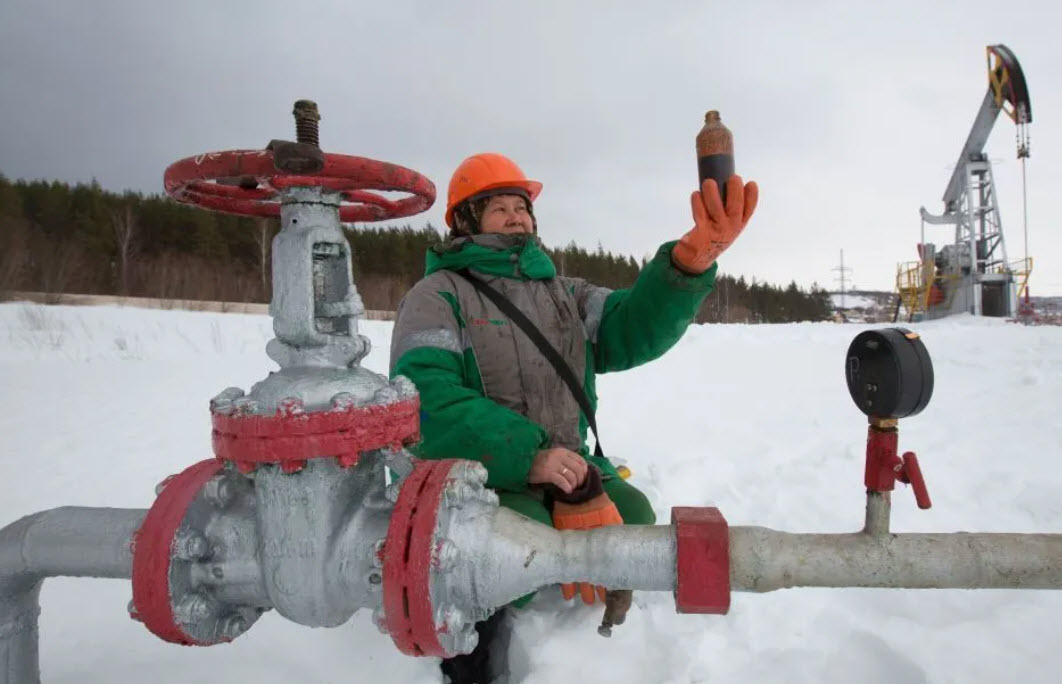
By K Raveendran Donald Trump now possesses one of the most formidable economic weapons available to an American president against countries sustaining Russia’s energy revenues. Yet, the decision on how aggressively to wield it is complicated by a contradiction that Washington cannot easily escape: squeezing Russian oil out of the international market could also push […]

The article Sanctions Against Russian Oil Collide With Economics Of Affordable Oil appeared first on Latest India news, analysis and reports on Newspack by India Press Agency).

Hong Kong has laid out a five-year programme to strengthen its established economic pillars while building new growth engines, with a gold-led commodity trading ecosystem among the centrepieces of its strategy through 2030.

Chief Executive John Lee’s 2026 Policy Address and the city’s first Five-Year Plan for Economic and Social Development set out measures covering finance, trade, shipping, aviation, innovation and technology, alongside efforts to attract capital, companies and skilled workers. The government said the programme is designed to reinforce Hong Kong’s international competitiveness and support longer-term economic development.

Gold will serve as the entry point for a broader commodity trading ecosystem. Hong Kong plans to formally launch its central clearing and settlement system for gold in the first quarter of 2027, following trial operations that began in July. The system is intended to support trading that meets international standards and strengthen links among clearing, settlement, storage and physical delivery.

Hong Kong Exchanges and Clearing will announce details this year of new renminbi-denominated, physically settled gold futures contracts. The government also plans to explore tax concessions for qualifying activities across the gold and commodity trading chain, with proposals expected to be put to the Legislative Council for consultation next year.

The Hong Kong Monetary Authority is studying whether the Exchange Fund should moderately increase its gold holdings and participate in local spot and futures markets. Existing physical gold inventories could gradually be transferred to designated vaults appointed by the Hong Kong Precious Metals Central Clearing Company.

Authorities also plan to expand storage and related infrastructure. Since the London Metal Exchange added Hong Kong to its global warehousing network in 2025, approved storage space has exceeded 60,000 square metres and inventories have risen above 20,000 tonnes of metal. More LME-approved warehouses are planned for the Northern Metropolis.

A half-rate tax concession for physical commodity trading is also being pursued to encourage traders to establish or enlarge operations in the city. A joint working group led by the Secretary for Financial Services and the Treasury will examine market opportunities and possible collaboration between exchanges.

The wider financial strategy seeks to strengthen Hong Kong’s role as an offshore renminbi business hub and an international centre for asset management and risk management. The government plans to deepen green and digital finance, widen financing channels for technology companies and strengthen trade finance, supply-chain finance, clearing, settlement and risk-management services.

A proposed Innovation and Technology Industry-Oriented Fund will receive HK$10 billion in government funding and is expected to reach at least HK$40 billion when market capital is included. Priority areas include life and health technology, artificial intelligence and robotics, semiconductors and smart devices, digitalisation, and sustainable development.

The five-year plan also calls for greater emphasis on high-value maritime services rather than relying mainly on traditional port logistics. Measures include reforms to ship registration, support for ship financing and marine insurance, and further development of maritime arbitration and other professional services.

Hong Kong also intends to build a broader aviation industry ecosystem. Plans include developing aircraft-parts processing and trading, participating in research and certification connected with domestically developed aircraft, and expanding sustainable aviation fuel supply chains across the Greater Bay Area. Authorities aim for sustainable aviation fuel to account for 1% to 3% of fuel used by departing flights at Hong Kong International Airport in 2030.

Trade policy will focus on digitalisation, diversification and higher-value supply-chain services. The government wants more companies to use Hong Kong for international orders, foreign-exchange transactions, treasury operations, trade finance and supply-chain management, while attracting regional and international headquarters.

The plan places innovation alongside the traditional pillars, with support directed towards artificial intelligence, robotics, life sciences, microelectronics and advanced manufacturing. It also identifies aerospace technology, marine technology, quantum technology and embodied intelligence as fields for longer-term development.

Spain’s data protection authority has disclosed its first notified personal-data breach in which an artificial intelligence agent allegedly carried out several stages of an intrusion, including vulnerability discovery, data modification and access to billing records. The Agencia Española de Protección de Datos said the incident involved an agent using a known large language model and marked a significant shift in the operational use of AI in cyberattacks. […]

Attackers are actively exploiting a critical vulnerability in the WooCommerce Wholesale Lead Capture plugin to upload PHP webshells onto WordPress sites, with more than 100,000 exploit attempts blocked since June, Wordfence data shows. The flaw, tracked as CVE-2026-27540, affects versions 2.0.3.1 and earlier of the premium plugin and allows unauthenticated attackers to upload arbitrary files to a vulnerable server. Wordfence rates the bug 9.8 on the CVSS […]

The European Union has urged the United States to reconsider its decision to deny visas to Palestinian President Mahmoud Abbas and other Palestinian officials seeking to attend the United Nations General Assembly in New York, intensifying diplomatic pressure on Washington before the gathering. Anouar El Anouni, a spokesman for the European External Action Service, said on Saturday that the bloc regretted the extension of the visa denial […]

The UN Security Council has condemned continuing Houthi attacks on Saudi Arabia in the strongest terms and affirmed the kingdom’s right to defend itself under international law. The 15-member council said on Friday that strikes affecting civilian and energy infrastructure had injured civilians, including women and children, as cross-border attacks from Yemen continued to place Saudi cities and strategic facilities under pressure. Council members affirmed “the inherent […]

Advertisements

Arabian Post Staff -Dubai Saudi Arabia’s Civil Defence declared the danger over in Riyadh and Al-Kharj early on Saturday after a second overnight round of emergency alerts warned residents of a potential threat. The General Directorate of Civil Defence said the all-clear applied to the capital and Al-Kharj governorate and urged citizens and residents to continue following official safety instructions. The update followed warnings transmitted through the […]

TypeSafe AI has released Jev, a transformer-based artificial intelligence model designed to make structured decisions for software rather than generate conversational text, drawing strong early interest from developers seeking faster and cheaper automation tools. The San Francisco start-up, founded by former OpenAI researcher Diogo Almeida, introduced Jev as its first “System One” model after two years in stealth. Almeida helped develop research behind ChatGPT and reinforcement learning […]

China-aligned threat actors are using Chinese-language casino and adult websites to conceal PeckBirdy command-and-control infrastructure, with Infoblox telemetry showing the framework touching networks across a broad range of enterprise customers. Infoblox Threat Intelligence said just over 3% of its enterprise customers resolved at least one domain associated with PeckBirdy, indicating that traffic linked to the campaign is appearing well beyond the narrow set of organisations previously connected […]

Kerala Tourism has stepped up its outreach to Gulf travellers at Arabian Travel Market 2026 in Dubai, using the four-day trade fair to present the state’s backwaters, wellness products, culture, nature and adventure experiences to buyers and industry partners.

Tourism Minister P. C. Vishnunadh visited the Kerala pavilion at the Dubai World Trade Centre and met UAE Minister of Economy and Tourism Abdulla bin Touq Al Marri as the state sought to deepen engagement with one of its most important overseas visitor markets. He was accompanied by Tourism Secretary Biju K.

Vishnunadh said the Middle East remained significant for Kerala because of the state’s longstanding links with the UAE and the region’s importance to its tourism economy. He said Arabian Travel Market provided an opportunity for tourism businesses to understand changing demand, identify emerging opportunities and present packages designed for Gulf travellers.

Kerala Tourism said 26,255 visitors from the UAE travelled to the state in 2025, underlining the market’s value as it looks to expand international arrivals and strengthen demand beyond peak seasons.

The state’s 69-square-metre pavilion, carrying the theme “Green Peace – Yalla Kerala”, used imagery of hill stations and green landscapes alongside displays promoting established and emerging tourism products. The presentation placed emphasis on Kerala as a year-round destination, with Ayurveda and wellness, beaches, backwaters, cultural experiences and adventure travel forming key parts of the pitch.

Vishnunadh also met Sudhir Sreedharan, senior vice-president of flydubai, and officials of the Dubai Police Authority during his visit. The meetings came as Kerala Tourism used the event not only for destination promotion but also for business networking with airlines, tour operators and travel-sector partners.

Six tourism businesses from Kerala joined the pavilion as co-exhibitors: Kairali – The Ayurvedic Healing Village in Palakkad, The Elephant Court in Thekkady, Somatheeram Ayurveda Group, Intersight Tours and Travels, Santamonica Tours and Travels, and Gateway Malabar Holidays. Their participation gave buyers access to accommodation, wellness and tour products directly from operators.

Arabian Travel Market 2026, held from September 14 to 17, brought together tourism authorities, airlines, hospitality companies, tour operators and other travel businesses from the Middle East and overseas markets. Organisers positioned the 33rd edition as a platform for commercial partnerships, destination marketing and discussion of travel trends.

The UAE used ATM to launch “Visit UAE”, its first unified federal tourism identity, bringing the seven emirates under a single national tourism platform. Abdulla bin Touq said the initiative was intended to present the country as an integrated destination and support stronger cooperation across tourism.

Kerala’s Gulf-focused campaign extended beyond the exhibition floor. At a Kerala travel meet in Dubai built around the same “Green Peace – Yalla Kerala” theme, officials and private-sector participants held business-to-business meetings with UAE-based buyers.

Tourism Secretary Biju K presented Kerala’s destination portfolio and invited travel-industry representatives to Kerala Travel Mart 2026, while the state highlighted its appeal across leisure, wellness, culture and nature-based travel. The engagement was designed to convert destination visibility into business links with tour operators and distributors serving Gulf customers.

Kerala has been placing greater emphasis on the Arab market because demand from the region often overlaps with the state’s monsoon and shoulder seasons, when Ayurveda, wellness and nature-based travel can help spread visitor flows more evenly through the year.

That approach also reflects growing competition among destinations for Gulf travellers, who have access to extensive direct and one-stop air connectivity through Dubai, Abu Dhabi, Doha and other regional hubs. Kerala’s strategy at the fair focused on product differentiation rather than a single tourism segment, combining established attractions with experiential offerings.

The Maldives also maintained a presence at the Dubai event, with 165 industry representatives from 74 tourism companies participating alongside official tourism bodies. Its delegation used the fair to pursue airline partnerships and destination marketing agreements aimed at improving connectivity and widening market reach.

HONG KONG SAR – Media OutReach Newswire – 18 September 2026 – Hong Kong’s Chief Executive, John Lee, took part in a radio phone-in programme this morning (September 18), fielding questions about the First Five-Year Plan for Economic and Social Development of the Hong Kong Special Administrative Region (HKSAR) (2026-2030) and his fifth Policy Address, which were unveiled on Wednesday (September 16).

Quizzed on various aspects of the HKSAR Government’s new blueprint for economic and social development, Mr Lee said the inaugural Five-Year Plan set out five main objectives for Hong Kong: better livelihoods for all; breakthroughs in economic development; expanding global competitiveness and influence; faster development of the Northern Metropolis; and to better serve the country.

image-1.jpeg

On expanding global competitiveness, Mr Lee said the Government would make good use of its international networks.

“The strength of Hong Kong is its international status, and we have been emphasising on how we ensure the internationalism or the ‘internationalness’ of Hong Kong. We are expanding to cover every part of the world where we can reach,” Mr Lee said, noting that the Government had offices, including Economic and Trade Offices, and the offices of Invest Hong Kong and the Hong Kong Trade Development Council, in countries around the world. “I’m very serious about expanding our network.”

Since taking office four years ago, Mr Lee has led delegation visits to regions, including ASEAN Member States, the Middle East, and recently Central Asia. “And my colleagues really go more often to different parts of the world, so for South Africa, and also Kenya and these are the very popular African places that my colleagues go to visit,” he added.

To boost Hong Kong’s influence in overseas markets, Mr Lee highlighted the example of the International Organization for Mediation (IOMed).

“We are very proud to have the headquarters of IOMed set up in Hong Kong, because this is an organisation which is of United Nations status,” Mr Lee said. He added that an international office would be set up in Hong Kong under the global network of corruption prevention authorities. “Hong Kong is an international city, which not just is very good at doing business, but is exercising its responsibility as a global participator, and also, we really can contribute.”

“And this is also very important, because it just means how, in different areas, Hong Kong is doing very well, and also very connected to the world. And not just being a member, but being a contributor, being really a driver, and we want to share our good experiences, and also learn from other experiences.”

The First Five-Year Plan and the 2026 Policy Address placed strong focus on speeding up the development of the Northern Metropolis (NM) project, so as to boost long-term economic development, improve people’s livelihoods and help the city to further integrate into overall national development.

“The Northern Metropolis represents about one third of our geographical area. So it is a big piece of land that gives us new opportunities. An opportunity to upgrade ourselves, both from the accommodation angle as well as development angle,” Mr Lee said.

Beyond the city’s core economic strengths such as finance, shipping and trade, Mr Lee said the NM would provide room for diversifying local industries, creating new jobs and a brighter future as more development opportunities emerge from different kinds of industries as well as closer alignment with national development.

“The NM is actually mentioned in our country’s 15th Five-Year Plan. That means it is not just a Hong Kong development, it has been elevated as a state-driven project. And with the elevation of position, we will have to work hard. And I am sure that the Central Government will also help us to ensure that this will be a success story.

“And so, doing the Five-Year Plan has this advantage. We will capitalise on all the opportunities that the state can give us. At the same time, we will remain very fully connected to the international world. So we have the beauty of both worlds.”

Asked about Hong Kong’s approach to adopting artificial intelligence (AI), Mr Lee stressed the need to take advantage of the opportunities brought by AI, while also protecting against the risks of AI, in areas such as crime, fraud, sexual abuse and potential negative impacts on younger people.

“Last year, we talk very much about how we should benefit from the application of AI, how it will do things faster, and how it will also do things more correctly,” Mr Lee said.

“So while we develop and ensure people understand and use it, we also need to tell everybody the potential risks that it will bring.”

Mr Lee said the Government would create a post of Commissioner for AI, with a mandate that he is “the chief for the whole government, in terms of AI. It means setting the policy. It means coordinating resources, identify problems for them, setting the best practices, issuing guidelines. And also, very importantly, is developing AI for the whole of government with a view to, after we have developed our experience, let the world also learn from these experiences.”


Hashtag: #HongKong #PolicyAddress #First5YearPlan #IOMed #NorthernMetropolis


The issuer is solely responsible for the content of this announcement.

By T N Ashok The passage by the US Congress of the Lindsey O. Graham Sanctioning Russia and Iran Act of 2026 has confronted India with a problem that is simultaneously diplomatic, economic and strategic. The immediate headline is stark: the legislation creates a statutory pathway allowing President Donald Trump to impose tariffs of up […]

The article India’s Graham Act Dilemma: Energy Security Meets US Tariff Weapon appeared first on Latest India news, analysis and reports on Newspack by India Press Agency).

South Korean President Lee Jae Myung has ruled out sending troops or military assets into the US-led war against Iran, drawing a firm line around Seoul’s involvement despite pressure from President Donald Trump. Lee said at a news conference on Friday that South Korea would not make any deployment that could pull the country into combat. “There will be no dispatch of troops that will lead to […]

OpenAI has asked a federal judge in California to dismiss lawsuits brought by survivors and families affected by the Tumbler Ridge mass shooting, arguing that British Columbia is the appropriate forum for claims arising from the February attack. Motions filed in the US District Court for the Northern District of California invoke the doctrine of forum non conveniens, which allows a court to decline a case when […]

OpenAI chief Sam Altman, Anthropic chief Dario Amodei and xAI owner Elon Musk have publicly backed a slower pace for frontier artificial intelligence development, an unusual alignment among fierce rivals as safety concerns intensify and Altman says OpenAI will not pursue a stock-market listing in 2026. The convergence followed an essay by Amodei calling for the industry to “pace the frontier” rather than continue scaling advanced models […]

Security specialists from the United States and China have proposed a set of nuclear-style safeguards for military artificial intelligence, including red lines around nuclear command systems, mandatory human control over major cyber operations and a dedicated bilateral crisis hotline. The proposals were published on September 9 by Melanie Sisson, a senior fellow at the Brookings Institution, and Tianjiao Jiang, an associate professor at Fudan University. Both participate […]

Dubai has approved an 80-kilometre road corridor linking Abu Dhabi and Sharjah through the emirate, a two-phase project intended to divert through traffic, strengthen freight movement and sharply reduce journey times on key sections of the network. Sheikh Hamdan bin Mohammed bin Rashid Al Maktoum, Crown Prince of Dubai, Deputy Prime Minister and Minister of Defence, approved implementation of the New Fourth Corridor, which will run from […]

By P. Sreekumaran THIRUVANANTHAPURAM: A big salute to the CPI(M)’s lower-level leaders and the party cadres. For, it was their bold, open and trenchant criticism of the leadership which forced the party to go for a change for the better. The party’s central leadership, ably led by general secretary M. A. Baby, also deserves full […]

The article Kerala CPI-M in self-critical, corrective mode at three-day conclave appeared first on Latest India news, analysis and reports on Newspack by India Press Agency).

HONG KONG SAR – Media OutReach Newswire – 16 September 2026 –

Response by KK Chiu, International Director, Chief Executive, Greater China, Cushman & Wakefield:

Optimising the Housing Ladder and Improving Living Conditions

We welcome the Government’s commitment to increase housing supply, shorten the Composite Waiting Time for public rental housing and further strengthen the housing ladder. The adoption of a long-term housing supply framework comprising 40% public rental housing, 30% subsidised sale housing and 30% private housing, together with the delivery of approximately 196,000 public housing units over the next five years, will provide a clearer housing and homeownership pathway for different income groups.

We believe that increasing the supply of subsidised sale housing and enhancing the housing ladder will help more public housing tenants progress towards homeownership, accelerate housing mobility and enable families with genuine housing needs to gain access to public housing more quickly.

We support the Government’s efforts to increase public housing supply, continue the Light Public Housing programme and implement the Basic Housing Units regime in an orderly manner to phase out substandard subdivided units. This approach is consistent with our long-held view that increasing housing supply is the fundamental solution to improving inadequate housing conditions. With the Government targeting the resolution of substandard subdivided units in domestic buildings by 2030, we expect living conditions for grassroots households to improve progressively.

Urban Renewal Incentives

We support the Government’s more flexible approach to urban renewal, including transferable plot ratio arrangements and measures to unlock redevelopment potential. These initiatives will help enhance market participation, accelerate renewal in areas with pressing redevelopment needs and contribute to overall housing supply growth. We recommend the Government provide clearer guidance on application requirements and further streamline cross-departmental approval procedures to facilitate implementation.

Advancing the Yacht Economy

We welcome the Government’s continued efforts to promote the yacht economy. Beyond increasing marina berth supply and enhancing supporting infrastructure, we believe it is equally important to further facilitate cross-boundary initiatives, allowing greater mobility of yachts within the Greater Bay Area and fostering regional collaboration.

As more superyachts and high-net-worth visitors arrive in Hong Kong, demand is expected to rise across luxury tourism, hospitality, food and beverage, retail, marine services and waterfront commercial facilities, helping unlock the economic potential of Hong Kong’s coastline and island resources. At the same time, Hong Kong has the potential to develop a more comprehensive marine industry ecosystem encompassing yacht repair and maintenance, refitting services and specialised professional services. The development of a holistic marine services value chain will further strengthen Hong Kong’s competitiveness as a regional and international yachting hub.

Response by John Siu, Managing Director, Hong Kong, Cushman & Wakefield:

Planning Ahead for AI and Data Centre Infrastructure

We welcome the Government’s commitment to accelerate the development of the Sandy Ridge Data Facility Cluster, which is expected to provide computing power equivalent to 36 times Hong Kong’s current capacity by 2032, alongside a HK$1 billion injection into the Artificial Intelligence Subsidy Scheme. These initiatives will provide important support for the development of Hong Kong’s artificial intelligence and data centre sectors, further strengthening the city’s position as a regional digital and innovation hub.

However, with rapid advancements in artificial intelligence, large language models and cloud computing, demand for computing power is expected to grow significantly in the coming years. We believe that, in addition to planning data centre sites, the Government should proactively review long-term requirements for power supply, electricity grid capacity and related infrastructure. As AI adoption becomes more widespread, access to reliable power and supporting infrastructure will be a key factor in maintaining Hong Kong’s competitiveness as a technology and data centre hub.

We support the Government’s stated direction of pursuing “high-efficiency computing power, stable electricity supply and low-carbon transition”. Looking ahead, we recommend that the Government regularly review future demand for land, power supply and supporting infrastructure arising from the growth of artificial intelligence and data centre activities, particularly within the Northern Metropolis and other strategic development areas. A coordinated approach to computing, energy and digital infrastructure planning will help attract more data centre operators and technology companies to Hong Kong, while supporting the city’s long-term development as a regional hub for data and artificial intelligence.

Response to the Budget 2026/2027 by Rosanna Tang,Deputy Managing Director, Head of Research, Hong Kong, Cushman & Wakefield:

Clear Industry Positioning for the University Towns

We welcome the Government’s efforts under Hong Kong’s First Five-Year Plan to further define the positioning of the three university towns in the Northern Metropolis University Town, and are encouraged by its strategy to promote synergy among the university towns, the San Tin Technopole and surrounding industry parks. As the only city in the world with five universities ranked among the global top 100, Hong Kong possesses a strong foundation in higher education and research. At the same time, the San Tin Technopole is set to become a key innovation and technology hub. The complementary strengths of these two pillars, both geographically and strategically, provide a solid foundation for building a globally competitive innovation ecosystem in Hong Kong.

We are particularly encouraged by the Government’s emphasis on integrated industry-academia-research collaboration. The university towns should not be viewed merely as educational developments, but as strategic platforms for research commercialisation, international talent attraction and the cultivation of emerging industries. Closer collaboration among universities, research institutes, innovation and technology enterprises and industry parks will help establish a complete innovation value chain covering talent development, scientific research, technology transfer and industrial implementation.

In addition, the Plan proposes approximately 300 hectares of educational facilities as the core of the university towns, connected with adjacent strategic industry areas, distinctive conservation areas, sports and cultural facilities, and surrounding communities, bringing the overall development footprint to more than 1,000 hectares. Such a large-scale integrated education and industry development model is rare in Hong Kong’s urban planning history and clearly demonstrates the Government’s long-term vision of creating a knowledge-based city cluster and an international education hub in the Northern Metropolis.

Attracting Signature Industry Projects and Anchor Institutions to Enhance the Northern Metropolis’ Global Appeal

We welcome the Government’s efforts to establish differentiated industry positioning through the three university towns, while integrating key development nodes such as the San Tin Technopole, the Hong Kong Park of the Hetao Shenzhen-Hong Kong Science and Technology Innovation Co-operation Zone, the Hung Shui Kiu Industry Park and Ta Kwu Ling. This provides a clearer direction for industrial development in the Northern Metropolis and helps address long-standing market concerns regarding overlapping functions and unclear district positioning.

As highlighted in our previous research, we believe the next critical stage for the Northern Metropolis will be its ability to attract influential anchor institutions and leading enterprises. By bringing together universities, research institutes and industry leaders, Hong Kong can foster the clustering of businesses, talent and capital, gradually forming industry clusters with scale and international competitiveness. Hong Kong should also capitalise on its common law system, international financial centre status, intellectual property protection framework and global talent network by focusing on high value-added segments such as research and testing, intellectual property management, fundraising and listing activities, and international accreditation services. This will help Hong Kong establish an irreplaceable role within the Greater Bay Area industrial value chain.

Beyond strategic industries, we believe the Northern Metropolis could also explore internationally recognised and iconic industry projects to further enhance its global profile and attractiveness. For example, the Government may consider developing initiatives around new energy vehicles, smart mobility and advanced technologies, while exploring the feasibility of internationally recognised racing events, testing facilities or technology R&D platforms, such as those associated with Formula One. By leveraging motorsport-related economic activities and innovation-led development, Hong Kong could attract international automotive manufacturers, mobility technology companies and research institutions to establish regional headquarters, R&D centres or testing facilities in the city. This would in turn support the growth of engineering, intelligent transport, advanced manufacturing, tourism, hospitality, retail and convention and exhibition industries, further enriching the Northern Metropolis industrial ecosystem.

Accelerating Land Supply While Advancing Industries and Infrastructure in Parallel

We note that Hong Kong’s First Five-Year Plan proposes a significant acceleration in land and housing supply within the Northern Metropolis. Residential completions are expected to increase substantially from approximately 11,000 units during 2021/22 to 2025/26 to around 70,000 units during 2026/27 to 2030/31. Over the same period, the supply of “spade-ready sites” will rise from approximately 120 hectares to around 900 hectares, representing an increase of around 7.5 times. These figures demonstrate that the Northern Metropolis is transitioning from a planning and land formation phase to a new stage characterised by large-scale development, industrial implementation and population intake.

However, we believe the success of the Northern Metropolis should not be measured solely by the volume of land or housing delivered. As substantial residential, innovation and technology, and industrial sites come on stream, the focus should gradually shift from land supply to city-building. The Government should ensure the coordinated delivery of railway and cross-boundary infrastructure networks, industry parks, commercial facilities, public services and community amenities, while accelerating the introduction of leading enterprises and strategic industries to create sufficient, high-quality employment opportunities and achieve a genuine jobs-housing balance.

In particular, we believe the Northern Metropolis should be driven by industry-led development, with the San Tin Technopole, the Hetao Shenzhen-Hong Kong Science and Technology Innovation Co-operation Zone, the university towns and major industry parks serving as key growth engines. This would create a virtuous cycle in which industry attracts population, population supports consumption, and consumption drives urban development. Only through the coordinated growth of industry, talent, infrastructure and communities can the Northern Metropolis evolve from a large-scale land development project into a modern metropolitan district integrating industry, education, living and international exchange.

Response by Tom Ko, Executive Director, Head of Capital Markets, Hong Kong of Cushman & Wakefield:

New Opportunities for Student Accommodation Market

We welcome the Government’s initiatives to deepen Hong Kong’s development as an international hub for post-secondary education through the “Hong Kong: Your World-class Campus” campaign, expanded global student recruitment efforts and the extension of the Immigration Arrangements for Non-local Graduates pilot arrangement to graduates from Greater Bay Area campuses of Hong Kong universities. These initiatives will further enhance Hong Kong’s attractiveness to overseas students and talent while reinforcing the “Study in Hong Kong” brand.

We are encouraged by the continued progress of the Hostels in the City Scheme. The scheme has already received 41 confirmed applications, providing approximately 10,800 bed spaces and demonstrating strong market confidence in the long-term growth of Hong Kong’s education sector.

The scheme has opened up a new supply channel for converting commercial buildings into student accommodation. At a time when hotel conversion opportunities are becoming more limited as tourism continues to recover, it provides an alternative pathway for investors while helping unlock the value of underutilised commercial assets and meet rising demand for student housing. As the Government prepares to tender the first dedicated student hostel site, we believe purpose-built student accommodation will gradually emerge as a distinct and scalable asset class within Hong Kong’s real estate market.

To further increase supply, we recommend that the Government continue reviewing and refining approval procedures for student hostel conversions. Greater flexibility and streamlined processes, while maintaining appropriate safety and operating standards, would encourage wider market participation and support Hong Kong’s ambition to become a leading international education destination.

(Click here for high-res pictures)

Hashtag: #Cushman&Wakefield

The issuer is solely responsible for the content of this announcement.

About Cushman & Wakefield

Cushman & Wakefield (NYSE: CWK) is a leading global commercial real estate services firm for occupiers and investors with approximately 53,000 employees in over 350 offices and nearly 60 countries. In Greater China, a network of 23 offices serves local markets across the region. In 2025, the firm reported revenue of $10.3 billion across its core services of Valuation, Consulting, Project & Development Services, Capital Markets, Project & Occupier Services, Industrial & Logistics, Retail, and others. Built around the belief that Better never settles, the firm receives numerous industry and business accolades for its award-winning culture. For additional information, visit or follow us on LinkedIn ().

South Korea will not slow its artificial intelligence drive, Deputy Prime Minister and Science and ICT Minister Bae Kyung-hoon said on Wednesday, arguing that the country must pair rapid development with stronger safeguards rather than curb the technology’s advance.

Bae said South Korea was still trying to close the gap with leading AI powers while creating new markets, making its position different from countries or companies at the technological frontier. “We cannot afford to slow down AI right now,” he wrote on social media, describing the government’s approach as one of “speed responsibility” rather than speed control.

His remarks place Seoul firmly on the acceleration side of a widening debate over whether developers should moderate the pace of capable AI systems. Anthropic chief executive Dario Amodei has called for a slowdown in frontier model development to allow more time for safety work, while OpenAI chief executive Sam Altman and other technology leaders have voiced support for stronger precautions as capabilities advance.

Bae said South Korea should continue expanding research, industrial adoption and home-grown model development while strengthening protections against deepfakes, cyber threats and privacy violations. Faster progress, he said, required safety and trust measures to move at the same pace rather than follow after deployment.

The minister pointed to a broader technology agenda that includes sovereign foundation models, systems capable of processing vision and language, and models able to interact with physical environments. He said the country also needed to prepare for AI becoming deeply embedded across industries and everyday life.

The government has made domestic foundation-model development a central part of its ambition to place South Korea among the world’s top three AI powers. The Ministry of Science and ICT has been running a sovereign AI foundation model programme intended to improve domestic capabilities and reduce dependence on foreign technology.

Three teams led by Upstage, SK Telecom and LG AI Research advanced after the programme’s second-stage evaluation this year. The ministry has said models developed under the initiative were built with comparatively limited resources but were released as open source as part of an effort to expand the domestic AI ecosystem.

Bae indicated that further details on the next phase of the foundation-model programme would be announced after ongoing reviews. His comments also referenced government work on security-focused AI models and frontier systems, alongside an “AI for All” initiative intended to spread adoption across the economy.

The policy push is being developed alongside South Korea’s AI Basic Act, which establishes rules covering both the development of artificial intelligence and the creation of a framework for trust. The law’s stated purpose includes protecting rights and human dignity while supporting quality of life and national competitiveness.

That legal structure gives Seoul a basis for pursuing faster adoption without presenting safety as a separate objective. Bae said competitiveness and sustainability were linked, arguing that development speed and safeguards should advance together.

The global dispute has intensified as leading executives and policymakers weigh the economic benefits of faster AI deployment against concerns over misuse and loss of control. Amodei has proposed independent safety evaluators, coordination among major laboratories and greater international cooperation, while Nvidia chief executive Jensen Huang has argued against slowing technological progress and favours advancing safety alongside innovation.

European Commission President Ursula von der Leyen on Wednesday backed calls for greater caution and said frontier AI laboratories would be invited for talks on managing risks. Meta chief executive Mark Zuckerberg, by contrast, said AI companies already had strong incentives to build systems safely and did not require an industry-wide slowdown.

Bae’s intervention highlights the competitive pressures facing countries outside the United States and China, where most frontier AI investment and model development remains concentrated. South Korea has strong semiconductor and technology industries, but its government has acknowledged the need to strengthen domestic models, computing capacity and commercial adoption to narrow the gap.

Clinicians from Singapore and South Korea have called for more individualised, evidence-based postnatal care as women enter motherhood later, arguing that recovery plans should reflect each mother’s health, delivery experience, family support and preferences.

The call emerged from DeRAMA Singapore’s Joint Postnatal Recovery Seminar, held at The Singapore EDITION on August 17. Obstetrician and gynaecologist Dr Ho Ping Ling of Ascensus Health @ Mount Alvernia and Dr Park Jeong-mi, founder and medical director of Garden of Her Women’s Clinic in South Korea, compared the two countries’ approaches to postpartum recovery.

Their discussion comes as Singapore’s maternal profile changes. Government data show the median age of citizen mothers at first birth reached 31.6 years in 2024, up from 30.3 in 2014. Dr Ho said mothers aged 35 and above may have a greater likelihood of pre-existing conditions, pregnancy complications and Caesarean delivery, factors that can influence recovery.

“There is no one-size-fits-all approach. All women deserve individualised care, regardless of whether they are younger or older mothers,” Ho said. She added that assessment should consider a woman’s medical condition, pregnancy course, mode of delivery, available support and preferences. Although the postpartum period is commonly defined clinically as about six weeks, the time needed to regain health can differ substantially.

The seminar examined how professional services might complement rather than replace confinement traditions. Home-based support from relatives and confinement nannies remains common, offering practical help. The doctors, however, said some inherited rules lack a clear medical basis and should be reconsidered where they conflict with hygiene, nutrition or other evidence-based care.

Ho cited prolonged avoidance of bathing or washing hair as an example of a traditional restriction that may run against sound hygiene and infection-control principles. The broader approach advocated by the speakers was not to dismiss cultural customs but to distinguish supportive practices from those that may be unnecessary or unsuitable for a mother.

Park said South Korea had also moved from predominantly family-provided postpartum care towards a more structured model as nuclear households expanded, women participated more widely in the workforce and fewer relatives were available as full-time caregivers. This helped establish sanhujoriwon, postpartum recovery centres offering coordinated assistance with maternal recovery, meals, breastfeeding and newborn care.

She said 85.5 per cent of mothers in South Korea use a postpartum recovery centre after childbirth. Programmes vary in cost and scope, but trained maternal and newborn-care staff are typically available around the clock. Park said modern programmes increasingly address pain, swelling, musculoskeletal changes, sleep, feeding and emotional wellbeing, with support adjusted to the mother’s condition and delivery method.

Evidence also supports avoiding simplistic assumptions about age alone. A South Korean study of 528 postpartum women published in 2020 found no significant age-related difference in several self-reported postpartum symptoms, while delivery method and other factors were associated with differences. Caesarean delivery became more common with age in that study, reinforcing the case for recovery plans based on clinical circumstances rather than age by itself.

The World Health Organization similarly recommends postnatal care that provides women, newborns and families with consistent information, reassurance and support while recognising individual needs and cultural context. Its guidance frames a positive postnatal experience as extending beyond physical checks to include emotional wellbeing, newborn care, breastfeeding support and responsive health services.

Singapore’s Ministry of Health said on September 8 that polyclinics already provide subsidised postnatal services, while childhood developmental screening is fully subsidised. The ministry is also reviewing fertility health and maternity policies with the Prime Minister’s Office, including possible additional support for postpartum care in due course.

A separate ministry response in January noted that some mothers need outpatient services such as lactation assistance or screening for postnatal depression. It said women facing affordability problems with medically necessary postnatal care can approach medical social workers at public hospitals for assessment for financial help.

The US National Institute of Standards and Technology has finalised new guidance aimed at reducing theft, forgery and misuse of digital tokens that underpin single sign-on, cloud federation and API access. NIST Interagency Report 8587, released on September 15, sets out implementation recommendations for federal agencies and cloud service providers handling identity tokens, access tokens and assertions. The document focuses on how organisations should protect signing keys, […]

China has pushed back against calls from leading US technology figures to slow frontier artificial intelligence development, sharpening differences over safety, access to advanced chips and technological competition before President Donald Trump and President Xi Jinping meet in Washington next week.

Foreign Ministry spokesman Guo Jiakun said on Monday that artificial intelligence was a consequential technology for humanity and should be developed openly and inclusively. Asked about calls from Dario Amodei, Sam Altman and Elon Musk for companies to slow frontier development, Guo warned that “fear-mongering, confrontation and vicious competition” would hinder sound global AI governance.

The response came as Washington’s debate over AI safety widened into a strategic argument about China. Anthropic chief executive Amodei has urged tougher safeguards for advanced systems and has argued that a Chinese lead in frontier AI could create national security risks for the United States. OpenAI chief executive Altman and Musk have also called for stronger precautions as systems become more capable.

Trump, however, has resisted proposals that could materially slow US development. He said this week that America already had tools to police the industry and stressed the importance of maintaining leadership over China. House Speaker Mike Johnson similarly rejected a moratorium, saying any pause could hand Beijing a competitive advantage and create national security risks.

The dispute places AI governance among the issues likely to shadow the Trump-Xi meeting scheduled for September 24 in Washington. The leaders are also expected to confront trade disputes, semiconductor restrictions and China’s controls on rare-earth exports, all of which affect the broader contest over computing capacity and advanced manufacturing.

Treasury Secretary Scott Bessent is due to meet Vice-Premier He Lifeng before the summit.

China has presented a different framework for AI governance, emphasising access, development and multilateral rules while opposing measures it regards as technological containment. At the BRICS summit this month, Xi proposed an open-source and inclusive AI initiative and said China would help establish a BRICS AI open-source community and digital ecosystem platform.

Beijing has nevertheless acknowledged the risks posed by increasingly powerful systems. Chinese officials have called for stronger global governance and risk awareness, while arguing that safety should not become a justification for blocking technological diffusion. The government has also supported the establishment of the World Artificial Intelligence Cooperation Organization, whose founding agreement was signed in Shanghai in July by 29 countries.

The argument over safety is closely linked to semiconductor controls. Washington has maintained restrictions on the export of advanced computing technology to China, although the Commerce Department in January shifted applications for Nvidia H200, AMD MI325X and comparable chips to case-by-case review under specified security conditions. Beijing has repeatedly criticised US technology restrictions as discriminatory and has threatened countermeasures when Chinese companies are targeted.

China’s Commerce Ministry last week also challenged a US cybersecurity advisory accusing China-based AI companies of using distillation campaigns against American models. The ministry said China was prepared for an intergovernmental AI dialogue with the United States but would respond if Washington used such allegations to suppress Chinese firms.

That exchange underscored the difficulty of separating AI safety from the strategic rivalry. US officials and technology executives increasingly frame advanced models as both commercial assets and national security capabilities, while China portrays broad restrictions as attempts to preserve US dominance.

There are areas of overlap. Both governments have said advanced AI presents risks requiring governance, and the two sides have agreed to launch an intergovernmental dialogue on the technology. Informal discussions among researchers and policy specialists have also continued, though official positions remain far apart on access to chips, model controls and the balance between safety and development.

The September 24 summit follows Trump’s May visit to China, when the two leaders agreed to pursue what the White House described as strategic stability and set up new bilateral trade and investment mechanisms. Artificial intelligence was not the centrepiece of those agreements, but it has since moved higher on the bilateral agenda as concerns over model capabilities, export controls and industrial competition have intensified.

VISHNU RAJA
RYO YAMADA
HITORI GOTOH
IKUYO KITA
Just in:
Meraas showcases five residential zones at Dubai Design Week // Govt opposes Arlekar’s PSC action // Hong Kong mandates crypto transaction disclosures to tax authorities // Fast Just Got Fastest: STING Energy Boost™ Celebrates Kimi Antonelli’s Formula 1® World Championship and the Fan Energy Behind It // SC to examine students’ exam plea today // Cyberport Venture & Capital Forum 2026 Grand Opening // After Reaching 7 Million Users in the Philippines, Skyro Launches Transparent Cash Loans in Malaysia // Burying Head In “India Made Poverty Reduction” Data Is Dangerous // Democrats capture Senate majority with seven Republican seats // Anthropic to prohibit persistent abuse of Claude chatbot // AI trust gap reveals distinct retail priorities: Divergent paths to consumer growth in Hong Kong and the GBA // Oil and chip shares retreat after Democratic victories // e-Crime Bureau Signs Cybersecurity Partnership With Smart Africa, Reinforcing Its Global Expansion // OpenAI identifies 948 Linux privilege escalation flaws using AI // Dubai boat show confirms international shipyard line-up for November // The “1st Greater Bay Area Health and Longevity Summit & Awards Ceremony” concludes successfully in Macao // ADIA and partners establish $1.4 billion aviation venture // CR Longdation Aethereal Cybersecurity × Global Cybersecurity Alliance (GCSA) Join Hands to Establish the “AI and Cybersecurity Research Centre” // Vance attributes Republican midterm defeats to Iran conflict // Cloudflare unveils Zero Wire vulnerability intelligence service //