News related to
Mid Term

As Singapore CBD office rents rise for a fifth consecutive quarter and vacancy hits a record low, CoWorkSpace aims to shield members from rent increases that flex operators typically pass through.

SINGAPORE – Media OutReach Newswire – 26 May 2026 – CoWorkSpace is conveniently located at 6 Raffles Quay #16-01, occupying an entire floor within the office tower and comprising more than 50 private suites designed for startups, SMEs, and established corporations across shipping, financial intermediaries, family offices, professional services, business consultancy, technology, and trade-related industries.

The building is linked to both Raffles Place and Downtown MRT stations via fully sheltered underground walkways, allowing members and their visitors to reach the office without exposure to Singapore’s heat or rain.
Unlike other industry players, CoWorkSpace owns the property it operates from. This owner-operated model provides members with the option of medium to long-term price stability and reduces the risks commonly associated with leased coworking spaces, such as sudden closures, forced relocations, and aggressive rental increases.
The facility is configured mainly as private suites, with no hot-desks and no virtual office members. Members on dedicated-desk arrangements are situated within private suites, providing greater privacy and a more professional working environment.
Each suite is equipped with electronic height-adjustable desks, modern office chairs, and pedestal cabinets according to the suite configuration. Data points are also included within each suite.
Shared facilities include an expansive business lounge, business-grade internet, reception services, meeting rooms and call booths, printing, scanning and shredding facilities, and utilities.
In addition, CoWorkSpace operates an in-house IT team that manages its network and infrastructure directly, enabling faster response and turnaround times for IT-related matters without relying on third-party vendors.

Hashtag: #ServicedOffice #Coworking #CoworkingSpace #RafflesQuay #RafflesPlace #SingaporeCBD #SGCBD #PrivateOffice #PrivateSuites #OwnerOperated #FlexibleWorkspace #BusinessAddress #SMESingapore #SGBusiness #CoWorkSpace


The issuer is solely responsible for the content of this announcement.

About CoWorkSpace

CoWorkSpace is an owner-operated serviced office at 6 Raffles Quay #16-01 in Singapore’s Central Business District. The property offers over 50 private suites, giving startups, SMEs, and established corporations a prestigious address, fully sheltered access to Raffles Place and Downtown MRT stations, privacy, and flexible medium to long-term membership options. Industries served include shipping, financial intermediaries, family offices, professional services, business consultancy, technology, and trade-related industries. More information at .

  • At the launch, KPMG also unveiled its Trusted AI Assurance offering that is aligned with relevant international standards and frameworks to mitigate risk and build trust in AI deployment. This gives businesses a clear, credible pathway to scale AI confidently as Singapore reinforces its position as a trusted node in the global community.

SINGAPORE – Media OutReach Newswire – 25 May 2026 – As Singapore deepens its commitment to becoming a world-leading AI hub, the question of how organisations build AI that is trusted — by customers, regulators and international partners — has become as consequential as how fast they build it. Today, KPMG took a significant step in answering that question with the launch of its Trusted Artificial Intelligence Centre of Excellence (AI CoE). Supported by the Singapore Economic Development Board (EDB), the AI CoE is a dedicated capability hub designed to help organisations move beyond AI experimentation and embed AI as a trusted, enterprise-ready asset.

At the same event, KPMG also unveiled its Trusted AI Assurance — a structured, business-focused, evidence-based approach that gives Singapore businesses a rigorous multi-faceted assessment of their AI deployment and a clear pathway to scale confidently. Today’s launch — bringing together government, enterprise and the professional services sector — signals a pivotal shift in the national AI conversation: from speed to scale of adoption where trust is the foundational bedrock of deploying AI.

The Trusted AI CoE was officially launched by Ms Jasmin Lau, Minister of State, Ministry of Digital Development and Information & Ministry of Education, alongside Mr Jermaine Loy, Managing Director of the Singapore Economic Development Board (EDB), and Ms Lee Sze Yeng, Managing Partner of KPMG in Singapore.

KPMG’s 2025 Global CEO Outlook shows that more than seven in ten CEOs now rank AI as a top investment priority — yet for many, the gap between ambition and sustained enterprise impact remains wide. Governance, data readiness and workforce capability are the defining constraints of this next phase of adoption. Singapore-based businesses face a further dimension: as they expand regionally and globally, they need their AI systems to be trusted not just at home but across multiple jurisdictions — each with its own regulatory expectations and stakeholder standards.

Lee Sze Yeng, Managing Partner at KPMG in Singapore, said: “Across every sector, we are seeing the same pattern: organisations that moved fast on AI are now asking harder questions — where is the real value, are our people genuinely ready to work alongside AI, and can we stand behind the decisions our systems make? These are not technical questions. They are leadership questions. And for Singapore businesses with ambitions beyond our shores, there is an added dimension: the trust that matters to customers and regulators in the markets you are entering may be defined differently from what is required here. Through the KPMG Singapore Trusted AI Centre of Excellence, we are partnering with businesses to rigorously assess where they stand, close the gaps that matter, and build AI that is trusted not just locally but in the markets most critical to their growth. Trusted AI is not a constraint on ambition. Done well, it is the foundation for it.”

Jermaine Loy, Managing Director, EDB, said: “KPMG’s Trusted AI Centre of Excellence here in Singapore will enable businesses across diverse sectors – including financial services, healthcare, logistics and manufacturing – to scale use of AI with confidence, supported by robust governance frameworks and assurance capabilities. At the same time, this strengthens Singapore’s growing AI ecosystem by building enterprise capabilities and workforce readiness for AI adoption. We welcome KPMG Singapore’s efforts to work with EDB and the relevant agencies in advancing Singapore’s position as a globally trusted hub for AI deployment and innovation.”

Trusted AI Assurance — Giving Singapore Businesses a Foundation to Scale AI

For Singapore businesses, the ambition to scale AI is rarely the obstacle. What is harder — and more consequential — is the question of whether the AI they are building and deploying can genuinely be stood behind: by their boards, by their customers, employees and by the regulators and partners they will encounter as they grow beyond Singapore’s shores.

KPMG’s Trusted AI Assurance offering (the “Trusted AI Assurance”) was developed in response to the need to address the trust deficit with AI in the business community to boost adoption. It is not a certification exercise or a compliance checklist. It is a rigorous, evidence-based independent assessment that gives leadership teams an honest picture of where they stand — and a clear, practical path to where they need to be.

What makes it meaningful is its specificity. The Trusted AI Assurance is calibrated to each organisation’s sector, operating context and growth ambitions — because a financial institution navigating cross-border data regulation faces a fundamentally different set of questions from a manufacturer embedding AI into operational workflows, or a healthcare provider deploying AI-assisted diagnostics. Generic benchmarks serve neither well.

The assessment examines two things that are often conflated but must be considered separately: whether an organisation has the governance, culture and leadership practices to deploy AI responsibly; and whether the AI solutions it has built or acquired are themselves trustworthy — documented, risk-assessed, well-integrated and performing as intended. An organisation can have the right intentions and still be running AI that falls short of what its stakeholders — or another country’s regulators — would accept.

Across four domains, the Trusted AI Assurance examines what genuinely matters:

AI Governance — Whether the frameworks, operating models, policies and procedures that govern AI are real and embedded, not aspirational documents that sit untouched between audits.

AI Systems — The AI systems themselves: how they are documented, how risks are inventoried, how models are integrated into business workflows, and whether the data foundations — including Retrieval-Augmented Generation, pipelines and datasets — are robust enough to be relied upon.

AI Regulatory Compliance — How prepared an organisation is for the regulatory environments it currently operates in, and those it intends to enter. For Singapore businesses with expansion ambitions, this is often where the most important gaps surface: the Trusted AI Assurance can identify whether a specific AI system meets the requirements for deployment in a given market — such as the European Union — or what adjustments would make it so.

AI Security — The strategies and processes in place to protect AI systems, manage privacy, and ensure the organisation can detect, respond to and recover from threats as they evolve.

The stakes are sharpest for businesses in highly regulated sectors. Financial institutions, healthcare providers and infrastructure operators have long been accustomed to navigating complex compliance environments — and Singapore’s AI governance frameworks are among the most developed in the region. But as the EU AI Act moves into full enforcement, a new and specific set of expectations is taking effect for any organisation deploying AI within European markets, or handling the data of European citizens. What satisfies regulators here does not automatically satisfy regulators there.

The reality is one of regulatory diversity: different jurisdictions are building their AI governance regimes at different speeds, with different emphases, and with different evidentiary requirements. A Singapore company that has passed relevant local standards may still find that its AI systems require different documentation, greater explainability, or additional human oversight controls to operate with compliance and trust in a European context. Discovering that gap in the middle of a market entry, a cross-border partnership or a regulatory review is a risk that can be avoided.

The Trusted AI Assurance maps these jurisdictional differences, giving organisations a clear read of where they stand against the specific requirements of markets they are entering — before those requirements become obstacles. It is aligned with globally recognised standards including the EU AI Act, the NIST AI Risk Management Framework, ISO 42001 and Singapore’s Model AI Governance Framework, ensuring that what organisations build here is credible and defensible everywhere.

The Trusted AI Assurance is coupled with consultancy guidance — from KPMG or partnered stakeholders — ensuring every assessment leads to a practical path forward. The intent is to give Singapore businesses the clarity and confidence to grow their AI ambitions without having to rebuild trust from scratch in new markets they enter into regionally or globally.

A Framework for Singapore’s AI Ambition: The Four Doors

Beyond the Trusted AI Assurance, organisations can leverage the AI CoE to assess their broader AI strategies through KPMG’s Four Doors framework — four strategic pillars that help Singapore businesses move from isolated pilots to trusted, sustained AI at scale. Together, they address what it takes for Singapore to be not just an AI-capable nation, but a globally trusted one: where the AI solutions developed and deployed here meet the expectations of regulators, partners and customers worldwide.

Value — From Activity to Impact: Establishing the clear metrics and sector-specific solutions needed to distinguish AI activity from measurable business value, across Financial Services, Government, Healthcare, Real Estate, Infrastructure and Manufacturing.

Trust — Trusted-by-Design AI: Built on a human-centric foundation encompassing ten ethical pillars — including Fairness, Transparency, Accountability, Privacy and Sustainability — the Trust pillar puts responsible governance at the centre of AI strategy, rather than treating it as a compliance afterthought.

People — Genuine AI Fluency: Covering sustainable AI workforce strategy, job redesign, leadership development and change management — from executive ignition sessions that build board-level commitment to the behavioural shifts needed to embed AI into everyday working practices.

Data and Technology — Scalable Foundations: Establishing the trusted data and technology infrastructure that enterprise AI requires, supported by KPMG’s proprietary platforms and a market-ready suite of AI tools, with rigorous attention to data quality, system integration, product development and enterprise-wide AI deployment.

For Singapore’s business community, the Four Doors offer a structured path to becoming AI-trusted — not just AI-active. As global regulatory standards tighten and international partners raise governance expectations, that distinction will increasingly determine which Singapore enterprises are positioned to lead in the markets they enter.

Building AI Capability in Singapore

The Trusted AI CoE (the “CoE”) is designed to function as a capability hub to support Singapore’s position as a trusted node in the global community — co-creating knowledge, accelerating innovation and strengthening Singapore’s AI ecosystem across the business community, academia and the public sector.

At its core is a dedicated innovation team of AI/Software Engineers, Solution Architects, Data Analysts, Product Managers, Tech Business Analysts and Designers — 100 per cent Singapore-based and locally hired. This specialist nucleus is complemented by KPMG’s 3,600-strong Singapore workforce and over 275,000 professionals globally, giving the CoE both deep technical capability and multi-disciplinary reach across Audit, Advisory and Tax.

Solutions co-developed through the CoE are pressure-tested with KPMG as default “Client Zero” where appropriate — rigorously iterated across the firm’s own operations before being brought to clients. Initial focus sectors include Financial Services, Infrastructure and Logistics, Manufacturing, Government, Healthcare and Real Estate, alongside functional domains such as Finance, Governance Risk and Compliance, Customer Services and Operations. Strategic partnerships with technology companies, academic institutions and government agencies further support Singapore’s ambition to serve as a trusted and well-governed regional AI hub.

KPMG’s Commitment to Singapore

KPMG is the world’s first professional services firm to attain ISO/IEC 42001 certification for AI Management Systems — the globally recognised standard for responsible AI governance. This underpins every element of today’s launch, reflecting KPMG’s commitment to practising what it advocates: embedding the disciplines of trusted AI governance into its own operations before bringing them to clients.

KPMG continues to invest in Singapore’s AI talent pipeline through international mobility programmes, internal rotations and capability development across data, digital and leadership disciplines — directly aligned with Singapore’s national goal of growing the skilled workforce its AI ambitions require.

ANNEX: Bringing the KPMG Singapore Trusted AI Centre of Excellence to Life

To bring the KPMG Trusted AI Centre of Excellence (AI CoE) to life, guests at the launch were invited to explore four interactive stops (“windows”) showcasing how trusted AI can move from strategy into real-world enterprise and national impact.

Spanning areas including governance, workforce readiness, ecosystem collaboration and SME enablement, the windows offered a practical look at how organisations can scale AI responsibly while building trust, resilience and long-term capability.

FIRST WINDOW – AI Philosophy

The first window introduced guests to KPMG’s Four Doors framework and Trusted AI Assurance – an evidence-based approach designed to help organisations move from AI experimentation to AI that is genuinely trusted by their boards, their customers, and the regulators and partners they encounter as they grow beyond our shores.

Through an interactive scenario set in the financial services sector, the demonstration illustrated how organisations are assessed across four strategic pillars: Value, Trust, People, and Data and Technology. The walkthrough explored whether businesses have the governance structures, workforce readiness, data foundations and operational oversight needed to support trusted, scalable AI deployment.

  1. Value — Whether the organisation has clearly defined what its AI investments are meant to deliver, and whether it has the metrics to distinguish genuine business impact from mere AI activity
  2. Trust — Whether the organisation’s AI is built on a responsible, human-centric foundation — covering governance frameworks, ethical guardrails, risk management, security and accountability for AI-driven decisions
  3. People — Whether the workforce, from board to frontline, has the genuine AI fluency needed to work alongside AI systems, including the leadership commitment, job redesign and capability development required for adoption to take hold
  4. Data and Technology — Whether the data assets, infrastructure and system integration practices are robust enough to support trusted, scalable AI deployment

The experience also demonstrated how AI systems themselves are assessed – including areas such as system documentation, risk inventories, model integration and data platform robustness – highlighting the importance of building AI that is genuinely trusted.

  1. System Card — Whether each AI solution is properly documented, including how it performs and how it is used in practice
  2. Risk Inventory — Whether AI systems across the enterprise have been identified and their risks catalogued
  3. Model Integration — Whether adequate processes and controls govern how AI models are integrated into business workflows
  4. Data Platform — Whether the data foundations underpinning AI outputs — including Retrieval-Augmented Generation (RAG) pipelines and datasets — are fit for purpose

A second stage of the scenario then explored the reality of regulatory diversity across jurisdictions. While an organisation may be assessed as “trusted” in Singapore, areas that require attention may emerge when expanding into international markets such as Europe under the EU AI Act.

The demonstration underscored the growing importance of regulatory readiness for Singapore businesses with international ambitions, and how the AI CoE is designed to help organisations expand with confidence through trusted AI governance.

SECOND WINDOW – AI Journey

The second window focused on KPMG’s “Client Zero” approach, where suitable AI solutions are developed and applied within its own operations under real-world conditions, and in some cases co-developed with clients depending on their specific needs. This model reflects a simple philosophy: credibility in guiding responsible AI adoption must be earned by applying the same discipline internally. This approach is particularly relevant in Singapore’s context, where trust and reliability are central to how AI is being adopted across sectors.

KPMG’s “Client Zero” approach provides a structured pathway for scaling AI responsibly. Solutions are first embedded into live workflows – allowing organisations to address practical considerations such as human oversight, explainability, data handling and accountability – before broader deployment. This mirrors the journey many enterprises in Singapore are now facing, as they transition from pilots to AI that can be relied on consistently in regulated, cross-border environments. This shift is important, as trust at scale is built not through experimentation alone, but through systems that are reliable, auditable, and able to operate consistently across different contexts.

At this window, MOS will see this pathway brought to life with AI applied across real business workflows, through three solutions: KPMG’s Digital Gateway (DG) GenAI, KPMG Clara Intelligence and Kiara. These solutions are already implemented in real-time across KPMG’s various functions.

The first demonstration illustrates how the audit and tax professions are beginning to deploy AI agents within their workflows to enhance how work is performed. Rather than treating AI as standalone tools, these capabilities are being embedded into business processes to support analysis, decision-making and execution in a controlled and accountable manner. DG GenAI, KPMG’s Generative AI capability embedded within our Digital Gateway platform, will be used as a demonstration of how this is operationalised in practice — showing how AI capabilities can be integrated into everyday workflows, with appropriate governance, data security and user controls in place.

The second demonstration presents KPMG Clara Intelligence, an intelligent AI-powered platform which acts as a centralised platform. KPMG Clara Intelligence showcases the future of audit, where AI is used to support data-driven risk assessment, better insights and analysis and decision-making on a single platform. This reduces reliance on manual processes and enables auditors to focus on higher-value judgement, improving both efficiency and audit quality. MOS will see how this reflects a broader shift in the profession — towards AI-assisted workflows that require new skills and deeper analytical capabilities.

This window also highlighted how AI is reshaping the accountancy and professional services sector. As AI becomes embedded into core workflows, roles within the profession are evolving — routine, manual tasks are increasingly automated, allowing professionals to focus on higher‑value judgement, analysis and advisory work. At the same time, this shift requires a broader base of AI fluency across the workforce, not just among specialists, as professionals will need to work alongside AI systems in their day‑to‑day roles.

These changes are driving a wider rethinking of skills development across the sector, including how institutions and employers prepare current and future talent. Efforts are underway to align training and education pathways with these evolving needs, ensuring that individuals entering the profession — and those already in it — are equipped to operate effectively in an AI‑enabled environment. This reflects a broader transition towards a workforce that combines strong domain expertise with AI capabilities, in line with Singapore’s ambition to develop an AI‑bilingual workforce.

The third solution, Kiara, is KPMG’s GenAI recruitment assistant, illustrating how AI can enhance the candidate engagement and streamline scheduling of interviews. This highlights how AI is not only transforming business processes, but also how people work and interact with technology.

Overall, the window demonstrated how these solutions reflect the same principles KPMG advises its clients to adopt: strong data foundations, embedded governance, and human oversight at key decision points – illustrating the practical steps organisations take to deploy AI responsibly at scale, underpinning the rigour required for Singapore to continue its progress as a trusted hub for AI.

THIRD WINDOW – AI Vision

The third window focused on how AI does not merely change the tools organisations use, but changes the nature of work itself – which roles exist, how decisions are made, and what it means to be genuinely capable in a professional environment.

As organisations navigate AI-driven workforce transformation, the showcase highlighted the same set of questions organisations consistently grapple with: which roles are genuinely enhanced by AI, and which risk being hollowed out? Where should organisations invest in reskilling, and on what timeline? How are accountability and professional standards maintained when AI is embedded into decisions that used to rest entirely with a person?

The insight that emerges across sectors is consistent: organisations that treat AI workforce transformation as a technology deployment tend to underinvest in the human dimensions – and that is where adoption stalls, quality erodes or trust breaks down. The organisations that get it right treat it as a leadership and organisational design challenge first, with technology as the enabler.

The window also demonstrated how KPMG Mystro™, an AI-enabled workforce intelligence platform, is used to map how work is done today at the task and decision level, and model where AI can responsibly augment human roles across functions such as finance, audit and operations.

Drawing on examples from finance, audit and operations, the showcase illustrated professionals working alongside AI in ways that redirect their expertise toward work requiring human judgement. More broadly, it reinforced the importance of approaching AI transformation not simply as a technology deployment exercise, but as a broader leadership and organisational design challenge.

Singapore’s commitment to building an AI-bilingual workforce – professionals who are not merely aware of AI but genuinely capable of working alongside it, questioning its outputs and being accountable for the decisions it informs – rests on organisations taking the human dimension of transformation as seriously as the technology itself. The insights at this window speak directly to that agenda: what it takes to build not just AI capability, but the kind of AI-confident workforce that sustains Singapore’s competitiveness over the long term.

FOURTH WINDOW – AI Ecosystem

The fourth window focused on how trusted AI adoption cannot be the preserve of large enterprises alone. Singapore’s economic resilience depends on its SME community — the businesses that form the backbone of the economy and that stand to gain enormously from AI, but that often lack the resources, expertise or confidence to navigate adoption responsibly.

Referencing the DBS Spark GenAI programme and DBS SME AI Playbook – developed through a collaboration between DBS and KPMG, and supported by SkillsFuture Singapore – the showcase highlighted practical pathways designed to help SMEs build awareness and accelerate their AI adoption through tailored pathways depending on their AI maturity.

  1. Start — For businesses at the beginning of their AI journey: practical orientation on what AI can realistically deliver, where to begin, and what foundational steps to take before committing to more significant investment
  2. Accelerate — For businesses that have taken initial steps and are ready to move further: guidance on identifying higher-value use cases, building internal capability and managing the operational changes that come with deeper AI adoption
  3. Scale — For businesses ready to embed AI more systematically: the governance, integration and workforce considerations that responsible scaling requires

The window also highlighted the broader support ecosystem available to SMEs, including a broader ecosystem of over 16,000 solution providers globally via IMDA’s Open Innovation Platform, alongside the SME AI Playbook which offers practical use cases, success stories from real businesses, FAQs and an AI readiness diagnostic tool.

Economy-wide AI adoption – the kind that drives meaningful productivity gains across the full breadth of Singapore’s business community – only happens if SMEs are part of the story. The DBS SME AI Playbook is a direct response to that reality: a practical, accessible entry point into AI adoption calibrated to the real constraints and real ambitions of smaller businesses.

The collaboration between DBS and KPMG reflects how Singapore’s AI ecosystem works at its best: financial institutions, professional services firms, government platforms and businesses working together to make trusted AI adoption accessible to every part of the economy, not just its largest players.

Hashtag: #KPMG

The issuer is solely responsible for the content of this announcement.

About KPMG in Singapore

KPMG in Singapore is part of a global organization of independent professional services firms providing Audit, Tax and Advisory services. We operate in 138 countries and territories with more than 276,000 partners and employees working in member firms around the world. Each KPMG firm is a legally distinct and separate entity and describes itself as such. KPMG International Limited is a private English company limited by guarantee. KPMG International Limited and its related entities do not provide services to clients.

For more details about our structure, please visit .
For more information, visit
LinkedIn:

Rugby Africa has appointed former NBA Africa executive Aïcha Diop as chief of staff to its president, Herbert Mensah, in a move aimed at strengthening the organisation’s governance, commercial execution and continental growth strategy. Diop will work directly with Mensah as Rugby Africa seeks to sharpen coordination across its 40 member unions, expand competitions, deepen partnerships and raise the profile of the sport in markets where participation […]

Gold rose more than 1 per cent on Monday as hopes of a possible US-Iran agreement pushed oil prices lower, weakened the dollar and reshaped inflation expectations across commodity and currency markets. Spot bullion climbed to about $4,559 an ounce, while US gold futures traded near $4,560, extending gains as investors assessed signals that Washington and Tehran had moved closer to a framework that could ease pressure […]

Gold prices advanced by more than 1 per cent on Monday as a weaker dollar and a sharp fall in crude oil prices strengthened demand for bullion, with investors reassessing inflation risks and the likely course of US monetary policy amid signs of progress in Washington’s talks with Tehran. Spot gold traded near $4,560 an ounce, extending gains after the dollar slipped against major currencies and oil […]

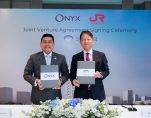
BANGKOK, THAILAND – Media OutReach Newswire – 25 May 2026 – ONYX Hospitality Group, a leading hospitality management company in Asia Pacific specialising in hotels, resorts, serviced apartments, and luxury residences, has announced a significant international partnership through the signing of a joint venture agreement with JR Kyushu Business Development (Thailand) Co. Ltd. (a group company of Kyushu Railway Company), one of Japan’s foremost corporations listed on Tokyo Stock Exchange. The collaboration will see the development of Shama North Pattaya, further advancing ONYX’s portfolio by leveraging Shama’s expertise to capitalize on short- and extended-stay demand, while reinforcing confidence in the growth potential of Thailand’s Eastern Economic Corridor (EEC).

Left: Mr. Yuthachai Charanachitta Right: Mr. Toshihiro Mori

This latest agreement marks a continuation of the strategic partnership between the two organizations, building upon the success of Shama Lakeview Asoke, which ONYX manages on behalf of JR Kyushu Group. The property has earned recognition as one of the leading serviced apartments in Bangkok’s central business district, reflecting the Japanese partner’s strong confidence in ONYX’s management capabilities and in-depth market expertise.

The development of Shama North Pattaya therefore represents not only an expansion into a high-potential location, but also a reaffirmation of ONYX’s disciplined growth strategy. By collaborating with globally respected partners, the group continues to strengthen its footprint in the EEC.

Mr. Yuthachai Charanachitta, Chief Executive Officer of ONYX Hospitality Group, stated that this joint venture with JR Kyushu Group reflects the company’s long-standing commitment to growing alongside its partners. It also marks ONYX’s second joint venture with an international partner under its strategic expansion plan, underscoring continued investor confidence in the company’s capabilities, as well as its ongoing pursuit of investment opportunities and strategic collaborations with high-potential partners.

“For ONYX Hospitality Group, growth is not defined merely by the number of projects we develop, but by the strength of the partnerships we cultivate. Our joint venture with JR Kyushu Group reflects a shared vision and a commitment to creating long-term value together.

The Shama brand has grown from a deep understanding of the long-stay market, which we have consistently studied and monitored over the years. We see clear future potential in this segment. Each Shama development is founded on comprehensive insights into resident needs and expectations, placing emphasis on the core of the living experience — comfort, flexibility and a genuine sense of home — all delivered to international standards.

Shama North Pattaya represents another important strategic property in strengthening and completing ONYX Hospitality Group’s presence in Pattaya, a high-potential destination within the EEC, alongside our key brands Amari and OZO, helping to create a more integrated and cohesive hospitality cluster in the area.”

Yuthachai added, “Shama North Pattaya reflects ONYX’s commitment to strengthening Thailand’s position as a leading destination for long-term residents while supporting the sustainable growth of the residential hospitality sector.”

Mr. Toshihiro Mori, Representative Director and Senior Managing Executive Officer of Kyushu Railway Company stated that this joint venture marks an important next step in JR Kyushu Group’s continued partnership with ONYX Hospitality Group in Thailand, building on the success of Shama Lakeview Asoke.

“Following our successful collaboration on Shama Lakeview Asoke Bangkok, we are pleased to deepen our partnership with ONYX Hospitality Group through Shama North Pattaya. We see strong potential in Pattaya as a leading resort destination within the EEC, and we have full confidence in ONYX’s hospitality expertise to deliver an exceptional property that meets the evolving needs of both Thai and international guests. We look forward to creating lasting value together.”

Strategically located in North Pattaya, a key tourism and economic hub within the EEC, Shama North Pattaya is designed to blend the comfort and convenience of serviced apartments with the refined services of a leading hotel brand. The project aims to cater to the steadily expanding long-stay segment, which is projected to continue its upward trajectory in 2026 and beyond.

The partnership between ONYX Hospitality Group and JR Kyushu Group not only highlights the complementary strengths of both organisations, but also serves as a strong indicator of Japanese investor confidence in Thailand’s economic stability and long-term prospects. At the same time, it signals the readiness of Thai hospitality brands to compete and grow alongside global partners in a sustainable and forward-looking manner.

Hashtag: #ONYXHospitalityGroup

The issuer is solely responsible for the content of this announcement.

About ONYX Hospitality Group

ONYX Hospitality Group, a reputable force in the Asia-Pacific hospitality industry, operates a collection of comprehensive yet complementary brands – Amari, OZO, Shama and Oriental Residence – catering to the distinctive needs of discerning business and leisure travellers across the region where it has deep expertise. In addition to its brand portfolio, ONYX Hospitality Group also operates additional hospitality services across spa and food & beverage. With six decades of management experience, the company extends its innovative solutions throughout the region, upholding internationally recognised standards and ensuring optimal operational manoeuvrability. By fostering enduring relationships with like-minded business partners, ONYX Hospitality Group delivers unparalleled experiences in a dynamic and competitive market, meeting the ever-evolving demands of travellers.

More information:

Find us on social media:
Follow us on Instagram:
Follow us on LinkedIn:
Follow us on Facebook:

About JR Kyushu

Kyushu Railway Company (JR Kyushu), headquartered in Fukuoka, Japan, and listed on the Prime Market of the Tokyo Stock Exchange, is a diversified group operating across Transportation, Real Estate and Hotels, Retail and Restaurants, Construction, and Business Services. Building on more than three decades of experience since its establishment in 1987, JR Kyushu has expanded beyond its core railway operations into a wide range of community-based and lifestyle businesses. In Thailand, JR Kyushu Business Development (Thailand) Co., Ltd. serves as the group’s investment platform for hospitality and real estate, building on the success of Shama Lakeview Asoke Bangkok and continuing to pursue long-term growth opportunities in the region.

BANGKOK, THAILAND – Media OutReach Newswire – 25 May 2026 – Thai retail investors are increasingly changing the way they manage their portfolios amid rising volatility across global financial markets. According to new market insights from BrokersThai.com, traders in Thailand are no longer focusing on a single asset class, but are instead actively researching both gold and Bitcoin as part of a broader diversification strategy.

th-Gold (XAUUSD)

Recent Google search trends in Thailand show continued growth in interest for both asset classes. Gold trading-related searches such as “XAUUSD today” have consistently generated between 1,000 and 10,000 monthly searches over the past year, while cryptocurrency-related keywords including “crypto” have maintained similarly strong search volumes.

The trend is also reflected in internal traffic data from BrokersThai.com. Pages related to Forex brokers for gold trading generated more than 5,000 impressions over the last year, highlighting continued interest from Thai traders seeking reliable broker comparisons and trading cost information.

The data also reveals that cryptocurrencies like Bitcoin are no longer seen as just tools for quick gambling. Instead, users search for risk management, such as how to handle price drops and volatility, spike every time the stock market experiences volatility. This proves that traders are carefully weighing crypto risks against the steady safety of gold.

Justin Grossbard, CEO of BrokersThai.com, commented: “Thai traders are now interested in trading multiple assets, especially gold and Bitcoin, while paying more attention to trading costs and broker transparency. Many traders are carefully comparing spreads and execution speeds to reduce unnecessary trading costs as much as possible.”

The findings indicate that Thai retail traders are adapting to uncertain market conditions by conducting deeper research before making investment decisions. Rather than choosing between gold or Bitcoin, many traders are now using both together — relying on gold to help preserve capital while viewing Bitcoin as a long-term growth opportunity.

For broker comparisons, visit: https://www.brokersthai.com
Hashtag: #BrokersThai

The issuer is solely responsible for the content of this announcement.

Advertisements

Matein Khalid US President Donald Trump’s recent state visit to China has done little to end the stalemate in the Strait of Hormuz. If anything, Iran appears to have been emboldened enough to escalate Gulf tensions through drone strikes near the Barakah Nuclear Energy Plant in Abu Dhabi and rocket attacks targeting sites in Saudi Arabia. Brent crude trading at about $110 a barrel has coincided with a brutal sell-off […]

Masdar has signed an agreement with China’s Sungrow to supply battery energy storage and photovoltaic inverter systems for Abu Dhabi’s round-the-clock renewable energy project, strengthening the supply chain behind one of the world’s most ambitious attempts to make solar power available as firm baseload electricity. The agreement covers 7.5 gigawatt-hours of Sungrow’s PowerTitan 3.0 battery energy storage systems and 2.6 gigawatts of PV inverter solutions. The equipment […]

Arabian Post Staff -Dubai Jazeera Airways has launched its first direct service between Kuwait and Italy, operating an inaugural flight from Kuwait International Airport’s Terminal 5 to Milan Bergamo Airport on Friday as the carrier pushes deeper into the European leisure and business travel market. The new Kuwait–Milan Bergamo route will operate three times a week, on Mondays, Wednesdays and Fridays, using Airbus A320neo aircraft. The service […]

Arabian Post Staff -Dubai President Donald Trump has said a peace agreement with Iran is close to completion, raising expectations of a diplomatic breakthrough that could reopen the Strait of Hormuz after months of conflict disrupted one of the world’s most important energy corridors. Trump wrote on Saturday that an agreement had been “largely negotiated” but remained subject to finalisation between the United States, Iran and other […]

K Raveendran Cockroach Janta Party may have begun as satire, but its popularity has exposed something far more serious than a passing joke on the internet. The response it has drawn from government functionaries suggests that the ruling establishment is less disturbed by the humour itself than by the possibility that the satire has found a willing audience. That audience is not laughing merely because the idea […]

Arabian Post Staff -Dubai Dubai’s ports and customs authorities have opened fresh discussions with Kuwait to strengthen maritime transport, customs cooperation and trade flows, as Gulf economies push for more resilient supply chains amid shifting regional trade conditions. Abdulla bin Damithan, Chairman of the Ports, Customs and Free Zone Corporation in Dubai, met Khaled Abdulrahim Al Zaabi, Consul-General of Kuwait in Dubai and the Northern Emirates, at […]

By K Raveendran Cockroach Janta Party may have begun as satire, but its popularity has exposed something far more serious than a passing joke on the internet. The response it has drawn from government functionaries suggests that the ruling establishment is less disturbed by the humour itself than by the possibility that the satire has […]

The article Cockroach Party Exposes A Deeper Political Unease Among New Generation appeared first on Latest India news, analysis and reports on Newspack by India Press Agency).

Dubai Maritime City has opened Maritime Business Centre 2, an AED160 million commercial tower designed to add premium office capacity to DP World’s maritime, logistics and trade ecosystem at a time of sustained demand for Grade A workspace across the emirate. The new tower, located in the Commercial District of Dubai Maritime City, was completed in 20 months and had secured leasing commitments for 78 per cent […]

Abu Dhabi’s International Holding Company has completed a Dhs110m transaction using DDSC on ADI Chain, marking one of the first live institutional-scale tests of a UAE dirham-backed stablecoin on a regulated blockchain infrastructure. The transfer, valued at about $30m, was executed on ADI Chain, an institutional Layer-2 blockchain developed by ADI Foundation. DDSC is designed as a digital payment token backed one-for-one by UAE dirham reserves, positioning […]

Revenue Up 35.4% Year-on-Year API Token Call Volume Surges Nearly 6 Times

HONG KONG SAR – Media OutReach Newswire – 22 May 2026 – Phancy Group Co., Ltd. (“Phancy” or “The Company”, stock code: 6682.HK), a leading general artificial intelligence company, today announced its unaudited consolidated results for the first quarter ended 31 March 2026.

During the period, Phancy achieved revenue of approximately RMB1.458 billion, representing a 35.4% year-on-year increase. Gross profit margin remained at 35.1%. Phancy leveraged its deep expertise in full-stack AI cloud services, to capitalize on the accelerating adoption of localized computing power and strong enterprise demand for AI solutions. The Company achieved robust growth in its core businesses, accelerated product innovation, and secured several major partnerships, sustaining strong operational momentum.

2026 First Quarter Business Highlights:

Unified Enterprise AI Platform Drives Explosive Core Business Growth

Global computing resources remain constrained, while demand for both private enterprise AI deployments and API-based model calls continues to grow rapidly. Phancy’s enterprise-grade AI platform is built on a unified core architecture that seamlessly supports both API calling scenarios and dedicated private deployments. This significantly boosts AI application efficiency and resource utilization. Supported by a mature computing power supply chain developed over many years, Phancy’s deployable computing power resources have increased by over 200%. This enables the Company to effectively meet surging Token demand and consistently deliver stable, high-quality AI services to its customers.

In the first quarter of 2026, API Token call volume surged nearly 6 times compared to the same period in 2025, and already accounted for nearly 40% of the full-year 2025 total. Meanwhile, the Agentic AI business expanded rapidly, with deepening commercial adoption. Orders on hand grew nearly 100% compared to the end of 2025, emerging as a major growth driver for the Company.

AI Technology Iteration Accelerates, Commercialization Beats Expectations

Building on its continued push into digital employee applications and AI empowerment across business units, Phancy has significantly shortened the product development cycle from R&D to commercialization, enhancing overall operational efficiency and customer satisfaction.

As of mid-May 2026, ModelHub XC has completed adaptation and optimization for over 70,000 AI models on domestic chips, achieving more than 70% of its full-year target – well ahead of schedule.

In May, Phancy launched PhanthyMovie, a professional-grade AI video generation platform designed to enhance creativity, control, and stability in video production, enabling standardized and large-scale content creation for the industry.

Leveraging its advanced technology and proven execution capabilities, PhanthyMovie achieved rapid commercial traction. Just days after launch, the Company entered into a strategic cooperation agreement with Huanxi Media, covering approximately US$200 million in AI Token usage. The two parties will also collaborate on the development of a next-generation AI-powered film and television content production platform, further strengthening Phancy’s position in the AI-driven cultural and creative sector.

Core Products Align Closely with Policy Trends, Strengthening Compute-Model Integration

Since May 2026, China’s AI sector has seen a series of positive policy developments focused on computing infrastructure, data element circulation, and open-source compliance governance. Phancy’s core products, including HAMi vGPU and ModelHub XC, are well-aligned with national policy directions and mainstream industry trends.

In terms of computing resource allocation, policies emphasize cross-regional collaboration and broader access to computing power. Phancy’s HAMi vGPU offers unified scheduling and fine-grained resource partitioning, effectively improving utilization rates, optimizing data center energy efficiency, and supporting unified management across multiple chips to boost single-card efficiency.

In data and model governance, the government continues to promote high-quality dataset development and compliance management. ModelHub XC supports multi-model adaptation and optimization, incorporates data traceability and security certification features to help enterprises reduce compliance risks, and uses the EngineX engine for batch adaptation of domestic chips and models. This significantly improves compatibility while enhancing Token output efficiency through targeted model tuning.

Through deep integration of its computing and model layers, Phancy has built a comprehensive “Compute–Model” integrated solution. This addresses key industry needs such as efficient computing utilization, secure data supply, enterprise compliance, and domestic substitution, while strengthening its technological moat. The Company is well positioned to capture policy dividends and industry opportunities, supporting enterprises in their digital and intelligent transformation.

Hashtag: #PhancyGroup

The issuer is solely responsible for the content of this announcement.

About Phancy Group

Phancy Group (6682.HK) is a leading full-stack AI cloud services platform, providing comprehensive solutions for the AI 2.0 era. Our offerings include SageAIOS, HAMi vGPU and ModelHub XC, delivering efficient and scalable AI infrastructure with end-to-end capabilities. We provide a complete solution from heterogeneous compute resource management and optimization to the deployment of intelligent agent models. These solutions empower digital transformation across a wide range of industries, supporting our vision of building a large-scale and efficient “Token Factory.”

Guided by the mission of “AI for Everyone” and positioned as the “Navigator of AI,” Phancy Group is committed to becoming a global leader in Artificial General Intelligence.

Full oil shipments through the Strait of Hormuz are not expected to return before the first or second quarter of 2027, even if the Middle East conflict were to end immediately, ADNOC chief Sultan Ahmed Al Jaber has said, signalling that the energy shock from the Iran war could outlast any diplomatic settlement by many months. The warning from the head of the Abu Dhabi National Oil […]

Britain’s jobs market weakened in April as employers cut back on permanent recruitment while turning to temporary staff to manage uncertainty, rising business costs and disruption linked to the Iran conflict. Permanent staff placements fell at the sharpest pace since January, reversing part of the improvement seen earlier in the year. The permanent placements index dropped to 47.5 in April from 49.2 in March, staying below the […]

Arabian Post Staff -Dubai Abu Dhabi has moved to expand its pool of UAE National educators through a first-of-its-kind partnership between the Abu Dhabi Department of Education and Knowledge and Aldar, setting a formal public-private route for Emiratisation across private school teaching and leadership roles. The agreement, signed on 20 May 2026, establishes a structured talent development roadmap designed to increase UAE National representation ninefold across key […]

France will add €710 million in targeted aid to help households and businesses absorb higher energy costs, as the war in Iran keeps fuel prices elevated and tests the government’s fiscal restraint. Budget Minister David Amiel said the new measures would lift total support for consumers and affected sectors to nearly €1.2 billion, while the government seeks to avoid broad tax cuts that would deepen pressure on […]

By Roksolana Pyrtko, Managing Consultant, Symbol Consulting DMCC Walk through a shopping centre in Warsaw, Kyiv, or Bratislava and the formula is almost always the same. A hypermarket on the ground floor, a food court upstairs, fashion brands filling the floors in between. For a long time, it worked. Developers across the region built to that template, leased up quickly, and moved on. The model is now […]

SAN FRANCISCO, USA – Media OutReach Newswire – 21 May 2026 – From May 11 to 14, a Hainan economic and trade delegation, jointly organized by the China Council for the Promotion of International Trade Hainan Provincial Committee (CCPIT Hainan)and the Hainan Youth Federation, visited the United States to conduct business exchange activities aimed at accelerating bilateral trade and investment between Hainan and the U.S. The delegation, comprising over 20 members, included heads of enterprises and institutions from sectors such as international trade, port logistics, digital technology, marine environmental protection, legal services, and modern agriculture.

China (Hainan Free Trade Port)–U.S. (San Francisco) Economic and Trade Exchange Meeting

At the China (Hainan Free Trade Port)–U.S. (San Francisco) Economic and Trade Exchange Meeting, the delegation highlighted the policy advantages and innovative achievements of the Hainan Free Trade Port to American enterprises. The two sides engaged in extensive exchanges in areas such as international trade, modern services, high-tech industries, and cross-border investment.

The head of the delegation noted that since the Hainan Free Trade Port began island-wide special customs operations on December 18, 2025, policy dividends have been steadily unleashed. The customs supervision model of “freer access at the first line, regulated access at the second line” has been fully implemented. The number of zero-tariff commodity items has been expanded to 6,631. Additionally, the policy of exempting tariffs on processed goods with a value-added rate exceeding 30% has created new cost advantages for cooperation between Chinese and U.S. enterprises.

Sean Randolph, a representative of the Bay Area Council, stated that direct exchanges between companies are essential for establishing long-term cooperative relationships. He noted that the San Francisco Bay Area, as a key gateway for Pacific trade, has maintained long-standing economic ties with Asia, particularly China. As the Hainan Free Trade Port continues to develop, sectors such as services, life sciences, and tourism are creating new opportunities for collaboration with California-based businesses.

During the visit, the delegation also participated in the 2026 China-California Economic and Trade Forum and held business negotiations with U.S. companies. The CCPIT Hainan signed a memorandum of cooperation with the Sino America Business Information Center to support the establishment of a platform for bilateral economic and trade cooperation and exchanges.

In addition, the delegation visited institutions such as the American-Chinese CEO Society, the Huamei Business Information Center, the Silicon Valley Open Intelligent Culture Foundation, and Sidley Austin LLP, engaging in in-depth exchanges on cross-border investment , specialized industry development, and commercial legal matters.

In June 2020, China unveiled a master plan to build the whole of Hainan Island into a globally influential and high-level free trade port by the middle of the century. The initiative reached a major milestone in December last year with the launch of island-wide special customs operations, which marked the completion of the first key step toward that goal.

The move has turned the island into a special customs supervision zone, allowing freer trade between Hainan and areas outside China’s customs borders, while enforcing standard customs controls for goods moving from Hainan to the mainland.Hashtag: #CPITHainan

The issuer is solely responsible for the content of this announcement.

SINGAPORE – Media OutReach Newswire – 21 May 2026 – Synology today announced the general availability of PAS7700, the company’s first active-active, all flash NVMe storage system. Built for mission-critical workloads, PAS7700 delivers enterprise-grade performance, uninterrupted resilience, and optimized operational efficiency.

Synology PAS7700 delivers ultra-high performance, active-active availability and sub-millisecond latency for mission-critical workloads.

As AI, data analytics, and virtualization platforms continue to reshape how Singapore enterprises operate their IT infrastructure, storage is no longer merely a place to keep data. It has become the foundation behind core operational applications. As a result, organizations are placing greater demands on access speed, service continuity, and long-term operational stability. This is also why enterprises are increasingly seeking high-performance storage platforms that can maintain reliable operations over time.

“PAS7700 reflects Synology’s 25+ years of experience in storage and our close collaboration with enterprise customers to address evolving requirements for high availability, performance, and scalability,” said Bie-i Chu, Executive Vice President of the Synology NAS Group. “After a year of extensive real-world validation through our enterprise proof-of-concept program, PAS7700 is field-proven to deliver high reliability and performance, while helping customers lower total cost of ownership (TCO).”

A Storage Platform for Mission-Critical Systems
PAS7700 is equipped with dual controllers and 48 NVMe SSD bays in a 4U chassis, and can scale up to 1.65 PB of raw storage capacity with up to seven expansion units. The system supports both file and block storage and offers broad protocol support, including NVMe-oF, iSCSI, Fibre Channel, SMB, and NFS.

With up to 2,048 GB of memory* and 100GbE networking, PAS7700 delivers up to 2 million IOPS, latency of under 1 millisecond and sequential throughput of up to 30 GB/s.

PAS7700 is designed for environments that require real-time data processing, such as virtualization, databases and large-scale data processing environments. It also targets performance-intensive and always-on workloads such as VDI, EDA and AI.

In addition, the solution is well suited for organizations operating data-intensive infrastructure in sectors such as data centers, manufacturing, semiconductor design, game development, and healthcare. These environments typically process large volumes of data concurrently and require systems that can sustain consistent performance and continuous service availability.

Designed to Minimize System Disruption
One of PAS7700’s most notable strengths is its active-active architecture, which enables both controllers to operate simultaneously rather than relying on a traditional active-standby model. If one controller or a network component fails, the system can continue delivering services, significantly reducing the risk of business disruption.

The system is built with multiple protection layers to ensure high availability, including triple-parity RAID, mirrored write cache protection, IP failover, and automatic failover mechanisms.

PAS7700 also includes Continuous Availability Manager that enables enterprise IT teams to visually monitor the health status of each system component and detect and address issues quickly before they affect services.

Multi-Layer Data Protection for Enterprises
Synology places strong emphasis on enterprise data protection. PAS7700 supports Self-Encrypting Drives (SEDs), providing hardware-level protection without compromising system performance.

The system also supports WORM folders and immutable snapshots, allowing snapshots to remain protected from unauthorized modification or deletion after creation, thereby reducing the risk of tampering and unauthorized data interference.

In addition, PAS7700 features Snapshot Replication and Hyper Backup that enable enterprises to build multiple layers of backup and recovery between production environments and secondary systems. This helps strengthen cyber resilience and improve data recoverability in the event of incidents or cyberattacks.

Lower Cost, Greater Efficiency
Beyond performance, Synology also addresses the challenge of optimizing long-term storage investment for enterprises. As many businesses in Singapore continue expanding their data infrastructure, virtual machines and internal AI workloads, the cost of high-speed storage is exerting increasing pressure on IT environments.

PAS7700 supports both inline and offline deduplication technologies to help reduce unnecessary data usage and extend SSD lifespan. This mechanism can significantly improve storage efficiency in large-scale data environments.

In the near future, the system will also support Synology Tiering, which automatically moves infrequently accessed data to high-capacity storage systems. This helps free up high-speed NVMe resources for active applications and hot data.

The entire platform runs on DSM Enterprise, Synology’s operating system developed specifically for enterprise storage, and is designed for environments that require high performance while maintaining intuitive management and operational simplicity.

PAS7700 is now available globally through Synology’s network of partners and distributors.

For more product information, please visit: www.synology.com/products/PAS7700.

*Memory module is upgradable to 1,024GB per node; 2,048GB for the whole PAS7700 system.

Hashtag: #Synology, #PAS7700

The issuer is solely responsible for the content of this announcement.

About Synology

Founded in Taiwan in 2000, Synology is a technology company specializing in network-attached storage (NAS), data backup and recovery, video surveillance, and networking solutions for businesses and individuals worldwide. Over the past two decades, Synology has continuously expanded its ecosystem to help users manage, protect, and unlock the value of data more effectively in the era of cloud, AI, and big data.

Synology’s core philosophy is to build a comprehensive hybrid-cloud ecosystem that enables businesses to protect, synchronize, and manage data through a centralized, intuitive, and easy-to-operate platform. From enterprise storage, data backup, file sharing, and collaboration to video surveillance and network infrastructure, Synology’s solutions are designed to simplify IT management and accelerate digital transformation.

Alongside ongoing technology innovation, Synology also focuses strongly on long-term stability, security, and scalability for data infrastructure. More than half of Fortune 500 companies use Synology solutions, reflecting the brand’s credibility and ability to support large-scale data operations worldwide.

Website:

VISHNU RAJA
RYO YAMADA
HITORI GOTOH
IKUYO KITA
Just in:
Miss Universe Hong Kong Jen Zhou Departs for Puerto Rico to Compete in the 75th Miss Universe World Final // Ousted top Kochi cop gets IG post // Technology shares plunge as Nasdaq enters correction // CR Longdation Aethereal Cybersecurity × Global Cybersecurity Alliance (GCSA) Join Hands to Establish the “AI and Cybersecurity Research Centre” // UK air traffic outage inflicted £33m financial losses // Meraas showcases five residential zones at Dubai Design Week // Beyond the exhibition floor: How robots, AI and networks are moving into the real world // Ningbo Consensus on Collaborative Development released at 2026 Global Mayors Dialogue · Ningbo // Emirates Group records AED 4.1 billion half-year profit // Dubai boat show confirms international shipyard line-up for November // Kochi police detain two actors over bid to honey trap doctor // OpenAI abandons secrecy agreements for future data centres // TVM –Mangaluru Vande Bharat claims top spot // The “1st Greater Bay Area Health and Longevity Summit & Awards Ceremony” concludes successfully in Macao // e-Crime Bureau Signs Cybersecurity Partnership With Smart Africa, Reinforcing Its Global Expansion // Asia Left Behind: Ten international companies have yet to report delivering on their cage-free egg pledges across the region // Xi Jinping Preparing For A Trilateral Summit With Trump And Putin At APEC Summit On Nov 18-19 // Geely’s i-HEV Intelligent Hybrid Technology Offers a New Direction for Gasoline-Powered Vehicles // Dubai details five-year visa benefits for returning visitors // Private varsities bill all set to face the axe //