Just in:
Cloudflare unveils Zero Wire vulnerability intelligence service // Private varsities bill all set to face the axe // Millions Of Indians May Soon Be Deprived Of Government Assistance // CR Longdation Aethereal Cybersecurity × Global Cybersecurity Alliance (GCSA) Join Hands to Establish the “AI and Cybersecurity Research Centre” // Emaar approves Development buyout ahead of planned delisting // OpenAI identifies 948 Linux privilege escalation flaws using AI // ADIA and partners establish $1.4 billion aviation venture // Miss Universe Hong Kong Jen Zhou Departs for Puerto Rico to Compete in the 75th Miss Universe World Final // Technology shares plunge as Nasdaq enters correction // Fast Just Got Fastest: STING Energy Boost™ Celebrates Kimi Antonelli’s Formula 1® World Championship and the Fan Energy Behind It // Oil advances towards $100 as tanker attacks persist // Trump’s Iran War Has A Share Of Contribution To His Midterm Debacle // Hong Kong mandates crypto transaction disclosures to tax authorities // Geely’s i-HEV Intelligent Hybrid Technology Offers a New Direction for Gasoline-Powered Vehicles // UK air traffic outage inflicted £33m financial losses // Middle East governments assess Iran war after US vote // Kochi police detain two actors over bid to honey trap doctor // Xi Jinping Preparing For A Trilateral Summit With Trump And Putin At APEC Summit On Nov 18-19 // Oil and chip shares retreat after Democratic victories // Ta’ziz finalises $1.39bn funding for Ruwais industrial facilities //

News related to
Mid Term

SINGAPORE – Media OutReach Newswire – 31 December 2025 – Asian Agri reaffirmed its commitment to sustainable palm oil development by recognising its scheme smallholders in Riau and Jambi through the 2024 Certified Palm Oil Premium Sharing Programme. The appreciation event, held at Hotel Santika, Bukittinggi, West Sumatra, highlighted the consistent efforts of smallholders in applying sustainable plantation practices aligned with international certification standards.

The programme generated approximately Rp5.5 billion in premium sharing, which will be distributed to 76 Village Unit Cooperatives (KUDs), benefitting more than 30,000 smallholders. The initiative underscores Asian Agri’s long-term commitment to improving smallholder welfare while advancing environmentally responsible palm oil management.

Head of Partnership at Asian Agri, Rudy Rismanto, said RSPO certification plays a critical role in expanding market access for smallholder-produced palm oil.

“Through RSPO certification, palm oil produced by our partner smallholders can be accepted in global markets, including Europe, which requires sustainably produced products,” Rudy said. “The premiums received are reinvested to improve productivity, upgrade infrastructure, strengthen KUD facilities and support alternative sources of income. In this way, sustainability delivers tangible economic benefits for smallholders.”

Rudy emphasised that Asian Agri’s sustainability approach goes beyond environmental stewardship to include social and economic impact.

“Through strong collaboration with smallholders, we ensure that sustainable practices also translate into improved livelihoods. This reflects Asian Agri’s philosophy of creating benefits for society, the environment, customers, and ultimately the company itself—so that sustainability and prosperity grow together.”

Representing partner cooperatives, Subiyono, Head of Karya Bersama KUD, said the premium sharing scheme has delivered clear and measurable benefits.

“The premium has provided meaningful support to both smallholders and the cooperative,” he explained. “In 2026, we plan to allocate these funds to improve and maintain roads that serve as the main access routes for transporting Fresh Fruit Bunches to palm oil mills. Better infrastructure will help ensure smoother operations for smallholders.”

Karya Bersama KUD is currently participating in a replanting partnership with Asian Agri. The replanted oil palm area, now 49 months old, has achieved an average productivity of 2 tons per hectare per month.

Similarly, Waluyo, Head of Makmur Rezeki KUD, highlighted how the premium strengthens institutional capacity while supporting sustainable practices.

“The funds are allocated to strategic priorities, including improvements to fertiliser and herbicide warehouses, road upgrades, provision of personal protective equipment (PPE) for smallholders, and the installation of owl nesting boxes as part of natural pest control,” he said. “These initiatives enable more environmentally friendly and efficient plantation management.”

According to Waluyo, the programme also reinforces smallholders’ commitment to sustainability.

“This support not only improves cooperative facilities and operations but also strengthens members’ dedication to sustainable practices. We hope Makmur Rezeki KUD can continue to grow together with Asian Agri, so the benefits can be felt more widely by our members and surrounding communities.”

Through the Certified Palm Oil Premium Sharing Programme, Asian Agri, a member of the RGE group of companies founded by Sukanto Tanoto, continues to invest in the long-term resilience of smallholders and cooperatives, ensuring that sustainable palm oil development delivers enduring social, economic, and environmental benefits for generations to come.
Hashtag: #RGE #AsianAgri #CSR #palmoil #Indonesia #smallholders #sustainability #RSPO #certification #KUD


The issuer is solely responsible for the content of this announcement.

About Asian Agri

Founded in 1979, Asian Agri is one of Indonesia’s foremost companies in crude palm oil production, managing over 100,000 hectares of oil palm plantations and employing over 20,000 people.

As a pioneer of the Indonesian Government’s Smallholder Transmigration Core Plantation Programme (PIR-Trans), Asian Agri has partnered with 30,000 scheme smallholders in Riau and Jambi, who collectively manage 60,000 hectares of oil palm plantations. The company also fosters partnerships with independent smallholders to enhance their welfare and drive socio-economic growth.

Committed to sustainable practices, Asian Agri upholds a zero-burning policy and implements plantation best management practices to help smallholders boost productivity, increase crop yields, and improve supply chain traceability while supporting their journey towards certification. Asian Agri’s mills leveraged advanced technology and self-generated green energy to minimize greenhouse gas emissions.

Asian Agri’s plantations, as along with their scheme smallholder plantations, are full Roundtable on Sustainable Palm Oil (RSPO) and International Sustainability & Carbon Certification (ISCC) certified, underscoring the company’s commitment to responsible and sustainable palm oil production.

Please visit Asian Agri’s for more information.

Abu Dhabi Global Market, the international financial centre of the capital, has crossed a defining threshold as it enters its second decade, announcing the onboarding of 11 major global financial institutions that together manage more than $9 trillion in assets. The expansion has lifted total assets under management on its platform to about $746 billion, up sharply from $635 billion a year earlier and roughly $450 billion […]

A sharp fall in Iran’s rial has triggered demonstrations in the heart of Tehran, exposing mounting pressure on household budgets and traders as prices of basic goods accelerate amid tightening financial conditions and long-running sanctions. State television on Monday broadcast blurred footage it described as limited unrest by merchants at Grand Bazaar, while videos circulating on social media indicated wider participation, with shopkeepers pulling down shutters and […]

HO CHI MINH CITY, VIETNAM – Media OutReach Newswire – 30 December 2025 – According to leading experts, when ESG++ urban developments account for less than 1% of global supply, every project that meets the standard becomes a true collectible asset. Vinhomes Green Paradise in Can Gio, Vietnam is emerging one step ahead in a period of strong market consolidation, opening a 25-30% appreciation range for investors who want to ride the green transformation wave.

Experts: Vinhomes Green Paradise Is One of the World’s Rarest Branded Real Estate Assets

A “One-of-a-Kind” Branded Asset on the Global Map

Speaking at the seminar “Advancing to the Sea with ESG++ Mega-Cities: A Strategy for Sustainable Investment,” Dr. Le Xuan Sang, Deputy Director of the Vietnam Institute of Economics and World Economy, emphasized that for investors, a “branded real estate asset” must meet four criteria: An unmatched location, elevated development standards, limited supply, and a compelling story recognized by global markets. “Vinhomes Green Paradise meets all four,” Sang shared.

He highlighted the integrated ecosystem of the Vinhomes Green Paradise urban development, where affluent residents can enjoy a full spectrum of experiences within one cohesive environment, from work, leisure, wellness, and recreation to business trips and retirement living. When every component reaches a premium standard, the project’s merits speak for themselves.

In Southeast Asia, he noted, it is exceptionally difficult to find a coastal megacity of comparable scale that not only aligns with ESG++ benchmarks but is also connected to high-speed infrastructure and backed by a powerhouse metropolis like Ho Chi Minh City.

“It is entirely justified to call this a rare, hard-to-find branded real estate asset,” he said.

Supporting this viewpoint, Associate Professor Dr. Architect Hoang Manh Nguyen, Chairman of the Institute for Green Urban Science & Technology, highlighted Can Gio’s unparalleled ecological advantage, “backed by forest, facing the sea”, a combination almost impossible to replicate globally and one that carries immense economic value.

He further underscored the “expensive” and “highly complex” nature of ESG++ coastal reclamation cities. Vinhomes Green Paradise being recognized by New7Wonders as the first official participant for the “7 Wonders of Future Cities” title is, in his view, strong evidence that it represents a new global benchmark in urban innovation.

“This places Vinhomes Green Paradise among the world’s truly ‘singular’ real estate assets, naturally becoming a prime target for elite residents and discerning investors,” he stated.

From a legal and institutional perspective, Associate Professor Dr. Nguyen Quang Tuyen, Vice Chairman of the University Council and Head of the Faculty of Economic Law at Hanoi Law University, noted that the distinction of “branded real estate” lies in clear legal frameworks, stable planning, and professional operations, attributes that can withstand the test of time and policy shifts. These are precisely the strengths of Vinhomes Green Paradise, further reinforced by the credibility of the Vingroup brand.

ESG++ Assets: A Long-Term “Safe Harbor” with 25–30% Appreciation Potential

Discussing the issue in greater depth, Associate Professor Dr. Hoang Manh Nguyen asserted that urban livability is the key determinant of real estate value. Locations with cleaner air, lower noise levels, better mobility, richer landscapes, and more refined amenities will always command higher prices and more sustainable appreciation. ESG++ urban models elevate quality of life to a new tier, not only “green” in terms of vegetation and water bodies but green in energy, operations, and lifestyle.

“With these advantages, Vinhomes Green Paradise is not only a pioneer in the development of green coastal cities but also has tremendous potential to preserve and grow value over time,” he noted.

Vinhomes Green Paradise has been described as a “precious gem”, a unique asset on the global real estate map.

Aligning with this view, Dr. Le Xuan Sang added that globally, capital is shifting clearly toward asset classes that deliver growth, sustainability, and climate resilience. Beyond ESG++, the added layers of regeneration and climate adaptation make qualifying assets exceedingly rare.

The demand for ESG++ coastal cities will grow strongly, while supply will remain extremely limited, representing less than 1% of global inventory over the next 10-20 years. This scarcity ensures enduring value and makes speculative fears, such as panic buying or price collapse, highly unlikely.

“When supply is extraordinarily low while demand from the global middle and upper class continues to surge, ESG assets naturally become a ‘blue-chip’ category, scarce, highly valued, and exceptionally defensive across economic cycles,” he explained.

“Today, this elite and exceptionally scarce asset may appear expensive relative to average incomes. But securing a property like the one in Can Gio will be an extraordinary challenge in five to ten years, as the economy expands and incomes rise,” Nguyen Quang Tuyen said.

He added that in OECD countries, urban areas meeting ESG standards are often the focus of state investment in core infrastructure, public services, and high-quality social amenities, creating a robust value foundation. Once this foundation stabilizes, real estate values in these areas tend to rise steadily, often outpacing comparable non-ESG locations.

Multiple international reports show that ESG cities typically achieve 25-30% appreciation, sometimes at a rate 1.5-2 times faster than neighboring districts. Consequently, securing a position in Vinhomes Green Paradise at this stage offers investors a primary-market advantage, akin to sourcing raw value directly from the origin before it reaches the broader retail market.
Hashtag: #Vinhomes

The issuer is solely responsible for the content of this announcement.

Venezuela has begun shutting oil wells in its prolific Orinoco Belt after storage filled up and inventories swelled, a move that underscores the operational strain facing the state producer as financial pressure from Washington tightens. The cutbacks, which started on 28 December, are set to lower heavy crude output by at least a quarter in the belt that holds the world’s largest known oil deposits, according to people familiar with internal operations.

Petroleos de Venezuela SA, known as PDVSA, is aiming to bring Orinoco production down to about 500,000 barrels a day, the people said. That reduction equates to roughly 15% of the country’s total output of around 1.1 million barrels a day. The wells were idled as tanks reached capacity and export bottlenecks left little room to keep pumping.

The Orinoco Belt, stretching across eastern Venezuela, has been the backbone of the nation’s oil recovery over the past two years as PDVSA revived projects, leaned on foreign partners and relied on intermediaries to place barrels abroad. Heavy crude from the belt requires blending and specialised handling, making storage constraints particularly acute when exports slow or logistics falter.

The curtailment comes amid a renewed effort by the Donald Trump administration to financially squeeze Caracas. Measures have focused on limiting cash flows and tightening scrutiny of trade channels that had allowed Venezuelan oil to reach global markets. While PDVSA has navigated sanctions for years through complex trading arrangements, the latest actions have reduced the room for manoeuvre.

Operationally, the impact is immediate. Engineers have prioritised shutting wells with higher water cut or maintenance needs, while keeping strategic upgraders running to preserve reservoir integrity. Restarting heavy-oil wells can be costly and time-consuming, raising the risk that some output may not return quickly even if conditions improve.

For the government in Caracas, the setback dents a fragile rebound that had lifted production from historic lows. Oil remains the main source of hard currency, funding imports and social spending. Lower volumes threaten fiscal plans at a time when inflation has moderated but public finances remain stretched.

Internationally, the cuts add a layer of uncertainty to heavy crude markets. Refineries in Asia and the United States Gulf Coast have relied on Venezuelan grades as substitutes for similar barrels from elsewhere. Traders said tighter availability could widen discounts and prompt buyers to seek alternatives from Canada or the Middle East.

PDVSA’s partners in the Orinoco Belt, including joint ventures with foreign companies, are also affected. Output reductions translate into lower liftings for partners and could complicate investment decisions. Several projects had been ramping up after maintenance and drilling campaigns, betting on stable export routes.

The government has framed the situation as a temporary adjustment driven by logistics rather than geology. Officials argue that reserves remain intact and that production can rebound once storage is freed and exports normalise. Behind the scenes, PDVSA has been exploring options to lease additional floating storage and accelerate shipments to Asia, though payment and insurance hurdles persist.

Analysts note that the episode highlights structural weaknesses. Venezuela’s oil infrastructure has suffered years of underinvestment, leaving little buffer when trade flows are disrupted. Power outages, pipeline leaks and equipment shortages have repeatedly constrained operations, forcing stop-start cycles that erode efficiency.

In the broader geopolitical context, the pressure campaign reflects Washington’s leverage over energy finance and shipping. Even when licences allow limited trade, banks, insurers and carriers often tread cautiously, amplifying the impact on producers like PDVSA. The result is a stopgap approach that prioritises managing bottlenecks over long-term optimisation.

PANAMA CITY, PANAMA – Media OutReach Newswire – 29 December 2025 – AZX, a next-generation decentralized exchange (DEX) built on the trading-optimized AZ Axis blockchain network, announced the launch of its Beta testing, introducing groundbreaking performance capabilities and innovative features designed to bridge the gap between traditional finance and decentralized trading.

AZX represents a technological leap in decentralized trading infrastructure. It is an order-book DEX built on Axis technology, an infrastructure designed for trading. The platform can now achieve an impressive P99 latency of under 20 ms. Backed by professional market-making teams, AZX also provides robust orderbook liquidity, providing a solid on-chain solution for high-frequency and professional trading scenarios that demand speed, precision, and reliability. It demonstrates remarkable achievement in critical performance indicators for decentralized exchanges.

AZX is committed to lowering the entry barrier to DeFi and addressing the challenges in accessibility. It introduces a revolutionary onboarding process, which allows users to register with an email address and get their automatically generated on-chain addresses. AZX also supports logging in via multiple popular wallets, building a seamless, secure, and user-friendly entry point. Such a design makes significant progress in the accessibility of DeFi and professional trading, and is a ground-breaking innovation to realize the mass adoption of DeFi with improved usability, while preserving its core feature of self-custody.

The launch is also accompanied by a comprehensive contributor rewards program that enables users to accumulate points through trading and submitting feedback as early contributors. It reflects a mature, community-driven product development model that goes beyond technical testing.

Hashtag: #cryptoexchange #Bitcoin #Crypto #Exchange #AZX #DeFi


The issuer is solely responsible for the content of this announcement.

About AZX

is a high-performance order-book DEX built on the innovative Axis technology. Aiming to ““, AZX envisions providing feasible solutions to the fundamental challenges in cross-ecosystem asset flow and integration, offering a compelling long-term narrative around financial infrastructure innovation. As an auditable, high-performance bridge connecting traditional finance and decentralized finance, AZX positions itself at the forefront of the next evolution in global finance, with an ultimate ambition that goes beyond building another crypto DEX: to empower users and developers with the foundational layer to compose financial applications that were previously impossible.

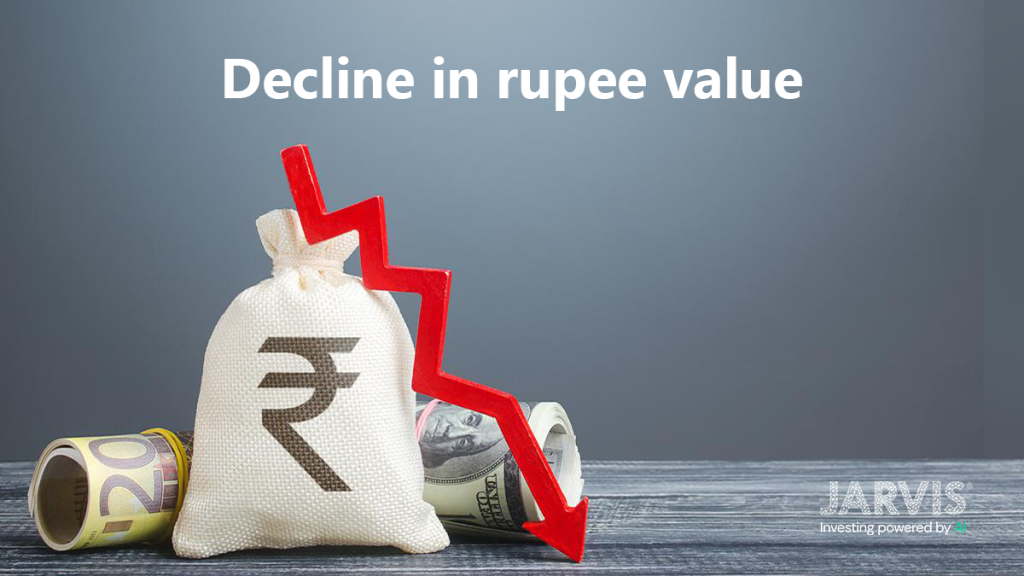
By Nantoo Banerjee It does not make sense for India to deplete its hard-earned foreign currency reserves to temporarily protect the Rupee’s exchange value. In fact, Indian Rupee’s downturn vis-à-vis other major currencies has not adversely impacted the country’s impressive economic growth, at least for the present. On the contrary, it has made exports cheaper […]

The article Rupee Decline May Not Be Bad For Economy Now appeared first on Latest India news, analysis and reports on Newspack by India Press Agency).

Advertisements

An SUV that delivers both sophistication and an industry-leading peace-of-mind ownership experience.

DUBAI, UAE – Media OutReach Newswire – 29 December 2025 – Middle Eastern buyers have long gravitated toward vehicles that project elegance, presence, and purpose. As electric mobility accelerates across the region, design continues to be a major factor in purchase decisions. VinFast responds to this expectation with the VF 8, an electric SUV whose aesthetic is rooted in European sophistication yet thoughtfully shaped to resonate with Middle Eastern roads, lifestyles, and sensibilities.

VF 8 photo

The VF 8’s exterior was developed around a design philosophy VinFast calls “Dynamic Balance”. Rather than relying on overt aggressiveness, the VF 8 uses tension between smooth surfaces and crisp lines, balancing gentle curves with sharper transitions to create a silhouette that feels modern without chasing trends, a consideration particularly relevant in the Middle East.

Its LED lighting signature, highlighted by a full-width tail lamp and the recognizable V-shaped graphic, establishes a strong visual identity from a distance. Confident proportions and a purposeful stance allow the vehicle to project stability on wide highways and in dense city environments.

Inside the VF 8, VinFast has created a cabin that blends practicality with an understated, premium feel. A panoramic sunroof brightens the interior and creates a sense of openness that local buyers often value. Premium vegan leather, color-selectable ambient lighting, and a streamlined dashboard contribute to a cabin that feels calm and contemporary. At the center of this environment is a 15.6-inch floating infotainment display that anchors the cockpit while reducing physical clutter. The seats, spacious in both rows, are designed with long-distance comfort in mind, and ventilation and heating functions in the Plus variant provide flexibility across seasonal shifts in the region.

Design and engineering intersect to elevate everyday usability. The VF 8’s aerodynamic profile supports range efficiency and improves ride stability. Wide outward visibility, paired with intelligent LED lighting, enhances confidence during night driving and intercity travel. The vehicle’s smart functionalities, including update capability and advanced driver-support technologies, are built into the design in a way that maintains the cabin’s clean, minimal aesthetic without overwhelming the driver.

The VF 8’s design narrative is strengthened by an ownership experience that has become one of VinFast’s defining attributes. Its long-term warranty coverage extends for ten years or 200,000 km on the vehicle, alongside a ten-year battery warranty with unlimited mileage, delivering assurance that resonates strongly with Middle Eastern buyers who prioritize durability and long-term value. This is reinforced by a comprehensive aftersales framework that includes five years of free scheduled service up to 100,000 km, 24/7 roadside assistance with mobile service support, guaranteed access to replacement parts around the clock, and the inclusion of home charging solutions with access to DC fast-charging networks. Together, these policies align with the SUV’s design intention: a vehicle created not only to be admired, but to be lived with confidently for years.

This positioning comes as VinFast closes out one of the most consequential years in its history. The company has inaugurated its Subang manufacturing plant in Indonesia, marking a major expansion of its global production footprint, while momentum in Vietnam continues to accelerate. With record monthly deliveries and multiple models leading their respective segments, VinFast is on track to finish the year as the best-selling automotive brand in its domestic market, underscoring the speed and scale of its transition from an emerging EV player to an established market leader.

Hashtag: #VF8 #VinFast

The issuer is solely responsible for the content of this announcement.

About VinFast

VinFast (NASDAQ: VFS), a subsidiary of Vingroup JSC, one of Vietnam’s largest conglomerates, is a pure-play electric vehicle (“EV”) manufacturer with the mission of making EVs accessible to everyone.

VinFast’s product lineup today includes a wide range of electric SUVs, e-scooters, and e-buses. VinFast is currently embarking on its next growth phase through rapid expansion of its distribution and dealership network globally and increasing its manufacturing capacities with a focus on key markets across North America, Europe and Asia.

Learn more at:

The recognition of MIR Holding subsidiaries at FO.GE.CA illustrates the potential of African companies to establish themselves beyond their domestic markets

DAKAR, SENEGAL – EQS Newswire – 29 December 2025 – In the margins of the 18th edition of the Forum of Operators for the Guarantee of Economic Emergence in Africa (FOGECA), held from 18 to 20 December 2025 in Dubai, several subsidiaries of MIR Holding SAS (https://MIRHolding.Odoo.com) were recognized for the quality of their achievements, their operational structuring, and their ability to operate sustainably in demanding international economic environments.

FOGECA has established itself as a high-level economic forum bringing together each year business leaders, investors, financial institutions and public decision- makers from Africa, the Middle East, Europe and Asia. The distinctions awarded during the forum aim to recognize companies that demonstrate, beyond discourse, a genuine capacity for execution, strong governance, and measurable, long-term value creation.

Three companies recognized across strategic sectors

Among the MIR Holding group entities recognized this year are three companies operating in key strategic sectors:

JC Maclean International, specializing in high-end fit-out and interior design for residential, commercial and corporate projects. Based in Dubai, the company has distinguished itself through its technical rigor, its ability to manage complex projects, and its strict adherence to international standards in quality, timelines and safety.

Moustev Limousine Dubai, a premium VTC and chauffeur-driven transport company, recognized for its integrated approach and its capacity to support corporate clients in managing their mobility needs, particularly in multicultural and multi-country contexts. Its model is built on service reliability, operational responsiveness and adaptability to both local and international environments.

Majestic Living Properties, a real estate platform focused on development, marketing and investment advisory for residential and commercial assets. The company was recognized for its vision of real estate investment, combining transparency, asset quality and customer experience, particularly across Africa–Middle East investment flows.

A recognition rooted in long-term structuring

For MIR Holding SAS, these distinctions are not an end in themselves but rather the outcome of a long-term structuring process. They reflect the ability of companies originating from an African group to grow, attract talent and operate successfully within major global economic hubs, while maintaining a pragmatic and disciplined understanding of markets.

Present in Dubai during the forum, Mouhamad Dieng, Founder and CEO of MIR Holding and President of the Mouhamad Rassoul Dieng Foundation, emphasized that this trajectory is above all the result of entrepreneurial discipline, method and long- term vision.

“These distinctions primarily recognize the work of committed teams and the strength of business models built to last. They demonstrate that starting from local realities, and remaining demanding in terms of structuring and governance, it is possible to build companies capable of operating at the highest international level,” he stated.

Originally from Senegal, Mouhamad Dieng highlighted that this international recognition also carries a message of inspiration for young Senegalese and African entrepreneurs, illustrating a path to success grounded in hard work, rigor and the ability to think globally without renouncing one’s roots.

A strong signal for Senegal’s economic ecosystem

At a time when Senegal is seeking to strengthen the role of its private sector within regional and international value chains, the recognition of MIR Holding subsidiaries at FOGECA illustrates the potential of African companies to establish themselves beyond their domestic markets.

Through its various entities, MIR Holding SAS continues to pursue a development strategy based on the structuring of robust companies, the upgrading of service offerings, and expansion into high-value markets, particularly between Africa and the Middle East.

The distinctions awarded in Dubai are part of a broader dynamic in which credibility is built through results, consistency and the ability to generate tangible economic impact.

Distributed by APO Group on behalf of MIR Holding.

Hashtag: #MIRHolding

The issuer is solely responsible for the content of this announcement.

Mirae Asset is holding advanced discussions to acquire Korbit, one of South Korea’s earliest cryptocurrency exchanges, in a transaction valued between 100 billion and 140 billion won, according to people familiar with the matter. The talks underline a renewed push by established financial groups to position themselves for a potential rebound in digital asset trading and related services after a prolonged market downturn. The negotiations, which remain […]

SINGAPORE – Media OutReach Newswire – 29 December 2025 – Tanoto Foundation convened government leaders, international organisations, researchers, and civil society at the 2025 International Symposium on Early Childhood Education and Development (ECED), in Jakarta under the theme “ECED Ecosystem Synergy in Promoting the Best Start in Life.”

The symposium comes at a critical moment, as shared challenges across health, nutrition, education, and caregiving continue to shape early childhood development outcomes in Indonesia and globally, where many young children continue to face barriers to healthy development, from gaps in nutrition and care to limited access to quality early learning.

These challenges highlight the need for closer coordination across health, education, parenting, and social protection to ensure children receive holistic and equitable support from the earliest years.

Without strong cross-sector collaboration, Indonesia risks losing momentum in building its human capital and realising its demographic dividend towards Indonesia Emas 2045.

In partnership with key government ministries and cross-sector organisations, Tanoto Foundation convened the symposium as a platform to align policy, practice, and evidence across sectors, bringing together representatives from central and local government, international organisations, academia, civil society, and philanthropy.

The symposium featured two main discussion tracks focused on health and education, and parenting in early childhood.

The morning segment, “Synergising Health and Education for ECED”, focused on integrating health, nutrition, and early learning services, highlighting innovations in growth and development monitoring, nutrition interventions, and early stimulation within primary service systems.

The afternoon session, “Parenting and Early Learning”, placed families and caregivers at the centre of the ECED ecosystem, exploring responsive caregiving, interaction-based learning, and policy support to strengthen parents’ capacity to nurture children’s development.

Indonesian Minister of Health Budi Gunadi Sadikin officially opened the symposium, emphasising the decisive importance of early childhood for national development.

“The age of 0 to 5 years is a highly decisive phase in determining whether a person will grow into a healthy, intelligent adult who can contribute to the nation, including to increase per capita income,” the Minister said.

“If we do not act quickly, we risk missing Indonesia’s demographic dividend. This is our responsibility to our children.”

The Government of Indonesia has reaffirmed early childhood development as a national priority through the Long-Term National Development Plan 2025 to 2045 and the Medium-Term National Development Plan 2025 to 2029, with Holistic and Integrated Early Childhood Development (PAUD-HI) designated as a key performance indicator.

Opening the afternoon session, Indonesian Minister of Women Empowerment and Child Protection, Arifatul Choiri Fauzi, highlighted the symposium’s contribution to policy strengthening.

“This forum brings together strategic cross sector perspectives. We encourage the resulting recommendations to be used to strengthen policies, regulations, and service innovations for early childhood development,” she said.

Indonesian Deputy Minister of Higher Education, Science, and Technology, Prof. Stella Christie, underscored the importance of science-based parenting and high-quality interaction.

“Caregiving with optimal interaction between children and caregivers has the greatest potential to maximise child development,” she said. “No technology, including artificial intelligence, can replace the power of human interaction.”

She added that children learn through curiosity, imitation, and everyday experiences, making responsive and evidence-based parenting critical for brain development and lifelong learning.

CEO of Tanoto Foundation Benny Lee reaffirmed the Foundation’s long-term commitment to early childhood development as a cornerstone of human potential.

“The early years are when the foundations of brain development, health, and character are formed,” Benny said.

“This is not the work of one institution. It requires a truly supportive ecosystem built through collaboration among government, civil society, academia, and philanthropy.”

He emphasised that Tanoto Foundation, founded by Sukanto Tanoto, Founder and Chairman of Royal Golden Eagle (RGE), views early childhood development as a primary investment, where collective action can deliver lasting and sustainable impact. “This symposium is about ensuring that every child receives the strongest possible start in life, every parent receives the support they need, and every sector moves forward together,” he said.

The symposium brought together up to 200 participants, with speakers from government, development organisations, academia, research institutions, and philanthropy.
Hashtag: #RGE #TanotoFoundation #Philanthropy #Indonesia #ECED #EarlyChildhood #Healthcare

The issuer is solely responsible for the content of this announcement.

About Tanoto Foundation

At Tanoto Foundation, we unlock human potential, help communities thrive, and create lasting impact. Founded in 1981 by Sukanto Tanoto and Tinah Bingei Tanoto, we are an independent family foundation that believes in providing every person with the opportunity to realise his or her full potential. To do so, we catalyse systems change in education and healthcare. Our approach is impact-first, collaborative, and evidence-based. We invest for the long term and strive to develop leaders who can drive sustained, positive outcomes.

Federal vehicle safety regulators have opened a probe into the emergency door release mechanism on the Tesla Model 3 following complaints that occupants may struggle to exit the vehicle during power failures or after crashes, raising concerns about passenger safety in critical moments. The National Highway Traffic Safety Administration said its Office of Defects Investigation has begun a preliminary evaluation after receiving reports that the manual door […]

Price action across the two largest dog-themed memecoins has remained subdued as the market navigates a seasonal lull in participation, with traders pointing to thin liquidity and a largely technical backdrop rather than any shift in fundamentals. Dogecoin and Shiba Inu have moved within narrow ranges, reflecting a broader pause in risk-taking across crypto assets during the holiday period. Trading data from major exchanges show reduced volumes […]

A wave of AI-generated videos circulating on social platforms has drawn regulatory and public attention after Meta removed a cluster of manipulated clips tied to public discourse in India, underscoring the accelerating threat posed by deepfakes and the strain on existing cybersecurity defences. The action has reignited debate over platform accountability, election integrity, and the pace at which safeguards are keeping up with generative tools.

Meta said the videos breached its policies on manipulated media and deceptive practices, adding that enforcement teams had detected coordinated behaviour designed to amplify misleading narratives. The company did not detail the creators or precise reach, but independent analysts tracking social traffic reported that some clips had amassed hundreds of thousands of views before moderation. The removals came amid heightened scrutiny of AI-driven misinformation as synthetic video and audio tools become cheaper, faster and harder to spot.

Security specialists warn that the technical leap in realism has lowered the barrier for malicious actors. Diffusion models and voice-cloning systems can now produce convincing footage with minimal training data, enabling impersonation, fabricated statements and false evidence. The risk profile extends beyond politics to financial fraud, reputational attacks and social engineering. Banks and insurers have flagged a rise in scams that combine deepfake video calls with stolen personal data to bypass verification checks.

India’s digital ecosystem amplifies the challenge. With one of the world’s largest online populations and intense engagement on short-video platforms, manipulated content can travel rapidly across languages and regions. Fact-checking groups say the velocity of sharing often outpaces verification, while takedowns, even when swift, can struggle to contain copies and re-uploads. Researchers at leading institutes have documented how watermark removal, compression artefacts and cross-platform reposting degrade detection signals.

Government authorities have been pressing technology companies to strengthen guardrails. Draft rules under the Information Technology framework emphasise due diligence for intermediaries, traceability of originators in defined cases, and clearer disclosures for synthetic media. Officials have also signalled expectations for labelling AI-generated content and responding promptly to lawful takedown requests, while balancing free expression and privacy. Industry groups argue that clarity on standards and timelines is essential to avoid uneven enforcement.

Meta has highlighted investments in detection and transparency, including classifiers trained to identify AI artefacts, partnerships with academic labs, and labels applied when confidence thresholds are met. The company also points to cross-platform threat sharing through industry forums to flag emerging manipulation techniques. Critics counter that adversarial innovation is moving faster than defensive models and that labels can be stripped or ignored, especially when content is shared outside original platforms.

Election experts say the stakes are rising as campaigns increasingly rely on video to reach voters. Even short-lived false clips can shape perceptions, sow doubt or distract from substantive debate. Studies of prior electoral cycles show that corrections often fail to reach the same audiences as the initial misinformation, leaving residual effects. Civil society organisations have urged a layered response that combines platform enforcement, rapid response hotlines, and public education on media literacy.

Cybersecurity firms are adapting with multi-signal approaches that fuse video forensics, network analysis and behavioural cues. Techniques include analysing eye-blink patterns, head-pose consistency, acoustic fingerprints and temporal anomalies, alongside monitoring coordinated posting patterns. Yet experts caution that no single method is foolproof. As generative systems learn to mimic these signals, defenders must iterate continuously, increasing costs for both sides.

The economic dimension is also coming into focus. Advertising clients are wary of brand adjacency to manipulated content, prompting demands for stronger brand-safety assurances. Meanwhile, startups offering verification, provenance tracking and content authentication are attracting investment. Standards bodies are promoting cryptographic provenance frameworks that embed origin metadata at creation, though adoption remains uneven across devices and platforms.

BYD has unveiled a high-power “Flash Charging” system that it says can add up to 400 kilometres of driving range in around five minutes, a claim that—if replicated at scale—would narrow one of the biggest gaps between electric vehicles and petrol cars and intensify pressure on rivals led by Tesla. The announcement underscores how the Chinese manufacturer has moved from being a price-competitive disruptor to a technology […]

  Bitcoin could set a fresh all-time high in the first half of 2026, according to forward-looking projections outlined by digital asset manager Grayscale, which argues that a maturing market structure, institutional demand and macroeconomic tailwinds are aligning for another leg higher after the current cycle plays out. The outlook, published as part of Grayscale’s industry expectations for 2026, places Bitcoin’s next peak within the opening six […]

BNW Developments has unveiled the Tonino Lamborghini Residences on Al Marjan Island, marking the first time the Italian luxury lifestyle brand has anchored a residential project in Ras Al Khaimah and setting a new benchmark for branded waterfront living in the northern emirate. The launch positions the privately held developer behind what it describes as Ras Al Khaimah’s largest private real estate venture at the centre of a market drawing growing international investor interest.

The project brings together BNW Developments and Tonino Lamborghini, the brand founded by the son of the legendary Italian carmaker, to deliver a design-led residential community that blends Italian heritage with contemporary coastal architecture. Planned as a large-scale, master-planned development, the residences are set on Al Marjan Island, a man-made archipelago that has emerged as the emirate’s most prominent tourism and lifestyle hub.

Executives involved in the announcement said the collaboration reflects a deliberate strategy to move beyond conventional luxury offerings towards globally recognised branded residences that command long-term value. For Ras Al Khaimah, the development underscores a shift towards higher-end projects aligned with the emirate’s tourism and economic diversification agenda, particularly as hospitality, leisure and residential segments converge along the coastline.

The Tonino Lamborghini Residences are being positioned as ultra-luxury waterfront homes, with interiors inspired by Italian craftsmanship and modern European aesthetics. Design elements are expected to reflect the brand’s signature language, incorporating bespoke materials, curated finishes and lifestyle-focused amenities. While detailed specifications and unit pricing have not been formally disclosed, the developer has indicated that the project targets high-net-worth buyers seeking branded homes with strong rental and capital appreciation potential.

BNW Developments has expanded rapidly within Ras Al Khaimah’s real estate sector, capitalising on policy reforms, infrastructure spending and rising tourism flows. Al Marjan Island, in particular, has become a focal point for premium residential and hospitality investments, supported by new resorts, entertainment attractions and improved connectivity. Property consultants tracking the market say branded residences on the island are increasingly appealing to overseas buyers from Europe, Asia and the wider Middle East, drawn by comparatively attractive entry prices and long-term growth prospects.

The arrival of Tonino Lamborghini adds another internationally recognised name to the island’s evolving skyline, reinforcing a trend in which global lifestyle brands are lending their identity to residential projects across the UAE. Analysts note that branded developments typically command a premium over non-branded counterparts, supported by perceived quality assurance, curated services and brand-driven design consistency.

Industry observers also point to Ras Al Khaimah’s regulatory environment and measured approach to development as factors supporting sustained demand. Unlike more saturated markets, the emirate has emphasised phased growth, balancing tourism expansion with residential supply. This has helped maintain pricing discipline while attracting developers focused on differentiated offerings rather than volume-led construction.

For BNW Developments, the Tonino Lamborghini partnership is intended to elevate its profile beyond a regional developer into a player capable of executing globally benchmarked luxury projects. Company officials have described the residences as a long-term investment in brand equity, aligning the developer with an internationally known lifestyle name while contributing to the emirate’s ambition to compete with established luxury destinations.

Tonino Lamborghini’s leadership has framed the project as a natural extension of the brand’s presence in hospitality, accessories and interior design, translating its identity into a residential environment shaped by coastal living. The brand’s involvement is expected to extend beyond naming rights to include design oversight and lifestyle integration, a factor often scrutinised by buyers in the branded residences segment.

After decades of quiet, Can Gio is awakening on Vietnam’s southern coast, as fresh investment and grand designs breathe new life into the once-remote district of Saigon.

HO CHI MINH CITY, VIETNAM – Media OutReach Newswire – 27 December 2024 – Six months after the groundbreaking of a 2,870-hectare coastal urban project backed by Vingroup, Vietnam’s largest private conglomerate, Can Gio, once seen as a forgotten corner of Ho Chi Minh City, is now emerging as a new growth engine for Vietnam’s southern metropolis.

Vinhomes Green Paradise: A Hidden Gem Poised to Shine in Vietnam’s Real Estate Market.

Breaking Isolation

For years, Can Gio was often left out of the city’s rapid development. Surrounded by dense forests and accessible mainly by ferry, it remained a world apart. Now, that is beginning to change.

Six months ago, the large-scale land reclamation project officially started construction. Locals call it a “game changer” that awakened a land long left behind. Along the coast that once lay quiet, a vast construction site has emerged, with heavy machinery working day and night. “I was very surprised by the speed,” said Prof. Pham Van Song, president of the Mien Dong University of Technology, noting that hundreds of hectares have already been filled and stabilized within months.

The project, developed by Vingroup through its real estate arm Vinhomes, represents one of the group’s most ambitious coastal developments, part of a long-term vision to extend Ho Chi Minh City’s urban footprint toward the sea. With billions of U.S. dollars in investment, it combines housing, tourism, and modern infrastructure within a single master plan that anchors Can Gio’s transformation.

Complementing this project, a series of major infrastructure works are also reshaping the district. By the end of 2025, the Phu My Hung–Can Gio high-speed railway, designed to reach 350 kilometers per hour, is expected to begin construction, linking the area to the city’s southern urban core. In 2026, the long-awaited Can Gio Bridge will break ground, cutting the journey to the city center to around 45 to 60 minutes.

At the same time, the Rung Sac interchange, with an investment of 3,000 billion VND (about 120 million U.S. dollars), will connect Can Gio directly with the Ben Luc–Long Thanh Expressway. Expected to be completed in 2028, it will link Can Gio with both the Southwest and Southeast regions, including Long Thanh International Airport.

In addition, a sea-crossing expressway between Can Gio and Vung Tau, 50 meters wide and proposed by Vingroup, would stretch across the sea for more than 10 kilometers. The plan envisions a wide eight-lane road that could reduce travel between Can Gio and Vung Tau to under 15 minutes, creating a strategic connection between the two coastal economies.

These efforts fit within a broader regional plan that combines road, rail, water, and sea transport. Another key project is the Can Gio International Transshipment Port, covering 571 hectares with an investment of 50,000 billion VND. The port is designed to become a new symbol of Vietnam’s maritime economy, with its first phase scheduled to begin operations in 2027 and full completion before 2045.

“A Single Project Ignites the South”

According to Prof. Pham Van Song, the rise of Can Gio is a natural development, especially with the involvement of Vingroup through its Vinhomes Green Paradise project. He believes that Can Gio is moving from an ecological area on the fringe of development to a new center of growth. “All modes of transportation will be available in Can Gio,” he said. “The district’s GRDP will grow rapidly in line with ongoing construction and investment. Both the number of residents and visitors will surge. Local people will be the first to directly benefit from these projects, and their lives will become increasingly prosperous.”

The changes are already drawing attention from investors. Dinh Minh Tuan, southern regional director of Batdongsan.com.vn, said the number of searches related to Can Gio has tripled since the beginning of the year. After the Vinhomes Green Paradise project broke ground, property interest in the district doubled again. “Just one single project has heated up the entire southern market,” he said.

Experts say this follows a familiar pattern. In the 1990s, Nguyen Van Linh Boulevard helped turn southern Ho Chi Minh City into a thriving area and drew nearly two million residents. In the 2010s, the completion of the Thu Thiem Tunnel and Bridge attracted more than one million people to the city’s east. “Investors who followed the infrastructure development wave then saw huge gains,” Tuan noted. “Can Gio now stands at a similar starting point, but with a stronger push.”

With a population of about 80,000, Can Gio has long faced a single challenge: lack of connectivity. But, “with the series of large-scale investments now under way, Can Gio is expected to grow faster than many of the city’s earlier new urban areas,” said Tuan.
Hashtag: #Vinhomes

The issuer is solely responsible for the content of this announcement.

Toyota Motor has begun informing key parts suppliers that it expects global vehicle production to exceed 10 million units in 2026, reflecting confidence that demand for its petrol-electric hybrids will remain strong, particularly in the United States, while battery-electric sales grow at a steadier pace. The guidance, shared during routine planning discussions with suppliers, signals that the world’s largest automaker is preparing for volumes that would place […]

Labour demand across the United Arab Emirates is on course to rise by more than one million roles by the end of the decade, with technology positions accounting for a growing share of new hiring as digital transformation accelerates across government and the private sector. The outlook, drawn from labour market modelling and workforce data cited in a new ServiceNow study, points to sustained growth driven by artificial intelligence adoption, cloud migration, cybersecurity needs and large-scale public investment programmes.

The report estimates that the UAE currently supports about 8.5 million jobs across its economy, of which roughly 169,000 are technology-focused roles. While this represents only a small fraction of total employment, the pace of change is expected to intensify as organisations automate processes, modernise legacy systems and respond to new regulatory and security requirements. Analysts tracking the Gulf labour market say the country’s ambition to position itself as a global hub for digital services, advanced manufacturing and knowledge industries is translating into long-term workforce demand rather than short hiring cycles.

Economic planners have prioritised sectors that combine high productivity with export potential, including financial technology, health technology, clean energy systems, logistics platforms and smart infrastructure. Programmes aligned with national digital strategies are encouraging public bodies and state-linked firms to move services online, adopt AI-enabled decision tools and integrate data across departments. Each of these shifts creates secondary demand for software developers, data engineers, cloud architects and IT service managers, while also reshaping non-technical roles that require digital fluency.

ServiceNow’s analysis suggests that technology roles are expanding faster than overall employment growth, even as traditional sectors such as retail, hospitality and construction continue to add jobs. Employers surveyed for the study reported difficulty filling specialised digital roles, particularly in cybersecurity operations, enterprise platform management and AI workflow design. These shortages are contributing to wage premiums for experienced professionals and increased investment in training pipelines.

Education providers and corporate academies have responded by scaling certification programmes, apprenticeships and mid-career conversion schemes. Universities in the UAE have expanded computer science and engineering intakes, while partnerships with global technology firms aim to align curricula with enterprise needs. Industry observers note that demand is not limited to coders; roles in product management, digital compliance, IT service delivery and change management are growing as organisations seek to embed technology into core operations.

Demographics and migration policy also shape the employment outlook. The UAE’s ability to attract skilled expatriates remains a central factor in meeting talent requirements, particularly for niche technical expertise that takes years to develop. Long-term residency options and sector-specific visas have helped stabilise the workforce, reducing turnover in high-demand roles. At the same time, localisation initiatives encourage employers to invest in training citizens for private-sector technology careers, broadening the domestic talent base.

Beyond pure technology positions, the report highlights a rise in hybrid jobs that combine domain knowledge with digital skills. In banking, compliance specialists increasingly work alongside data analytics teams; in healthcare, clinicians are expected to engage with digital records and AI-assisted diagnostics; in energy and utilities, engineers manage sensor-driven systems and predictive maintenance platforms. This blending of skills expands the effective footprint of the tech workforce beyond headline job titles.

Regional competition for talent is intensifying as neighbouring economies pursue similar diversification strategies. Salaries, quality of life and career progression prospects are key differentiators, according to recruitment firms operating in the Gulf. The UAE’s mature infrastructure, regulatory clarity and concentration of multinational headquarters continue to attract professionals, though employers face pressure to offer flexible working arrangements and clear upskilling pathways.

Dealmaking across the Middle East gathered pace through 2025, underscoring a shift from opportunistic transactions to targeted consolidation and long-term strategic bets. Mergers and acquisitions activity in the region posted a sharp rise in value, climbing 260 per cent to about $53 billion during the first nine months of the year compared with the same period in 2024, reflecting renewed confidence among corporate buyers and state-linked investors […]

Arabian Post Staff -Dubai Abu Dhabi sovereign investor ADQ has closed a $5 billion five-year syndicated term financing deal in the Greater China region, strengthening its liquidity while broadening access to Asian capital markets at a time of shifting global funding dynamics. The transaction marks one of the largest offshore syndicated loans secured by a Middle East sovereign-backed investor this year and reflects sustained appetite among Asian […]

SINGAPORE – Media OutReach Newswire – 26 December 2025 – Apical continues to reinforce its commitment to preventing and reducing stunting by prioritising women’s health in Cilincing subdistrict, North Jakarta. Through its business unit, PT Asianagro Agungjaya (PT AAJ), Apical collaborated with the Cilincing Community Health Centre (Puskesmas Cilincing) to implement community-based programmes focused on women’s health and early stunting prevention.

The initiative was launched on 15 December 2025 at the RW 03, RW 09 and RW 10 community offices within the Cilincing public housing complex. Targeting women of reproductive age, the programme was designed as a preventive effort to raise awareness and improve access to essential health services, particularly reproductive health, as a foundation for healthy families and future generations.

Apical’s CSR Manager, Sugiantoro, said the collaboration reflects the company’s long-term, preventive approach to public health. “We believe that healthy women are the pillars of strong families and a key force in shaping healthy communities. Through PT AAJ’s involvement, we aim to create tangible impact by prioritising early prevention, rather than focusing solely on treatment,” he said.

A key focus of the initiative was the early detection of cervical cancer, a serious but largely preventable disease when identified through routine screening and timely intervention. Services provided included IVA screening (visual inspection with acetic acid) and HPV (human papillomavirus) testing.

Dr Kezia Ivana from the Cilincing Community Health Centre explained that IVA and HPV screenings are effective methods for detecting cervical cancer at an early stage.

“Early detection allows us to identify the virus that causes cervical cancer sooner, significantly reducing the risk of disease progression. When detected early, the chances of recovery are very high. However, if left undetected, cervical cancer can lead to severe pain, abnormal bleeding, kidney and urinary tract disorders, swelling of the legs, and fertility problems that may prevent women from having children,” she said.

Apical’s participation in this initiative aligns with the company’s 5Cs philosophy that whatever it does must be good for the Community, Country, Climate and Customer, and only then will it be good for the Company, which underpins its commitment to inclusive and sustainable growth. Through partnerships with local stakeholders, Apical, a member of the RGE group of companies founded by Sukanto Tanoto, continues to support government efforts to address stunting while contributing to improved social and women’s health outcomes, particularly in communities surrounding its operational areas.
Hashtag: #RGE #Apical #CSR #Stunting #Indonesia #Women #Health #Communities

The issuer is solely responsible for the content of this announcement.

About Apical

Apical is a leading vegetable oil processor with an expanding global footprint. Our vertically integrated mid-stream refining and value-added downstream processing makes us an integral supplier that supports the needs of various industries namely food, feed, oleochemicals and renewable fuel, including sustainable aviation fuel (SAF) which enables a great reduction of CO2 emissions.

With integrated assets in strategic locations spanning Indonesia, China and Spain, Apical operates numerous refineries, oleochemical plants, renewable fuel plants and kernel crushing plants. Through joint ventures and strategic partnerships, Apical also has processing and distribution operations in Brazil, India, Pakistan, Philippines, Middle East, Africa, USA and Vietnam.

Apical’s growth is built on the foundations of sustainability and transparency, and motivated by our strong belief that we can contribute to a circular economy for a more meaningful impact, even as we continue to grow our business and deliver innovative solutions to our customers.

CAN GIO, VIETNAM – Media OutReach Newswire – 25 December 2025 – In 2024, when Hines released its seminal report Why Asia Now, the message was simple yet profound: The world’s most compelling growth story was shifting eastward. At that time, global markets were turbulent but still predictable.

Vinhomes Green Paradise: A Hidden Gem Poised to Shine in Vietnam’s Real Estate Market.

A year later, the landscape has morphed into something far more complex, rippling with tariff shocks, persistent inflation, rising bond yields, and growth downgrades across traditional economic powerhouses. The world feels as if it is moving through a narrow channel, buffeted by waves from every direction. And yet, amid all the noise, Asia has not only held its ground but stepped forward with a clarity and confidence that few regions can match.

Why Asia Now: A New Era of Resilience, Growth, and Opportunity

The forces shaping Asia’s rise have been gathering momentum for decades. What we are witnessing now is their convergence. Asia is not simply adapting to global volatility, it is redefining the foundations of resilience and growth. Its economies are becoming wealthier, stronger, and more self-reliant, and its real estate markets are revealing layers of opportunity that long-term investors have waited years to see.

The near-term picture, though challenged, underscores this resilience. Tariffs have uneven effects, and countries with strong domestic engines such as Australia are absorbing shocks with surprising ease.

But it is the longer horizon that illuminates Asia’s true arc. The region’s working-age population and middle class have expanded at a breathtaking pace, setting the stage for decades of consumption-led dynamism. Education levels are rising, service sectors are flourishing, and manufacturing capabilities are climbing the value chain.

Meanwhile, intra-Asia trade has quietly become the backbone of global commerce, with Asia-to-Asia routes now forming the largest share of world trade. As the region turns inward, not in isolation, but in self-reinforcing collaboration, Asia ex-China is projected to contribute more to global growth than the United States and Europe combined.

Real estate, often seen as a mirror for economic sentiment, is telling a similar story. Transaction volumes across Asia have been less volatile than those in Western markets, and pricing has remained more stable, offering a predictable return profile. Supply constraints, elevated construction costs, and a decade-low pricing position relative to long-term trends are creating what can only be described as an extraordinary entry window.

Why Capital is Flowing into Vietnam

If Asia’s trajectory could be captured in a single idea, it would be the beginning of a Value Uprising, a structural rise in long-term asset worth, powered by demographics, policy, and economic integration, rather than speculation.

From this continental narrative emerges Vietnam, a nation whose ascent is increasingly impossible to ignore. Over the past decade, Vietnam has transformed from a rising star into a gravitational force for global investors. Supply chain diversification has accelerated its role as a manufacturing and logistics nexus. Even with global tariffs shifting, Vietnam’s logistics sector continues to expand in sophistication, efficiency, and international relevance. Its demographic profile, marked by a median age years younger than China, offers a demographic dividend that many Asian economies have already spent. And as Southeast Asia’s digital backbone grows, Vietnam is stepping into the spotlight as one of the region’s next major data-center markets, a signifier of future industrial depth.

Ho Chi Minh City, in particular, has entered a new chapter. Its standing among Asia-Pacific cities for investment and development has climbed steadily, reflecting not only macroeconomic resilience but the confidence of global capital. It has become a symbolic frontier, an emerging metropolis where the contours of modern Asia are being redrawn.

At the heart of Vietnam’s momentum lies another extraordinary phenomenon: The consistent and rising flow of remittances. Vietnam ranks among the world’s top recipients, and Ho Chi Minh City alone welcomed over USD 9.46 billion in 2023, USD 9.6 billion in 2024, and more than USD 5.3 billion in the second quarter of 2025.

A remarkable portion of these funds, around one-fifth, finds its way into real estate. But this is not passive investment. It is a gesture of return, of building a future homeland, of preparing for business, family, and retirement. It is long-term capital with long-term intent.

Vinhomes Green Paradise: A Hidden Gem Poised to Shine in Vietnam’s Real Estate Market

Regulatory reform is reinforcing this trust. The revised Land Law and Real Estate Business Law offer stronger protections and broader rights for Vietnamese citizens, including those living abroad. In a period where global currencies fluctuate and deposit rates decline, investors are increasingly confronting a hard truth: Holding cash is, in many cases, a slow erosion of value. As economist Can Van Luc notes, the VND has lost 3.4 percent of its value in two years, even as the USD depreciated. Real estate, therefore, is not merely an alternative, it has become one of the few asset classes capable of preserving and multiplying value in real terms.

Against this backdrop, regions entering new cycles of infrastructure development are drawing accelerated capital inflows. And among them, one name rises above all others: Can Gio.

For decades, Can Gio stood quietly at the edge of Ho Chi Minh City, an ecological jewel, admired but distant. Today, it has become the most powerful symbol of Vietnam’s coastal urban future. Massive infrastructure investment is reshaping its accessibility, and yet its real estate prices remain a fraction of central districts. Compared to Phu My Hung, Can Gio’s price base is nearly half; compared to Districts 1 and 3, just one-fifth. The gap is not a discount, it is untapped potential waiting to be realized.

The emergence of Vinhomes Green Paradise has pushed this transformation into global consciousness. As the first official participant in the New7Wonders “7 Wonders of Future Cities” campaign, the project is channeling the same catalytic energy once witnessed in iconic developments. Internationally, such recognitions do not merely elevate prestige, they accelerate valuation cycles, attract global capital, and redefine a city’s future skyline.

With its one-of-a-kind geographic formation and proximity to Can Gio’s million-year-old biosphere reserve, Vinhomes Green Paradise stands as a once-in-a-century asset. It embodies scarcity in its purest form, an asset class that cannot be replicated, reshaped, or reborn elsewhere.

And that is where the narrative converges. Asia’s rise, Vietnam’s momentum, Ho Chi Minh City’s evolution, and Can Gio’s emergence are not isolated stories. Together, they form a new investment epoch characterized by structural uplift, demographic acceleration, and a rapidly expanding middle class. It is the era of the Value Uprising, a phase in which the forces of economics, policy, population, and global capital align to propel real estate into a new price horizon.

In moments like this, markets rarely wait. History shows that investors who move early define the benchmark for everyone who follows. The question is no longer whether Asia will rise, or whether Vietnam will lead, or whether Can Gio will transform. The question, now, is whether investors will seize a moment that may not return for another generation.

Sources:

https://www.hines.com/asia-real-estate-opportunity-in-the-midst-of-uncertainty

https://knowledge.uli.org/-/media/files/emerging-trends/2026/emerging-trends-in-real-estate-2026-asia-pacific-report.pdf?rev=2036660434a44fa982b1ba913ffc2a2a&hash=87D5584C38EA219C1F1A50DC8E04FC7B

Hashtag: #Vinhomes

The issuer is solely responsible for the content of this announcement.

VISHNU RAJA
RYO YAMADA
HITORI GOTOH
IKUYO KITA
Just in:
ADIA and partners establish $1.4 billion aviation venture // Oil advances towards $100 as tanker attacks persist // After Reaching 7 Million Users in the Philippines, Skyro Launches Transparent Cash Loans in Malaysia // Meraas showcases five residential zones at Dubai Design Week // APT29-linked campaign exploits outdated Apple and Android software // Fast Just Got Fastest: STING Energy Boost™ Celebrates Kimi Antonelli’s Formula 1® World Championship and the Fan Energy Behind It // Geely’s i-HEV Intelligent Hybrid Technology Offers a New Direction for Gasoline-Powered Vehicles // Ousted top Kochi cop gets IG post // Oil and chip shares retreat after Democratic victories // Emaar approves Development buyout ahead of planned delisting // Middle East governments assess Iran war after US vote // Asia Left Behind: Ten international companies have yet to report delivering on their cage-free egg pledges across the region // Hong Kong mandates crypto transaction disclosures to tax authorities // Private varsities bill all set to face the axe // Trump’s Iran War Has A Share Of Contribution To His Midterm Debacle // Technology shares plunge as Nasdaq enters correction // Dubai boat show confirms international shipyard line-up for November // Xi Jinping Preparing For A Trilateral Summit With Trump And Putin At APEC Summit On Nov 18-19 // Miss Universe Hong Kong Jen Zhou Departs for Puerto Rico to Compete in the 75th Miss Universe World Final // The “1st Greater Bay Area Health and Longevity Summit & Awards Ceremony” concludes successfully in Macao //