Arabian Post Special Missile and drone strikes linked to the widening confrontation around Iran have forced Gulf governments to confront a reality long considered unlikely: the region’s economic hubs, energy infrastructure and aviation networks can no longer assume insulation from large-scale conflict. Airports, oil terminals and urban centres across the Gulf have experienced disruptions as Iranian projectiles and drones targeted sites tied to military or logistical support […]
Recent developments and ongoing tensions across parts of the Middle East have prompted many expatriate families in the UAE to reassess long-term planning decisions. While the UAE continues to stand out as one of the region’s most stable and resilient economic hubs, periods of conflict in the wider region often encourage residents to think more carefully about future options related to education, residency and international investment. In […]
HONG KONG SAR – Media OutReach Newswire – 16 March 2026 – The Hong Kong University of Science and Technology (HKUST) today officially launched its 35th Anniversary celebrations with a vibrant ceremony, bringing together distinguished government officials, industry leaders, and members of the university community to reflect on an extraordinary journey of excellence.
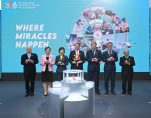
The Chief Secretary for Administration of the HKSAR Government Mr. CHAN Kwok-ki (middle), Deputy Director of LOCPG Mr. LUO Yonggang (third right), Secretary for Education of the HKSAR Government Dr. Christine CHOI Yuk-lin (third left) and members of the HKUST leadership team, including Pro-Chancellor Dr. John CHAN Cho-Chak (first right), Council Chairman Prof. Harry SHUM (second right), Court Chairman Dr. the Honorable Andrew LIAO Cheung-Sing (first left), and President Prof. Nancy IP (second left) inaugurate a series of commemorative initiatives for the HKUST 35th anniversary.
Themed “Where Miracles Happen,” the milestone event honors the pioneering spirit that has propelled generations of HKUST members to achieve remarkable feats. Officiating at the ceremony were Mr. CHAN Kwok-Ki, Chief Secretary for Administration of the HKSAR Government; Mr. LUO Yonggang, Deputy Director of the Liaison Office of the Central People’s Government in the HKSAR (LOCPG); and Dr. CHOI Yuk-Lin, Secretary for Education of the HKSAR Government. They were joined by HKUST Pro-Chancellor Dr. John CHAN Cho-Chak, Council Chairman Prof. Harry SHUM, Court Chairman Dr. the Honorable Andrew LIAO Cheung-Sing, and President Prof. Nancy IP to inaugurate a year of commemorative activities.
A Journey Forged with Vision and Purpose
In her welcome address, President Ip, who joined HKUST in 1993, offered a personal reflection on the University’s remarkable ascent. She witnessed its evolution into a world-class institution; a success built on academic excellence and a vibrant innovation ecosystem created from the ground up. She credited this profound transformation to the extraordinary foresight of the University’s Founding President, Prof. Chia-Wei Woo.
“From its very inception, HKUST was built on a bold and unprecedented vision: to become Hong Kong’s first research-intensive university,” President Ip shared. “Long before the Greater Bay Area concept existed, our founders, led by Prof. Woo, understood that Hong Kong’s future was inextricably linked with the region. This visionary courage saw them forge vital connections with the Chinese Mainland, laying the groundwork for what would become HKUST (Guangzhou) in 2022. Their courage, dedication, and tenacity built the unshakeable foundation on which we stand today.”
President Ip emphasized that the University’s success is measured not by rankings alone, but by its tangible impact on society. This founding DNA—to anticipate and meet societal needs with excellence—is now driving HKUST’s most ambitious chapter yet: the establishment of a new School of Medicine. “This is a transformative milestone, fulfilling a dream pursued for over three decades,” she stated. “We are deeply grateful to the HKSAR Government for its trust and partnership. Together, we will build a technologically advanced, humanistic medical school that ushers in a new era for healthcare in Hong Kong. Let us honor those who walked before us by carrying their courageous legacy into a new era of excellence.”
A Cornerstone of Hong Kong’s Global Leadership
Mr. Chan Kwok-Ki commended HKUST’s profound impact on Hong Kong’s development. “Over the past 35 years, HKUST has evolved from a bold new institution into a globally respected university, driven by visionary leadership, dedicated faculty, a continuing flow of talented students, and an enduring spirit of innovation. Its strong international rankings, vibrant start-up ecosystem, and diverse global student body demonstrate how research and education can deliver tangible societal impact,” he stated. “As Hong Kong advances its role as an international education hub, HKUST stands as a shining example of how universities can nurture global talent while supporting national development priorities. With strengths spanning artificial intelligence, science, and its planned School of Medicine, HKUST is exceptionally well-positioned to shape the future of innovation and talent development.”
Carrying a Pioneering Spirit into the Next Chapter
Prof. Harry Shum reflected on the University’s unique position. “Thirty-five years is a fascinating milestone. In human terms, it is the age of maturity, the point where youthful energy meets seasoned wisdom. And I see the same spirit alive in this institution. We still possess the curiosity and drive of our early years. But now we have the strength, the reputation, and the alumni network that only decades can build. The world is changing faster than ever before. If we are to serve the next generation as well as we have served the past, we must lead, we must innovate, and we must redefine what education can be. In this regard, HKUST is ready to open a new chapter.
“The HKSAR Government has appointed HKUST with the trust to build the third medical school in Hong Kong. We envision the University’s medical school that will bridge traditional medical curriculum with the latest technology and AI breakthroughs, will gradually revolutionize the entire medical spectrum—from diagnosis to treatment to recovery, prevention and personalized medicine. I am confident that this future-oriented medical school, which will admit its first cohort in 2028, will play an important role in educating and training a new generation of scientists and clinicians in the next 35 years and beyond.”
A Celebration of Innovation and Heritage
Reflecting the theme “Where Miracles Happen,” the ceremony showcased HKUST’s leadership in technology in a truly spectacular fashion. In a breathtaking fusion of tradition and innovation, the university’s Guangzhou campus team presented a robotic lion dance. This remarkable creation brought the classic folk art to life through advanced robotics, embodying the spirit of cultural heritage reimagined through cutting-edge engineering.
For the grand officiating ceremony, HKUST turned into an unexpected source of inspiration: humanity’s best friends. But there were no ordinary dogs. A team of robotic dogs—developed by Direct Drive Technology (an HKUST-nurtured startup), the Department of Civil and Environmental Engineering, and the Cheng Kar-Shun Robotics Institute—took center stage. Engineered to navigate complex, uneven terrain and perform dangerous industrial inspections, these four-legged helpers were given a far more meaningful mission for the day: carrying the ceremonial “Miracle Balls” to the officiating guests. As robotic dogs trotted majestically onto stage bearing their precious cargo, they symbolized the University’s commitment to channeling cutting-edge research into real-world applications—and its penchant for making miracles happen.
The ceremony reached its pinnacle with a dramatic display of innovation. In a symbolic gesture of bridging past and future, a drone—generously donated by distinguished alumnus Mr. WANG Tao, Founder of DJI—soared into the venue carrying the commemorative “35th Symbol Key.” As the drone gracefully descended to deliver the key to the officiating party on stage, it signaled the formal inauguration of the anniversary celebrations.
HKUST expressed its deep gratitude to Mr. Wang for his generous donation of two of the latest drone solutions to the university. These state-of-the-art drones will serve as an inspiration for faculty and students to explore and address new challenges in the rapidly evolving low-altitude economy.
The campus itself has been transformed with a “Circle of Time” visual theme, inspired by the iconic Sundial sculpture—a symbol of the University’s enduring legacy and its continuous measurement of progress in education, research, and knowledge transfer.
A Legacy of Excellence and National Trust
Since its founding in 1991, HKUST has risen to rank among the world’s top 50 universities. This commitment to excellence is underscored by the deep trust the nation has placed in the University. Following the reorganization of two existing State Key Laboratories, HKUST has secured approval from the Ministry of Science and Technology to establish a new one, further strengthening its role in advancing cutting-edge research critical to national development.
In a major national space endeavor, HKUST is developing a multi-functional robot for the historic Chang’E-8 lunar mission, designed to operate on the lunar surface and contribute to China’s advancing space exploration capabilities. The University is also leading the development of a high-precision, point-source greenhouse gas detection instrument. This groundbreaking project is set to make history as it will become HKSAR’s first payload to China’s Tiangong Space Station aboard the Tianzhou cargo spacecraft for research and application.
Celebratory Events
A full year of celebratory activities is planned, including co-hosting Asia Universities Summit with Times Higher Education, an AI Film Festival, and joint celebrations with HKUST (Guangzhou).
Global Thought Leadership
Following the symposium held earlier this year, where multiple Nobel laureates and world-leading scholars were invited to engage with HKUST faculty, students and alumni, the University will co-host the THE Asia Universities Summit 2026 with Times Higher Education (THE) this April. The event will draw university presidents and industry leaders from around the world to Hong Kong to explore Asia’s leadership role in driving global change. HKUST will also host the China Association of Higher Education’s flagship “World University Presidents Forum” for the first time in Hong Kong.
AI and Innovation Thematic Events
HKUST will organize a series of events focused on AI, technology governance and creative culture—including an AI Film Festival—to highlight the University’s leadership and societal impact in AI.
Building the HKUST Community
The University will host joint celebrations across its Clear Water Bay and Guangzhou campuses, including a year-long blood donation drive, a marathon, a “Mixed Reality x AI” art exhibition, and more, to foster closer interaction between faculty and students from the two campuses. HKUST will also organize a grand anniversary gala dinner to celebrate with faculty, students, alumni and community leaders, alongside a digital commemorative booklet that recounts the University’s 35 years of outstanding achievements with society.
Hashtag: #HKUST
The issuer is solely responsible for the content of this announcement.
About The Hong Kong University of Science and Technology
The Hong Kong University of Science and Technology (HKUST) (https://hkust.edu.hk/) is a world-class university known for its innovative education, research excellence, and impactful knowledge transfer. With a holistic and interdisciplinary pedagogy approach, HKUST was ranked 6th in the QS Asia University Rankings 2026, 3rd in the Times Higher Education’s Young University Rankings 2024, and 19th globally and 1st in Hong Kong in the Times Higher Education’s Impact Rankings 2025. Thirteen HKUST subjects were ranked among the world’s top 50 in the QS World University Rankings by Subject 2025, with “Data Science and Artificial Intelligence” coming in 17th worldwide and first in Hong Kong. Our graduates are highly competitive, consistently ranking among the world’s top 30 most sought-after employees. In terms of research and entrepreneurship, over 80% of our work was rated “internationally excellent” or “world leading” in the Research Assessment Exercise 2020 of the Hong Kong’s University Grants Committee. As of January 2026, HKUST members have founded over 1,900 active start-ups, including 10 Unicorns and 21 exits (IPO or M&A).
Hong Kong–based K‑Tech and Calgary’s Aurora AZ Energy form joint venture to power large‑scale AI, HPC and crypto mining operations in Alberta with low‑cost wellhead natural gas.
K-TECH SOLUTIONS COMPANY LIMITED (NASDAQ: KMRK) ANNOUNCES JOINT VENTURE WITH AURORA AZ ENERGY LTD. TO DEVELOP UP TO 500 MW OF AI AND HPC INFRASTUCTURE IN CANADA
HONG KONG SAR & NEW YORK, US – Media OutReach Newswire – 16 March 2026 – K‑Tech Solutions Company Limited (Nasdaq: KMRK) (“K‑Tech” or the “Company”), a technology firm specializing in high-performance computing infrastructure, today announced that its subsidiary has entered a joint venture agreement, as supplemented, with Aurora AZ Energy Ltd. (“Aurora”), a developer of wellhead natural gas power solutions, to develop large-scale crypto mining, artificial intelligence (AI) and high‑performance computing (HPC) infrastructure in Alberta, Canada.
The Joint Venture plans to develop an initial 100 megawatts (MW) of IT capacity at Aurora’s flagship site in Alberta. Expansion beyond this level, potentially up to 500 MW over time, would be subject to securing additional power supply, land and capital. Aurora AZ Energy Ltd. is a specialist in wellhead energy solutions.
By integrating natural gas resources directly at the wellhead with advanced power generation technologies, Aurora intends to utilize natural gas resources to sustainably support high‑density computing operations. The Joint Venture expects wellhead-sourced power to deliver energy costs meaningfully below prevailing grid rates in North America, positioning the partnership’s facilities as a cost-efficient platform for data center environments on the continent. Additionally, the Joint Venture intends to convert natural gas that might otherwise be flared to generate power for computing operations, reducing waste.
Under the terms of the Joint Venture, Aurora will supply power‑rich data center sites sourced from its wellhead energy portfolio, while K‑Tech will lead the design, development, and operations of the computing facilities. Together, the parties will deploy purpose‑built, high‑density data centers optimized for crypto mining, AI training/inference, and other compute‑intensive workloads. The transaction is subject to customary regulatory approvals, including applicable provincial energy and environmental permits in Alberta.
Development Roadmap
The partnership is structured across several phases that together establish a roadmap to deploy over 100 MW and up to 500 MW of IT capacity:
Initial Deployment: The Joint Venture will launch at Aurora‘s flagship site in Alberta, where the parties plan to develop an initial 100 MW of IT capacity supported by dedicated, wellhead‑sourced power infrastructure. Site preparation and infrastructure buildout are expected to commence in September 2026, with initial computing capacity projected to come online in Q2, 2027
Capacity Expansion: Subject to securing additional power and land at existing Aurora locations, the joint venture may expand total IT capacity at those sites toward the 500 MW target. The parties expect to evaluate expansion opportunities upon successful deployment of the Phase 1 facility.
Portfolio Scale-out: K‑Tech and Aurora intend to evaluate and may develop additional sites across Aurora‘s broader wellhead energy portfolio, which currently encompasses over 20 active wellhead locations across Alberta. This creates an opportunity to further scale high‑density AI and HPC capacity beyond the initial development plan.
“As AI models and HPC workloads become increasingly power‑intensive, scalable and cost‑effective infrastructure is critical. By partnering with Aurora, we are combining wellhead energy solutions with high‑performance chip design and data center expertise to support next‑generation AI and HPC applications,” said Kenneth Kwok, CEO of K‑Tech Solutions Company Ltd.
“Aurora was built to unlock the full value of natural gas at the wellhead,” said Jim Zhou, CEO of Aurora AZ Energy Ltd. “Working with K‑Tech allows us to apply that capability to high‑density computing infrastructure. We believe this collaboration will support the integration of energy and digital infrastructure at scale.”
The issuer is solely responsible for the content of this announcement.
About K-Tech Solutions Company Limited (NASDAQ: KMRK)
Founded in 2016, Hong Kong-based K-Tech Solutions is principally engaged in the design, development, testing and sale of a diverse portfolio of toy products ranging from simple plastic toy products to more complex electromechanical toy products. Our solution services span across the entire development stage of toy products from design, prototype testing, production management, quality control to after-sales services. We specialize in the development of infant and pre-school educational toys and learning kits.
About Aurora AZ Energy Ltd. Aurora AZ Energy Ltd. is a Calgary-based energy infrastructure company focused on wellhead natural gas power solutions. The company develops systems that convert natural gas resources into electricity to support high-density computing applications, including artificial intelligence, high-performance computing and digital infrastructure. Aurora AZ Energy Ltd. was incorporated in Canada in 2023.
Certain statements contained in this press release about future expectations, plans and prospects, as well as any other statements regarding matters that are not historical facts, may constitute “forward-looking statements” within the meaning of the Private Securities Litigation Reform Act of 1995. The words “anticipate,” “believe,” “continue,” “could,” “estimate,” “expect,” “intend,” “may,” “plan,” “potential,” “predict,” “project,” “should,” “target,” “would” and similar expressions are intended to identify forward-looking statements, although not all forward-looking statements contain these identifying words. Actual results may differ materially from those indicated by such forward-looking statements as a result of various important factors. For these reasons, among others, investors are cautioned not to place undue reliance upon any forward-looking statements in this press release. Any forward-looking statements contained in this press release speak only as of the date hereof, and the Company specifically disclaims any obligation to update any forward-looking statement, whether as a result of new information, future events or otherwise, except as required by law.
For more information, please contact:
K-Tech Solutions Company Limited Johnny Kwok Unit A, 7/F Mai On Industrial Building 17-21 Kung Yip Street, Kwai Chung New Territories, Hong Kong Phone: (+852) 2741 3165 Email: [email protected]
Investor Relation Jean-Pierre Noel Straight Limited Creative Hub, Shaw Studio 201 Wan Po Road, Tseung Kwan O, HK Phone: (+852) 2577 8001 Email: [email protected]
VinFast plans to restart construction of its electric vehicle manufacturing complex in North Carolina this year, even as the Vietnamese automaker reported a deeper quarterly loss driven by rising costs tied to expansion, marketing and production ramp-ups.
The company said the project in Chatham County will move forward after earlier delays tied to supply-chain adjustments and financing decisions. The facility, once completed, is expected to anchor VinFast’s ambitions in the United States market, producing electric sport utility vehicles and battery packs aimed at competing with established global manufacturers.
The announcement came alongside financial results that showed losses widening in the final quarter of the year as the company continued investing heavily in overseas manufacturing capacity and global sales networks. VinFast, part of Vietnam’s conglomerate Vingroup, has been expanding aggressively beyond Southeast Asia in a bid to gain a foothold in one of the world’s largest electric-vehicle markets.
Chief executive Le Thi Thu Thuy said the company remained committed to its strategy of building a manufacturing presence close to customers in key markets. Executives argue that local production in the United States will help VinFast reduce logistics costs, navigate tariff regimes and qualify for incentives tied to domestic manufacturing under US clean-energy policies.
The North Carolina facility represents one of the most significant foreign manufacturing investments announced by a Vietnamese company. Plans call for an initial production capacity of around 150,000 vehicles annually once the site becomes operational. The project also includes battery production facilities and a supplier ecosystem expected to attract component manufacturers to the region.
Construction began after the project was announced with strong backing from state authorities, who offered incentive packages to attract the investment. Delays followed as the company reviewed construction schedules and adjusted financing strategies while global demand for electric vehicles experienced uneven growth. VinFast has now indicated work will restart this year as preparations move into the next phase.
The company’s financial statements showed that aggressive expansion continued to weigh on profitability. VinFast has been spending heavily on vehicle development, dealer networks, charging infrastructure partnerships and marketing campaigns in North America and Europe. These investments have expanded operating losses even as vehicle deliveries increased.
VinFast’s product portfolio currently includes several electric SUVs, including the VF 6, VF 7, VF 8 and VF 9 models, which target different segments of the global market. Early deliveries in the United States began with the VF 8, while additional models are being introduced gradually as the company builds service and distribution networks.
Industry analysts say VinFast’s strategy mirrors that of other emerging electric-vehicle manufacturers that are prioritising market share and brand recognition over short-term profitability. Building manufacturing capacity in major markets is seen as essential for competing with established automakers and benefiting from incentives tied to local production.
Global demand for electric vehicles continues to grow, though the pace has moderated in some markets as higher interest rates and infrastructure challenges influence consumer purchasing decisions. Established manufacturers including Tesla, General Motors and Ford have adjusted production plans in response to evolving market conditions, while new entrants continue pushing forward with long-term investments.
VinFast’s push into the United States comes as competition intensifies across the electric-vehicle sector. Chinese manufacturers have rapidly expanded production capacity and export volumes, while European and North American automakers are investing billions of dollars in battery technology and electric platforms.
Executives at VinFast argue that the company’s vertically integrated model, which includes battery development and vehicle production within the broader Vingroup ecosystem, gives it flexibility to adapt to changes in supply chains and technology. The company has also explored partnerships with technology firms and battery specialists as it scales manufacturing.
North Carolina officials have described the planned factory as a potential economic catalyst for the region, with expectations of thousands of jobs and the development of an automotive supply chain around the plant. Infrastructure upgrades and workforce training programmes are being planned alongside the project as authorities prepare for construction to accelerate.
VinFast’s global expansion forms part of Vietnam’s broader push to develop advanced manufacturing industries capable of competing internationally. The country has emerged as a major hub for electronics production, and policymakers have encouraged the growth of domestic companies capable of expanding into high-technology sectors such as electric mobility.
Financial markets have watched VinFast closely since its public listing in the United States, where its share price has experienced sharp swings amid changing investor expectations about the pace of growth in the electric-vehicle sector. Investors have been assessing the company’s ability to scale production, expand deliveries and narrow losses as global competition intensifies.
Luxury property developer Ohana Development has reported AED6 billion in sales within 72 hours for its Manchester City Yas Residences project on Yas Island in Abu Dhabi, marking one of the most rapid sales performances recorded in the emirate’s residential market. Demand for the branded residential development surged immediately after its launch, with buyers from across the Gulf region, Europe and Asia securing units in what is […]
Through the partnership, Ant International secures comprehensive marketing rights of the Argentine Football Association (AFA) and world-class players of the Argentine National Football Team to launch strategic activations across its brand portfolio, including Alipay+, Antom, Bettr and WorldFirst
BUENOS AIRES and SINGAPORE – Media OutReach Newswire – 16 March 2026 – Ant International, a leading global payment, digitisation, and fintech solutions provider for merchants and financial institutions, today announced a partnership with the Argentine Football Association (AFA), becoming an Official Sponsor of the Argentine National Football Team for the Asia region (excluding the Middle East).
Leandro Petersen (left), Chief Commercial and Marketing Officer of AFA and Peng Yang, Chief Executive Officer of Ant International during a signing ceremony of the partnership.
With over 30 offices around the world, Ant International provides AI- and blockchain-empowered cross-border digital payment, treasury and digitalisation solutions for global merchants and financial institutions. Building on broad regional collaborations, its digital payment and account services connects 150 million+ merchants to 1.8 billion consumer accounts in the Asia Pacific by integrating 300+ of mainstream and alternative payment methods.
This agreement unites the reigning FIFA World Cup Champions with one of the world’s most innovative financial technology providers. Through this partnership, Ant International secures comprehensive marketing rights to launch strategic activations across its brand portfolio, including Alipay+, Antom, Bettr and WorldFirst, by leveraging the intellectual property of the AFA and the world-class players of the Argentine National Football Team.
“We are incredibly proud to support the Argentine national team, a beacon of excellence, teamwork, and global inspiration,” said Peng Yang, Chief Executive Officer of Ant International. “Sports and tech are two critical bonds for communities and markets that break barriers and connect people. Together we will bring more extensive and enriched football experience and community impact through our Asia fintech and digital services network.”
With three FIFA World Cup triumphs in 1978, 1986, and 2022, and having reached the global final on six historic occasions, the Argentine National Team occupies a hallowed place in the pantheon of sporting legends. As the standard-bearers of the “Albiceleste” spirit, the team is defined by a century-old lineage of virtuosity and an unwavering commitment to the pursuit of glory.
“Football is the ultimate universal language. It serves as a powerful bridge that transcends borders and connects the entire world,” said Claudio Fabian Tapia, President of AFA. “Through this partnership, we are excited to bring that connection to an even wider audience in Asia.”
“This partnership is a commitment to long-term success and a strategic union of two global leaders,” said Leandro Petersen, Chief Commercial and Marketing Officer of AFA. “By joining forces, we aim to deepen our presence in Asia and achieve new heights in both sports and fin-tech.”
The issuer is solely responsible for the content of this announcement.
About Ant International
Ant International is a leading global digital payment, digitisation and financial technology provider. Through collaboration across the private and public sectors, our unified techfin platform supports financial institutions and merchants of all sizes to achieve inclusive growth through a comprehensive range of cutting-edge digital payment and financial services solutions. To learn more, please visit https://www.ant-intl.com/
Dubai’s real estate market has begun to show signs of renewed activity even as equity investors continue to retreat from property-linked shares, highlighting a widening divide between the city’s physical property transactions and the performance of listed real estate companies on the Dubai Financial Market. Data from early March trading and transaction records point to a sharp recovery in property deals during the second week of the […]
Arabian Post Staff -Dubai Emirates airline said on Monday it expects to operate a limited flight schedule from Dubai after 10am local time, following disruption caused by a drone attack that triggered a fire near the city’s main airport and forced the temporary suspension of operations. Airport authorities halted flights after emergency services responded to a blaze sparked by the incident in the vicinity of Dubai International […]
Arabian Post Staff -Dubai National Human Rights Institution has issued a strong condemnation of Iranian military attacks targeting the United Arab Emirates, describing the strikes as a grave violation of sovereignty and a direct threat to civilian safety and fundamental human rights. The institution said the attacks, which have involved missiles and drones striking or attempting to strike locations across the country since late February, amount to […]
Alibaba Group Holding is preparing to introduce an artificial intelligence service designed to help companies deploy autonomous digital assistants, positioning the technology giant to capitalise on growing demand in China for so-called “agentic AI” systems capable of carrying out real tasks with minimal human input. The planned service will allow corporate users to build and manage AI agents that can automate business processes such as data analysis, […]
Manchester United secured a 3–1 victory over Aston Villa at Old Trafford, strengthening their hold on third place in the Premier League table after a composed performance that underlined the club’s push for Champions League qualification. Goals at key moments and sustained pressure in the second half allowed the home side to overcome a determined Villa team and extend their advantage in the race for European places. […]
Bitcoin has pushed firmly above its 50-day moving average, signalling strengthening bullish momentum in the digital asset market as traders and institutional investors watch for confirmation of a sustained upward trend. The move above the widely followed technical benchmark is viewed by market participants as a sign that buying pressure is building after months of volatile trading. Analysts say the development could encourage additional inflows into the […]
Arabian Post Staff -Dubai Flight operations at Dubai International Airport were temporarily suspended after a fire broke out near the airfield, prompting authorities to divert several aircraft to Al Maktoum International Airport while emergency crews brought the blaze under control. Authorities in Dubai halted departures and arrivals at the region’s busiest aviation hub as a precaution after flames were reported in the vicinity of the airport’s fuel […]
63 percent of industrial leaders in Malaysia have already invested in energy efficiency and a further 33 percent plan to within 12 months – yet results remain fragmented and uneven
Energy consumes 25 percent of operating costs in Malaysia, and 61 percent say rising costs threaten profitability – but barriers have shifted since 2022, from cost to data, skills and organizational silos
Digital readiness in Malaysia reaches 84 percent, and 85 percent agree total cost of ownership should guide investment in energy efficiency – however, only 42 percent consistently apply this approach
KUALA LUMPUR, MALAYSIA – Media OutReach Newswire – 16 March 2026 – Energy efficiency has become a board‑level margin and risk issue, but many industrial organizations in Malaysia are struggling to turn intent into sustained results, according to a new report from ABB.
Based on a survey of 2,700 senior decision‑makers across 15 countries and 15 industries, the study, developed in partnership with Sapio Research, finds that 63 percent of respondents in Malaysia have already invested in energy efficiency and a further 33 percent plan to within the next 12 months. Yet, progress is increasingly constrained by execution gaps.
Energy accounts for 25 percent of operating costs on average in Malaysia, and 61 percent of companies say rising energy costs continue to threaten profitability. For executives, the challenge has shifted from reacting to price spikes to managing persistent price volatility and structural exposure.
Compared to the global average, Malaysia shows an average energy cost burden (25% vs 25% globally), above-average profitability threat perception (61% vs 59% globally), and the highest level globally of digital readiness (84% vs 67% globally).
“Energy efficiency has become a foundation for business continuity, compliance, and long-term value creation. It’s a condition for market access,” explains S Kanavati, Vice President, Motion Services, ABB Malaysia Sdn Bhd. “Today, leaders care about optimizing energy use. What they struggle with is deployment, at scale, and over time.”
Execution, not intent, is now the differentiator
The study shows that digital readiness in Malaysia has reached 84 percent, with respondents already using or ready to deploy digital energy‑management tools. However, readiness alone does not guarantee results. Only 42 percent of Malaysia companies consistently apply total cost of ownership (TCO) when making investment decisions – despite 85 percent agreeing it should guide purchasing.
At the same time, responsibility for energy efficiency remains fragmented across executive management, operations, sustainability, maintenance and finance, with no single function clearly accountable.
“The barriers to energy efficiency have fundamentally changed,” adds Pearl Ong, Regional Service Manager, Asia, Motion Services, ABB Malaysia Sdn Bhd. ” Cost is no longer the main blocker for many organizations globally – it has fallen from 50 percent to 43 percent since 2022. What’s holding companies back now are organizational silos, skills gaps and a lack of usable data. That’s a critical inflection point. It tells us the challenge is helping businesses turn intent into repeatable execution.”
In Malaysia, the most significant barriers to energy efficiency are the costs (54%), the potential for downtime and disruption (44%), and a lack of specialist resource (36%).
Renewables alone are not enough
The research also points to a growing risk of ‘post‑renewables complacency’. Among organizations in Malaysia that have switched to renewable energy sources (43% of respondents), 37 percent report a reduced focus on energy efficiency.
While renewables lower the carbon intensity of energy, they do not reduce the volume consumed – meaning significant efficiency gains remain untapped, even for companies that have already secured green power. As a result, opportunities to strengthen resilience, control long‑term costs and reduce exposure to volatility are being left on the table.
When asked about their primary reasons for investing in energy efficiency, respondents in Malaysia said reducing energy costs (63%), complying with regulations (53%), and improving their resilience and competitiveness (49%).
The next phase of the industrial energy transition will be defined by delivery capability. While activity levels are high across businesses in Malaysia and globally, efforts remain shallow, lacking coordination and long‑term structure.
“To close the execution gap, ABB combines diagnostics with targeted modernization of motor‑driven systems, software‑based optimization tools, outcome‑based financing and lifecycle services,” concludes Pearl Ong. “End-to-end energy intelligence is another way we help industries outrun, leaner and cleaner – turning isolated initiatives into sustained performance gains.”
The issuer is solely responsible for the content of this announcement.
About ABB
ABB is a global technology leader in electrification and automation, enabling a more sustainable and resource-efficient future. By connecting its engineering and digitalization expertise, ABB helps industries run at high performance, while becoming more efficient, productive and sustainable so they outperform. At ABB, we call this ‘Engineered to Outrun’. The company has over 140 years of history and around 110,000 employees worldwide. ABB’s shares are listed on the SIX Swiss Exchange (ABBN) and Nasdaq Stockholm (ABB). www.abb.com
ABB Motion, a global leader in motors and drives, is at the core of accelerating a more productive and sustainable future. We innovate and push the boundaries of technology to contribute to energy efficient, decarbonizing and circular solutions for customers, industries and societies. With our digitally enabled drives, motors and services we support our customers and partners to achieve better performance, safety and reliability. To help the world’s industries outrun – leaner and cleaner, we deliver motor-driven solutions for a wide range of applications in all industrial segments. Building on over 140 years of domain expertise in electric powertrains, our more than 23,000 employees across 100 countries learn and improve every day. go.abb/motion
SINGAPORE – Media OutReach Newswire – 16 March 2026 – Months before the current geopolitical crisis hit global markets, Asia Pacific (APAC) executives had begun shielding their businesses by shortening supply chains and focusing on regional trade. Forvis Mazars’ C-suite barometer 2026: Adapting in uncertainty shows this proactive approach, alongside with efficiency-driving AI investments, is now key to navigating today’s global challenges.
While the number of APAC leaders expecting revenue growth had dropped to 67% (down from 80% in 2025) ahead of this year, underlying business confidence had notably strengthened to 41% (up from 30% in 2025). This contrast, lower growth expectations yet stronger confidence, highlights a resilience paradox: leaders are separating financial outlook from global turmoil, actively reinventing their operations to endure anticipated shocks rather than waiting for conditions to improve.
Key findings for APAC:
Measured confidence amidst geopolitical volatility: Amidst ongoing geopolitical volatility, APAC leaders remain acutely aware of the shifting landscape. Notably, 29% cite geopolitical instability and social unrest as a top trend impacting their organisation over the next 12 months, outpacing the global average of 26% and tying with regulatory pressures. Consequently, growth expectations are tempered: while 83% still anticipate positive growth in 2026, this trails the global average of 92% and marks a decline from 84% in 2025.
Expansion turns inward: Driven by geopolitical and tariff risks, expansion plans have shifted to regional neighbours, with China (36%), Australia (29%) and Hong Kong (29%) as the top destinations.
AI is a net job creator: Defying global displacement fears, 43% of APAC leaders say AI has created new roles in their organisation, significantly outpacing the 28% who say it replaced them.
The sustainability gap: While 91% are confident in meeting reporting compliance, only 73% feel prepared to manage the actual physical impacts of climate change.
The APAC resilience paradox: Building structural resilience despite lower revenue expectations
The anticipated dip in revenue expectations was primarily driven by converging pressures that have only intensified: economic uncertainty, political instability and intensifying competition. Yet, this foresight did not dampen investment. In a clear sign that businesses are fortifying their foundations, investment in human capital remains strong across the region, with 63% of APAC respondents plan to increase spending on acquiring new talent and 68% intend to upskill their workforce.
APAC’s underlying optimism is supported by a high level of operational readiness. Even as geopolitical instability remains a top concern, 76% of executives express confidence in their organisation’s preparedness to manage it. This sentiment extends to navigating supply chain challenges (85%) and new regulatory requirements (91%), showing that leaders are turning global disruptors into manageable areas of control.
Rick Chan, Managing Partner Singapore, Head of Audit & Assurance APAC and Member of Group Governing Board, Forvis Mazars, observed, “Asia Pacific has always had to move fast. The region’s businesses are built on agility – on reading the market, adjusting quickly and staying close to customers. That DNA is proving invaluable right now. The data shows leaders are transitioning from short-term firefighting to building lasting resilience. By investing in localised supply chains and AI, they are taking highly practical steps to insulate their operations against escalating geopolitical risks and secure long-term growth.”
The strategic pivot: strengthening intra-regional trade
The barometer reveals a fundamental change in how APAC firms plan to grow. Rather than facing global trade barriers head-on, executives are pivoting to markets closer to home. The top three expansion destinationsareChina (36%), Australia (29%) and Hong Kong (29%).
This inward shift is a direct, data-driven response to rising global tensions. A striking 67% of APAC leaders who revised their expansion plans this year cited geopolitical instability as the primary driver, making it the top catalyst for changing global strategies. Furthermore, 42% cite costs and operational issues due to tariffs as their biggest challenge when entering new markets. Facing these dual threats, APAC businesses have pragmatically shortened their supply chains to secure growth in neighbouring markets where geopolitical and tariff risks are more manageable.
The growth engine: AI as a workforce catalyst
In an environment where operational margins are under pressure, AI has become a critical tool for efficiency. Notably, the data indicate that AI is a net job creator in the region. 43% of APAC C-suite leaders report that AI has already prompted the creation of new roles, compared to 28% who report job replacements.
While 47% of executives rank AI as their top technology priority, their approach is disciplined. APAC leaders are prioritising high-impact applications such as forecasting (65%), knowledge acquisition, banking and retrieval (61%), client services, recommendations, relationships (61%), and operational efficiency, including automation (60%). Interestingly, they are achieving these gains with leaner investment; 41% (versus 35% globally) allocate less than 10% of their budget to AI, suggesting a focus on cost-effective, high-return AI adoption.
The blind spot: the sustainability gap – compliance versus operational resilience
While the report highlights strategic maturity in technology and trade, it reveals a critical disconnect in sustainability. Although 91% of APAC executives express confidence in meeting sustainability reporting compliance, only 73% feel prepared to manage the actual physical and operational impacts of climate change. This disparity indicates that while they are confident in meeting regulatory expectations, the priority now is to bridge the gap between compliance and reality, specifically by strengthening supply chains and building physical resilience against tangible climate risks.
Chester Liew, Partner, Head of Risk Consulting & Sustainability, Forvis Mazars in Singapore, said, “High confidence in reporting compliance is an encouraging baseline, but paperwork does not protect operations. The foresight APAC leaders are demonstrating in navigating geopolitical risks must now be urgently applied to climate risks. With regulatory timelines providing some breathing room, the prudent next step is to pivot resources from disclosure to physical defence – ensuring that supply chains and physical assets can actually withstand extreme weather and emerging environmental shocks.”
Forvis Mazars’ 2026 C-suite barometer survey captures insights from 3,012 senior executives worldwide prior to the US-Israeli war with Iran in February 2026. This independent research was conducted in October and November 2025 and captures the views of C-suite leaders at for-profit organisations with annual revenues of over US$1 million across 40 countries, including 260 respondents from seven markets in the Asia-Pacific region: Australia, China, Hong Kong, India, Japan, Singapore and South Korea. Findings reflect executive sentiments at the time of fieldwork.
The issuer is solely responsible for the content of this announcement.
Forvis Mazars in Singapore
About Forvis Mazars in Singapore Forvis Mazars Group SC is an independent member of Forvis Mazars Global, a leading professional services network. Operating as an internationally integrated partnership in over 100 countries and territories, Forvis Mazars Group specialises in audit, tax and advisory services. The partnership draws on the expertise and cultural understanding of over 40,000 professionals across the globe to assist clients of all sizes at every stage in their development. Forvis Mazars in Singapore is part of the Forvis Mazars Group. Our clientele benefits from the combined expertise of 400+ Singapore-based professionals and our international team.
About Forvis Mazars APAC Present in Asia Pacific since 1997, Forvis Mazars operates in more than 15 countries and territories in the region and draws on the expertise of over 10,100 professionals in more than 60 offices. We work as one integrated team, leveraging expertise, scale and cultural understanding to deliver exceptional and tailored services in audit and accounting, as well as tax, financial advisory, outsourcing, consulting, sustainability and legal services.
HONG KONG SAR – Media OutReach Newswire – 16 March 2026 – Professional credit management firms CollectForU Expert and Debt Hunter today jointly released a comprehensive industry observation report regarding the financial health of local enterprises. The report indicates that small and medium enterprises (SMEs) in Hong Kong are currently facing significant liquidity risks as payment cycles across supply chains continue to lengthen. This trend has resulted in a critical imbalance between recorded profits and actual cash flow.
CollectForU Expert and Debt Hunter Jointly Report Critical Credit Risk Management Gaps Among Hong Kong SMEs
Widespread Absence of Credit Defense Mechanisms According to the findings, more than 70% of Hong Kong SMEs lack robust credit defense mechanisms. The report highlights that many businesses fail to perform in-depth credit due diligence on new clients or establish firm payment thresholds.
Alex Yeung, founder of CollectForU Expert, noted that a high percentage of SMEs remain in a state of low defense regarding credit management. Yeung emphasized that bad debts in B2B transactions often have a domino effect. He stated that if a company focuses solely on gross margins while ignoring the operational stability of a counterparty, a single large-scale default could potentially eliminate an entire year of net profit. He recommends that businesses establish standardized defense systems including background checks, credit limit settings, and continuous monitoring to ensure operational safety.
The 90-Day Recovery Threshold The joint report identifies the 90-day mark as a critical watershed for the successful recovery of overdue accounts. Many SME owners hesitate to take action during the early stages of delinquency to preserve client relationships, which inadvertently increases the risk of asset dissipation or insolvency proceedings by the debtor.
Obis Tsang, founder of Debt Hunter and a professional mediator, stated that the success rate of commercial debt recovery is inversely proportional to the duration of the delinquency. Once a debt is overdue by more than 90 days, the probability of recovery decreases significantly. Tsang suggested that early intervention by specialized third parties should be viewed as a rational tool for commercial negotiation. Engaging mediation-focused professionals can facilitate viable repayment plans and prevent the loss of claims due to excessive delays.
Strategic Recommendations for SMEs In response to the current economic environment, both institutions advise SMEs to adopt a proactive approach to credit defense rather than waiting for defaults to occur:
Establish Warning Mechanisms: Define clear payment deadlines and take immediate action when clients breach these thresholds.
Seek Timely Professional Assistance: Introduce expert third-party advice early in the delinquency period to stabilize cash flow.
CollectForU Expert and Debt Hunter intend to continue their collaboration to standardize credit management practices and enhance the financial resilience of Hong Kong SMEs. Hashtag: #CreditManagement #AccountsReceivable #CollectForU #DebtHunter #DebtCollection #HongKongSMEs
The issuer is solely responsible for the content of this announcement.
About Debt Hunter
Debt Hunter is a commercial debt resolution agency founded by professional mediator Obis Tsang. The firm prioritizes negotiation and mediation as its core service philosophy. Debt Hunter was awarded the “Mediate First” Pledge Star Logo Award by the Hong Kong Department of Justice, in recognition of its commitment to mediation practices. Recognized by HackerNoon as a “Startups of the Year 2023” in Hong Kong, the firm employs a strategy involving legal compliance, behavioral insights, and big data to resolve commercial disputes. The agency has processed over 10,000 commercial cases to provide rational asset protection for its clients.
CollectForU Expert was founded by Alex Yeung, who possesses over 15 years of practical experience in commercial debt recovery and credit management. The firm provides integrated solutions ranging from credit risk early-warning systems to accounts receivable recovery, with a focus on maintaining corporate reputation and long-term partnerships. CollectForU Expert utilizes behavioral psychological analysis and commercial negotiation techniques to resolve complex financial disputes and helps SMEs optimize internal credit processes.
Central Board of Secondary Education has cancelled all Class 12 board examinations scheduled between March 16 and April 10 across several Middle Eastern countries, citing security concerns linked to the widening conflict involving Iran and regional powers.
The decision affects CBSE-affiliated schools in Bahrain, Iran, Kuwait, Oman, Qatar, Saudi Arabia and the United Arab Emirates, where thousands of expatriate students were preparing for the final phase of the 2026 board examination cycle. The board said all remaining and previously postponed examinations for Class 12 in these locations stand cancelled and that an alternative evaluation method for students will be announced separately.
Officials indicated that safety considerations were the primary factor behind the move as tensions and military activity across parts of West Asia disrupted normal operations, including international travel and school schedules. Schools across the region had already reported logistical difficulties, uncertainty among students and disruptions to classroom teaching as governments issued security advisories and airlines altered flight routes.
The cancellation marks the culmination of a series of escalating measures by the board over the past weeks. Earlier in March, several examinations scheduled for overseas centres in the region were first postponed following a review of the geopolitical situation. Papers scheduled between March 9 and March 11 were delayed, with authorities saying conditions would be reassessed before deciding whether to continue with the examination calendar.
Subsequent circulars extended the postponement to additional dates as regional uncertainty deepened, affecting exam centres that serve large expatriate student communities in Gulf states. The board had already cancelled Class 10 examinations in the region earlier in the month, indicating that authorities were increasingly concerned about the ability of schools to conduct secure and orderly examinations during the conflict.
CBSE-affiliated institutions in the Gulf represent a significant segment of the overseas education network linked to the board’s curriculum. More than 150 schools operate across West Asia under CBSE affiliation, serving children of expatriate professionals working in sectors ranging from construction and healthcare to technology and finance. These schools follow the same academic calendar and examination framework as institutions in India, with board examinations playing a decisive role in university admissions.
Students and parents across the region had been closely monitoring official notifications as the situation evolved. The postponements earlier triggered confusion among candidates preparing for key subjects, particularly because board examinations typically determine eligibility for higher education programmes both in India and internationally.
Education administrators say the uncertainty surrounding examinations has added pressure on students who had spent months preparing for the crucial assessments. Community organisations representing expatriate families in Gulf countries had appealed to authorities for a decision that would prioritise student welfare and minimise academic disruption.
School leaders in the United Arab Emirates and Saudi Arabia described the board’s decision as a difficult but necessary step given the circumstances. Administrators had warned that maintaining examination schedules amid heightened security concerns could expose students, invigilators and school staff to unnecessary risks, especially in locations where travel advisories or temporary airspace restrictions complicated logistics.
Education experts note that examination cancellations in overseas centres remain rare, reflecting the exceptional circumstances affecting the region. Board examinations are normally conducted simultaneously across India and international centres to maintain standardised assessment procedures.
Authorities are now expected to announce a mechanism for evaluating the performance of affected students. Education analysts say possible options could include internal assessment scores, practical examination results or a formula combining school-based evaluations with earlier academic performance. Similar methods have been used during extraordinary disruptions in the past to ensure students are not disadvantaged in university admissions.
Universities and higher-education institutions that admit CBSE students are also monitoring developments closely. Admission timelines in many countries coincide with the board examination season, making timely declaration of results critical for students applying to degree programmes abroad.
Parents and teachers say clarity on the evaluation process will be essential in the coming days. Many schools have begun counselling sessions and online support programmes to help students manage anxiety and remain focused on academic planning despite the upheaval.
Rising oil prices linked to the war involving Iran are creating fresh economic strain for Indonesia just as millions prepare for the annual Eid al-Fitr travel surge, placing President Prabowo Subianto’s administration under mounting pressure to shield consumers from higher fuel costs.
Energy markets have been rattled by escalating conflict across the Persian Gulf, where attacks on shipping routes and oil infrastructure have disrupted global crude supplies. A large share of the world’s petroleum exports passes through the Strait of Hormuz, a narrow maritime corridor connecting Gulf producers with international markets. Disruption to tanker traffic through this chokepoint has pushed benchmark crude prices sharply higher, triggering fuel price increases across Asia and raising fears of supply shortages in import-dependent economies.
Indonesia faces particular vulnerability because it relies heavily on imported energy. Around a quarter of its crude oil and roughly a third of liquefied petroleum gas supplies originate in the Middle East. Shipping disruptions in the Gulf have already complicated trade flows, with tanker movements slowed by security risks and insurance costs rising for vessels operating in the region. Market volatility has driven crude prices beyond the psychological threshold of $100 per barrel, fuelling concern that further escalation could drive them even higher.
The timing of the price shock has heightened the challenge for Jakarta. Eid al-Fitr, marking the end of Ramadan, triggers one of the largest annual travel movements in the country as families journey from major cities to hometowns across the archipelago. State energy company Pertamina anticipates gasoline demand during the holiday period to climb by more than 10 per cent, intensifying pressure on supply chains already strained by global market turbulence.
Authorities have attempted to reassure the public that domestic fuel supplies remain sufficient. Officials say government stockpiles and logistics networks can support the expected surge in consumption during the festive season. At the same time, policymakers have signalled that subsidised fuel prices will remain unchanged until the Eid holidays conclude, a move designed to prevent abrupt increases in transport costs during the peak travel period.
Holding prices steady carries significant fiscal implications. Indonesia already devotes substantial resources to energy subsidies, allocating more than 380 trillion rupiah in the state budget to keep fuel and electricity costs manageable for households and businesses. Sustaining those subsidies while global oil prices rise could widen the fiscal deficit or force adjustments elsewhere in the budget.
Economists warn that prolonged turbulence in global oil markets may reverberate across the broader economy. Higher crude prices increase the cost of imports and can erode Indonesia’s trade balance, particularly because the country has transitioned from being an oil exporter to a net importer over the past two decades. Analysts estimate that each $10 increase in the price of oil could shave hundreds of millions of dollars from the country’s trade surplus while raising domestic inflationary pressures.
Currency markets have already reacted to the geopolitical shock. The rupiah has faced downward pressure amid investor concerns about rising energy import costs and potential fiscal strain from expanded subsidies. A weaker currency makes fuel imports more expensive, compounding the burden on state finances and increasing the risk that domestic prices may eventually need to adjust.
Officials are exploring alternative strategies to mitigate the impact. One approach involves diversifying crude imports away from the Middle East by securing additional shipments from suppliers such as the United States and other regions less affected by the conflict. Authorities are also considering longer-term measures including accelerated blending of biofuels and the expansion of renewable energy capacity to reduce dependence on imported oil.
Energy security has become a central concern for policymakers across Southeast Asia as the Gulf crisis unfolds. Countries throughout the region rely heavily on imported petroleum and have limited capacity to absorb sustained price shocks. Governments have begun introducing conservation measures, adjusting subsidies, and seeking alternative suppliers as they attempt to stabilise domestic markets.
Indonesia’s logistical challenges are magnified by its geography. The archipelago spans more than 17,000 islands, making fuel distribution complex even during stable market conditions. Sudden shifts in global prices can ripple quickly through domestic supply chains, affecting transportation costs, food prices, and broader consumer inflation.
Political pressures add another layer of complexity for the administration. Public sensitivity to fuel prices has historically been high, and previous attempts to reduce subsidies have sparked protests and social unrest. Managing the current crisis therefore requires balancing fiscal prudence with the need to maintain social stability and support economic growth.
Market analysts say the duration of the Middle East conflict will determine how severe the economic impact becomes. If disruptions to shipping lanes and energy infrastructure persist, global crude supplies could tighten further, pushing prices to levels that strain government budgets and household finances alike. A prolonged crisis could also prompt broader shifts in energy policy, encouraging faster investment in domestic energy resources and renewable alternatives.
Al Habtoor Polo and Jehangiri Polo have secured places in the final of the fourth Dubai Polo Challenge Cup after winning their respective qualifying matches at the Al Habtoor Polo Resort and Club in Dubai, setting up a decisive clash in one of the region’s prominent mid-handicap tournaments. The competition, staged at the sprawling polo grounds on the outskirts of Dubai, features four teams with handicap ratings […]
Bitcoin surged past the $72,000 mark on 13 March, buoyed by a sustained inflow of institutional capital into spot exchange-traded funds and improving market sentiment following a volatile start to the year. The rally lifted the world’s largest cryptocurrency to its highest level in more than a week, strengthening a rebound that has unfolded alongside growing interest from large investors and asset managers. Market data showed Bitcoin […]
By K Raveendran #Oil markets have entered a phase of acute uncertainty as military escalation involving strikes on Iran and the resulting closure of the Strait of Hormuz begin to reverberate through global energy supply chains. Within just over a week of the disruption, more than 12 million barrels of oil equivalent per day of […]
Arabian Post Staff -Dubai Conflict involving Iran, Israel and the United States has entered a second week, prompting heightened caution across financial markets in the Gulf while investment banks operating in the region signal that their local operations remain in place despite escalating security warnings. Financial institutions active in the Gulf Cooperation Council have indicated that dealmaking teams and advisory units will continue functioning as normal even […]
Arabian Post Staff -Dubai Saudi Arabia has cut crude oil production by about two million barrels per day after shutting down major offshore fields as conflict around Iran disrupts shipping through the Strait of Hormuz, forcing the world’s largest exporter to scale back output and reroute supplies. Production has fallen to around eight million barrels per day, down from more than 10 million barrels per day earlier […]




 https://hkust.edu.hk/







 https://www.linkedin.com/company/forvis-mazars-singapore
 https://www.facebook.com/ForvisMazarsSingapore/
 https://www.instagram.com/forvismazarssingapore/?hl=en