News related to
Mid Term

A 25-basis-point reduction in the policy repo rate has set the stage for a notable shift in housing sentiment as the year draws to a close, giving the real estate sector a stronger footing after months of price escalation across major urban centres. Market participants described the cut as a timely boost for homebuyers facing rising borrowing costs and double-digit appreciation in property values through 2025, with many developers expecting the decision to influence purchase behaviour almost immediately.

The RBI move lifts realty outlook theme echoed through the sector as developers, housing finance executives and market analysts assessed the implications of lower lending rates on affordability and sales velocity. The cut follows earlier easing phases this year, forming a broader cycle aimed at supporting domestic demand while keeping inflation within the central bank’s comfort range. Housing markets have been particularly sensitive to borrowing costs, and the value proposition for aspiring homebuyers had tightened as average prices climbed around 10% across the seven largest cities, according to widely tracked industry assessments.

The central expectation among market analysts is that the rate cut could ease pressure on households evaluating home purchases in the affordable and mid-income categories. These segments have shown persistent demand through the year, supported by rising urban employment and continuing interest from younger households. Yet higher prices and limited correction in construction costs have constrained affordability. A lower repo rate opens the possibility of more competitive home loan pricing once lenders adjust their marginal cost of funds-based lending rates and benchmark-linked rates.

Banks are now under scrutiny for the pace at which they transmit the reduction to borrowers. Transmission has varied across lenders in earlier cycles, with some responding quickly and others adjusting rates more cautiously, depending on liquidity conditions and deposit costs. Senior executives in the mortgage market indicated that lending rate revisions are under active consideration and that competitive pressure would likely encourage faster alignment. A prompt pass-through is expected to be a decisive factor in determining whether the anticipated surge in sales materialises through the first quarter of 2026.

Developers are preparing for an uptick in enquiries, particularly from buyers who had deferred decisions amid upward price trends. Several large developers noted that ready-to-move inventory in key metros has been absorbed at an accelerated pace this year, leaving new launches in the mid-income category positioned to capture renewed interest. Many builders believe that households that had been undecided due to higher equated monthly instalments would reassess their position once banks adjust retail lending rates, potentially adding momentum to year-end bookings.

Luxury housing, which has played an outsized role in supporting revenue growth in the sector this year, is expected to maintain its strong performance into 2026. This segment has been less affected by interest rate movements, relying instead on wealth-driven demand and portfolio diversification among high-net-worth buyers. Developers pointed to sustained traction in high-value projects across major metros, supported by resilient stock market gains and stronger capital inflows into premium residential assets.

The affordability challenge, however, remains significant for many households despite the policy easing. Construction input costs have risen steadily over the year, and land prices in established urban clusters show no sign of correction. These factors have been passed on to consumers, compressing the share of buyers in the lower and mid-income categories who are able to meet both down-payment requirements and monthly repayment thresholds. The rate cut eases the burden but does not eliminate structural pressures, prompting some market economists to emphasise the need for calibrated price discipline and wider supply in budget-friendly categories.

Housing finance companies have also highlighted the potential for refinancing activity as borrowers explore opportunities to switch to lower-rate products. Such movement typically intensifies during periods of policy easing and can influence lender strategies as they work to retain existing customers. The scale of refinancing will depend on how individual lenders approach rate revisions and how aggressively they compete for home loan market share.
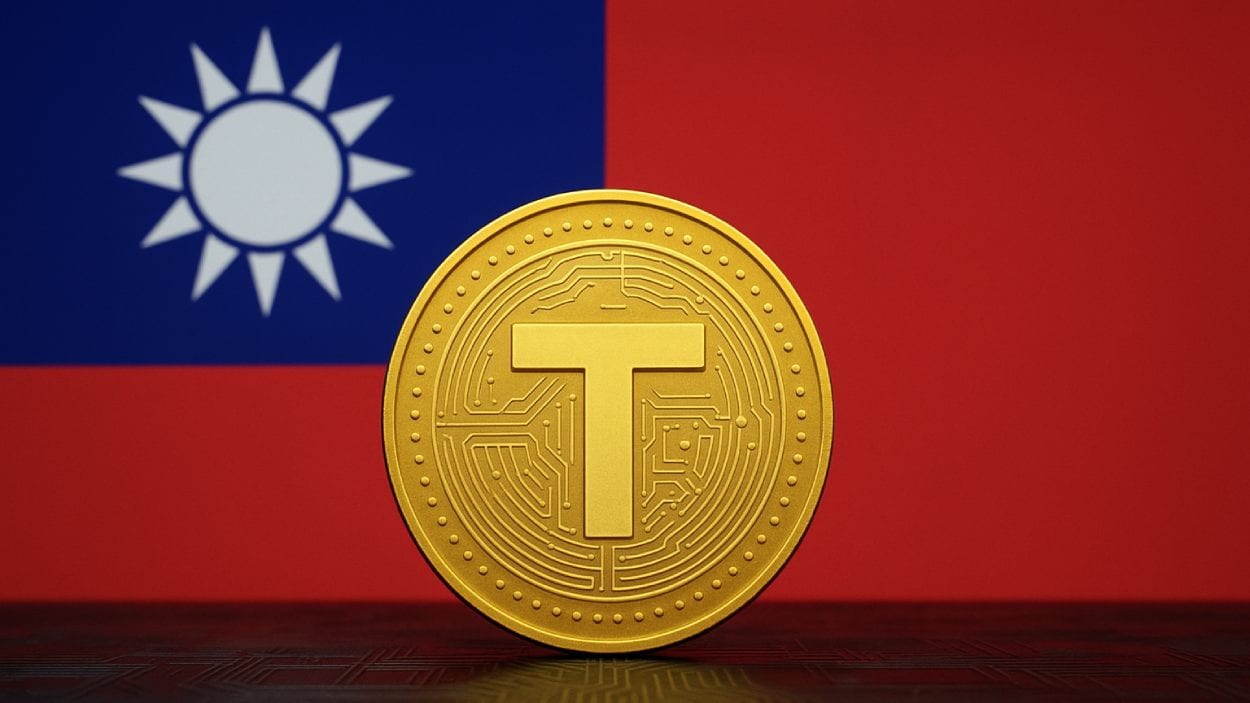

Taiwan’s financial authorities have confirmed that the territory is preparing to introduce its first regulated stablecoin by the second half of 2026, marking a significant step in its oversight of digital assets. The move establishes a formal framework for issuers and signals a wider effort to balance financial innovation with stricter consumer safeguards.

The Financial Supervisory Commission said the project aims to create a compliant asset-backed token that can operate within a supervised environment. Officials outlined that the proposed model would require issuers to undergo licensing, maintain verifiable reserves and implement robust disclosure rules. The initiative forms part of a broader regulatory roadmap that includes enhanced governance standards for exchanges and custodians, supplemented by anti-money laundering protocols already legislated in earlier phases of Taiwan’s digital asset oversight.

Taiwan has seen increased retail interest in digital tokens over the past two years, accompanied by concerns about informal trading platforms and fragmented reserve practices. Authorities have been developing clearer definitions around virtual asset providers, following earlier commitments to draft bespoke legislation for the sector. The stablecoin proposal marks the first time regulators have publicly set a target date for a national, fully supervised token that can circulate in mainstream financial channels.

Officials involved in the planning process described the stablecoin framework as an attempt to reduce systemic vulnerabilities that arise from lightly governed instruments. They indicated that the 2026 timeline allows sufficient room for market consultation with local banks, fintech operators and blockchain firms. The authorities emphasised the need for transparency around backing assets, independent audits and liquidity arrangements to prevent redemption shocks during periods of market stress.

Taipei’s policy trajectory mirrors a wider shift across Asia, where governments have begun formalising rules for digital currencies amid concerns about financial stability and technological competitiveness. Japan’s stablecoin regulations came into force earlier, requiring issuers to be banks, trust companies or registered intermediaries. Singapore’s approach has focused on wallet security, reserve segregation and consumer risk warnings. Taiwan’s proposed regime appears to blend elements of both models, adapting them to domestic institutions and supervisory capacities.

Market analysts say the announcement demonstrates how regulators are transitioning from broad guidance to more detailed rule-making. They note that several local financial institutions have shown interest in blockchain-based settlement systems but have lacked the legal certainty required to develop pilot projects. A regulated stablecoin could allow banks to explore tokenised deposits, speed up cross-border payments and reduce settlement backlogs, provided the technology meets stringent compliance standards.

Developers and industry groups argue that clarity around governance will be crucial to gaining public trust. They expect Taiwan’s framework to include ring-fencing of reserves, real-time reporting tools and strong oversight of custodial arrangements. Several blockchain service providers in Taiwan have already contributed to consultation papers, advocating for interoperability with international systems and stronger penalties for misappropriation of client funds.

Policy advisers involved in the consultation say authorities are mindful of global regulatory pressure, as jurisdictions coordinate rules for financial stability and cross-market supervision. They note that Taiwan has studied overseas cases where unbacked or poorly audited stablecoins faced severe liquidity issues, prompting large-scale withdrawals and disruptive price swings. Officials believe a regulated model will help Taiwan avoid similar vulnerabilities and foster safer digital innovation.

Some opposition lawmakers have urged the commission to publish more technical details, particularly regarding the choice of reserve assets, settlement architecture and the criteria required to issue the token. They want clearer rules on redemptions, consumer rights and supervisory intervention during market volatility. Financial regulators responded that these elements remain under review and will be formalised following extended consultation with the private sector.

Industry observers expect the stablecoin to be structured as a fully collateralised token backed by high-quality liquid assets such as government bonds or cash equivalents. This design is intended to minimise counterparty risk and ensure immediate redemption at par value. Regulators are also exploring how to embed cybersecurity requirements and resilience testing into the licensing regime, responding to heightened concerns about digital infrastructure vulnerabilities.

Cushman & Wakefield Experts Share Market Insights at MIPIM Asia Summit HONG KONG SAR – Media OutReach Newswire – 4 December 2025 – China’s Real Estate Investment Trust (C-REIT) market is entering a transformative phase, marked by rapid expansion in issuance size, diversification into emerging asset classes, and rising institutional investor confidence. Since its inception, the market has grown to reach a total issuance scale of RMB207 […]

SINGAPORE – Media OutReach Newswire – 4 December 2025 – Pursuing higher education abroad represents a significant financial commitment. According to a report by The Straits Times, annual tuition fees at top global universities can range from US$30,000 to US$50,000. Total expenditure for a four-year programme, including accommodation and living costs, exceeding S$500,000 in destinations such as the United States, United Kingdom and Australia. In comparison, international […]

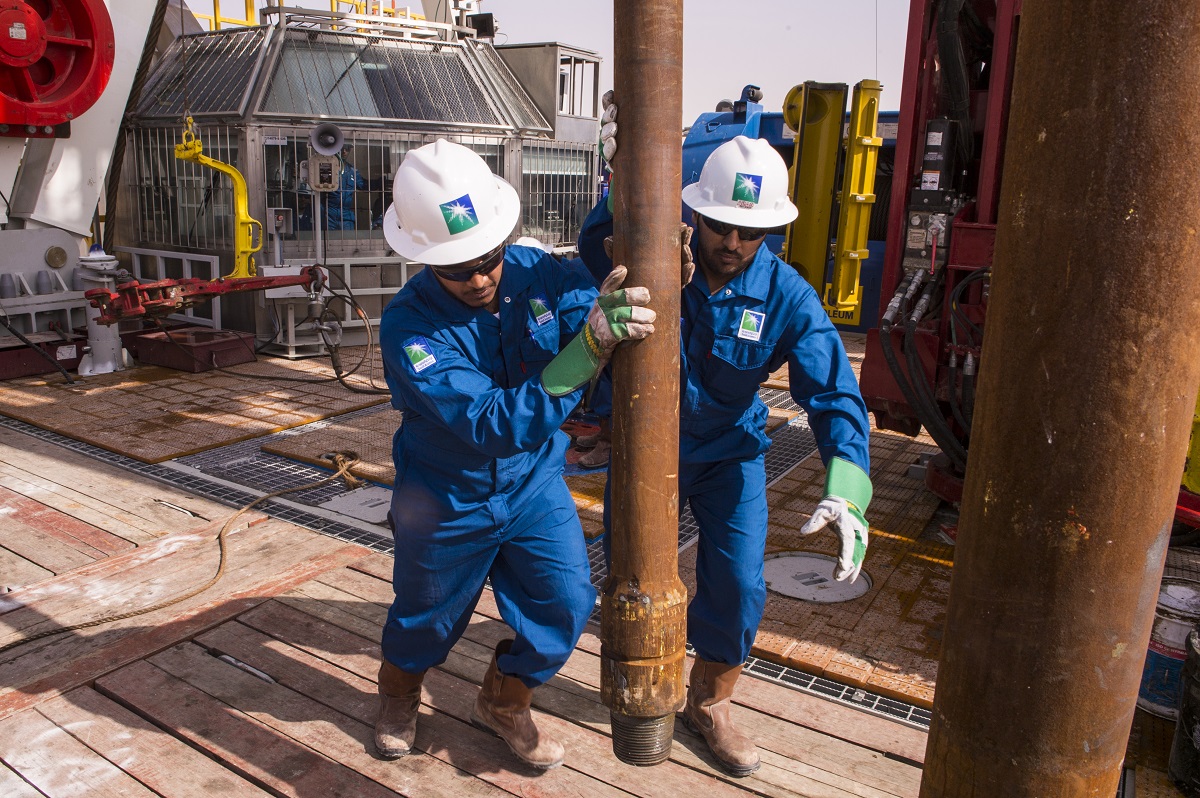
Saudi energy giant Saudi Aramco has begun output from the first phase of its vast Jafurah gas field, signalling a major milestone in the Kingdom’s shift toward natural gas. The project, valued at around $100 billion, has an initial production capacity of 450 million cubic feet per day, according to the Saudi Finance Ministry’s 2026 budget statement.

The field holds an estimated 229 trillion standard cubic feet of raw gas along with 75 billion stock tank barrels of condensate—making Jafurah the largest non-associated gas development in Saudi Arabia and among the largest shale-gas plays outside the United States.

Completion of the first development phase allows Aramco to begin supplying sales gas domestically. The company plans to ramp production gradually and aims to reach a sustainable output of 2 billion cubic feet per day by 2030.

To support its gas-processing infrastructure, Aramco earlier sealed an $11 billion lease-and-leaseback agreement with a consortium led by Global Infrastructure Partners, part of BlackRock. Under the deal, a newly formed subsidiary, Jafurah Midstream Gas Company, will lease the processing and fractionation facilities — which Aramco will then lease back for a 20-year period. Aramco retains majority ownership with a 51% stake, while the investor group holds 49%. The transaction is designed to inject capital without constraining production volumes.

Aramco’s move reflects a broader strategic shift. By ramping up gas production, the company aims to reduce domestic reliance on crude oil for power generation — thereby freeing more crude for export. Gas from Jafurah is expected not only to meet domestic power and utility needs but also to provide feedstock for petrochemicals, hydrogen, and potentially emerging sectors such as AI data-centres.

Analysts view Jafurah as a potential game-changer for both Saudi Arabia and global gas markets. With reserves comparable to major U. S. shale plays and a projected daily output of 2 bcf by 2030, the project could make Saudi Arabia a more prominent natural-gas exporter or LNG player — a significant rebalancing from its traditional role as an oil-dominated supplier.

Through this transformation, Aramco underlines its long-term aim of reinventing its energy portfolio — aligning with efforts to diversify the country’s economy and meet shifting global demand patterns.

SINGAPORE – Media OutReach Newswire – 4 December 2025 – Venture Cars, a parallel car importer in Singapore, has introduced a new lease-to-own programme aimed at making car ownership more accessible amid rising Certificate of Entitlement (COE) costs in Singapore. The initiative offers an alternative route to ownership by allowing customers to lease a brand-new car for a fixed period before buying it over at the end […]

SINGAPORE – Media OutReach Newswire – 3 December 2025 – As Singapore’s economy continues to evolve, the pursuit of education is no longer a linear journey. For many learners, choosing between full-time and part-time study has become a pivotal decision, one that shapes long-term career prospects, financial planning, and personal development. At the Singapore Institute of Management (SIM), flexibility is a core commitment. Offering over 140 full-time […]

Advertisements

Arabian Post Staff -Dubai Saudi Arabia approved its 2026 state budget, confirming total government expenditure at 1.31 trillion riyals and setting revenues at approximately 1.15 trillion riyals, signalling a planned deficit of 165 billion riyals—equivalent to 3.3 percent of gross domestic product. The projected spending level is only marginally lower than the 2025 outlay, reflecting a continued commitment to funding national priorities and long-term economic diversification. Forecasts […]

Geopolitical and macroeconomic uncertainty, tariffs, and cyber risks pose liability challenges for the boards of corporations of all sizes. The increasing number of insolvencies around the globe is becoming a major issue for executives. Claims severity and settlement costs are increasing, especially in the US, while the commercial financial lines insurance market remains highly dynamic. SINGAPORE – Media OutReach Newswire – 3 December 2025 – Around the […]

HONG KONG SAR – Media OutReach Newswire – 2 December 2025 – The Hong Kong Special Administrative Region (HKSAR) Government is going all out to support victims and investigate the cause of a massive fire that engulfed seven out of eight high-rise residential blocks at Wang Fuk Court in Tai Po, Hong Kong, on November 26. The tragedy prompted an outpouring of support from the public and […]

OceanX has completed its first research mission in Timor-Leste, carrying out fourteen days of integrated science and exploration across the northern coast and Atauro Island region. Dili, Timor-Leste – Media OutReach Newswire – 2 December 2025 – The mission brought together scientists from KAUST, the University of Florida, the University of Western Australia, and Timorese counterparts to investigate biodiversity, whale ecology, and seafloor structure in one of […]

Filmmaker James Cameron has delivered a stark warning to Hollywood: generative artificial intelligence capable of creating entire performances from a single text prompt risks erasing the human essence from cinema. In an interview on CBS’ Sunday Morning, he described the notion of AI-generated actors and performances as “horrifying,” arguing that such automation undermines what he considers the core of film — live collaboration between actor and director. […]

Amazon has begun shipping its most advanced phased-array terminal, dubbed Leo Ultra, to select enterprise customers as part of a preview programme for its satellite broadband service Amazon Leo — the rebranded successor to Project Kuiper. The company claims the terminal can deliver download speeds up to 1 gigabit per second and upload speeds reaching 400 megabits per second, representing a bold push to challenge incumbent players […]

Saudi Arabia’s sovereign wealth fund is seeking to deepen ties with Japanese investors as it reshapes its investment strategy away from sprawling real-estate megaprojects toward sectors deemed more viable in the near term.

The Public Investment Fund, valued at roughly $925 billion, unveiled a plan to expand investments in Japan from $11.5 billion between 2017–2024 to a projected $27 billion by 2030, according to remarks by its governor, Yasir Al-Rumayyan, at a business summit in Tokyo. He described Japanese companies as “one of the largest partners for Saudi Arabia,” and said the kingdom hopes to “bring more and more Japanese companies” on board.

This outreach comes alongside a major overhaul of PIF’s priorities. Plans for large-scale real estate ventures—previously central under the Vision 2030 plan—are being put on the back foot as delays and write-downs erode investor confidence. The new strategy pivots toward sectors such as logistics, mineral extraction, religious tourism and artificial intelligence, with greater emphasis on data infrastructure and industries promising quicker returns.

Some megaprojects under Vision 2030, including the much-publicised desert city NEOM and a planned mountain-based winter sports hub, have faced repeated delays and mounting costs, prompting analysts to question their long-term viability. PIF’s 2024 annual report shows impairments on several high-profile investments that have weighed on returns, and strategic rebalancing appears aimed at stabilising the fund’s financial outlook.

The renewed focus on logistics underscores Saudi Arabia’s ambition to become a global supply-chain hub bridging Asia, Europe and Africa. Mineral extraction targets the kingdom’s considerable reserves of rare earths and critical minerals, seen as vital for future technology supply chains. Religious tourism aims to leverage steady demand for pilgrimage to holy sites, while investments in artificial intelligence and data infrastructure, led by PIF-backed firm Humain, reflect the kingdom’s drive to build a diversified economy beyond hydrocarbons.

Financial markets and global investors have welcomed the pivot as more pragmatic and potentially less risky than monumental real-estate bets. Yet critics caution that shifting to more conventional sectors may diminish the transformative potential originally promised under Vision 2030. The challenge now lies in whether the new strategy can deliver on its growth and diversification goals while restoring investor confidence.

Strategy, the publicly traded firm widely known for holding the largest corporate stash of Bitcoin, has drawn a line under doubts over its ability to meet dividend and debt obligations without selling crypto by creating a $1.44 billion U. S.-dollar reserve backed by share sales. This move reflects a deeper shift in the company’s risk management as the digital-asset market endures sharp price swings.

According to disclosures, the cash reserve was funded through the company’s at-the-market sales program, under which Strategy issued new Class A common stock in November, raising nearly $1.5 billion. Those proceeds now serve to fund preferred stock dividends and interest payments on outstanding convertible debt, obligations that had sparked investor concern amid a steep slide in Bitcoin valuations.

Alongside the cash build-up, Strategy added another 130 Bitcoin to its holdings, raising its total cache to 650,000 BTC — reaffirming its long-term bullish stance even as market conditions deteriorate. Executive chairman Michael Saylor reiterated commitment to Bitcoin as core to the firm’s identity, signalling confidence that the underlying asset remains a compelling store of value despite pressure.

Still, Strategy trimmed its fiscal-year 2025 guidance on operating income and diluted earnings per share, reflecting the volatile environment. Earlier projections assumed a markedly higher Bitcoin price range; the company now expects end-of-year BTC valuations between $85,000 and $110,000, a significant downgrade from prior assumptions near $150,000. Analysts caution this wide range introduces considerable uncertainty for cash-flow forecasts and valuation models.

The need for a cash reserve stems from one of the harshest drawdowns Bitcoin has faced this year. Bitcoin surged past $126,000 in early October but surrendered those gains over the subsequent weeks. The broader crypto sell-off, combined with liquidity constraints and high correlation between digital assets and riskier financial instruments, has erased much of the 2025 rally.

Industry-wide, firms that built large digital-asset treasuries this year are now navigating amplified risk. A recent study modelling “Digital Asset Treasury” companies warns that those relying solely on mark-to-market gains are especially vulnerable in bear markets — a problem compounded when accounting for debt and fixed-income obligations. The authors argue that cash-flow generation independent of crypto price swings, such as fee-based services on payment rails, could offer a path to stability; for now, Strategy’s cash reserve seems to be its principal line of defence.

Market reaction was swift. Shares of Strategy dropped more than 10 per cent following the announcement, extending a decline that has taken the stock down over 50 per cent in 2025. Some investors remain unconvinced that the company’s liquidity buffer is sufficient, pointing to its substantial convertible debt load and the challenge of generating recurring operational revenue. Others see the reserve as a pragmatic step — a signal that Strategy is prioritising financial resilience over ideological purity.

Arabian Post Staff -Dubai Leaders of the oil-exporting alliance OPEC+ confirmed they will maintain their pause on increasing crude output through the first quarter of 2026. The group’s decision, reconfirmed after a weekend of virtual meetings, reflects growing evidence of oversupply in global oil markets and subdued demand prospects for early 2026. The eight member countries involved in output adjustment — among them Saudi Arabia, Russia, UAE, […]

Arabian Post Staff -Dubai A US$500 million Sukuk issued by Sharjah Islamic Bank has begun trading on Nasdaq Dubai, strengthening the exchange’s position as a leading hub for Sharia-compliant debt instruments and marking another step in Sharjah’s broader capital-raising strategy. The exchange confirmed that the five-year issuance, structured under the lender’s US$3 billion Trust Certificate Issuance Programme, enhances the visibility of Gulf-based issuers seeking to tap international […]

By Ashok Nilakantan Ayers SILICON VALLEY / SAN FRANSISCO / CALIFORNIA: The numbers are staggering. Microsoft has spent over $20 billion building data centres stuffed with the most powerful computer chips ever made. Meta is burning through billions more, weaving artificial intelligence into Instagram, WhatsApp, and Facebook. Google and Amazon are locked in a cloud-computing […]

The article The Great AI Gold Rush By US Big Tech Companies Through Huge Investment appeared first on Latest India news, analysis and reports on Newspack by India Press Agency).

SINGAPORE – Media OutReach Newswire – 28 November 2025 – As part of its commitment to enhancing community welfare in its operational areas, Asian Agri’s business unit PT Inti Indosawit Subur (PT IIS) has provided educational support and alternative economic assistance to two foster villages – Tri Mulya Jaya and Ukui Dua – in Ukui District, Pelalawan Regency, Riau. The assistance was officially handed over on 10 […]

GENE SKIN upholds the philosophy of “Creating Results with Care,” specializing in acne treatment, and has become a highly acclaimed medical skincare brand through its professionalism, reliability, and exceptional customer experience HONG KONG SAR – Media OutReach Newswire – 28 November 2025 – Medical skincare brand GENE SKIN Rejuvenation Centre, has been honoured with the “2025 Healthcare Professionals’ Favourite Health Brand Award”(2025醫護人員至愛健康品牌大獎) organized by the Primary Care […]

BANGKOK, THAILAND – Media OutReach Newswire – 27 November 2025 – SCG is advancing its “Regional Optimization” strategy by positioning Vietnam as a key production base to support domestic consumption and exports to global markets. The company is showcasing the strengths of Long Son Petrochemicals (LSP), Vietnam’s first fully integrated petrochemical complex, and Binh Minh Plastics (BMP), the country’s leading manufacturer of premium plastic pipes and fittings. […]

Marking a milestone for Singapore’s digital arts education landscape, 3dsense Media School has been ranked top 5 worldwide in the Top Creative Schools category of the prestigious Rookies Global School Rankings® 2025. Evaluated by leading industry experts, the institution’s achievement reflects its commitment to nurturing world-class talent, further demonstrated by top-tier rankings across other major categories, including Motion Graphics. SINGAPORE – Media OutReach Newswire – 27 November […]

Weak cybersecurity strategies leave businesses exposed Businesses must prioritise strengthening leadership technology capabilities AI challenge is to balance efficiency gains and preserve human expertise KUALA LUMPUR, MALAYSIA – Media OutReach Newswire – 27 November 2025 – Malaysian businesses are rapidly adopting AI and data analytics, but weak cybersecurity strategies are leaving them exposed to growing digital threats, according to CPA Australia’s latest Business Technology Survey. While 87 […]

India has initiated formal negotiations for a Free Trade Agreement with the Eurasian Economic Union, signalling a strategic shift in trade dynamics aimed at expanding commercial engagement beyond traditional markets. Commerce and Industry Minister Piyush Goyal announced in New Delhi that talks with the five-member bloc—comprising Russia, Armenia, Belarus, Kazakhstan and Kyrgyzstan—will begin with negotiations unfolding in the capital this week. The move marks the culmination of the Terms of Reference signed by India and the EAEU in Moscow on 20 August 2025, which laid out an 18-month roadmap for an agreement in goods and potentially services and investment.

Officials from India’s commerce ministry, including Commerce Secretary Rajesh Agrawal, have held preparatory talks in Moscow with EAEU trade officials and representatives of Russian industry to review the roadmap and coordinate next steps. The discussions focused on reinforcing supply-chain resilience, regulatory predictability and balanced growth, with long-term ambitions including an objective to reach USD 100 billion in bilateral trade by 2030.

India’s pivot towards the EAEU reflects a broader strategy to diversify export markets, particularly as trade relations with some Western economies become more uncertain amid shifting tariffs and sanctions regimes. The EAEU spans economies that collectively represent a significant regional market; access to these markets is expected to bolster opportunities for Indian exporters.

Key beneficiaries are expected to include micro, small and medium enterprises, agricultural producers such as farmers and fishermen, and sectors seeking broader market reach. The ToR signed in August emphasised support for these groups, intending to open new avenues for exporters who often face high barriers to entry in traditional trade corridors.

Analysts note that an India–EAEU FTA, if successfully concluded, could reshape trade flows for certain goods. Lower import duties and smoother customs regimes could make exports of textiles, agricultural produce, and processed goods more competitive. Simultaneously, Indian consumers and industries might gain access to competitively priced raw materials, machinery, and intermediate goods from EAEU nations, potentially easing input costs for domestic manufacturing.

Despite the promise, several challenges lie ahead. Disparate regulatory standards across EAEU countries, infrastructure bottlenecks, and logistical complexities could complicate the implementation of tariff liberalisation and non-tariff measures. Observers caution that negotiating consensus among five different economies will entail difficult compromises, especially on sensitive sectors such as agriculture or regulated commodities.

VISHNU RAJA
RYO YAMADA
HITORI GOTOH
IKUYO KITA