SINGAPORE – Media OutReach Newswire – 19 December 2025 – As hiring expectations continue to evolve in a competitive labour market, employers increasingly seek graduates who possess both academic knowledge and practical workplace experience. Internships have become a critical component of graduate readiness, providing opportunities for students to apply theoretical learning in real-world contexts.
At the Singapore Institute of Management (SIM), internships are integrated into the broader approach to career preparation, supporting students as they transition from education to employment through structured exposure to industry environments.
The Role of Internships in Graduate Readiness
Internships enable students to develop practical skills while gaining insight into professional expectations and workplace culture. Through hands-on experience, students strengthen competencies such as problem-solving, communication and adaptability—attributes that remain highly valued across industries.
For SIM students, internship opportunities are positioned as part of a wider employability framework, designed to support informed career decisions and broaden access to diverse professional pathways.
An Integrated Internship Ecosystem
SIM collaborates with a wide range of organisations, including Small and Medium Enterprises (SMEs) and Multinational Corporations (MNCs), across sectors such as technology, professional services, logistics and business operations. These partnerships provide students with exposure to roles aligned with evolving industry needs.
Students may secure internships independently or apply through SIM’s Talent Development Programme, an in-house internship initiative administered by the Career Connect Office. This structure allows flexibility while ensuring alignment with academic requirements and career development objectives.
Access to Global Opportunities Through Alumni Networks
SIM’s alumni network further supports student employability by facilitating access to overseas internships and international work exposure. Alumni-led initiatives and professional connections create opportunities for students to gain insight into different business environments and cultural contexts, contributing to broader professional perspectives in an increasingly interconnected global economy.
Experiential Learning and Career Progression
Students are able to explore different industries through internships, refine their career interests and build both technical and interpersonal skills. Some students undertake multiple placements across sectors, gaining exposure to varied organisational settings and work functions. These experiences support clearer career direction and stronger preparedness for full-time employment upon graduation.
The outcomes reflect how experiential learning, when embedded within academic programmes and supported by structured career guidance, can contribute meaningfully to graduate employability and longer-term career progression.
Embedding Sustainable Employment and Employability
The principles of Sustainable Employment and Employability are central to SIM’s approach. Sustainable employment focuses on creating fair adaptable and long-term job opportunities while employability emphasizes continuous learning transferable skills and resilience in the face of change.
At SIM, these principles are embedded into every internship experience. Programmes are designed not only to prepare students for their first job but to equip them with lifelong skills for a dynamic and evolving workforce. Internships at SIM are not mere stepping stones they are accelerators for success. By combining academic rigor with practical experience SIM empowers students to graduate with confidence and competence. Whether aspiring to work locally or globally SIM internships prepare students for the challenges and opportunities ahead.
The issuer is solely responsible for the content of this announcement.
About SIM Global Education
SIM Global Education (SIM GE) is a leading private education institution in Singapore and the region. We offer more than 140 academic programmes ranging from diplomas and graduate diploma programmes to bachelor’s and master’s degree programmes with some of the world’s most reputable universities from Australia, Canada, Europe, United Kingdom, and the United States. SIM GE’s cohort is made up of 16,000 full- and part-time students and adult learners, of which approximately 36% are international students hailing from over 50 countries.
SIM GE’s holistic learning approach and culturally diverse learning environment aim to equip students with knowledge, industry skills and employability competencies, as well as a global perspective to succeed as future leaders in a fast-changing, technologically driven world.
For more information on SIM Global Education, visit sim.edu.sg
Abu Dhabi Global Market has entered its second decade with a sharp acceleration in global financial activity, announcing the addition of 11 major international financial institutions whose combined assets under management exceed $9 trillion, a move that underscores the centre’s rapid ascent as a leading global hub for asset management. The influx lifts total assets managed within ADGM to about $1.27 trillion, a steep rise from $635 […]
Arabian Post Staff -Dubai Kuwait is set to sign a contract next week with China Communications Construction Company to advance the long-delayed Mubarak Al-Kabeer Port, signalling renewed momentum behind a project seen as pivotal to the country’s trade ambitions and its role in regional logistics. Public Works Minister Noura Al-Mashaan confirmed the timeline on Thursday, following formal approval by the Central Agency for Public Tenders for the […]
JOHOR BAHRU, MALAYSIA – Media OutReach Newswire – 10 December 2025 – Novotel, the brand dedicated to creating meaningful moments of balance for business and leisure travellers, proudly announces the opening of Novotel Johor Bahru City Centre, a new addition to the city’s growing hospitality scene. Ideally located in the heart of Johor Bahru, the hotel offers a harmonious blend of contemporary comfort, warm Malaysian hospitality, and thoughtful touches for guests of all ages.
Above: Family Room
The hotel’s interiors subtly weave elements of Malaysia’s cultural identity into a modern, stylish setting, creating inviting spaces that reflect local character while embracing Novotel’s signature contemporary flair.
The hotel features 304 thoughtfully designed rooms and suites with floor-to-ceiling windows, Smart TVs, Deep Nature amenities, and flexible layouts. Suites include espresso machines, while family room configurations ensure an enjoyable stay for all.
Guests can dine at Food Exchange, offering local favourites, international cuisine, and festive menus. The Gourmet Bar in the lobby serves light bites, crafted drinks, and grab-and-go options, while the Pool Bar offers refreshments beside the open-air infinity pool.
For meetings and events, the hotel presents The Grand Chamber, a pillarless 520 square metre ballroom equipped with three LED screens, accommodating up to 300 guests. Six additional meeting rooms and a VIP waiting room make the hotel an ideal venue for weddings, conferences, and corporate gatherings.
“The opening of Novotel Johor Bahru City Centre reflects our continued commitment to growing Accor’s presence across Asia,” said Garth Simmons, Chief Operating Officer, Premium, Midscale & Economy Division, Accor Asia.“Johor Bahru is a dynamic gateway city, and this hotel embodies the balance of comfort and modernity that Novotel is known for. We are proud to introduce a property that elevates the city’s hospitality offering and supports Malaysia’s wider tourism growth.”
“We are thrilled to open Novotel Johor Bahru City Centre as a vibrant new destination for travellers and the local community,” said Brendan Chong, General Manager. “Our goal is to create meaningful stays where business meets comfort in the heart of Johor Bahru.”
The hotel’s debut beautifully complements the excitement surrounding Visit Malaysia 2026 and Visit Johor 2026, inviting travellers to discover Johor Bahru through the lens of comfort, culture, and contemporary hospitality.
As part of Novotel’s long-term commitment to ocean longevity, the hotel reflects the brand’s belief that human wellbeing and planetary wellbeing go hand in hand. In 2024, Novotel launched a Positive Impact Plan, grounded in UN ocean-related actions, to reduce plastic, water, and carbon impacts; and promote sustainable food choices through plant-forward menus. At Novotel Johor Bahru City Centre, this commitment comes to life with filteredwater taps in every room, providing unlimited purified drinking water while eliminating single-use plastic bottles and contributing to healthier oceans.
To celebrate the opening, guests can enjoy an Exclusive Opening Offer starting from MYR 345++ per night , valid for stays from today until 6 March 2026.
Members of ALL Accor, the all-in-one booking platform and award-winning loyalty program can enjoy exclusive benefits and earn reward points during their stay at Novotel Johor Bahru City Centre. Points can be redeemed for future stays, dining, and unique experiences across Accor’s global network. Enrolment is free at all.com.
The issuer is solely responsible for the content of this announcement.
About Novotel
Novotel Hotels, Suites & Resorts offers high-quality hotels designed as comforting and energising places where guests can achieve balance in their busy lives, whether they are traveling for work, leisure or a blend of both. The brand’s wide array of hotels, suites and resorts offer a multitude of services, including spacious, modular rooms with natural and intuitive design; relaxed restaurants with nutritious choices; flexible workspaces; attentive and proactive staff; family zones for the youngest guests; multi-purpose lobbies; and accessible fitness centres. Novotel, which has over 600 locations in more than 60 countries is part of Accor, a world leading hospitality group counting over 5,700 properties throughout more than 110 countries, and a participating brand in ALL Accor, a booking platform and loyalty program providing access to a wide variety of rewards, services and experiences.
Heavy rainfall across Dubai prompted authorities to urge residents to remain indoors as flooding alerts were activated across several neighbourhoods, disrupting transport, schooling and daily life while emergency teams moved to manage water accumulation on key roads.
Police and civil defence units said weather conditions had deteriorated rapidly overnight, with intense downpours leading to waterlogging in low-lying areas and reduced visibility on major arteries. Motorists were advised to avoid unnecessary travel, particularly near underpasses, tunnels and wadis, where runoff posed heightened risks. Schools in parts of the emirate shifted to remote learning, while several private institutions announced temporary closures after campus access became difficult.
The advisory underscored how Dubai urges residents indoors amid heavy rainfall, reflecting a coordinated response involving municipal services, transport authorities and utilities. Drainage pumps were deployed in multiple districts as crews worked to clear debris from stormwater grates. Electricity and water providers said services remained largely stable, though teams were on standby to address any outages caused by flooding or lightning strikes.
Meteorological officials attributed the rainfall to an active weather system drawing moist air across the region, producing prolonged showers and occasional thunderstorms. Forecasts indicated intermittent rain could persist through the day, with gusty winds and hail reported in isolated pockets. Authorities cautioned residents against venturing into flooded streets, stressing that even shallow water can conceal hazards and compromise vehicle control.
Public transport services adjusted schedules as a precaution. Portions of the road network experienced slow-moving traffic during peak hours, while ride-hailing operators reported higher demand as residents avoided driving. At the city’s airports, airlines warned of possible delays and advised passengers to check flight status before travelling. Ground handlers said operations were continuing with additional safety measures to manage wet runways and reduced visibility.
Dubai Municipality said its crisis management protocols had been activated, with field teams monitoring drainage performance and responding to citizen reports. The Roads and Transport Authority urged commuters to follow official updates and avoid sharing unverified information, noting that real-time advisories would be issued as conditions evolved. Health officials reminded residents to keep children indoors and to secure loose items on balconies and rooftops to prevent accidents during strong winds.
Urban planners and climate researchers note that extreme rainfall episodes are testing the resilience of cities built in arid environments. While Dubai has invested heavily in drainage infrastructure, the intensity and duration of storms can overwhelm systems designed for historically lower precipitation levels. Experts emphasise the importance of adaptive planning, including enhanced runoff capacity, permeable surfaces and improved forecasting integration to reduce disruption during severe weather.
Businesses across retail and hospitality sectors adjusted operations as footfall dipped in affected areas. Some malls delayed opening hours, while restaurants shifted to delivery-only service. Employers were encouraged to offer flexible work arrangements, particularly for staff commuting from flood-prone districts. Insurance providers reported an uptick in inquiries related to vehicle and property coverage, advising policyholders to document any damage once conditions allow safe inspection.
Dubai has built its reputation as one of the most business-friendly cities in the Middle East. With a strong regulatory framework, world-class infrastructure, and a steady influx of international professionals, the emirate continues to attract entrepreneurs, executives, and investors from around the globe. In such a dynamic environment, efficiency is not a luxury—it is a necessity. Business travelers arriving in Dubai often face tight schedules, multiple meetings […]
Abu Dhabi Future Energy Company, known as Masdar, has withdrawn from a consortium seeking to take ReNew Energy Global private, bringing the proposed buyout of the Nasdaq-listed renewable power producer to an abrupt end and sending a fresh signal about the challenges facing large-scale clean energy transactions. ReNew disclosed the development in a filing to the US Securities and Exchange Commission, confirming that the investor group will […]
Greenlogue/AP AMEA Power has commissioned a 120 megawatts-peak solar photovoltaic plant in Tunisia’s Kairouan Governorate, adding one of the country’s largest utility-scale renewable assets to the national grid and strengthening North Africa’s push to diversify power generation. The project operates under a 20-year power purchase agreement with Société Tunisienne de l’Electricité et du Gaz, providing long-term offtake certainty for the state utility and stable revenues for the […]
The United Arab Emirates has consolidated its standing in 2025 as one of the world’s fastest-growing economies, underpinned by a surge in non-oil activity, sustained investment inflows and a regulatory framework designed to attract capital and talent. Data released through the year point to broad-based expansion across trade, manufacturing, logistics, tourism, finance and technology, reinforcing a shift away from hydrocarbons as the primary engine of growth.
Non-oil foreign trade climbed 24.5 per cent in the first half of 2025 to AED1.7 trillion, a pace that far exceeds the prevailing global trade growth rate. The increase reflects rising re-exports, stronger demand from Asia, Europe and Africa, and the UAE’s role as a commercial bridge linking major markets. Officials have highlighted gains in machinery, electronics, precious metals, food products and pharmaceuticals, supported by expanded port capacity, faster customs procedures and new trade agreements.
Investment indicators have moved in tandem with trade. The UN Conference on Trade and Development’s World Investment Report 2025 ranked the UAE 10th globally for inbound foreign direct investment in 2024, with inflows of AED167.6 billion. That placing keeps the country among the world’s most attractive destinations for capital, alongside much larger economies, and underscores confidence in the policy environment, infrastructure and legal protections available to investors.
Economic planners attribute the momentum to a combination of structural reforms and targeted incentives. Liberalised ownership rules, long-term residency options for professionals and entrepreneurs, and streamlined licensing have lowered barriers for international firms. Specialised free zones continue to draw companies in logistics, clean energy, advanced manufacturing, fintech and digital services, while onshore jurisdictions have simplified company formation and compliance.
Non-oil GDP growth has been supported by strong domestic demand and an expanding population of skilled workers. Tourism has posted record levels of hotel occupancy and visitor spending, aided by expanded air connectivity and major events that have kept demand resilient across seasons. Retail and hospitality have benefited from rising consumer confidence, while real estate transactions have remained active across residential, commercial and industrial segments.
Manufacturing has emerged as a key contributor, with investments flowing into metals, food processing, pharmaceuticals and building materials. The push to localise supply chains and boost exports has been reinforced by incentives for advanced manufacturing and the adoption of automation and artificial intelligence. Renewable energy and clean technology projects have also attracted capital, aligning economic growth with climate commitments.
The financial sector has played a central role in channelling investment. Banks have reported healthy credit growth to businesses, while capital markets have seen new listings and debt issuance that broaden funding options. Asset managers and private equity firms have expanded regional operations, using the UAE as a base for Middle East, Africa and South Asia strategies. Regulatory clarity in digital assets and fintech has further widened the investor base.
Trade policy has complemented domestic reforms. Comprehensive economic partnership agreements have reduced tariffs and opened access to fast-growing markets, supporting exporters and logistics providers. Improved customs digitisation has shortened clearance times, enhancing the country’s competitiveness as a trans-shipment hub. The scale of non-oil trade growth indicates that these measures are translating into higher volumes rather than merely price effects.
Arabian Post Staff -Dubai Hotel occupancy across the UAE climbed to 79.3 per cent during the first ten months of 2025, underlining the sector’s sustained momentum as visitor flows, air connectivity and investment continue to reinforce the country’s position as a global tourism hub. The figure marks an increase from 78 per cent a year earlier and places the UAE among the strongest performers both regionally and […]
HONG KONG SAR – Media OutReach Newswire – 18 December 2025 – IX Asia Indexes today announced the 2nd Half 2025 Review of the IX Digital Asset Industry Classification System (“DAICS®“), aiming to provide professionals worldwide with a transparent and standardized classification scheme to determine sector and exposure of particular digital assets. DAICS® classifies digital assets into 2 main categories: a) Cryptocurrencies and b) Asset Backed Tokens (ABTs) in a 3-tier system for each category. For Cryptocurrencies: Tier 1-Industry/ Tier 2-Sector/ Tier 3-Sub-sector; and for ABTs: Tier 1-Asset Type/ Tier 2-Branch/ Tier 3-Sub-branch. The results are as follows:
DAICS® coin coverage: As of 3rd December, the top 50 coins by average market capitalization across the past 90 days
DAICS®market capitalization coverage: 96.98%*
The % coverage of market capitalization of the 50th ranked coin: 0.048%**
Member changes within the Top 50 Coins in DAICS®: eight coins added and nine coins deleted
Additions: Zcash (ZEC), World Liberty Financial USD (WUSD), PayPalUSD (PYUSD), Memecore (M), Worldcoin (WLD), Story (IP), Arbitrum (ARB), KuCoin (KCS)
Deletions: Mantra (OM), GateToken (GT), Official Trump (TRUMP), VeChain (VET), Render (RENDER), First Digital USD (FDUSD), Filecoin (FIL), Cosmos (ATOM), Algorand (ALGO)
9 Green Coins labelled: Cronos (CRO), Pi (PI), Internet Computer (ICP), Hedera, Sui (SUI), Toncoin (TON), Arbitrum (ARB), Mantle (MNT), Tron (TRX)
Note: *Special currency treatment of DAICS®applies, where any wrapped or second-level cryptocurrency is not considered in the calculation for the market capitalization of DAICS® **Based on 3rd December 2025 G: Green Coin
The rankings of additions and deletions for the DAICS® top 50 cryptocurrencies are listed in Appendix 1. All classification changes, including the ixCrypto Infrastructure Index and ixCrypto Stablecoin index, will take effect on 23rd January 2026, with market capitalization, rankings, and weightings available at www.ix-index.com.
1. Cryptocurrencies
1.1. Structure and Definitions
Tier 1: Industry Changes The industry groups remain unchanged, with 5 industries and the respective weightings as follows:
Industry
Weighting (%)
Payment (110)
73.87%
Infrastructure (120)
19.89%
Financial Services (130)
4.82%
Tech & Data (140)
0.22%
Media & Entertainment (150)
1.20%
Tier 2: Sector Changes The number of sectors has increased from 17 to 18. There is one new sector added under the industry group “Tech & Data (140)”:
Identification (14040) Definition: Cryptocurrencies that facilitate decentralized identity authentication and/or blockchain-based validation of digital intellectual property rights. The classification emphasizes trust, data consent, and privacy as core architectural features while the crypto by itself is not an identity token.
1.2. Reclassification Changes This review doesn’t have any reclassification of the existing coins. The DAICS® 2H 2025 cryptocurrencies classification is available in Appendix 2.
1.3. Green Coin Label This review identifies 9 Green Coins, classified based on their energy-per-unit-transaction, which is defined as the amount of energy consumed for a successful single unit transaction of the coin in the blockchain network. The coins selected rank in the top 20 percentile of the least energy-consuming cryptocurrencies out of the 50 DAICS® constituents. The top 20 percentile’s threshold in this review is ≤ 0.150 Wh. The table below lists these low-energy coins.
Industry
Low Energy-per-transaction (≤ 0.150 Wh)
Payment (110)
CROG PIG
Infrastructure (120)
ICPG SUIG ARBG TRXG
HBARG TONG MNTG
Financial Services (130)
NIL
Tech & Data (140)
NIL
Media & Entertainment (150)
NIL
Note:G as ‘Green Coin‘ labelling for cryptocurrencies that adhere to the principles of sustainability
2. Asset Backed Tokens (ABT) 2.1. Structure and Definitions
Tier 1: Asset Type Changes The asset types remain unchanged at 6 as follows: 1) Culture (205), 2) Real Estate (215), 3) Financials (235), 4) Entertainment (255), 5) Natural Resources (265), and 6) Green Economy (275)
Tier 2: Branch Changes The number of branches has increased from 31 to 32, with a new branch added under Financials (235): Tokenized funds (23540).
2.2. Classification Changes This review doesn’t have any reclassification of the existing assets.
2.3. Coverage of DAICS® A classification summary and definition table of both cryptocurrencies and ABTsare available in Appendices 3 and 4. For further information regarding the methodology of the DAICS®, please refer to the “IX Digital Asset Industry Classification System”- principle and guiding methodology on the company website https://ix-index.com/daics.html.
For more details on DAICS® qualification criteria, please email [email protected].
Appendix 1
Additions and Deletions in DAICS® Top 50 Cryptocurrencies
Additions
Current Rank
Cryptocurrencies
28
Zcash (ZEC)
31
World Liberty Financial USD (WUSD)
41
PayPal USD (PYUSD)
45
MemeCore (M)
46
Worldcoin (WLD)
49
Story (IP)
50
Arbitrum (ARBG)
51
KuCoin (KCS)
Deletions
Prev. Rank
Cryptocurrencies
Current Rank
34
Mantra (OM)
300+
41
GateToken (GT)
67
43
OFFICIAL TRUMP
56
45
VeChain (VET)
55
46
Render (RNDR)
58
47
First Digital USD (FDUSDG)
71
48
Filecoin (FIL)
61
50
Cosmos (ATOM)
54
51
Algorand (ALGO)
52
G: Green Coin
Appendix 2
Classification of the Top 50 Coins by Industry and Sector
Category
Industry
Sector
Cryptocurrencies
Cryptocurrencies (1)
Payment:
Blockchain based money, designed for transactional purposes. This includes daily transactions usage and stablecoins.
Transaction & Payment
BTC XRP BCH XLM LTC
XMR CROG ZEC PIG KAS
Stablecoin
USDT USDC USDe
DAI WUSD PYUSD
Infrastructure:
Bedrock blockchain that facilitates the operation of other decentralised applications. This includes the creation and running of dedicated blockchain platforms, achieving interoperability between networks, increasing the amount or speed of transactions etc
Application Development Protocol & Smart Contract
ETH SOL TRXG ADA HYPE SUIG AVAX
HBARG TONG NEAR ETC APT ICPG
Interoperability
LINK DOT
ATOM
Scaling & Sharding
MNTG ARBG
POL
Supporting System
NIL
Financial services:
Tokens that provide on-chain asset management services, crypto-exchange services, funding, lending and other capital markets related services
Exchange Tokens
BNB LEO BGB
UNI OKB KCS
Lending & Borrowing
AAVE
Staking
ENA
Financial Asset Tokenization
ONDO
Tech & Data:
Provision of data management and storage, and development of innovative crypto technology
Storage & Sharing
NIL
Data Management
NIL
Artificial Intelligence
TAO
Identification (NEW)
WLD
IP
Media & Entertainment:
Recreational and media services. Including content creation and distribution, advertising through crypto-asset incentive mechanisms, gaming and collectibles
Social Media & Community
DOGE SHIB
PEPE M
Streaming
NIL
Gaming
NIL
Metaverse
NIL
Note: G as ‘Green Coin‘ for cryptocurrencies that adhere to the principles of sustainability NEW for newly added sector
Appendix 3
DAICS® Industry and Sector Definition
Category
Industry
Sector
Sector definition
Cryptocurrencies (1)
Payment: (110)
Definition Blockchain based money, designed for transactional purposes. This includes daily transactions usage and stablecoins.
Transaction & Payment (11010)
Cryptocurrencies that are used for store of value, unit of account, medium of exchange
Stablecoin (11020)
Cryptocurrencies where price is pegged to a / a basket of, reference asset
Infrastructure: (120)
Definition Bedrock blockchain that facilitates the operation of other decentralised applications. This includes the creation and running of dedicated blockchain platforms, achieving interoperability between networks, increasing the amount or speed of transactions etc.
Application Development Protocol & Smart Contract (12010)
layer-1 blockchain network that facilitates DApp creation and smart contract execution and smart contract
Interoperability (12020)
Network that increases inter-connectivity and integration of the fragmented cryptocurrency ecosystem
Scaling & Sharding (12030)
Networks that increase the ability to cope with the influx of many transactions at a time and blockchain network that can be split into smaller partitions, to improve scalability and process transactions quicker
Supporting System (12040)
Networks/sidechains that improve functionality of layer-1 network
Financial services: (130)
Definition Tokens that provide on-chain asset management services, crypto-exchange services, funding, lending, and other capital markets related services
Exchange Tokens (13010)
Cryptocurrencies that represent the stable coin in the exchange ecosystem and allow users to covert from digital asset on decentralised or centralised system int fiat currencies
Lending & Borrowing (13020)
Borrowing and lending crypto assets with interest in return and other secondary financial tools derived from primary underlying asset, such as crypto futures and options
Staking (13030)
Holding and “staking” of certain amount of cryptocurrency in a wallet to facilitate network operations
Financial Asset Tokenization (13040)
Cryptocurrencies/protocols that focus on the tokenized issuance and management of financial assets
Tech & Data: (140)
Definition Provision of data management and storage, and development of innovative crypto technology
Storage & Sharing (14010)
Crypto protocols that provide decentralized storage and/or sharing of data filing and resources.
Data Management (14020)
Networks/Protocols that facilitate the indexing and querying of data from blockchain(s), enabling efficient data retrieval and management for decentralized applications
Artificial Intelligence (14030)
Cryptos/Protocols that facilitate the use of AI powered apps or projects directly using blockchain platform.
Identification (14040) (NEW)
Cryptocurrencies that facilitate decentralized identity authentication and/or blockchain-based validation of digital intellectual property rights. The classification emphasizes trust, data consent, and privacy as core architectural features while the crypto by itself is not an identity token.
Media & Entertainment: (150)
Definition Recreational and media services. Including content creation and distribution, advertising through crypto-asset incentive mechanisms, gaming and collectibles
Social Media & Community (15010)
Cryptos that provides mast social community and followers without a close secondary industry sector
Streaming (15020)
Cryptos that provides rights to access decentralised video-streaming sites
Gaming (15030)
Cryptos which mainly used in gaming or gaming supporting industry
Metaverse (15040)
Cryptos that is commonly used in collective virtual open space, created by the convergence of virtually enhanced physical and digital reality. This includes the use of VR and/or AR and/or 3D.
Note: NEW for newly added sector
Appendix 4
DAICS® Asset Type and Branch Definition
Category
Asset Type
Branch
Sub -branch
Asset-Backed Tokens (2)
Culture: (205)
Definition Real asset relating to sports, art, cultural drama, festive collectibles and design IPs etc.
Art (20510)
This shall be further developed in the future with more digital assets available in the market
Sports (20520)
Festive Collectibles (20530)
Design IPs (20540)
Drama and Play IPs (20550)
Real Estate:(215)
Definition Assets that mainly derived its valuation from property, real estate, and land
Commercial Property (21510)
Residential Property (21520)
Governmental Property (21530)
Residential and Commercial Land (21540)
Financials: (235)
Definition Real financial asset including listed company shareholdings on regulated centralised exchanges and private company shareholdings; debt instruments; property trusts and derivatives that settled on regulated exchange (CeFi and DeFi).
Definition Ownership of the IPs assets in the area of entertainment in real world such as concert, play, shows, circus, musicals, songs, movies, games, events and programs, and souvenir collectibles that is derived from the above areas.
Movies (25510)
This shall be further developed in the future with more digital assets available in the market
Songs (25520)
Concerts (25530)
Gaming (25540)
All Other Entertainment Events and Collectibles (25550)
Natural Resources: (265)
Definition Natural resources asset that derived directly from sea, sky, atmosphere and underground and can be classified as a commodity with standardisation such as precious metals, agricultural, energy and metals.
Precious Metals (26510)
Agricultural (26520)
Energy (26530)
Metals (26540)
Green Economy (275)
Definition Ownership of Projects Asset that falls under the definition of the UN 17SDG²s, with over 80% of the income or jobs provided on these 17 initiatives.
No Poverty & Zero Hunger (27510)
Following definition of the United Nations 17 sustainable development goals²
Good Health and Well-Being (27520)
Quality Education (27530)
Gender Equality (27540)
Clean Water and Sanitation/Affordable and Clean Energy (27550)
Decent Work and Economic Growth/ Industry, Innovation, and Infrastructure/ Partnerships for the Goals (27560)
Reduced inequalities/ Peace, Justice and Strong Institutions (27570)
Sustainable Cities and Communities/Responsible Consumption and Production (27580)
Climate Action (27590)
Life Below Water & Life on Land (27500)
Note: NEW for newly added branch
² United Nations 17 sustainable development goals covering 1) No Poverty 2) Zero Hunger 3) Good Health and Well-Being 4) Quality Education 5) Gender Equality 6) Clean Water and Sanitation 7) Affordable And Clean Energy 8) Decent Work and Economic Growth 9) Industry, Innovation and Infrastructure 10) Reduced inequalities 11) Sustainable Cities and Communities 12) Responsible Consumption and Production 13) Climate Action 14) Life Below Water 15) Life on Land 16) Peace, Justice and Strong Institutions and 17) Partnerships for the Goals https://sdgs.un.org/goals
The issuer is solely responsible for the content of this announcement.
About DAICS®
DAICS® covers both cryptocurrencies and asset-backed tokens (“ABTs”), to be reviewed semi-annually at the end of June and December. On the cryptocurrency side, it is a three-tier system that groups cryptocurrencies into 5 main industries: 1) Payment, 2) Infrastructure, 3) Financial services, 4) Technology & Data, and 5) Media & Entertainment. These industries are further divided into sectors and sub-sectors to be introduced in the future. Under asset-backed tokens, there are 6 asset types: 1) Culture, 2) Real Estate, 3) Financials, 4) Entertainment, 5) Natural Resources, 6) Green Economy. These asset types are further divided into branches and sub-branches to be introduced in the future.
About the IX Asia Tokenization Advisory Committee and Working Group
The establishment of the IX Asia Tokenization Advisory Committee (“Advisory Committee”) is to pursue the goal and vision of formulating a standard for a global tokenization framework in a compliant and transparent way. The key role of the Advisory Committee is to formulate the guidelines and references for tokenization in terms of infrastructure, business, financial stability, sustainability, internal control, and classification. The Advisory Committee is comprised of industry-recognised leaders from blockchain consultancy, sustainable projects, and the field of the Art industry.
The establishment of the Working Group is to identify, evaluate and recommend key directions and founding principles according to their specific industry knowledge and expertise in relating to the creation of the specified token. It will examine and propose improvements to the guidelines and references for tokenization. The working group is formed of a diverse group of market experts representing relevant sectors and markets, to provide input and discuss case studies for creation of tokenization framework, best practices and development of real-world projects.
Hang Lung’s Vision for Academic Excellence Drives Hong Kong’s Global Competitiveness
HONG KONG SAR & SHANGHAI, CHINA – Media OutReach Newswire – 17 December 2025 – The winners of the 2025 Hang Lung Mathematics Awards (“HLMA”), co-organized by Hang Lung Properties Limited (SEHK Stock Code: 00101) (“Hang Lung” or the “Company”) and the Hong Kong University of Science and Technology (“HKUST”), have been announced. Siu Man Li from the Hong Kong Chinese Women’s Club College received the Gold Award for his research report titled “Markov Chains Associated with Ultraspherical Polynomials: An Analysis of Weak Convergence and First Passage Time Functionals”.
Dr. Choi Yuk-lin, Secretary for Education of the Hong Kong Special Administrative Region (left) and Professor Richard Schoen, Chair of the 2025 HLMA Scientific Committee (right) present the Gold Award to winner Siu Man Li from Hong Kong Chinese Women’s Club College at the 2025 Hang Lung Mathematics Awards.
The Silver Award and the Bronze Award were won by Augus Kui Lam Huang, Inna Belle Lee, Chun Lam Lo, Lok Hei Qiao, and Cheuk Lok Wong from St. Paul’s Co-educational College, and Edison Sze Ho Fu, Yun Tung Ko, Hoi Chun Puk, and Wai Kwan Yeung from Queen’s College, respectively. All winning teams demonstrated exceptional problem-solving abilities, creativity, and academic rigor evident in their work on challenging mathematical topics.
The awards were presented at tonight’s ceremony, celebrating the remarkable achievements of the student finalists and reaffirming HLMA’s sustained contribution to advancing STEM education in Hong Kong. In her opening remarks, Dr. Choi Yuk-lin, JP, Secretary for Education of the Hong Kong Special Administrative Region, said, “The Hang Lung Mathematics Awards not only honours mathematical endeavours, but also reflects its enduring commitment to inspiring a continued passion for mathematics among our students and nurturing Hong Kong’s young talents. This aligns well with the promotion of self-directed learning, problem solving and creativity in Hong Kong’s school education. I hope all of us in the society can join hands in the promotion of digital education and mathematical modelling for the benefit of our students.”
Mr. Adriel Chan, Chair of Hang Lung Properties, also addressed the audience, stating, “As we celebrate the winners of the Hang Lung Mathematics Awards, we are reminded that talent development is a long-term investment. HLMA embodies our commitment to nurturing the next generation of thinkers and leaders who will navigate an increasingly complex world. We are heartened by the strong support from students, schools, and the academic community, which reinforces our shared mission to advance mathematics education and push the boundaries of excellence. Together, we are empowering young minds to pursue their passion and unlock their potential in mathematics, science, and technology.”
Professor Nancy Ip, President of HKUST, said, “HKUST is pleased to continue our partnership with Hang Lung in this biennial competition. Hang Lung Mathematics Awards is more than an academic contest; it is a platform that challenges students to push the boundaries of their knowledge and apply rigorous methodology to original research. By cultivating a community of aspiring mathematicians and providing them with access to world-class training, we are advancing our shared vision of transforming Hong Kong into a global hub for innovation and technology.”
A group photo of the winning teams of the 2025 Hang Lung Mathematics Awards with Dr. Choi Yuk-lin, Secretary for Education of the Hong Kong Special Administrative Region; Mr. Ronnie C. Chan, Honorary Chair of Hang Lung Properties; Mr. Adriel Chan, Chair of Hang Lung Properties; Mr. Weber Lo, Chief Executive Officer of Hang Lung Properties; Kenneth Chiu, Chief Financial Officer of Hang Lung Properties; Professor Nancy Ip, President of HKUST; Professor Richard Schoen, Chair of the HLMA Scientific Committee; Professor Ngaiming Mok, Chair of the HLMA Steering Committee; and members of the Scientific Committee, Steering Committee, Executive Committee, and Screening Panel.
During the ceremony, a lively Panel Discussion was held on the theme of “Ubiquity of Mathematics: the Language of Discovery.” The discussion featured Professor Richard Schoen, 2017 Wolf Prize Laureate in Mathematics and Chair of the 2025 HLMA Scientific Committee, and Professor Ngaiming Mok, 2022 Future Science Prize Laureate, Chair of the HLMA Steering Committee and member of the Scientific Committee. Moderated by Ms. Jennifer Zhu Scott, Co-founder and Chief Executive Officer of Power Dynamics, the distinguished speakers shared their insights on the evolving landscape of mathematics education and the essential skills required for the next generation to thrive in a technology-driven era.
The 2025 Hang Lung Mathematics Awards attracted the participation of close to 100 teams from over 50 secondary schools in Hong Kong. Under the guidance of a supervising teacher, each team decided on a mathematics topic, designed and conducted research, and compiled their findings into a research report. This impactful initiative is pivotal in the cultivation of future mathematical and scientific minds.
Appendix
Founded in 2004, the Hang Lung Mathematics Awards is a biennial competition that inspires secondary school students to formulate their own research journey and realize their creative potential in mathematics. Throughout its illustrious history, 2,800 students from over 200 schools have participated, submitting more than 500 research reports. Hang Lung donates HK$2.5 million for each competition—HK$1 million is allocated as prize money with the remainder supporting HKUST in providing vital initiatives including academic consultation, assessment, administration, and educational outreach activities. HKUST also offers scholarships for teachers nominated by the winning schools to further their studies through the Master of Science Program in Mathematics for Educators.
Over the past two decades, the HLMA has made a profound impact on cultivating young mathematical talent, with many past winners having gone on to graduate from top universities worldwide and now contributing significantly to society through work in academia and professional fields. HLMA plays an important role in recognizing and fostering a lasting love of mathematical inquiry that extends far beyond secondary school.
This year, the Hang Lung Mathematics Awards drew participation from nearly 100 teams across over 50 secondary schools in Hong Kong. A total of 15 teams were shortlisted for the Oral Defense stage, where a Scientific Committee comprising internationally renowned scholars and educators evaluated the research reports through a rigorous, multi-step review process. The teams were invited to present and defend their findings before the Scientific Committee in a formal setting, an experience that closely resembles the oral defense process required for a postgraduate degree.
For a detailed list of winners of the 2025 Hang Lung Mathematics Awards, please refer to the attachment.
Attachment
List of Winners of the 2025 Hang Lung Mathematics Awards
Award
Research Title
Team Member(s)
Teacher
School Name
Gold
Markov Chains Associated with Ultraspherical Polynomials: an Analysis of Weak Convergence and First Passage Time Functionals
Siu Man Li
Mr. On Ping Chung
Hong Kong Chinese Women’s Club College
Silver
Incentric Subdivisions of Triangles and Iterated Function Systems
Augus Kui Lam Huang
Inna Belle Lee Chun Lam Lo Lok Hei Qiao Cheuk Lok Wong
Mr. Pak Leong Cheung
St. Paul’s Co-educational College
Bronze
On the Generalisations of the No-Three-in-Line Problem
Edison Sze Ho Fu Yun Tung Ko Hoi Chun Puk Wai Kwan Yeung
Mr. Hang Chun Chan
Queen’s College
Honorable Mentions (listed by school name in alphabetical order)
Research Title
Team Member(s)
Teacher
School Name
On the Number of Multiplicative Type En Friezes
Lok Him Chan David Kai Hei Gu Sui Ping Tang Ho Wong
Mr. Yuk Lun Fong
HKUGA College
What Can You Split and Draw?
Triton Cheuk Lok Kho Eron Ching Long Kwok Man Hei Tung
Mr. Yuk Lun Fong
HKUGA College
The Mathematics of Riffle Shuffling from Single to Multi-Deck Card Games
Daniel Haifeng Wang Justin Haisong Wang
Ms. Alexandra Streeter
King George V School
On the Images of Rational Numbers under a Certain Type of Fractal Interpolation Function
Tsz Hei Chiu Alex Sheung Fai Lam Hin Chun Lee Jamie Chun Hin Ng Ka Lam Tang
Dr. Wai Shan Cheung
St. Joseph’s College
Producing Annoying Sounds with Chalk by Varying Angle of Contact
Joshua Cheung Haoyang Dong Jizheng Li Ming Ze Li Maximilian Ng
Mr. David Bian
Victoria Shanghai Academy
Hashtag: #HangLungProperties
The issuer is solely responsible for the content of this announcement.
About Hang Lung Properties
Hang Lung Properties Limited (SEHK stock code: 00101) creates compelling spaces that enrich lives. Headquartered in Hong Kong, Hang Lung Properties develops and manages a diversified portfolio of world-class properties in Hong Kong and the nine Mainland cities of Shanghai, Shenyang, Jinan, Wuxi, Tianjin, Dalian, Kunming, Wuhan and Hangzhou. With its luxury positioning under the “66” brand, the company’s Mainland portfolio has established its leading position as the “Pulse of the City”. Hang Lung Properties is also recognized for leading the way in enhancing sustainability initiatives in the real estate industry, all the while pursuing sustainable growth by connecting customers and communities.
About The Hong Kong University of Science and Technology
The Hong Kong University of Science and Technology (HKUST) (https://hkust.edu.hk/) is a world-class university known for its innovative education, research excellence, and impactful knowledge transfer. With a holistic and interdisciplinary pedagogy approach, HKUST was ranked 6th in the QS Asia University Rankings 2026, 3rd in the Times Higher Education’s Young University Rankings 2024, and 19th globally and 1st in Hong Kong in the Times Higher Education’s Impact Rankings 2025. Thirteen HKUST subjects were ranked among the world’s top 50 in the QS World University Rankings by Subject 2025, with “Data Science and Artificial Intelligence” coming in 17th worldwide and first in Hong Kong. Our graduates are highly competitive, consistently ranking among the world’s top 30 most sought-after employees. In terms of research and entrepreneurship, over 80% of our work was rated “internationally excellent” or “world leading” in the Research Assessment Exercise 2020 of the Hong Kong’s University Grants Committee. As of July 2025, HKUST members have founded over 1,900 active start-ups, including 10 Unicorns and 17 exits (IPO or M&A).
Dubai Airports has kicked off what executives describe as one of the most extensive winter flight programmes in its history, as Dubai International and Dubai World Central – Al Maktoum International roll out new airline services, increased frequencies and expanded connectivity to capitalise on sharply rising travel demand. Airlines from Europe, Central Asia and the wider region are boosting capacity, while direct traffic now makes up more than half of passenger movements at DXB, a marker of strong point-to-point travel confidence that underpins the broader network growth.
The winter schedule enhancements come as carriers add new routes and upgrade equipment, signalling robust airline confidence in Dubai’s appeal as an international hub. FlyArystan has joined DXB’s network with twice-weekly flights from Aktau, Kazakhstan, and Austrian Airlines has reinstated five weekly services from Vienna, reflecting growing European engagement. Virgin Atlantic has deployed its larger A350-1000 aircraft on flights into Dubai, increasing seat capacity significantly, and British Airways has restored Airbus A380 operations from London Heathrow, reinforcing transcontinental connectivity. These moves underscore the increasing demand for direct travel to and from Dubai across key long-haul markets.
Connectivity from South Asia and the Middle East is also strengthening, with Varesh Airline initiating twice-weekly flights from Sari, Iran, and Fly Jinnah adding twice-weekly services from Lahore, enhancing point-to-point traffic flows that traditionally surge during the winter travel period. Saudi Arabia continues to be a pivotal market for both airport hubs, remaining DXB’s second-largest country market by passenger share, with combined traffic across DXB and DWC reaching millions of passengers and marking a year-on-year increase. At DWC, passenger numbers have grown sharply, reflecting its rising importance as a complementary gateway within Dubai’s aviation landscape.
DWC’s strategic role has expanded markedly as airlines take advantage of its available capacity to broaden their offerings alongside DXB operations. The airport recorded a substantial rise in passenger volumes over the year and has seen notable increases in cargo and aircraft movements, pointing to broader growth in both passenger and freight activities. Eurowings has played a significant role in this growth, launching a daily service from Stuttgart to DXB, operating a thrice-weekly service from Düsseldorf into DWC, and increasing frequencies to Berlin, Cologne and Hannover, including its Premium Bizclass product on select services.
Dubai Airports’ research leadership highlights this period as pivotal for the sector, emphasising that the breadth of the winter network reflects evolving travel patterns and confidence from airline partners. Direct traffic growth across both airports is attributed to a mix of inbound tourism, outbound resident travel and medium-term relocations, illustrating a diversified demand base that supports sustained connectivity expansion.
Industry observers point out that Europe and Central Asia have been particularly dynamic contributors to the uplift in capacity. FlyArystan’s entry into the market and Austrian Airlines’ service reinstatement exemplify the shifting landscape of global travel demand, with carriers recalibrating their networks to capture increased passenger flows. At the same time, regional carriers are leveraging expanding demand from neighbouring markets, reinforcing Dubai’s position as a central aviation node connecting different parts of the world.
Capacity enhancements on existing routes are another hallmark of this winter schedule. Carriers such as Virgin Atlantic and British Airways have not only increased frequency but also introduced larger, more efficient aircraft to meet peak season travel. This reflects a broader industry trend toward optimising fleet deployment on high-demand city pairs, balancing cost efficiency with passenger comfort.
While the expanded passenger schedule captures much of the spotlight, cargo operations have also seen parallel growth, particularly at DWC where infrastructure and available slots have encouraged carriers and freight operators to scale up activities. Cargo volumes have continued to rise alongside passenger growth, underscoring the dual role of Dubai’s airports as critical hubs for both people and goods movements.
Airport officials note that the broader travel ecosystem — including international business events, sports fixtures, cultural festivals and holiday travel — continues to stimulate demand, complementing the seasonal drivers that historically shape winter travel patterns. This diversified demand mix has provided airlines with a degree of resilience as they invest in expanded services and plan capacity well into the year ahead.
By K Raveendran Oil prices slipping below $60 a barrel for the first time since February 2021 and a sharp easing in European gas prices mark more than a cyclical downturn in commodities. They signal a rapid repricing of geopolitical risk at a moment when diplomacy, rather than escalation, has begun to dominate market psychology. […]
Oman’s sovereign wealth fund arm ITHCA Group has entered a strategic investment partnership with Saudi Vision Venture Capital, marking a significant step in Muscat’s efforts to deepen the funding pool and regional reach available to start-ups based in the sultanate. The agreement is designed to give Omani founders structured access to the Saudi investment ecosystem, one of the largest and fastest-growing venture capital markets in the Middle […]
Greenlogue/AP Saudi Arabia’s ACWA Power has entered into a cooperation framework with the African Development Bank aimed at mobilising as much as $5 billion for sustainable energy and water projects across Africa, signalling an expansion of private capital participation in the continent’s infrastructure financing landscape. The agreement sets out a pathway to identify, develop and finance projects focused on electricity access, water security and low-carbon investment, with […]
Abu Dhabi-listed Two Point Zero Group has moved to full ownership of fintech platform Maseera, completing the acquisition of the remaining minority stake and consolidating its position in the fast-growing digital finance space. The transaction marks another step in the group’s strategy of scaling consumer-facing financial services across the Middle East and North Africa through tightly integrated platforms. Two Point Zero confirmed that its subsidiary, E Point […]
Mozilla Corporation has appointed long-time Firefox executive Anthony Enzor-DeMeo as its chief executive officer, placing him at the helm of the organisation as it seeks to chart a new path in an increasingly AI-driven digital environment. The leadership change comes as the company aims to reinforce its mission of privacy and trust while pursuing artificial intelligence integration within its flagship Firefox browser and beyond, signalling a strategic […]
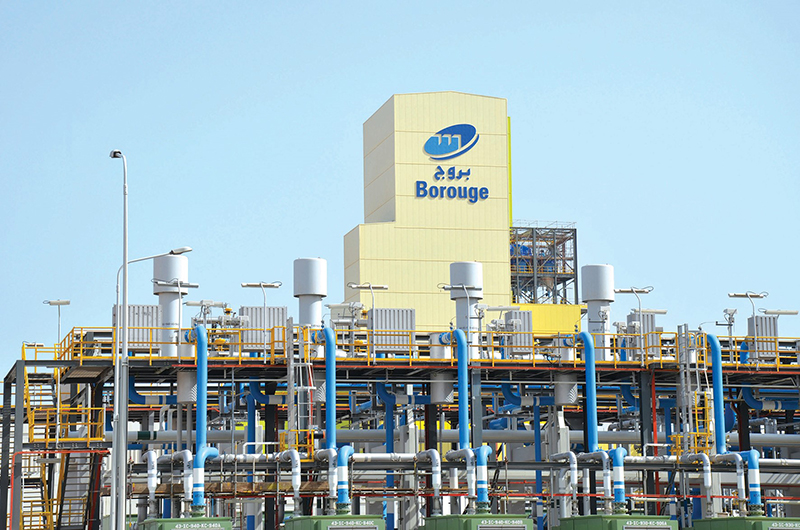
Borouge Plc has been included in the FTSE ADX Dividend Stars Index, a new benchmark launched by Abu Dhabi Securities Exchange in December 2025 that is designed to spotlight companies with a sustained record of dividend distributions, underlining the petrochemicals producer’s position as a core income stock within the local market.
ADX said the FTSE ADX Dividend Stars Index is the first income-focused index of its kind in the region, created to meet growing demand from investors seeking predictable cash returns alongside exposure to liquid, large-cap equities. The index brings together 17 companies that collectively accounted for more than 70 per cent of total cash dividends paid by ADX-listed firms during 2025, highlighting its role as a barometer for dividend strength across the exchange.
Borouge’s inclusion reflects its established dividend policy and scale within the Abu Dhabi market. The company, which produces polyolefins for infrastructure, energy, automotive and packaging applications, has been a consistent dividend payer since listing and is among the exchange’s most actively traded stocks by both institutional and retail investors. Its presence in the index places it alongside leading financial, energy and utility companies that dominate cash returns on ADX.
For market participants, the creation of the FTSE ADX Dividend Stars Index represents a strategic shift in how income strategies can be implemented in the Gulf. Until now, dividend-focused investors relied largely on individual stock selection or broader market indices that did not explicitly weight for income stability. By concentrating on dividend history and payout consistency, the new benchmark offers a clearer framework for portfolio construction aimed at long-term yield.
ADX officials have positioned the index as part of a broader effort to deepen the exchange’s product suite and attract international capital. Abu Dhabi has steadily expanded its market infrastructure through the introduction of sectoral indices, derivatives, exchange-traded funds and sustainability-linked products. An income-focused index is intended to complement these offerings by appealing to pension funds, insurers and asset managers with mandates tied to regular distributions.
Borouge’s operational and financial profile has supported its standing as a dividend anchor stock. The company benefits from integrated feedstock arrangements and proximity to key growth markets in Asia, the Middle East and Africa. Its production base in Ruwais, combined with access to Borouge 4 expansion capacity, has strengthened cash generation, even amid volatility in global petrochemical pricing cycles.
The company’s dividend record has also been closely watched in the context of broader consolidation within the Abu Dhabi energy and industrial ecosystem. Strategic alignment with major shareholders has emphasised balance sheet resilience and shareholder returns, factors that are central to index eligibility criteria focused on payout sustainability rather than short-term yield spikes.
The FTSE ADX Dividend Stars Index methodology places weight on historical dividend payments, liquidity thresholds and free-float considerations, ensuring that constituents are both investable and representative of income generation on the exchange. By capturing more than two-thirds of all dividends paid on ADX during the year, the index underscores the concentration of cash returns among a relatively small group of large, established issuers.
Market analysts note that such concentration can work to the advantage of income investors by reducing volatility and enhancing predictability, while also posing questions about diversification within dividend strategies. The index structure addresses this by capping individual weights and maintaining sector balance, allowing exposure to financial services, energy, utilities and industrials without over-reliance on a single name.
For Borouge, index inclusion may translate into incremental demand from passive and semi-passive investment products tracking the benchmark. Fund managers often use newly launched indices as the basis for exchange-traded funds or structured products, potentially increasing liquidity and reinforcing valuation support for constituent stocks.
Arabian Post Staff -Dubai Dubai-based Emirates NBD Bank has launched a $700 million seven-year bullet term loan aimed at lenders across Asia, marking a notable cross-border funding move as regional banks continue to diversify their funding bases amid shifting global liquidity conditions. The facility carries an interest margin of 100 basis points over term SOFR and includes a $200 million accordion option, allowing the borrower to increase […]
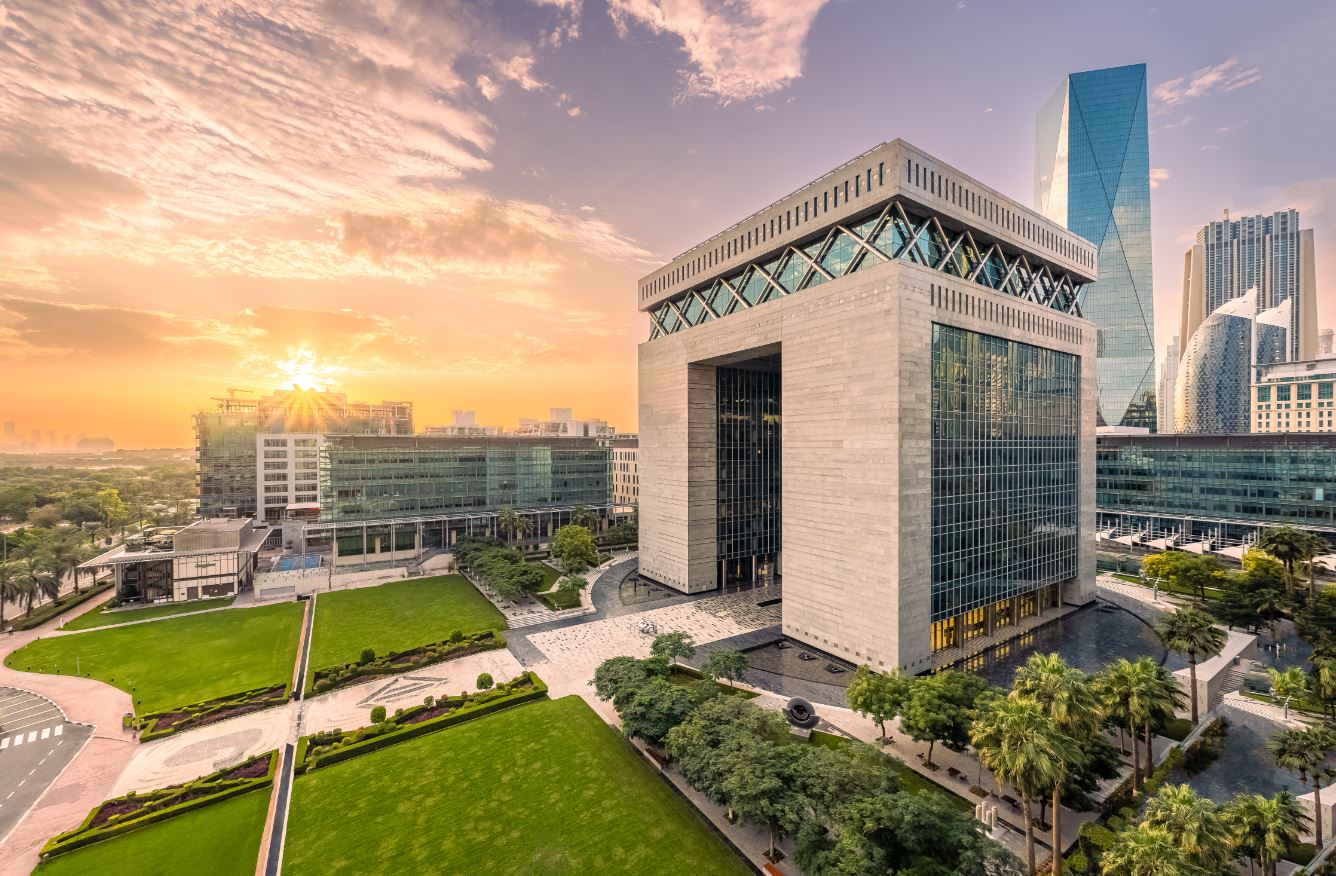
Dubai International Financial Centre has taken a further step in positioning Dubai as a key node in the global digital economy by strengthening its privacy governance framework and widening its engagement in cross-border trade initiatives, underscored by its admission as a Member of the Global Forum Assembly. The move signals growing international recognition of the DIFC’s data protection regime and its ambition to shape global standards at a time when data flows, digital services and regulatory trust have become central to economic competitiveness.
The DIFC confirmed its membership of the Global Forum Assembly, a multilateral platform that brings together governments, regulators, international organisations and private-sector stakeholders to advance cooperation on privacy, data protection and digital trust. Membership is extended to jurisdictions that demonstrate mature, enforceable frameworks aligned with international norms, placing the DIFC alongside established financial and digital centres that have made privacy governance a core component of their economic strategy.
Officials at the DIFC said the step reflects the centre’s long-term investment in building a regulatory environment that balances innovation with strong safeguards for personal data. The DIFC’s Data Protection Law, which operates independently from federal frameworks, is designed to mirror global best practices, including principles found in European and other advanced privacy regimes, while remaining tailored to the needs of financial services, technology firms and multinational businesses operating across borders.
The timing is notable as digital trade accelerates across financial services, fintech, artificial intelligence, cloud computing and professional services. Businesses increasingly assess jurisdictions not only on tax efficiency or infrastructure but also on the credibility of their data governance. For Dubai, positioning the DIFC as a trusted hub for data-driven commerce supports broader economic diversification goals and aligns with national ambitions to expand digital exports and attract high-value investment.
Participation in the Global Forum Assembly gives the DIFC a seat in discussions shaping the future of cross-border data flows, adequacy frameworks and interoperability between privacy regimes. These debates have intensified as countries seek to protect citizens’ data while avoiding regulatory fragmentation that can raise costs and deter innovation. By contributing to policy dialogue, the DIFC aims to influence standards that enable data to move securely between markets without undermining individual rights.
Regulatory specialists note that the DIFC’s framework has evolved steadily, with enforcement powers, clear obligations for data controllers and processors, and mechanisms for redress. This institutional depth has been a key factor in gaining international credibility. Businesses operating in the centre are required to comply with detailed rules on consent, lawful processing, breach notification and cross-border transfers, creating a predictable environment for global firms managing complex data operations.
The emphasis on inclusive cross-border trade also reflects a shift in how digital economy hubs define competitiveness. Rather than focusing solely on domestic regulation, leading centres are investing in compatibility with other regimes to ensure that companies can scale across regions. The DIFC has positioned its privacy framework as an enabler of such compatibility, supporting firms that serve clients in multiple jurisdictions while maintaining high standards of protection.
Technology policy analysts point out that privacy governance is increasingly intertwined with trust in emerging technologies such as artificial intelligence. Robust data protection regimes are seen as foundational to responsible AI development, particularly in financial services where algorithmic decision-making relies heavily on personal and transactional data. By reinforcing its privacy credentials, the DIFC strengthens its appeal to AI-driven firms seeking a stable regulatory base.
The move also has implications for regional competition. Financial centres across the Middle East and beyond are racing to attract digital businesses, often through regulatory innovation. The DIFC’s membership of the Global Forum Assembly distinguishes it within this landscape, signalling alignment with international norms rather than regulatory isolation. This approach may resonate with multinational firms that prioritise consistency across markets.
For policymakers, the development illustrates how sub-national jurisdictions can play an outsized role in global digital governance. Although operating within a broader national framework, the DIFC’s independent legal system and regulator allow it to engage directly with international bodies and contribute expertise drawn from its experience overseeing a diverse ecosystem of banks, asset managers, fintechs and technology companies.
Chainlink’s LINK token has settled into a narrow trading range above the $12 level, signalling a period of consolidation as market participants reassess risk appetite across digital assets. Price action around the $13 mark has been marked by subdued volatility, even as broader cryptocurrency markets digest shifting expectations on interest rates, exchange-traded fund flows and regulatory scrutiny. The stabilisation comes after a volatile first half of the […]
Ford Motor Company has outlined plans to rework its electric pickup strategy by developing an extended-range version of the F-150 Lightning that pairs battery power with an onboard petrol generator, a move aimed at easing customer anxiety over charging access and long-distance capability. The company has indicated that such an extended-range electric vehicle, or EREV, could push total driving range towards 700 miles under certain conditions, a […]
EcoFlow Technology Inc is preparing to file for an initial public offering in the United States that could make the Shenzhen-headquartered portable power specialist one of the most high-profile mainland technology firms to seek equity funding on American exchanges, according to people familiar with the matter. The company is working with financial advisers and is exploring a share sale that could raise several hundred million dollars, signalling growing investor appetite for clean energy and battery technology stocks despite volatility in global markets.
The draft IPO plan represents a strategic pivot for EcoFlow as it seeks broader capital access and enhanced global recognition. Backed by HSG, the firm formerly known as Sequoia Capital China, EcoFlow has grown rapidly by tapping into surging demand for portable and home battery solutions used for outdoor recreation, emergency backup and renewable energy integration. Market participants suggest that the public listing could value the company at billions of dollars, though final pricing and timing remain under consideration.
EcoFlow’s potential move to a US exchange underscores the increasingly international ambitions of Chinese technology manufacturers. While many domestic companies opt to list on local boards such as Shanghai’s STAR Market or Shenzhen’s ChiNext, EcoFlow’s planned New York or Nasdaq debut highlights a shift among select innovators seeking to capitalise on deeper liquidity and global investor bases. Industry analysts note that the IPO could open doors for other clean energy and hardware enterprises from Asia if executed successfully.
Founded in 2017 by former engineers from the drone industry, EcoFlow has established itself as a leading global supplier of portable power stations and energy storage systems. Its product lines include the DELTA and RIVER series, which have gained traction among consumers and businesses looking to reduce reliance on fossil fuel generators. The company’s expansion has also been punctuated by new product launches and partnerships in major retail chains, broadening its footprint in the United States and Europe.
Industry observers say EcoFlow’s performance in the US market will be closely watched by investors assessing the health of hardware-oriented technology firms amidst broader economic uncertainty. Portable power and battery technology have seen increasing interest as climate change concerns boost demand for resilient and sustainable energy solutions. Analysts point to strong year-on-year sales growth through online and in-store channels, including collaborations with national warehouse clubs, as evidence of the company’s commercial momentum.
The proposed IPO is expected to involve at least $300 million in primary share sales, though people familiar with the discussions caution that the figure could shift based on market conditions and investor feedback. An offering of this scale would position EcoFlow alongside a select group of cleantech and energy storage names that have reached public market debuts in recent years. Executives and bankers are said to be conducting roadshows and investor engagements to gauge demand and refine the company’s messaging ahead of filing.
Financial advisers engaged by EcoFlow are reportedly preparing registration statements and compliance documentation required by US regulators. This process typically involves scrutiny of business models, revenue figures and risk factors, and the company will need to articulate its strategy for scaling production, managing supply chains and navigating potential geopolitical tensions affecting Chinese-linked firms listed abroad. If cleared by regulators, the IPO could take place in the first half of next year, subject to market receptivity and pricing dynamics.
Investors familiar with EcoFlow’s trajectory describe the company’s leadership as focused on diversifying revenue streams through both consumer-facing products and partnerships with enterprise clients. The product portfolio emphasises modular and scalable energy solutions that can serve residential, commercial and recreational needs. Market research suggests that consumer interest in backup power and off-grid energy has been buoyed by extreme weather events and grid reliability concerns in developed markets, further enhancing appetite for resilient technologies.
Critics caution that hardware companies face challenges maintaining margins and growth rates as competition intensifies and component costs fluctuate. They note that EcoFlow will need to demonstrate sustained profitability and efficient supply-chain management to satisfy public investors, particularly in an environment where tech valuations are more scrutinised than in prior years. Effective communication of long-term strategy and risk mitigation will be key to fostering confidence among institutional and retail shareholders.



 sim.edu.sg



 https://www.facebook.com/profile.php?id=61582145394566
 https://www.instagram.com/novoteljbcc/